2-Day Egypt Tours
Discover Egypt your way with 2-Egypt Tours — fully private, expertly guided journeys tailored to your pace, style, and interests. From iconic wonders to hidden gems, enjoy seamless planning, comfort, and 24/7 support for a truly unforgettable adventure.
Enjoy 2 Unforgettable Days in Egypt
When time is precious but your curiosity about ancient civilizations runs deep, a carefully planned 2-day Egypt tour becomes the perfect solution. We understand that modern travelers often face tight schedules, yet yearn for authentic cultural encounters that go beyond surface-level sightseeing. Our concentrated experiences pack millennia of history into an unforgettable short escape.
Our decades of expertise in crafting personalized itineraries means every moment counts. From the moment our guide and private driver greets you until your final goodbye, we ensure seamless logistics while maximizing your cultural immersion.
Essential Cairo Highlights for Adventures
Cairo serves as the natural starting point for most short Egypt experiences. The sprawling capital houses some of humanity’s greatest treasures within surprisingly compact distances.
The Giza Pyramid Complex
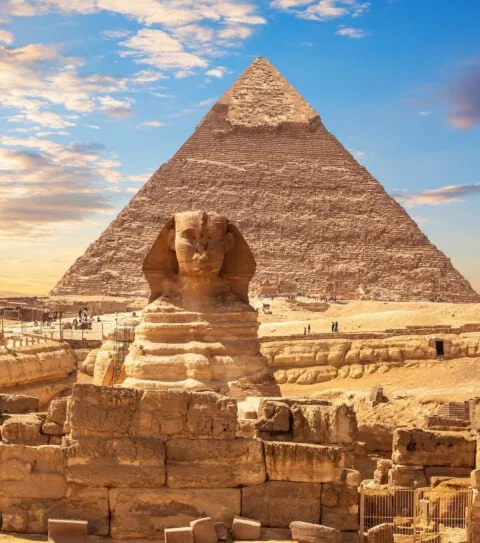
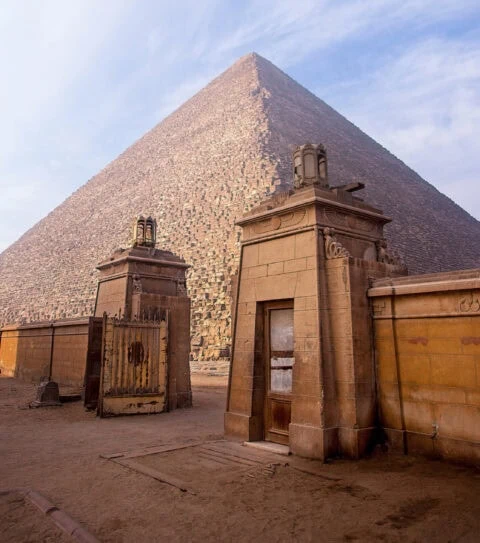
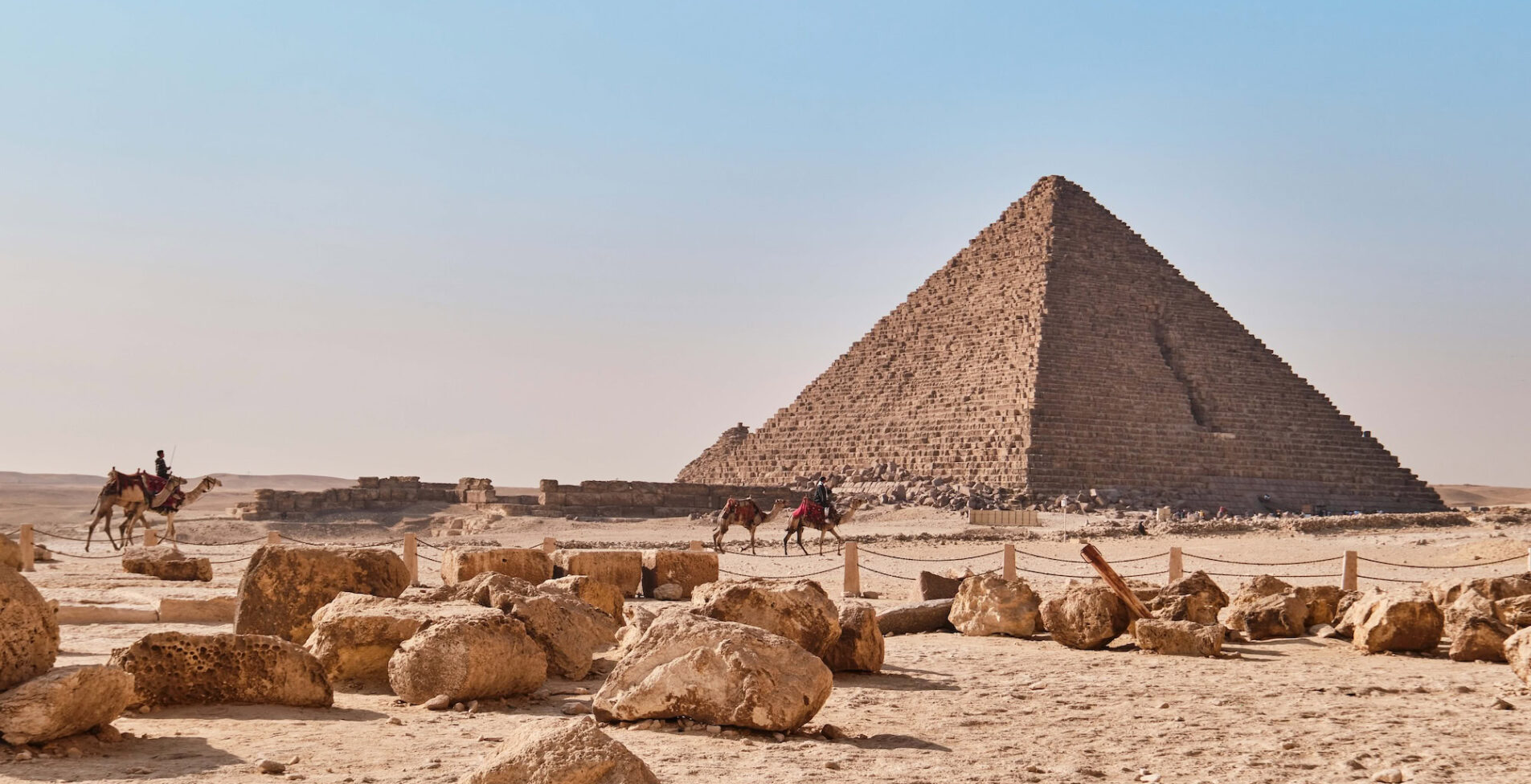
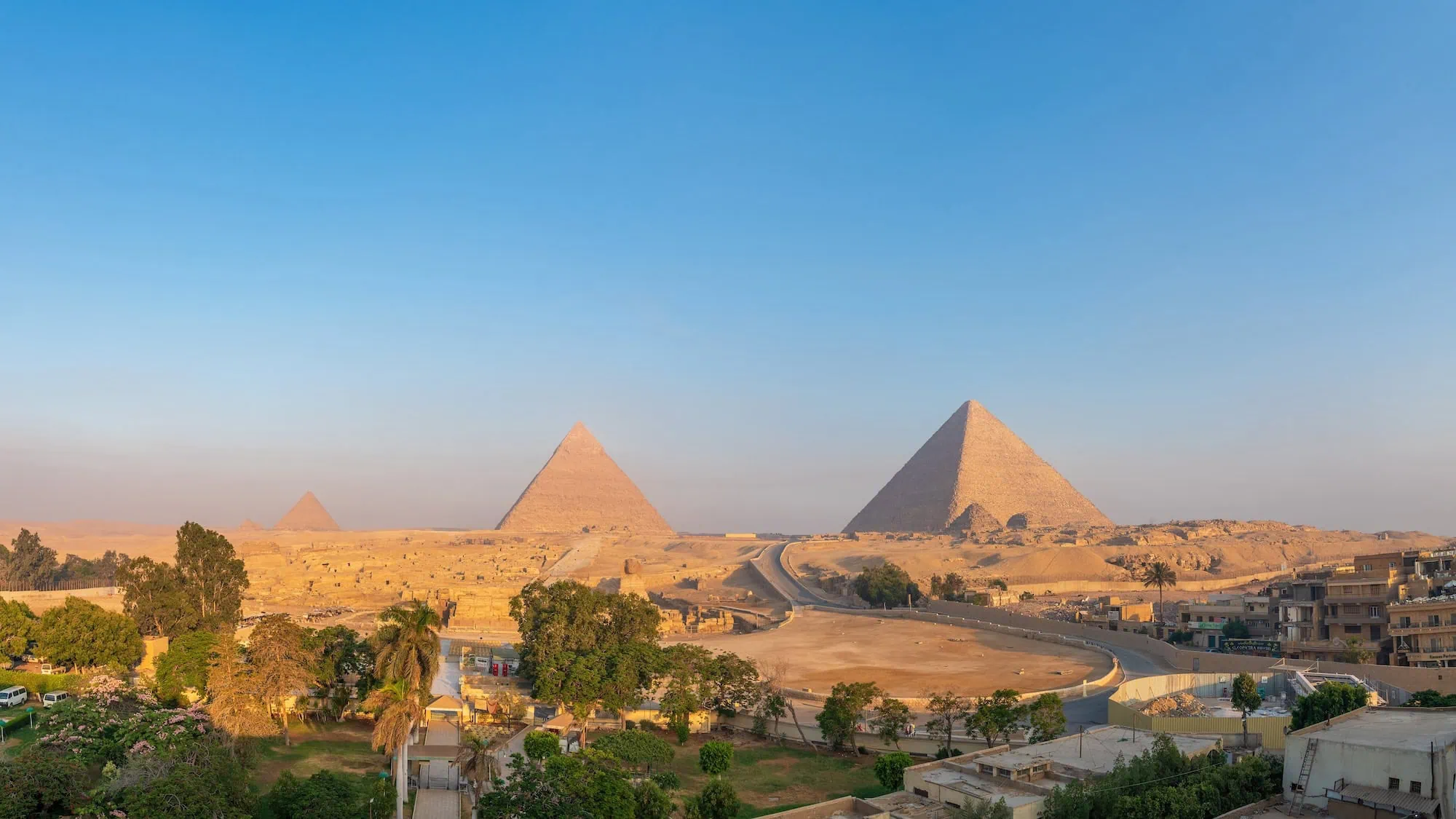
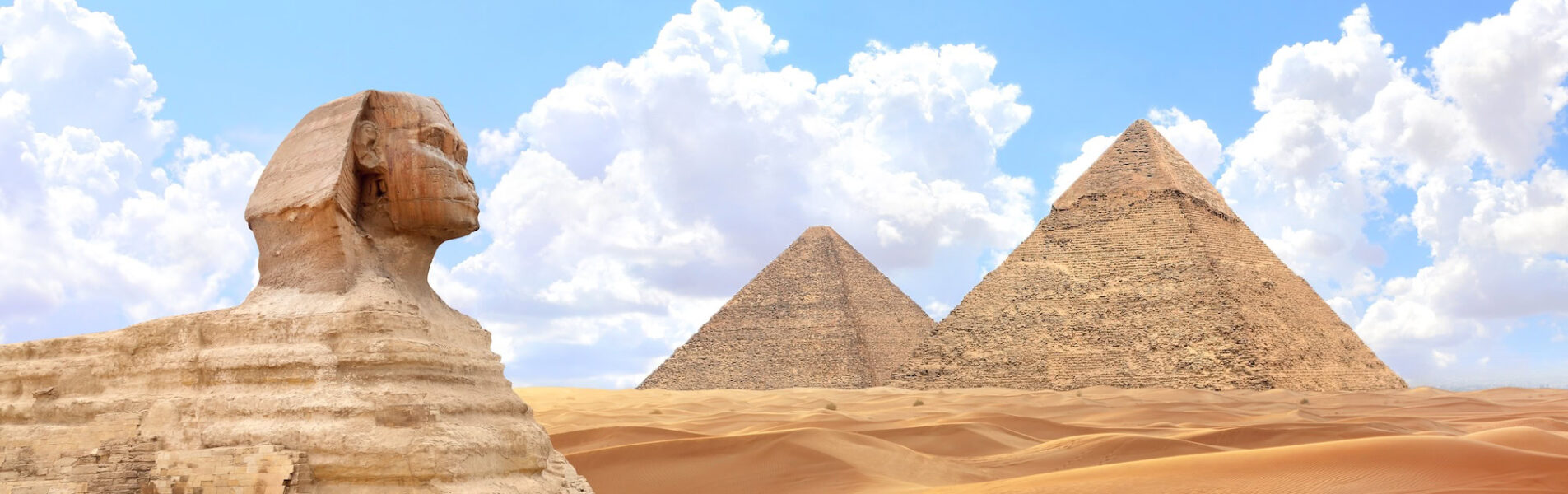
Standing before the Great Pyramid of Khufu creates an almost overwhelming sense of scale and antiquity. These 4,500-year-old monuments represent the pinnacle of Old Kingdom engineering prowess. Your expert guide reveals construction techniques that still puzzle modern engineers while you explore the pyramid’s interior chambers.
The adjacent Pyramid of Chephren and smaller Pyramid of Menkaure complete this UNESCO World Heritage site.
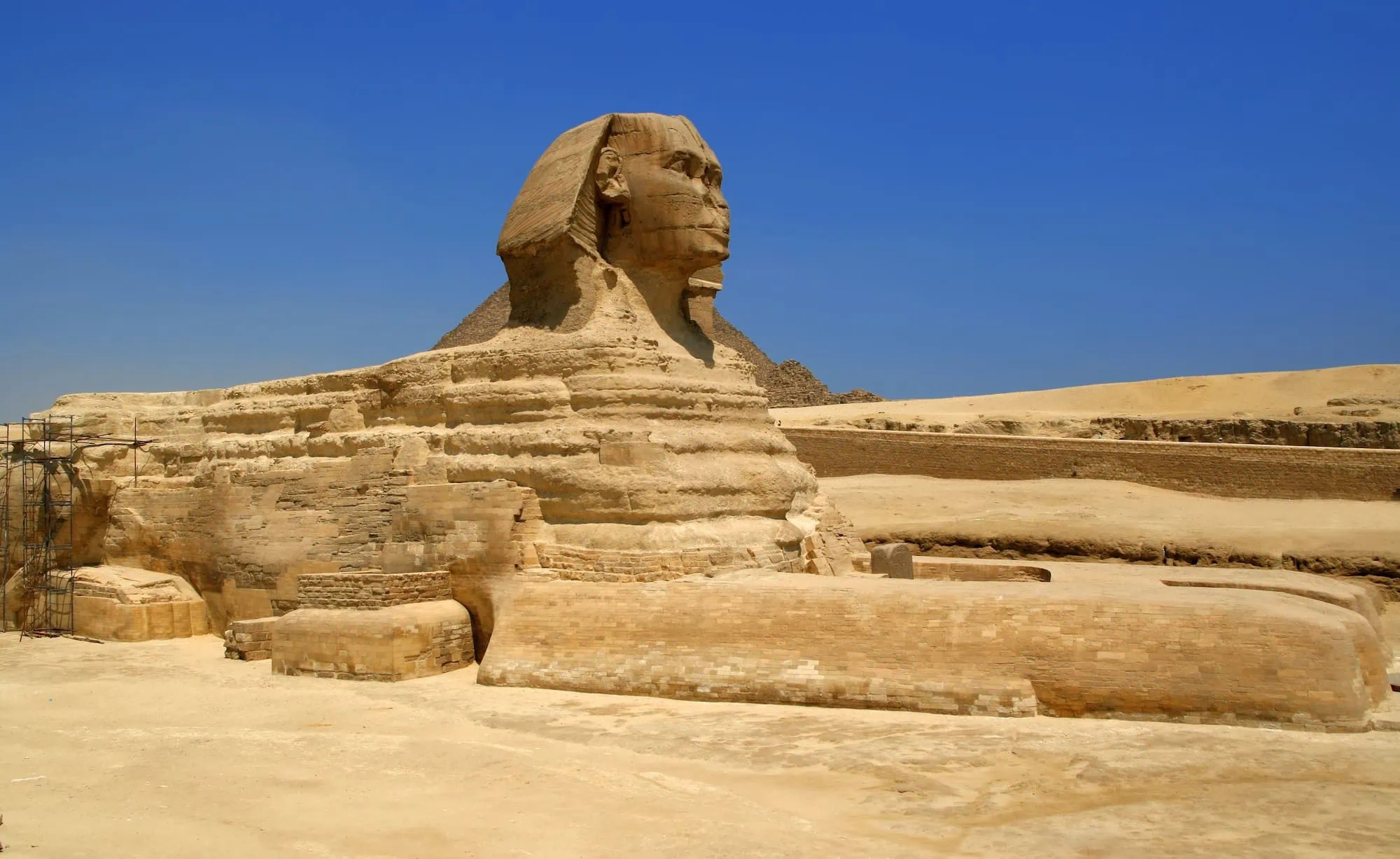
The Great Sphinx guards this ancient necropolis with its enigmatic limestone gaze. Recent archaeological discoveries continue uncovering new chambers and passages, making each visit potentially unique.
Egyptian Museum Treasures
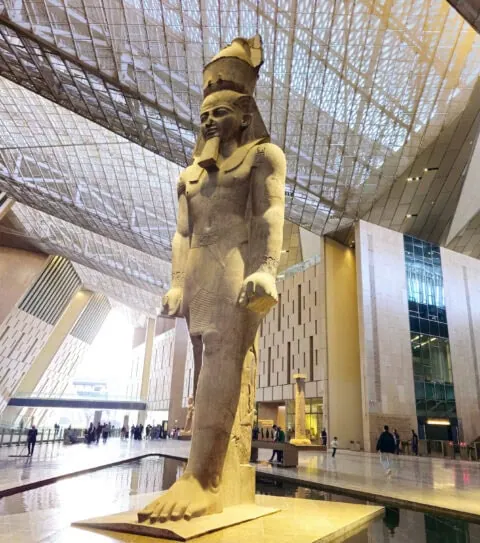
The Grand Egyptian Museum in Cairo houses the world’s most extensive collection of pharaonic artifacts. Tutankhamun’s golden funeral mask alone justifies the visit, but the museum’s 120,000 objects span 5,000 years of civilization.
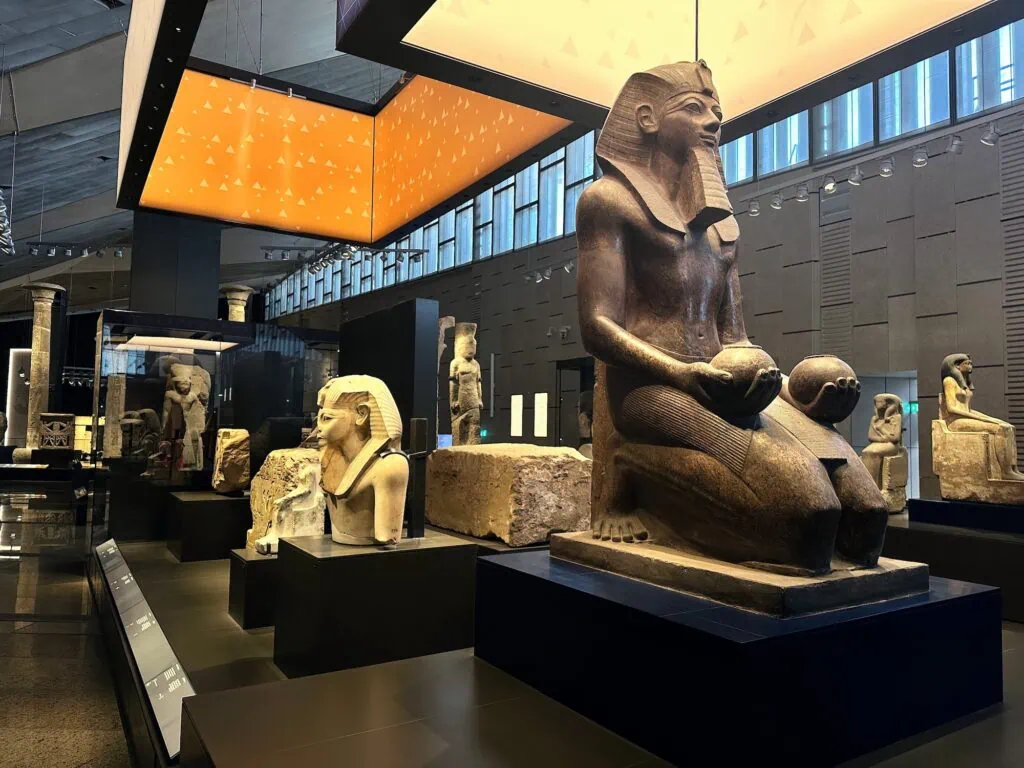
Our professional guides navigate the vast halls efficiently, highlighting masterpieces like the Narmer Palette, royal mummies, and intricate jewelry collections.
Islamic Cairo Discovery
The medieval Islamic quarter transports visitors through 1,000 years of architectural evolution. The Citadel of Salah El Din offers panoramic city views while showcasing military architecture from the Ayyubid period. Mohamed Ali Mosque, with its distinctive Ottoman-inspired design, dominates the citadel’s skyline.
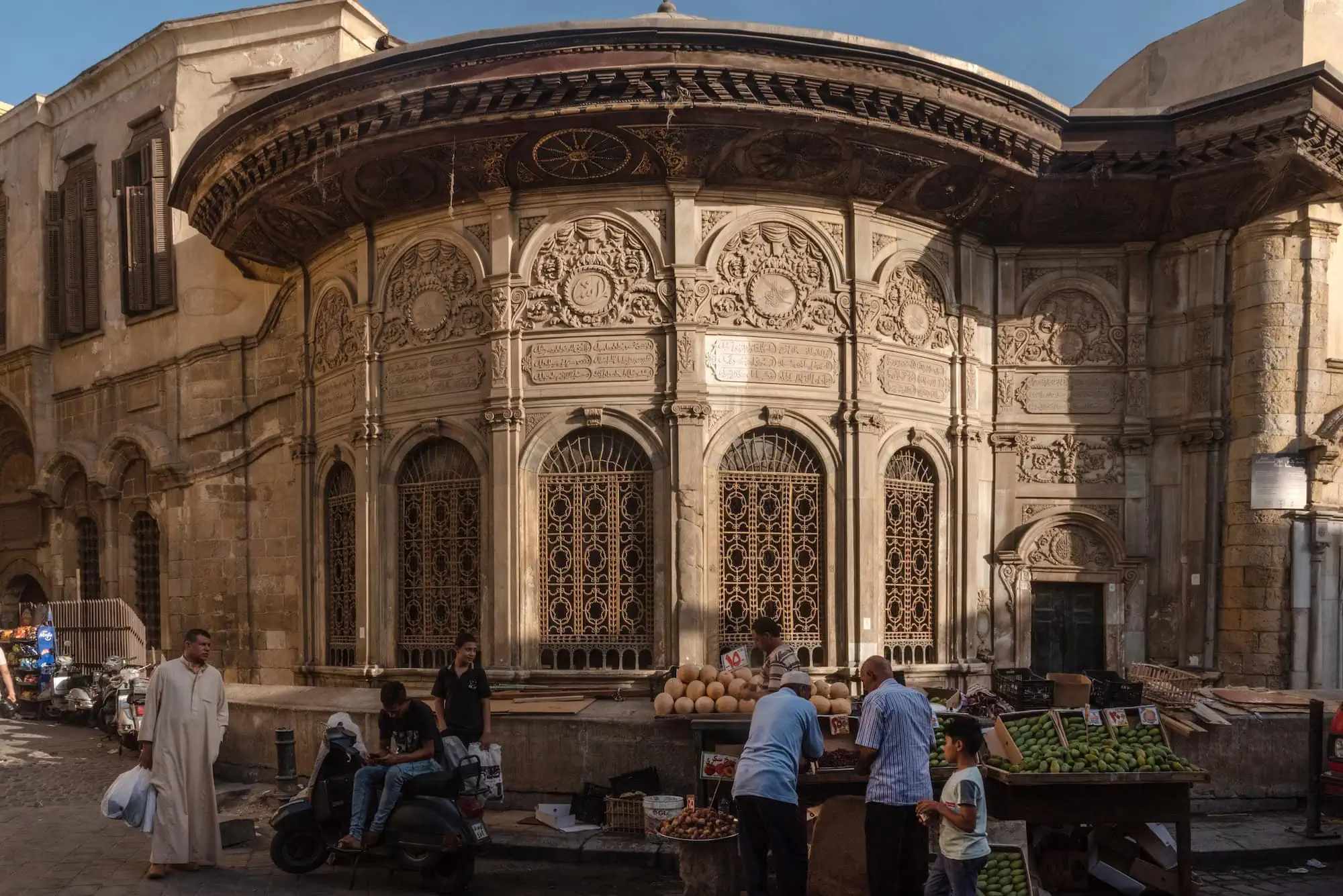
Wandering through Al Muizz Street reveals centuries-old madrasas, hammams, and caravanserais still functioning today. Khan El Khalili bazaar provides authentic shopping experiences among traditional crafts and aromatic spice stalls.
Strategic Multi-Destination Trips
Egypt’s compact geography allows ambitious travelers to experience multiple regions within two days. Modern domestic flights connect major destinations in under 90 minutes.
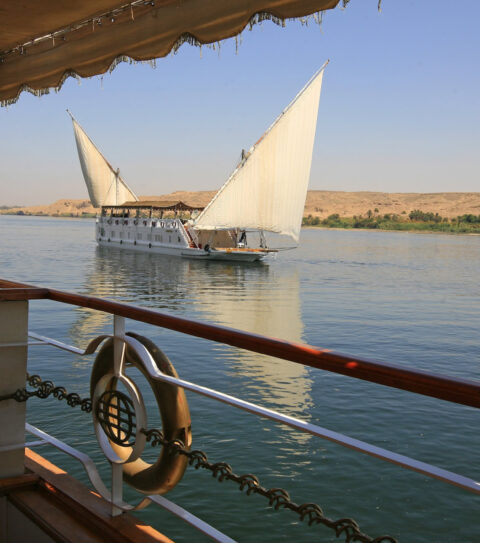
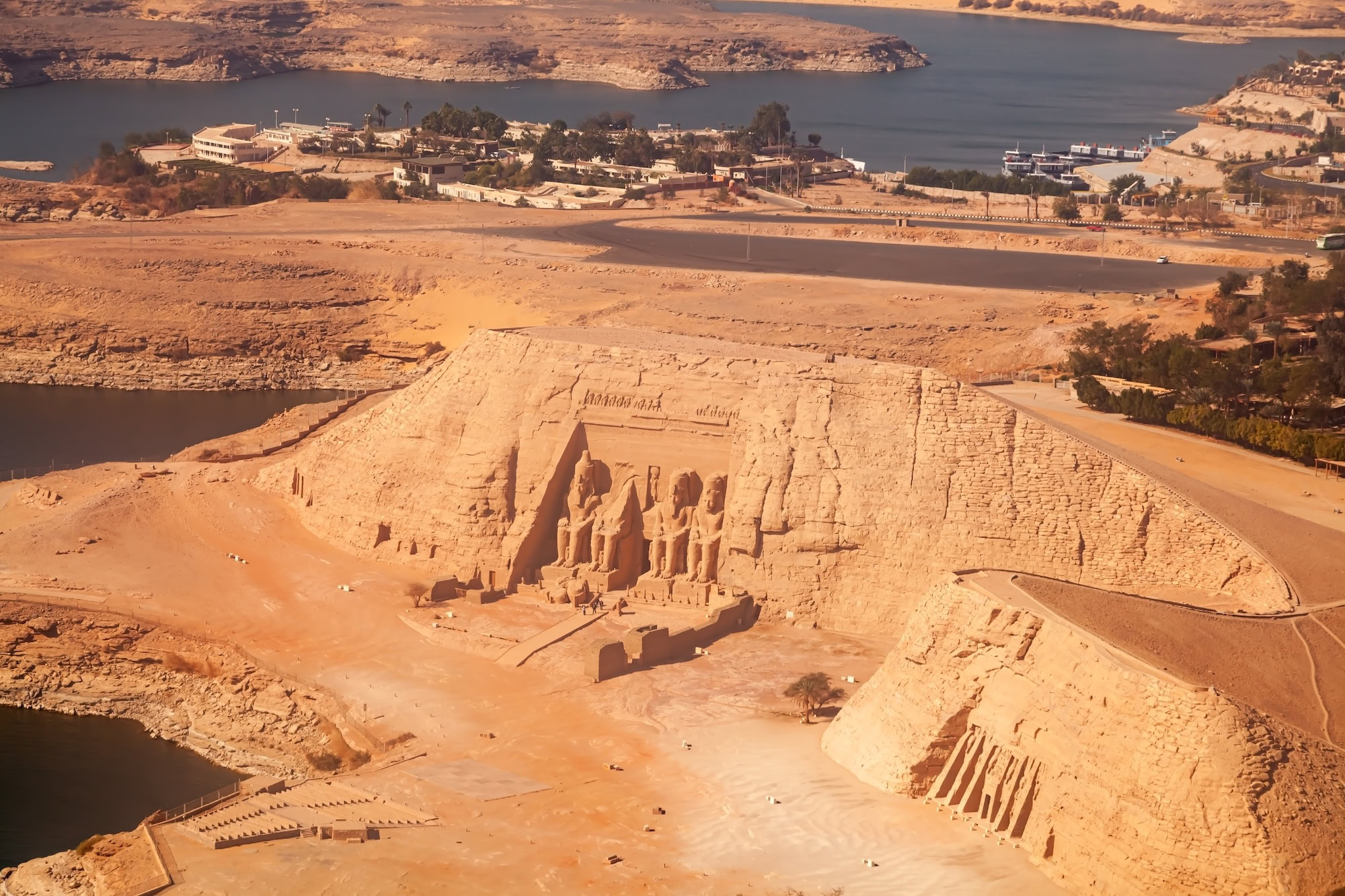
Abu Simbel represents the most dramatic single-day addition to any Egypt itinerary. These colossal temples, relocated to save them from Lake Nasser’s rising waters, showcase Ramesses II’s architectural ambitions. Early morning flights from Cairo (departure 7:00 am / 07:00) return by evening, allowing afternoon exploration of Aswan’s Nubian culture and felucca sailing traditions.
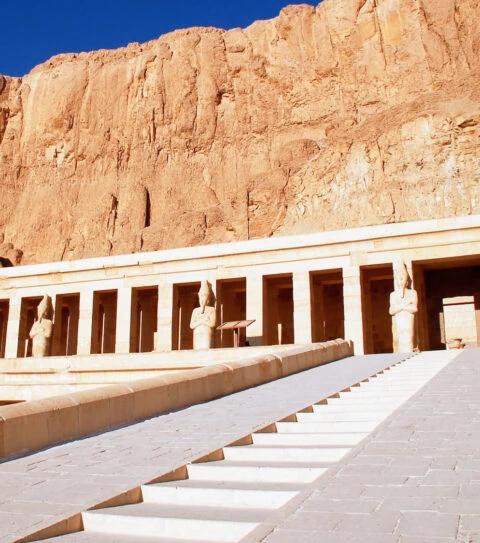
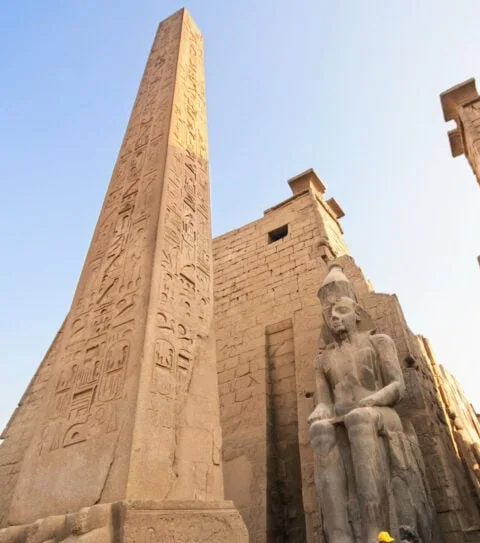
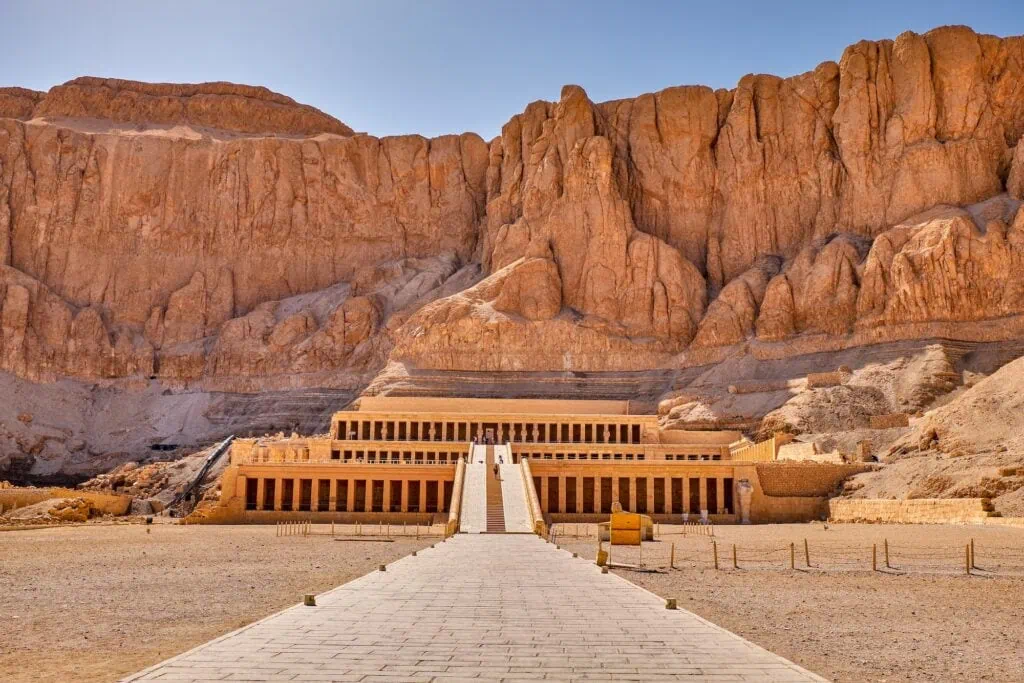
Luxor combinations focus on the Valley of the Kings and Karnak Temple complex. The tomb of Tutankhamun, recently reopened with enhanced preservation measures, provides intimate encounters with original burial chambers. Queen Hatshepsut’s mortuary temple demonstrates female pharaonic power through revolutionary architectural design.
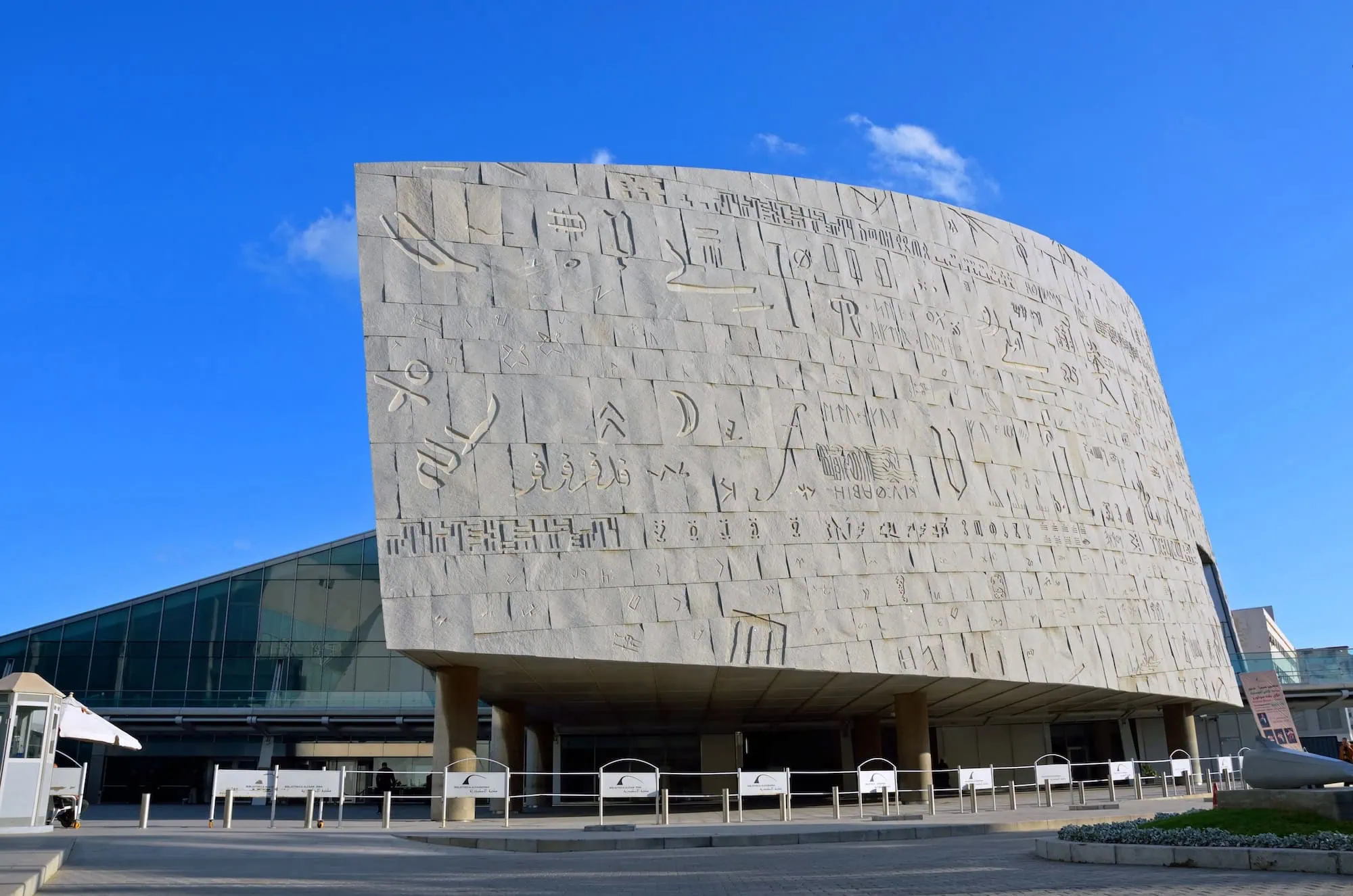
Alexandria day trips explore Greco-Roman heritage along the Mediterranean coast. The modern Bibliotheca Alexandrina pays homage to the ancient library while the Catacombs of Kom el Shoqafa blend Egyptian, Greek, and Roman artistic traditions.
Red Sea extensions to Hurghada or Marsa Alam offer snorkeling and diving opportunities among pristine coral reefs. These coastal destinations provide perfect relaxation after intensive cultural touring.
Accommodation and Dining Excellence
Luxury accommodations enhance rather than overshadow your cultural experience. Historic hotels like the Old Winter Palace in Luxor place you within walking distance of major archaeological sites while providing modern amenities.
Traditional Egyptian cuisine varies dramatically by region. In Cairo, sample authentic ful medames for breakfast, grilled kofta for lunch, and perhaps a Nile-view dinner featuring fresh fish and local vegetables. Our local guides recommend family-run restaurants where recipes pass through generations unchanged.
Nile River Dining
Evening dinner cruises combine sightseeing with cultural entertainment. As your boat glides past illuminated temples and modern bridges, traditional music and dance performances showcase Egypt’s living cultural heritage. These group experiences accommodate up to 12 participants, creating intimate settings while maintaining authentic atmosphere.
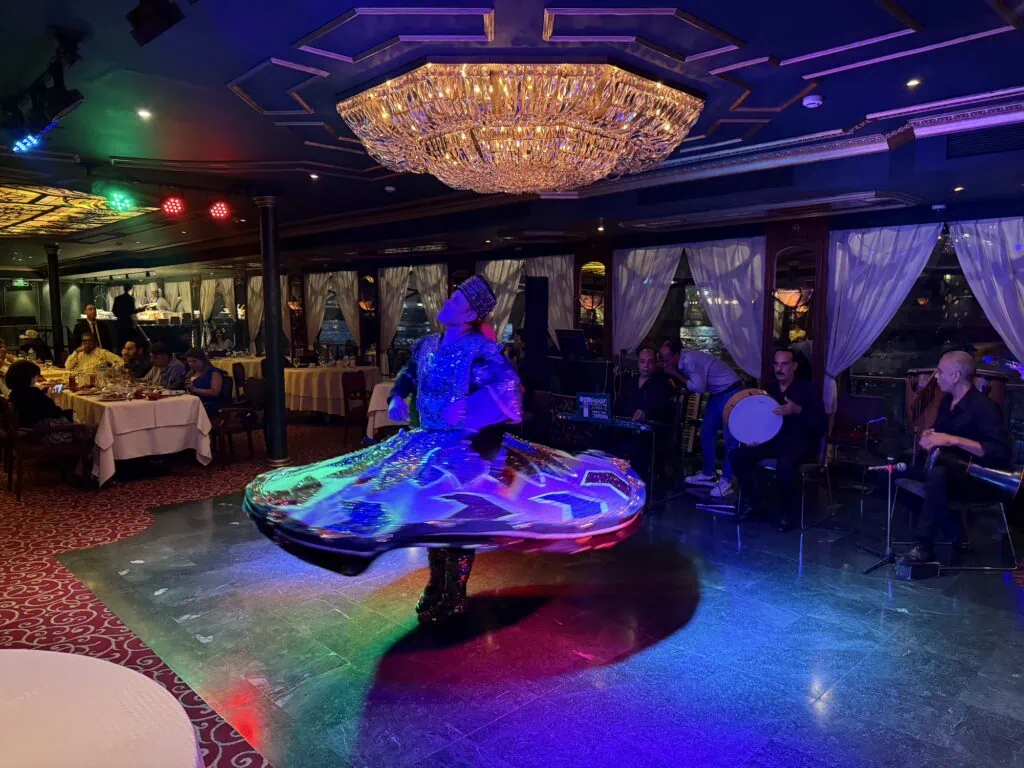
Restaurant recommendations focus on establishments serving traditional preparations using fresh, local ingredients. Vegetarian options abound in Egyptian cuisine, reflecting both Islamic dietary principles and Mediterranean influences.
Transportation and Logistics Solutions
Private vehicles with professional drivers eliminate transportation stress while maximizing sightseeing time. Our modern fleet includes air-conditioned sedans for couples and spacious vans for families, all maintained to international safety standards.
Domestic flight schedules align perfectly with tour itineraries. EgyptAir operates multiple daily flights between Cairo, Luxor, and Aswan, with morning departures allowing full-day experiences before evening returns. Airport transfers integrate seamlessly with flight schedules, including assistance with domestic terminal procedures.
Train travel between Cairo and Luxor offers scenic Nile Valley views during the 10-hour overnight journey. First-class sleeping compartments provide comfortable rest while covering ground efficiently. This option particularly suits travelers who prefer land-based transportation or wish to experience Egypt’s countryside.
Walking tours through historic districts require comfortable footwear and sun protection. Cairo’s medieval streets often feature uneven surfaces, while archaeological sites involve significant walking on sandy or rocky terrain.
Seasonal Considerations and Timing
Egypt’s climate varies significantly between seasons, affecting both comfort levels and site accessibility. Winter months (December through February) offer pleasant temperatures averaging 20°C (68°F) during the day, ideal for extensive outdoor exploration. Summer temperatures can exceed 40°C (104°F), requiring early morning and late afternoon scheduling.
Spring and autumn shoulder seasons balance favorable weather with reasonable crowd levels. Ramadan periods may affect restaurant hours and cultural site schedules, though this also provides opportunities to experience contemporary Egyptian religious practices.
Optimal Daily Scheduling
Morning starts at 8:00 am (08:00) allow comfortable site visits before midday heat intensifies. The traditional Egyptian lunch break from 1:00 pm to 3:00 pm (13:00 to 15:00) aligns perfectly with tourist rest periods. Afternoon activities resume around 3:30 pm (15:30), continuing until sunset prayer times.
Evening hours offer magical lighting for photography while temperatures cool. Many archaeological sites remain illuminated after dark, creating completely different atmospheric experiences compared to daytime visits.
Customization and Personal Preferences
Every traveler brings unique interests and physical capabilities to their Egypt experience. Photography enthusiasts require different pacing than families with young children or travelers with mobility considerations.
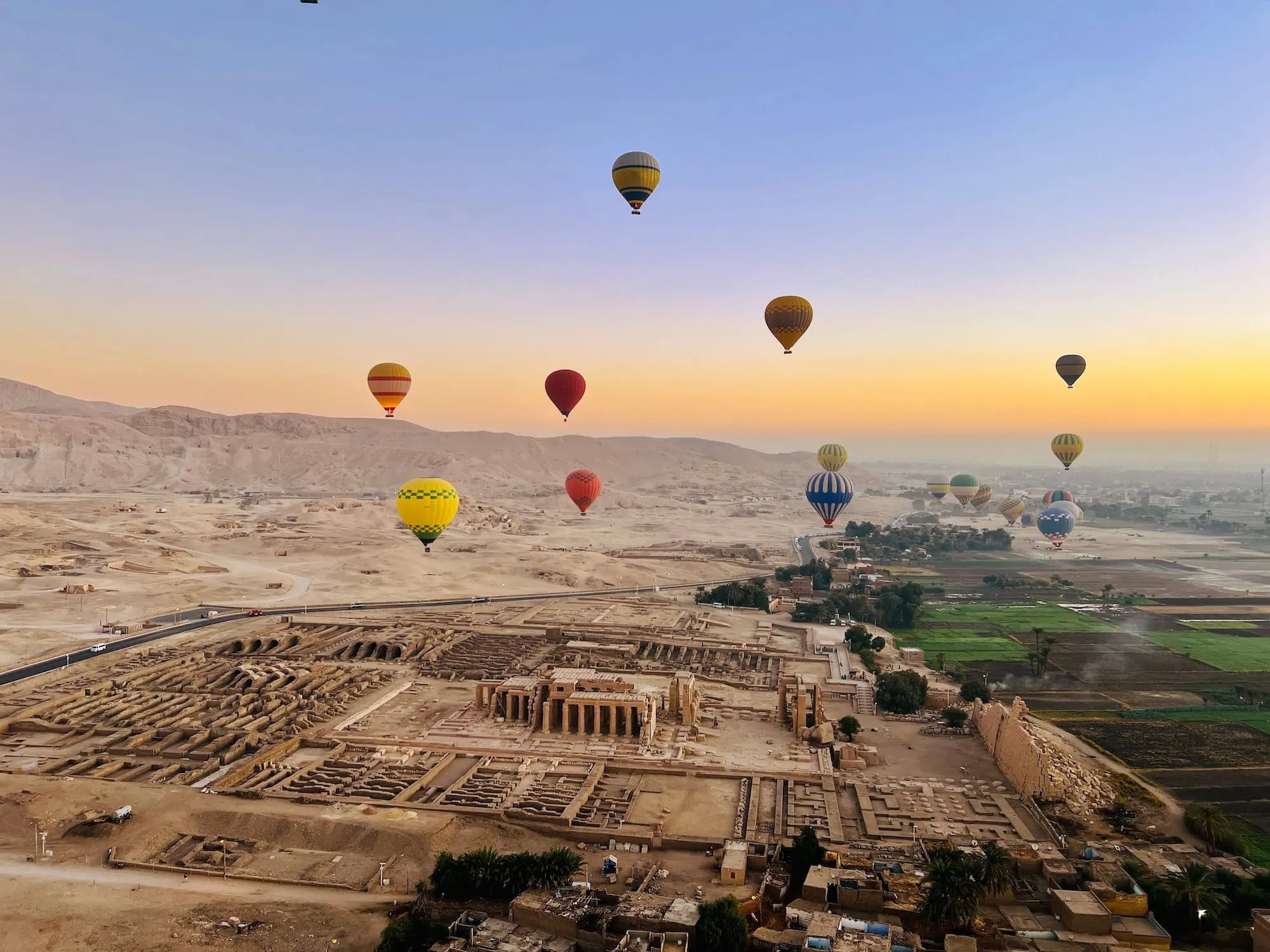
Adventure seekers might prefer camel rides around the Giza plateau or hot air balloon flights over Luxor’s West Bank.
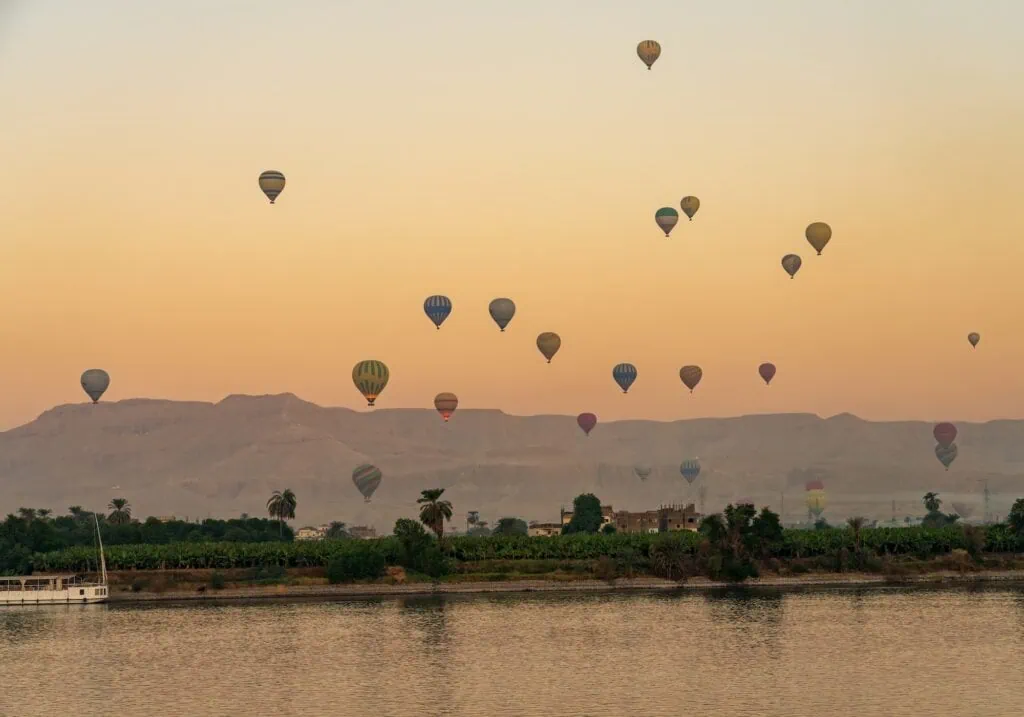
Cultural enthusiasts often request extended time with local artisans or visits to active archaeological excavations. Religious pilgrims may wish to include Coptic Christian sites or Islamic architectural masterpieces.
Group Size Experience
Private Egypt tours accommodate 2-8 participants with the same guide, ensuring personalized attention and flexible scheduling. Larger groups receive multiple guides to maintain intimate ratios while managing logistics efficiently.
Special interests like ancient Egyptian religion, modern Egyptian culture, or specific historical periods can be emphasized throughout the itinerary. Our guides possess diverse academic backgrounds, allowing specialized focus based on your particular curiosities.
Practical Essentials and Entry Requirements
U.S. visitors require tourist visas available upon arrival at Cairo International Airport for $25 USD or through e-visa systems before travel. European Union citizens enjoy similar visa-on-arrival privileges, while most Latin American nationals can obtain 30-day tourist visas through Egyptian consulates before departure.
Currency exchange at official bank branches or authorized dealers provides better rates than airport kiosks. Credit cards work reliably at hotels and major tourist sites, though cash remains preferred for local markets and traditional restaurants.
Health and Safety
Egypt maintains excellent medical facilities in major tourist areas. Travel insurance covering medical evacuation provides peace of mind, though serious incidents remain extremely rare among tourists following standard precautions.
Bottled water costs approximately $0.50 USD and is widely available. Most hotels provide complimentary bottles, while restaurants typically serve filtered water upon request. Street food from busy vendors generally maintains high quality, though travelers with sensitive stomachs might prefer hotel dining for the first day.
Cultural Etiquette and Respectful Travel
Egypt welcomes millions of international visitors annually, creating well-established norms for respectful cultural interaction. Modest dress expectations apply at religious sites, with loose-fitting pants and covered shoulders appropriate for both men and women.
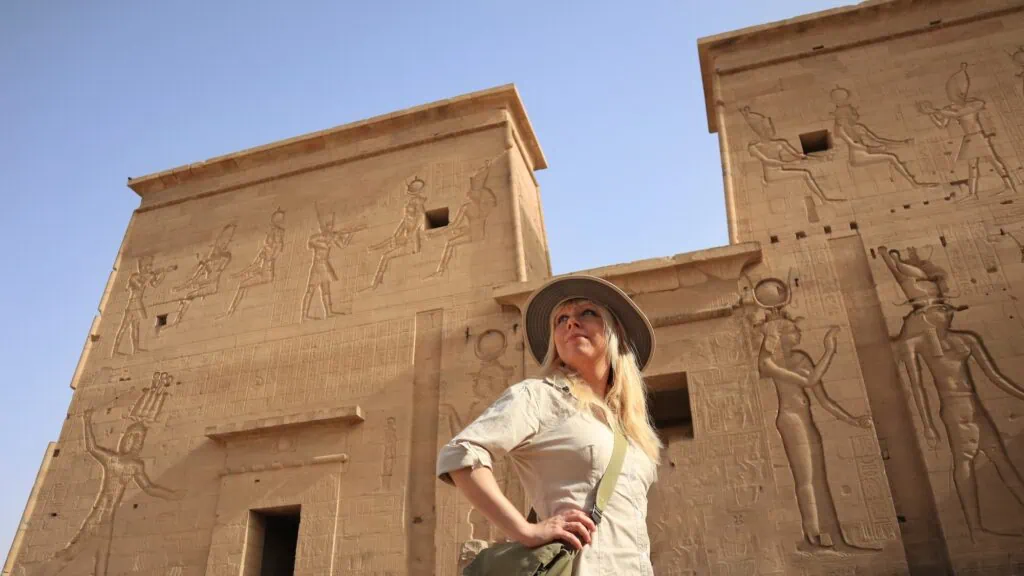
Photography policies vary by location. The Egyptian Museum charges additional fees for camera permits, while most outdoor archaeological sites allow free photography. Flash photography damages ancient pigments and is prohibited in tomb interiors.
Tipping culture reflects genuine appreciation for service quality. Hotel staff, restaurant servers, and site guides typically receive 10-15% gratuities, while our private guides and drivers appreciate recognition for exceptional service through discretionary tips.
Learning basic Arabic greetings like “ahlan wa sahlan” (welcome) and “shukran” (thank you) creates positive interactions with local people. English proficiency among tourism professionals is excellent, though demonstrating cultural curiosity through language attempts shows respect.
Frequently Asked Questions
Expect $476-$991 per person for complete packages including accommodation, meals, transportation, and guided tours, with luxury options reaching higher price points.
Yes, domestic flights connect these cities in 1.5 hours, allowing one day in each destination with efficient itinerary planning.
Private air-conditioned transportation, expert Egyptologist guides, all entrance fees, airport transfers, and 24/7 customer support throughout your journey.
Most tombs accommodate standard mobility levels, though some require climbing stairs or walking on uneven surfaces inside narrow passages.
Major attractions typically open 8:00 am (08:00) and close between 4:00 pm and 5:00 pm (16:00-17:00), with extended summer hours at some locations.
Egyptian cuisine naturally includes many vegetarian and vegan options, with restaurants easily accommodating specific dietary needs when notified in advance.
Two weeks minimum allows proper visa processing and accommodation reservations, though peak season (December-February) requires earlier booking.
Bottled water is recommended for international visitors, though hotel and restaurant filtered water generally meets safety standards.
Layered clothing works best, with light cotton for daytime, modest coverings for religious sites, and warmer layers for air-conditioned interiors.
Major hotels, restaurants, and tourist sites accept international credit cards, though cash remains useful for markets, tips, and small vendors.
Absolutely, our flexible itineraries can be modified during your visit to include additional destinations or extend existing experiences based on your interests.
Design Your Custom Tour
Explore Egypt your way by selecting only the attractions you want to visit