Marsa Alam, Egypt: Your Guide to the Red Sea’s Hidden Paradise
Picture pristine coral reefs where whale sharks glide silently past untouched formations.
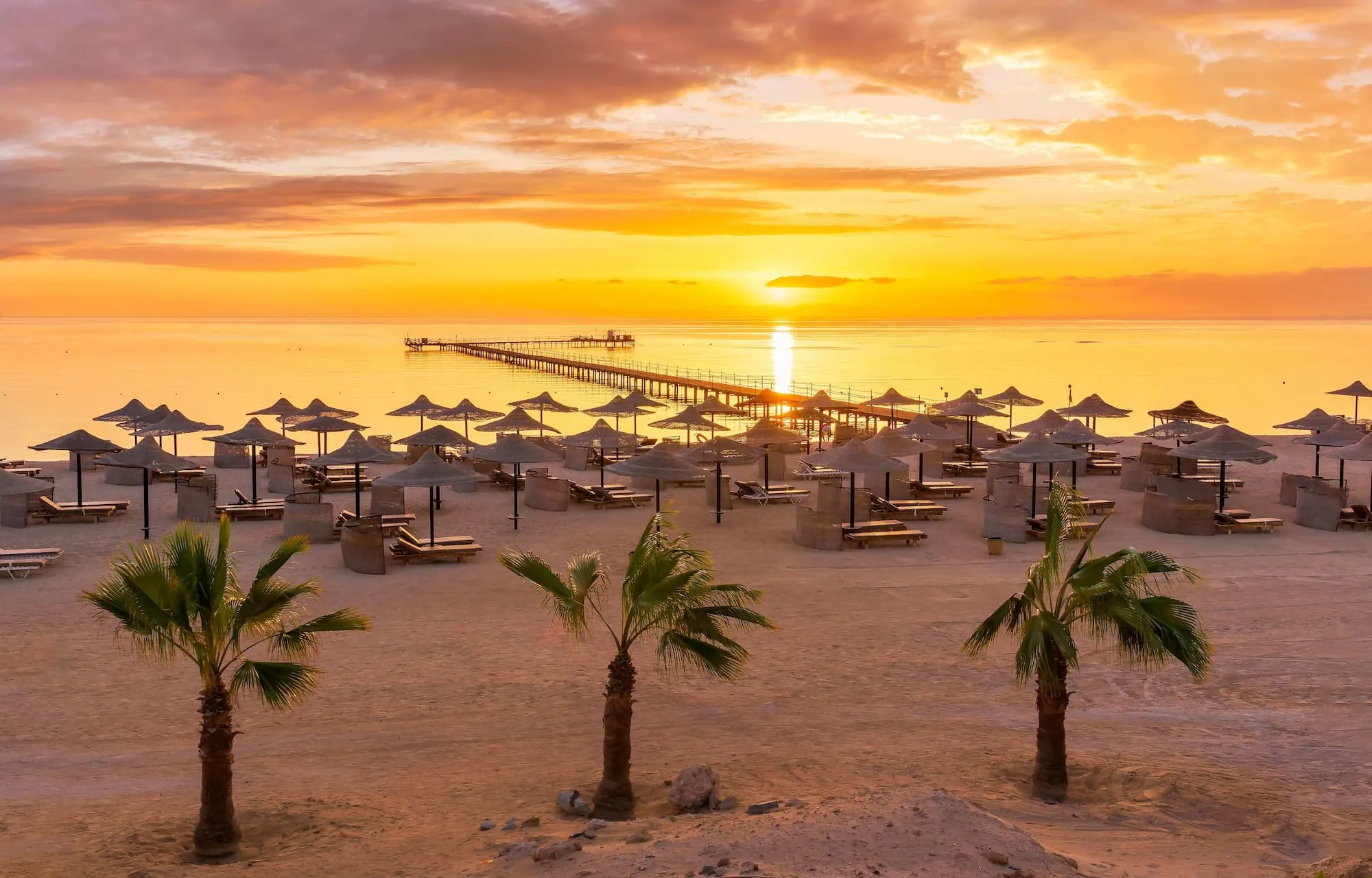
While millions flock to Hurghada and Sharm El Sheikh, savvy travelers have discovered something extraordinary along Egypt’s southeastern coast. Marsa Alam represents everything mass tourism hasn’t touched – authentic Bedouin culture, world-class diving sites that win international awards year after year, and marine encounters that exist nowhere else in the Red Sea. This former fishing village has evolved into an eco-conscious destination where sustainability meets adventure, offering experiences that simply can’t be replicated in Egypt’s busier resort towns.
Whether you’re planning underwater adventures at legendary sites like Elphinstone Reef or seeking cultural immersion through desert excursions to Wadi el Gemal National Park, understanding this destination properly transforms a good trip into an unforgettable journey.
Table of Contents
Why Marsa Alam Outshines Other Red Sea Destinations
Unlike Egypt’s mainstream coastal resorts, this southeastern gem operates on a completely different philosophy. Development here prioritizes environmental protection over quantity, resulting in accommodations like the innovative Ecolodge Bedouin Valley and intimate tented camps positioned directly on unspoiled beaches.
Marine Life Encounters Unlike Anywhere Else
Abu Dabbab Bay serves as home to dugongs – sea cows that exist in only a handful of locations worldwide. Swimming alongside these gentle giants creates memories that last decades. Green sea turtles nest here regularly, while Satayah Reef offers some of the most reliable dolphin encounters in the entire Red Sea region.
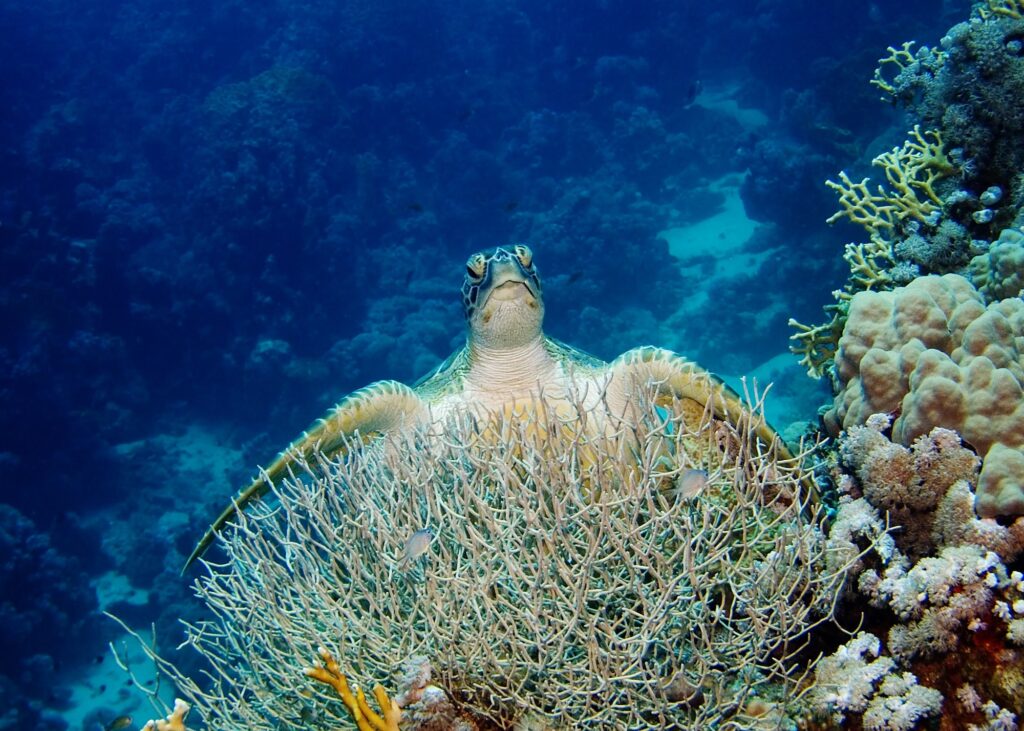
The waters maintain exceptional visibility year-round, often exceeding 100 feet. This clarity, combined with minimal boat traffic, creates underwater conditions that professional dive photographers travel internationally to experience.
Diving Recognition That Speaks Volumes
Daedalus Reef and Elphinstone consistently rank among the planet’s top diving locations in international surveys. These sites offer encounters with oceanic species rarely seen elsewhere – hammerhead schools, thresher sharks, and the famous whale shark aggregations that occur seasonally.
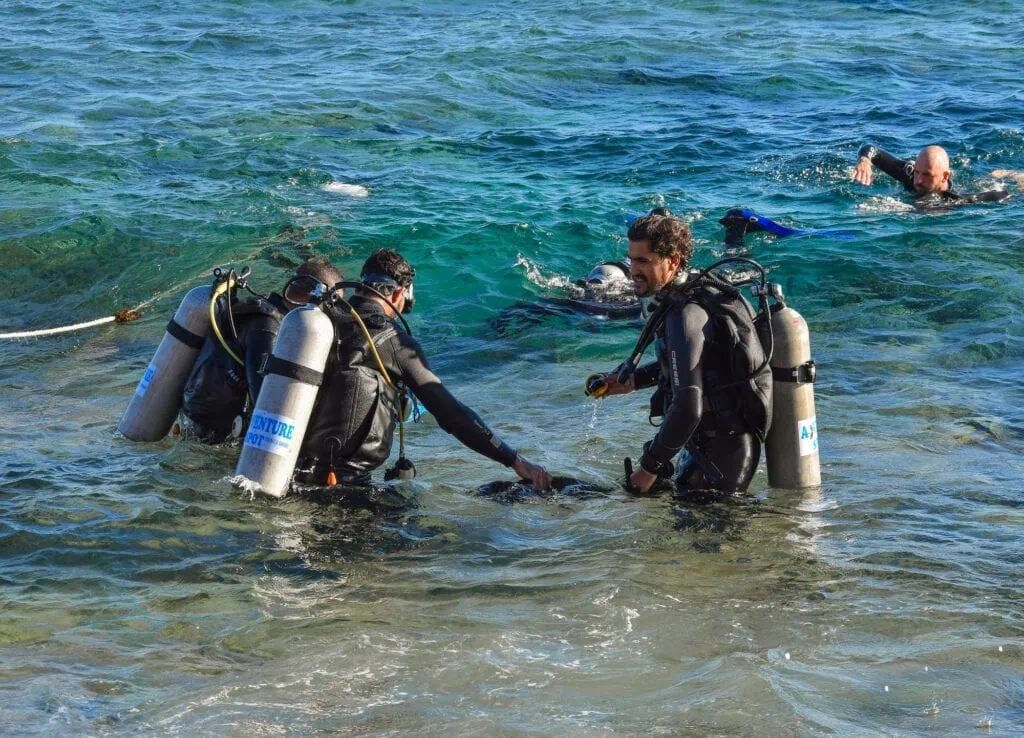
Advanced divers particularly appreciate the challenging currents and drop-offs that attract larger marine species, while beginners find plenty of protected shallow reefs perfect for skill development.
Getting There and Transportation Realities
Marsa Alam International Airport receives direct flights from major European cities, eliminating the need for Cairo connections that other Red Sea destinations require. This accessibility advantage becomes particularly valuable during Egypt’s peak winter season when domestic flights often face delays.
Road conditions from major cities like Luxor and Aswan present challenges that actually benefit the destination’s sustainability goals. The three-hour journey from Aswan winds through dramatic desert landscapes, but requires reliable transportation and careful planning. We arrange comfortable, air-conditioned vehicles with experienced local drivers who understand route conditions and timing requirements.
Public transportation doesn’t exist to Marsa Alam, making private transfers essential for most visitors. This limitation naturally controls visitor numbers while ensuring those who do arrive come prepared for the authentic experience the destination provides.
The nearest major tourist services cluster around Marsa Alam town itself, approximately 20 minutes from the airport. Resort areas stretch north and south along the coast, with properties like Royal Tulip Beach Resort positioned strategically near premier dive sites.
World-Class Diving and Water Sports Paradise
Professional dive operators here maintain smaller group sizes compared to northern Red Sea locations. Boats typically carry maximum 12 divers, ensuring personalized attention and reduced environmental impact on fragile reef systems.
Tondoba Bay provides perfect conditions for beginners while offering easy access to intermediate sites. The bay’s protected location means diving operates year-round, even when weather conditions affect more exposed locations. Advanced certification courses run regularly, with instructors who possess intimate knowledge of local marine ecosystems.
Kitesurfing enthusiasts discover ideal conditions along the extensive coastline. Consistent thermal winds combined with flat water areas create perfect learning environments, while experienced riders find challenging conditions further offshore.
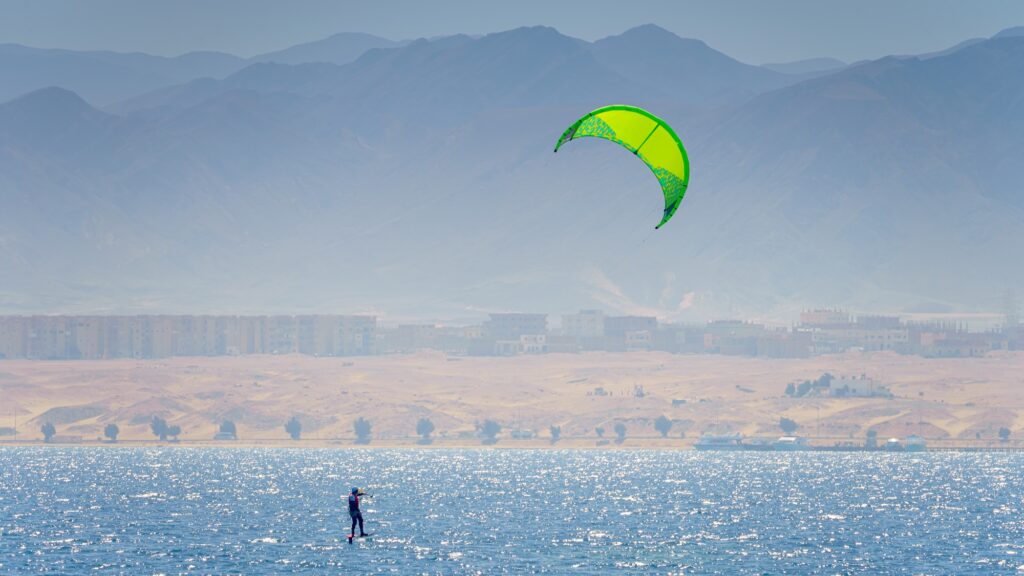
Water temperatures remain comfortable throughout the year, ranging from 72°F (22°C) in winter months to 84°F (29°C) during summer. This consistency eliminates the wetsuit requirements that affect diving in many other global destinations.
Accommodation Styles That Match Your Adventure Goals
Sustainable tourism principles guide most development here, resulting in accommodations that integrate naturally with desert and coastal environments rather than dominating them.
Eco-Conscious Desert Experiences
Ecolodge Bedouin Valley represents innovative sustainable hospitality, utilizing solar power, natural cooling systems, and locally-sourced materials. Guests sleep in comfortable tented accommodations while experiencing traditional Bedouin culture through authentic meals, storytelling, and desert excursions.
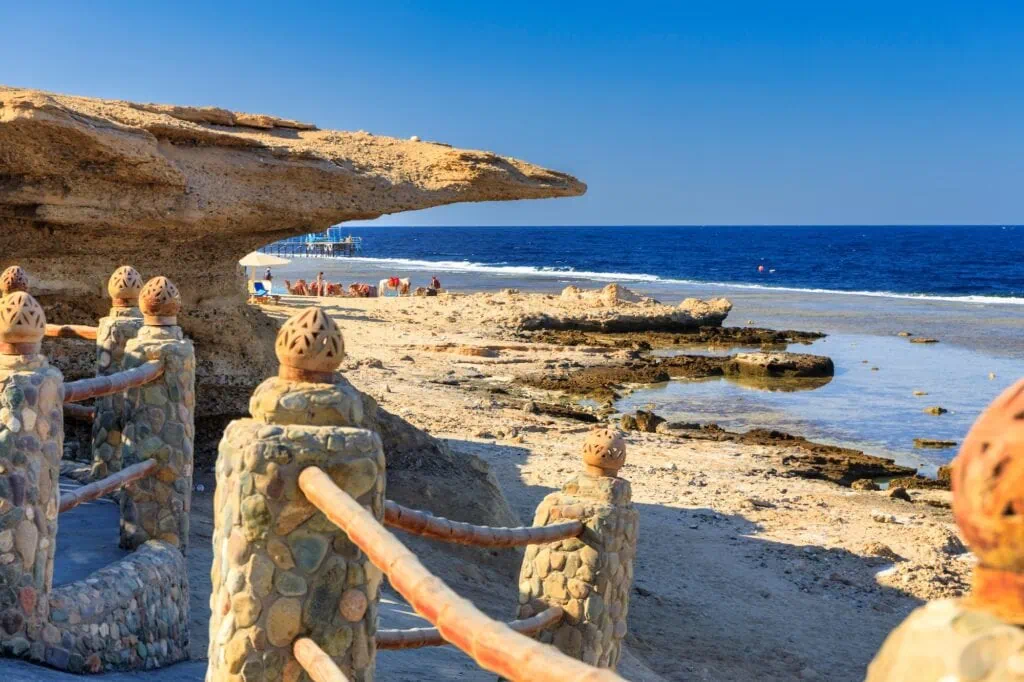
These camps position guests directly on pristine beaches where sea turtle nesting occurs seasonally. Night walks often reveal marine wildlife activity that larger resorts prevent through light pollution and crowds.
Resort Options for Comfort-Focused Travelers
Modern resort facilities provide familiar amenities while maintaining smaller scales than destinations like Hurghada. Properties typically feature 200-300 rooms maximum, ensuring personal service and uncrowded beach areas.
All-inclusive packages often include diving excursions, desert trips, and cultural experiences that would require separate bookings at larger destinations. This integration creates better value while supporting local guides and operators.
Resort diving centers maintain their own boats and equipment, eliminating the transportation and coordination challenges that can affect diving schedules elsewhere.
Natural Attractions and National Park Wonders
Wadi el Gemal National Park Adventures
This protected area encompasses both terrestrial and marine environments, covering over 4,000 square kilometers of untouched ecosystems. Desert safaris here reveal emerald mining sites dating to Roman times, along with petroglyphs and ancient trade route markers.
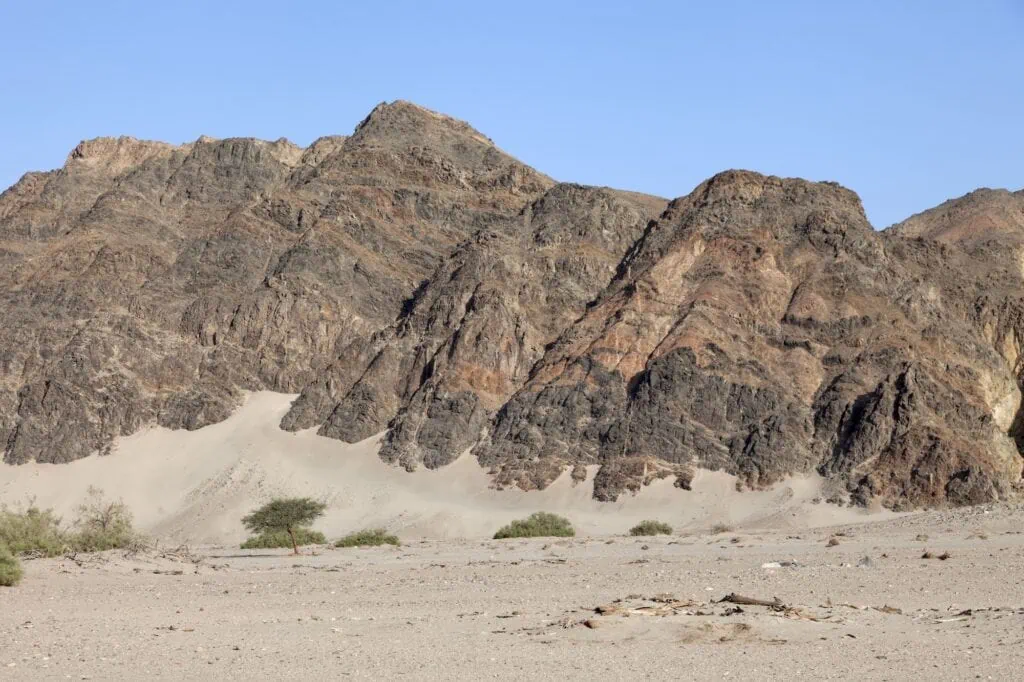
Guided excursions typically include visits to traditional Ababda Bedouin settlements where cultural exchange occurs naturally rather than through staged performances. These communities maintain traditional lifestyles while adapting to sustainable tourism opportunities.
The park’s marine sections protect crucial breeding and feeding areas for endangered species. Seasonal restrictions ensure wildlife protection while allowing visitors to witness natural behaviors undisturbed.
Sharm el Luli Beach Experience
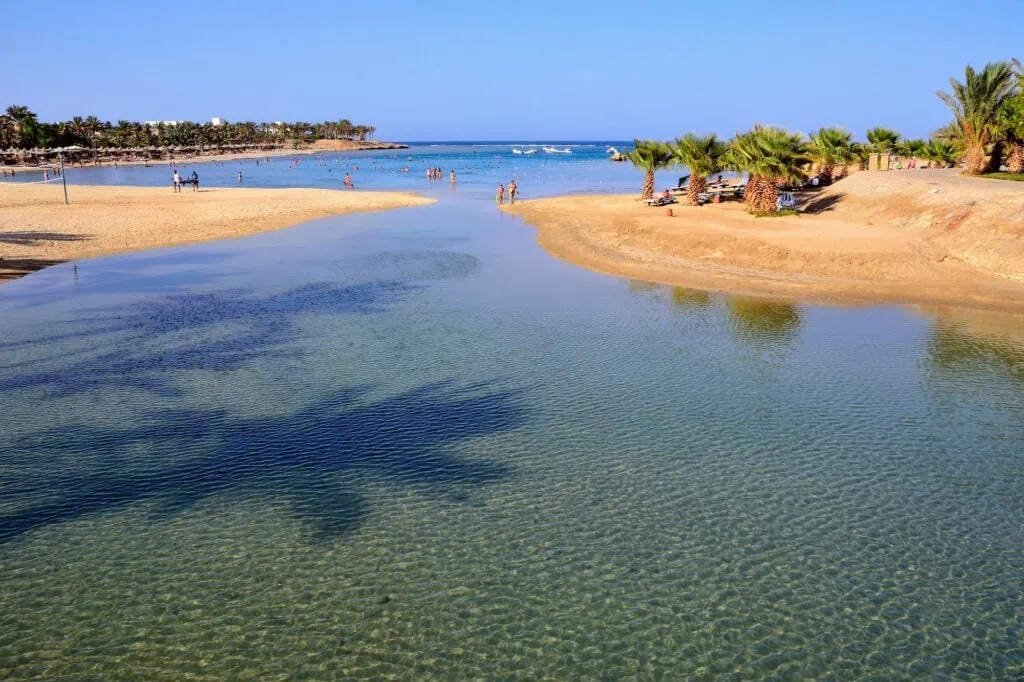
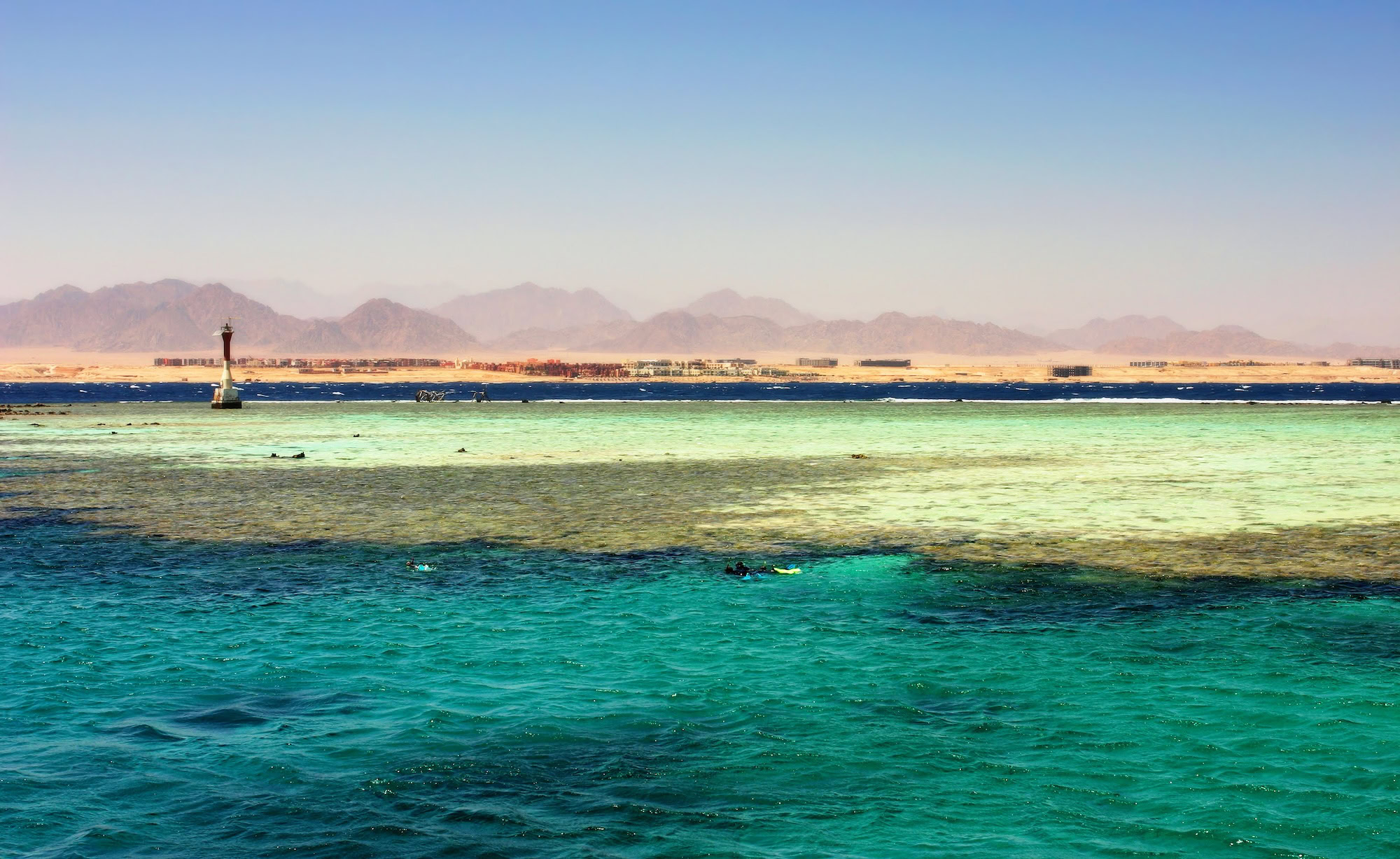
Often called Egypt’s most beautiful beach, this location within Wadi el Gemal demonstrates how protection creates paradise. Crystal-clear water meets pristine white sand, backed by dramatic mountain landscapes that change color throughout the day.
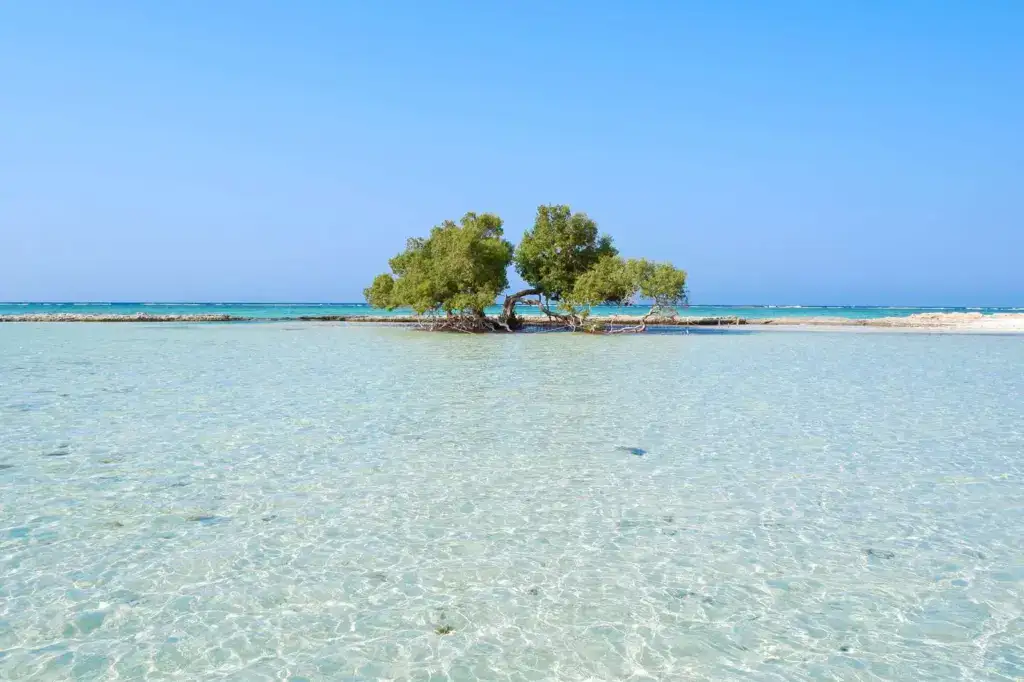
Snorkeling directly from shore reveals healthy coral formations and abundant fish populations. The protected status means no development pressure affects the natural beauty that makes this location special.
Cultural Connections and Historical Excursions
Day trips to Luxor provide cultural context that enhances coastal experiences. The journey itself reveals landscape diversity that helps visitors understand Egypt’s geographical complexity beyond stereotypical desert imagery.
Ancient Trade Routes and Mining Heritage
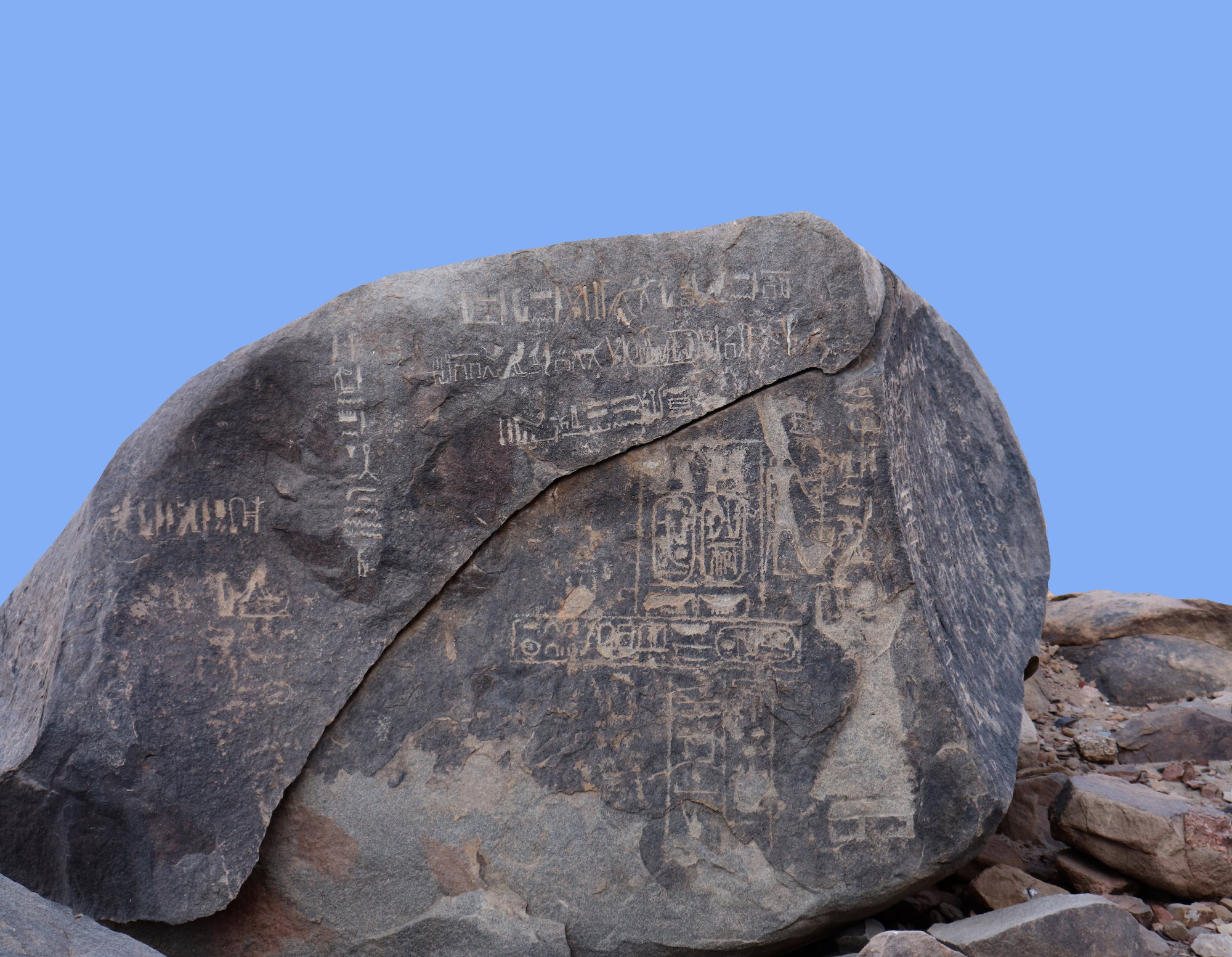
Wadi Hammamat contains pharaonic graffiti and inscriptions documenting ancient expeditions to Red Sea ports. These historical connections demonstrate how this coast served as gateway between Egypt’s Nile Valley civilization and trading partners across the Red Sea and Indian Ocean.
Roman emerald mining operations left extensive remains that visitors can explore with knowledgeable guides. These sites connect Egypt’s mineral wealth to Mediterranean trade networks that shaped ancient world economics.
Local guides share stories passed down through generations of Bedouin families who served as guides and protectors for these historic trade caravans.
Seasonal Planning for Optimal Experiences
Winter months from December through March provide ideal conditions for most activities. Air temperatures range from 68-77°F (20-25°C) during the day, perfect for desert excursions and cultural sites. Water remains warm enough for comfortable diving and snorkeling.
Spring and fall shoulder seasons offer the best value while maintaining excellent conditions. April–May and October–November feature warm days, comfortable nights, and reduced accommodation costs.
Summer temperatures can exceed 95°F (35°C), but coastal breezes and swimming make heat manageable for water-focused itineraries. Many European visitors prefer summer months when their home countries experience cold weather.
Whale shark sightings peak during spring months, while sea turtle nesting activity occurs primarily in summer. Planning around these natural cycles maximizes wildlife encounter opportunities.
Practical Tips for Marsa Alam Success
Currency exchange works best through hotel reception or established tour operators rather than seeking independent exchange services that may not exist locally. We assist guests with currency needs and payment arrangements throughout their stay.
Restaurant options outside resorts remain limited, making all-inclusive packages or meal arrangements particularly valuable. Local Bedouin-style meals, when properly arranged, provide authentic cultural experiences alongside sustenance.
Internet connectivity varies significantly by location. Resort areas maintain reliable service, but remote areas may have limited access. This digital disconnect actually enhances the authentic experience many visitors seek.
Shopping opportunities center around local crafts, Bedouin textiles, and unique items not found in mainstream Egyptian tourist areas. Authentic purchases support community economies while providing meaningful souvenirs.
Build the Marsa Alam Trip You Actually Want
The reason most travelers don’t make it to Marsa Alam isn’t the flights. Direct routes from Europe land an hour from town. The real question is what to put on either side: a full week diving Daedalus and Elphinstone, a few days at Wadi el Gemal with the Ababda Bedouin, a stretch in Luxor and Aswan to ground the coast in pharaonic context, or all three. The trip looks completely different depending on which one you’re after.
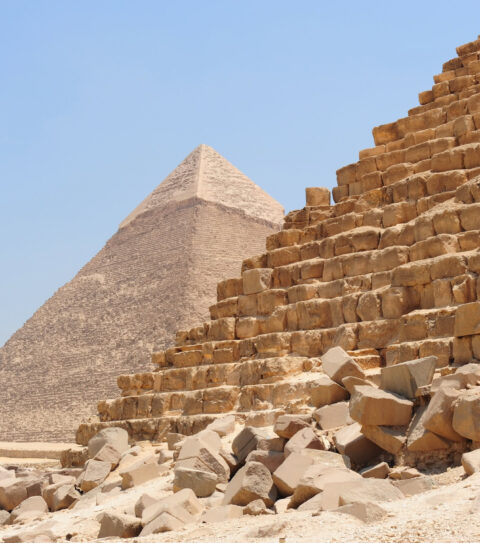
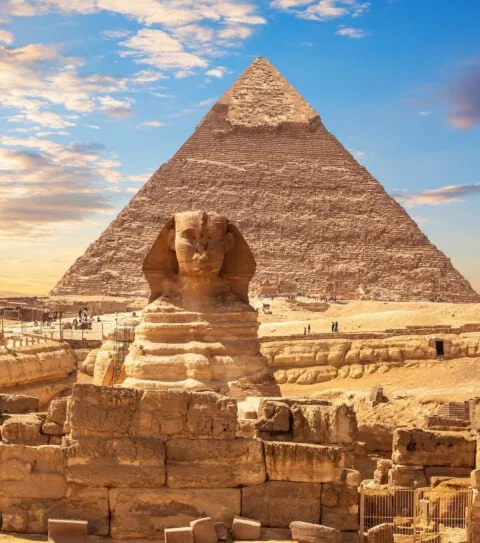
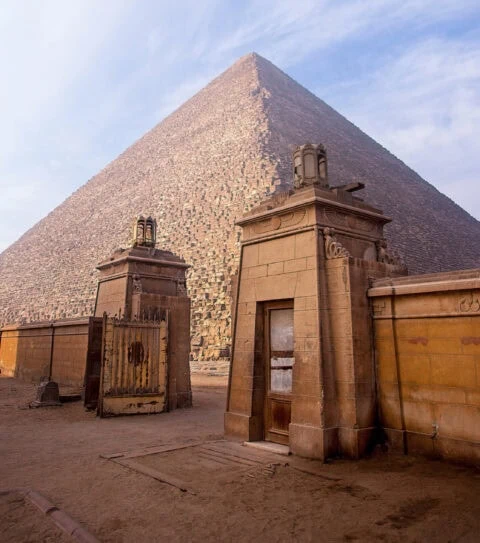
Tell your Travel Concierge what your version is, whether it’s whale-shark season chasing, dugong-led wildlife focus, or the diving-and-culture week that pairs the Pyramids with Sharm el Luli. We’ll handle the airports, transfers, and pacing. First-draft itinerary back in your inbox within 1 to 12 hours.
Frequently Asked Questions
Marsa Alam sits 250 kilometers south of Hurghada and 230 kilometers from Luxor, making it accessible for day trips to historical sites while maintaining its quiet coastal character.
Marsa Alam’s dive sites feature less crowded conditions, pristine coral formations, and unique species like dugongs and whale sharks that don’t regularly appear further north.
Whale shark encounters peak between March and June, with the highest probability occurring in April and May when water temperatures begin warming.
Yes, particularly families interested in marine life and nature. Shallow snorkeling areas, protected beaches, and educational opportunities make it excellent for older children who appreciate wildlife.
Development remains intentionally limited to preserve environmental quality. Expect fewer shopping and dining options but significantly better marine experiences and natural beauty.
Advanced Open Water certification opens access to premier sites like Elphinstone Reef, though many excellent locations accommodate Open Water divers with proper supervision.
Desert excursions, Bedouin cultural experiences, visits to ancient mining sites, and day trips to Luxor provide extensive cultural and historical activities.
Weather patterns remain highly consistent year-round, with minimal rainfall and predictable wind patterns that rarely disrupt planned activities.
Private transfers provide the most reliable option, as rental cars and public transportation aren’t readily available for international visitors.
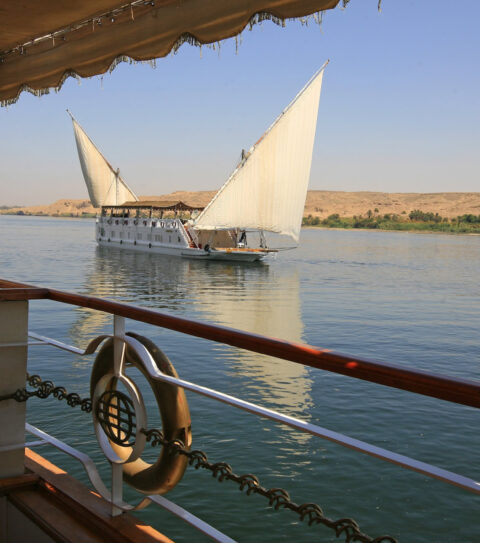
Absolutely – many guests combine 4-5 days in Marsa Alam with Luxor historical sites and Nile cruise experiences for a comprehensive Egypt adventure.
Design Your Custom Tour
Explore Egypt your way by selecting only the attractions you want to visit