

Is the Western Desert in Egypt Safe for Travel?
Adventure calls from Egypt’s vast Western Desert.
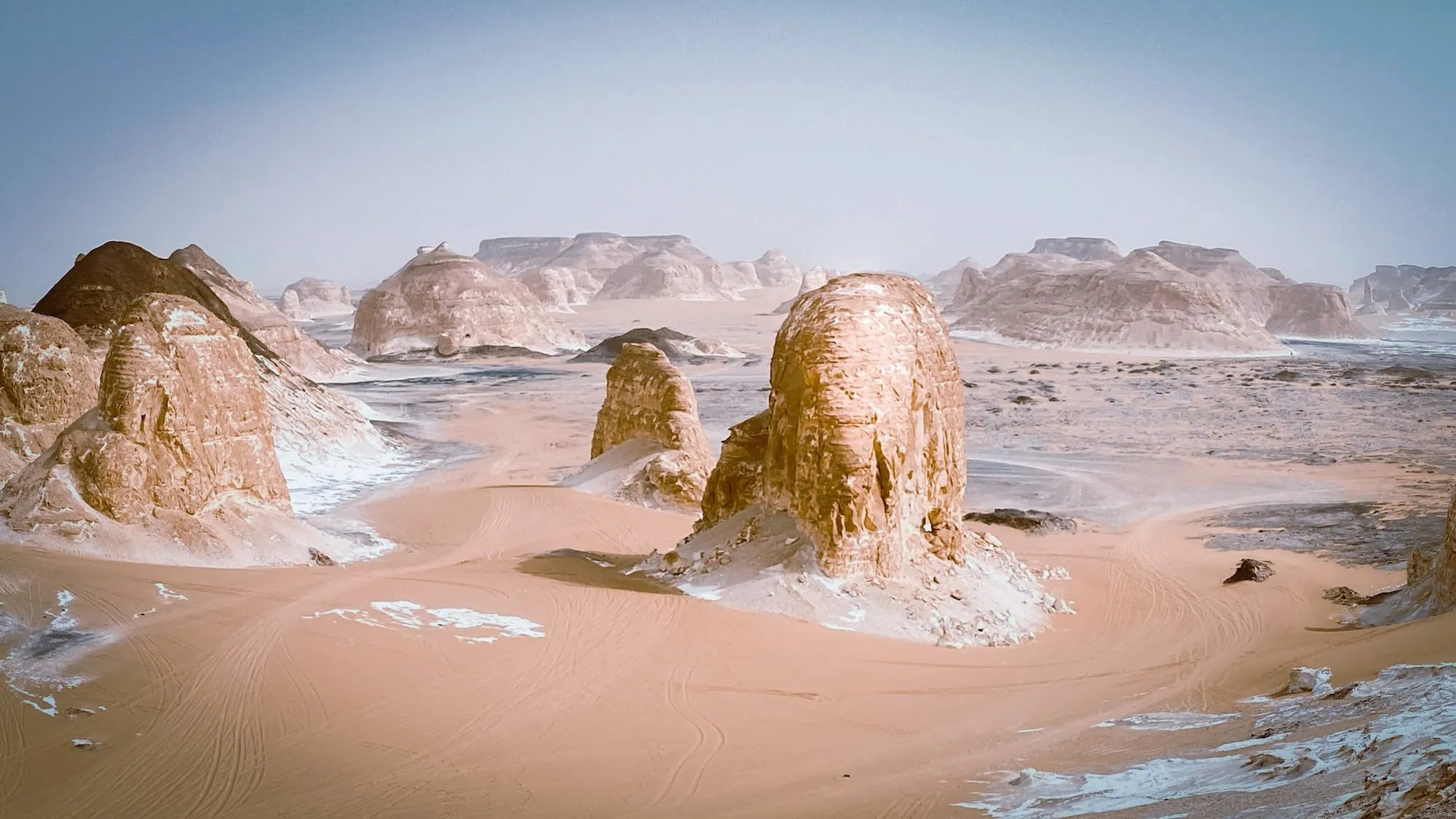
The sprawling landscape of golden dunes and ancient oases captures imaginations worldwide, but safety concerns often cloud travel decisions. Remote wilderness areas naturally raise questions about security, emergency response, and basic infrastructure. Our decades of experience guiding travelers through Egypt’s most remote regions have taught us exactly what precautions work and which fears are overblown. Understanding the real risks helps you make informed choices about exploring one of Earth’s most spectacular desert regions.
Table of Contents
Current Security Situation in Egypt’s Western Desert
Security measures across Egypt’s Western Desert have strengthened significantly since 2019. Military checkpoints monitor main access routes, while tourist police coordinate with local authorities to track visitor movements. We maintain constant communication with security officials and receive updated briefings on any regional developments.
The Egyptian government prioritizes tourist safety in designated areas like the White Desert National Park and Bahariya Oasis. Restricted zones exist near the Libyan border, but these lie far from established tourist circuits. Most Western Desert destinations fall within secure perimeters where tour operators can move freely with proper permits.
Checkpoint Procedures and Documentation
Tourist groups pass through standard security checks when entering the Western Desert region. Guides handle all documentation while visitors simply present passports for verification. These stops typically last 15-20 minutes and occur at strategic points along desert highways.
Military Presence and Protection
Egyptian military forces patrol key desert routes regularly. Their visible presence actually enhances safety for legitimate tourists while deterring any unwanted activity. Armed escorts accompany groups in certain areas, though this feels routine rather than alarming when you understand it’s standard protocol.
Medical and Emergency Considerations
Emergency response in the Western Desert requires careful planning since mobile coverage varies significantly across the region. Satellite communication devices provide reliable contact with emergency services when traditional networks fail. We equip all desert expeditions with GPS tracking systems and emergency beacons that can summon helicopter evacuation if needed.
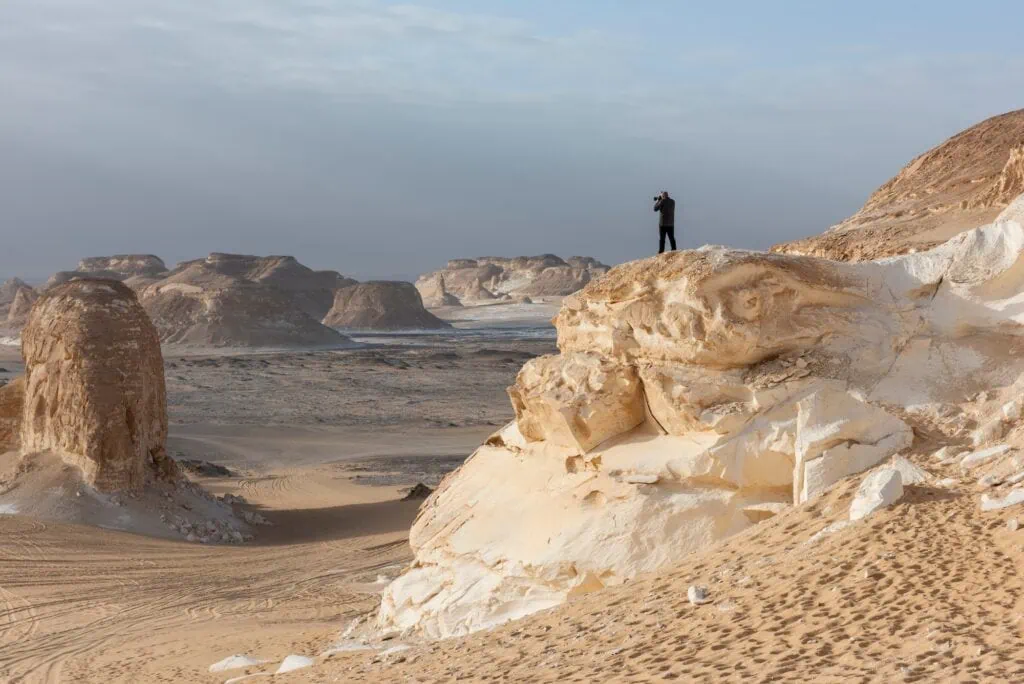
Medical facilities exist in larger settlements like Bahariya and Farafra oases, though capabilities remain limited compared to Cairo hospitals. Common issues include dehydration, minor injuries from rocky terrain, and occasional altitude-related discomfort at higher elevations. Most problems stem from inadequate preparation rather than serious environmental dangers.
The nearest major hospital sits approximately 300 km (186 miles) away in Cairo, making evacuation logistics crucial for serious incidents. Professional tour operators maintain detailed emergency protocols and carry comprehensive first aid supplies plus emergency medications.
Communication Infrastructure
Mobile phone coverage reaches most oasis towns but disappears completely in remote dunes. WhatsApp and standard calls work reliably in Bahariya, Farafra, and Dakhla oases. Desert camps typically use satellite internet for basic communication needs.
Transportation Safety Standards
Road conditions vary dramatically between paved highways and desert tracks. Main routes connecting Cairo to the Western Desert feature well-maintained asphalt suitable for standard vehicles. However, off-road exploration requires specialized 4WD vehicles with experienced drivers who understand sand navigation techniques.
Vehicle breakdown represents the primary transportation risk in remote areas. Professional operators use multiple vehicles for group safety and carry spare parts, extra fuel, and emergency repair equipment. Driver fatigue on long desert crossings can become dangerous, so reputable companies rotate drivers and mandate rest stops.
Vehicle Requirements and Specifications
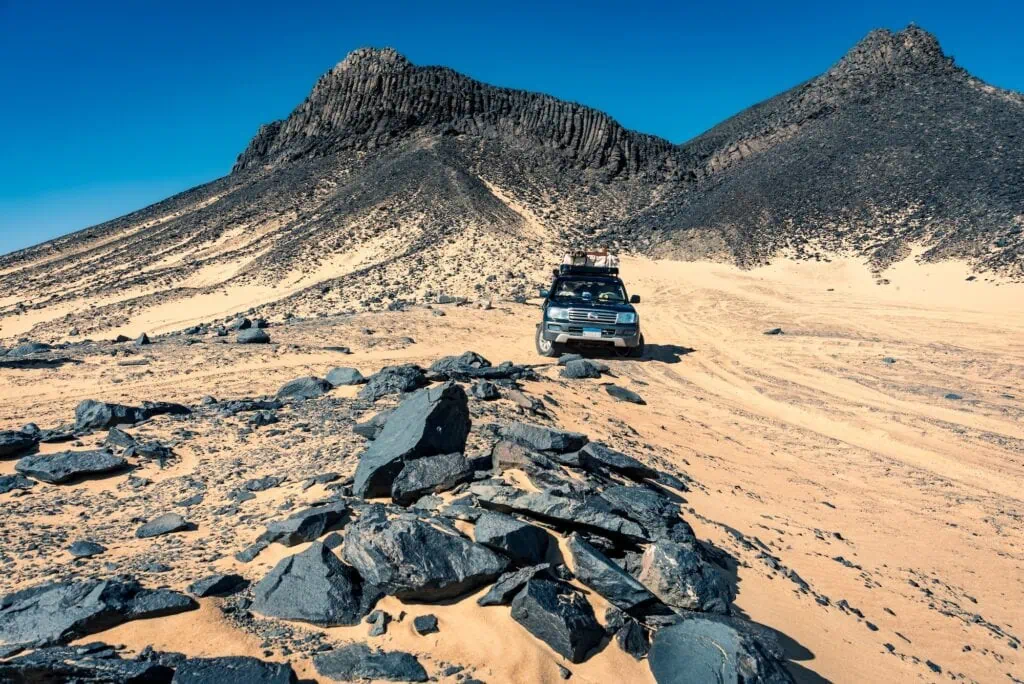
Desert exploration demands proper 4WD vehicles equipped with GPS navigation, extra water storage, and communication equipment. We use Toyota Land Cruisers and similar vehicles specifically modified for sand conditions. Tire pressure adjustment and sand tracks become essential for navigating soft dunes safely.
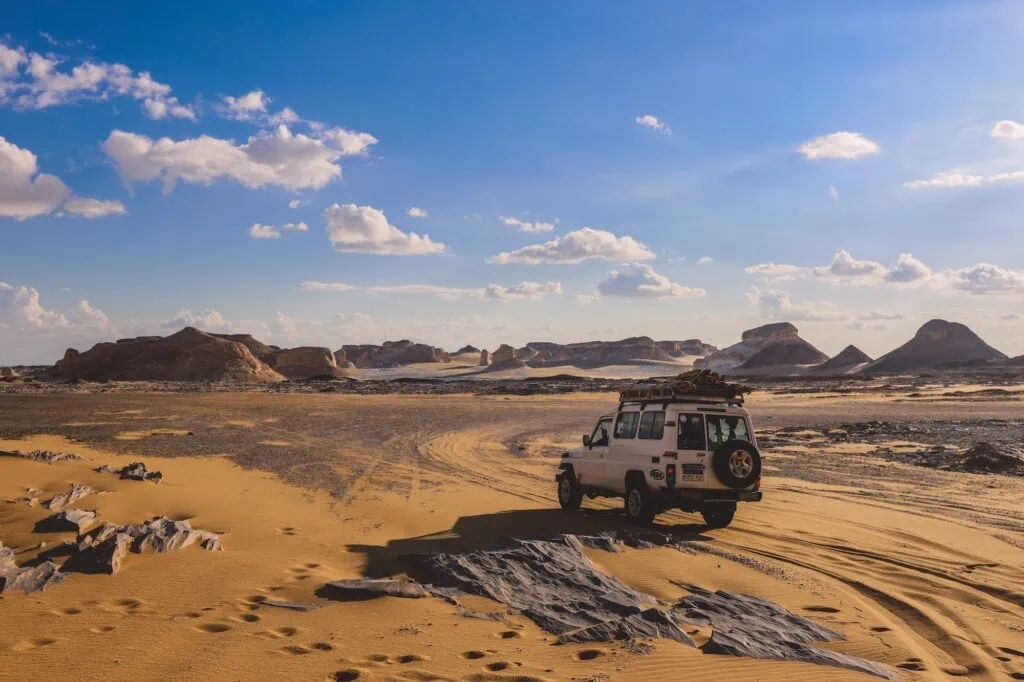
Regular maintenance schedules prevent most mechanical failures, while spare tire policies account for punctures from sharp rocks. Fuel range calculations include safety margins since petrol stations exist only in larger oasis communities.
Wildlife and Environmental Hazards
Desert wildlife poses minimal threat to humans in Egypt’s Western Desert. Venomous snakes exist but rarely appear during daylight hours when most touring occurs. Scorpions inhabit rocky areas, making proper footwear and flashlight use essential during evening activities.
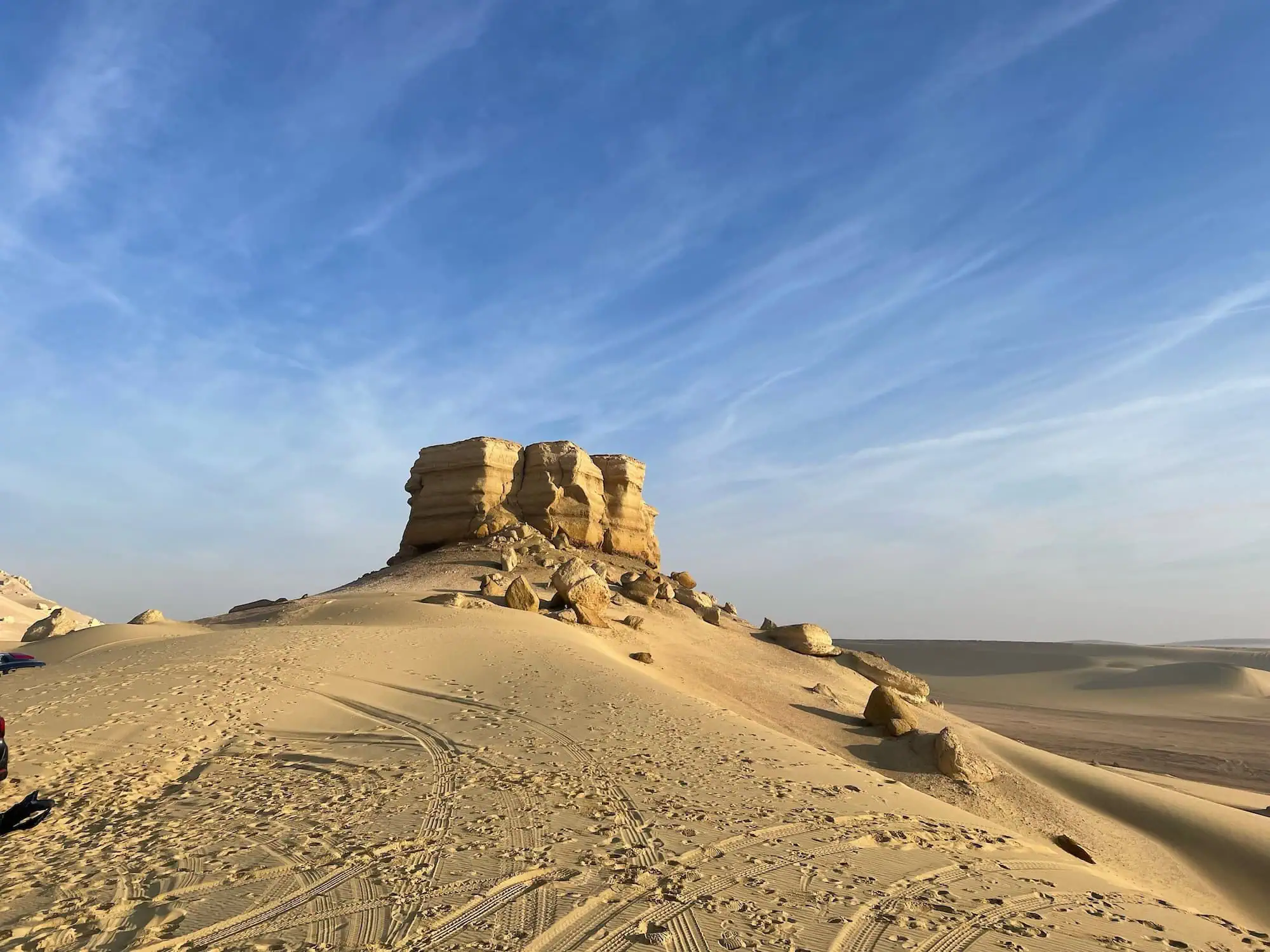
Sandstorms represent the most significant natural hazard, potentially lasting several hours and reducing visibility to mere meters. Weather monitoring allows advance warning, though sudden wind changes can catch groups unprepared. Temperature extremes between day and night require appropriate clothing for comfort and safety.
The desert environment itself creates challenges through dehydration risk and sun exposure. Proper hydration becomes critical since the dry air masks perspiration, making dehydration symptoms less obvious until they become serious.
Crime and Personal Security
Violent crime remains virtually nonexistent in Egypt’s Western Desert due to low population density and strong community bonds among Bedouin residents. Petty theft can occur in tourist accommodations, but valuables security follows standard travel precautions.
Local communities generally welcome visitors warmly since tourism provides important income. Cultural respect and basic Arabic greetings enhance interactions with desert residents. Women travelers report feeling comfortable and safe when dressed modestly and traveling with reputable tour groups.
Border areas near Libya require special attention due to smuggling activities, but these zones lie outside normal tourist itineraries. Tourist police maintain regular patrols through popular destinations like the Crystal Mountain and Black Desert formations.
Cultural Sensitivity Guidelines
Islamic customs influence daily life in oasis communities. Modest dress codes apply especially when visiting villages or religious sites. Alcohol availability varies by location, with some desert camps offering beer and wine while others maintain alcohol-free policies.
Photography restrictions apply near military installations and some government buildings. Local people generally welcome photos but appreciate being asked first. Friday prayer times may affect shop hours and guide availability in Muslim communities.
Weather-Related Safety Factors
Summer temperatures frequently exceed 45°C (113°F) during midday hours, creating serious heat stroke risks for unprepared travelers. October through March offers optimal conditions with daytime temperatures around 25-30°C (77-86°F) and cool nights dropping to 5-10°C (41-50°F).
Sandstorms occur most frequently during spring months when strong winds pick up loose sand. These events can last from minutes to hours and require immediate shelter. Professional guides monitor weather patterns and adjust itineraries when conditions become dangerous.
Flash flooding presents rare but serious risks during occasional winter rainfall. Desert wadis can fill rapidly with rushing water even when rain falls kilometers away. Camping site selection considers drainage patterns to avoid potential flood zones.
Choosing Reliable Tour Operators
Operator selection significantly impacts safety outcomes in the Western Desert. Licensed companies maintain insurance coverage, trained guides, and emergency protocols that independent travel cannot match. We’ve spent decades developing relationships with local authorities and understanding desert conditions that ensure traveler safety.
Experienced guides possess intimate knowledge of terrain, weather patterns, and emergency procedures. They carry satellite communication devices and maintain contact with base operations throughout expeditions. Our guides complete wilderness first aid training and desert survival courses as part of their certification.
Equipment standards vary dramatically between operators. Professional companies invest in quality camping gear, reliable vehicles, and comprehensive safety equipment. Budget operators may cut corners on critical safety items to reduce costs.
Permit Requirements and Legal Compliance
All Western Desert tourism requires proper permits from Egyptian authorities. Licensed tour operators handle permit applications and ensure compliance with current regulations. Independent travel without permits can result in detention and deportation.
Special area permits apply to certain geological formations and archaeological sites. These restrictions protect both the environment and visitor safety by limiting access to trained guides only. Permit processes can take several days, making advance booking essential.
Preparing for Desert Travel
Physical fitness requirements remain moderate for most Western Desert activities. Walking on sand requires more energy than solid ground, while temperature extremes can stress cardiovascular systems. Pre-existing medical conditions need careful evaluation before desert travel.
Essential packing includes sun protection, layers for temperature changes, and sturdy footwear for rocky terrain. Personal medications should include extra quantities since replacements may be unavailable in remote areas. Travel insurance covering helicopter evacuation provides important protection.
Water consumption increases dramatically in desert conditions, with requirements reaching 4-5 liters per day during hot weather. Electrolyte replacement becomes critical to prevent cramping and weakness. Most tour operators provide adequate water supplies, but personal bottles offer convenient access.
Essential Gear Recommendations
High-factor sunscreen and protective clothing prevent severe sunburn in intense desert sun. Wide-brimmed hats and sunglasses provide additional protection. Long pants protect legs from thorny plants and insect bites during evening activities.
Headlamps or flashlights enable safe movement after dark when spectacular stargazing opportunities emerge. Extra batteries may be unavailable in remote locations. Camera equipment requires dust protection since fine sand penetrates most enclosures.
Risk Assessment Summary
Overall risk levels in Egypt’s Western Desert remain low when proper precautions are followed. Government security measures provide effective protection in tourist areas, while professional guides manage environmental hazards through experience and preparation.
The greatest safety factor involves choosing reputable tour operators who prioritize safety over profit margins. Our commitment to traveler safety includes comprehensive insurance, experienced guides, quality equipment, and detailed emergency procedures developed through years of desert operations.
Most safety concerns prove manageable with advance planning and proper preparation. The spectacular beauty and unique experiences available in the Western Desert far outweigh the minimal risks when travelers choose professional guidance and follow recommended precautions.
Frequently Asked Questions
No, solo travel in Egypt’s Western Desert is generally not recommended due to its extreme remoteness and limited emergency infrastructure. Large sections of the desert have no mobile coverage, sparse traffic, and vast distances between settlements. Destinations such as the White Desert and Gilf Kebir can be hundreds of kilometers from major medical facilities. Traveling with a licensed guide and properly equipped vehicle significantly improves safety and ensures compliance with local permit requirements.
Basic medical clinics are available in major oasis towns such as Bahariya, Farafra, Dakhla, and Kharga, but advanced treatment is limited. Serious injuries or medical emergencies often require transfer to larger hospitals in Cairo or other regional centers, which may be 300 km (186 miles) or more away. Because of these distances, comprehensive travel insurance with emergency evacuation coverage is strongly recommended for Western Desert travelers.
Mobile phone coverage is generally reliable in oasis communities but becomes extremely limited or nonexistent in remote desert regions. Travelers often have strong signals in towns such as Bahariya Oasis and Kharga Oasis, yet lose connectivity completely when entering areas like the White Desert National Park. Professional tour operators frequently carry satellite phones or emergency communication devices because conventional cellular networks cannot be relied upon outside populated areas.
Yes, venomous snakes, scorpions, and other desert wildlife inhabit parts of Egypt’s Western Desert, although encounters with visitors are uncommon. Most incidents occur when people walk around campsites after dark without proper footwear or lighting. Wearing closed shoes, using a flashlight at night, and following guide instructions greatly reduce risk. Compared with dehydration and heat exposure, wildlife-related injuries are relatively rare among organized tour groups.
October through March offers the safest and most comfortable weather for exploring Egypt’s Western Desert. Daytime temperatures are typically warm, while nighttime temperatures can drop sharply, especially in open desert environments. Between May and September, temperatures frequently exceed 45°C (113°F), creating serious heat-related risks for travelers. The dramatic temperature difference between day and night makes layered clothing essential throughout much of the year.
Most security checkpoints in Egypt’s Western Desert take approximately 15 to 20 minutes, although processing times can vary depending on location and current regulations. Visitors are usually asked to present passports while guides or drivers handle permit documentation and route approvals. These checkpoints are a routine part of desert travel and help authorities monitor tourism activity in remote regions. Keeping identification readily accessible helps speed up the process.
Yes, many women travel safely in Egypt’s Western Desert when participating in reputable guided tours and following local cultural norms. Organized tours provide transportation, logistics support, and experienced guides who understand the region’s conditions. Modest clothing is generally appreciated in oasis communities, although dress expectations are often more relaxed in remote desert camps. Solo female travelers typically report the most comfortable experiences when traveling with established operators.
During a sandstorm, experienced guides suspend travel activities and move visitors to sheltered locations until conditions improve. Most desert sandstorms last between 1 and 3 hours, although larger weather systems can occasionally persist longer. Reduced visibility, strong winds, and airborne dust make driving and outdoor exploration unsafe during active storms. Professional operators closely monitor weather forecasts and adjust itineraries when conditions require flexibility.
Yes, permits are required for many tourism activities in Egypt’s Western Desert, particularly in protected areas and remote regions. Authorities use permit systems to manage visitor safety, environmental protection, and access to sensitive locations. Licensed tour operators typically arrange all required approvals through the relevant government agencies before departure. Independent travelers may face restrictions or denied access if proper documentation has not been secured in advance.
Emergency medical assistance can be several hours away in many parts of the Western Desert. In serious cases, helicopter evacuation may reach some locations within 2 to 3 hours, while ground transportation to major hospitals can take 5 to 7 hours or longer depending on terrain and distance. Because travel times are significant, visitors should carry essential medications and disclose medical conditions before undertaking remote desert excursions.
Essential items for Egypt’s Western Desert include sunscreen, a wide-brimmed hat, sunglasses, sturdy walking shoes, layered clothing, personal medications, and reusable water bottles. Daytime temperatures can be extremely hot while evenings become surprisingly cool, particularly between November and February. Dust protection such as a scarf or buff is also useful during windy conditions. Packing for temperature extremes is just as important as preparing for sun exposure.
Yes, the Western Desert can be safe for families with children when trips are properly planned and conducted by experienced operators. Destinations such as the White Desert and Bahariya Oasis are popular family-friendly options because they combine unique landscapes with manageable travel logistics. Parents should pay close attention to hydration, sun protection, and temperature changes throughout the day. Shorter itineraries are often more comfortable for younger children than extended desert expeditions.
Design Your Private Western Desert Adventure
Travel with your own expert guide, private 4×4 vehicle, and a route tailored to you.