

How Much Is a Nile River Cruise?
Nile river cruises range from $150 to $1,500 per person per night.
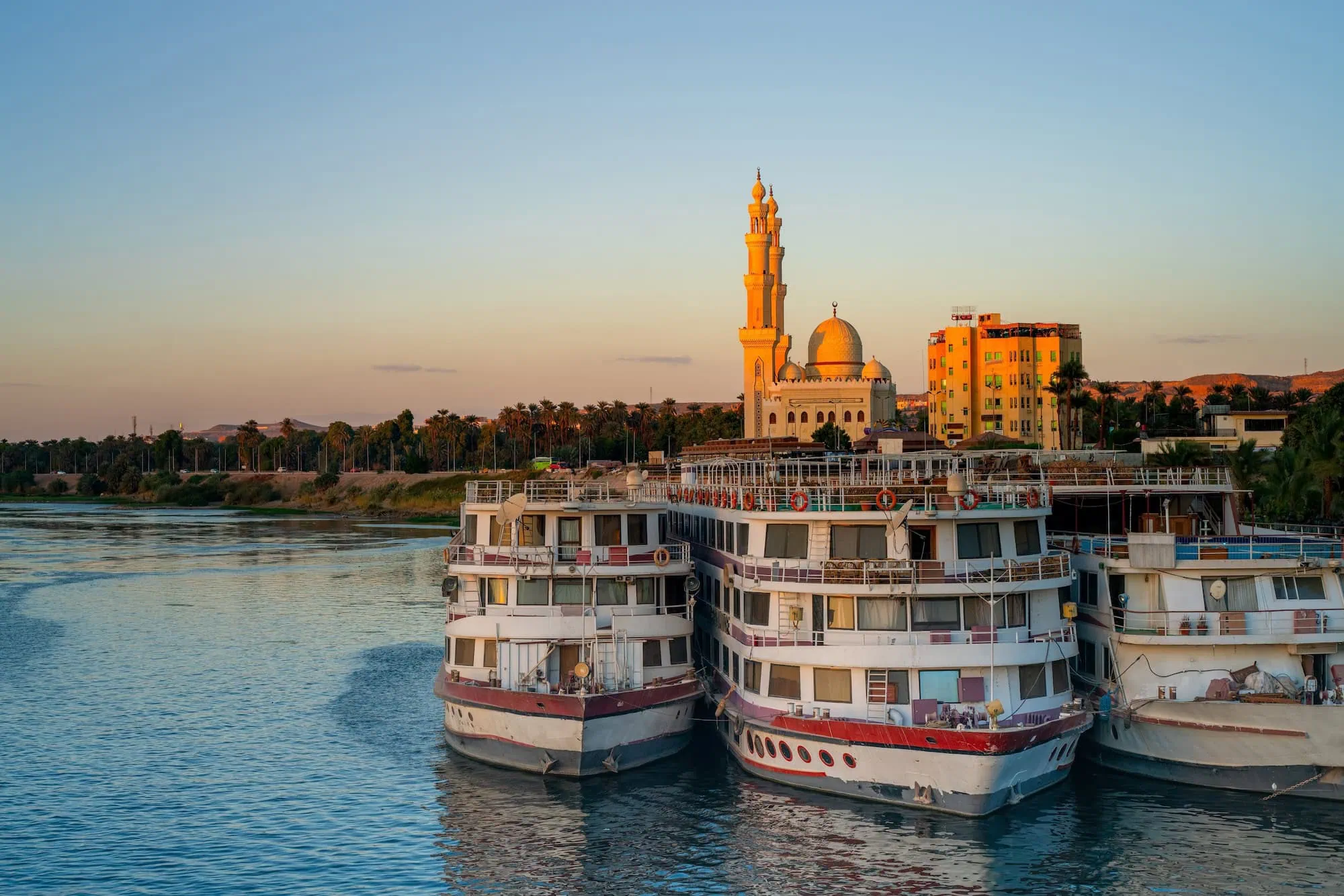
The cost varies dramatically based on cruise length, cabin category, season, and included amenities. Budget travelers can find basic 3-night cruises for around $450 total, while luxury 7-night journeys with private balconies and premium dining easily reach $10,500. We’ve helped thousands of travelers navigate these pricing tiers to find the perfect balance between value and experience.
Understanding these cost factors helps you make an informed decision for your Egyptian adventure. Peak season rates jump significantly, while shoulder months offer substantial savings without compromising the magical experience of sailing the Nile.
Table of Contents
Nile Cruise Pricing Breakdown by Category
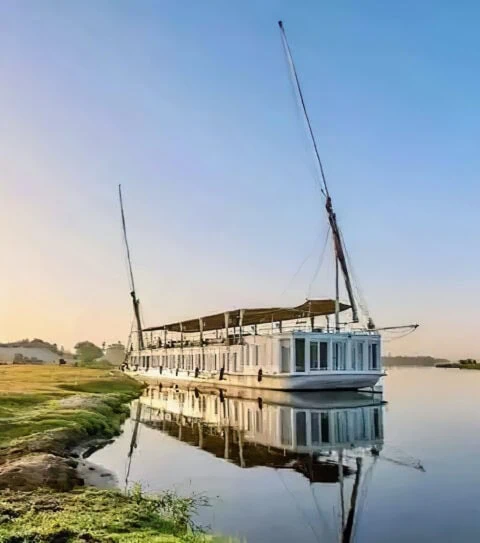
Most travelers gravitate toward mid-range options that offer comfort without breaking the bank. Standard 4-day cruises between Luxor and Aswan typically cost $600-$1,200 per person, including meals and major excursions. These cruises feature comfortable cabins, buffet dining, and guided tours to iconic temples like Karnak and Philae.
Budget Nile Cruises
Entry-level cruises provide the essential Nile experience at accessible prices. Rooms are compact but clean, with private bathrooms and air conditioning. Meals consist of buffet-style dining with Egyptian and international dishes. Shore excursions cover major attractions like the Valley of the Kings and Kom Ombo Temple, though groups tend to be larger.
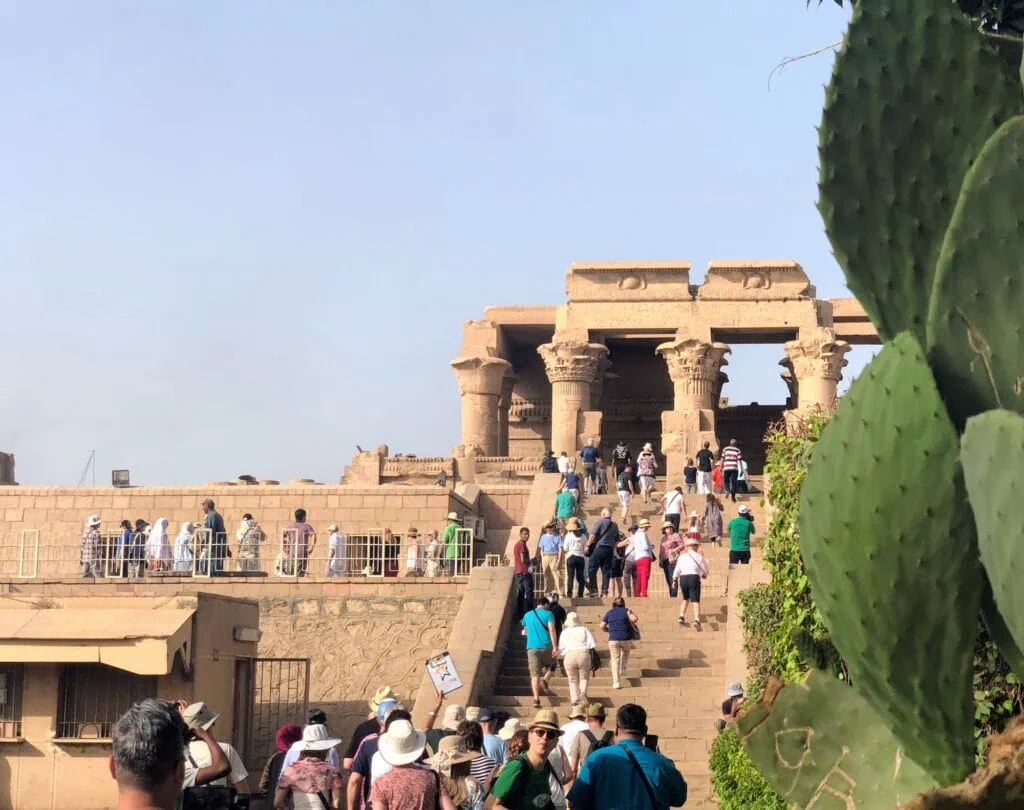
These budget options work well for travelers prioritizing the journey itself over luxury amenities. The boats may show wear, but they’re well-maintained and safe.
Mid-Range Cruises
This category offers the sweet spot for most visitors. Cabins feature river views, upgraded furnishings, and better bathroom facilities. Dining quality improves with more varied menus and occasional themed nights. Pool areas are larger and better maintained.
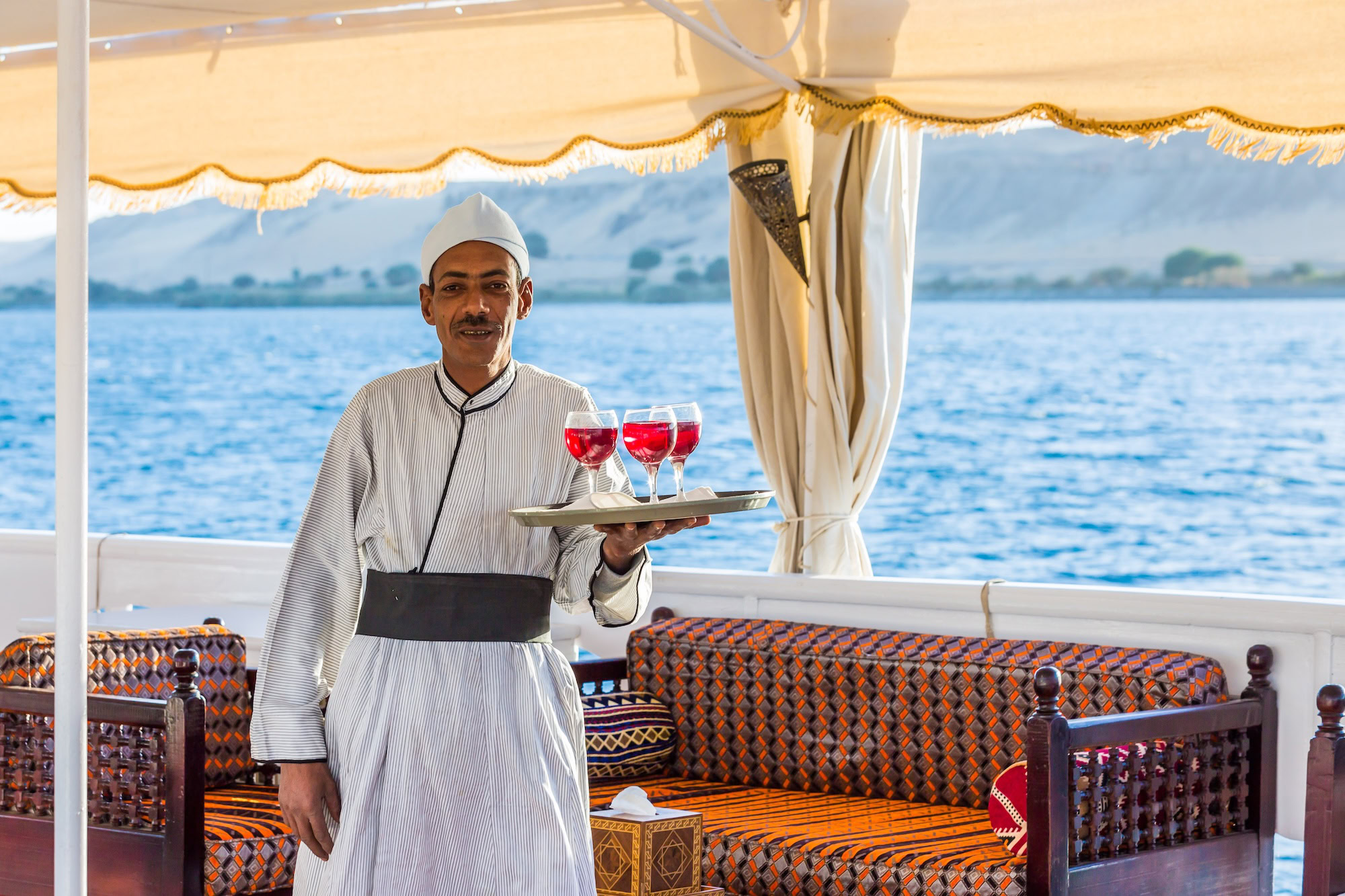
Tour groups remain manageable, usually 8-12 people for temple visits. These cruises often include entertainment like traditional music and belly dancing performances.
Luxury Nile Cruises
Premium vessels rival floating hotels with spacious suites, private balconies, and upscale dining rooms. Some feature spa facilities, fitness centers, and multiple restaurants. Butler service and room upgrades are common perks.
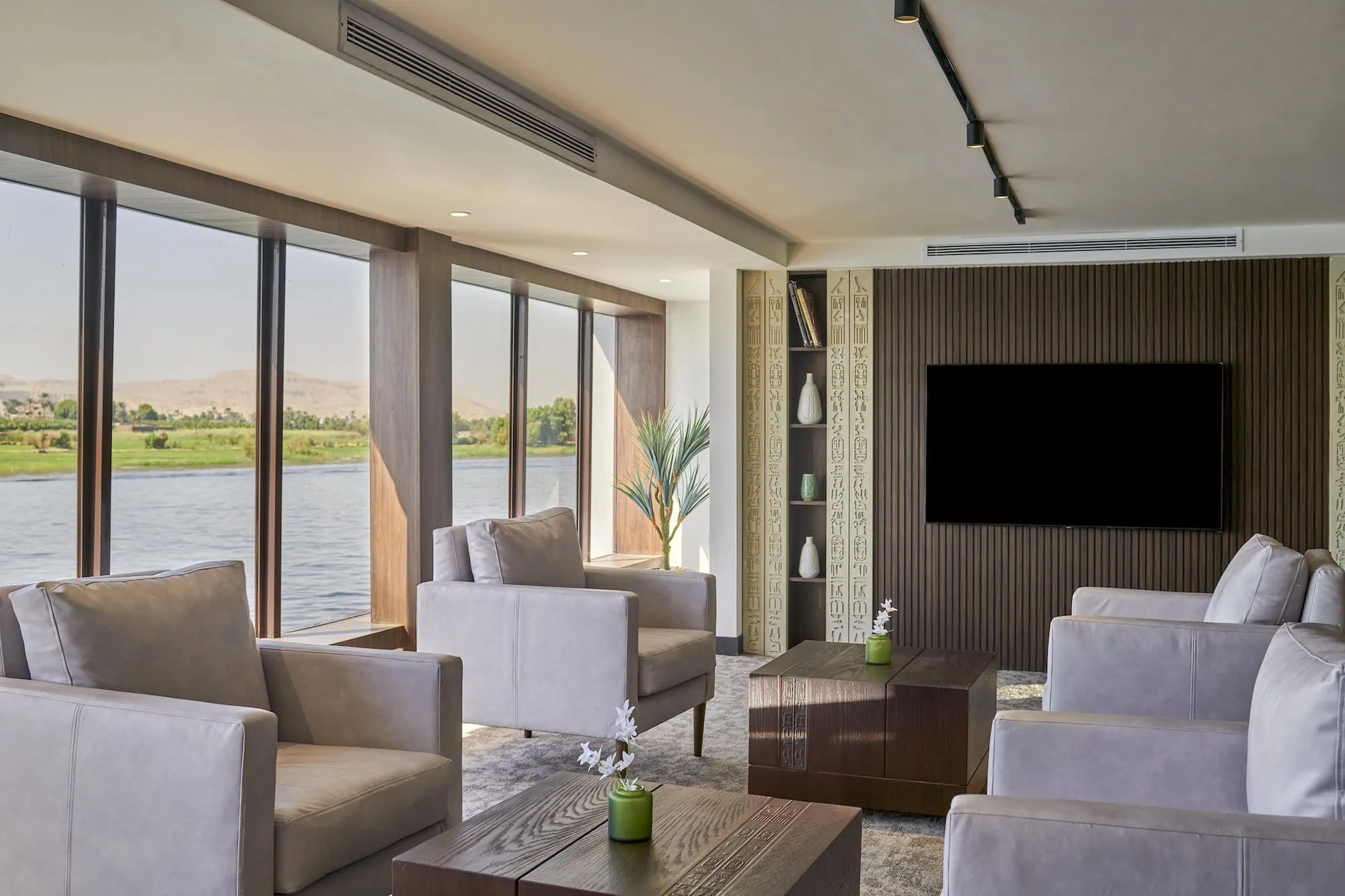
Shore excursions maintain smaller group sizes and may include special access experiences. High-end cruises often provide upgraded transportation and expert Egyptologists as guides.
Seasonal Price Variations Throughout Year
November through March represents peak season when temperatures remain comfortable for sightseeing. Cruise prices during these months can be 40-60% higher than summer rates. December and January command the highest premiums, especially around holidays.
Summer months from June to August offer significant savings despite the heat. Many operators reduce prices by 30-50% to attract travelers willing to brave temperatures reaching 45°C (113°F). Early morning and late afternoon excursions help avoid the worst heat.
Shoulder seasons in April-May and September-October provide excellent value. Weather remains pleasant, crowds are thinner, and prices sit comfortably between peak and off-season rates. We often recommend these months for the best overall experience.
What’s Included in Cruise Fare
Accommodation and Meals
All Nile cruises include cabin accommodation and full-board dining. Breakfast, lunch, and dinner are provided daily, typically in buffet format on budget cruises and restaurant-style on luxury vessels. Most boats offer vegetarian options and can accommodate dietary restrictions with advance notice.
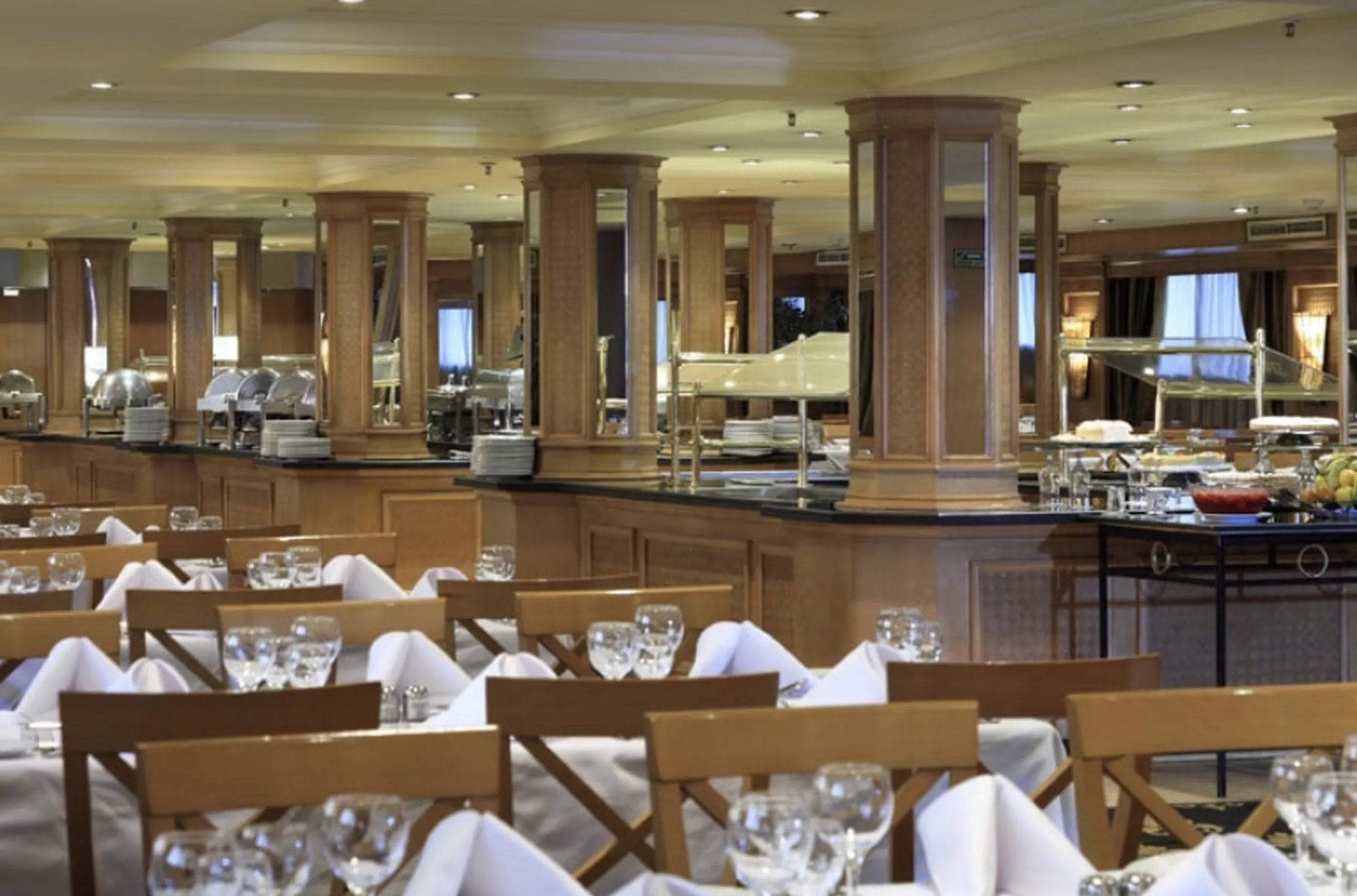
Room service may be available on higher-end cruises, while budget options typically serve meals at set times in the main dining room.
Shore Excursions and Sightseeing
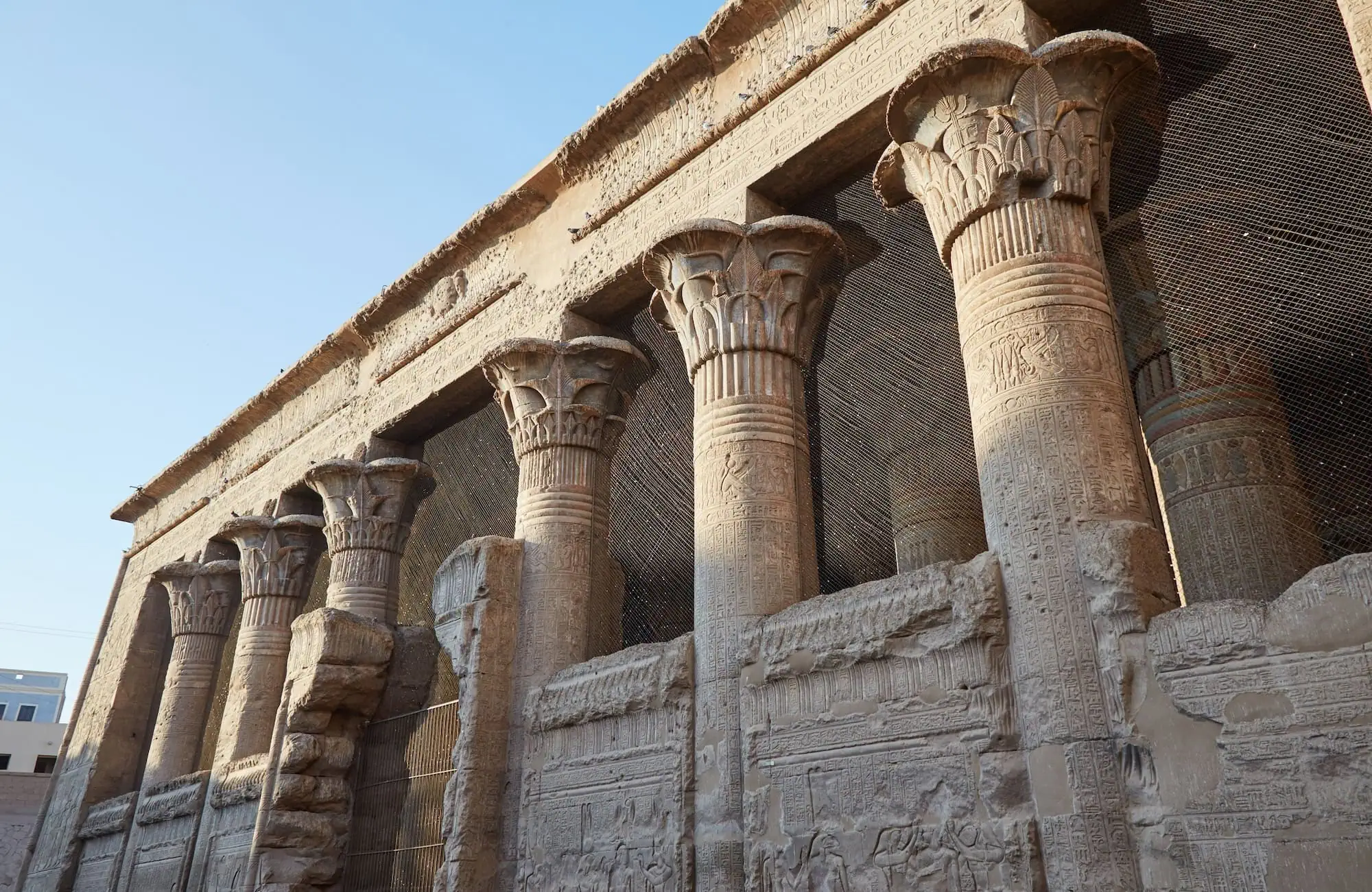
Standard itineraries include guided tours to major temples and archaeological sites along the route. These cover Luxor Temple, Karnak Temple Complex, Valley of the Kings, Edfu Temple, Kom Ombo Temple, and Philae Temple in Aswan. Professional guides provide historical context and manage logistics.
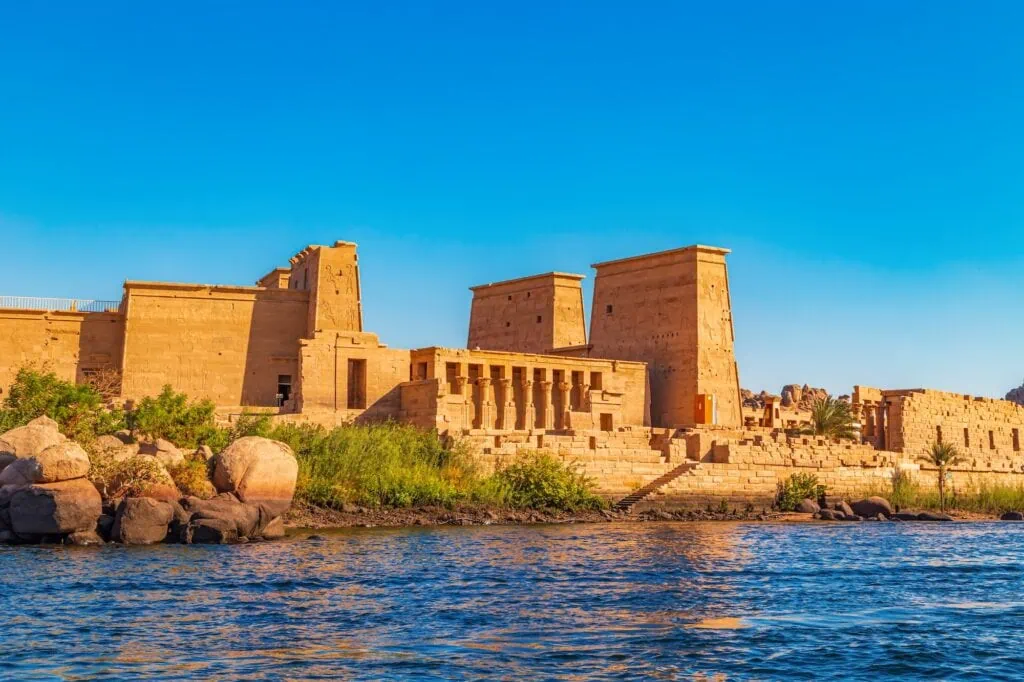
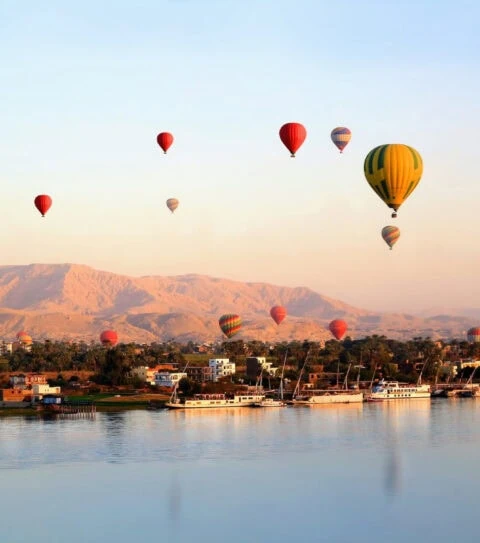
Transportation to sites via air-conditioned coaches is included, as are entrance fees to major attractions. Some cruises add optional excursions like hot air balloon rides over Luxor or visits to Abu Simbel temples for additional fees.
Entertainment and Onboard Activities
Evening entertainment varies by cruise level but often includes traditional Egyptian music, folk dancing performances, and costume parties. Many boats feature themed nights where passengers can dress up and enjoy cultural presentations.
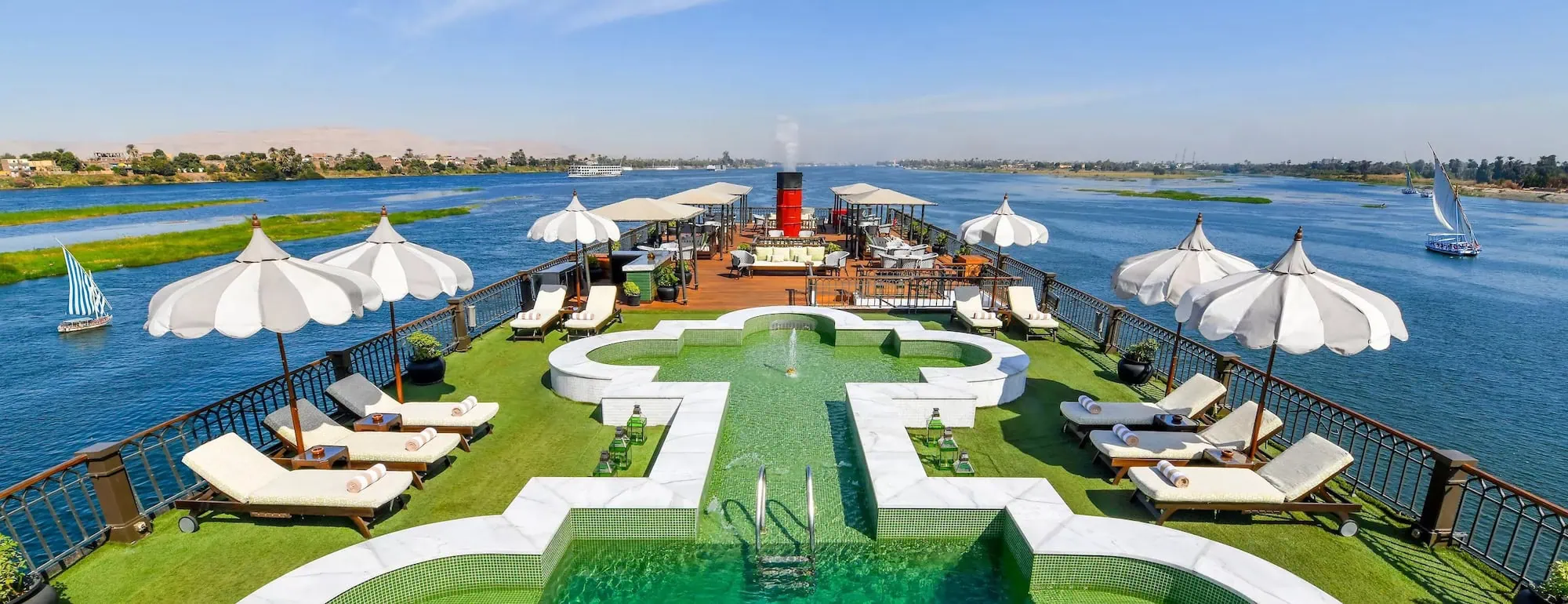
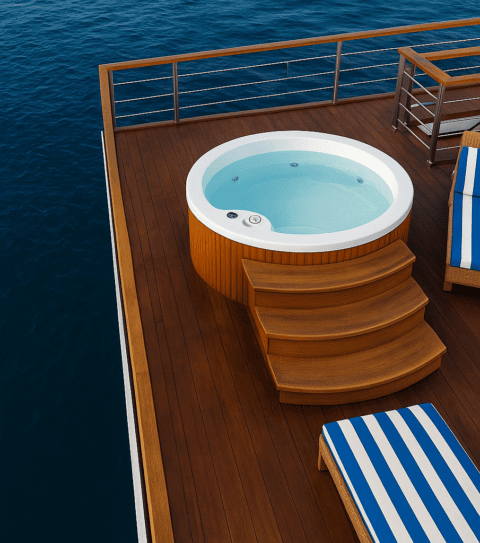
Pool access, sun decks, and basic recreational facilities are standard across all categories. Luxury cruises may add fitness centers, spa services, and specialized activities.
Additional Costs to Budget For
Gratuities form a significant part of the local economy, and tipping customs differ from Western standards. Budget $30-50 per person for the entire cruise to cover guides, boat staff, and drivers. This covers appropriate tips for room stewards, restaurant staff, tour guides, and other service personnel.
Optional Excursions and Upgrades
Popular add-on experiences include sunrise hot air balloon flights over Luxor ($85-120), Abu Simbel day trips ($180-250), and private tomb visits in the Valley of the Kings ($20-40 per tomb). These enhance your experience but aren’t essential for first-time visitors.
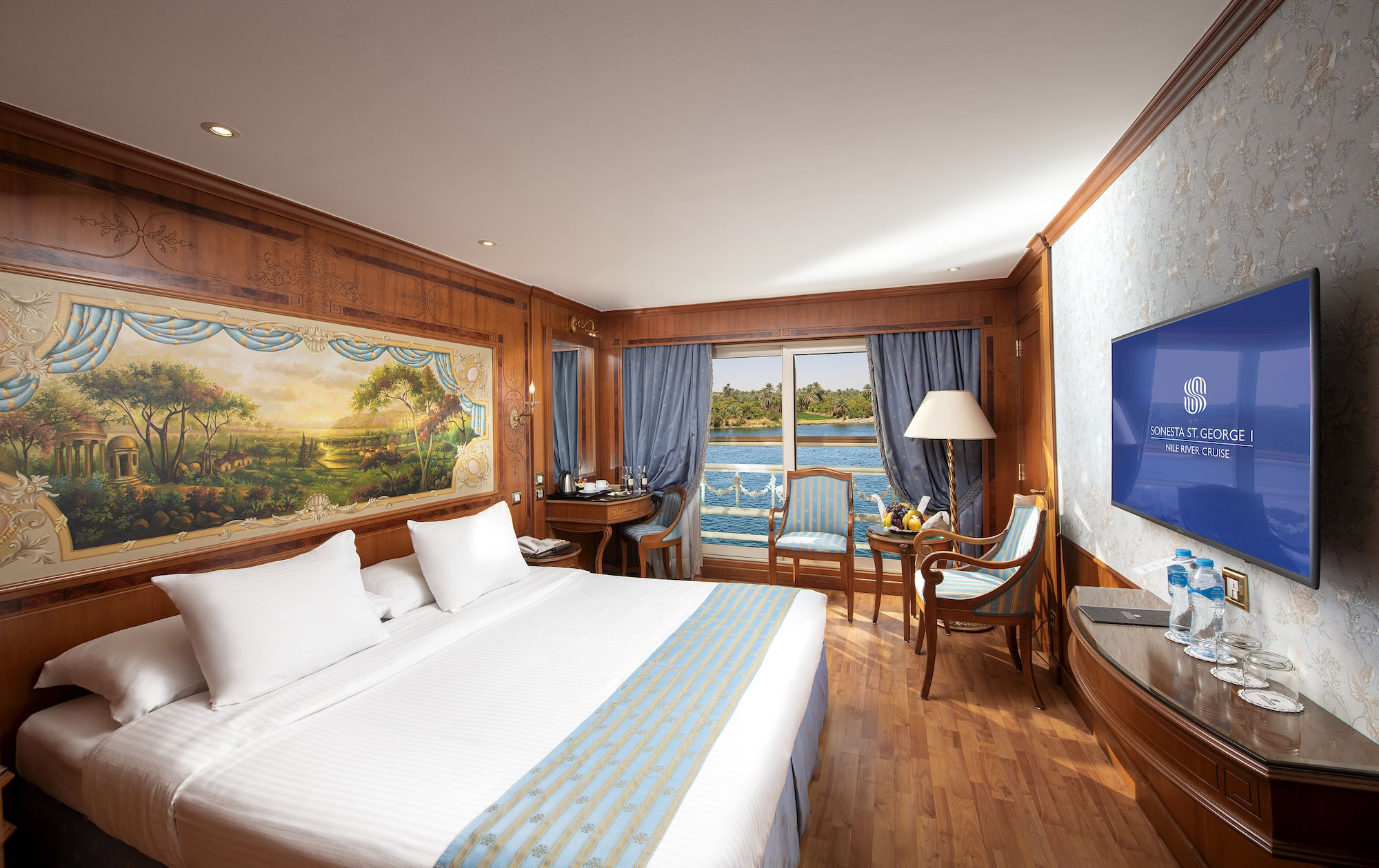
Some cruises offer cabin upgrades upon arrival, typically costing $50-150 per night depending on availability and improvement level.
Personal Expenses and Souvenirs
Onboard shops sell souvenirs, but prices are typically higher than in local markets. Budget $100-200 for shopping, including papyrus, spices, jewelry, and textiles. Alcoholic beverages aren’t always included and can add $20-40 per day to your bill.
Internet access may incur additional charges on some vessels, ranging from $15-25 for multi-day packages.
Comparing Cruise Lengths and Routes
Three-night cruises offer a taste of the Nile experience, sailing between Luxor and Aswan or vice versa. These shorter journeys focus on major highlights but feel somewhat rushed. Four-night itineraries provide better pacing while still covering essential sites.
Seven-night cruises often combine the classic Luxor-Aswan route with extensions to Dendera and Abydos temples. These longer journeys allow deeper exploration and more relaxed scheduling. Some include overland portions to Cairo or Red Sea destinations.
Round-trip cruises from Luxor or Aswan eliminate the need for internal flights but may repeat some sites. One-way journeys require coordination with domestic travel plans but offer more diverse scenery and experiences.
Booking Strategies for Best Value
Direct bookings with cruise operators sometimes offer perks like room upgrades or onboard credits, but prices rarely undercut established travel agencies. We typically secure better rates through our industry relationships while providing comprehensive support throughout your journey.
Last-minute deals can save 20-40% during off-peak periods, but risk limited cabin selection and potential disappointment. Booking 3-6 months ahead ensures better availability and allows time for proper trip planning.
Package deals combining Nile cruises with Cairo tours or Red Sea extensions often provide better overall value than booking components separately. These packages also simplify logistics and reduce coordination stress.
Frequently Asked Questions
The cheapest time to book a Nile cruise is typically during the summer months from May through September, when prices can be 30-50% lower than peak winter rates. Temperatures in Upper Egypt often exceed 35°C (95°F), which reduces demand and encourages operators to offer discounts. Travelers willing to sightsee early in the morning can enjoy significant savings on cabins and packages. For the best value, compare summer rates against October and November shoulder-season departures.
Yes, most Nile cruise fares include all meals, typically covering breakfast, lunch, and dinner throughout the voyage. Cruises between Luxor and Aswan usually operate on a full-board basis, with buffet and à la carte options depending on the vessel category. Many ships can accommodate vegetarian, vegan, gluten-free, and other dietary requirements with advance notice. Always confirm whether beverages, specialty dining, and room service are included before finalizing your booking.
Yes, tipping is expected on Nile cruises in Egypt, and most travelers budget approximately $30-50 USD per person for a standard 3- to 5-night itinerary. Gratuities are commonly distributed among cabin stewards, restaurant staff, drivers, and other service personnel. Guides are often tipped separately because they provide specialized excursion services. Carrying small-denomination bills makes tipping easier and helps ensure staff receive gratuities directly.
Read more: Learn how much to tip cruise staff, guides, and drivers on a Nile cruise.
Most standard temple visits are included in cruise packages, but optional excursions can add approximately $85-250 USD per person. Popular upgrades include Abu Simbel, hot air balloon rides over Luxor, Nubian village visits, and private guided tours. Prices vary based on transportation, group size, and exclusivity. Reviewing excursion options before departure helps travelers budget accurately and prioritize experiences that match their interests.
The main difference is pacing, with 4-night cruises generally offering a more relaxed experience and additional sightseeing time. A typical 3-night itinerary sails from Aswan to Luxor, while a 4-night itinerary often travels in the opposite direction and allows more time at sites such as Edfu Temple and Kom Ombo Temple. Travelers interested in photography or detailed guided tours often appreciate the less rushed schedule of a longer cruise.
Drinks are usually not fully included in standard Nile cruise prices, although tea, coffee, or selected beverages may be offered during meals. Alcoholic drinks, soft drinks, bottled water outside meal service, and specialty coffees are commonly charged separately. Depending on consumption habits, beverage costs can add roughly $20-40 USD per day per person. Reviewing the ship’s beverage policy before departure helps avoid unexpected onboard expenses.
Peak season for Nile cruises runs from November through March, when temperatures are comfortable for exploring outdoor archaeological sites. During this period, daytime temperatures in Luxor and Aswan often range from 20-28°C (68-82°F), creating ideal sightseeing conditions. Higher demand means cabin availability can become limited, especially during Christmas, New Year, and Easter holidays. Booking several months in advance is strongly recommended during peak season.
Cabin upgrades are sometimes available after boarding, but they depend entirely on occupancy levels and unsold inventory. Upgrade costs commonly range from $50-150 USD per night, depending on the vessel and cabin category. Moving from a standard cabin to a suite or balcony accommodation may provide additional space, better views, and premium amenities. Travelers seeking specific cabin types should secure them before departure rather than relying on last-minute availability.
Luxury Nile cruise fares typically include larger suites, premium dining, enhanced service levels, and access to upscale onboard amenities. High-end vessels may feature private balconies, spa facilities, fine dining menus, butler service, and smaller passenger capacities for a more exclusive atmosphere. Guided excursions are often delivered in smaller groups with more personalized attention. Luxury cruises generally prioritize comfort, privacy, and a higher staff-to-guest ratio than standard vessels.
Booking a Nile cruise 3-6 months in advance generally provides the best combination of cabin choice, pricing, and itinerary availability. This is particularly important for travel between November and March, when demand is highest. Early reservations also increase the likelihood of securing preferred cabin locations and premium vessels. Travelers planning holiday-season departures should consider booking even earlier to avoid limited availability.
Yes, most Nile cruises charge a single supplement for solo travelers because cabin prices are generally based on double occupancy. Supplements often range from 50% to 100% of the standard cabin rate, although some operators offer reduced or waived supplements during lower-demand periods. Solo-traveler promotions are most common in summer and shoulder seasons. Comparing policies across cruise categories can result in substantial savings for independent travelers.
US dollars are widely accepted throughout Egypt and remain one of the most convenient currencies for tips, optional excursions, and tourist purchases. However, Egyptian pounds (EGP) are often more practical for small transactions, local markets, and minor onboard expenses. Carrying a mix of both currencies provides flexibility throughout your trip. Small denominations are especially useful because many vendors and service providers may have limited change available.
Design Your Custom Tour
Explore Egypt your way by selecting only the attractions you want to visit