Egypt Tours from New York
New York to the land of pharaohs – it’s closer than you think.
Every year, thousands of travelers depart from JFK and LaGuardia, trading Manhattan’s skyline for the timeless silhouette of the Giza pyramids. What starts as a simple dream of seeing Egypt’s ancient wonders transforms into an adventure through 5,000 years of civilization. We’ve been crafting Egypt tours from USA for decades, watching wide-eyed New Yorkers return as seasoned explorers with stories that last a lifetime. The flight may be long, but the memories are eternal.
Whether you’re planning your first visit to Cairo or dreaming of a luxury Nile cruise, this guide covers everything you need to know about Egypt tours departing from New York City.
Why Egypt Tours from New York Work
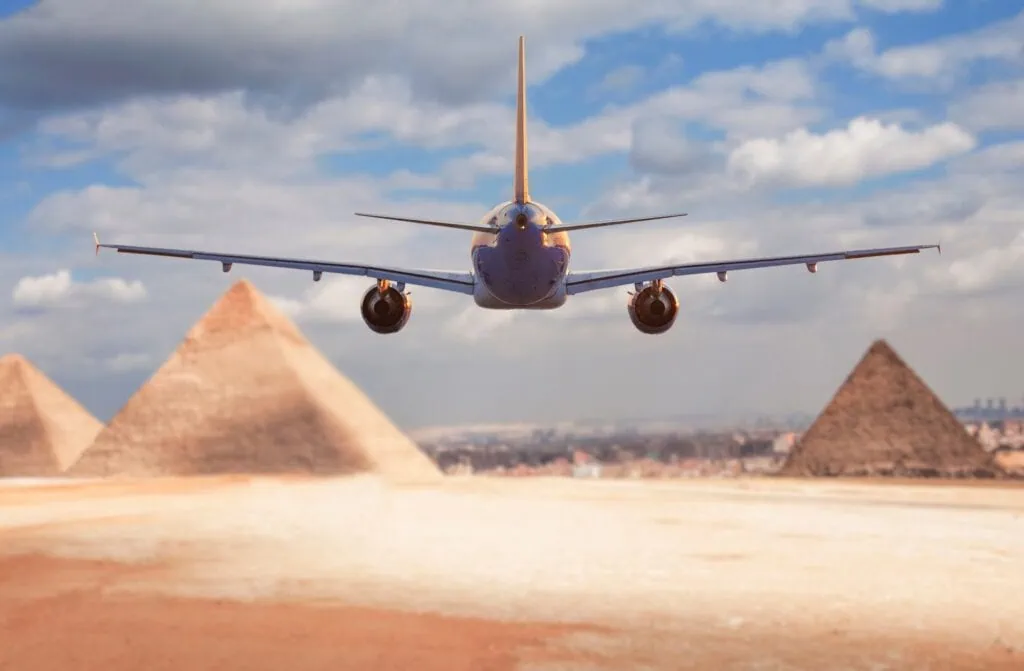
New York’s position as a global travel hub makes Egypt surprisingly accessible. Direct flights connect you to Cairo in about 11 hours, with multiple departure options from JFK International Airport.
Flight Options and Airlines
EgyptAir operates direct flights from JFK to Cairo International Airport three times weekly. The overnight flight departs at 1:30 am (01:30) and arrives at 10:30 pm (22:30) the following day, accounting for the seven-hour time difference. For more flexibility, connecting flights through European cities like London, Paris, or Amsterdam offer additional departure times and often better pricing.
Many of our clients prefer the European connections, which break the journey naturally and sometimes include brief stopovers in iconic cities. Emirates routes through Dubai provide excellent service with modern aircraft, while Turkish Airlines connects through Istanbul with competitive rates.
Seasonal Travel Considerations
Egypt’s climate works beautifully for New York travelers seeking winter escapes. When Manhattan faces February snow, temperatures in Cairo hover around 20°C (68°F) with sunny skies perfect for pyramid exploration. Spring and fall offer ideal conditions with temperatures between 25-30°C (77-86°F), making outdoor sightseeing comfortable throughout the day.
Summer visits require planning around Egypt’s heat, particularly in southern cities like Luxor and Aswan where temperatures can exceed 40°C (104°F). However, early morning temple visits and afternoon Nile cruise relaxation create a rhythm that works well for heat-sensitive travelers.
Visa Requirements Made Simple
U.S. passport holders need a tourist visa for Egypt, obtainable in three convenient ways. The electronic visa system allows online applications 7 days before departure, costing $25 for single entry. Visa on arrival at Cairo airport costs $25 in cash and typically processes within 15 minutes. Alternatively, apply at the Egyptian consulate in Manhattan for $35 if you prefer advance preparation.
Europeans enjoy similar visa requirements with identical pricing. Latin American visitors should check specific country agreements, as some nations have different arrangements with Egypt.
Planning Your Egypt Adventure from New York
The beauty of Egypt tours from New York lies in the extensive planning support available. Tour operators specializing in Egypt understand the unique needs of American travelers, from dietary preferences to communication styles.
Tour Duration and Formats
Five to seven-day trips focus intensively on Cairo and Giza, perfect for first-time visitors with limited vacation days. These compact itineraries cover the essential pyramids, Sphinx, and Egyptian Museum while allowing time for bazaar shopping and authentic dining experiences.
8-day Egypt packages typically combine Cairo’s ancient wonders with a Nile cruise between Luxor and Aswan. This classic format provides the complete Egypt experience – pharaonic monuments in the morning, leisurely river sailing in the afternoon, and star-filled desert nights.
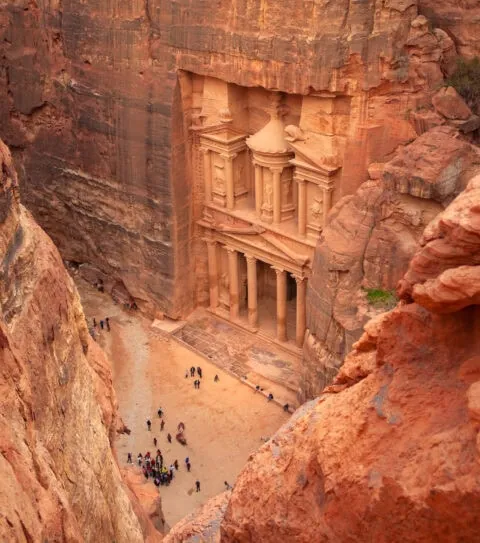
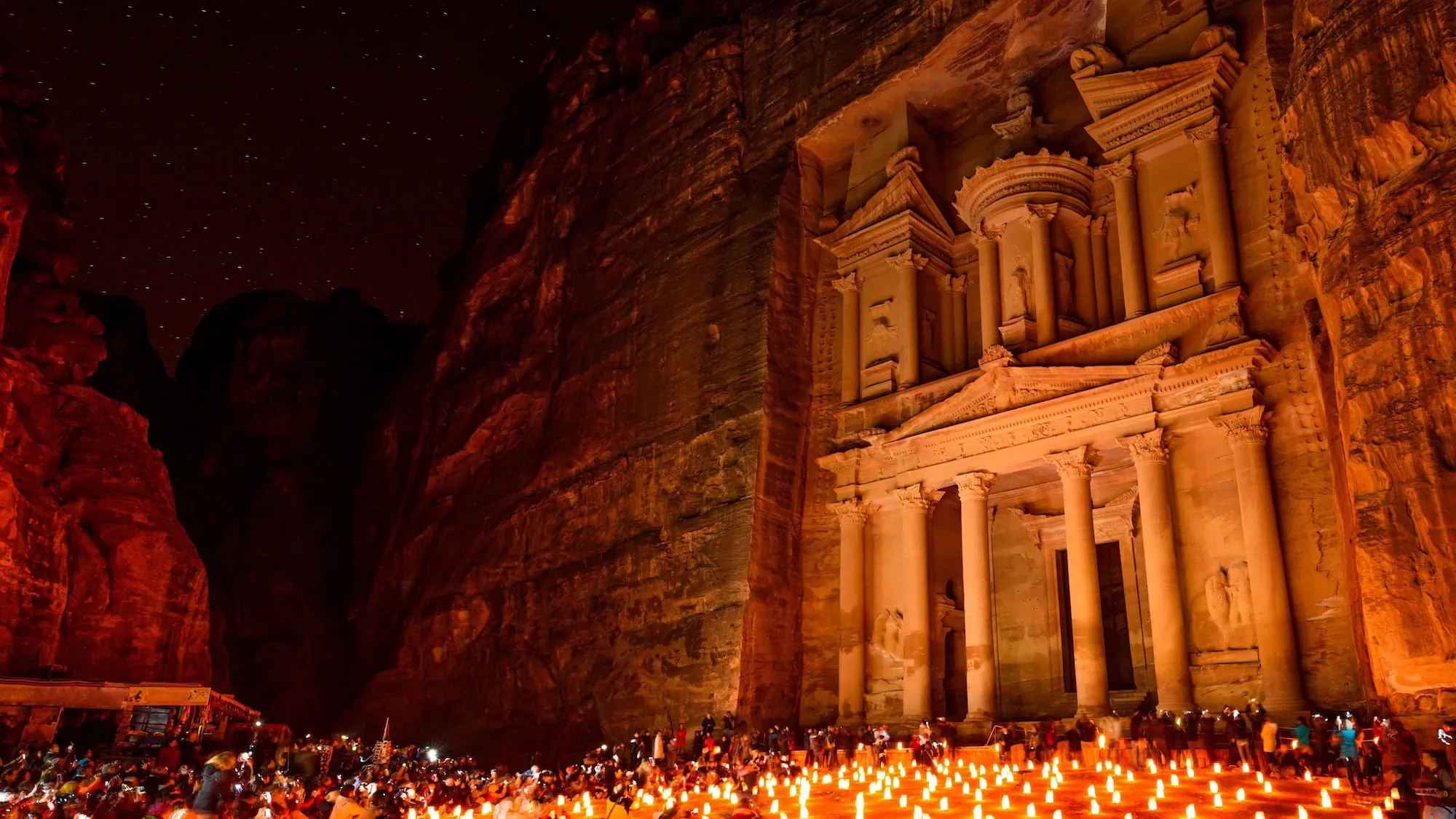
Extended two-week adventures often include Red Sea relaxation in Hurghada or Sharm El Sheikh, adding beach time to balance intensive historical exploration. For travelers looking to go even further, tours to Egypt and Jordan offer a seamless way to combine Egypt’s ancient wonders with Jordan’s iconic Petra and other unforgettable landscapes.
Group Tours vs Private
Group tours from New York create instant communities of fellow explorers, often ranging from 14-20 participants. These tours offer cost-effective pricing and built-in social interaction, perfect for solo travelers or couples wanting to meet like-minded adventurers. Professional tour guides provide educational context while handling all logistics seamlessly.
Private tours deliver personalized experiences tailored to your interests and pace. Want to spend extra time photographing the Sphinx? Your private guide adjusts accordingly. Interested in specific Egyptian dynasties? Your itinerary reflects these preferences. We arrange dedicated vehicles, handpicked accommodations, and exclusive access experiences unavailable to larger groups.
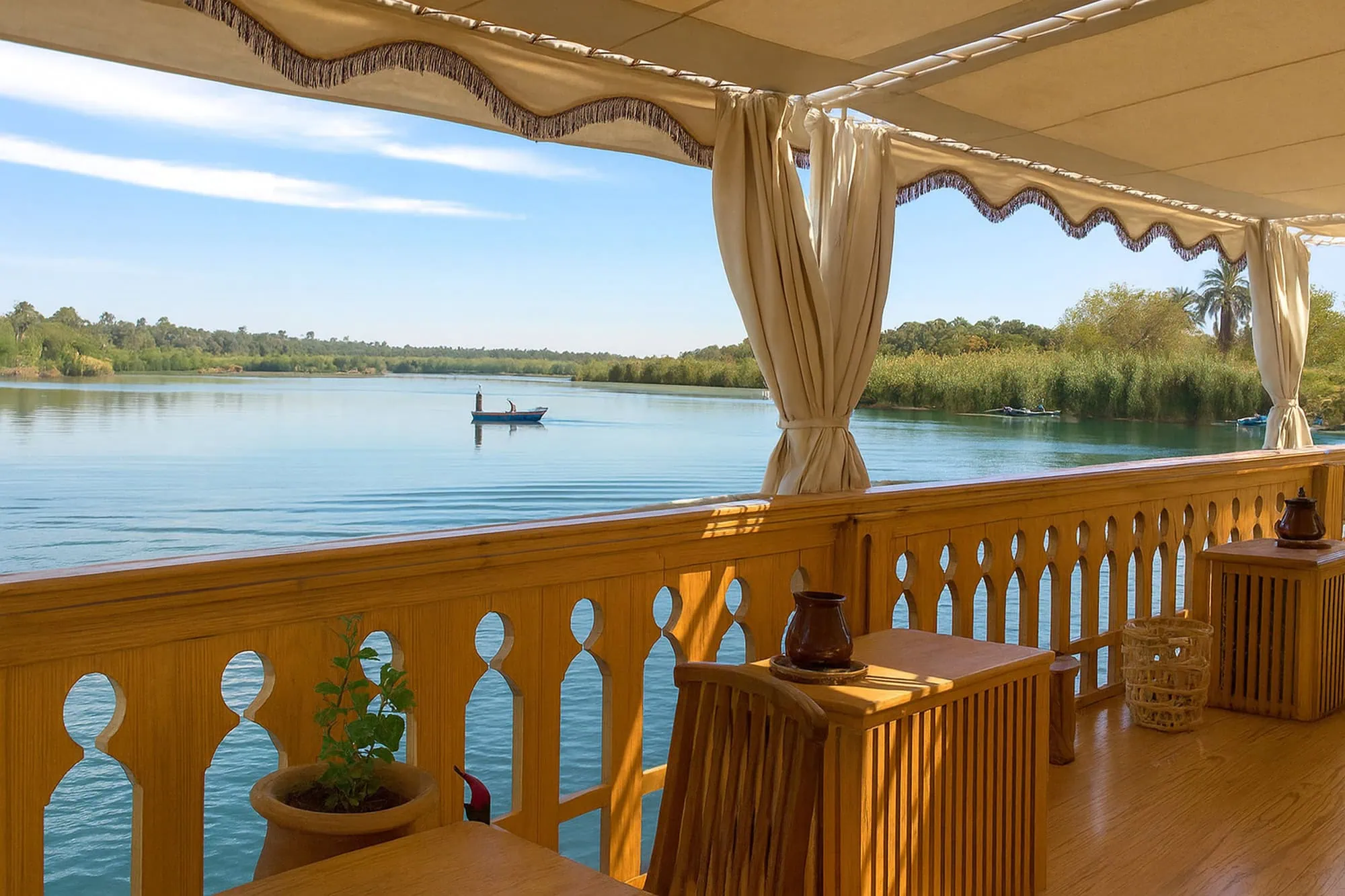
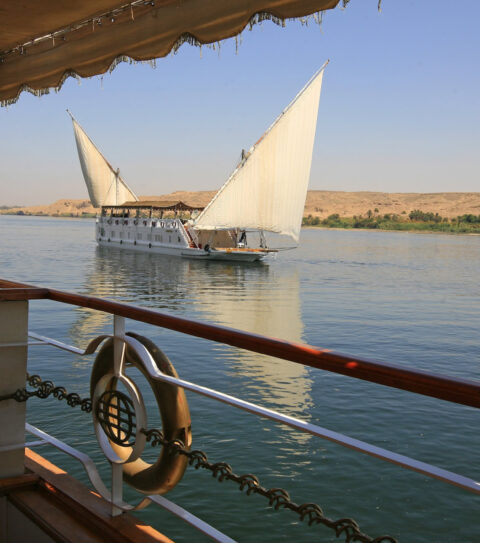
Our Nile dahabiya cruises between Luxor and Aswan operate as small group experiences with up to 12 participants, providing intimate settings while maintaining cost efficiency. This approach balances personal attention with social interaction aboard luxury vessels.
Essential Destinations Every New York Traveler
Cairo captures visitors immediately with its remarkable blend of ancient and modern Egypt. The sprawling metropolis houses one-third of Egypt’s population while preserving humanity’s greatest archaeological treasures within urban boundaries.
Giza Pyramids Complex
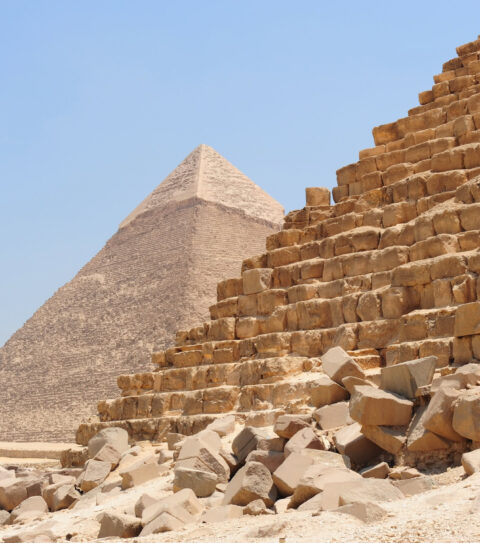
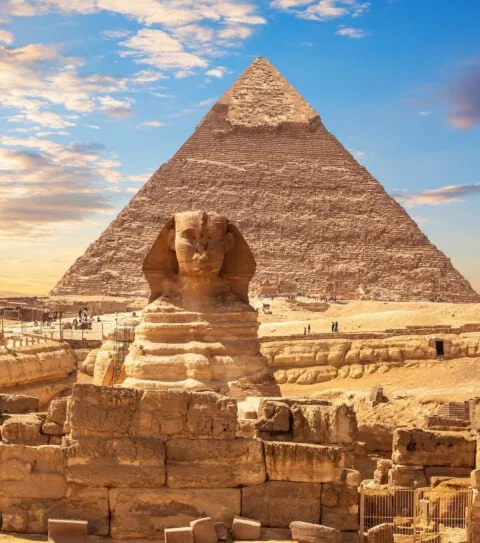
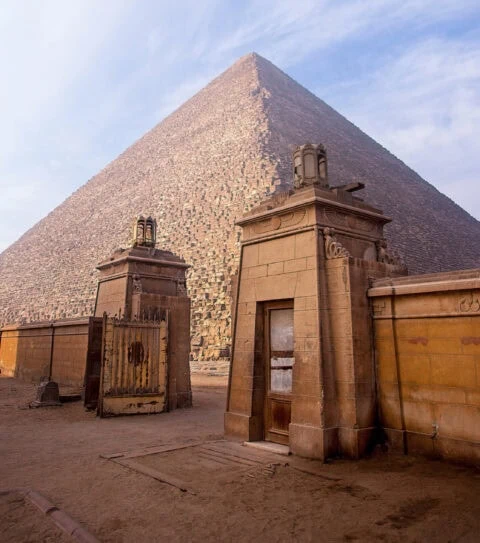
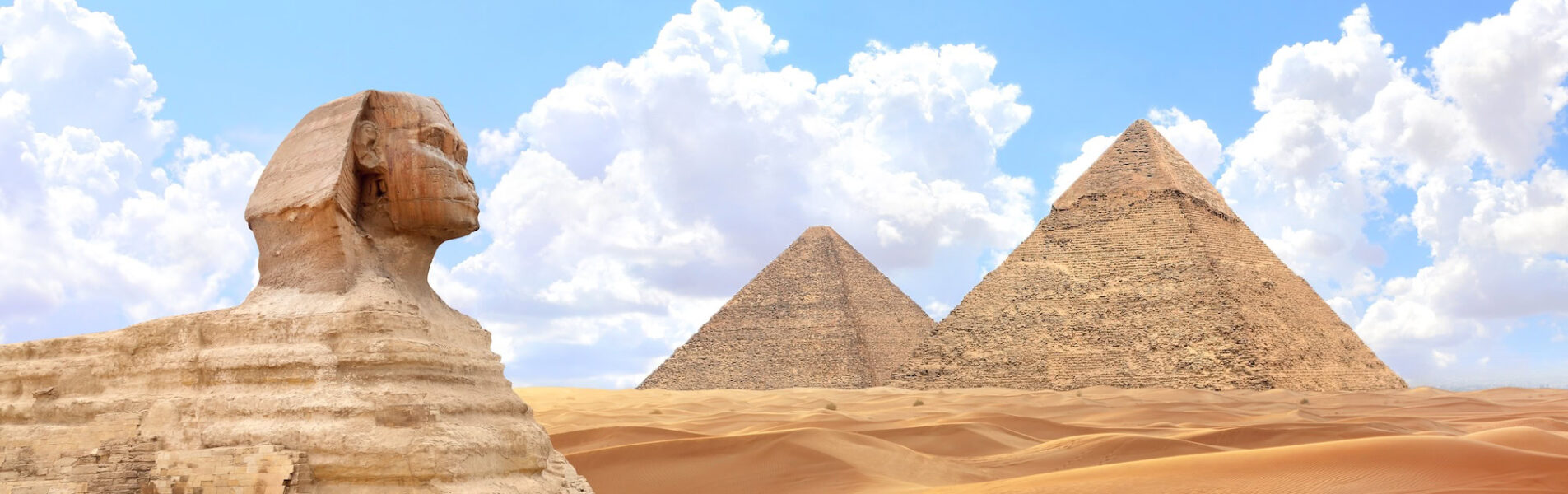
Standing before the Great Pyramid creates a moment of profound perspective that no photograph can capture. Built over 4,500 years ago, this monument predates the Colosseum by 2,000 years and was already ancient when Cleopatra ruled Egypt. The complex includes three major pyramids, smaller queen’s pyramids, and the enigmatic Sphinx – all accessible within walking distance.
Most visitors focus on exterior views, but interior pyramid exploration adds incredible depth to the experience. The Great Pyramid’s Grand Gallery stretches 47 meters (154 feet) upward at a precise 26-degree angle, leading to the King’s Chamber where pharaohs began their eternal journey. Additional tickets grant access to different pyramid interiors, each revealing unique architectural solutions to ancient engineering challenges.
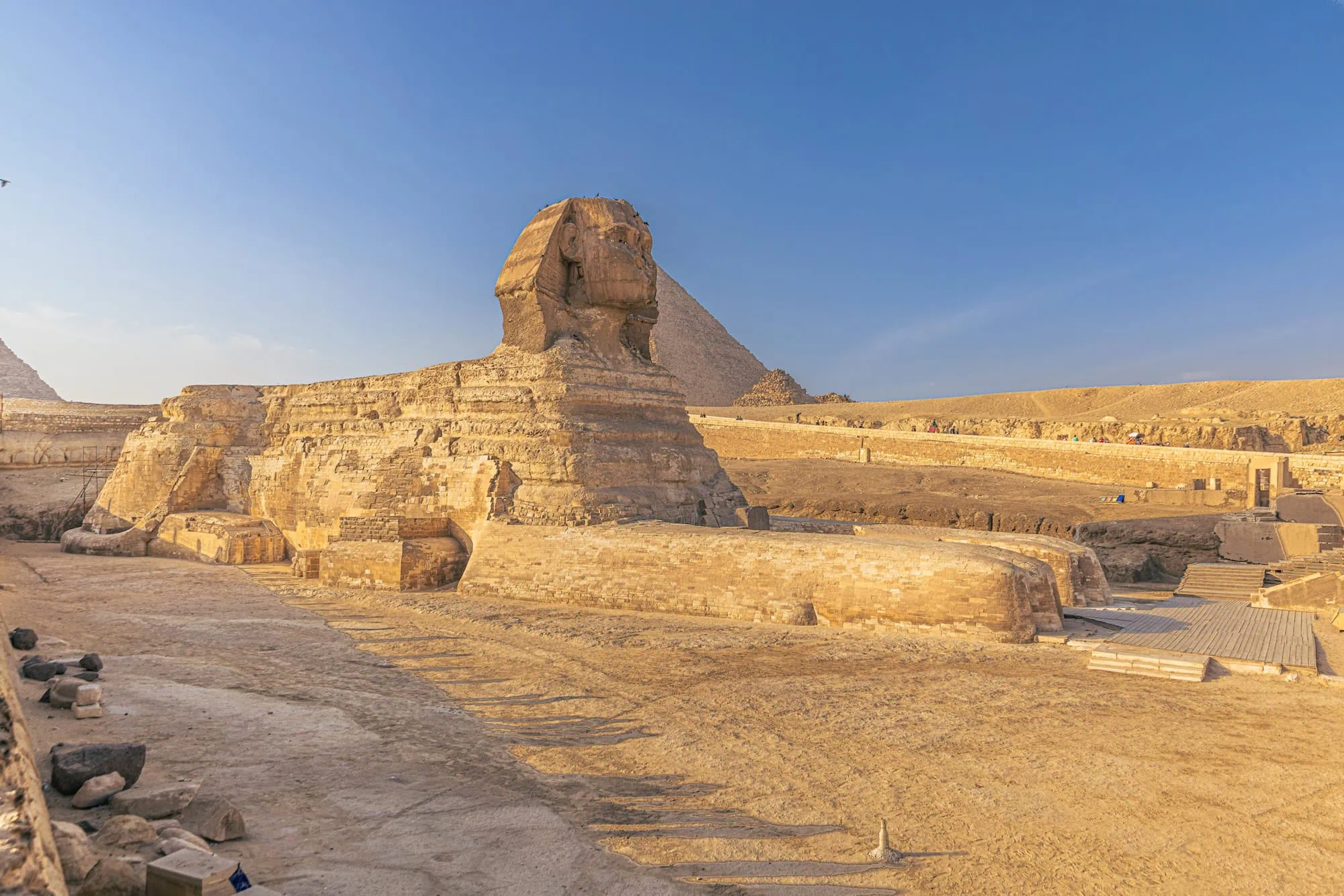
The Sphinx poses questions that archaeologists continue debating. Carved from a single limestone outcrop, this monument combines human intellect with lion strength in a symbol that has inspired civilizations for millennia. Recent discoveries suggest the Sphinx complex may be older than previously thought, adding mystery to an already enigmatic guardian.
Luxor Open-Air Museum
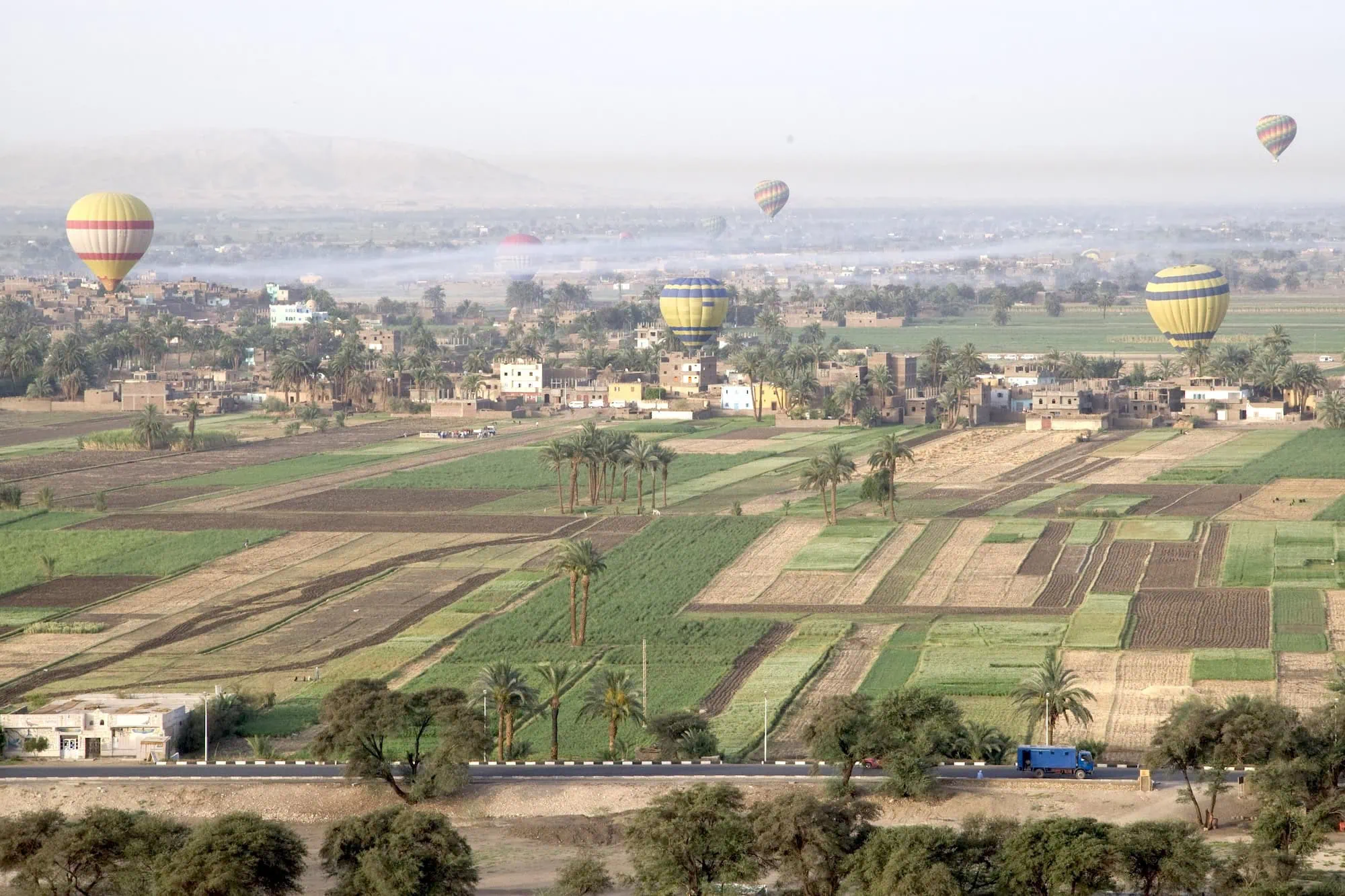
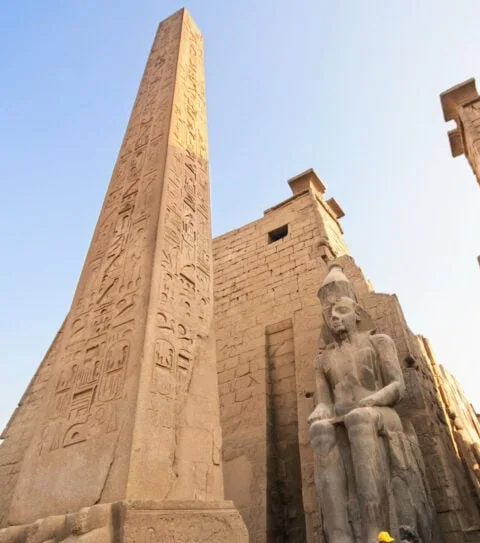
Luxor transforms Egypt tours from educational to extraordinary with its concentration of perfectly preserved temples and tombs. Ancient Thebes served as Egypt’s political and religious capital for over 1,000 years, accumulating architectural masterpieces that survived desert conditions remarkably intact.
Karnak represents humanity’s largest religious complex, covering over 100 hectares (247 acres) with construction spanning 2,000 years. The Great Hypostyle Hall contains 134 massive columns, each capable of supporting a small apartment building on its capital. Walking among these stone forests provides perspective on ancient Egypt’s incredible wealth and organizational capabilities.
This royal necropolis houses 63 discovered tombs, including Tutankhamun’s famous burial site. Standard tickets include three tombs, carefully selected to showcase different periods and artistic styles. Ramesses VI’s tomb features astronomical ceiling decorations mapping ancient Egyptian cosmology. Seti I’s tomb, though requiring separate tickets, contains some of Egypt’s finest wall paintings with colors remaining vivid after 3,000 years.
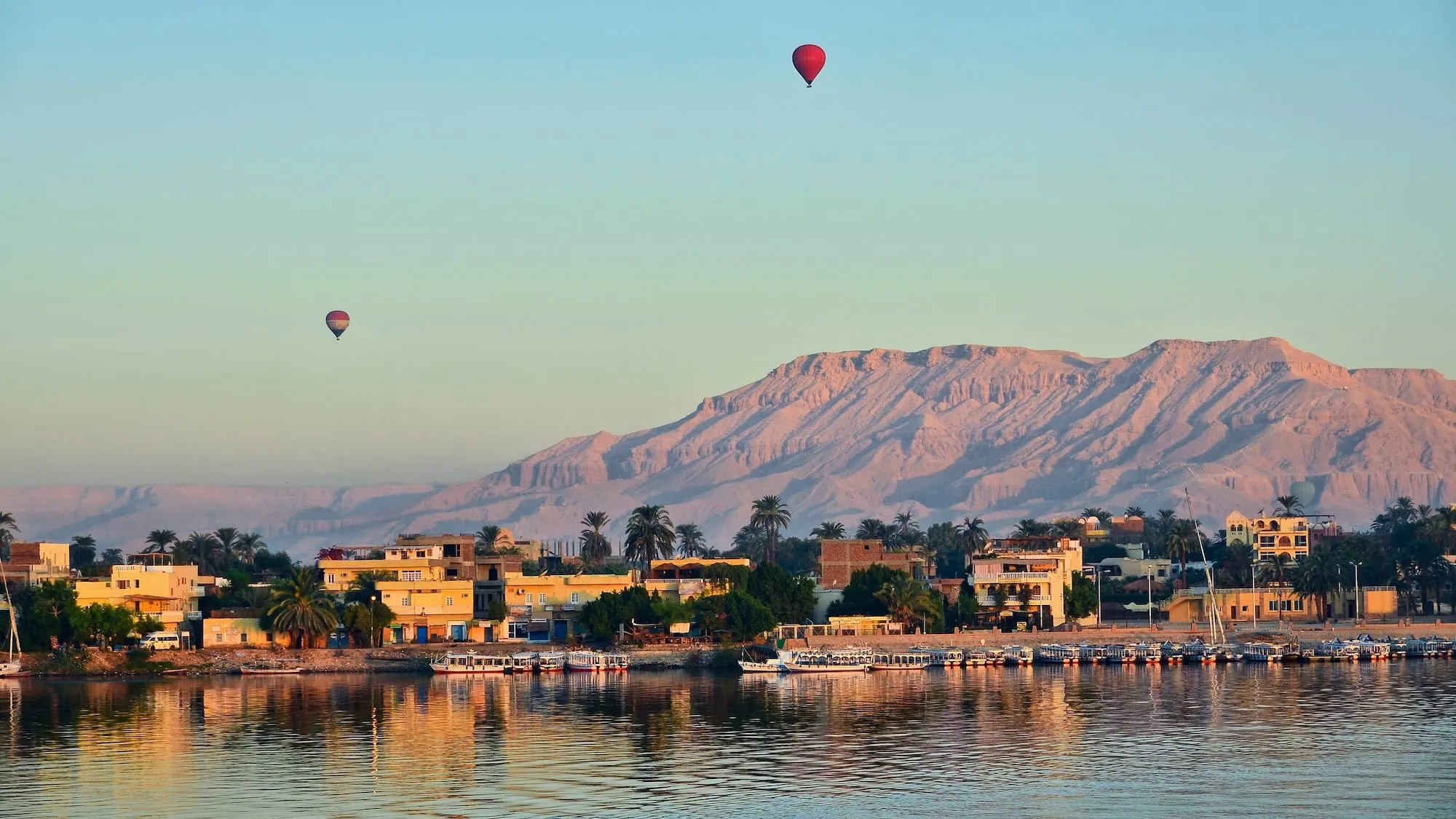
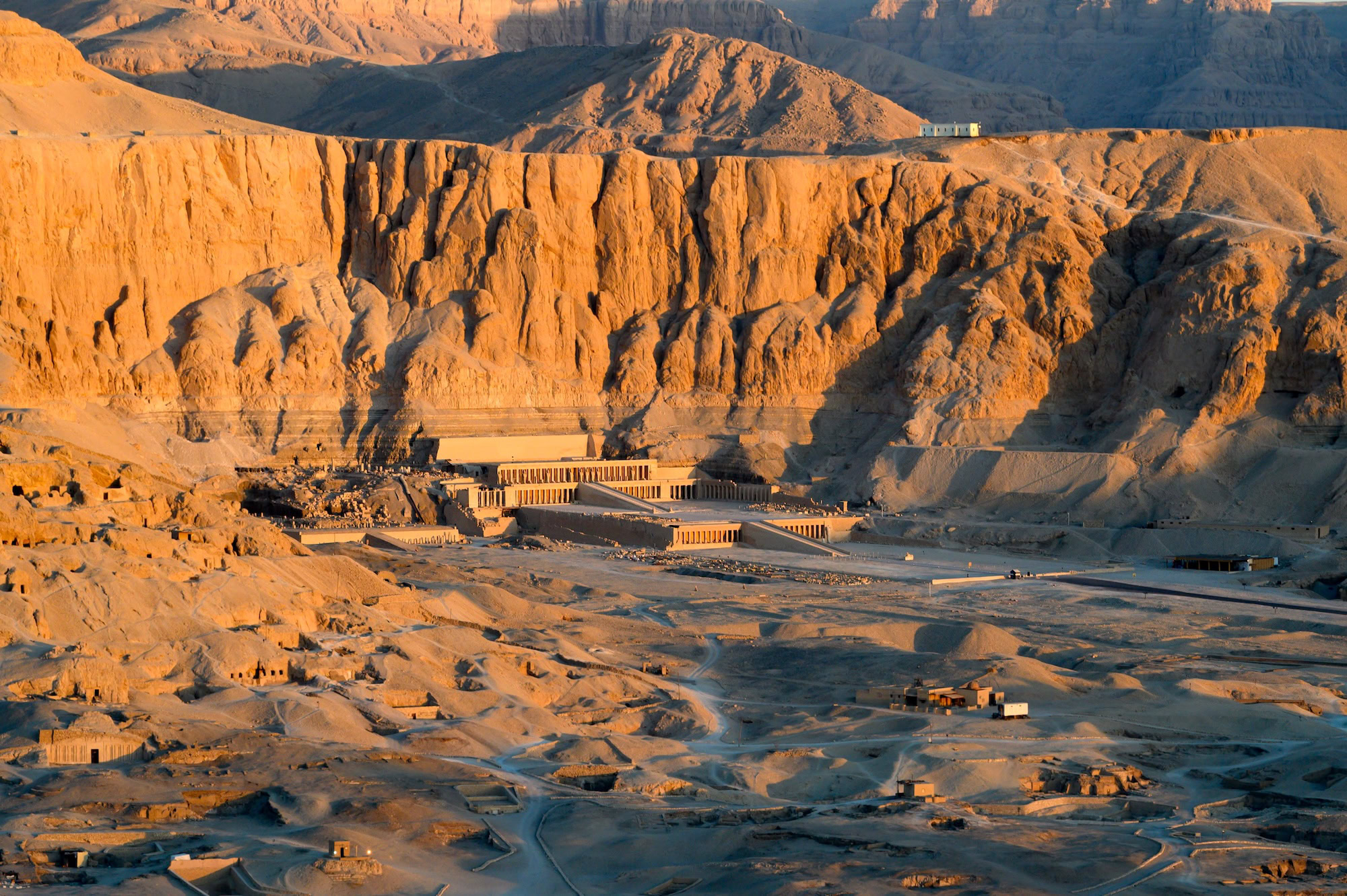
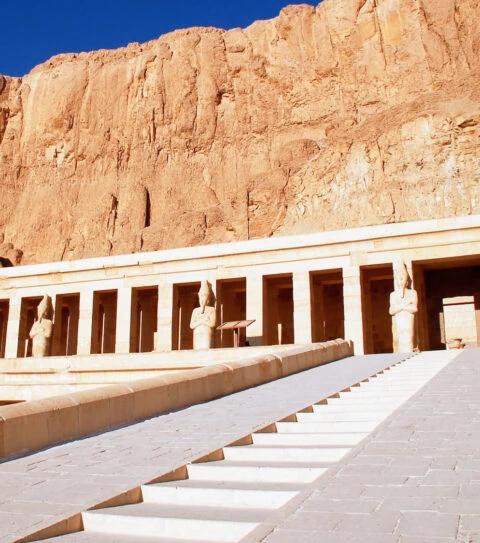
Queen Hatshepsut’s mortuary temple demonstrates how ancient architects harmonized monumental construction with natural landscape. Built into limestone cliffs, this three-tiered temple creates dramatic perspectives from every viewing angle. The queen’s remarkable story – ruling Egypt as pharaoh for 22 years during the New Kingdom’s golden age – adds historical depth to architectural appreciation.
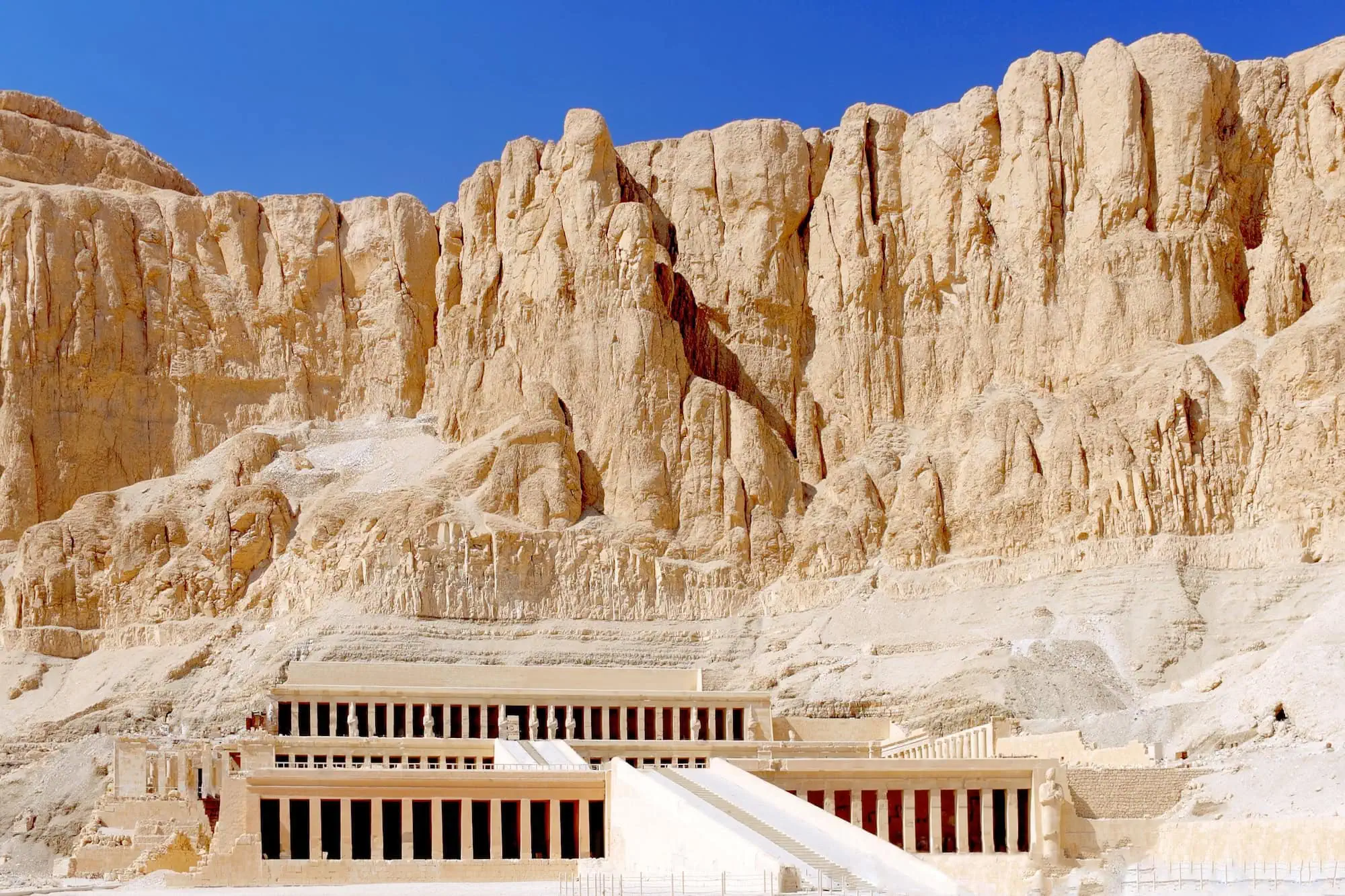
Nile Cruise Experiences: Floating Through History
A Nile cruise between Luxor and Aswan ranks among travel’s most romantic and educational experiences. Modern cruise ships provide luxury accommodations while ancient temples line the riverbanks, creating a perfect blend of comfort and discovery.
The journey typically spans three to four nights, with daily temple excursions balanced by relaxing river sailing. Morning wake-up calls reveal new landscapes outside your cabin window – sometimes green agricultural fields, other times dramatic desert cliffs reflecting golden sunrise light. Afternoon sailing provides reading time, swimming, and socializing with fellow travelers as traditional felucca boats drift past.
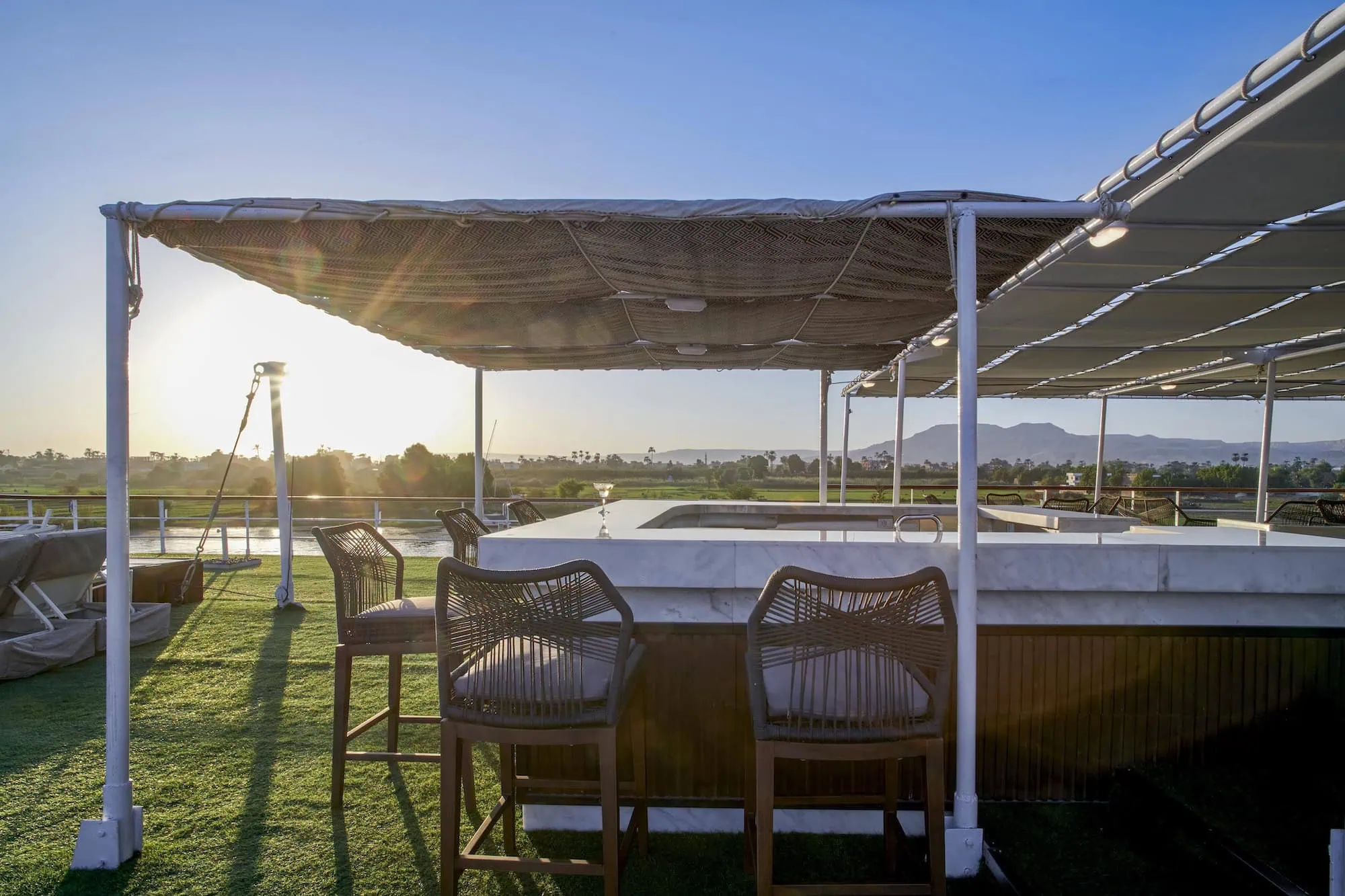
Edfu and Kom Ombo
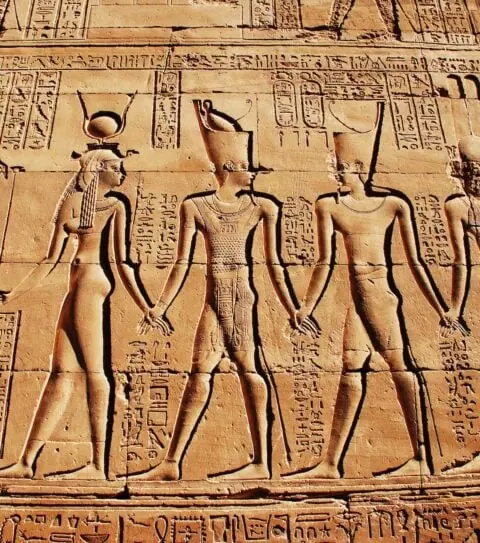
Edfu Temple, dedicated to the falcon god Horus, represents Egypt’s best-preserved ancient temple. Construction occurred during the Ptolemaic period when Greek rulers embraced Egyptian religious traditions. The massive entrance pylon towers 36 meters (118 feet) high, decorated with scenes depicting pharaoh’s triumph over chaos and enemies.
Kom Ombo’s unique dual temple design honors both Sobek the crocodile god and Horus the falcon deity. Ancient Egyptians chose this riverside location strategically – crocodiles gathered here naturally, making the site sacred to Sobek. The temple’s medical instruments carved into stone walls suggest this location served as an ancient healing center.
Philae Temple and Aswan
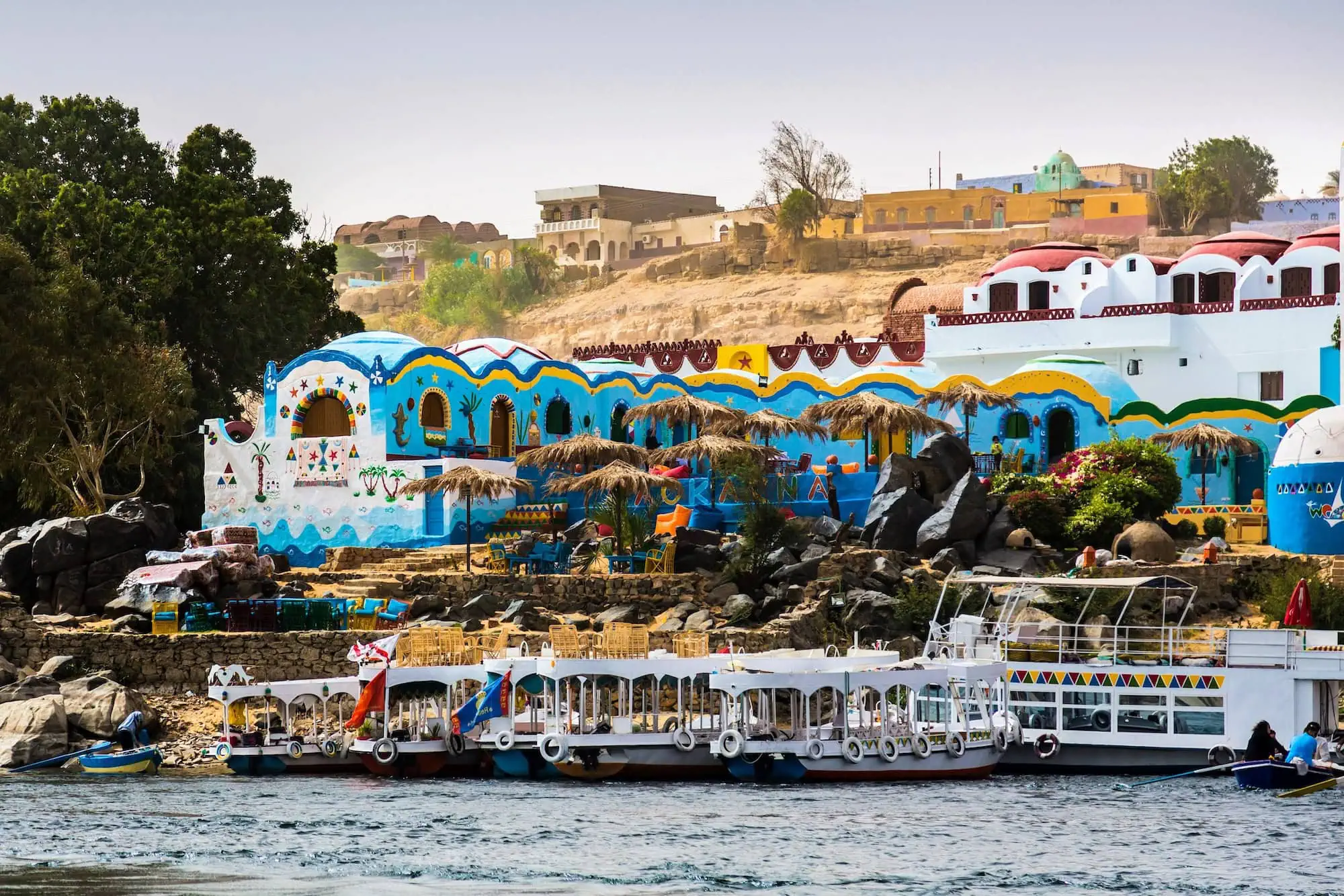
Aswan provides the perfect conclusion to Nile cruising with its relaxed Nubian culture and dramatic granite landscape. The High Dam, completed in 1970, created Lake Nasser while requiring the relocation of several monuments to higher ground.
Philae Temple’s relocation story demonstrates international cooperation preserving world heritage. UNESCO coordinated moving the entire temple complex block by block to Agilkia Island, saving it from permanent flooding. The temple’s island setting creates magical evening visits when illumination highlights intricate reliefs against dark water.
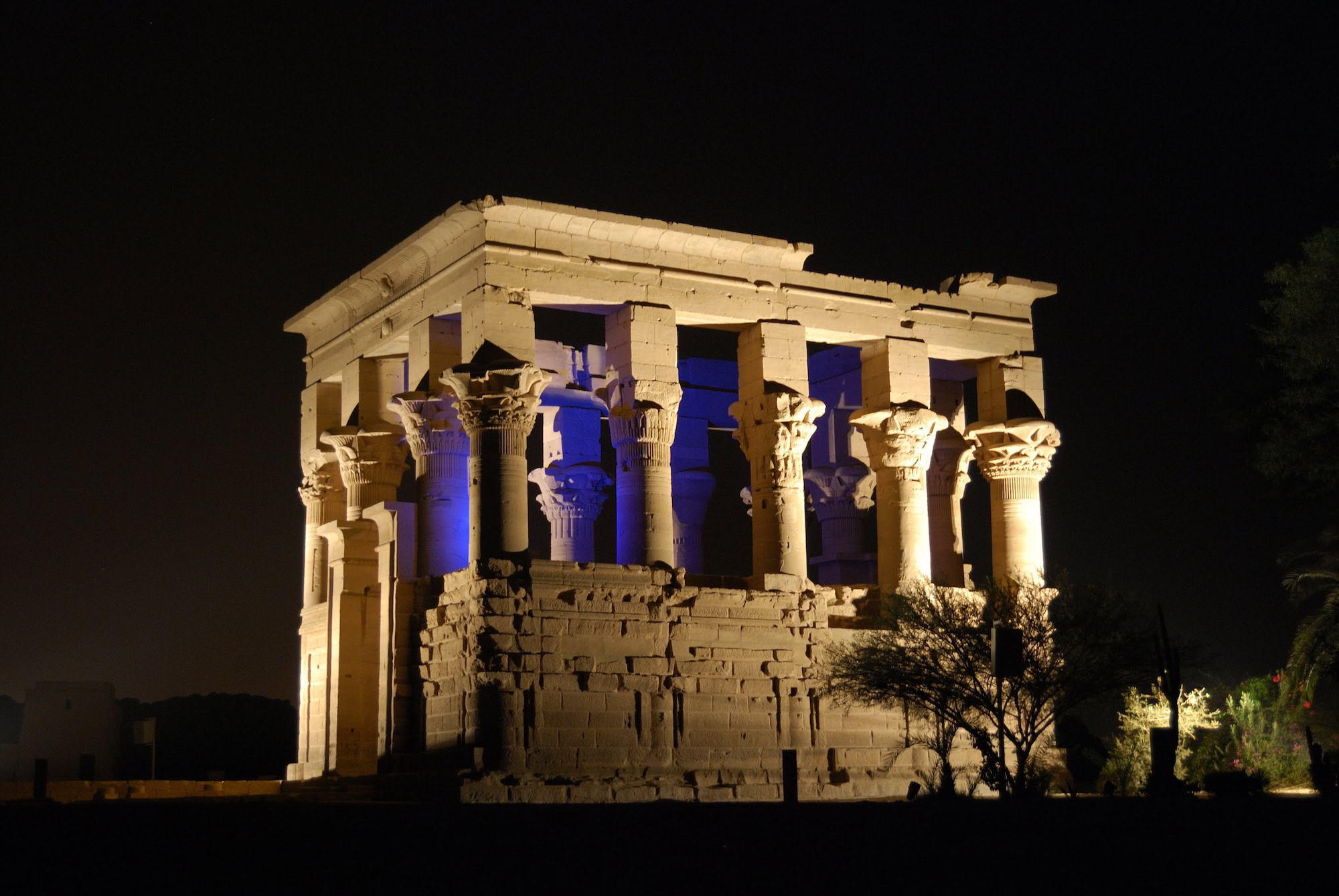
Traditional felucca sailing around Aswan’s granite islands provides peaceful contrast to intensive temple touring. These wooden sailboats have navigated the Nile unchanged for centuries, powered only by wind and skilled Nubian captains who know every current and breeze pattern.
Practical Planning: Making Your Dream Reality
Successful Egypt tours require thoughtful preparation, particularly for travelers accustomed to New York’s infrastructure and service standards. We handle the complex logistics while ensuring you understand what to expect.
Egyptian cuisine offers delicious discoveries for adventurous palates, though some dishes may challenge sensitive stomachs. Hotel restaurants provide international options alongside local specialties. Bottled water remains essential throughout your journey – tap water, while treated, contains minerals that can upset travelers’ digestive systems.
Currency exchange works best through hotel reception desks or established banks rather than street vendors. Credit cards are accepted at major hotels and tourist sites, though cash remains necessary for tips, small purchases, and local experiences. U.S. dollars are widely recognized and often preferred for tourism transactions.
Health and Safety Considerations
Standard travel vaccinations suffice for most Egypt visits, though hepatitis A and B provide additional protection for adventurous diners. Travel insurance proves invaluable for medical emergencies or trip interruptions. Most New York health insurance plans don’t cover international medical costs, making supplemental coverage essential.
Egypt’s tourism infrastructure prioritizes visitor safety with tourist police stationed at major sites and dedicated tourist courts handling any legal issues. Our local guides maintain direct communication with authorities and handle any complications that arise.
Packing Essentials for Egypt
Lightweight, long-sleeved clothing protects against sun exposure while respecting local customs. Cotton fabrics work better than synthetic materials in Egypt’s dry climate. Comfortable walking shoes with ankle support prove essential for uneven ancient surfaces. Many archaeological sites require significant walking on sand, stones, and stairs.
Sunscreen, hat, and sunglasses protect against intense desert sun that can burn even experienced outdoor enthusiasts. A small daypack carries water, camera, and personal items during temple visits. Battery packs keep devices charged during long touring days when outlets may be unavailable.
Cultural Sensitivity and Customs
Egyptian hospitality welcomes visitors warmly while expecting basic respect for local traditions. Modest dress at religious sites means covering shoulders and knees. Shorts are acceptable for men during outdoor activities but not inside mosques or churches.
Photography restrictions apply inside some tombs and museums, with additional fees required for camera permits. Professional cameras may require special permissions. Always ask permission before photographing local people, though most Egyptians enjoy positive interactions with visitors.
Tipping culture in Egypt differs from New York expectations. Small tips (5-10 Egyptian pounds) are expected for minor services, while tour guides and drivers typically receive $5-10 per day depending on service quality. Hotel staff, restaurant servers, and bathroom attendants all expect modest gratuities.
Frequently Asked Questions
Direct flights from JFK to Cairo take approximately 11 hours.
October through April offers comfortable weather with temperatures of 20-30°C.
Standard travel vaccinations sufficient, hepatitis A and B provide additional protection.
Lightweight long sleeves, comfortable walking shoes, sun protection, modest clothing.
Complete tour packages range from $2,000-5,000 per person depending on duration.
Yes, Egypt maintains dedicated tourist police and infrastructure for visitors.
Bottled water recommended as local minerals can upset travelers’ systems.
U.S. dollars widely accepted and often preferred for tourism transactions.
Online, on arrival at Cairo airport for $25, or Manhattan consulate.
Accommodation, transportation, professional guides, entrance fees, some meals typically included.
Popular extensions include Jordan for Petra or Red Sea resorts.
Egypt is 7 hours ahead of New York time zone.
Design Your Custom Tour
Explore Egypt your way by selecting only the attractions you want to visit