The Birth of the Arab Republic of Egypt – July 22, 1952
The night of July 22, 1952 changed Egypt forever.
What began as a carefully planned military operation by a group of young army officers would end centuries of foreign domination and establish the foundation for modern Egypt. The Free Officers Movement, led by Muhammad Naguib and Gamal Abdel Nasser, didn’t just overthrow King Farouk – they launched Egypt into a new era of Arab nationalism and independence that would reshape the entire Middle East.
This bloodless revolution marked the first time since the pharaonic era that Egypt would be ruled by native Egyptians, setting the stage for dramatic social, economic, and political transformations.
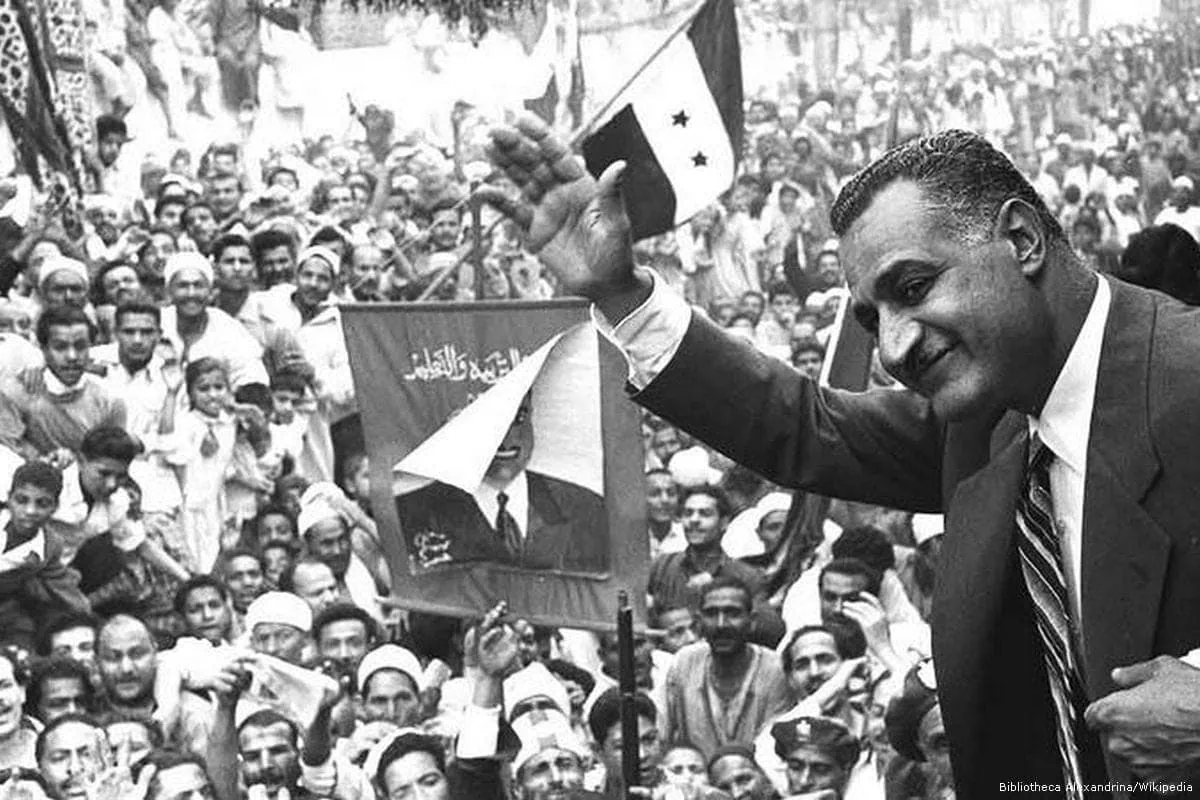
The Free Officers Movement: Architects of Change
The revolution’s success stemmed from years of careful planning by the Free Officers Movement, a secret organization within the Egyptian military formed in the 1940s. These young army officers represented a new generation of Egyptian leaders who had grown increasingly frustrated with the corruption and foreign influence that plagued their country.
Formation and Early Years
The Free Officers Movement emerged from the humiliation of Egypt’s defeat in the 1948 Arab-Israeli War. Muhammad Naguib, a respected colonel who had distinguished himself in the Palestine conflict, became the movement’s figurehead due to his military reputation and popularity among the troops. However, the real organizational force came from Gamal Abdel Nasser, a charismatic lieutenant colonel who possessed the strategic mind and revolutionary vision needed to plan the coup.
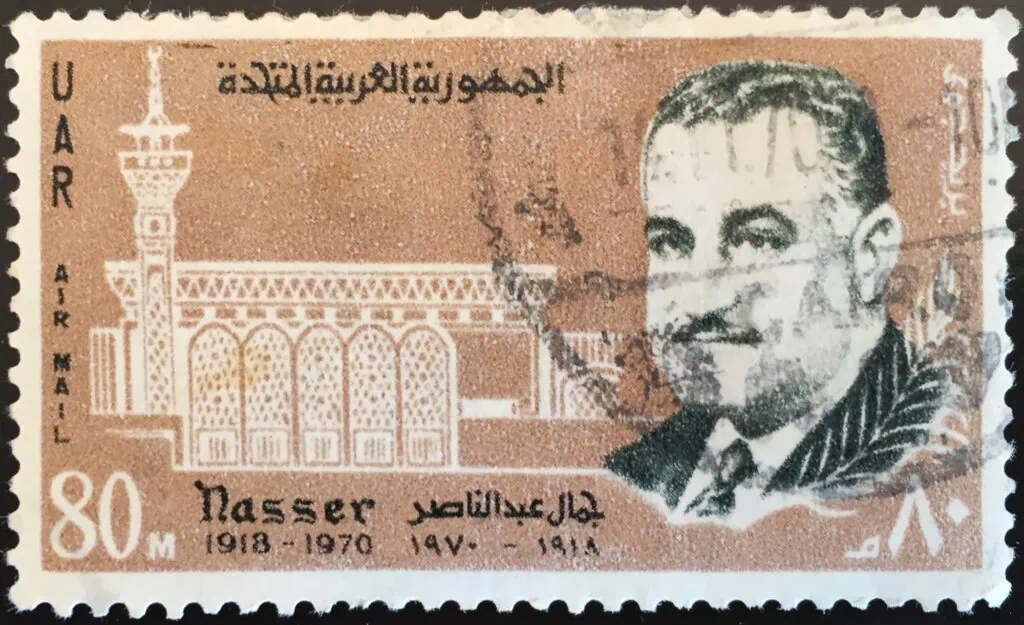
The movement initially consisted of just nine officers who met secretly to discuss Egypt’s problems. They identified three main enemies: British occupation forces who still controlled key military installations, King Farouk’s corrupt monarchy that had bankrupted the nation, and the feudal system that kept millions of Egyptians in poverty while a small elite controlled most of the land.
Revolutionary Planning and Network Expansion
By 1952, the Free Officers had recruited hundreds of sympathetic military personnel throughout the Egyptian armed forces. Their network included officers in key positions within the army, air force, and police. Nasser proved particularly skilled at building these underground connections while maintaining absolute secrecy about the movement’s ultimate plans.

The officers studied successful military coups from other countries and developed a detailed strategy for taking control of Egypt’s government institutions. They identified strategic targets including radio stations, telephone exchanges, military headquarters, and key government buildings in Cairo. Each member received specific assignments and backup plans in case the primary operation encountered resistance.
Security and Recruitment
The Free Officers maintained strict operational security through a cell-based structure where most members knew only a few other participants. This compartmentalized approach protected the movement from infiltration by British intelligence or the king’s secret police. New recruits underwent careful vetting, and the leadership only accepted officers who demonstrated both nationalist convictions and personal integrity.
The Revolutionary Command Council formed the movement’s governing body, with representatives from different military branches and regions. This council would later become Egypt’s ruling authority after the successful coup, demonstrating the officers’ careful attention to post-revolution governance.
King Farouk’s Failing Monarchy
Egypt’s monarchy had become a symbol of everything wrong with the country by the early 1950s.
King Farouk’s reign epitomized the corruption and foreign dependence that the Free Officers Movement sought to end. The monarch lived in luxury while ordinary Egyptians struggled with poverty, illiteracy, and disease. His government’s incompetence during the 1948 war against Israel had destroyed what remained of his credibility with the military and the Egyptian people.
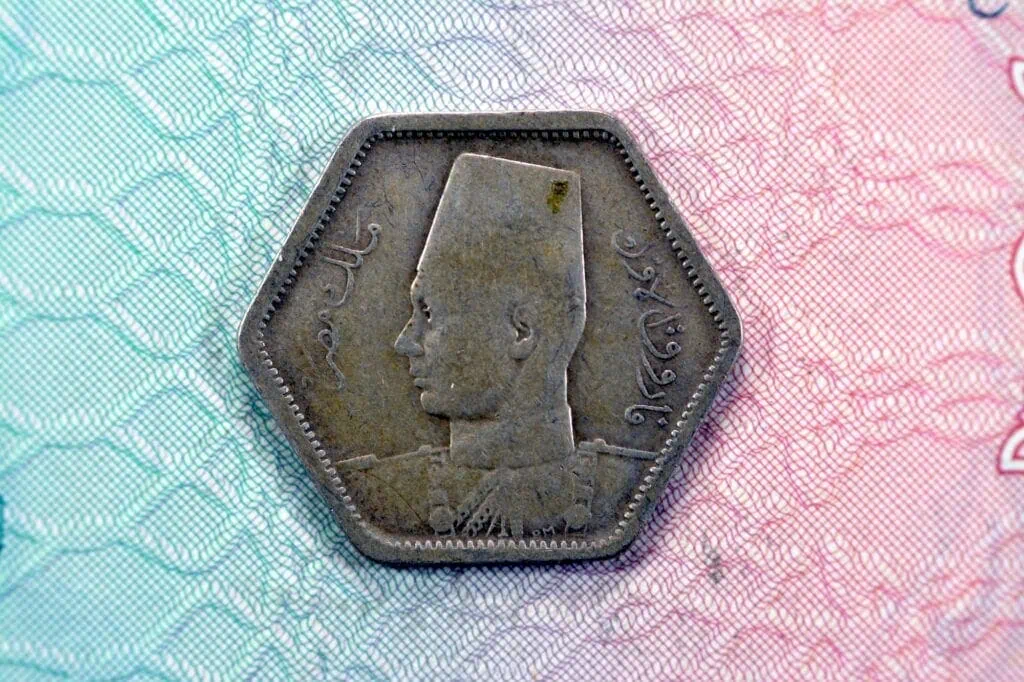
The king’s personal behavior scandalized conservative Egyptian society. His gambling, womanizing, and ostentatious display of wealth while his subjects suffered created a perfect target for revolutionary propaganda. British influence remained strong in his court, reinforcing the perception that Egypt’s ruler served foreign interests rather than his own people.
The July 23 Revolution Unfolds
The coup began at midnight on July 23, 1952, when Free Officers units simultaneously moved against predetermined targets across Cairo. The operation proceeded with remarkable efficiency, meeting virtually no resistance from government forces.
Taking Control of Strategic Points
Revolutionary forces quickly secured the Ministry of War, central telegraph office, radio broadcasting station, and other critical infrastructure. The speed of their advance caught both British officials and the royal government completely off guard. Most government ministers learned about the coup from radio broadcasts rather than their own intelligence services.
Radio Cairo became the revolution’s voice to the Egyptian people. At 7:30 am (07:30), Colonel Anwar Sadat read the first revolutionary communiqué on behalf of the Free Officers Movement. The announcement declared that the army had seized power to purify the country and eliminate corruption, feudalism, and foreign influence.
Confronting King Farouk
The revolutionaries initially hoped to avoid direct confrontation with King Farouk, preferring that he abdicate voluntarily. However, when the monarch refused to step down and attempted to rally loyal forces, the Free Officers surrounded the royal palaces and presented him with an ultimatum.
General Naguib personally delivered the final demand for abdication to King Farouk at Ras el-Tin Palace in Alexandria. The king, realizing that his situation was hopeless and that the military had abandoned him, agreed to abdicate in favor of his infant son Fuad II and leave Egypt permanently.

On July 26, King Farouk sailed away from Alexandria aboard his royal yacht, ending 150 years of his dynasty’s rule over Egypt. The sight of the former monarch departing Egyptian shores symbolized the end of an era for millions of his former subjects.
Birth of the Arab Republic
The Revolutionary Command Council moved quickly to establish legitimacy and begin implementing their nationalist agenda.
Initially, the Free Officers maintained the facade of constitutional monarchy with the infant King Fuad II as nominal head of state and Ali Maher as prime minister. However, this arrangement lasted only briefly as the revolutionaries consolidated their power and prepared for more radical changes.
In June 1953, the Revolutionary Command Council formally abolished the monarchy and declared Egypt a republic. General Muhammad Naguib became the country’s first president, while Gamal Abdel Nasser served as deputy prime minister and the real power behind the new government.
The establishment of the Arab Republic of Egypt marked a watershed moment in Middle Eastern history. For the first time since ancient times, Egypt was ruled by native Egyptians who placed Arab nationalism and independence at the center of their political program.
Economic and Social Transformation
Land Reform and Feudalism’s End
One of the revolution’s most significant achievements was the comprehensive land reform program launched in September 1952. The new government limited individual land ownership to 200 feddans (about 84 hectares or 208 acres) and redistributed excess holdings to landless peasants.
This radical redistribution broke the power of the feudal aristocracy that had dominated Egyptian society for centuries. Large estates owned by the royal family and wealthy pashas were confiscated and divided among small farmers, creating a new class of peasant proprietors loyal to the revolutionary government.
Industrial Development and Infrastructure
The Revolutionary Command Council prioritized Egypt’s economic independence through ambitious industrialization programs. The government established state-owned enterprises in key sectors including textiles, steel, and petrochemicals. These industrial projects aimed to reduce Egypt’s dependence on agricultural exports and create employment for the growing urban population.
Infrastructure development accelerated under the new regime, with major investments in education, healthcare, and transportation. The government built new schools and hospitals throughout the country, extending basic services to rural areas that had been neglected under the monarchy.
Nasser’s Rise to Power
Internal Power Struggle
While Muhammad Naguib served as the revolution’s public face, Gamal Abdel Nasser gradually emerged as the dominant figure within the Revolutionary Command Council. Tensions between the two leaders reflected broader disagreements about Egypt’s future direction and the pace of revolutionary change.
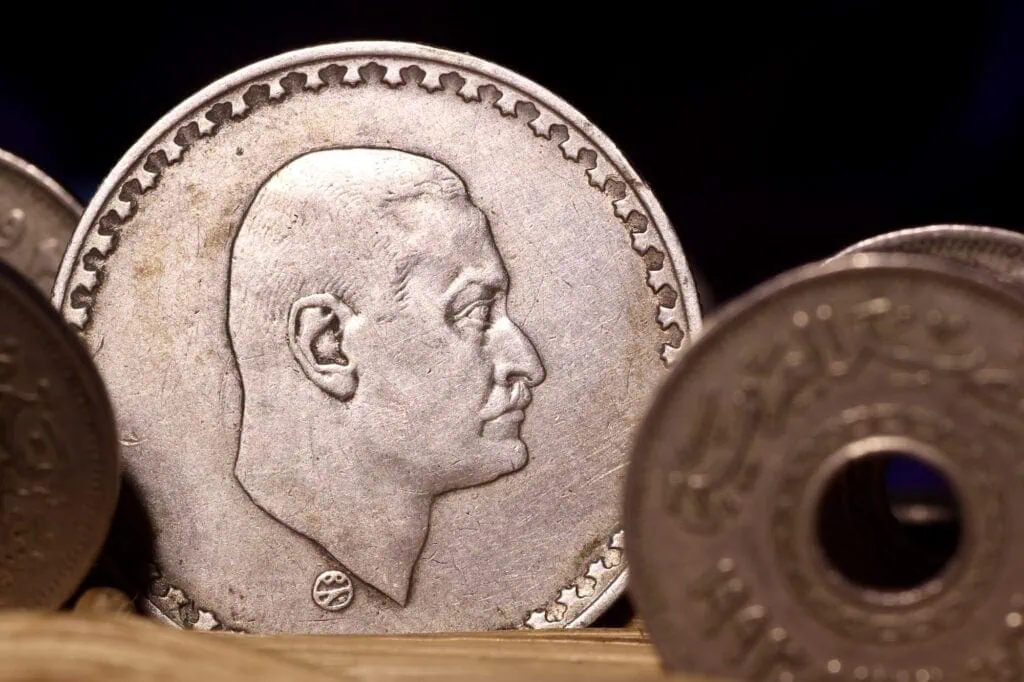
Naguib favored a more moderate approach that would maintain some democratic institutions and limit military involvement in civilian government. Nasser, by contrast, advocated for more radical social transformation and stronger state control over Egypt’s economy and society.
The power struggle culminated in 1954 when Nasser successfully marginalized Naguib and assumed effective control of the government. This transition marked the beginning of the Nasser era, which would dominate Egyptian and Arab politics for the next decade and a half.
Arab Nationalism and Regional Leadership
Under Nasser’s leadership, Egypt became the leading advocate for Arab nationalism and unity throughout the Middle East. The Egyptian leader articulated a vision of Arab socialism that combined elements of nationalism, social reform, and anti-imperialism.
Egypt’s new role as champion of Arab independence inspired liberation movements throughout the region and challenged both British and French colonial influence in the Middle East. This ambitious foreign policy would eventually lead to confrontations with Western powers, most notably during the Suez Crisis of 1956.
International Reactions and Cold War Context
The Egyptian Revolution occurred during the early Cold War period, when both superpowers sought to expand their influence in the developing world. The revolution’s success demonstrated that nationalist movements could challenge Western colonial dominance without necessarily aligning with the Soviet Union.
British Response and Suez Canal
Britain initially hoped to maintain its position in Egypt through cooperation with the new government. However, the Revolutionary Command Council’s determination to end foreign military presence made conflict inevitable. Negotiations over British base rights and Suez Canal control became increasingly contentious as Nasser consolidated power.
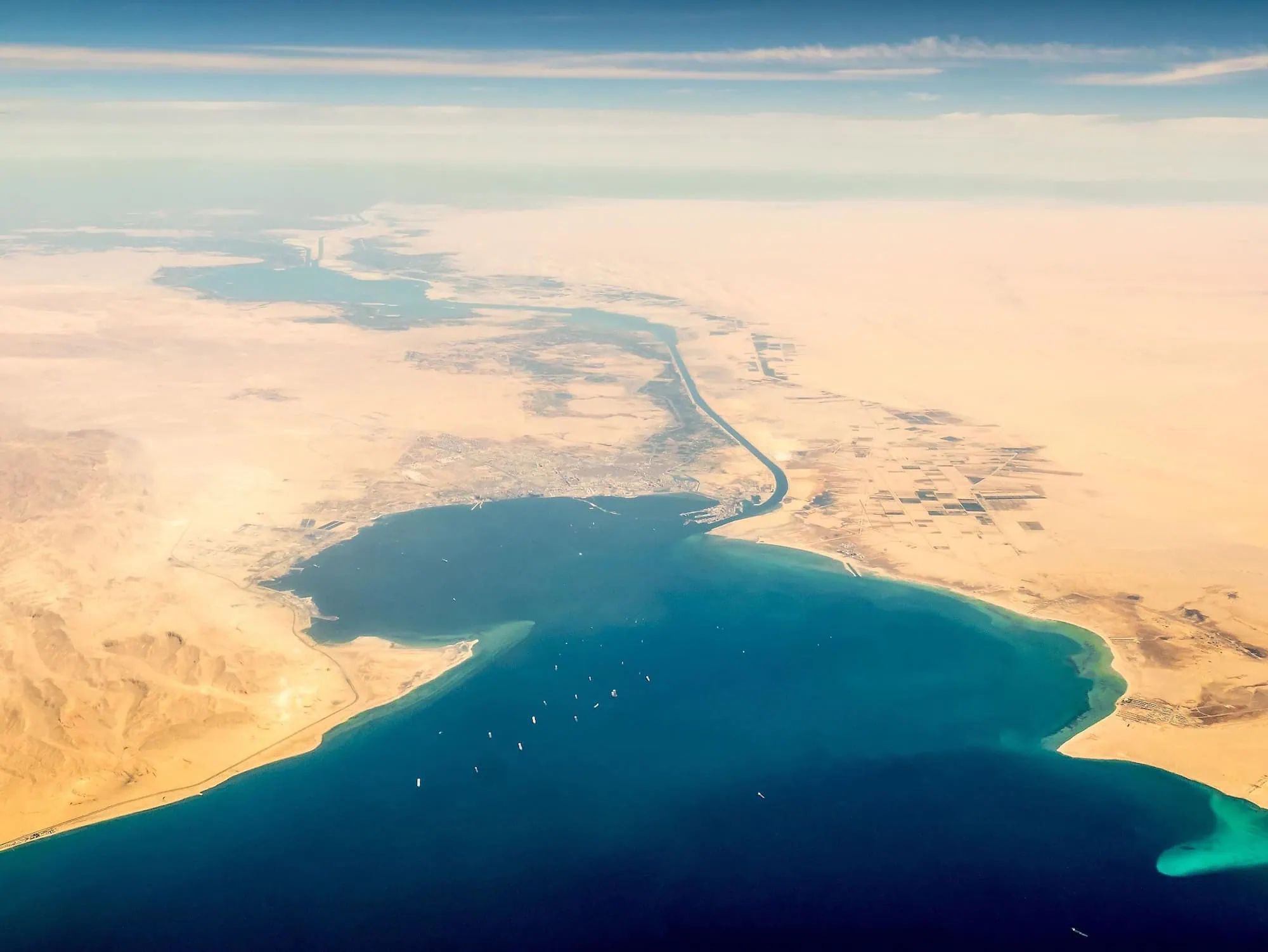
The British evacuation from the Suez Canal Zone in 1956, following the 1954 Anglo-Egyptian Agreement, marked the end of nearly 75 years of British military occupation. This achievement fulfilled one of the Free Officers Movement’s primary objectives and demonstrated Egypt’s newfound independence to the Arab world.
American and Soviet Interest
The United States initially welcomed the revolution as an opportunity to reduce British influence in the Middle East and prevent Soviet expansion into the region. However, American enthusiasm cooled as Nasser’s policies became more radical and his international alignment remained unpredictable.
The Soviet Union saw the Egyptian Revolution as an opportunity to establish influence in the Arab world. Soviet leaders offered military and economic assistance to the new government, creating competition with Western powers for Egyptian allegiance that would define regional geopolitics for decades.
Legacy and Long-term Impact
The Egyptian Revolution of 1952 transformed not only Egypt but the entire Middle East, establishing precedents for nationalist movements throughout the developing world.
Political Transformation
The revolution’s success inspired similar movements across Africa and Asia, demonstrating that colonial and semi-colonial regimes could be overthrown through organized nationalist action. The Free Officers’ example influenced liberation movements from Algeria to Indonesia, providing a model for achieving independence through military-political organization.
Within Egypt, the revolution established the foundation for a modern nation-state based on Arab nationalism rather than dynastic rule or foreign domination. This transformation created new institutions and political culture that would endure long after Nasser’s death in 1970.
Social and Economic Changes
The revolutionary government’s commitment to social reform produced lasting changes in Egyptian society. Education expanded dramatically, with literacy rates rising from approximately 20% in 1952 to over 50% by the 1970s. Healthcare improvements and urban development projects modernized much of the country during the first two decades after the revolution.
Land reform created a more equitable distribution of agricultural wealth and broke the traditional power structure that had dominated rural Egypt. These changes, while sometimes economically inefficient, reduced social inequality and created broader popular support for the new government.
Regional Influence and Arab Nationalism
Egypt’s emergence as the leader of Arab nationalism fundamentally altered Middle Eastern politics. The success of the 1952 revolution encouraged other Arab countries to pursue more independent foreign policies and resist Western pressure.
The Egyptian model of Arab socialism influenced political movements throughout the region, from Ba’ath parties in Syria and Iraq to the Algerian FLN during their independence struggle. This ideological influence extended Egypt’s impact far beyond its borders and established Cairo as the intellectual center of Arab nationalism.
Frequently Asked Questions
The revolution resulted from Egypt’s humiliating defeat in the 1948 Arab-Israeli War, widespread corruption under King Farouk, continued British military presence, and growing nationalist sentiment among young army officers.
Muhammad Naguib served as the movement’s figurehead while Gamal Abdel Nasser provided strategic leadership and revolutionary vision.
The revolution was remarkably bloodless with no significant casualties during the actual coup.
King Farouk was forced to abdicate on July 26, 1952, and went into permanent exile, never returning to Egypt.
The revolution ultimately ended British military presence in Egypt by 1956, fulfilling a key nationalist objective.
The government implemented comprehensive land reform, industrialization programs, and expanded public education and healthcare services.
Egypt was declared a republic in June 1953, with Muhammad Naguib as the country’s first president.
The revolution inspired nationalist movements throughout the Arab world and established Egypt as the leader of Arab nationalism.
Both superpowers sought to influence Egypt, creating competition that shaped regional geopolitics for decades.
Yes, the movement enjoyed widespread popular support due to dissatisfaction with King Farouk’s corrupt rule and foreign domination.
The revolution became a model for anti-colonial movements worldwide and influenced liberation struggles across Africa, Asia, and Latin America.
Design Your Custom Tour
Explore Egypt your way by selecting only the attractions you want to visit