

How Many Days Should You Spend in Aswan? A Practical Guide
Planning your Aswan visit can feel overwhelming when you’re trying to balance must-see temples with authentic cultural experiences.
Most travelers find that 2-3 days provides the perfect window to explore Aswan’s incredible monuments, experience genuine Nubian culture, and even venture to the legendary Abu Simbel temples. This timeframe allows you to soak in the city’s relaxed atmosphere without feeling rushed, while still covering the essential highlights that make Aswan one of Egypt’s most captivating destinations. Whether you’re drawn to ancient temples, traditional felucca rides on the Nile, or the vibrant colors of Nubian villages, the right itinerary can transform your visit into an unforgettable journey.
We’ve crafted this guide based on our decades of experience organizing Aswan visits, helping thousands of travelers make the most of their time in this remarkable southern Egyptian city. Discover how our expertly guided Aswan tours bring these insights to life, turning local knowledge into seamless, unforgettable experiences.
Why 2-3 Days Works Best
Two to three days strikes the ideal balance between comprehensive sightseeing and meaningful cultural immersion. This duration gives you enough time to visit the major archaeological sites without the exhaustion that comes with cramming too much into a single day.
The Two-Day Essentials Approach
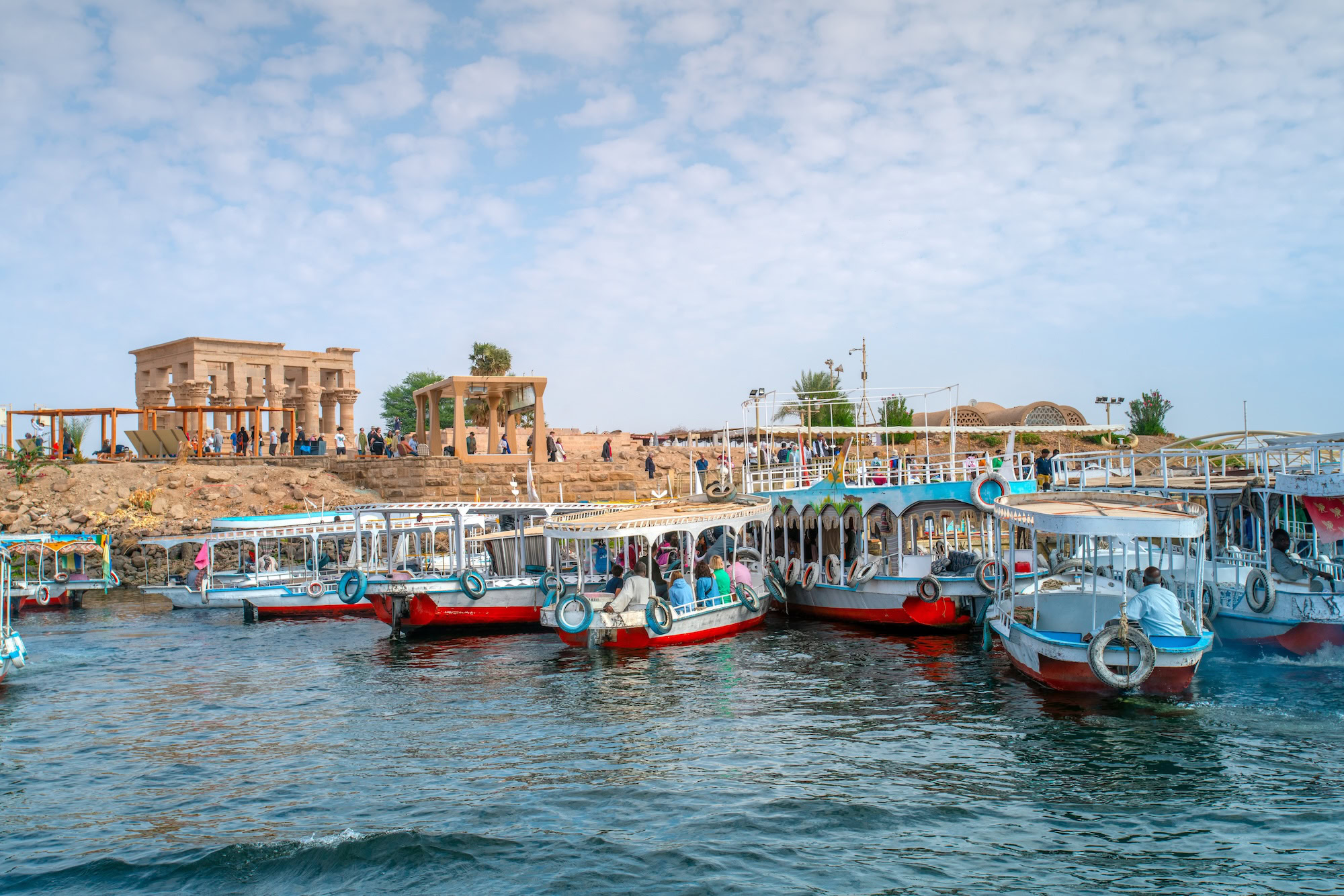
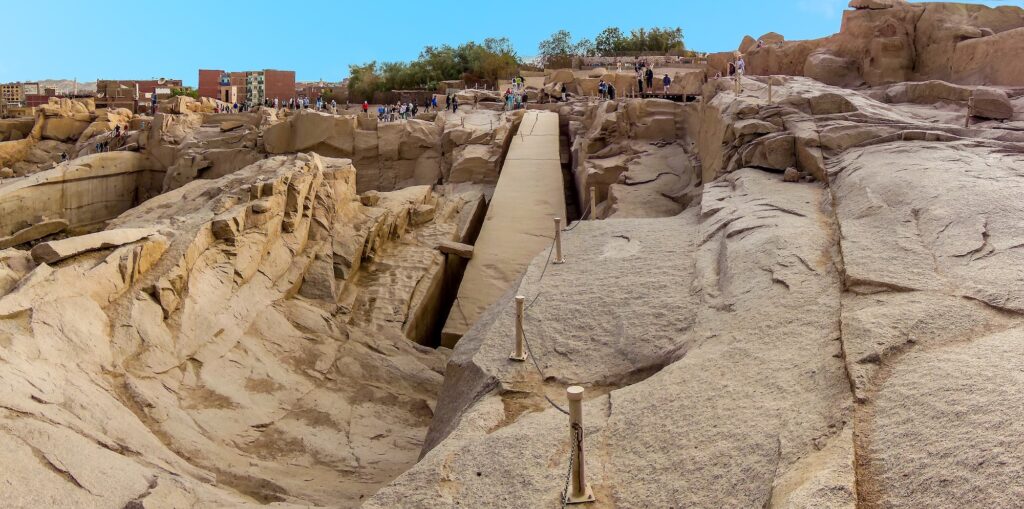
A focused 2-day visit covers Aswan’s absolute must-see attractions. Day one typically includes the magnificent Philae Temple, accessible by a scenic boat ride to Agilkia Island, followed by the impressive High Dam and the fascinating Unfinished Obelisk. The afternoon offers perfect timing for a traditional felucca ride as the sun begins to set over the Nile.
Your second day opens up possibilities for either Abu Simbel (requiring an early morning departure) or deeper exploration of Aswan’s cultural treasures. The Nubian Museum provides excellent context for understanding the region’s rich heritage, while a visit to a colorful Nubian village offers authentic interactions with local families who maintain their traditional lifestyle.
Adding a Third Day
The third day becomes essential if you want to experience Abu Simbel without feeling rushed. These UNESCO World Heritage temples, relocated in an incredible engineering feat during the 1960s, represent one of ancient Egypt’s most spectacular achievements. The journey takes approximately 3 hours by road or a convenient 45-minute flight from Aswan.
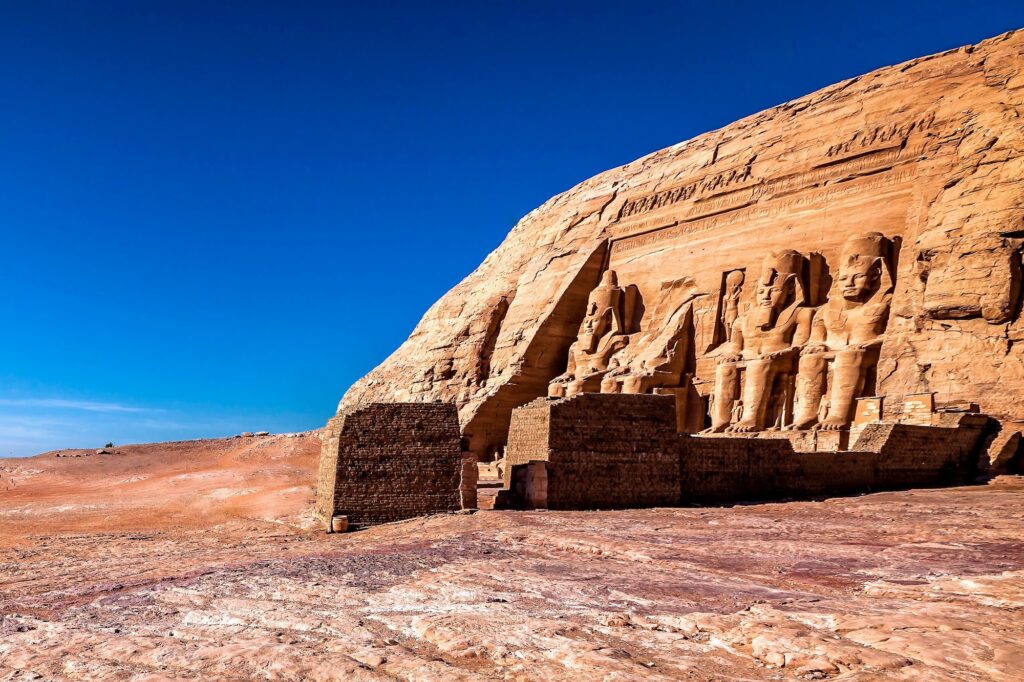
Abu Simbel deserves unhurried exploration. Walking through the Great Temple of Ramesses II and the smaller Temple of Nefertari requires time to appreciate the intricate carvings and understand their historical significance. Many travelers describe this experience as profoundly moving, making the additional day worthwhile.
Must-See Attractions and Timeline
Aswan’s attractions fall into distinct categories, each requiring different amounts of time and energy. Ancient monuments demand morning visits when temperatures remain comfortable, while cultural experiences work beautifully in the afternoon heat.
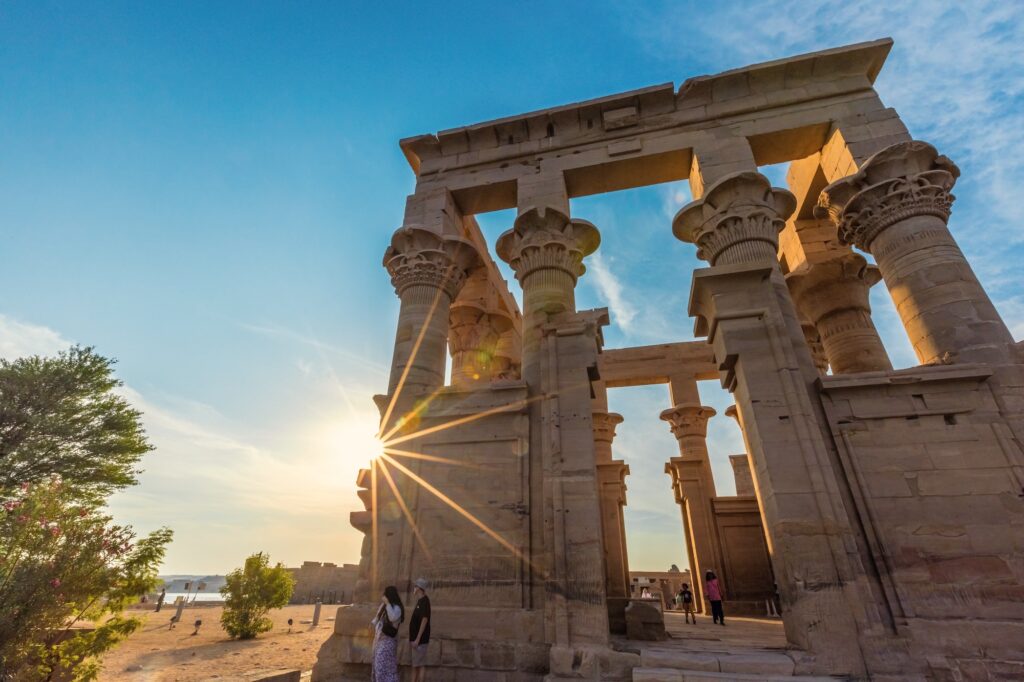
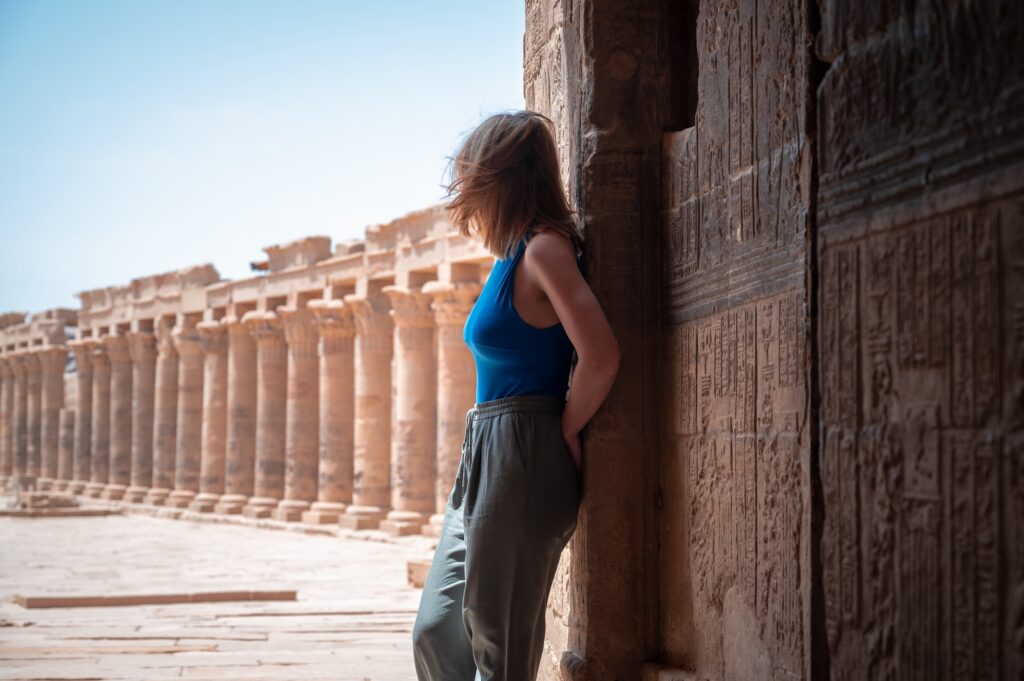
The Temple of Philae stands as Aswan’s crown jewel. This Ptolemaic temple complex, dedicated to the goddess Isis, was painstakingly relocated stone by stone when the High Dam threatened to submerge it permanently. The boat journey to reach Philae adds drama to the experience, while the temple’s evening sound and light show provides magical closure to your first day.
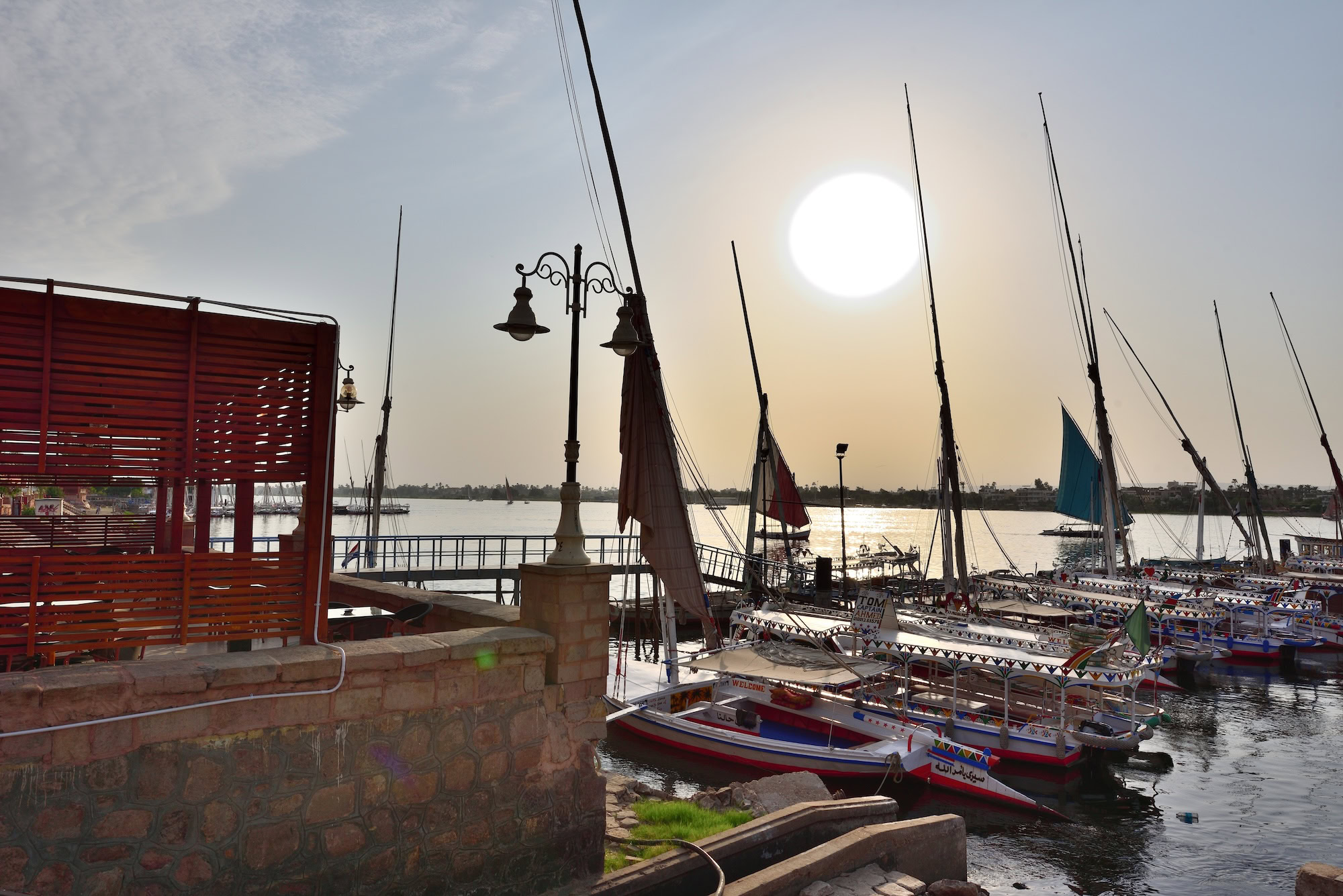
Kitchener’s Island offers a peaceful contrast with its botanical gardens showcasing plants from across Africa and Asia. The short felucca ride to reach the island becomes part of the attraction, allowing you to experience the traditional sailboats that have navigated these waters for millennia.
Historical Sites That Shape Understanding
The High Dam represents modern Egypt’s ambitious vision, controlling the Nile’s annual flood while generating crucial electricity for the nation. Standing atop this massive structure provides perspective on both ancient and contemporary Egyptian achievements. The adjacent monument commemorates Soviet-Egyptian cooperation adds interesting political context to your visit.
The Unfinished Obelisk reveals ancient stone-working techniques in fascinating detail. This massive granite monument, abandoned due to cracks discovered during carving, would have stood as the largest obelisk ever created. Archaeologists and engineers continue studying the site to understand how ancient Egyptians planned to move such enormous stones.
Cultural Immersion Opportunities
Nubian villages offer authentic cultural encounters that commercial tour groups rarely experience. Traditional mud-brick houses painted in brilliant blues and yellows create Instagram-worthy backdrops, but the real value lies in conversations with families who maintain their ancestral customs. Sharing mint tea while learning about Nubian traditions provides memories that outlast any photograph.
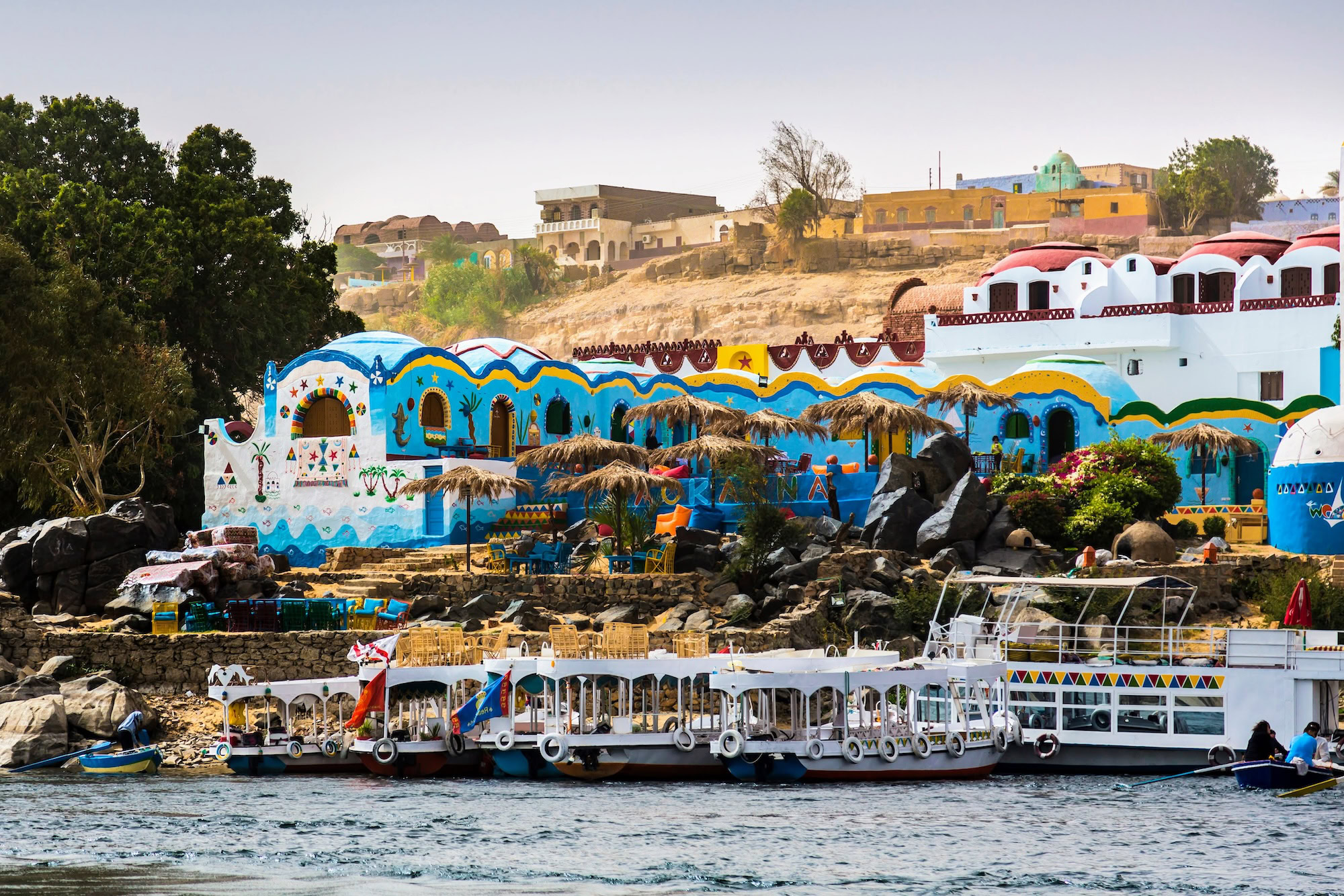
The Monastery of St. Simeon, accessible by camel or on foot across desert terrain, demonstrates the Christian heritage that flourished in Nubia before Islam’s arrival. These well-preserved ruins offer solitude and spectacular Nile views, making the moderately challenging access worthwhile for adventurous travelers.
Planning Your Abu Simbel Excursion
Abu Simbel demands careful planning due to its remote location 280 kilometers (174 miles) south of Aswan. Transportation options significantly impact your available exploration time and overall experience quality.
Driving to Abu Simbel requires a 6:00 am (06:00) departure for the 3-hour journey through the Eastern Desert. This scenic route passes traditional villages and desert landscapes, providing glimpses of rural Egyptian life. The early start ensures you reach Abu Simbel before mid-morning heat becomes uncomfortable, while allowing 2-3 hours for temple exploration before the return journey.
Flight options reduce travel time dramatically. The 45-minute flight departs around 8:00 am (08:00), landing you at Abu Simbel with more energy for sightseeing. Egypt Air operates regular service, though schedules vary seasonally. Flight costs typically run $150-200 per person, while road transport costs approximately $80-120 depending on group size and vehicle type.
Maximizing Your Abu Simbel Experience
The Great Temple of Ramesses II overwhelms visitors with its colossal facade carved directly into the cliff face. Four seated statues of Ramesses, each standing 20 meters (66 feet) tall, guard the entrance to chambers decorated with scenes depicting the pharaoh’s military victories and divine status.
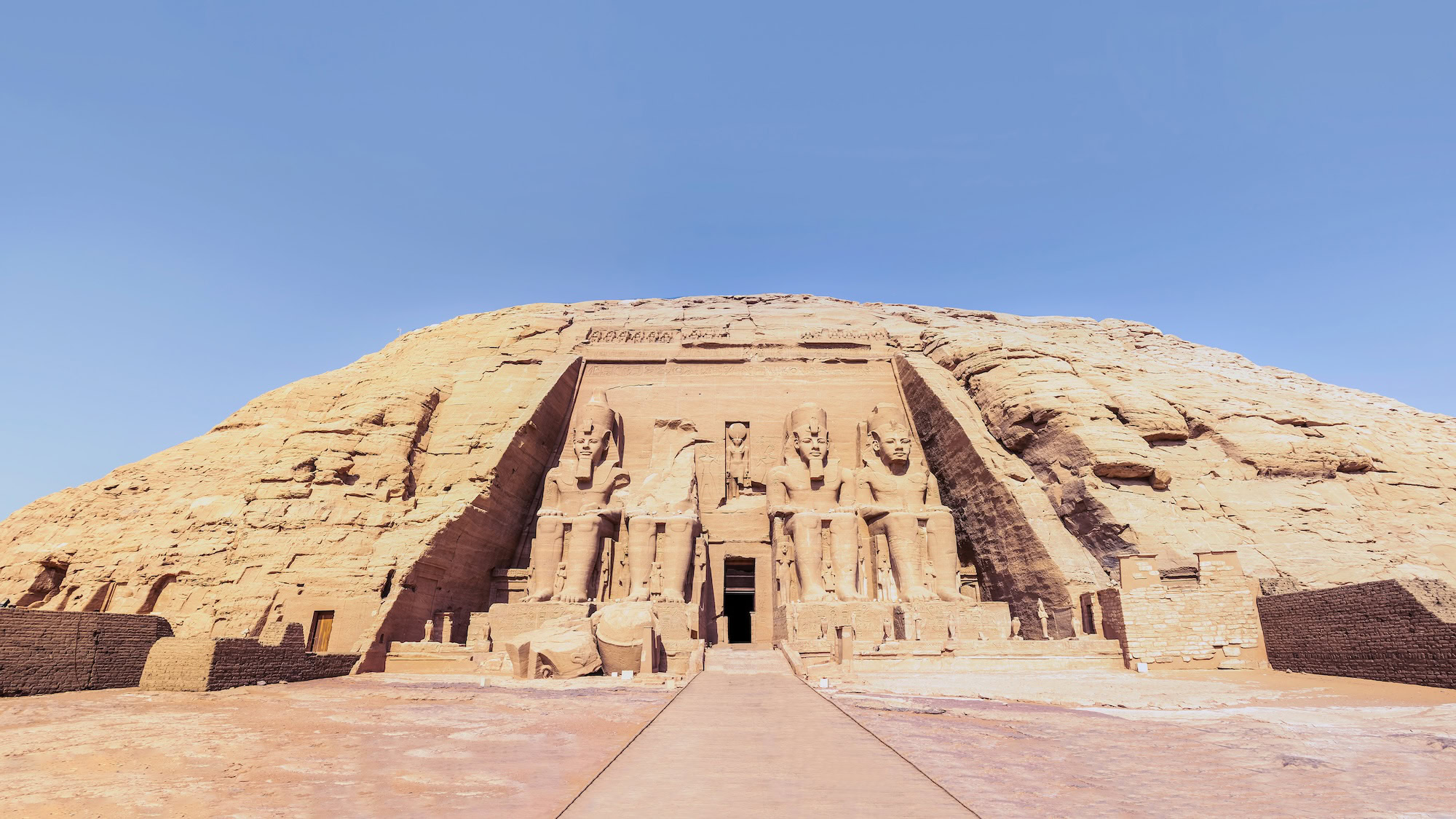
The smaller Temple of Nefertari, dedicated to Ramesses’ beloved queen and the goddess Hathor, showcases some of ancient Egypt’s most beautiful wall paintings. The intimate scale allows detailed appreciation of the artistic skill that has survived over 3,000 years.
Twice yearly, on February 22nd and October 22nd, the temple’s alignment creates a spectacular phenomenon. Sunrise light penetrates the temple’s inner sanctuary, illuminating three of the four statues seated at the back wall. Visiting during these dates requires advance booking, as thousands gather to witness this ancient astronomical achievement.
Nile River Activities and Experiences
The Nile defines Aswan’s character, and experiencing the river through traditional methods connects you with thousands of years of human history. Felucca rides offer the most authentic river experience, using wind power and traditional navigation techniques unchanged for millennia.
Traditional Felucca Adventures
Morning felucca rides provide excellent photography opportunities as soft light illuminates the surrounding desert hills and riverside vegetation. Experienced captains navigate using wind patterns and river knowledge passed down through generations. These peaceful journeys typically last 1-2 hours, allowing time to visit Elephantine Island or simply drift past traditional riverside scenes.
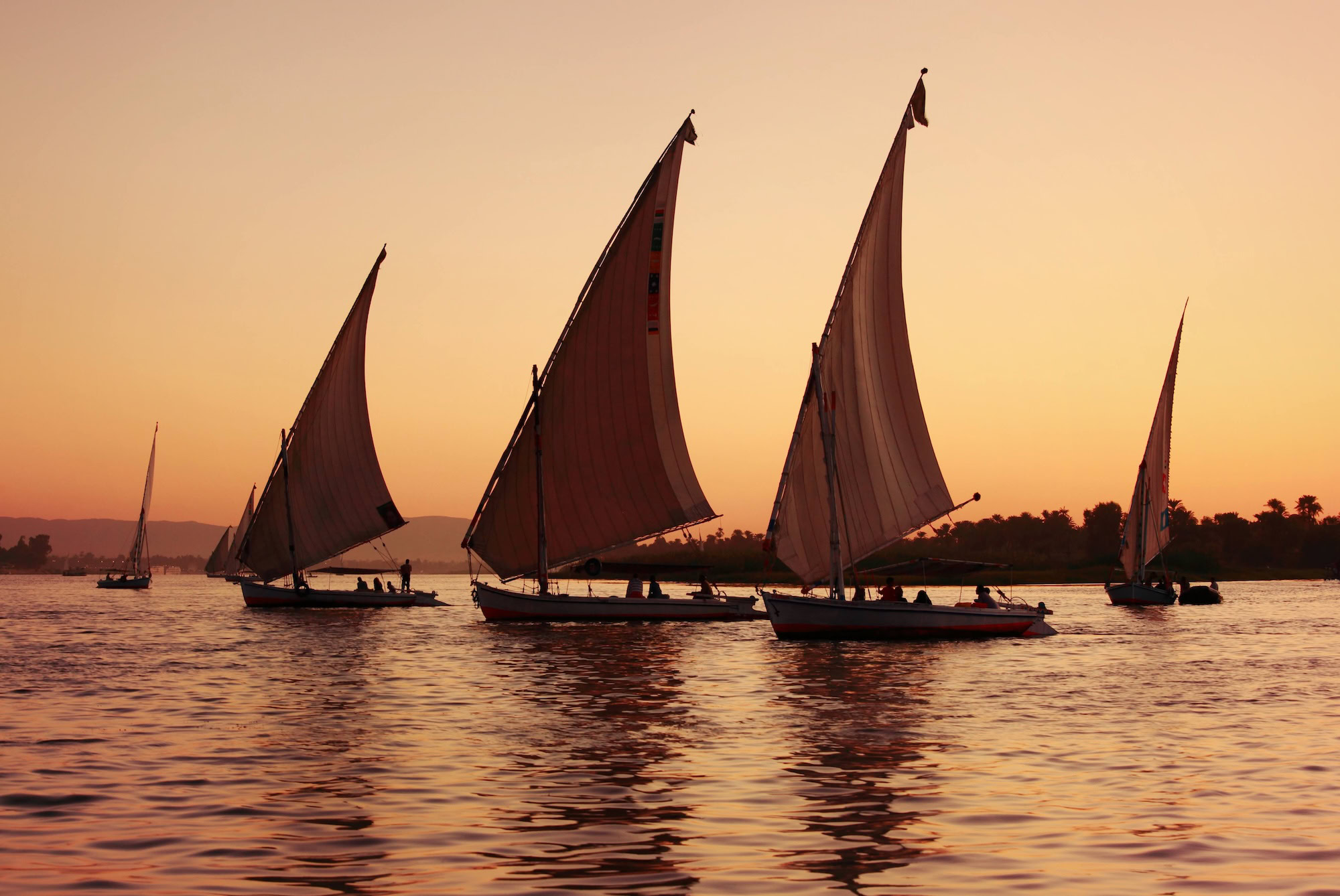
Sunset felucca rides create romantic atmospheres perfect for couples or peaceful reflection after busy sightseeing days. The changing light transforms the Nile’s surface while highlighting Aswan’s dramatic granite outcrops. Many visitors describe these moments as their most memorable Aswan experiences.
Elephantine Island Exploration
Elephantine Island, Aswan’s largest Nile island, contains archaeological treasures spanning 4,000 years of continuous habitation. The Aswan Museum houses artifacts discovered during ongoing excavations, while the ruins of ancient temples demonstrate the island’s religious significance throughout Egyptian history.
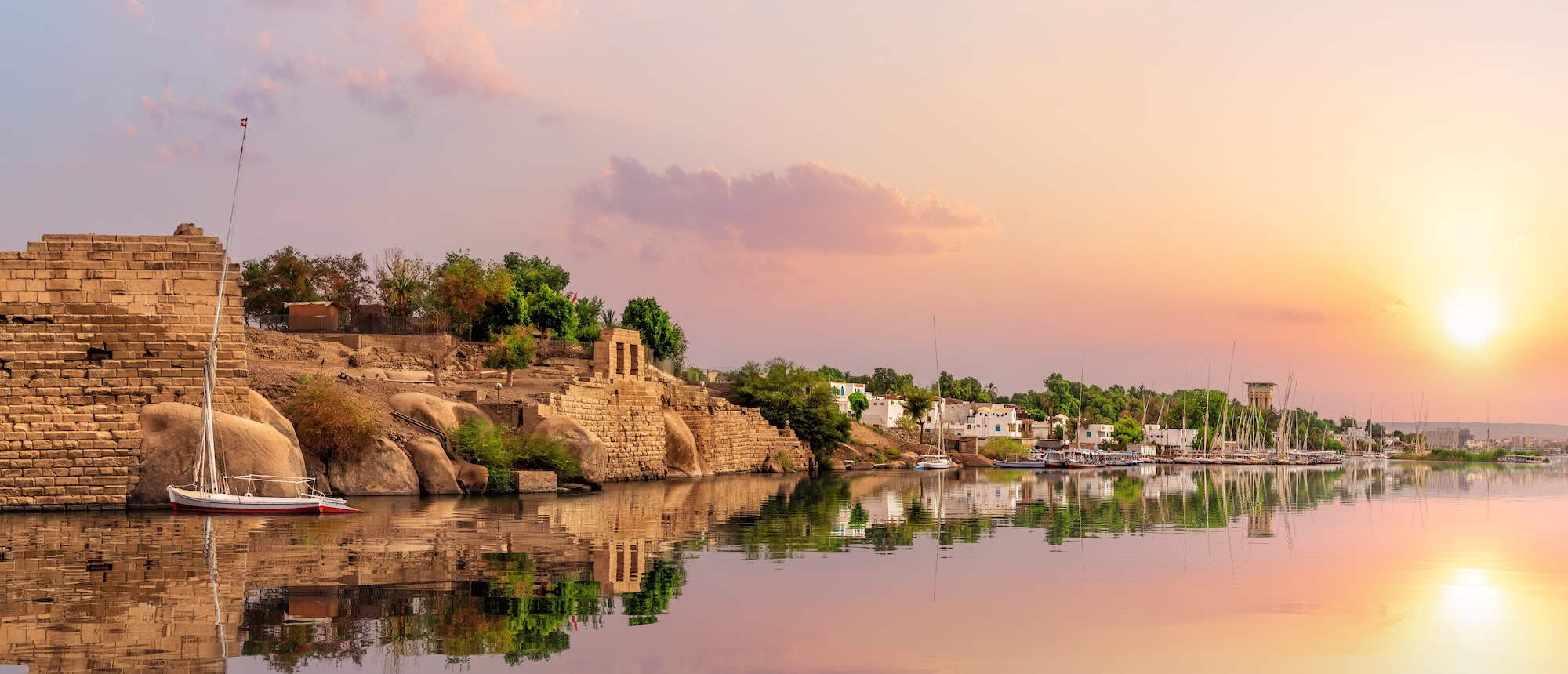
The island’s modern Nubian village maintains traditional architecture and customs. Narrow lanes wind between colorful houses where families welcome visitors for tea and conversation. Local women often demonstrate traditional crafts like basket weaving and henna painting, providing authentic cultural interactions.
Understanding Aswan’s Seasons
Aswan’s desert climate creates distinct seasonal experiences that significantly impact your visit’s comfort and activity options. Understanding these patterns helps optimize your itinerary and packing decisions.
Winter months (December through February) offer ideal weather conditions with daytime temperatures reaching comfortable 23-25°C (73-77°F). Clear skies and minimal rainfall make this period perfect for all outdoor activities, though accommodation costs peak during these popular months. Evening temperatures can drop to 8-10°C (46-50°F), requiring light jackets for dinner or evening activities.
Spring (March through May) provides excellent visiting conditions as temperatures gradually rise to 30-35°C (86-95°F). March and April offer particularly pleasant weather before summer heat intensifies. This period sees fewer crowds than winter months while maintaining comfortable sightseeing conditions.
Summer presents challenges with daytime temperatures often exceeding 40°C (104°F). However, accommodation rates drop significantly, and attractions remain less crowded. Early morning starts become essential, while afternoon activities should focus on indoor venues like museums or air-conditioned restaurants. Surprisingly, many experienced travelers prefer summer’s intense heat for authentic desert experiences.
Seasonal Activity Adjustments
High temperatures during summer months shift optimal sightseeing schedules dramatically. Temple visits work best between 6:00 am (06:00) and 10:00 am (10:00), while late afternoon activities begin around 4:00 pm (16:00) when temperatures become tolerable.
Abu Simbel visits during summer require very early departures, often 4:00 am (04:00) for road trips, to avoid the desert’s peak heat. Flight options become more attractive during these months despite higher costs.

Felucca rides gain popularity during summer afternoons when river breezes provide relief from land-based heat. Evening Nile activities extend later into the night when temperatures finally become comfortable for extended outdoor time.
Accommodation Options and Location Strategy
Choosing the right accommodation location significantly impacts your Aswan experience, affecting both convenience and cultural immersion opportunities. Aswan’s compact size means most attractions remain easily accessible regardless of your base, but certain areas offer distinct advantages.
The Corniche area, Aswan’s riverside boulevard, provides central access to felucca operators, restaurants, and the train station. Mid-range hotels here typically offer Nile views and easy walking access to key departure points for island visits. Traffic noise can be significant, but the vibrant atmosphere appeals to travelers who enjoy being in the heart of local activity.
Elephantine Island accommodations offer unique experiences with traditional Nubian guesthouses providing authentic cultural immersion. These family-run properties often include home-cooked meals and genuine interactions with local families. However, reaching mainland attractions requires boat transfers, adding time and cost to your daily activities.
Luxury vs. Authentic Experiences
The legendary Old Cataract Hotel, immortalized in Agatha Christie’s “Death on the Nile,” represents Aswan’s most prestigious accommodation option. This Victorian-era palace offers unparalleled elegance and historical atmosphere, though rates reflect its exclusive status. The hotel’s gardens and terraces provide spectacular Nile and desert views.
Budget travelers find excellent value in family-run guesthouses throughout the city center. These properties often provide more authentic local experiences than international chain hotels, with owners sharing insider knowledge about lesser-known attractions and dining options.
Mid-range hotels balance comfort with reasonable rates, often featuring rooftop restaurants with panoramic views. Many include breakfast and can arrange tour bookings, simplifying your planning process while maintaining personal service levels.
Food, Shopping, and Cultural Experiences
Aswan’s culinary scene reflects its position as a cultural crossroads where Arab, African, and Mediterranean influences blend naturally. Traditional Nubian dishes offer flavors unavailable elsewhere in Egypt, while international options cater to diverse traveler preferences.
Discovering Nubian Cuisine
Traditional Nubian cooking emphasizes fresh ingredients and aromatic spices reflecting African influences. Ful medames, slow-cooked fava beans served with fresh bread and local cheese, provides hearty breakfast fuel for sightseeing days. Nubian families often prepare this dish using recipes unchanged for generations.
Grilled fish from the Nile, typically seasoned with cumin and coriander, showcases local fishing traditions. Restaurant terraces overlooking the river create perfect settings for leisurely meals while watching feluccas drift past. Vegetarian options abound, with dishes featuring locally grown vegetables and legumes.
Local markets near the train station offer authentic shopping experiences away from tourist-focused souks. Spice vendors display colorful pyramids of saffron, cardamom, and hibiscus flowers, while textile stalls feature traditional Nubian fabrics in vibrant patterns.
Souvenir Shopping with Purpose
Nubian handicrafts represent authentic cultural expressions rather than mass-produced tourist items. Hand-woven baskets, traditional jewelry, and carved wooden items directly support local artisan communities. Purchasing directly from village workshops ensures artists receive fair compensation while preserving traditional skills.
The Nubian Museum shop offers high-quality replicas of archaeological artifacts along with books about regional history and culture. These items provide educational value extending beyond your visit while supporting museum conservation efforts.
Avoiding pressure sales tactics becomes easier when shopping with clear budgets and genuine interest in specific items. Local artisans appreciate customers who understand their craft’s cultural significance rather than simply seeking bargains.
Practical Tips for Success
Successful Aswan visits require attention to practical details that significantly impact your daily comfort and sightseeing efficiency. These insider insights come from years of guiding travelers through common challenges.
Transportation and Getting Around
Walking remains the most efficient method for covering central Aswan’s compact distances. The riverside Corniche provides pleasant strolls between attractions, though afternoon heat makes early morning or evening walks more comfortable.
Taxi services operate throughout the city with negotiated fares typically ranging $2-5 for most journeys. Ride-sharing apps have limited availability, making traditional taxis more reliable for planned excursions. Always agree on fares before beginning your journey to avoid confusion.
Horse-drawn carriages (calèches) offer atmospheric transportation for short distances, particularly during evening hours when temperatures cool. These traditional vehicles provide excellent photography opportunities while moving slowly enough to observe local street life.
Managing Desert Climate Challenges
Hydration becomes critical in Aswan’s dry climate, particularly during temple visits involving significant walking. Carrying water bottles and planning regular rest stops prevents heat exhaustion that can ruin entire days. Local pharmacies stock oral rehydration salts helpful for maintaining electrolyte balance.
Sun protection extends beyond basic sunscreen to include wide-brimmed hats and lightweight, long-sleeved clothing. The desert sun reflects off granite rocks and water surfaces, creating intense exposure from multiple angles. Quality sunglasses protect your eyes while reducing fatigue from constant squinting.
Accommodation air conditioning systems work hard in extreme heat, making backup cooling plans essential if equipment fails. Hotels with ceiling fans, courtyards, or rooftop terraces provide alternative comfort options during peak temperature periods.
Cultural Sensitivity and Local Customs
Aswan’s significant Nubian population maintains distinct cultural traditions deserving respectful consideration. Photography requests should always receive permission, particularly in villages where families may have religious or personal objections to cameras.
Dress codes for temple visits require covering shoulders and knees out of respect for sacred sites. Lightweight, breathable fabrics that provide coverage work better than heavy clothing in hot weather. Many temples provide shade structures, but exposed areas require sun protection.
Tipping culture in Aswan follows Egyptian norms with small gratuities expected for various services. Restaurant servers typically receive 10-15% of bills, while felucca captains and tour guides appreciate 20-30 Egyptian pounds for good service. Having small bills available prevents awkward change-making situations.
Frequently Asked Questions
How many days should I spend in Aswan?
We recommend 2-3 days to cover essential attractions and experience Nubian culture without feeling rushed.
Is Abu Simbel worth the extra day?
Absolutely. Abu Simbel ranks among Egypt’s most spectacular monuments and justifies the additional time and travel costs.
What’s the best time of year to visit Aswan?
Winter months (December-February) offer ideal weather, though spring (March-May) provides excellent conditions with fewer crowds.
Can I see Aswan’s main attractions in one day?
While possible, one day feels rushed and doesn’t allow time for cultural experiences like Nubian village visits.
How far is Abu Simbel from Aswan?
Abu Simbel is 280 kilometers (174 miles) south, requiring a 3-hour drive or 45-minute flight.
Are felucca rides safe for families?
Yes, experienced captains operate safe vessels, though life jackets may not always be available for young children.
Do I need a guide for Aswan’s attractions?
While not essential, qualified guides enhance understanding of historical and cultural significance significantly.
What should I pack for Aswan’s desert climate?
Bring sun protection, comfortable walking shoes, light layers, and plenty of water bottles.
Can I visit Nubian villages independently?
Yes, though organized visits often provide better cultural context and support local communities more effectively.
How much should I budget for a 3-day Aswan visit?
Budget travelers need $50-80 per day, while mid-range visitors should plan $120-180 daily including accommodation.
Is it safe to drink tap water in Aswan?
Bottled water is recommended for international visitors to avoid potential stomach upsets.
What’s the difference between Philae and Abu Simbel?
Philae is Aswan’s main temple complex, while Abu Simbel requires separate travel but offers more spectacular monuments.
Ancient Wonders of Aswan, Modern Comfort
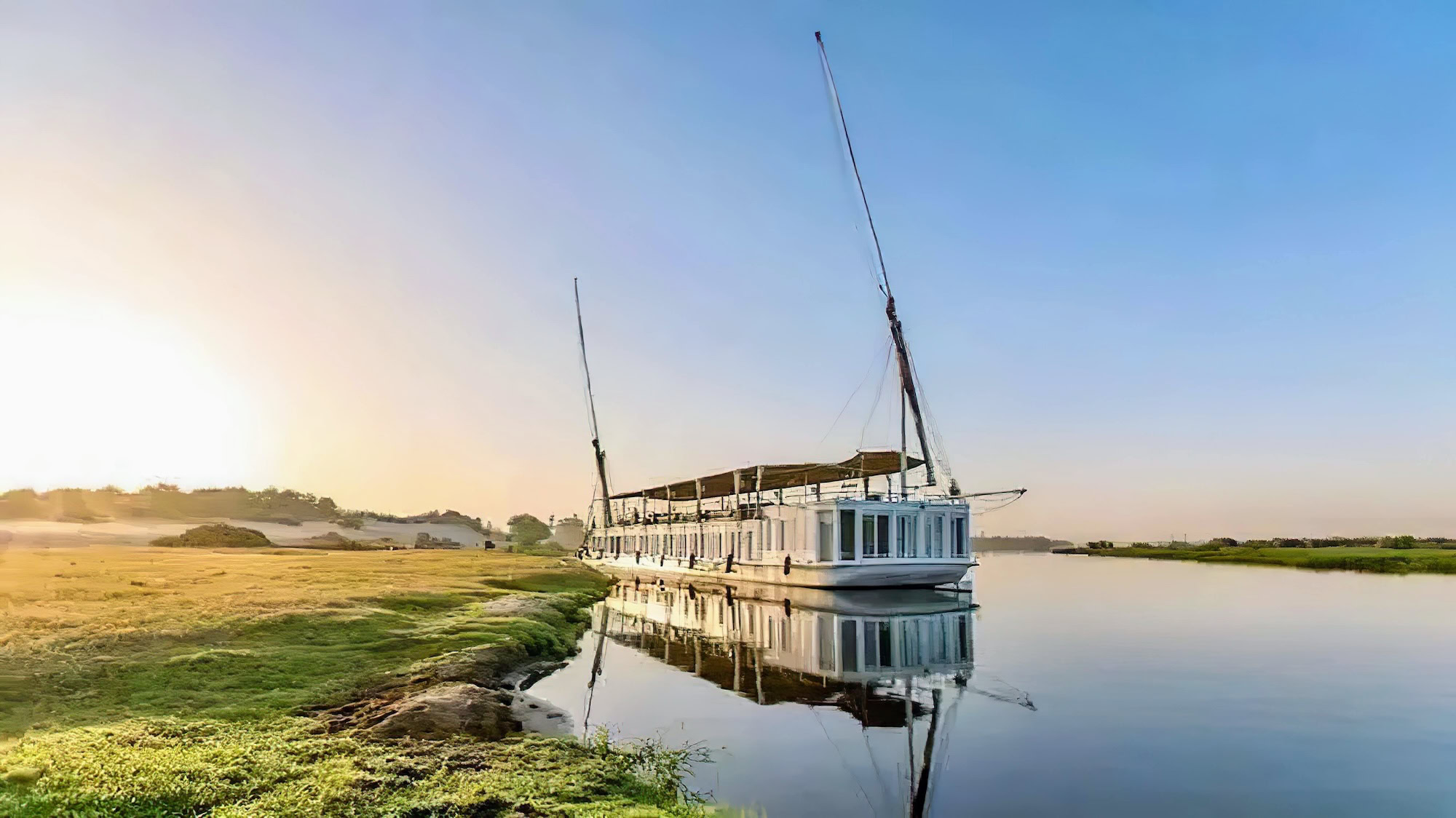
Sail the Nile Through Aswan Like a Pharaoh

Design Your Custom Tour
Explore Egypt your way by selecting only the attractions you want to visit