

Pharaoh’s Island – Stunning Views and Amazing Diving
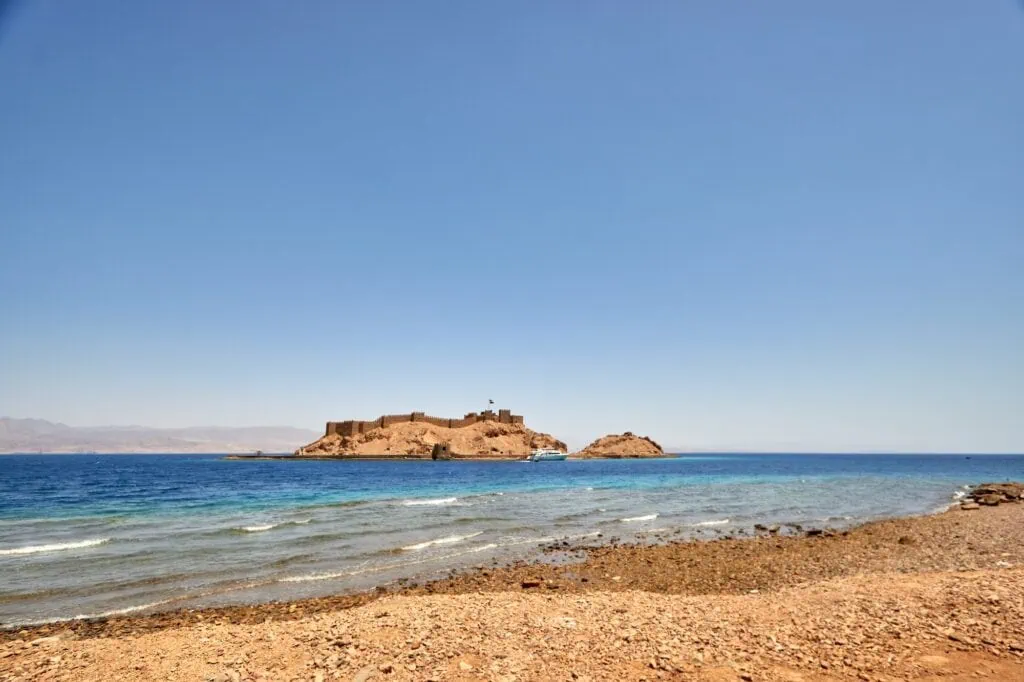
One of Egypt’s most captivating historical sites floats just 250 meters off the Sinai Peninsula coast.
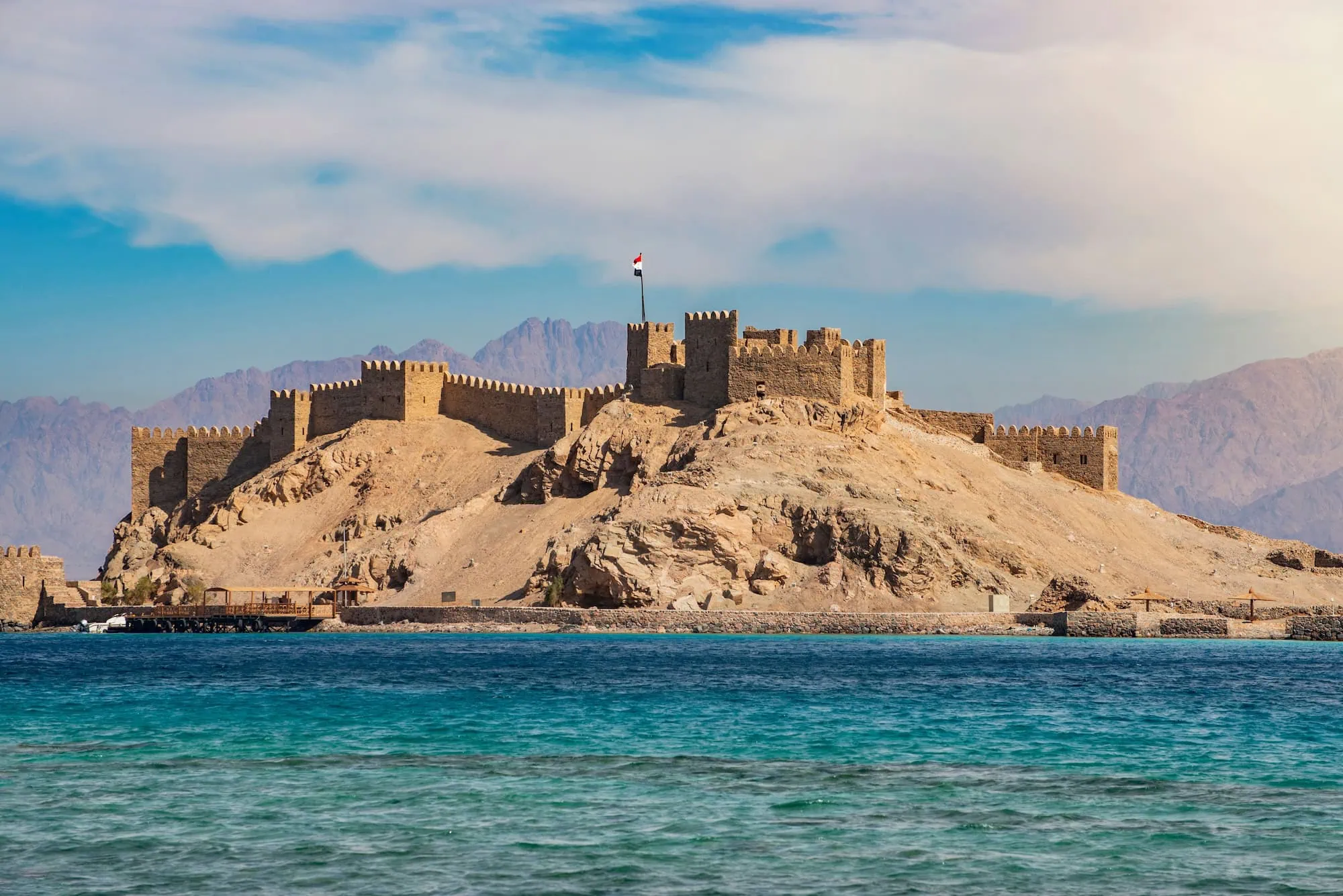
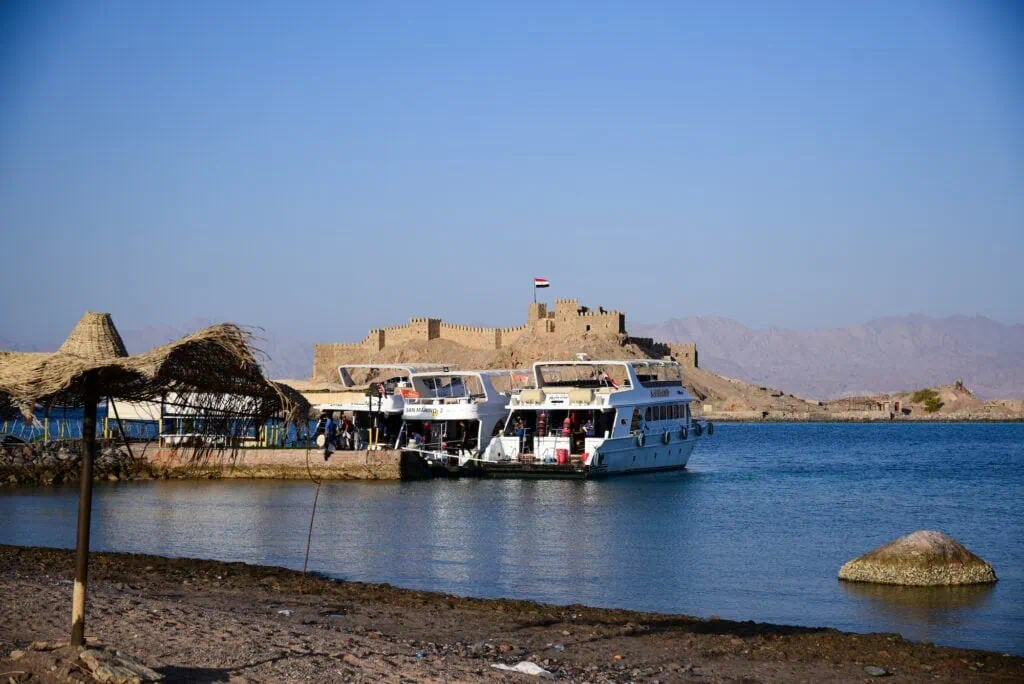
Pharaoh’s Island, known locally as Jazirat Fir’aun and sometimes called Coral Island, stands as a remarkable testament to medieval military architecture in the Gulf of Aqaba. This small rocky outcrop holds centuries of strategic importance, crowned by the imposing ruins of Saladin’s Castle. The fortress that dominates the island’s landscape tells stories of Crusader ambitions, Islamic conquests, and the vital trade routes that shaped the medieval Middle East.
Archaeological discoveries continue to reveal the island’s significance as both a military stronghold and commercial hub, making it an essential stop for anyone interested in Egypt’s rich historical tapestry.
Table of Contents
Strategic Location and Geographic Setting
The island’s position reveals why medieval rulers fought so fiercely to control it. Sitting at the northern tip of the Red Sea, Pharaoh’s Island commands views across the Gulf of Aqaba toward Jordan, Saudi Arabia, and Israel.
Natural Harbor Protection
Ancient mariners found shelter in the island’s protected waters during harsh weather. The coral reefs surrounding the island created natural barriers that made navigation challenging for enemies while providing safe haven for allied vessels. Medieval records describe how ships could anchor safely on the island’s eastern side, protected from the prevailing northerly winds.
Control of Trade Routes
Pharaoh’s Island controlled the narrow sea passage connecting the Red Sea to the Mediterranean trade networks. Merchants traveling between India, the Far East, and European markets had no choice but to pass within sight of the fortress. This strategic advantage allowed whoever controlled the island to collect taxes, provide protection services, and monitor commercial traffic throughout the region.
Proximity to Mainland Fortifications
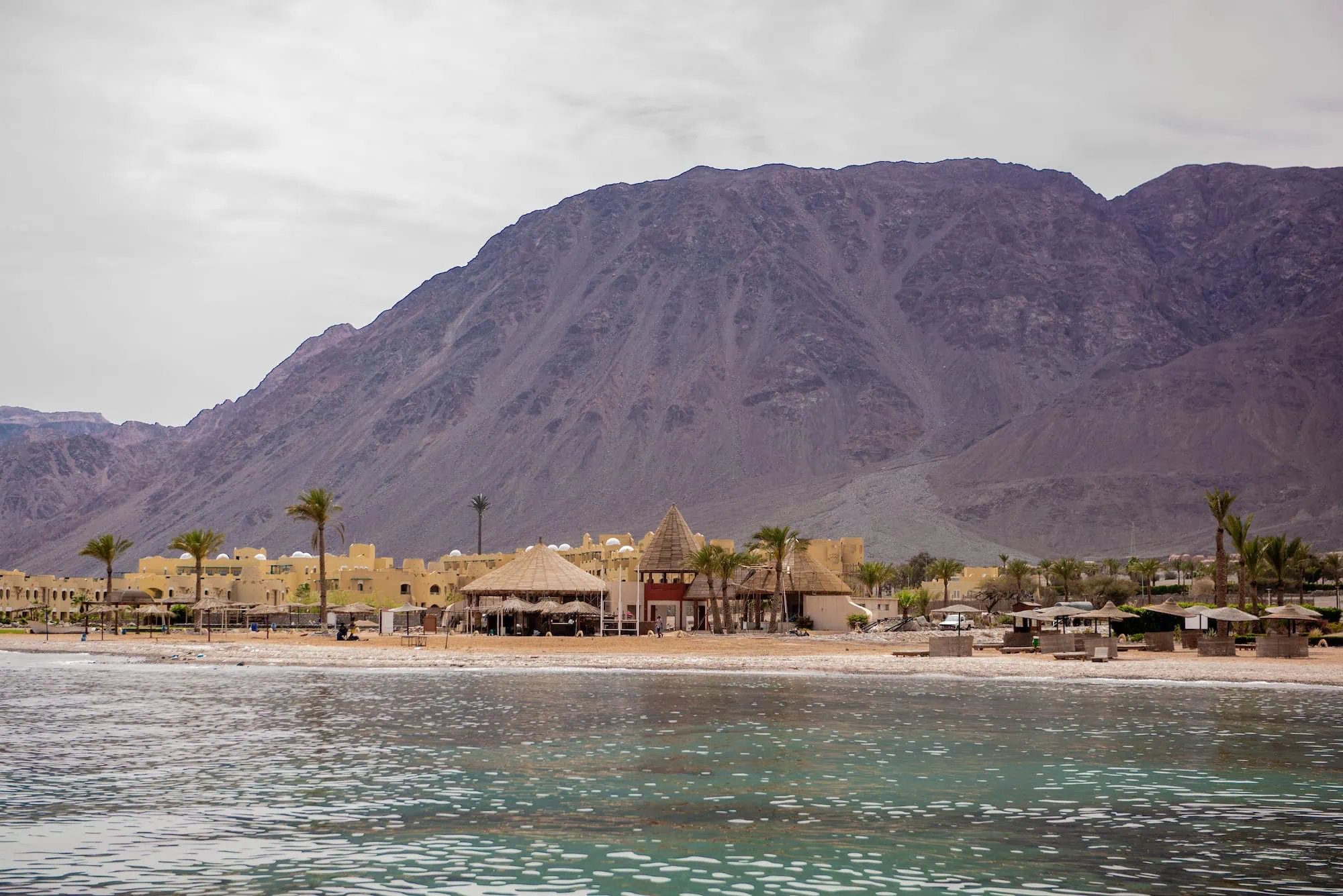
The island’s location just offshore created a defensive network with mainland fortifications. Signal fires could communicate rapidly between the island fortress and coastal strongholds, creating an early warning system that protected the entire Gulf of Aqaba region from naval attacks.
Crusader Origins and Baldwin’s Vision
Baldwin I of Jerusalem recognized the island’s strategic value in 1116 AD when he ordered construction of the original fortress.
The Crusader king understood that controlling maritime trade routes was essential for maintaining his kingdom’s economic strength. Baldwin’s engineers designed the fortress to withstand sieges while serving as a base for naval operations throughout the Red Sea. The original construction incorporated local coral stone, creating walls that could absorb the impact of siege engines while blending with the island’s natural appearance.
Architectural Innovation
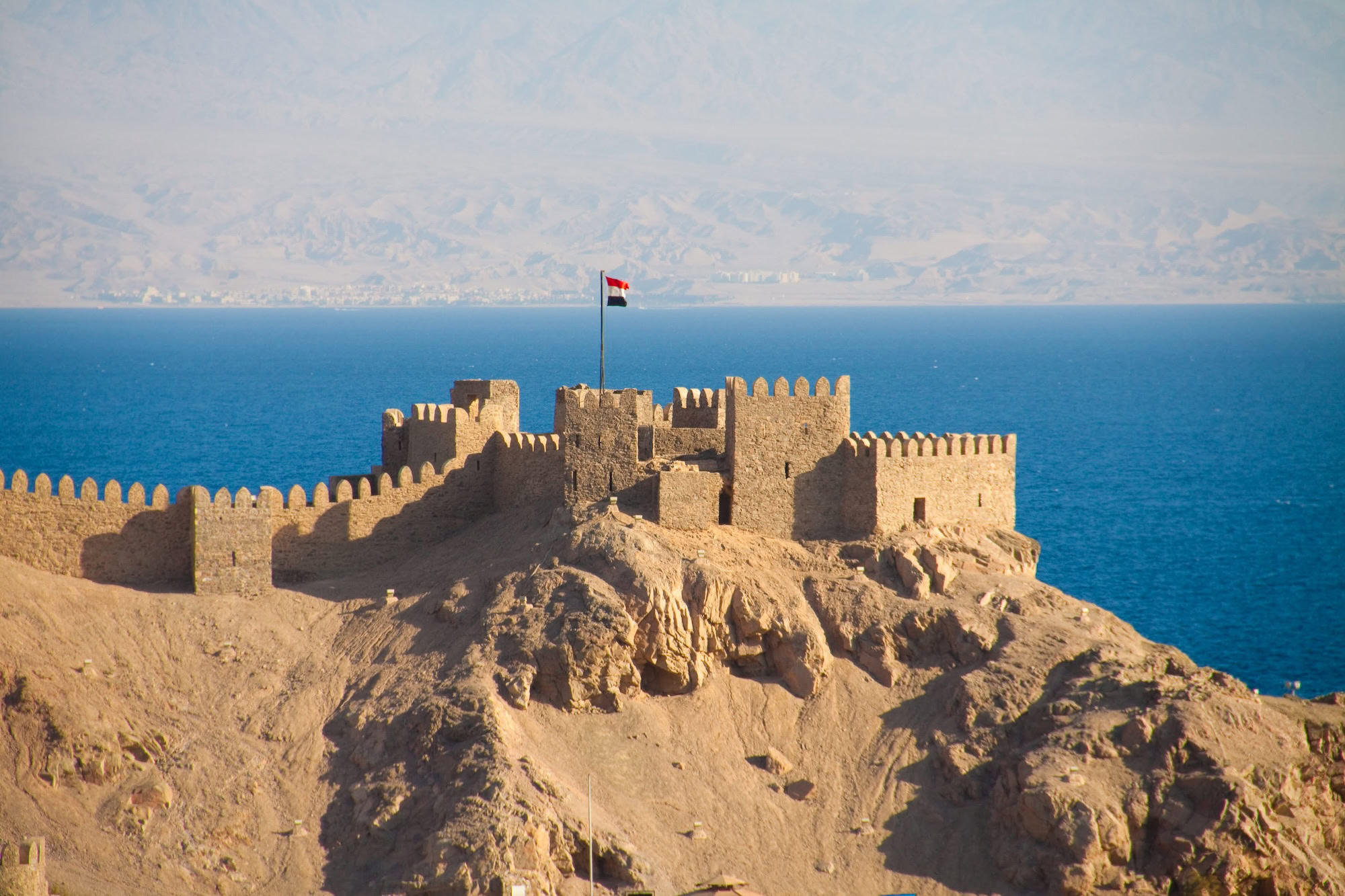
Crusader builders adapted European castle design to the harsh desert environment and unique island setting. They constructed deep cisterns to collect rainwater, essential for surviving lengthy sieges in this arid region. The fortress walls incorporated defensive features specifically designed to counter Islamic siege tactics, including angled bastions that eliminated blind spots for defending archers.
Storage facilities within the fortress could maintain a garrison for months without resupply. Archaeological excavations have revealed sophisticated storage systems for weapons, food supplies, and fresh water that enabled the fortress to function as a self-sufficient military base.
Saladin’s Conquest and Islamic Period
Salah al-Din’s capture of the fortress in 1170 AD marked a turning point in Red Sea control.
The legendary Islamic leader understood the island’s importance for protecting pilgrimage routes to Mecca. After a brief siege, Saladin’s forces took control and immediately began expanding the fortress to accommodate larger garrisons and more sophisticated defensive systems. The Islamic additions to the original Crusader structure created the impressive ruins visible today.
Under Islamic control, Pharaoh’s Island became a crucial link in the defensive chain protecting the holy cities of Mecca and Medina. The fortress served as both a military installation and a customs post, generating revenue that funded further defensive improvements throughout the region.
Military Innovations
Islamic engineers enhanced the fortress with new defensive technologies. They added sophisticated arrow loops designed for the composite bows favored by Muslim archers, created better-protected approaches to the main gate, and improved the fortress’s ability to coordinate with mainland defensive positions.
The medieval Arabic name “Jazirat Fir’aun” reflects the respect Islamic commanders held for the fortress’s defensive capabilities and strategic importance.
Archaeological Treasures and Historical Discoveries
Recent excavations have revealed remarkable insights into daily life within the medieval fortress.
Textile and Trade Goods
Archaeologists have uncovered remarkably preserved textile fragments that demonstrate the fortress’s connection to international trade networks. These fabrics, originating from India, China, and Byzantine territories, show how goods flowed through the Red Sea trade routes. The presence of luxury textiles suggests the fortress commanders enjoyed considerable wealth and status.
Pottery sherds from across the medieval world tell similar stories of international connections. Ceramic vessels from Yemen, Iraq, and even distant European kingdoms indicate the cosmopolitan nature of trade passing through the fortress’s protective waters.
Military Equipment
Archaeological discoveries include arrowheads, sword fragments, and siege equipment that illustrate the fortress’s military history. The variety of weapon types reflects the diverse origins of the soldiers who served here, from European Crusaders to Arab warriors and North African mercenaries.
Daily Life Artifacts
Personal items discovered within the fortress walls paint a picture of daily life for the medieval garrison. Cooking vessels, oil lamps, and personal ornaments show how soldiers and commanders adapted to life on this isolated island outpost.
UNESCO Recognition and Cultural Heritage
Pharaoh’s Island earned placement on UNESCO’s tentative World Heritage list, recognizing its outstanding universal value.
The nomination emphasizes the fortress’s role in medieval military architecture and its unique position as one of the best-preserved Crusader-Islamic fortress complexes in the Middle East. UNESCO evaluators noted the site’s exceptional state of preservation and its potential to enhance understanding of medieval military technology and cultural exchange.
International preservation efforts focus on protecting the fortress ruins from environmental damage while maintaining public access for educational purposes. The island’s coral reef ecosystem also receives protection as part of comprehensive conservation planning that recognizes both cultural and natural heritage values.
Conservation challenges include saltwater damage to stone structures, erosion from wind and waves, and the need to balance tourism access with historical preservation requirements.
Modern Tourism and Visitor Experience
Today’s visitors can explore Pharaoh’s Island through carefully planned excursions that respect both the site’s historical significance and environmental sensitivity.
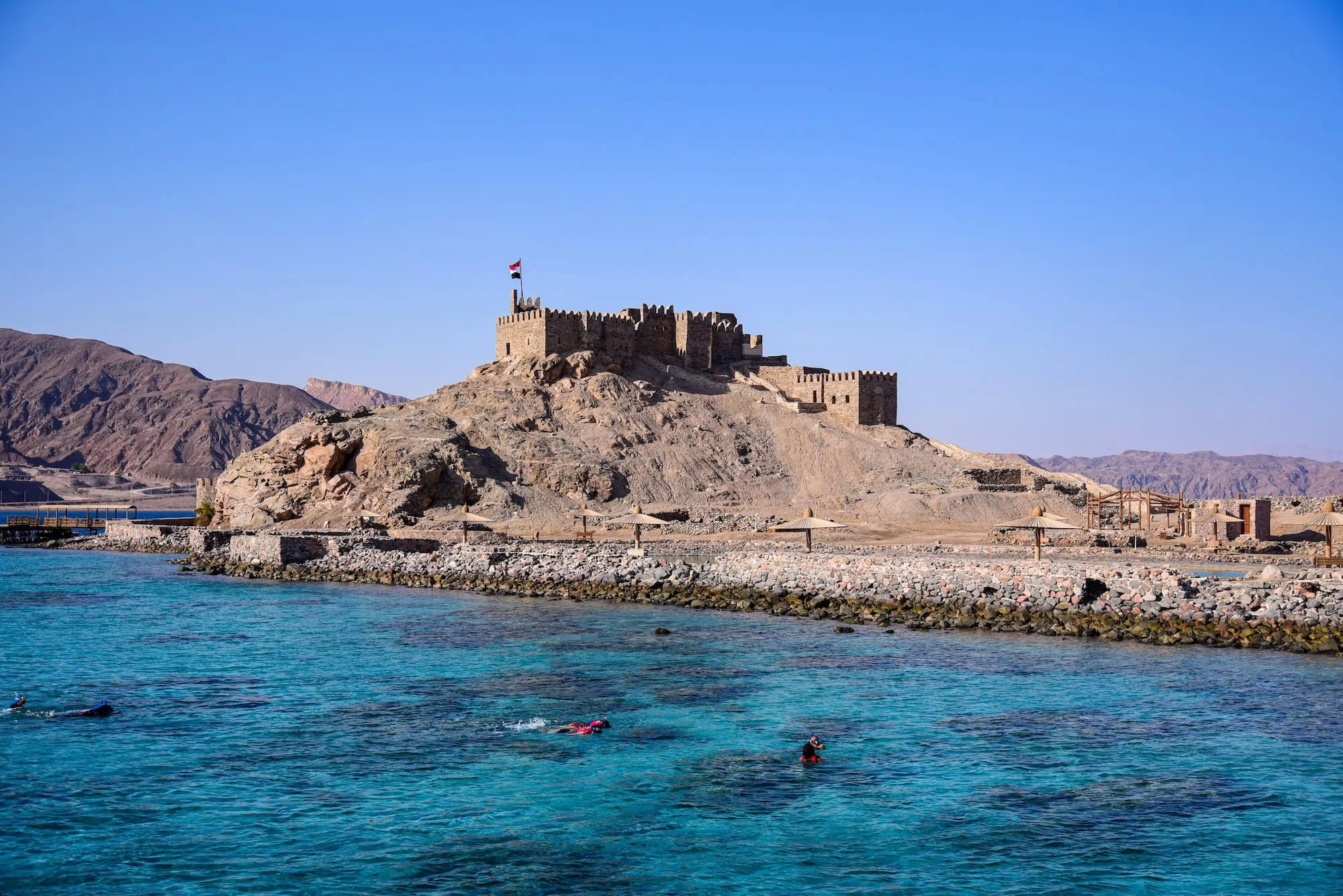
The most popular approach involves boat trips from the nearby resort town of Taba, offering spectacular views of the fortress as visitors approach across the clear waters of the Gulf of Aqaba. Professional guides provide historical context while visitors climb through the well-preserved fortress passages and chambers.
Snorkeling and Marine Life
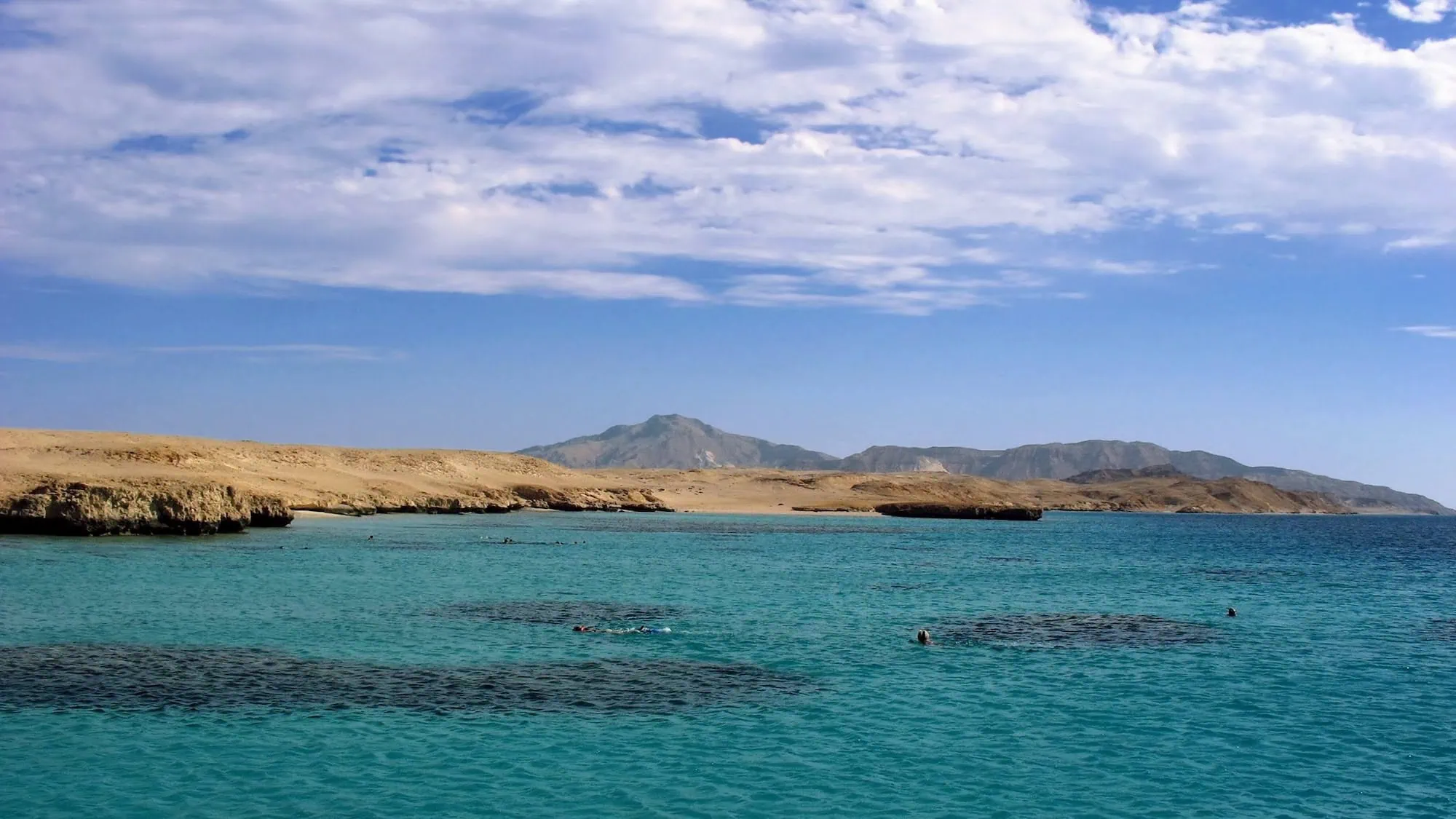
The coral reefs surrounding Pharaoh’s Island create some of the Red Sea’s most impressive underwater landscapes. Snorkeling enthusiasts discover colorful coral gardens inhabited by tropical fish species that thrive in the warm, clear waters. The combination of historical exploration above water and marine discovery below makes visits particularly memorable.
Photographic Opportunities
The fortress ruins provide dramatic subjects for photography, especially during golden hour when the ancient stones glow against the deep blue waters of the Gulf of Aqaba. The contrast between medieval architecture and pristine coral reefs creates unique visual compositions that capture both cultural and natural beauty.
Planning Your Visit to Pharaoh’s Island
Most travelers reach Pharaoh’s Island as part of broader Sinai Peninsula explorations or Red Sea scuba diving adventures.
The island’s location near the borders with Jordan and Israel makes it an ideal stopping point for multi-country itineraries. We recommend combining fortress exploration with underwater activities to fully appreciate both the historical and natural attractions this unique site offers.
Our experienced guides provide comprehensive historical background while ensuring visitor safety during fortress exploration and snorkeling activities. Private boat excursions allow flexible scheduling and personalized attention that enhances the overall experience.
Best Visiting Conditions
Weather conditions in the Gulf of Aqaba remain favorable for island visits throughout most of the year. Water temperatures rarely drop below 20°C (68°F), making snorkeling comfortable even during winter months. Summer temperatures can exceed 40°C (104°F), so early morning or late afternoon visits provide the most comfortable conditions for fortress exploration.
Our professional team monitors weather conditions and sea states to ensure safe, enjoyable visits regardless of seasonal variations.
Discover The Coastal Legacy Of Pharaoh’s Island
Set in the clear waters of the Red Sea, Pharaoh’s Island blends history, views, and atmosphere in a way few places can—where a medieval fortress rises above vibrant marine life and endless horizons. With EgyptToursPlus, we seamlessly include this unique destination in a private journey that connects coastal beauty with Egypt’s most iconic cultural landmarks.
You choose your travel dates, your pace, and the experiences that shape your route. From Red Sea exploration to historical discoveries and comfortable stays, we tailor every detail around your preferences—ensuring a smooth, refined, and deeply personal travel experience from start to finish.
Frequently Asked Questions
Most visitors spend 2 to 4 hours exploring Pharaoh’s Island, including time for snorkeling, climbing the fortress, and enjoying views across the Gulf of Aqaba. The island itself is relatively compact, but the restored Crusader-era fortress contains multiple towers, stairways, and lookout platforms overlooking Egypt, Jordan, Saudi Arabia, and Israel. Many excursions from Taba also include boat transfers and reef stops, extending the overall trip to half a day or longer. Morning visits usually offer cooler temperatures and calmer sea conditions.
The fortress climb on Pharaoh’s Island is manageable for most visitors with basic mobility, although uneven stone steps and steep sections can challenge travelers with limited fitness or balance concerns. The medieval citadel, commonly associated with Saladin’s 12th-century defenses, sits atop rocky terrain overlooking the Gulf of Aqaba. Visitors move through narrow staircases, elevated walkways, and observation towers during the tour. Comfortable walking shoes with good grip are strongly recommended because surfaces can become slippery from sand and sea moisture.
Snorkeling around Pharaoh’s Island commonly reveals butterflyfish, angelfish, parrotfish, lionfish, and colorful coral gardens within the northern Red Sea ecosystem. The island’s surrounding reefs near Taba are known for relatively calm conditions and excellent underwater visibility that often exceeds 20 meters (65 feet). Sea urchins, moray eels, and occasional rays are also regularly spotted in deeper sections around the reef edge. Early-morning snorkeling tours generally provide the clearest water conditions and the most active marine life encounters.
Independent visits to Pharaoh’s Island are possible from Taba, but most travelers choose organized boat excursions because transportation logistics, marine permits, and snorkeling arrangements are handled more efficiently. The island sits approximately 8 km (5 miles) offshore in the Gulf of Aqaba and is usually reached by small tour boats departing from Taba marinas. Guided tours also provide historical interpretation of the fortress and safer coordination for snorkeling activities. Travelers visiting during holidays should reserve boat spaces in advance because capacity is limited.
Visitors to Pharaoh’s Island should bring sun protection, swimwear, towels, water shoes, reusable water bottles, sunglasses, and lightweight clothing suitable for both snorkeling and fortress exploration. The Gulf of Aqaba receives intense sunlight throughout most of the year, and shaded areas on the island are limited outside the fortress structures. Waterproof phone cases and reef-safe sunscreen are also highly useful during snorkeling excursions. Travelers planning extensive photography should bring extra battery power because charging facilities are generally unavailable on the island.
Pharaoh’s Island offers only limited visitor facilities, with basic restrooms and small service areas depending on the tour operator and season. The island’s main attraction is the restored medieval fortress rather than a developed tourism complex, so visitors should not expect restaurants, large cafés, or extensive retail services onsite. Most boat excursions departing from Taba provide refreshments, meals, or snorkeling equipment directly onboard instead. Travelers should carry personal essentials such as drinking water, medications, and sun protection before departure.
Pharaoh’s Island stands out among Red Sea historical sites because it uniquely combines Crusader-era military architecture with coral reef snorkeling in a single location. Unlike purely archaeological destinations inland, the island allows visitors to explore a 12th-century fortress commonly linked to Saladin while surrounded by clear Red Sea waters and mountain scenery. Its strategic position in the Gulf of Aqaba historically controlled maritime trade routes between Egypt and the Levant. Travelers interested in both history and marine activities often find the combination especially distinctive.
The best time to visit Pharaoh’s Island is generally between October and April, when daytime temperatures range from approximately 22°C to 30°C (72°F to 86°F) and sea conditions are more comfortable for boat travel and snorkeling. Summer temperatures in the Taba region can exceed 38°C (100°F), making fortress exploration less pleasant during midday hours. Spring and fall also typically provide calmer waters and clearer underwater visibility in the Gulf of Aqaba. Morning departures help visitors avoid stronger afternoon heat and winds.
Children can safely explore Pharaoh’s Island with proper supervision, although parents should monitor younger visitors closely around steep staircases, elevated walls, and uneven stone pathways inside the fortress. The island’s restored medieval fortifications include narrow walkways and lookout points overlooking the Gulf of Aqaba, which may not suit unsupervised children. Many family-friendly tours combine shorter historical visits with snorkeling or boat activities to balance the experience. Closed shoes and sun protection are especially important for younger travelers exploring the rocky terrain.
Pharaoh’s Island excursions are best booked at least several days in advance, especially during peak travel periods between October and April when Taba and Sinai tourism activity increases. Boat capacity to the island is limited, and snorkeling equipment, guides, or private transfers may become unavailable during busy holiday periods. Travelers visiting during Egyptian national holidays or Christmas and New Year periods should consider booking even earlier. Early reservations also provide better flexibility for choosing calm-weather departure days.
Many Red Sea dive and snorkeling operators near Taba offer underwater photography equipment rentals, including waterproof action cameras and basic underwater housings for smartphones or compact cameras. Availability varies significantly by marina and season, however, so travelers seeking professional-grade underwater equipment should reserve in advance whenever possible. Pharaoh’s Island reefs provide strong visibility and colorful coral environments that are particularly well suited for underwater photography. Beginners should test equipment before entering the water because saltwater exposure can damage improperly sealed devices.
The fortress architecture on Pharaoh’s Island reflects several historical periods, most notably Crusader and Ayyubid military construction from the 12th century during the era of Saladin. Archaeological evidence suggests the island also held earlier Byzantine and possibly ancient maritime significance because of its strategic location in the Gulf of Aqaba trade network. The current restoration highlights defensive towers, storage rooms, and lookout positions used to monitor regional shipping routes. Its layered architecture demonstrates how different powers fortified the island across centuries of Red Sea conflict and commerce.
Design Your Custom Tour
Explore Egypt your way by selecting only the attractions you want to visit