What Vaccinations Do I Need for Egypt?
Protect yourself with the right vaccinations before exploring Egypt’s wonders.
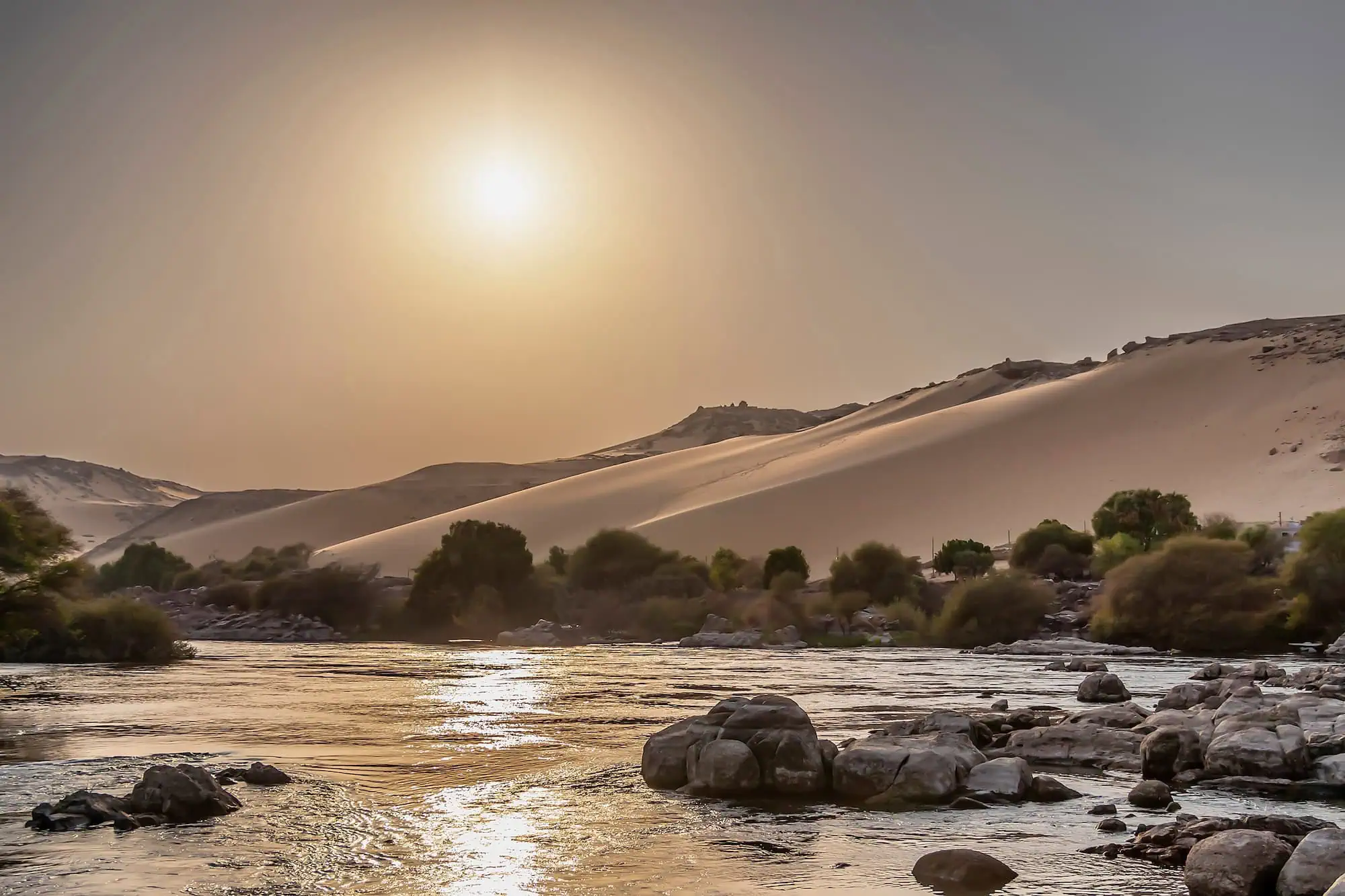
Understanding which vaccines you need for Egypt can feel overwhelming with conflicting information everywhere. We’ve helped thousands of travelers navigate Egypt’s health requirements over our decades in travel planning, and the vaccination landscape isn’t as complicated as it might seem. The key lies in understanding both mandatory requirements and smart recommendations based on your travel style, duration, and the regions you’ll explore.
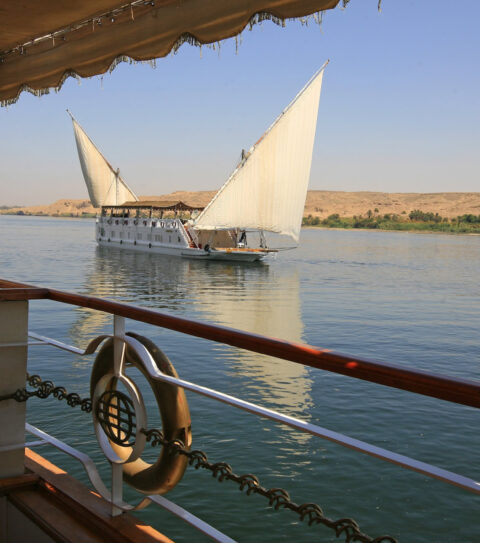
Getting the right vaccinations isn’t just about meeting entry requirements – it’s about ensuring your Egyptian adventure remains memorable for all the right reasons. Whether you’re planning to cruise the Nile, explore ancient temples, or relax on Red Sea beaches, proper health preparation gives you peace of mind to fully embrace everything this incredible destination offers.

Essential Vaccinations Required and Recommended for Egypt
Egypt doesn’t mandate most vaccines for travelers arriving from the United States or Europe, but several are strongly recommended by both the CDC and WHO. The timing matters significantly – some vaccines require multiple doses spread over weeks to provide full protection.
Hepatitis A Vaccination
Hepatitis A represents the highest health risk for most Egypt visitors. The CDC classifies Egypt as a high-risk country for hepatitis A transmission, particularly through contaminated food and water. This vaccine becomes crucial whether you’re staying in luxury hotels or budget accommodations, as the virus can spread through ice cubes, fresh produce, and food handled by infected individuals.
The hepatitis A vaccine requires at least two weeks before travel to build effective immunity. If you’re planning multiple trips to developing countries, the two-dose series provides protection for up to 25 years. Many travelers combine this with hepatitis B vaccination for comprehensive liver protection.

Typhoid Protection
Typhoid vaccination proves especially important for travelers venturing beyond major tourist areas or staying longer than two weeks. The bacteria spreads through contaminated food and water, with rural areas and local street food presenting higher risks. We recommend typhoid vaccination for adventurous eaters and those planning extended Nile Valley exploration.
Two typhoid vaccine options exist: an injectable version lasting two years, and oral capsules providing three years of protection. The oral version requires four doses taken every other day, finishing at least one week before departure.
Routine Immunizations
Ensure your routine vaccines remain current before traveling to Egypt. This includes measles-mumps-rubella (MMR), which has seen recent outbreaks in some Middle Eastern countries. Tetanus-diphtheria-pertussis (Tdap) boosters should be current within the past ten years.
Polio vaccination deserves special attention for Egypt travel. While Egypt has made significant progress in polio elimination, the CDC still recommends ensuring adult travelers have received their complete polio series. A single adult booster suffices if you completed childhood vaccination.
Additional Health Considerations for Specific Travelers
Different travel styles and destinations within Egypt create varying health risks that influence vaccination recommendations.
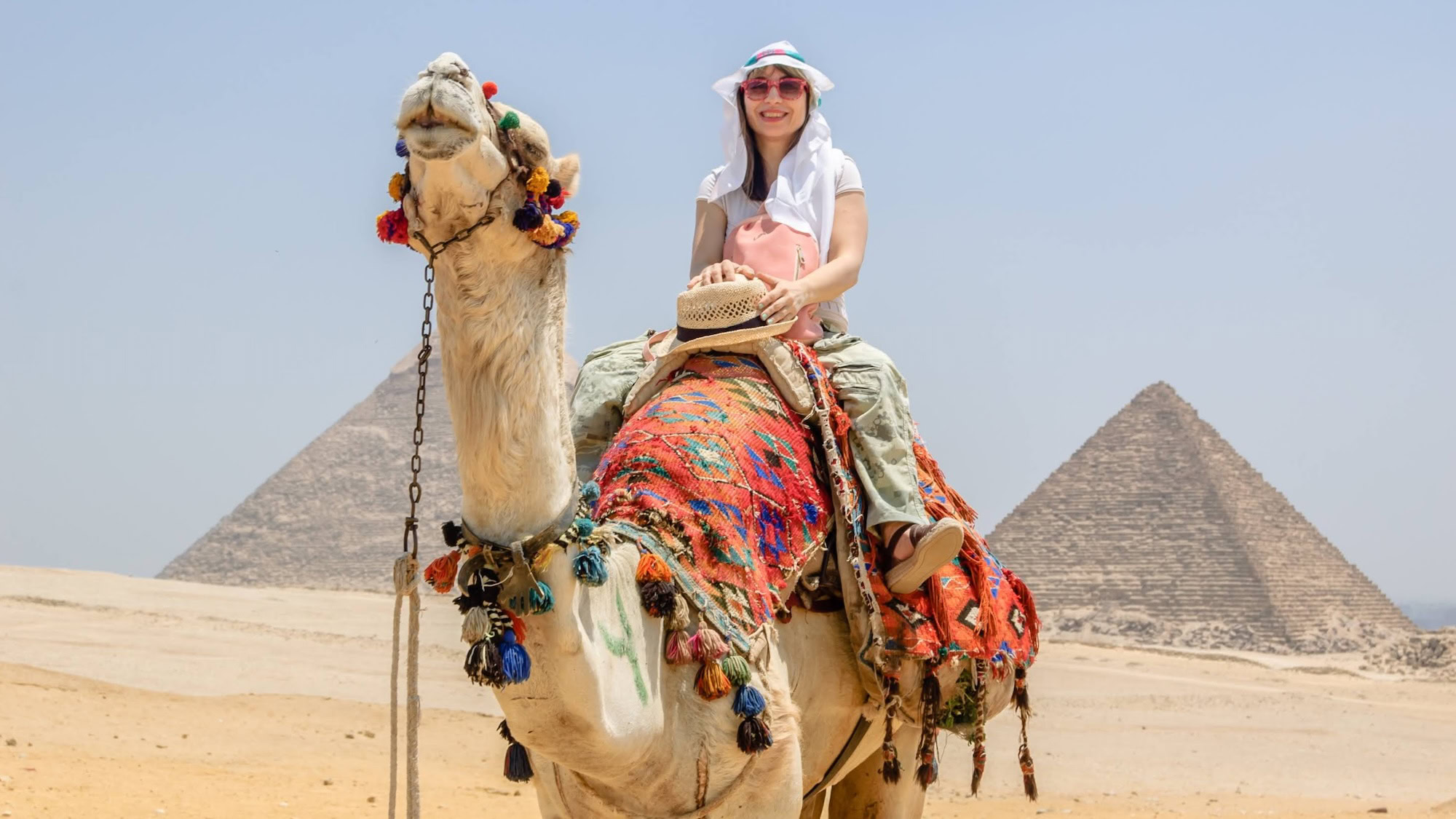
Adventure travelers planning desert expeditions, archaeological site exploration, or rural village visits face elevated exposure risks. Rabies vaccination becomes particularly relevant for these travelers, as Egypt maintains an endemic rabies risk among both domestic animals and wildlife. The pre-exposure rabies series consists of three doses over 28 days, providing significant protection should animal contact occur.
Meningococcal meningitis vaccination may be recommended for travelers visiting during dry, dusty seasons or those planning extended stays in crowded areas. This bacterial infection spreads through respiratory droplets and can cause serious complications. The vaccine provides protection against four major meningitis strains common in North Africa.
Yellow Fever Requirements
Egypt requires yellow fever vaccination only from travelers arriving from countries with active yellow fever transmission. This primarily affects visitors coming from sub-Saharan African countries or certain South American regions. U.S. and European travelers flying directly to Egypt don’t need yellow fever vaccination.
However, if your Egypt trip includes stops in yellow fever endemic countries, you’ll need vaccination at least ten days before entering those areas. The yellow fever vaccine provides lifelong protection and requires an official International Certificate of Vaccination.
Timing Your Vaccination Schedule
Proper vaccination timing ensures maximum protection during your Egypt adventure. Most vaccines need specific lead times to develop full immunity, and some cannot be administered simultaneously.
Visit a travel medicine specialist 4-6 weeks before departure for optimal protection. This timeline allows for multiple vaccine doses if needed and provides buffer time for any adverse reactions. Some vaccines like hepatitis A can be administered closer to travel, but earlier planning provides better protection.
Hepatitis A vaccination provides some protection within two weeks, but full immunity develops after 2-4 weeks. Typhoid vaccines need one week minimum before travel. Routine boosters like tetanus can be given any time before departure if you’re overdue.
Managing Multiple Vaccines
Many vaccines can be administered during the same appointment, but certain combinations require spacing. Live vaccines like yellow fever must be given at least four weeks apart from other live vaccines, though this rarely affects Egypt travel requirements.
Your healthcare provider will create a personalized vaccination schedule based on your specific itinerary, current immunization status, and health conditions. Keep detailed records of all vaccinations, as some countries require proof of specific immunizations.
Understanding Egypt’s Disease Landscape and Prevention
Beyond vaccines, understanding Egypt’s endemic diseases helps you make informed health decisions throughout your travels.
Vector-borne diseases present moderate risks in certain Egyptian regions. Dengue fever has emerged in some Red Sea coastal areas, transmitted by Aedes mosquitoes most active during dawn and dusk. While no dengue vaccine exists for travelers, preventing mosquito bites provides effective protection. Use DEET-based repellents, wear long sleeves during peak mosquito hours, and choose accommodations with screens or air conditioning.
West Nile virus occurs throughout Egypt, also transmitted by mosquitoes. Most infections remain asymptomatic, but the virus can cause serious neurological complications in some individuals. The same mosquito prevention strategies effective against dengue also protect against West Nile virus.
Schistosomiasis affects certain Nile Valley regions, transmitted through freshwater contact. Avoid swimming, wading, or other freshwater activities in the Nile River and associated irrigation canals. Chlorinated swimming pools and Red Sea activities remain safe. This parasitic disease can cause serious complications if untreated, but complete avoidance of freshwater contact eliminates transmission risk.
Food and Water Safety Practices
Preventing foodborne illness requires consistent vigilance throughout your Egypt travels. Drink only bottled or properly treated water, avoiding tap water, ice cubes, and fountain drinks. Brush teeth with bottled water and keep your mouth closed during showering.
Food safety becomes particularly important in preventing hepatitis A and typhoid, even with vaccination. Choose thoroughly cooked foods served hot, avoid raw vegetables and fruits you cannot peel yourself, and be cautious with street food. High-end hotels and restaurants generally maintain good food safety standards, but these diseases can still occur anywhere.
Frequently Asked Questions
Do I need yellow fever vaccination for Egypt travel?
Only if arriving from yellow fever endemic countries in Africa or South America. Direct travelers from the U.S. or Europe don’t need this vaccine.
How far in advance should I get vaccinated?
Visit a travel medicine clinic 4-6 weeks before departure for optimal protection and proper scheduling of multiple vaccines.
Is malaria prevention needed in Egypt?
Malaria transmission has been eliminated in most Egyptian tourist areas. Consult your healthcare provider about specific regions you’re visiting.
Can I get vaccines at pharmacies or need a doctor?
Travel vaccines typically require healthcare provider consultation for proper medical screening and documentation. Many pharmacies offer basic vaccines but may not stock travel-specific ones.
What if I cannot get all recommended vaccines in time?
Focus on the highest-risk vaccines first: hepatitis A and typhoid. Consult your healthcare provider about accelerated schedules or alternative prevention strategies.
Do children need different vaccines for Egypt?
Children follow similar recommendations but may need different dosing schedules. Some vaccines aren’t approved for certain age groups.
How much do Egypt travel vaccines cost?
Costs vary significantly by location and insurance coverage. Budget $200-500 for multiple vaccines, though some insurance plans cover travel immunizations.
Should I bring my vaccination records to Egypt?
Yes, carry official vaccination records, especially if you’ve received yellow fever vaccination or are traveling from endemic areas.
Can I get vaccines in Egypt if needed?
Major Egyptian cities have vaccination services, but obtaining specific travel vaccines may be challenging. Complete vaccinations before departure.
Do vaccines guarantee I won’t get sick in Egypt?
Vaccines provide strong protection against specific diseases but cannot prevent all illness. Maintain good hygiene and food safety practices regardless.
Are there vaccines I should avoid before Egypt travel?
Most vaccines are safe for Egypt travel. Discuss any immune system conditions or medication interactions with your healthcare provider.
What happens if I have an adverse vaccine reaction?
Serious reactions are rare but require immediate medical attention. Schedule vaccines with adequate time to monitor for reactions before departure.
What Vaccinations Do I Need for Egypt? A Complete Travel Health Guide
Protect yourself with the right vaccinations before exploring Egypt’s wonders.
Understanding which vaccines you need for Egypt can feel overwhelming with conflicting information everywhere. We’ve helped thousands of travelers navigate Egypt’s health requirements over our decades in travel planning, and the vaccination landscape isn’t as complicated as it might seem. The key lies in understanding both mandatory requirements and smart recommendations based on your travel style, duration, and the regions you’ll explore.
Getting the right vaccinations isn’t just about meeting entry requirements – it’s about ensuring your Egyptian adventure remains memorable for all the right reasons. Whether you’re planning to cruise the Nile, explore ancient temples, or relax on Red Sea beaches, proper health preparation gives you peace of mind to fully embrace everything this incredible destination offers.

Essential Vaccinations Required and Recommended for Egypt
Egypt doesn’t mandate most vaccines for travelers arriving from the United States or Europe, but several are strongly recommended by both the CDC and WHO. The timing matters significantly – some vaccines require multiple doses spread over weeks to provide full protection.
Hepatitis A Vaccination
Hepatitis A represents the highest health risk for most Egypt visitors. The CDC classifies Egypt as a high-risk country for hepatitis A transmission, particularly through contaminated food and water. This vaccine becomes crucial whether you’re staying in luxury hotels or budget accommodations, as the virus can spread through ice cubes, fresh produce, and food handled by infected individuals.
The hepatitis A vaccine requires at least two weeks before travel to build effective immunity. If you’re planning multiple trips to developing countries, the two-dose series provides protection for up to 25 years. Many travelers combine this with hepatitis B vaccination for comprehensive liver protection.

Typhoid Protection
Typhoid vaccination proves especially important for travelers venturing beyond major tourist areas or staying longer than two weeks. The bacteria spreads through contaminated food and water, with rural areas and local street food presenting higher risks. We recommend typhoid vaccination for adventurous eaters and those planning extended Nile Valley exploration.
Two typhoid vaccine options exist: an injectable version lasting two years, and oral capsules providing three years of protection. The oral version requires four doses taken every other day, finishing at least one week before departure.
Routine Immunizations
Ensure your routine vaccines remain current before traveling to Egypt. This includes measles-mumps-rubella (MMR), which has seen recent outbreaks in some Middle Eastern countries. Tetanus-diphtheria-pertussis (Tdap) boosters should be current within the past ten years.
Polio vaccination deserves special attention for Egypt travel. While Egypt has made significant progress in polio elimination, the CDC still recommends ensuring adult travelers have received their complete polio series. A single adult booster suffices if you completed childhood vaccination.
Additional Health Considerations for Specific Travelers
Different travel styles and destinations within Egypt create varying health risks that influence vaccination recommendations.
Adventure travelers planning desert expeditions, archaeological site exploration, or rural village visits face elevated exposure risks. Rabies vaccination becomes particularly relevant for these travelers, as Egypt maintains an endemic rabies risk among both domestic animals and wildlife. The pre-exposure rabies series consists of three doses over 28 days, providing significant protection should animal contact occur.
Meningococcal meningitis vaccination may be recommended for travelers visiting during dry, dusty seasons or those planning extended stays in crowded areas. This bacterial infection spreads through respiratory droplets and can cause serious complications. The vaccine provides protection against four major meningitis strains common in North Africa.

Yellow Fever Requirements
Egypt requires yellow fever vaccination only from travelers arriving from countries with active yellow fever transmission. This primarily affects visitors coming from sub-Saharan African countries or certain South American regions. U.S. and European travelers flying directly to Egypt don’t need yellow fever vaccination.
However, if your Egypt trip includes stops in yellow fever endemic countries, you’ll need vaccination at least ten days before entering those areas. The yellow fever vaccine provides lifelong protection and requires an official International Certificate of Vaccination.
Timing Your Vaccination Schedule
Proper vaccination timing ensures maximum protection during your Egypt adventure. Most vaccines need specific lead times to develop full immunity, and some cannot be administered simultaneously.
Visit a travel medicine specialist 4-6 weeks before departure for optimal protection. This timeline allows for multiple vaccine doses if needed and provides buffer time for any adverse reactions. Some vaccines like hepatitis A can be administered closer to travel, but earlier planning provides better protection.
Hepatitis A vaccination provides some protection within two weeks, but full immunity develops after 2-4 weeks. Typhoid vaccines need one week minimum before travel. Routine boosters like tetanus can be given any time before departure if you’re overdue.
Managing Multiple Vaccines
Many vaccines can be administered during the same appointment, but certain combinations require spacing. Live vaccines like yellow fever must be given at least four weeks apart from other live vaccines, though this rarely affects Egypt travel requirements.
Your healthcare provider will create a personalized vaccination schedule based on your specific itinerary, current immunization status, and health conditions. Keep detailed records of all vaccinations, as some countries require proof of specific immunizations.
Understanding Egypt’s Disease Landscape and Prevention
Beyond vaccines, understanding Egypt’s endemic diseases helps you make informed health decisions throughout your travels.
Vector-borne diseases present moderate risks in certain Egyptian regions. Dengue fever has emerged in some Red Sea coastal areas, transmitted by Aedes mosquitoes most active during dawn and dusk. While no dengue vaccine exists for travelers, preventing mosquito bites provides effective protection. Use DEET-based repellents, wear long sleeves during peak mosquito hours, and choose accommodations with screens or air conditioning.
West Nile virus occurs throughout Egypt, also transmitted by mosquitoes. Most infections remain asymptomatic, but the virus can cause serious neurological complications in some individuals. The same mosquito prevention strategies effective against dengue also protect against West Nile virus.
Schistosomiasis affects certain Nile Valley regions, transmitted through freshwater contact. Avoid swimming, wading, or other freshwater activities in the Nile River and associated irrigation canals. Chlorinated swimming pools and Red Sea activities remain safe. This parasitic disease can cause serious complications if untreated, but complete avoidance of freshwater contact eliminates transmission risk.

Food and Water Safety Practices
Preventing foodborne illness requires consistent vigilance throughout your Egypt travels. Drink only bottled or properly treated water, avoiding tap water, ice cubes, and fountain drinks. Brush teeth with bottled water and keep your mouth closed during showering.
Food safety becomes particularly important in preventing hepatitis A and typhoid, even with vaccination. Choose thoroughly cooked foods served hot, avoid raw vegetables and fruits you cannot peel yourself, and be cautious with street food. High-end hotels and restaurants generally maintain good food safety standards, but these diseases can still occur anywhere.
Ofte Stillede Spørgsmål
Do I need yellow fever vaccination for Egypt travel?
Only if arriving from yellow fever endemic countries in Africa or South America. Direct travelers from the U.S. or Europe don’t need this vaccine.
How far in advance should I get vaccinated?
Visit a travel medicine clinic 4-6 weeks before departure for optimal protection and proper scheduling of multiple vaccines.
Is malaria prevention needed in Egypt?
Malaria transmission has been eliminated in most Egyptian tourist areas. Consult your healthcare provider about specific regions you’re visiting.
Can I get vaccines at pharmacies or need a doctor?
Travel vaccines typically require healthcare provider consultation for proper medical screening and documentation. Many pharmacies offer basic vaccines but may not stock travel-specific ones.
What if I cannot get all recommended vaccines in time?
Focus on the highest-risk vaccines first: hepatitis A and typhoid. Consult your healthcare provider about accelerated schedules or alternative prevention strategies.
Do children need different vaccines for Egypt?
Children follow similar recommendations but may need different dosing schedules. Some vaccines aren’t approved for certain age groups.
How much do Egypt travel vaccines cost?
Costs vary significantly by location and insurance coverage. Budget $200-500 for multiple vaccines, though some insurance plans cover travel immunizations.
Should I bring my vaccination records to Egypt?
Yes, carry official vaccination records, especially if you’ve received yellow fever vaccination or are traveling from endemic areas.
Can I get vaccines in Egypt if needed?
Major Egyptian cities have vaccination services, but obtaining specific travel vaccines may be challenging. Complete vaccinations before departure.
Do vaccines guarantee I won’t get sick in Egypt?
Vaccines provide strong protection against specific diseases but cannot prevent all illness. Maintain good hygiene and food safety practices regardless.
Are there vaccines I should avoid before Egypt travel?
Most vaccines are safe for Egypt travel. Discuss any immune system conditions or medication interactions with your healthcare provider.
What happens if I have an adverse vaccine reaction?
Serious reactions are rare but require immediate medical attention. Schedule vaccines with adequate time to monitor for reactions before departure.
What Vaccinations Do I Need for Egypt? A Complete Travel Health Guide
Protect yourself with the right vaccinations before exploring Egypt’s wonders.
Understanding which vaccines you need for Egypt can feel overwhelming with conflicting information everywhere. We’ve helped thousands of travelers navigate Egypt’s health requirements over our decades in travel planning, and the vaccination landscape isn’t as complicated as it might seem. The key lies in understanding both mandatory requirements and smart recommendations based on your travel style, duration, and the regions you’ll explore.
Getting the right vaccinations isn’t just about meeting entry requirements – it’s about ensuring your Egyptian adventure remains memorable for all the right reasons. Whether you’re planning to cruise the Nile, explore ancient temples, or relax on Red Sea beaches, proper health preparation gives you peace of mind to fully embrace everything this incredible destination offers.

Essential Vaccinations Required and Recommended for Egypt
Egypt doesn’t mandate most vaccines for travelers arriving from the United States or Europe, but several are strongly recommended by both the CDC and WHO. The timing matters significantly – some vaccines require multiple doses spread over weeks to provide full protection.
Hepatitis A Vaccination
Hepatitis A represents the highest health risk for most Egypt visitors. The CDC classifies Egypt as a high-risk country for hepatitis A transmission, particularly through contaminated food and water. This vaccine becomes crucial whether you’re staying in luxury hotels or budget accommodations, as the virus can spread through ice cubes, fresh produce, and food handled by infected individuals.
The hepatitis A vaccine requires at least two weeks before travel to build effective immunity. If you’re planning multiple trips to developing countries, the two-dose series provides protection for up to 25 years. Many travelers combine this with hepatitis B vaccination for comprehensive liver protection.

Typhoid Protection
Typhoid vaccination proves especially important for travelers venturing beyond major tourist areas or staying longer than two weeks. The bacteria spreads through contaminated food and water, with rural areas and local street food presenting higher risks. We recommend typhoid vaccination for adventurous eaters and those planning extended Nile Valley exploration.
Two typhoid vaccine options exist: an injectable version lasting two years, and oral capsules providing three years of protection. The oral version requires four doses taken every other day, finishing at least one week before departure.
Routine Immunizations
Ensure your routine vaccines remain current before traveling to Egypt. This includes measles-mumps-rubella (MMR), which has seen recent outbreaks in some Middle Eastern countries. Tetanus-diphtheria-pertussis (Tdap) boosters should be current within the past ten years.
Polio vaccination deserves special attention for Egypt travel. While Egypt has made significant progress in polio elimination, the CDC still recommends ensuring adult travelers have received their complete polio series. A single adult booster suffices if you completed childhood vaccination.
Additional Health Considerations for Specific Travelers
Different travel styles and destinations within Egypt create varying health risks that influence vaccination recommendations.
Adventure travelers planning desert expeditions, archaeological site exploration, or rural village visits face elevated exposure risks. Rabies vaccination becomes particularly relevant for these travelers, as Egypt maintains an endemic rabies risk among both domestic animals and wildlife. The pre-exposure rabies series consists of three doses over 28 days, providing significant protection should animal contact occur.
Meningococcal meningitis vaccination may be recommended for travelers visiting during dry, dusty seasons or those planning extended stays in crowded areas. This bacterial infection spreads through respiratory droplets and can cause serious complications. The vaccine provides protection against four major meningitis strains common in North Africa.

Yellow Fever Requirements
Egypt requires yellow fever vaccination only from travelers arriving from countries with active yellow fever transmission. This primarily affects visitors coming from sub-Saharan African countries or certain South American regions. U.S. and European travelers flying directly to Egypt don’t need yellow fever vaccination.
However, if your Egypt trip includes stops in yellow fever endemic countries, you’ll need vaccination at least ten days before entering those areas. The yellow fever vaccine provides lifelong protection and requires an official International Certificate of Vaccination.
Timing Your Vaccination Schedule
Proper vaccination timing ensures maximum protection during your Egypt adventure. Most vaccines need specific lead times to develop full immunity, and some cannot be administered simultaneously.
Visit a travel medicine specialist 4-6 weeks before departure for optimal protection. This timeline allows for multiple vaccine doses if needed and provides buffer time for any adverse reactions. Some vaccines like hepatitis A can be administered closer to travel, but earlier planning provides better protection.
Hepatitis A vaccination provides some protection within two weeks, but full immunity develops after 2-4 weeks. Typhoid vaccines need one week minimum before travel. Routine boosters like tetanus can be given any time before departure if you’re overdue.
Managing Multiple Vaccines
Many vaccines can be administered during the same appointment, but certain combinations require spacing. Live vaccines like yellow fever must be given at least four weeks apart from other live vaccines, though this rarely affects Egypt travel requirements.
Your healthcare provider will create a personalized vaccination schedule based on your specific itinerary, current immunization status, and health conditions. Keep detailed records of all vaccinations, as some countries require proof of specific immunizations.
Understanding Egypt’s Disease Landscape and Prevention
Beyond vaccines, understanding Egypt’s endemic diseases helps you make informed health decisions throughout your travels.
Vector-borne diseases present moderate risks in certain Egyptian regions. Dengue fever has emerged in some Red Sea coastal areas, transmitted by Aedes mosquitoes most active during dawn and dusk. While no dengue vaccine exists for travelers, preventing mosquito bites provides effective protection. Use DEET-based repellents, wear long sleeves during peak mosquito hours, and choose accommodations with screens or air conditioning.
West Nile virus occurs throughout Egypt, also transmitted by mosquitoes. Most infections remain asymptomatic, but the virus can cause serious neurological complications in some individuals. The same mosquito prevention strategies effective against dengue also protect against West Nile virus.
Schistosomiasis affects certain Nile Valley regions, transmitted through freshwater contact. Avoid swimming, wading, or other freshwater activities in the Nile River and associated irrigation canals. Chlorinated swimming pools and Red Sea activities remain safe. This parasitic disease can cause serious complications if untreated, but complete avoidance of freshwater contact eliminates transmission risk.

Food and Water Safety Practices
Preventing foodborne illness requires consistent vigilance throughout your Egypt travels. Drink only bottled or properly treated water, avoiding tap water, ice cubes, and fountain drinks. Brush teeth with bottled water and keep your mouth closed during showering.
Food safety becomes particularly important in preventing hepatitis A and typhoid, even with vaccination. Choose thoroughly cooked foods served hot, avoid raw vegetables and fruits you cannot peel yourself, and be cautious with street food. High-end hotels and restaurants generally maintain good food safety standards, but these diseases can still occur anywhere.
Ofte Stillede Spørgsmål
Do I need yellow fever vaccination for Egypt travel?
Only if arriving from yellow fever endemic countries in Africa or South America. Direct travelers from the U.S. or Europe don’t need this vaccine.
How far in advance should I get vaccinated?
Visit a travel medicine clinic 4-6 weeks before departure for optimal protection and proper scheduling of multiple vaccines.
Is malaria prevention needed in Egypt?
Malaria transmission has been eliminated in most Egyptian tourist areas. Consult your healthcare provider about specific regions you’re visiting.
Can I get vaccines at pharmacies or need a doctor?
Travel vaccines typically require healthcare provider consultation for proper medical screening and documentation. Many pharmacies offer basic vaccines but may not stock travel-specific ones.
What if I cannot get all recommended vaccines in time?
Focus on the highest-risk vaccines first: hepatitis A and typhoid. Consult your healthcare provider about accelerated schedules or alternative prevention strategies.
Do children need different vaccines for Egypt?
Children follow similar recommendations but may need different dosing schedules. Some vaccines aren’t approved for certain age groups.
How much do Egypt travel vaccines cost?
Costs vary significantly by location and insurance coverage. Budget $200-500 for multiple vaccines, though some insurance plans cover travel immunizations.
Should I bring my vaccination records to Egypt?
Yes, carry official vaccination records, especially if you’ve received yellow fever vaccination or are traveling from endemic areas.
Can I get vaccines in Egypt if needed?
Major Egyptian cities have vaccination services, but obtaining specific travel vaccines may be challenging. Complete vaccinations before departure.
Do vaccines guarantee I won’t get sick in Egypt?
Vaccines provide strong protection against specific diseases but cannot prevent all illness. Maintain good hygiene and food safety practices regardless.
Are there vaccines I should avoid before Egypt travel?
Most vaccines are safe for Egypt travel. Discuss any immune system conditions or medication interactions with your healthcare provider.
What happens if I have an adverse vaccine reaction?
Serious reactions are rare but require immediate medical attention. Schedule vaccines with adequate time to monitor for reactions before departure.

Design Your Custom Tour
Explore Egypt your way by selecting only the attractions you want to visit