Can You Visit Tombs in Egypt? Complete Access Guide
Yes, you can visit hundreds of tombs across Egypt.
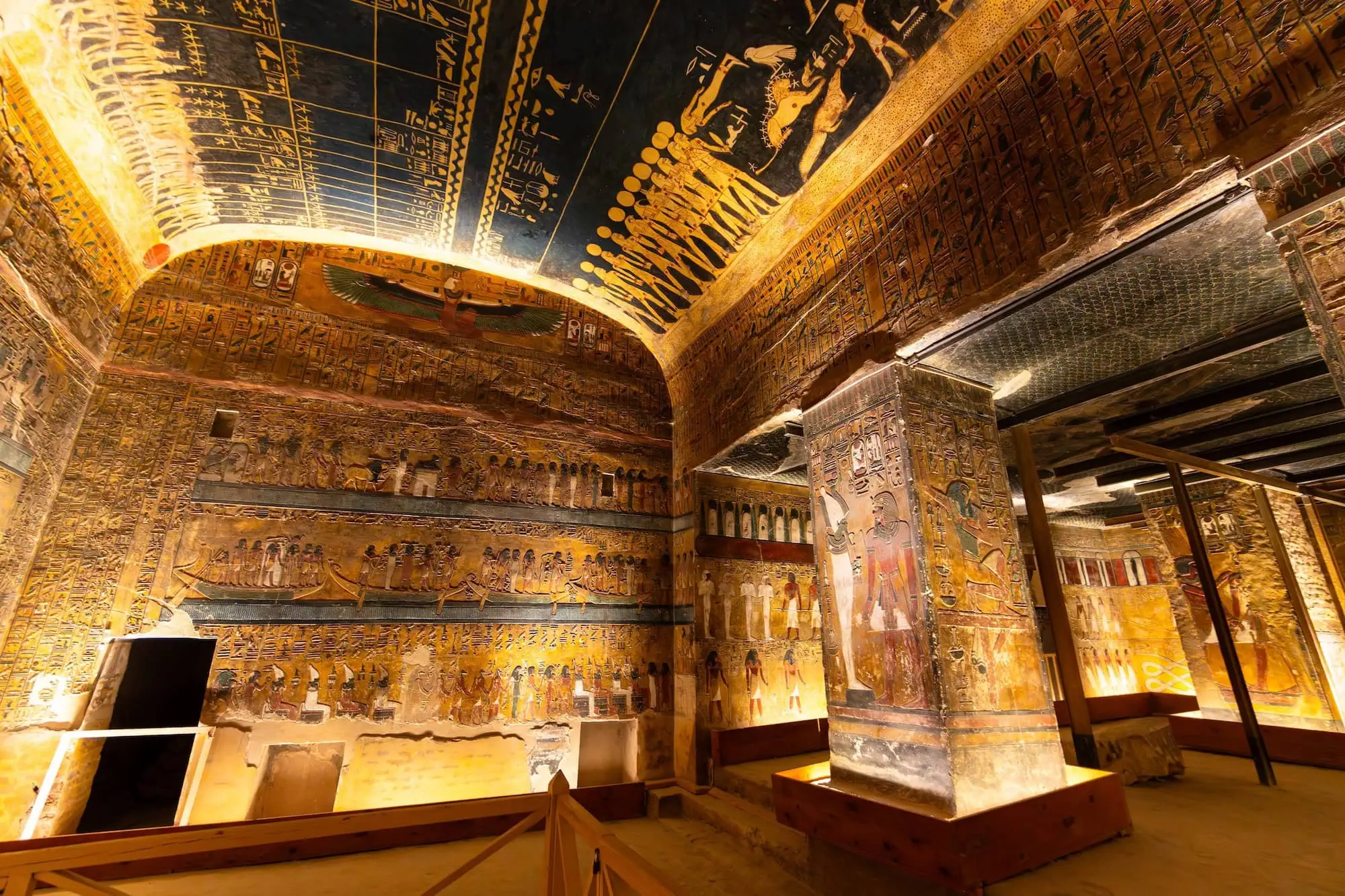
Egypt’s ancient burial sites welcome millions of visitors annually, from the world-famous Valley of the Kings in Luxor to the iconic pyramids at Giza. Most tombs require entrance tickets, and some of the most spectacular burial chambers need special permits or additional fees. The Egyptian government carefully manages access to preserve these archaeological treasures while allowing tourists to experience the wonder of pharaonic burial sites.
We’ve spent over two decades guiding travelers through Egypt’s most remarkable tomb complexes, helping visitors navigate the ticketing systems and choose the most rewarding experiences. Planning your tomb visits requires understanding Egypt’s diverse burial sites, ticket requirements, and seasonal considerations to make the most of your Egyptian adventure.
Table of Contents
Essential Tomb Sites You Can Visit
Egypt offers tomb experiences across multiple regions, each showcasing different periods of ancient Egyptian civilization. The diversity ranges from Old Kingdom pyramid complexes to New Kingdom royal burial chambers.
Valley of the Kings – Royal Burial Ground
The Valley of the Kings near Luxor houses 64 discovered tombs of pharaohs and nobles from Egypt’s New Kingdom period. Your standard entrance ticket allows access to three of the eight regularly open tombs. We recommend visiting early morning when temperatures are cooler and crowds smaller.
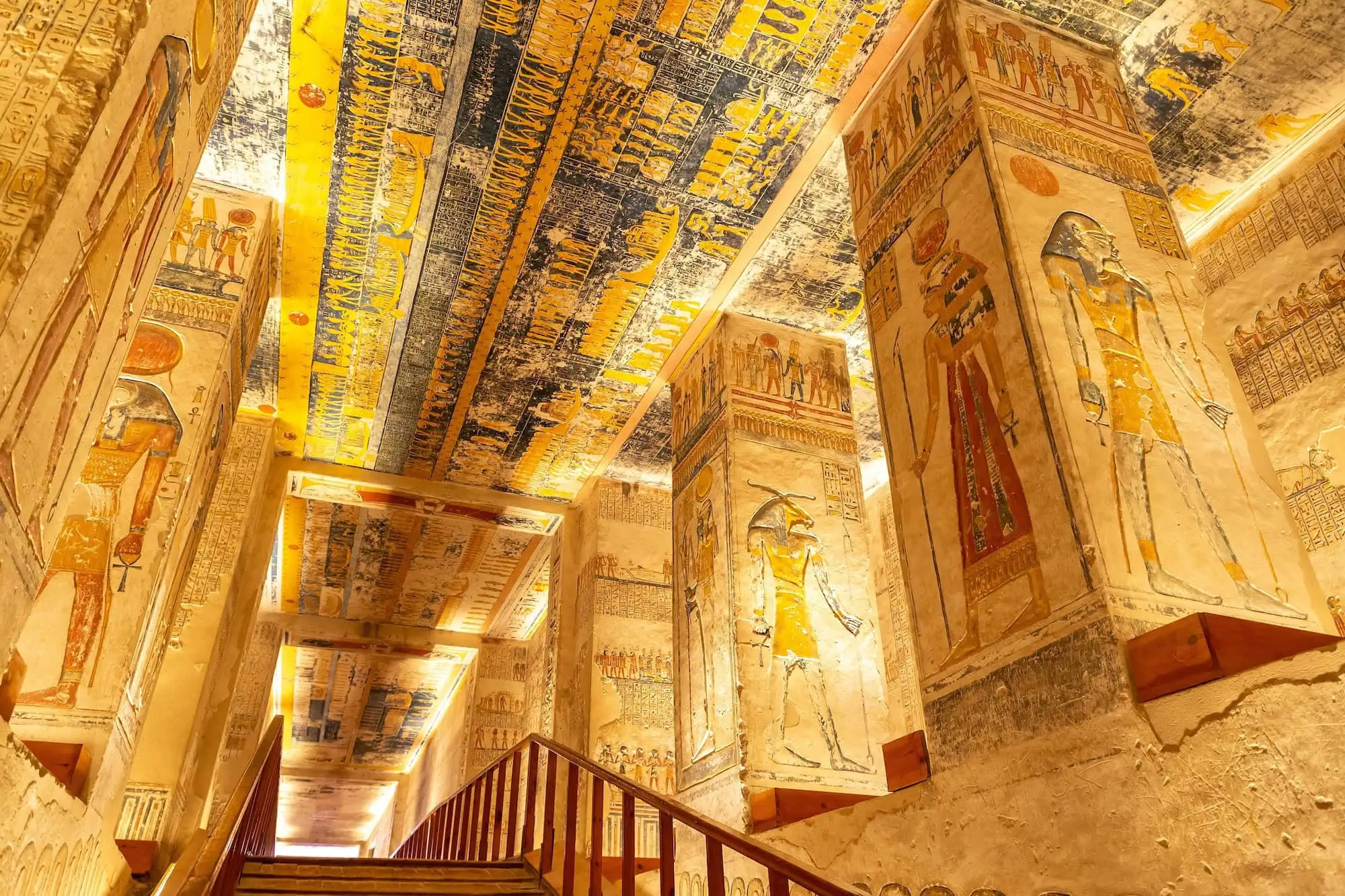
Tutankhamun’s tomb requires a separate special ticket costing approximately 450 EGP (about $15 USD). The tomb of Ramesses VI features stunning ceiling decorations with astronomical texts, while Ramesses IV offers well-preserved wall paintings depicting the pharaoh’s journey through the afterlife.
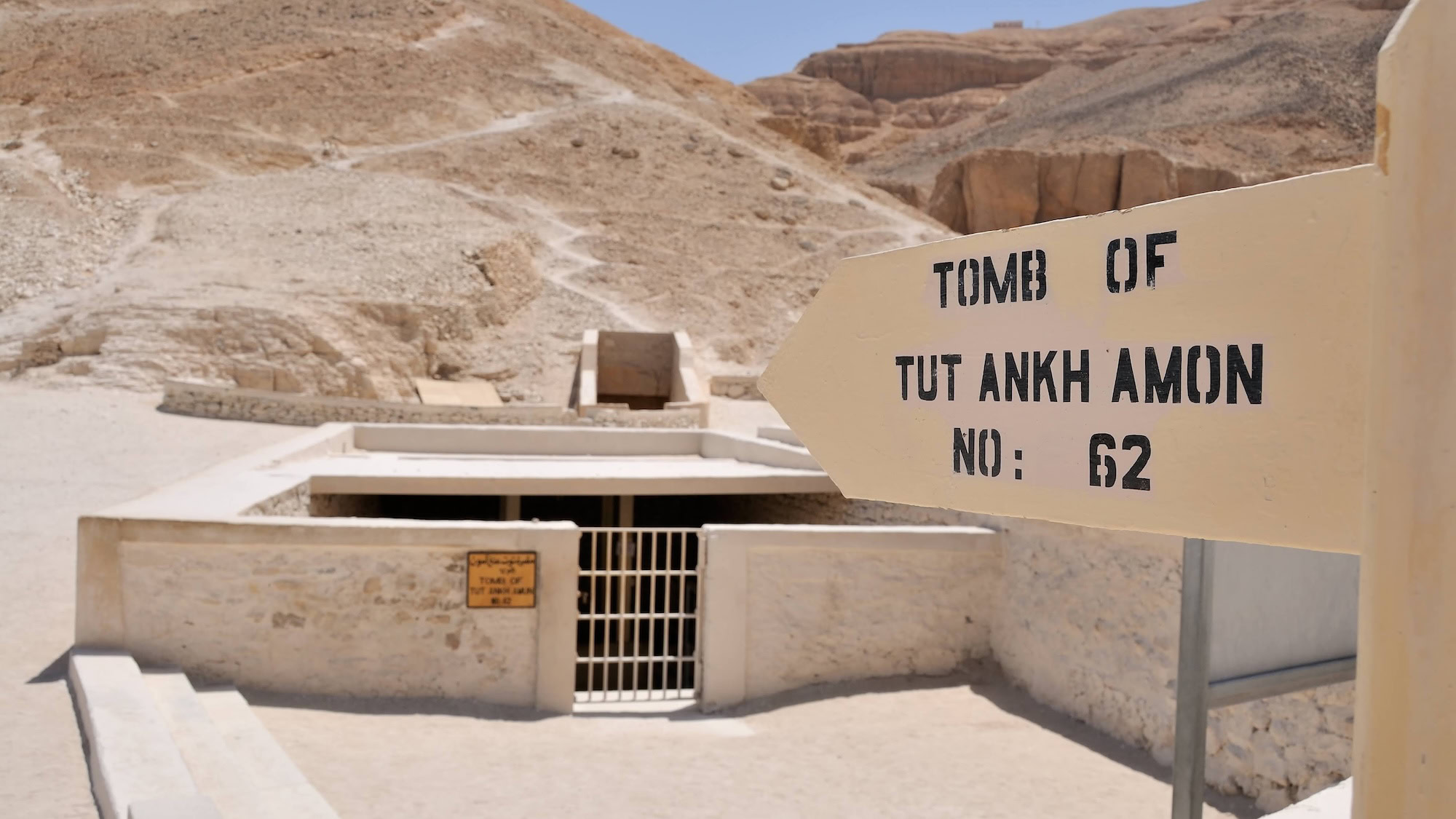
Most tombs involve steep descents and narrow corridors. Photography inside requires additional photo tickets ranging from 100-300 EGP per tomb, though some tombs prohibit photography entirely to preserve delicate artwork.
Giza Pyramid Complex Access
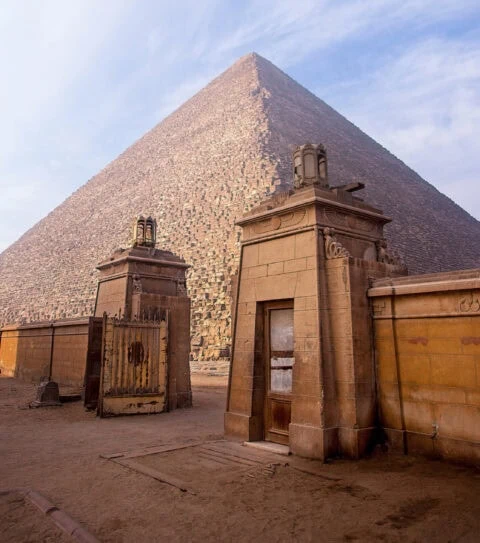
The Great Pyramid’s interior chambers welcome visitors daily, though numbers are limited to 300 people per day to prevent damage from humidity and overcrowding. Interior access costs 440 EGP beyond the general Giza entry fee.
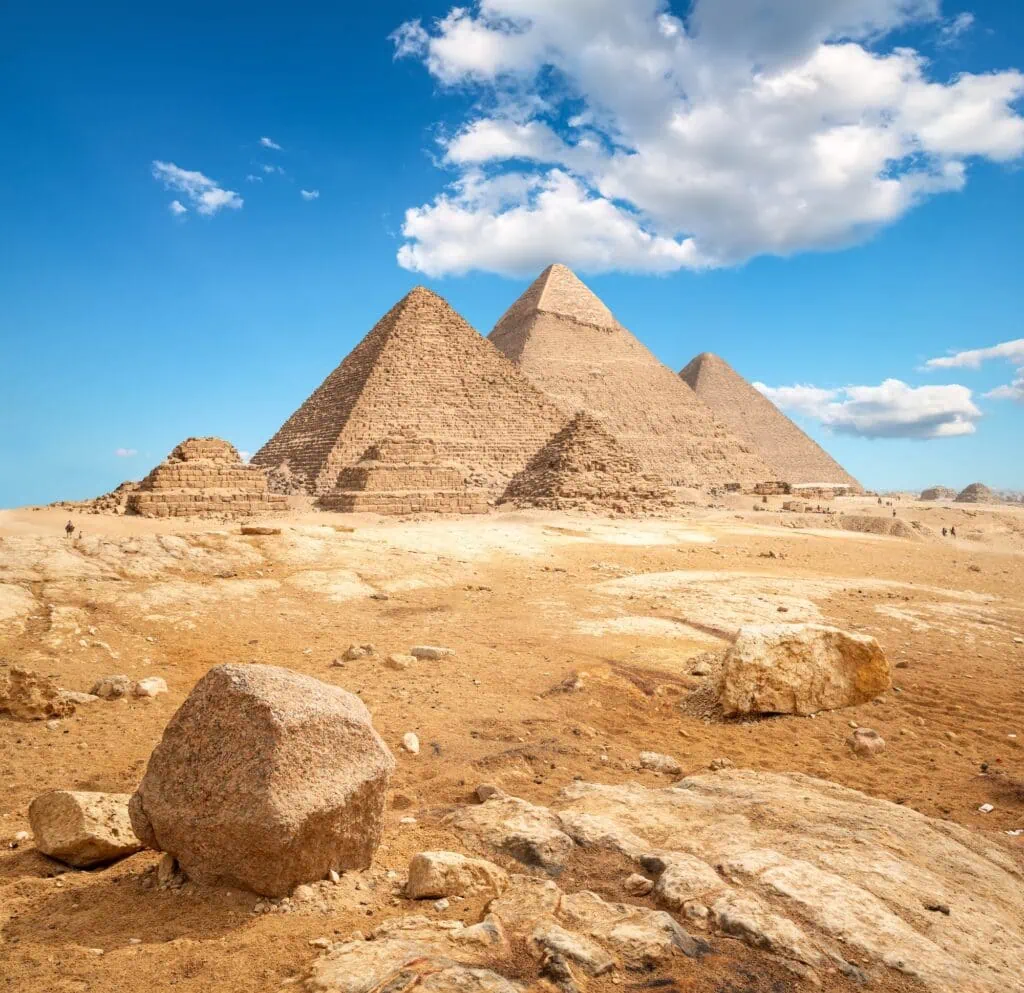
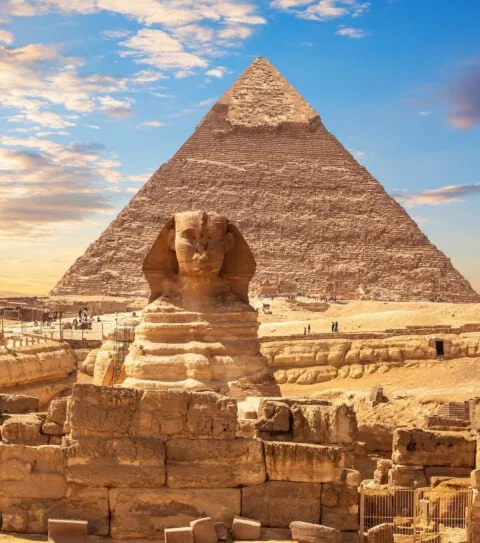
Khafre’s Pyramid offers an alternative experience with fewer crowds and similar internal architecture. The Step Pyramid at nearby Saqqara provides Egypt’s oldest pyramid experience, dating to 2670 BCE under pharaoh Djoser.
Luxor’s Nobleman Tombs
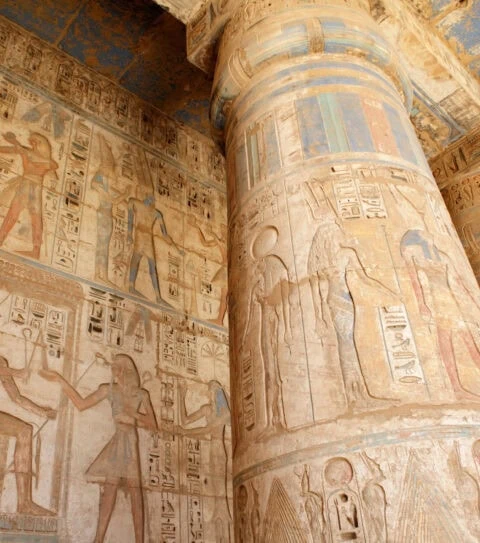
The Tombs of the Nobles on Luxor’s west bank showcase private burial chambers of ancient Egyptian officials and craftsmen. These smaller tombs feature intimate artwork depicting daily life scenes rather than royal religious texts. Access typically costs 100-140 EGP and includes multiple tomb entries.
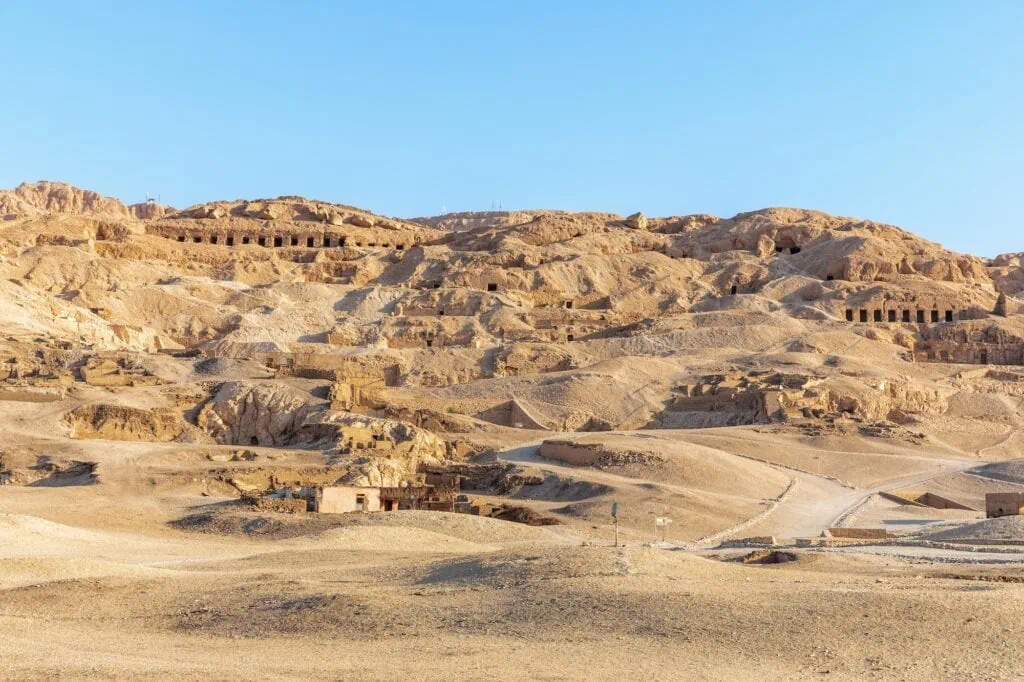
Popular choices include the tomb of Sennefer with its grape-decorated ceiling and Rekhmire’s tomb displaying detailed craftsmanship scenes. These sites offer excellent alternatives when royal tomb tickets are sold out.
Practical Ticket Information and Planning
Egyptian tomb ticketing operates through a combination of general site access and specific tomb permits that vary significantly in price and availability. Most major archaeological sites require separate tickets for tomb interiors beyond basic site entry fees. The Egyptian Ministry of Tourism and Antiquities controls these permits, with some tombs requiring advance booking during peak seasons from December through February.
We always secure tomb tickets in advance for our travelers to avoid disappointment. Standard Valley of the Kings tickets cost 240 EGP and include three tomb selections from the regularly open options. Premium tombs like Tutankhamun, Nefertari, or Seti I require separate special tickets ranging from 450-1,600 EGP each. These prices reflect conservation efforts and visitor limitations.
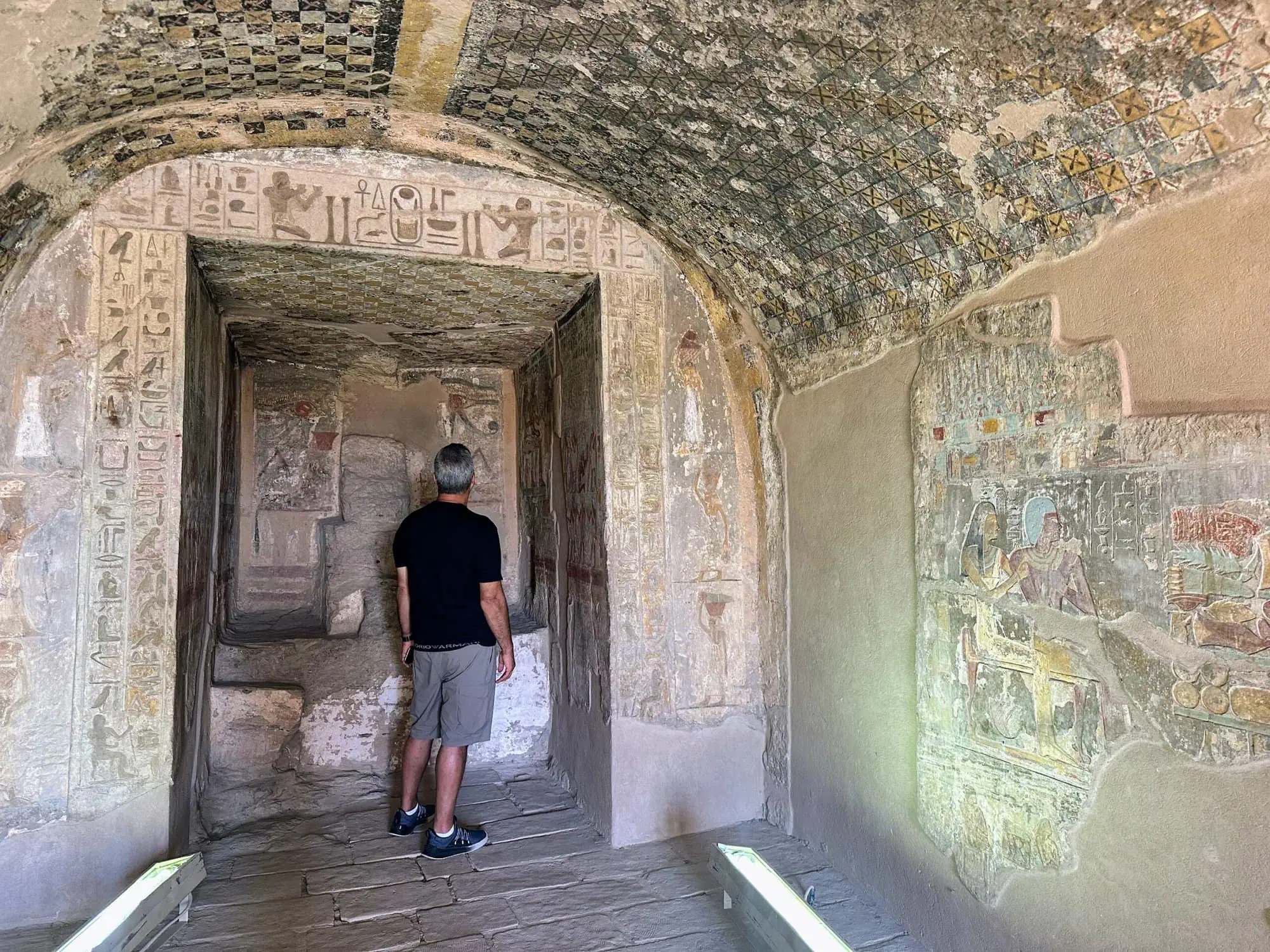
Photography permissions vary dramatically between sites. Most locations charge 100-300 EGP for camera permits, while some premium tombs prohibit photography entirely. Professional cameras require special permits arranged through Egyptian antiquities authorities.
Peak visiting hours run from 9:00 am to 11:00 am (09:00 to 11:00) when tour groups arrive. We recommend early morning visits starting at 6:00 am (06:00) or late afternoon after 3:00 pm (15:00) for better experiences with fewer crowds and cooler temperatures averaging 25-30°C (77-86°F) during winter months.
Regional Tomb Experiences Beyond the Famous Sites
Egypt’s lesser-known burial sites offer remarkable experiences without the crowds and higher prices of premier destinations.
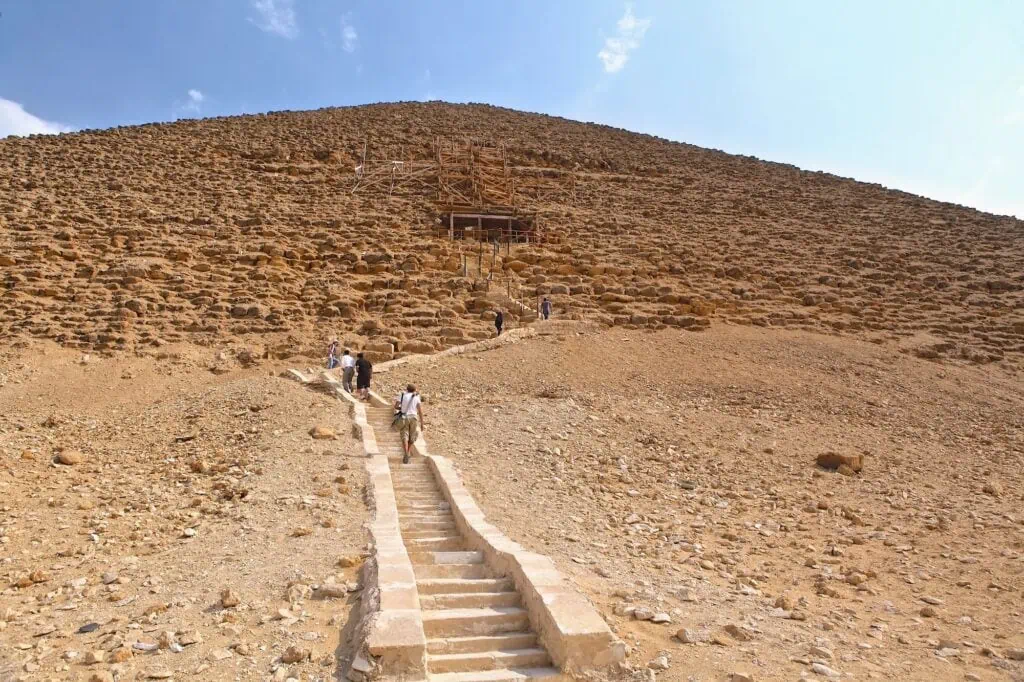
Dahshur’s Red Pyramid and Bent Pyramid provide peaceful alternatives to Giza with similar architectural significance. The Red Pyramid’s interior climb takes you through ancient passages to the burial chamber 63 meters (207 feet) underground. Entry costs 60 EGP with no crowd limitations.
Beni Hasan’s Middle Kingdom tombs showcase provincial Egyptian art 280 kilometers (174 miles) south of Cairo. These rock-cut tombs feature unique wrestling scenes, military processions, and daily life depictions absent from royal burials. Access requires a day trip but costs only 80 EGP for multiple tomb entries.
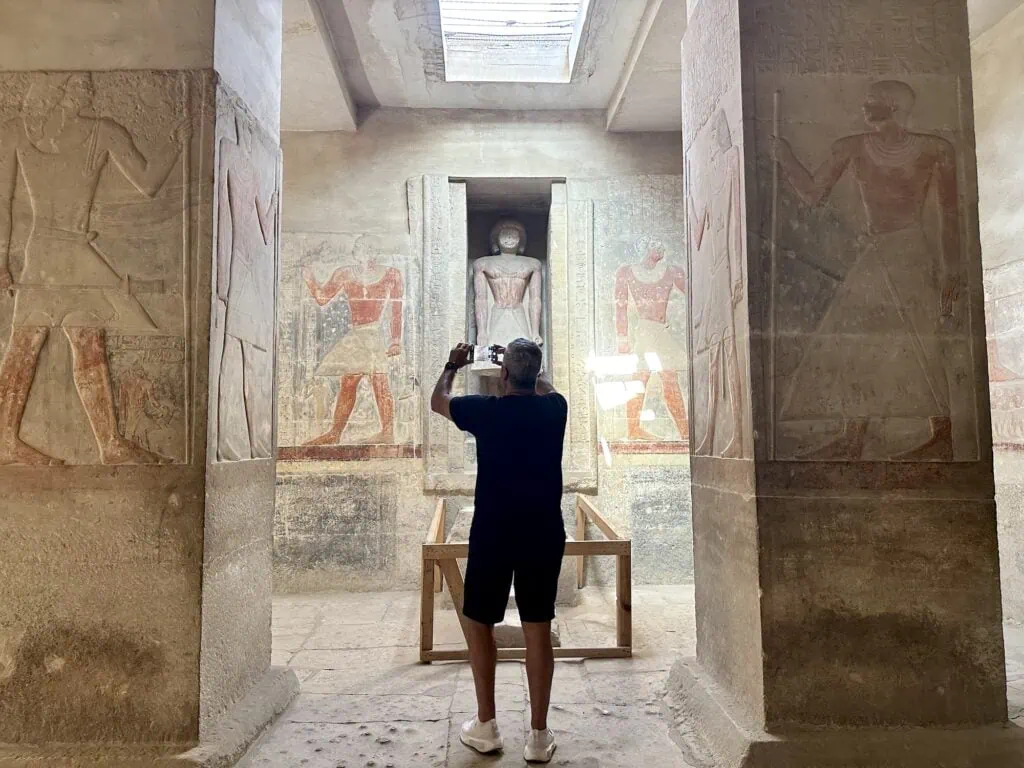
The Tombs of Saqqara extend far beyond the Step Pyramid complex. Mastaba tombs of nobles like Ti and Ptahhotep display Old Kingdom artistic mastery with colorful relief carvings. The recently opened tomb of Mehu offers pristine wall paintings in a less crowded setting.
Aswan’s Tombs of the Nobles sit high above the Nile with stunning river views. These tombs showcase the unique Nubian influence on southern Egyptian burial practices and cost only 60 EGP for access to multiple sites.
Navigating Tomb Visits Successfully
Understanding Egyptian tomb etiquette and preparation ensures respectful visits while maximizing your archaeological experience. Physical preparation matters significantly.
Most tombs involve steep stairs, low ceilings, and narrow passages that challenge visitors with mobility limitations. The tomb of Ramesses VII descends 41 meters (135 feet) underground through passages only 1.5 meters (5 feet) high. Comfortable walking shoes with good grip prevent slipping on ancient stone steps worn smooth by millennia.
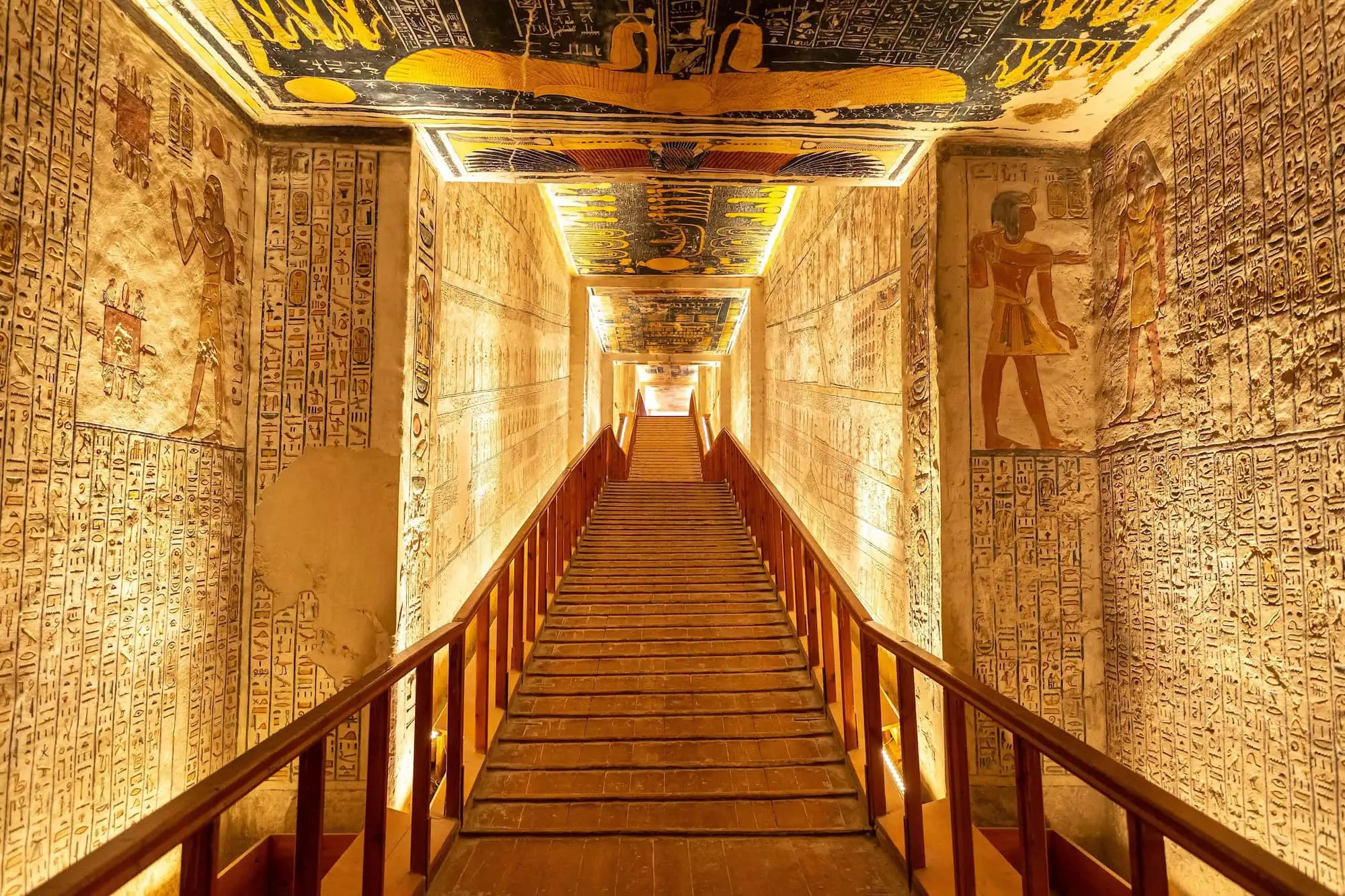
Temperature regulation becomes crucial inside burial chambers. Underground tomb temperatures remain constant at 25-27°C (77-81°F) year-round, providing relief from surface heat but requiring light jackets during winter surface temperatures of 15-20°C (59-68°F).
Essential Visit Preparation
Bring bottled water as tomb complexes rarely have refreshment facilities beyond entrance areas. Small LED flashlights help illuminate artwork details since tomb lighting focuses on preservation rather than optimal viewing. However, respect photography restrictions completely – Egyptian authorities impose serious penalties for unauthorized photos.
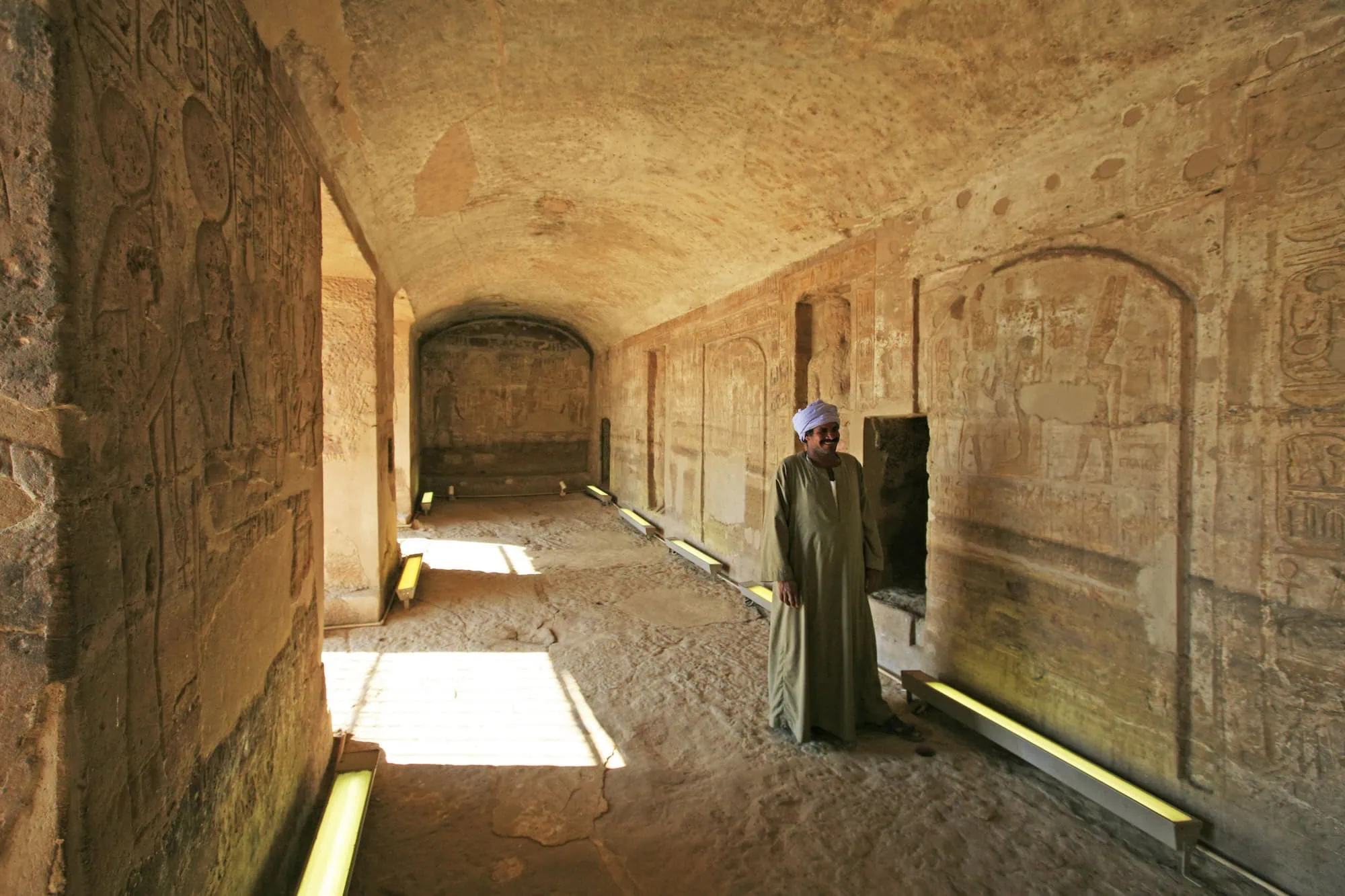
Tipping culture extends to tomb guardians who often provide unofficial guidance and may unlock restricted areas for small tips of 20-50 EGP. While not required, these interactions enhance your understanding of tomb significance and construction techniques.
Time allocation varies dramatically between tomb types. Simple mastaba tombs require 15-20 minutes, while elaborate royal tombs like Seti I deserve 45-60 minutes to appreciate the detailed artwork and religious symbolism.
Special Access and Premium Tomb Experiences
Certain Egyptian tombs offer exclusive experiences requiring special arrangements and significantly higher fees, but providing access to archaeology’s greatest treasures.
Ultra-Premium Tomb Access
Nefertari’s tomb in the Valley of the Queens represents the pinnacle of ancient Egyptian tomb art. Limited to 150 visitors daily, tickets cost 1,600 EGP and must be purchased in advance. The tomb’s preservation requires climate control and strict visitor protocols including shoe covers and guided timing.
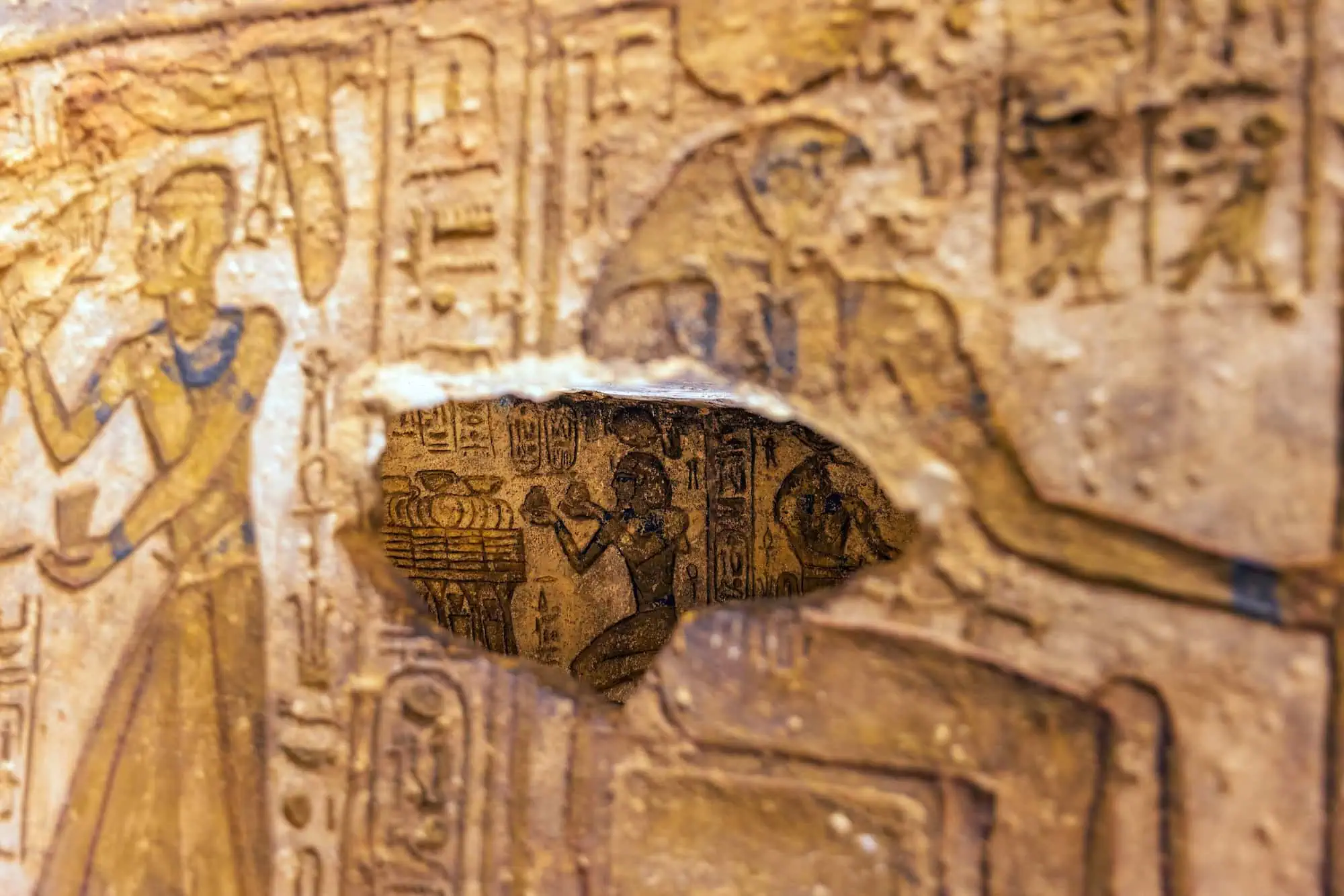
Seti I’s tomb extends 137 meters (449 feet) into the hillside with the most complete royal burial decoration program surviving from ancient Egypt. Access costs 4,000 EGP and requires advance booking weeks ahead during peak seasons.
The newly discovered tomb of the goldsmith Amenemheb offers pristine artwork unseen for 3,000 years. Special permits through Egyptian authorities allow limited academic and VIP access arranged through premium tour operators.
Behind-the-Scenes Archaeological Experiences
Some Egyptian tomb sites offer archaeological workshop experiences where visitors participate in ongoing restoration work under expert supervision. These programs run seasonally and provide unique insights into tomb construction techniques and preservation challenges.
The Theban Mapping Project occasionally accepts qualified volunteers for tomb documentation work in the Valley of the Kings. While requiring archaeological background, these opportunities provide unparalleled access to restricted tomb areas and ongoing discoveries.
We coordinate these special access experiences for travelers seeking deeper archaeological engagement beyond standard tourist visits.
Best Times and Seasonal Considerations for Tomb Visits
Egyptian tomb visiting conditions vary dramatically throughout the year, affecting both comfort and accessibility of different burial sites.
Winter months from November through March provide optimal tomb visiting conditions with daytime temperatures ranging 20-25°C (68-77°F) and minimal rainfall. However, this peak season brings higher prices and larger crowds requiring advance ticket booking for premium tombs.
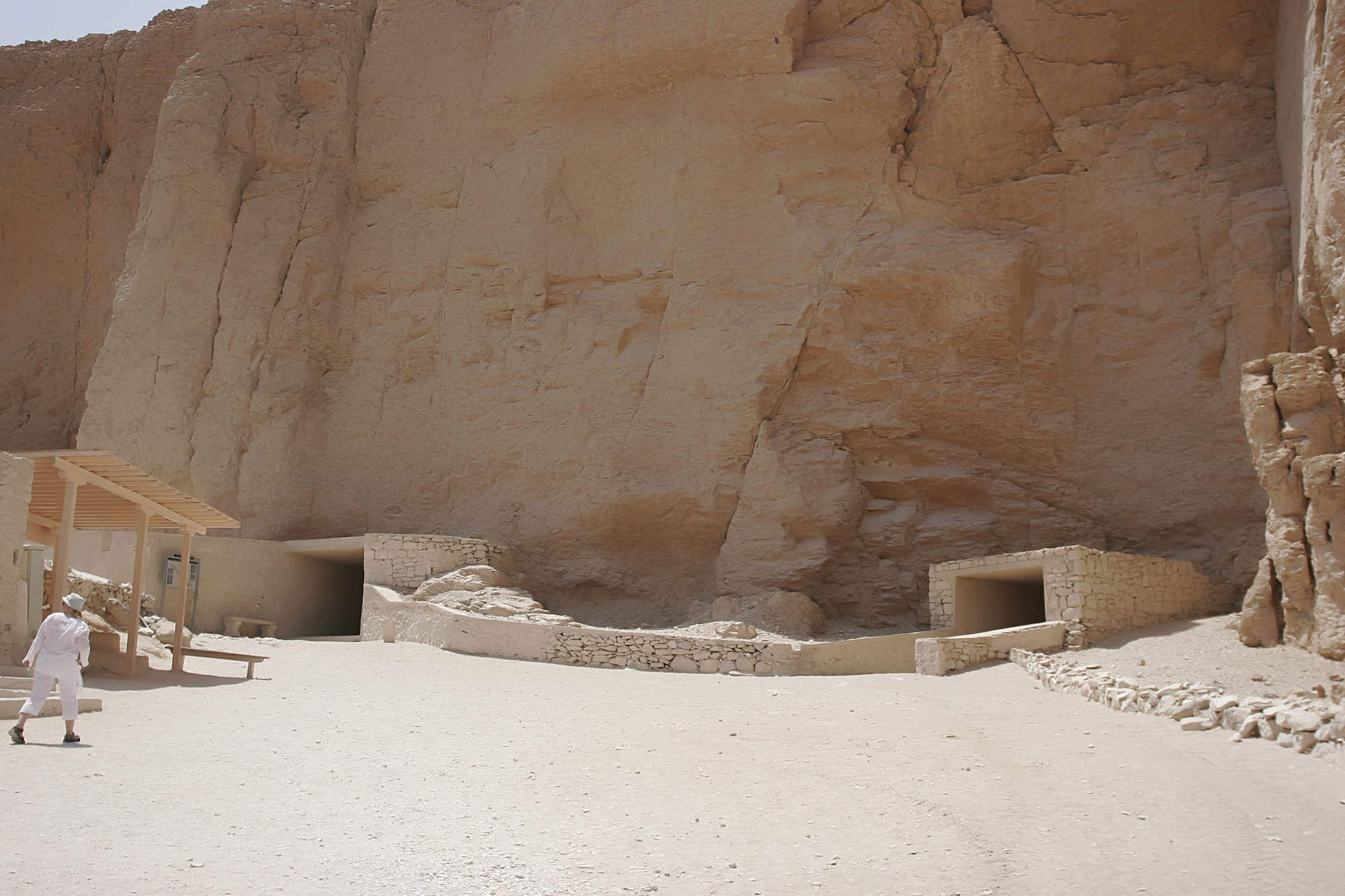
Summer tomb visits from June through August offer significantly reduced crowds and lower accommodation costs, but surface temperatures exceeding 40°C (104°F) make midday tomb exploration challenging. Underground burial chambers maintain consistent cool temperatures, actually providing welcome relief from surface heat.
Ramadan timing affects tomb operating hours and local services, though major archaeological sites remain open with modified schedules. We adjust itineraries during religious observances to ensure full access while respecting local customs.
Seasonal Access Variations
Some remote tomb sites close during winter months due to flooding risks in desert wadis. The tomb of Ay in the Western Valley requires 4WD access unavailable during rare but severe weather periods from December through February.
Spring months of April and May offer excellent compromise conditions with moderate temperatures averaging 28-32°C (82-90°F) and smaller crowds than peak winter season. Tomb accessibility reaches maximum during these months with all sites operational and comfortable visiting conditions.
Photography conditions inside tombs remain consistent year-round due to artificial lighting, though natural light entering tomb entrances varies with seasonal sun angles affecting some artistic details.
Frequently Asked Questions
Entry costs for Egyptian tombs vary widely, with standard tomb access often ranging from approximately 60-240 EGP, while premium sites such as Tutankhamun’s Tomb can cost several hundred Egyptian pounds more. Additional photography permits may also be required at certain locations. Prices differ between sites such as the Valley of the Kings, Saqqara, and the Giza Plateau, and ticket structures are periodically updated. Check current rates before visiting and budget extra for special-access tombs.
Yes, Tutankhamun’s Tomb (KV62) in the Valley of the Kings is open to visitors and remains one of Egypt’s most famous archaeological attractions. The tomb contains the mummy of King Tutankhamun and requires a separate ticket in addition to general Valley of the Kings admission. Although smaller than many neighboring royal tombs, its historical significance is immense because Howard Carter discovered it largely intact in 1922. Advance planning is recommended during peak travel months.
Accessibility at Egyptian tombs is limited because many sites were carved into hillsides or underground chambers thousands of years ago. Visitors often encounter steep stairways, narrow corridors, uneven surfaces, and low ceilings, particularly in locations such as the Valley of the Kings. Some archaeological areas provide accessible viewing zones, but entry into many burial chambers requires moderate physical mobility. Travelers with mobility concerns should research specific sites before visiting and consider private transportation assistance.
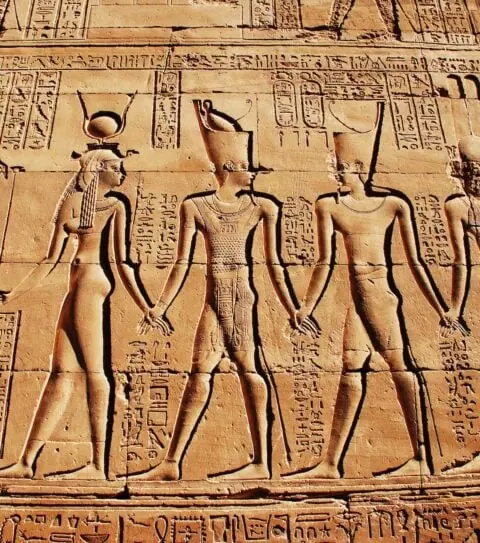
Pyramid interiors primarily feature architectural passageways and burial chambers, while decorated tombs are renowned for their artwork, hieroglyphs, and religious scenes. Inside the Great Pyramid of Khufu, visitors experience ancient engineering and construction techniques, whereas tombs in the Valley of the Kings showcase colorful wall paintings that explain beliefs about the afterlife. In simple terms, pyramids emphasize monumental architecture, while tombs provide a richer view of ancient Egyptian culture and daily life.
No, a guide is not required to visit Egyptian tombs, but many travelers find professional guides invaluable for understanding the symbolism and history on display. Tomb walls often contain complex religious texts, funerary scenes, and hieroglyphic inscriptions that can be difficult to interpret independently. An experienced Egyptologist can explain details that transform the visit from simple sightseeing into a deeper historical experience. Guides also help maximize time at large sites such as Luxor’s West Bank.
Photography policies vary by site, and some Egyptian tombs require separate photography permits while others restrict photography entirely. The primary reason for restrictions is the preservation of delicate wall paintings, pigments, and ancient surfaces that can deteriorate over time. Certain premium tombs impose stricter rules than standard burial chambers. Visitors should review current regulations when purchasing tickets because photography policies and fees can change between seasons and archaeological sites.
Most visitors can comfortably explore four to six tombs in a single day, depending on travel times, crowd levels, and personal interest in archaeology. Sites such as the Valley of the Kings include multiple tombs that vary significantly in size, decoration, and complexity. Premium tombs often require more time because of their detailed artwork and historical importance. Scheduling fewer tombs usually creates a more rewarding experience than rushing through a long list of attractions.
Visitors should bring water, comfortable walking shoes, sun protection, and sufficient cash for tickets, transportation, and optional tips. Although Egypt’s climate is generally warm, some underground chambers can feel cooler than the surface, making a light layer useful during certain seasons. A small flashlight may help reveal details in dimly lit areas where permitted. Travel light whenever possible, as many tomb entrances involve stairs, narrow passages, and uneven terrain.
Yes, Egyptian tomb sites are generally very safe and operate under established visitor management and preservation standards. Major archaeological areas such as the Valley of the Kings, Saqqara, and the Giza Plateau maintain security personnel, ticket controls, and regular maintenance programs. Most risks involve steep staircases, low ceilings, or uneven surfaces rather than security concerns. Following posted instructions and moving carefully through confined passages helps ensure a safe and enjoyable visit.
Most major Egyptian tomb sites typically open around 6:00 am and close in the late afternoon, often between 4:00 pm and 5:00 pm depending on the season and location. Early morning visits are particularly popular because temperatures are cooler and visitor numbers are lower. Some premium tombs or special-access chambers may operate under separate schedules or capacity limits. Arriving shortly after opening provides the best combination of comfort and viewing conditions.
First-time visitors often enjoy a combination of Valley of the Kings tombs, selected pyramid interiors, and the Step Pyramid complex at Saqqara. The Valley of the Kings offers richly decorated royal tombs, while the Great Pyramid provides insight into ancient engineering on a monumental scale. Saqqara adds historical depth as the location of Egypt’s earliest large-scale stone pyramid. Together, these sites provide an excellent introduction to Egyptian burial traditions spanning more than 2,000 years.
Advance booking is recommended for premium tombs and popular attractions, particularly during the peak travel season from December through February. Special-access sites often have limited daily visitor capacity to protect fragile interiors and improve the visitor experience. Standard tomb tickets can usually be purchased on-site, but arriving early helps avoid queues and increases availability. Travelers planning to visit Tutankhamun’s Tomb or other high-demand locations should reserve access whenever possible.
Explore our most popular guides and expert tips to make your trip safe, smooth, and unforgettable.
Plan Your Egypt Adventure with Confidence
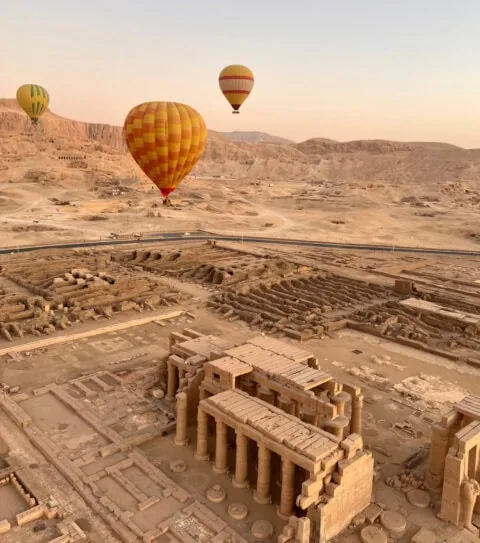
How to Plan a Trip Egypt
Step-by-step guide to help you plan the perfect Egypt trip — from routes and budget to booking.
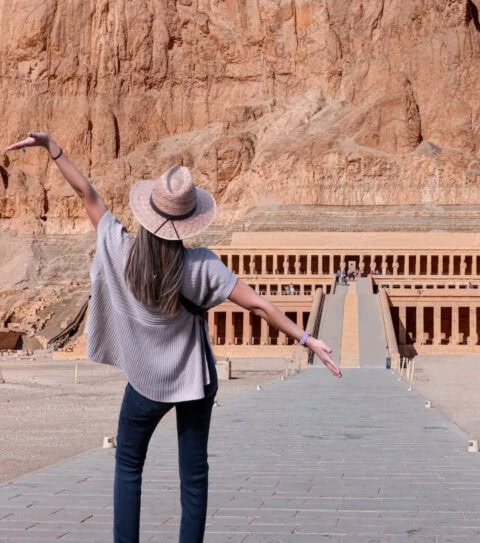
Best Time to Visit Egypt
Learn the best months to visit Egypt based on weather, crowds, and local travel experiences.
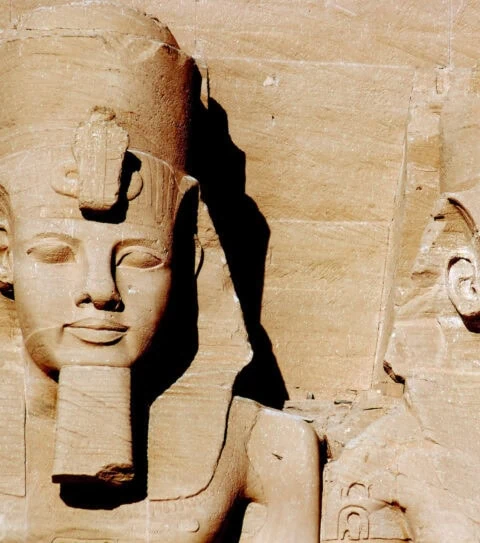
Must Visit Places in Egypt
Explore Egypt’s top sights — from pyramids to temples — and hidden gems worth seeing.
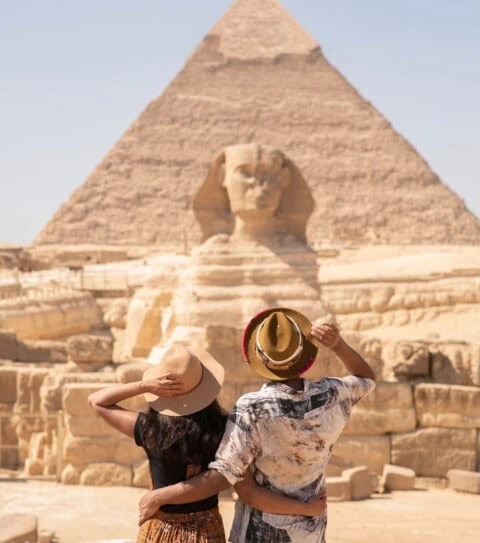
Top-Rated Egypt Tours
Handpicked private tours with local guides — our most loved and best-reviewed experiences.
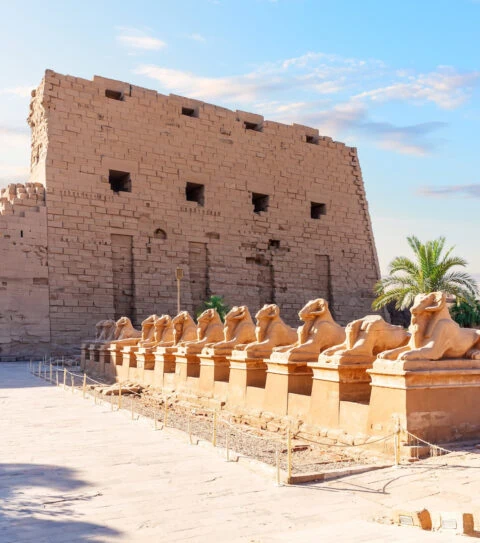
How Many Days to Visit Egypt?
Find out how many days you need in Egypt — from quick trips to full itineraries.
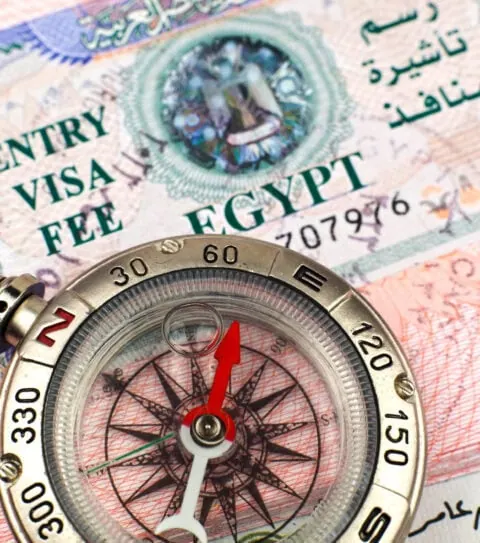
Egypt Visa Requirements
Check if you need a visa and get simple, up-to-date entry info based on your nationality.

Is it Safe to Travel to Egypt?
Is Egypt safe? Get honest safety tips, area advice, and what to know before you travel.
What to Pack for Egypt
A quick packing guide with essentials, cultural tips, and clothing advice for your Egypt trip.

Design Your Custom Tour
Explore Egypt your way by selecting only the attractions you want to visit