Is Egypt Worth Visiting? A Balanced Perspective
For many travelers, Egypt inspires both curiosity and hesitation. It is a destination that sparks strong opinions—often shaped by headlines, secondhand stories, or unfamiliar cultural dynamics.
Egypt is a country of contrasts. Some visitors focus on challenges such as cultural differences, persistent sales tactics, or the need for careful planning. Others return deeply moved by encounters with one of the world’s oldest civilizations, genuine hospitality, and moments of awe that simply cannot be replicated elsewhere. The truth, as with many destinations outside the Western comfort zone, lies in understanding what to expect and how to travel smartly.
With thoughtful preparation and realistic expectations, Egypt offers experiences that are profoundly rewarding. From standing before monuments that have endured for millennia to sharing tea with locals who are proud to welcome guests, Egypt has a unique ability to leave a lasting impression. This guide takes an honest yet optimistic look at what travelers should know—so you can decide whether Egypt belongs on your travel list.
Table of Contents
The Real Challenges Every Egypt Visitor Faces
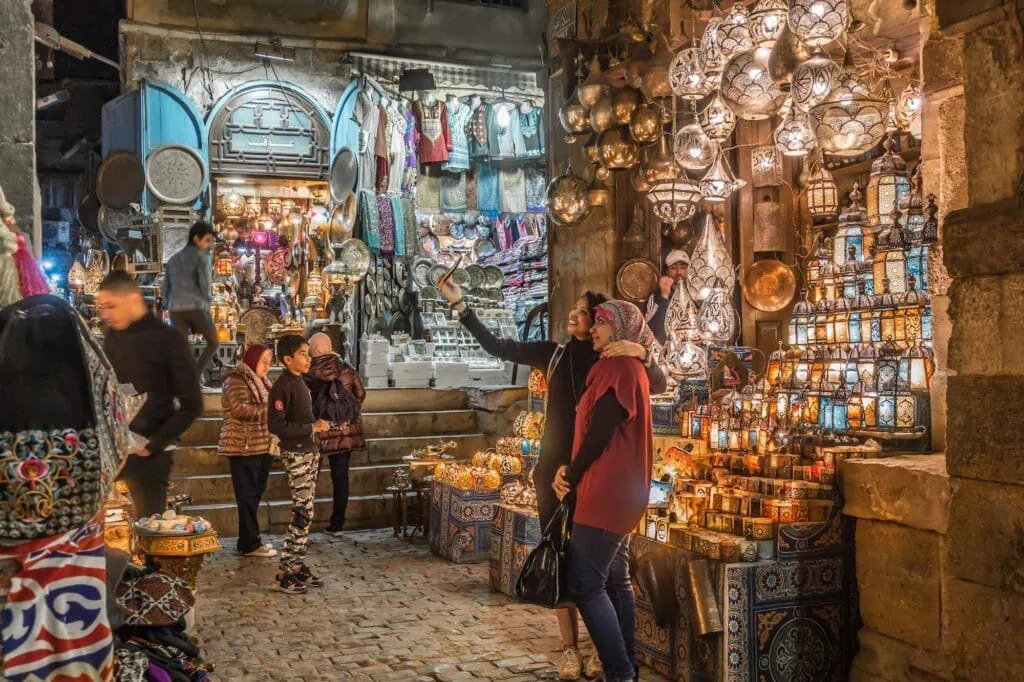
Street interactions in Egypt can be intense, particularly in popular tourist areas. Vendors, taxi drivers, and informal guides are proactive and persistent, which can feel overwhelming at first. While this is largely driven by economic realities rather than hostility, understanding how to confidently say no—and when to disengage—goes a long way toward a smoother experience.
Female travelers may notice increased attention, especially in busy urban areas. While this can feel uncomfortable, many women travel safely and enjoyably through Egypt by dressing conservatively, staying in reputable accommodations, and using trusted guides or drivers. With these precautions, most visitors report feeling secure and well looked after.
Tourist Scams and Overcharging
Price negotiation is a normal part of daily life in Egypt, particularly in markets and informal settings. Visitors unfamiliar with local pricing may initially encounter higher quotes, but this is typically an invitation to negotiate rather than an attempt to deceive. Using guides, agreeing on prices in advance, and relying on established businesses significantly reduces friction.
Infrastructure and Comfort Issues
Egypt’s infrastructure reflects its status as a developing country, and conditions vary widely by location and accommodation category. While traffic in major cities can be heavy, well-planned itineraries, domestic flights, and quality hotels ensure comfort comparable to international standards—especially when traveling with experienced operators.
Why Egypt Still Captivates Millions
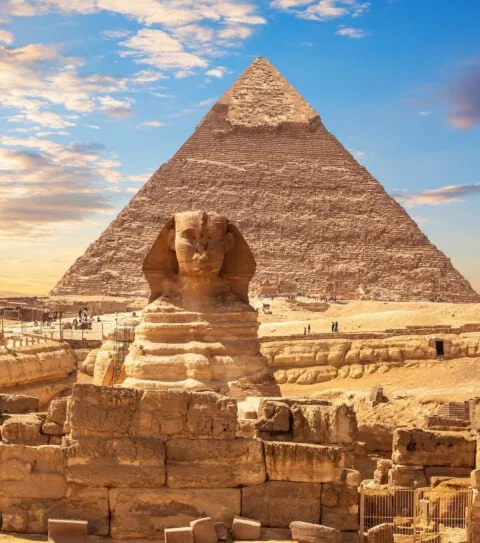
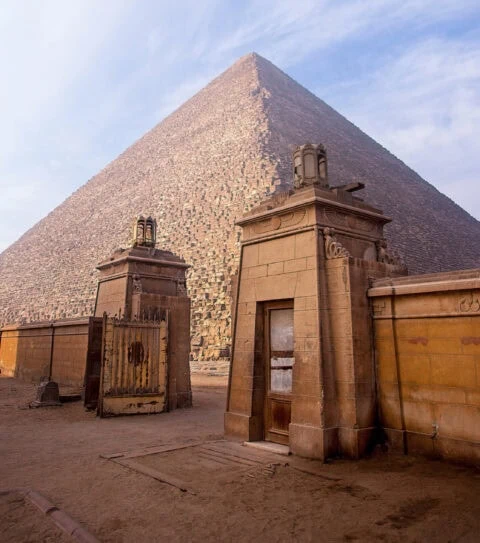
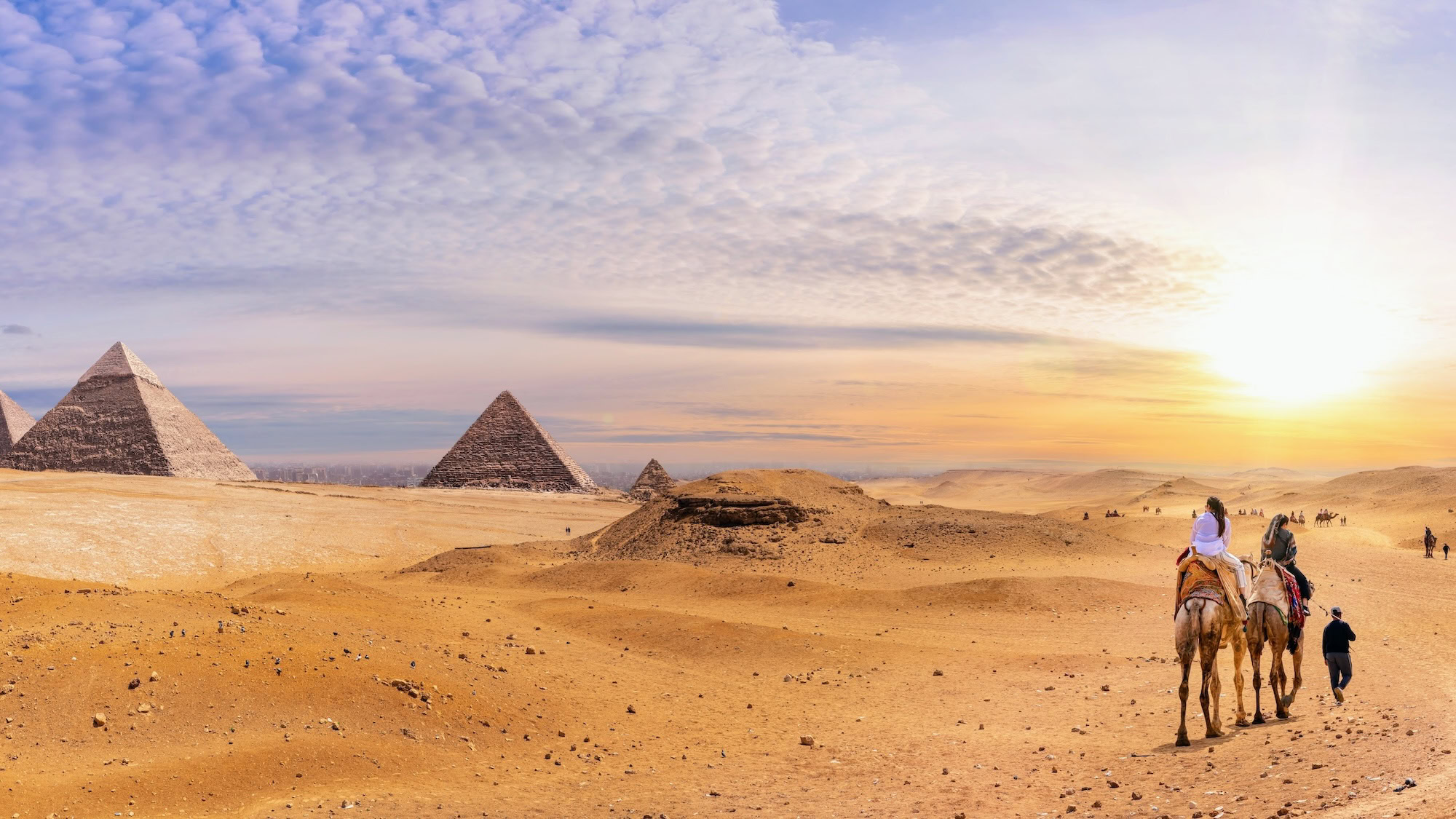
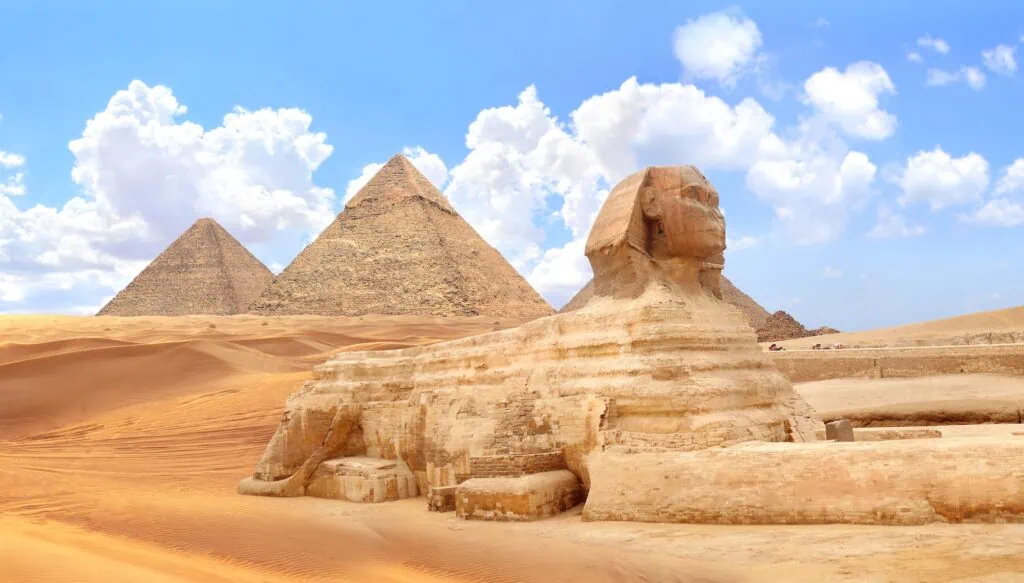
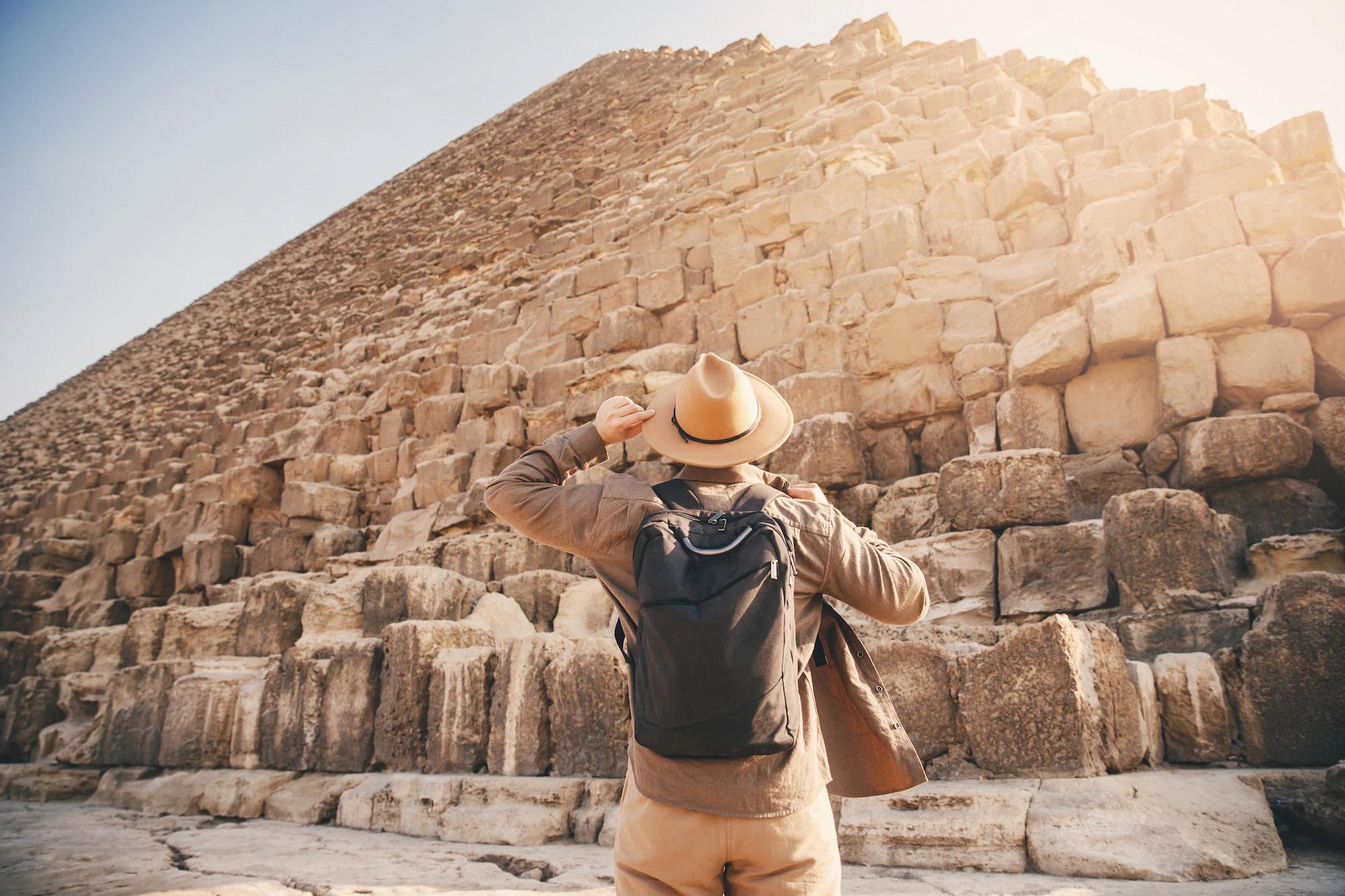
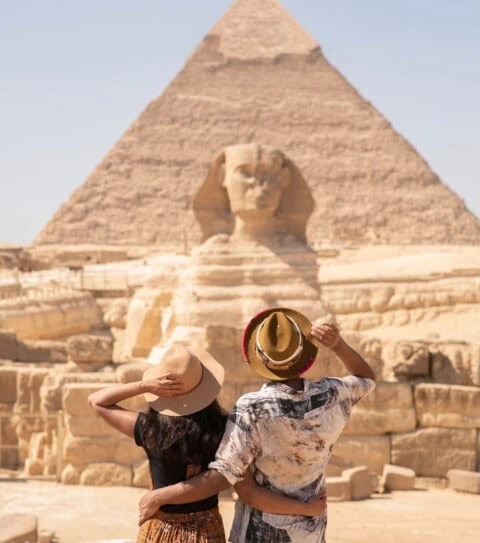
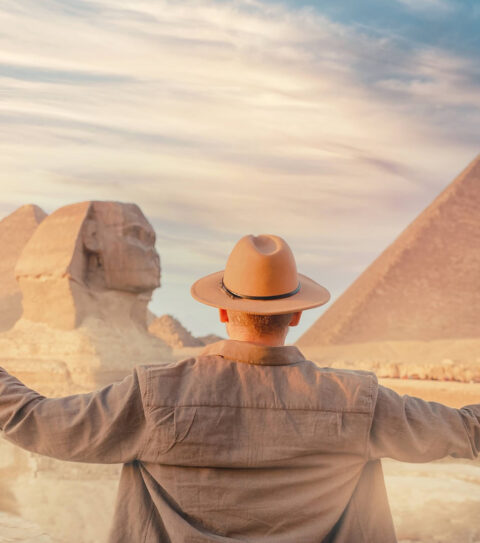
Standing before the Great Pyramid changes people. At 146 meters (479 feet) tall originally, this 4,500-year-old structure represents human achievement at its most ambitious. The precision of its construction, aligned to cardinal directions within 3/60th of a degree, leaves engineers speechless today.
Historical Treasures Beyond Compare
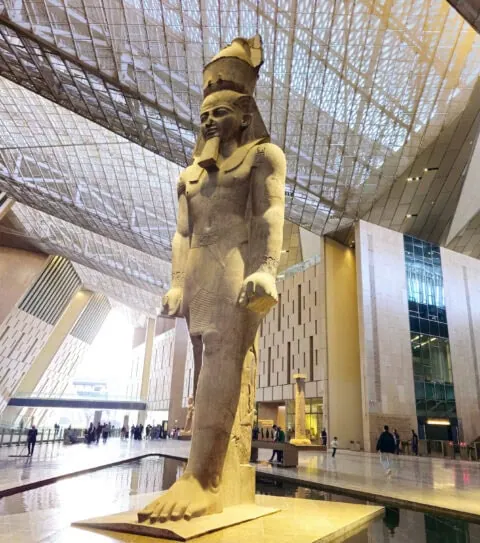
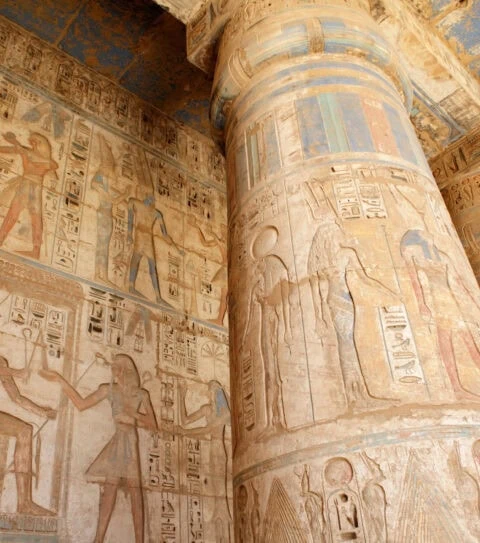
The Grand Egyptian Museum houses 120,000 artifacts spanning 5,000 years of civilization. Tutankhamun’s golden mask weighs 11 kilograms (24.3 pounds) of solid gold and precious stones. Walking through tomb paintings in the Valley of the Kings reveals artistic techniques that influenced civilizations across the Mediterranean.
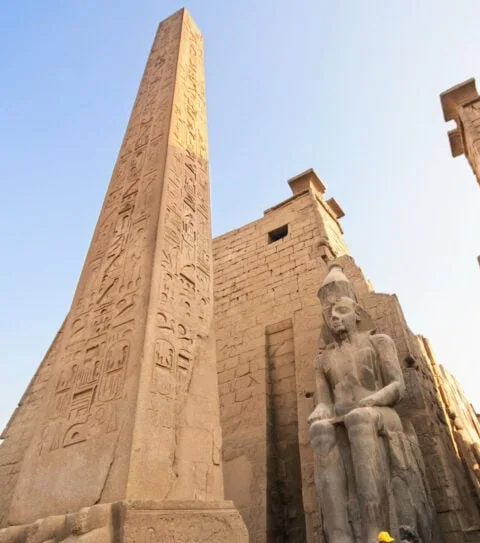
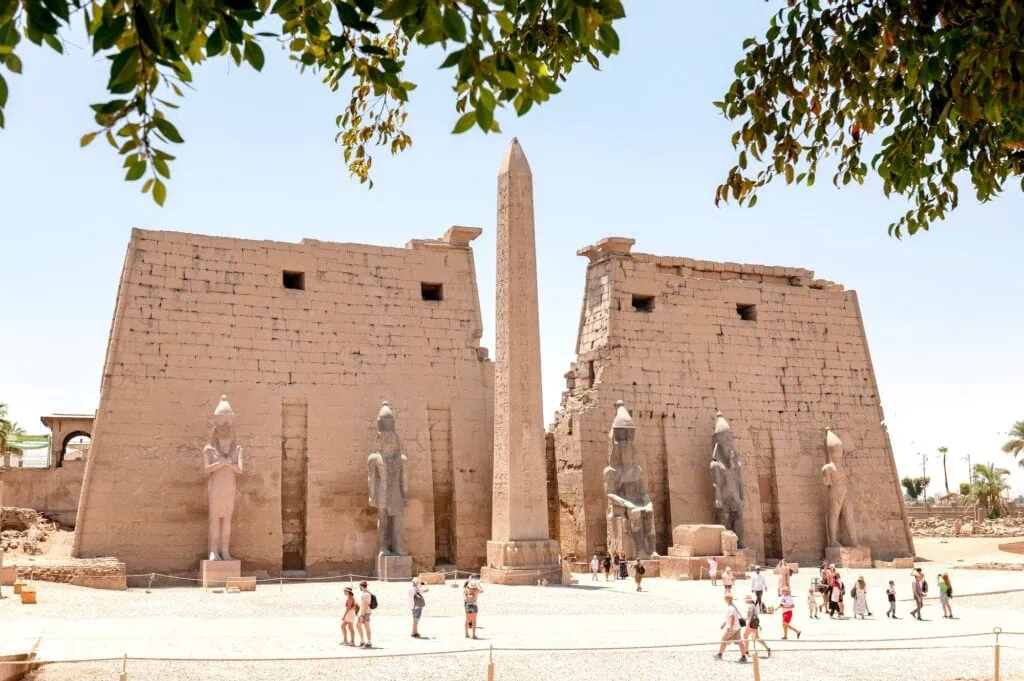
Luxor Temple at sunset bathes limestone columns in golden light, creating photographs that fail to capture the emotional impact. These moments justify the journey for many travelers, despite earlier frustrations.
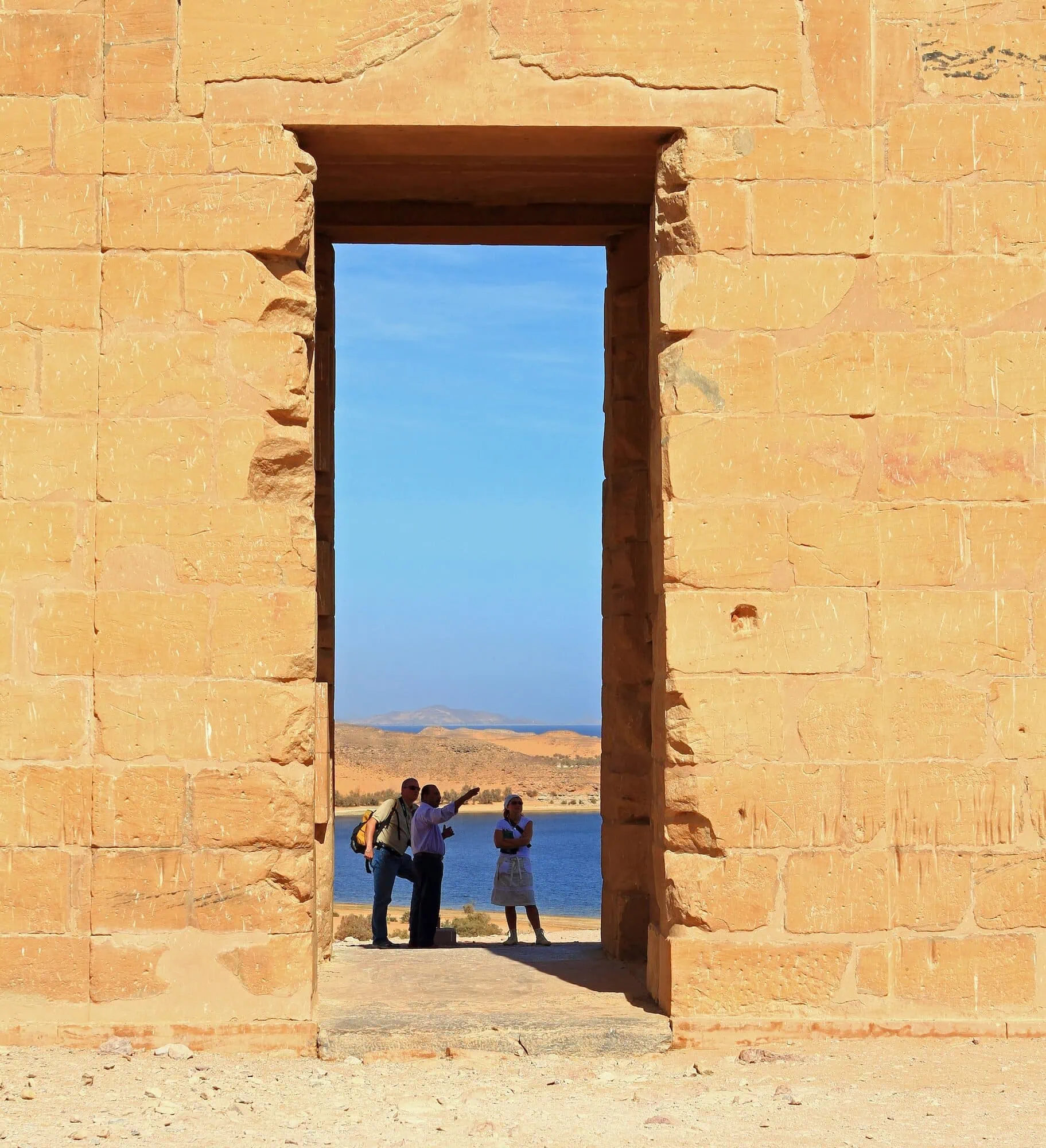
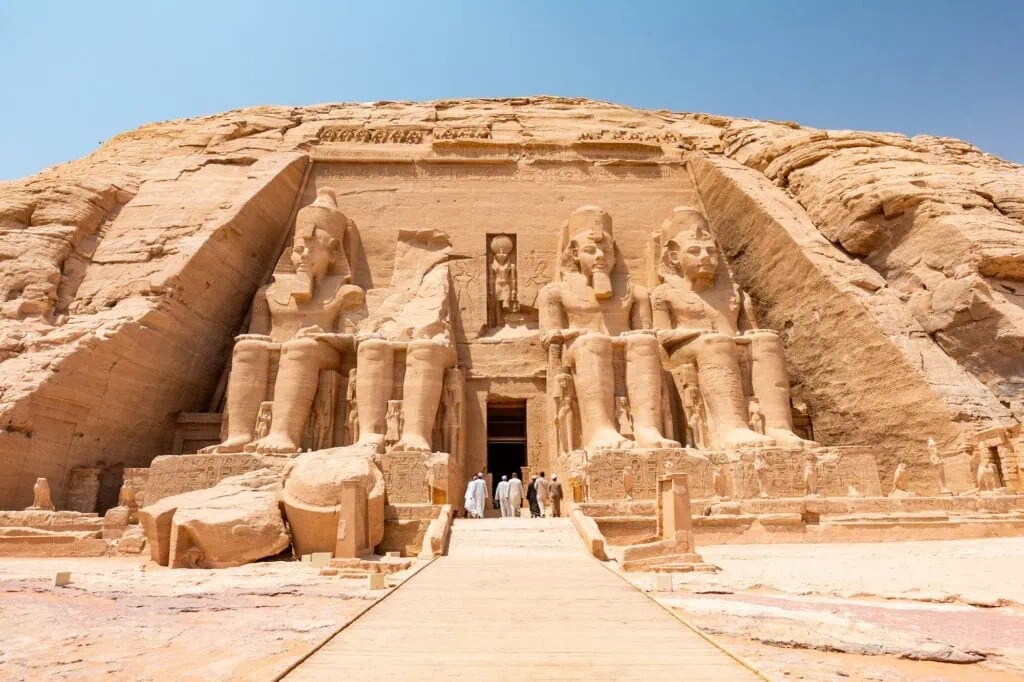
Abu Simbel represents engineering marvel twice over – first when Ramesses II carved it from living rock 3,300 years ago, then when UNESCO moved the entire temple complex to save it from flooding in 1968. The temple’s interior chambers align perfectly so sunlight illuminates the inner sanctuary only twice yearly – on the pharaoh’s birthday and coronation day.
Natural Beauty Often Overlooked
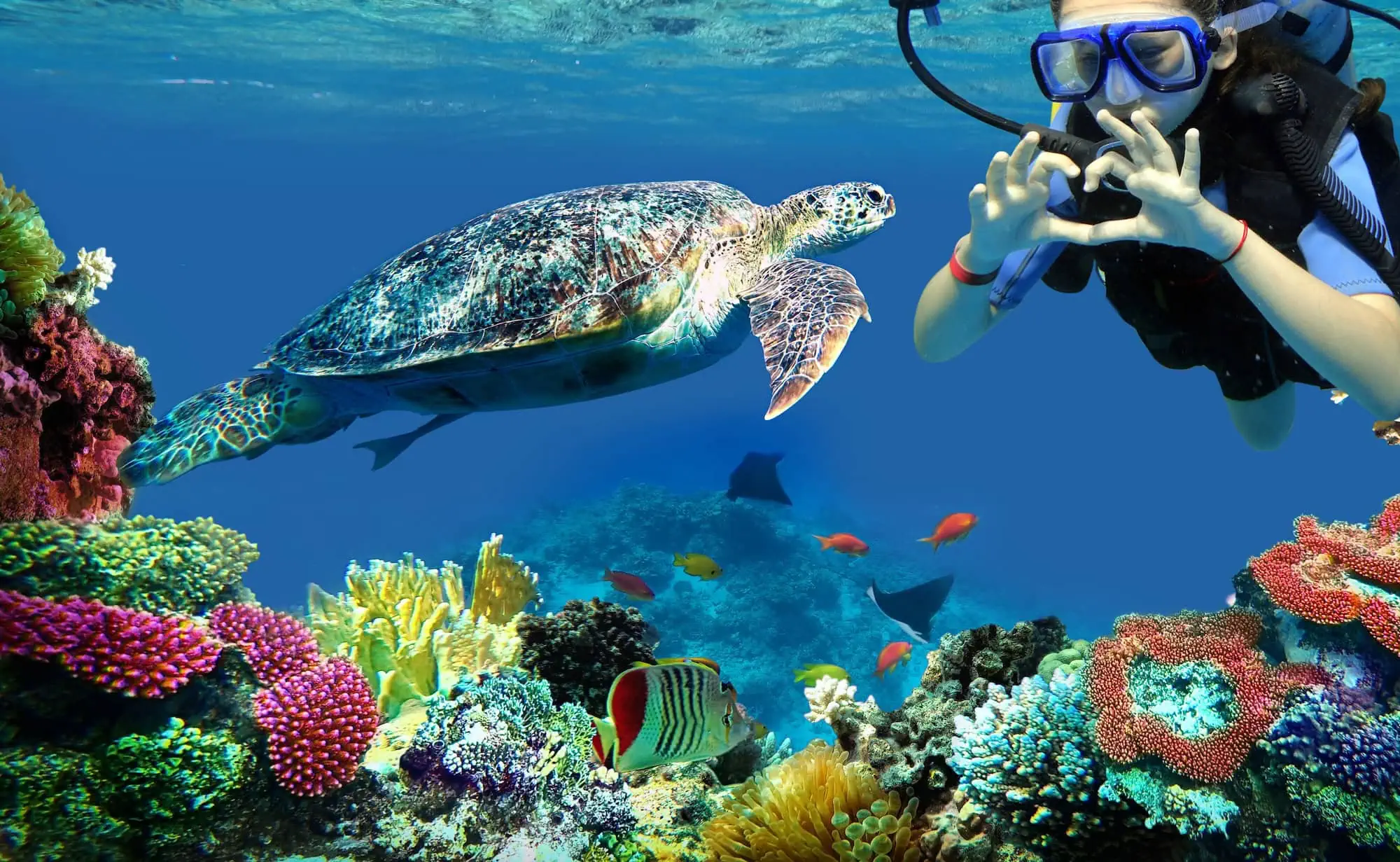
The Red Sea offers some of the world’s best diving. Coral reefs here remain largely intact, supporting over 1,000 fish species. Water temperatures stay comfortable year-round at 22-28°C (72-82°F).
Desert landscapes provide surprising tranquility. Sunrise over the Sahara from a Bedouin camp strips away the chaos of tourist sites, revealing Egypt’s peaceful side. The silence is profound – no car horns, no vendors, just endless sand dunes shifting with the wind.
Smart Strategies That Transform Experience
Hiring a private guide eliminates most tourist scams and harassment. Quality guides cost $50-80 per day but save you hours of frustration while providing historical context that transforms ancient sites from photo opportunities into meaningful experiences.
We’ve perfected this approach through decades of experience, pairing travelers with qualified Egyptologists who speak fluent English and understand both ancient history and modern Egypt’s social dynamics. Our guides handle negotiations, explain cultural nuances, and ensure you see highlights without tourist trap detours.
Timing Your Visit Matters
November through February offers the best weather conditions. Daytime temperatures reach 20-25°C (68-77°F) – perfect for exploring outdoor sites without heat exhaustion. Tourist crowds thin out after New Year’s, making January and February ideal for photography and peaceful temple visits.
Transportation Solutions That Work
Domestic flights between Cairo, Luxor, and Aswan cost $80-150 and save 8-10 hours compared to buses or trains. EgyptAir operates reliable connections with modern aircraft.
Private drivers with modern, air-conditioned vehicles cost more than taxis but provide comfort and reliability. Our fleet includes recent model vehicles maintained to international standards, ensuring your journey between sites matches the quality of the destinations themselves.
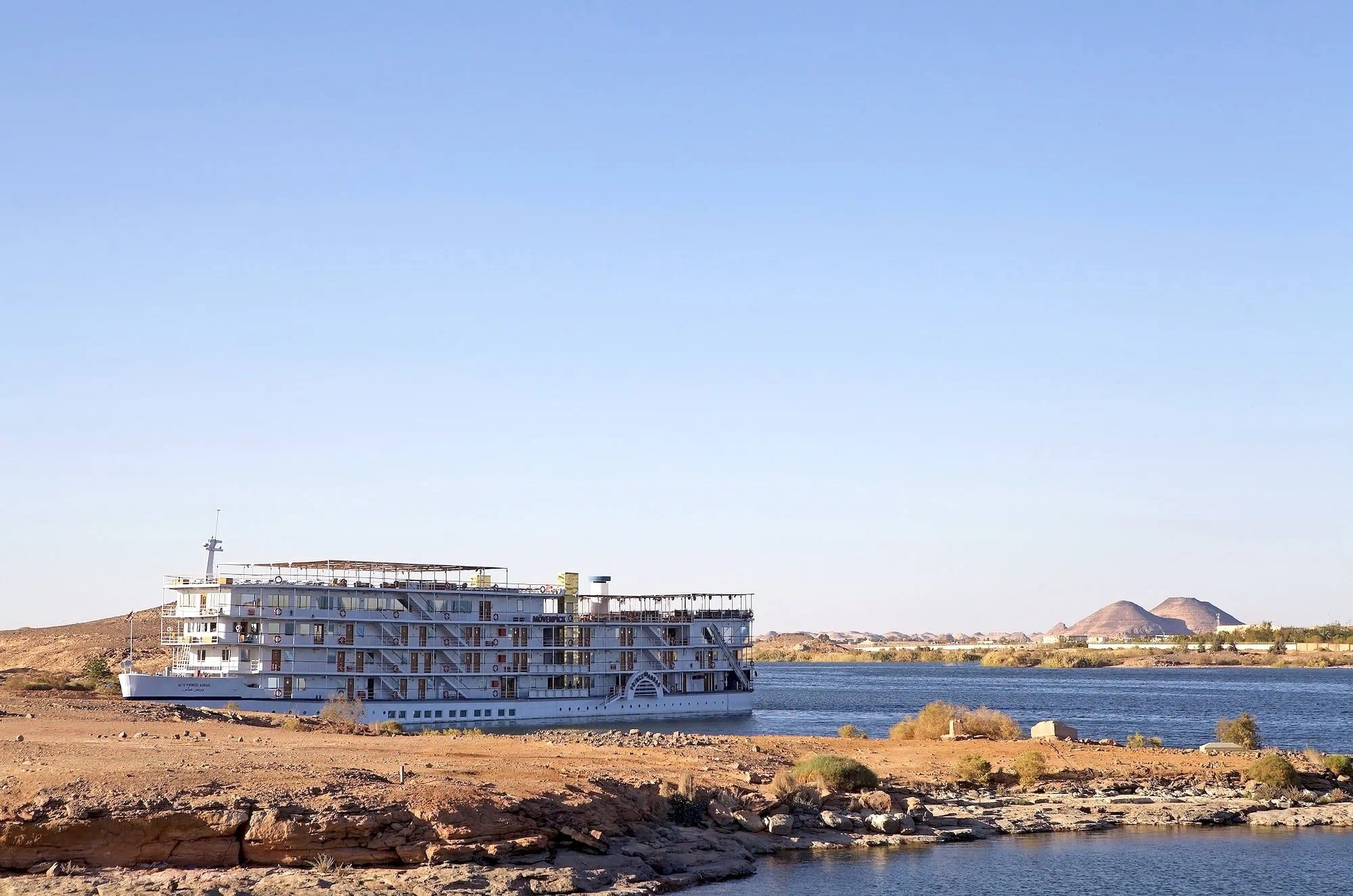
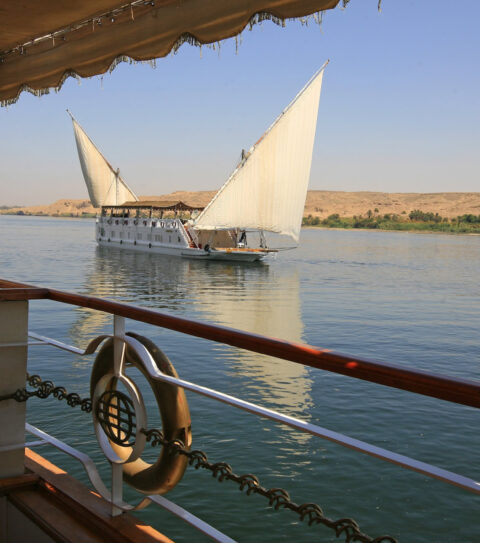
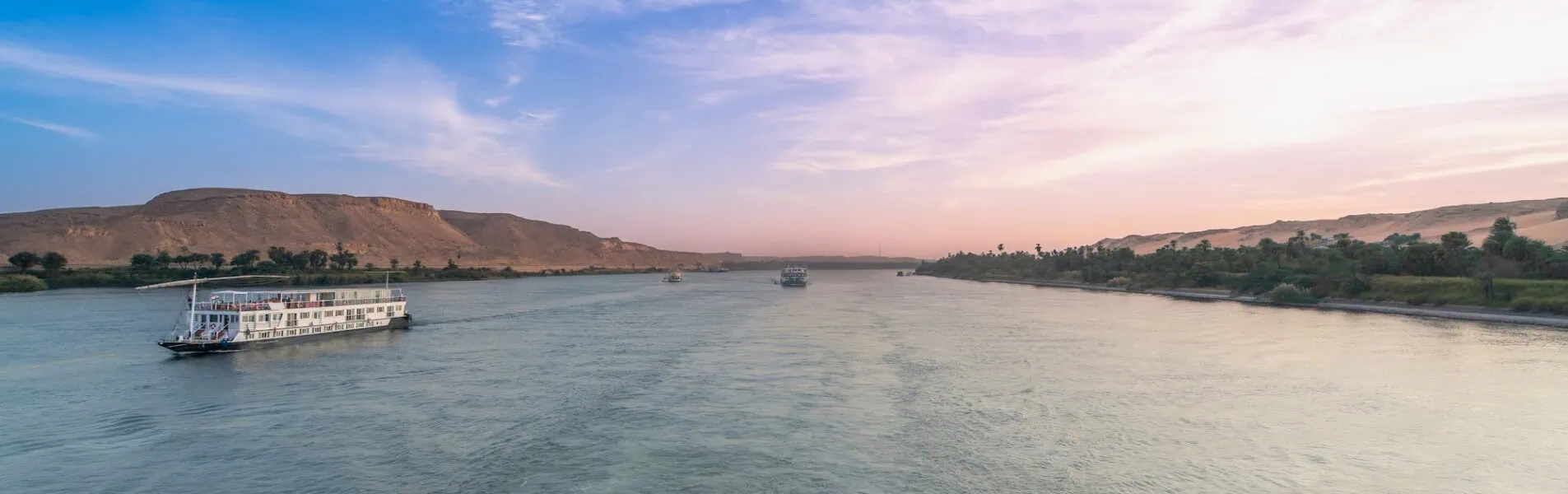
For Nile cruises between Luxor and Aswan, 5-star ships offer the most consistent experience. Cabins feature panoramic windows, private bathrooms, and reliable air conditioning. Included excursions operate in small groups of up to 12 participants, providing more personal attention than large tour buses.
Managing Expectations and Cultural Differences
Egypt moves at its own pace. Bank transactions that take 5 minutes elsewhere require 30 minutes here. Restaurant service follows Egyptian timing, not tourist schedules. Fighting this rhythm creates frustration; accepting it allows appreciation for a different approach to life.
Tipping culture permeates every interaction. Hotel staff, restaurant servers, bathroom attendants, and tour guides all expect baksheesh. Budget 10-15% additional for tips, with small bills essential for smooth interactions.
Religious considerations affect daily life, especially during Ramadan when business hours change and food availability decreases during daylight hours. Friday prayers influence opening times for many businesses and tourist sites.
Dress codes aren’t just recommendations. Tank tops and shorts draw unwanted attention and prevent entry to many religious sites. Covering shoulders and knees shows respect while improving your experience through reduced hassles.
The Verdict: When Egypt Works
Egypt rewards travelers who come prepared with realistic expectations and proper planning. Those expecting Western-style efficiency and service standards often leave disappointed. Visitors who embrace the chaos while taking smart precautions typically have transformative experiences.
Solo budget travelers face the most challenges, dealing with constant negotiation and harassment without local knowledge or financial cushioning. Families and couples with moderate budgets who invest in quality guides and transportation have much better experiences.
Age matters significantly. Travelers over 50 often struggle more with heat, walking distances, and cultural differences. Younger, more adaptable visitors handle Egypt’s challenges better while appreciating its rewards more fully.
Who Should Consider Egypt
History enthusiasts find Egypt unmatched anywhere else on earth. No other destination offers such concentrated ancient wonders in accessible locations. Photographers and adventurous travelers seeking unique experiences also find Egypt worthwhile.
Travelers comfortable with developing world conditions, flexible schedules, and cultural differences typically have positive experiences. Those requiring predictability, Western amenities, and consistent service standards might consider other destinations first.
Who Should Think Twice
Travelers with mobility issues face significant challenges. Many archaeological sites require extensive walking on uneven surfaces. Temple stairs, tomb entrances, and pyramid interiors aren’t wheelchair accessible.
Those seeking relaxing beach vacations might prefer Mediterranean or Caribbean alternatives. Egypt’s cultural intensity and constant stimulation exhaust some visitors who expected more downtime.
First-time visitors to Africa or the Middle East sometimes feel overwhelmed by cultural differences that experienced travelers navigate more easily.
Planning Your Egypt Journey Right
Three weeks provides adequate time for major highlights without rushing. This allows Cairo’s museums and pyramids, a Nile cruise between Luxor and Aswan, Abu Simbel day trip, and Red Sea relaxation.
One week works for focused itineraries covering either historical sites (Cairo-Luxor-Aswan) or combining pyramids with Red Sea beaches. Shorter trips feel rushed and prevent adjustment to Egypt’s pace.
Budget $150-300 daily per person for comfortable travel including quality accommodation, private guides, and reliable transportation. Budget travelers can manage on $50-80 daily but face more challenges and limitations.
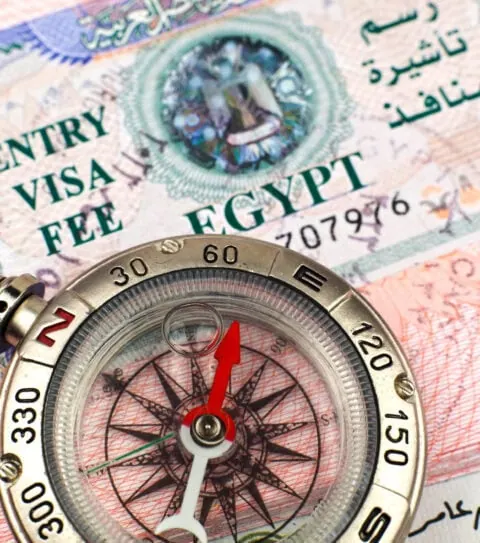
U.S. visitors need visas available on arrival for $25 or electronic visas purchased online beforehand. Europeans, Latin Americans, and most other nationalities have similar requirements, though some countries qualify for visa-free entry for shorter stays.
Essential Bookings and Preparation
Book Nile cruises 2-3 months ahead for better cabin selection and pricing. Peak season (December-February) requires earlier booking as ships fill quickly.
Purchase travel insurance covering medical evacuation. Egyptian healthcare varies significantly in quality, and serious medical issues may require treatment abroad.
Arrange airport transfers in advance. Cairo International Airport’s taxi situation involves aggressive drivers and inflated pricing that creates stressful arrivals.
Our 24/7 customer support ensures smooth handling of any issues during your journey. With decades of expertise and award-winning service, we’ve refined our approach to Egypt travel based on real feedback from thousands of satisfied clients.
Frequently Asked Questions
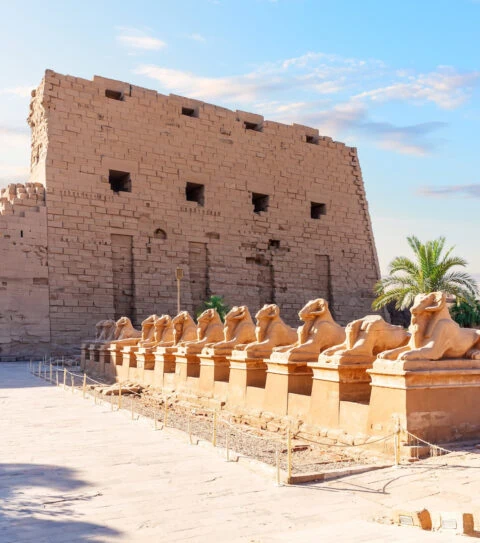
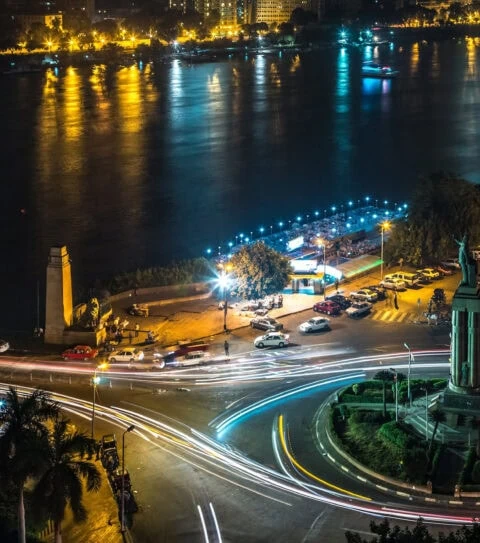
Yes, Egypt’s main tourist destinations are generally considered safe for international visitors, with visible security measures at major attractions, airports, museums, and hotels. Popular sites such as the Pyramids of Giza, Luxor Temple, Karnak Temple, and Abu Simbel receive millions of visitors annually. Dedicated tourist police units operate throughout key tourism zones, and incidents involving travelers are relatively uncommon. As with any destination, travelers should stay aware of their surroundings and follow official travel advisories.
Women visiting Egypt are generally most comfortable wearing modest clothing that covers the shoulders and knees, especially outside beach resorts and hotel areas. Lightweight long pants, maxi skirts, loose-fitting dresses, and breathable shirts work well in Egypt’s warm climate. While there is no legal dress code for tourists, conservative clothing often reduces unwanted attention and aligns with local cultural norms. Carrying a light scarf is also useful for mosque visits and sun protection.
Egypt can accommodate a wide range of budgets, with travelers typically spending around $50-80 per day for budget travel, $150-300 per day for comfortable mid-range experiences, and $400 or more per day for luxury travel. Costs vary depending on accommodations, domestic flights, Nile cruises, private guides, and dining preferences. Major attractions such as the Pyramids of Giza and the Grand Egyptian Museum also require entrance fees. Planning transportation and accommodations in advance often helps control overall expenses.
November through February is widely considered the best time to visit Egypt because temperatures are mild and ideal for sightseeing. During this period, daytime temperatures in Cairo, Luxor, and Aswan often range between 68°F and 77°F (20-25°C), making outdoor exploration far more comfortable than during the summer heat. Winter is also the peak tourism season, so popular attractions can be busier. Early morning visits help avoid both crowds and warmer afternoon conditions.
No, a tour guide is not required to visit Egypt, but a qualified guide can significantly enhance your experience at historical sites. Ancient locations such as Karnak Temple, the Valley of the Kings, and the Pyramids of Giza contain thousands of years of history that can be difficult to interpret independently. Guides also help navigate ticketing procedures, transportation logistics, and common tourist pitfalls. Many visitors find that expert context transforms a sightseeing trip into a deeper cultural experience.
Egyptian food is generally safe to eat when prepared and served by reputable restaurants, hotels, and established food vendors. Travelers are often advised to choose freshly cooked dishes, eat at busy establishments with high turnover, and exercise caution with uncooked vegetables or foods that have been sitting out. Popular Egyptian dishes such as koshari, grilled meats, and falafel are widely enjoyed by visitors. Bottled water is typically recommended alongside sensible dining choices.
The ideal length of a trip depends on your goals, but most travelers benefit from spending at least 7-10 days in Egypt. Five days allows time to see highlights such as Cairo and the Pyramids, while two to three weeks supports a more comprehensive itinerary including Luxor, Aswan, Abu Simbel, the Nile Valley, and the Red Sea coast. Egypt covers more than 1 million square kilometers, so longer trips allow for a more relaxed pace and deeper exploration.
Yes, alcohol is legally available in Egypt and is commonly served in international hotels, tourist restaurants, resorts, Nile cruise ships, and licensed bars. Availability is generally highest in destinations such as Cairo, Luxor, Aswan, Hurghada, and Sharm El Sheikh. Because Egypt is a predominantly Muslim country, alcohol is not sold everywhere and local customs should be respected. Visitors should expect higher prices for imported beverages compared to locally produced options.
Tipping, known locally as “baksheesh,” is an established part of daily life in Egypt and is expected for many services. Restaurant guests often leave 10-15% for good service, while guides, drivers, hotel staff, and cruise crews typically receive separate gratuities. Carrying small denominations of Egyptian pounds is helpful for routine tipping situations. Factoring tips into your travel budget in advance helps avoid surprises and ensures smooth interactions throughout your trip.
Yes, the Pyramids of Giza are widely considered one of the world’s most extraordinary travel experiences and remain Egypt’s most iconic attraction. Built more than 4,500 years ago during the Fourth Dynasty, the Great Pyramid of Khufu was the tallest man-made structure on Earth for nearly 4,000 years. Their scale, engineering achievement, and historical significance are difficult to appreciate fully through photographs alone. Arriving early in the morning provides the most memorable experience.
The best way to avoid tourist scams in Egypt is to use reputable guides, licensed transportation providers, and clearly agreed pricing before services begin. Common issues involve unsolicited assistance, inflated prices, or persistent sales tactics near major attractions. Researching typical costs in advance and purchasing tickets from official sources can prevent misunderstandings. Travelers who book organized tours generally encounter fewer logistical challenges and enjoy a more straightforward sightseeing experience.
Major experiences such as Nile cruises, luxury hotels, domestic flights, and Abu Simbel excursions are best booked in advance, particularly during the peak season from October through April. Booking early often improves availability and secures preferred dates and accommodations. Smaller activities and day tours can frequently be arranged after arrival, especially in Cairo, Luxor, and Aswan. Reserve high-demand experiences early and leave room for flexibility with shorter local excursions.
Explore our most popular guides and expert tips to make your trip safe, smooth, and unforgettable.
Plan Your Egypt Adventure with Confidence
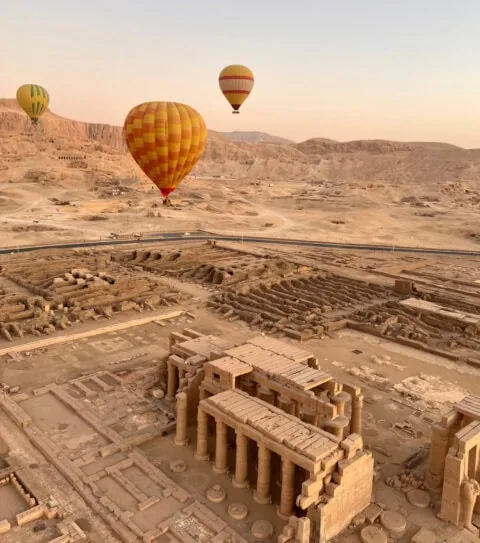
How to Plan a Trip Egypt
Step-by-step guide to help you plan the perfect Egypt trip — from routes and budget to booking.
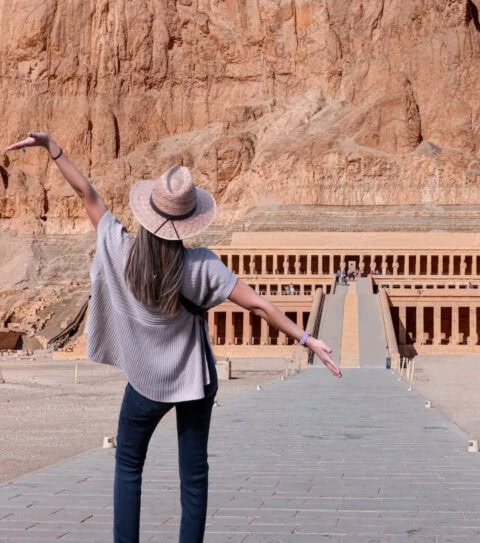
Best Time to Visit Egypt
Learn the best months to visit Egypt based on weather, crowds, and local travel experiences.
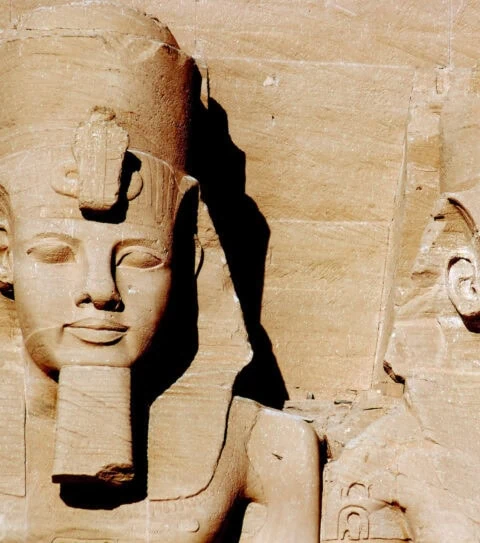
Must Visit Places in Egypt
Explore Egypt’s top sights — from pyramids to temples — and hidden gems worth seeing.
Top-Rated Egypt Tours
Handpicked private tours with local guides — our most loved and best-reviewed experiences.
How Many Days to Visit Egypt?
Find out how many days you need in Egypt — from quick trips to full itineraries.
Egypt Visa Requirements
Check if you need a visa and get simple, up-to-date entry info based on your nationality.
Is it Safe to Travel to Egypt?
Is Egypt safe? Get honest safety tips, area advice, and what to know before you travel.
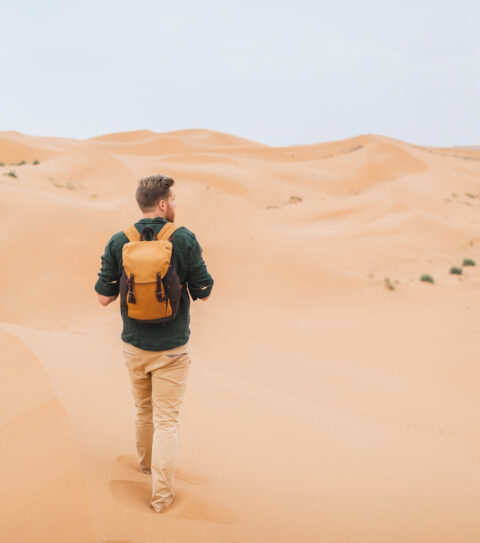
What to Pack for Egypt
A quick packing guide with essentials, cultural tips, and clothing advice for your Egypt trip.
Design Your Custom Tour
Explore Egypt your way by selecting only the attractions you want to visit