What Holidays does Egypt Celebrate?
Egypt celebrates a rich tapestry of holidays blending ancient traditions with modern observances.
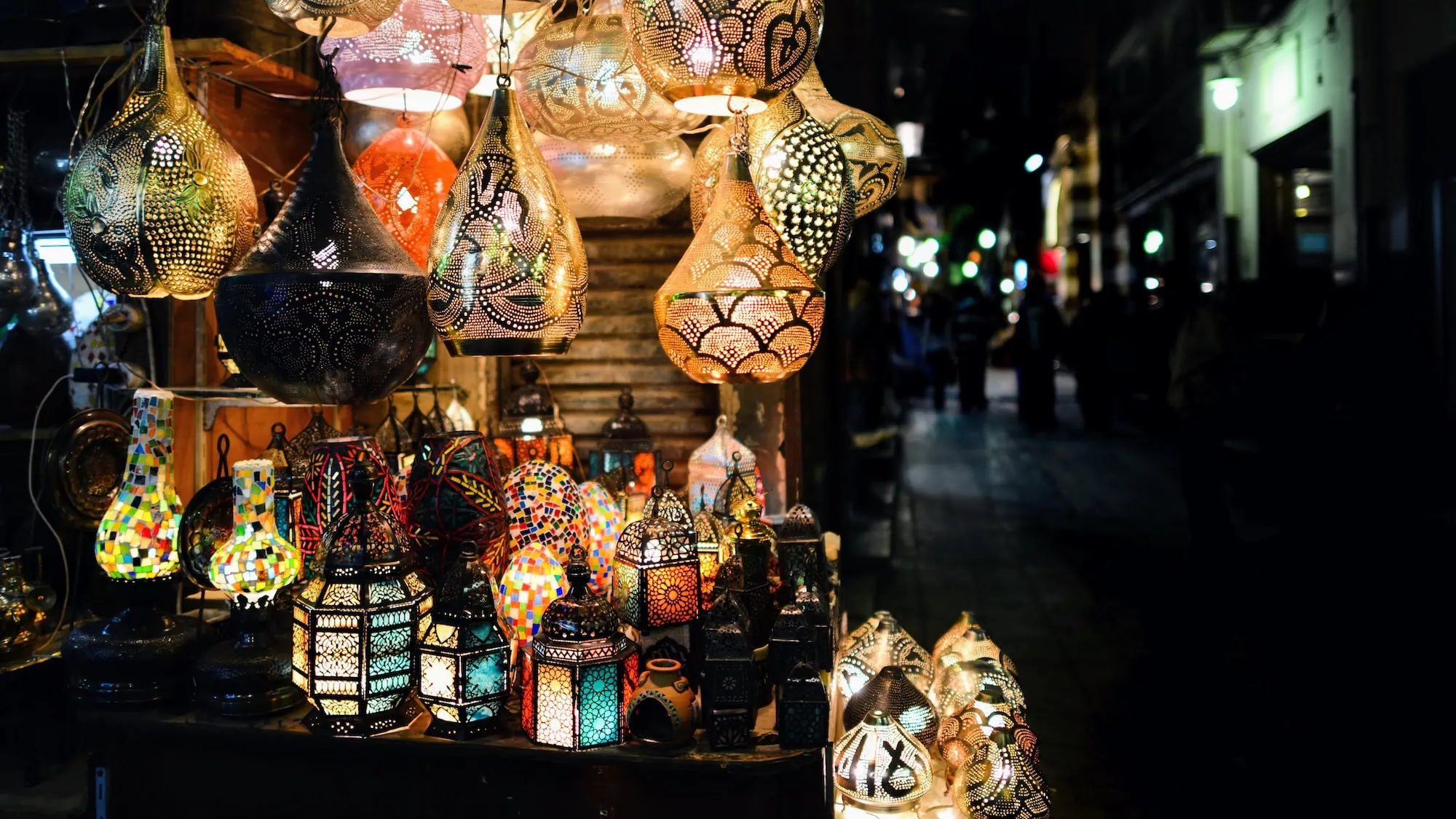
Egyptian festivals showcase thousands of years of cultural evolution, from pharaonic celebrations that survive today to Islamic holidays that unite the nation. Religious observances dominate the calendar, with Coptic Christian festivals adding another layer of diversity. National holidays commemorate Egypt’s modern history, while seasonal celebrations connect communities to agricultural rhythms that have sustained the Nile Valley for millennia.
We’ll explore how these celebrations shape daily life, from the joyous chaos of Eid al-Fitr to the solemn beauty of Coptic Christmas. Understanding Egypt’s holiday calendar helps travelers appreciate the cultural depth they’ll encounter during their visit.
Table of Contents
Major Religious Holidays in Egypt
Islamic holidays form the cornerstone of Egypt’s celebratory calendar. Ramadan transforms the entire country for thirty days, creating a unique atmosphere where daily rhythms shift dramatically. The holy month brings families together each evening for iftar, the meal that breaks the daily fast.
Eid al-Fitr: Festival of Breaking Fast
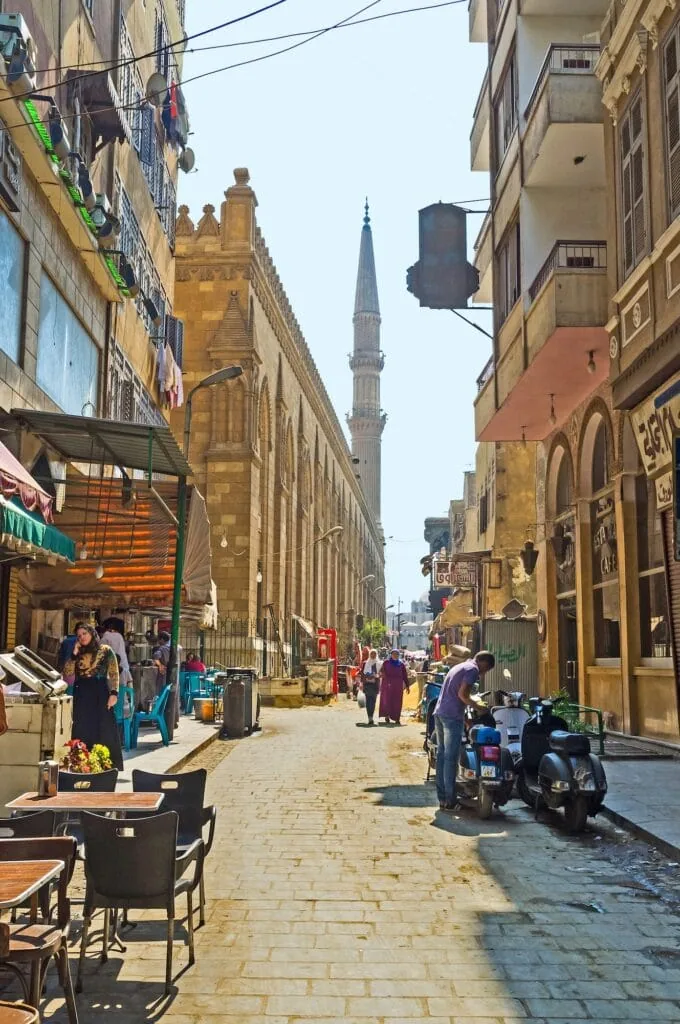
Eid al-Fitr marks Ramadan’s conclusion with three days of nationwide celebration. Streets fill with families wearing new clothes, children receive gifts and money, and elaborate feasts bring communities together. Traditional sweets like kahk dominate bakeries weeks before the holiday.
Prayers begin at dawn in mosques and public squares across Egypt. The celebration extends beyond religious observance into a cultural phenomenon affecting every aspect of Egyptian life. Businesses close, travel increases dramatically, and the festive atmosphere is infectious.
Eid al-Adha: Festival of Sacrifice
Eid al-Adha commemorates Abraham’s willingness to sacrifice his son, observed through the ritual slaughter of livestock. Families share meat with relatives, neighbors, and the less fortunate, emphasizing community bonds and charitable giving.
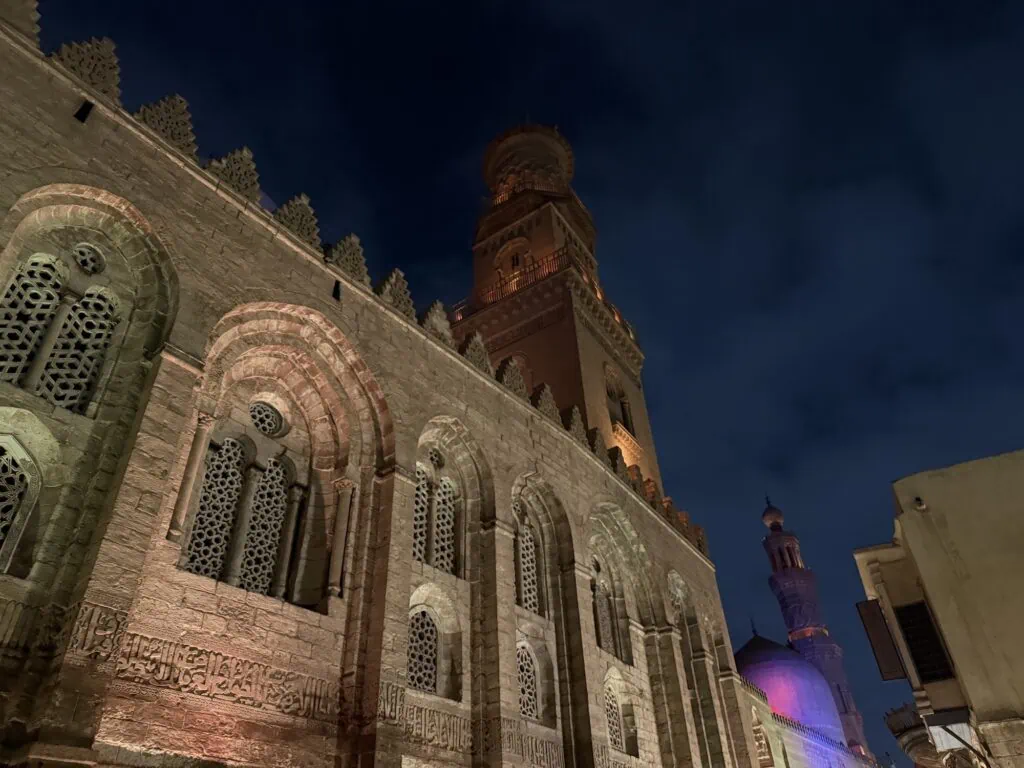
This four-day celebration coincides with the Hajj pilgrimage to Mecca. Egyptian pilgrims return home to join local festivities, sharing stories and spiritual experiences from their journey.
Mawlid al-Nabi: Prophet Muhammad’s Birthday
Mawlid al-Nabi brings colorful street celebrations throughout Egypt. Religious processions wind through neighborhoods, accompanied by traditional music and chanting. Sufi orders play central roles in these observances, performing spiritual dances and recitations.
Coptic Christian Celebrations
Egyptian Christians, comprising roughly 10% of the population, celebrate holidays following the Coptic Orthodox calendar.
Coptic Christmas: January 7th
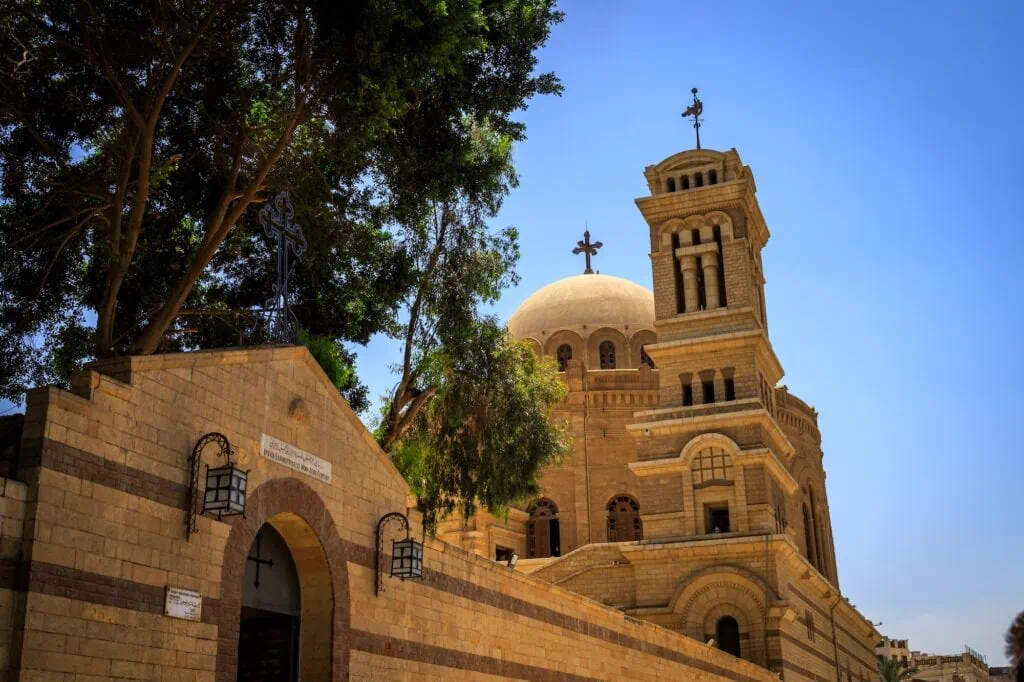
Coptic Christmas occurs thirteen days after Western Christmas due to calendar differences. Churches hold midnight masses, families gather for special meals, and traditional hymns fill the air. The celebration reflects Egypt’s Christian heritage dating back to the apostolic era.
Coptic communities prepare for weeks with fasting periods and special prayers. Traditional foods include zalabya (sweet pastries) and other delicacies specific to the occasion. The holiday strengthens bonds within Christian communities while showcasing Egypt’s religious diversity.
Coptic Easter: Spring Celebration
Coptic Easter follows a different calculation than Western Easter, sometimes occurring weeks apart. The celebration begins with Palm Sunday processions and concludes with joyous Easter Sunday services. Families exchange colored eggs and enjoy festive meals after the Lenten fast.
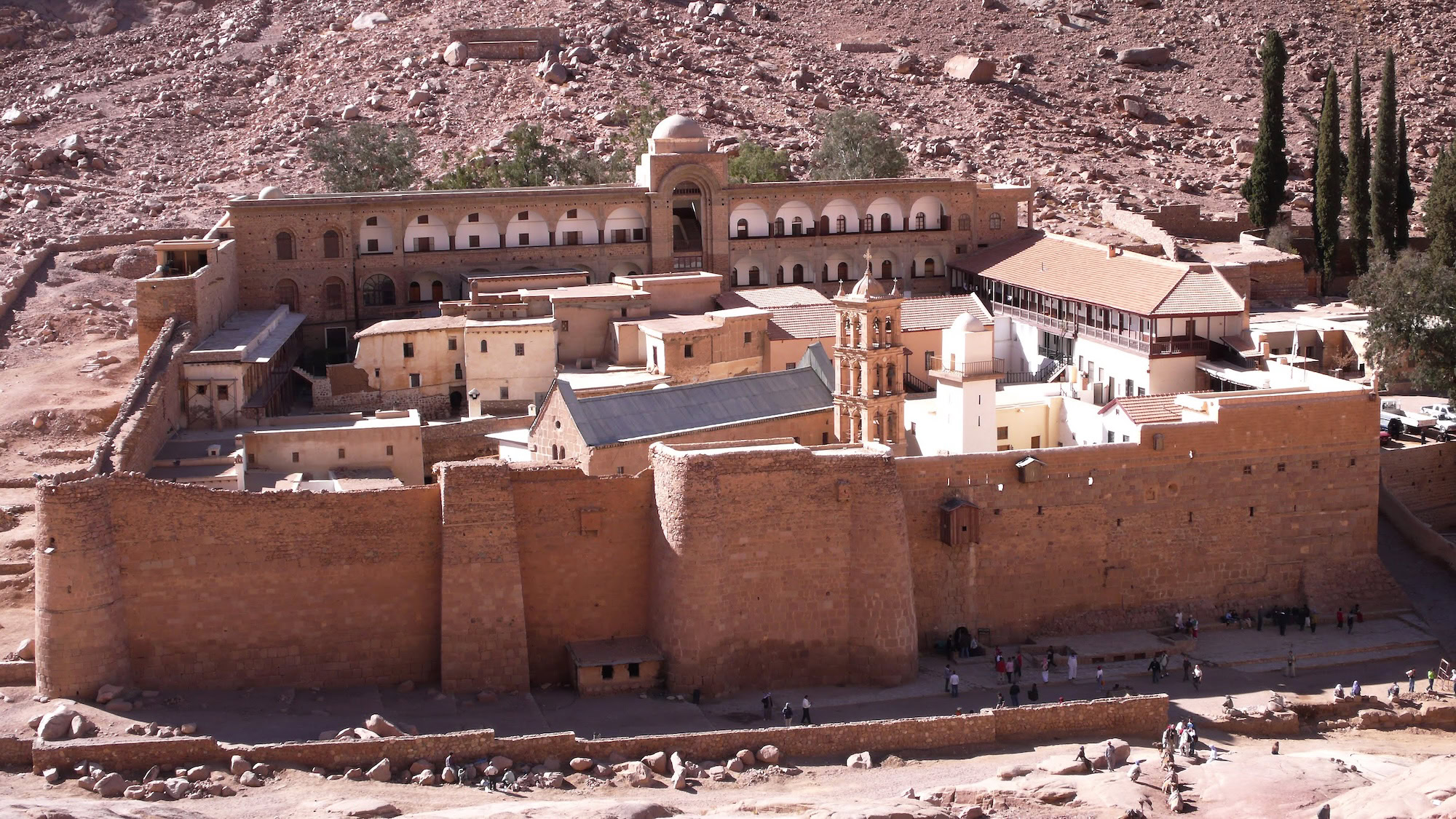
Churches throughout Egypt hold special services, with the most significant occurring at ancient monasteries like Saint Catherine’s in Sinai. These celebrations highlight the deep roots of Christianity in Egyptian soil.
National Holidays and Commemorations
Egypt’s modern national holidays reflect key moments in the country’s contemporary history. Revolution Day on July 23rd commemorates the 1952 Free Officers Movement that ended monarchical rule. The day features military parades, patriotic displays, and presidential addresses.
Sinai Liberation Day on April 25th celebrates the return of the Sinai Peninsula following the 1979 peace treaty with Israel. This holiday emphasizes national sovereignty and peaceful resolution of conflicts.
Labor Day on May 1st aligns Egypt with international workers’ movements, featuring demonstrations and celebrations of working-class contributions to society. October War Victory Day on October 6th marks Egypt’s initial success in the 1973 conflict. Military parades showcase national defense capabilities while honoring fallen soldiers.
National Police Day: January 25th
National Police Day gained complex significance following the 2011 revolution that began on this date. The holiday now represents both law enforcement appreciation and democratic aspirations. Commemorations balance honoring security forces with acknowledging citizen rights.
Victory Day: December 23rd
Victory Day celebrates Egypt’s success in the 1956 Suez Crisis when British, French, and Israeli forces withdrew. The holiday reinforces national independence themes and Egypt’s role in Arab nationalism.
Ancient Egyptian Festival Survivals
Sham el-Nessim: Spring Festival
Sham el-Nessim represents Egypt’s most ancient celebration, dating to pharaonic times. Observed on the Monday following Coptic Easter, this spring festival transcends religious boundaries. Families picnic outdoors, eat colored eggs, salted fish, and green onions – traditions spanning over 4,000 years.
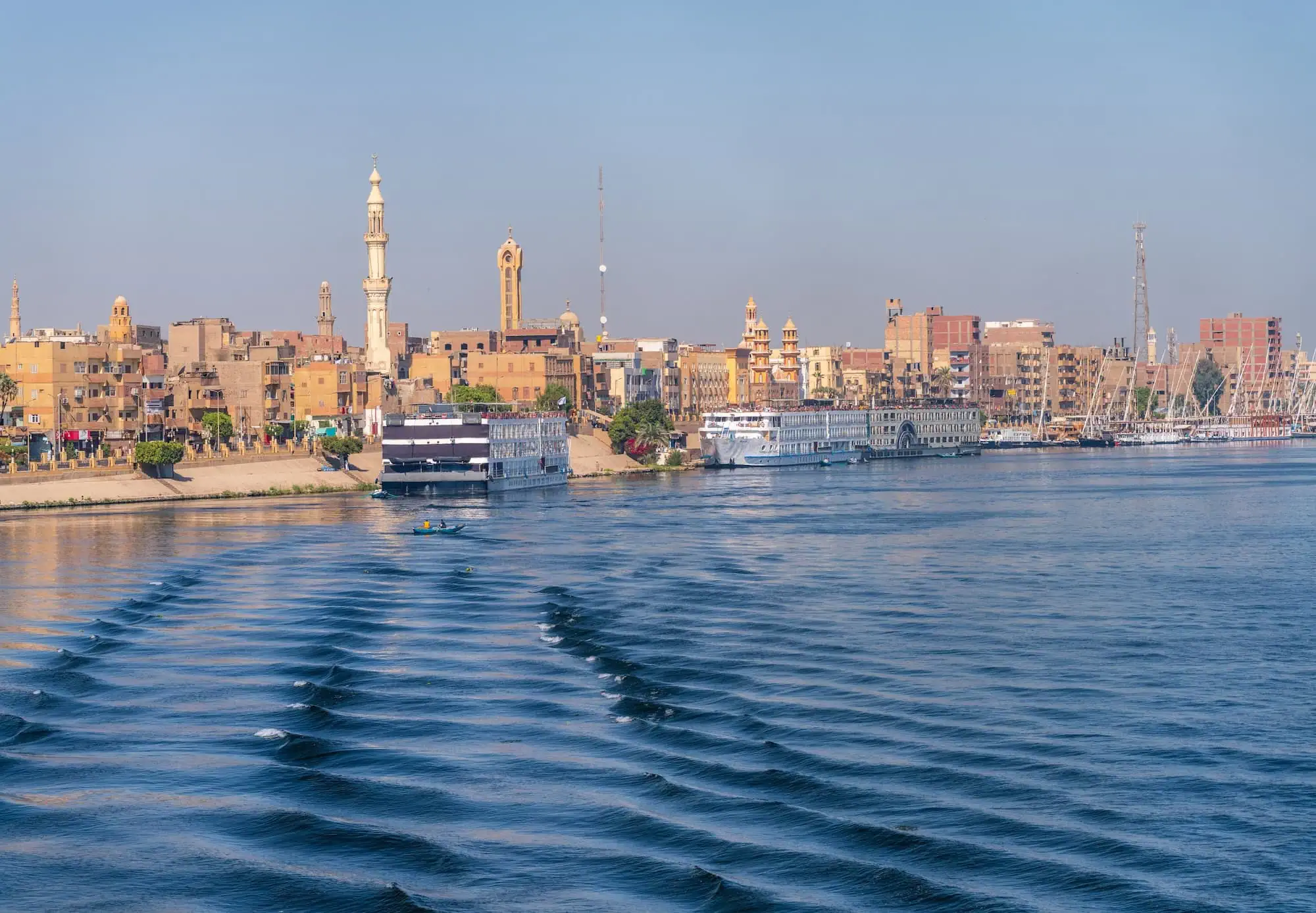
The celebration connects modern Egyptians to their pharaonic ancestors who welcomed spring with similar rituals. Parks and public spaces overflow with celebrants enjoying the mild weather. The holiday demonstrates cultural continuity rarely found elsewhere in the world.
Children wake early to join family excursions to gardens, parks, and the Nile corniche. Traditional foods carry symbolic meanings – fish represents fertility, eggs symbolize life renewal, and green onions ensure health. The celebration creates one of Egypt’s most unifying cultural experiences.
Regional and Cultural Festivals
Different regions maintain unique celebrations reflecting local traditions and saint veneration.
Mawlids: Saint Celebration Festivals
Mawlids honor Islamic saints with week-long festivals combining religious devotion and popular entertainment. The Mawlid of Sayyid al-Badawi in Tanta attracts millions of participants annually. These celebrations feature Sufi performances, traditional crafts, and food vendors.
Abu el-Haggag Festival in Luxor
Luxor’s Abu el-Haggag Festival demonstrates how Islamic traditions adapted pharaonic celebration patterns. Colorful boats parade through streets, echoing ancient Opet Festival processions along the same routes. The three-day event bridges Egypt’s Islamic present with its pharaonic past.
Nubian Festivals in Aswan
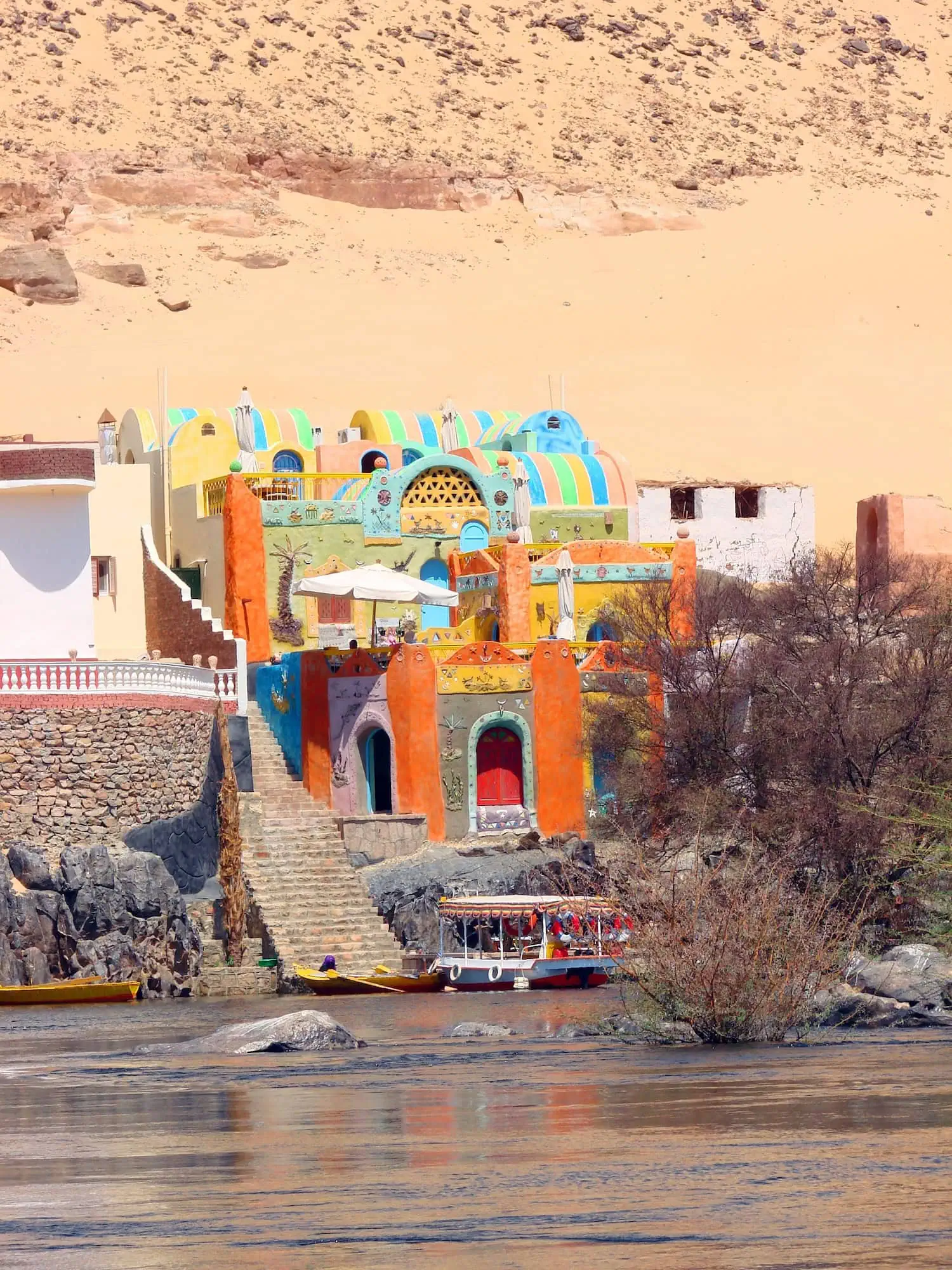
Aswan’s Nubian community maintains distinct cultural celebrations featuring traditional music, dance, and foods. These festivals preserve heritage threatened by modern development and showcase Egypt’s ethnic diversity.
Seasonal Agricultural Celebrations
Nile Flood Festival: Wafaa el-Nil
Though modern dams control the Nile’s flow, Egyptians still celebrate the traditional flood season. Wafaa el-Nil honors the river that sustained civilization for millennia. Ceremonies at the Nilometer on Roda Island recreate ancient rituals measuring flood levels.
Harvest Festivals
Rural areas maintain harvest celebrations tied to specific crops. Date harvest festivals in desert oases, rice celebrations in the Delta, and cotton picking ceremonies reflect agriculture’s continued importance. These local observances connect modern Egypt to timeless farming rhythms.
Modern Cultural Events
Cairo International Film Festival
This prestigious event draws international filmmakers and celebrates Arab cinema. The festival showcases Egypt’s role as the entertainment capital of the Middle East while promoting cultural exchange.
Red Sea Film Festival
The Red Sea coastline hosts film festivals emphasizing regional cinema and tourism promotion. These events combine cultural celebration with economic development goals.
Planning Your Visit Around Egyptian Holidays
Understanding Egypt’s holiday calendar helps optimize travel experiences. Religious holidays create unique atmospheric opportunities but may limit some services. Ramadan offers authentic cultural immersion despite adjusted schedules.
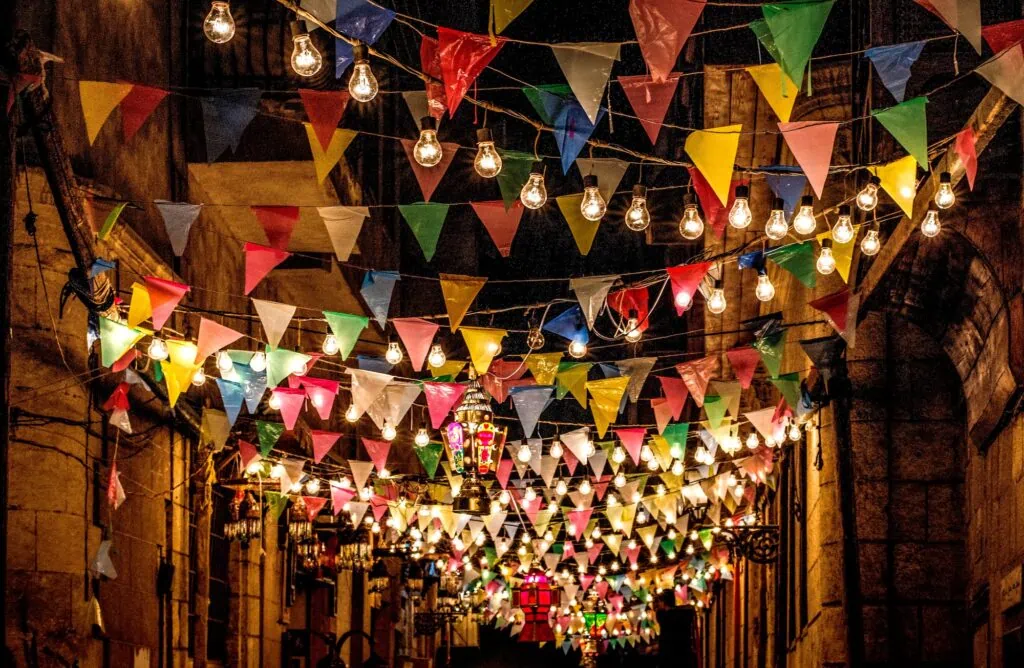
We recommend visiting during major festivals for unparalleled cultural experiences. Our expert guides navigate holiday complexities while ensuring access to celebrations. With decades of experience, we provide insider knowledge that transforms holiday visits from challenging to extraordinary.
Hotel availability changes dramatically during major holidays. Our established relationships with premier accommodations ensure comfortable stays even during peak celebration periods. Private transportation becomes essential when public systems face holiday pressures.
Practical Holiday Considerations
Business and Service Impacts
Egyptian businesses close during major religious holidays, affecting shopping, dining, and entertainment options. Government offices remain closed for extended periods during Eid celebrations. Tourist attractions may have modified hours or special programming during holidays.
Banking services become limited, making cash planning essential. Our 24/7 customer support helps navigate these practical challenges while maximizing holiday experiences.
Transportation During Holidays
Domestic travel peaks during major celebrations as families reunite. Train and bus reservations become essential weeks in advance. Airport congestion increases significantly during Eid periods.
Our private vehicles and professional drivers eliminate transportation uncertainties. Modern, air-conditioned vehicles ensure comfort while avoiding crowded public transportation during peak holiday travel.
Cultural Sensitivity Guidelines
Respecting religious observances enhances visitor experiences and demonstrates cultural appreciation. During Ramadan, eating, drinking, and smoking publicly during daylight hours shows insensitivity. Modest clothing becomes especially important during religious celebrations.
Photography restrictions may increase around religious sites during holidays. Our experienced guides ensure appropriate behavior while facilitating meaningful cultural interactions.
Frequently Asked Questions
Ramadan in Egypt follows the Islamic lunar calendar, so its dates shift approximately 10-12 days earlier each year relative to the Gregorian calendar. The holy month lasts 29 or 30 days and is determined by moon sightings and official religious announcements. During Ramadan, daily life changes noticeably, with fasting observed from dawn to sunset and many social activities moving to the evening. Check the exact dates for your travel year when planning accommodations and schedules.
Most major tourist attractions remain open during Egyptian holidays, although operating hours may be adjusted on religious occasions such as Eid al-Fitr and Eid al-Adha. Sites including the Pyramids of Giza, Karnak Temple, and the Egyptian Museum generally continue welcoming visitors. Holiday periods often bring larger domestic crowds, particularly at family-friendly attractions and public parks. Verify opening times a few days before your visit and arrive early to avoid peak holiday traffic.
Eid al-Fitr is widely considered Egypt’s largest and most visible celebration, marking the end of Ramadan with several days of family gatherings, public festivities, and travel. Millions of Egyptians participate, and many businesses, schools, and government offices close during the holiday period. Parks, Nile corniches, restaurants, and entertainment venues become especially lively. Visitors traveling during Eid experience a unique cultural atmosphere but should expect higher demand for transportation and accommodations.
Yes, tourists are generally welcome to observe and respectfully participate in many Egyptian holiday celebrations, especially cultural events such as Sham el-Nessim and public Eid festivities. Egyptians are often hospitable and eager to share traditions with visitors. Participation may include enjoying holiday foods, attending community events, or exploring decorated public spaces. Respect local customs, dress modestly, and ask permission before photographing people during religious celebrations.
Travel prices in Egypt often rise during major holidays because millions of Egyptians travel domestically to visit family or vacation destinations. Hotel rates, domestic flights, and transportation services can increase noticeably during Eid al-Fitr, Eid al-Adha, and major public holidays. Popular destinations such as Alexandria, Sharm El Sheikh, and Hurghada are especially affected. Booking accommodations and transportation several weeks or months ahead can help secure better rates and availability.
Modest clothing is recommended during Egyptian religious holidays as a sign of cultural awareness and respect. Clothing that covers shoulders and knees is generally appropriate for both men and women, particularly near mosques, religious gatherings, and family-oriented public spaces. Holiday celebrations often attract large local crowds, so conservative attire helps visitors blend in comfortably. Lightweight fabrics remain practical because temperatures can still exceed 25°C (77°F) in many regions.
Many local restaurants reduce daytime operations during Ramadan, but hotel restaurants, international chains, and establishments in tourist areas usually remain open for visitors. After sunset, restaurants become exceptionally busy as families gather for iftar, the meal that breaks the daily fast. Cities such as Cairo, Luxor, and Alexandria often feel more vibrant after dark than during the day. Reserve popular evening dining venues in advance during Ramadan weekends.
Most major religious holidays in Egypt last three to four days officially, although celebrations and social gatherings often continue longer. Eid al-Fitr and Eid al-Adha are the most prominent examples, with extended family visits, travel, and community events. Cultural festivals such as Sham el-Nessim may generate activity throughout an entire week. Travelers should account for increased transportation demand and heavier crowds during these extended holiday periods.
Many Egyptian Christians acknowledge and participate socially in national Islamic holidays while maintaining their own religious traditions and observances. Egypt has a long history of shared public celebrations, and it is common for neighbors, friends, and colleagues from different faiths to exchange greetings during Eid and Christmas. This cultural overlap reflects the country’s diverse social fabric. Visitors often notice a strong sense of community during major national celebrations.
Yes, booking accommodations early is strongly recommended during major Egyptian holidays because hotel availability can become limited and prices often increase. Popular destinations such as Cairo, Luxor, Aswan, Sharm El Sheikh, and Hurghada experience particularly strong demand from both domestic and international travelers. Reserving rooms at least one to three months in advance provides better choice and pricing. Early booking is especially important for Eid holidays and long public holiday weekends.
Explore our most popular guides and expert tips to make your trip safe, smooth, and unforgettable.
Plan Your Egypt Adventure with Confidence
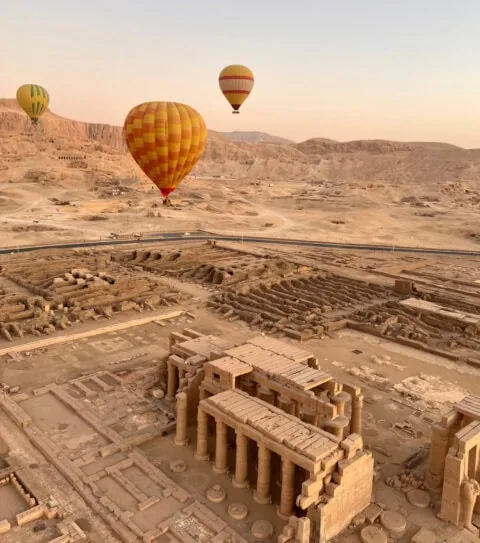
How to Plan a Trip Egypt
Step-by-step guide to help you plan the perfect Egypt trip — from routes and budget to booking.
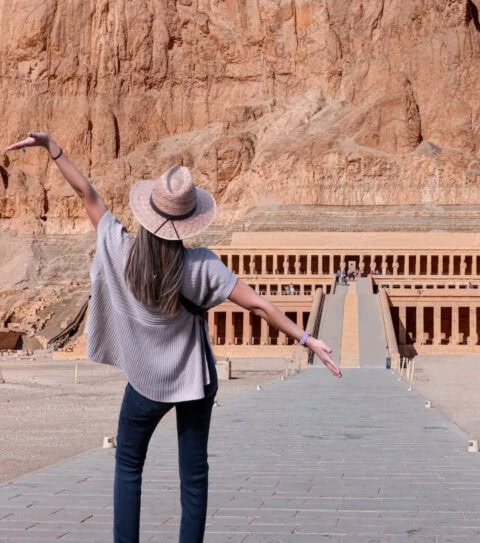
Best Time to Visit Egypt
Learn the best months to visit Egypt based on weather, crowds, and local travel experiences.
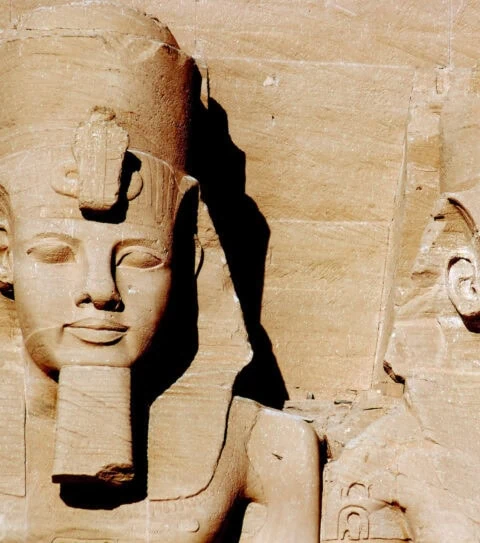
Must Visit Places in Egypt
Explore Egypt’s top sights — from pyramids to temples — and hidden gems worth seeing.
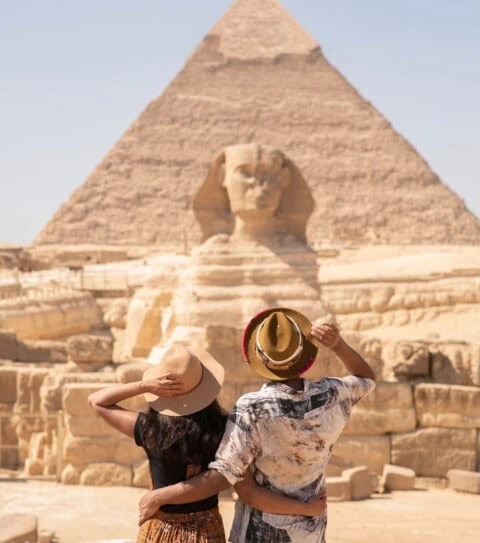
Top-Rated Egypt Tours
Handpicked private tours with local guides — our most loved and best-reviewed experiences.
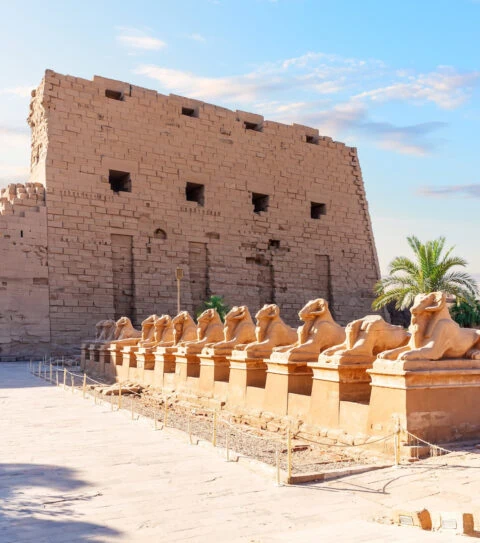
How Many Days to Visit Egypt?
Find out how many days you need in Egypt — from quick trips to full itineraries.
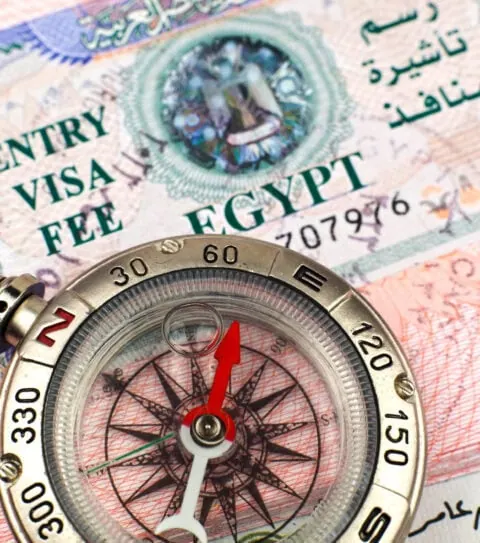
Egypt Visa Requirements
Check if you need a visa and get simple, up-to-date entry info based on your nationality.
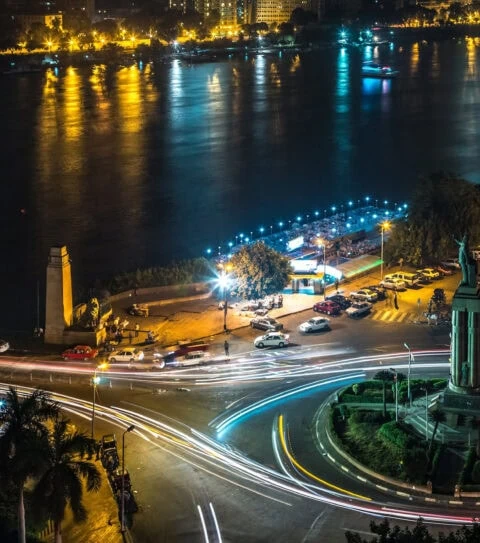
Is it Safe to Travel to Egypt?
Is Egypt safe? Get honest safety tips, area advice, and what to know before you travel.
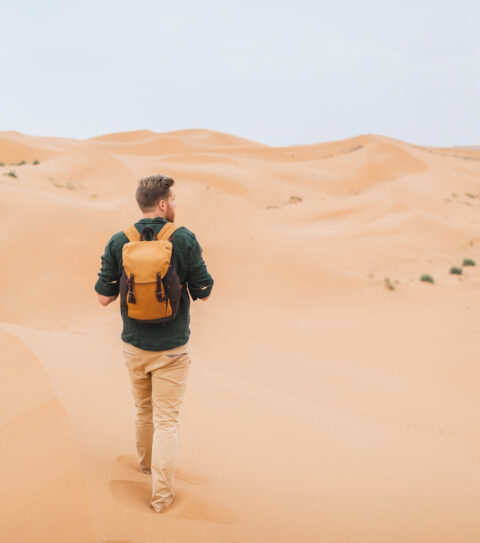
What to Pack for Egypt
A quick packing guide with essentials, cultural tips, and clothing advice for your Egypt trip.
Design Your Custom Tour
Explore Egypt your way by selecting only the attractions you want to visit