How to Travel to Egypt from the USA: Your Complete Planning Guide
Planning a trip to Egypt feels overwhelming.
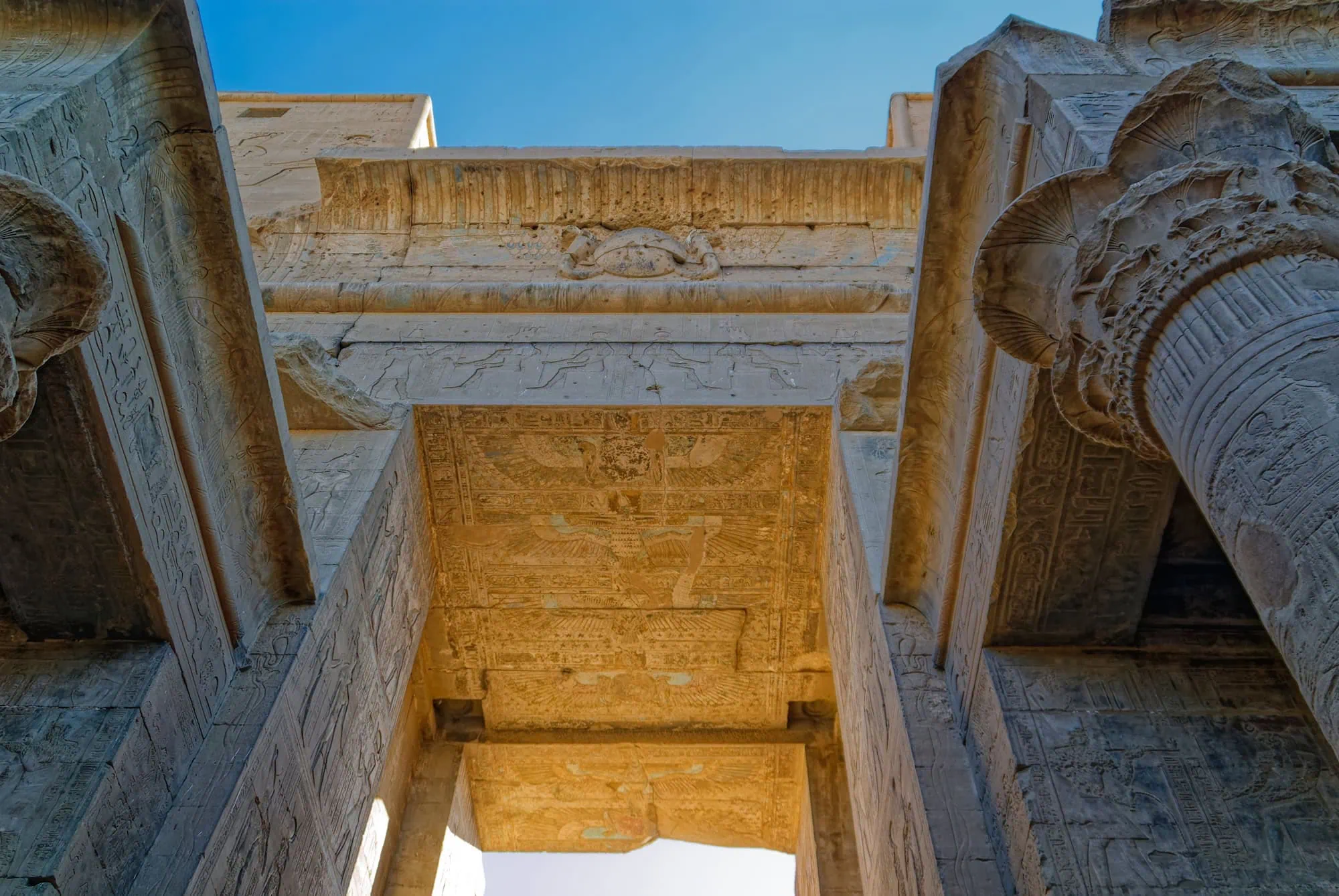
Between visa requirements, health precautions, and navigating cultural differences, American travelers often struggle with where to start. We’ve been helping U.S. visitors explore Egypt for decades, and we’ve seen every possible challenge — from last-minute document issues to transportation confusion. The good news? With proper preparation, your Egyptian adventure can be seamless and transformative. This guide covers everything from essential paperwork to practical travel tips, ensuring your Egypt tours from USA experience goes smoothly from start to finish.
Table of Contents
Visa Requirements and Documentation Process
Getting your Egyptian visa sorted early prevents travel day stress. U.S. citizens need a tourist visa regardless of trip length, and you have several application options to choose from.
Tourist Visa Application Methods
The e-visa portal offers the quickest route for most travelers. Processing takes 3-7 business days, costs $25, and requires uploading your passport photo and documents digitally. Your passport must remain valid for at least six months beyond your planned departure date from Egypt.
Traditional consular applications work better if you need multiple-entry visas or have complex travel situations. Egyptian consulates in Washington DC, New York, and Houston serve specific state jurisdictions, so check which location handles your residence before applying.
Required Documentation Checklist
Your application needs several key documents. A completed visa application form with recent passport-style photo comes first. Include your round-trip flight itinerary and hotel reservations or tour confirmation. Green card holders must provide copies of both sides of their permanent resident card.
Processing fees vary by application type and processing speed. Standard e-visas cost $25, while expedited consular processing runs $50-75 depending on your location.
Arrival Visa Option
Cairo International Airport offers visa-on-arrival services for U.S. citizens. The process takes 30-60 minutes during peak travel times, costs $25 in cash, and requires the same documentation as advance applications.
Note: European visitors follow identical visa requirements, while Latin American citizens from Brazil, Argentina, and Chile can obtain 90-day visas instead of the standard 30-day tourist permits.
Safety and Security Considerations
Security is an important consideration for many visitors researching is it safe for Americans to travel to Egypt. Egypt generally maintains stable security conditions for tourists, though travelers should stay informed and take standard precautions.
The U.S. State Department publishes regular travel advisories that outline terrorism risks and regional security considerations, helping American travelers make informed decisions before and during their trip.
- Northern Sinai Peninsula remains off-limits to tourists due to ongoing security operations, and there is no reason for visitors to travel there, as standard itineraries do not include this area.
- The Libyan border area (Egypt’s far western desert region) is generally not a tourist zone and travel there is restricted or discouraged due to the remote terrain and potential security risks. Most visitors have no reason to go near the border, and standard itineraries remain far from this area.
- Southern Sinai (including Sharm El Sheikh) operates normally under enhanced security measures.
- Major tourist destinations like Cairo, Luxor, and Aswan have significant police and military presence protecting visitor areas. Tourist Police units specifically trained to assist foreign visitors patrol major archaeological sites and hotel districts.
- Red Sea Coast (Hurghada & Marsa Alam) operates normally and is considered a stable tourism region. Resorts and visitor areas have strong security routines, particularly around airports, major hotels, and main roads.
- North Coast and Alexandria also operate normally with a regular security presence in key visitor areas. Alexandria is a major city with active tourism, and the North Coast is a popular leisure region with secure resort-style environments.
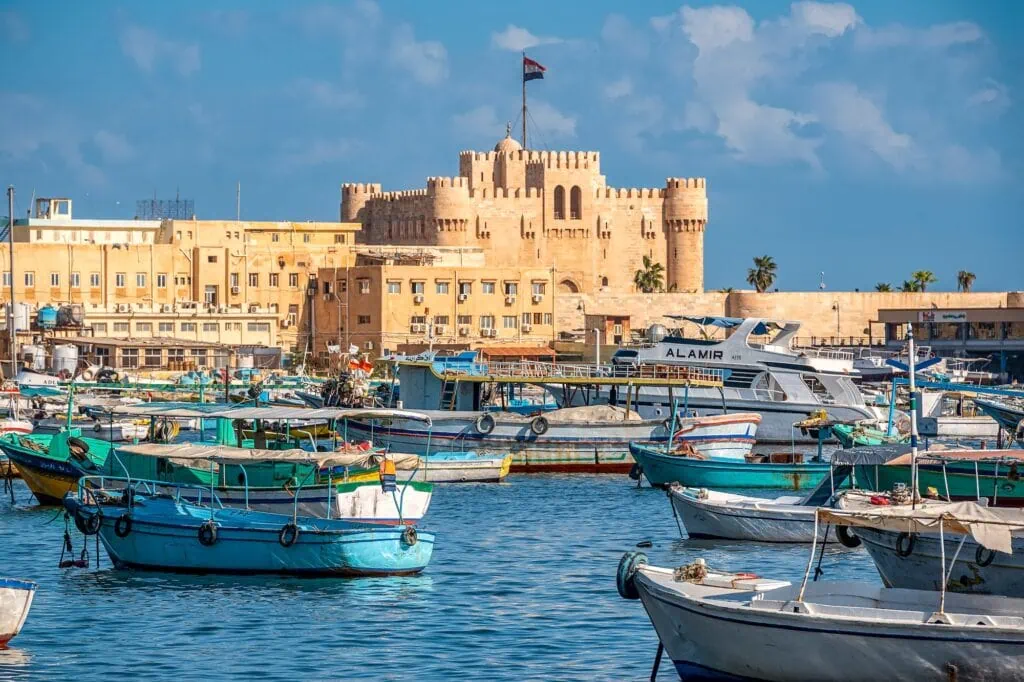
Petty crime targeting tourists occurs primarily in crowded markets and transportation hubs. Pickpocketing and aggressive vendors pose bigger daily risks than serious security threats. Stay alert in Khan el-Khalili bazaar and other busy tourist areas.
Demonstration and Political Activity Warnings
Egyptian laws strictly prohibit foreign nationals from participating in political demonstrations or protests. Photographing government buildings, military installations, or security personnel can result in detention and questioning. Social media posts criticizing Egyptian government policies have led to arrests, even for casual tourist comments.
Avoid large gatherings and demonstrations completely. Egyptian authorities may detain anyone present during political activities, regardless of participation level.
Health Preparations and Medical Considerations
Medical preparation starts 4-6 weeks before departure to ensure proper vaccination timing and health clearances.
Required and Recommended Vaccinations
Egypt requires yellow fever vaccination only for travelers arriving from endemic countries. The CDC recommends routine vaccines (measles, mumps, rubella, tetanus, flu) plus hepatitis A and B vaccinations for all Egypt visitors.
Polio vaccination receives special attention due to recent outbreaks. Adults who completed childhood polio vaccines should receive one adult booster dose before travel. Typhoid vaccination helps prevent foodborne illness, especially for adventurous eaters planning to try street food.
Malaria prevention isn’t necessary for standard tourist areas, but consult your doctor about anti-malarial medication if visiting remote Nile regions during summer months.
Medical Facilities and Emergency Preparedness
Cairo and Alexandria offer excellent private hospitals with English-speaking staff and modern equipment. Tourist areas in Luxor, Aswan, and Red Sea resorts maintain adequate medical facilities for common issues.
Travel insurance covering medical evacuation becomes essential for remote area visits or adventure activities like desert safaris. Ambulance services exist but response times vary significantly outside major cities.
Prescription medications should travel in original containers with doctor’s letters explaining medical necessity. Common over-the-counter medications are widely available in Egyptian pharmacies.
Transportation and Getting Around Egypt
Egypt’s transportation network connects major cities efficiently, though options and quality vary considerably between destinations.
International Flights and Arrival Airports
Cairo International Airport handles most American flights, with direct routes from New York and seasonal service from other major U.S. cities. Connecting flights through European hubs (Frankfurt, Paris, Amsterdam) offer more scheduling flexibility and often better prices.
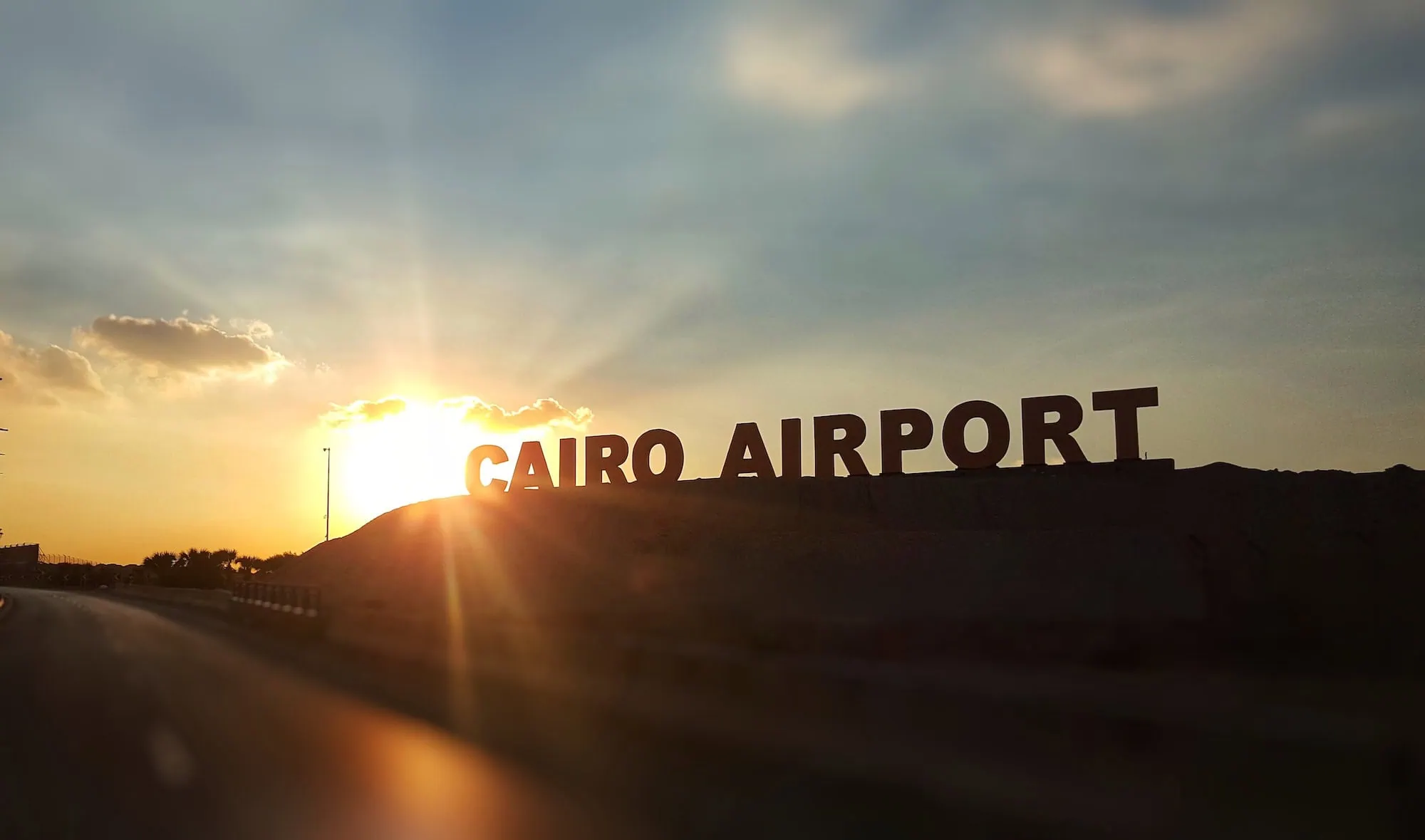
Flight times run 11-14 hours from East Coast cities, 14-17 hours from West Coast destinations. Book flights 6-8 weeks ahead for best prices, especially during peak season (October through April).
Hurghada International Airport serves Red Sea resort destinations directly, while Luxor Airport offers limited international connections but convenient access to Upper Egypt’s archaeological sites.
Domestic Transportation Options
Egypt’s railway system connects Cairo to major destinations reliably and affordably. First-class sleeper trains between Cairo and Luxor/Aswan provide comfortable overnight travel with private compartments and meal service. Day trains offer air-conditioned seating but longer journey times.
Domestic flights save time for longer distances. EgyptAir operates frequent service between Cairo, Luxor, Aswan, and Red Sea destinations. Flight times average 60-90 minutes versus 8-12 hours by train or bus.
Private transfers and tour transportation eliminate navigation stress while providing air conditioning and professional drivers familiar with tourist destinations. Many visitors prefer organized transportation for archaeological site visits where parking and guide coordination matter.
Nile River Sailing
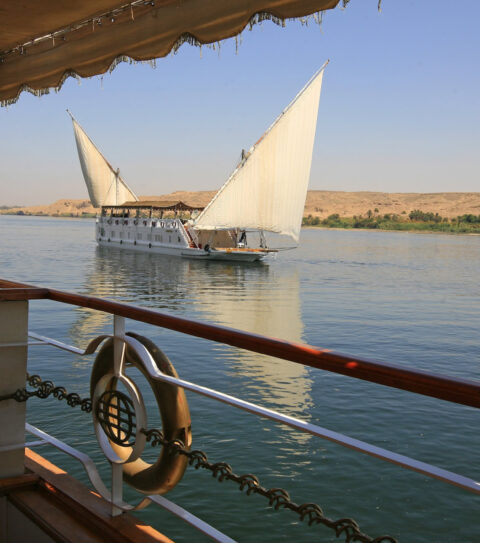
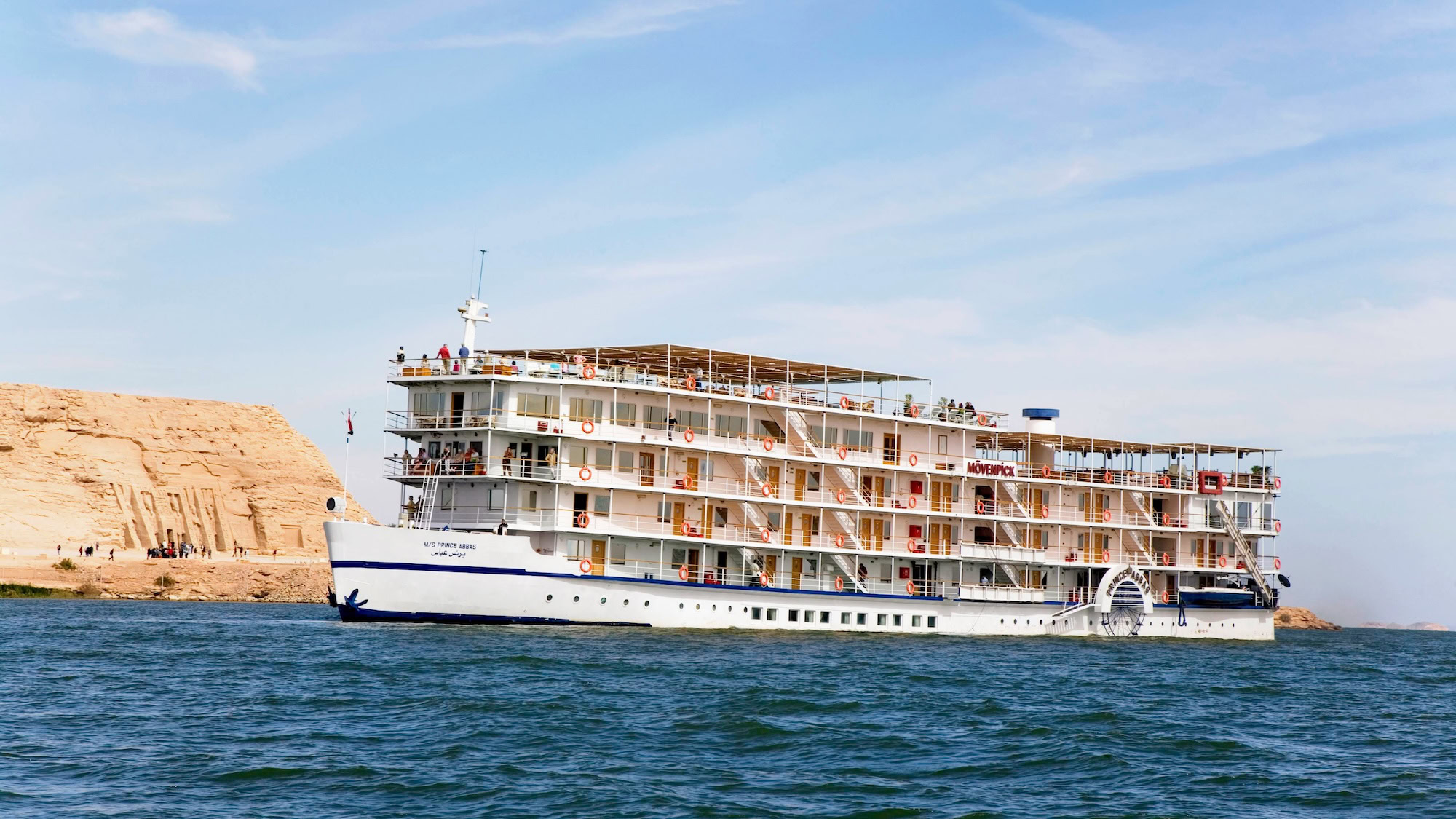
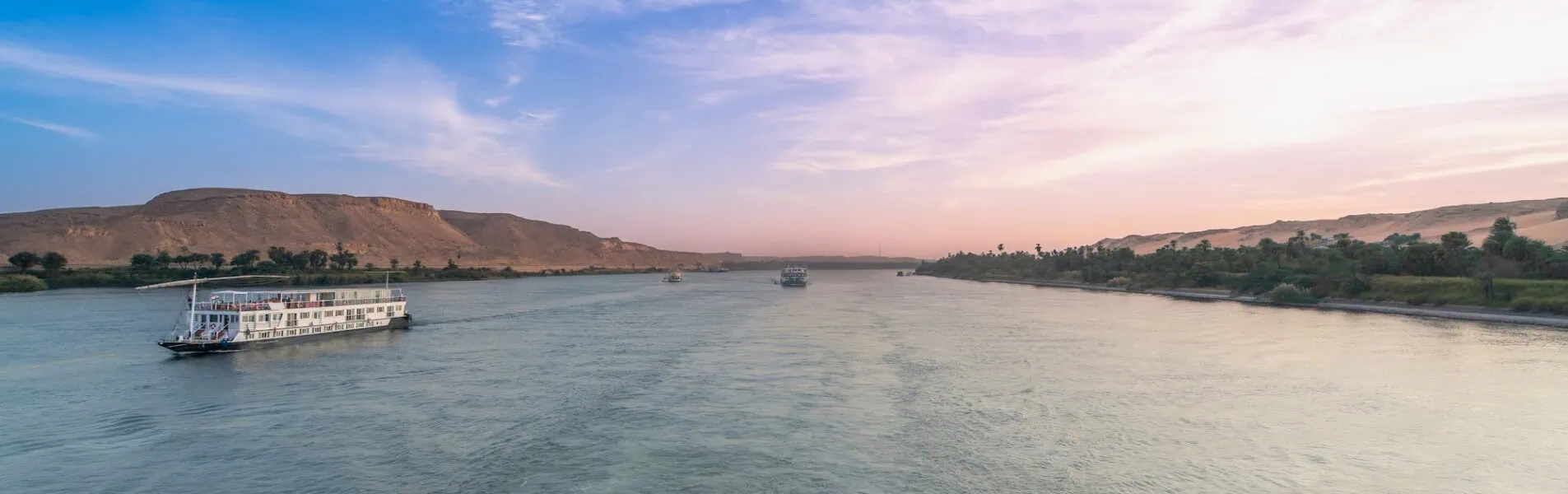
Traditional felucca sailboats offer authentic Nile experiences for short trips around Luxor and Aswan. Multi-day Nile cruises between these cities include guided excursions to major temples and tombs, though group tours accommodate up to 12 participants rather than private experiences.
For a more intimate multi-day sailing experience, travelers can choose a traditional dahabiya Nile cruise — a small, elegant sailboat that offers a slower and more peaceful journey between Luxor and Aswan. Dahabiyas typically host far fewer guests than standard cruise ships and focus on quiet river scenery, private-style service, and overnight stops at less-visited locations along the Nile.
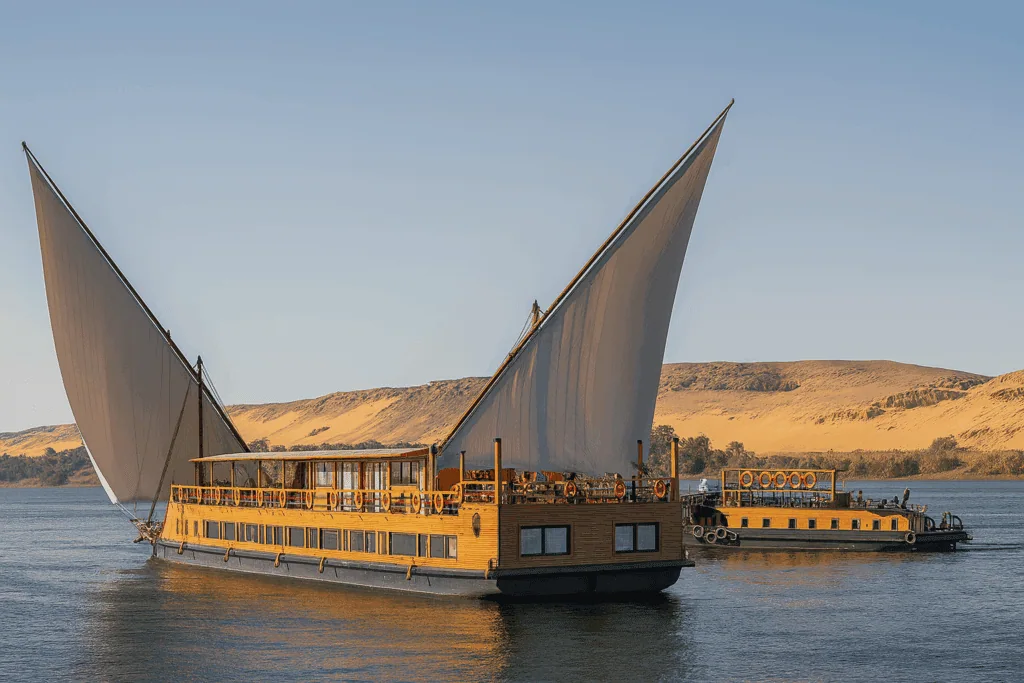
River sailing provides unique perspectives on rural Egyptian life unavailable from road travel. Sunset felucca rides and Nile dinner cruises create memorable experiences without requiring extensive time commitments.
Planning Your Egyptian Adventure
Successful Egypt trips balance must-see attractions with realistic time constraints and personal interests.
Best Travel Timing and Weather
October through April offers ideal weather conditions with temperatures ranging from 20-25°C (68-77°F) during the day and cool evenings. This peak season brings larger crowds and higher prices but ensures comfortable sightseeing conditions.
Summer months (May-September) feature extreme heat reaching 40°C+ (104°F+) in southern regions like Luxor and Aswan. Red Sea coastal areas remain more tolerable due to sea breezes, making summer visits viable for beach-focused trips.
Winter provides perfect conditions for archaeological site exploration, though nights can drop to 5-10°C (41-50°F) requiring warm clothing.
Regional Destination Highlights
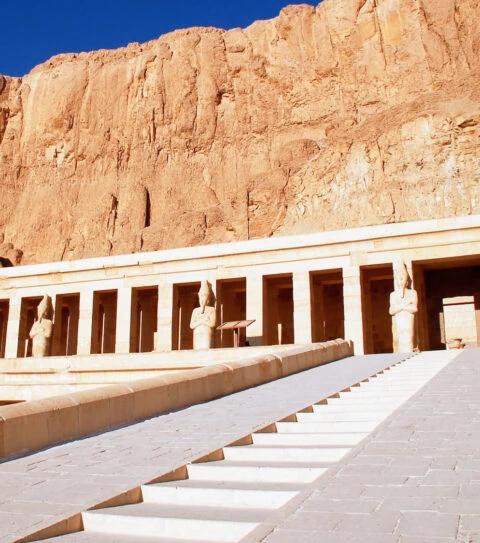
Upper Egypt centers around Luxor and Aswan, home to Egypt’s most spectacular ancient monuments. The Valley of the Kings, Karnak Temple complex, and Philae Temple require minimum 3-4 days for proper exploration. Abu Simbel’s massive rock temples justify day trips from Aswan despite the 280 km (174 mile) distance.
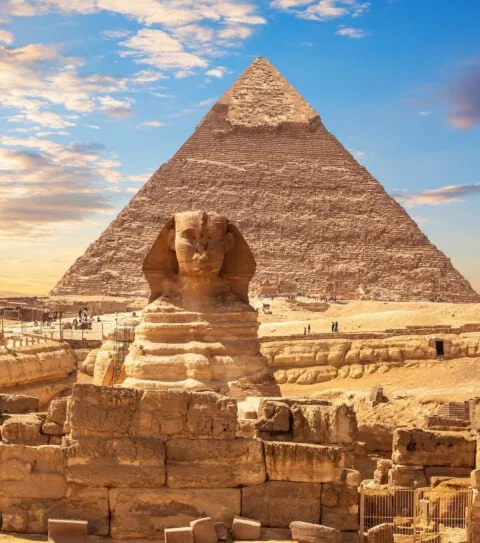
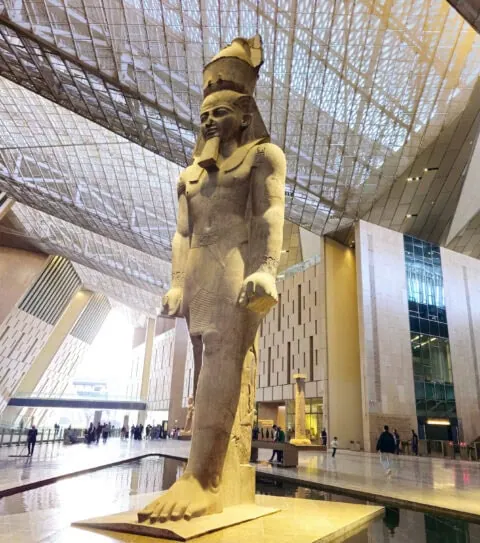
Cairo combines ancient wonders like the Giza Pyramids with Islamic architecture and modern cultural attractions. The Grand Egyptian Museum houses the world’s finest collection of pharaonic artifacts, while nearby Memphis and Saqqara offer less crowded pyramid experiences.
Red Sea destinations like Hurghada and Sharm El Sheikh cater to beach lovers and diving enthusiasts. Coral reefs and marine life rival Caribbean destinations, while resort amenities provide relaxation between cultural excursions.
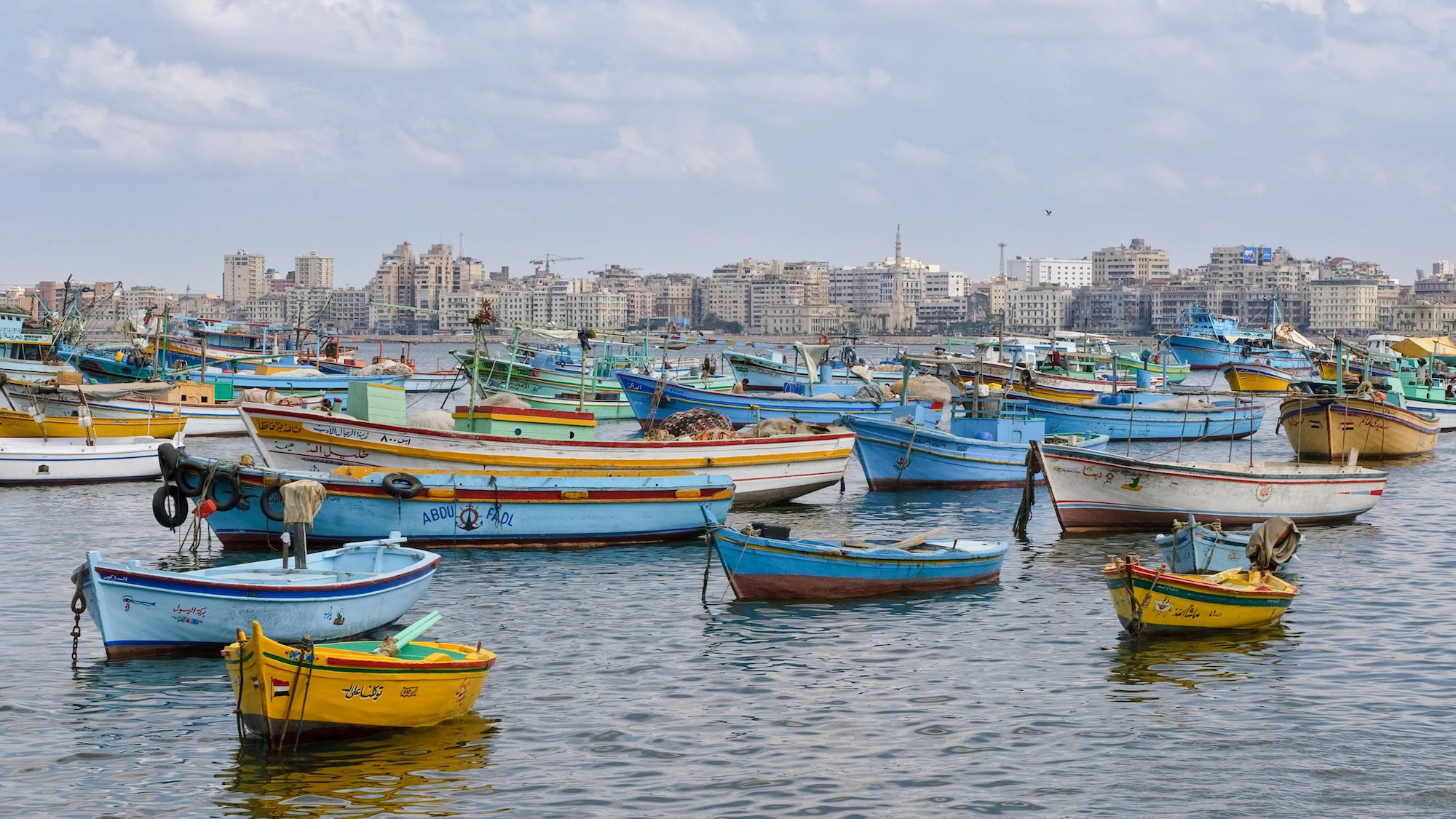
Alexandria blends Mediterranean atmosphere with Greco-Roman history. The modern Library of Alexandria and well-preserved Roman amphitheater complement coastal charm and excellent seafood.
Cultural Considerations and Etiquette
Egypt’s predominantly Muslim culture influences daily life and visitor expectations. Modest dress shows respect, especially when visiting mosques or religious sites. Women should cover shoulders and knees, while men should wear long pants and shirts.
Friday prayers (12:00 pm to 1:30 pm / 12:00-13:30) temporarily close many mosques to tourists. Ramadan affects restaurant hours and creates different cultural dynamics, though tourist areas maintain normal operations.
Tipping (baksheesh) forms an expected part of service interactions. Restaurant servers expect 10-15%, while guides, drivers, and hotel staff appreciate small bills for helpful service. Have plenty of small Egyptian pounds available for daily interactions.
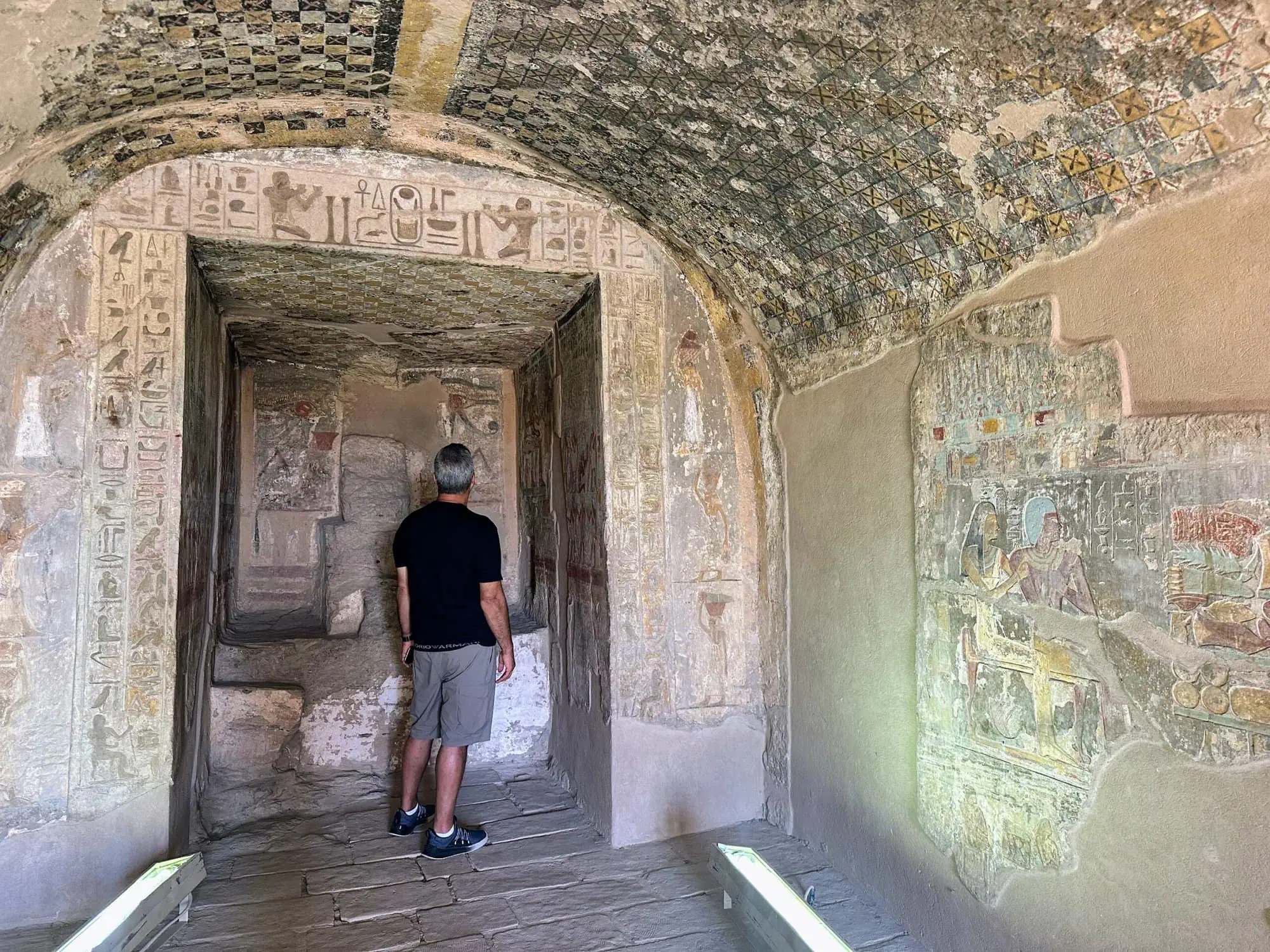
Photography restrictions apply at many archaeological sites and museums. Additional photo tickets cost 100-300 Egyptian pounds at major attractions, while some tombs prohibit photography entirely.
Practical Travel Tips and Local Information
Smart preparation makes Egyptian travel smoother and more enjoyable for American visitors.
Currency and payment systems in Egypt revolve around the Egyptian pound (EGP). Credit cards work at hotels, upscale restaurants, and tour operators, but cash dominates daily transactions. ATMs are common in tourist areas but may charge international fees.
Exchange money at banks or official exchange offices for better rates than hotels or airports. Keep receipts for currency exchanges, as some activities require proof of legal exchange. U.S. dollars are widely recognized and sometimes preferred for tips and small purchases.
Egyptian cuisine varies dramatically between tourist restaurants and local establishments. Hotel restaurants provide safe, familiar options, while street food offers authentic flavors for adventurous eaters. Bottled water stays essential throughout your trip – tap water isn’t recommended for foreign visitors.
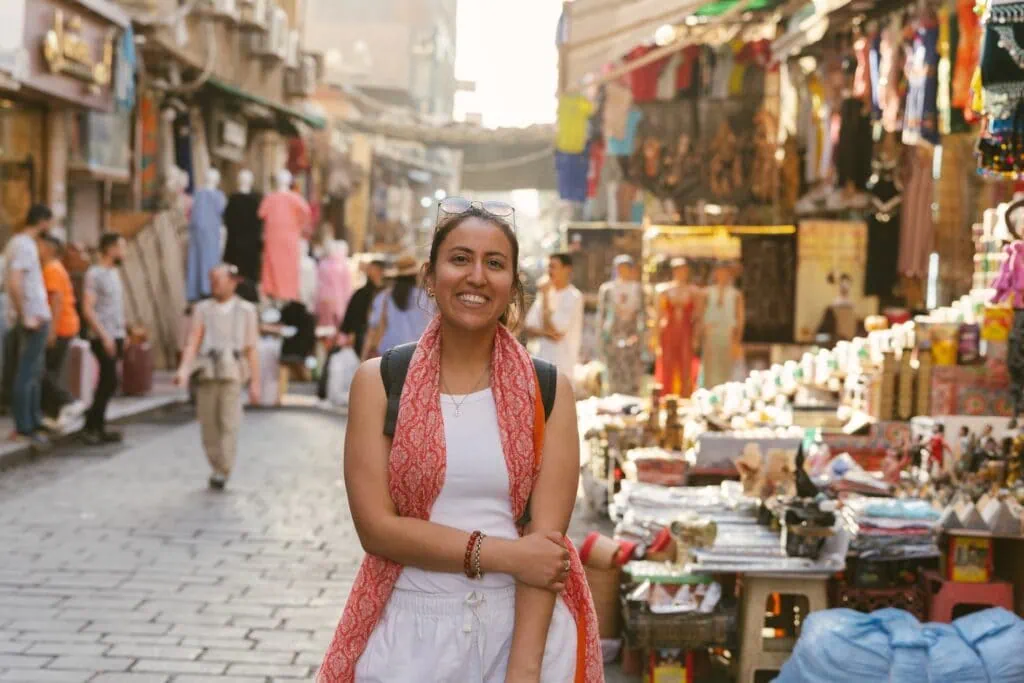
Shopping in Egypt requires bargaining skills and patience. Start negotiations at 30-40% of asking prices in markets and souks. Fixed-price shops in hotels and malls offer convenience without haggling. Popular purchases include cotton textiles, spices, jewelry, and papyrus artwork.
Mobile phone service works well throughout Egypt using international roaming or local SIM cards. Free WiFi is standard in hotels and restaurants, though connection speed varies. Download offline maps and translation apps before arriving.
Language barriers diminish in tourist areas where English is widely spoken. Arabic phrases like “shukran” (thank you) and “marhaba” (hello) earn friendly responses from locals. Tourist police and official guides typically speak multiple languages.
Working with Tour Operators and Travel Services
Professional tour operators transform complex Egyptian logistics into seamless experiences, particularly valuable for first-time visitors managing multiple destinations.
Here at Egypt Tours Plus, we specialize in creating personalized itineraries that balance iconic attractions with unique experiences unavailable to independent travelers. Our private guides provide expert knowledge at archaeological sites, while dedicated drivers ensure comfortable transportation in modern, air-conditioned vehicles.
Decades of experience operating in Egypt means we understand American traveler preferences and potential challenges. From handling visa documentation to arranging special access experiences, our comprehensive support eliminates common travel stress.
Our customer support becomes particularly valuable during unexpected situations like flight delays or itinerary changes. Local partnerships enable quick problem resolution without language barriers or cultural misunderstandings.
Multi-day Egypt tour packages often provide better value than booking components separately, especially when including Nile cruises, domestic flights, and guided excursions. Group size limitations ensure personalized attention – our archaeological site tours typically accommodate maximum 12 participants for intimate experiences.
Frequently Asked Questions
Egyptian e-visas for U.S. citizens are typically processed within 3-7 business days, while embassy or consular applications often take 7-10 business days or longer during busy travel periods. Egypt’s official e-visa system is the fastest and most convenient option for most leisure travelers. Applying at least two weeks before departure provides a buffer for document verification or public holiday delays. Keep a printed copy of your approved visa when traveling.
No specific vaccinations are required for travelers arriving directly from the United States, although the CDC recommends routine immunizations plus consideration of hepatitis A, hepatitis B, typhoid, and polio boosters. Yellow fever vaccination is generally required only if arriving from or transiting through a country with yellow fever transmission. Health recommendations vary by traveler age and itinerary, so consult a healthcare provider 4-8 weeks before departure.
October through April is generally the best time for Americans to visit Egypt because daytime temperatures in Cairo, Luxor, and Aswan are typically more comfortable, often ranging from 20-25°C (68-77°F). These months are ideal for exploring outdoor sites such as the Pyramids of Giza, Karnak Temple, and Abu Simbel. December through February offers the coolest weather but also the largest crowds. Book winter travel well in advance for the best availability.
A mid-range Egypt trip for one week typically costs about $1,200-2,000 per person, including international flights from the United States, accommodations, transportation, sightseeing, and meals. Budget travelers may spend less, while luxury travelers can easily exceed $3,500-5,000 per person. Costs vary significantly depending on season, hotel category, and whether a Nile cruise is included. Booking flights and hotels several months ahead often reduces overall trip costs.
Yes, most American tourists visit Egypt safely each year, particularly in major destinations such as Cairo, Luxor, Aswan, Abu Simbel, and Red Sea resorts. Tourist sites, airports, and hotels maintain visible security measures, including dedicated tourist police units. The primary travel advisories generally concern restricted regions such as parts of Northern Sinai rather than standard tourism circuits. Stay informed through official U.S. government travel updates and avoid political demonstrations.
Egyptian pounds (EGP) are the preferred currency for daily expenses, although U.S. dollars are accepted at some hotels, tour operators, and tourist-oriented businesses. Small purchases, local restaurants, transportation, and market transactions are usually easier with local currency. ATMs are widely available in Cairo, Luxor, Aswan, and resort destinations, and exchange services operate at airports and banks. Carry a mix of cash and credit cards for maximum flexibility.
Pack lightweight, breathable clothing, comfortable walking shoes, sunscreen, a wide-brimmed hat, and any prescription medications in their original labeled containers. Visitors often walk several kilometers per day at sites such as the Giza Plateau, Karnak Temple, and the Valley of the Kings. Layering is useful because winter evenings in Cairo or desert regions can drop below 15°C (59°F). A portable power bank and reusable water bottle are also practical additions.
You can explore Egypt independently, but professional guides add substantial value at major archaeological sites by explaining historical context, symbolism, and site layouts. Complex attractions such as Saqqara, Karnak Temple, and the Valley of the Kings are far more meaningful when interpreted by a qualified Egyptologist guide. Independent travel offers flexibility, while guided travel reduces logistical challenges. Many visitors combine both approaches for the best balance of freedom and expertise.
Cairo International Airport is approximately 20-25 km (12-16 miles) from central districts such as Downtown Cairo, Zamalek, and Garden City, with travel times ranging from 45 to 90 minutes depending on traffic. Official airport taxis, ride-sharing services, hotel shuttles, and pre-arranged private transfers are the most common transportation options. Cairo traffic can be unpredictable, particularly during morning and evening rush hours. Pre-booked transfers offer the smoothest arrival experience for first-time visitors.
Tipping, known locally as baksheesh, is a normal part of Egyptian service culture and should be included in your travel budget. Restaurant tips of 10-15% are customary, while travelers often tip guides and drivers around 50-100 EGP per day depending on service quality and group size. Hotel porters, housekeeping staff, and restroom attendants also commonly receive small gratuities. Carrying small Egyptian pound notes makes tipping easier throughout your trip.
Explore our most popular guides and expert tips to make your trip safe, smooth, and unforgettable.
Plan Your Egypt Adventure with Confidence
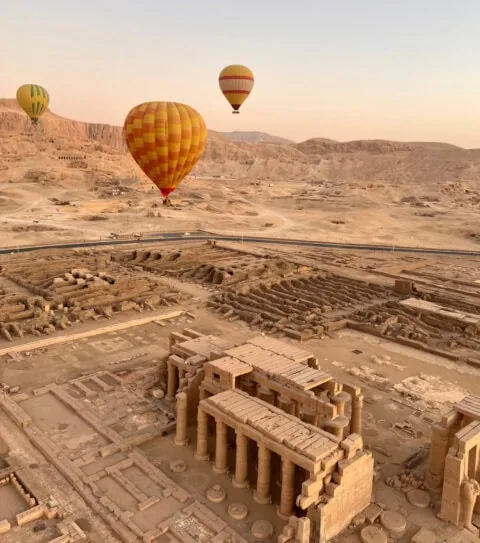
How to Plan a Trip Egypt
Step-by-step guide to help you plan the perfect Egypt trip — from routes and budget to booking.
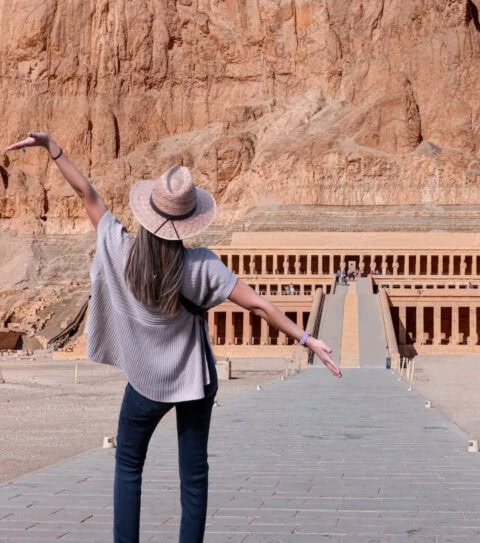
Best Time to Visit Egypt
Learn the best months to visit Egypt based on weather, crowds, and local travel experiences.
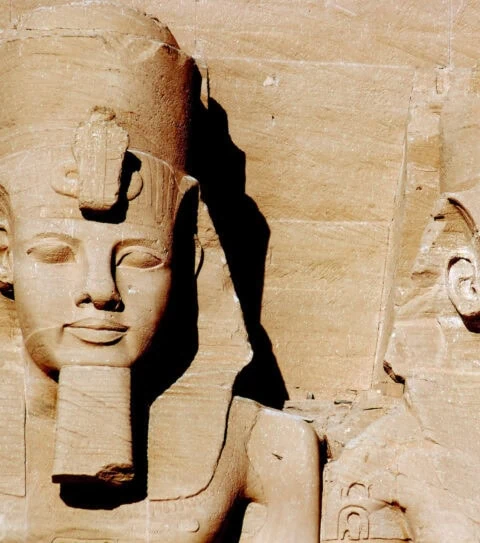
Must Visit Places in Egypt
Explore Egypt’s top sights — from pyramids to temples — and hidden gems worth seeing.
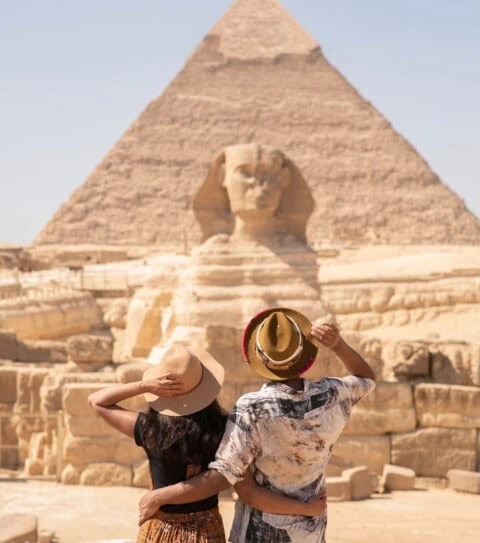
Top-Rated Egypt Tours
Handpicked private tours with local guides — our most loved and best-reviewed experiences.
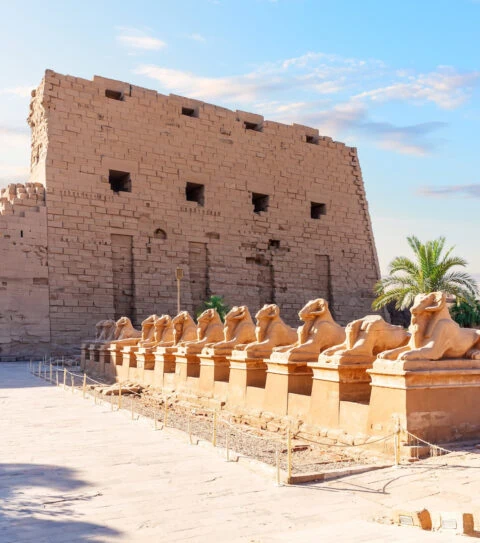
How Many Days to Visit Egypt?
Find out how many days you need in Egypt — from quick trips to full itineraries.
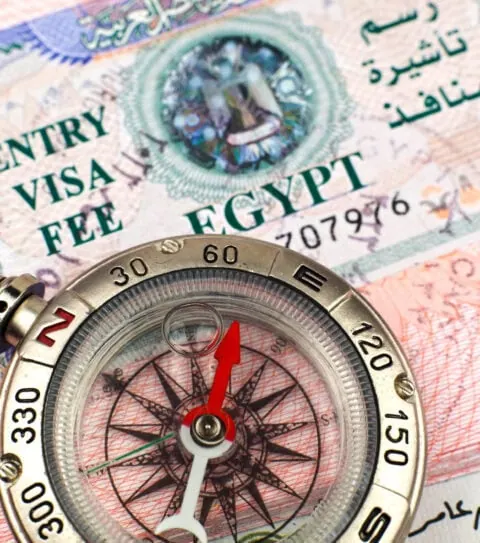
Egypt Visa Requirements
Check if you need a visa and get simple, up-to-date entry info based on your nationality.
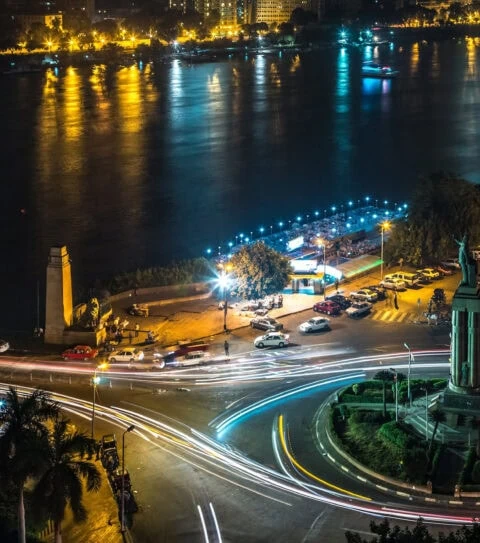
Is it Safe to Travel to Egypt?
Is Egypt safe? Get honest safety tips, area advice, and what to know before you travel.
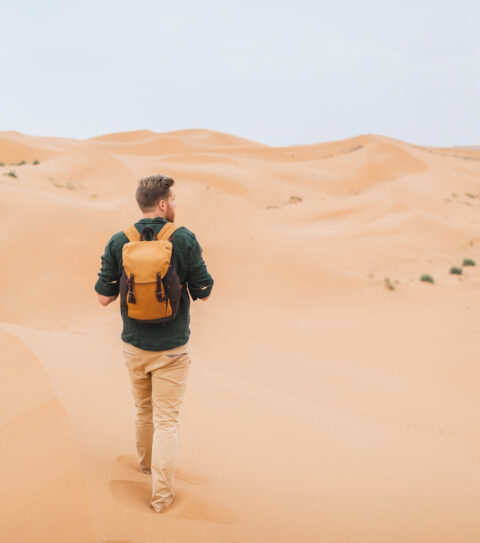
What to Pack for Egypt
A quick packing guide with essentials, cultural tips, and clothing advice for your Egypt trip.
Design Your Custom Tour
Explore Egypt your way by selecting only the attractions you want to visit