

Edfu Temple – One of Egypt’s Best Preserved Ancient Temples
Standing majestically along the Nile’s west bank, Edfu Temple remains one of ancient Egypt’s most extraordinary architectural achievements.
This Ptolemaic masterpiece, dedicated to the falcon-headed god Horus, showcases nearly two centuries of meticulous craftsmanship spanning from 237 to 57 BC. Unlike many Egyptian monuments damaged by time and human interference, Edfu Temple survived remarkably intact beneath layers of sand and debris for millennia.
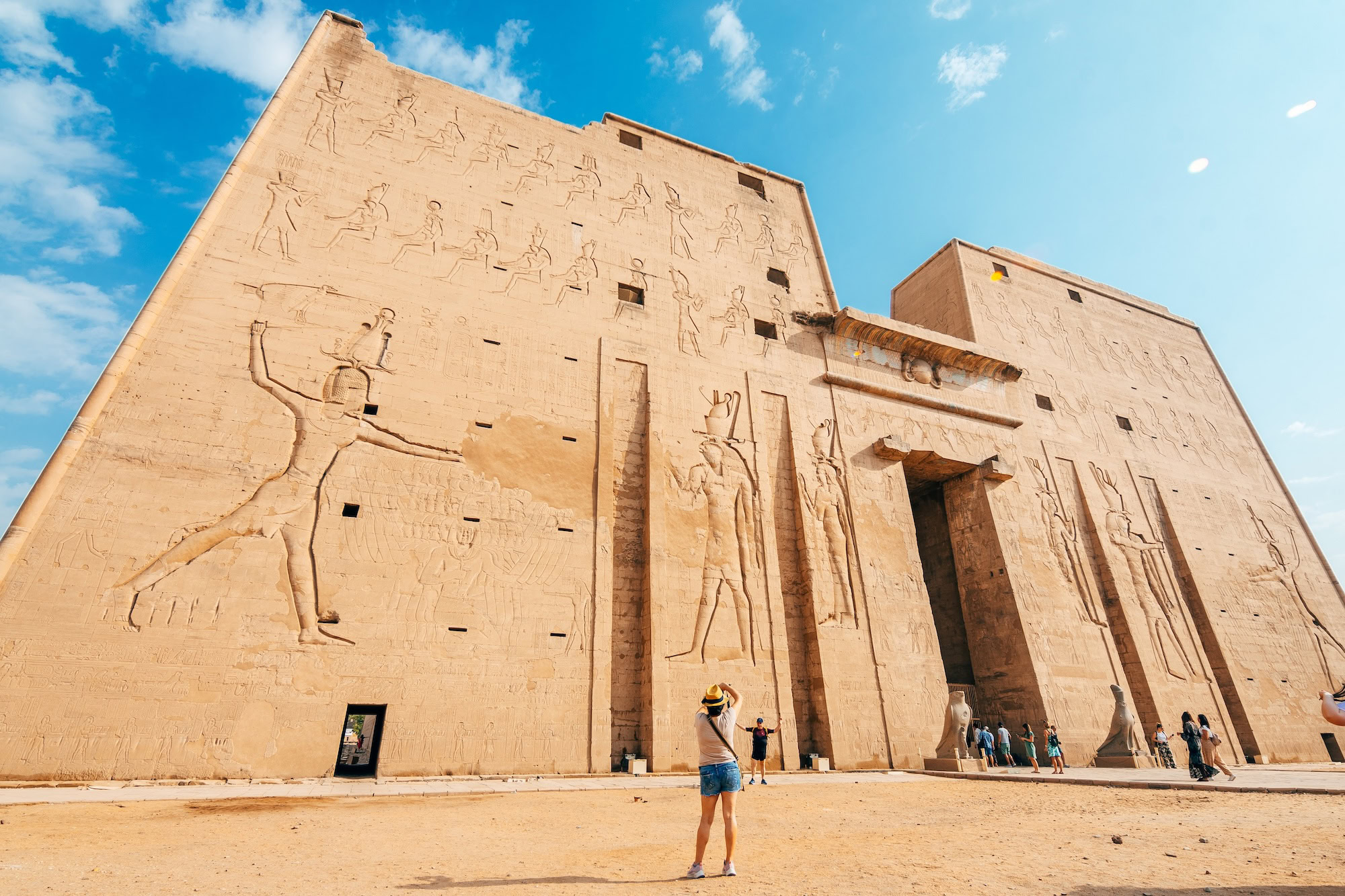
When French archaeologists first identified the site in 1798, they uncovered what would become recognized as Egypt’s best-preserved ancient shrine. Today, we guide travelers through this sacred space where Ptolemaic pharaohs once performed divine rituals and where Horus ruled as the supreme deity of Upper Egypt.
The temple’s exceptional preservation offers visitors an unparalleled glimpse into ancient Egyptian religious practices, architectural mastery, and the fascinating blend of Egyptian and Greek influences that characterized the Ptolemaic period.
Architectural Marvel of the Ptolemaic Kingdom
The Temple of Edfu represents the pinnacle of Ptolemaic architectural achievement, stretching 79 meters (259 feet) in length and reaching heights of 36 meters (118 feet).
Monumental Entrance and Sacred Progression
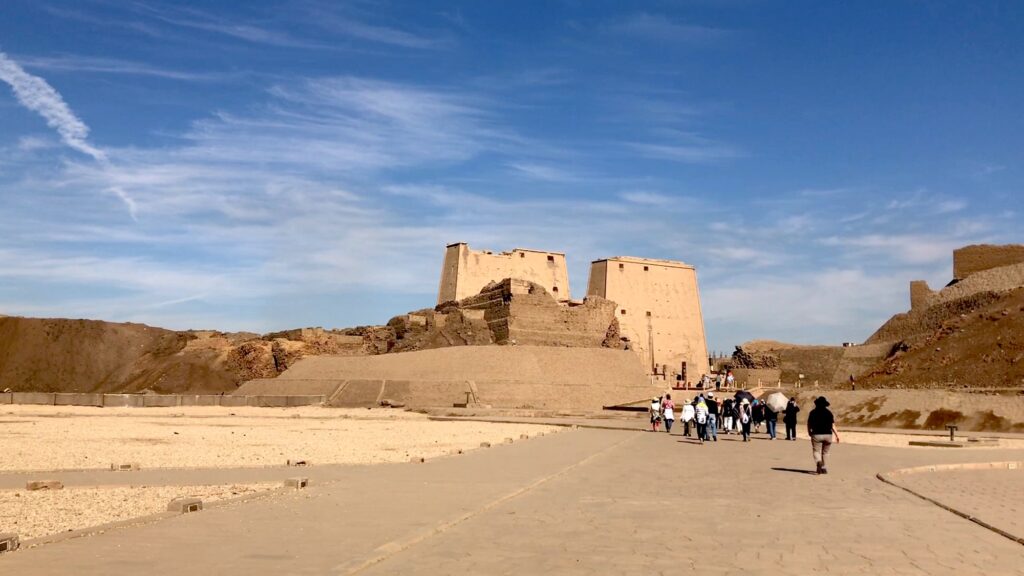
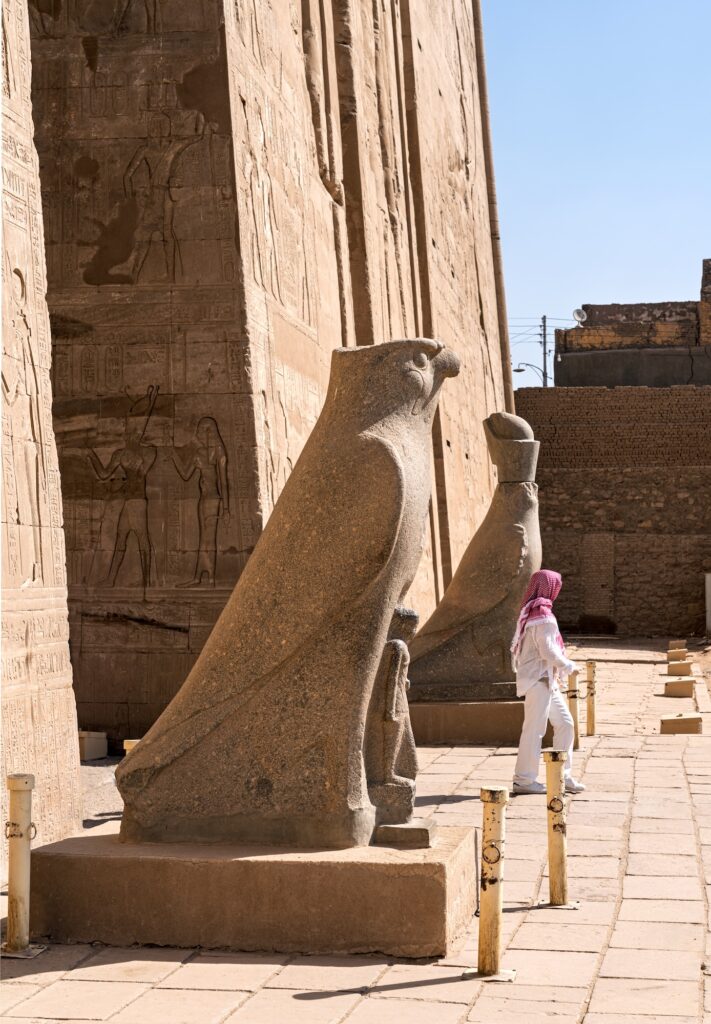
The massive entrance pylon dominates the temple’s facade, constructed from locally quarried sandstone that has weathered nearly two millennia with remarkable resilience. These towering walls bear intricate reliefs depicting Ptolemy XII conquering Egypt’s enemies, establishing the pharaoh’s divine authority from the moment visitors crossed the threshold.
Walking through this sacred gateway, ancient pilgrims and modern travelers alike experience the deliberate progression from the brilliant courtyard illuminated by desert sun to the increasingly dim sanctuary chambers where Horus resided.
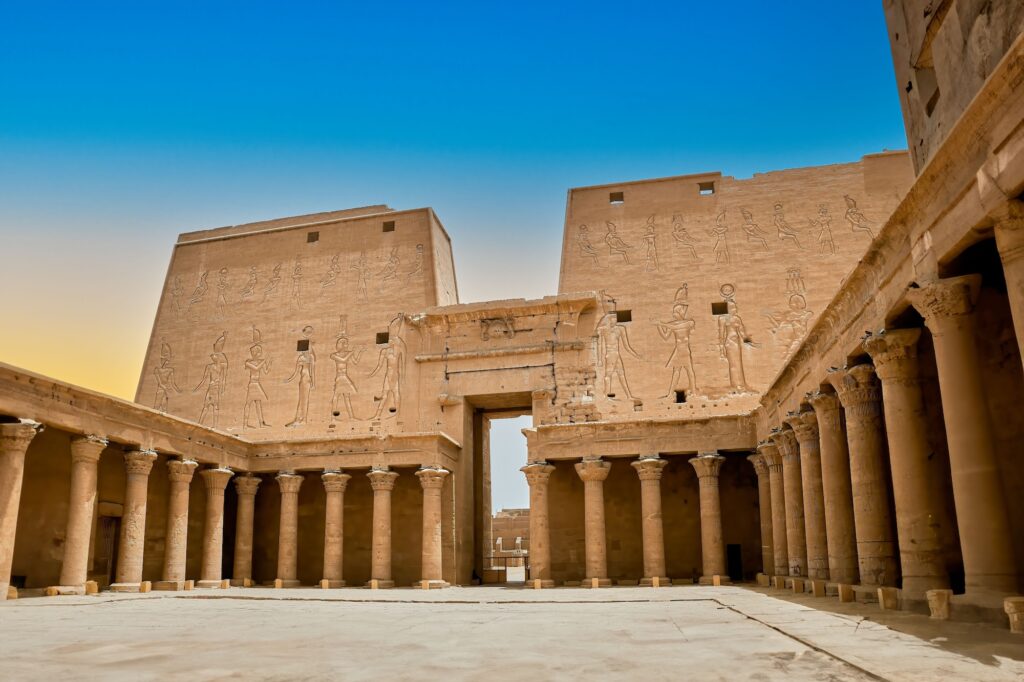
The peristyle court beyond the entrance features 32 columns arranged in perfect symmetry, each crowned with elaborate floral capitals that demonstrate the sophisticated artistry of Ptolemaic craftsmen.
Hypostyle Halls and Sacred Chambers
Two successive hypostyle halls create an architectural rhythm that guides visitors deeper into the temple’s spiritual heart. The first hall, known as the Festival Hall, served as the stage for elaborate religious ceremonies where priests reenacted mythological dramas celebrating Horus’s triumph over the chaos god Seth.
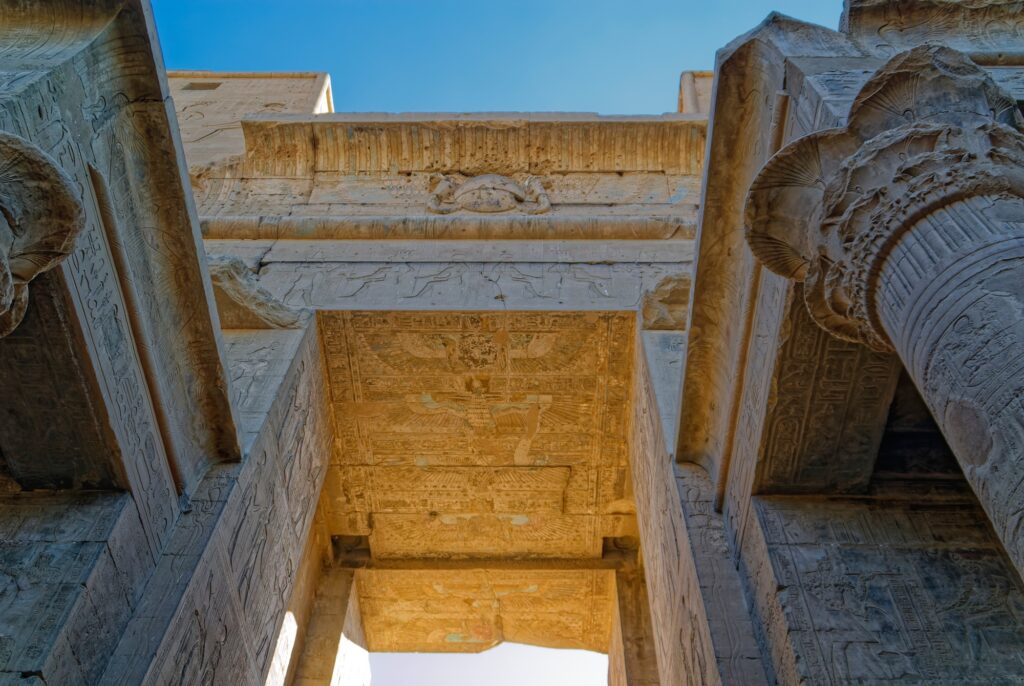
Painted ceilings above these halls still display vibrant astronomical scenes, offering glimpses of how ancient Egyptians understood their cosmos.
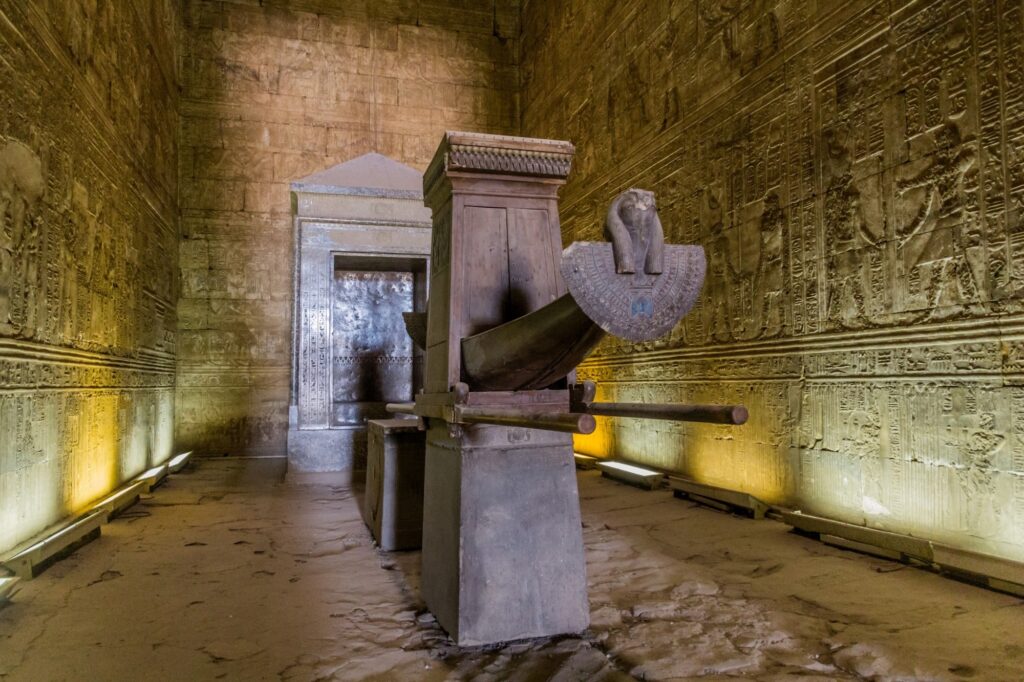
Moving inward, the second hypostyle hall leads to the sanctuary, where a granite shrine once housed the golden statue of Horus. This innermost chamber, accessible only to the highest-ranking priests, represents the symbolic center of the universe according to Egyptian cosmology.
Ambulatory and Side Chapels
Surrounding the central sanctuary, an ambulatory corridor connects dozens of side chapels dedicated to various aspects of Horus worship and related deities. These chambers contained religious texts, ceremonial objects, and offerings that sustained the temple’s daily rituals.
Many walls feature well-preserved hieroglyphic inscriptions that provide invaluable insights into Ptolemaic religious practices.
Horus Worship and Religious Significance
Edfu Temple served as the primary cult center for Horus, the falcon-headed god who embodied divine kingship and cosmic order throughout Egyptian history.
Ancient Egyptians identified Horus with the living pharaoh, making this temple a crucial site for legitimizing royal authority during the Ptolemaic period. Under the Greek rulers’ interpretatio graeca, Horus became associated with Apollo, creating a fascinating fusion of Egyptian and Hellenistic religious concepts that attracted both local devotees and Greek settlers.
This religious syncretism reflected the broader cultural blending that characterized Ptolemaic Egypt.
The temple’s most celebrated festival occurred annually when Hathor traveled from her temple at Denderah, located 165 kilometers (103 miles) north, to visit Horus for their sacred marriage ceremony. This “Beautiful Festival of Union” transformed Edfu into a pilgrimage destination attracting thousands of worshippers who participated in elaborate processions, musical performances, and religious dramas.
Archaeological evidence suggests the temple controlled vast agricultural estates worked by thousands of farmers, generating the enormous revenues required to maintain these spectacular celebrations.
During the Festival of Victory, priests performed ritual dramas reenacting Horus’s mythological triumph over Seth, who appeared as a hippopotamus symbolizing chaos and disorder. These ceremonies reinforced cosmic balance while entertaining massive crowds gathered in the temple’s courtyards and surrounding areas.
Construction Timeline and Ptolemaic Legacy
Construction of Edfu Temple began under Ptolemy III Euergetes in 237 BC and continued through multiple generations of Ptolemaic rulers until completion under Ptolemy XII in 57 BC.
This 180-year building project demonstrates the extraordinary continuity of vision and resources that characterized successful Ptolemaic construction efforts. Unlike earlier Egyptian temples built by native pharaohs, Edfu Temple reflected the Macedonian dynasty’s determination to establish legitimacy through monumental architecture that honored traditional Egyptian religious practices while incorporating Greek artistic influences.
Ptolemy III initiated construction during a period of military expansion and economic prosperity, when the Ptolemaic kingdom controlled territories from Egypt to parts of modern-day Turkey and Greece. Each successive ruler added sections, decorative elements, and inscriptions that celebrated their individual achievements while maintaining architectural harmony with earlier phases.
The temple’s final completion under Ptolemy XII, father of the famous Cleopatra VII, marked the culmination of Hellenistic Egypt’s greatest architectural achievement.
Archaeological Preservation and Modern Discovery
The temple’s remarkable preservation resulted from an unusual combination of natural and human factors that protected the structure for over a millennium. During the Roman period, declining religious practices and economic pressures led to gradual abandonment of the site.
Sand and debris from surrounding settlements gradually buried the entire complex, creating an anaerobic environment that prevented organic materials from decomposing and protected carved reliefs from weathering.
Auguste Mariette, the French Egyptologist who later founded Cairo’s Egyptian Museum, led the excavation efforts that revealed the temple’s extraordinary preservation. His team discovered religious texts, ceremonial objects, and architectural elements that provided unprecedented insights into Ptolemaic religious practices and daily temple operations.
Visiting Edfu Temple: Practical Information
Modern travelers can explore Edfu Temple daily from 6:00 am to 5:00 pm (06:00-17:00), with entrance tickets priced at 550 EGP for international visitors and reduced rates available for students with valid identification.
Transportation and Accessibility
Most visitors reach Edfu Temple as part of Nile cruise itineraries traveling between Luxor and Aswan, with riverboats typically docking at the town’s small harbor. Traditional horse-drawn carriages provide transportation from the dock to the temple entrance, though we recommend discussing alternatives with your guide due to animal welfare concerns.
Modern tuk-tuks and air-conditioned vehicles offer more comfortable options for the short journey through Edfu’s streets.
The temple entrance features modern pathways designed to accommodate visitors with mobility challenges, though some areas within the complex require climbing steps or navigating uneven ancient surfaces.
Best Times and Photography
Early morning arrivals, particularly between 6:00 am and 8:00 am (06:00-08:00), offer the most peaceful experience before large tour groups arrive. The temple’s orientation provides natural shade in various courtyards throughout the day, making afternoon visits comfortable during cooler months from November through March.
Peak visitation occurs between 10:00 am and 2:00 pm (10:00-14:00), when multiple cruise ships dock simultaneously and create crowded conditions throughout the complex. We arrange private guided experiences that maximize your time during quieter periods while providing expert interpretation of the temple’s religious significance and architectural details.
Photography is permitted throughout most temple areas without additional fees, though flash photography is prohibited in chambers with painted ceilings to prevent deterioration. The temple’s well-preserved reliefs and columns create exceptional opportunities for architectural photography, particularly during the golden hours of early morning and late afternoon when angled sunlight emphasizes carved details.
Edfu Temple in Egyptian Context
While Edfu Temple represents the pinnacle of preservation among Egyptian temples, understanding its unique characteristics requires comparison with other significant religious sites throughout the country.
Architectural Completeness Versus Historical Significance
Karnak Temple in Luxor spans a much larger area and displays construction phases from multiple dynasties over 1,300 years, offering insights into evolving Egyptian architectural styles and religious practices. However, Karnak’s partial ruins require considerable imagination to visualize original appearances, while Edfu Temple presents visitors with an essentially complete ancient structure.
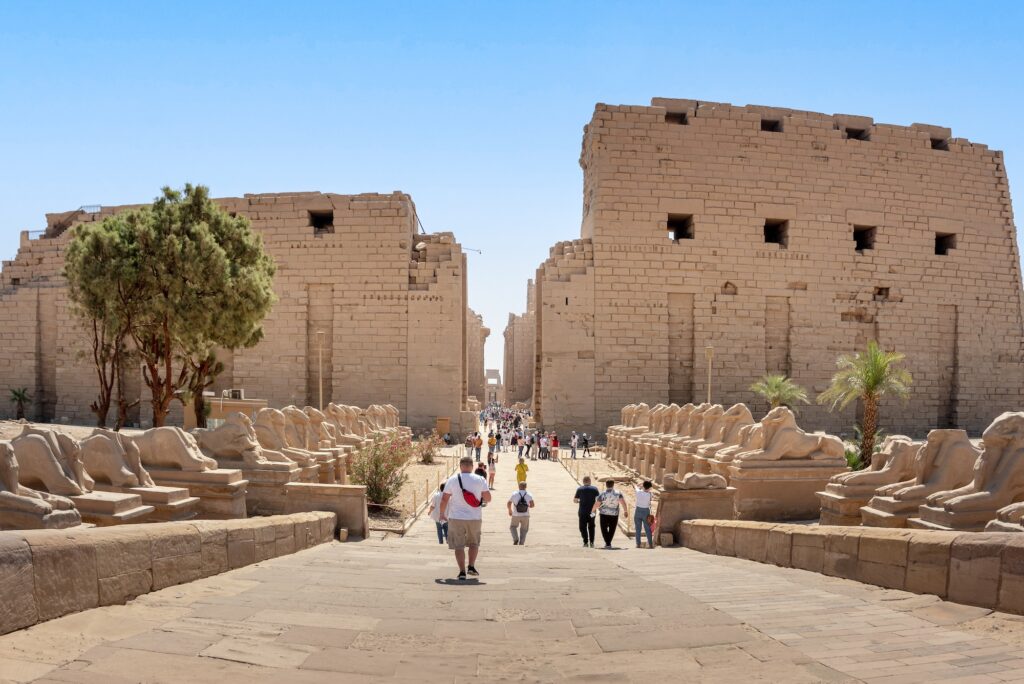
This completeness allows travelers to experience the intended spiritual progression from public courtyards to sacred sanctuary chambers as ancient worshippers would have encountered them.
Abu Simbel, carved directly into cliff faces during Ramesses II’s reign, demonstrates the raw power and ambition of New Kingdom pharaohs but represents a fundamentally different architectural approach focused on royal glorification rather than divine worship.
Religious Practices and Atmosphere
Philae Temple, dedicated to Isis and relocated to Agilkia Island, shares Edfu Temple’s Ptolemaic origins but emphasizes goddess worship through different architectural arrangements and decorative programs. Both temples feature well-preserved reliefs and hieroglyphic inscriptions, yet Edfu Temple’s larger scale and more complete preservation create a more immersive experience of ancient Egyptian spiritual practices.
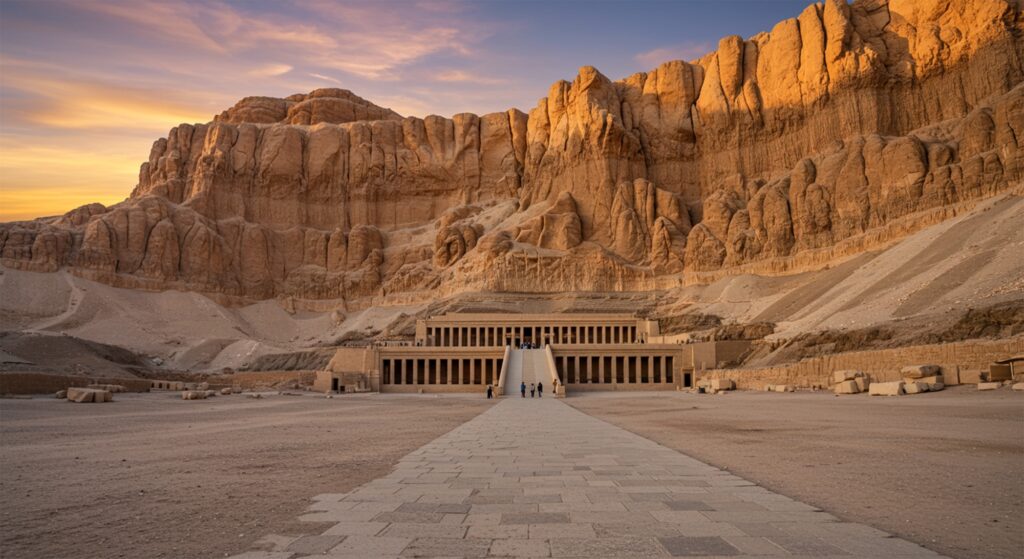
The Temple of Hatshepsut at Deir el-Bahari showcases the integration of architecture with natural landscapes, while Edfu Temple demonstrates the creation of self-contained sacred space independent of geographical features.
Frequently Asked Questions
How long does a typical visit to Edfu Temple take?
A thorough exploration requires 2-3 hours, including time to appreciate detailed reliefs and architectural features throughout the complex.
Is Edfu Temple accessible for travelers with mobility limitations?
The main courtyards and entrance areas are accessible, though some chambers require climbing stairs and navigating uneven ancient surfaces.
What makes Edfu Temple different from other Egyptian temples?
Edfu Temple offers the most complete preservation of any major Egyptian temple, allowing visitors to experience intact architecture and decorative programs.
Can you visit Edfu Temple independently without a cruise?
Yes, independent travelers can reach Edfu by train or road from Luxor or Aswan, with local transportation available to the temple.
What should I wear when visiting Edfu Temple?
Comfortable walking shoes, sun protection, and modest clothing covering shoulders and knees are recommended for temple visits.
Are there restaurants or facilities near Edfu Temple?
Basic facilities exist in Edfu town, though most visitors prefer dining aboard their cruise boats or in Luxor/Aswan.
How does Edfu Temple relate to ancient Egyptian mythology?
The temple celebrates Horus’s triumph over chaos, representing cosmic order and divine kingship central to Egyptian religious beliefs.
What is the best photography equipment for temple visits?
A camera with good low-light performance works best for interior chambers, while wide-angle lenses capture architectural scale effectively.
Do you need advance reservations for Edfu Temple?
Individual tickets are available at the entrance, though organized tours benefit from guided interpretation and optimized timing.
How hot does it get inside Edfu Temple during summer months?
Interior chambers remain naturally cooler than outside temperatures, though summer visits between May and September can be extremely warm.
What archaeological discoveries have been made at Edfu Temple?
Excavations revealed religious texts, ceremonial objects, and architectural elements providing insights into Ptolemaic religious practices and temple operations.
Is Edfu Temple suitable for children and families?
Yes, though young children should be supervised carefully around ancient structures and during warm weather conditions.
Design Your Custom Tour
Explore Egypt your way by selecting only the attractions you want to visit