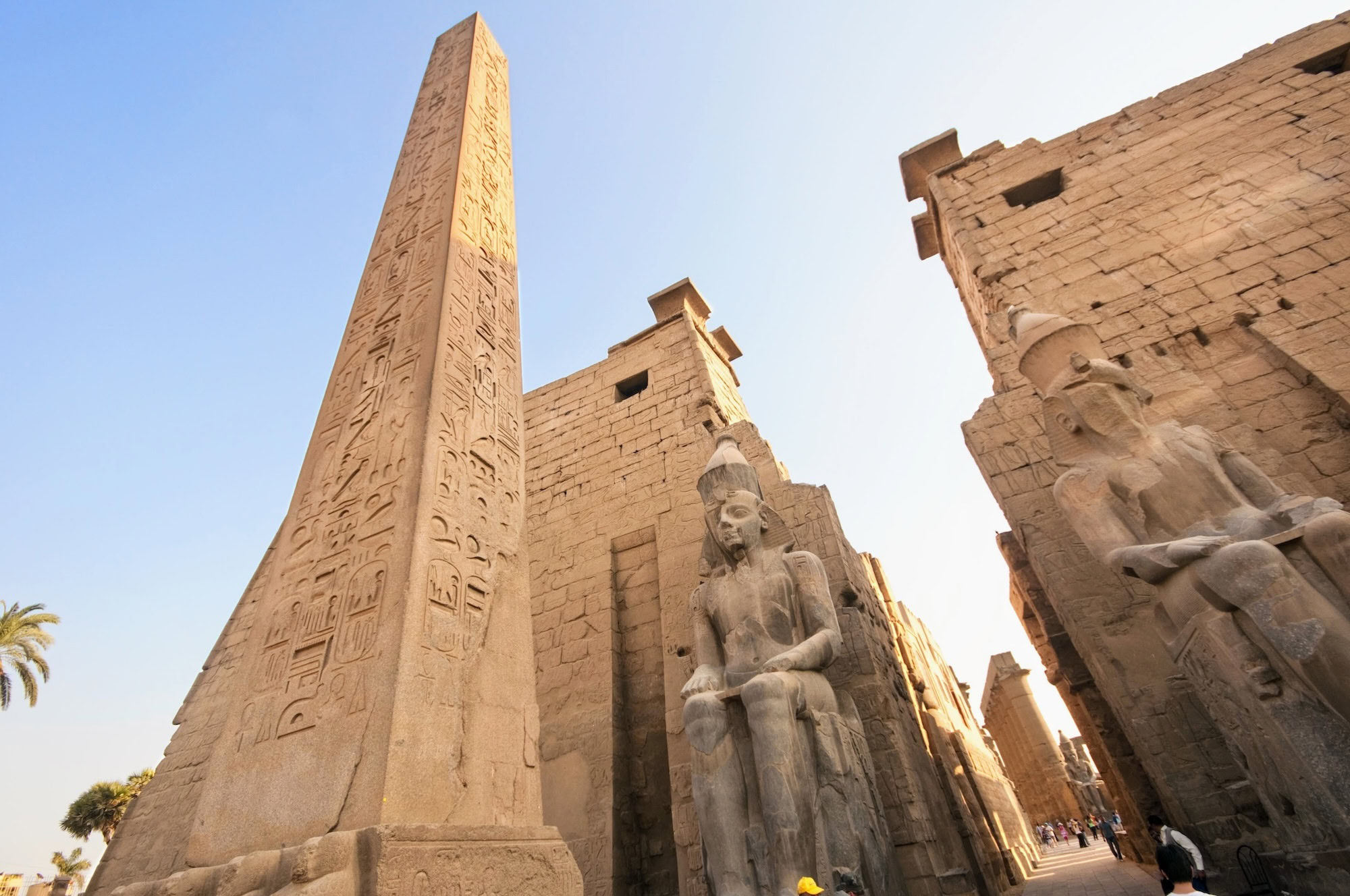
Traditional Egyptian Foods That Tell Egypt’s Culinary Story
Egyptian cuisine whispers ancient secrets through every bite.
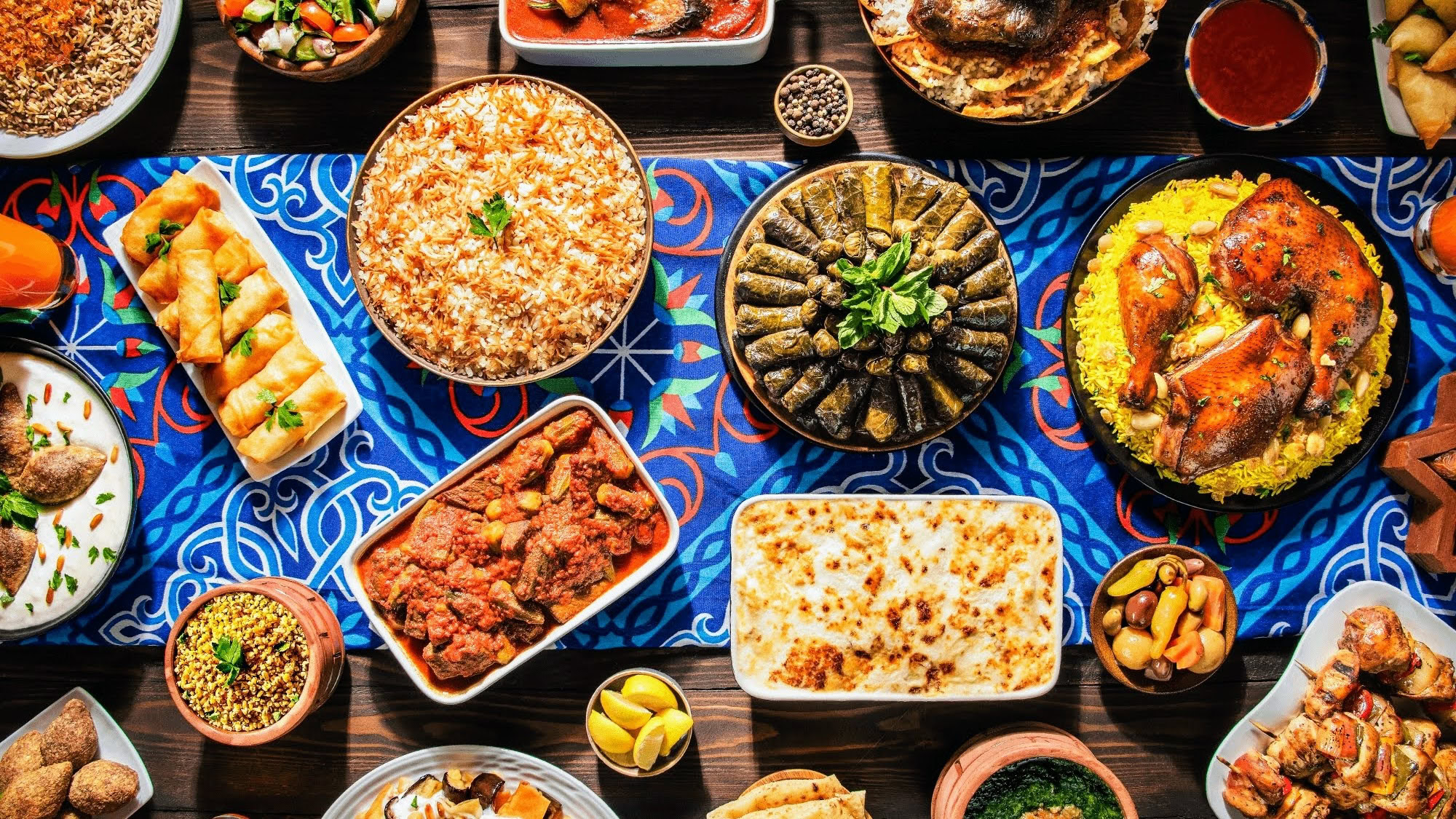
From the bustling streets of Cairo to family tables across the Nile Valley, traditional Egyptian foods carry thousands of years of culinary heritage. These dishes reflect the country’s position as a crossroads between Africa, Asia, and the Mediterranean, creating flavors that have sustained generations. Food in Egypt isn’t just sustenance—it’s storytelling through taste, connecting modern diners to pharaonic traditions and Islamic influences that shaped the nation’s identity.
Whether you’re planning to explore Egypt’s markets or simply curious about authentic Middle Eastern cuisine, understanding these traditional foods opens a window into Egyptian culture itself.
The Foundation: Bread and Ancient Grains
Egyptian cuisine could not exist without bread. Walk through any Egyptian neighborhood and you’ll see people carrying round loaves like precious cargo.
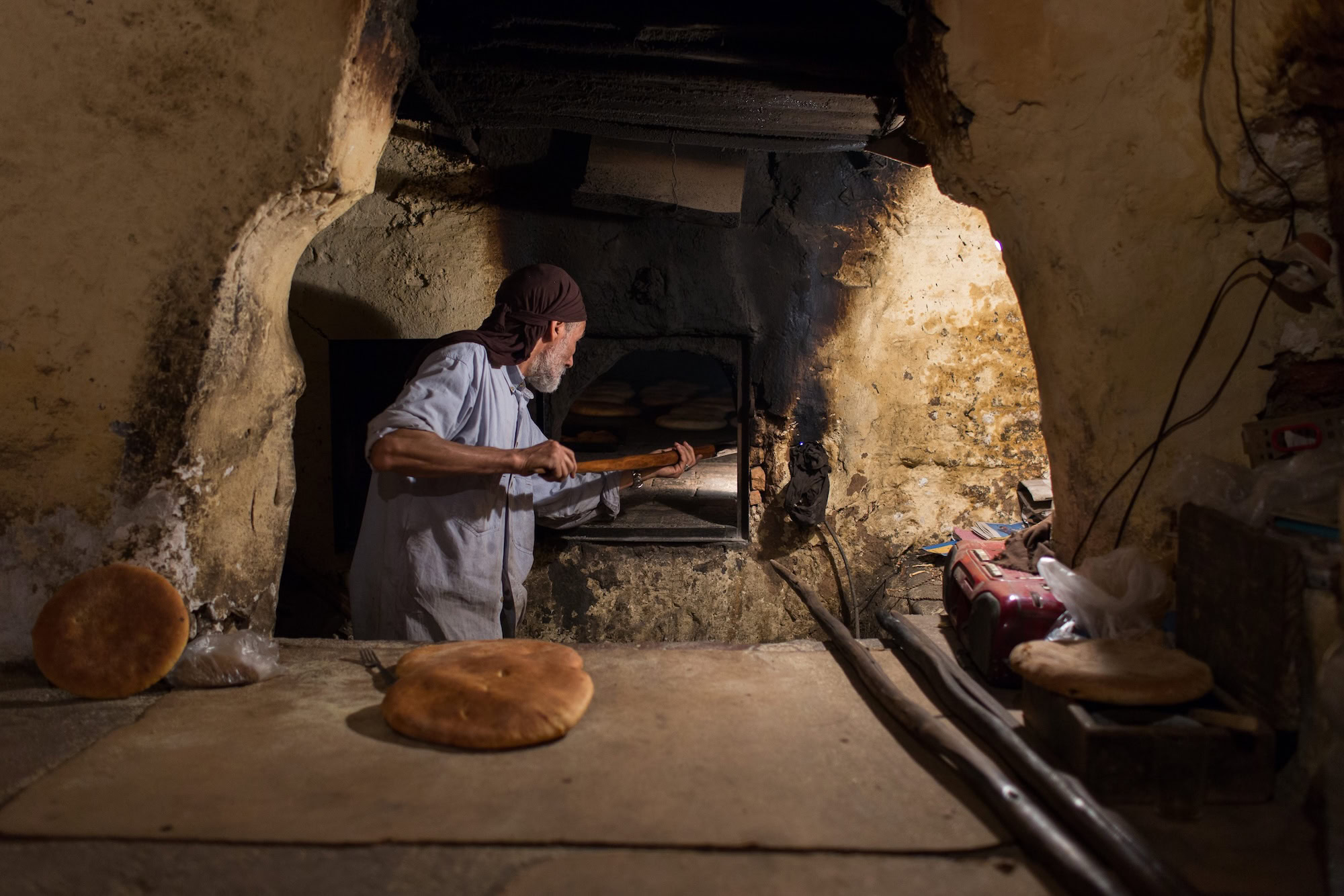
Eish baladi forms the cornerstone of every meal. This whole wheat flatbread, baked in traditional ovens, serves as both utensil and accompaniment. Families use it to scoop ful medames, wrap grilled meat, or simply tear and share during conversation. The bread’s thick texture and nutty flavor come from wheat varieties that trace back to ancient Egyptian agriculture along the Nile.
Beyond basic bread, Egyptians craft eish fino, a lighter baguette-style loaf influenced by French colonial presence. Street vendors sell it warm in the morning, perfect for breakfast sandwiches filled with cheese, tomatoes, or eggs.
Ancient Egyptians developed over 40 different bread types, and modern bakers still honor many of these techniques. Traditional ovens heat with wood fires, creating the distinctive char and chew that machine-made bread cannot replicate.
Egypt’s National Breakfast: Ful Medames
Most popular street food snack in Egypt starts before dawn in copper pots.
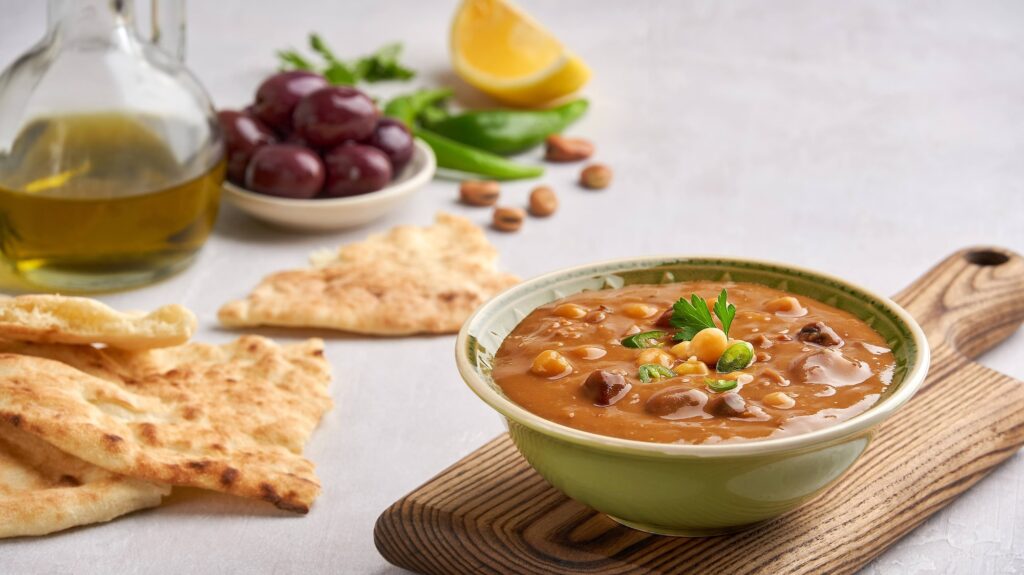
Ful medames represents Egyptian identity on a plate. These slow-cooked fava beans simmer overnight in traditional copper vessels called idra, developing rich, creamy textures impossible to achieve through quick cooking. Street vendors begin preparation at midnight, ensuring fresh ful awaits early morning customers.
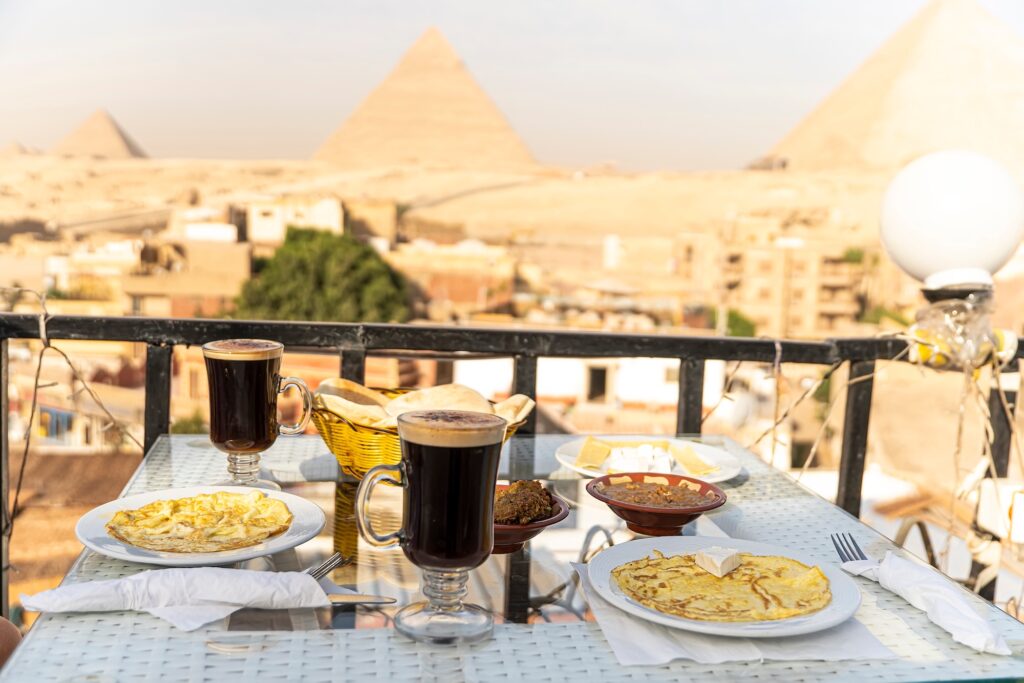
The dish arrives dressed simply: olive oil, garlic, lemon juice, and cumin. Some vendors add chopped tomatoes, onions, or hard-boiled eggs. Purists insist the beans should be mashed slightly, not pureed, maintaining their natural texture and allowing flavors to meld without losing character.
Ful predates Islamic Egypt by millennia. Archaeological evidence suggests ancient Egyptians cultivated fava beans along the Nile, making this possibly the world’s oldest continuously prepared dish. Workers building the pyramids likely sustained themselves on similar bean preparations.
Today, ful medames costs mere pounds at street stalls, making nutritious breakfast accessible to all economic levels. This accessibility explains its status as Egypt’s unofficial national dish—democracy served in a bowl.
Koshari: The Vegetarian Crown Jewel
One of the famous Egyptian dishes emerged from necessity and immigrant influences during the 19th century.
British colonial presence introduced macaroni and rice combinations, while Indian railway workers contributed lentil preparations. Egyptian cooks transformed these foreign elements into something uniquely local. Koshari became Cairo’s signature dish, sold from dedicated restaurants and street carts throughout the city.
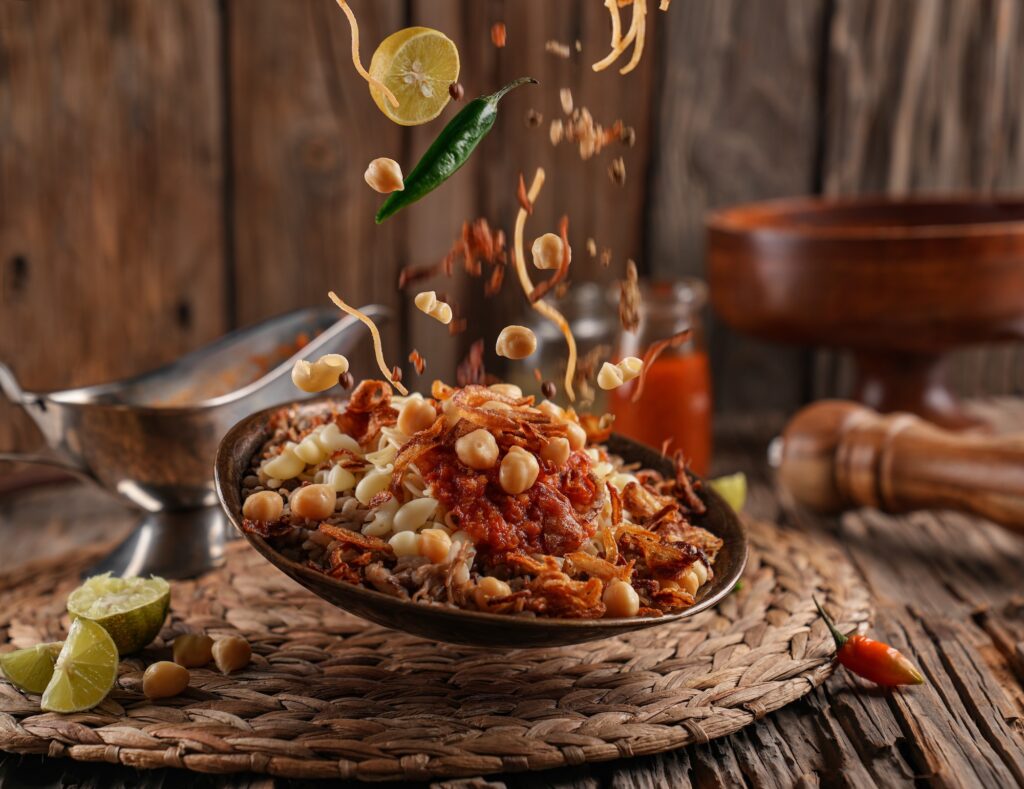
The dish layers components strategically. Rice forms the base, topped with brown lentils, then macaroni. Crispy fried onions crown everything, while spicy tomato sauce and tangy garlic-vinegar mixture provide contrasting flavors. Each element maintains distinct identity while contributing to the whole.
Traditional Preparation Methods
Master koshari makers follow strict sequence rules. They cook each component separately, ensuring perfect textures before assembly. The tomato sauce requires hours of slow simmering with cumin, coriander, and hot pepper. Onions must achieve golden-brown perfection without burning. Lentils cook until tender but not mushy.
Regional Variations
Alexandria’s koshari includes chickpeas and sometimes pasta shapes beyond macaroni. Upper Egypt versions feature local rice varieties and different spice blends. Some modern interpretations add grilled meat or chicken, though traditionalists consider this sacrilege.
Street Food Culture: Accessible Egyptian Flavors
Egyptian street foods reflect the nation’s democratic food culture where social barriers dissolve over shared meals.
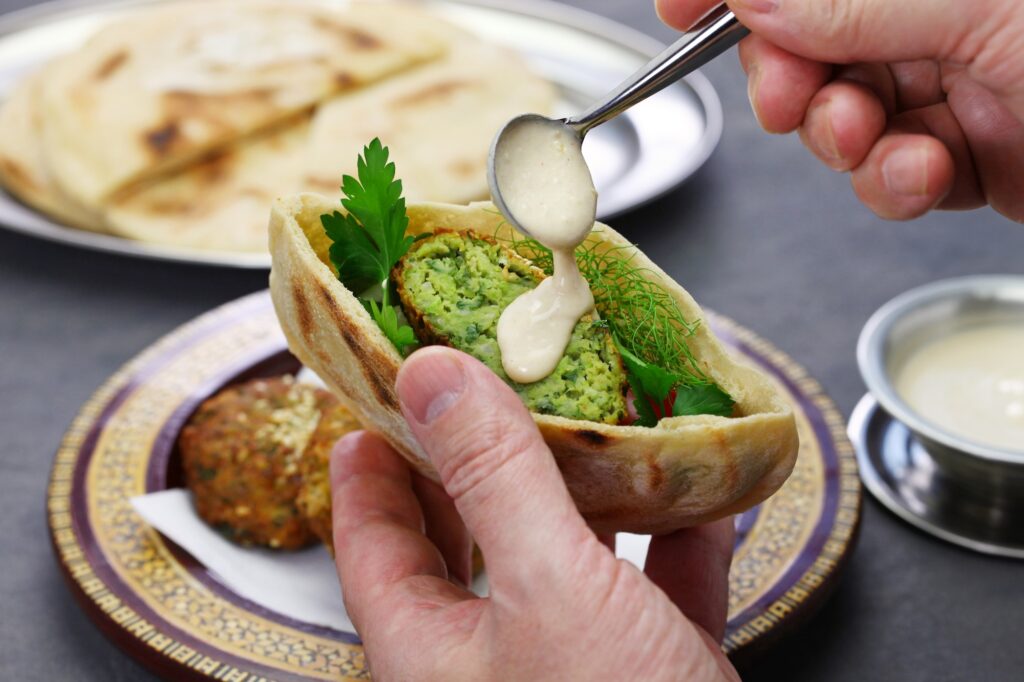
Tamiya, Egypt’s answer to falafel, uses fava beans instead of chickpeas like its Middle Eastern cousins. Vendors shape the mixture into flat discs, frying them until crispy outside and fluffy inside. Fresh parsley, cilantro, and garlic create bright green interiors that contrast beautifully with golden exteriors.
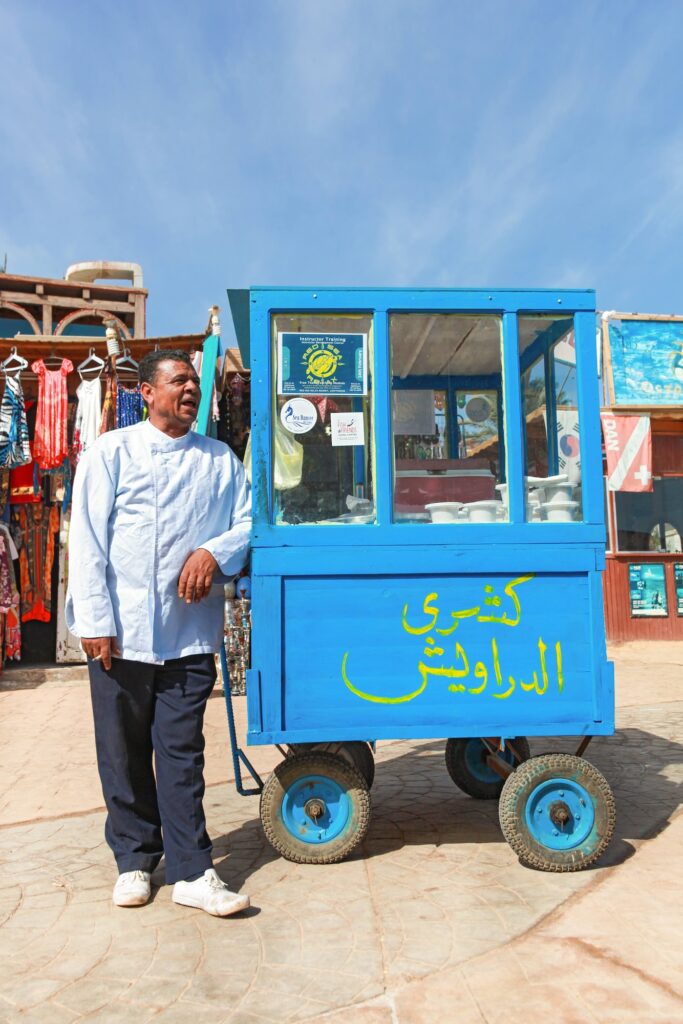
Street vendors position themselves strategically near metro stations, schools, and office buildings. They serve tamiya in pita pockets with tahini, salad, and pickled vegetables. The sandwich costs less than a dollar but provides substantial nutrition and satisfaction.
Grilled corn appears on Cairo streets during summer evenings. Vendors char whole ears over charcoal braziers, brushing them with garlic butter and sprinkling salt. Sweet potatoes roast in mobile ovens during winter months, their warm sweetness providing comfort during cooler weather.
The Economics of Street Food
Street food creates employment opportunities requiring minimal capital investment. A vendor needs basic equipment and prime location access. This accessibility explains why Egyptian streets buzz with food activity from dawn until midnight.
Quality and Safety Standards
Despite informal settings, established street food vendors maintain high standards. Regular customers monitor quality, and word spreads quickly about vendors who compromise safety or taste. Many successful street operations evolve into small restaurants.
Meat Traditions: Grilled Specialties and Feast Foods
Kebab and kofta represent celebration and abundance in Egyptian culinary tradition.
Lamb and beef preparations showcase Egypt’s connection to Bedouin culture and Islamic feast traditions. Kofta—spiced ground meat formed around skewers—requires specific fat-to-lean ratios and spice combinations passed between generations. Cumin, coriander, parsley, and onions create the signature flavor profile that distinguishes Egyptian kofta from regional variations.
Traditional preparation involves charcoal grilling, which imparts smoky flavors impossible to replicate with gas or electric heat. The meat cooks quickly over high heat, sealing juices while developing crusty exteriors. Skilled grillers rotate skewers constantly, ensuring even cooking without drying.
Shawarma arrived through Lebanese influence but adapted to Egyptian tastes. Local versions feature different spice blends and serving styles. Egyptian shawarma often includes pickled turnips and garlic sauce alongside traditional vegetables.
Pigeon as Delicacy
Hamam mahshi—stuffed pigeon—represents luxury dining in Egyptian culture. Young pigeons stuff with seasoned rice, creating dishes reserved for special occasions. The preparation requires skill and patience, explaining its association with celebration meals.
Sweet Endings: Egyptian Desserts and Their Stories
Egyptian desserts are quite light compared to heavy European confections, reflecting the climate and available ingredients.
Um Ali emerged from medieval Egypt with romantic legends surrounding its creation. This warm dessert combines flaky pastry pieces with milk, nuts, and raisins, creating comfort food perfect for winter evenings. Each family guards their Um Ali recipe variations, adjusting sweetness levels and nut combinations to personal preferences.
Baklava in Egypt differs from Greek or Turkish versions through local honey varieties and nut selections. Egyptian bakers use clarified butter instead of regular butter, creating lighter layers that don’t overwhelm the palate. Rosewater provides subtle floral notes that complement rather than dominate the pastry.
Mahalabiya offers cooling relief during hot summers. This milk pudding, thickened with rice flour and flavored with rosewater, serves chilled with pistachios or almonds. Street vendors sell it in small glasses, perfect for afternoon treats.
Konafa represents celebration and holiday traditions. The shredded wheat pastry fills with sweet cheese or nuts, then bakes until golden. Syrup infused with orange blossom water provides the finishing touch that transforms simple ingredients into festive dessert.
Regional Flavors: Alexandria vs Cairo Traditions
Alexandria’s Mediterranean position creates distinct culinary identity separate from inland Egyptian cuisine.
Seafood naturally dominates Alexandrian tables, with preparations that blend Egyptian spices with Mediterranean techniques. Fish stews incorporate tomatoes and herbs in ways that echo Italian influences while maintaining distinctly Egyptian character. The city’s cosmopolitan history—Greek, Italian, and French communities—left lasting marks on local food culture.

Cairo’s inland position emphasizes river fish, poultry, and agricultural products from the Nile Delta. The capital’s food scene reflects Egypt’s heart, where traditional meets modern and ancient recipes survive alongside contemporary innovations. Cairo’s street food density exceeds most world cities, creating competitive environment that maintains quality standards.
Upper Egypt develops its own traditions around different agricultural products. Date cultivation in desert oases creates distinct sweet preparations. Nubian influences introduce spice combinations and cooking techniques not found in northern Egypt.
The Role of Spices: Creating Egyptian Flavor Profiles
Wide use of spices everywhere characterizes authentic Egyptian cooking, though the combinations remain distinctly local.
Cumin appears in nearly every savory dish, providing earthy foundation that anchors other flavors. Black pepper adds heat without overwhelming, while turmeric contributes color and subtle bitterness that balances rich ingredients. Coriander seeds, ground fresh, offer citrusy notes that brighten heavy stews and meat dishes.
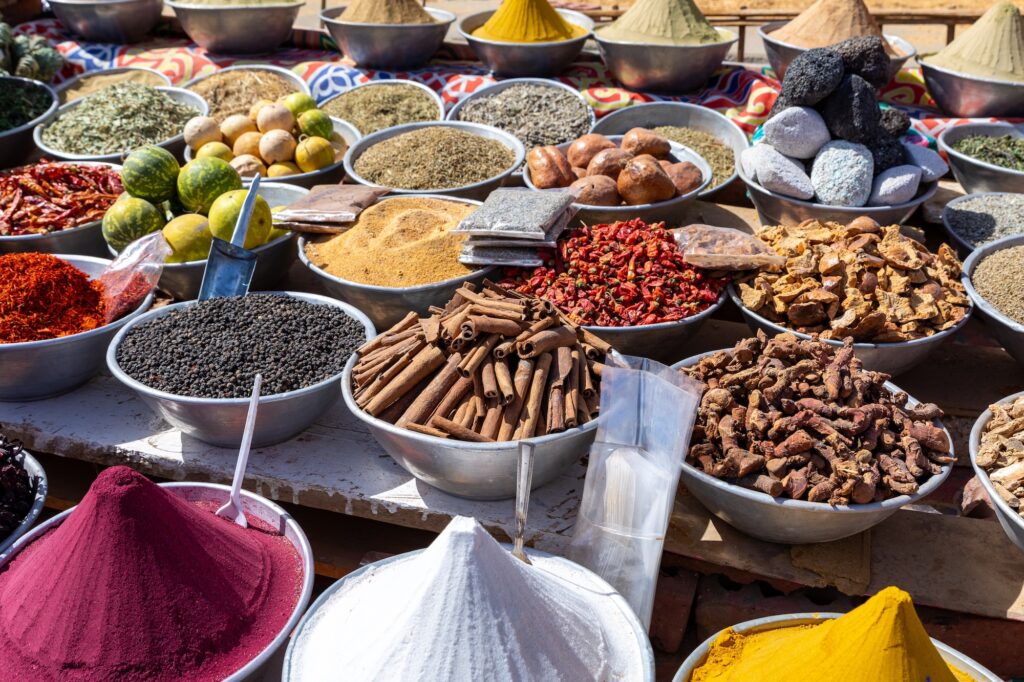
Baharat—Egyptian spice blend—varies by family and region but typically includes allspice, black pepper, cardamom, cinnamon, and nutmeg. This mixture seasons everything from meat marinades to rice dishes, creating the signature warmth that defines Egyptian cuisine.
Fresh herbs play equally important roles. Parsley provides bright contrast to rich foods, while cilantro adds complexity to simple preparations. Dill accompanies fish dishes and appears in rice preparations throughout coastal regions.
Spice Preparation Traditions
Traditional Egyptian cooks buy whole spices and grind them fresh using mortar and pestle. This practice ensures maximum flavor potency and allows for custom blend adjustments. Spice merchants in Khan el Khalili and other traditional markets still operate as they have for centuries, selling high-quality spices in small quantities that ensure freshness.
Vegetarian Heritage: Plant-Based Egyptian Cuisine
Numerous options for vegetarians exist throughout Egyptian cuisine, reflecting both religious fasting traditions and agricultural abundance.
Mahshi represents the pinnacle of vegetarian creativity in Egyptian kitchens. Cooks stuff vegetables—peppers, zucchini, cabbage leaves, grape leaves—with spiced rice mixtures that transform simple ingredients into satisfying meals. The stuffing typically includes rice, herbs, tomatoes, and onions, seasoned with allspice and sometimes pine nuts.
Besarah, a thick soup made from dried fava beans, provides protein-rich comfort during cooler months. Unlike ful medames, besarah uses different bean preparation methods and incorporates more vegetables and herbs. The soup develops complex flavors through slow cooking and careful seasoning.
Molokheya presents unique flavor challenges for newcomers but rewards adventurous eaters. This leafy green vegetable, prepared as thick soup or stew, offers nutrition and distinctive taste that Egyptians consider comfort food. The preparation requires specific cutting techniques and cooking methods to achieve proper consistency.
Coptic Christian Influence
Egyptian Christians observe numerous fasting periods requiring plant-based meals, leading to sophisticated vegetarian cuisine development. These religious traditions preserved and refined techniques that benefit all Egyptian vegetarians, regardless of faith background.
How We Experience Egyptian Cuisine Today
Modern Egyptian restaurants worldwide attempt to recreate these traditional flavors, but authentic experiences require understanding the cultural context that created these dishes.
At Egypt Tours Plus, we’ve spent decades connecting travelers with authentic Egyptian food experiences. Our private guides know which family restaurants serve the best ful medames, where to find hand-rolled koshari made by masters, and which spice merchants offer the highest quality ingredients. This insider knowledge comes from our deep relationships within Egyptian communities and our commitment to sharing genuine cultural experiences.
We arrange cooking classes with local families, market tours with expert guides, and restaurant visits that go beyond tourist-focused establishments. Our travelers taste Egypt’s real flavors while learning the stories behind each dish, creating connections that extend far beyond their visit.
Whether you’re exploring Cairo’s street food scene, learning traditional cooking techniques, or discovering regional specialties during Nile cruise excursions, we ensure your culinary journey reflects Egypt’s authentic food culture. These experiences are an integral part of our carefully curated Egypt tour packages, designed to immerse you in local life while keeping every detail seamless.
Our 24/7 customer support helps navigate dietary requirements and food preferences, while our experienced guides translate not just language but cultural context around every meal.
Frequently Asked Questions
What is the most popular traditional Egyptian breakfast?
Ful medames, slow-cooked fava beans served with olive oil, garlic, and bread, forms the foundation of Egyptian breakfast culture.
How spicy is traditional Egyptian food?
Egyptian cuisine uses warming spices rather than hot peppers, creating complex flavors without overwhelming heat levels.
Are Egyptian dishes suitable for vegetarians?
Yes, many traditional Egyptian dishes are naturally vegetarian, including koshari, mahshi, ful medames, and numerous vegetable-based preparations.
What makes Egyptian bread different from regular pita?
Eish baladi uses whole wheat flour and traditional oven-baking methods, creating thicker, more substantial bread with nutty flavors.
When is the best time to experience Egyptian street food?
Morning hours offer the freshest ful medames and breakfast items, while evening brings grilled specialties and seasonal treats.
How do Egyptian desserts differ from other Middle Eastern sweets?
Egyptian desserts tend to be lighter and less syrup-heavy, often incorporating local honey varieties and subtle floral flavors.
What should first-time visitors try in Egypt?
Start with koshari, ful medames, and fresh Egyptian bread to understand the cuisine’s foundation, then explore regional specialties.
Is Egyptian cuisine safe for travelers with food sensitivities?
Many traditional dishes use simple, identifiable ingredients, making it easier to avoid allergens when dining with knowledgeable local guides.
How important is bread in Egyptian meals?
Bread serves as both food and eating utensil in Egyptian culture, making it essential rather than optional for authentic dining experiences.
What drinks pair well with traditional Egyptian foods?
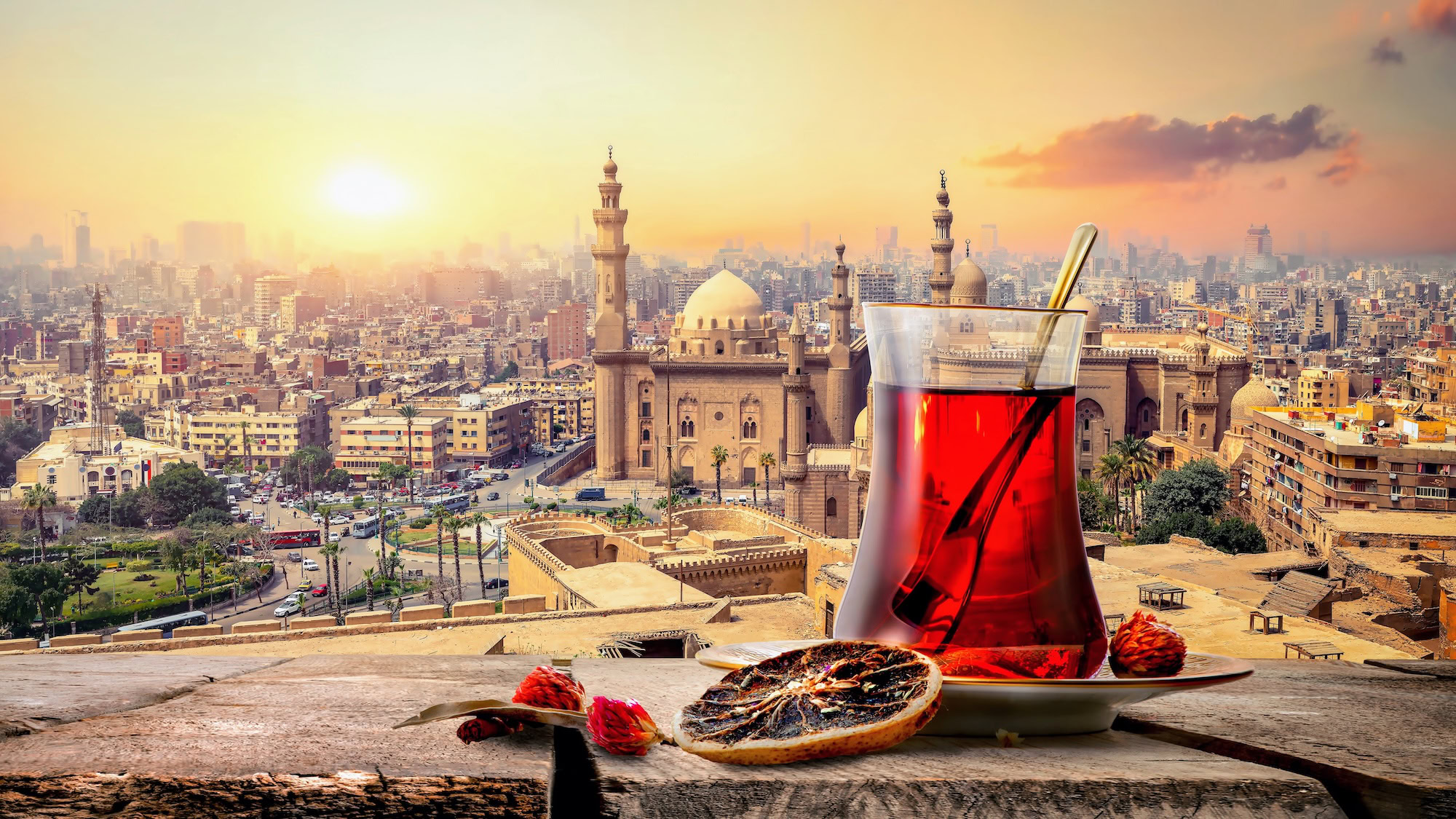
Strong black tea, fresh fruit juices, and hibiscus tea (karkade) complement Egyptian flavors while providing cooling relief.
Can I learn to cook Egyptian dishes during a visit?
Yes, many Egyptian families offer cooking experiences, and local markets provide opportunities to learn ingredient selection and preparation techniques.
How has Egyptian cuisine influenced other food cultures?
Egyptian cooking techniques and ingredient combinations spread throughout the Mediterranean and Middle East through historical trade and cultural exchange.
Explore our most popular guides and expert tips to make your trip safe, smooth, and unforgettable.
Plan Your Egypt Adventure with Confidence
How to Plan a Trip Egypt
Step-by-step guide to help you plan the perfect Egypt trip — from routes and budget to booking.
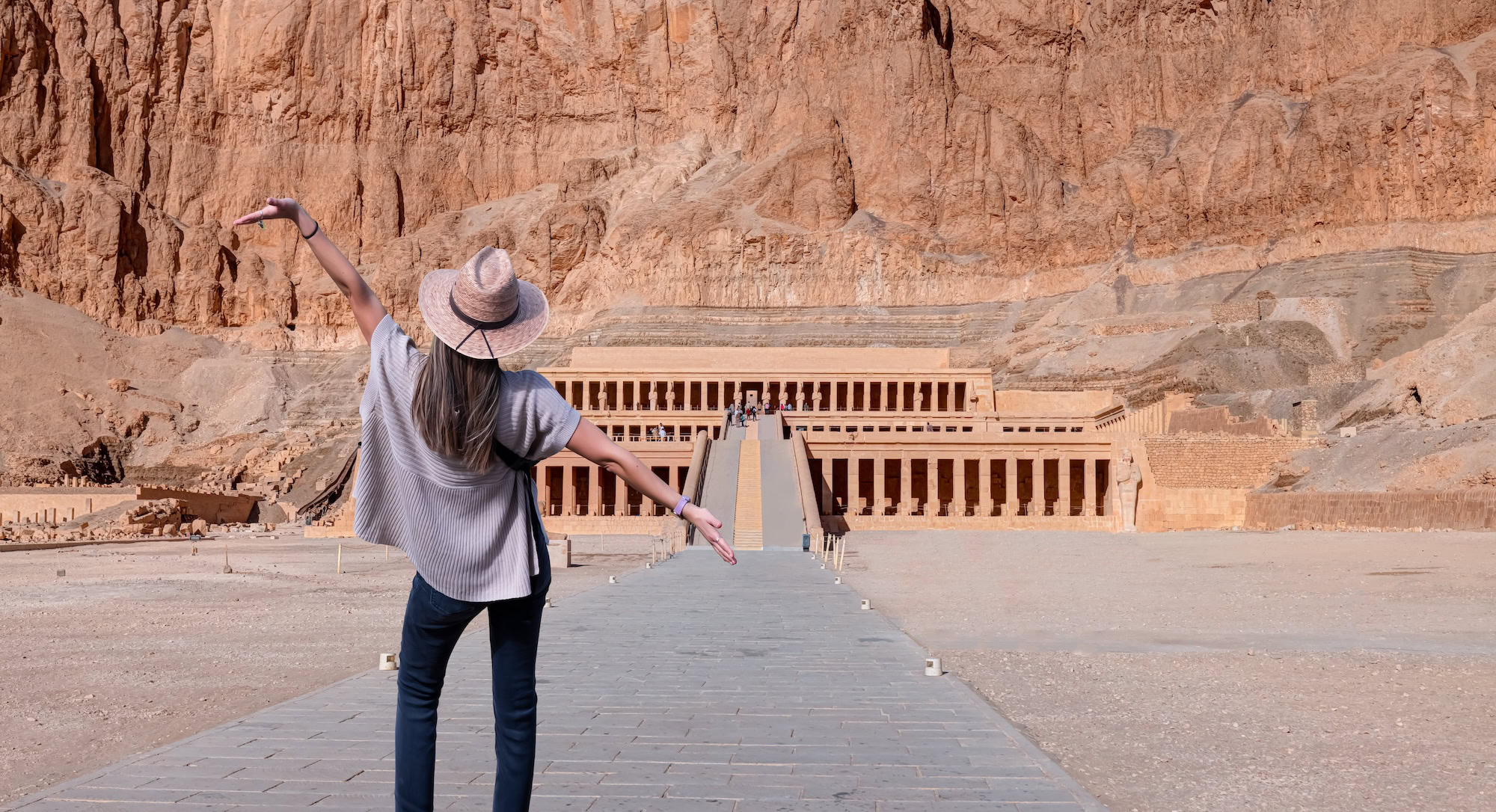
Best Time to Visit Egypt
Learn the best months to visit Egypt based on weather, crowds, and local travel experiences.
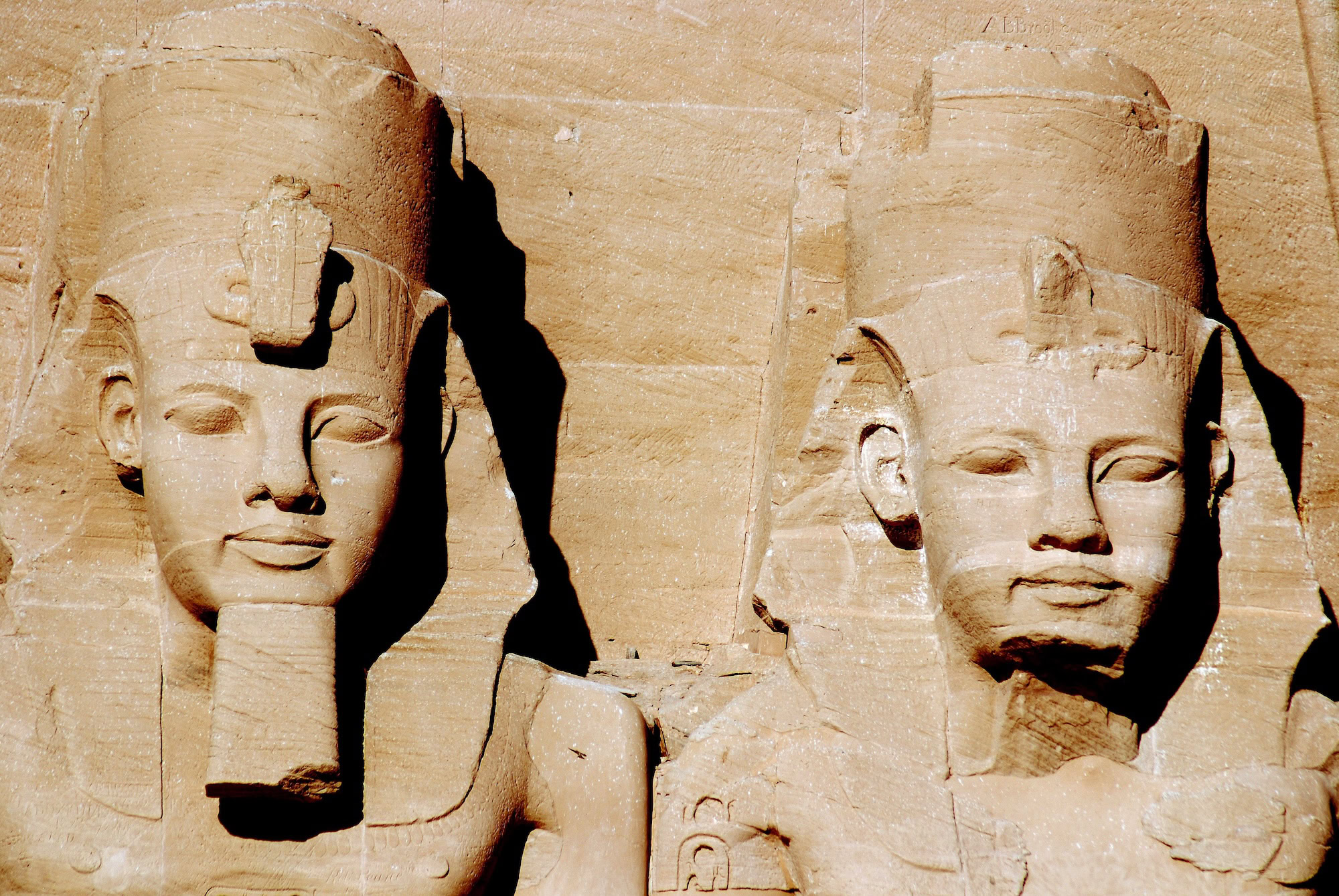
Must Visit Places in Egypt
Explore Egypt’s top sights — from pyramids to temples — and hidden gems worth seeing.
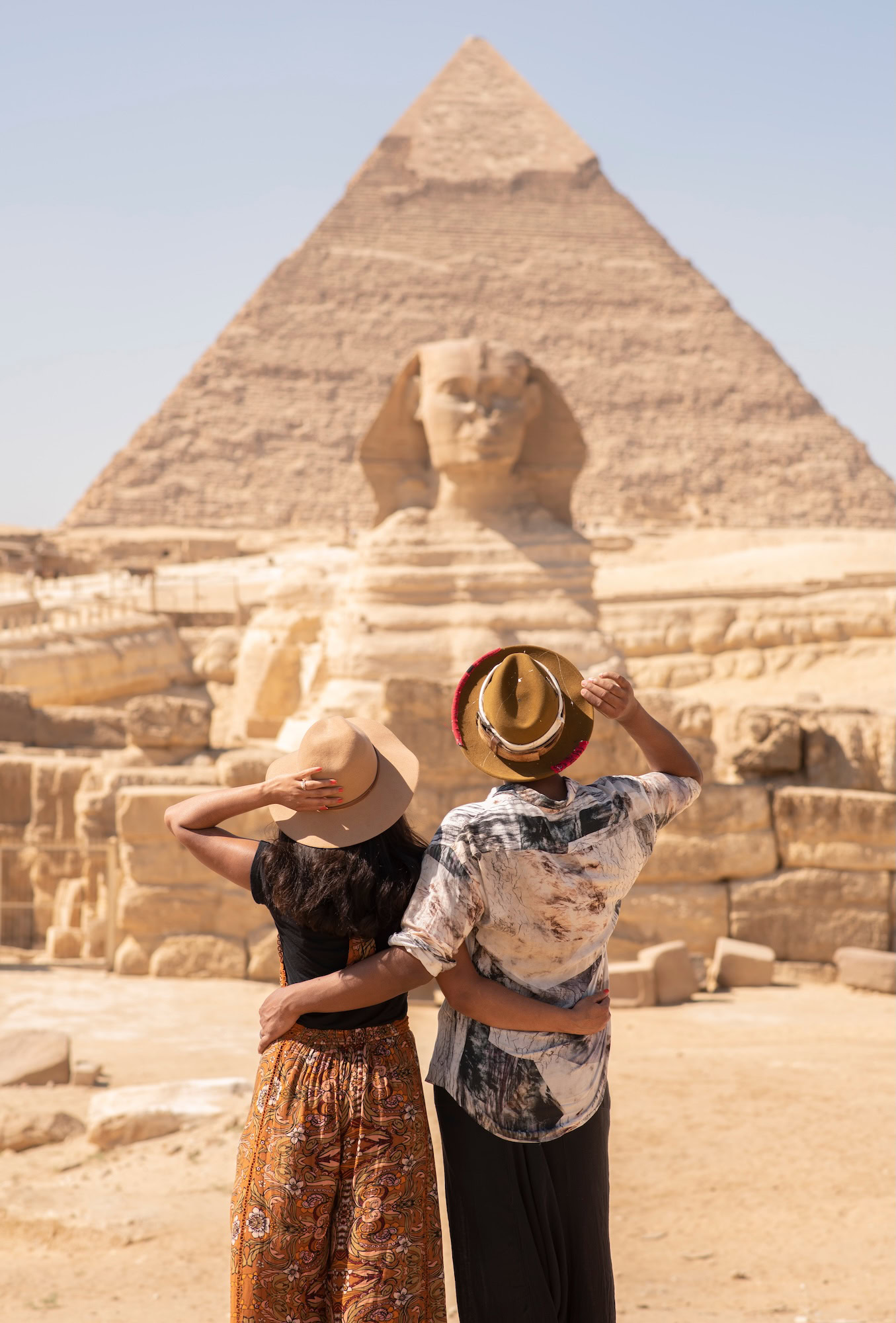
Top-Rated Egypt Tours
Handpicked private tours with local guides — our most loved and best-reviewed experiences.
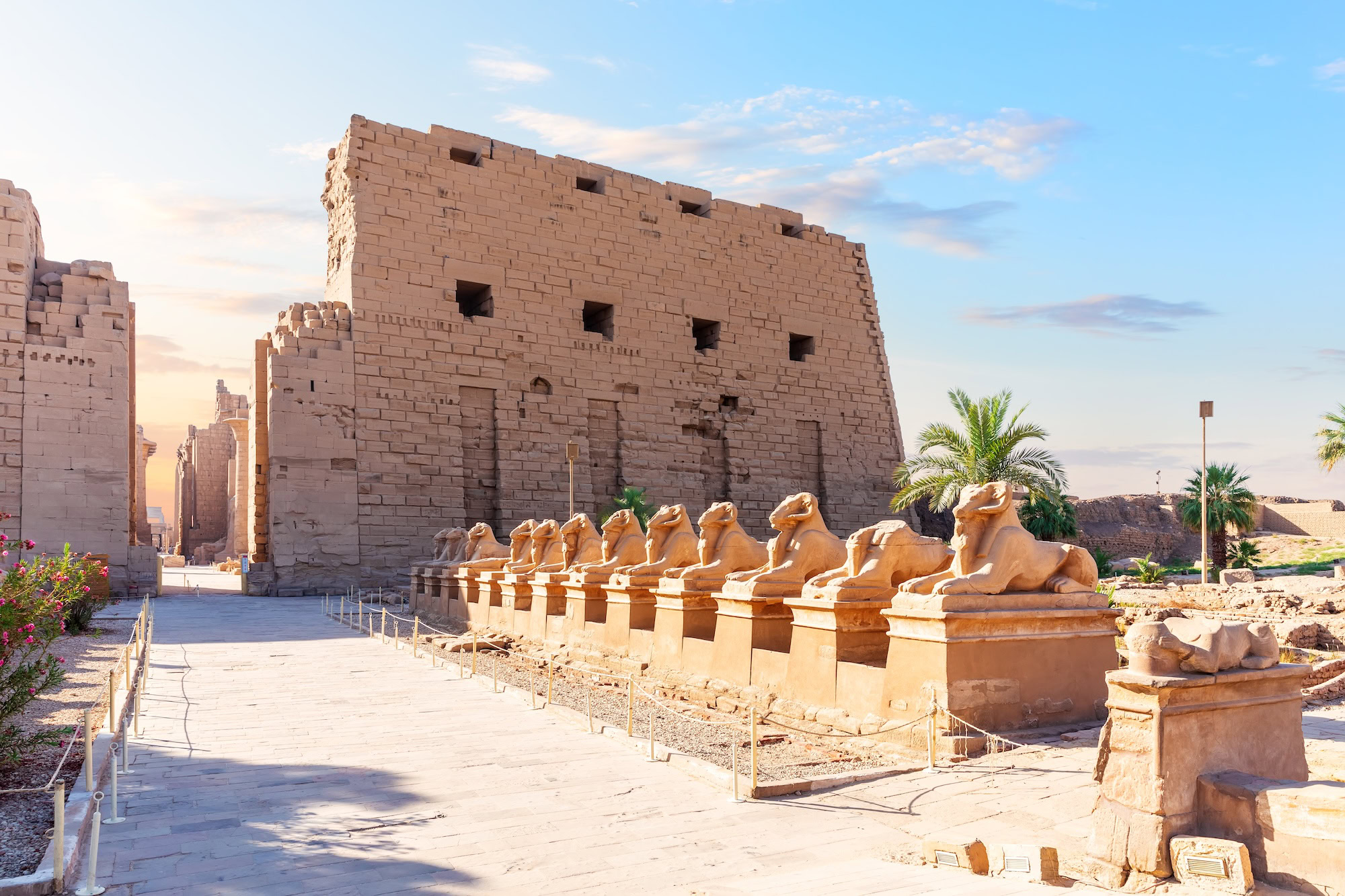
How Many Days to Visit Egypt?
Find out how many days you need in Egypt — from quick trips to full itineraries.
Egypt Visa Requirements
Check if you need a visa and get simple, up-to-date entry info based on your nationality.

Is it Safe to Travel to Egypt?
Is Egypt safe? Get honest safety tips, area advice, and what to know before you travel.

What to Pack for Egypt
A quick packing guide with essentials, cultural tips, and clothing advice for your Egypt trip.



Design Your Custom Tour
Explore Egypt your way by selecting only the attractions you want to visit