What to Wear in Egypt: Outfit Tips That Save You Hassle
Planning what to pack for Egypt shouldn’t feel overwhelming.
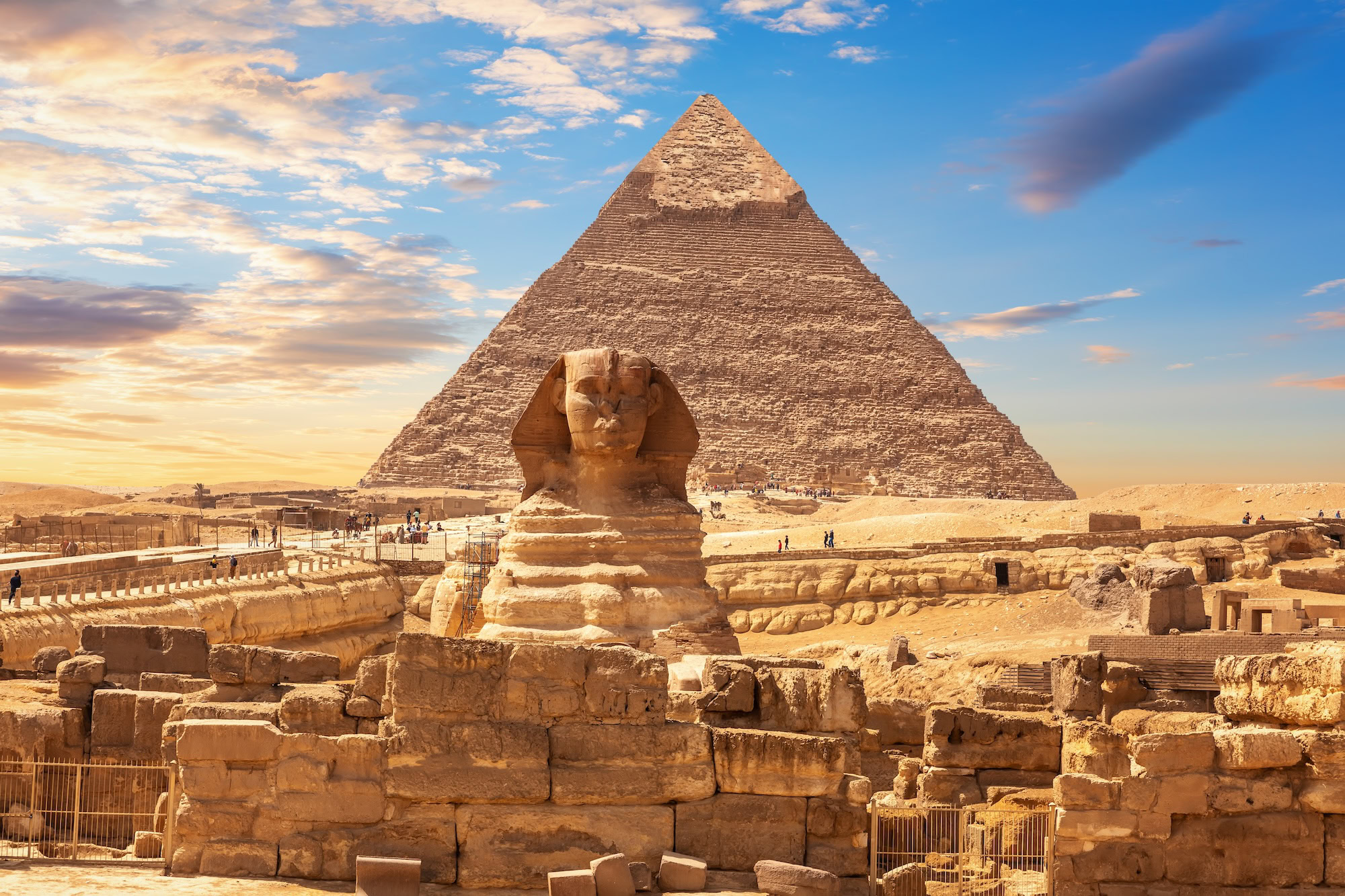
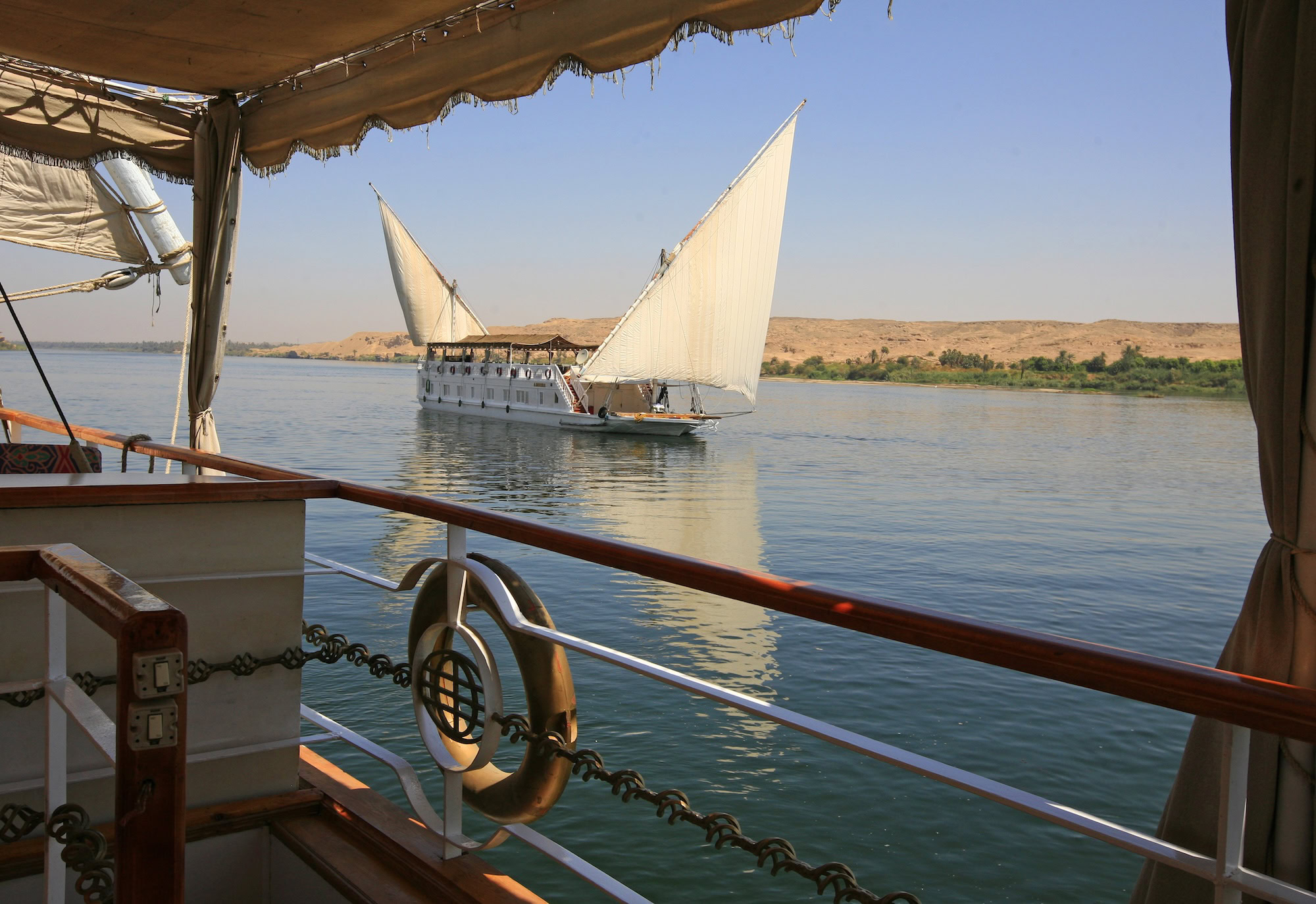
Understanding Egypt’s climate and cultural expectations is essential for a comfortable trip. The country experiences extreme heat in summer and mild temperatures in winter, while conservative dress codes help you show respect for local customs and avoid unwanted attention. Whether you’re exploring ancient pyramids in Cairo, cruising the Nile to Aswan, or relaxing by the Red Sea in Hurghada, the right clothing choices make all the difference.
We’ve gathered practical insights from experienced travelers to help you pack smart and dress appropriately throughout your Egyptian adventure.
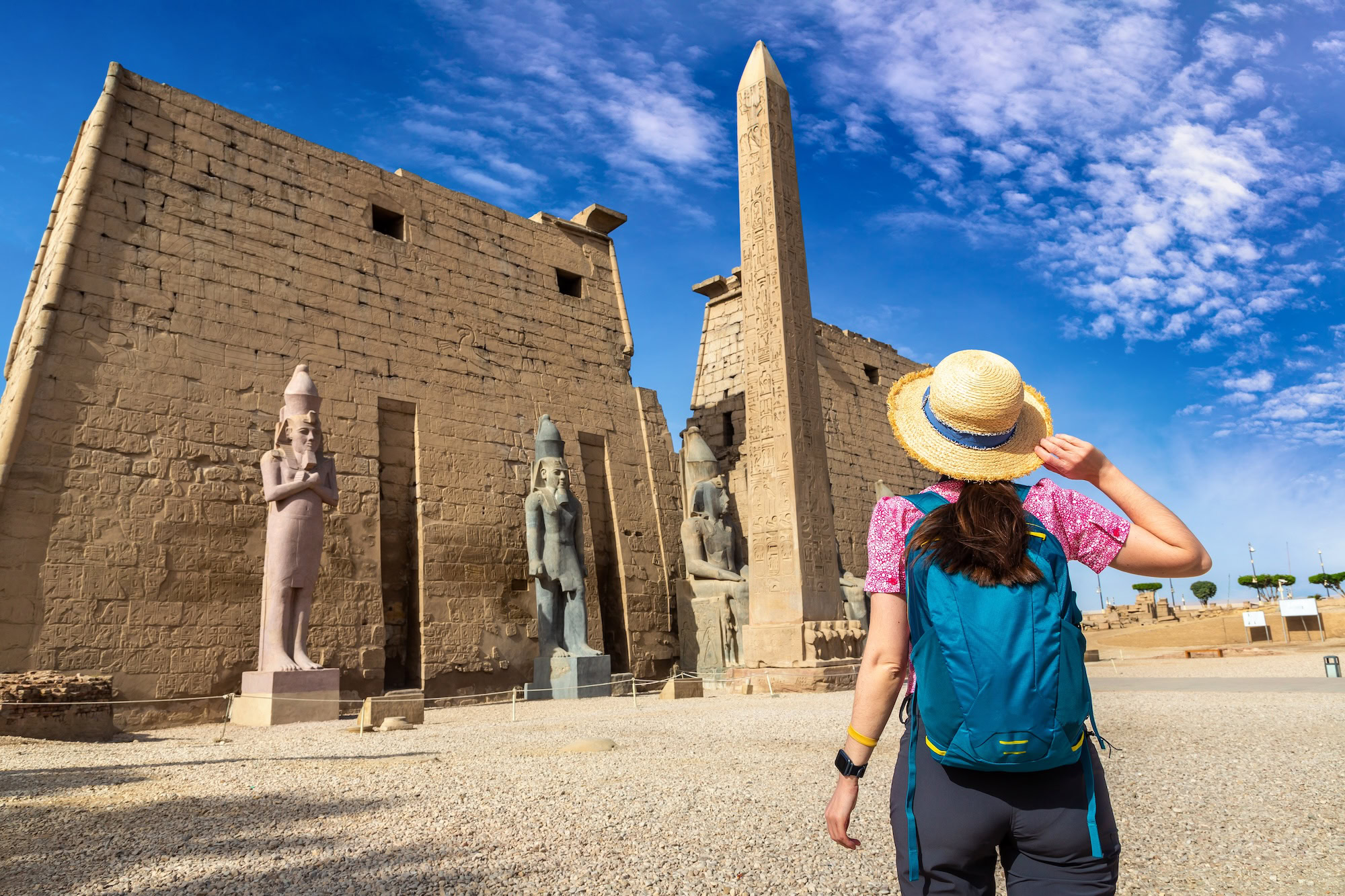
What to Wear in Egypt – Essential Clothing Principles for Egypt Travel
Your Egyptian wardrobe should balance three key elements: cultural respect, comfort in extreme heat, and protection from the desert sun.
Conservative dress is non-negotiable throughout Egypt. This means covering your shoulders, avoiding low necklines, and ensuring skirts or shorts reach at least to your knees. Many travelers find that modest clothing actually provides better sun protection and helps them feel more comfortable in local environments.
Traveling with experienced local guides makes navigating cultural norms effortless.
Our carefully planned Egypt tour packages ensure you’re always prepared for each destination — from bustling cities to sacred sites — so you can focus on enjoying the experience, not second-guessing what to wear.
Choose Breathable Natural Fabrics
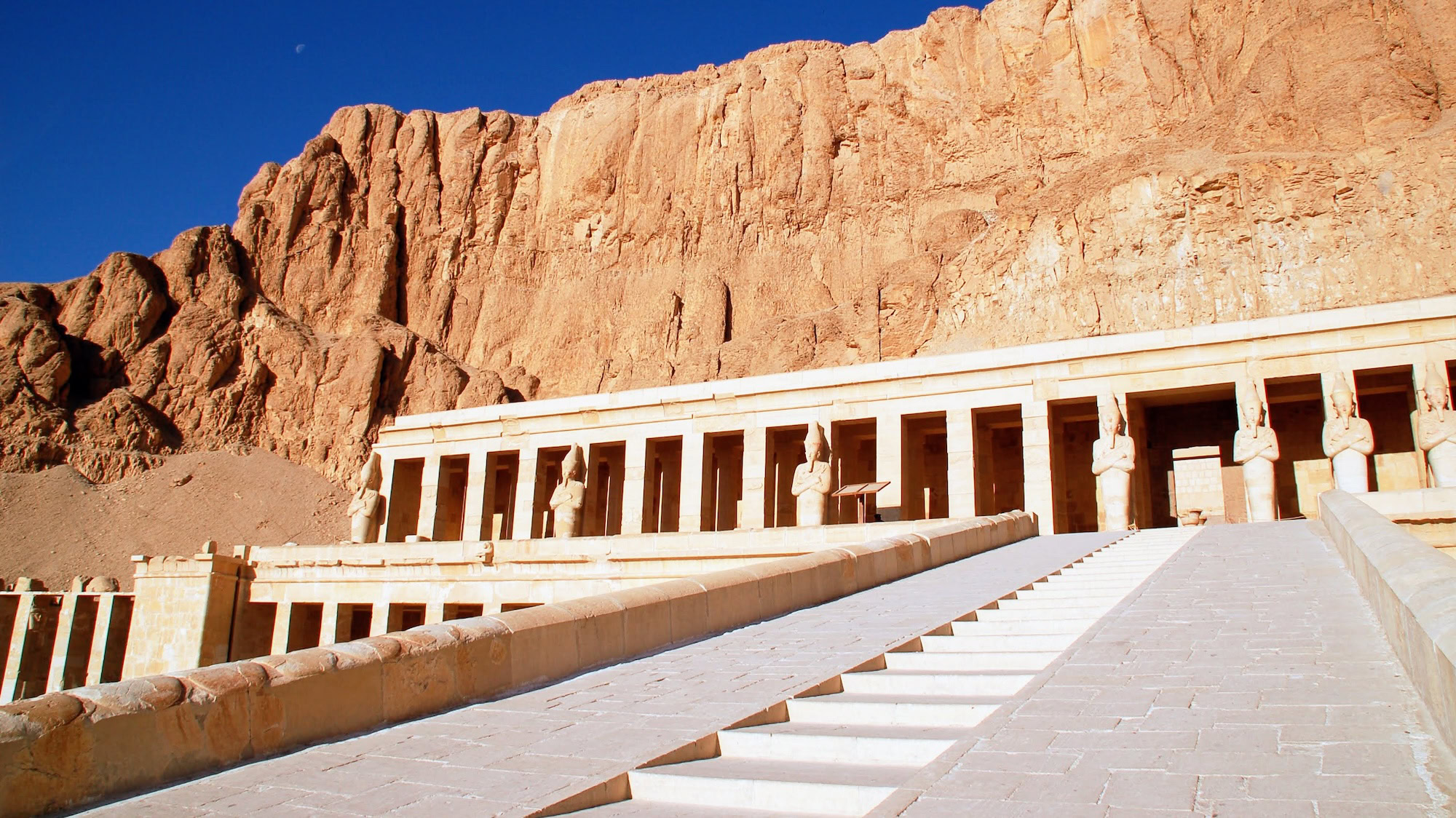
Cotton and linen are your best friends in Egypt’s climate. These natural fibers allow air circulation and wick moisture away from your skin when temperatures soar above 100°F (38°C). Synthetic materials trap heat and can become unbearably sticky during long sightseeing days at places like Luxor or the Valley of the Kings.
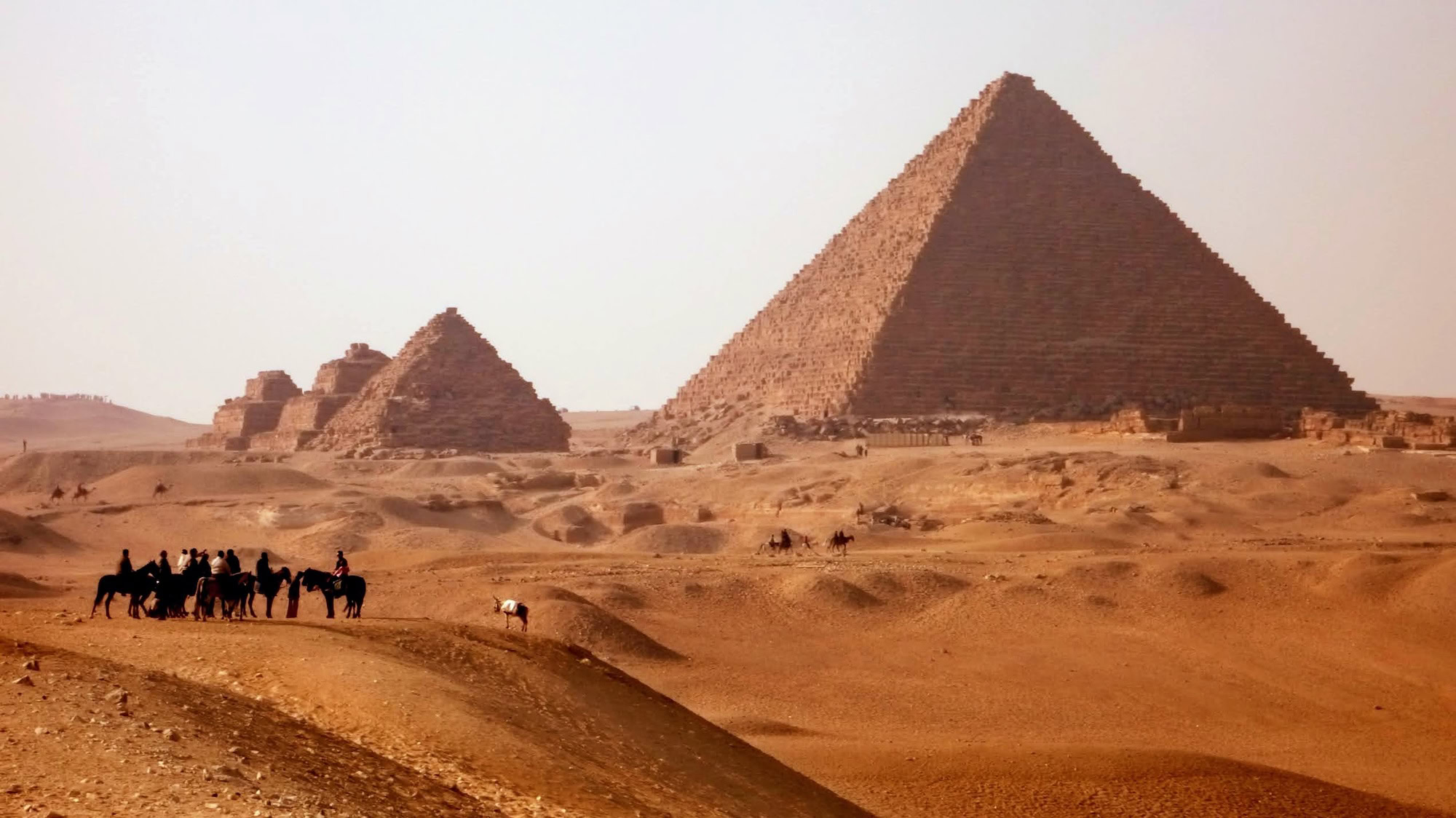
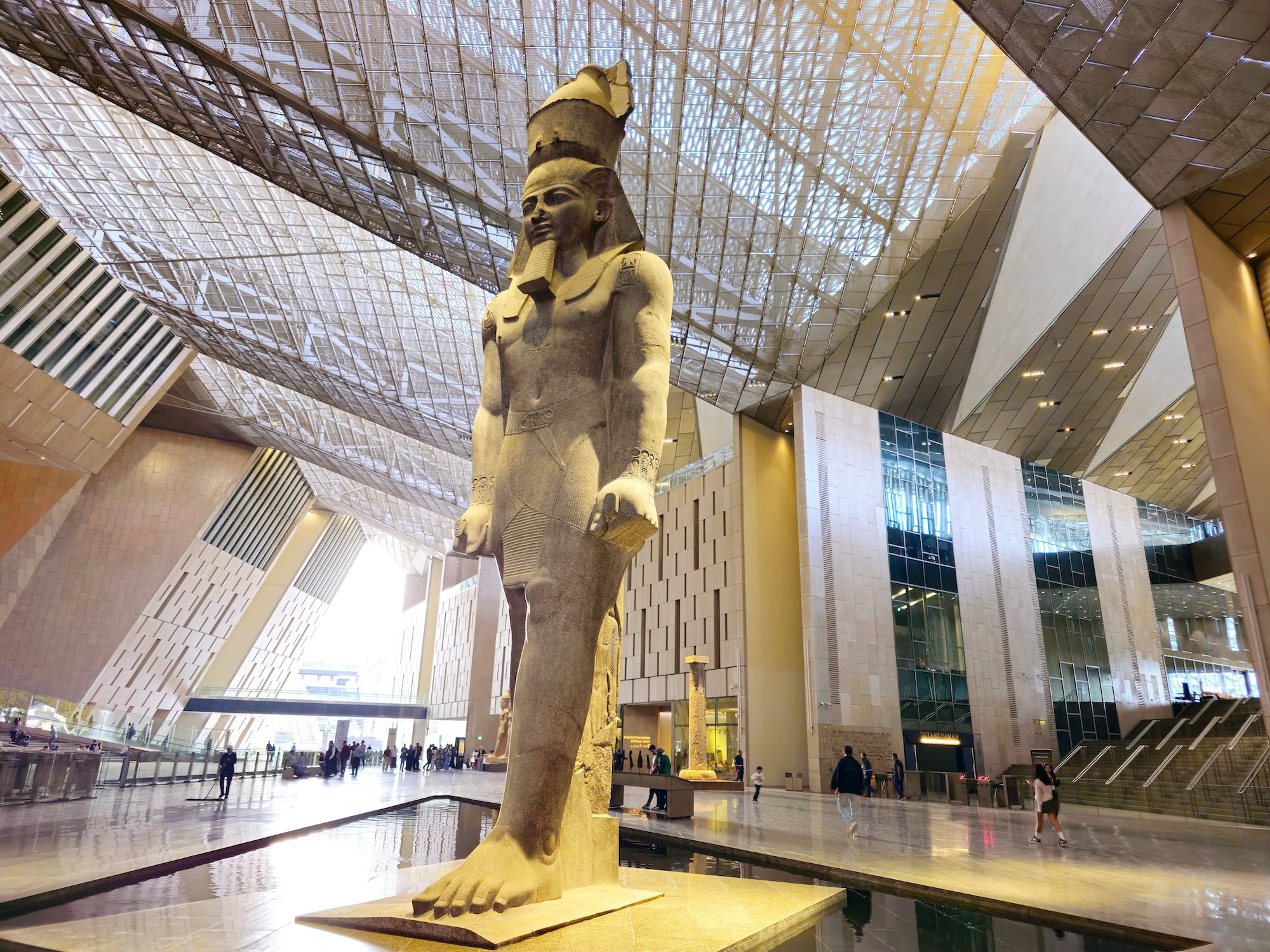
Loose-fitting garments work better than tight clothes. A flowing linen shirt feels infinitely more comfortable than a fitted top when you’re walking through the Egyptian Museum or exploring the pyramids of Giza.
Master the Art of Layering
Desert climates experience dramatic temperature swings. While daytime temperatures might reach 95°F (35°C), evenings can drop to 60°F (15°C) or lower, especially during winter months from December through February.
Pack lightweight cardigans or pashminas for air-conditioned spaces, evening dinners, and cooler morning starts. Many mosques and religious sites maintain cool interiors that contrast sharply with outdoor heat.
Protect Yourself from Intense Sun
The Egyptian sun is relentless, particularly between 10:00 am (10:00) and 4:00 pm (16:00). Long sleeves actually keep you cooler than exposed skin while preventing painful sunburn. Choose shirts with UPF protection when possible, and don’t forget a wide-brimmed hat that covers your face and neck.
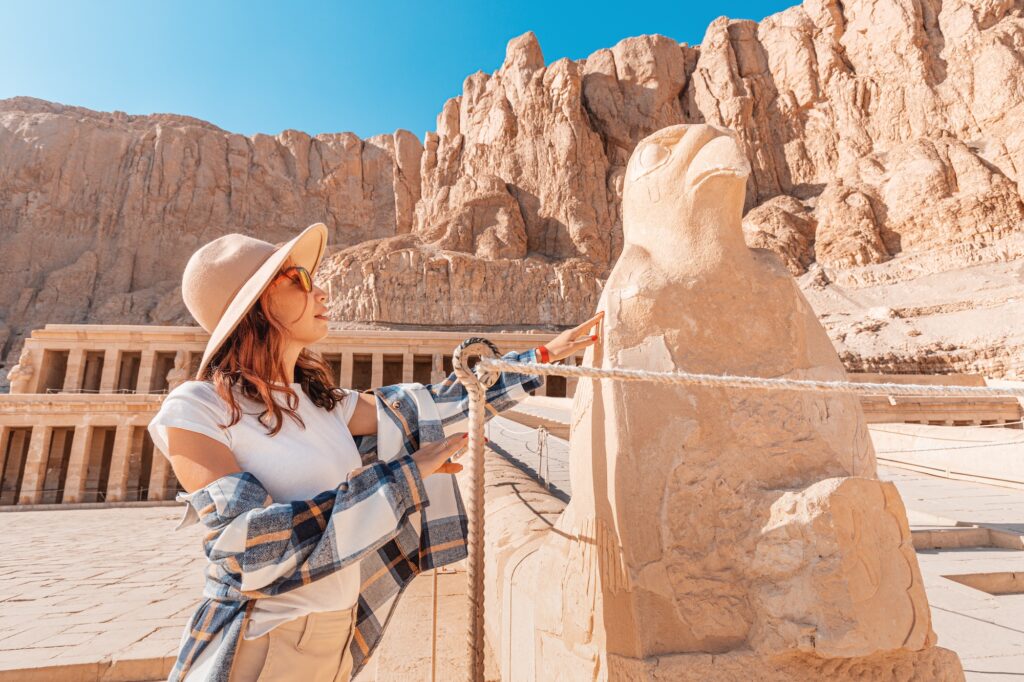
Women’s Packing Essentials by Category
Planning your Egyptian wardrobe becomes simpler when you organize items by category and consider how each piece serves multiple purposes.
Tops and Upper Body Coverage
Pack four to five long-sleeved shirts in light colors like white, cream, or pale blue. These reflect heat better than dark colors and hide sweat stains effectively. Include at least two short-sleeved blouses for layering under cardigans during cooler evenings.
One lightweight blazer or kimono-style jacket serves multiple functions – it’s perfect for upscale restaurants, covers bare shoulders in religious sites, and provides warmth during Nile cruise evenings.
Dresses and One-Piece Options
Maxi dresses are incredibly practical for Egypt travel. They provide full coverage while remaining comfortable in heat, and you can dress them up with accessories for nicer dinners or down for casual sightseeing.
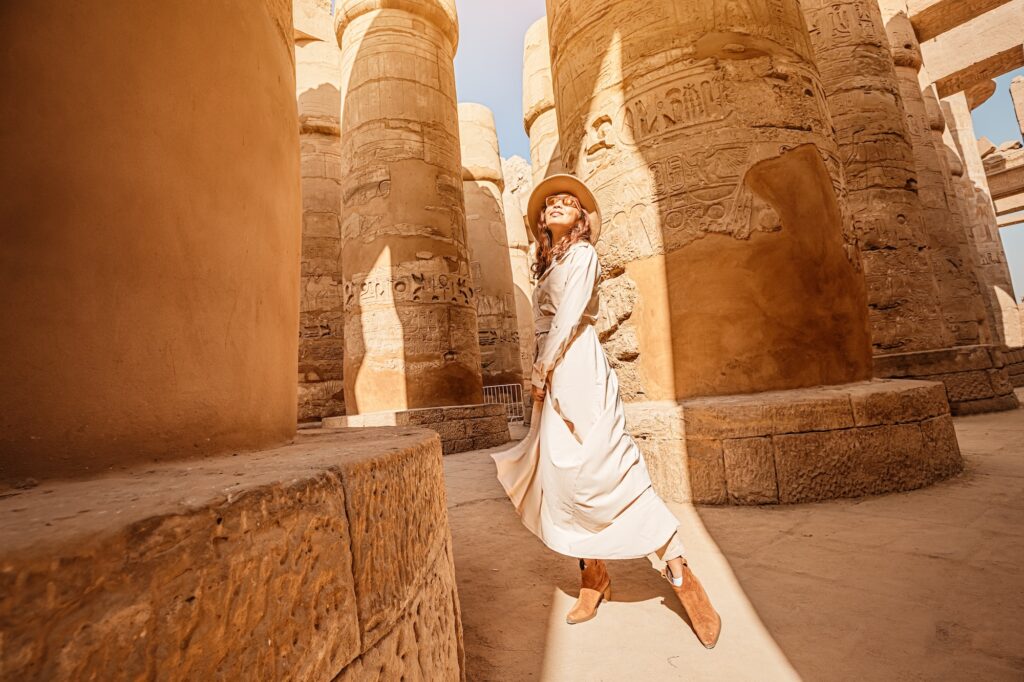
Pack two to three midi or maxi dresses in breathable fabrics. Wrap-style dresses offer adjustable coverage and flattering fits for different body types. Avoid anything sleeveless or with revealing necklines.
Jumpsuits work well for active days when you’ll be climbing pyramid steps or walking through archaeological sites. Choose styles with sleeves and modest necklines that won’t restrict movement.
Bottom Half Essentials
Loose-fitting pants in linen or cotton serve you well throughout Egypt. Wide-leg trousers allow air circulation while providing complete coverage. Pack three pairs in neutral colors that coordinate with your tops.
Palazzo pants or culottes offer the comfort of wide-leg styles with easier packing. These pieces transition seamlessly from day tours to evening activities.
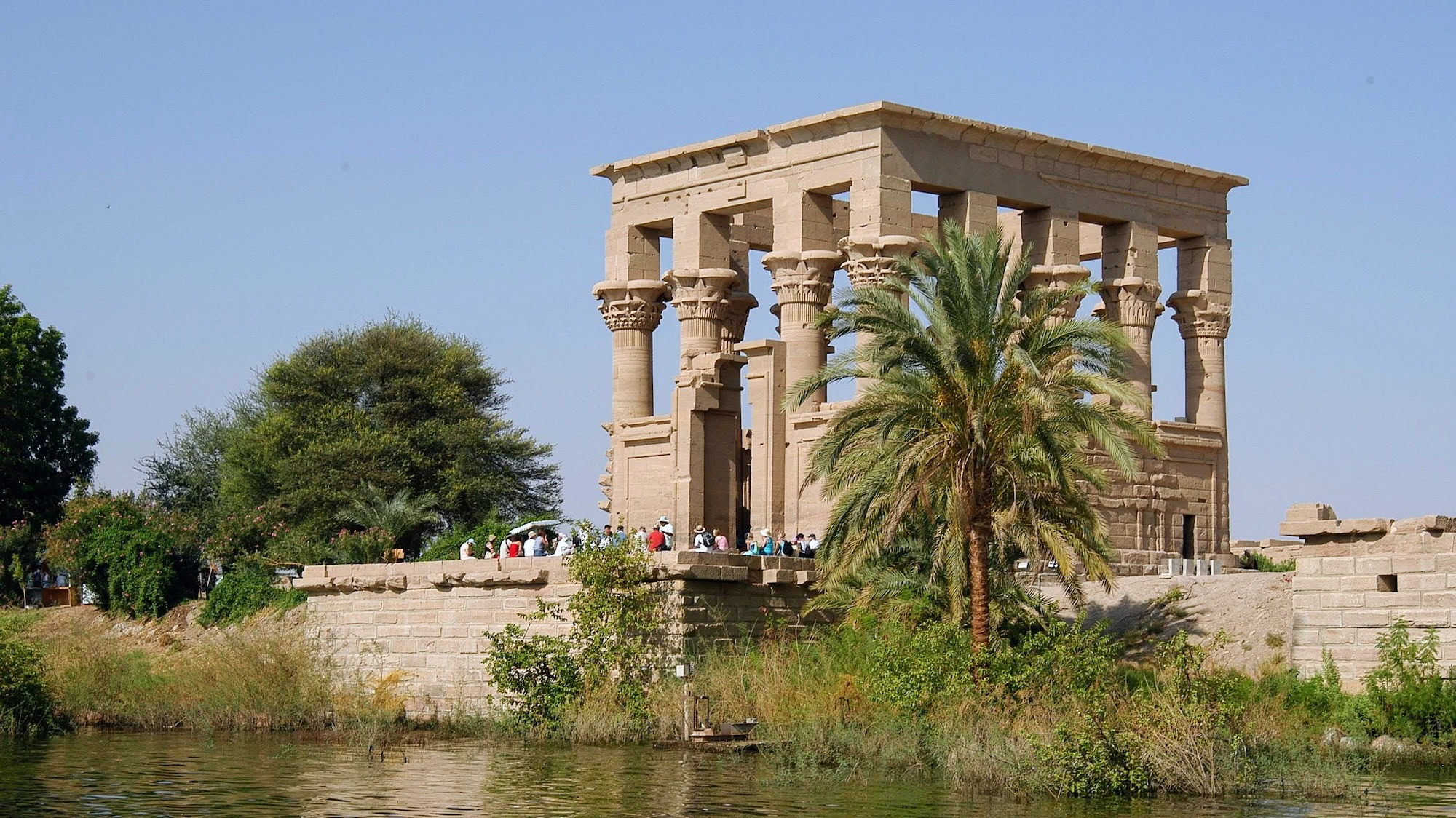
Long maxi skirts provide feminine options that meet cultural expectations. Choose A-line or straight cuts that won’t catch in desert winds or create walking difficulties on uneven temple grounds.
Men’s Egypt Wardrobe Strategy
Egyptian heat affects men differently than women, but the same principles of conservative dress and sun protection apply throughout your journey.
Men enjoy more flexibility in clothing choices while still respecting local customs. Shorts are generally acceptable for tourists, though they should reach at least to the knee. Tank tops and sleeveless shirts are inappropriate in most settings, particularly when visiting mosques or dining in upscale restaurants.
Lightweight chinos or cotton pants work for virtually every situation. Pack three pairs in neutral tones like khaki, navy, or olive. These fabrics breathe well while looking appropriate for both casual exploration and nicer evening venues.
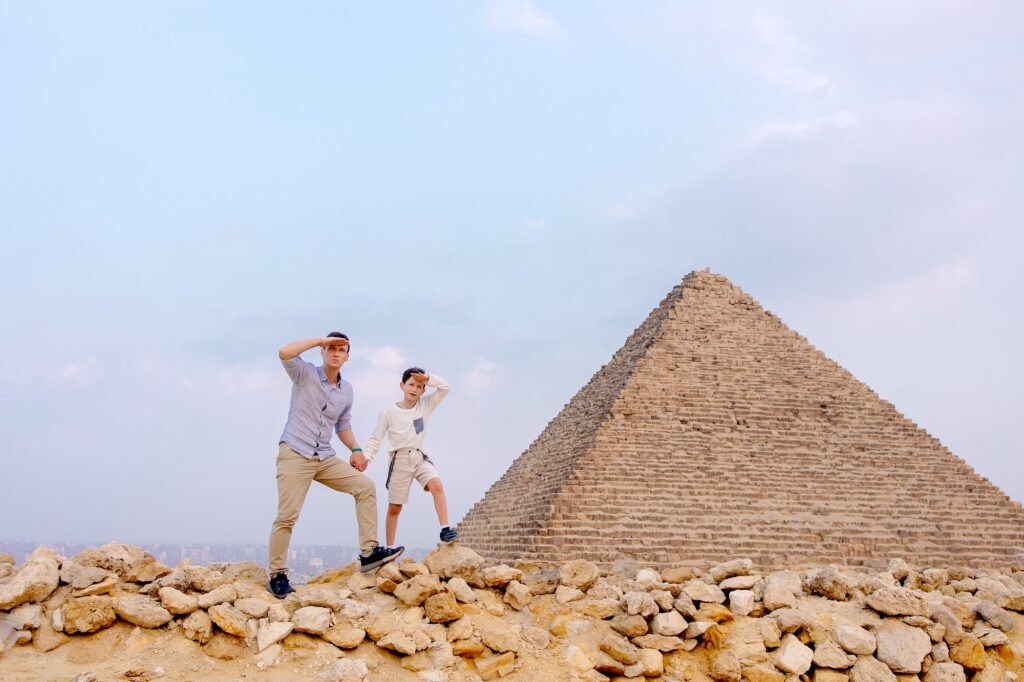
Long-sleeved cotton shirts protect against sun exposure and provide coverage for religious sites. Choose light colors and loose fits for maximum comfort during hot afternoons in places like Abu Simbel or the temples of Karnak.
Short-sleeved collared shirts offer a smart-casual option that works for most activities. Polo shirts or button-downs in breathable fabrics serve you well for sightseeing, casual dinners, and boat excursions along the Nile.
Pack comfortable knee-length shorts for very casual moments, though long pants remain more versatile and culturally appropriate for most situations. Swimming shorts are essential if your itinerary includes Red Sea beaches or hotel pools.
Footwear for Every Egyptian Adventure
Your feet will carry you through countless Egyptian wonders, from the narrow passages inside pyramids to the bustling streets of Islamic Cairo.
Hiking Sandals: Your Secret Weapon
Quality hiking sandals with thick, supportive soles are essential for Egypt travel. They provide foot protection while allowing air circulation in extreme heat. Many experienced travelers consider them the single most important clothing item for Egyptian adventures.
Look for sandals with adjustable straps, cushioned footbeds, and non-slip soles. You’ll wear these constantly during outdoor sightseeing, walking tours, and casual activities.
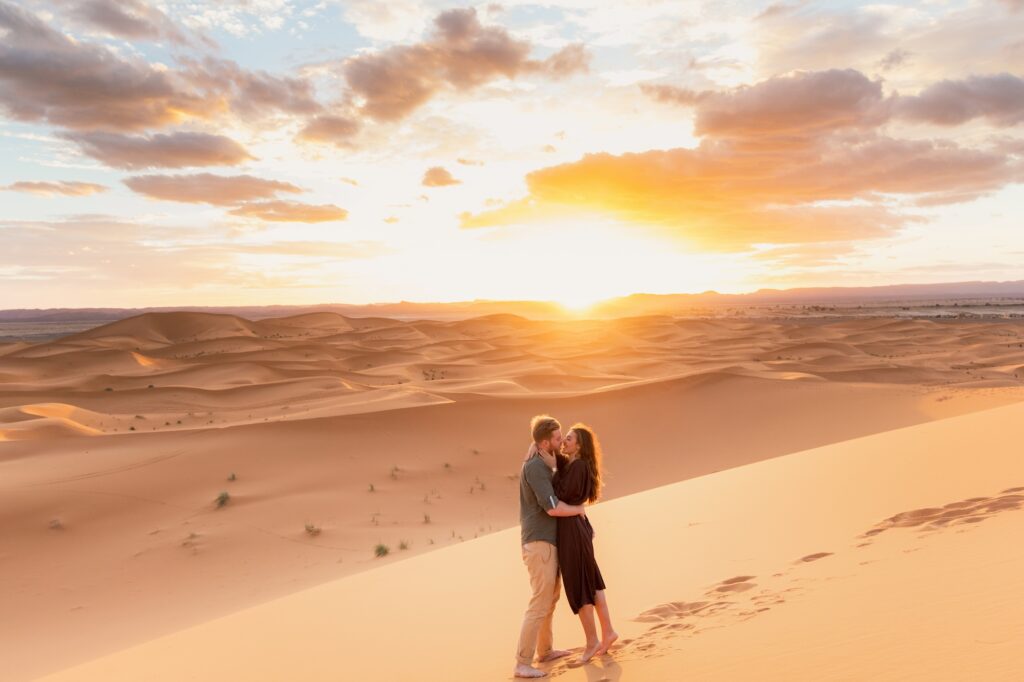
Closed-Toe Options for Versatility
Pack one pair of comfortable walking shoes for situations requiring more foot protection. Temple visits, archaeological sites with rough terrain, and upscale restaurants often call for closed-toe footwear.
Choose lightweight sneakers or breathable canvas shoes rather than heavy hiking boots. Your feet will thank you when walking across hot sand or climbing steep steps at sites like the Step Pyramid of Djoser.
Casual loafers or slip-on shoes work well for evening activities and air-conditioned indoor spaces. Avoid anything with complicated laces or straps that become annoying during frequent shoe removal at mosque visits.
Beach and Water Activities
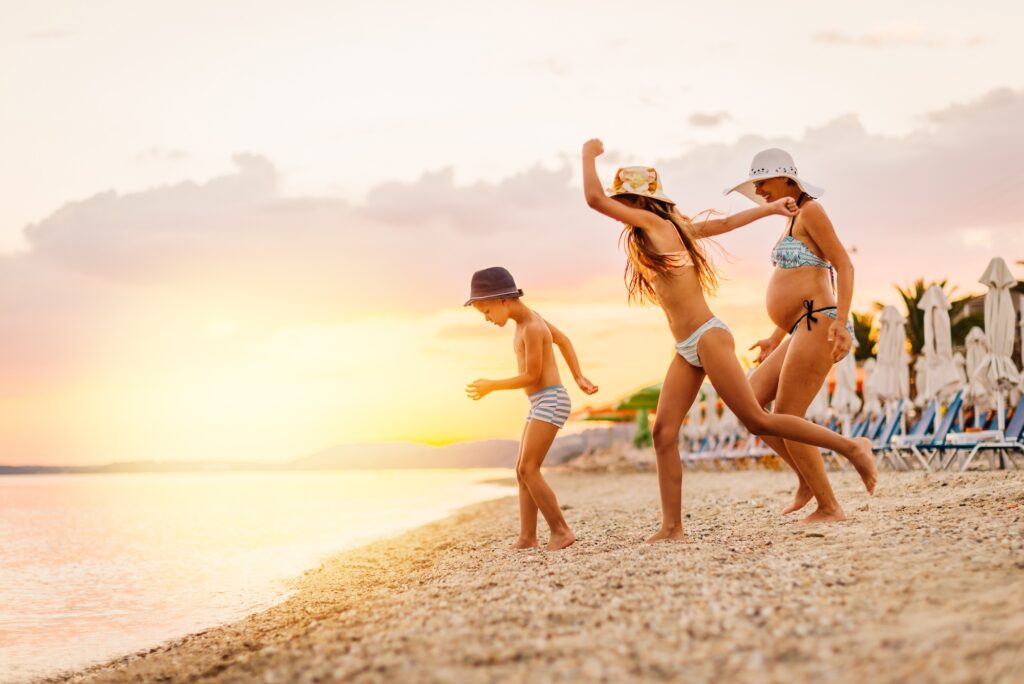
If your Egyptian itinerary includes Red Sea destinations like Sharm El Sheikh or beach time along the Mediterranean coast, pack appropriate water shoes and flip-flops. Coral reefs require protective footwear for swimming and snorkeling activities.
Seasonal Variations and Regional Differences
Egypt’s vast territory experiences different weather patterns depending on location and time of year, requiring slight adjustments to your packing strategy.
Winter travel from December through February brings cooler temperatures, especially in northern cities like Alexandria. Daytime temperatures range from 65-75°F (18-24°C), while evenings can drop to 50°F (10°C). Pack additional layers including a warm jacket or sweater for these months.
Summer travel from June through August presents extreme heat challenges. Temperatures regularly exceed 100°F (38°C) in Upper Egypt destinations like Aswan and Luxor. Focus entirely on lightweight, breathable clothing and maximum sun protection during these months.
Spring and fall offer ideal traveling conditions with moderate temperatures ranging from 75-85°F (24-29°C). These seasons allow more wardrobe flexibility and comfortable outdoor exploration.
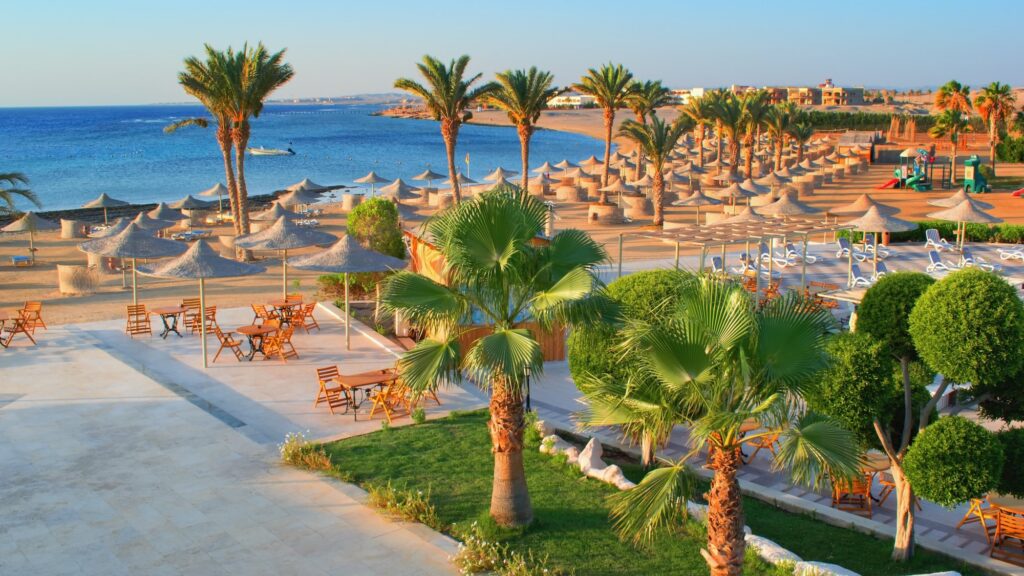
Northern Egypt along the Mediterranean coast experiences milder temperatures and occasional rain during winter months. Southern regions near the Sudanese border remain hot year-round with minimal seasonal variation.
Red Sea coastal areas maintain warm temperatures throughout winter, making them popular escape destinations for European visitors seeking beach weather.
Desert Climate Considerations
Egypt’s desert environment creates unique challenges beyond simple temperature concerns. Sand and dust penetrate everything, making dark colors practical for hiding inevitable dirt accumulation.
Extreme dryness affects fabric choices and skin comfort. Natural fibers handle arid conditions better than synthetics, which can become clammy and uncomfortable.
Sudden wind storms occasionally bring sand clouds that make breathing difficult without face protection. A lightweight scarf serves multiple purposes including impromptu face covering during these weather events.
Accessories and Final Details
Strategic accessory choices enhance your comfort and cultural appropriateness throughout Egypt while solving practical travel challenges.
A versatile scarf ranks among the most important accessories for Egyptian travel. It provides head covering for mosque visits, shoulder coverage for conservative dress requirements, and protection against sand and sun. Choose lightweight cotton or linen in neutral colors that coordinate with multiple outfits.
Sunglasses with strong UV protection are absolutely essential. The intense desert sun and bright sand reflections can cause eye damage and severe headaches without proper eye protection.
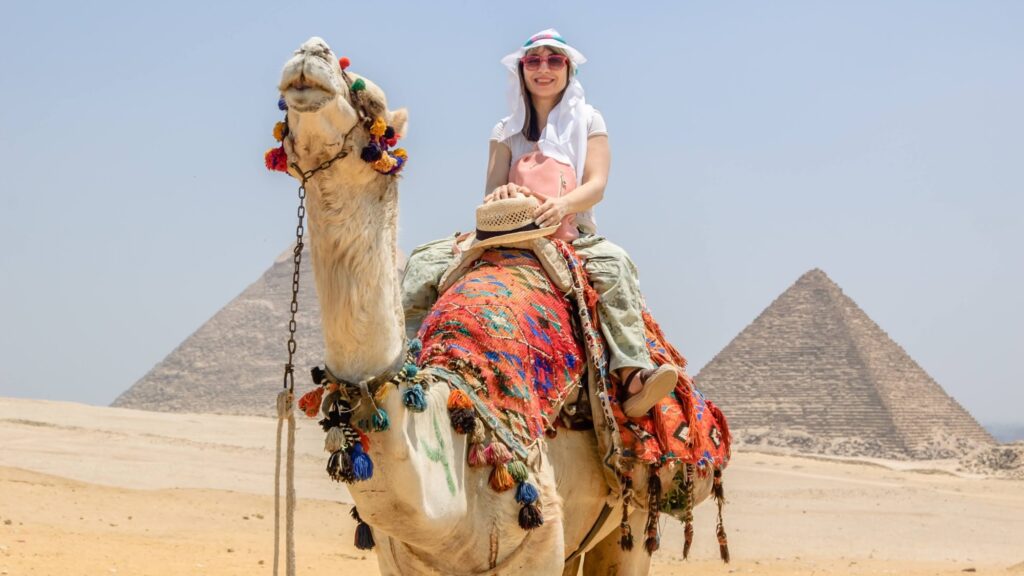
A wide-brimmed hat or cap protects your face, neck, and scalp from burning. Baseball caps work for men, while women should consider broader brims for better coverage. Foldable styles pack more efficiently in luggage.
Anti-chafing shorts prevent uncomfortable rubbing during long walking days in hot weather. Pack two pairs of these invisible essentials that wear under dresses or loose pants.
Quality sunscreen with high SPF requires frequent reapplication in Egyptian conditions. Choose water-resistant formulas that won’t wash off during sweaty sightseeing activities or boat excursions.
A small daypack or crossbody bag keeps essentials secure during crowded market visits or busy tourist sites. Choose something with zipper closures and wear it across your body for pickpocket protection.
Cultural Accessories
A modest pashmina or large scarf serves multiple cultural functions. Many Egyptian women appreciate when female visitors make efforts to cover their hair when entering religious spaces or conservative neighborhoods.
Simple, understated jewelry works best throughout Egypt. Avoid displaying expensive pieces that attract unwanted attention or mark you as a wealthy tourist target.
Modest swimwear is essential for Red Sea activities or hotel pools. One-piece suits or modest two-piece options with additional coverage show cultural sensitivity even in resort environments.
Frequently Asked Questions
What should I absolutely avoid wearing in Egypt?
Avoid revealing clothing like tank tops, short shorts, low-cut tops, or anything transparent.
Are shorts acceptable for tourists in Egypt?
Knee-length or longer shorts are generally acceptable for tourists, especially men.
Do I need to cover my hair as a female tourist?
Hair covering isn’t required for tourists, but bring a scarf for mosque visits.
What fabrics work best in Egyptian heat?
Cotton and linen are ideal as they breathe well and wick moisture effectively.
Should I pack formal clothes for Egypt?
Pack one semi-formal outfit for upscale restaurants and hotel dinners.
What type of shoes are most important for Egypt?
Quality hiking sandals with thick, supportive soles are absolutely essential for comfort.
How many outfits should I pack for a week in Egypt?
Pack 5-7 complete outfits for a week-long trip due to frequent changes.
Are jeans appropriate for Egypt travel?
Lightweight cotton jeans work for cooler months, avoid heavy denim in summer.
Do dress codes vary between Egyptian cities?
Tourist areas have more relaxed codes than traditional cities like Cairo.
What should I wear for desert excursions?
Pack long pants, long sleeves, closed shoes, hat, sunglasses and scarf for protection.
Can I wear sleeveless dresses if I bring a cover-up?
Yes, but ensure your cover-up provides full shoulder coverage with modest necklines.
How important are light-colored clothes in Egypt?
Very important as light colors reflect heat and hide dust better than dark colors.
Explore our most popular guides and expert tips to make your trip safe, smooth, and unforgettable.
Plan Your Egypt Adventure with Confidence
How to Plan a Trip Egypt
Step-by-step guide to help you plan the perfect Egypt trip — from routes and budget to booking.
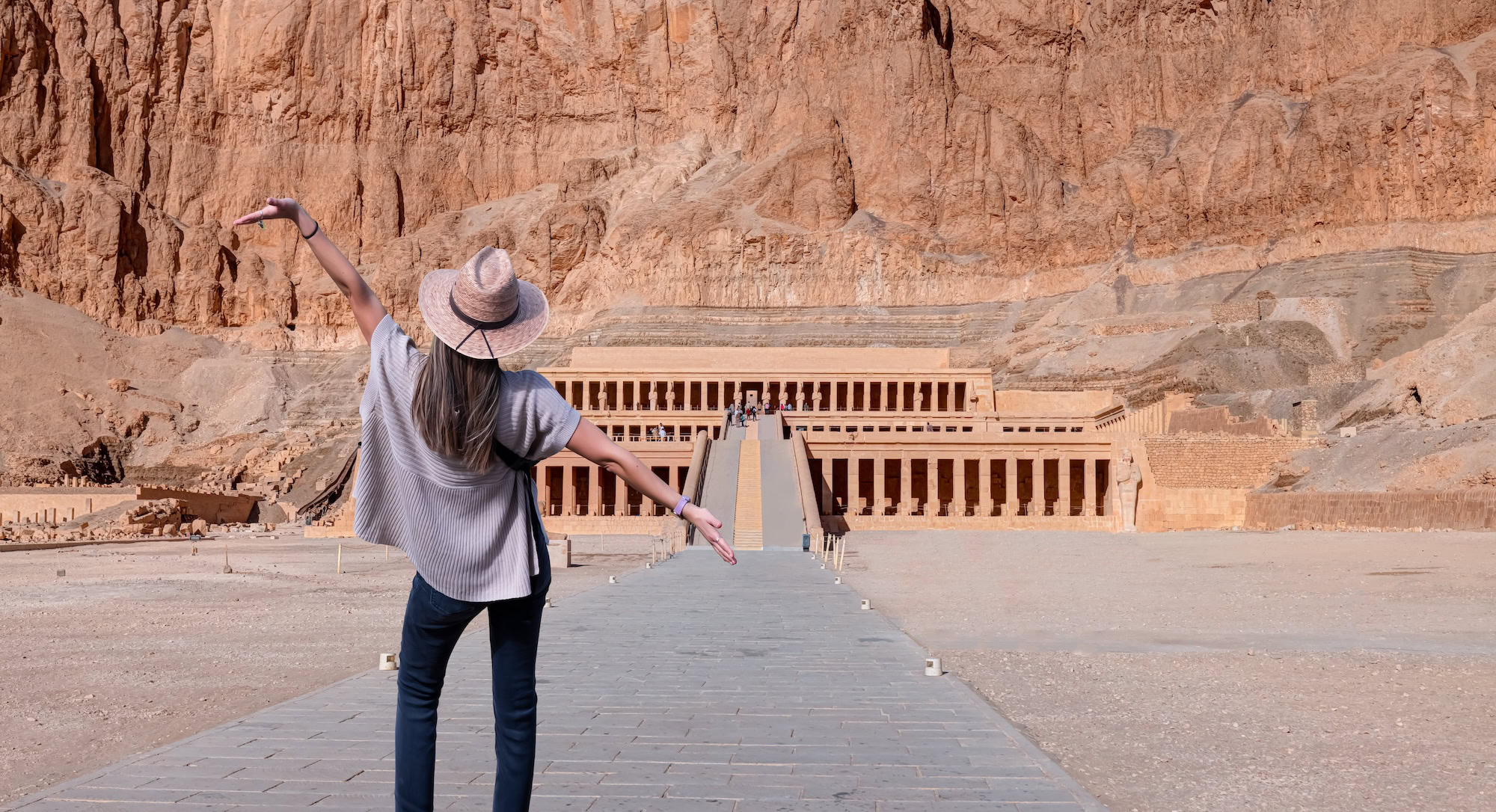
Best Time to Visit Egypt
Learn the best months to visit Egypt based on weather, crowds, and local travel experiences.
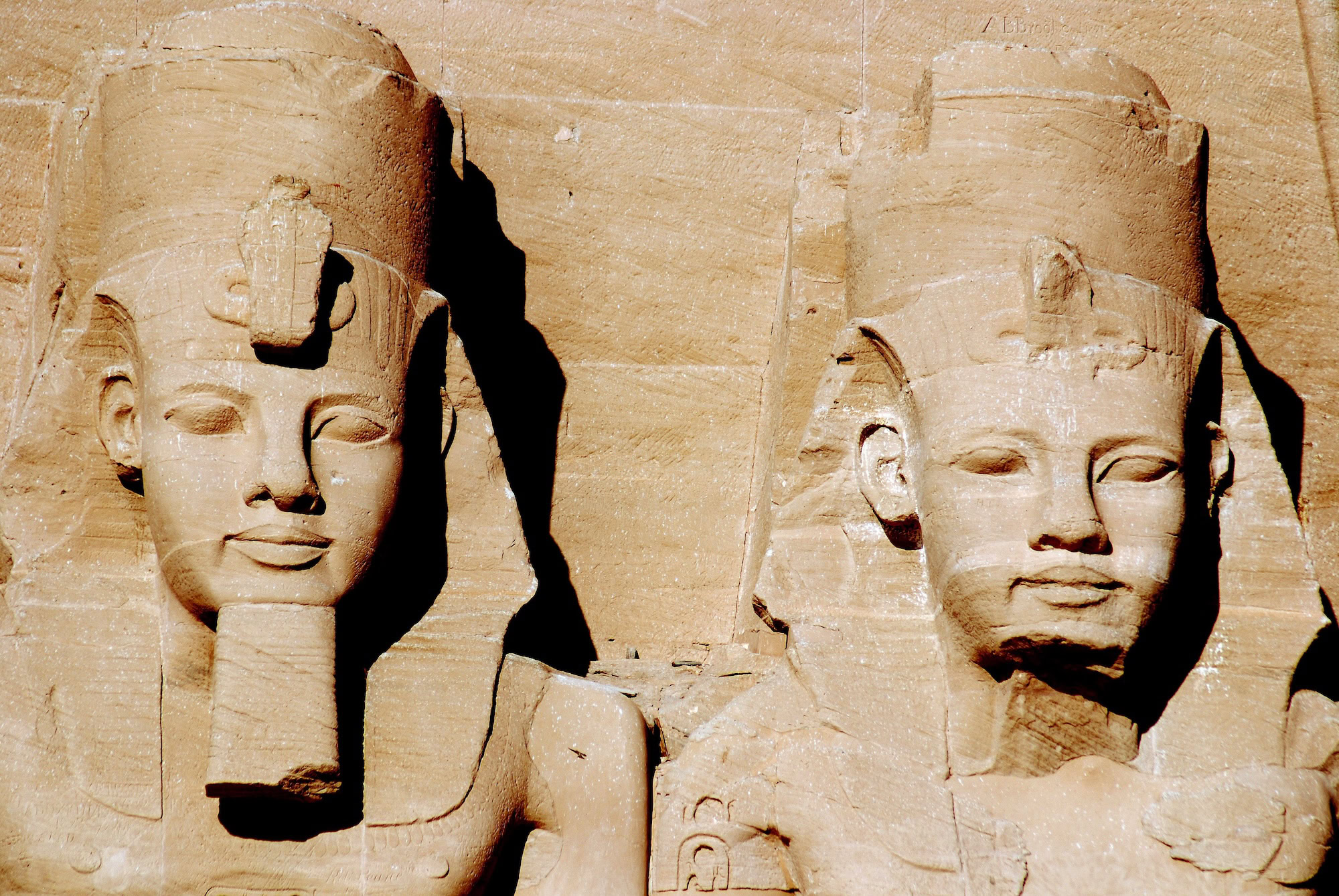
Must Visit Places in Egypt
Explore Egypt’s top sights — from pyramids to temples — and hidden gems worth seeing.
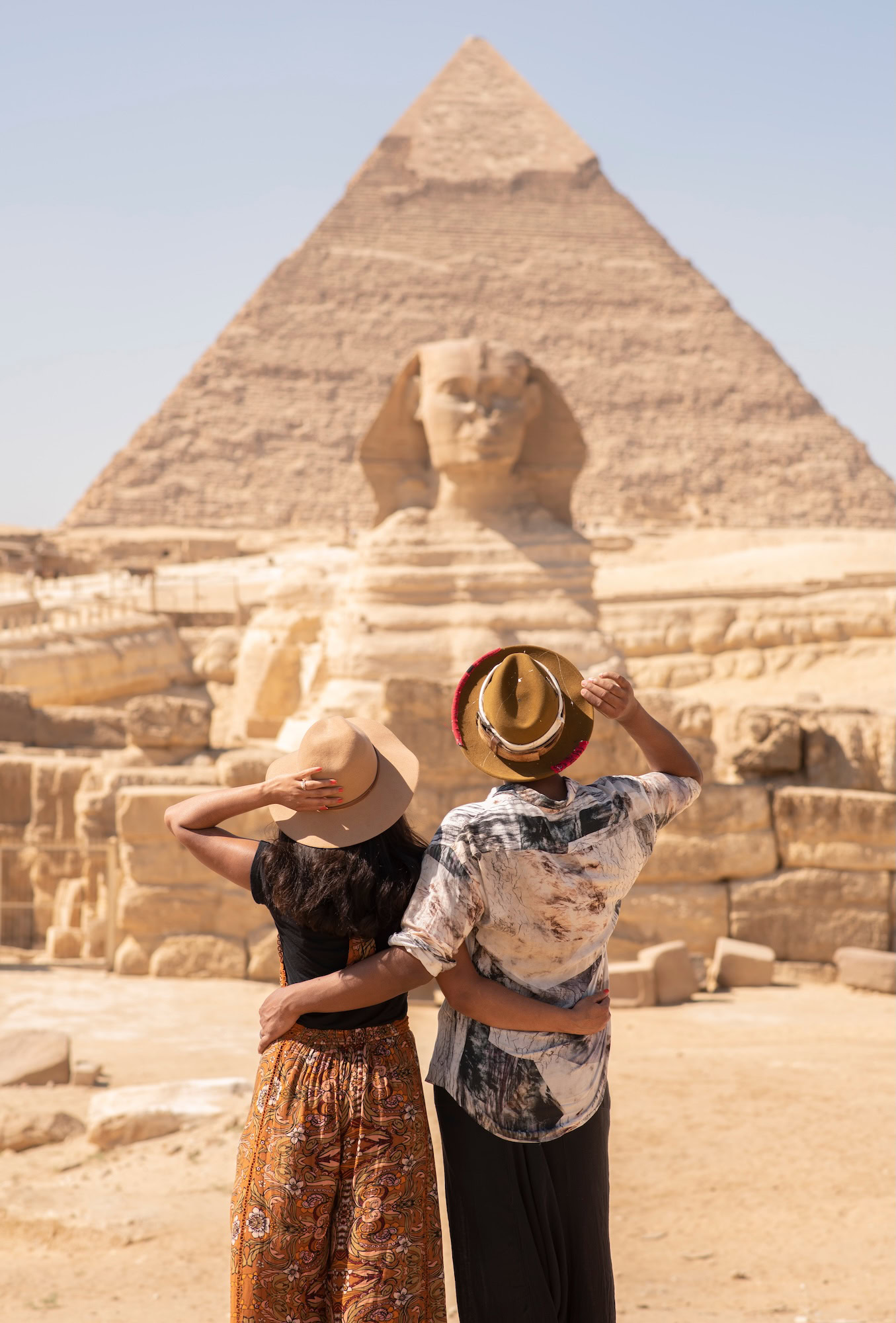
Top-Rated Egypt Tours
Handpicked private tours with local guides — our most loved and best-reviewed experiences.
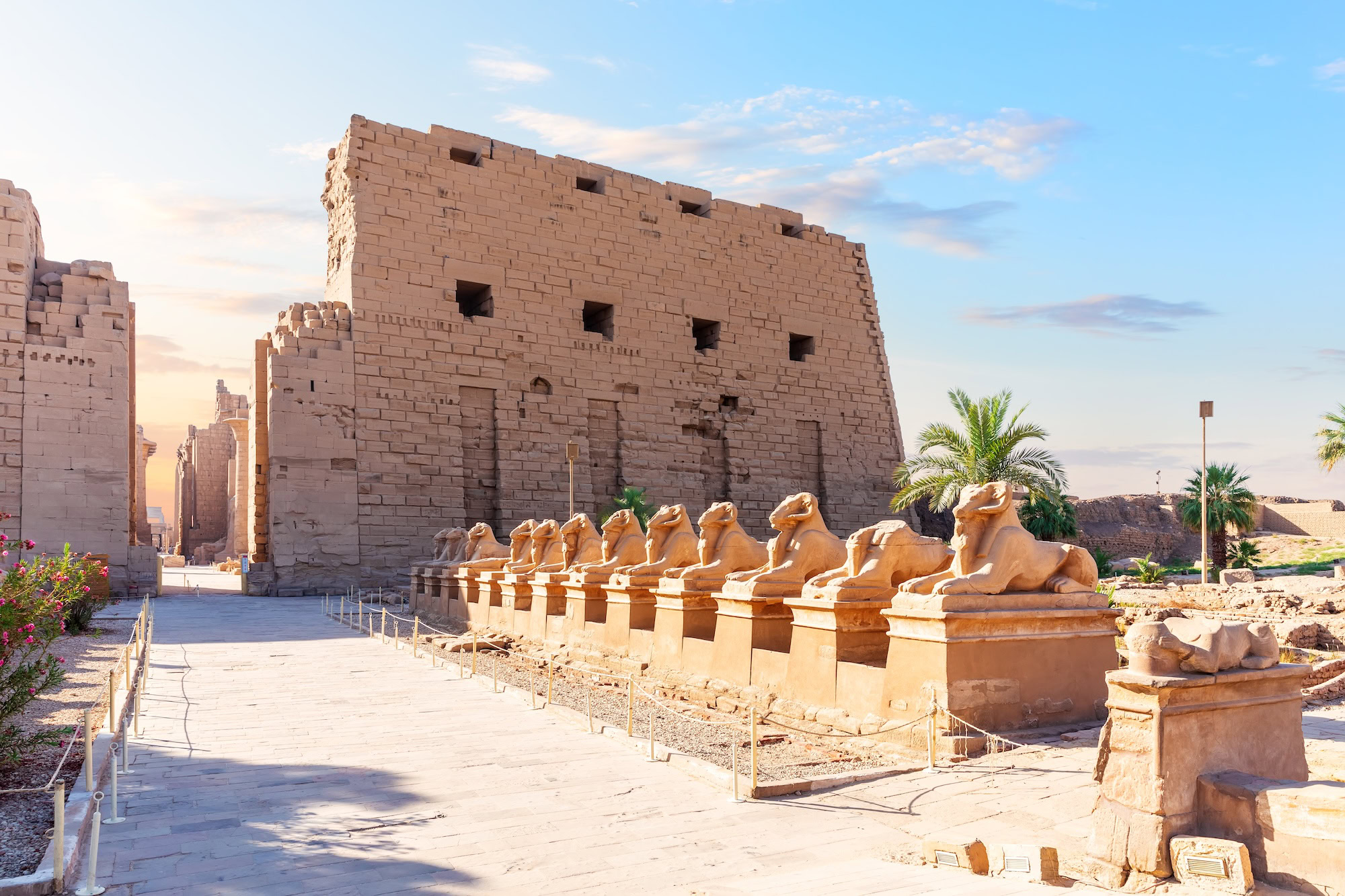
How Many Days to Visit Egypt?
Find out how many days you need in Egypt — from quick trips to full itineraries.
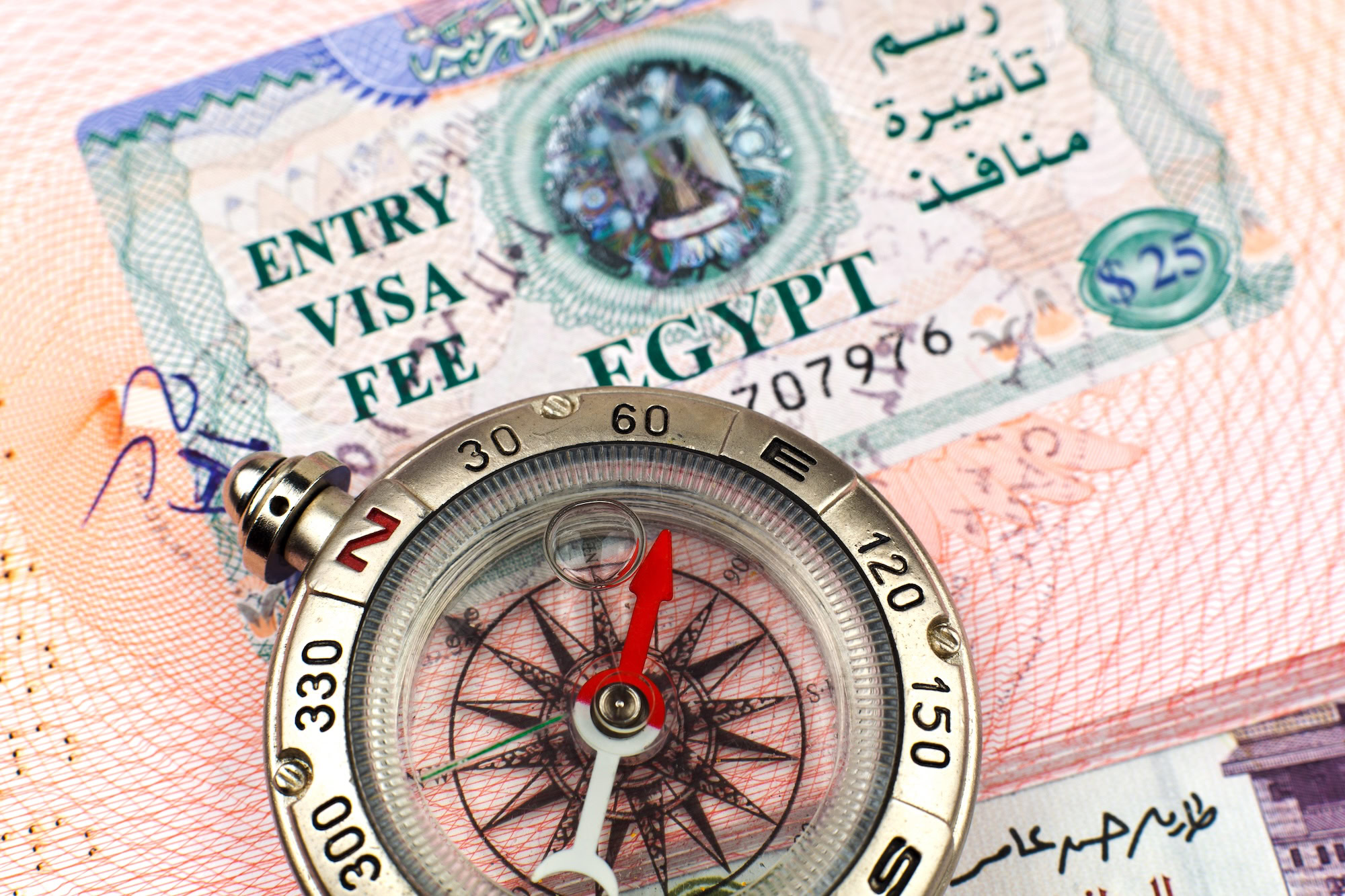
Egypt Visa Requirements
Check if you need a visa and get simple, up-to-date entry info based on your nationality.
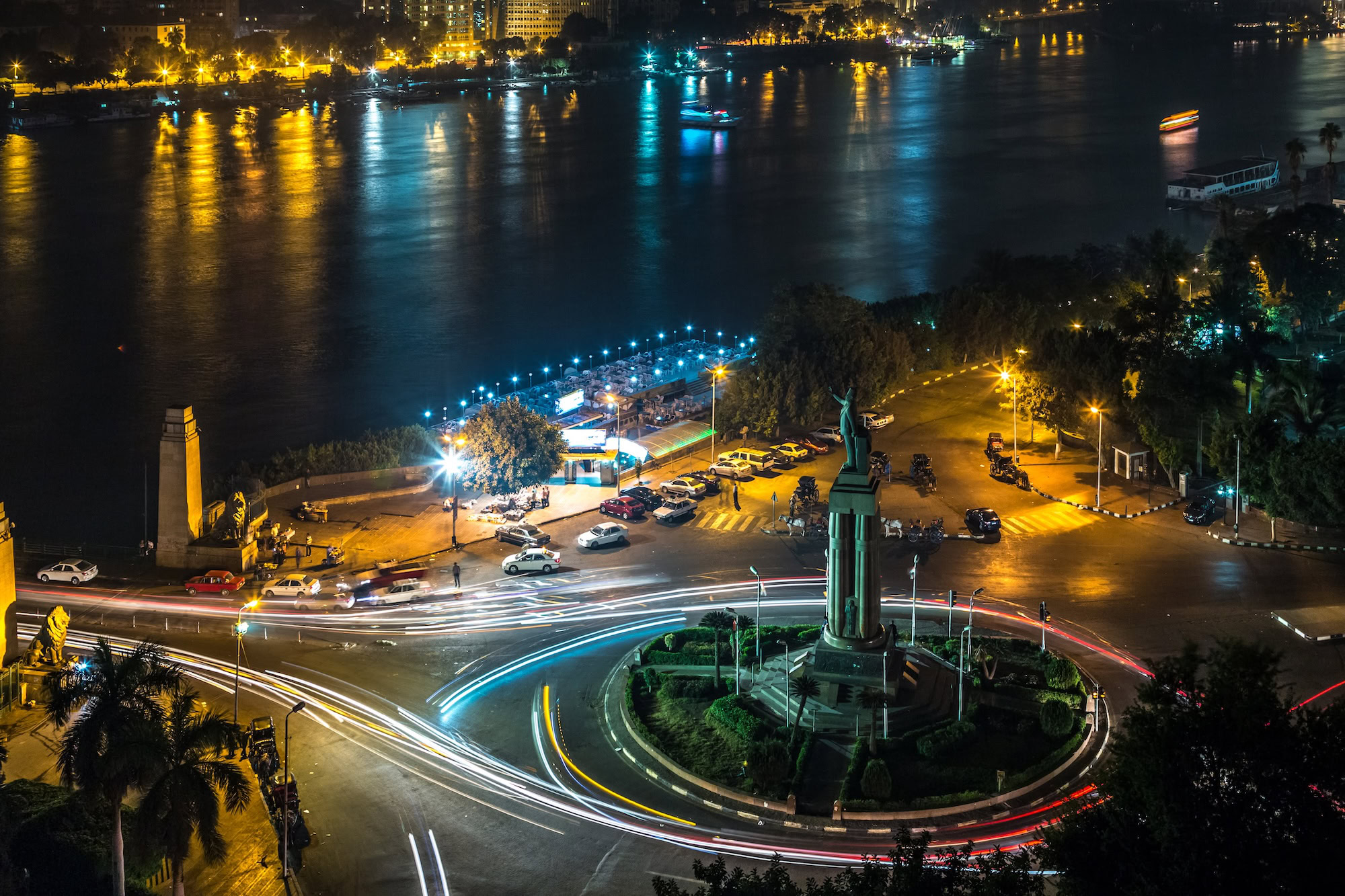
Is it Safe to Travel to Egypt?
Is Egypt safe? Get honest safety tips, area advice, and what to know before you travel.
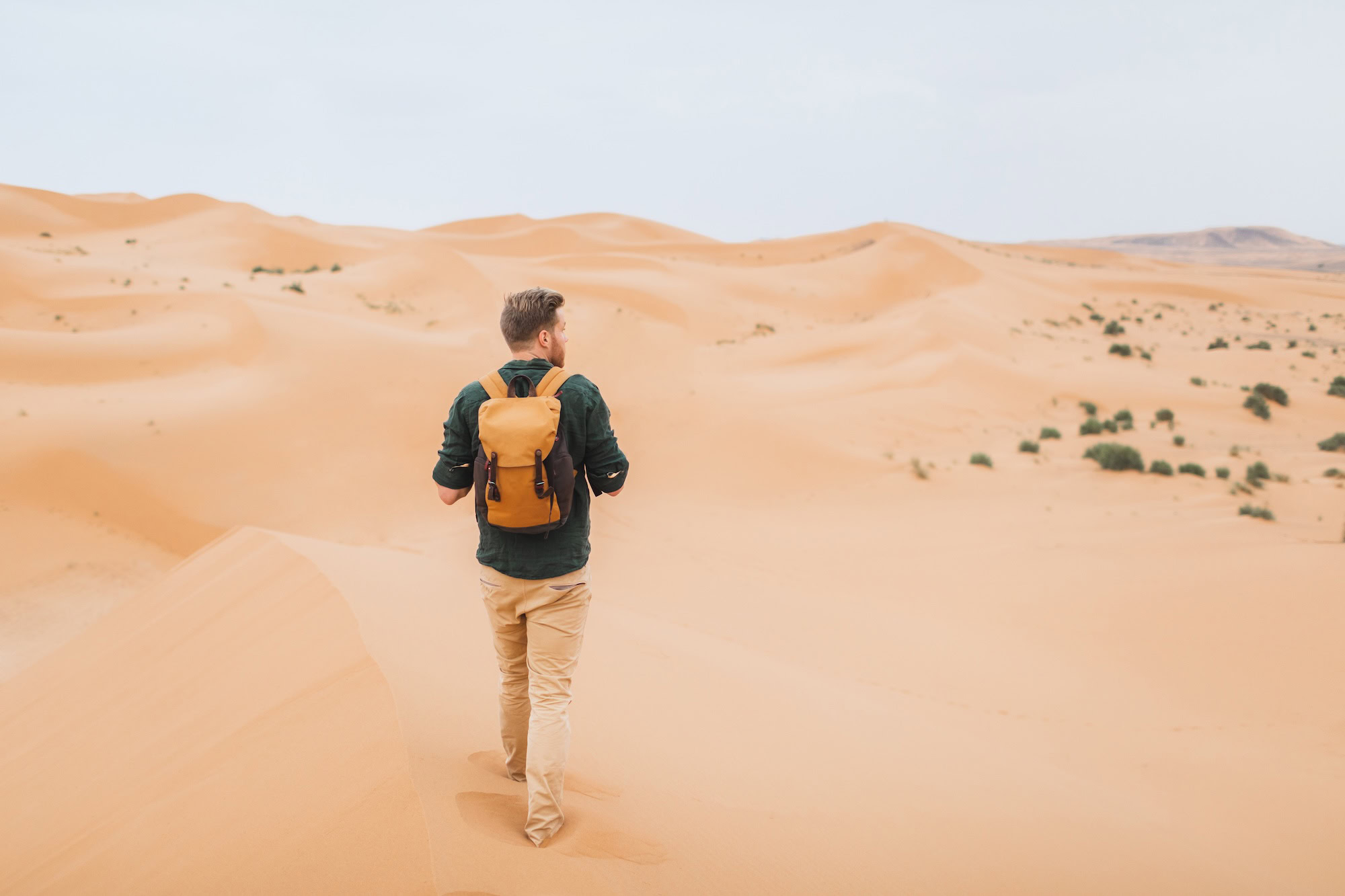
What to Pack for Egypt
A quick packing guide with essentials, cultural tips, and clothing advice for your Egypt trip.
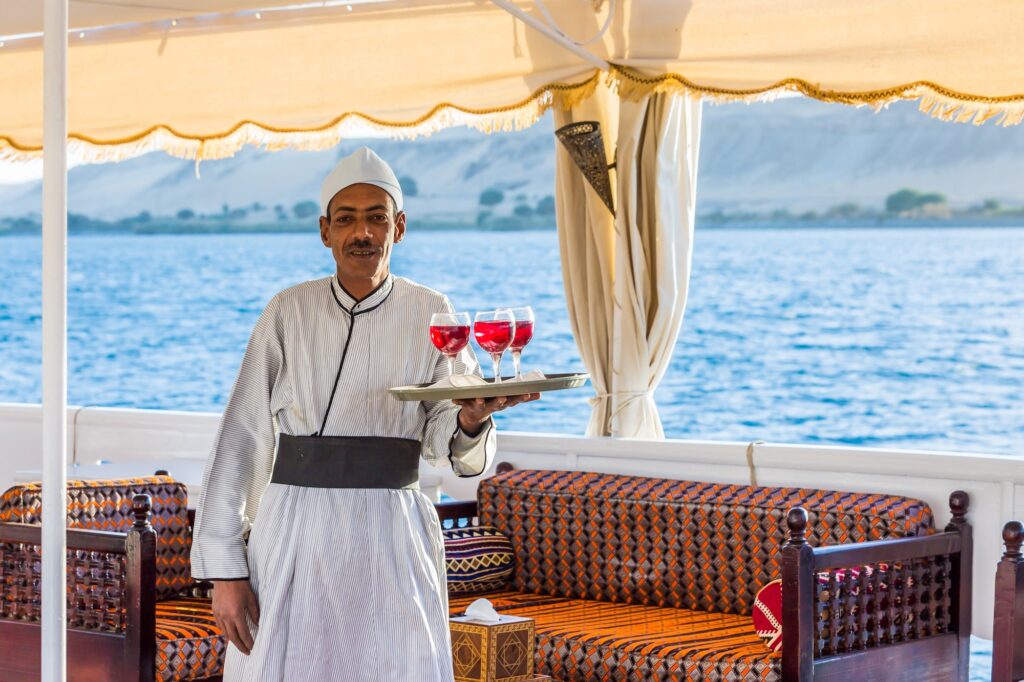

Design Your Custom Tour
Explore Egypt your way by selecting only the attractions you want to visit