Myths About Traveling to Egypt – Busted!
Millions of travelers hesitate to visit Egypt because of persistent myths that paint an inaccurate picture.
After decades of guiding visitors through Egypt’s wonders, we’ve witnessed firsthand how misconceptions about safety, culture, and practical concerns keep people from experiencing one of the world’s most remarkable destinations. These myths often stem from outdated information, sensationalized media coverage, or well-meaning but misinformed travel advice that circulates online. The reality is that Egypt welcomes millions of international visitors annually, offering experiences that range from exploring ancient pyramids to cruising the Nile in luxury, all while maintaining standards that cater to modern travelers.
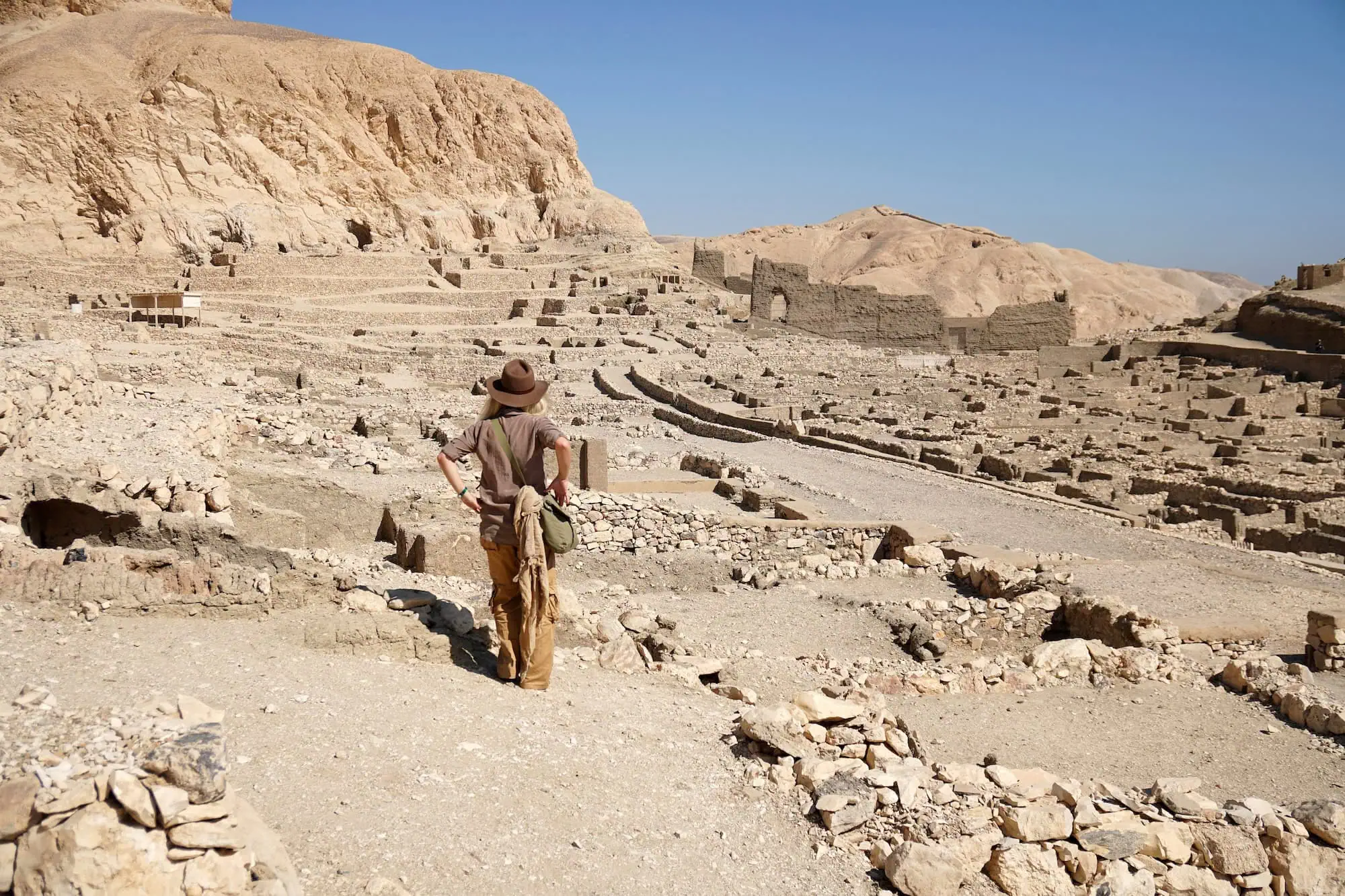
Understanding the facts behind these myths empowers you to make informed decisions about your Egyptian journey. Let’s separate reality from fiction and reveal what Egypt truly offers today’s travelers.
Safety Concerns That Keep Travelers Away
Modern Egypt operates with comprehensive tourism security measures that most visitors never see but benefit from immensely. Tourist police units are stationed at major attractions, airports, and hotels throughout the country, working specifically to ensure visitor safety. These specialized officers are trained in multiple languages and focus exclusively on assisting international guests.
Security Measures at Tourist Sites
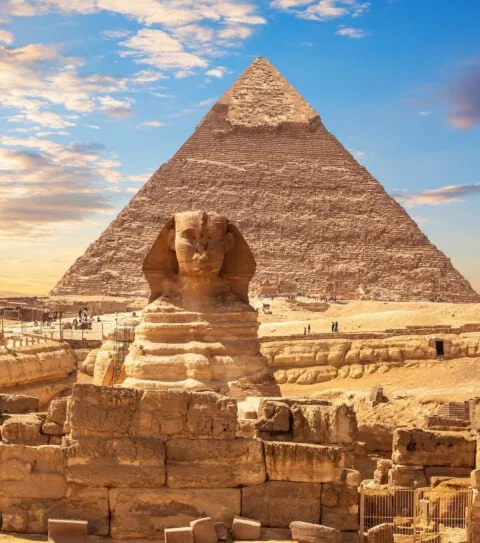
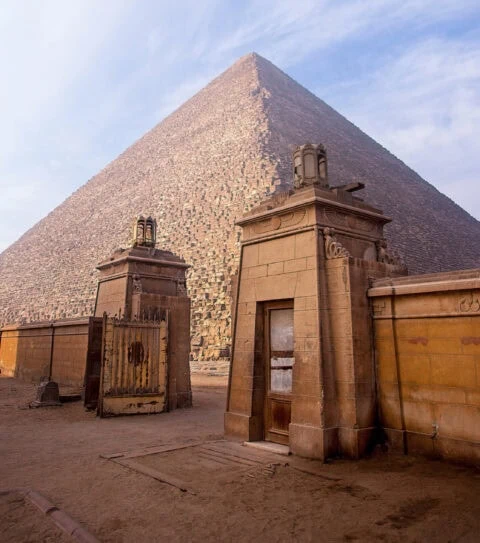
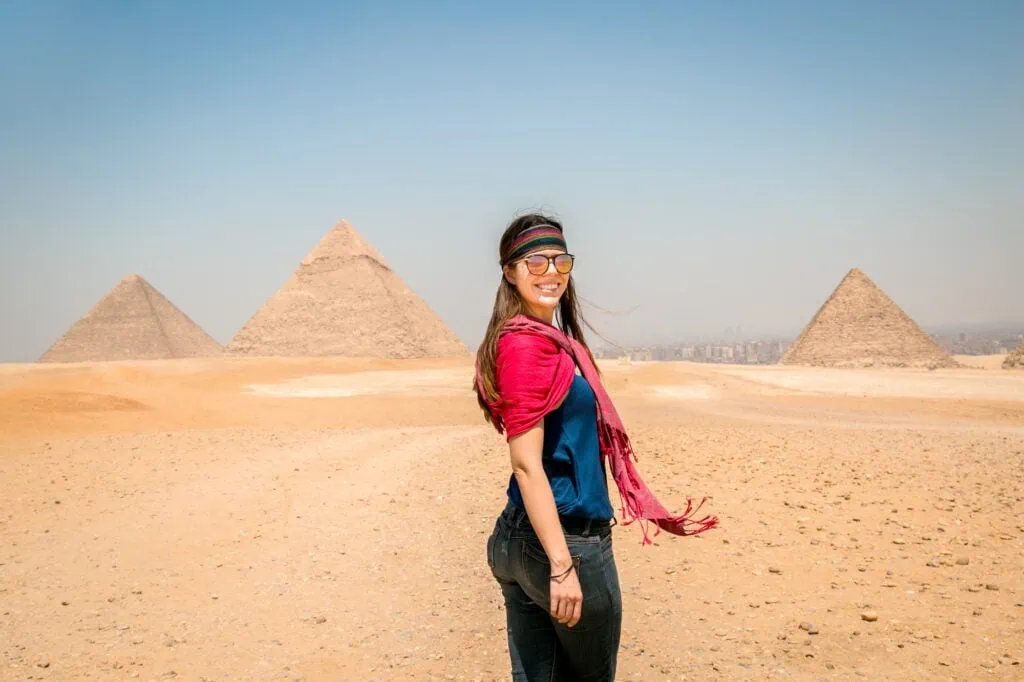
Egyptian authorities implement multi-layered security protocols at all major archaeological sites and tourist destinations. Metal detectors and bag screenings are standard at the Pyramids of Giza, Valley of the Kings, and temples throughout Luxor and Aswan. Undercover security personnel blend seamlessly with crowds, while visible uniformed guards provide reassurance without being intrusive. Modern surveillance systems monitor key areas, and emergency response teams maintain rapid deployment capabilities.
Tourist buses travel with security escorts when moving between cities, particularly on routes connecting Cairo to Luxor or Aswan. These measures operate so smoothly that most visitors remain unaware of their presence, allowing them to focus entirely on their experiences.
Women Traveling Solo in Egypt
Solo female travelers successfully explore Egypt daily, though preparation and awareness enhance their experience significantly. Egyptian women work in tourism, run businesses, and move freely through cities, debunking stereotypes about restrictions. Foreign women receive respectful treatment when dressed modestly and confidently navigating local customs.
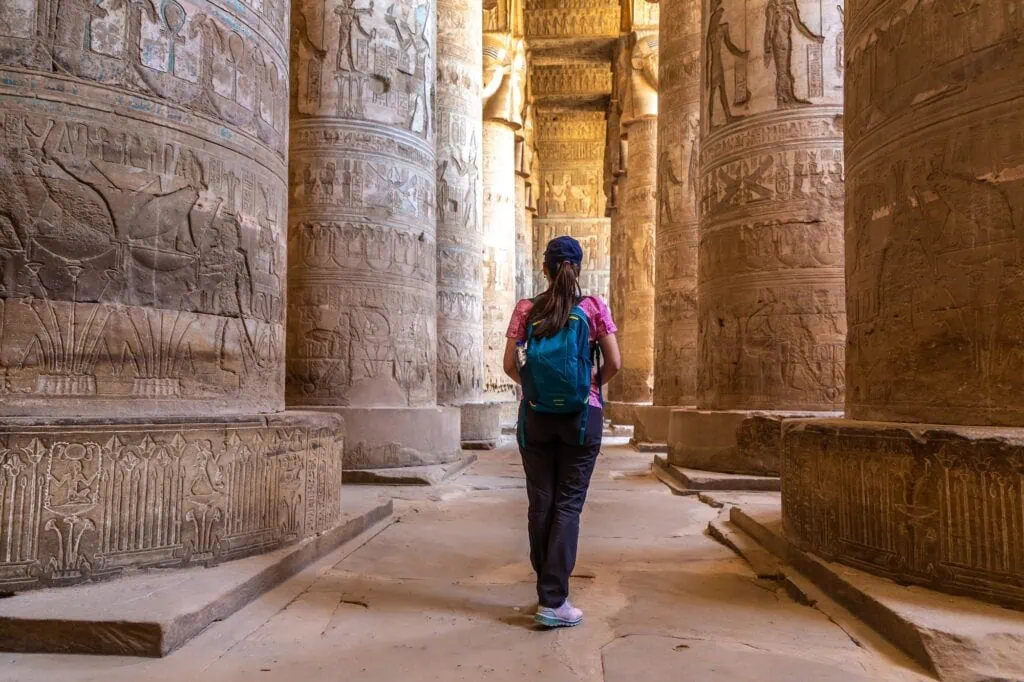
Harassment concerns are often overstated, particularly in tourist areas where local businesses depend on positive visitor experiences. Hotel staff, tour guides, and restaurant workers actively protect their guests’ comfort, as their livelihoods depend on maintaining Egypt’s welcoming reputation.
Tourist Areas vs. Local Neighborhoods
Tourist zones operate differently from residential areas, with infrastructure and services specifically designed for international visitors. Cairo’s Khan el-Khalili bazaar, Luxor’s East and West Banks, and Aswan’s Corniche area maintain different atmospheres than local neighborhoods. Hotels in these areas employ staff who understand cultural differences and help bridge any communication gaps.
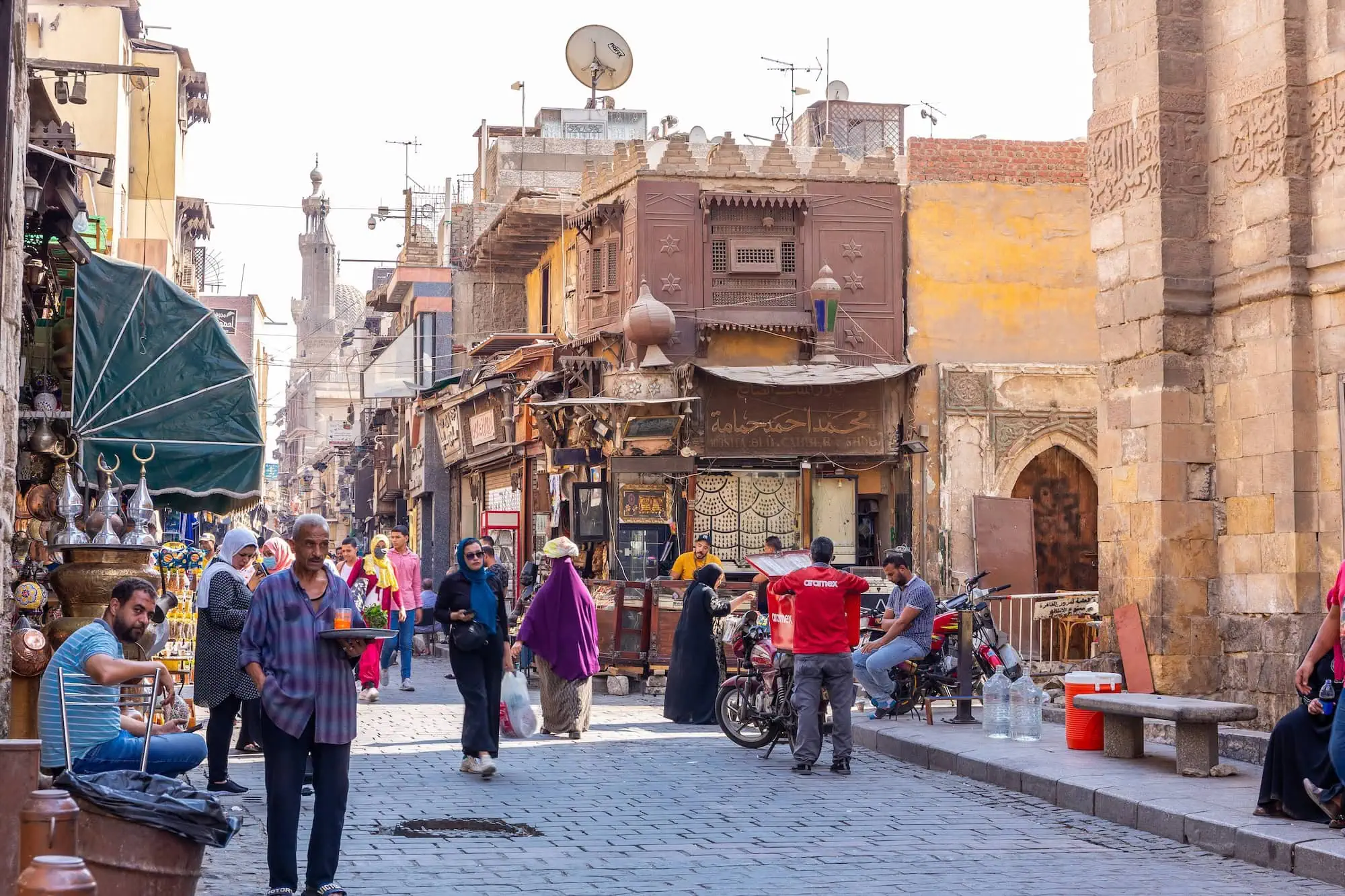
The key lies in choosing reputable accommodations and tour operators who prioritize guest safety while providing authentic cultural experiences. We ensure our travelers stay in carefully selected hotels and work with guides who balance cultural immersion with comfort and security.
Cultural Misunderstandings That Create Fear
Egyptian hospitality culture emphasizes warmth and assistance to guests, which some Western travelers initially interpret incorrectly. When locals offer help, invite you for tea, or engage in conversation, they’re typically expressing genuine friendliness rather than pursuing hidden agendas. Understanding this cultural difference transforms potentially uncomfortable encounters into meaningful connections.
The concept of personal space differs between Western and Middle Eastern cultures, but this doesn’t indicate threat or inappropriate behavior. Egyptians naturally stand closer during conversations, speak more animatedly, and use hand gestures extensively. Markets and bazaars buzz with energy that can seem overwhelming initially but represents normal commercial activity.
Religious practices are visible throughout daily life, from the call to prayer echoing across cities to people praying in public spaces. These moments of devotion don’t restrict tourist activities or indicate social tension. Most Egyptians are accustomed to international visitors and continue their daily routines without expecting tourists to participate or alter their behavior significantly.
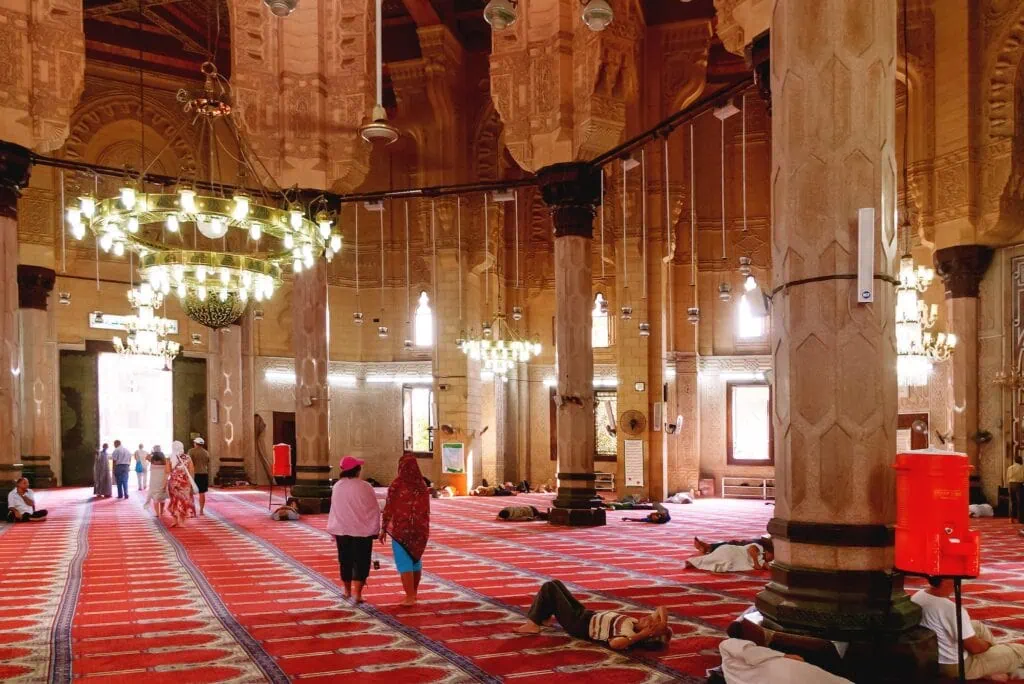
Language barriers often seem more daunting than they prove in practice. English is widely spoken in tourist areas, hotels, and restaurants catering to international visitors. Arabic phrases aren’t necessary for successful travel, though locals appreciate simple greetings like “shukran” (thank you) or “marhaban” (hello). Young Egyptians frequently speak multiple languages and enjoy practicing English with visitors.
Geographic Misconceptions About Egypt
Egypt spans far beyond the iconic desert landscapes shown in movies and documentaries. The Nile Delta creates lush agricultural regions where crops flourish year-round, while Mediterranean and Red Sea coastlines offer pristine beaches rivaling any tropical destination. Modern cities like Cairo and Alexandria feature urban amenities, shopping districts, and contemporary restaurants alongside their historic attractions.
Diverse Landscapes and Climates
Northern Egypt enjoys Mediterranean weather with mild winters and warm, dry summers. Alexandria experiences refreshing sea breezes that moderate temperatures, making it comfortable even during peak summer months. The Red Sea coast maintains tropical conditions perfect for diving and beach activities throughout most of the year.
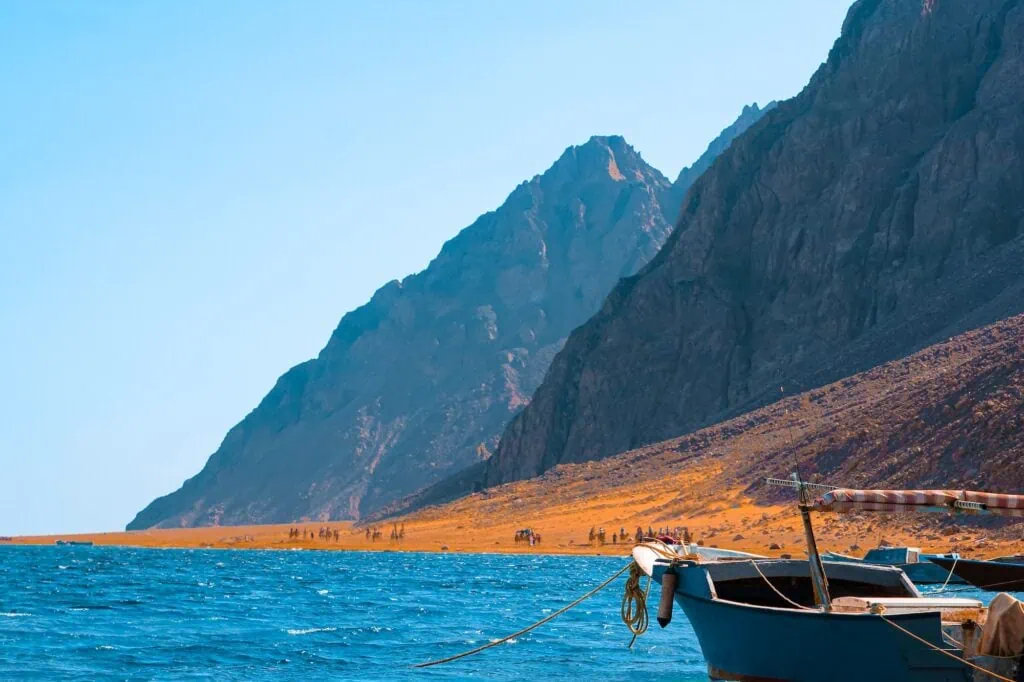
Southern regions around Luxor and Aswan showcase the classic desert climate many visitors expect, but even these areas feature the green Nile Valley corridor running through their centers. Palm trees line riverbanks, and irrigated fields create surprisingly verdant landscapes amid the surrounding desert terrain.
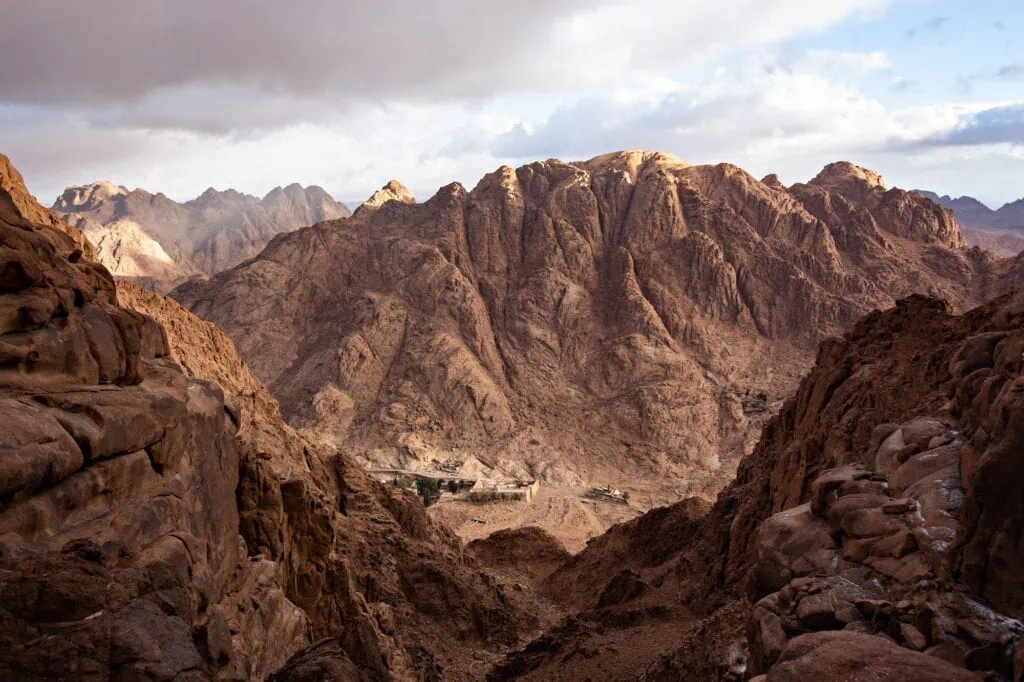
Mountains rise in the Sinai Peninsula, including Mount Sinai itself, offering hiking opportunities and cooler temperatures at elevation. The contrast between coastal areas, river valleys, mountains, and true desert provides remarkable diversity within a single country.
Urban Development and Infrastructure
Cairo ranks among the world’s largest metropolitan areas, featuring modern shopping malls, international restaurants, and contemporary hotels alongside its famous historical sites. The New Administrative Capital, currently under construction east of Cairo, showcases Egypt’s commitment to modern urban development and infrastructure improvements.
Luxor and Aswan combine ancient heritage with tourist infrastructure that includes luxury resorts, international cuisine options, and modern transportation systems. Hotels range from boutique properties to major international chains, all equipped with modern amenities while incorporating traditional architectural elements.
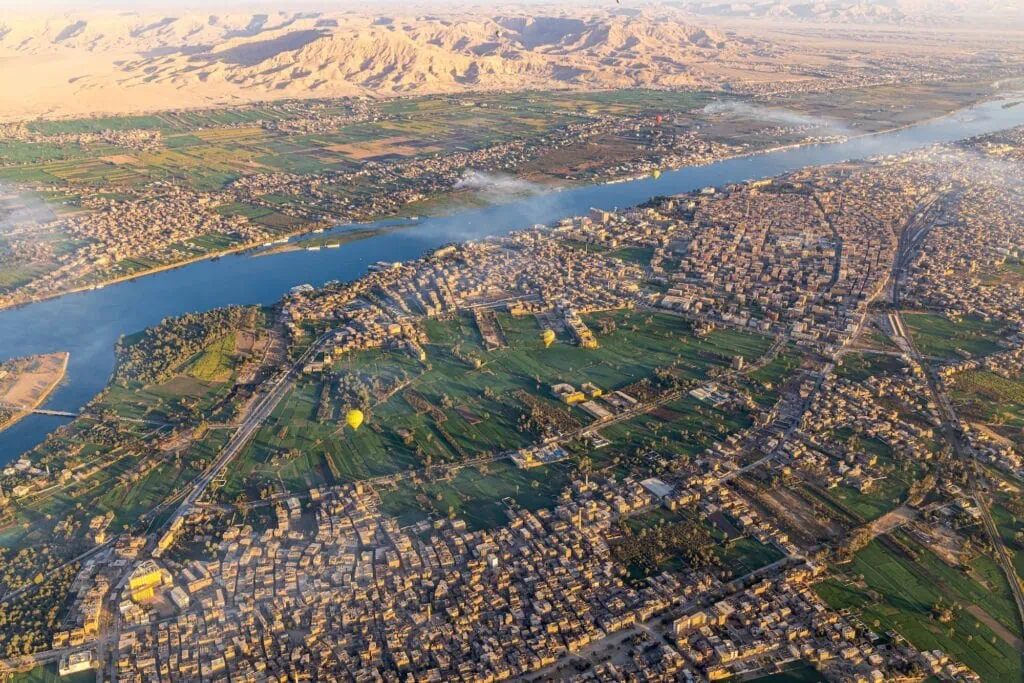
Transportation networks connect all major destinations efficiently. Domestic flights link Cairo with Luxor, Aswan, and coastal cities in under two hours. Modern highways enable comfortable bus travel, while the overnight train between Cairo and Luxor provides a classic travel experience with sleeping compartments and dining cars.
Historical vs. Modern Egypt Reality
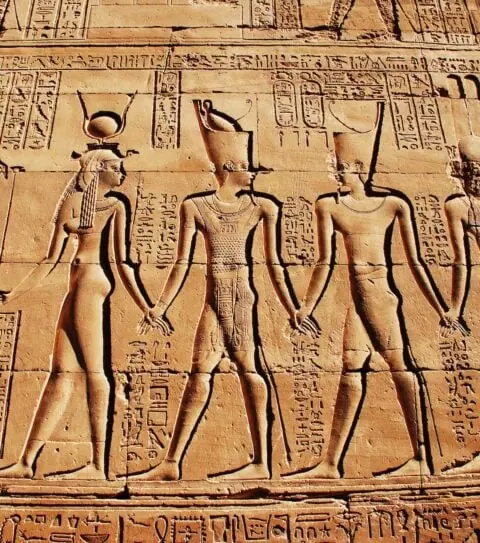
Popular culture creates confusion between ancient Egyptian civilization and contemporary Egyptian society, leading to unrealistic expectations about daily life and cultural practices. Modern Egyptians are Arabs who practice Islam or Christianity, not descendants of pharaohs worshipping ancient gods. The Arabic language replaced hieroglyphs over a millennium ago, and Islamic and Coptic Christian traditions shape contemporary culture rather than pharaonic beliefs.
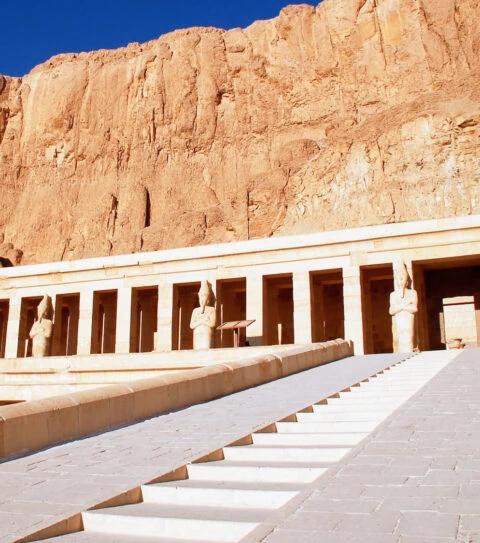
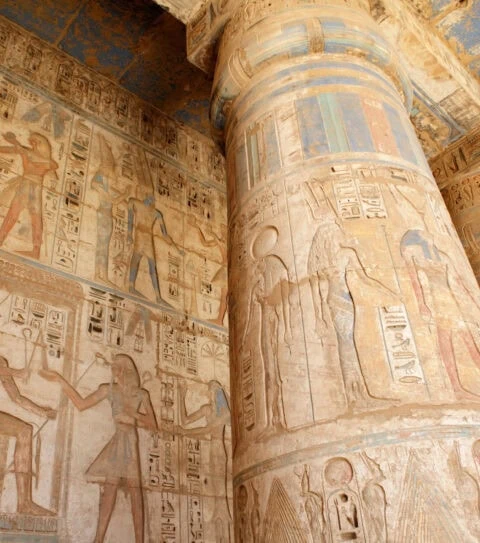
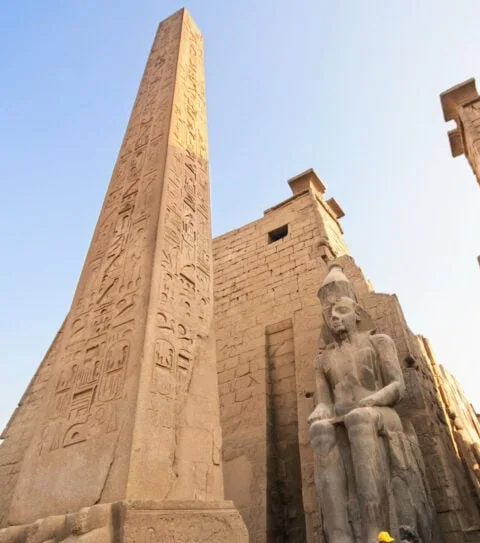
Ancient sites are preserved as historical monuments and tourist attractions, not active religious or cultural centers. Egyptians view these sites with pride and reverence for their heritage but don’t incorporate ancient practices into modern life. The relationship resembles how Romans view the Colosseum or Greeks regard the Parthenon – important historical symbols rather than living traditions.
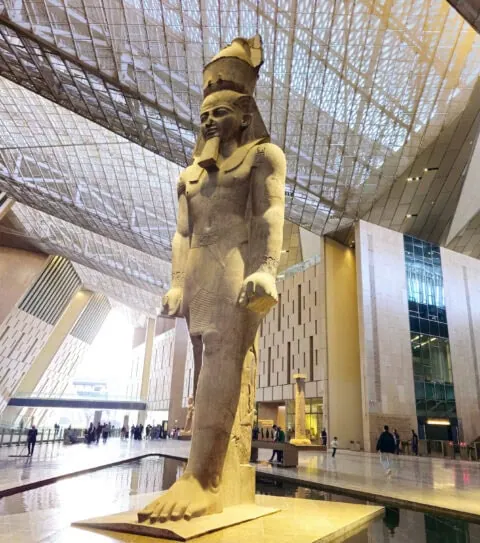
This distinction doesn’t diminish Egypt’s connection to its pharaonic past. Museums showcase incredible artifacts, and archaeological discoveries continue revealing new insights about ancient civilization. However, visitors should expect to experience modern Egyptian culture during their travels, with ancient history presented through professional guides, museum displays, and carefully maintained historical sites.
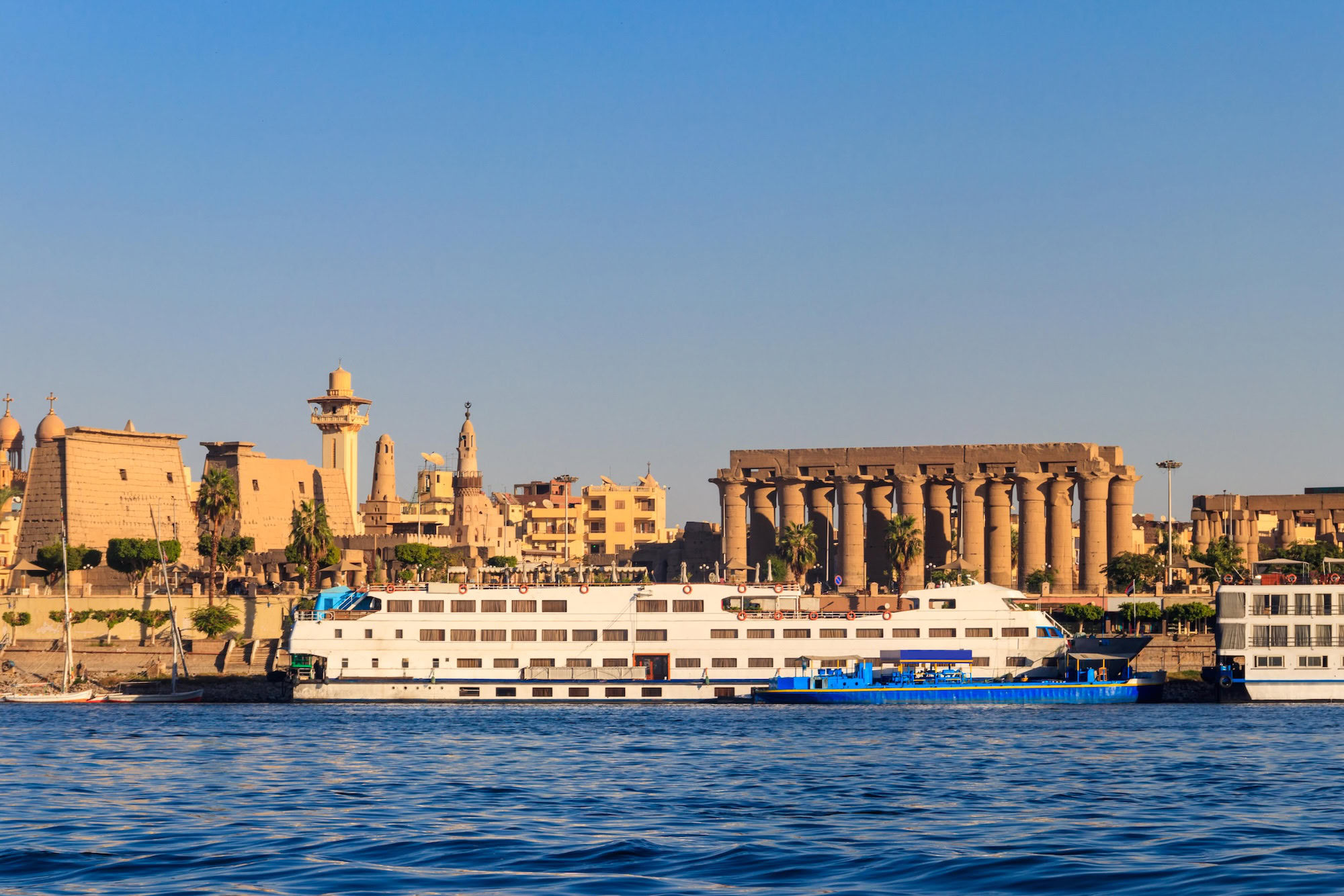
Tourism infrastructure surrounding historical sites reflects contemporary Egyptian hospitality and service standards. Restaurants near the pyramids serve modern Egyptian cuisine, not ancient recipes. Hotels in Luxor offer current amenities while incorporating decorative elements inspired by pharaonic art. This blend creates authentic experiences that honor the past while meeting present-day comfort expectations.
Practical Travel Myths Debunked
Transportation and Getting Around
Camels aren’t primary transportation in modern Egypt – they’re tourist attractions at the pyramids and desert safari experiences. Egyptians use cars, buses, trains, and domestic flights for daily transportation just like any other country. Uber operates in major cities, making urban travel convenient and transparent for international visitors.
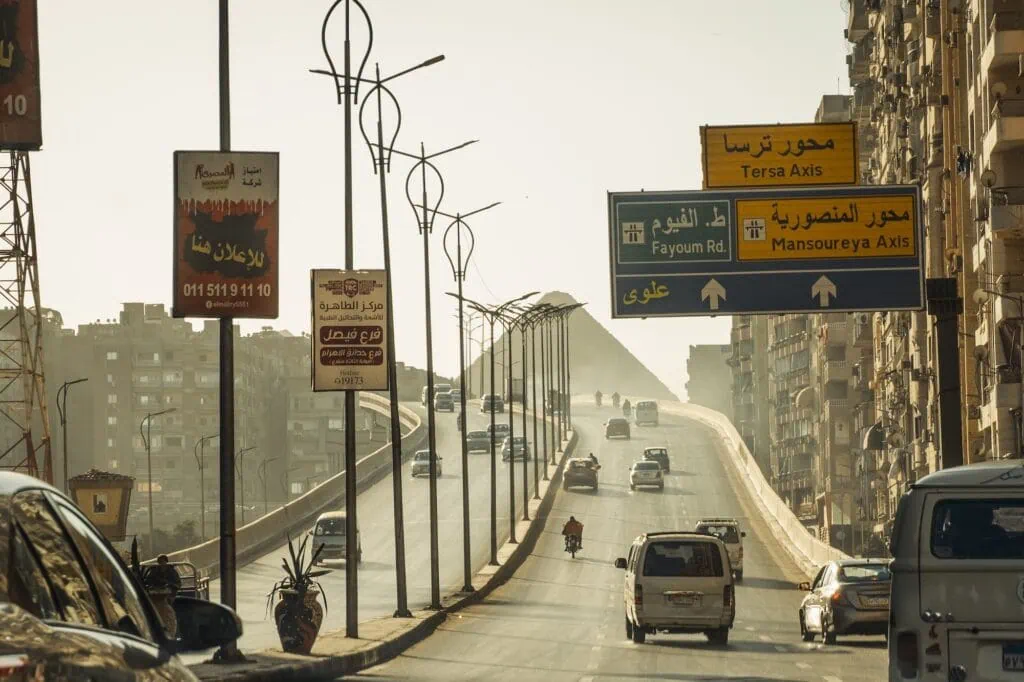
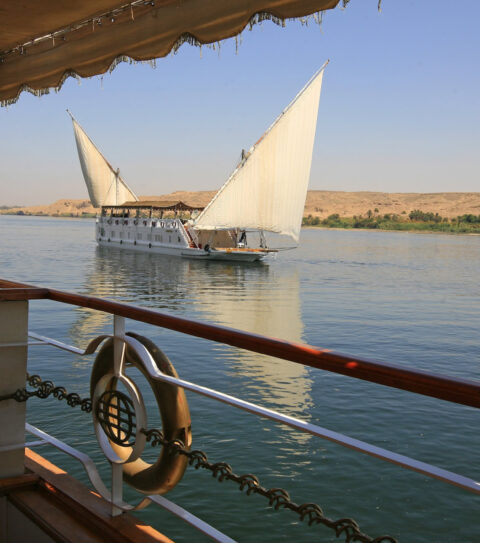
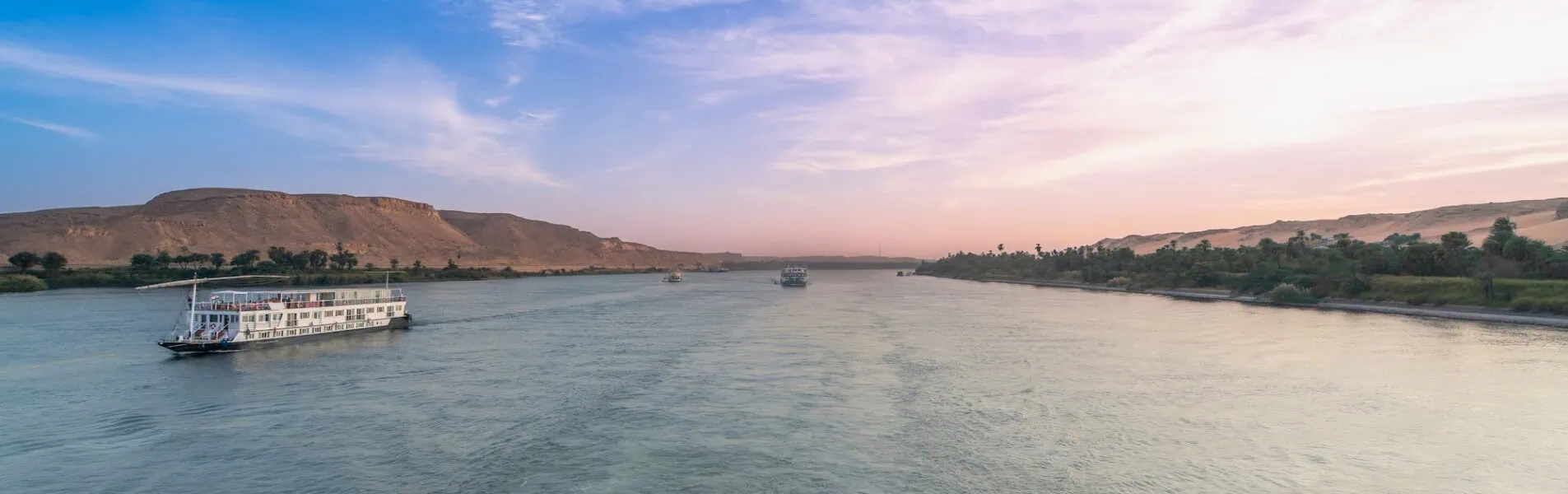
Taxis are readily available and generally safe when using official services or ride-sharing apps. Hotel concierges arrange reliable transportation, and tour companies provide modern, air-conditioned vehicles for sightseeing excursions. Nile cruise ships feature contemporary amenities including restaurants, bars, pools, and entertainment facilities.
Accommodation and Dining Concerns
International hotel chains operate throughout Egypt, maintaining global service standards while incorporating local hospitality traditions. Boutique hotels and luxury resorts offer authentic Egyptian design elements combined with modern conveniences. Budget accommodations provide clean, comfortable stays without requiring significant compromises in safety or amenities.
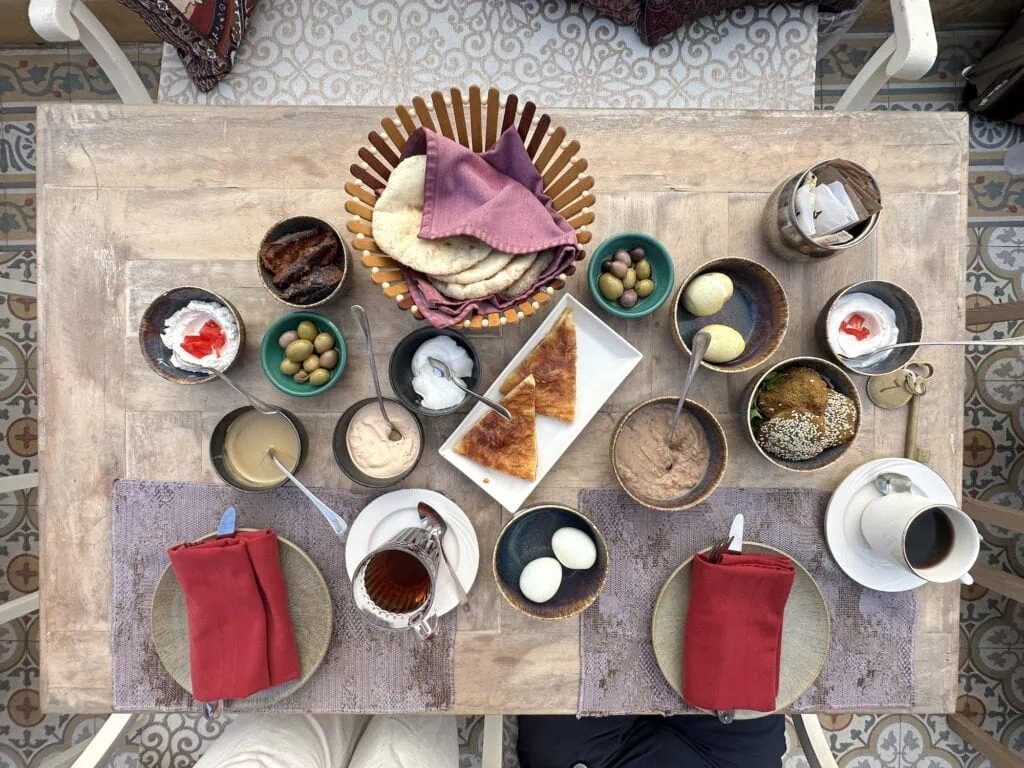
Restaurant quality in tourist areas meets international expectations, with many establishments employing chefs trained in international cuisine. Egyptian food is flavorful and diverse, incorporating Mediterranean, Middle Eastern, and North African influences. Vegetarian and special dietary options are widely available, particularly in hotels and restaurants serving international guests.
Water quality concerns are easily managed through bottled water, which is inexpensive and universally available. Most hotels provide complimentary bottled water, and restaurants automatically serve bottled or filtered water to international guests without being asked.
Money and Tipping Culture
Egypt’s tipping culture, known locally as “baksheesh,” operates on established customs rather than arbitrary expectations. Standard tipping amounts are reasonable and predictable – typically 10-15% at restaurants, small amounts for helpful services like carrying luggage, and modest tips for guides and drivers based on service quality and duration.
Credit cards are accepted at hotels, major restaurants, and many shops in tourist areas, though cash remains useful for small purchases, tips, and local transportation. ATMs are widely available in cities and tourist destinations, dispensing Egyptian pounds at current exchange rates.
Bargaining in markets and bazaars is expected and enjoyable for many visitors, but fixed prices apply in malls, chain stores, and most restaurants. Understanding where negotiation is appropriate versus where prices are set helps avoid confusion and ensures fair transactions.
Frequently Asked Questions
Yes, Egypt maintains comprehensive security measures specifically designed to protect international visitors, with specialized tourist police at all major attractions and destinations.
No special vaccinations are required for most travelers, though routine vaccines should be current and consulting your healthcare provider is recommended.
Modest clothing covering shoulders and knees is appropriate for cultural sites, while resort areas and hotels have more relaxed dress codes.
Tourist restaurants maintain international food safety standards, and staying hydrated with bottled water prevents most digestive issues.
Budget approximately $10-15 per day per traveler for standard tipping, including restaurants, hotel staff, guides, and drivers.
English is widely spoken in tourist areas, hotels, and restaurants, making communication easy for international visitors.
October through April offers comfortable temperatures, while summer months (May-September) are hot but manageable with air conditioning.
Bargaining is traditional in markets and bazaars, but hotels, restaurants, and modern stores use fixed prices.
Booking 2-3 months ahead ensures better hotel rates and tour availability, especially during peak season (December-February).
Independent travel is possible and popular, though guided tours provide valuable cultural insights and simplify logistics for first-time visitors.
Yes, hotels in tourist areas offer international standards including air conditioning, WiFi, restaurants, and often pools and spas.
Photography is generally permitted at outdoor sites, though some tombs and museums charge additional fees for camera use and prohibit flash photography.
Explore our most popular guides and expert tips to make your trip safe, smooth, and unforgettable.
Plan Your Egypt Adventure with Confidence
How to Plan a Trip Egypt
Step-by-step guide to help you plan the perfect Egypt trip — from routes and budget to booking.
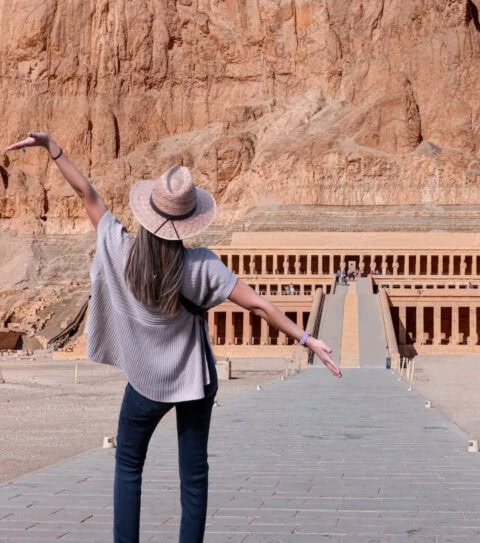
Best Time to Visit Egypt
Learn the best months to visit Egypt based on weather, crowds, and local travel experiences.
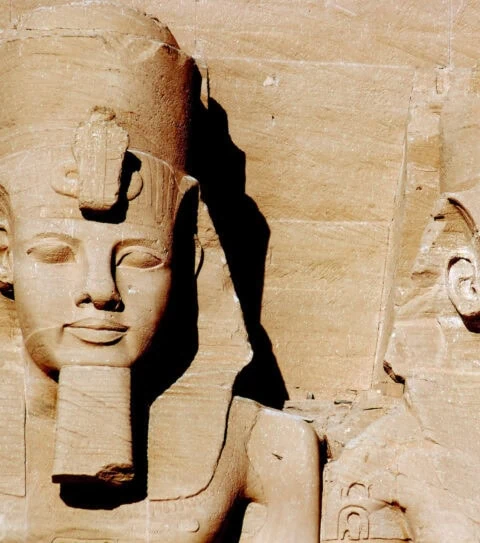
Must Visit Places in Egypt
Explore Egypt’s top sights — from pyramids to temples — and hidden gems worth seeing.
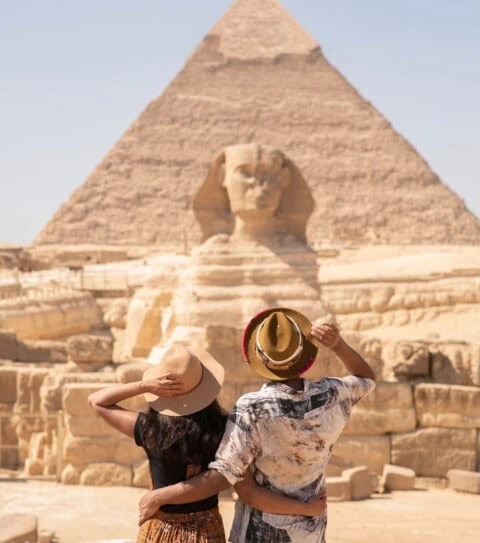
Top-Rated Egypt Tours
Handpicked private tours with local guides — our most loved and best-reviewed experiences.
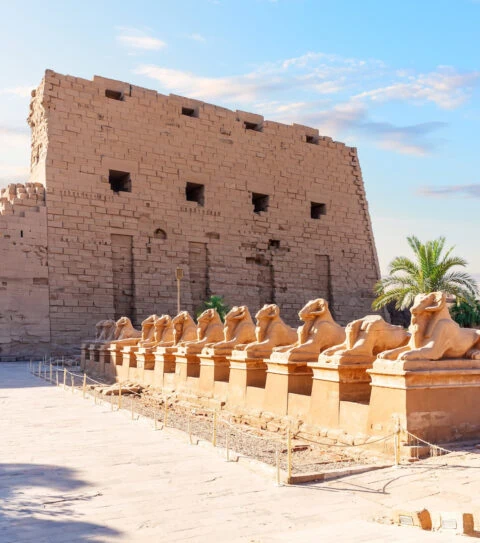
How Many Days to Visit Egypt?
Find out how many days you need in Egypt — from quick trips to full itineraries.
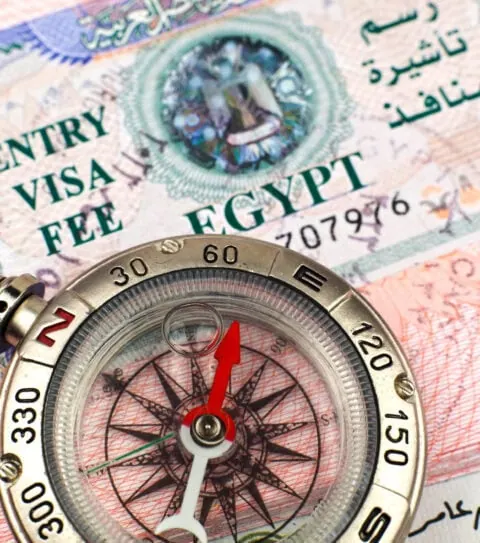
Egypt Visa Requirements
Check if you need a visa and get simple, up-to-date entry info based on your nationality.
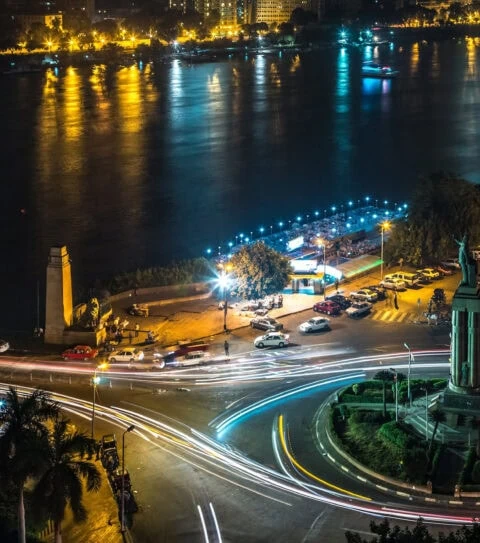
Is it Safe to Travel to Egypt?
Is Egypt safe? Get honest safety tips, area advice, and what to know before you travel.
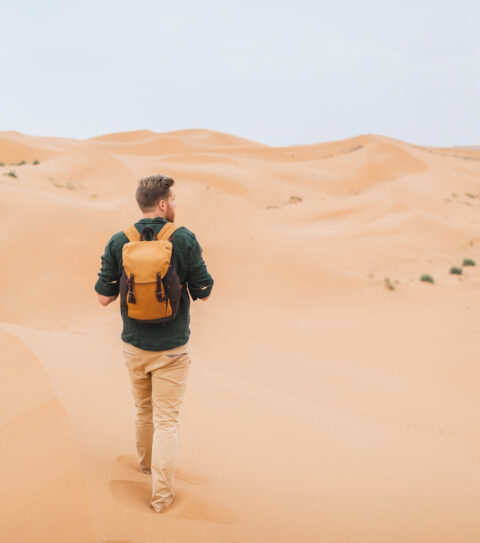
What to Pack for Egypt
A quick packing guide with essentials, cultural tips, and clothing advice for your Egypt trip.
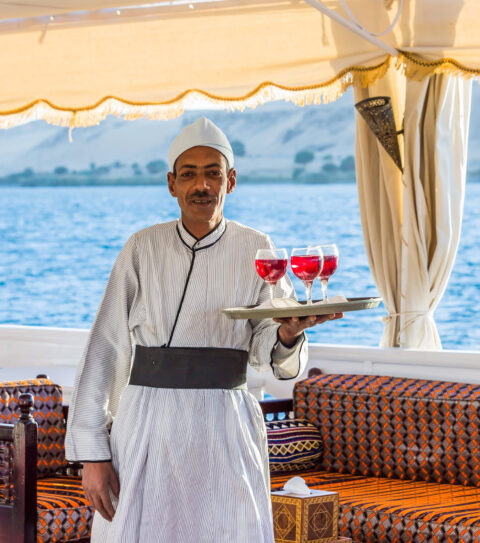
Design Your Custom Tour
Explore Egypt your way by selecting only the attractions you want to visit