Red Sea Scuba Diving Explained: What Makes It So Special
The Red Sea stands as one of Earth’s most spectacular underwater destinations.

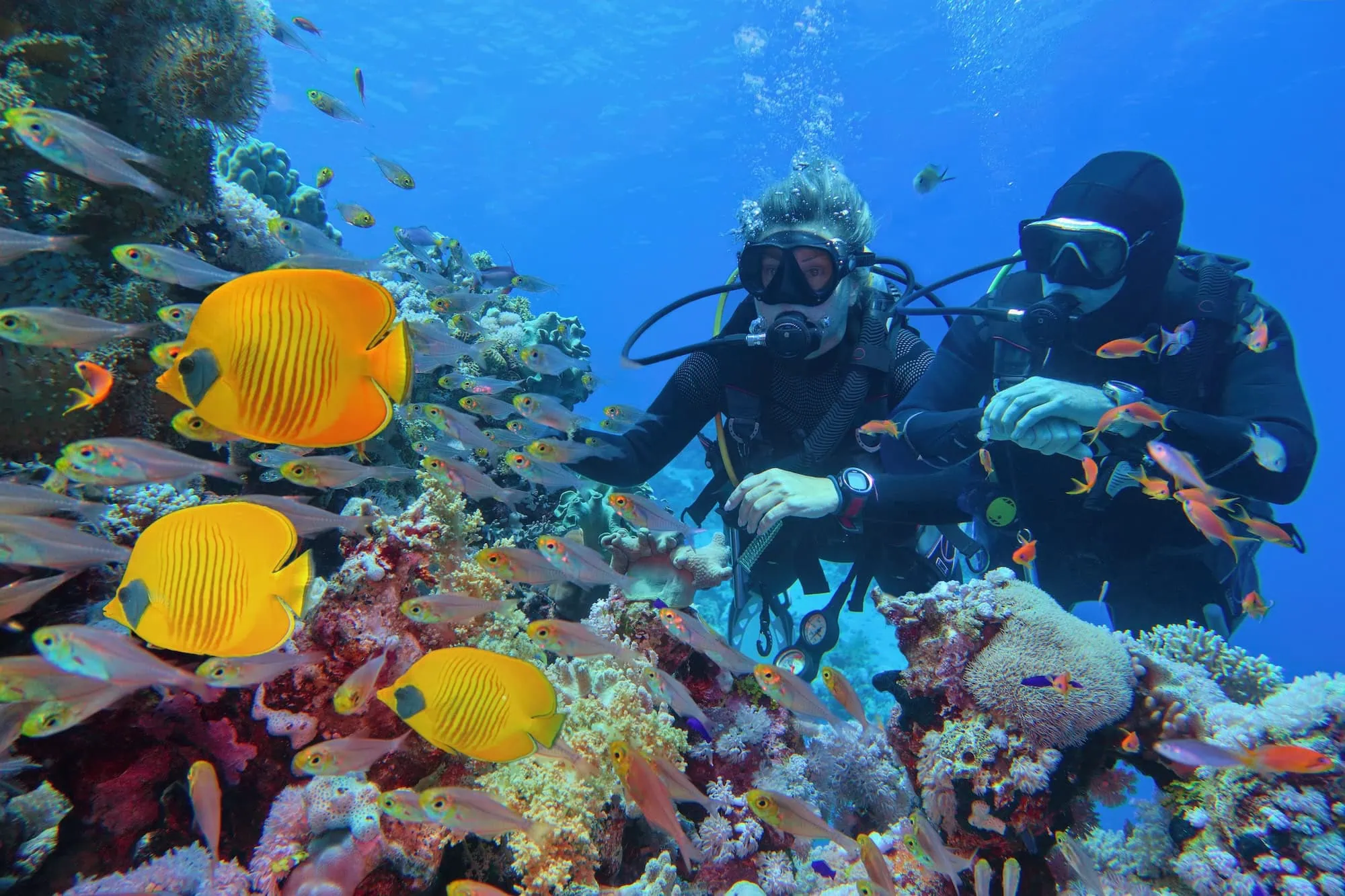
Stretching between Africa and Asia, these pristine waters harbor an extraordinary marine ecosystem that has captivated divers for generations. Crystal-clear visibility extending up to 150 feet reveals vibrant coral gardens teeming with over 1,000 fish species, while historic shipwrecks rest on sandy bottoms like underwater museums. The combination of year-round diving conditions, diverse marine life, and world-class infrastructure makes this region a bucket-list destination for underwater enthusiasts. Whether you’re pursuing your first open water certification or seeking advanced technical challenges, the Red Sea delivers experiences that transform ordinary vacations into lifelong memories.
From Egypt’s legendary dive sites to emerging Saudi Arabian waters, we’ll guide you through everything needed to plan your perfect underwater adventure. And if Egypt’s pharaonic side is also on your list, extra Red Sea diving days can easily be added to any of our Egypt travel packages — Sharm, Hurghada, or Marsa Alam slotted in after Cairo and Luxor.
Table of Contents
Top Red Sea Diving Destinations
The Red Sea coastline spans multiple countries, each offering distinct underwater experiences and diving cultures.
Egypt’s Iconic Dive Centers
Egypt dominates Red Sea diving with established infrastructure and legendary sites. Dahab attracts budget-conscious divers with its relaxed atmosphere and shore diving opportunities, while the Blue Hole challenges technical divers with its dramatic wall dives. Hurghada serves as the gateway to offshore reefs like Giftun Island, where pristine coral formations shelter schools of anthias and parrotfish. The region’s dive operators offer everything from beginner courses to advanced trimix expeditions.
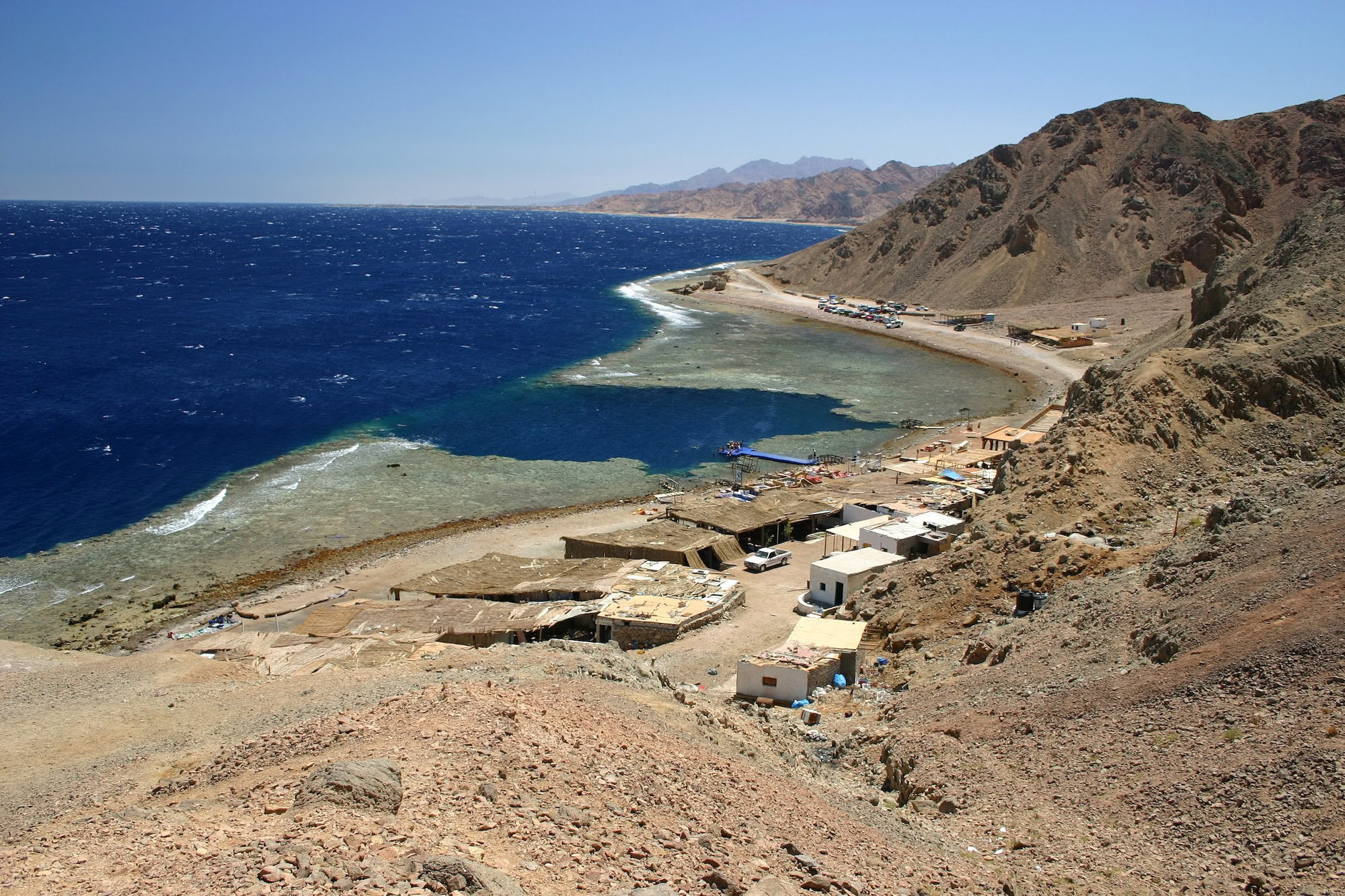
Sharm El Sheikh provides access to the Straits of Tiran, famous for strong currents that attract pelagic species. Many operators here specialize in drift diving, perfect for encountering grey reef sharks and barracuda schools.
Jordan’s Aqaba Marine Paradise
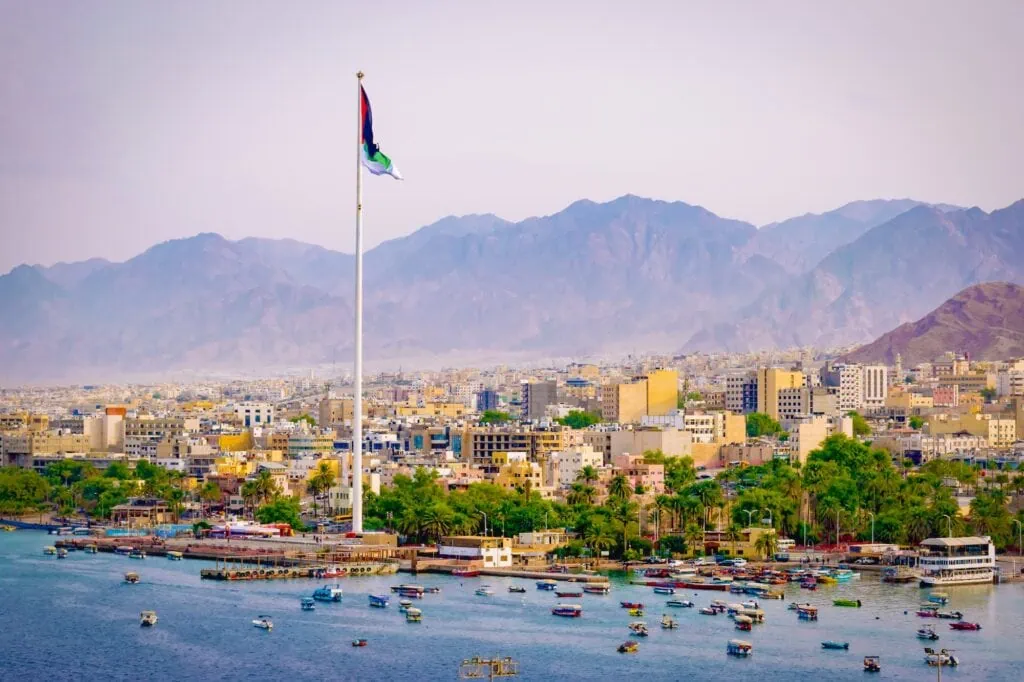
Aqaba offers exceptional shore diving with easy access to healthy coral reefs. The marine protected area ensures excellent fish populations, while the compact diving scene creates a friendly community atmosphere. Local dive centers focus on small group experiences, providing personalized attention often missing from larger operations.
Israel’s Eilat Underwater Observatory
Eilat combines diving with marine research, offering unique educational opportunities. The underwater observatory allows non-divers to experience Red Sea marine life, while certified divers explore nearby reefs known for dolphin encounters.
Marine Life and Biodiversity Highlights
Red Sea waters support an incredible diversity of marine species, many found nowhere else on Earth.
The region’s isolation has created numerous endemic species, including the Red Sea clownfish and several angelfish varieties unique to these waters. Soft coral gardens dominate many reefs, creating underwater landscapes that rival tropical rainforests in complexity and beauty. Napoleon wrasse patrol the reef edges, while schools of snapper and fusiliers create moving silver curtains against the blue water. Night diving reveals entirely different ecosystems, as crinoids unfurl their feathery arms and hunting moray eels emerge from coral crevices.
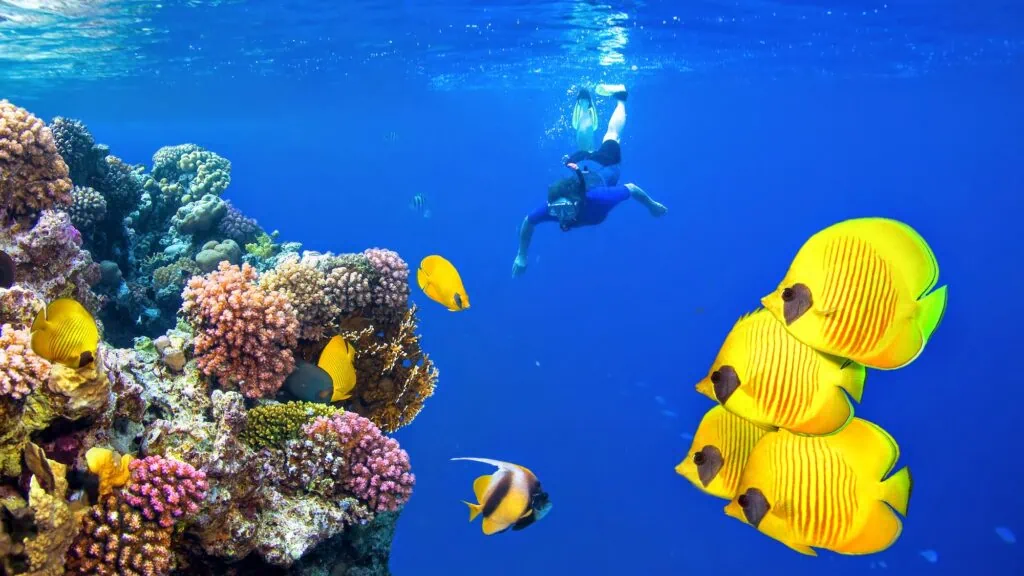
Seasonal migrations bring additional excitement. Whale shark sightings peak during summer months, particularly around offshore seamounts like Daedalus Reef. Manta rays visit cleaning stations at specific sites, allowing photographers incredible close encounters.
Shark Encounters and Safety
Grey reef sharks frequent many Red Sea dive sites, particularly around drop-offs and current-swept points. These encounters typically involve curious but non-aggressive animals that maintain respectful distances from divers. Hammerhead sharks occasionally appear at deeper sites, especially early morning dives around seamounts.
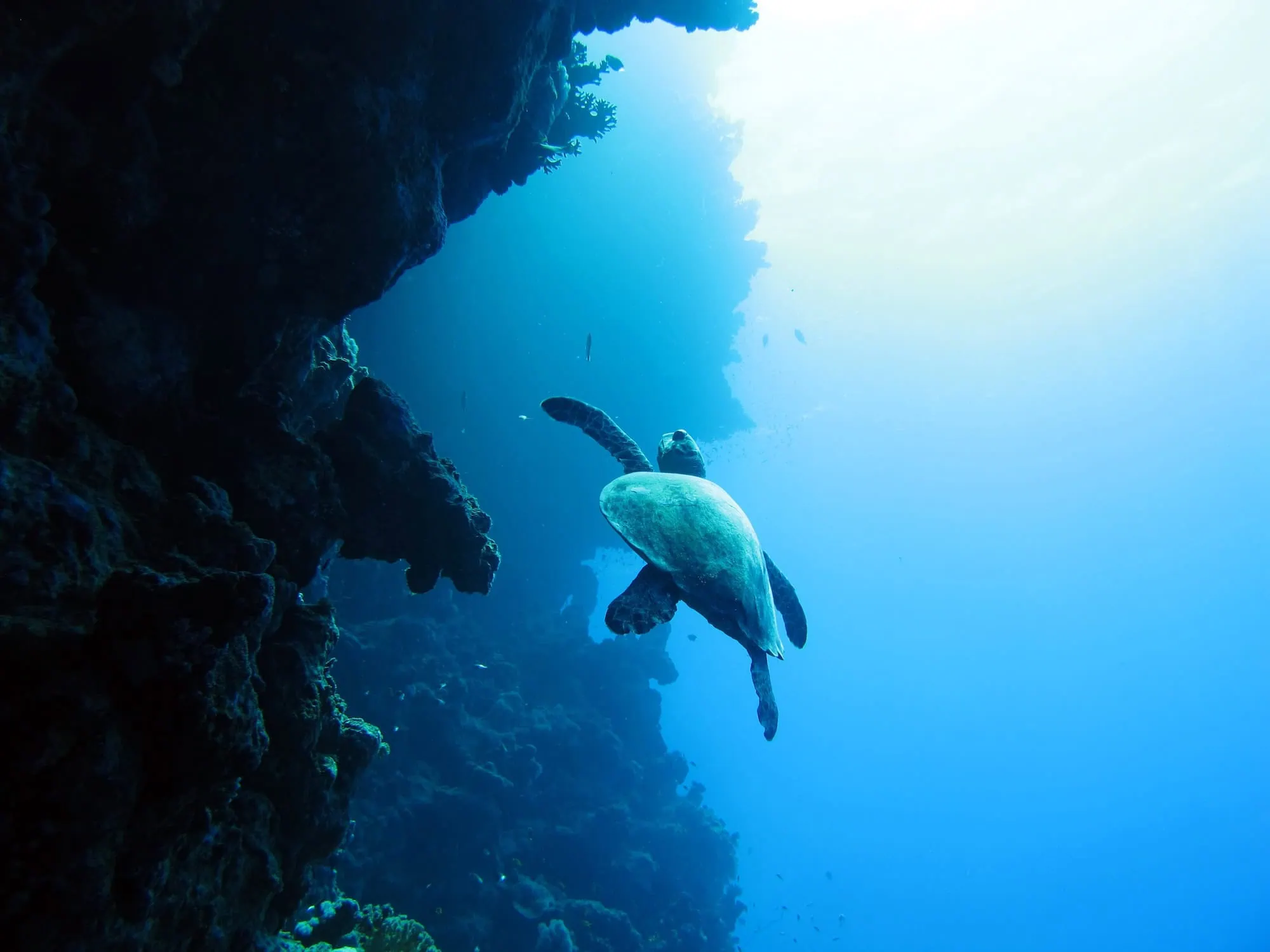
Proper safety protocols ensure positive shark interactions. We recommend staying calm, avoiding sudden movements, and never attempting to touch or chase marine life.
Historic Shipwrecks and Technical Diving
The Red Sea’s strategic location has resulted in numerous shipwrecks spanning different historical periods.
SS Thistlegorm: World War II Time Capsule
The SS Thistlegorm represents the pinnacle of Red Sea wreck diving. This British cargo ship, sunk by German bombers in 1941, lies intact at 95 feet depth. The wreck contains original cargo including trucks, motorcycles, and aircraft parts, creating an underwater museum of wartime artifacts. Strong currents can challenge less experienced divers, making this site best suited for advanced open water certified divers or higher.
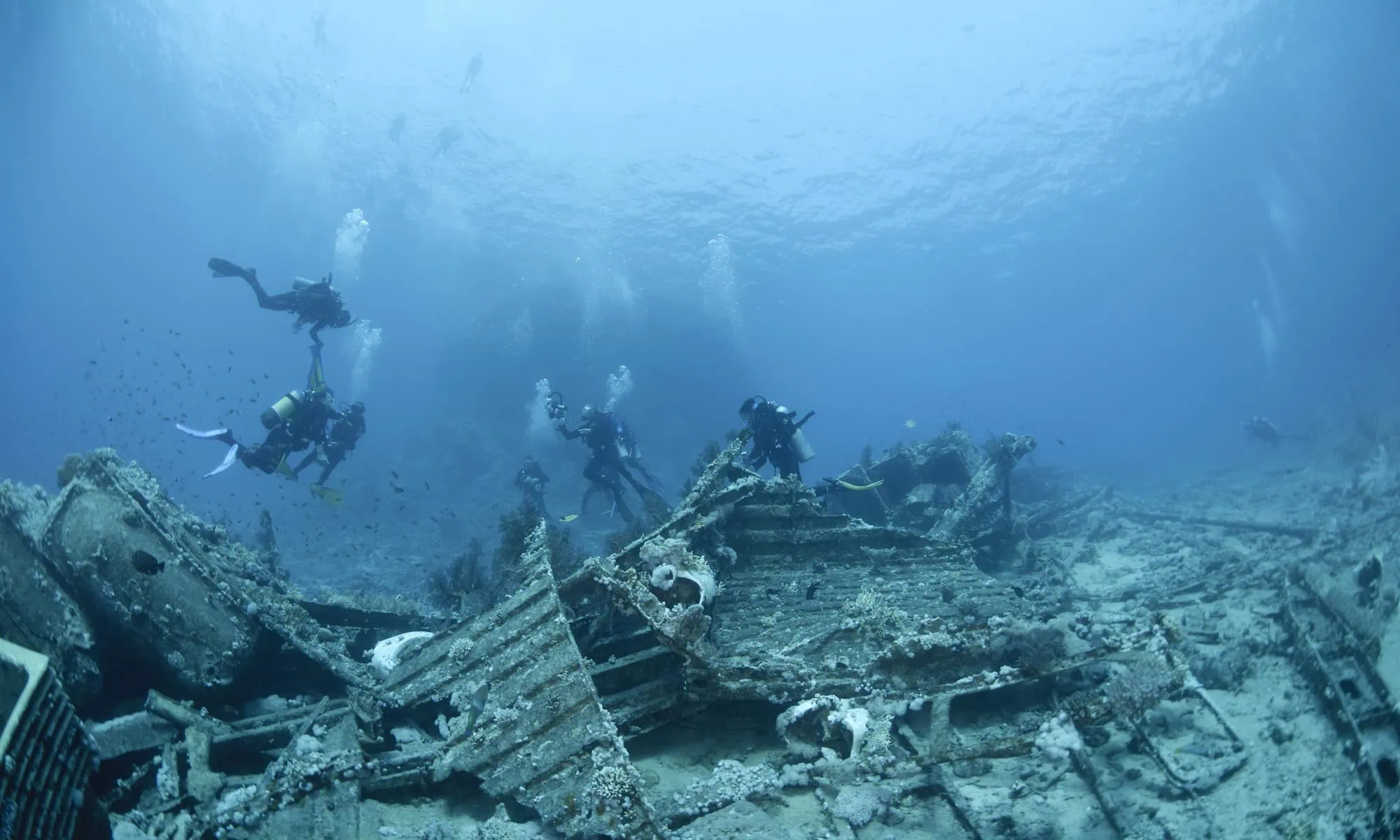
Multiple dive operators offer liveaboard trips specifically targeting the Thistlegorm, often combined with visits to nearby coral reefs for surface intervals.
Technical Diving Opportunities
Advanced divers find numerous deep wrecks and cave systems requiring technical training. The Salem Express, controversial due to its tragic history, offers penetration opportunities for properly trained wreck specialists. Cave systems in the Dahab area challenge technical divers with complex navigation requirements and significant depth ranges.
Liveaboard vs Shore Diving Options
Different diving styles suit various preferences and experience levels.
Liveaboard expeditions provide access to remote offshore sites impossible to reach from shore. Brothers Islands, Daedalus, and Elphinstone reefs offer world-class diving but require multi-day boat trips to access. These expeditions typically cater to advanced divers seeking challenging conditions and rare marine encounters. Modern liveaboard vessels feature comfortable accommodations, professional dive guides, and equipment facilities rivaling land-based dive centers.
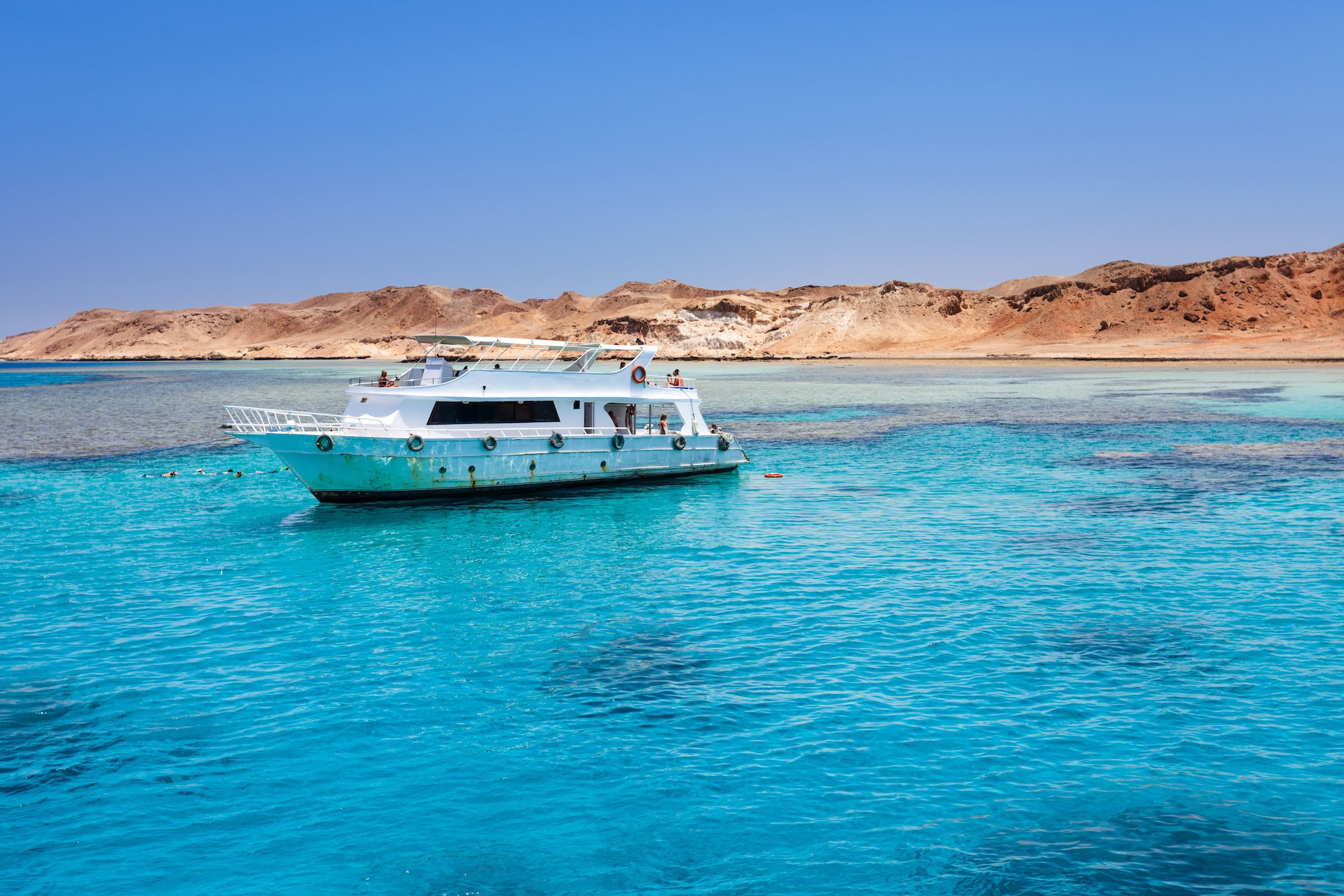
Shore diving dominates budget-friendly options, particularly around Dahab and Aqaba. Many sites offer easy entry points and shallow reef areas perfect for certification training or relaxed exploration. Shore diving allows flexible scheduling and eliminates seasickness concerns that affect some divers on boat trips.
Choosing Your Diving Style
Consider your certification level, budget, and physical capabilities when selecting diving options. Liveaboards typically require advanced open water certification minimum, while shore sites accommodate all skill levels. Budget-conscious divers often prefer shore-based operations, though liveaboards provide better value when considering accommodation and meal costs.
Diving Conditions and Best Times
Red Sea diving conditions remain excellent year-round, though seasonal variations affect marine life encounters and comfort levels.
Water temperatures range from 72°F (22°C) in winter to 86°F (30°C) during summer months. Most divers find 3mm wetsuits adequate for summer diving, while winter conditions may require 5mm protection for extended bottom times. Visibility consistently exceeds 80 feet at most sites, often reaching 150 feet during calm conditions.
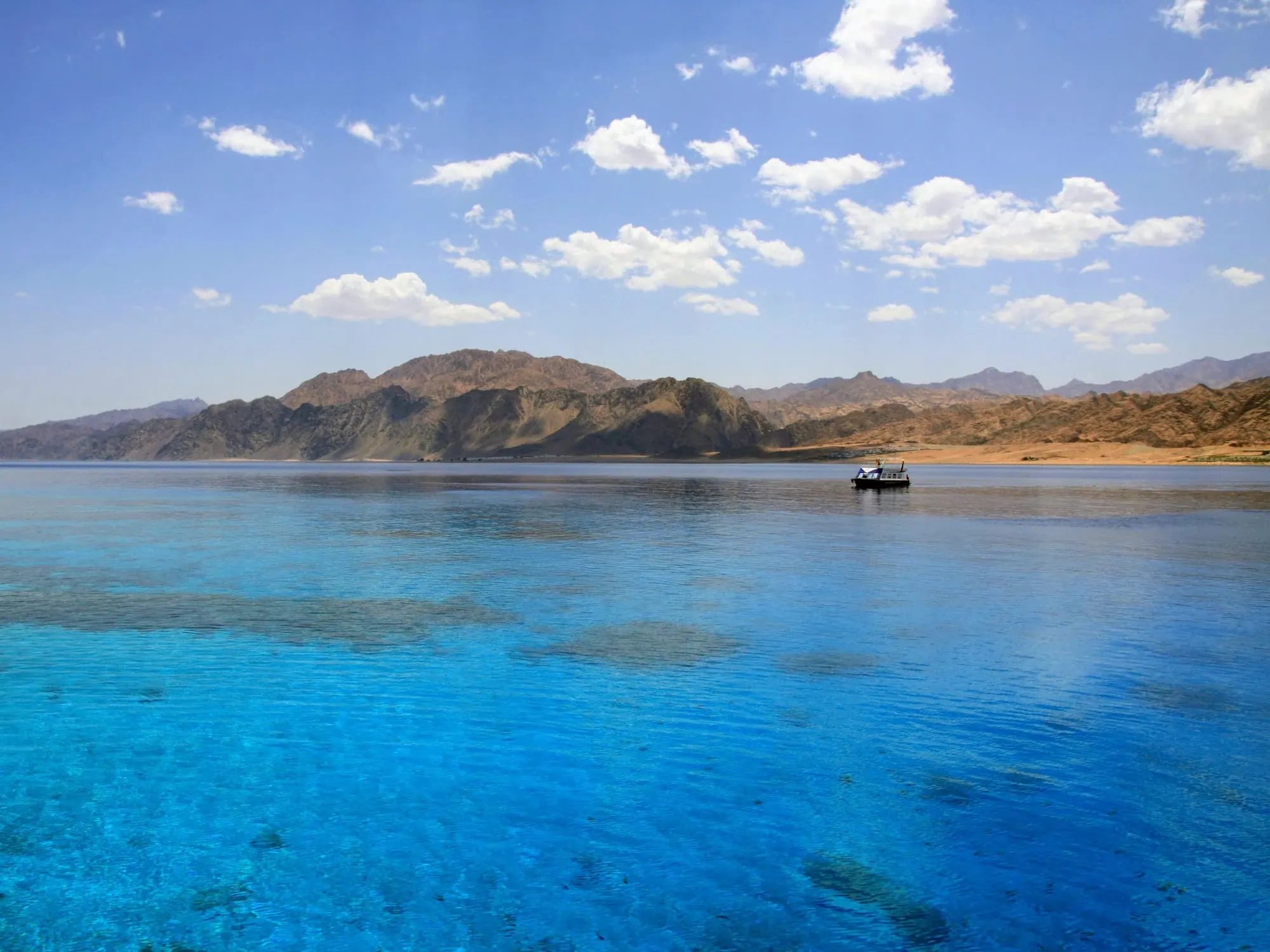
Wind patterns significantly impact dive site selection. Northern winds during winter months can close exposed sites but improve conditions at protected reefs. Summer months bring calmer surface conditions but higher air temperatures that may challenge divers between surface intervals.
Seasonal Marine Life Patterns
Spring months (March-May) offer optimal conditions combining comfortable temperatures with excellent visibility. Whale shark encounters peak during summer, while winter months provide better chances for manta ray sightings at cleaning stations.
Coral spawning events typically occur during full moon periods in late spring and early summer, creating unique photography opportunities for macro enthusiasts.
Dive Training and Certification Requirements
Red Sea diving accommodates all certification levels, from absolute beginners to technical specialists.
Open Water certification represents the minimum requirement for most boat diving, though many shore sites welcome supervised beginners. Advanced Open Water certification opens access to deeper wrecks and drift diving opportunities that define Red Sea experiences. Rescue Diver training proves valuable given the region’s challenging conditions and remote locations.
Continuing Education Opportunities
Many Red Sea dive centers offer specialty courses taking advantage of local conditions. Wreck diving specialties utilizing actual shipwrecks provide hands-on learning impossible to replicate in classroom settings. Deep diving courses use the region’s wall dives for controlled depth progression under professional supervision.
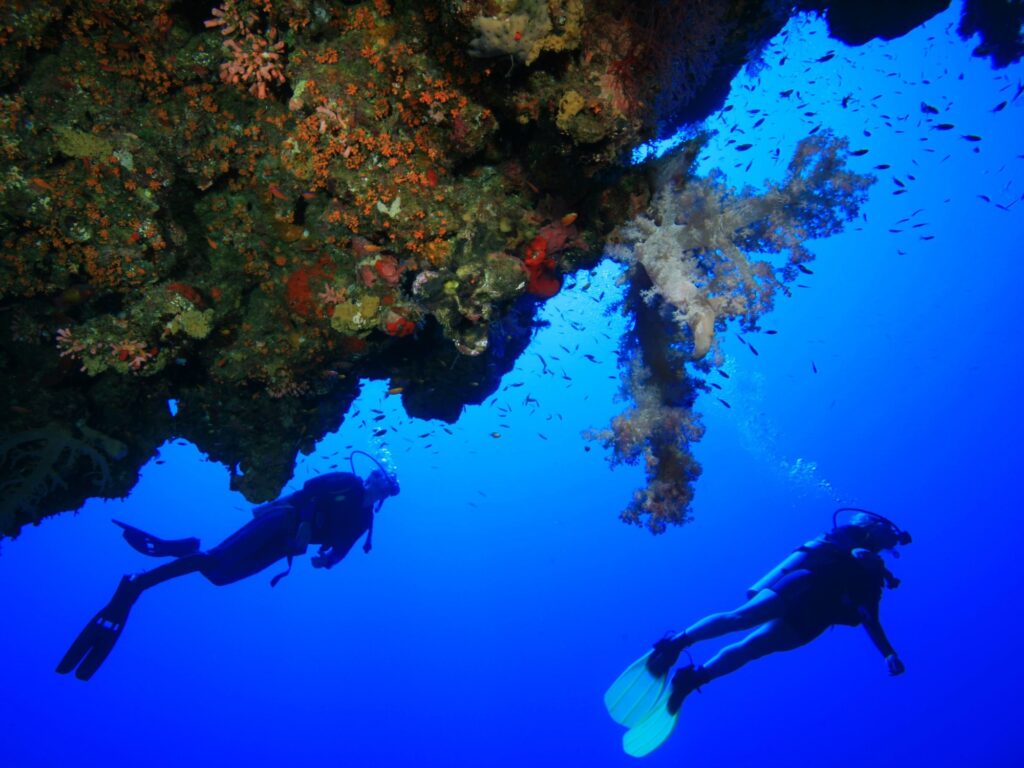
Underwater photography courses benefit from excellent visibility and diverse subject matter. Many operators provide equipment rental and specialized instruction for different camera systems.
Planning Your Red Sea Adventure
Successful Red Sea diving trips require careful planning addressing logistics, equipment, and expectations.
Equipment Considerations
Most dive centers provide high-quality rental equipment, though serious divers prefer bringing personal gear for fit and familiarity. Mask, fins, and snorkel represent essential personal items regardless of other rental decisions. Underwater cameras benefit from housing checks and familiarity before attempting challenging dives.
Consider bringing reef-safe sunscreen, as harsh sun reflects intensely off water surfaces between dives. Quality rashguards provide sun protection while swimming or snorkeling during surface intervals.
Accommodation and Transportation
Budget options range from backpacker hostels to luxury resorts, with diving packages often providing better value than separate bookings. Many dive centers offer package deals including accommodation, meals, and diving for simplified planning.
Airport transfers and dive center transportation vary significantly between destinations. Research options in advance to avoid arrival day confusion or unexpected costs.
Sustainable Diving Practices
Protecting Red Sea marine ecosystems ensures future generations can enjoy these underwater treasures.
Climate change and tourism pressure threaten coral reef health throughout the region. Responsible diving practices include maintaining proper buoyancy to avoid coral contact, following local guidelines for marine life interactions, and choosing operators committed to environmental protection. Many sites now implement mooring systems to prevent anchor damage, while marine protected areas restrict access to preserve critical habitats.
Supporting Local Conservation
Several organizations work to protect Red Sea marine environments through research and education programs. Divers can contribute by participating in citizen science projects, reporting marine life sightings, and choosing operators that support conservation initiatives. Some dive centers offer volunteer opportunities for certified divers interested in contributing to marine protection efforts.
We partner with local conservation organizations to ensure our diving operations support long-term marine ecosystem health while providing exceptional underwater experiences for our guests.
Build a Trip Around the Diving You Actually Want
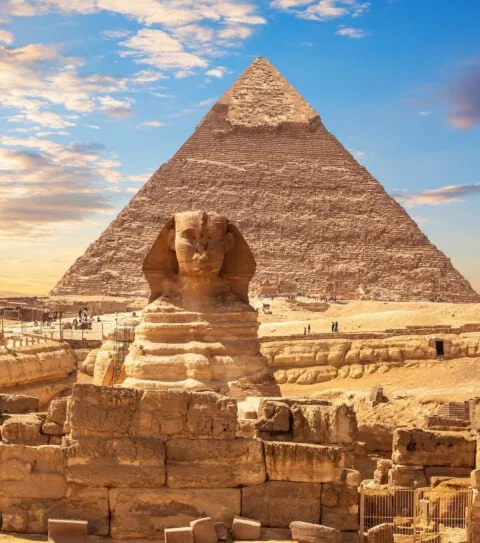
No two divers want the same week. Some come for Ras Mohammed and the Tiran reefs out of Sharm, others for the Brothers and Daedalus liveaboards from Marsa Alam, and plenty want the Pyramids and Luxor first, then a long stretch underwater to finish.
Tell your Travel Concierge which sites are on your list, how many dive days you want, and whether you’re certifying, fun-diving, or going technical. We’ll build the rest of the trip around it: hotels, internal flights, the cultural days you want to keep, the days you’d rather skip. First-draft itinerary back in your inbox within 1 to 12 hours, then we refine it together until it fits.
Frequently Asked Questions
Open Water certification allows access to most Red Sea dive sites, though Advanced Open Water opens better opportunities.
March through May offers optimal conditions with comfortable temperatures, excellent visibility, and diverse marine life encounters.
Daily shore diving starts around $30-50, while liveaboard expeditions range from $150-300 per day including accommodation.
Shark encounters are generally safe and thrilling, while standard marine life precautions apply to avoid dangerous species.
Bring personal mask, fins, snorkel for comfort and hygiene, while renting tanks and regulators works fine.
Absolutely! Many dive centers offer complete certification courses in calm, shallow areas before progressing to challenging sites.
Popular sites range from 30-100 feet depth, though advanced sites and wrecks can exceed 130 feet.
Expect colorful coral gardens, tropical fish schools, sharks, rays, Napoleon wrasse, and potentially whale sharks.
Yes, diving-specific travel insurance covering decompression sickness and evacuation costs is strongly recommended for all trips.
Shore diving allows unlimited flexibility, while boat trips typically offer 2-3 dives daily with surface intervals.
Egypt offers developed infrastructure and famous wrecks, Jordan provides excellent shore diving, Saudi Arabia features pristine sites.
Excellent visibility exceeding 100 feet combined with diverse subjects makes Red Sea ideal for underwater photography.
Explore our most popular guides and expert tips to make your trip safe, smooth, and unforgettable.
Plan Your Egypt Adventure with Confidence
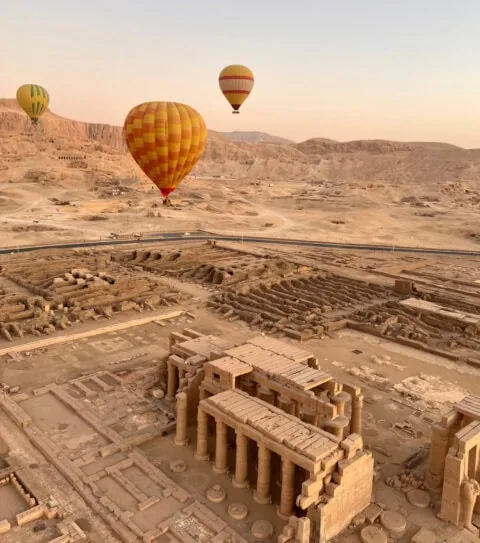
How to Plan a Trip Egypt
Step-by-step guide to help you plan the perfect Egypt trip — from routes and budget to booking.
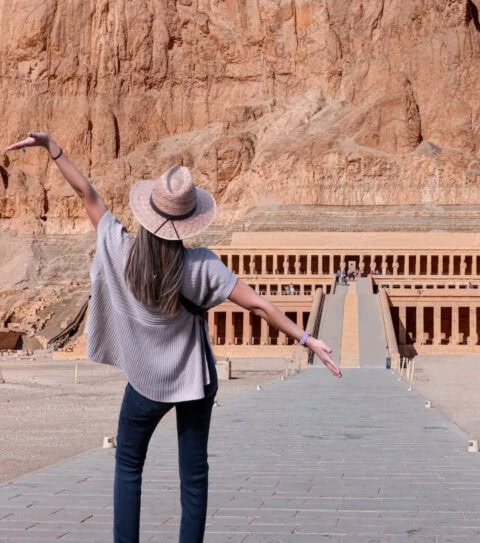
Best Time to Visit Egypt
Learn the best months to visit Egypt based on weather, crowds, and local travel experiences.
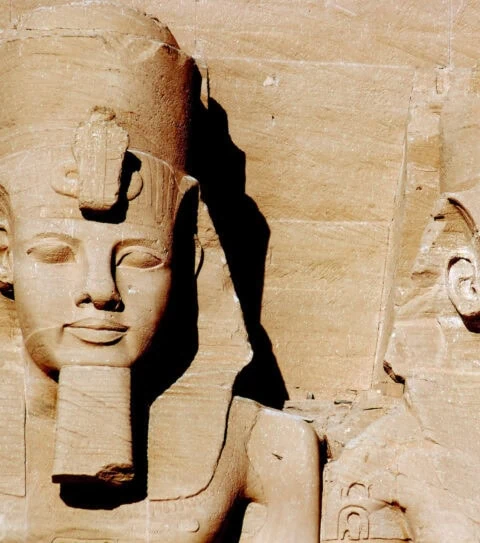
Must Visit Places in Egypt
Explore Egypt’s top sights — from pyramids to temples — and hidden gems worth seeing.
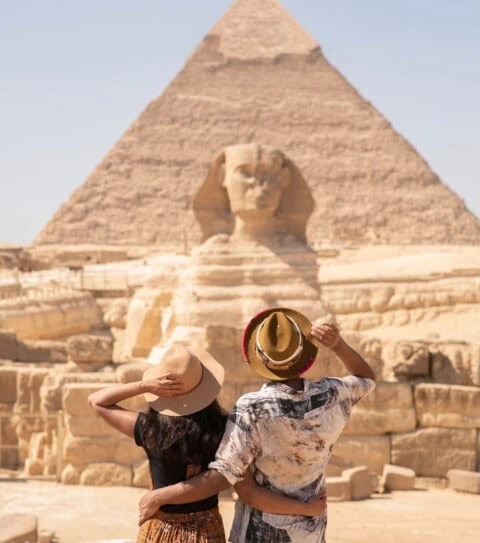
Top-Rated Egypt Tours
Handpicked private tours with local guides — our most loved and best-reviewed experiences.
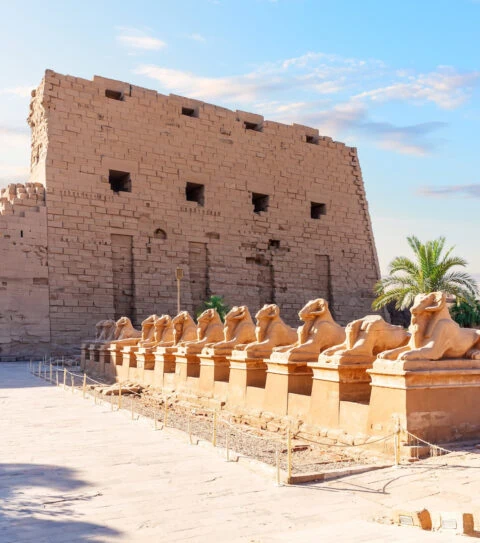
How Many Days to Visit Egypt?
Find out how many days you need in Egypt — from quick trips to full itineraries.
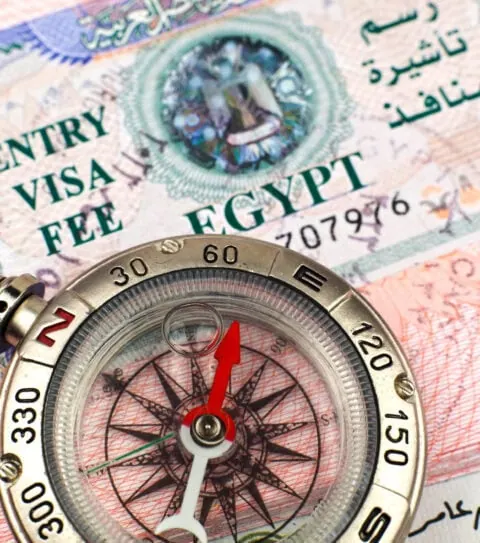
Egypt Visa Requirements
Check if you need a visa and get simple, up-to-date entry info based on your nationality.
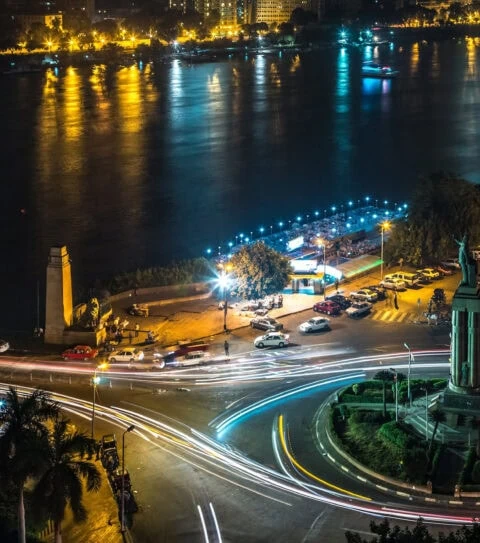
Is it Safe to Travel to Egypt?
Is Egypt safe? Get honest safety tips, area advice, and what to know before you travel.
What to Pack for Egypt
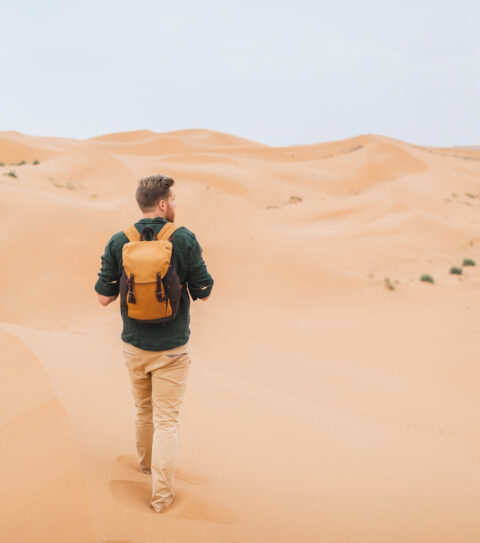
A quick packing guide with essentials, cultural tips, and clothing advice for your Egypt trip.
Design Your Custom Tour
Explore Egypt your way by selecting only the attractions you want to visit