

Bahariya Oasis Tour – Visiting a Land Where Dinosaurs Roamed
Escape Cairo’s chaos in just four hours.
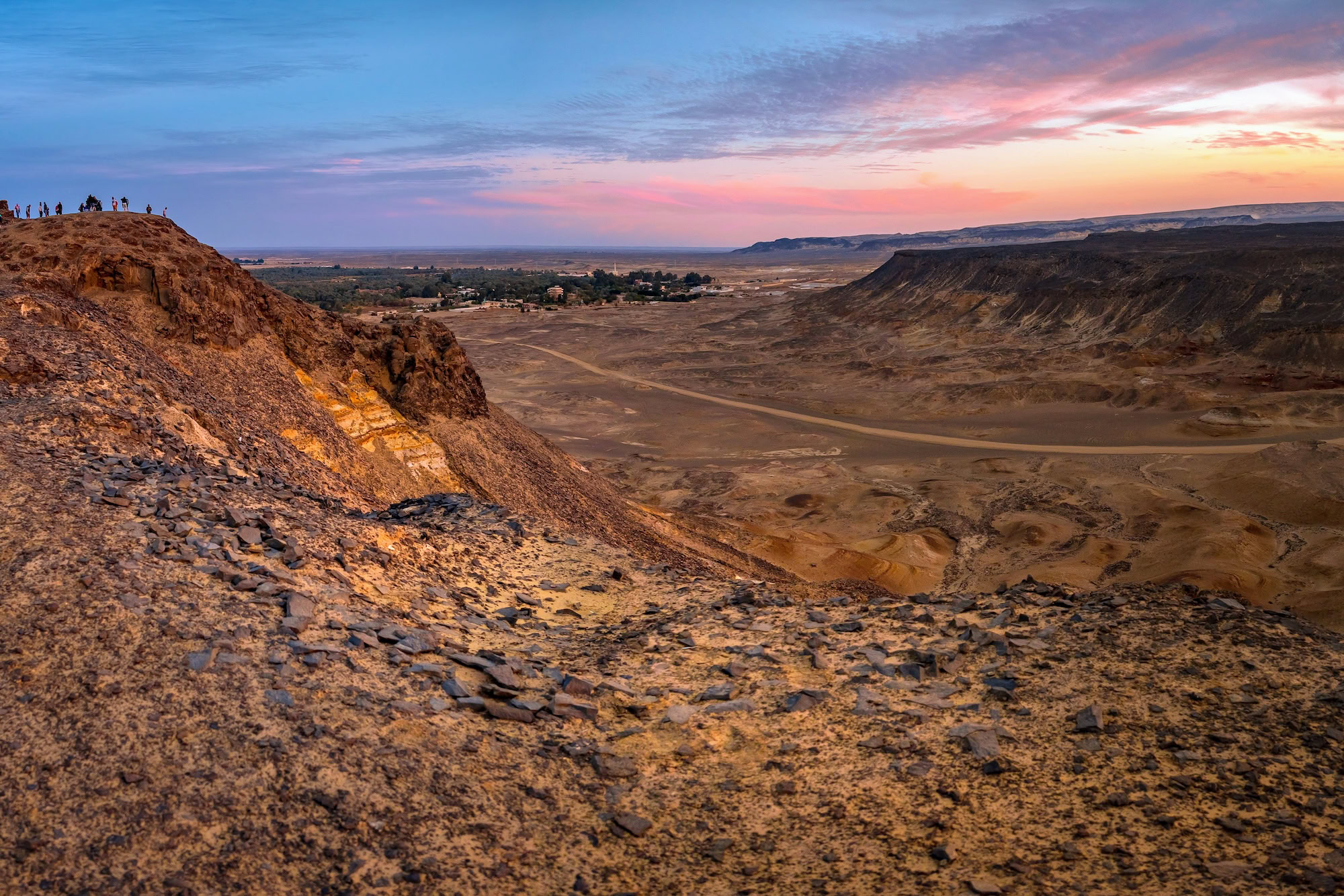
The Bahariya Oasis sits like a green jewel in Egypt’s Western Desert, offering travelers their first taste of Sahara magic without venturing deep into the wilderness. Ancient palm groves shade natural hot springs, while dramatic rock formations create an otherworldly landscape that feels both timeless and surreal. This isn’t just another day trip – it’s your gateway to understanding why the desert has captivated explorers for millennia.
We’ve been guiding adventurers through these ancient lands for decades, and we know exactly how to transform a simple oasis visit into an unforgettable journey through geological wonders and Bedouin culture.
Table of Contents
Planning Your Desert Expedition
Most travelers underestimate how much the Bahariya region offers beyond its famous hot springs.
Choosing Your Adventure Duration
Two-day tours dominate the market for good reason. You’ll have enough time to explore the White Desert’s limestone sculptures without feeling rushed, plus enjoy proper camping under stars that shine brighter than anywhere near civilization. Our overnight experiences include professional camping equipment, traditional meals, and expert guides who know every hidden valley.
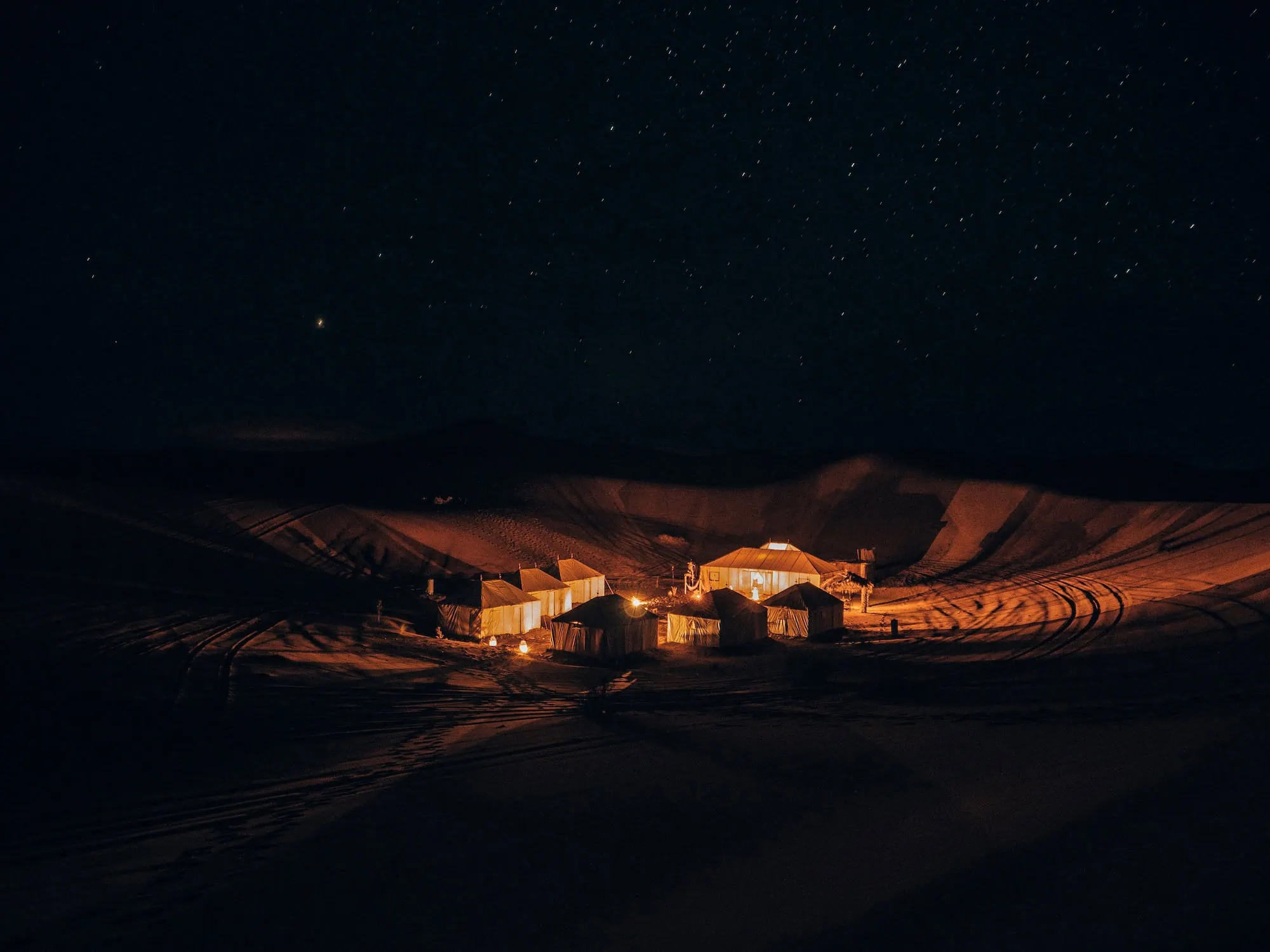
Three to six-day extended adventures unlock the region’s deeper secrets. These longer expeditions reach Crystal Mountain, venture into the less-visited Black Desert, and include multiple overnight camps that let you truly disconnect from modern life.
Transportation and Group Dynamics
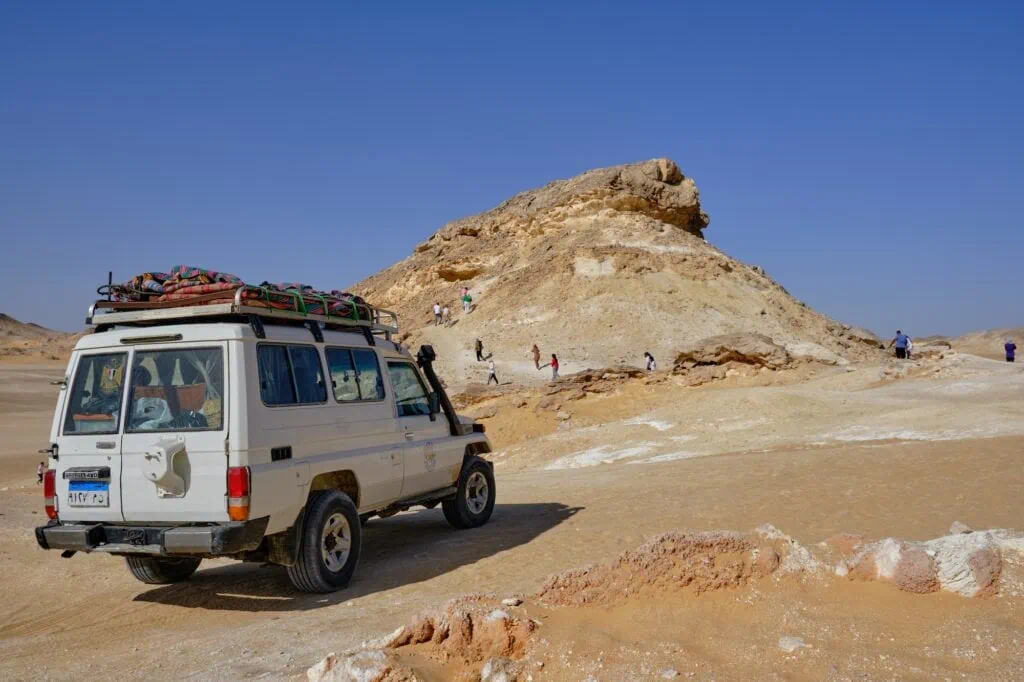
All Egypt desert tours require 4WD vehicles – the terrain simply demands it. Private tours offer maximum flexibility for photography stops and personalized pacing, while small group experiences (typically 4-8 people) provide better value and often more engaging cultural exchanges. Large tour buses can’t navigate the desert trails, so you’re guaranteed an intimate vehicle experience regardless of your choice.
Seasonal Considerations
Desert conditions vary dramatically throughout the year. Winter months (December through February) offer comfortable daytime temperatures around 20°C (68°F), but nights can drop to near freezing. Spring brings wildflowers but also sandstorms. Summer temperatures soar above 40°C (104°F), making camping nearly unbearable for most visitors.
What Makes Bahariya Special
The oasis serves as your staging ground for accessing multiple desert wonders within a single expedition. Unlike other Egyptian destinations focused solely on ancient monuments, this region showcases geological processes spanning millions of years alongside human settlements dating back to pharaonic times.
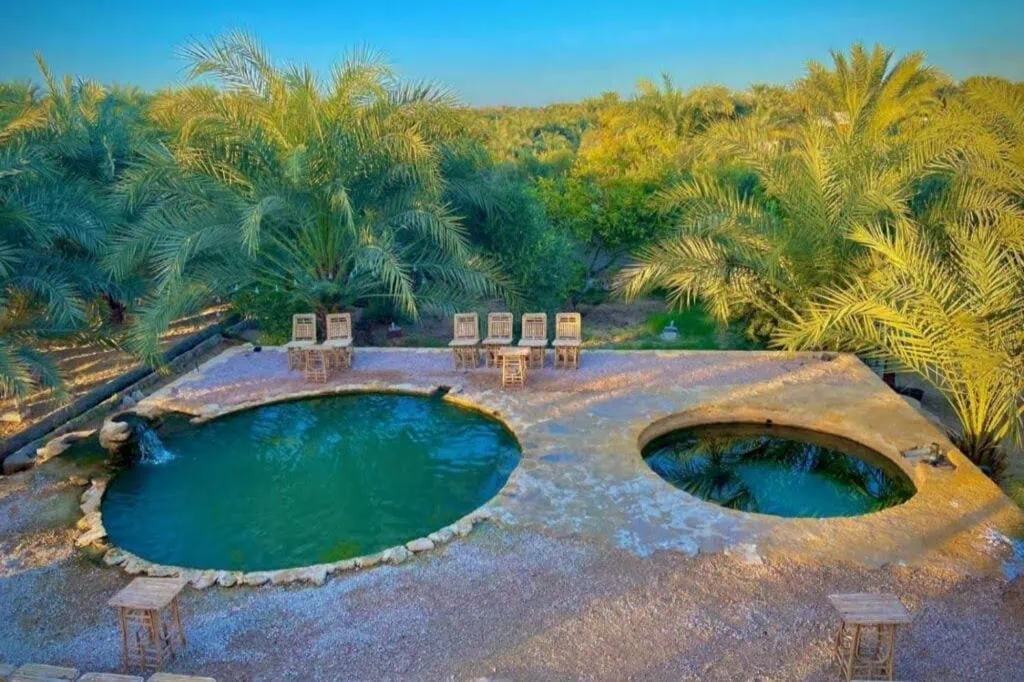
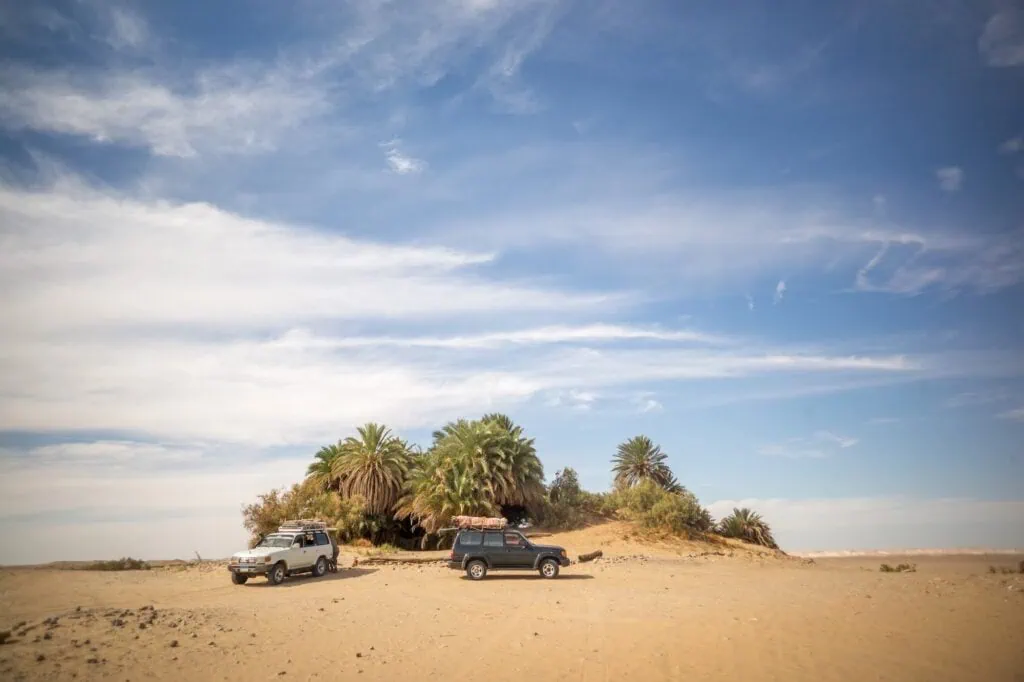
Natural hot springs maintain year-round temperatures of 30°C (86°F), fed by underground aquifers that have sustained life here since ancient times. The contrast between these warm waters and the surrounding desert creates a microclimate supporting date palms, olive trees, and small-scale agriculture that feels miraculous in such an arid environment.
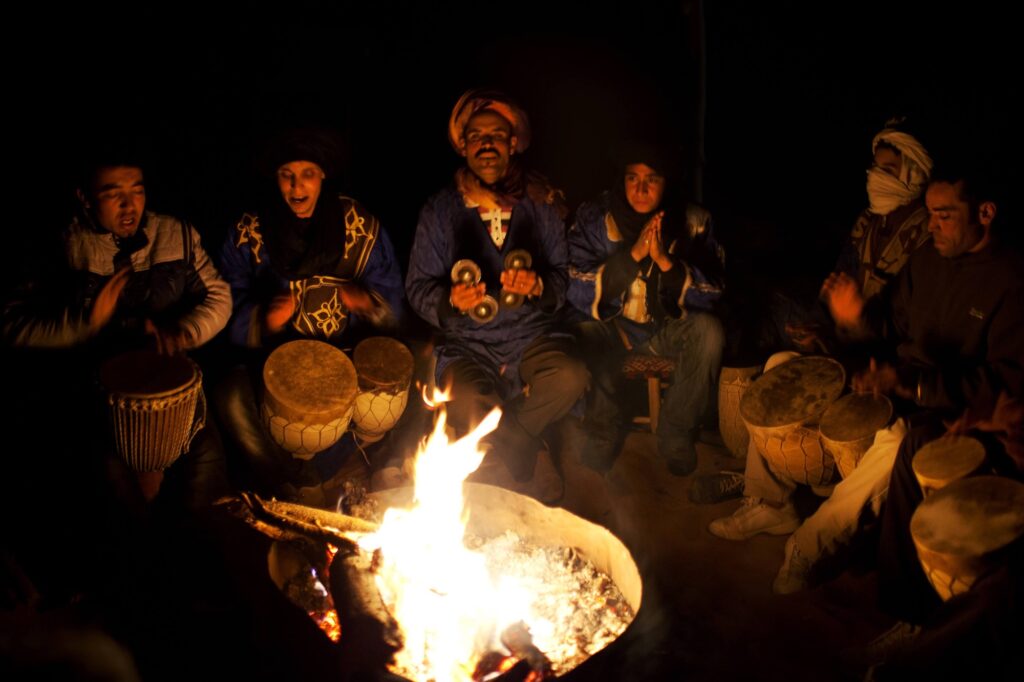
Local Bedouin communities maintain traditional lifestyles while welcoming visitors to share meals and stories around campfires. These aren’t staged performances – they’re genuine cultural exchanges where you’ll learn about desert navigation, traditional crafts, and survival techniques passed down through generations.
Desert Destinations Within Reach
White Desert National Park
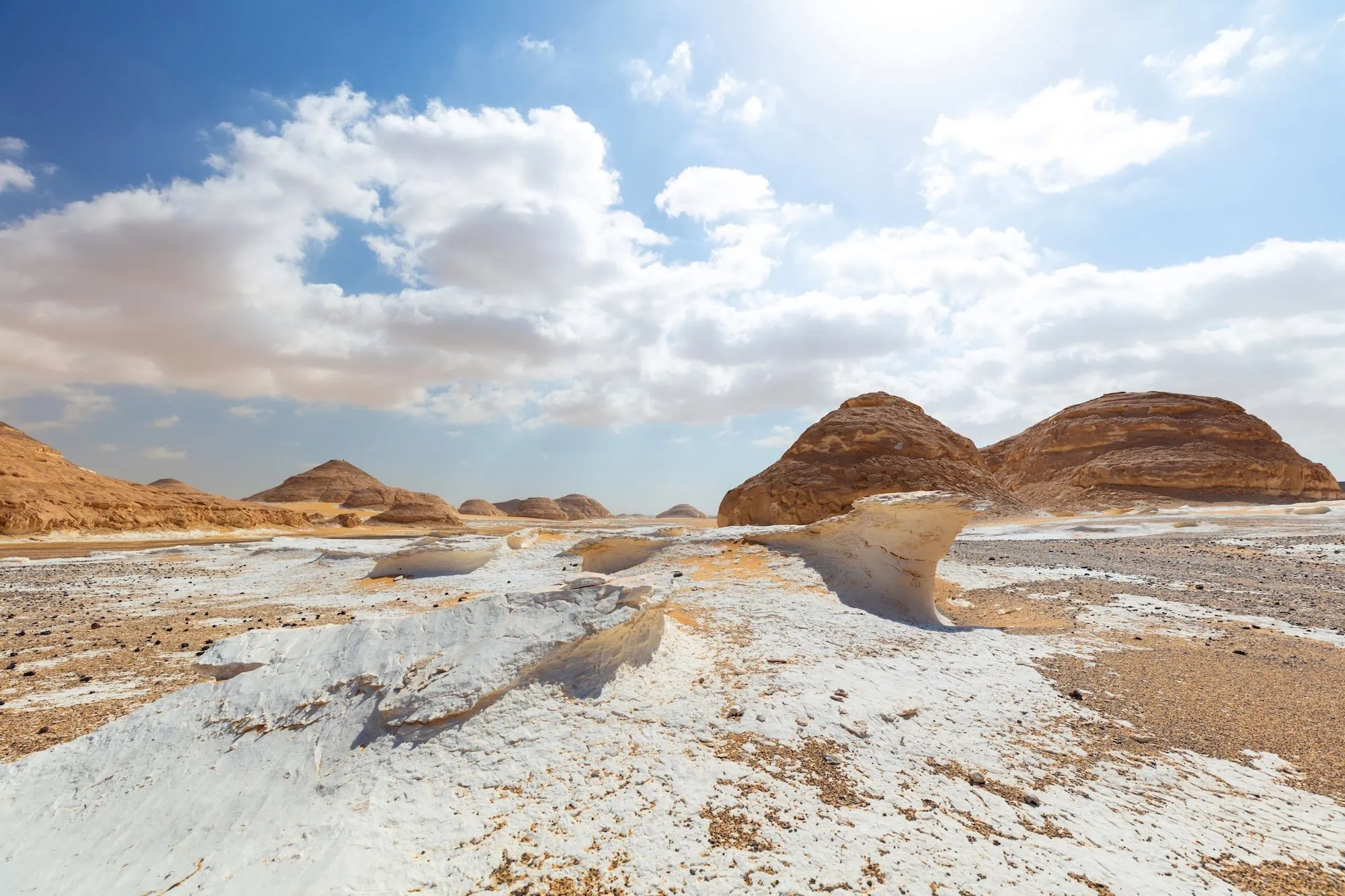
Chalk-white limestone formations create Egypt’s most photographed desert landscape. Wind and sand carved these rocks into mushroom shapes, chicken formations, and abstract sculptures that change appearance as light shifts throughout the day. Professional photographers visit specifically for sunrise and sunset shots when the white rocks glow pink and orange against deep blue skies.
The park covers 3,010 square kilometers, but most tours focus on a central area accessible within two hours from Bahariya town. Camping here requires permits, which all reputable operators handle as part of their service.
Black Desert Adventures
Volcanic hills covered in iron ore fragments create this dramatically different landscape just 50 kilometers from the White Desert. The contrast is striking – instead of pale limestone, you’ll encounter dark, rounded hills shaped by volcanic activity millions of years ago. Explore this unique terrain on our Black Desert tours, where climbing these formations rewards you with panoramic views across the entire Bahariya depression.
Crystal Mountain Discovery
This quartzite crystal formation sits directly on the route between Black and White Deserts, making it a natural stopping point for multi-day adventures. Crystal Mountain isn’t particularly tall, but its crystal formations catch sunlight in ways that create natural light shows throughout the day.
Adventure Activities Beyond Sightseeing
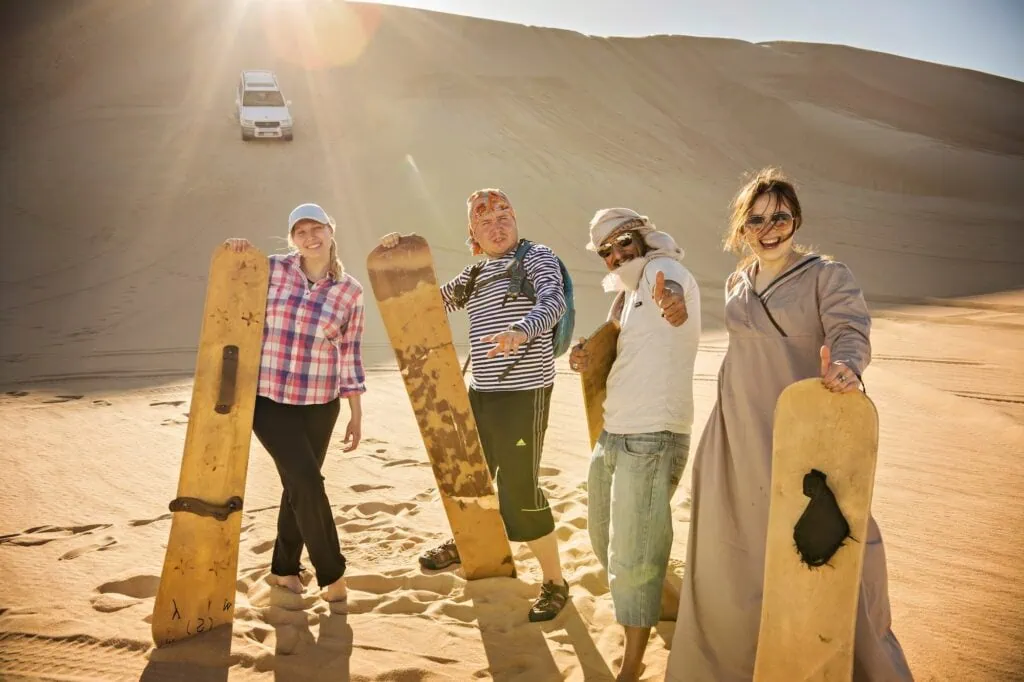
Sandboarding transforms steep dune faces into natural playgrounds. Unlike snow skiing, sand provides a softer landing for beginners while still offering genuine thrills for experienced boarders. Equipment comes included with most tour packages, though bringing your own wax improves board performance on different sand types.
Desert hiking reveals details invisible from vehicle windows – fossil shells embedded in limestone, desert flora adapted to extreme conditions, and animal tracks telling stories of nighttime desert life. Our guides know safe routes and carry GPS devices, but proper hiking boots and sun protection remain essential.
Stargazing in the Western Desert offers visibility impossible near cities. With zero light pollution for hundreds of kilometers, you’ll see the Milky Way, satellite movements, and constellations with naked-eye clarity that makes expensive telescopes seem unnecessary. Winter nights provide the clearest skies, though you’ll need warm sleeping bags.
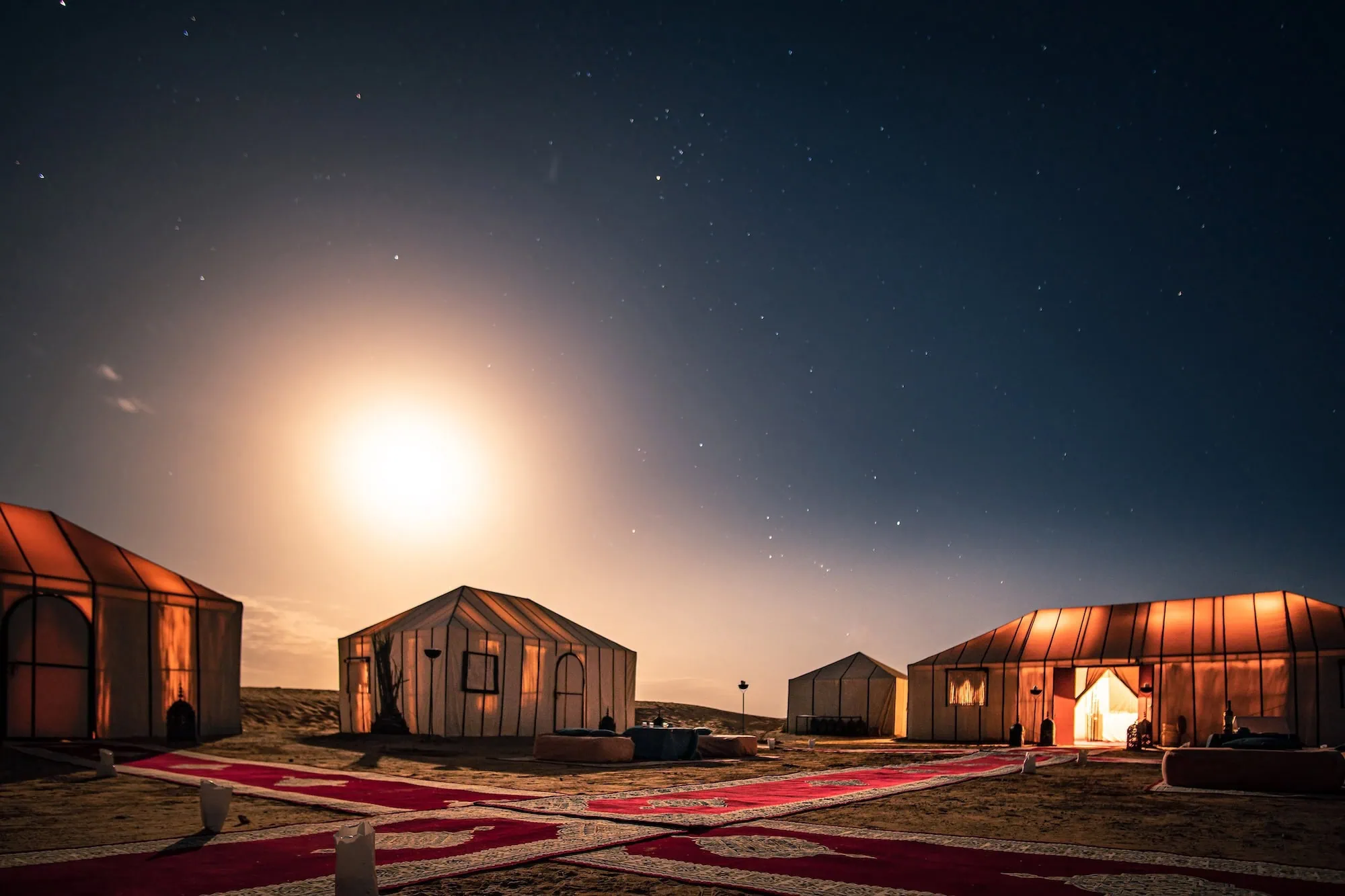
Photography workshops can be arranged for serious enthusiasts. Professional landscape photographers know optimal times and locations for capturing the desert’s changing moods, from dramatic shadows at golden hour to star trail compositions requiring long exposures.
Practical Essentials for Desert Success
What to Pack
Temperature variations demand layered clothing strategies. Lightweight, long-sleeved shirts protect against sun exposure while allowing cooling airflow. Warm jackets become essential after sunset, even during summer months. Cotton clothing feels comfortable initially but stays damp with perspiration – moisture-wicking synthetic fabrics perform better in desert conditions.
Closed-toe shoes prevent sand from creating uncomfortable walking conditions, while sandals work well around campsites. Bring both options for maximum comfort throughout different activities.
Health and Safety Protocols
Desert environments present unique challenges requiring specific preparations. Dehydration occurs faster than most visitors expect – we recommend drinking water consistently rather than waiting until you feel thirsty. Electrolyte supplements help maintain proper hydration when you’re sweating heavily during day hikes.
Sun protection extends beyond simple sunscreen application. Desert sand reflects UV rays, creating exposure from multiple angles that can cause unexpected burns on areas typically protected by shadows. Wide-brimmed hats, UV-blocking sunglasses, and clothing coverage prevent most sun-related problems.
Dietary Considerations
Traditional Bedouin meals emphasize proteins and carbohydrates that provide sustained energy for desert conditions. Grilled meats, flatbreads, and rice dishes form the foundation of most camp meals, prepared using techniques developed specifically for outdoor desert cooking.
Vegetarian options exist but require advance communication with tour operators. Desert communities rely heavily on meat-based proteins, so plant-based alternatives need special arrangements to ensure proper nutrition during physically demanding activities.
Booking Your Perfect Desert Adventure
Understanding Pricing Structures
Group size significantly impacts per-person costs. Private tours for two people typically cost 3-4 times more than small group alternatives, while groups of 6-8 people achieve the best value pricing. Seasonal variations affect costs by 20-30%, with peak winter months commanding premium rates.
All-inclusive packages generally offer better value than paying separately for transportation, meals, equipment, and guide services. Hidden costs rarely appear with established operators, but clarify what’s included before making deposits.
Choosing Reliable Operators
Established tour companies maintain proper insurance, licensed guides, and reliable vehicle fleets essential for safe desert travel. We’ve built relationships with local Bedouin communities over decades, ensuring authentic cultural experiences rather than superficial tourist presentations.
Professional guides undergo desert safety training and carry communication equipment for emergency situations. This isn’t just about convenience – proper safety protocols can prevent serious problems in remote locations where medical facilities are hours away.
Booking Timeline and Flexibility
Reserve desert tours at least one week in advance during peak season (October through April), though last-minute availability sometimes exists. Private tours require more advance notice for vehicle and guide scheduling.
Flexible cancellation policies matter more for Western Desert tours than other activities because weather conditions occasionally force itinerary changes. Sandstorms, though rare, can make certain areas temporarily inaccessible.
Cultural Immersion Opportunities
Traditional Bedouin hospitality centers around sharing meals and stories in ways that create genuine connections between visitors and local communities. These interactions happen naturally around evening campfires rather than through structured presentations, allowing conversations to develop organically based on mutual curiosity.
Desert navigation techniques passed down through generations demonstrate how humans survived in harsh environments long before GPS technology. Learning to read wind patterns, recognize landmark formations, and find water sources provides insights into skills that sustained nomadic lifestyles for centuries.
Traditional crafts including weaving, metalwork, and pottery continue in small communities throughout the region. Purchasing directly from artisans supports local economies while ensuring authentic quality that mass-produced souvenirs can’t match.
Turn Your Bahariya Oasis Tour Into a Tailor-Made Egypt Journey
The magic of a Bahariya Oasis Tour doesn’t have to stand alone. Imagine pairing its golden deserts and surreal landscapes with the icons of Egypt—Cairo’s ancient wonders, a Nile cruise through Upper Egypt, or a few days by the Red Sea. We design journeys where every destination flows seamlessly into the next, creating a complete and deeply personal experience.
With our custom tour planner, you decide everything: your travel dates, pace, must-see experiences, and route across Egypt. We handle the details with precision—private transport, expert guides, handpicked stays—so your journey feels effortless from start to finish.
Frequently Asked Questions
Bahariya Oasis is located approximately 370 km (230 miles) southwest of Cairo, and the drive typically takes 4 to 5 hours via the Cairo-Bahariya Desert Road. The highway is generally well maintained, making the route manageable for standard vehicles until deeper desert excursions require four-wheel-drive transport. Although day trips are technically possible, most travelers prefer at least one overnight stay to experience sunset landscapes, desert camping, and nearby attractions like the Black Desert and White Desert without rushing.
Most Bahariya Oasis tour packages include round-trip transportation, four-wheel-drive desert vehicles, camping equipment, meals, bottled water, permits, and a professional desert guide familiar with Western Desert routes. Multi-day itineraries often add visits to the White Desert, Crystal Mountain, Black Desert, and natural hot springs near Bawiti village. Egypt Tours Plus and similar operators usually provide sleeping tents, mattresses, and cooking equipment for overnight desert stays. Always confirm whether park entry fees and personal gear rentals are included before booking.
Bahariya Oasis offers several accommodation alternatives to camping, including eco-lodges, desert guesthouses, and small hotels concentrated around Bawiti and nearby villages. Many properties combine traditional mud-brick architecture with modern essentials such as air conditioning, private bathrooms, and Wi-Fi access. Camping remains the most immersive way to experience the White Desert, especially for sunrise and stargazing, but hotel stays appeal to travelers wanting greater comfort after long desert drives. Booking ahead during winter weekends is strongly recommended because availability becomes limited.
Children can participate in most Bahariya Oasis desert tours, particularly sightseeing, camping, and shorter walks through the White Desert and Black Desert regions. Many operators recommend a minimum age of around 6 to 8 years for overnight expeditions because of extended driving times, temperature shifts, and limited facilities in remote areas. Activities such as sandboarding or longer desert hikes may involve separate age or fitness requirements. Families should prioritize winter travel months when daytime temperatures remain far more manageable for younger travelers.
Professional desert tour operators adjust Bahariya Oasis itineraries when weather conditions create safety concerns such as sandstorms, heavy wind, or extreme summer heat. Routes into exposed areas of the White Desert may be modified temporarily because visibility and vehicle traction can deteriorate rapidly during desert storms. Experienced guides monitor local forecasts and maintain alternative stops including hot springs, archaeological sites, or oasis villages when conditions shift unexpectedly. Flexible scheduling is particularly important between June and September when daytime temperatures can exceed 40°C (104°F).
Vegetarian meals are widely available on Bahariya Oasis tours, but dietary requirements should be communicated before departure so guides can prepare supplies for remote desert camping locations. Traditional Egyptian dishes such as rice, lentils, grilled vegetables, falafel, tahini, and fresh flatbread adapt easily for vegetarian travelers. Because desert camps operate far from supermarkets or restaurants, last-minute meal changes may be difficult once the expedition begins. Travelers with allergies or strict dietary restrictions should also carry supplemental snacks for longer overnight excursions.
Most Bahariya Oasis desert tours require only moderate physical effort, with activities designed for travelers who have average mobility and general fitness. Typical itineraries involve short walks on sand, climbing small rock formations, entering camping areas, and several hours of vehicle travel across uneven desert terrain. More demanding options such as sandboarding, longer hikes, or dune climbing require stronger endurance and balance. Winter tours are physically easier because cooler temperatures reduce fatigue and dehydration risk during outdoor exploration.
The best photography conditions in Bahariya Oasis occur between November and February when cooler temperatures, lower haze levels, and softer desert light improve visibility and color contrast. Sunrise and sunset are especially valuable because low-angle light highlights the White Desert’s chalk formations and the volcanic terrain of the Black Desert. Summer heat can create atmospheric distortion during midday hours, reducing image clarity across wide desert landscapes. Overnight camping trips also provide excellent opportunities for Milky Way and long-exposure night photography.
Standard travel insurance policies often cover Bahariya Oasis tours, but travelers should verify whether off-road driving, desert camping, hiking, or sandboarding fall under adventure activity exclusions. Remote Western Desert locations may require emergency evacuation logistics that differ from urban tourism coverage in Cairo or Luxor. Policies including medical evacuation and outdoor activity protection are generally the safest option for multi-day desert expeditions. Travelers planning overnight camping or extended exploration beyond Bahariya should review coverage details carefully before arrival in Egypt.
Private Bahariya Oasis tours can usually be customized around interests such as photography, archaeology, astronomy, geology, or extended camping in the White Desert National Park. Travelers interested in slower pacing may add extra nights near hot springs or traditional oasis villages, while adventure-focused itineraries often include sandboarding and deeper off-road exploration. Group tours generally follow fixed routes because of shared logistics and timing constraints. Customized itineraries work best when arranged several weeks ahead, especially during Egypt’s peak winter tourism season.
Bathroom facilities during Bahariya Oasis desert tours are generally basic, especially inside remote camping zones and protected desert regions far from permanent infrastructure. Organized camps usually provide simple toilet tents or designated facilities, but travelers should expect rustic conditions rather than hotel-style amenities. Visitor centers near some major attractions offer more developed restrooms before entering deeper desert areas. Carrying personal hygiene supplies, tissues, and hand sanitizer is strongly recommended because water access remains limited throughout much of the Western Desert.
Professional Bahariya Oasis guides commonly speak Arabic and English, while many also offer German, French, Italian, or Spanish depending on training and tourism specialization. Larger operators often match guides to traveler language preferences in advance because desert tours involve safety briefings, cultural explanations, and logistical coordination across remote areas. Communication matters especially during overnight camping and off-road travel where quick instructions may become necessary. Travelers with less common language needs should request guide availability before confirming reservations during Egypt’s busy winter season.
Design Your Private Western Desert Adventure
Travel with your own expert guide, private 4×4 vehicle, and a route tailored to you.