Egypt Travel Insurance Essential Coverage Guide
Travel insurance isn’t required to enter Egypt, but it’s one of the smartest investments you can make.
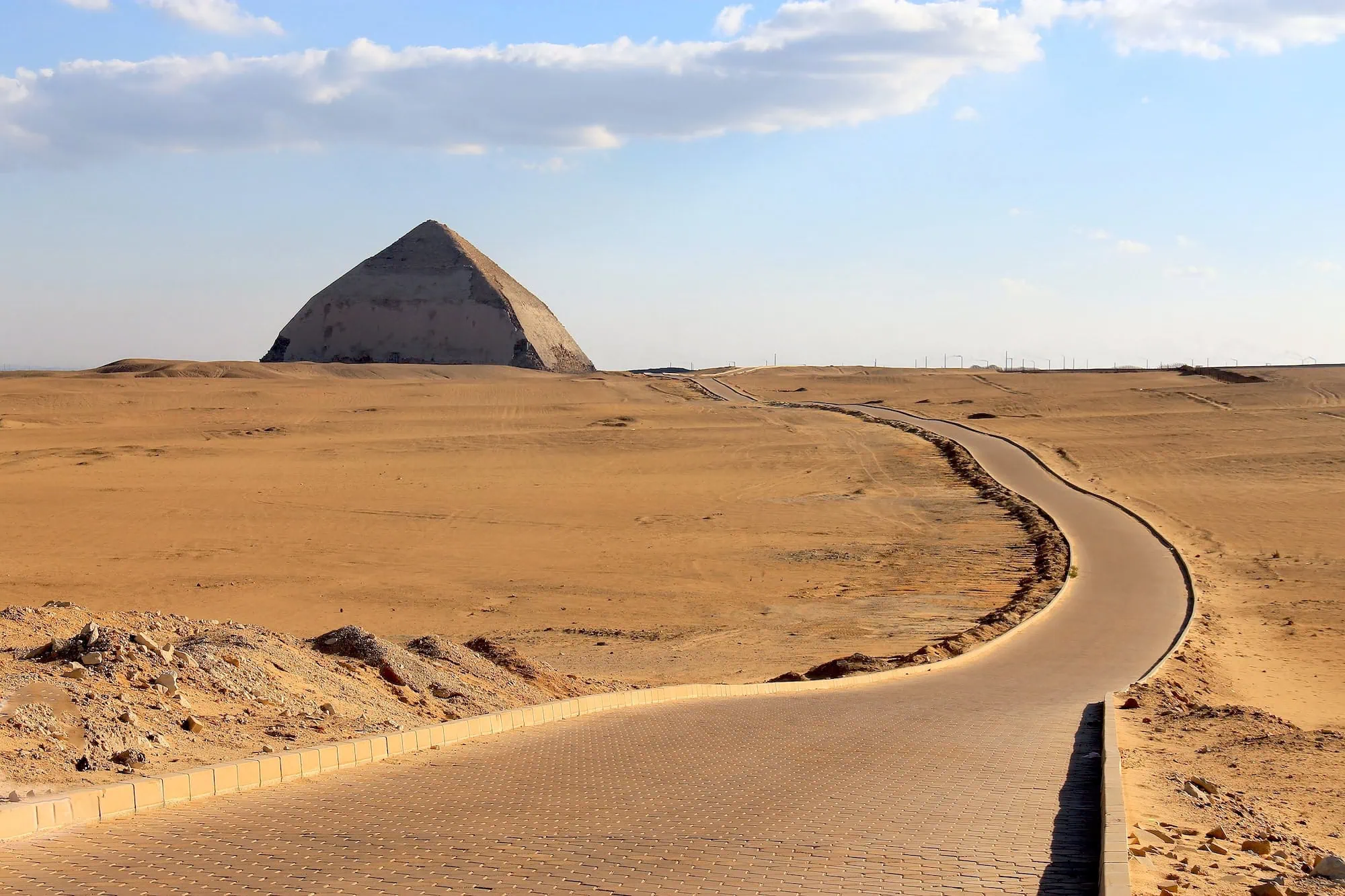
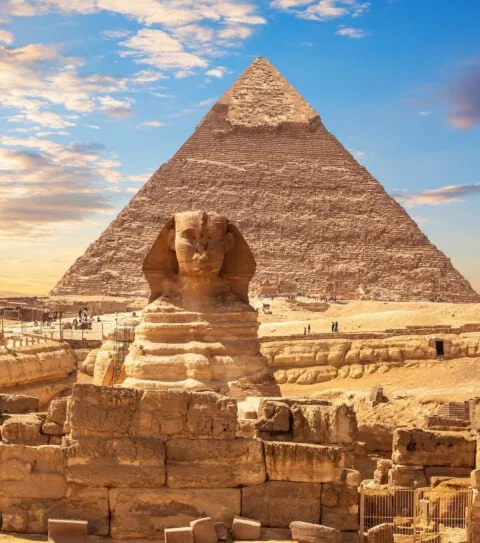
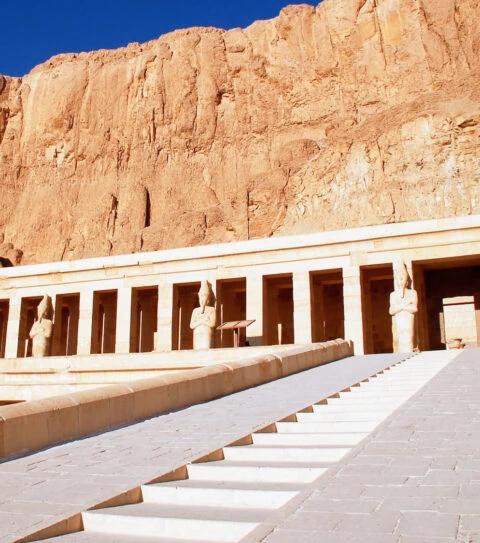
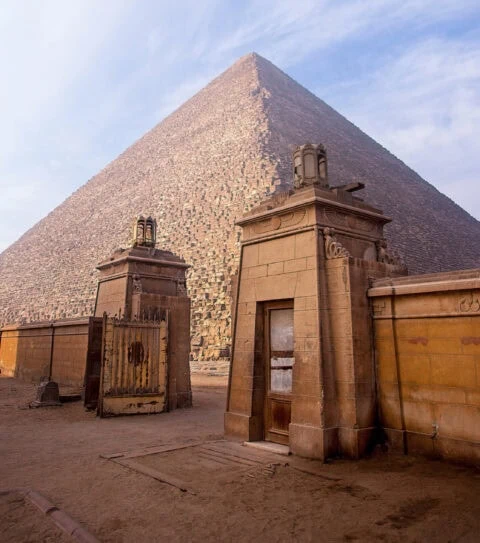
Imagine standing before the Great Pyramid of Giza, only to receive a call that your flight home has been cancelled due to mechanical issues. Or picture yourself exploring the Valley of the Kings when a sudden illness requires immediate medical attention at a private hospital in Luxor. These scenarios happen more often than travelers expect, and without proper coverage, they can transform your dream vacation into a financial nightmare. Egypt presents unique risks that make insurance particularly valuable – from political demonstrations that can disrupt travel plans to medical facilities that vary dramatically in quality and cost.
We’ve helped thousands of travelers navigate Egypt safely over our decades of experience. Here’s what every visitor should know about protecting their Egyptian adventure.
Table of Contents
Egypt’s Travel Insurance Landscape
Egypt doesn’t mandate travel insurance for entry, regardless of your nationality. US visitors can enter with a valid passport and tourist visa, while European citizens enjoy similar flexibility with their visa-on-arrival privileges. This regulatory freedom, however, shouldn’t influence your decision about coverage.
The country’s tourism infrastructure has evolved significantly, but gaps remain. Private healthcare facilities in Cairo and Alexandria offer excellent care but at premium prices. Remote areas near archaeological sites often lack immediate medical services. Weather patterns can shift unexpectedly, particularly during spring sandstorms that ground flights for days.

Medical Costs Reality Check
Hospital bills in Egypt create stark contrasts. A consultation at a public facility might cost $20-30, while the same service at a premium private hospital in Cairo can reach $200-300. Emergency procedures show even wider gaps – appendix surgery ranges from $500 in public hospitals to $8,000 in top-tier private facilities.
Medical evacuation represents the highest financial risk. Airlifting a patient from Aswan to Cairo costs approximately $15,000-25,000. International evacuation to Europe or North America can exceed $100,000, particularly if specialized medical equipment or personnel are required during transport.
Security Considerations
Egypt maintains a Level 2 travel advisory from the US State Department, indicating travelers should exercise increased caution. While tourist areas remain generally safe, certain regions experience periodic security concerns. Travel insurance policies often include coverage for trip interruptions due to security situations, political unrest, or government advisories.
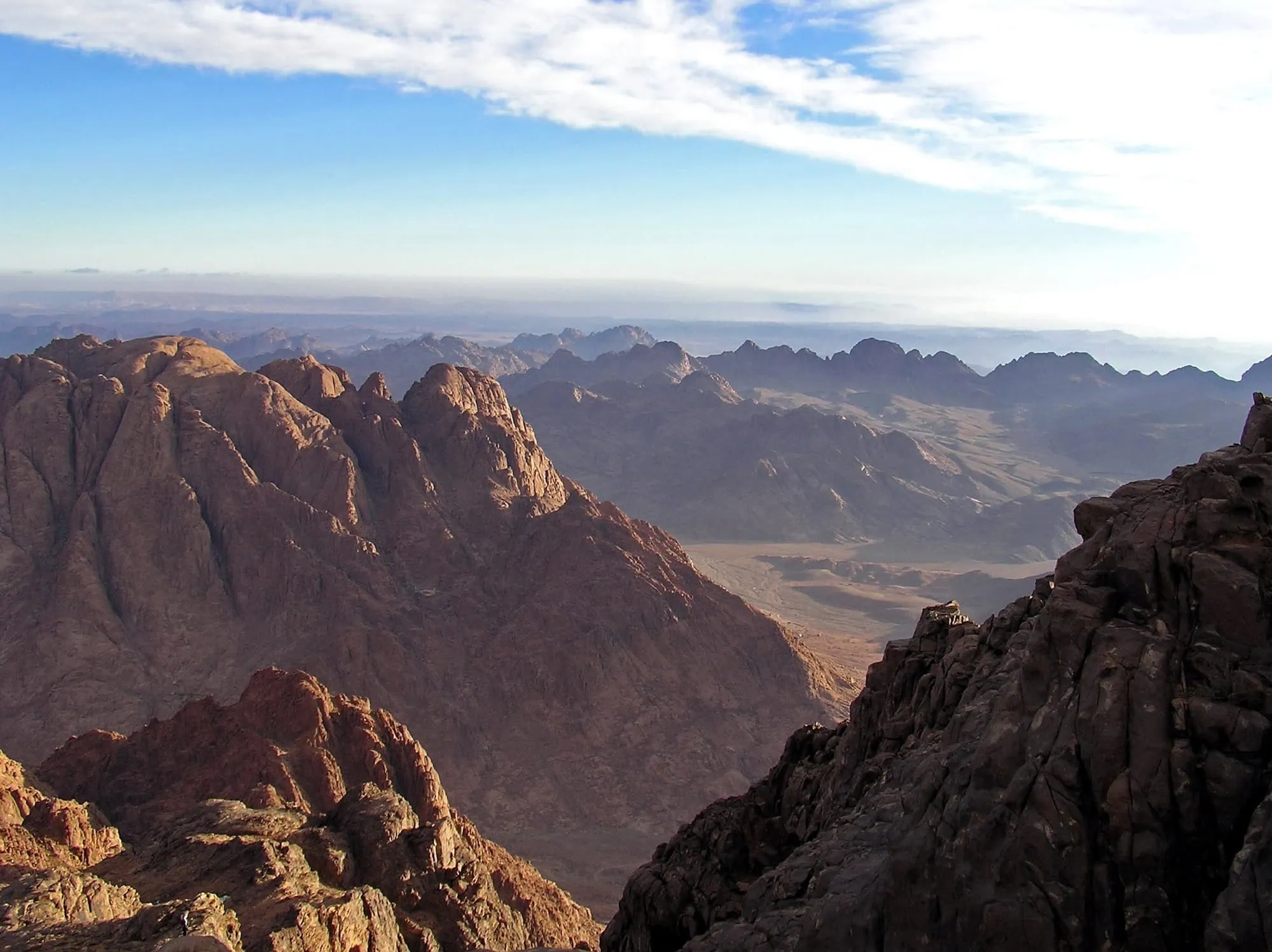
The Sinai Peninsula, parts of the Western Desert, and areas near the Sudanese border require special attention. Most insurance policies cover evacuation from these regions if security situations deteriorate, providing peace of mind for adventurous travelers.
Essential Coverage Types for Egypt
Medical expense coverage forms the foundation of any Egypt travel insurance policy. We recommend minimum limits of $50,000 for medical expenses, though $100,000 provides better protection given private hospital costs. These amounts align with industry standards for Middle Eastern destinations where healthcare costs vary dramatically.
Emergency medical evacuation deserves special attention. Standard coverage should include at least $100,000 for evacuation expenses, with $250,000 being preferable for comprehensive protection. This coverage proves invaluable if you’re injured at remote archaeological sites like Abu Simbel or need specialized treatment unavailable locally.
Trip interruption and cancellation coverage protects your financial investment. Given Egypt’s political sensitivity and occasional flight disruptions due to weather, this coverage should equal your total trip cost. Airlines sometimes cancel flights during sandstorm season (March-May), leaving travelers stranded for several days.
Specialized Coverage Considerations
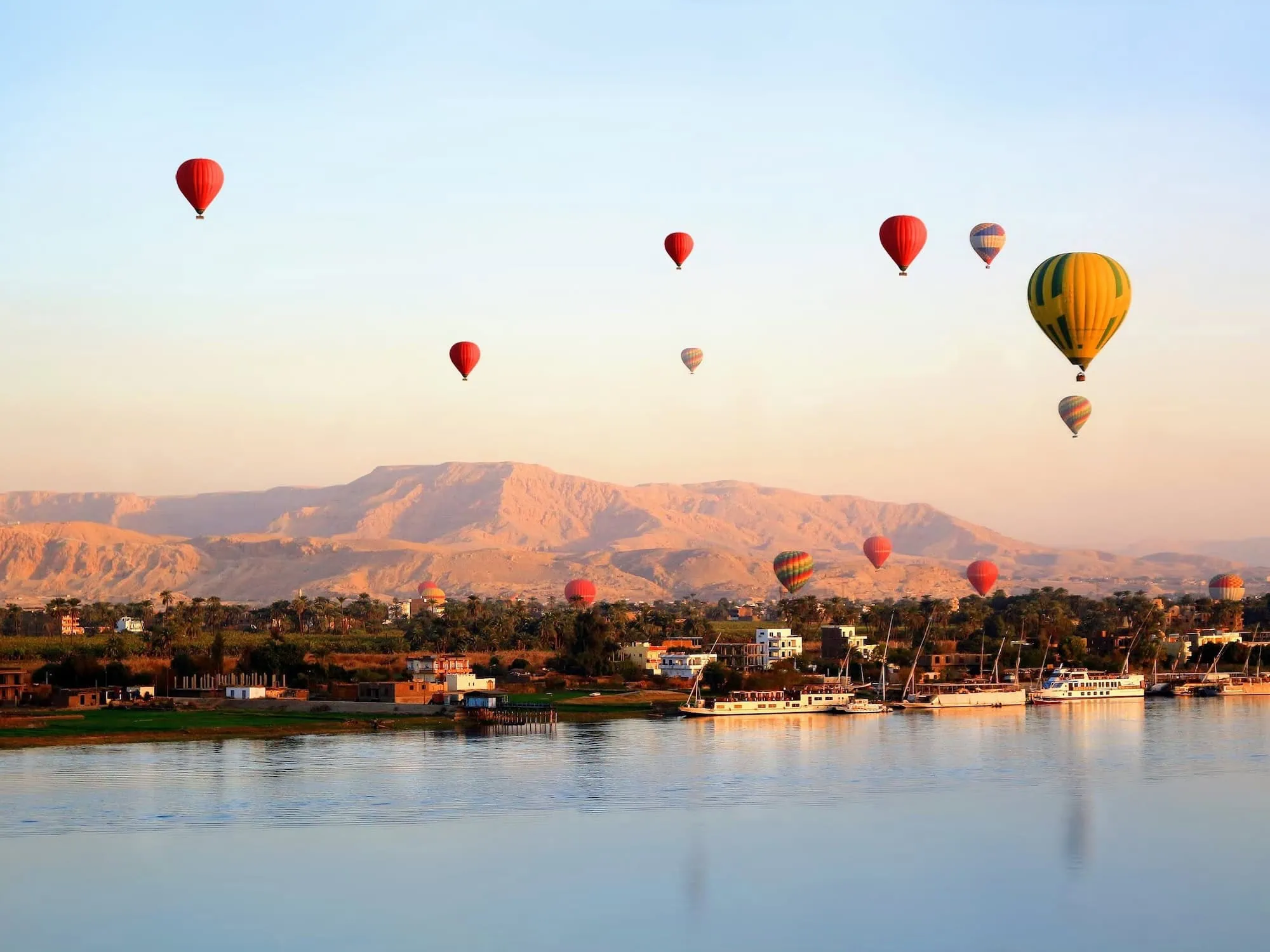
Adventure activities require specific attention in your policy. Hot air balloon rides over Luxor, diving in the Red Sea, and desert safaris are popular but may need additional coverage. Standard policies often exclude high-risk activities, so verify your planned activities are covered.
Coverage for pre-existing medical conditions becomes crucial for travelers with chronic health issues. Egypt’s climate, altitude changes between regions, and dietary differences can exacerbate existing conditions. Ensure your policy includes adequate coverage or consider specialized medical travel insurance.
When Egypt Travel Insurance Proves Essential
Flight delays and cancellations happen frequently during sandstorm season. These weather events can ground aircraft for 24-48 hours, creating cascading delays throughout the region. Travel insurance helps cover accommodation, meals, and rebooking fees during extended delays.
Medical emergencies strike unexpectedly, regardless of age or health status. Dehydration, food-related illness, and heat exhaustion affect thousands of visitors annually. Having insurance means accessing quality medical care immediately rather than worrying about costs or seeking budget alternatives that might compromise your health.
Political situations can develop rapidly in the Middle East. While Egypt’s tourist areas remain stable, regional events sometimes affect travel plans. Insurance policies typically cover trip interruptions due to government travel advisories, strikes, or civil unrest, protecting your investment if conditions change.
Real-World Scenarios
Consider these actual situations our clients have experienced: A family from Texas required emergency dental care in Hurghada after a child fell while exploring Roman ruins. The private clinic bill reached $2,400, fully covered by their travel insurance. Another client developed severe food poisoning in Aswan, requiring IV treatment and medication that cost $800 – again, fully covered.

Weather-related delays affect approximately 15% of Egypt travelers during peak sandstorm months. One couple from California faced a four-day delay returning from Luxor, incurring $1,200 in additional hotel and meal costs. Their insurance covered these expenses, turning a potential financial burden into a minor inconvenience.
Choosing the Right Policy
Policy comparison requires careful attention to coverage limits and exclusions. Look for policies offering at least $50,000 in medical coverage, $100,000 in evacuation coverage, and full trip cost protection for cancellation or interruption. These amounts provide adequate protection for most Egypt itineraries.
Pre-existing condition coverage varies significantly between insurers. Some policies offer full coverage if purchased within 14-21 days of your initial trip deposit and you’re medically able to travel when buying the policy. Others provide limited coverage or exclude pre-existing conditions entirely.
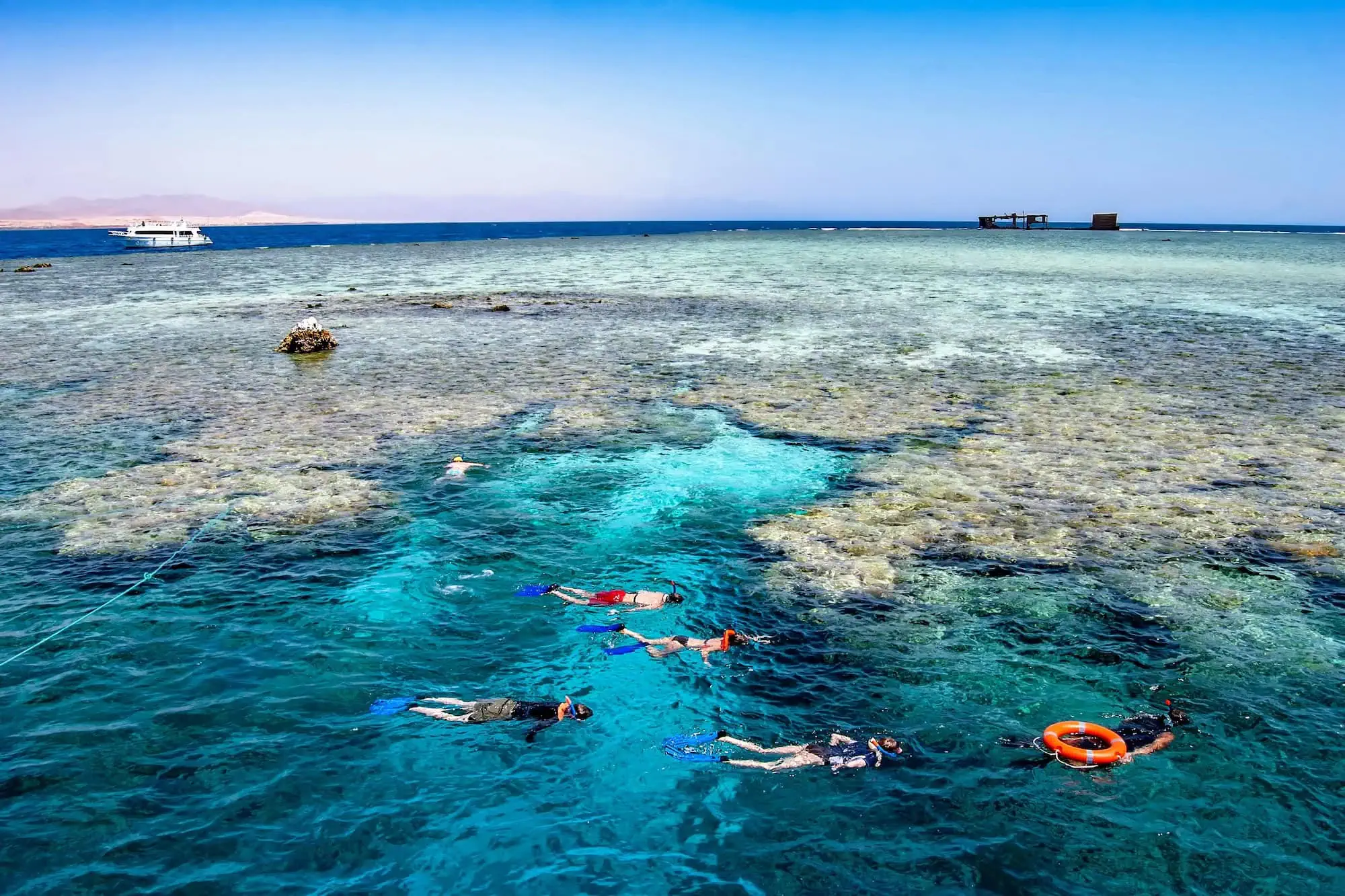
Adventure activity coverage needs specific verification. Red Sea diving, desert camping, and archaeological site exploration are generally covered, but confirm with your insurer. Hot air ballooning over Luxor might require additional coverage or rider policies depending on your base plan.
Deductibles and claim procedures affect your out-of-pocket costs and convenience during emergencies. Policies with $0-100 deductibles provide better immediate access to care. Direct billing arrangements with hospitals mean you won’t need to pay upfront and seek reimbursement later – particularly valuable for expensive medical procedures.
Cost Expectations and Value
Travel insurance for Egypt typically costs 4-7% of your total trip cost. A $5,000 Egypt vacation might require $200-350 in insurance premiums, depending on coverage levels, traveler age, and policy features. This investment protects against potential losses of thousands of dollars.
Age significantly affects premium costs. Travelers over 65 might pay 50-75% more than younger travelers due to increased medical risks. However, this demographic also benefits most from comprehensive coverage, as medical complications become more likely with age.
Trip length influences costs but not proportionally. A 14-day Egypt tour might cost only 20-30% more to insure than a 7-day trip, making longer journeys relatively more economical to protect. Consider this when planning extended Egypt explorations.
Group policies can provide savings for families or travel companions. Many insurers offer family plans covering spouses and children under 18 for rates only slightly higher than individual coverage. Group discounts sometimes apply to friend groups traveling together, though each person needs individual coverage.
Frequently Asked Questions
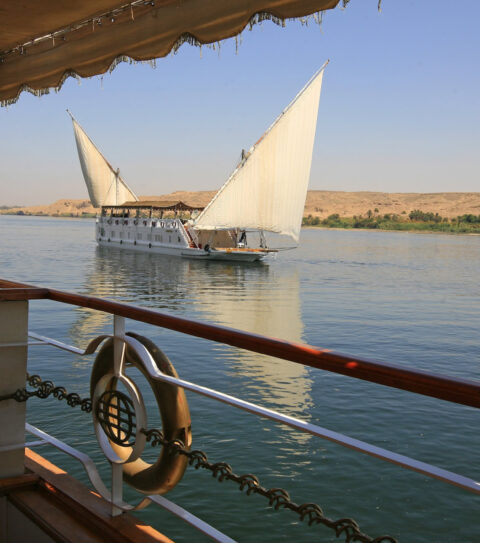
No, travel insurance is not required to enter Egypt, but it is strongly recommended for international visitors. Medical treatment at private hospitals in Cairo, Luxor, Hurghada, and Sharm El Sheikh can be expensive without coverage, and unexpected events such as flight cancellations or lost baggage can add significant costs. A comprehensive policy provides financial protection throughout your trip and is particularly valuable for travelers planning Nile cruises, desert excursions, or multi-city itineraries.
A minimum of $50,000 in medical coverage and $100,000 in emergency evacuation coverage is generally recommended for travel to Egypt. While routine healthcare costs are often lower than in the United States or Europe, serious medical emergencies can require hospitalization, specialist treatment, or transport to Cairo. Higher coverage limits provide greater peace of mind, especially for older travelers, families, or anyone with pre-existing health concerns.
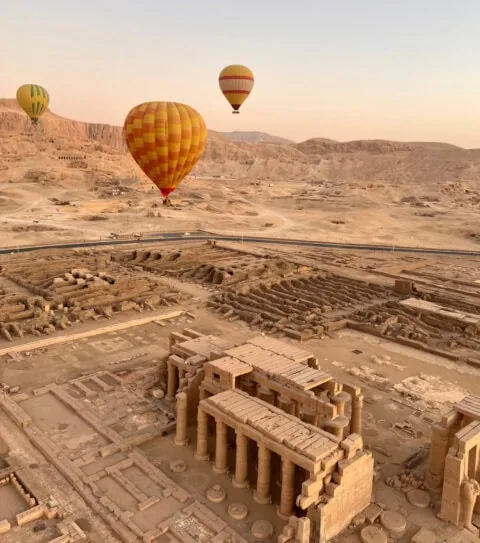
Not always. Many standard travel insurance policies classify hot air ballooning as an adventure activity and may exclude it from coverage. Luxor’s sunrise balloon flights are among Egypt’s most popular experiences, but travelers should review policy terms carefully before booking. Some insurers offer optional adventure sports upgrades that specifically include balloon rides. Confirm coverage before departure rather than assuming all recreational activities are automatically protected.
Many travel insurance providers cover pre-existing medical conditions if the policy is purchased within a specified period, often 14-21 days after making the initial trip deposit. Requirements vary by insurer and usually include being medically fit to travel when coverage is purchased. Disclosing all relevant health conditions is essential because undeclared medical issues can lead to denied claims. Review policy wording carefully before committing to any coverage.
Many comprehensive travel insurance policies cover trip cancellation or interruption if government-issued travel advisories, civil unrest, or security concerns directly affect your destination. Coverage depends on when the policy was purchased and when the event became publicly known. Travelers should read the policy’s cancellation terms carefully, as not all situations qualify automatically. Purchasing coverage soon after booking generally provides the broadest protection against unexpected disruptions.
Travel insurance for Egypt typically costs between 4% and 7% of your total prepaid trip expenses. For example, a $4,000 vacation may require approximately $160-$280 in coverage depending on age, destination, medical limits, and trip length. Older travelers and policies with higher medical coverage usually carry higher premiums. Comparing multiple providers can help identify the best balance between coverage levels and overall cost.
Yes, most comprehensive travel insurance policies include trip delay benefits for weather-related disruptions, including sandstorms that occasionally affect flights in Egypt and the wider Middle East. Coverage often reimburses reasonable expenses such as meals, hotel accommodation, and transportation after a qualifying delay period, commonly 6-12 hours. Keep all receipts and airline documentation, as insurers typically require evidence when processing weather-related claims.
In most cases, travel insurance should be purchased before departure from your home country. Some insurers offer limited policies to travelers already abroad, but these plans often exclude pre-existing issues, trip cancellation benefits, or coverage for events that have already occurred. Purchasing insurance before travel generally provides the most comprehensive protection. Review policy effective dates carefully to ensure coverage begins before your trip starts.
Basic travel insurance usually focuses on emergency medical treatment and limited trip protection, while comprehensive policies include broader benefits such as trip cancellation, interruption, baggage protection, evacuation, and higher coverage limits. Comprehensive plans may also cover activities, supplier insolvency, and weather-related disruptions that basic plans exclude. For travelers visiting multiple destinations in Egypt or booking expensive Nile cruises, comprehensive coverage often provides significantly greater financial protection.
Yes, most travel insurance policies include coverage for lost, stolen, or delayed luggage, although reimbursement limits vary considerably by provider. Coverage can help replace essential items if baggage is delayed upon arrival in Cairo, Luxor, or another airport. High-value items such as electronics, jewelry, and cameras may have separate limits. Review baggage coverage details carefully and keep receipts for valuable belongings whenever possible.
Yes, emergency evacuation coverage typically applies even when travelers are visiting remote locations such as Abu Simbel, the White Desert, or isolated archaeological sites. Medical evacuation benefits can cover transportation to the nearest suitable hospital or, in severe cases, transfer to a major medical facility in Cairo. Because evacuation costs can reach tens of thousands of dollars, this coverage is often one of the most valuable parts of a travel insurance policy.
Contact your insurer’s 24-hour emergency assistance hotline as soon as an incident occurs and follow their instructions carefully. Most providers require documentation such as medical reports, police reports, airline confirmations, receipts, and proof of expenses. Filing promptly often speeds up processing and reduces complications. Save digital copies of all documents on your phone and email so they remain accessible throughout your journey.
Explore our most popular guides and expert tips to make your trip safe, smooth, and unforgettable.
Plan Your Egypt Adventure with Confidence
How to Plan a Trip Egypt
Step-by-step guide to help you plan the perfect Egypt trip — from routes and budget to booking.
Best Time to Visit Egypt
Learn the best months to visit Egypt based on weather, crowds, and local travel experiences.
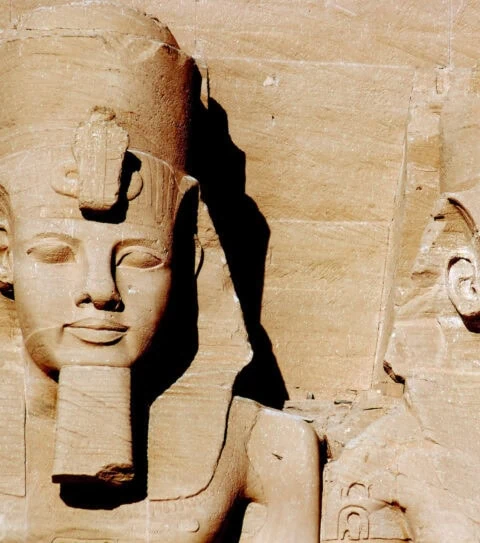
Must Visit Places in Egypt
Explore Egypt’s top sights — from pyramids to temples — and hidden gems worth seeing.

Top-Rated Egypt Tours
Handpicked private tours with local guides — our most loved and best-reviewed experiences.
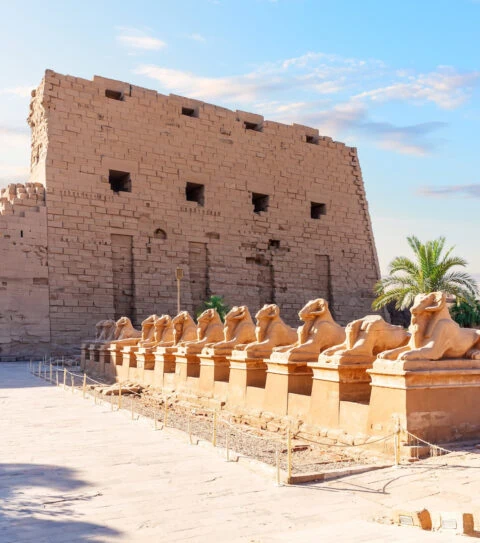
How Many Days to Visit Egypt?
Find out how many days you need in Egypt — from quick trips to full itineraries.
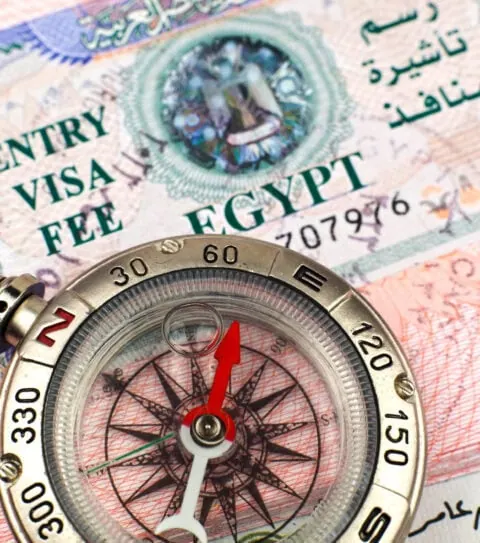
Egypt Visa Requirements
Check if you need a visa and get simple, up-to-date entry info based on your nationality.

Is it Safe to Travel to Egypt?
Is Egypt safe? Get honest safety tips, area advice, and what to know before you travel.

What to Pack for Egypt
A quick packing guide with essentials, cultural tips, and clothing advice for your Egypt trip.


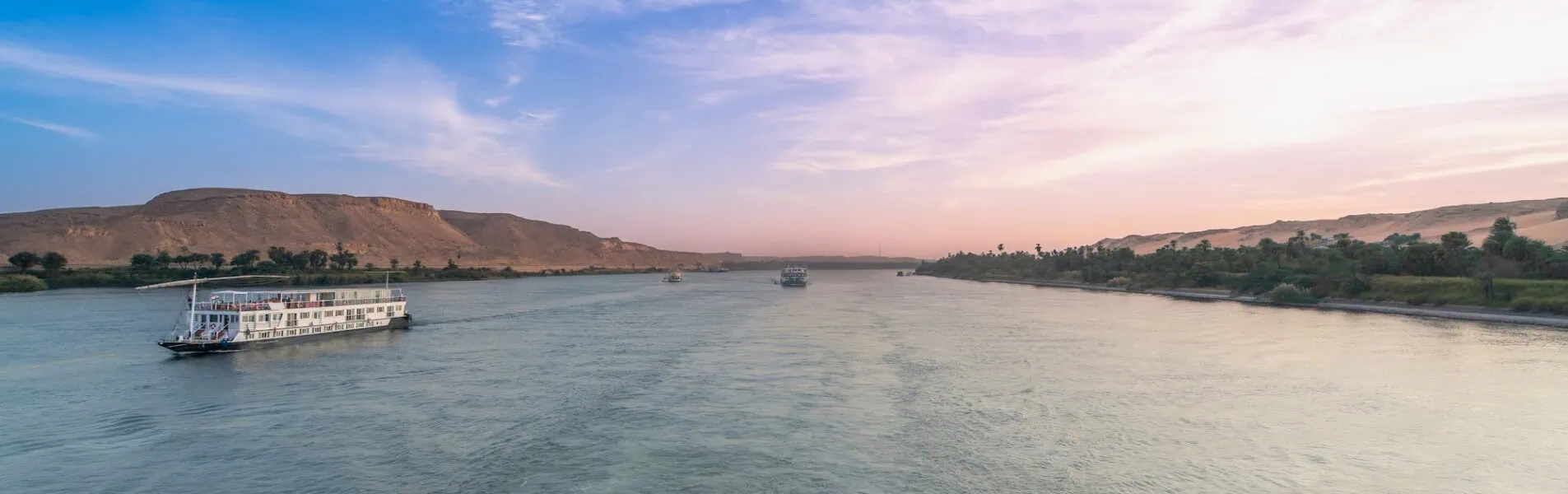
Design Your Custom Tour
Explore Egypt your way by selecting only the attractions you want to visit