Can You Drink Tap Water in Egypt?
Skip the tap, save your trip.
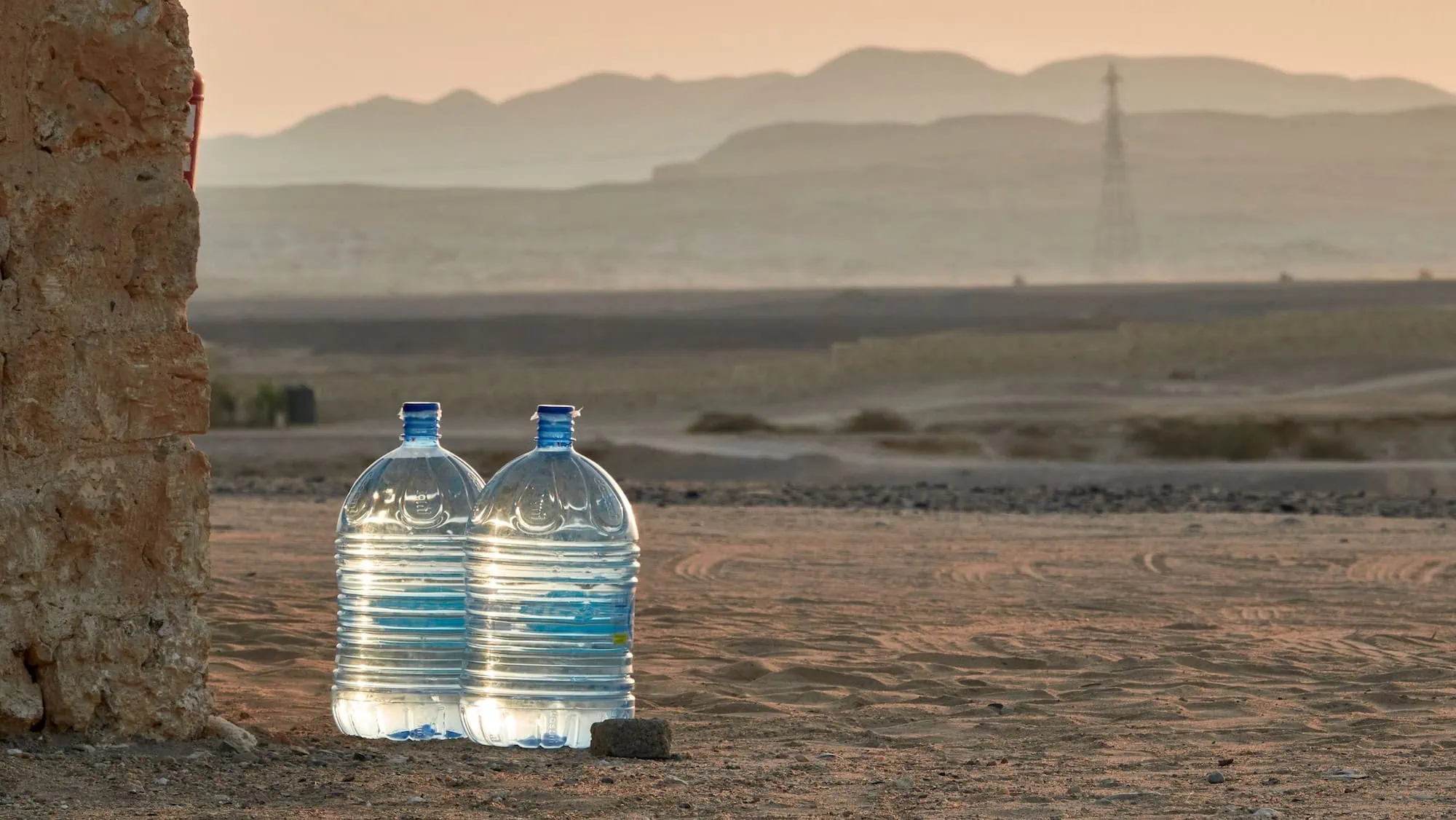
Egypt’s tap water undergoes treatment and meets basic safety standards, but that doesn’t make it the smart choice for travelers. The heavily chlorinated water combines with different bacterial strains that your system hasn’t encountered before, creating a perfect recipe for stomach troubles that can derail your Egyptian adventure. We’ve guided thousands of visitors through Egypt over our decades of experience, and the pattern is clear: those who stick to bottled water enjoy their pyramids and temples, while those who risk tap water often spend valuable vacation time feeling unwell.
Your health is too important to gamble with, especially when safe alternatives are both affordable and widely available throughout Egypt.
Table of Contents
The Reality of Egyptian Tap Water Quality
Municipal water treatment across Egypt follows international protocols, including chlorination processes that eliminate most harmful bacteria. The infrastructure in major tourist destinations like Cairo, Luxor, and Aswan maintains these standards consistently.
Chlorination Levels and Tourist Tolerance
Egyptian tap water contains chlorine concentrations significantly higher than most Western countries. While locals have adapted to these levels over time, international visitors often experience immediate digestive discomfort. The chlorine taste itself signals this intensity – something your stomach will notice even more than your taste buds.
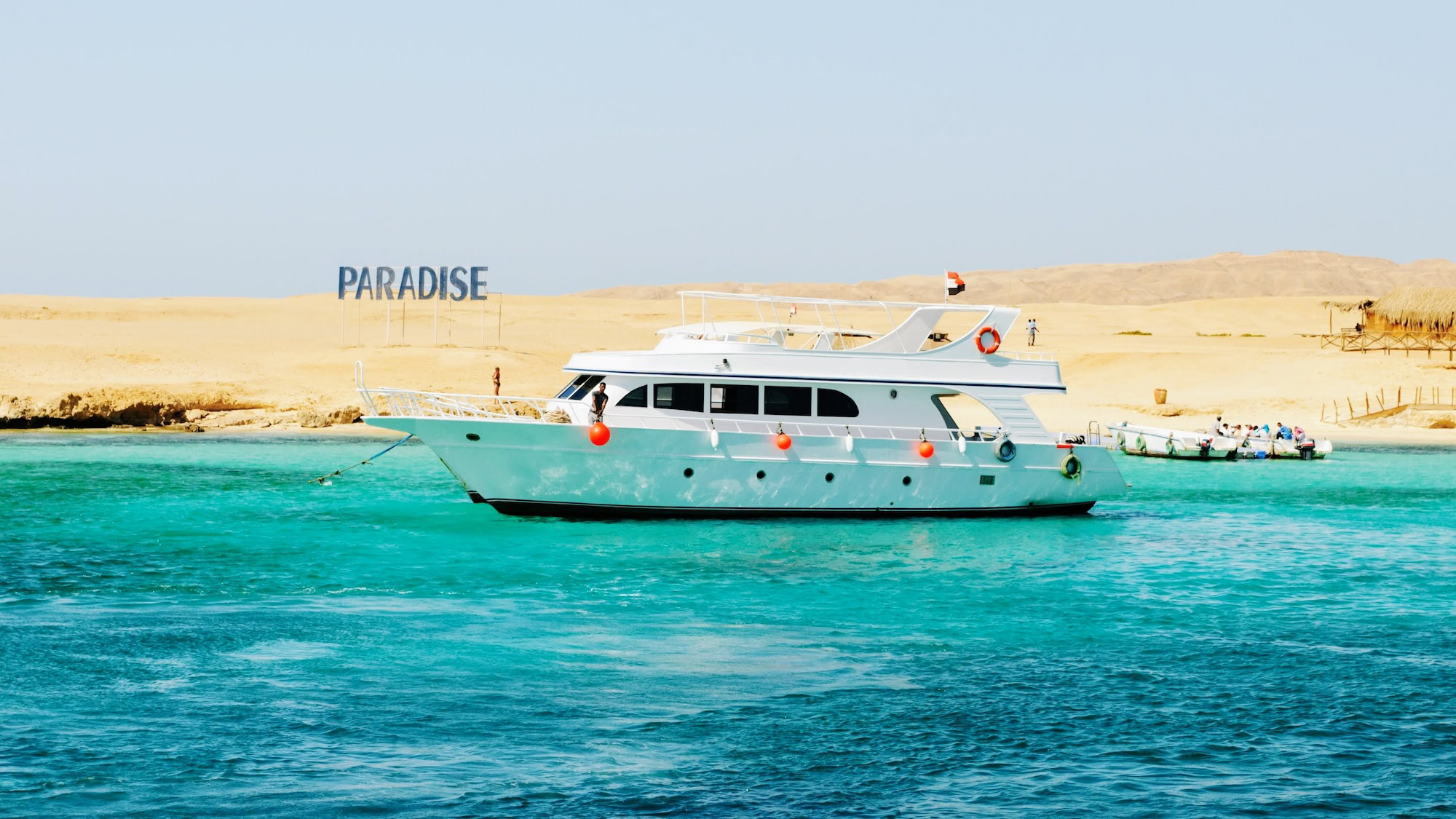
Tourist areas receive priority in water treatment monitoring. Hotels and restaurants in destinations like Sharm El Sheikh and Hurghada work with municipal authorities to maintain quality standards, yet the chemical composition still differs dramatically from home.
Regional Variations Across Egypt
Water quality fluctuates between governorates and cities. Cairo’s system serves over 20 million people with generally consistent treatment, though older neighborhoods may experience variations. Alexandria benefits from Mediterranean coastal positioning but deals with seasonal demand spikes.
Upper Egypt cities like Aswan and Luxor maintain tourist-focused infrastructure, yet remote areas between major sites often rely on older systems. The contrast becomes particularly noticeable when traveling between urban centers and rural archaeological sites.
Health Risks and Common Tourist Experiences
Drinking tap water in Egypt typically leads to gastrointestinal distress within 24-48 hours of consumption. Your immune system hasn’t built defenses against the specific bacterial strains present in Egyptian water sources, even after treatment.
Traveler’s diarrhea affects approximately 60-70% of visitors who consume local tap water during their first week in Egypt. The condition ranges from mild discomfort to severe dehydration requiring medical attention. Symptoms persist for 3-7 days on average, potentially consuming a significant portion of shorter vacation itineraries.
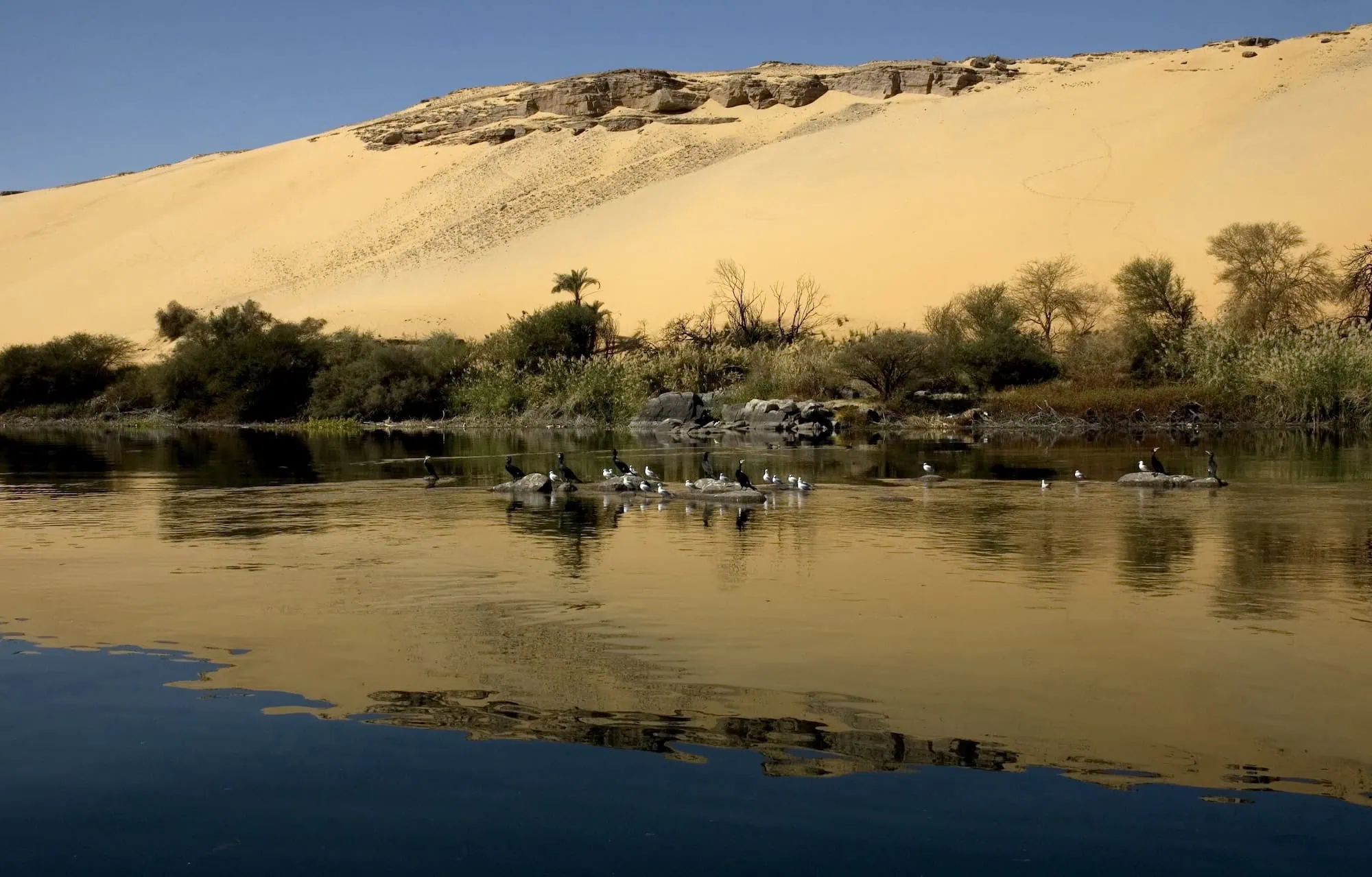
Bacterial adaptation takes weeks or months – time most tourists don’t have. Even boiling tap water eliminates bacteria but leaves chlorine and mineral content that can still trigger digestive issues in sensitive travelers. The risk simply isn’t worth the minimal cost savings when weighed against potentially ruined vacation days.
Dehydration compounds quickly in Egypt’s desert climate, particularly when combined with stomach problems. Temperatures regularly exceed 35°C (95°F) during peak travel months, making fluid intake critical for basic comfort and safety.
Vulnerable Travelers and Special Considerations
Children, elderly visitors, and people with compromised immune systems face elevated risks from tap water consumption. Pregnant women should exercise extreme caution, as dehydration and illness can have serious consequences.
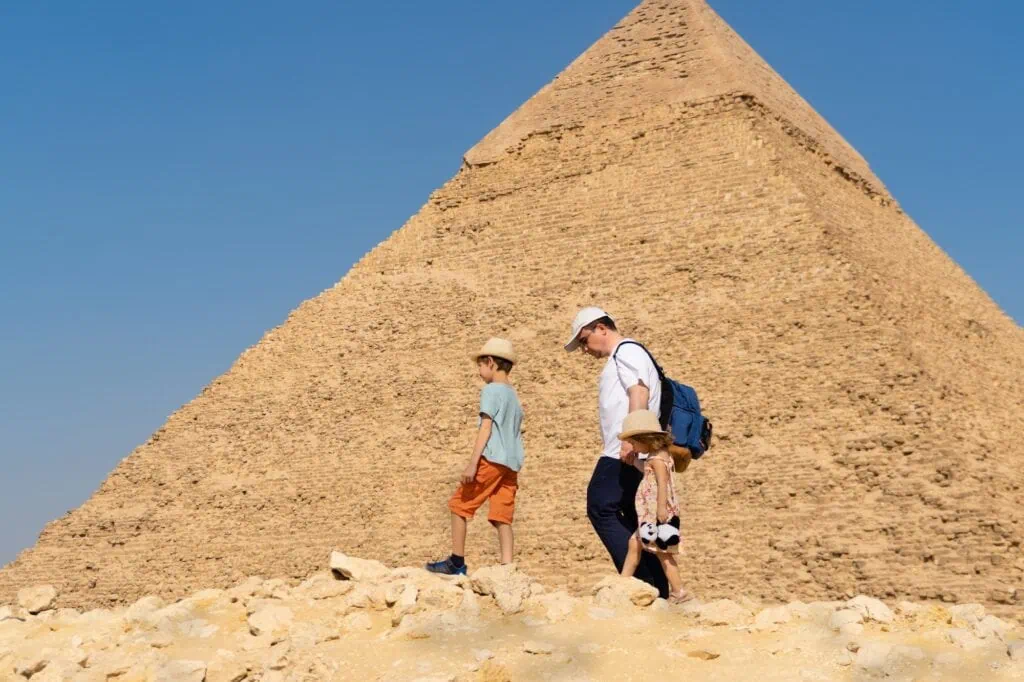
Visitors taking medications or managing chronic health conditions may find that stomach upset interferes with their treatment routines. The stress of illness also impacts blood pressure, blood sugar levels, and other health markers that require consistent management.
Long-term Exposure Concerns
Extended stays in Egypt don’t necessarily build immunity to local water sources. Expatriates and long-term visitors often continue using bottled water indefinitely, finding that consistent stomach comfort outweighs any potential adaptation benefits.
Practical Water Safety Solutions
Bottled water represents your safest and most convenient option throughout Egypt. Our Egypt tour packages include plenty of bottled water throughout your touring days. Local brands like Baraka, Aquafina, and Nestle Pure Life cost between 3-8 Egyptian pounds (approximately $0.10-0.25 USD) per 1.5-liter bottle from corner shops and hotels.
Tourist areas stock international brands alongside local options, giving you familiar choices if preferred. Restaurants automatically serve bottled water with meals in most tourist-focused establishments, though confirming this prevents any confusion.
Smart Purchasing and Storage
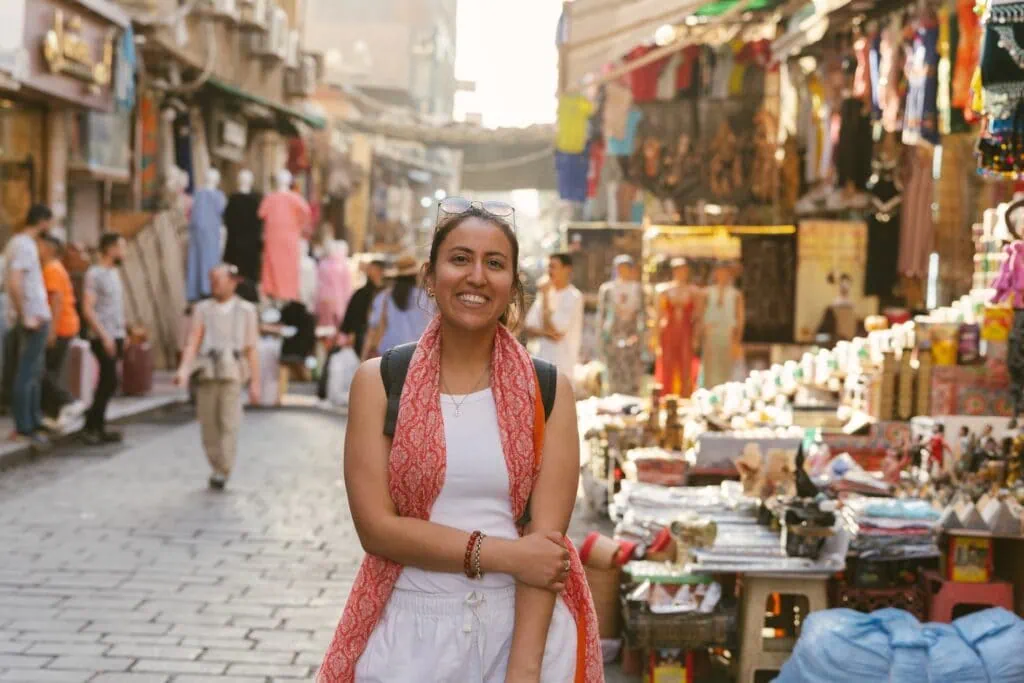
Buy water in bulk when possible to reduce per-bottle costs and ensure consistent supply. Hotel shops typically charge premium prices, while neighborhood markets and pharmacies offer better value. Many visitors purchase cases of 12-24 bottles upon arrival and store them in hotel rooms.
Room temperature storage works fine for consumption, though refrigerated water provides better refreshment in Egypt’s heat. Most hotels provide small fridges, but confirming space availability helps with planning larger water purchases.
Check bottle seals before purchasing to ensure quality and prevent contamination. Legitimate brands use tamper-evident caps and clear labeling in both Arabic and English. Avoid bottles with damaged seals or unclear source information.
Water for Daily Activities
Brushing teeth requires the same caution as drinking water. Use bottled water for oral hygiene, medication mixing, and contact lens care to maintain consistency in your health routine. Small bottles work perfectly for bathroom activities and travel convenience.
Ice presents another consideration area. Tourist restaurants typically use filtered or bottled water for ice production, but street vendors and local establishments may not follow these practices. When in doubt, request drinks without ice or confirm the source with establishment staff.
Smart Strategies During Your Egyptian Journey
Planning prevents problems more effectively than reacting to them after they occur. Stock up on bottled water immediately upon arrival at Cairo Airport or your entry point, as this establishes your hydration routine from day one.
Most international flights provide limited water service, leaving passengers mildly dehydrated upon landing. The combination of flight dehydration and immediate exposure to unfamiliar water sources increases illness probability significantly.
Hotel and Accommodation Considerations
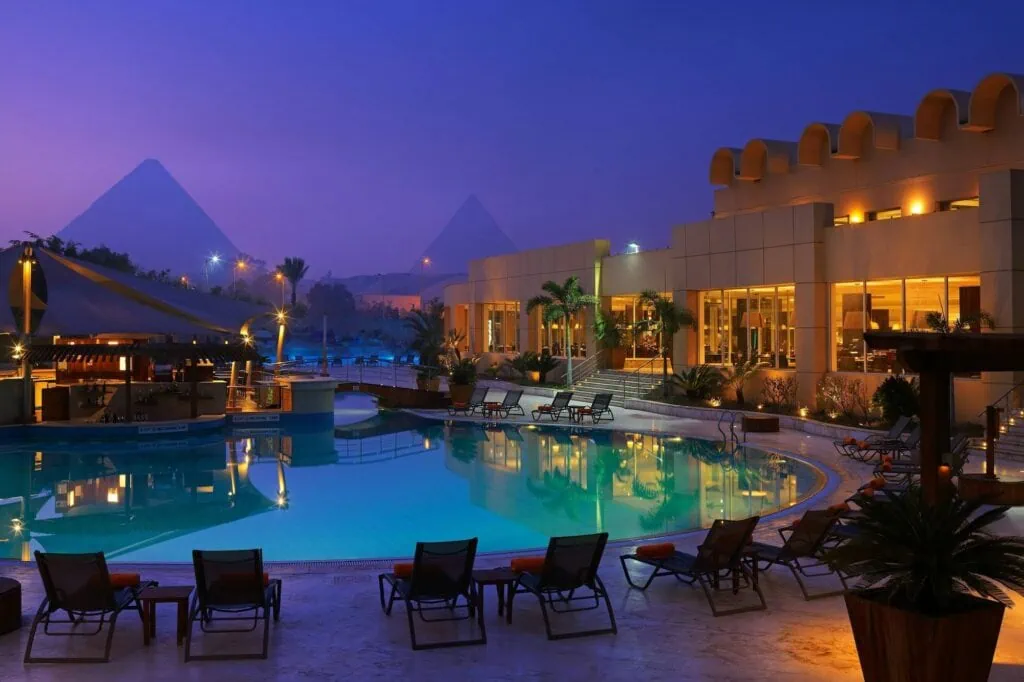
Higher-end hotels often provide complimentary bottled water in rooms and public areas. Confirm this service during check-in and understand replenishment policies to avoid unexpected charges. Budget accommodations rarely include this service, making advance planning more important.
Request extra towels if you’re using bottled water for activities like teeth brushing, as spills and splashes become more common when working with bottles instead of taps. This small detail prevents minor inconveniences during your stay.
Restaurant and Dining Safety
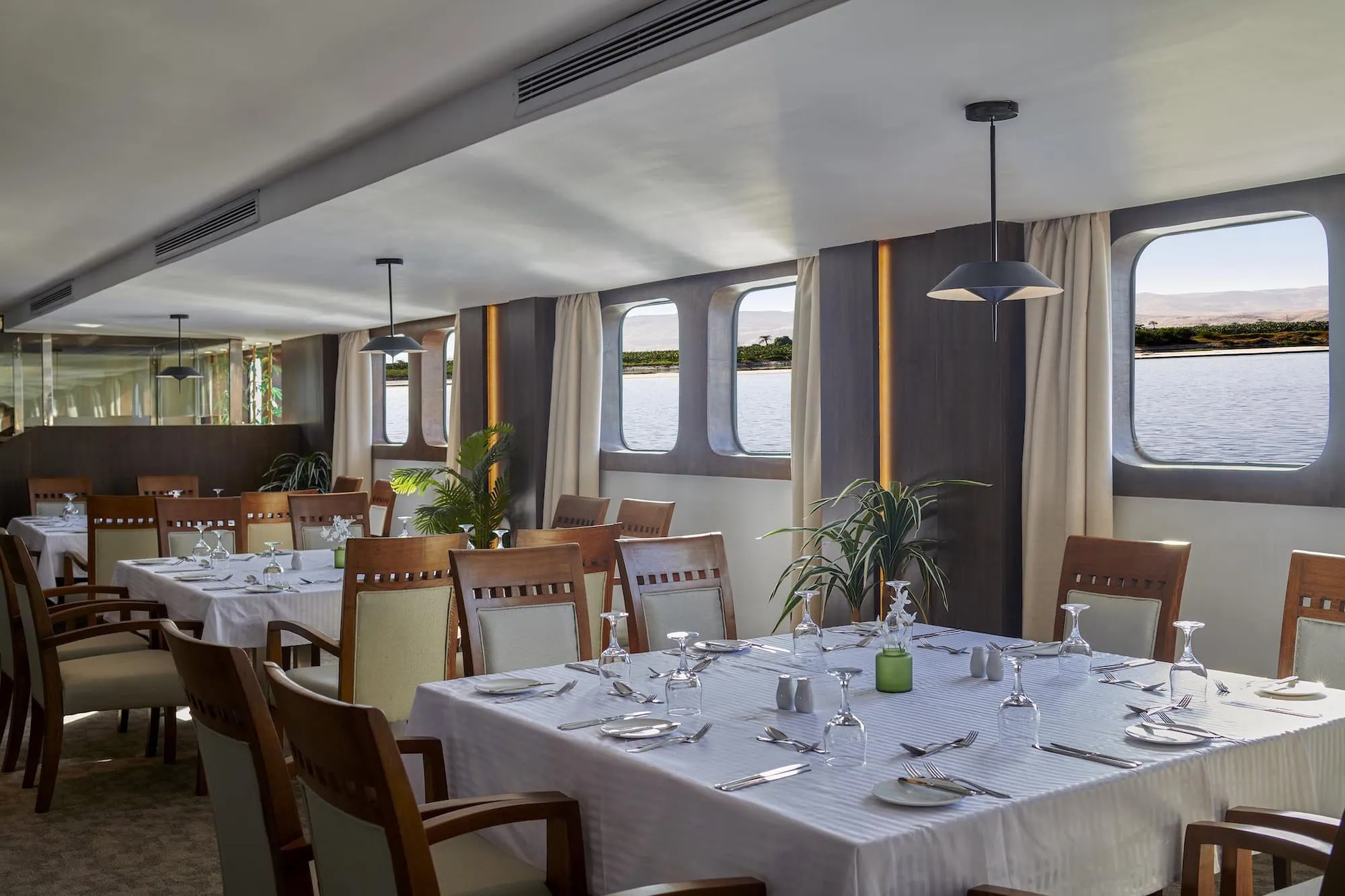
Tourist-oriented restaurants understand international visitor needs and typically offer bottled water without prompting. Local establishments may need clarification about your preference, but most accommodate requests without issue.
Street food vendors often provide water in small plastic cups, but confirming the source prevents problems. Many vendors appreciate the question and will show you their water supply to build customer confidence.
Traditional tea and coffee shops serve beverages made with boiled water, which eliminates bacterial concerns while still potentially causing chlorine-related discomfort in sensitive individuals. The high heat neutralizes most health risks, though taste preferences may vary.
Frequently Asked Questions
No, most tourists are advised to avoid drinking tap water in Egypt, even though it is treated and generally considered safe by local standards. The issue is often not contamination but differences in mineral content, chlorine levels, and naturally occurring bacteria that visitors are not accustomed to. Many travelers experience mild digestive upset during their first days in Egypt after consuming tap water. Bottled water is inexpensive, widely available, and remains the safest choice throughout your trip.
Bottled water in Egypt is very affordable, typically costing 3-8 Egyptian pounds for a 1.5-liter bottle in local supermarkets, kiosks, and convenience stores. Prices can be two to four times higher in hotels, airports, and tourist attractions. Popular brands such as Baraka, Nestlé Pure Life, and Aquafina are available throughout Cairo, Luxor, Aswan, and Red Sea resorts. Buying larger bottles from local stores can significantly reduce daily hydration costs.
It is generally recommended that tourists use bottled water for brushing their teeth while visiting Egypt. Although brief exposure to tap water is unlikely to cause serious illness, using bottled water helps reduce the risk of stomach discomfort caused by unfamiliar microorganisms or mineral content. The same recommendation applies to rinsing contact lenses and taking medications. Maintaining consistent water habits throughout your trip can help prevent avoidable digestive issues.
Ice served in reputable hotels, cruise ships, and established tourist restaurants is usually made from filtered or purified water and is generally safe to consume. Smaller cafés, local eateries, and street vendors may use untreated tap water for ice production, which can increase the risk of digestive problems for visitors. When in doubt, ask staff whether purified water is used. Choosing restaurants with high visitor turnover is often the safest approach.
Will boiling tap water make it safe to drink?
A: Boiling tap water in Egypt can kill bacteria, viruses, and other microorganisms, but it does not remove chlorine, dissolved minerals, or other substances that may still affect sensitive travelers. For visitors unfamiliar with local water composition, digestive discomfort can occur even after boiling. Bottled water remains the more reliable option for drinking, particularly during short vacations. If bottled water is unavailable, boiling is preferable to drinking untreated tap water.
Reliable bottled water brands in Egypt include Baraka, Nestlé Pure Life, Aquafina, and several other nationally distributed products sold across major tourist destinations. These brands are commonly stocked in supermarkets, hotels, airports, and Nile cruise vessels. Always check that the bottle seal is intact before purchasing, especially from small kiosks. Choosing recognized brands provides additional reassurance regarding quality control and storage standards.
Most travelers should aim to drink at least 3-4 liters of water per day in Egypt’s dry desert climate, particularly during sightseeing and outdoor activities. In summer, temperatures in destinations such as Luxor and Aswan frequently exceed 35°C (95°F), increasing the risk of dehydration. Physical activities such as visiting the Pyramids of Giza, exploring temples, or taking Nile excursions may require even greater fluid intake. Carry water at all times and drink before feeling thirsty.
Yes, water purification tablets can effectively eliminate many bacteria and microorganisms found in untreated water, but they do not remove chlorine taste, mineral content, or certain dissolved substances. As a result, some travelers may still experience digestive discomfort despite using purification tablets. They are useful as a backup for remote travel or emergencies, but bottled water remains the preferred and most convenient solution throughout Egypt’s main tourist regions.
Yes, most luxury hotels in Egypt provide safe drinking water, often in the form of complimentary bottled water placed in guest rooms daily. International hotel brands in Cairo, Luxor, Aswan, Hurghada, and Sharm El Sheikh generally maintain strict food and beverage standards. Policies vary by property, so it is worth confirming how many bottles are included and whether additional supplies incur charges. Taking advantage of hotel-provided water can simplify daily hydration planning.
Yes, bottled water is readily available at major Egyptian airports including Cairo International Airport, Hurghada International Airport, and Sharm El Sheikh International Airport. Travelers can purchase water in both arrivals and departures areas immediately after clearing security or immigration. Airport prices are usually higher than those found in city supermarkets or local shops, sometimes by a significant margin. Buying a supply after reaching your hotel typically offers better value.
Explore our most popular guides and expert tips to make your trip safe, smooth, and unforgettable.
Plan Your Egypt Adventure with Confidence
How to Plan a Trip Egypt
Step-by-step guide to help you plan the perfect Egypt trip — from routes and budget to booking.
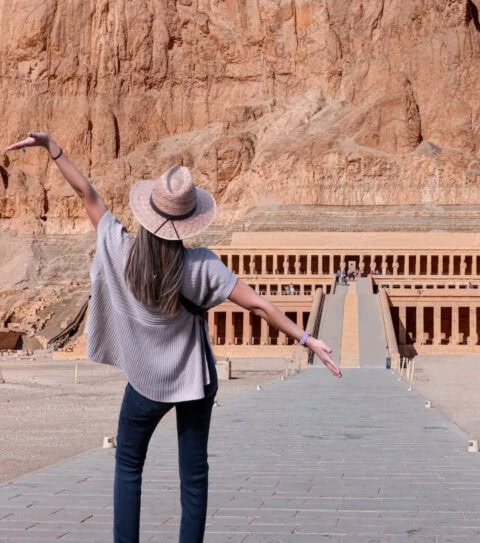
Best Time to Visit Egypt
Learn the best months to visit Egypt based on weather, crowds, and local travel experiences.
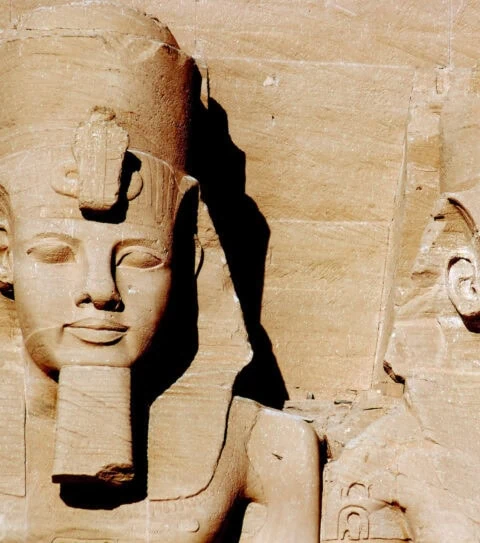
Must Visit Places in Egypt
Explore Egypt’s top sights — from pyramids to temples — and hidden gems worth seeing.
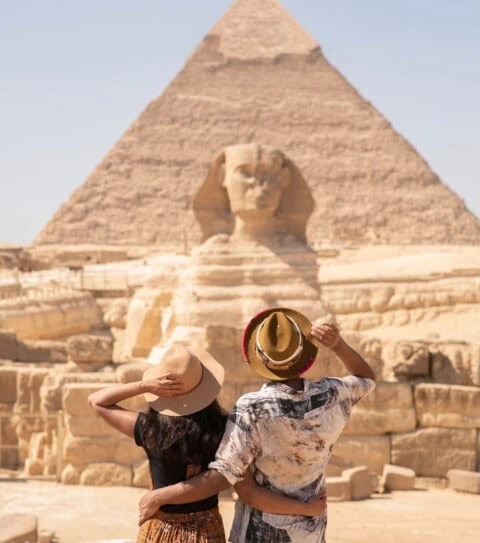
Top-Rated Egypt Tours
Handpicked private tours with local guides — our most loved and best-reviewed experiences.
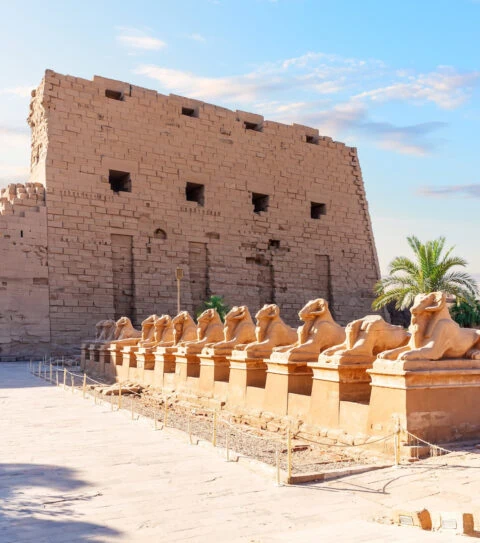
How Many Days to Visit Egypt?
Find out how many days you need in Egypt — from quick trips to full itineraries.
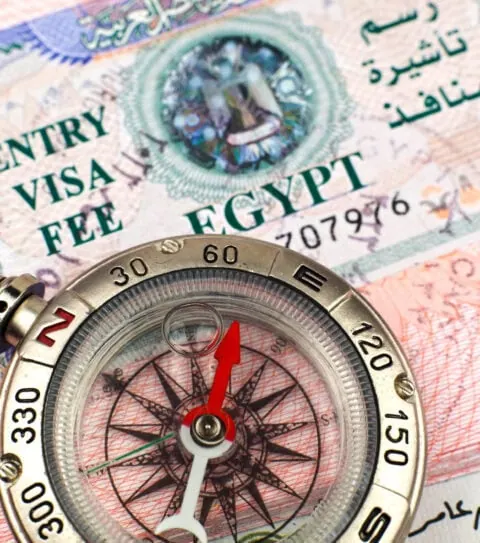
Egypt Visa Requirements
Check if you need a visa and get simple, up-to-date entry info based on your nationality.
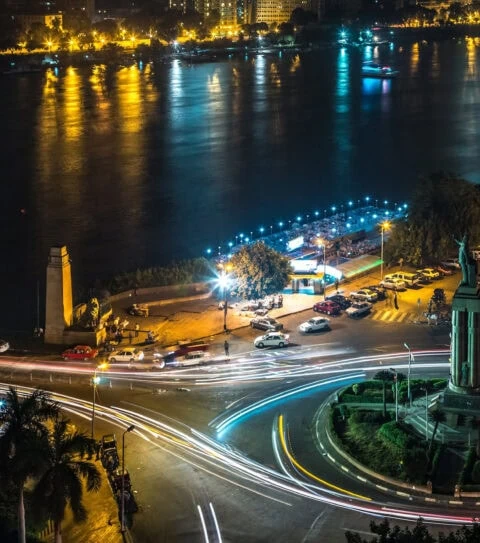
Is it Safe to Travel to Egypt?
Is Egypt safe? Get honest safety tips, area advice, and what to know before you travel.
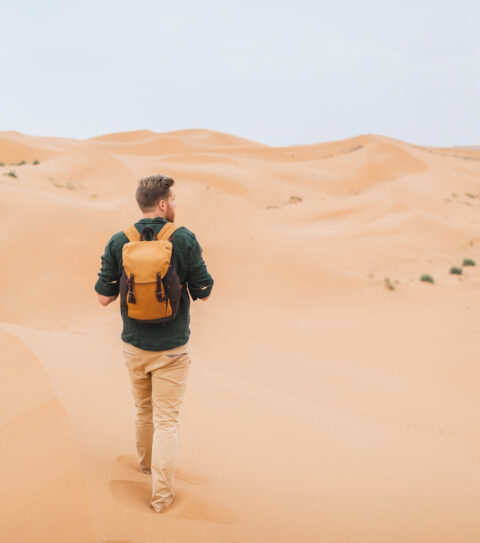
What to Pack for Egypt
A quick packing guide with essentials, cultural tips, and clothing advice for your Egypt trip.
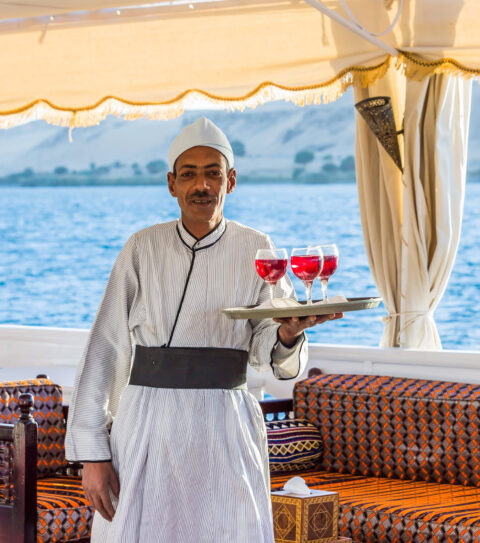
Design Your Custom Tour
Explore Egypt your way by selecting only the attractions you want to visit