Is August a Good Time to Visit Egypt?
August certainly isn’t Egypt’s most popular travel month.
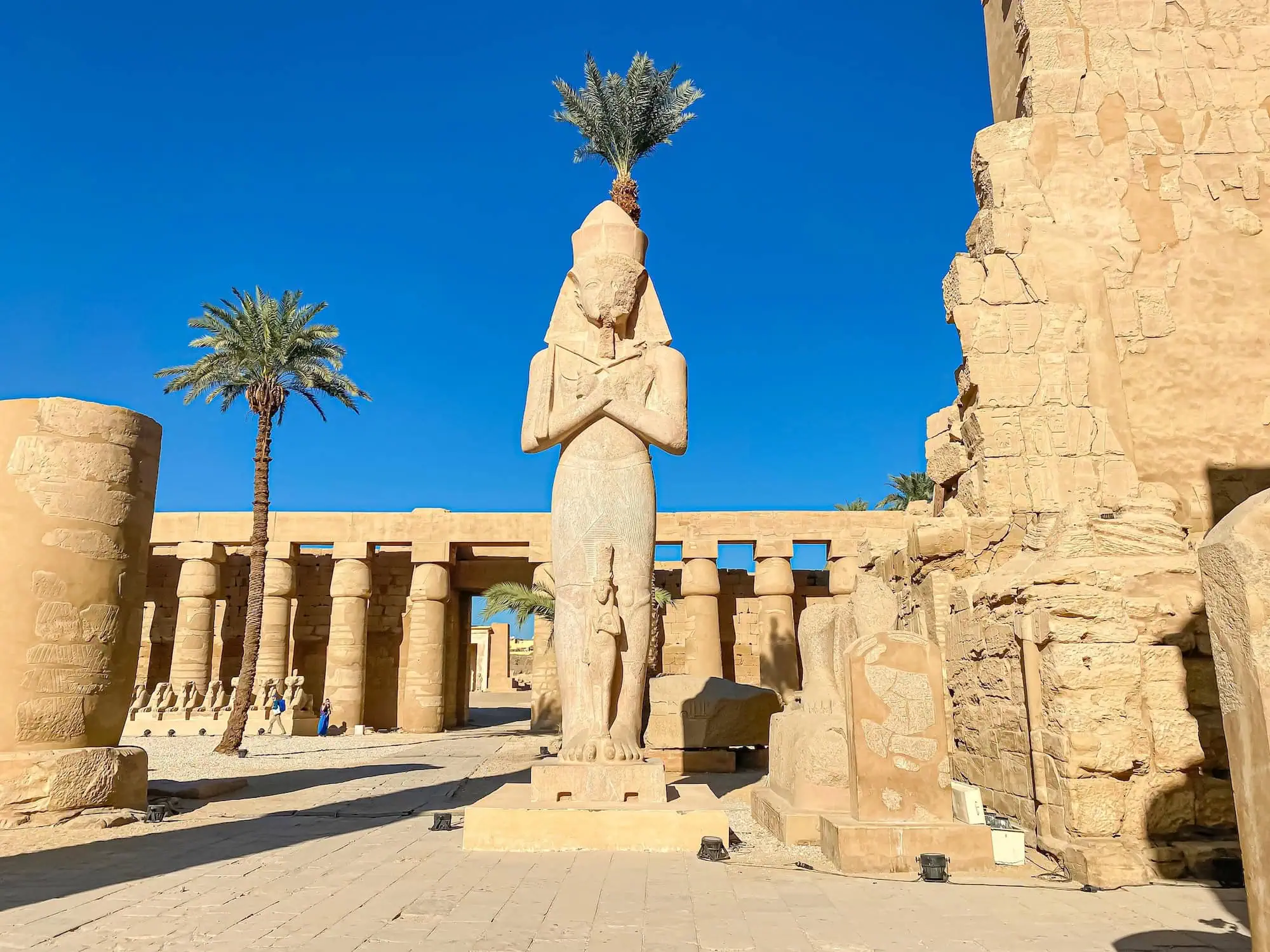
The reality is that Egypt in August means dealing with some of the year’s most intense heat, with temperatures soaring between 35-40°C (95-104°F) across most of the country. Yet for travelers willing to adapt their plans and embrace a different pace, August offers unique advantages that make it surprisingly rewarding. We’ve helped thousands of visitors navigate Egypt’s summer months, and while August demands smart planning, it can deliver exceptional experiences at remarkable value.
The key lies in understanding what you’re signing up for and planning accordingly.
Table of Contents
Weather Reality: What August Actually Feels Like
August temperatures in Egypt range from challenging to downright intense depending on where you go.
Cairo averages 35°C (95°F) during the day, though it often climbs higher. Luxor and Aswan push even further, regularly hitting 40°C (104°F) or more. The saving grace? Nighttime temperatures drop to a more manageable 25-27°C (77-81°F), offering genuine relief after sunset. Humidity varies dramatically by location – Alexandria and Red Sea coastal areas feel sticky and oppressive, while Upper Egypt’s heat comes with mercifully dry air.
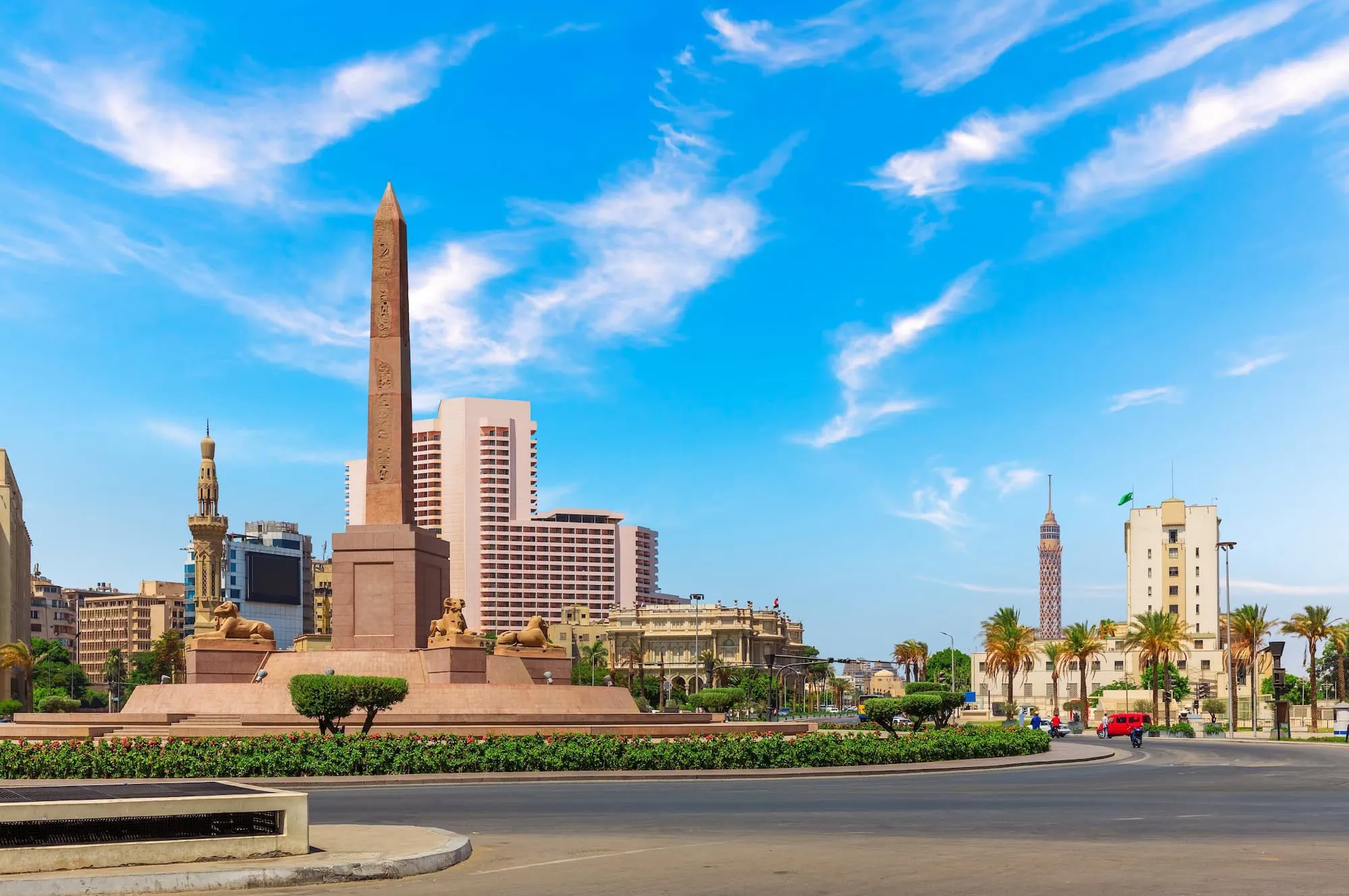
Northern Egypt: Coastal Considerations
Alexandria experiences high humidity that makes 32°C (90°F) feel much hotter than Aswan’s dry 38°C (100°F). Sea breezes provide some relief during afternoon hours, typically between 2:00 pm (14:00) and 6:00 pm (18:00). The Mediterranean coast remains popular with domestic tourists during August, so expect Egyptian families and regional visitors at beach resorts.
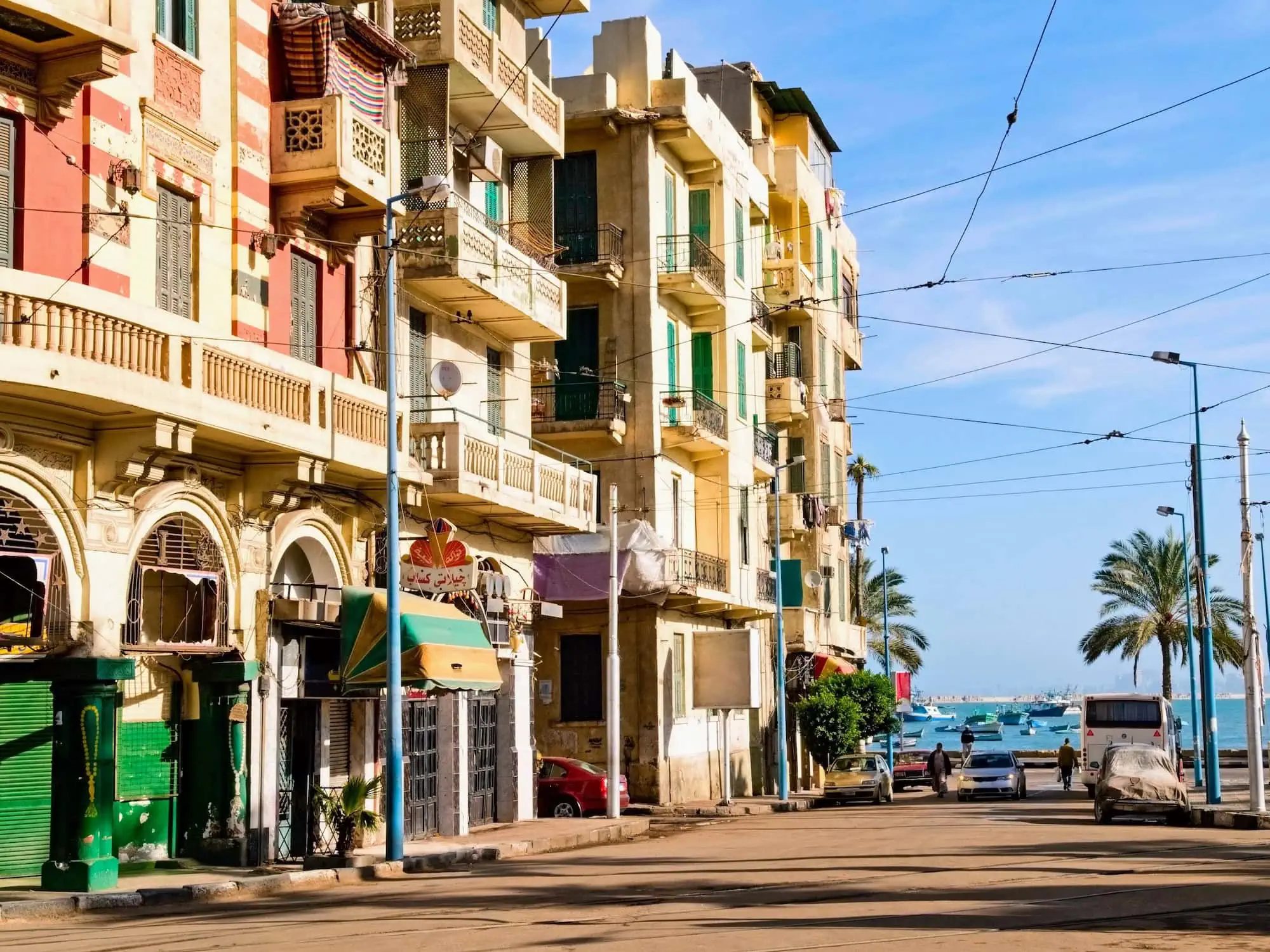
Upper Egypt: Desert Heat Done Right
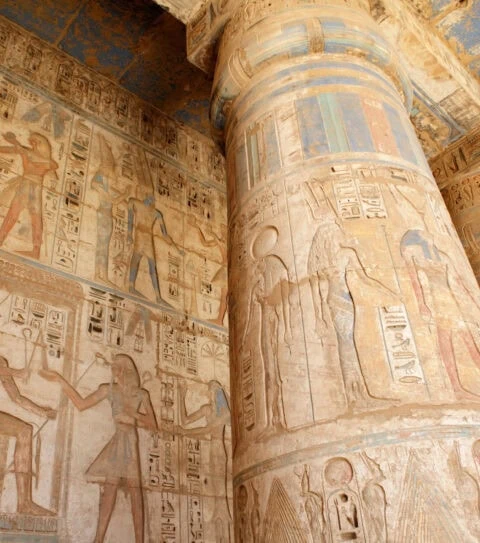
Luxor and Aswan deliver pure desert heat without humidity. Mornings before 9:00 am (09:00) and evenings after 6:00 pm (18:00) become genuinely pleasant. The Nile creates microclimates that drop temperatures by 2-3°C near the water. Our private guides often schedule temple visits for sunrise – around 6:00 am (06:00) – when carved reliefs catch golden light without the midday glare.
Red Sea Region: Underwater Refuge
Hurghada and Sharm El Sheikh average 33°C (91°F) with high humidity, but water temperatures hold steady around 27°C (81°F). Diving and snorkeling become the primary activities. We arrange most water activities between 8:00 am (08:00) and 11:00 am (11:00), then again after 4:00 pm (16:00).
Strategic Advantages of August Travel
August’s challenges come with genuine benefits that experienced travelers appreciate.
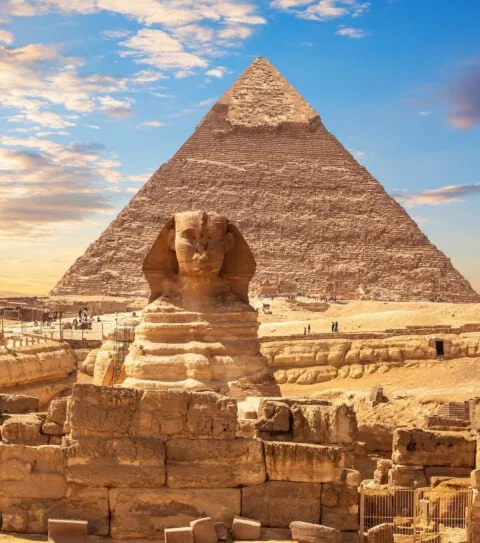
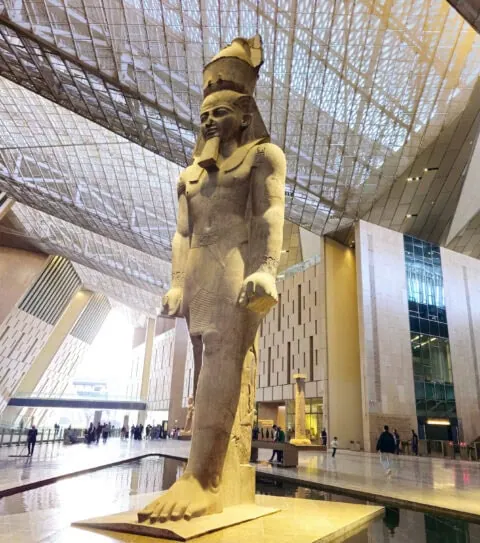
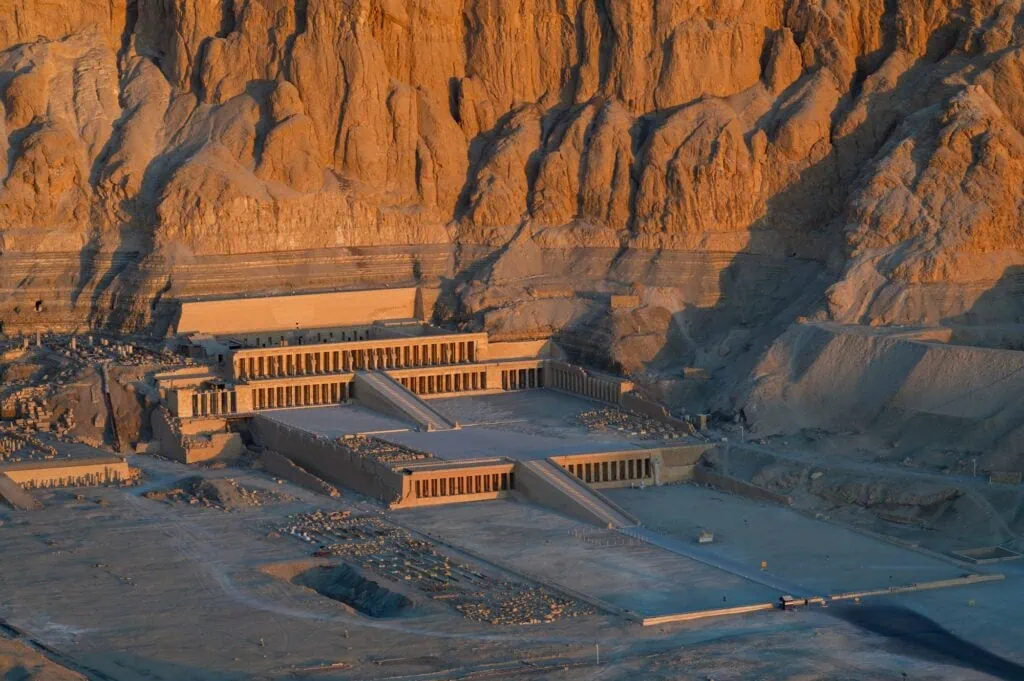
Tourist numbers drop significantly, creating space to experience Egypt’s most famous sites without the usual crowds. The Grand Egyptian Museum, Pyramids of Giza, and Valley of the Kings feel dramatically different when you’re not navigating through tour groups. Prices reflect the lower demand – hotels often offer 30-40% discounts compared to peak winter rates. Our August bookings typically save travelers substantial amounts on accommodations and even some tour packages.
Restaurant terraces and outdoor cafes adjust their schedules, staying open later into the evening. Cairo’s traditional coffeehouses become gathering places after sunset, offering authentic cultural experiences that peak-season visitors often miss. Many attractions extend evening hours during summer months, allowing visits to places like the Citadel or Islamic Cairo during cooler periods.
Smart Itinerary Planning for August Heat
Timing becomes everything when visiting Egypt in August. We structure our August itineraries around heat avoidance rather than traditional sightseeing schedules.
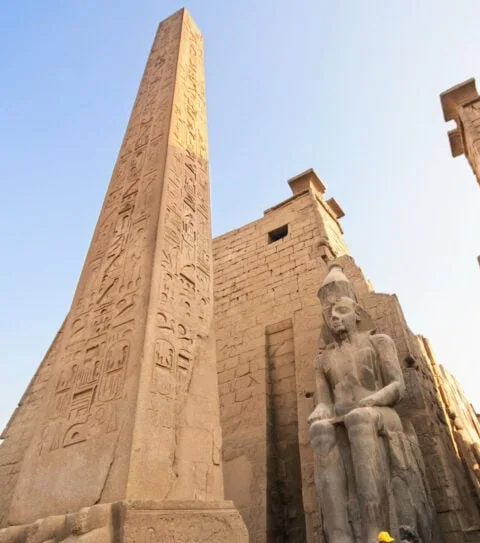
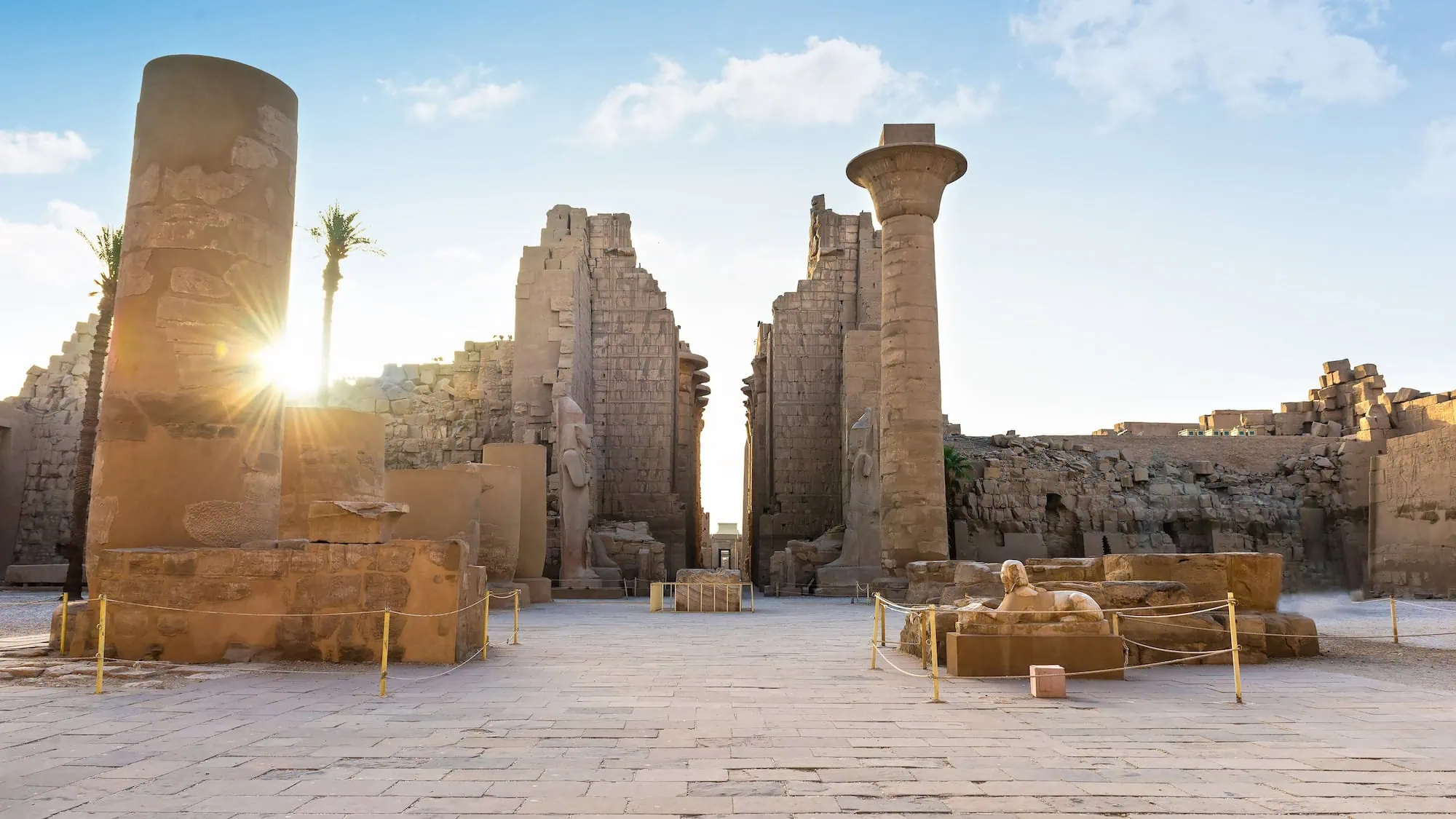
Early morning temple visits work exceptionally well. Karnak Temple at 6:30 am (06:30) offers photography opportunities impossible during crowded winter months. Abu Simbel visits work perfectly with early flights – you’ll witness the monument in golden sunrise light while temperatures remain comfortable. The sound and light shows at Giza and Karnak actually benefit from August’s clear, dry air.
Nile Cruises: August’s Secret Weapon
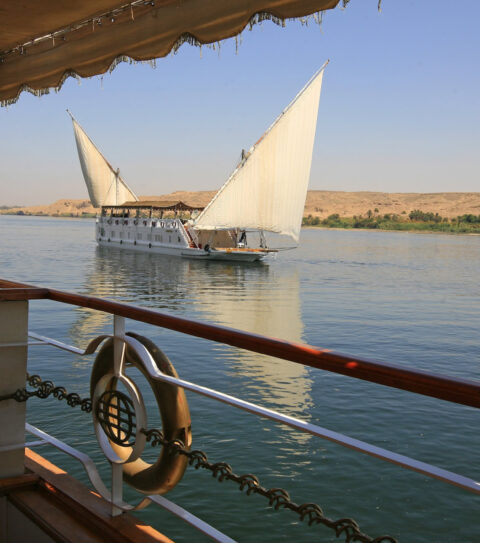
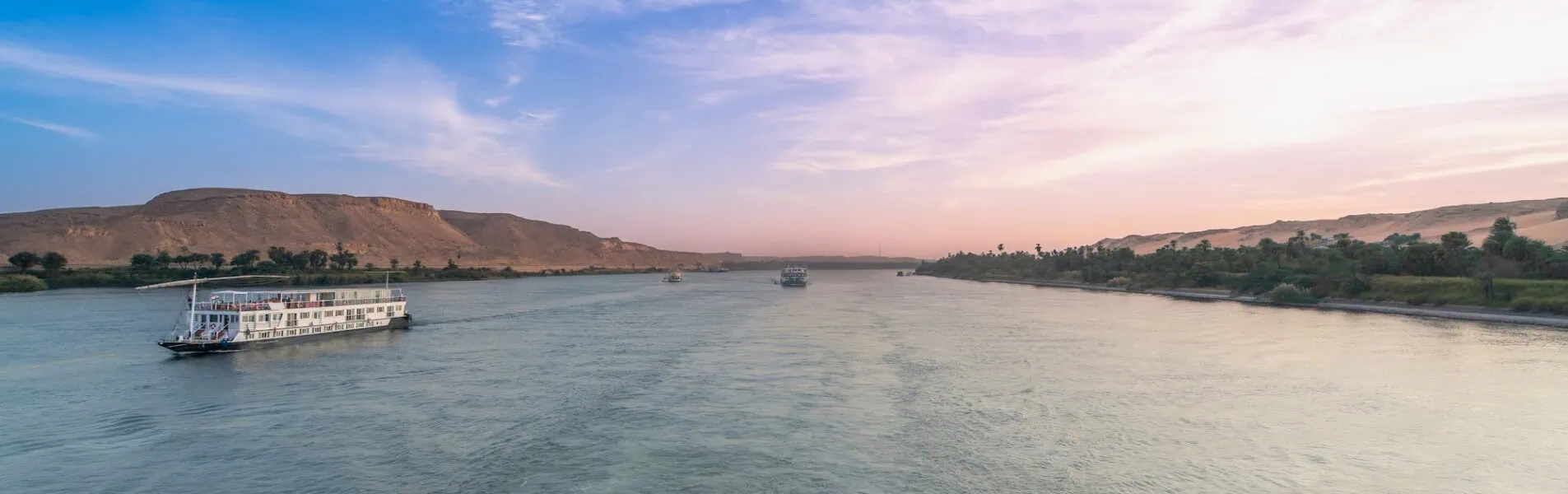
Nile cruises between Luxor and Aswan become especially appealing during August heat. Modern cruise ships provide constant air conditioning, and excursions to temples are conducted as small group experiences with up to 12 participants during the coolest parts of each day. The Nile itself acts as a natural air conditioner, creating breezes that make deck time enjoyable during evening hours.
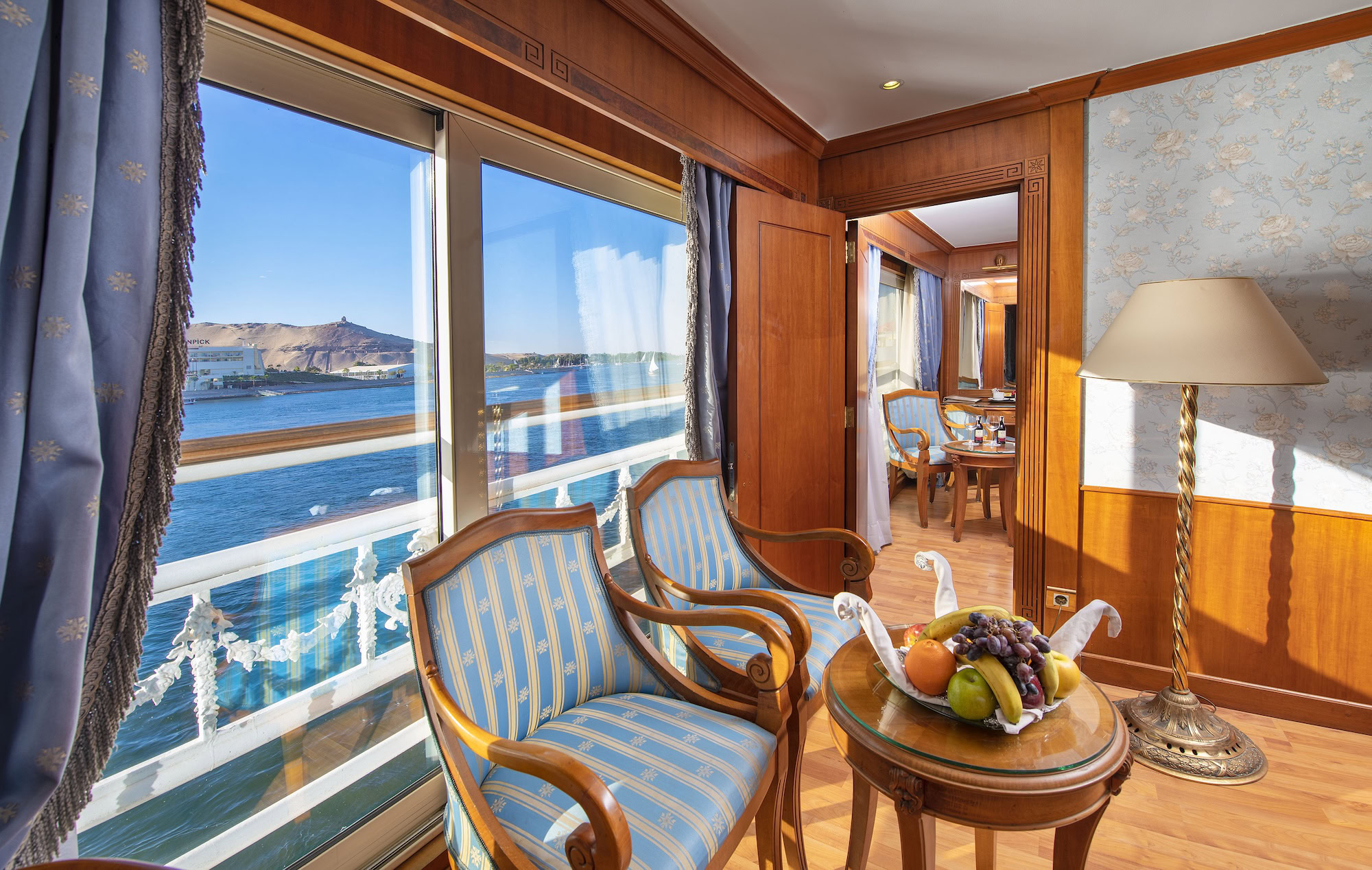
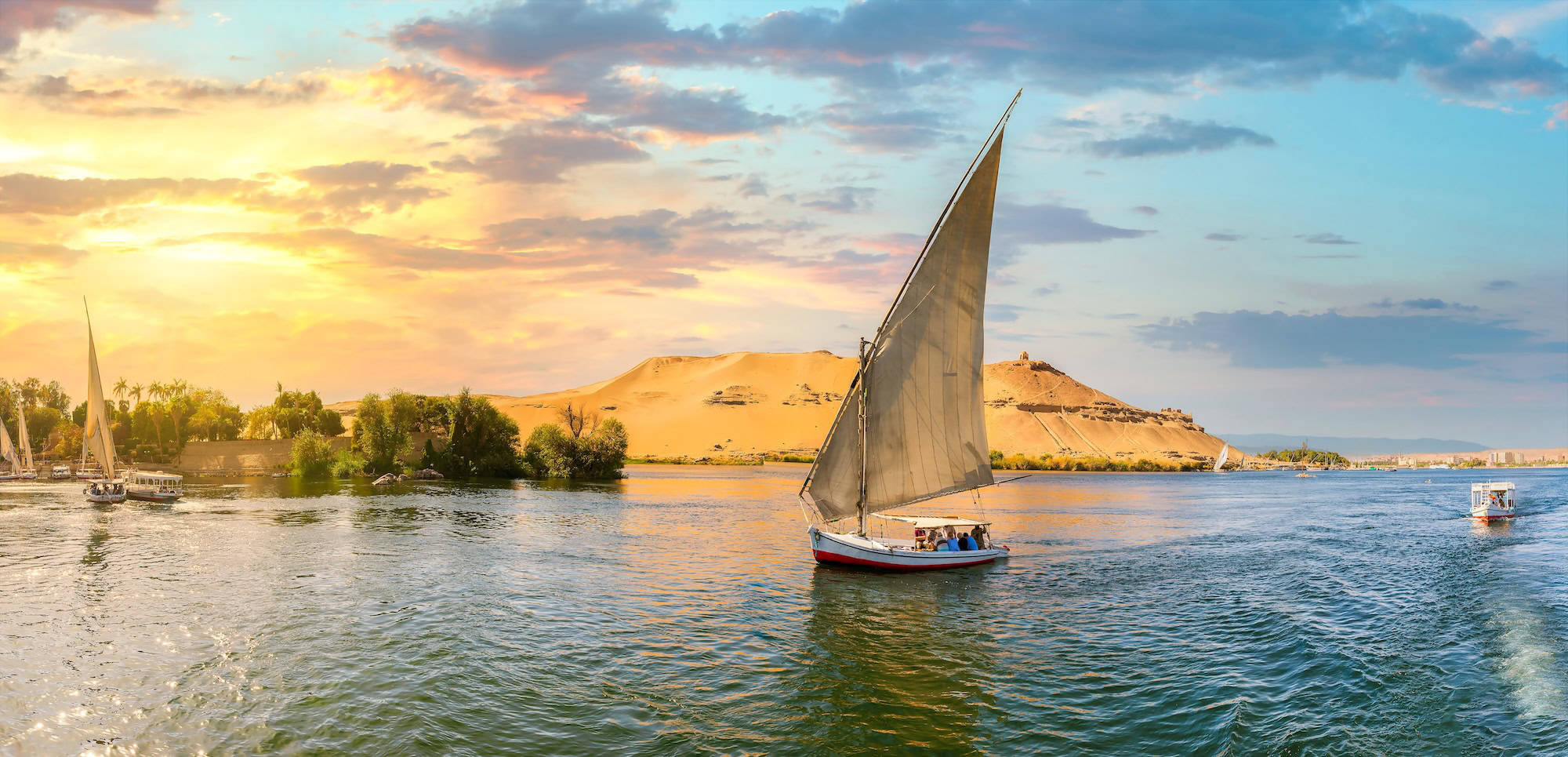
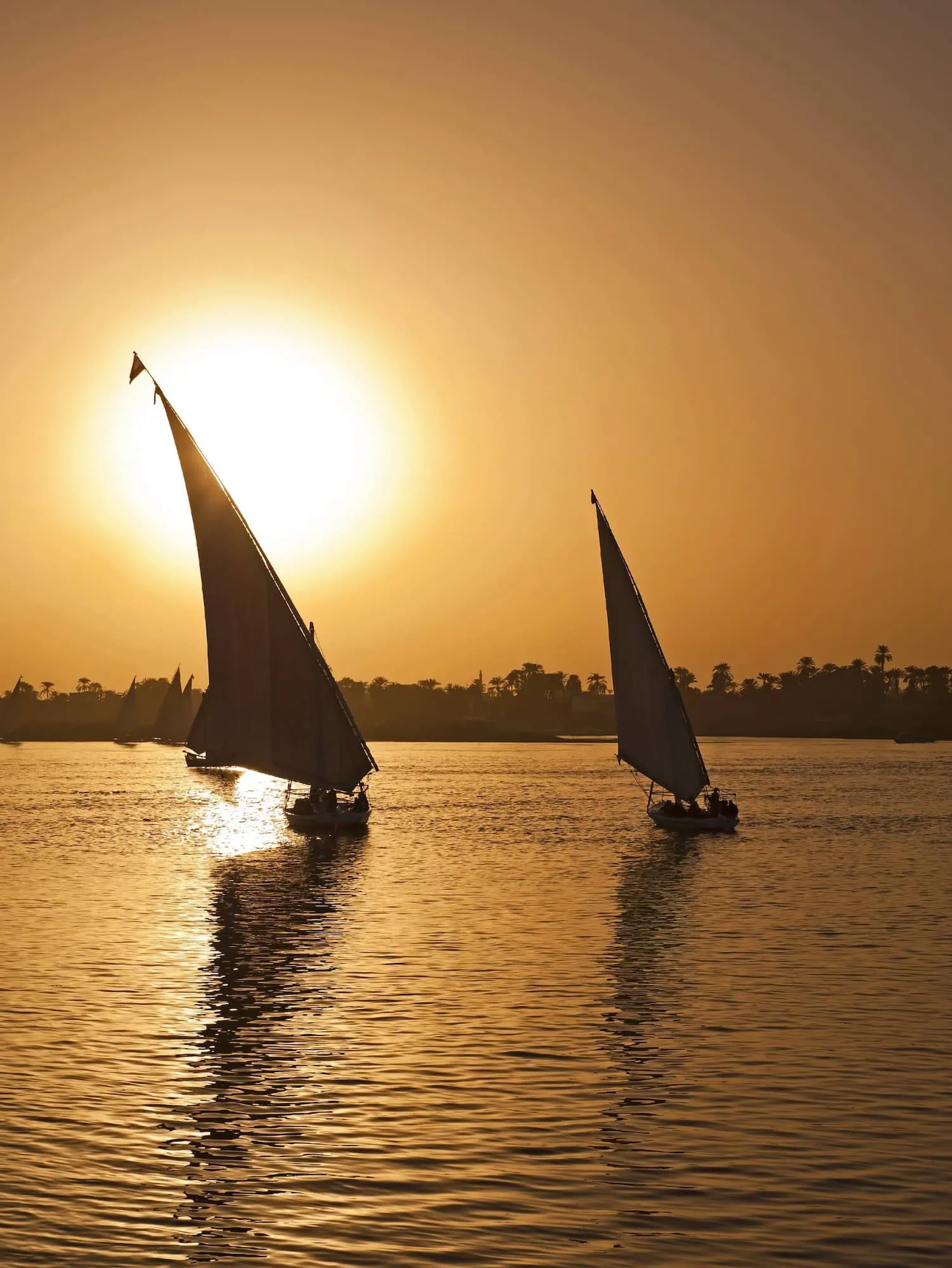
River views change character in August. Feluccas sail with fewer crowds, and sunset sailings around Aswan’s islands become magical. We often arrange private felucca trips during the late afternoon golden hour – typically 5:00 pm (17:00) to 7:00 pm (19:00).
Indoor Cultural Experiences
August makes indoor attractions incredibly appealing. The Egyptian Museum in Cairo, with its extensive air conditioning, becomes a perfect midday refuge. Our qualified guides schedule 2-3 hour museum visits during peak heat hours, allowing detailed exploration of treasures that rushed winter visitors often skim past.
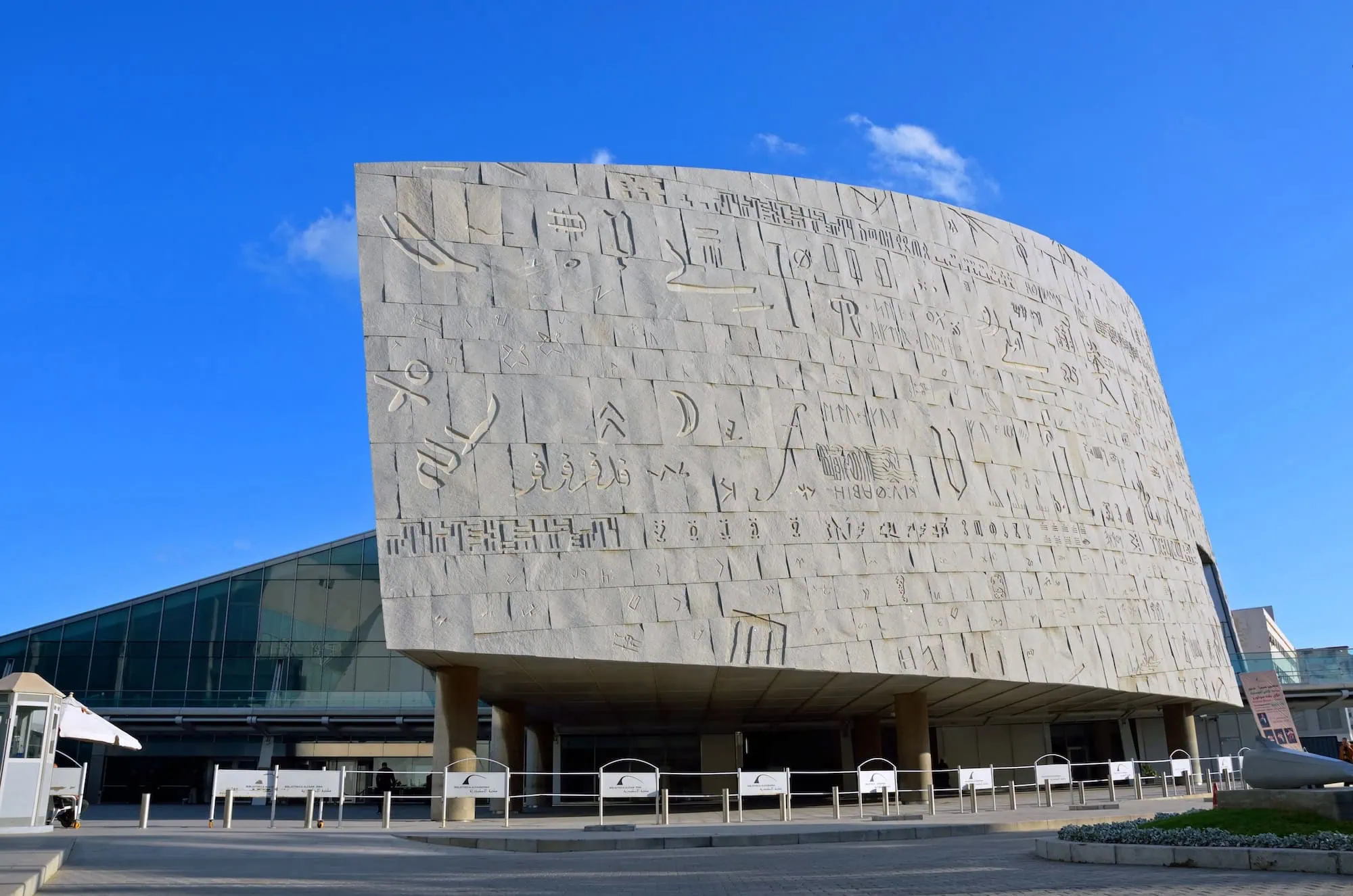
Museums in Alexandria, including the Alexandria National Museum and Bibliotheca Alexandrina, offer substantial content that fills hot afternoon hours productively. The recently opened National Museum of Egyptian Civilization in Cairo provides hours of climate-controlled exploration.
Destination-Specific August Strategies
Different regions of Egypt require completely different approaches during August heat.
Cairo and Giza work best with split-day scheduling. Pyramid visits at sunrise, followed by hotel rest during midday heat, then Islamic Cairo exploration during evening hours. The Khan el-Khalili bazaar comes alive after sunset, when temperatures drop and traditional evening shopping culture takes over.
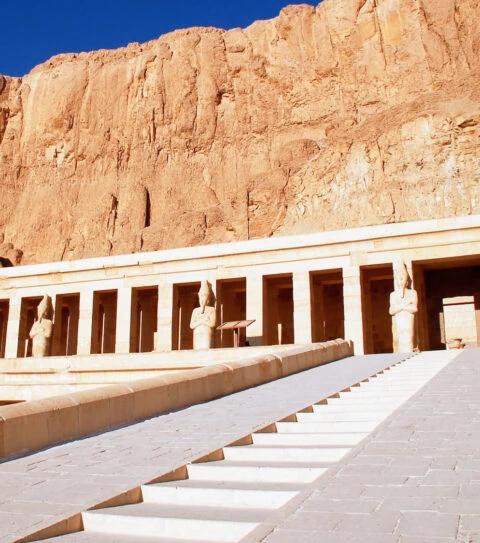
Luxor demands early morning temple visits and afternoon Nile activities. West Bank tombs stay relatively cool due to their underground nature – Valley of the Kings remains comfortable even during midday hours. East Bank temples like Karnak require sunrise or sunset timing for comfortable exploration.
Aswan offers the best August climate in mainland Egypt due to its dry desert air. Philae Temple visits work throughout the day thanks to its island location and constant breezes. The Nubian villages provide authentic cultural experiences during traditionally slow tourism periods.
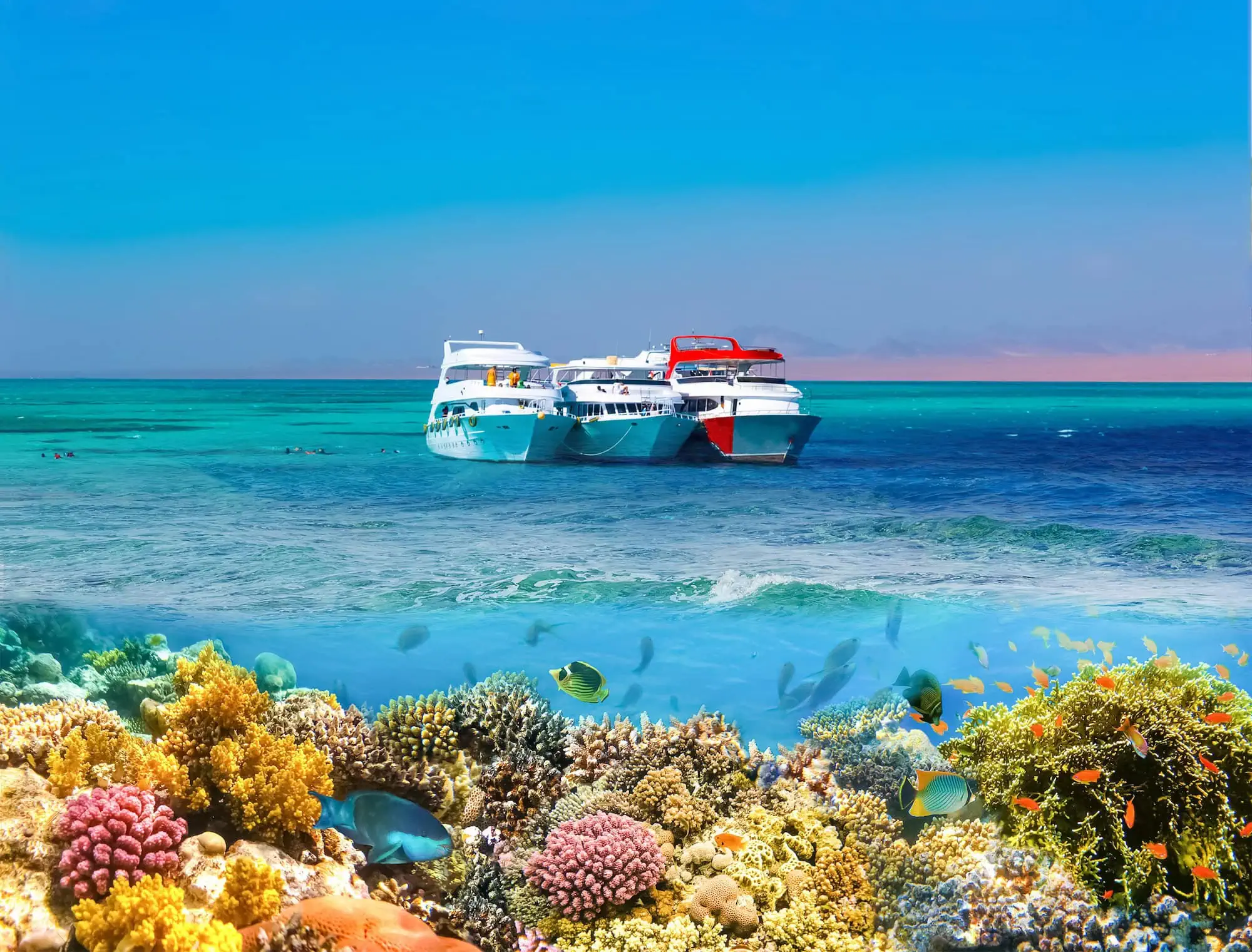
Red Sea destinations like Hurghada transform into diving and snorkeling havens. Water activities replace land-based touring entirely. Resort-based relaxation becomes the primary goal, with underwater exploration providing refuge from surface heat.
Practical Considerations and Health Tips
August travel in Egypt requires specific preparation beyond normal tourism planning.
Hydration needs increase dramatically – we recommend carrying 3-4 liters of water daily per person. Egyptian pharmacies stock oral rehydration solutions, and most hotels provide complimentary bottled water. Heat exhaustion symptoms develop quickly, so recognizing early warning signs becomes crucial.
Clothing choices matter significantly. Light-colored, loose-fitting cotton clothing provides the best comfort. Long sleeves actually help by preventing sun exposure while allowing air circulation. Wide-brimmed hats and quality sunglasses become essential equipment rather than optional accessories.
Visa and Entry Information
U.S. visitors need a tourist visa, available on arrival for $25 or online in advance through Egypt’s official e-visa portal. European visitors follow the same process, while many Latin American and other nationalities require advance visa applications through Egyptian consulates – check current requirements based on your passport.
Air conditioning becomes a key factor in accommodation choice. Budget hotels without reliable cooling systems become genuinely uncomfortable during August nights. We recommend confirmed air-conditioned transportation and accommodations as non-negotiable requirements rather than luxury preferences.
Cultural Events and August Opportunities
August occasionally overlaps with Ramadan, creating unique cultural experiences when the timing aligns.
Local festivals continue despite the heat, often shifting to evening schedules. The Citadel Festival in Cairo sometimes occurs during August, featuring traditional music and cultural performances in the cooler evening hours. Alexandria’s film festival occasionally runs during late August, offering indoor entertainment during the hottest part of the day.
Egyptian domestic tourism peaks during August school holidays, providing opportunities to experience how locals enjoy their own country. Beach resorts along the Mediterranean and Red Sea coasts buzz with Egyptian families, creating authentic cultural exchanges often missed during international tourist seasons.
Making August Work: Our Professional Perspective
After decades of guiding visitors through Egypt’s summer months, we’ve developed specific strategies that make August travel successful.
Flexibility becomes the key ingredient. Our August itineraries include built-in rest periods and alternative indoor options when heat becomes overwhelming. Private transportation with guaranteed air conditioning eliminates the stress of public transport during extreme temperatures. Professional guides who understand heat management make the difference between struggling through sights and genuinely enjoying them.
We schedule the most demanding activities – pyramid climbing, extensive walking tours, outdoor archaeological sites – during the brief comfortable windows each day. Our modern vehicles and experienced drivers ensure smooth transitions between air-conditioned spaces.
The reward for August’s challenges? Experiencing Egypt with breathing room, significant cost savings, and the satisfaction of traveling during the country’s most authentic season when tourism pressures ease and local life takes center stage.
Frequently Asked Questions
August is one of the hottest months in Egypt, with daytime temperatures typically ranging from 90°F to 104°F (32°C to 40°C). Cairo often averages around 95°F (35°C), while Upper Egypt destinations such as Luxor and Aswan frequently reach 100°F to 104°F (38°C to 40°C) or higher. Coastal areas along the Mediterranean and Red Sea are generally moderated by sea breezes. Travelers who plan activities early in the day usually find conditions far more comfortable.
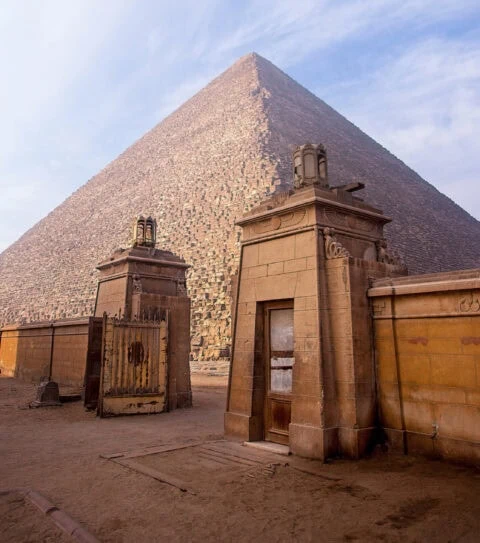
No, the Pyramids of Giza can still be visited comfortably in August if you plan your timing carefully. The most pleasant conditions are typically before 9:00 am, when temperatures are significantly lower and crowds are lighter. Inside the Great Pyramid and other pyramid chambers, thick stone construction helps moderate temperatures compared to the surrounding desert. Arriving at opening time is the best strategy for both comfort and photography.
Yes, virtually all mid-range and luxury hotels in Egypt provide air conditioning, and it is considered a standard amenity during the summer season. International hotel brands in Cairo, Luxor, Aswan, Hurghada, and Sharm El Sheikh typically maintain reliable climate control even during periods when outdoor temperatures exceed 100°F (38°C). Budget accommodations vary considerably, so travelers should verify cooling facilities before booking, particularly in smaller guesthouses and locally operated properties.
Yes, outdoor activities are generally safe in August when travelers take appropriate precautions against heat and dehydration. The best approach is to schedule sightseeing, desert excursions, and archaeological visits during the early morning or late afternoon. Midday temperatures in areas such as Luxor and Aswan can exceed 104°F (40°C), increasing the risk of heat exhaustion. Drinking water regularly, wearing sun protection, and taking breaks in shaded areas are essential.
Yes, August is an excellent month for Red Sea activities, with water temperatures averaging around 81°F (27°C). Popular destinations such as Hurghada, Sharm El Sheikh, Marsa Alam, and Dahab offer ideal conditions for snorkeling, scuba diving, swimming, and boat excursions. Underwater visibility is often excellent, and sea conditions are generally calm. Morning and late-afternoon excursions are especially comfortable because air temperatures are lower than during midday hours.
No, most major tourist attractions in Egypt remain fully operational during August, and some sites may even offer extended evening access during the summer season. Popular locations such as the Pyramids of Giza, Karnak Temple, and Philae Temple continue to welcome visitors throughout the month. Extended or evening schedules help travelers avoid the hottest part of the day. Checking current operating hours before your visit is recommended, as seasonal adjustments occasionally occur.
August travelers should pack lightweight, breathable clothing designed for extreme heat and strong sunshine. Light-colored cotton or moisture-wicking fabrics help keep body temperatures lower when outdoor conditions exceed 95°F (35°C). Essential items include high-SPF sunscreen, sunglasses, a wide-brimmed hat, comfortable walking shoes, and a reusable water bottle. Many experienced travelers also carry electrolyte supplements to help replace minerals lost through perspiration during extended sightseeing.
Yes, modern Nile cruise ships remain comfortable during August because they are equipped with air-conditioned cabins, dining rooms, and lounges. Cruises operating between Luxor and Aswan are specifically designed to accommodate Egypt’s hot summer climate. Evening temperatures along the Nile are often noticeably cooler than daytime highs, and river breezes make outdoor deck areas pleasant after sunset. Many excursions are scheduled early in the morning to minimize heat exposure.
Most travelers should aim to drink approximately 3 to 4 liters of water per day while visiting Egypt in August. Individuals participating in outdoor activities, desert excursions, or extended archaeological tours may require even more. High temperatures and low humidity can increase fluid loss without obvious signs of perspiration. Carrying water throughout the day and drinking regularly, rather than waiting until you feel thirsty, is one of the most effective heat-management strategies.
Yes, many restaurants, cafés, and tourism businesses adapt their schedules during August to accommodate hotter daytime conditions. Some attractions open earlier, while restaurants and shopping areas often remain active later into the evening. This pattern reflects local lifestyle habits, particularly during the summer months when outdoor activity shifts toward cooler hours. Visitors who follow similar schedules often enjoy more comfortable sightseeing and dining experiences.
Yes, August is typically one of the most affordable months to visit Egypt because it falls within the low summer tourism season. Hotel rates are often 30% to 40% lower than during peak winter months such as December and January, and discounted tour packages are common. Travelers can frequently access higher-category accommodations at lower prices. For budget-conscious visitors, August often provides some of the strongest value of the entire year.
Yes, all major Egyptian attractions remain accessible during August, including the Pyramids of Giza, the Valley of the Kings, Abu Simbel, Karnak Temple, and the Grand Egyptian Museum. The key to a successful visit is adjusting your daily schedule around the heat. Early morning starts, midday indoor activities, and evening sightseeing help maximize comfort. With proper planning, August visitors can experience the same landmarks as travelers during cooler seasons.
Explore our most popular guides and expert tips to make your trip safe, smooth, and unforgettable.
Plan Your Egypt Adventure with Confidence
How to Plan a Trip Egypt
Step-by-step guide to help you plan the perfect Egypt trip — from routes and budget to booking.
Best Time to Visit Egypt
Learn the best months to visit Egypt based on weather, crowds, and local travel experiences.
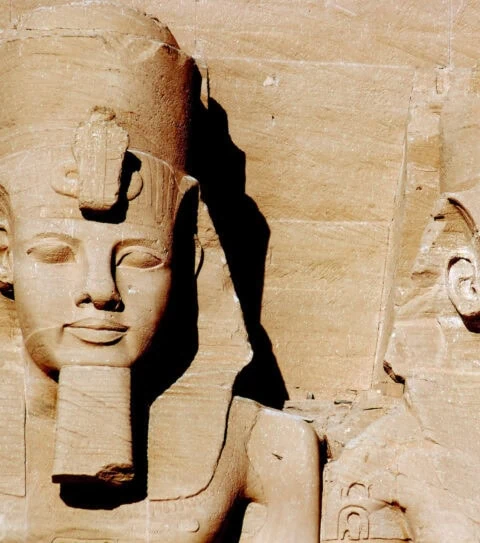
Must Visit Places in Egypt
Explore Egypt’s top sights — from pyramids to temples — and hidden gems worth seeing.
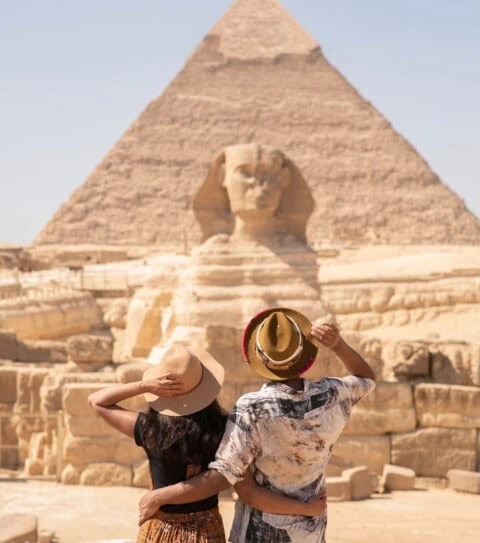
Top-Rated Egypt Tours
Handpicked private tours with local guides — our most loved and best-reviewed experiences.
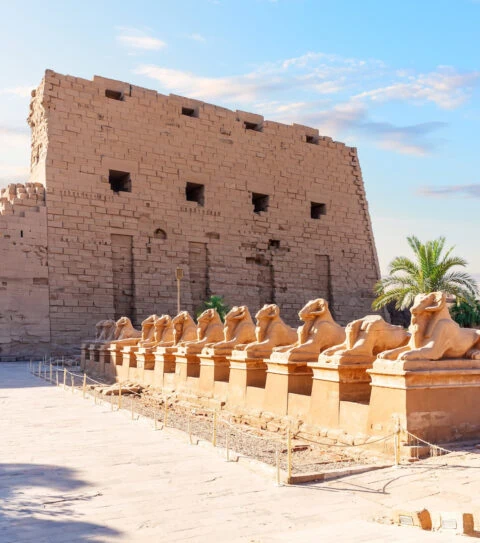
How Many Days to Visit Egypt?
Find out how many days you need in Egypt — from quick trips to full itineraries.
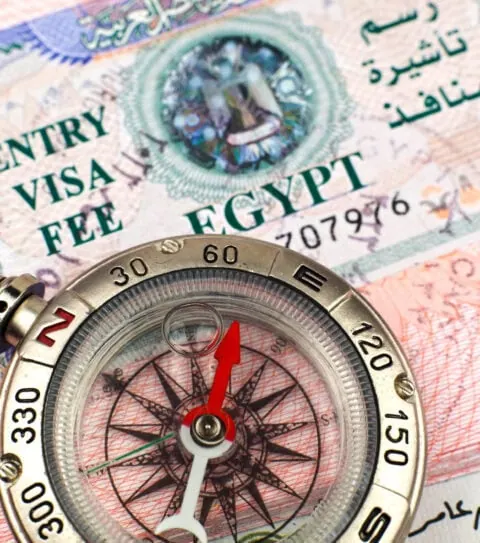
Egypt Visa Requirements
Check if you need a visa and get simple, up-to-date entry info based on your nationality.
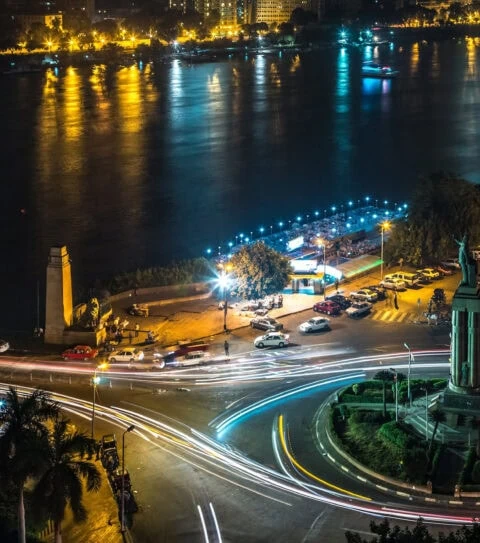
Is it Safe to Travel to Egypt?
Is Egypt safe? Get honest safety tips, area advice, and what to know before you travel.
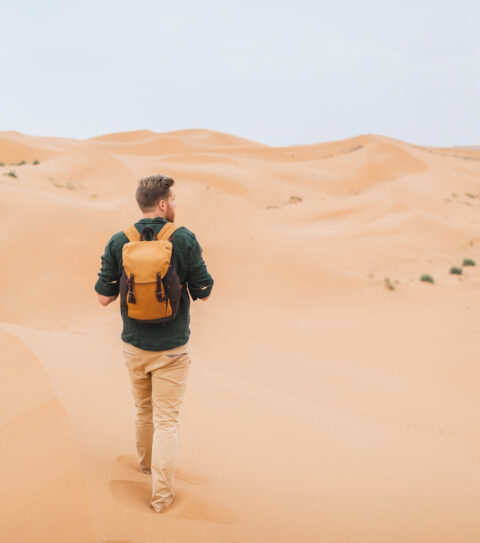
What to Pack for Egypt
A quick packing guide with essentials, cultural tips, and clothing advice for your Egypt trip.
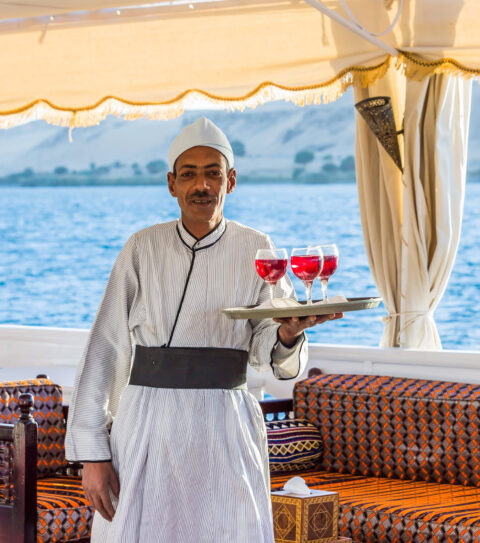
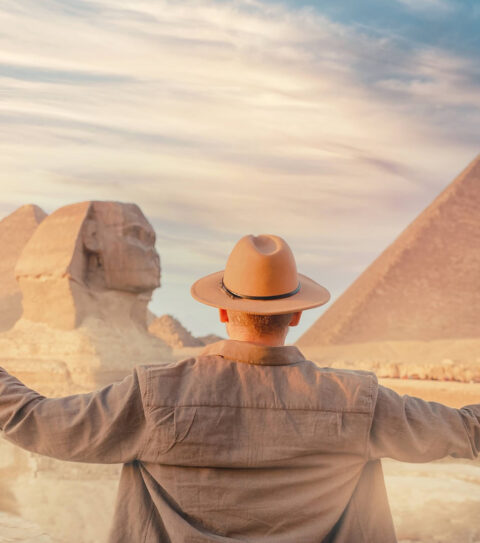
Design Your Custom Tour
Explore Egypt your way by selecting only the attractions you want to visit