Is September a Good Time to Visit Egypt?
September marks Egypt’s transition from blazing summer heat to more comfortable travel weather.
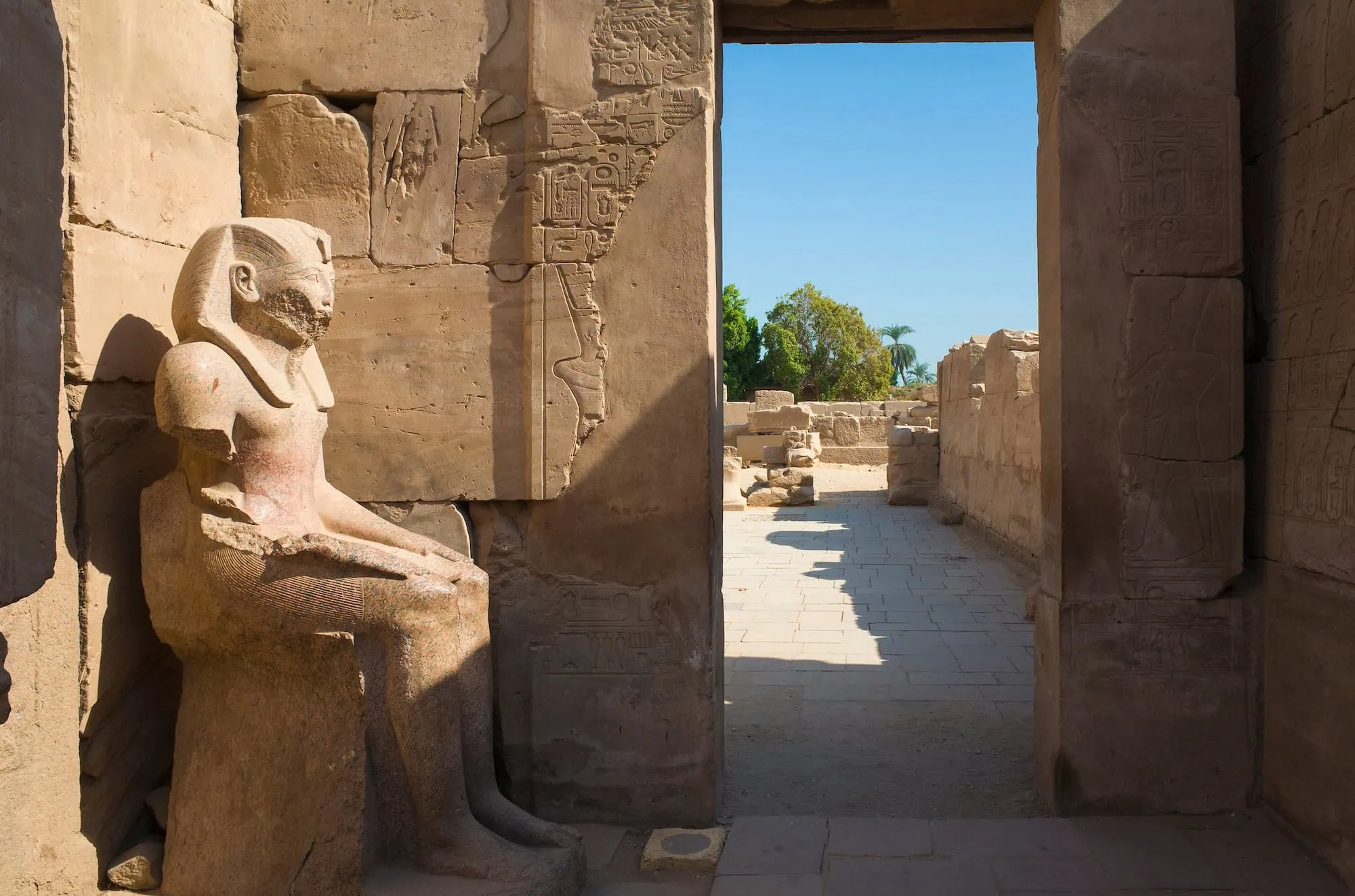
Egypt’s September climate sits in that sweet spot where intense summer temperatures begin their gradual descent, yet tourist crowds remain lighter than peak winter months. We’ve guided thousands of travelers through Egypt’s seasonal shifts, and September consistently emerges as one of our most recommended shoulder season months. The country transforms from its summer slowdown into a more welcoming destination, offering better pricing, fewer crowds, and increasingly pleasant weather conditions.
This timing creates unique advantages for travelers seeking authentic Egyptian experiences without the overwhelming heat of July and August or the bustling crowds of December through February.
Table of Contents
September Weather Patterns Across Egypt
Egypt’s September climate varies dramatically between its northern Mediterranean coast and southern desert regions.
Northern Cities: Cairo and Alexandria
Cairo experiences daytime temperatures ranging from 30-35°C (86-95°F), while nighttime temperatures drop to a more comfortable 22-25°C (72-77°F). Alexandria, benefiting from Mediterranean breezes, stays slightly cooler with highs around 29-32°C (84-90°F).
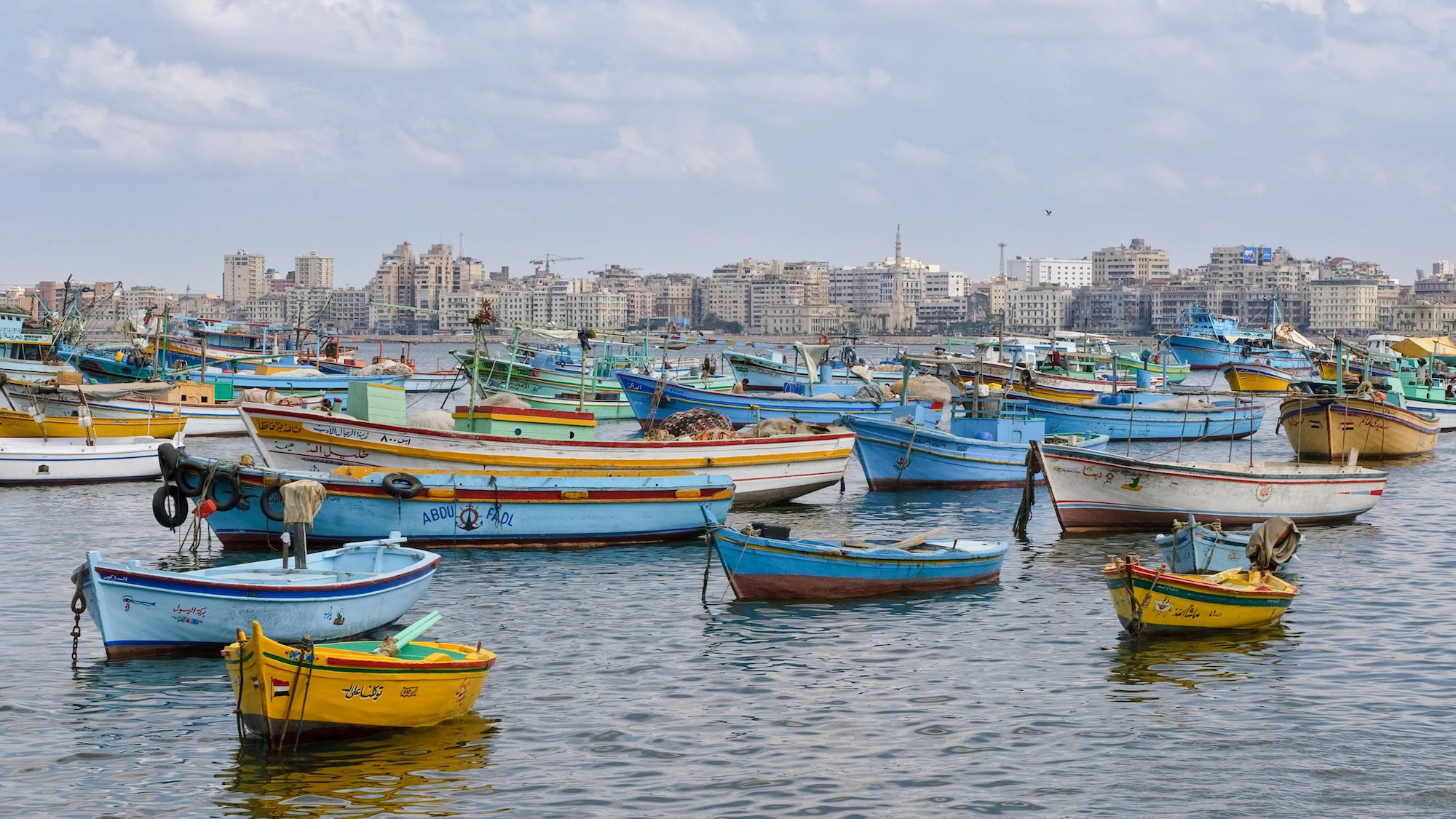
These northern areas see minimal rainfall – typically less than 1mm for the entire month. Humidity levels hover around 60-70%, making the heat more manageable than the oppressive summer months.
Central Egypt: Luxor and Middle Nile
The ancient city of Luxor records higher temperatures, with daytime highs reaching 36-39°C (97-102°F). However, the dry desert air and lower humidity levels compared to summer months make these temperatures more bearable for sightseeing activities.
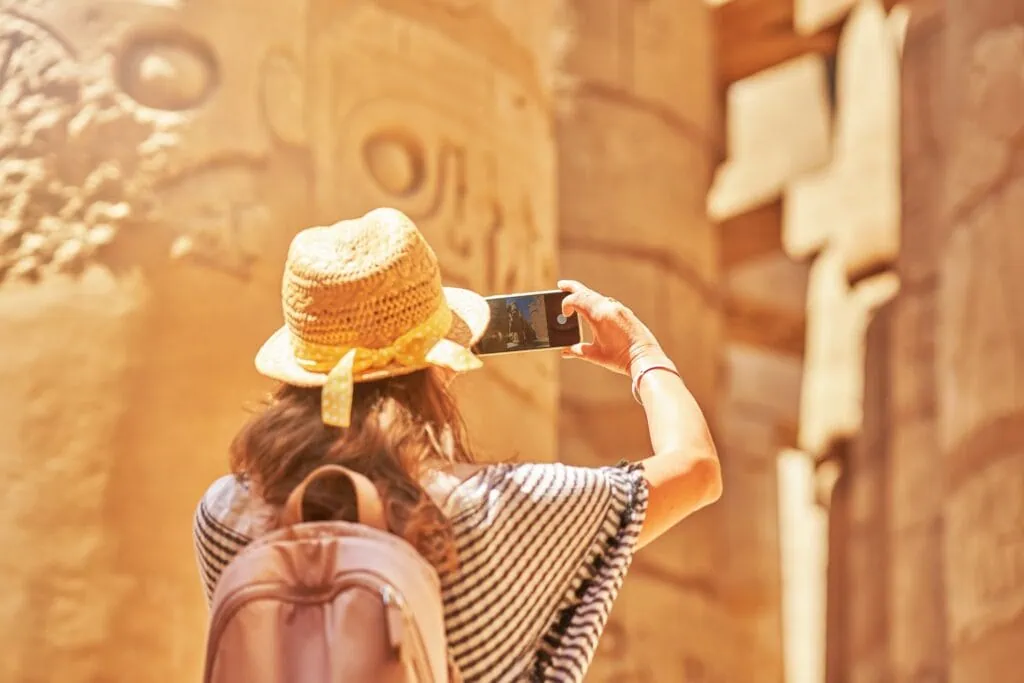
Morning temperatures start around 24-27°C (75-81°F), creating excellent conditions for early temple visits and outdoor exploration before the day peaks.
Southern Regions: Aswan and Abu Simbel
Aswan maintains the highest temperatures, often hitting 38-42°C (100-108°F) during peak afternoon hours. Yet even here, September brings relief from the brutal 45°C+ (113°F+) summer peaks.
Red Sea Coast: Hurghada and Sharm El Sheikh
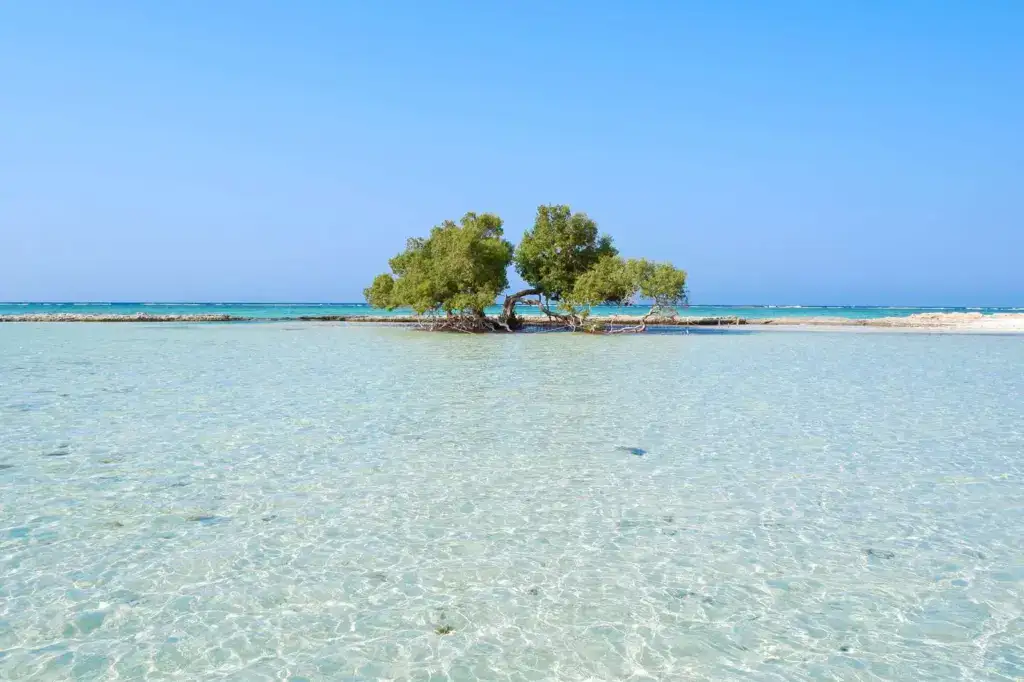
Coastal resorts enjoy some of September’s most appealing conditions. Temperatures range from 32-36°C (90-97°F) with refreshing sea breezes throughout the day and evening. Water temperatures remain warm at 26-28°C (79-82°F), perfect for diving and swimming activities.
Tourist Crowds and Seasonal Advantages
September delivers significant advantages in crowd management and overall travel experience.
European schools resume sessions, dramatically reducing family tourism numbers compared to summer holidays. American travelers often delay their trips until October or November, leaving September relatively peaceful at major attractions. We regularly secure better accommodation rates during this period – typically 10-20% lower than peak season pricing.
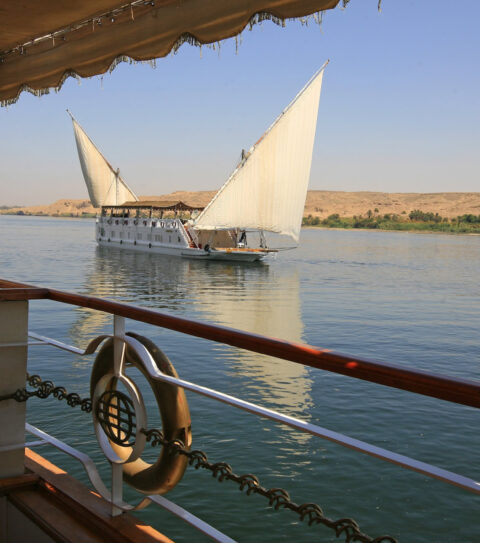
Hotel availability improves substantially, allowing for more flexible itinerary planning. Popular Nile cruise departures operate with lighter passenger loads, enhancing the onboard experience. Restaurant reservations become easier to secure, and guided tours operate with smaller group sizes.
Regional Crowd Variations
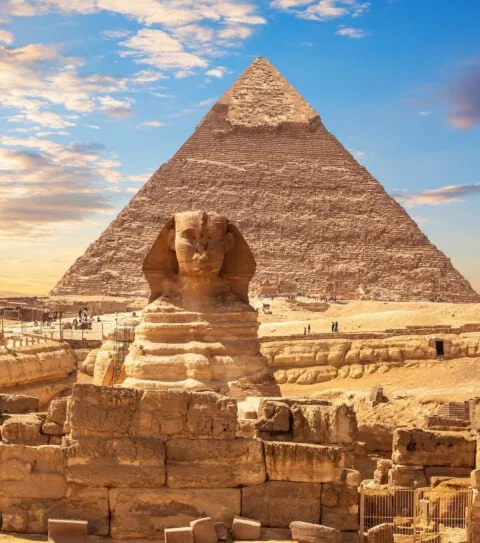
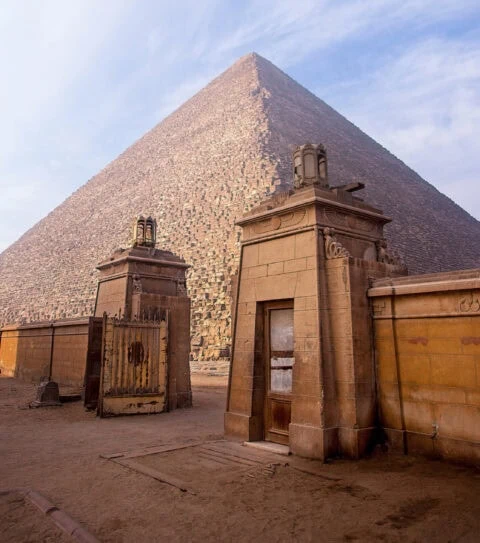
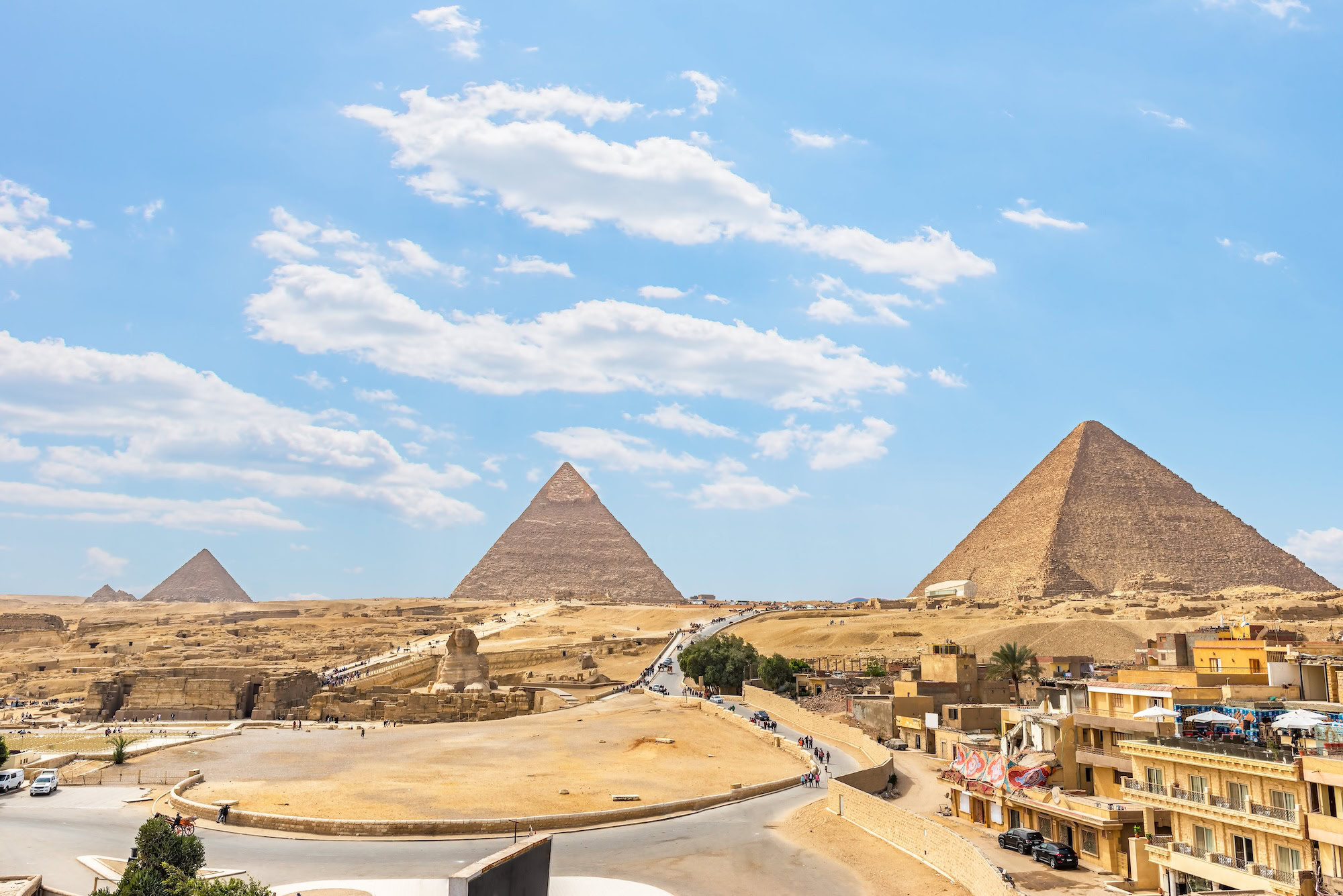
Historical sites like the Pyramids of Giza, Valley of the Kings, and Karnak Temple experience moderate visitor levels. Beach destinations along the Red Sea see increased activity as temperatures become more comfortable, though still manageable compared to winter peak periods.
Activity Recommendations for September Travel
Morning and Evening Sightseeing
Start outdoor activities between 6:00 am (06:00) and 10:00 am (10:00) when temperatures remain comfortable for walking and photography. Resume sightseeing around 4:00 pm (16:00) when afternoon heat begins subsiding. This schedule works particularly well for pyramid visits, temple exploration, and archaeological site tours.
Red Sea Activities Peak Season
September marks ideal conditions for Red Sea diving and snorkeling. Water visibility reaches excellent levels, marine life remains active, and comfortable temperatures make extended water activities enjoyable. Hurghada and Sharm El Sheikh diving centers report some of their best conditions during this month.
Boat excursions to Ras Mohammed National Park or Giftun Islands operate in optimal weather conditions with minimal wind and calm seas.
Nile River Experiences
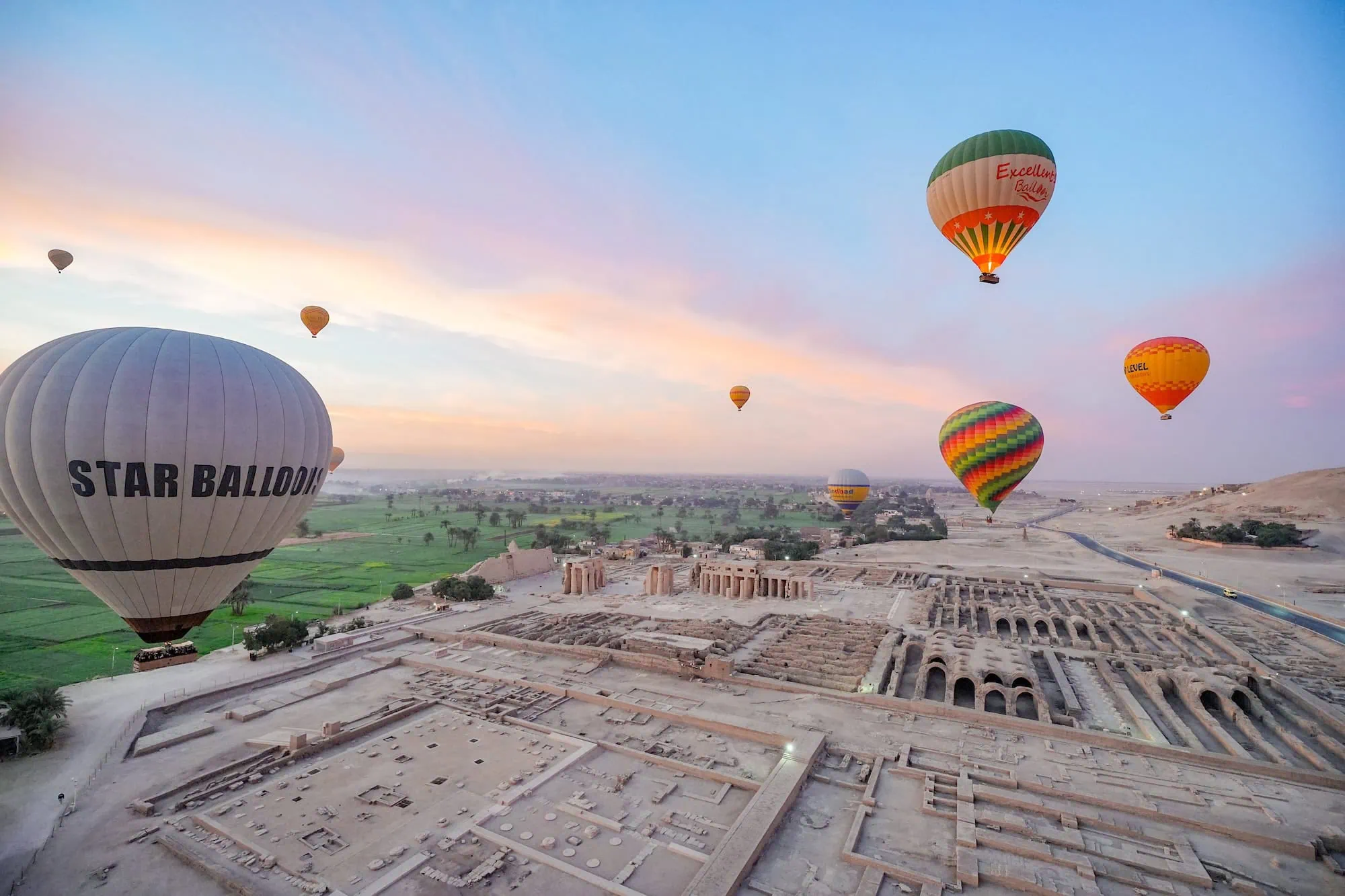
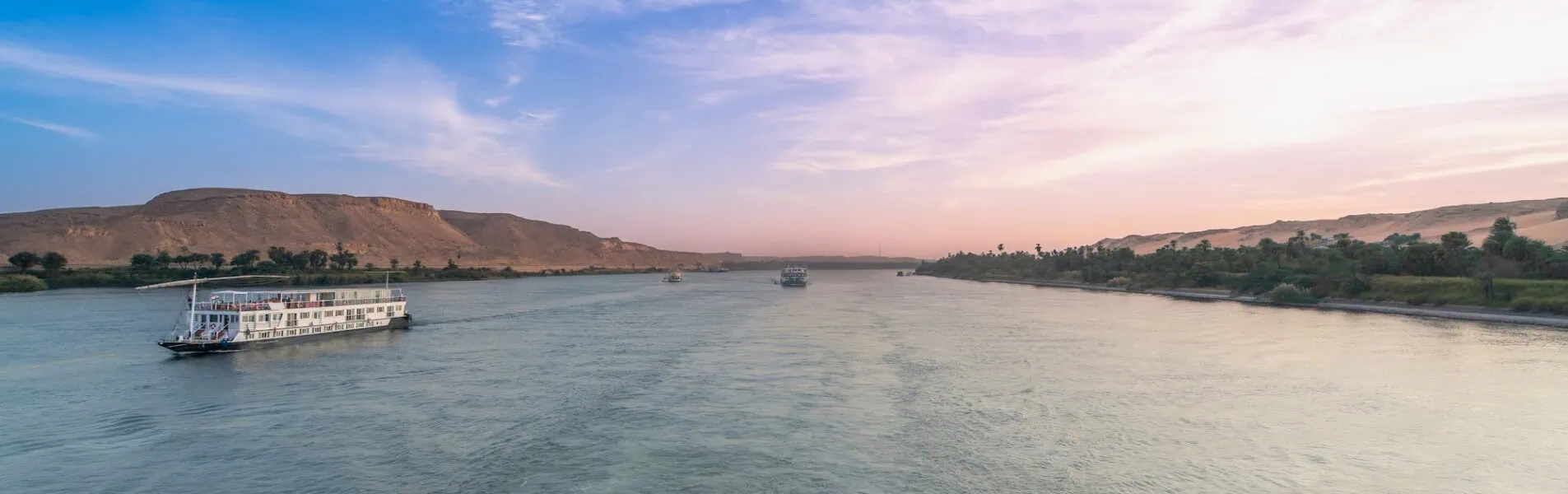
Nile cruises between Luxor and Aswan operate comfortably in September weather. Deck activities become more enjoyable as temperatures moderate, and evening entertainment moves outdoors more frequently. Traditional felucca sailing excursions work well during cooler morning and evening hours.

Our small group excursions during multi-day cruises (limited to 12 participants) provide intimate exploration opportunities at ancient sites without overwhelming heat concerns.
Practical Considerations for September Travel
Pack lightweight, breathable fabrics in natural materials like cotton and linen. Include long sleeves and pants for sun protection during outdoor activities. Evening temperatures may require light layers, particularly in northern regions or air-conditioned environments.
Health and Comfort Factors
Hydration remains critical – consume water regularly throughout the day. September’s moderate humidity levels reduce some summer discomfort but maintaining fluid intake stays essential. Sunscreen application every 2-3 hours prevents burning during outdoor activities.
Transportation Benefits
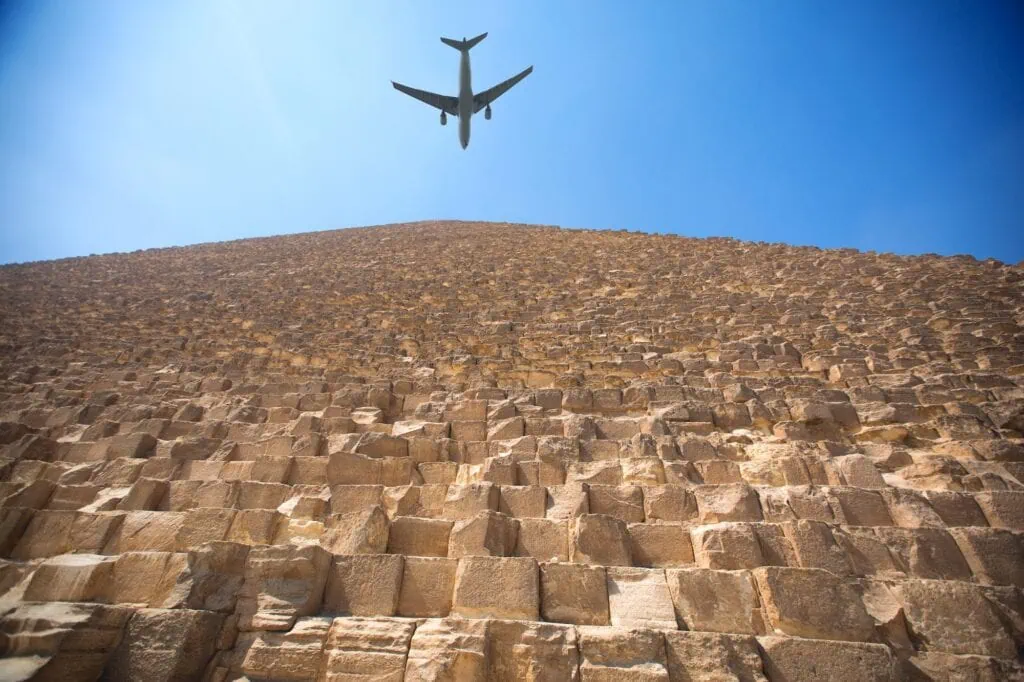
Domestic flights operate on schedule more reliably as extreme heat events decrease. Road travel between destinations becomes more comfortable without summer’s peak temperatures. Train journeys, particularly overnight sleeper services, benefit from cooler evening and morning conditions.
Comparing September to Other Travel Months
September offers distinct advantages over both summer and winter periods for Egyptian travel.
Compared to July and August, temperatures drop 5-8°C (9-14°F) across most regions while maintaining minimal rainfall. Tourist infrastructure operates at full capacity without summer maintenance closures affecting some attractions and hotels.
Against peak winter months (December through February), September provides warmer weather for those seeking sunny conditions without overwhelming heat. Hotel rates remain 15-25% lower than December-January pricing, and popular sites experience shorter wait times.
June vs September Comparison
Both months share similar shoulder season characteristics, but September trends cooler while June approaches summer peaks. Water activities favor September due to continued warm sea temperatures combined with more comfortable air temperatures.
Regional Festivals and Cultural Events
September coincides with various local celebrations and cultural events across Egypt. The Coptic New Year occurs in mid-September, bringing unique cultural experiences particularly in Cairo and Alexandria. Local harvest festivals in Nile Delta regions showcase traditional Egyptian agricultural practices.
Islamic calendar events may occasionally align with September dates, creating special cultural opportunities depending on the specific year. These celebrations often provide authentic insights into contemporary Egyptian life beyond typical tourist activities.
Budget Considerations and Value Opportunities
Accommodation Pricing
Hotel rates in September typically run 10-20% below peak winter season costs. Luxury Nile cruise cabins become more accessible, with better upgrade opportunities available. Red Sea resorts offer attractive package deals as they transition from summer family focus to adult-oriented autumn programming.
Flight Costs
International airfare to Cairo often reaches year-low points during September as summer vacation demand ends and winter holiday booking hasn’t peaked. European connections show particularly good value, while North American routes begin seasonal price reductions.
Domestic flight pricing within Egypt remains stable and affordable year-round, but September timing allows greater flexibility for last-minute itinerary adjustments.
Visa Requirements and Entry Considerations
U.S. travelers require a tourist visa for Egypt, available online through the official e-visa system for $25 USD or upon arrival at Cairo International Airport for $30 USD. Processing typically takes 3-5 business days for online applications.
European Union citizens follow identical visa requirements and pricing. Canadian and Australian travelers use the same e-visa system with matching fees. Latin American visitors should verify specific country requirements, as some nations qualify for visa-free entry for stays under 30 days.
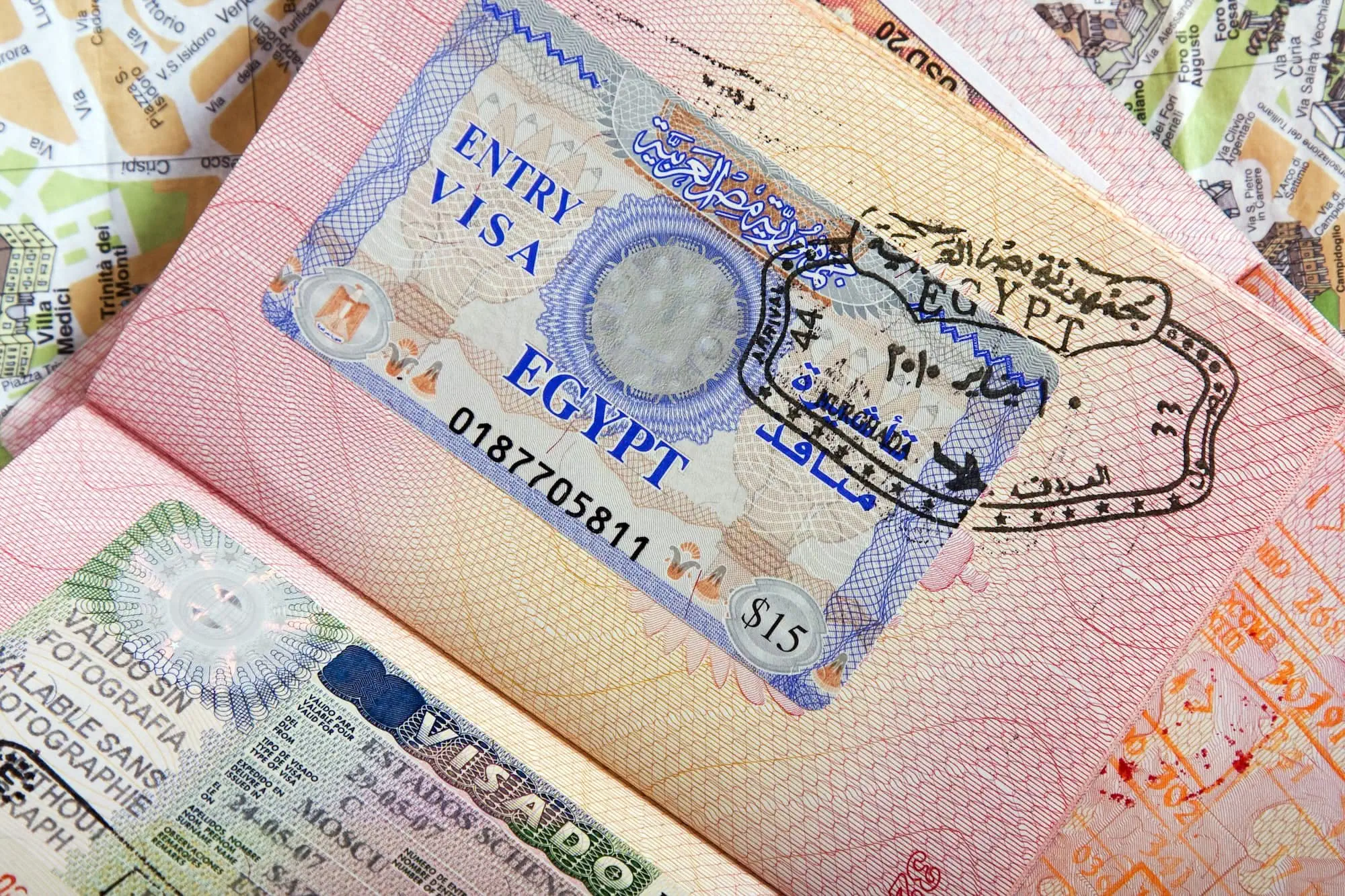
September entry processing tends to move efficiently due to moderate arrival volumes compared to peak winter months.
Frequently Asked Questions
September is still a hot month in Egypt, with daytime temperatures typically ranging from 86°F to 95°F (30°C to 35°C) in Cairo and the Mediterranean coast, and 97°F to 108°F (36°C to 42°C) in southern destinations such as Luxor and Aswan. Humidity is generally lower than in many tropical destinations, which can make the heat feel more manageable. Early mornings and evenings are noticeably cooler and are often the most comfortable times for sightseeing.
September is considered a shoulder-season month in Egypt, sitting between the quieter summer period and the busy winter tourism season. Visitor numbers are typically moderate, meaning major attractions such as the Pyramids of Giza and Karnak Temple are less crowded than in December, January, and February. Hotels and Nile cruises often offer better availability and more competitive pricing. Travelers benefit from a balance of good value and a lively tourism atmosphere.
Yes, September is one of the best months for swimming in the Red Sea, with water temperatures typically ranging from 79°F to 82°F (26°C to 28°C). Popular resort destinations such as Hurghada, Sharm El Sheikh, and Marsa Alam enjoy calm seas, excellent underwater visibility, and warm conditions throughout the day. These factors make September particularly attractive for snorkeling, diving, and beach vacations. Water conditions are often more comfortable than during cooler winter months.
September generally has very few weather-related risks in Egypt, with heat being the primary consideration. Rainfall is extremely rare across most of the country, including Cairo, Luxor, Aswan, and the Red Sea coast, where many locations receive little to no precipitation during the month. Sandstorms can occasionally occur but are less common than during spring. Planning outdoor activities early in the day helps minimize exposure to the hottest afternoon temperatures.
Travel prices in September are often 10% to 20% lower than during Egypt’s peak season from December through February. Hotels, Nile cruises, and guided tours frequently offer better availability because demand has not yet reached winter levels. This pricing difference can be particularly noticeable at luxury properties in Cairo, Luxor, and along the Red Sea coast. September is often considered one of the strongest value months for travelers seeking a balance of price and experience.
September travelers should pack lightweight, breathable clothing designed for hot and sunny conditions. Cotton and moisture-wicking fabrics are ideal when temperatures regularly exceed 90°F (32°C) in many parts of Egypt. Essential items include sunscreen, sunglasses, a wide-brimmed hat, comfortable walking shoes, and a reusable water bottle. A light sweater or jacket is also useful for air-conditioned hotels, transportation, and evening Nile cruise deck activities.
The most comfortable regions to visit in September are Egypt’s northern cities and Red Sea resorts, including Cairo, Alexandria, Hurghada, Sharm El Sheikh, and Dahab. Coastal locations benefit from sea breezes and slightly lower temperatures than inland destinations. Southern Egypt, including Luxor and Aswan, remains fully accessible but experiences significantly higher daytime heat. Travelers planning extensive archaeological sightseeing often find coastal and northern itineraries easier during September.
Most Egyptian attractions maintain their standard operating schedules throughout September, including major sites such as the Pyramids of Giza, Karnak Temple, and Abu Simbel. Some outdoor attractions may occasionally adjust opening patterns based on visitor demand, daylight hours, or local operational requirements. Early morning entry remains the preferred strategy because temperatures are lower and crowds are often smaller. Checking current schedules before visiting is always advisable.
Yes, September is an excellent month for Nile cruises because river conditions remain stable and visitor numbers are lower than during peak winter months. Cruises operating between Luxor and Aswan continue to offer regular sightseeing programs at major sites such as Edfu Temple and Kom Ombo Temple. While daytime temperatures can still exceed 100°F (38°C) in Upper Egypt, air-conditioned ships and early excursion schedules help manage the heat effectively.
Booking two to three months in advance is usually sufficient for September travel to Egypt. Because September falls within the shoulder season, travelers generally enjoy greater flexibility and availability than during the winter high season. Popular Nile cruises, luxury hotels, and specialty tours can still sell out, particularly during holiday periods. Reserving key components of your trip by June or July often secures the best combination of price and choice.
Yes, September occasionally coincides with celebrations related to the Coptic New Year, known as Nayrouz, which is observed by Egypt’s Coptic Christian community around mid-September. Visitors may encounter religious services, community gatherings, and cultural traditions associated with one of the world’s oldest Christian communities. Agricultural harvest celebrations also occur in some rural regions during this period. Exact dates and local events vary from year to year.
The best time for sightseeing in Egypt during September is typically between 6:00 am and 10:00 am, or after about 4:00 pm when temperatures begin to decline. Midday conditions can be intense, particularly in Luxor, Aswan, and desert environments where temperatures may exceed 100°F (38°C). Early visits also offer softer lighting for photography and fewer crowds at major attractions. Scheduling outdoor activities around these cooler periods improves comfort significantly.
Explore our most popular guides and expert tips to make your trip safe, smooth, and unforgettable.
Plan Your Egypt Adventure with Confidence
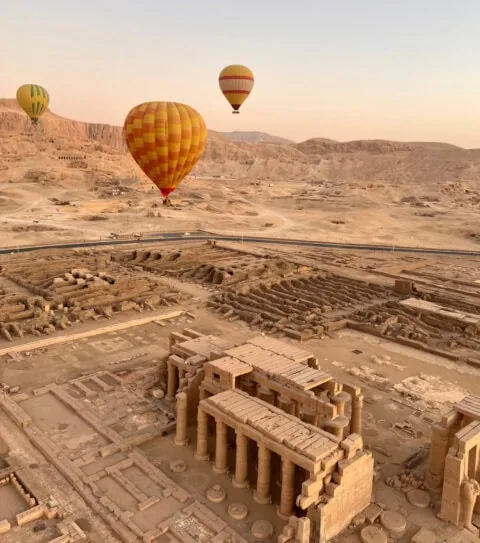
How to Plan a Trip Egypt
Step-by-step guide to help you plan the perfect Egypt trip — from routes and budget to booking.
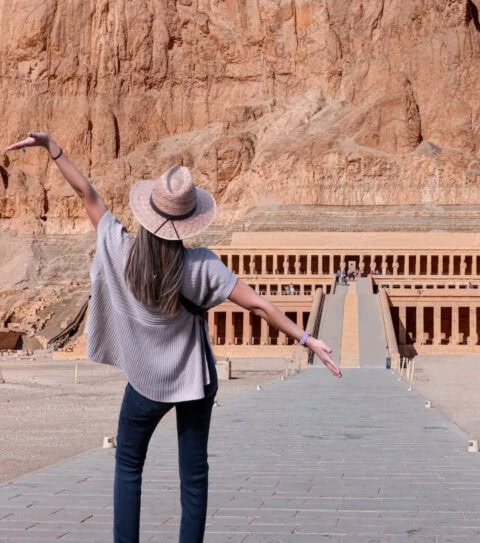
Best Time to Visit Egypt
Learn the best months to visit Egypt based on weather, crowds, and local travel experiences.
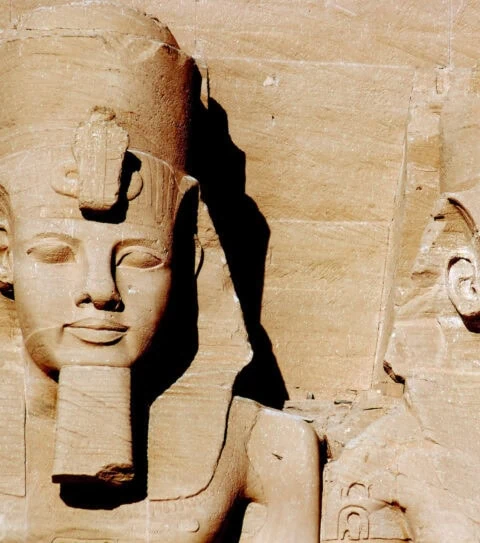
Must Visit Places in Egypt
Explore Egypt’s top sights — from pyramids to temples — and hidden gems worth seeing.
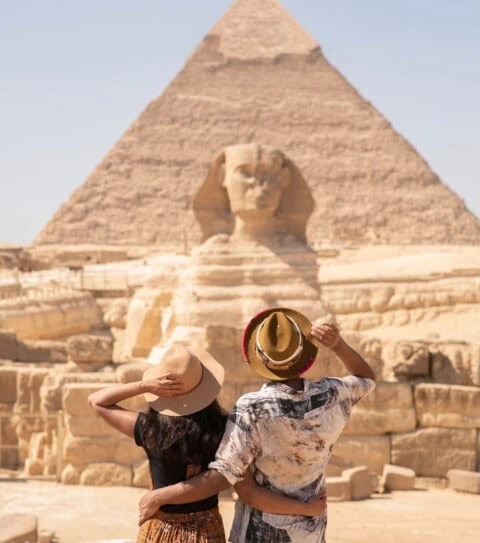
Top-Rated Egypt Tours
Handpicked private tours with local guides — our most loved and best-reviewed experiences.
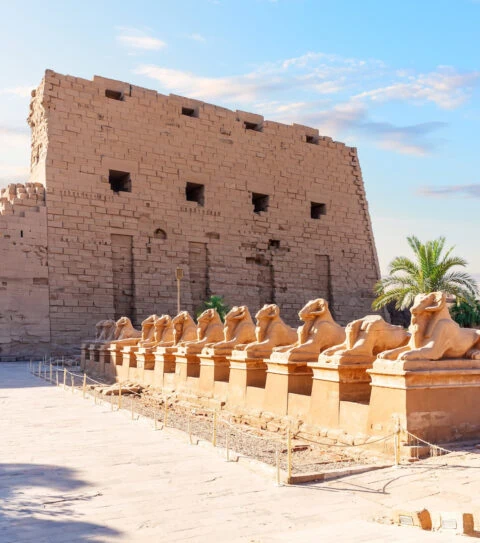
How Many Days to Visit Egypt?
Find out how many days you need in Egypt — from quick trips to full itineraries.
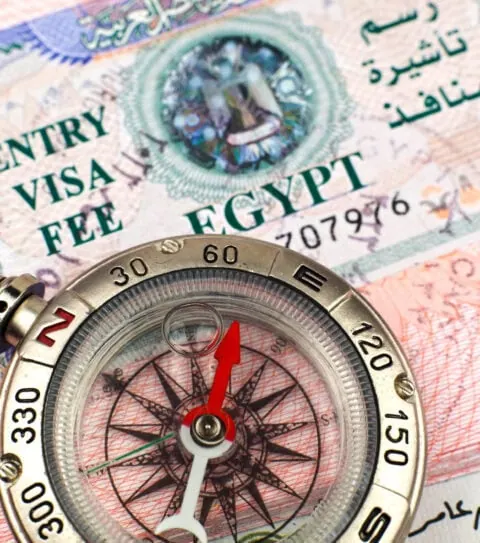
Egypt Visa Requirements
Check if you need a visa and get simple, up-to-date entry info based on your nationality.

Is it Safe to Travel to Egypt?
Is Egypt safe? Get honest safety tips, area advice, and what to know before you travel.
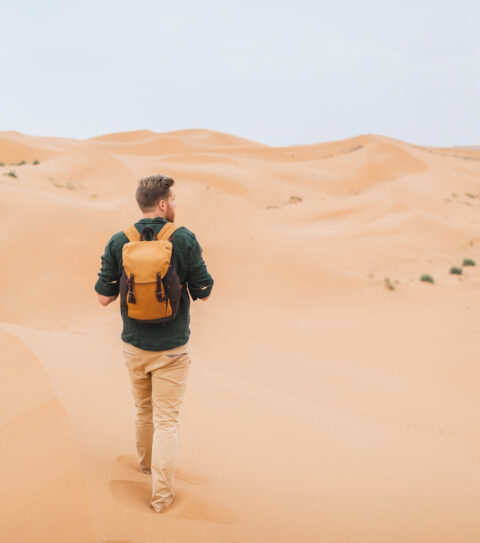
What to Pack for Egypt
A quick packing guide with essentials, cultural tips, and clothing advice for your Egypt trip.
Design Your Custom Tour
Explore Egypt your way by selecting only the attractions you want to visit