What to Know Before Traveling to Egypt?
Traveling to Egypt requires more preparation than most destinations.
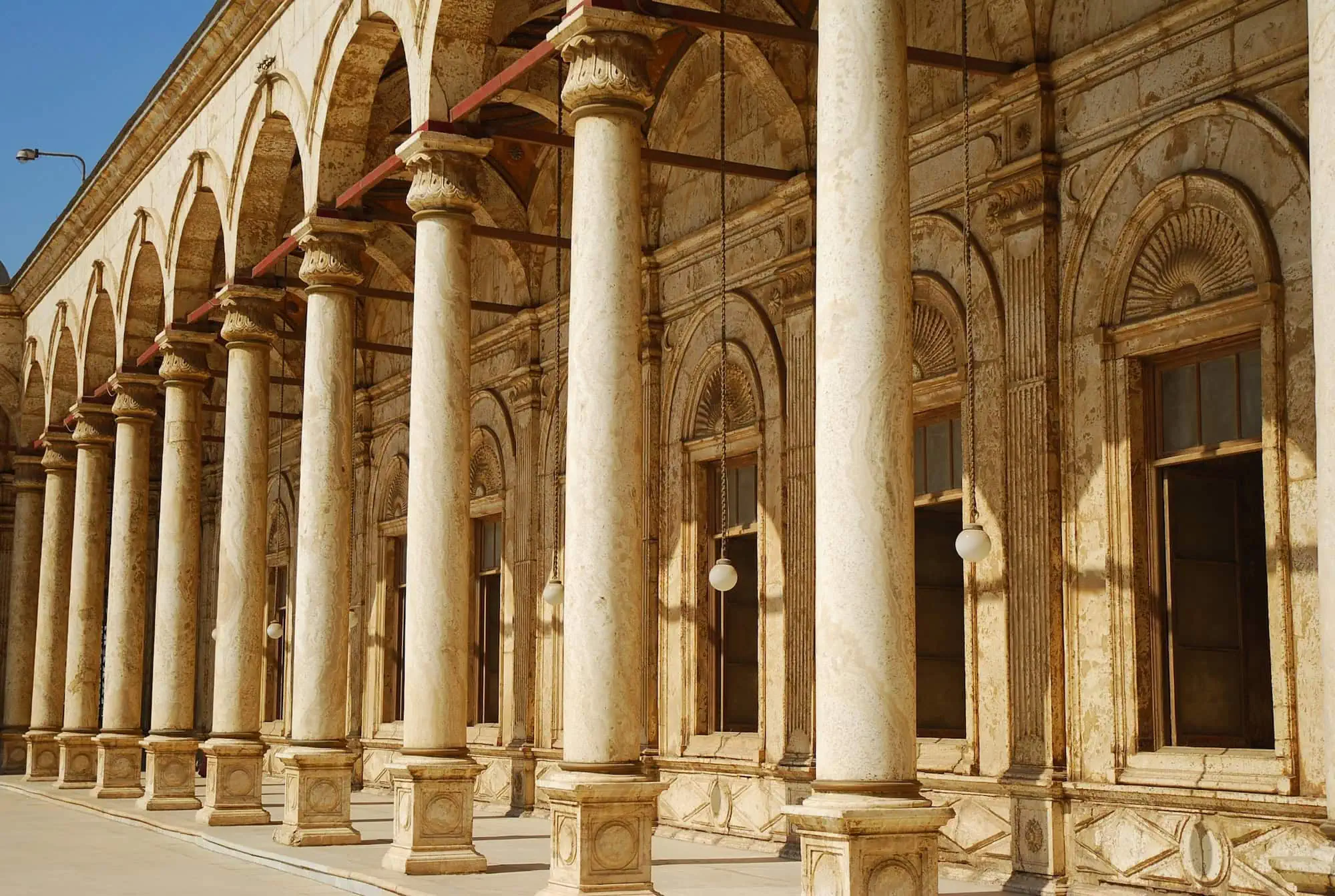
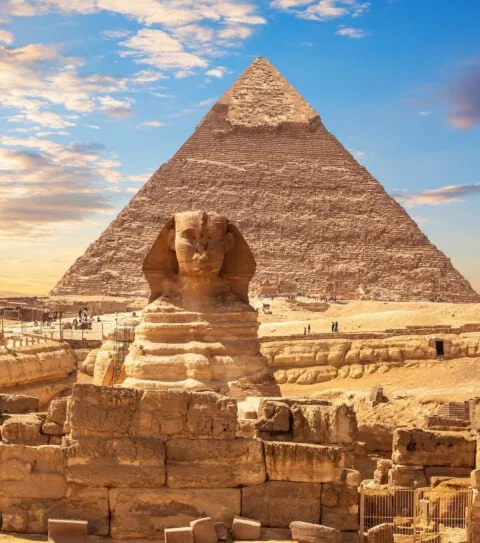
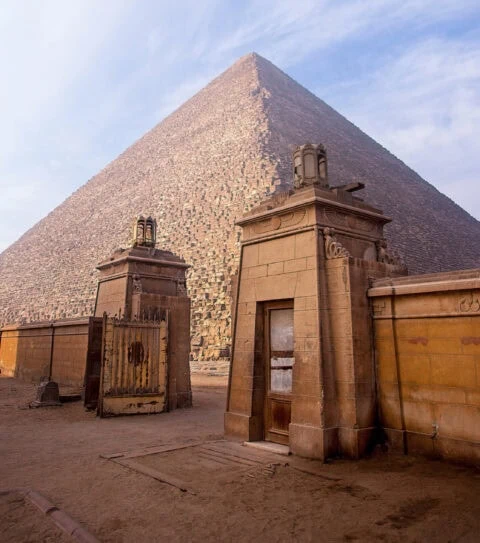
This ancient land offers experiences unlike anywhere else, from standing before the Great Pyramid of Giza to cruising the timeless Nile River. Yet Egypt’s unique culture, climate, and customs mean that successful travelers invest time in understanding what awaits them. The difference between a magical journey and a challenging experience often comes down to proper preparation and realistic expectations.
We’ve helped thousands of travelers navigate Egypt’s complexities over our decades of operation. This comprehensive guide covers everything from visa requirements and cultural etiquette to health precautions and safety considerations, ensuring you arrive confident and well-prepared.
Table of Contents
Visa Requirements and Entry Procedures
Most travelers can obtain an Egyptian visa on arrival or apply online beforehand. U.S. citizens pay $25 USD for a single-entry tourist visa valid for 30 days. The process typically takes 10-15 minutes at Cairo International Airport (CAI) or other major entry points like Hurghada and Sharm El Sheikh airports.
European Union citizens follow the same procedure with identical fees and validity periods. Latin American travelers from countries like Brazil, Argentina, and Mexico can also obtain visas on arrival, though some nationalities require advance approval through Egyptian consulates. Canadian and Australian passport holders enjoy the same streamlined process as Americans.
Online Visa Applications
Applying for your visa online before departure eliminates airport waiting times. The official Egyptian e-visa portal accepts applications 7 days before travel, with processing typically completed within 24-48 hours. Keep printed copies of your e-visa approval – airport immigration officers require physical documentation even if you have digital copies.
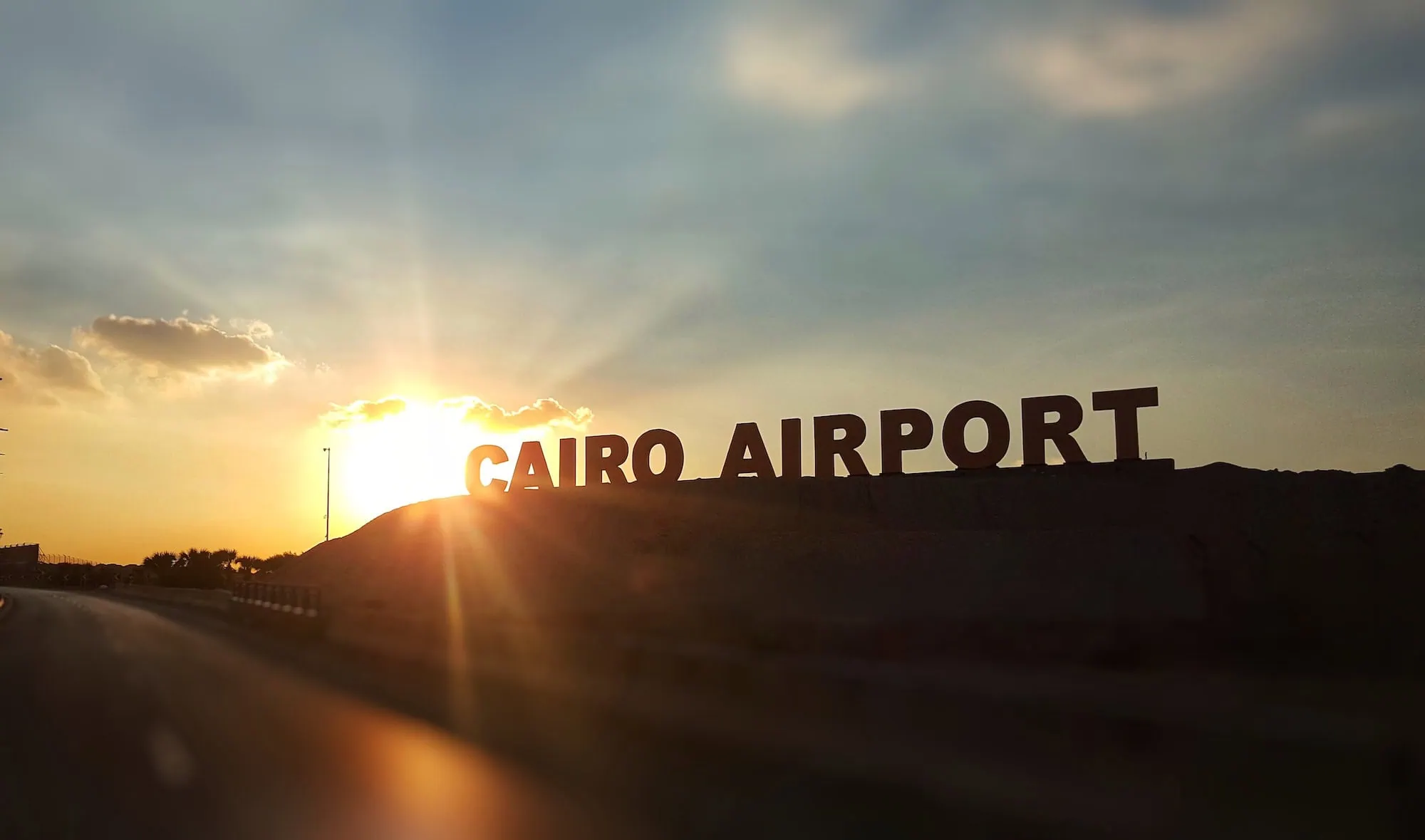
Your passport must remain valid for at least six months beyond your planned departure date. Immigration officials strictly enforce this requirement and may deny entry to travelers with passports nearing expiration.
Airport Arrival Process
Customs declarations are mandatory for items exceeding personal use limits. Egypt allows duty-free import of 200 cigarettes, 1 liter of alcohol, and personal electronics like cameras and laptops. Large amounts of cash (over $10,000 USD equivalent) require declaration forms.
Photography equipment beyond basic cameras may attract customs attention. Professional photographers should carry equipment lists and be prepared to explain their intended use to avoid delays or additional fees.
Cultural Sensitivity and Dress Codes
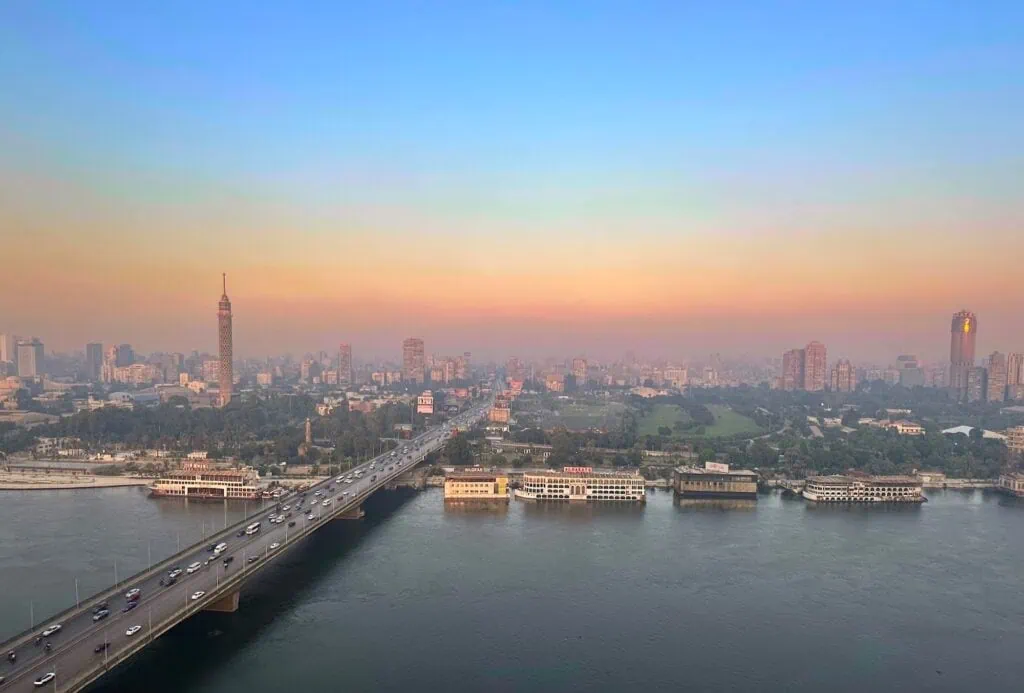
Egypt remains a conservative Muslim-majority country where modest dress shows respect for local customs. This extends beyond religious sites to everyday interactions in markets, restaurants, and transportation.
Clothing Guidelines for Different Settings
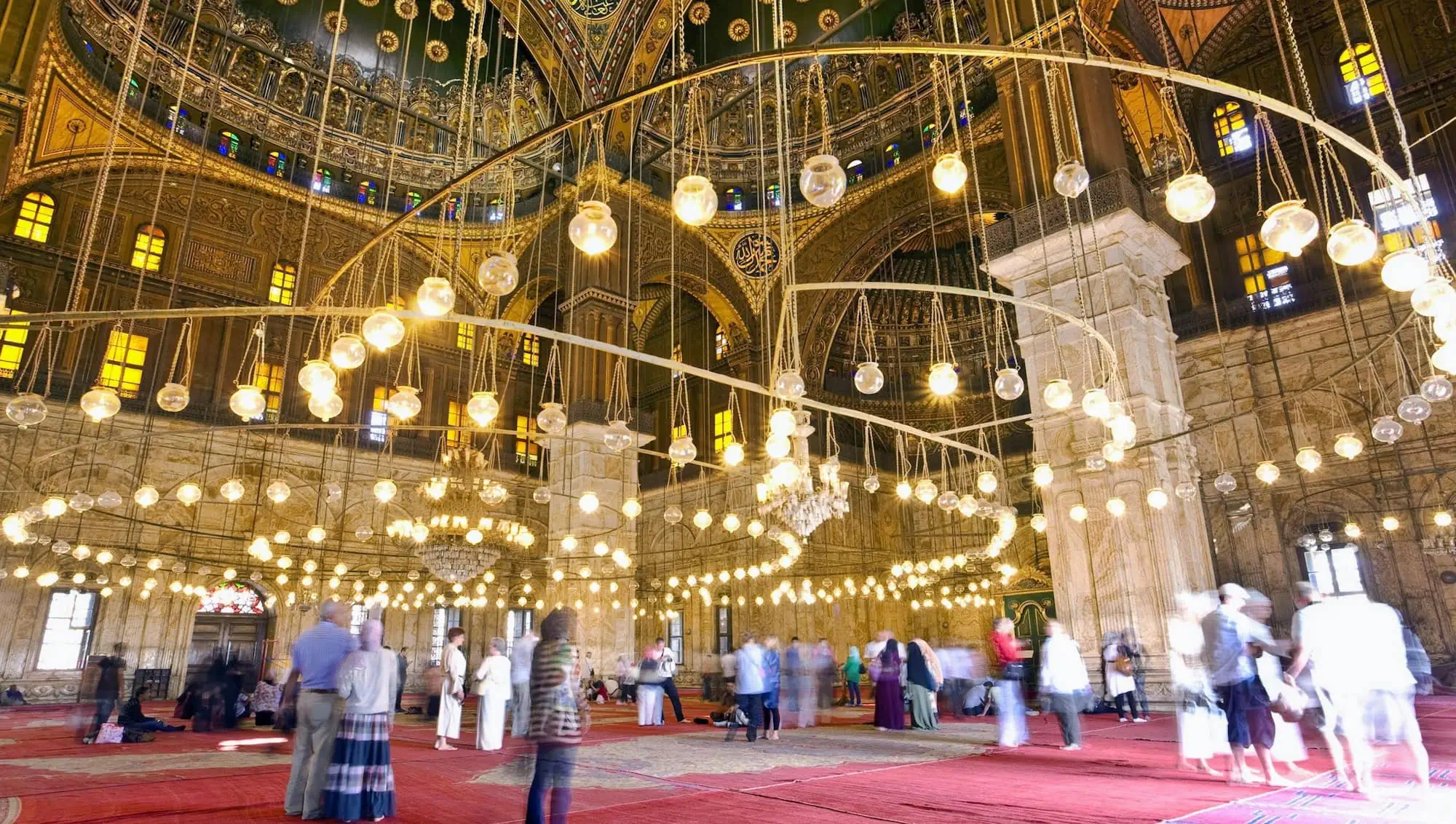
Visiting mosques requires covered arms, legs, and heads for women. Men should wear long pants and shirts with sleeves. Many mosques provide robes at entrances, but bringing your own lightweight covering ensures comfort and proper fit. The Muhammad Ali Mosque in Cairo’s Citadel and Al-Azhar Mosque maintain strict enforcement of these rules.
Beach resorts along the Red Sea coast like Hurghada and Sharm El Sheikh allow more relaxed attire within resort boundaries. However, leaving resort areas requires modest clothing even in these tourist-focused destinations. Local shopping areas and restaurants outside hotels expect conservative dress.

Cairo’s urban environment calls for modest clothing year-round. Women should avoid revealing necklines, short skirts, or tight-fitting clothing in public areas. Men wearing shorts may feel uncomfortable in certain neighborhoods and should opt for lightweight long pants during summer months.
Social Interactions and Etiquette
Handshakes between same-gender individuals are standard greetings. Men and women who aren’t related typically avoid physical contact, though some younger Egyptians in tourist areas may be more relaxed about this custom. Following local cues prevents awkward situations.
Tipping culture, known as “baksheesh,” permeates Egyptian service interactions. Restaurant servers expect 10-12% gratuities, hotel housekeeping staff appreciate 20-30 EGP daily, and tour guides typically receive 100-150 EGP per day for excellent service. Small denominations make tipping easier – carry plenty of 20 and 50 EGP notes.
Health and Safety Preparations
Travelers’ diarrhea affects up to 40% of Egypt visitors during their first week. Preparation and precautions significantly reduce this risk and its impact on your vacation plans.
Bottled water is essential for drinking, teeth brushing, and ice consumption. Local tap water treatment standards differ from Western countries, making even brief exposure potentially problematic. Quality hotels provide complimentary bottled water, but budget accommodations may not.
Food Safety Guidelines
Street food presents higher risks than restaurant meals in tourist areas. However, busy local eateries with high turnover often serve fresher food than quiet establishments where dishes sit longer. Look for places where locals eat – they indicate both quality and safety.
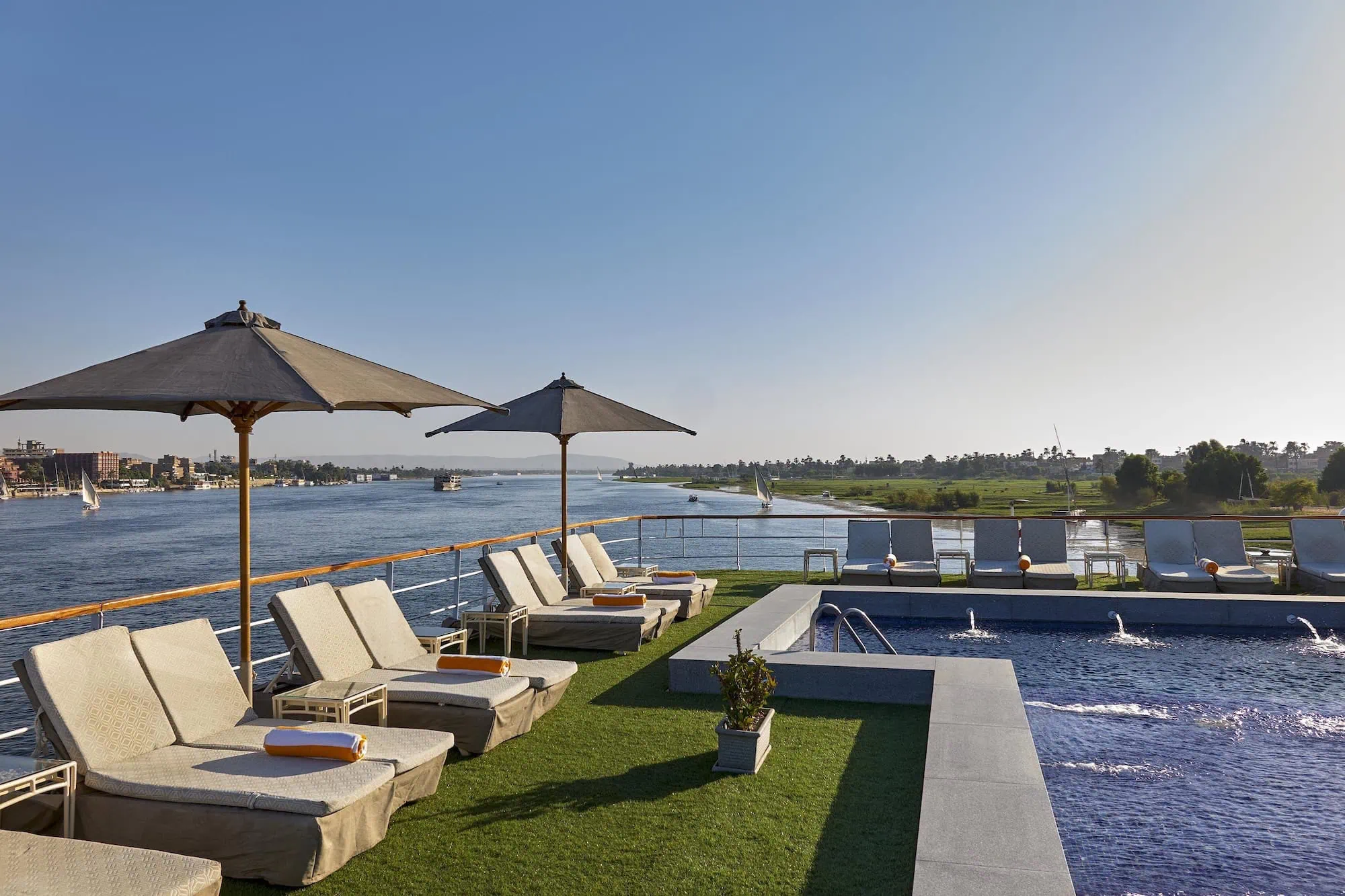
Avoid raw vegetables, unpeeled fruits, and dairy products from questionable sources. Hot, freshly cooked meals pose minimal risks when sourced from reputable restaurants. Many visitors successfully enjoy local cuisine by choosing busy, clean establishments and avoiding obviously risky items.
Medical Preparations
Consult travel medicine specialists 4-6 weeks before departure for personalized health advice. While Egypt requires no specific vaccinations for most travelers, hepatitis A and typhoid vaccines offer additional protection against food and water-borne illnesses common in developing countries.
Comprehensive travel insurance covering medical emergencies and evacuation is crucial. Egyptian medical facilities vary significantly in quality, with private hospitals in Cairo and Alexandria offering standards comparable to Western countries. Remote areas have limited medical resources, making evacuation coverage important for adventurous travelers.
Pack essential medications in original containers with prescription labels. Bring extra supplies since specific brands may be unavailable locally. Common over-the-counter medications like ibuprofen and antihistamines are widely available in Egyptian pharmacies.
Climate and Seasonal Considerations
Egypt’s desert climate creates extreme temperature variations between seasons and times of day. Summer temperatures regularly exceed 40°C (104°F) in Cairo and southern cities like Luxor and Aswan, while winter nights can drop to 5°C (41°F) in desert areas.
The ideal visiting period runs from October through April when daytime temperatures range from 20-30°C (68-86°F). Summer travel requires careful planning around extreme heat, particularly for outdoor sightseeing and desert excursions.
Regional Climate Differences
Alexandria and Mediterranean coastal areas maintain more moderate temperatures year-round due to sea breezes. Summer highs rarely exceed 30°C (86°F), making these destinations comfortable when inland areas become oppressive.
Red Sea resort destinations like Hurghada benefit from coastal cooling but still experience intense summer heat. Water activities provide relief, but midday sun exposure requires serious sun protection regardless of season.
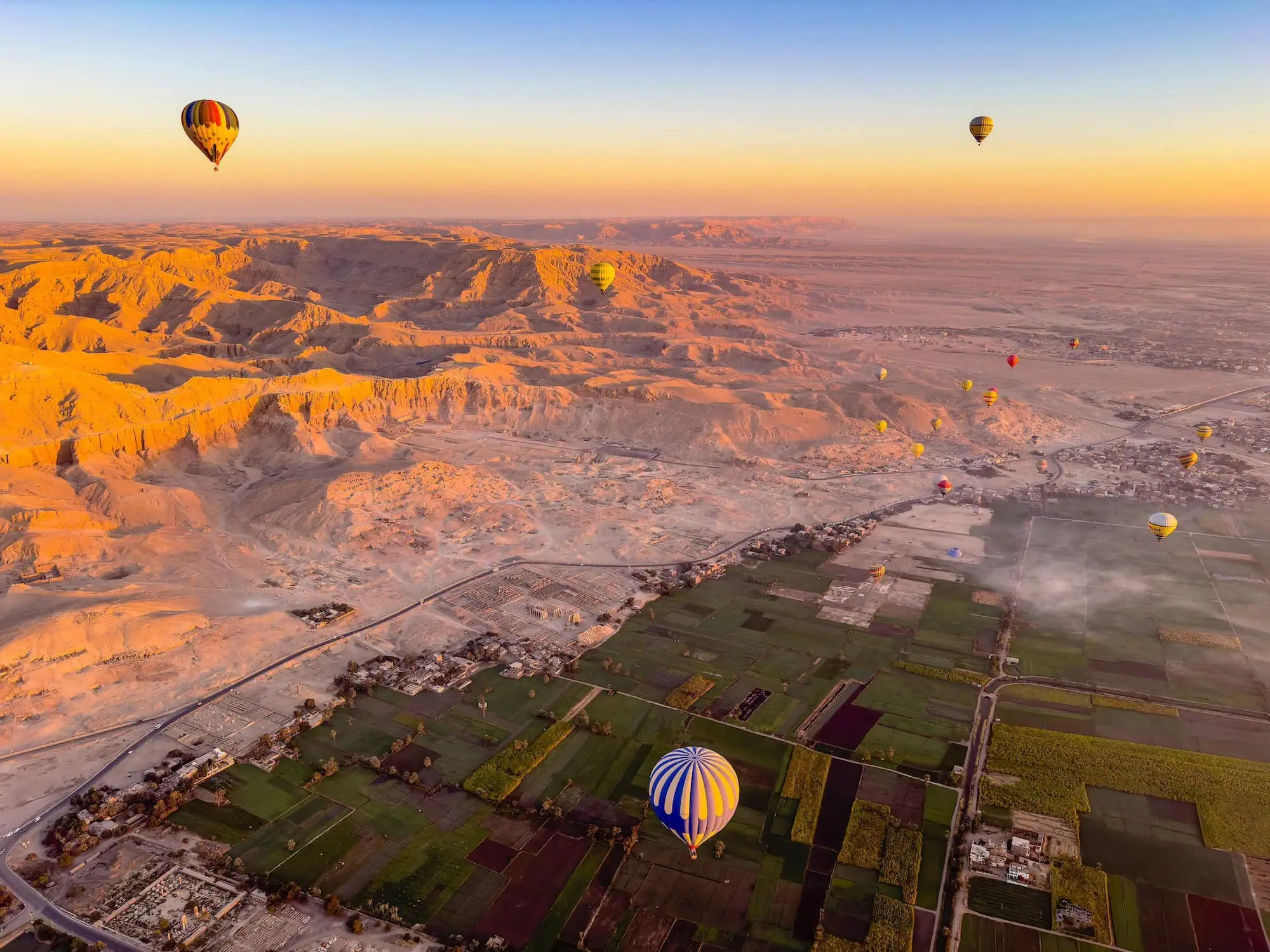
Upper Egypt, including Luxor and Aswan, faces the most extreme temperatures. Summer visits demand early morning and evening activity schedules, with midday hours spent indoors or in air-conditioned environments.
Packing for Weather Extremes
Lightweight, long-sleeved clothing provides sun protection while maintaining modesty requirements. Natural fibers like cotton and linen offer better comfort than synthetic materials in high heat. Light colors reflect sunlight more effectively than dark clothing.
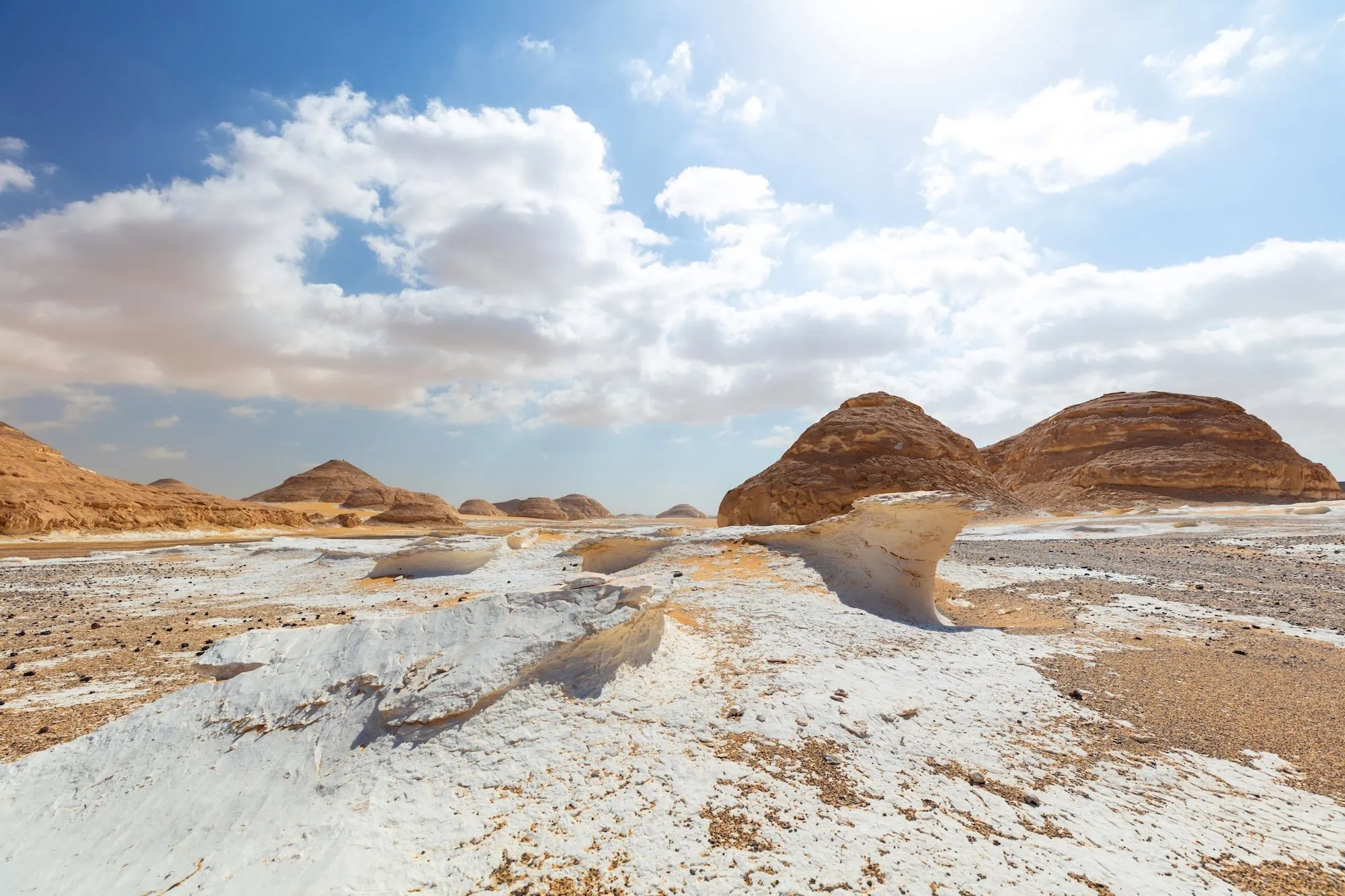
Evening temperatures drop significantly, especially in desert areas and during winter months. Pack layers including a warm jacket for December through February visits. Air conditioning in hotels and vehicles can be quite cold, making light sweaters useful year-round.
Transportation and Getting Around
Egypt’s transportation network connects major tourist destinations efficiently, though comfort levels and safety standards vary significantly between options.
Domestic Flights
EgyptAir operates regular flights between Cairo, Luxor, Aswan, and Red Sea destinations. Flight times rarely exceed 90 minutes, making air travel efficient for longer distances. Book domestic flights well in advance during peak season (December-February) when demand is highest.
Private transfers offer reliable alternatives to taxis and ride-sharing services. Pre-arranged transportation ensures fixed prices, eliminating negotiation stress and potential overcharging. Our guests consistently rate private transfers as their preferred ground transportation method.
Nile Cruise Transportation
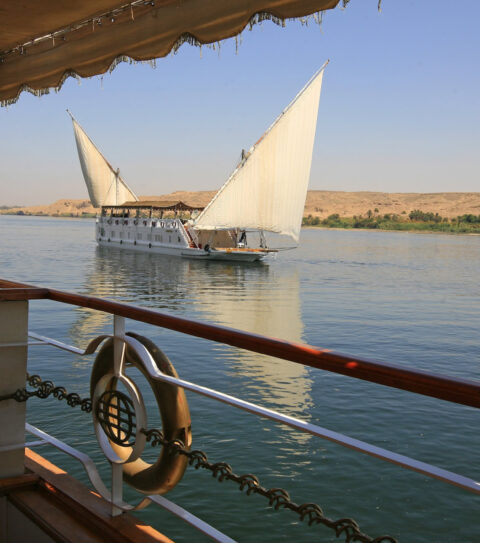
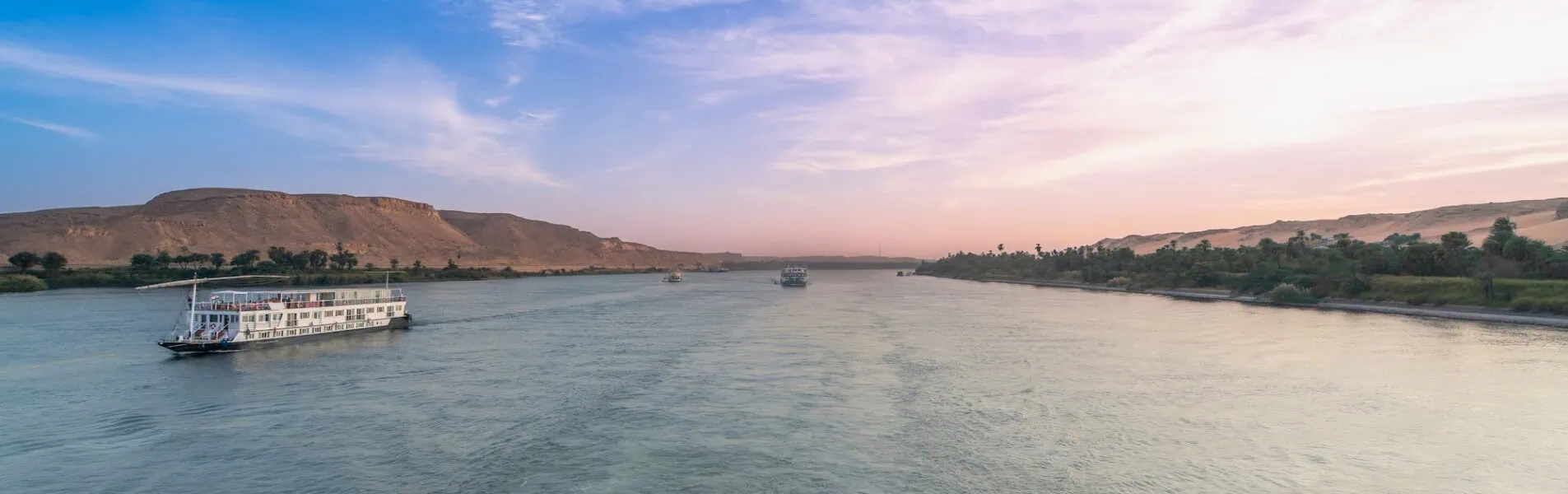
Nile cruises between Luxor and Aswan combine transportation with accommodation, covering approximately 200 km (124 miles) over 3-4 days. These floating hotels dock at major archaeological sites, eliminating separate transportation needs for temple visits.
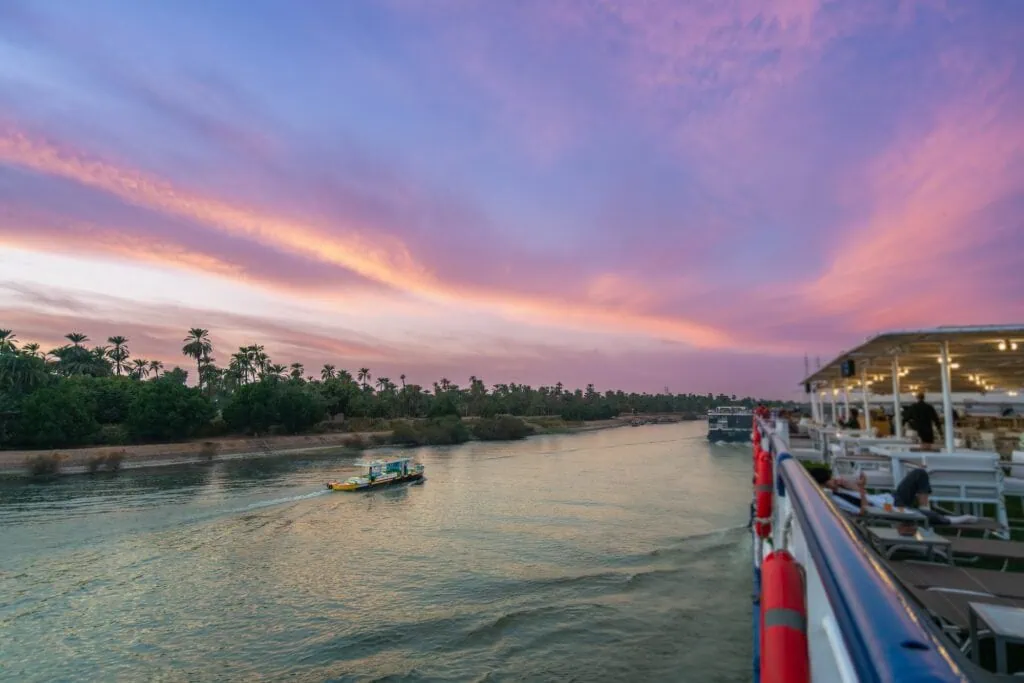
Group excursions during Nile cruises typically accommodate up to 12 participants with qualified Egyptologists. This intimate setting allows personalized attention while maintaining cost efficiency compared to fully private tours.
Cairo Metro and Local Transport
Cairo’s metro system provides clean, affordable transportation between major areas including downtown, Coptic Cairo, and the airport. Women-only cars during rush hours ensure comfortable travel for female passengers. The system operates from 5:00 am (05:00) to midnight daily.
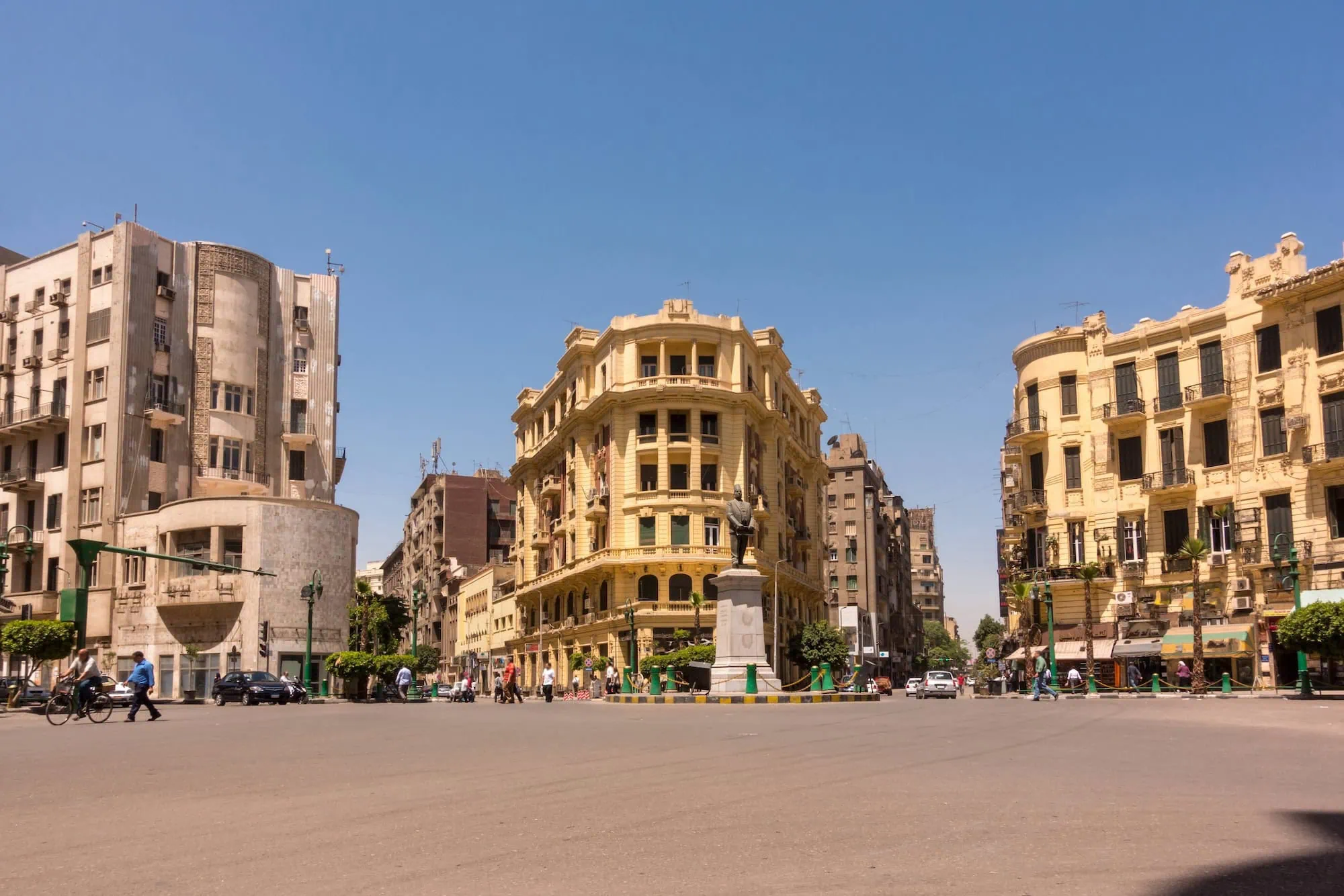
Uber and Careem ride-sharing services operate reliably in major cities. These apps eliminate language barriers and pricing negotiations while providing traceable transportation records for security purposes.
Security Awareness and Precautions
Current security conditions in Egypt remain stable for tourists, with enhanced protection at major attractions and hotels. The U.S. State Department maintains a Level 2 travel advisory, recommending increased awareness rather than avoiding travel.
Tourist police maintain visible presence at archaeological sites, hotels, and transportation hubs. These specialized officers receive training in tourist assistance and often speak multiple languages. Their primary mission focuses on visitor safety and positive experiences.
Areas to Exercise Additional Caution
Northern Sinai Peninsula remains off-limits to tourists due to ongoing security operations. The Egyptian government restricts access to this region, and travelers attempting to enter face immediate deportation.
Western Desert border areas near Libya require special permits and guided access only. Independent travel to these remote regions is prohibited, though organized tours to destinations like Siwa Oasis operate safely under proper permissions.
Personal Security Best Practices
Hotel safes protect passports, extra cash, and valuable electronics from theft. Carry photocopies of important documents while keeping originals secured. Many travelers photograph their passport and visa pages, storing digital copies in cloud storage for emergency access.
Avoid displaying expensive jewelry, electronics, or large amounts of cash in public areas. Pickpocketing occurs in crowded markets and tourist sites, though violent crime against tourists remains extremely rare.
Register with your embassy or consulate upon arrival for emergency communications. The U.S. State Department’s STEP program provides security updates and facilitates contact during emergencies.
Budgeting and Currency
The Egyptian Pound (EGP) fluctuates significantly against major currencies, making current exchange rate research essential for accurate budgeting. As of recent rates, 1 USD equals approximately 31 EGP, though this varies daily.
ATMs in tourist areas typically accept international cards, though fees can be substantial. Withdraw larger amounts less frequently to minimize transaction costs. Notify your bank of Egypt travel plans to prevent card blocks from unusual geographic activity.
Daily Budget Expectations
Mid-range travelers typically spend 1,500-2,500 EGP daily including accommodation, meals, transportation, and attraction entries. This budget allows comfortable hotel stays, restaurant meals, and guided tours without luxury expenses.
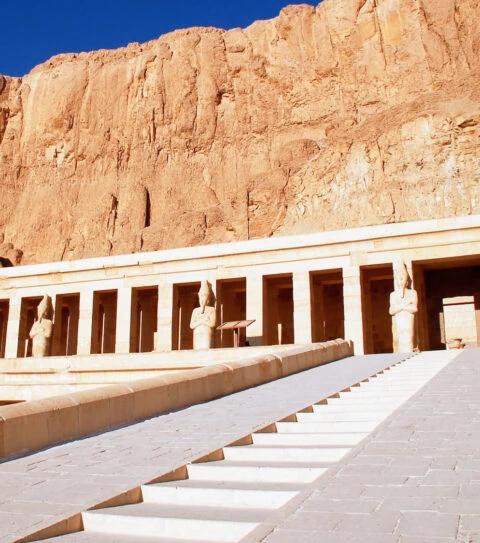
Entry fees to major attractions vary significantly. The Great Pyramid’s interior costs 440 EGP, while the Valley of the Kings charges 240 EGP for basic tomb access. Special tombs like Tutankhamun’s require additional fees of 300 EGP or more.
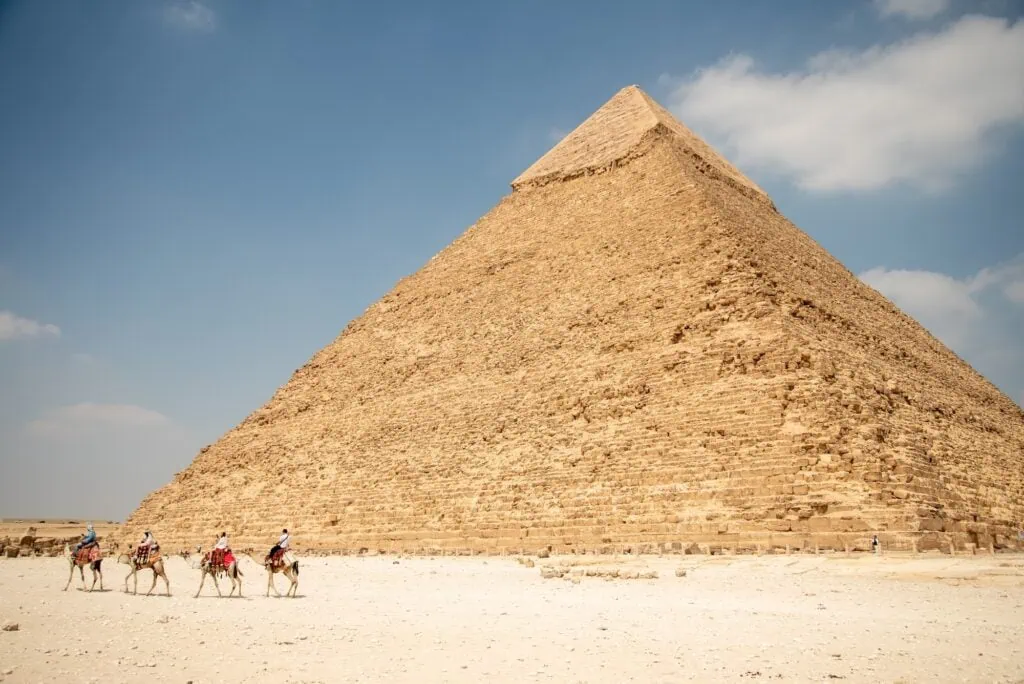
Bargaining is expected in markets and with unofficial tour guides, but fixed prices apply at restaurants, hotels, and official tour operators. Start negotiations at roughly 30-40% of the initial asking price in bazaars.
Choosing Reliable Tour Operators
Egypt’s tourism industry includes both reputable operators and questionable services that may compromise your experience or safety. Researching operators thoroughly prevents disappointment and potential problems.
Licensed operators display official permits and maintain insurance coverage for their guests. We’ve built our reputation over decades of service, earning recognition for our knowledgeable guides, modern vehicles, and comprehensive customer support.
Private vs. Group Tour Considerations
Private tours offer flexibility, personalized attention, and the ability to modify itineraries based on your interests. Your dedicated guide can adjust explanations to your knowledge level and spend additional time at sites that fascinate you most.
Small group tours provide social interaction and cost sharing while maintaining quality experiences. Maximum group sizes of 12 participants ensure everyone receives adequate attention from guides and comfortable transportation in modern vehicles.
Our 24/7 customer support addresses any concerns immediately, from minor itinerary adjustments to emergency assistance. This level of service sets professional operators apart from budget alternatives that may leave you stranded with problems.
Communication and Language
Arabic is Egypt’s official language, though English is widely spoken in tourist areas, hotels, and by professional guides. Learning basic Arabic phrases shows respect for local culture and often leads to warmer interactions with Egyptians.
“Shukran” (thank you), “min fadlak” (please), and “ma’a salama” (goodbye) are appreciated by locals who encounter many tourists who make no effort to engage with their language and culture.
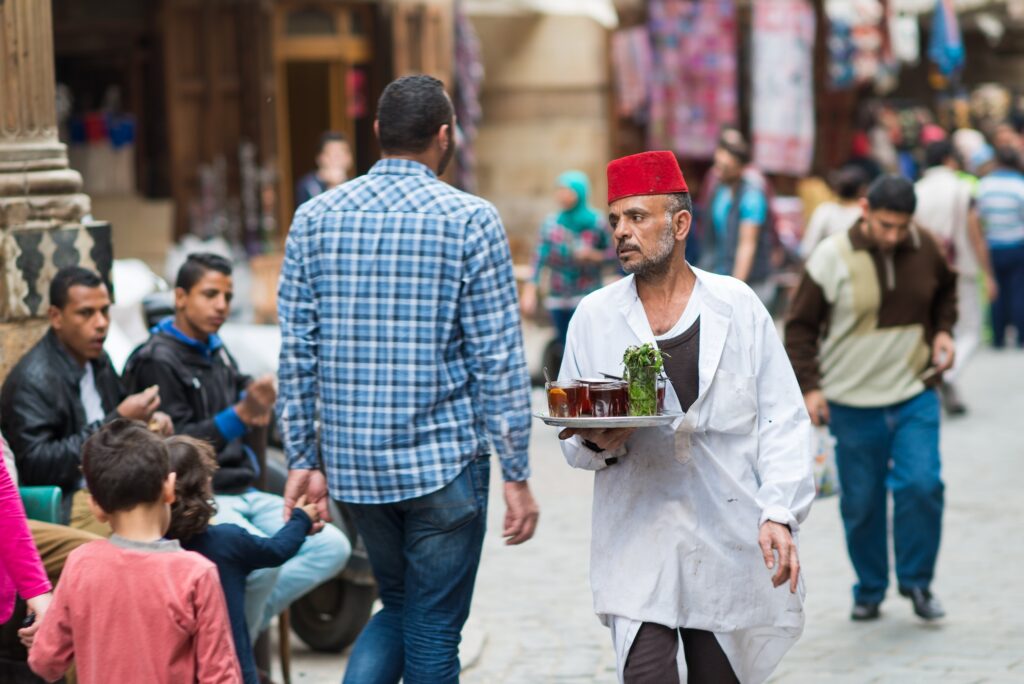
Mobile phone service throughout Egypt is generally reliable, with coverage extending to most tourist destinations including remote areas around Abu Simbel and desert oases. International roaming charges can be expensive, making local SIM cards cost-effective for longer stays.
Wi-Fi is available at most hotels, restaurants, and cafes in tourist areas, though speeds may be slower than Western standards. Major cities like Cairo and Alexandria offer better connectivity than remote locations.
Final Preparations
Travel insurance that covers Egypt specifically is essential, as some policies exclude certain countries or activities. Verify coverage includes medical evacuation, trip interruption, and adventure activities if you plan desert safaris or diving excursions.
Contact your bank to report travel dates and destinations, preventing automatic card blocks when you make purchases in Egypt. Carry backup cards from different banks in case one becomes compromised or blocked.
Pack essential medications in carry-on luggage with prescriptions and generic names written clearly. Some medications available without prescription in Western countries require prescriptions in Egypt, making adequate supplies important.
Frequently Asked Questions
No specific vaccinations are required for most travelers visiting Egypt, unless you are arriving from a country where yellow fever is present. Health authorities such as the CDC recommend routine vaccinations be up to date, and many travelers choose to receive hepatitis A and typhoid vaccines as an added precaution. These recommendations are based on potential exposure to food and waterborne illnesses rather than any Egypt-specific entry requirement. Schedule any optional vaccinations several weeks before departure for maximum effectiveness.
No, most visitors are advised to drink bottled or filtered water in Egypt rather than tap water. While municipal water in major cities such as Cairo and Alexandria is treated, differences in water treatment systems and mineral content can cause stomach discomfort for travelers who are not accustomed to it. Bottled water is inexpensive and widely available throughout Egypt. Using bottled water for drinking and brushing your teeth is a simple way to reduce the risk of digestive issues.
Women visiting mosques in Egypt should wear clothing that fully covers the arms and legs and should also cover their hair with a scarf. Major religious sites, including the Mosque of Muhammad Ali in Cairo, may provide robes or coverings for visitors, but availability and fit can vary. Lightweight, breathable fabrics are the most comfortable option, especially during warmer months when temperatures often exceed 85°F (29°C). Bringing your own scarf ensures compliance with local customs and mosque rules.
A professional tour guide in Egypt typically receives a tip of around 100 to 150 Egyptian pounds (EGP) per day from each traveler, depending on service quality and group size. Tipping, known locally as baksheesh, is an established part of Egypt’s tourism industry and supplements service-sector income. For exceptional service, many visitors choose to tip more. Having small-denomination notes available makes tipping easier throughout your trip.
Yes, credit cards are widely accepted in major tourist destinations across Egypt, including Cairo, Luxor, Aswan, Hurghada, and Sharm El Sheikh. Visa and Mastercard are the most commonly accepted international cards in hotels, larger restaurants, and retail stores. However, cash remains essential for local markets, independent cafés, transportation, and tipping. Carrying a combination of cards and Egyptian pounds (EGP) provides the greatest flexibility during your visit.
The best time to visit Egypt is generally between October and April, when daytime temperatures are more comfortable for sightseeing. During this period, Cairo often ranges from 65°F to 80°F (18°C to 27°C), while Luxor and Aswan remain warm but manageable. Summer temperatures from June through August frequently exceed 100°F (38°C) in Upper Egypt. Travelers planning to visit outdoor sites such as the Pyramids of Giza or Abu Simbel usually find the cooler months far more enjoyable.
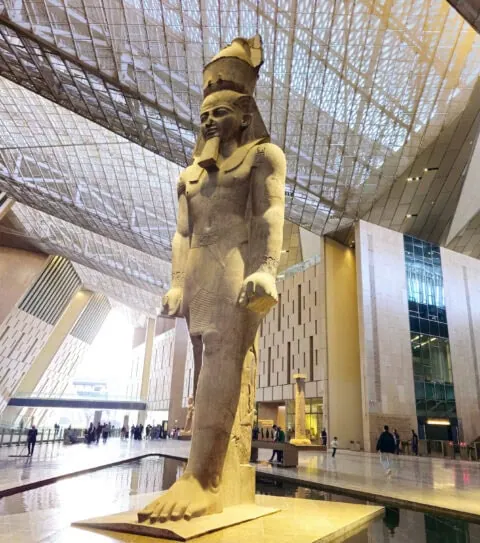
Most Egyptian temples, tombs, and archaeological sites allow personal photography with a standard admission ticket, but restrictions vary by location. Certain sites, museums, and special exhibits may charge additional camera fees or prohibit flash photography to protect fragile artifacts. Rules can change without notice, particularly at major attractions such as the Valley of the Kings and the Grand Egyptian Museum. Always check posted regulations before photographing monuments or museum displays.
Yes, bargaining is a normal and expected part of shopping in traditional Egyptian markets and bazaars. In popular souks such as Cairo’s Khan El Khalili, many experienced shoppers begin negotiations at roughly 30% to 40% below the initial asking price and work toward a mutually acceptable figure. Bargaining is generally not expected in restaurants, supermarkets, hotels, museums, or stores displaying fixed prices. A friendly and respectful approach usually produces the best results.
Internet access in Egypt is generally reliable in major tourist destinations, hotels, and urban areas, although speeds can vary significantly. Most international hotel chains and many cafés provide Wi-Fi, while mobile networks such as Vodafone Egypt, Orange, and Etisalat offer strong coverage across much of the country. Remote locations, including parts of the Western Desert and some Nile cruise routes, may experience weaker connectivity. Travelers who need consistent access often purchase a local SIM card upon arrival.
U.S. dollars and euros are the easiest foreign currencies to exchange in Egypt and are widely accepted by banks, exchange offices, and some hotels. The local currency is the Egyptian pound (EGP), which is required for most daily purchases, transportation, and tipping. International debit and credit cards work at many ATMs in tourist areas, although foreign transaction and withdrawal fees may apply. Exchanging a modest amount of cash soon after arrival is usually the most convenient approach.
Yes, travelers should bring medications in their original packaging and carry copies of prescriptions for any prescription drugs. Egyptian customs authorities may request documentation for certain medications, particularly controlled substances or drugs containing restricted ingredients. Bringing enough medication for the duration of your trip is advisable because specific brands and formulations may not be available locally. Keeping medications in your carry-on luggage also helps prevent problems if checked baggage is delayed.
Explore our most popular guides and expert tips to make your trip safe, smooth, and unforgettable.
Plan Your Egypt Adventure with Confidence
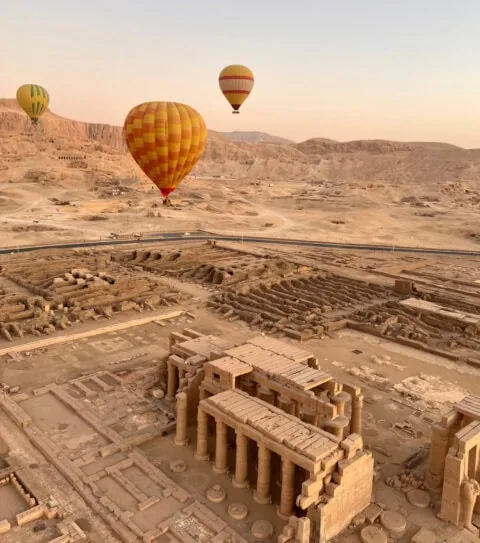
How to Plan a Trip Egypt
Step-by-step guide to help you plan the perfect Egypt trip — from routes and budget to booking.
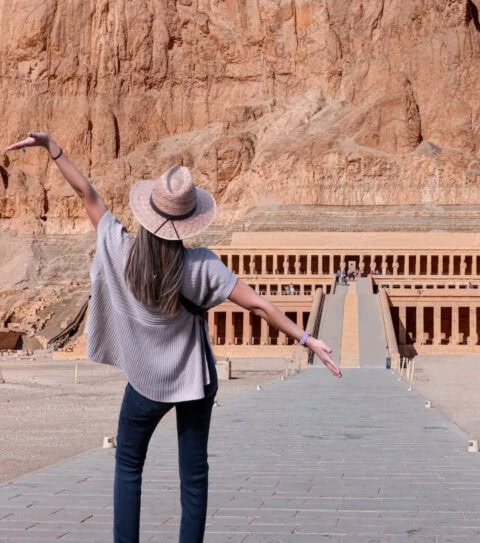
Best Time to Visit Egypt
Learn the best months to visit Egypt based on weather, crowds, and local travel experiences.
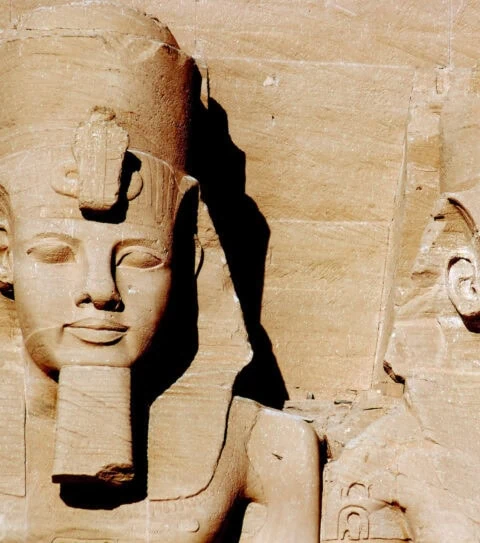
Must Visit Places in Egypt
Explore Egypt’s top sights — from pyramids to temples — and hidden gems worth seeing.
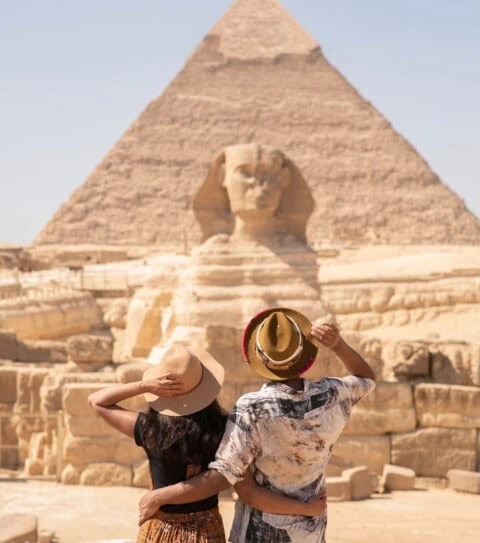
Top-Rated Egypt Tours
Handpicked private tours with local guides — our most loved and best-reviewed experiences.
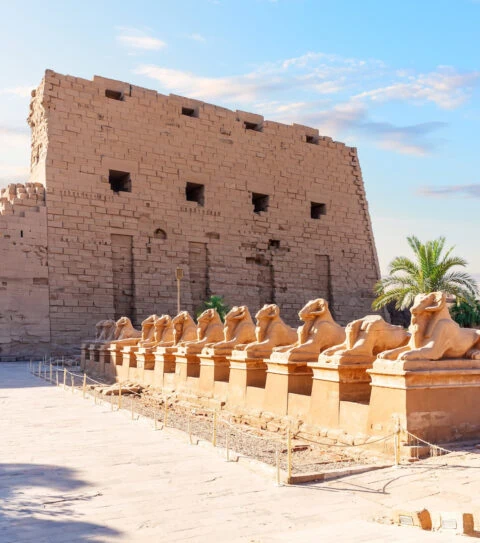
How Many Days to Visit Egypt?
Find out how many days you need in Egypt — from quick trips to full itineraries.
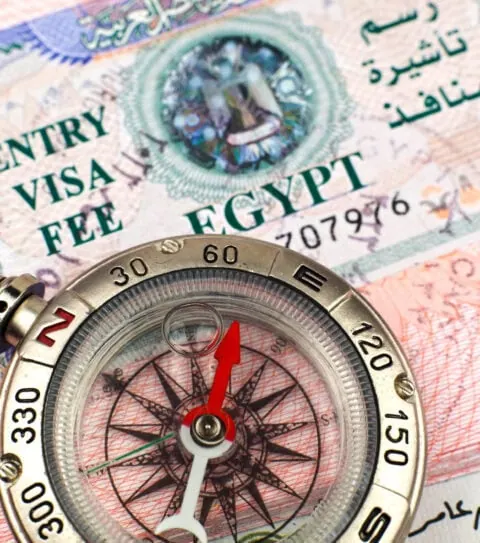
Egypt Visa Requirements
Check if you need a visa and get simple, up-to-date entry info based on your nationality.
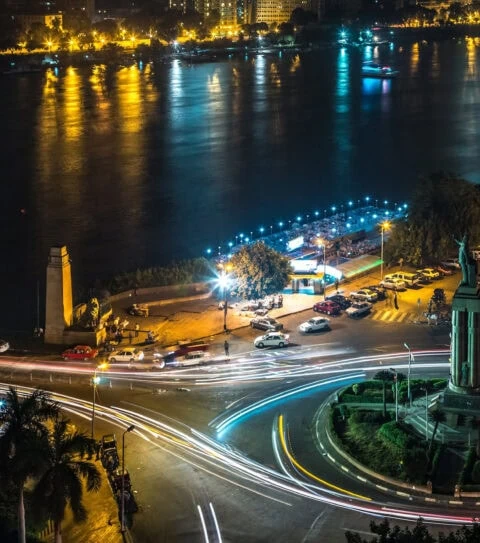
Is it Safe to Travel to Egypt?
Is Egypt safe? Get honest safety tips, area advice, and what to know before you travel.
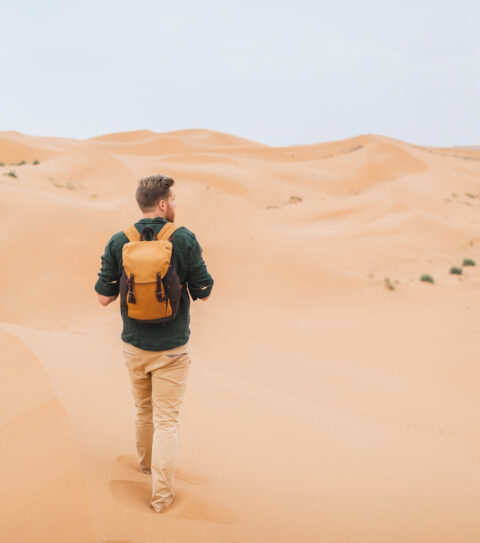
What to Pack for Egypt
A quick packing guide with essentials, cultural tips, and clothing advice for your Egypt trip.
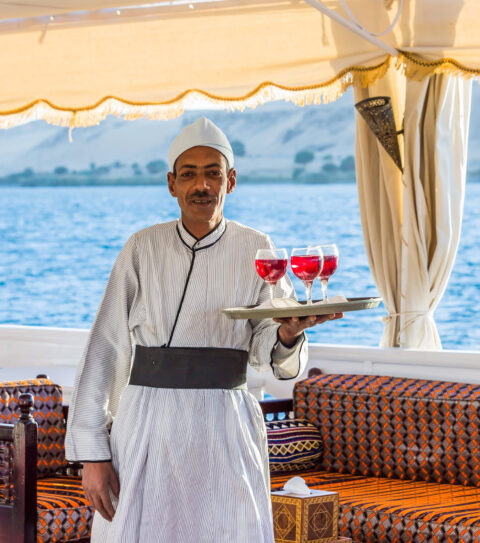
Design Your Custom Tour
Explore Egypt your way by selecting only the attractions you want to visit