

Egypt’s coastal half
Red Sea Holidays – Discover Egypt’s Most Beautiful Coastal Escapes
Where turquoise waters meet golden deserts and vibrant coral reefs thrive beneath the surface. Red Sea Holidays invite you to explore Egypt’s most stunning coastal cities — from lively Hurghada and stylish El Gouna to serene Marsa Alam and beyond.
Quick Jump: Essential Guides | Sharm El Sheikh | Hurghada | Marsa Alam
The Best Red Sea Holidays for Your Dream Escape
The Red Sea delivers year-round sunshine, vibrant coral reefs, and world-class diving on Egypt’s eastern coast. From Sharm El Sheikh’s dramatic Sinai backdrop to El Gouna’s lagoon-laced resort town, each destination offers a different version of the same coastline.
Egypt Tours Plus has been arranging combined journeys here since 1955. Most travelers pair the Red Sea with Cairo and the Pyramids, while others add a coastal stretch onto a Egypt tour with Nile cruise itinerary. Our most popular option is a complete Cairo and Red Sea holiday that combines the country’s most spectacular ancient sites with its world-class coastal escapes.
This guide walks through what each Red Sea destination offers, when to visit, what the diving and snorkeling are actually like, and how to combine a coastal stay with the rest of Egypt.
Table of Contents
Why Red Sea Destinations Stand Apart
The Red Sea region distinguishes itself through remarkable marine biodiversity and consistent weather patterns that guarantee optimal vacation conditions.
Unmatched Marine Life and Diving
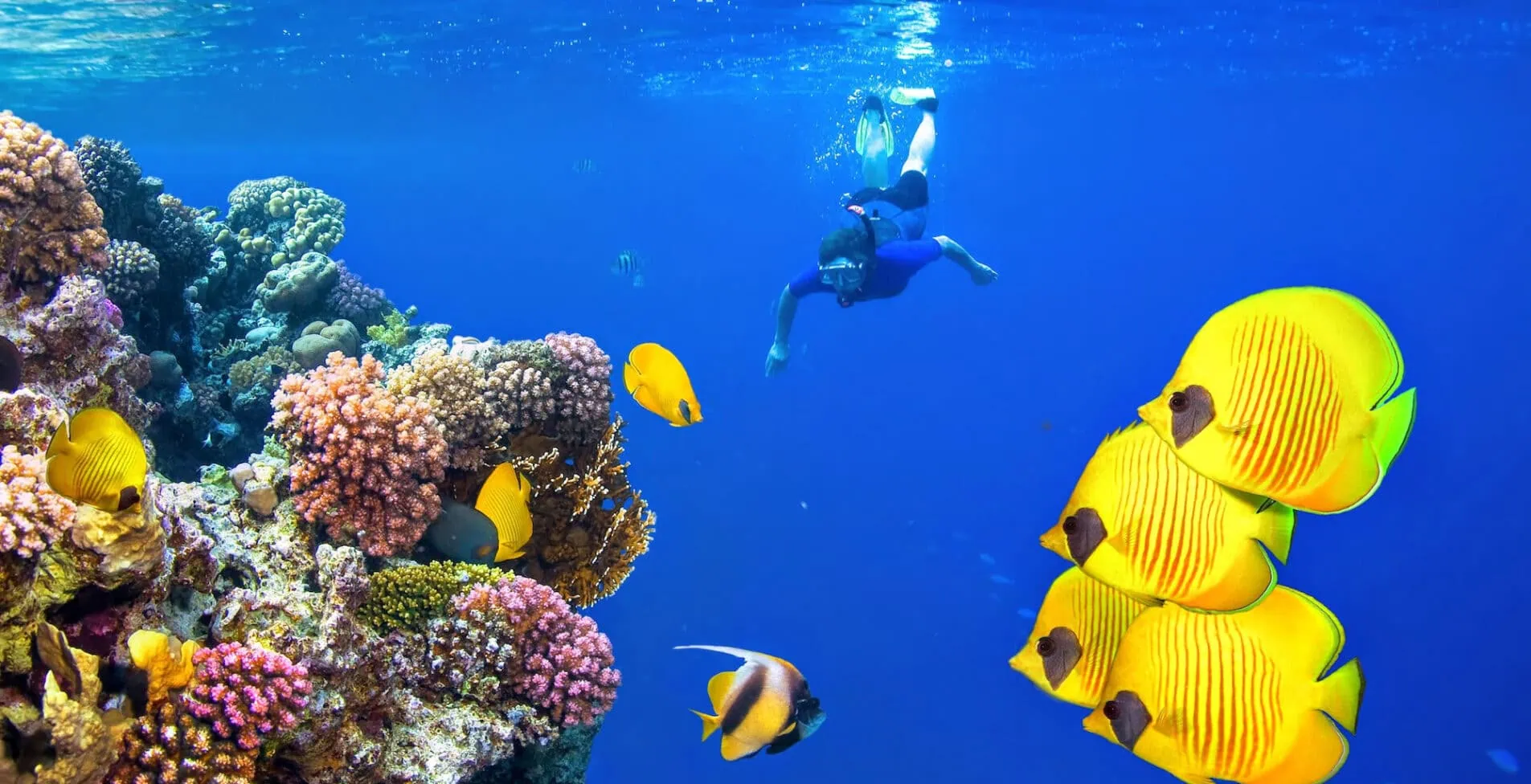
The Red Sea houses over 1,200 fish species and 200 coral species, creating underwater ecosystems found nowhere else on Earth. We regularly arrange diving excursions to world-famous sites like Ras Mohammed National Park, where visibility often exceeds 30 meters. The water temperature remains comfortable year-round, ranging from 21°C (70°F) in winter to 28°C (82°F) in summer, with most divers using 5 mm wetsuits in winter and 3 mm or shorty suits in summer.
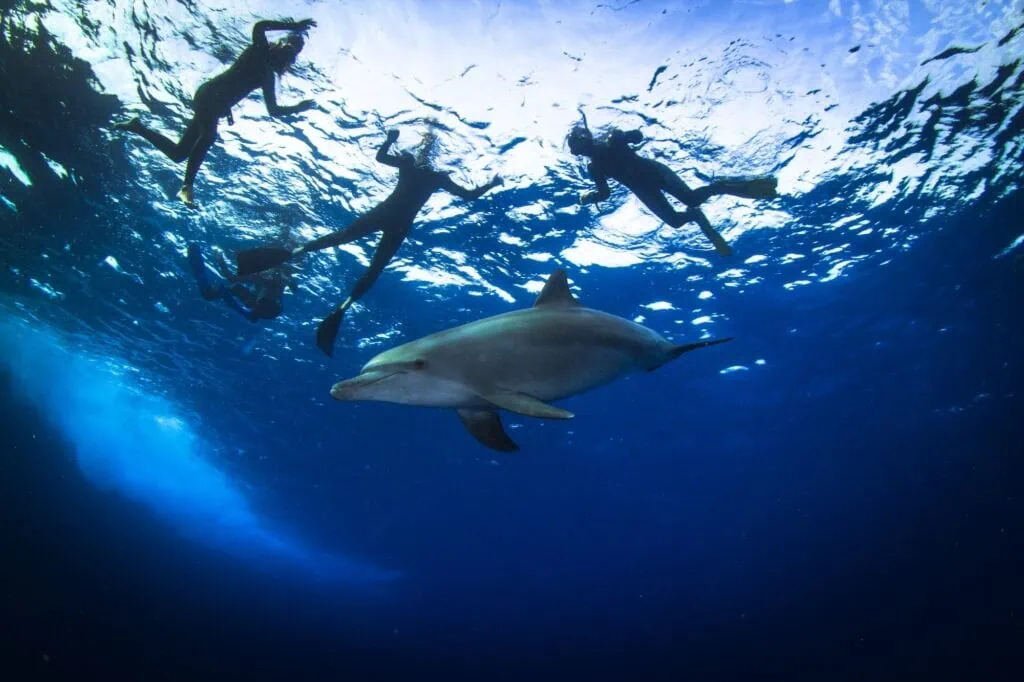
Advanced divers can explore dramatic drop-offs and underwater pinnacles, while beginners enjoy shallow reef dives perfect for building confidence. Many of our guests discover their passion for diving during their first Red Sea experience.
Year-Round Sunshine
Red Sea destinations enjoy over 300 days of sunshine annually with minimal rainfall (less than 5 mm per year in most areas). October through April offers the most comfortable conditions with daytime temperatures of 24 to 28°C (75 to 82°F), ideal for divers, families, and travelers escaping European or North American winter. May through September brings hotter conditions reaching 35°C (95°F) and beyond, though steady coastal breezes and air-conditioned resorts make summer perfectly viable, particularly for those who prioritize maximum sun and warm water for diving.
Cultural Richness Beyond Beaches
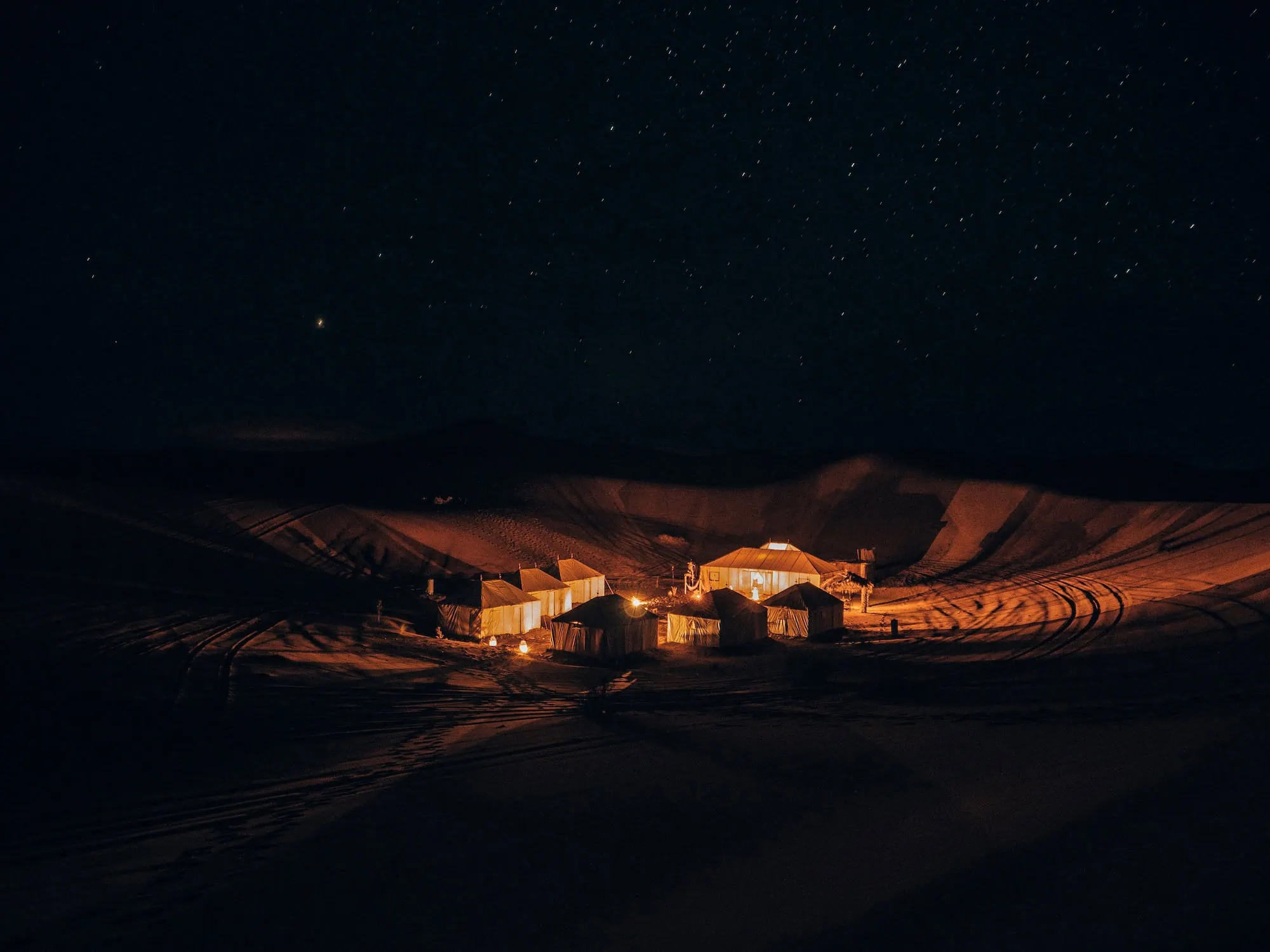
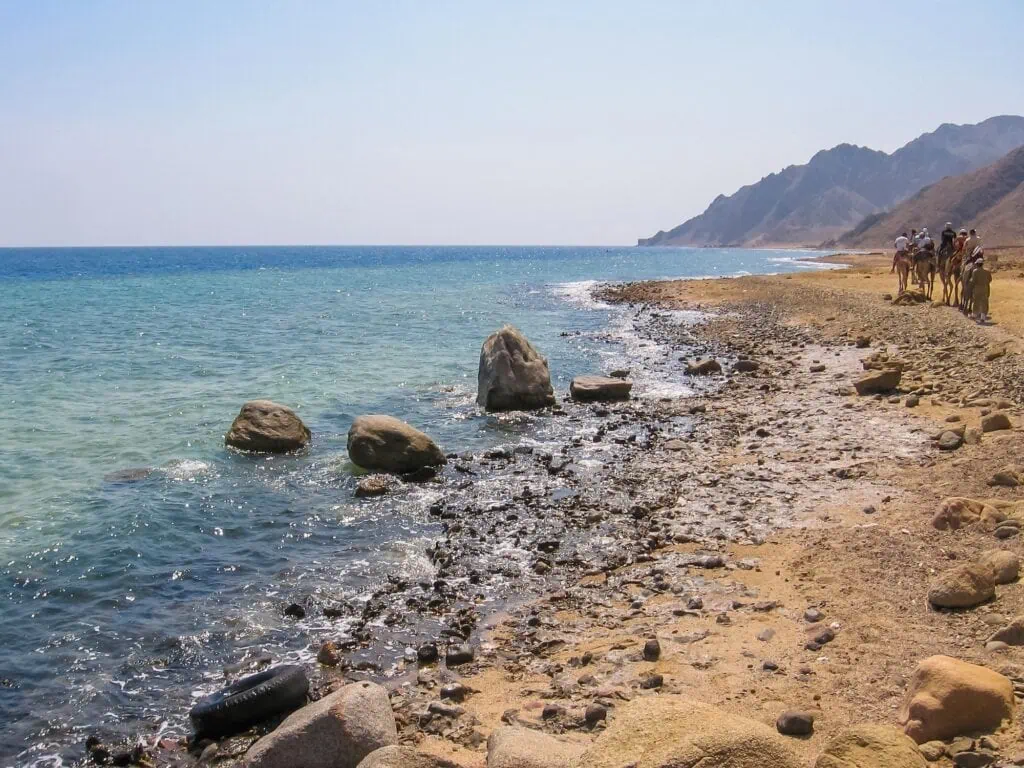
The Red Sea region offers authentic cultural experiences that complement beach relaxation. Traditional Bedouin communities welcome visitors to experience desert life, complete with camel rides and stargazing sessions. Local markets showcase handcrafted goods, spices, and textiles that reflect centuries of trade history.
Ancient historical sites dot the coastline, providing fascinating glimpses into civilizations that thrived along these shores. We arrange guided tours that bring these stories to life through expert local guides.
Planning Your Red Sea Holiday
Peak season runs from November through March when temperatures are most comfortable and European visitors escape winter weather. Shoulder seasons offer excellent value with fewer crowds while maintaining pleasant conditions. Summer months provide the warmest water temperatures, ideal for extended swimming and water sports, though air temperatures reach their highest levels.
Our experience shows that booking 3-6 months in advance secures the best accommodations and rates. We recommend confirming passport validity extends at least six months beyond travel dates.
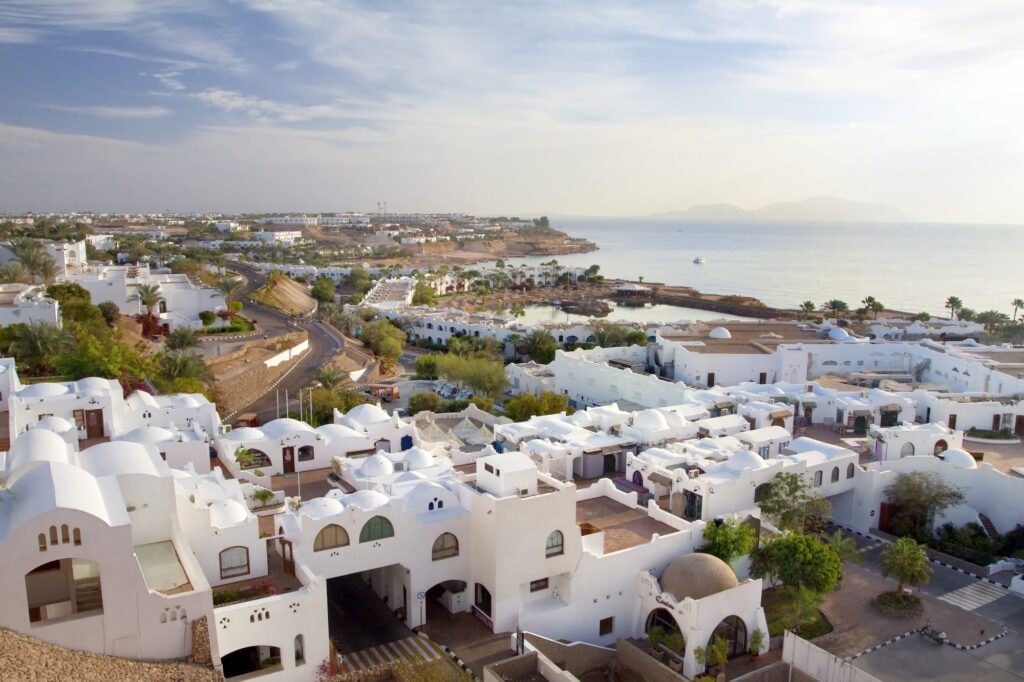
Most international visitors enter Egypt on a tourist visa for $25 USD valid for 30 days, available either online before departure through Egypt’s e-visa system or on arrival at major airports including Hurghada and Sharm El Sheikh. The e-visa system handles US, UK, EU, Canadian, Australian, and many Latin American passport holders in advance.
Travelers arriving directly at Sharm El Sheikh International Airport who plan to stay only in the Sinai resorts (Sharm El Sheikh, Dahab, Nuweiba, Taba) can request a free Sinai-only entry permit valid for 15 days. This permit excludes mainland Egypt and certain offshore sites. Most Egypt Tours Plus travelers opt for the standard 30-day tourist visa instead, since our itineraries typically combine Red Sea time with Cairo, the Pyramids, or a Nile cruise.
Travelers from countries not covered by the e-visa system should verify current requirements with their local Egyptian consulate.
Budgeting for Different Styles
Budget-conscious travelers find excellent value in 3-star accommodations with basic amenities and local dining options. Mid-range holidays typically include 4-star resorts with multiple restaurants, pools, and organized activities. Luxury experiences feature 5-star properties with private beaches, spa services, and personalized concierge attention.
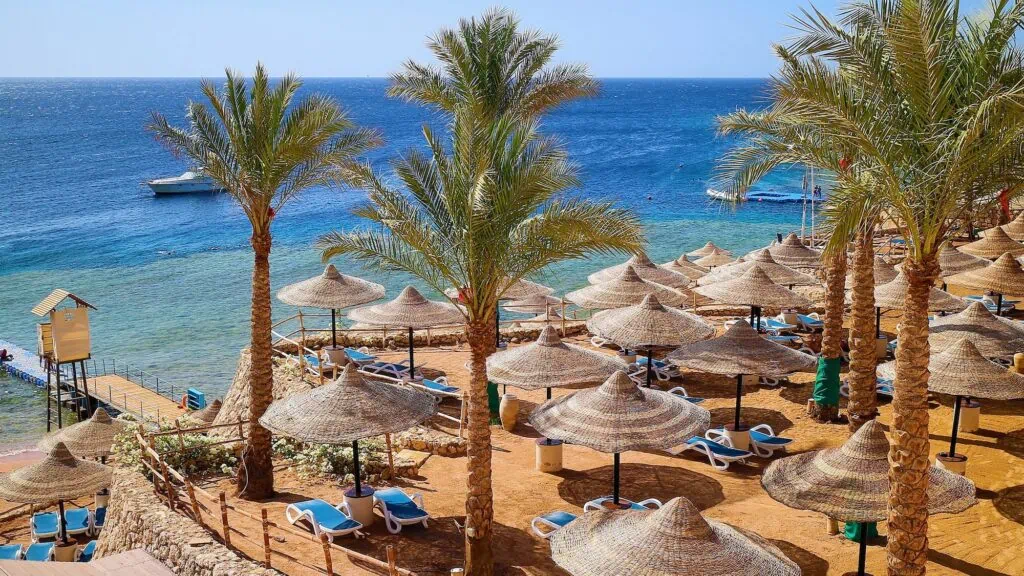
All-inclusive packages simplify budgeting by covering meals, drinks, and select activities. Half-board options provide breakfast and dinner while allowing lunch exploration at local restaurants. Room-only arrangements offer maximum flexibility for independent travelers.
Top Red Sea Destinations
Hurghada
Hurghada is the largest Red Sea destination and the easiest to fly into, with direct connections from over 60 European cities. The original El Dahar district preserves an Egyptian-Bedouin character, while the modern El Mamsha promenade and the Sahl Hasheesh resort enclave (about 20 km south) offer the most upscale beachfront properties. Hurghada also serves as the launch point for Giftun Island day trips and most northern Red Sea diving.
Sharm El Sheikh
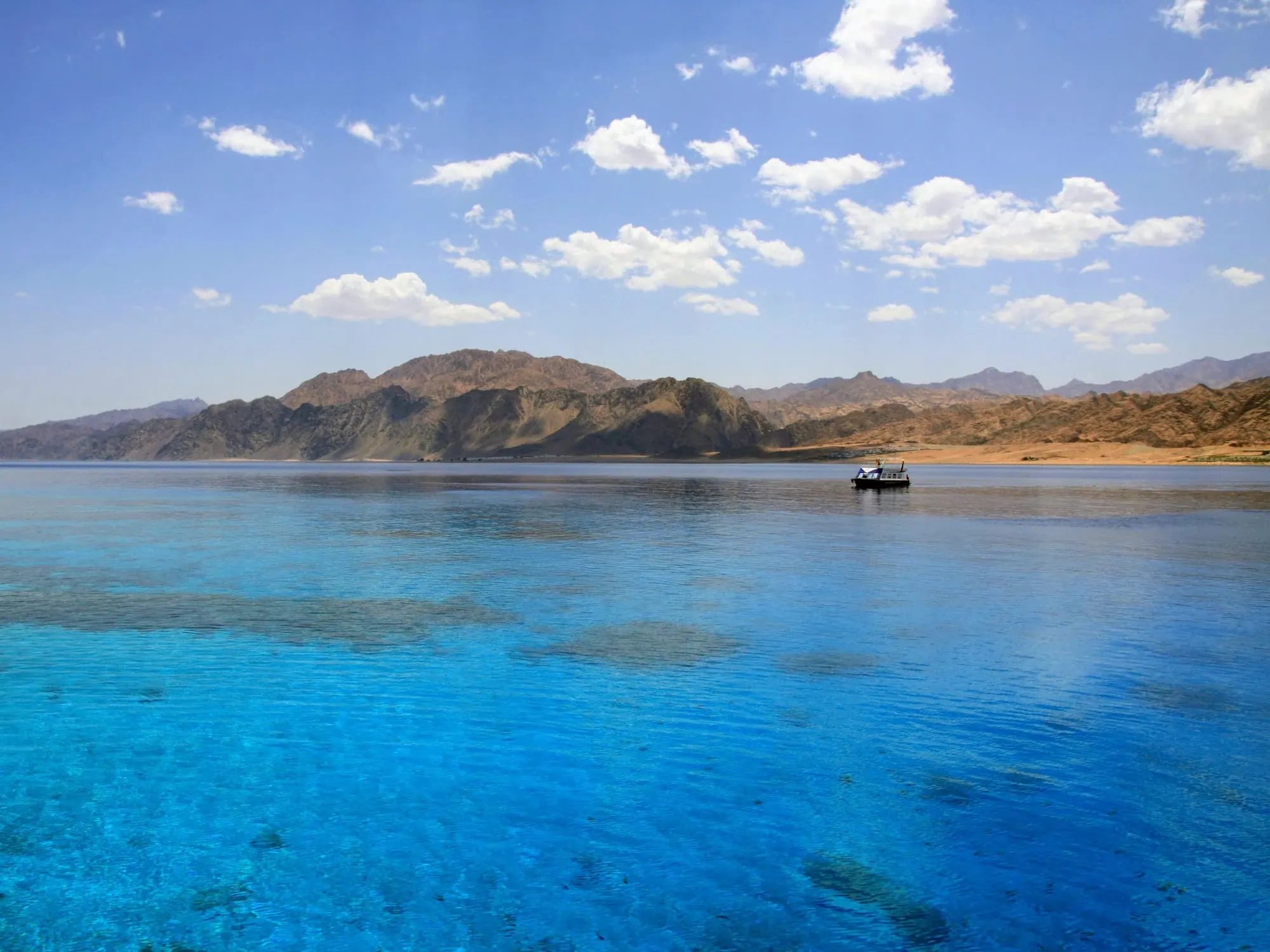
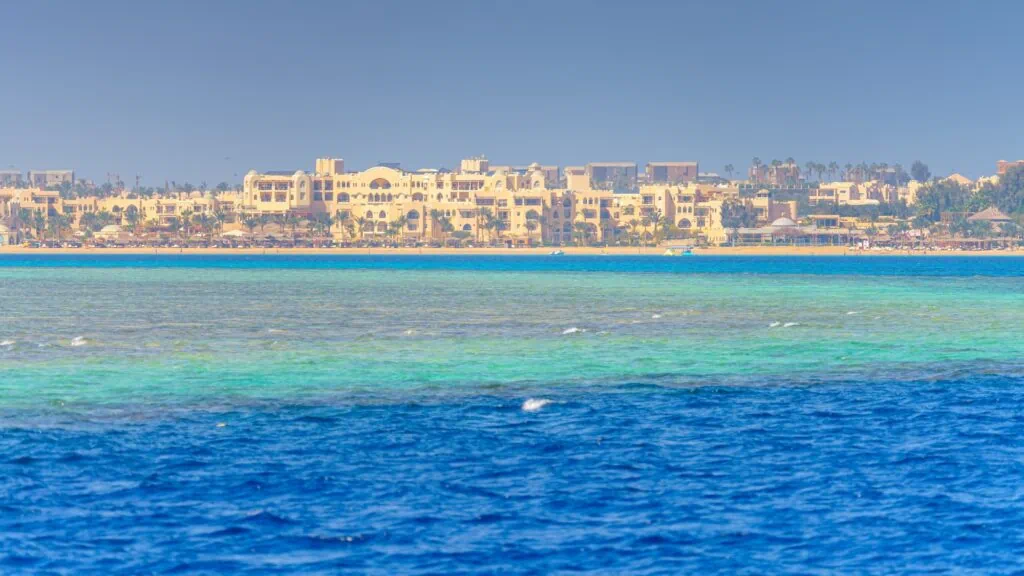
Sharm El Sheikh sits at the southern tip of the Sinai Peninsula, with the dramatic Sinai mountains rising behind the city and the world-famous Ras Mohammed marine park just south of town. Naama Bay forms the original tourist heart of the city with restaurants, shops, and nightlife, while Sharks Bay and Nabq offer quieter resort areas. Mount Sinai and St. Catherine’s Monastery are reachable on day-trips from Sharm, adding desert and religious heritage to coastal time.
Marsa Alam
Marsa Alam, 270 km south of Hurghada, attracts serious divers and snorkelers with pristine reefs at sites like Elphinstone, Sataya (the Dolphin House reef), and the Fury Shoals. Resort development is concentrated around Port Ghalib and along scattered beach areas, but the destination remains quieter and more nature-focused than Hurghada or Sharm. The dugong populations near Abu Dabbab beach attract snorkelers worldwide.
Dahab
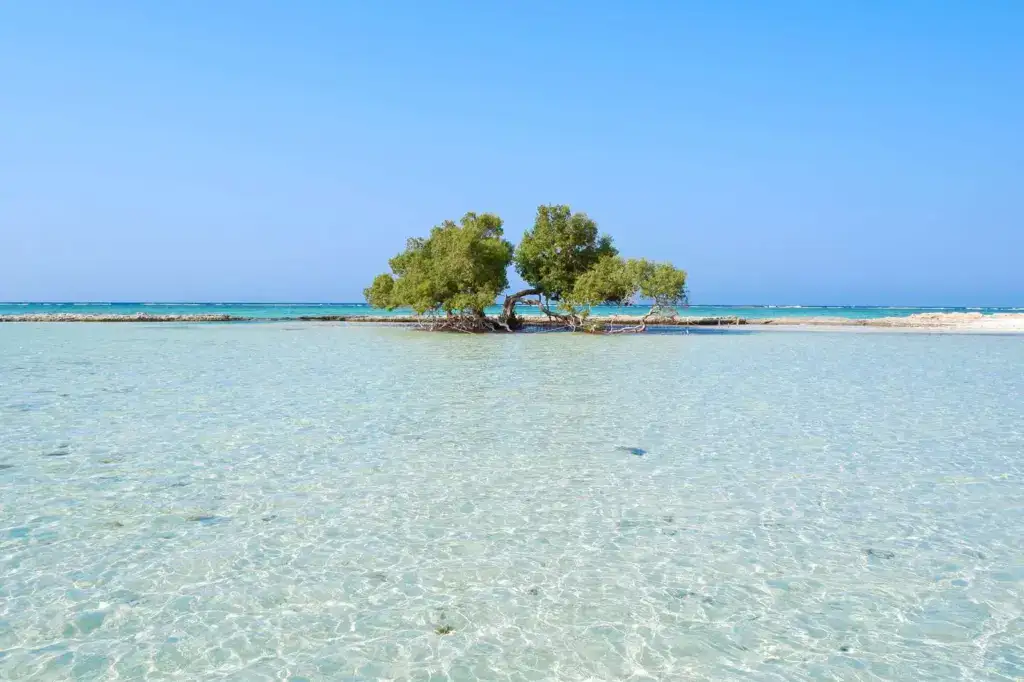
Dahab is the laid-back alternative to Sharm El Sheikh, an hour’s drive north along the Sinai coast. Originally a Bedouin fishing village, Dahab has evolved into the favorite destination of free-divers, kitesurfers, and travelers who prefer beachfront cafés and yoga retreats over resort complexes. The Blue Hole, Egypt’s most famous (and most challenging) dive site, sits 10 km north of town. Dahab’s seafront promenade is car-free and walkable end to end.
El Gouna
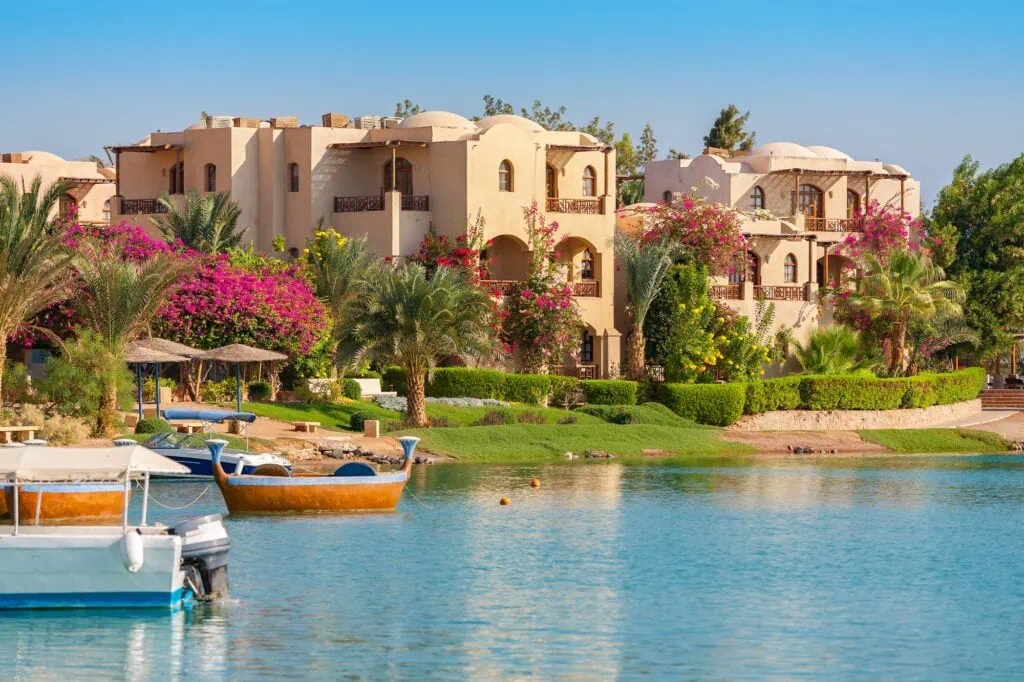
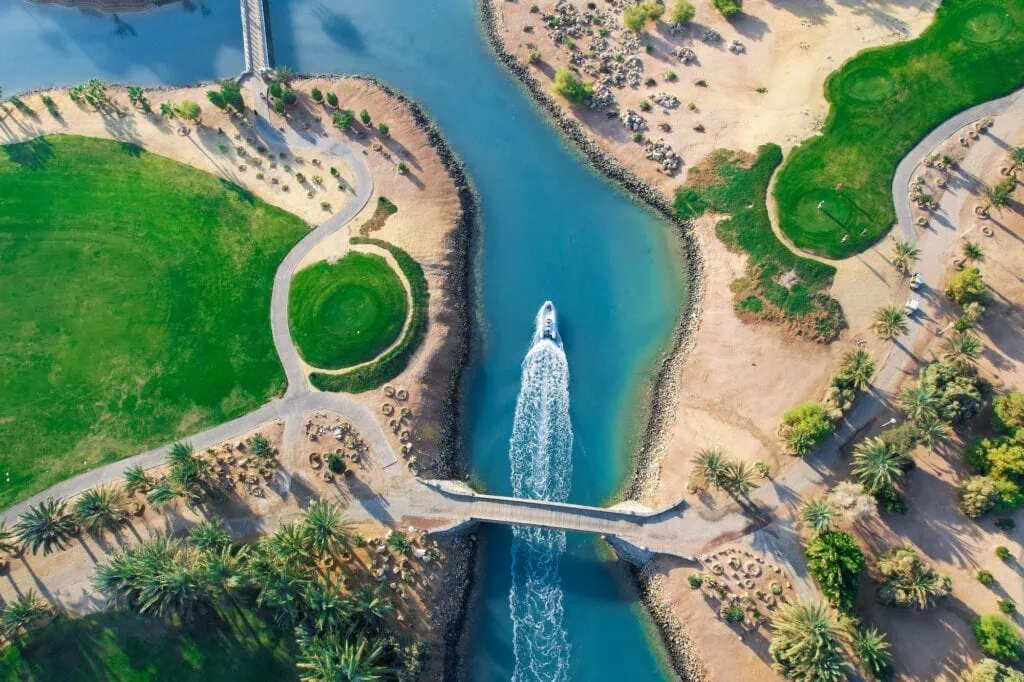
El Gouna is a master-planned resort town 25 km north of Hurghada, built around a network of saltwater lagoons connected by canals. The town has its own marina, two championship golf courses, an international hospital, and a small airport. El Gouna attracts a different crowd than the larger resort cities — typically families, golfers, and longer-stay visitors who want a self-contained European-feel community on the Red Sea.
Luxury Accommodations and Comfort
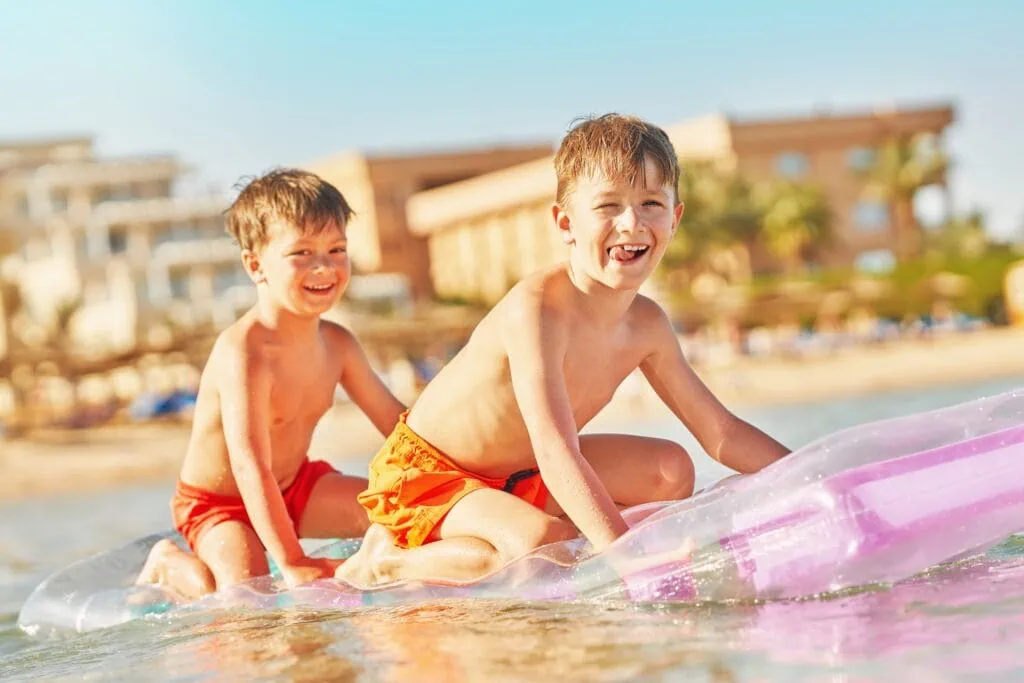
All-inclusive resorts dominate the Red Sea hospitality landscape, offering comprehensive packages that include meals, beverages, and recreational activities. These properties typically feature multiple restaurants serving international and local cuisine, several bars, swimming pools, private beach access, and evening entertainment programs. Families appreciate kids’ clubs and supervised activities, while adults enjoy spa services and water sports equipment.
Boutique hotels provide intimate experiences with personalized service and unique design elements. These smaller properties often showcase local architecture and culture while maintaining international comfort standards. Many boutique options focus on specific interests like diving, wellness, or cultural immersion.
Private villa rentals suit groups seeking independence and space. These properties often include private pools, kitchens, and dedicated staff. Luxury villas may feature private beach access, personal chefs, and concierge services.
We work with carefully selected partners who meet our standards for quality, service, and value. These relationships allow us to secure preferential rates and special amenities for our guests choosing Cairo and Red Sea holidays. Regular property inspections ensure our recommendations align with the standards described.
Activities Beyond the Beach
The Red Sea region transforms into adventure playground with activities catering to every interest level and age group.
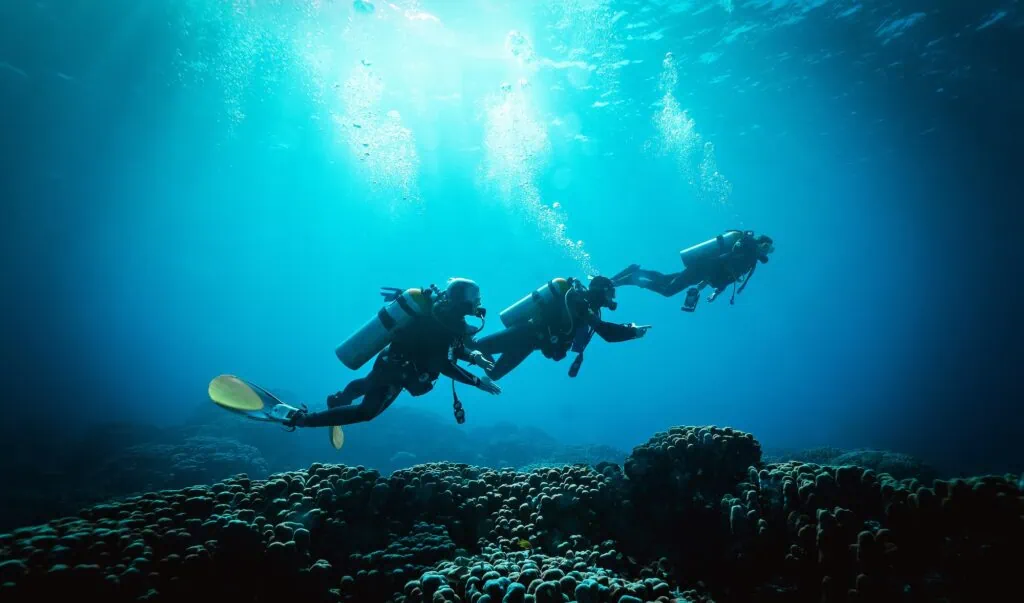
Diving and snorkeling top most visitors’ lists, with professional centers offering equipment, instruction, and guided excursions. Certification courses allow beginners to explore deeper sites safely. Advanced divers pursue wreck diving, night dives, and encounters with larger marine species like dolphins and sharks.
Desert safaris provide contrast to marine activities through quad biking, camel trekking, and Bedouin cultural experiences. Sunset tours often include traditional meals and star-gazing sessions away from coastal lights. Some excursions visit historical sites or traditional villages.
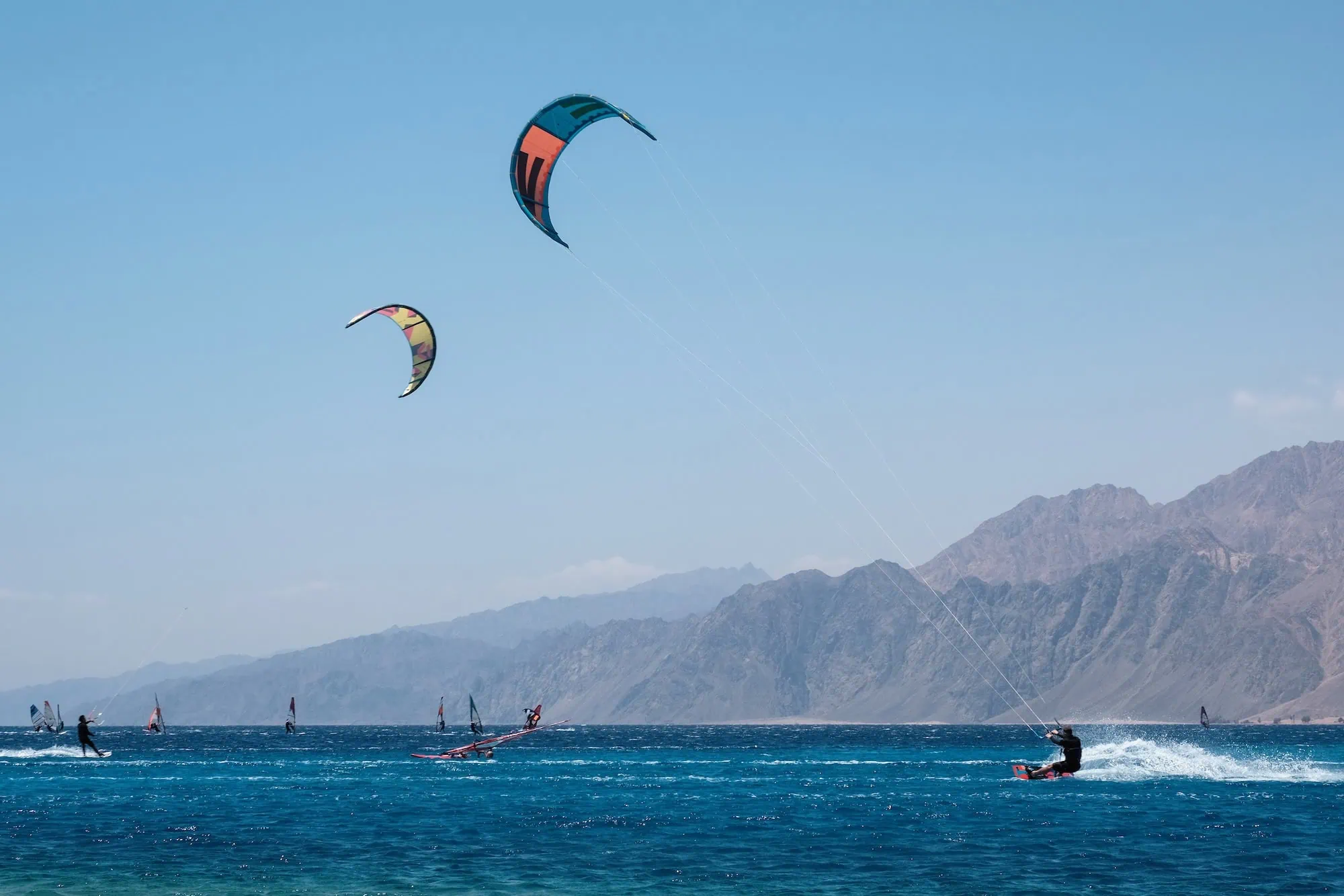
Water sports enthusiasts enjoy windsurfing, kitesurfing, parasailing, and jet skiing. Equipment rental and instruction are readily available at most resorts and dedicated centers. Boat trips explore secluded beaches, snorkeling sites, and dolphin watching opportunities.
Cultural tours connect visitors with local traditions, markets, and historical sites. Cooking classes teach traditional recipes using regional ingredients. Artisan workshops demonstrate traditional crafts like pottery, weaving, or jewelry making.
Golf courses take advantage of dramatic landscapes, offering challenging play with spectacular views. Championship courses designed by renowned architects provide world-class facilities and professional instruction.
Practical Tips for Success
Travel insurance covering medical emergencies, trip cancellation, and equipment damage provides essential protection. Diving-specific coverage protects expensive underwater equipment and emergency evacuation costs. We recommend comprehensive policies that include COVID-related coverage and adventure sports.
Packing essentials include high-factor sunscreen, protective clothing for sun exposure, and comfortable swimming shoes for rocky beach areas. Reef-safe sunscreen protects marine environments while providing necessary skin protection. Lightweight, quick-dry clothing suits the warm climate and frequent water activities.
Health precautions focus on sun protection, hydration, and basic first aid preparation. Prescription medications should exceed trip duration, carried in original containers. Vaccination requirements vary by departure country and should be confirmed with healthcare providers.
Money exchange and payment options vary by destination, with major credit cards widely accepted at resorts and tourist areas. Local currency provides better rates at markets and smaller establishments. ATMs are generally available in tourist zones, though fees may apply for international cards.
Communication needs include international roaming plans or local SIM cards for mobile devices. Resort WiFi typically covers common areas and may incur charges for in-room access. WhatsApp and similar services work well for staying connected with home.
Transportation between airports and accommodations is typically included in package holidays or can be arranged through resort transfers. Car rentals suit independent travelers, though driving standards and road conditions vary significantly between destinations.
Maximizing Value and Booking
Early booking advantages include wider accommodation selection, preferred room categories, and potential upgrade opportunities. Flight availability and pricing improve with advance planning, particularly during peak travel periods. We recommend securing bookings 4-6 months ahead for optimal choice and value.
Seasonal pricing reflects demand patterns, with shoulder seasons offering significant savings without compromising experience quality. September through November provides excellent weather with reduced crowds and competitive rates. Late spring also delivers good value with improving weather conditions.
Package deals often provide better value than individual bookings, including flights, accommodations, transfers, and sometimes meals or activities. All-inclusive packages suit travelers preferring predictable costs and comprehensive amenities. Flight-plus-hotel combinations offer middle ground between packages and independent bookings.
We negotiate exclusive rates and amenities with partner properties, providing additional value beyond published prices. These partnerships often include complimentary upgrades, resort credits, or bonus activities not available through direct bookings.
Group bookings attract special rates and dedicated service for families, friends, or special interest groups traveling together. Wedding and honeymoon packages include romantic amenities and personalized service. Diving groups enjoy specialized boats, equipment, and instruction arrangements.
Choosing Egypt Tours Plus
Our seven decades of Red Sea experience since 1955 translate into insider knowledge that enhances every aspect of your holiday. Personal relationships with resort partners, activity providers, and local guides ensure seamless experiences and preferential treatment. We’ve explored every destination firsthand, enabling honest recommendations based on actual experience rather than marketing materials.
Private guides and personalized itineraries cater to individual interests and preferences. Whether you’re passionate about historical sightseeing, marine life, cultural exploration, or pure relaxation, we craft experiences that match your vision. Our TripAdvisor Travelers’ Choice 2020-2025 service includes 24/7 in-country support throughout your journey, ensuring immediate assistance for any needs that arise.
Modern, comfortable vehicles and experienced drivers handle all transportation needs safely and efficiently. Airport transfers, resort changes, and excursion transportation operate on schedule with professional service standards. Vehicle selection ranges from private cars to luxury coaches depending on group size and preferences.
Tailored itineraries balance must-see attractions with hidden gems that showcase authentic local character. We avoid overcrowded tourist traps while ensuring you experience genuine highlights that define each destination. Flexible scheduling accommodates personal preferences and unexpected opportunities.
Build Your Red Sea Holiday Around What You Want Most
A Red Sea holiday is rarely just about the beach — it’s about the combination. Cairo and the Pyramids before the coast, a Nile cruise stretch after, multi-country routes that pair Egypt with Jordan or Greece, and the choice between Sharm’s mountain backdrop, Hurghada’s accessibility, Marsa Alam’s untouched reefs, Dahab’s laid-back coves, or El Gouna’s resort lagoons.
Tell your Travel Concierge what kind of Red Sea time you want and what else pulls at you about Egypt, and we’ll build the days around it. Private Egyptologist guide on every land-touring day, first-draft itinerary back in your inbox within 1 to 12 hours.
Frequently Asked Questions
The Red Sea offers year-round diving with water temperatures of 22 to 28°C (72 to 82°F). October through May is the most comfortable period overall, with calmer surface conditions, cooler air temperatures, and excellent visibility (often exceeding 30 metres at sites like Ras Mohammed and the Brothers Islands). June through September brings warmer water (perfect for shorty wetsuits or no suit at all) and is the prime season for spotting whale sharks and oceanic mantas. Specific liveaboard routes to the Brothers, Daedalus, and St. John’s reefs operate from March through November when conditions are best.
No certification is needed for snorkeling, which delivers exceptional marine life viewing in the Red Sea — many of the most spectacular reefs (including the Sharm Bay sites, Marsa Alam’s Abu Dabbab dugong area, and the Hurghada-area Giftun Islands) are accessible from the surface. For uncertified travelers who want to dive, PADI Discover Scuba Diving programs allow supervised dives to 12 metres after a 2-hour briefing, and full PADI Open Water certification courses run 3 to 4 days at most resort dive centres. Combined courses for travelers wanting both certification and immediate exploration time are popular choices.
For peak-season travel (October through April, especially December and January), we recommend starting the planning conversation 4 to 6 months ahead to secure preferred 4-star and 5-star resorts in Sharm El Sheikh, Hurghada, and El Gouna. Off-peak summer trips can be planned 2 to 3 months out. For Christmas, New Year, and Easter periods, 6 months ahead is essential. Once you contact us, your dedicated Travel Concierge sends your first-draft itinerary back within 1 to 12 hours, and most travelers go through 2 to 4 rounds of revisions before finalizing.
Most international visitors enter Egypt on a tourist visa for $25 USD valid for 30 days, available either online before departure through Egypt’s e-visa system or on arrival at major airports including Hurghada and Sharm El Sheikh. The e-visa system handles US, UK, EU, Canadian, Australian, and many Latin American passport holders in advance.
Travelers arriving directly at Sharm El Sheikh Airport who plan to stay only in the Sinai resorts (Sharm El Sheikh, Dahab, Nuweiba, Taba) can request a free Sinai-only permit valid for 15 days, but this excludes mainland Egypt — most Egypt Tours Plus travelers choose the standard 30-day tourist visa for itinerary flexibility. Travelers from other countries should verify current requirements with their local Egyptian consulate.
Red Sea destinations are particularly well-suited for families. Most resorts offer kids’ clubs (typically ages 4 to 12), shallow swimming areas, and family-friendly room configurations including connecting rooms and family suites. El Gouna and Sahl Hasheesh (south of Hurghada) are the most family-oriented enclaves with calm lagoons and resort-town infrastructure. For diving and snorkeling, Egyptian operators typically accept children from age 8 for snorkeling tours and age 10 for PADI Bubblemaker diving introductions. We’ve built combined Cairo and Red Sea family itineraries for travelers with children as young as 4.
Standard all-inclusive Red Sea packages include accommodation, all meals (typically buffet plus à la carte options at multiple restaurants), local-brand alcoholic beverages, soft drinks, snacks, basic non-motorized water sports (kayaks, paddleboards, snorkeling gear), entertainment programs, and pool/beach access. Premium upgrades add international-brand spirits, motorized water sports, à la carte dining without surcharges, and resort credits for spa or excursions. Items typically NOT included: scuba diving courses and dive trips, off-resort excursions, motorized water sports at standard tier, and high-end wines or spirits.
Red Sea water temperatures range from approximately 22°C (72°F) in February (the coolest month) to 28°C (82°F) in August and September (the warmest). Summer temperatures (June through October) make wetsuits optional for most divers, while winter and early spring (December through April) typically call for a 5 mm full wetsuit for extended diving. Snorkeling is comfortable year-round in shorty suits or rashguards. The water is clearest from October through May, with summer occasionally seeing slightly reduced visibility due to plankton blooms (which is also what attracts whale sharks).
Combining Red Sea time with cultural Egypt is what most of our travelers do, and it’s the format we specialize in. The classic combination pairs 5 to 7 days of Cairo and the Pyramids (with optional Luxor and Aswan via Nile cruise) followed by 4 to 7 nights at Sharm El Sheikh, Hurghada, or El Gouna. From the Red Sea, day excursions to the Pyramids of Giza are available from Hurghada (1-hour flight to Cairo) and Sharm El Sheikh (1.5-hour flight). Mount Sinai and St. Catherine’s Monastery are reachable from Sharm El Sheikh, while desert safaris from Hurghada offer Bedouin-village immersion.
For October through April, pack layered clothing for evenings (it can drop to 12 to 15°C / 54 to 59°F at night) plus standard beach essentials. For May through September, lightweight breathable clothing, multiple swimsuits, and high-SPF reef-safe sunscreen are essential. For all seasons, bring water shoes (Red Sea reefs come close to shore at many beaches), a rashguard or UV-protective swimwear (the Red Sea sun is intense), prescription medications in original packaging, and a copy of your dive certification card if applicable. Most resorts provide beach towels, but personal snorkel gear (mask and snorkel) saves on rental fees if you’ll snorkel often.
The Red Sea offers extensive non-diving activities. Snorkeling is the most popular and works at every destination, particularly the Giftun Islands from Hurghada, Ras Mohammed from Sharm El Sheikh, and the house reefs at Sahl Hasheesh and Marsa Alam resorts. Wind sports thrive year-round in Dahab (free-diving capital), El Gouna (kitesurfing), and Hurghada (windsurfing). Glass-bottom boat tours, semi-submarine excursions, parasailing, and dolphin-watching trips operate from all major resort areas. Sailing and yacht charters from El Gouna’s marina serve travelers who want time on the water without diving.
Travel insurance is recommended for any Red Sea trip. Standard coverage should include medical emergencies (regional clinics are excellent but can be expensive without insurance), trip cancellation and interruption, baggage loss, and travel delay protection. Divers specifically need diving-coverage extensions — most standard travel policies exclude scuba activities and emergency hyperbaric chamber treatment. DAN (Divers Alert Network) memberships are widely recommended by Red Sea dive operators and cover both regular medical evacuation and dive-specific emergencies. Verify your policy covers your specific activities and the destinations on your itinerary.
Beyond resort restaurants, every Red Sea destination has its own off-resort dining scene. Hurghada’s El Mamsha promenade and Sahl Hasheesh boardwalk offer seafood restaurants, international cuisine, and Egyptian eateries. Naama Bay in Sharm El Sheikh features dozens of restaurants from sushi to traditional Egyptian. Dahab’s beachfront cafés and Bedouin-style seating areas serve everything from breakfast bowls to wood-fired flatbreads. El Gouna’s restaurants in the marina district are the most internationally oriented. Your guide can recommend specific local restaurants based on what you want to eat — fresh seafood, classic Egyptian dishes like koshari or molokhia, or international fare.