Do I Need Health Insurance to Travel to Egypt?
The Egyptian government doesn’t require international visitors to have health insurance.
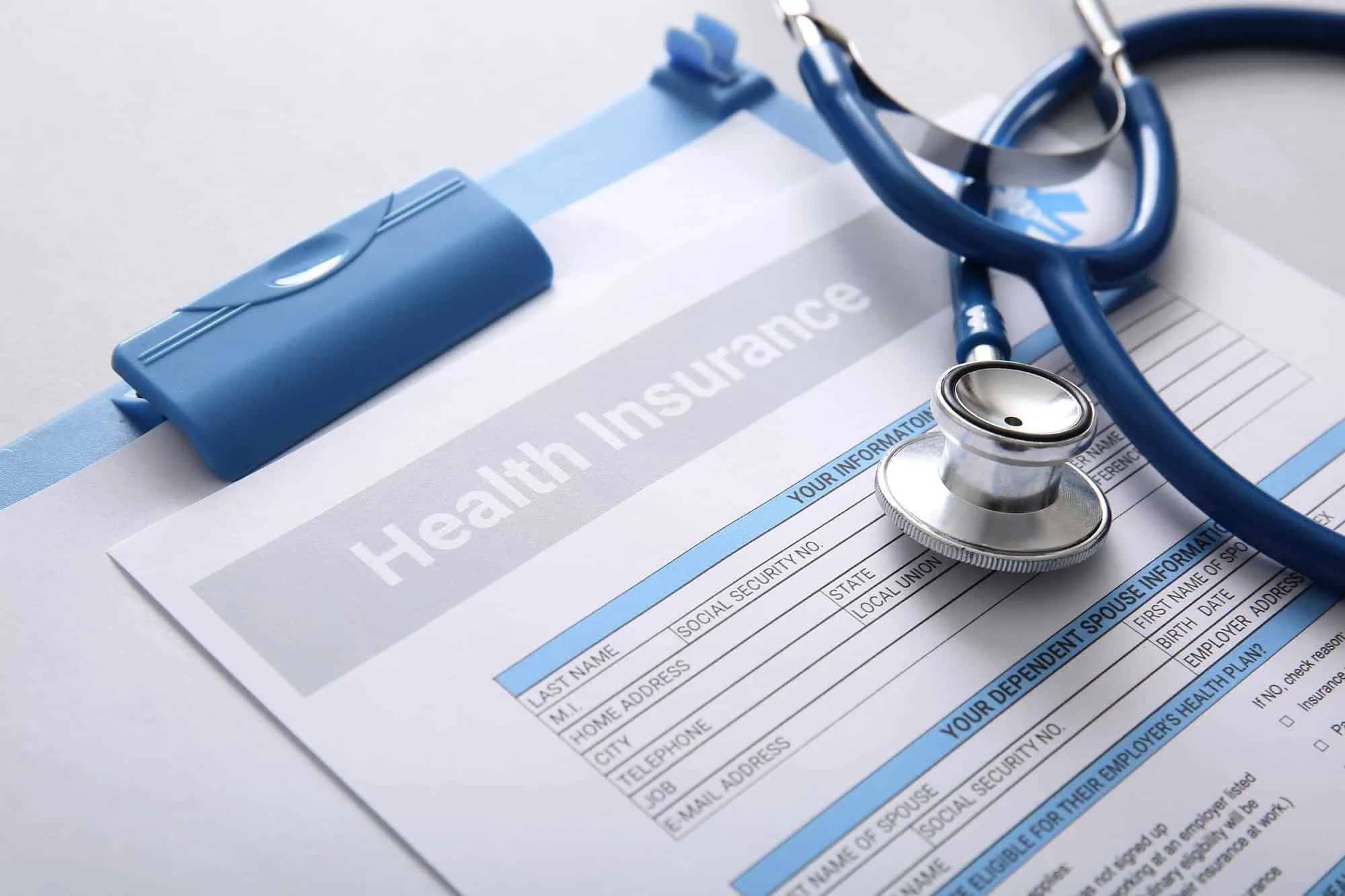
While health coverage isn’t mandatory for entry, the reality of medical costs and potential emergencies makes having proper insurance essential for peace of mind. We’ve helped thousands of travelers plan their Egyptian adventures over our decades of experience, and we consistently recommend comprehensive travel insurance that includes robust medical coverage. Medical emergencies abroad can create financial burdens that far exceed your vacation budget, and Egypt’s healthcare system, while improving, may not meet the standards you’re accustomed to at home.
Understanding what you need versus what’s required helps you make informed decisions about protecting yourself during your Egyptian journey.
Table of Contents
Egypt’s Entry Requirements vs Smart Planning
Egypt focuses its entry requirements on visas, passport validity, and vaccination certificates for specific diseases like yellow fever if you’re arriving from affected regions. No immigration officer will ask to see your health insurance policy when you arrive in Cairo or any other Egyptian port of entry.
However, what’s legally required and what’s practically wise are two different considerations. Egyptian hospitals and clinics typically require upfront payment for services, especially from international patients. A simple emergency room visit can cost $200-500, while more serious medical situations involving surgery or extended hospital stays can reach $10,000-50,000 or more.
Visa Requirements for US Citizens
US travelers need a tourist visa to enter Egypt, which costs $25 and can be obtained upon arrival or in advance through the Egyptian e-visa portal. Your passport must be valid for at least six months beyond your planned departure date from Egypt. European visitors face similar requirements, while some nationalities may need to obtain visas through Egyptian consulates before travel.
Vaccination Considerations
Egypt requires yellow fever vaccination certificates only if you’re arriving from countries where yellow fever is endemic, primarily parts of sub-Saharan Africa and South America. Standard travel vaccinations like hepatitis A, hepatitis B, and typhoid are recommended but not required for entry.
Medical Costs and Healthcare Quality
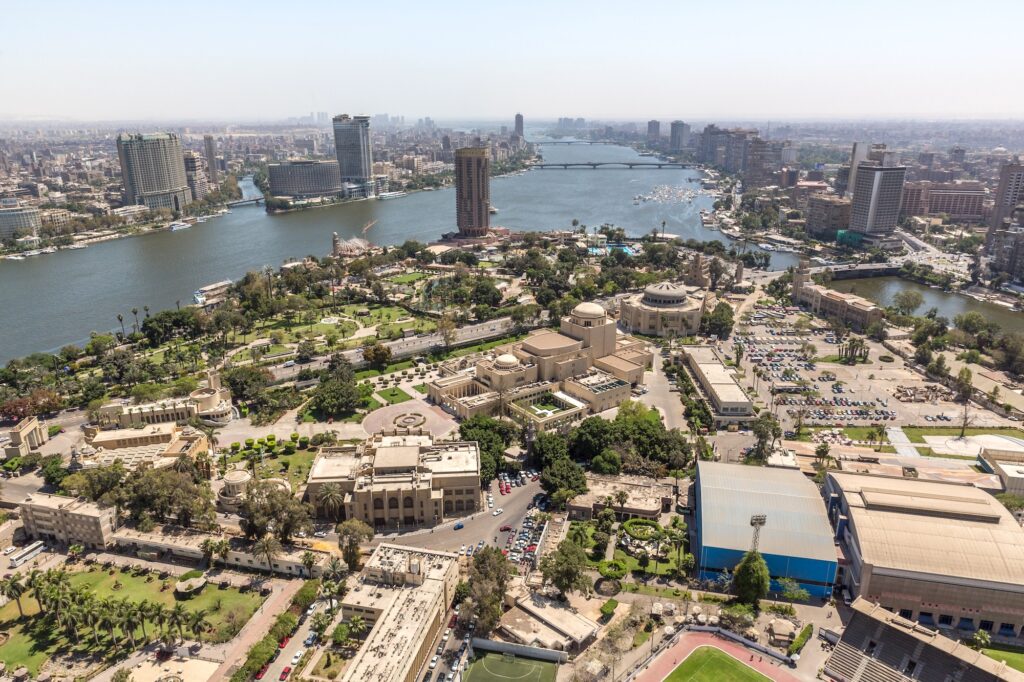
Cairo and other major cities offer modern medical facilities with English-speaking staff, but quality varies significantly between private and public hospitals. Private hospitals in areas like New Cairo or Zamalek provide excellent care comparable to Western standards, while rural areas may have limited medical resources.
Emergency medical evacuation to your home country represents the highest potential cost. Medical evacuation from Egypt to the United States typically costs $75,000-150,000, depending on your condition and the type of aircraft required. These astronomical costs make comprehensive travel insurance with medical evacuation coverage absolutely essential, even though Egypt doesn’t require it for entry.
Private ambulance services in major Egyptian cities cost $50-200 per trip, while helicopter medical transport within Egypt can reach $5,000-15,000 per flight. Prescription medications are generally less expensive than US prices, but specialized drugs may not be readily available.
Tourist police and our local guides maintain contacts with reputable medical facilities throughout Egypt, but having insurance ensures you can access the best care without worrying about upfront payment requirements.
Travel Insurance Options for Visitors
Comprehensive Travel Insurance
Full travel insurance policies typically cost 4-8% of your total trip cost and cover medical emergencies, trip cancellation, lost luggage, and other travel-related issues. These policies often include 24/7 assistance hotlines with representatives who speak English and can coordinate care with Egyptian medical facilities.
Medical-Only Coverage
If you’re only concerned about health costs, medical-only travel insurance costs significantly less than comprehensive policies. These plans focus exclusively on medical emergencies, prescription drugs, and medical evacuation, typically ranging from $30-100 for short trips.
Credit Card Coverage
Premium credit cards sometimes include travel medical insurance for trips charged to the card. However, coverage limits are often lower than standalone policies, and benefits may exclude certain activities common in Egypt like camel riding, desert excursions, or diving in the Red Sea.
Travel insurance becomes particularly important when you consider that many standard health insurance policies from the US, Canada, and Europe provide minimal or no coverage for international travel. Medicare, for instance, doesn’t cover medical costs outside the United States except in very limited circumstances.
Common Health Risks and Situations
Traveler’s diarrhea affects approximately 30-40% of visitors to Egypt, usually resolving within a few days with proper treatment. More serious gastrointestinal issues requiring medical attention occur in about 5-8% of travelers and may need prescription medications or IV fluids.
Heat-related illnesses peak during summer months when temperatures in southern Egypt regularly exceed 40°C (104°F). Dehydration and heat exhaustion can require emergency medical treatment, especially for older travelers or those with underlying health conditions.
Desert activities and archaeological site visits occasionally result in injuries from falls, cuts, or sprains. While most are minor, some require X-rays, stitches, or other medical intervention that private Egyptian hospitals handle efficiently but at significant cost for uninsured patients.
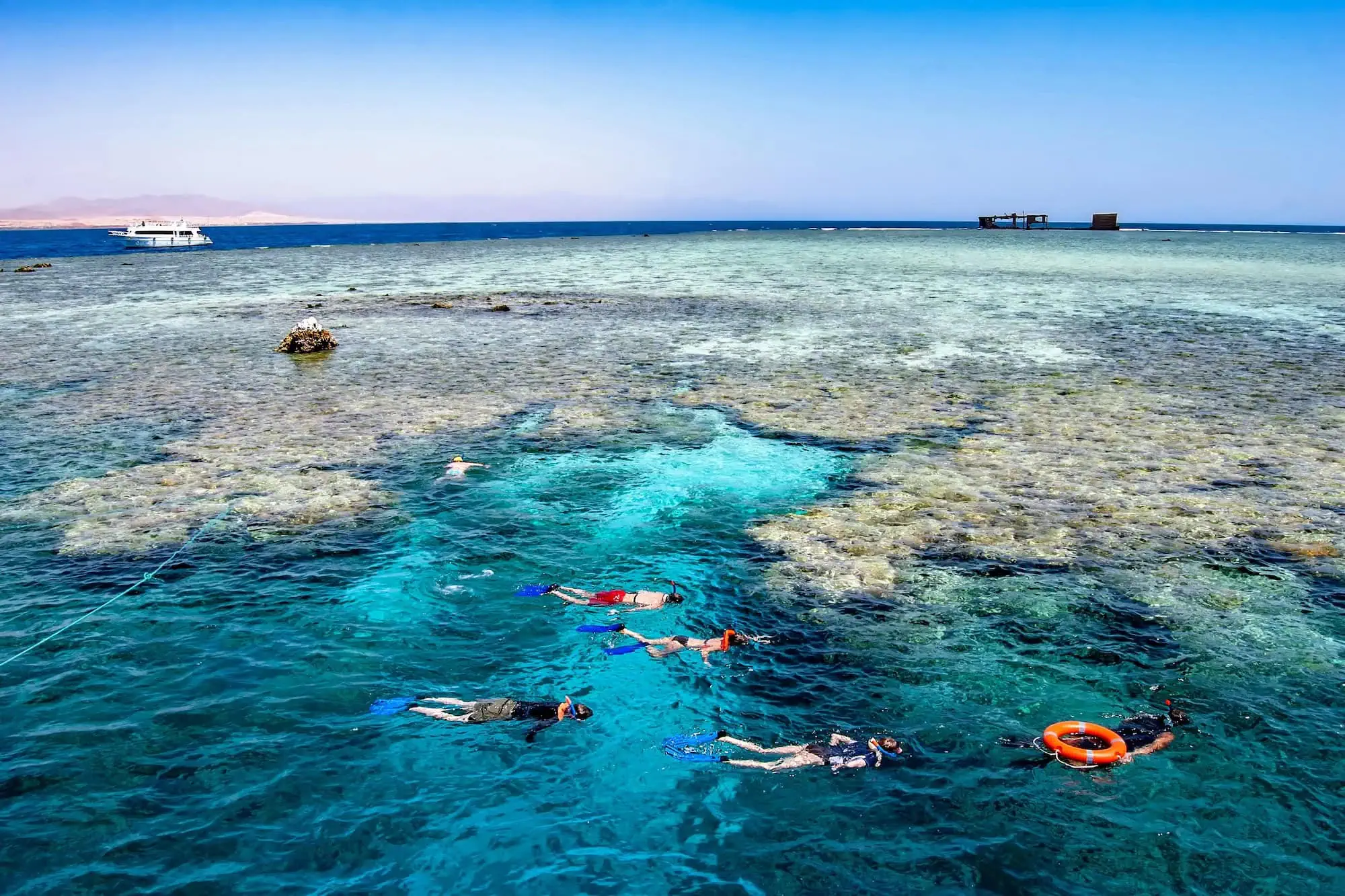
Red Sea diving and snorkeling present unique risks including decompression sickness, marine life injuries, and equipment-related accidents. Diving insurance or travel policies that specifically cover underwater activities become essential for Red Sea resort visits.
Traffic accidents represent another concern, as Egyptian driving styles differ significantly from Western norms. Having insurance ensures immediate access to quality trauma care if needed, rather than being transferred between facilities based on payment ability.
What to Look for in Coverage
Medical evacuation coverage should include both emergency transport within Egypt and repatriation to your home country. Minimum recommended coverage is $100,000 for medical expenses and $500,000 for evacuation, though higher limits provide better protection.
Pre-existing condition coverage matters if you have ongoing health issues. Many policies exclude pre-existing conditions unless you purchase insurance within 14-21 days of making your first trip payment and meet other requirements.

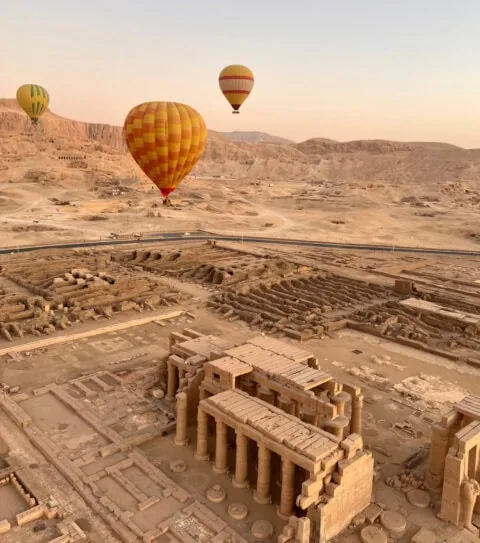
Adventure activity coverage varies significantly between policies. Standard travel insurance may exclude camel riding, sandboarding, hot air balloon rides over Luxor, or other activities popular with Egypt visitors. Verify that your chosen policy covers planned activities or purchase additional adventure sports coverage.
Assistance services prove invaluable when dealing with Egyptian medical facilities. Look for policies that provide English-language support, help with medical facility recommendations, and can coordinate payments directly with hospitals to avoid out-of-pocket expenses.
Prescription drug coverage should include both emergency medications and replacement of routine medications if lost or damaged during travel.
Our Experience and Recommendations
After organizing thousands of Egypt tours over our decades in business, we’ve seen firsthand how travel insurance transforms medical emergencies from financial disasters into manageable situations. Our guides maintain relationships with quality medical facilities throughout Egypt, but insurance ensures you can access the best care immediately.
We recommend purchasing comprehensive travel insurance within 15 days of booking your Egypt tour to maximize coverage options. Several of our travelers have needed medical attention over the years – from minor issues like severe travelers’ diarrhea to more serious situations requiring hospitalization – and those with proper insurance consistently received faster, better care.

Our customer support coordinates with your insurance provider and local medical facilities when needed, ensuring seamless communication and care. This support becomes particularly valuable if language barriers complicate medical situations.
While Egypt doesn’t require health insurance for entry, the potential costs and peace of mind make it essential for any traveler. We include travel insurance recommendations in all our pre-departure information because protecting our guests goes beyond showing them Egypt’s incredible sites.
Frequently Asked Questions
No, Egypt does not currently require health insurance for tourist entry; most visitors only need a valid passport and the appropriate visa. However, entry requirements can change, and health insurance provides important protection against unexpected medical expenses during your trip. A single hospital visit in Cairo or Luxor can cost hundreds of dollars, while more serious treatment can be significantly higher. Carry both digital and printed copies of your insurance policy when traveling.
Emergency medical treatment in Egypt can range from approximately $200-$500 for a private emergency room visit to $10,000-$50,000 or more for serious hospitalization or surgery. Costs vary significantly between public facilities and private hospitals in Cairo, Alexandria, and other major cities. International travelers are usually expected to pay upfront unless insurance guarantees payment directly. Comprehensive travel medical coverage can prevent a medical emergency from becoming a major financial burden.
Most US health insurance plans, including Medicare, provide little or no coverage for medical expenses incurred in Egypt. Even when international benefits exist, travelers often need to pay medical bills first and seek reimbursement later. Coverage rules vary by insurer, policy type, and provider network. Before departure, contact your insurance company and obtain written confirmation of overseas coverage. Never assume domestic health insurance automatically applies outside the United States.
Medical evacuation from Egypt to the United States typically costs between $75,000 and $150,000, depending on the patient’s condition, aircraft requirements, and destination hospital. Air ambulance services require specialized medical staff and equipment, making evacuation one of the most expensive travel-related emergencies. Travelers visiting remote locations such as the Western Desert or Upper Egypt should pay particular attention to evacuation coverage. Medical evacuation insurance can provide substantial financial protection in rare but serious situations.
Traveler’s diarrhea is one of the most common health issues in Egypt, affecting an estimated 30-40% of international visitors. Other risks include dehydration, heat exhaustion, sun exposure, road accidents, and minor injuries while exploring archaeological sites. Most health concerns are preventable through bottled water, good hygiene, sun protection, and sensible food choices. Understanding common risks allows travelers to prepare appropriately and enjoy Egypt with greater confidence.
Credit card travel insurance benefits are often limited and may not provide adequate medical protection for a trip to Egypt. Many cards impose lower coverage caps, exclude pre-existing conditions, and restrict coverage for activities such as scuba diving, desert excursions, or camel riding. Emergency medical evacuation coverage is also frequently limited or absent. Review the policy details carefully rather than relying on the card’s marketing summary before traveling.
Purchasing travel insurance within 14-21 days of making your initial trip deposit generally provides the broadest range of benefits. Many insurers only offer pre-existing condition waivers, cancellation upgrades, or additional protections during this early purchase window. Buying coverage soon after booking flights, hotels, or tours also ensures protection begins before departure. Early purchase is especially important for trips planned during Egypt’s busy winter travel season.
A minimum of $100,000 in emergency medical coverage and $500,000 in medical evacuation coverage is a reasonable benchmark for most travelers visiting Egypt. While routine healthcare costs are often lower than in the United States, serious emergencies can become expensive quickly, particularly if evacuation is required. Higher coverage limits may be advisable for older travelers or those with pre-existing conditions. Always review policy exclusions before purchase.
Standard travel insurance policies may exclude adventure activities commonly enjoyed in Egypt, including scuba diving, camel riding, quad biking, desert safaris, and certain water sports. Coverage varies considerably between providers and policy tiers. Travelers planning activities in destinations such as Hurghada, Sharm El Sheikh, or the Western Desert should verify coverage before departure. If necessary, purchase an adventure sports rider to avoid unexpected claim denials.
Yes, Egypt Tours Plus can assist with coordinating medical support by helping guests contact insurance providers, local hospitals, and emergency services when needed. While Egypt Tours Plus is not a medical provider, the team can help facilitate communication and logistics during stressful situations. Access to local knowledge can be particularly valuable in cities such as Cairo, Luxor, and Aswan. Keep your insurance emergency hotline number readily accessible throughout your trip.
Travel insurance often covers emergency prescription replacement and certain medication-related expenses when medically necessary. Egypt’s pharmacies stock many commonly prescribed medications, particularly in major cities such as Cairo and Alexandria, but exact brands and formulations may differ from those available abroad. Travelers should carry medications in their original packaging and bring copies of prescriptions. Pack enough medication for the entire trip whenever possible.
Private hospitals in major Egyptian cities often provide a high standard of care comparable to many international facilities, particularly in Cairo, Alexandria, and larger tourist centers. Many physicians are English-speaking and have received training abroad. Rural clinics and remote-area facilities may offer more limited services and equipment. Travelers with comprehensive insurance typically seek treatment at private hospitals, where shorter wait times and broader services are usually available.
Explore our most popular guides and expert tips to make your trip safe, smooth, and unforgettable.
Plan Your Egypt Adventure with Confidence
How to Plan a Trip Egypt
Step-by-step guide to help you plan the perfect Egypt trip — from routes and budget to booking.

Best Time to Visit Egypt
Learn the best months to visit Egypt based on weather, crowds, and local travel experiences.
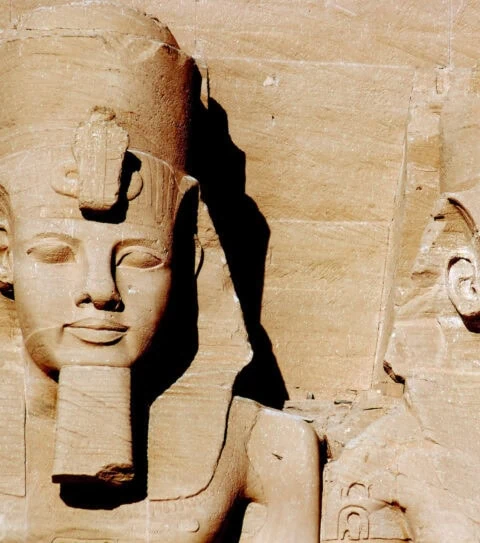
Must Visit Places in Egypt
Explore Egypt’s top sights — from pyramids to temples — and hidden gems worth seeing.

Top-Rated Egypt Tours
Handpicked private tours with local guides — our most loved and best-reviewed experiences.
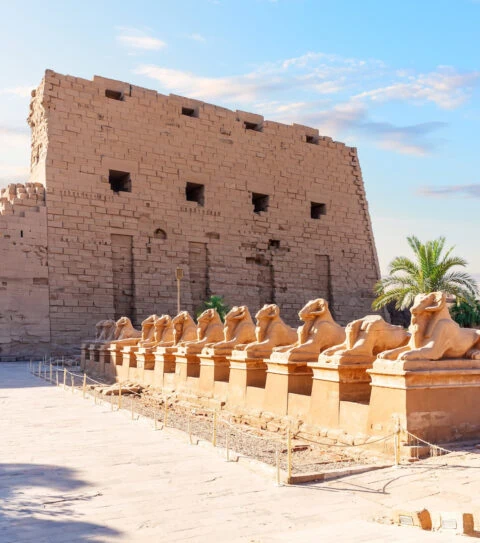
How Many Days to Visit Egypt?
Find out how many days you need in Egypt — from quick trips to full itineraries.
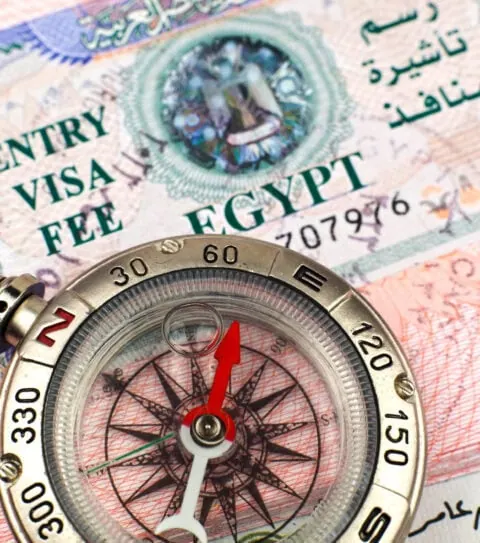
Egypt Visa Requirements
Check if you need a visa and get simple, up-to-date entry info based on your nationality.

Is it Safe to Travel to Egypt?
Is Egypt safe? Get honest safety tips, area advice, and what to know before you travel.

What to Pack for Egypt
A quick packing guide with essentials, cultural tips, and clothing advice for your Egypt trip.


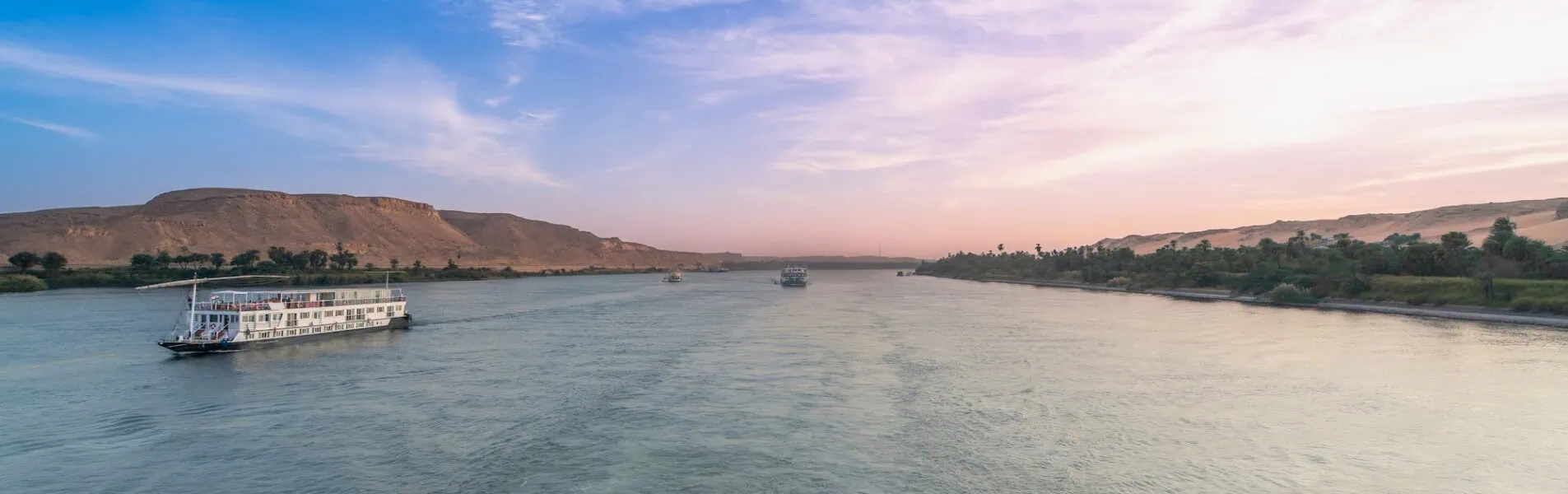
Design Your Custom Tour
Explore Egypt your way by selecting only the attractions you want to visit