Can You Travel to Egypt While Pregnant?
Pregnancy doesn’t mean your travel dreams need to be put on hold.
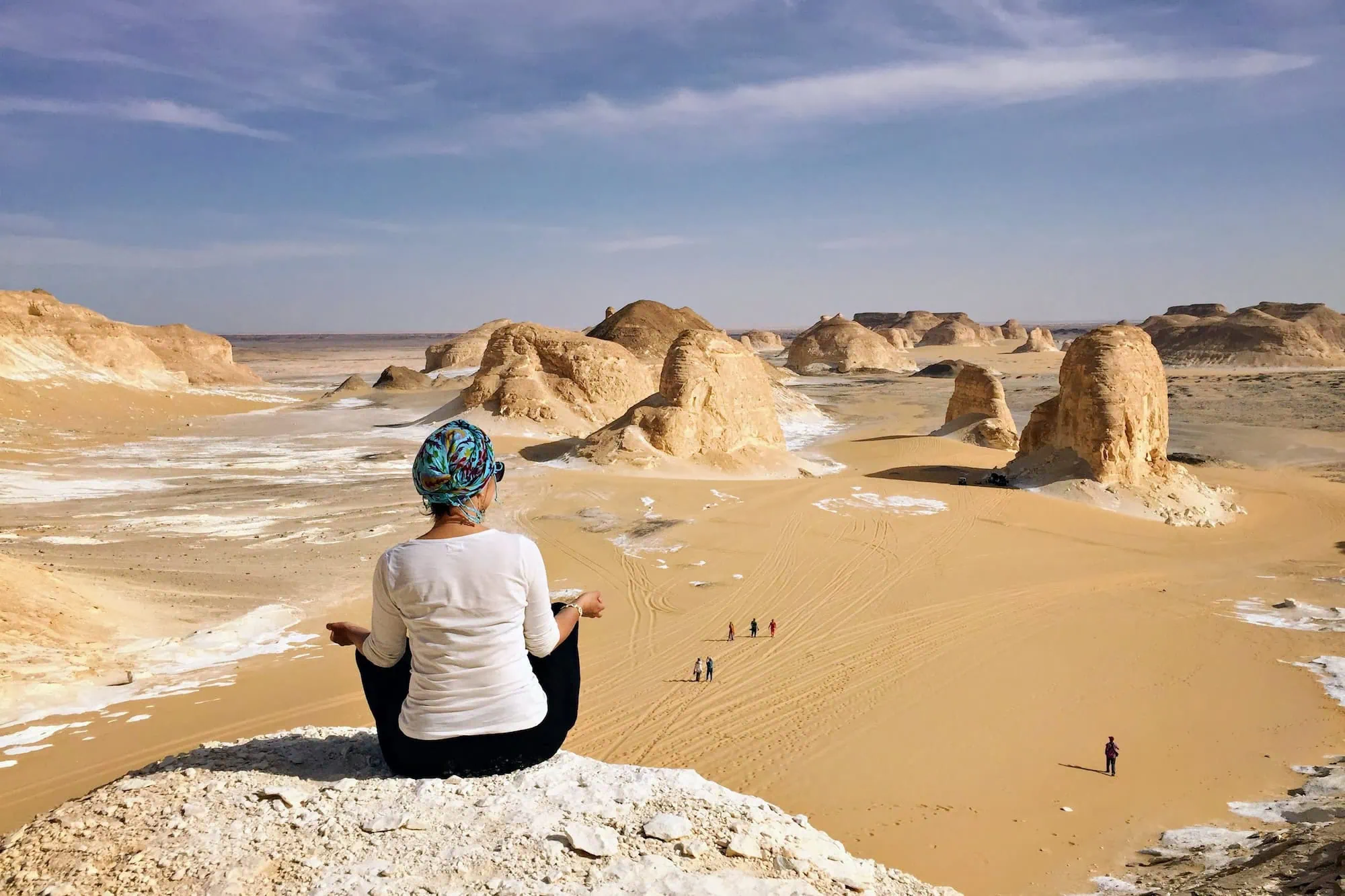
Many expectant mothers wonder whether Egypt is a safe destination during pregnancy, especially given concerns about medical facilities, food safety, and vaccine requirements. The good news is that thousands of pregnant women visit Egypt safely each year, particularly during their second trimester when travel risks are lowest. With proper planning, medical consultation, and reasonable precautions, you can experience the wonders of ancient Egypt while keeping both you and your baby safe.
The key lies in understanding the specific health considerations, timing your trip appropriately, and preparing for the unique challenges that come with traveling to a developing country while expecting.
Table of Contents
Best Time to Travel During Pregnancy
The second trimester consistently emerges as the safest window for international travel. Between weeks 14-28 of pregnancy, most women experience reduced nausea, increased energy levels, and lower risk of pregnancy complications compared to the first and third trimesters.
During this period, your body has adjusted to pregnancy hormones, but you haven’t yet reached the stage where airlines typically restrict travel. Most major carriers allow pregnant passengers to fly until 36 weeks of pregnancy, though individual policies may vary. We recommend checking with your specific airline well before departure to understand their requirements and any documentation needed from your healthcare provider.
Why Avoid First and Third Trimesters
First trimester travel poses unique challenges due to morning sickness, fatigue, and the highest risk period for miscarriage. The combination of dehydration from nausea and the stress of international travel can exacerbate these early pregnancy symptoms.
Third trimester travel becomes increasingly difficult as you approach your due date. Beyond the physical discomfort of long flights and walking tours, there’s the risk of premature labor in a foreign country where medical care standards may differ from home.
Essential Medical Preparations
Consultation with your healthcare provider should happen at least 6-8 weeks before departure. This timeline allows adequate preparation for any necessary vaccinations and ensures you receive proper medical clearance for travel.
Your doctor will assess your individual pregnancy risk factors, review your medical history, and determine which vaccines are safe during pregnancy. Some routine travel vaccines cannot be administered to pregnant women, while others may be recommended based on your specific itinerary and health status.

Vaccination Considerations
Egypt requires certain vaccinations for entry, but pregnancy limits your options. Hepatitis A and hepatitis B vaccines are generally considered safe during pregnancy and are strongly recommended for Egypt travel. The typhus vaccine may also be administered if the benefits outweigh potential risks.
However, live vaccines such as yellow fever cannot be given during pregnancy. If you’re traveling from a yellow fever endemic area, you’ll need special documentation from your healthcare provider explaining why you cannot receive this vaccination.
The CDC recommends updating routine vaccinations like tetanus-diphtheria-pertussis (Tdap) before travel. Your healthcare provider will create a personalized vaccination schedule based on your pregnancy timeline and travel dates.
Travel Insurance and Medical Coverage
Standard travel insurance often excludes pregnancy-related complications, making specialized coverage essential. Look for policies specifically designed for pregnant travelers that cover emergency medical treatment, hospital stays, and medical evacuation if needed.
Don’t choose the cheapest option available. Quality pregnancy travel insurance should cover pre-existing pregnancy conditions, emergency cesarean delivery, premature birth care, and newborn medical expenses if you give birth abroad. Medical evacuation coverage becomes particularly important when traveling to countries where advanced neonatal care may be limited.
Some policies also cover trip cancellation if pregnancy complications prevent travel, though these typically require documentation from your healthcare provider. Review policy details carefully, as coverage periods and exclusions vary significantly between providers.
Understanding Egyptian Medical Facilities
Egypt’s major cities like Cairo and Alexandria have modern private hospitals with international standards. However, medical care quality can vary significantly between urban and rural areas. Research hospitals near your intended destinations and ensure your insurance provider has established relationships with reputable facilities.

Private medical facilities typically offer better care than public hospitals, though costs are substantially higher. Many private hospitals in tourist areas have English-speaking staff and experience treating international patients.
Food and Water Safety Precautions
Water quality represents one of the primary health concerns for pregnant travelers in Egypt. Stick exclusively to bottled or properly filtered water throughout your trip, including for brushing teeth and making ice cubes.

Avoid tap water completely, even in upscale hotels. The bacterial composition of local water systems can cause digestive issues that are particularly problematic during pregnancy when dehydration poses additional risks to both mother and baby.
Safe Eating Practices
Choose restaurants with high turnover and visible food preparation areas. Hot, freshly cooked meals are generally safer than dishes that have been sitting at room temperature. Avoid street food, raw vegetables that can’t be peeled, and unpasteurized dairy products.

Fruits you can peel yourself, well-cooked vegetables, and thoroughly cooked meats and fish are typically safe choices. Many pregnant travelers stick to international hotel restaurants and well-established tourist restaurants during their first few days to allow their system to adjust gradually.
Climate and Comfort Considerations
Egypt’s climate can be challenging for pregnant women, particularly during summer months when temperatures regularly exceed 40°C (104°F). The combination of heat, dehydration risk, and pregnancy-related temperature sensitivity requires careful planning.
Schedule outdoor activities during cooler parts of the day – early morning or late afternoon. Midday hours are best spent in air-conditioned museums, hotels, or restaurants. Carry water constantly and take frequent breaks in shaded or climate-controlled areas.
Clothing and Sun Protection
Loose, light-colored, breathable clothing helps maintain body temperature while respecting local cultural norms. Long sleeves and pants also provide protection against mosquito bites, reducing risk of vector-borne diseases.
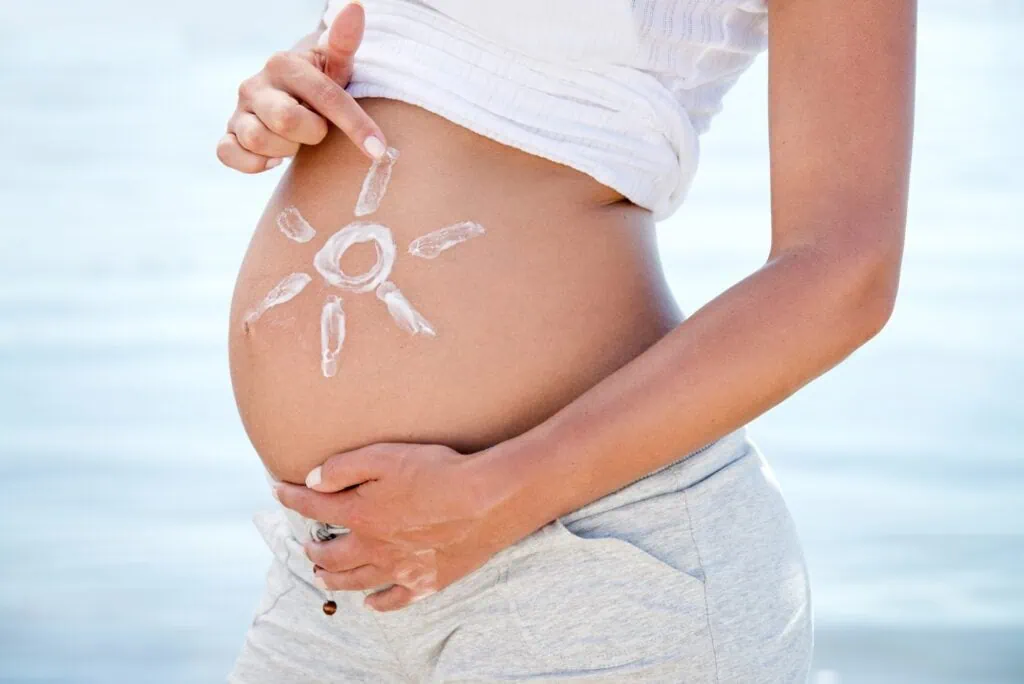
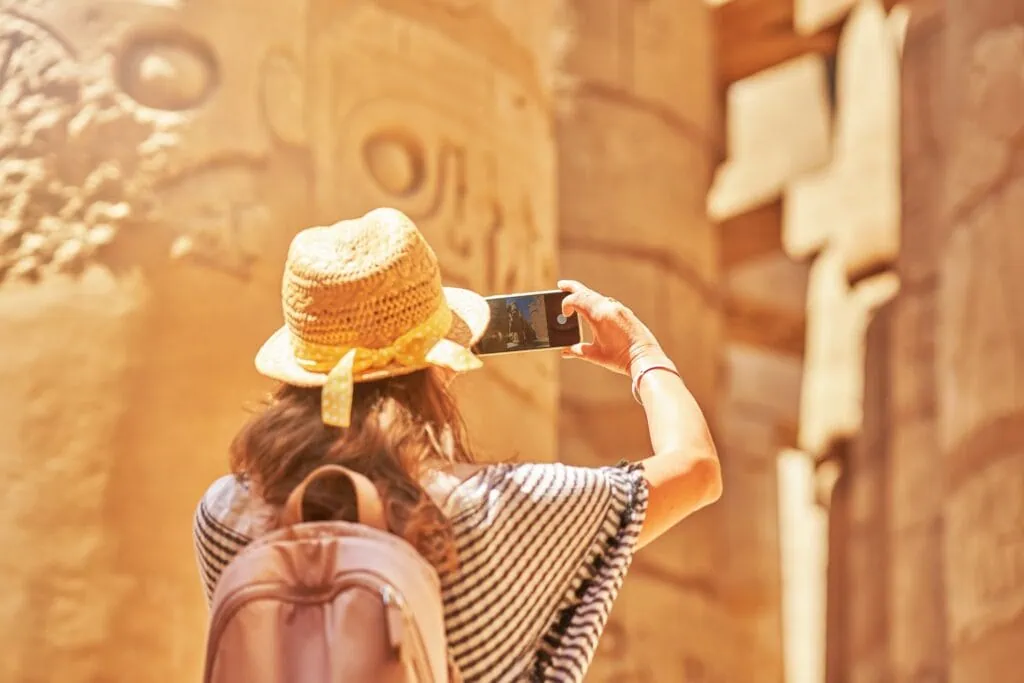
High-SPF sunscreen becomes crucial as pregnancy hormones can increase skin sensitivity to UV radiation. Reapply frequently and consider a wide-brimmed hat for additional protection during archaeological site visits.
Transportation Safety
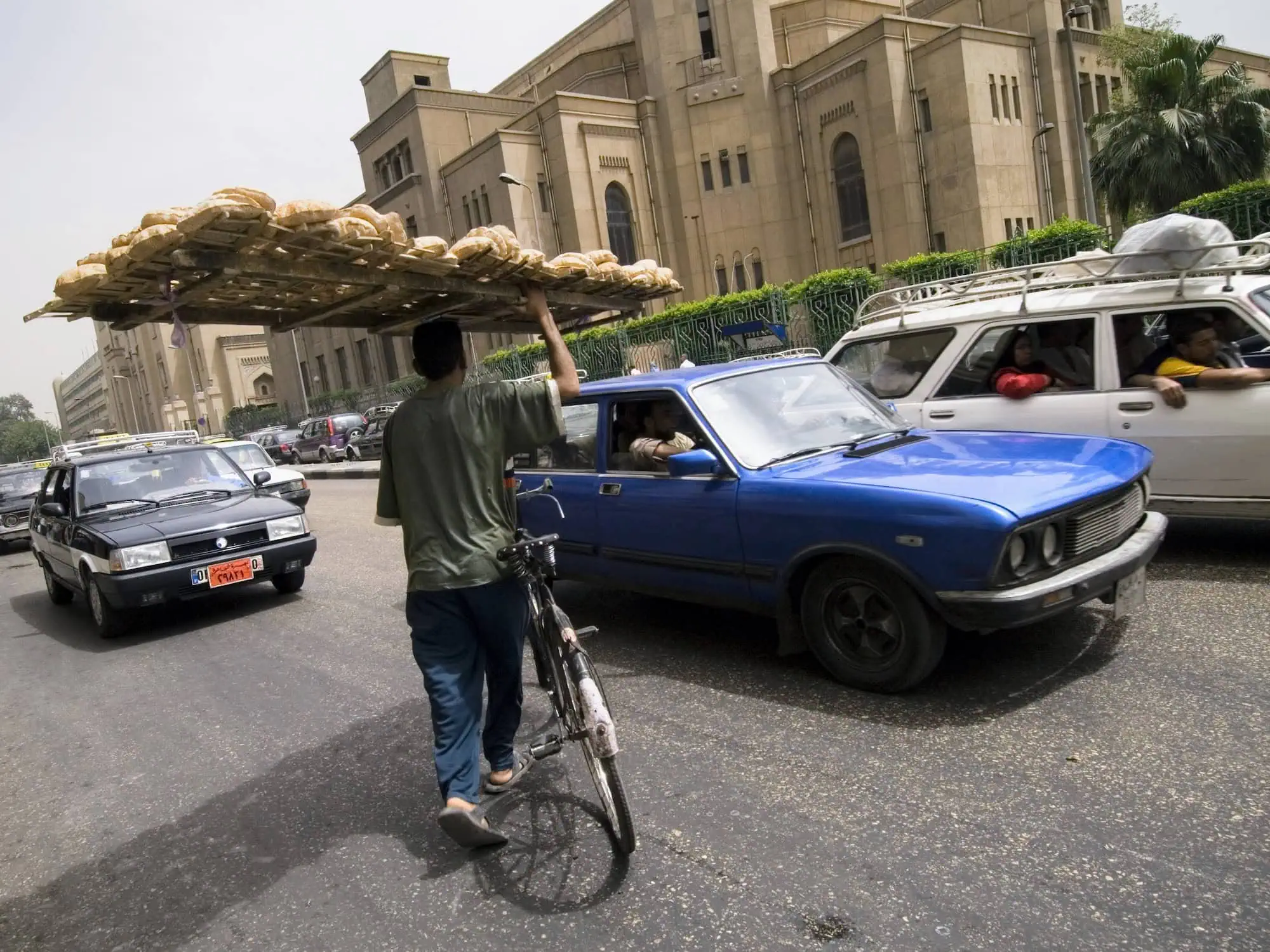
Ground transportation safety standards in Egypt may differ from what you’re accustomed to at home. Motor vehicle accidents rank as a leading cause of injury for travelers, making transportation choices particularly important for pregnant women.
When possible, arrange private transportation through reputable tour operators rather than using local taxis or ride-sharing services. Professional tour vehicles typically maintain higher safety standards and carry appropriate insurance coverage.
Flight Considerations During Pregnancy
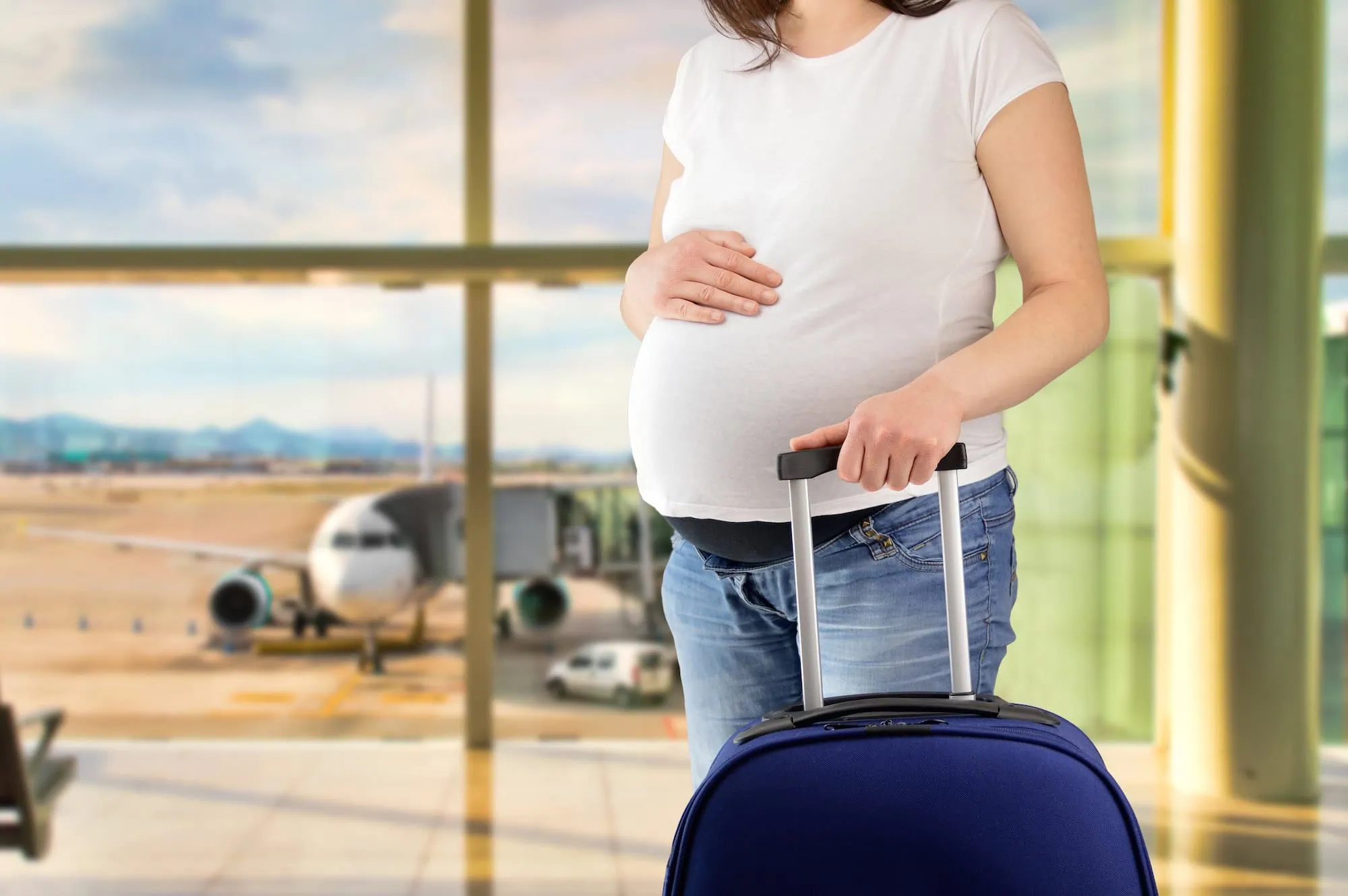
Long international flights pose specific challenges for pregnant travelers. Compression stockings help prevent blood clots, which pregnant women are at higher risk of developing. Move around the cabin regularly and stay well-hydrated throughout the flight.
Aisle seats provide easier access to restrooms and more space for leg movement. Some airlines offer special assistance for pregnant passengers, including priority boarding and extra legroom seating upon request.
Managing Common Pregnancy Symptoms While Traveling
Morning sickness doesn’t always disappear during the second trimester, and travel stress can sometimes trigger nausea even in women who thought they’d moved past this phase. Pack familiar snacks, ginger supplements, and any anti-nausea medications approved by your healthcare provider.
Fatigue remains common throughout pregnancy. Plan itineraries with flexibility, allowing for rest periods and less intensive touring days. Many travelers find alternating active sightseeing days with more relaxed activities helps maintain energy levels.
Hydration and Heat Management
Dehydration happens faster during pregnancy, especially in hot climates. Drink water more frequently than you think necessary and monitor urine color as a hydration indicator. Clear to pale yellow indicates adequate hydration levels.

Heat exhaustion symptoms can develop quickly. Dizziness, nausea, excessive sweating, or feeling faint are warning signs requiring immediate rest in a cool environment with fluid replacement.
Cultural Considerations and Support
Egyptian culture generally shows great respect and care for pregnant women. Many locals will offer assistance, priority seating, or extra attention when they notice you’re expecting. This cultural support can be particularly helpful when navigating crowded tourist sites or markets.
However, language barriers can complicate medical situations if they arise. Learn basic Arabic phrases related to pregnancy and medical needs, or carry a translation app with medical terminology downloaded for offline use.
Maternity clothing that respects local customs while accommodating your changing body helps you blend in comfortably. Many Egyptian women wear loose, flowing garments that work well for pregnant travelers seeking modest, comfortable clothing options.
Emergency Preparedness
Create a comprehensive emergency plan including contact information for your healthcare provider at home, nearest hospitals at each destination, and your insurance company’s 24-hour helpline. Keep these contacts easily accessible in both digital and physical formats.

Pack a detailed medical summary including your pregnancy timeline, any complications or special considerations, current medications, and emergency contact information in English and Arabic if possible. This information proves invaluable if emergency medical treatment becomes necessary.
Medication Management
Bring adequate supplies of any prescription medications, plus extra in case of travel delays. Carry medications in original packaging with clear labeling to avoid customs complications. Some medications legal in your home country may face restrictions in Egypt, so research import regulations beforehand.
Keep essential medications in carry-on luggage to prevent loss if checked bags are delayed. This includes prenatal vitamins, any prescription medications, and over-the-counter remedies approved by your healthcare provider for common travel issues.
When to Reconsider Travel Plans
Certain pregnancy conditions make international travel inadvisable regardless of timing. High-risk pregnancies, history of preterm labor, placental complications, or severe morning sickness requiring medical intervention are generally considered contraindications to travel.
Recent pregnancy complications, including bleeding, severe nausea requiring hospitalization, or signs of preterm labor, warrant postponing travel plans. Your healthcare provider’s clearance should be unconditional – if they express any hesitation, consider waiting for a future opportunity.
Multiple pregnancies (twins, triplets) typically require more conservative travel restrictions due to higher complication risks and earlier delivery likelihood.
Frequently Asked Questions
Yes, the second trimester, typically weeks 14-27, is widely considered the safest period for international travel during pregnancy. Morning sickness often decreases during this stage, while mobility is generally easier than in the third trimester. Egypt’s major tourist destinations, including Cairo, Luxor, and Aswan, are accessible with proper planning and medical clearance. Before departure, consult your obstetrician and carry a copy of your prenatal records in case medical care is needed abroad.
Pregnant travelers should consult their healthcare provider before receiving any travel vaccinations for Egypt. Some vaccines, including hepatitis A and hepatitis B, may be recommended when the benefits outweigh potential risks, while others are avoided during pregnancy. Requirements depend on your medical history, destination, and travel route. Ideally, discuss vaccination needs at least 4-6 weeks before departure to allow sufficient time for medical evaluation and planning.
Yes, pregnant travelers should obtain travel insurance that specifically covers pregnancy-related medical issues and emergency care. Many standard policies exclude complications after a certain gestational week or only provide limited maternity coverage. Medical evacuation from destinations such as Luxor or Aswan to Cairo can be expensive without insurance. Carefully review policy limits, exclusions, and gestational restrictions before purchasing coverage to avoid unexpected expenses during your trip.
Yes, pregnant women can enjoy Egyptian cuisine, but it is wise to choose well-cooked foods from reputable restaurants and hotels. Dishes such as grilled meats, cooked vegetables, rice, and ful medames are generally safe options. Avoid raw vegetables that may have been washed in untreated water, unpasteurized dairy products, and food from vendors with questionable hygiene standards. Choosing busy establishments with strong reputations reduces food safety risks significantly.
If you feel unwell during pregnancy while visiting Egypt, seek medical attention promptly at a reputable private hospital or clinic. Major cities such as Cairo, Alexandria, Luxor, and Hurghada have private healthcare facilities accustomed to treating international visitors. Contact your travel insurance provider immediately to confirm coverage and obtain guidance on approved medical facilities. Early assessment is especially important for dehydration, bleeding, severe pain, or persistent contractions.
Pregnant travelers should drink water frequently throughout the day and aim to maintain clear or pale yellow urine as a sign of adequate hydration. Egypt’s dry climate and temperatures that often exceed 35°C (95°F) in warmer months can increase fluid requirements significantly. Outdoor activities at sites such as the Pyramids of Giza or Karnak Temple further increase dehydration risk. Carry bottled water at all times and increase intake during sightseeing excursions.
Yes, pregnant women are generally treated with considerable respect in Egyptian culture and often receive assistance from locals. It is common for people to offer seats, help with luggage, or allow priority access in certain situations. While Egypt is welcoming to pregnant travelers, modest clothing remains appreciated, especially when visiting religious sites such as mosques. Respecting local customs often leads to more comfortable and positive interactions throughout your visit.
Pregnant travelers should bring an adequate supply of prenatal vitamins, prescribed medications, and any pregnancy-safe remedies approved by their healthcare provider. Pack enough medication to cover the entire trip plus several extra days in case of delays. Keep prescriptions in original packaging and carry a doctor’s letter if transporting specialized medications. Having familiar treatments available can be particularly valuable when visiting destinations far from your regular healthcare providers.
Travel to Egypt may not be advisable during high-risk pregnancies, after recent complications, during episodes of bleeding, or when carrying multiples if your doctor advises against travel. Many airlines also impose restrictions after approximately 28-36 weeks of pregnancy and may require medical documentation. Individual circumstances vary significantly, so professional medical advice should always take priority. If your healthcare provider expresses concerns, postponing travel is usually the safest decision.
Pregnant travelers can stay comfortable in Egypt by scheduling outdoor activities during early morning and late afternoon hours when temperatures are lower. Lightweight, breathable clothing, wide-brimmed hats, and regular access to air-conditioned spaces help reduce heat stress. Popular sites such as the Valley of the Kings and the Giza Plateau can become extremely hot by midday. Plan frequent rest breaks and maintain steady hydration throughout each day.
Private transportation arranged through reputable tour operators is generally the most comfortable and predictable option for pregnant travelers in Egypt. Private vehicles offer air conditioning, flexible stops, and a smoother experience than crowded public transportation. Long journeys between destinations such as Cairo, Luxor, and Aswan are often easier by domestic flight. Choosing reliable transportation minimizes physical strain and allows greater flexibility if rest breaks become necessary.
Yes, packing a few pregnancy-specific comfort items can make travel in Egypt considerably easier. Compression stockings help reduce swelling during flights and long drives, while supportive walking shoes are valuable at archaeological sites with uneven surfaces. High-SPF sunscreen, loose-fitting clothing, reusable water bottles, and familiar snacks can also improve comfort. Small preparations often make a noticeable difference during full days of sightseeing and travel.
Explore our most popular guides and expert tips to make your trip safe, smooth, and unforgettable.
Plan Your Egypt Adventure with Confidence
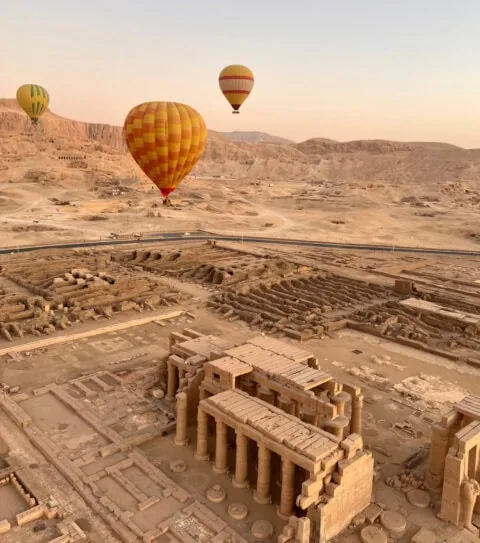
How to Plan a Trip Egypt
Step-by-step guide to help you plan the perfect Egypt trip — from routes and budget to booking.
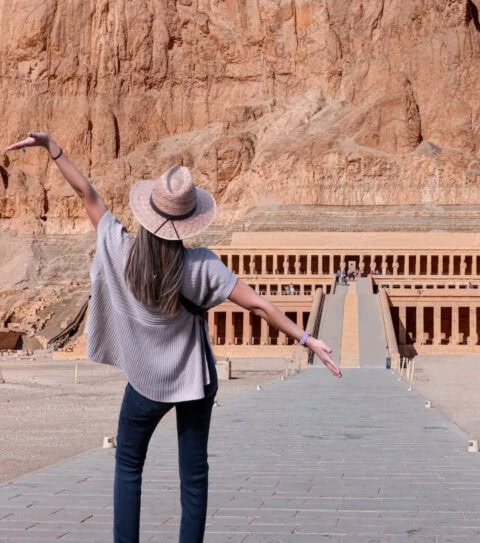
Best Time to Visit Egypt
Learn the best months to visit Egypt based on weather, crowds, and local travel experiences.
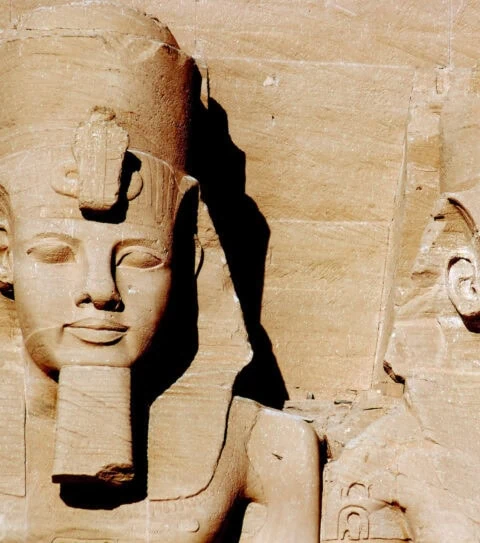
Must Visit Places in Egypt
Explore Egypt’s top sights — from pyramids to temples — and hidden gems worth seeing.
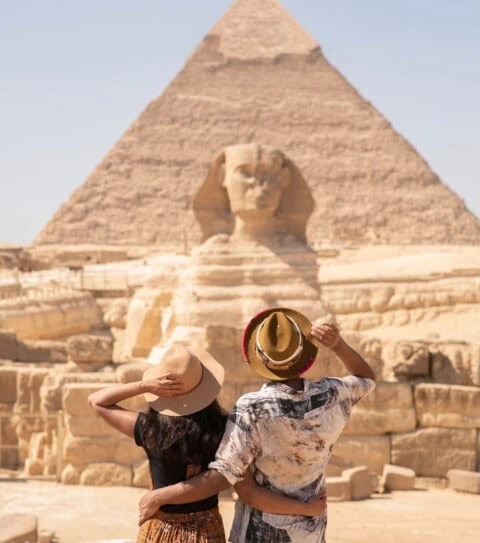
Top-Rated Egypt Tours
Handpicked private tours with local guides — our most loved and best-reviewed experiences.
How Many Days to Visit Egypt?
Find out how many days you need in Egypt — from quick trips to full itineraries.
Egypt Visa Requirements
Check if you need a visa and get simple, up-to-date entry info based on your nationality.
Is it Safe to Travel to Egypt?
Is Egypt safe? Get honest safety tips, area advice, and what to know before you travel.
What to Pack for Egypt
A quick packing guide with essentials, cultural tips, and clothing advice for your Egypt trip.

Design Your Custom Tour
Explore Egypt your way by selecting only the attractions you want to visit