Does Ramadan Affect Tourists in Egypt
Planning a trip to Egypt during Islam’s holiest month raises valid questions.
Ramadan transforms Egypt’s rhythm completely, but this doesn’t mean your vacation needs to suffer. While prayer schedules shift daily routines and restaurants operate differently, millions of tourists visit Egypt during this sacred month each year. We’ve guided countless travelers through Ramadan visits, and the experience often proves more enriching than expected. The spiritual atmosphere adds depth to Egypt’s already captivating cultural landscape.
Understanding what changes and what stays the same helps you plan effectively and shows respect for local customs.
Table of Contents
What Actually Changes During Ramadan
Most tourist activities continue normally during Ramadan, though timing shifts significantly. Museums, archaeological sites, and major attractions maintain regular hours, but many restaurants close during daylight hours. Hotel restaurants typically serve non-Muslim guests throughout the day, ensuring meal access remains straightforward.
Restaurant Operations and Meal Times
Restaurant schedules follow the fasting pattern strictly. Local eateries close from dawn until sunset, reopening for iftar (the evening meal that breaks the fast). International hotel chains and tourist-focused restaurants in areas like Zamalek or Maadi often stay open for visitors, though with reduced menus.
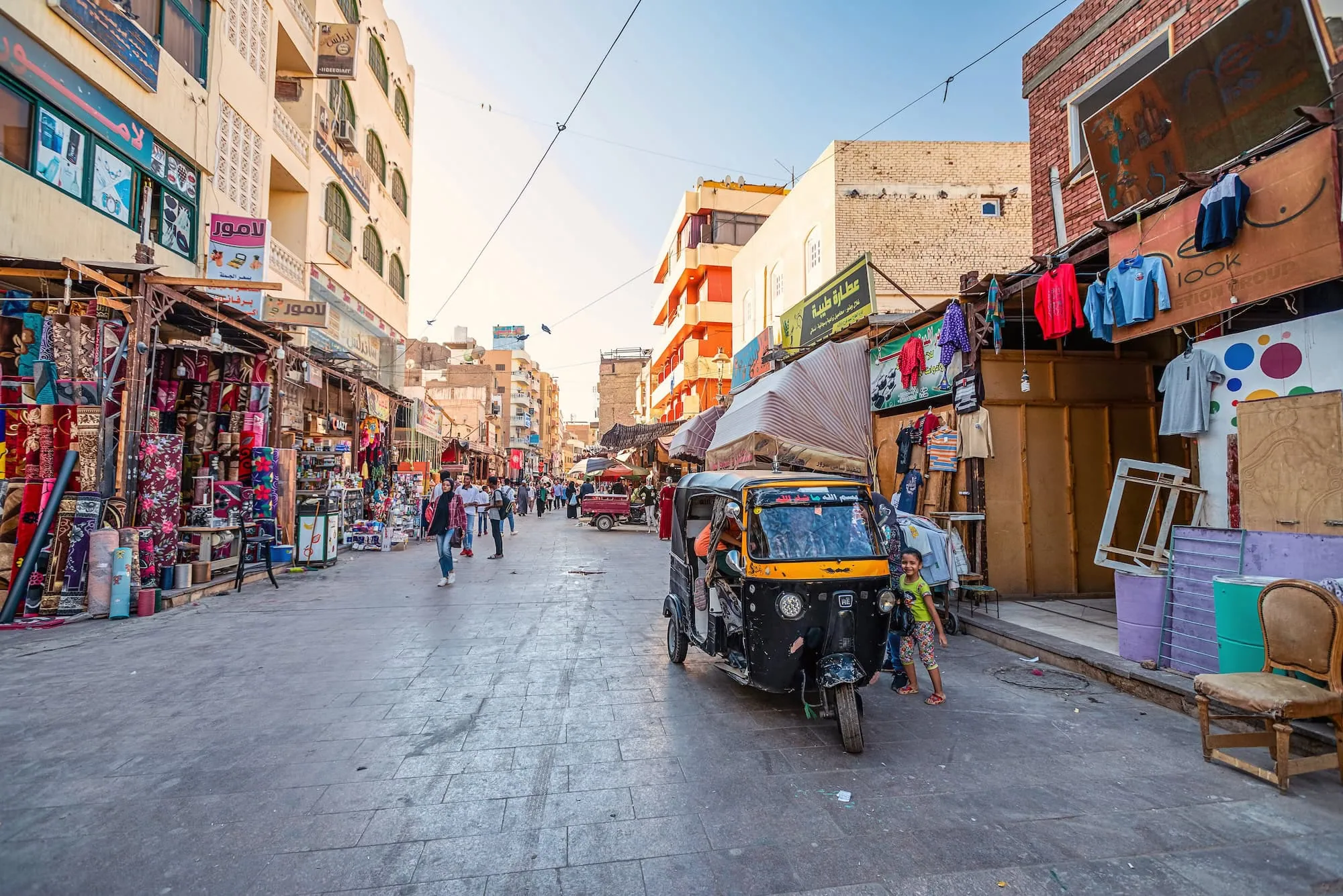
Street food vendors disappear completely during daylight hours. The vibrant food scene that defines Egyptian culture shifts to evening celebrations. After sunset, cities come alive with families gathering for elaborate iftar meals, creating a festive atmosphere throughout neighborhoods.
Tourist Site Accessibility
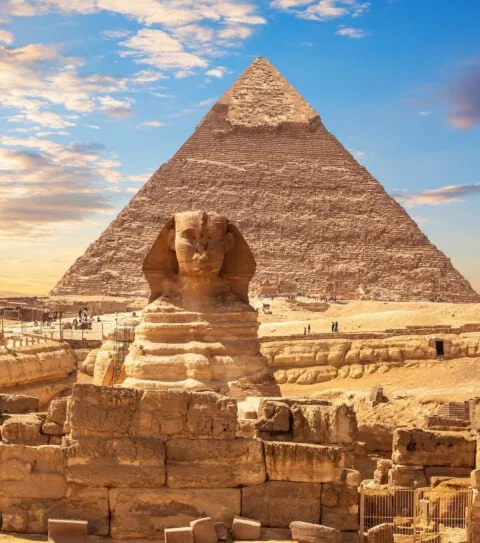
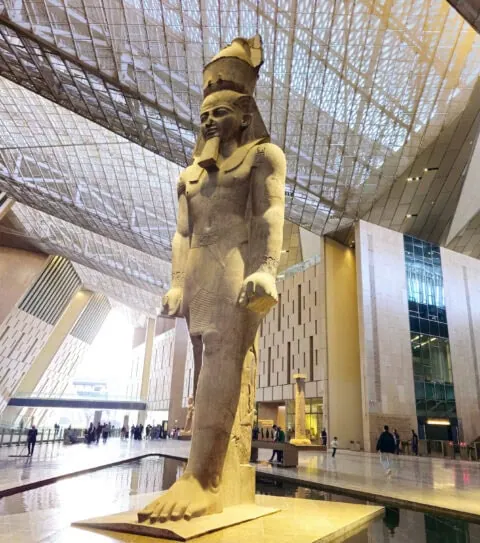
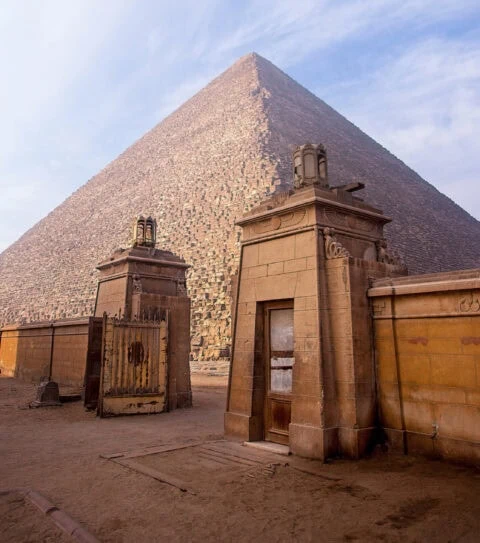
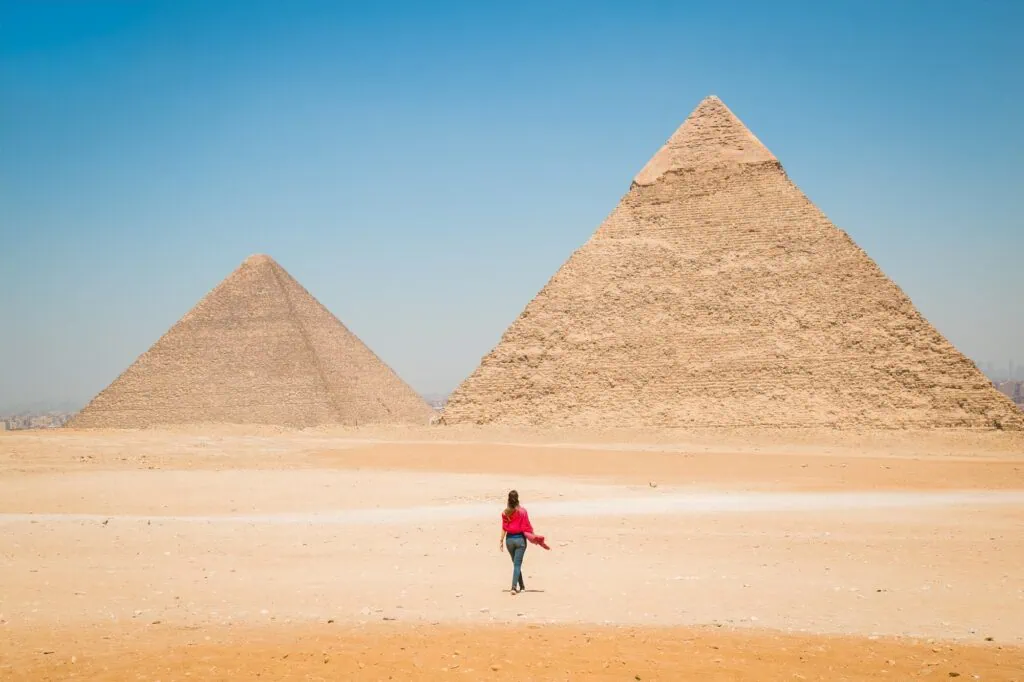
Pyramid complexes, temples, and museums operate on standard schedules. The Grand Egyptian Museum in Cairo, Valley of the Kings in Luxor, and Abu Simbel maintain regular visiting hours. Fewer local tourists visit during Ramadan, meaning popular sites often feel less crowded.
Transportation services run normally, though rush hour patterns change. Metro systems in Cairo and Alexandria follow regular timetables, while private tour arrangements continue as usual.
Cultural Considerations and Respectful Behavior
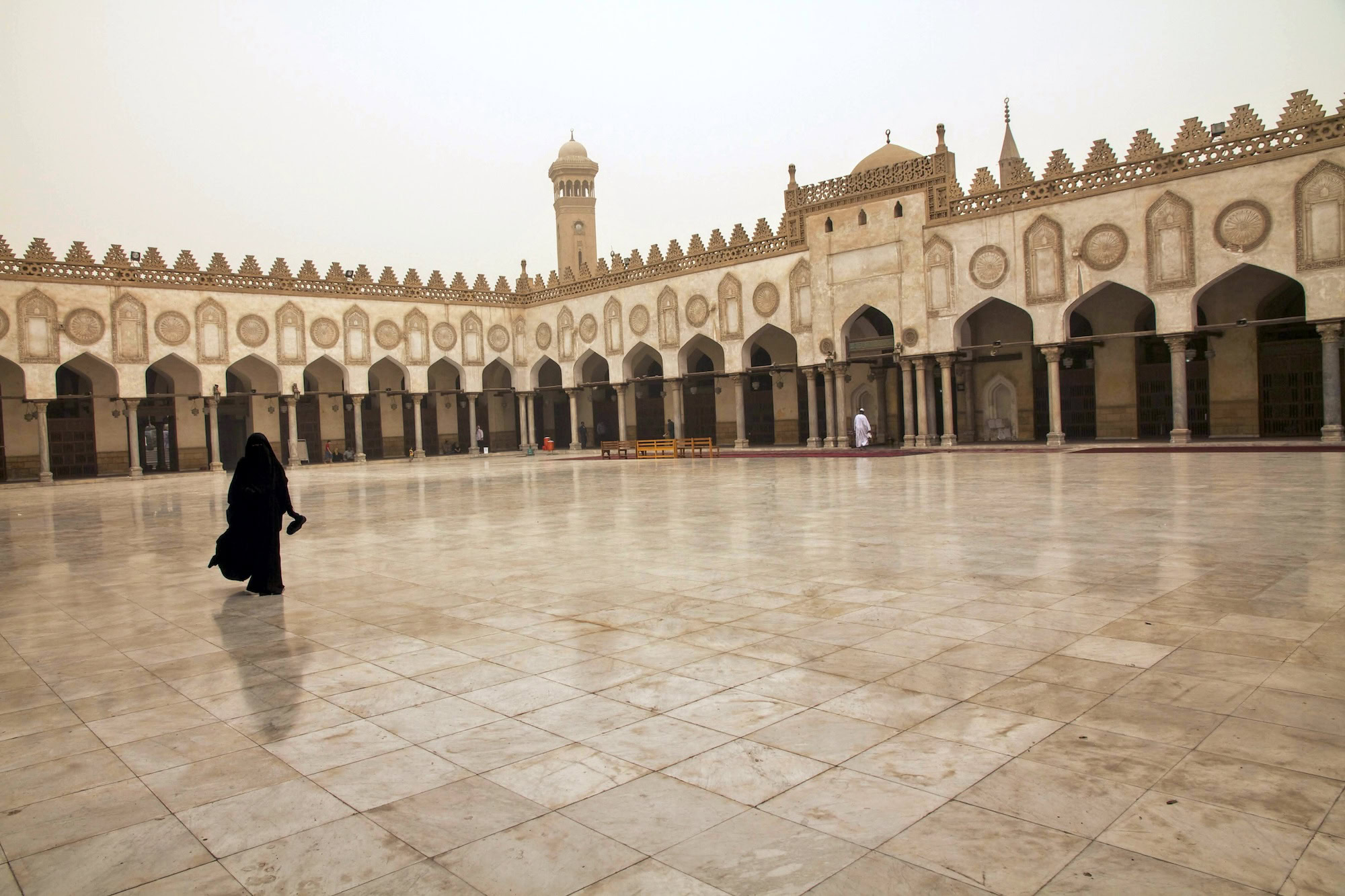
Respectful dress becomes even more important during Ramadan. Cover shoulders, chest, and legs when visiting any public area, not just religious sites. This applies to both men and women, though women should take extra care with modesty.
Eating, drinking, or smoking in public during daylight hours shows disrespect to those fasting. Consume meals and beverages inside hotels, tourist restaurants, or private spaces. Even chewing gum publicly can cause offense.
Public displays of affection should be minimized further during this holy month. Egyptian society values modesty year-round, but Ramadan intensifies these expectations.
Prayer Time Awareness
Five daily prayers punctuate Egyptian life, but Ramadan prayers extend longer than usual. Tarawih prayers after sunset can last 1-2 hours in mosques. Plan activities around these extended prayer periods, especially in areas near major mosques where foot traffic increases significantly.
Call to prayer sounds occur at the same times but feel more prominent during Ramadan. Early morning prayers (around 4:30 am) might wake light sleepers in city centers.
Shopping and Business Hours
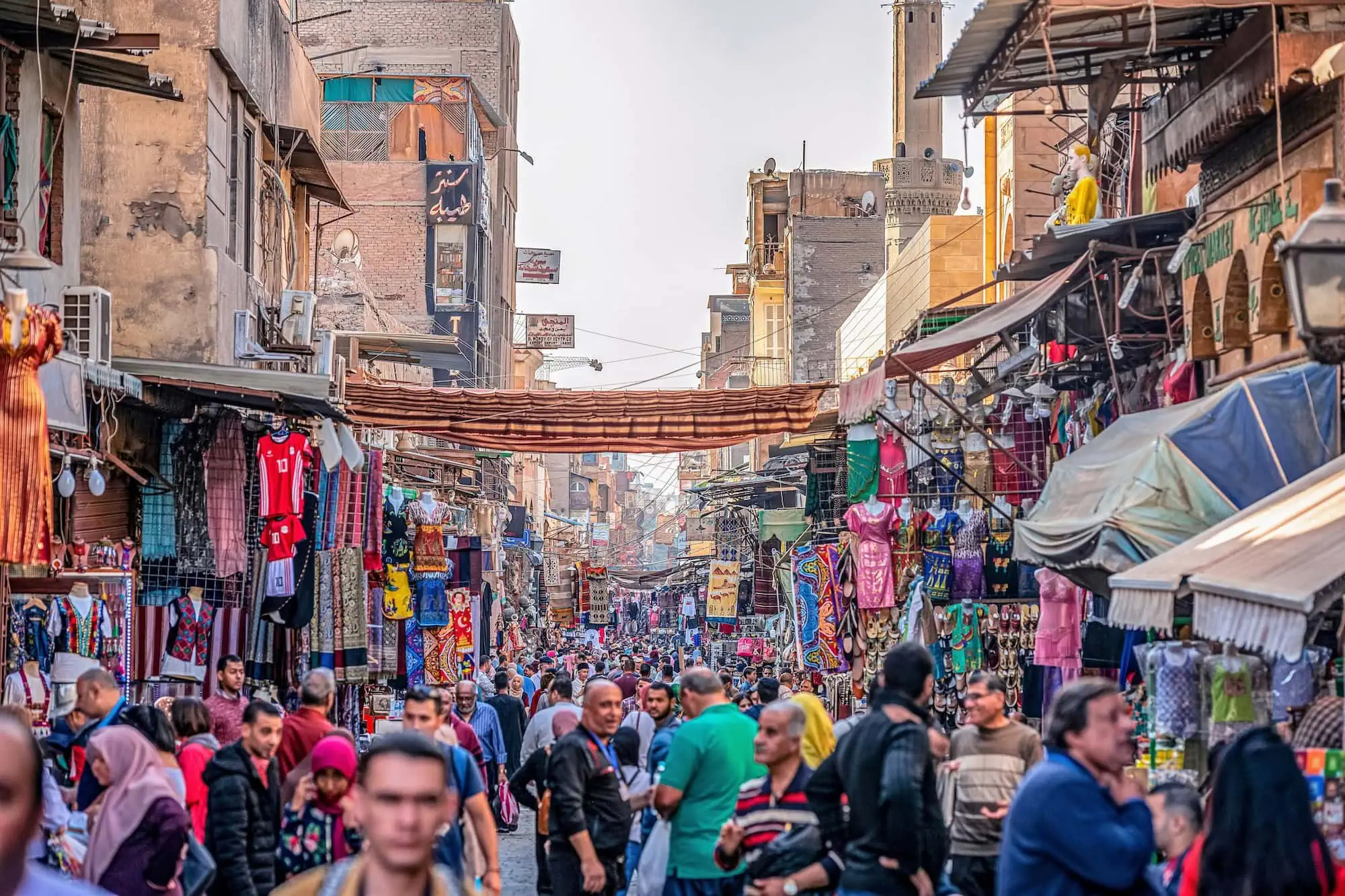
Most shops and bazaars close during afternoon hours but extend evening operations. Khan el-Khalili bazaar in Cairo typically closes 2:00 pm (14:00) to 6:00 pm (18:00), then stays open until midnight or later. Gold shops, perfume vendors, and souvenir stores follow similar patterns.
Banking hours shift earlier, often opening 9:00 am (09:00) and closing 1:00 pm (13:00). ATMs function normally throughout the day. Money exchange services in hotels continue regular schedules.
Government offices reduce hours significantly. Visa extensions or official business requires morning appointments. Tourist police stations maintain 24-hour operations as always.
Shopping Strategy Tips
Morning hours between 10:00 am (10:00) and 1:00 pm (13:00) offer the best shopping opportunities before closures. Evening shopping after 7:00 pm (19:00) provides the most vibrant atmosphere but expect larger crowds. Bargaining remains expected, though vendors might show less patience during fasting hours.
Grocery stores and pharmacies stay open with modified hours. Large supermarkets in tourist areas often maintain near-normal schedules to serve international visitors.
Transportation and Tour Adjustments
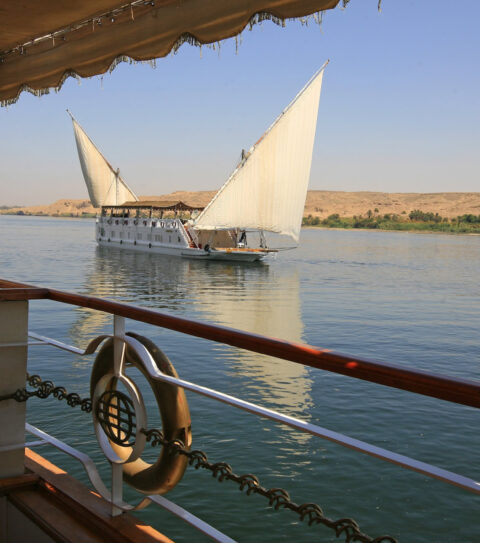
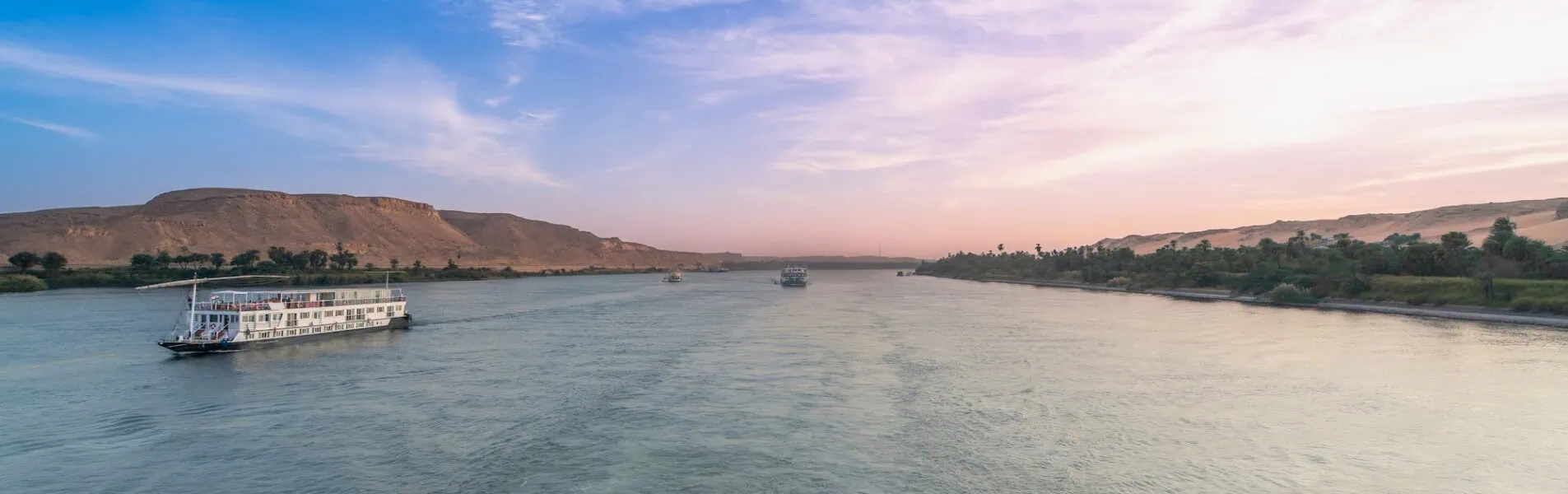
Nile cruise schedules remain unchanged during Ramadan. Our multi-day cruises between Luxor and Aswan continue with standard itineraries, though shore excursion timing might shift slightly to accommodate prayer schedules. Evening entertainment on cruises respects the solemn nature of the month with more subdued programming.
Domestic flight schedules follow normal patterns. EgyptAir and other carriers don’t adjust departure times for Ramadan. Airport restaurants and cafes maintain service for travelers, though selection might be limited.
Private tour guides adjust schedules to maximize comfort for both tourists and themselves. Morning departures often start earlier to complete major sightseeing before afternoon heat and prayer times.
Road Travel Considerations
Traffic patterns shift dramatically during Ramadan. Streets empty during iftar time (sunset) as families gather for meals. This creates excellent travel windows if timed correctly. Conversely, pre-iftar hours see increased congestion as people rush home.
Our private drivers understand these patterns and adjust routes accordingly. Air-conditioned vehicles with water supplies ensure comfort during the fasting period.
Unique Ramadan Experiences for Tourists
Iftar invitations from Egyptian friends create unforgettable memories. The hospitality during these evening meals showcases Egyptian culture at its finest. Many hotels organize special iftar buffets that welcome non-Muslim guests to experience traditional foods and customs.
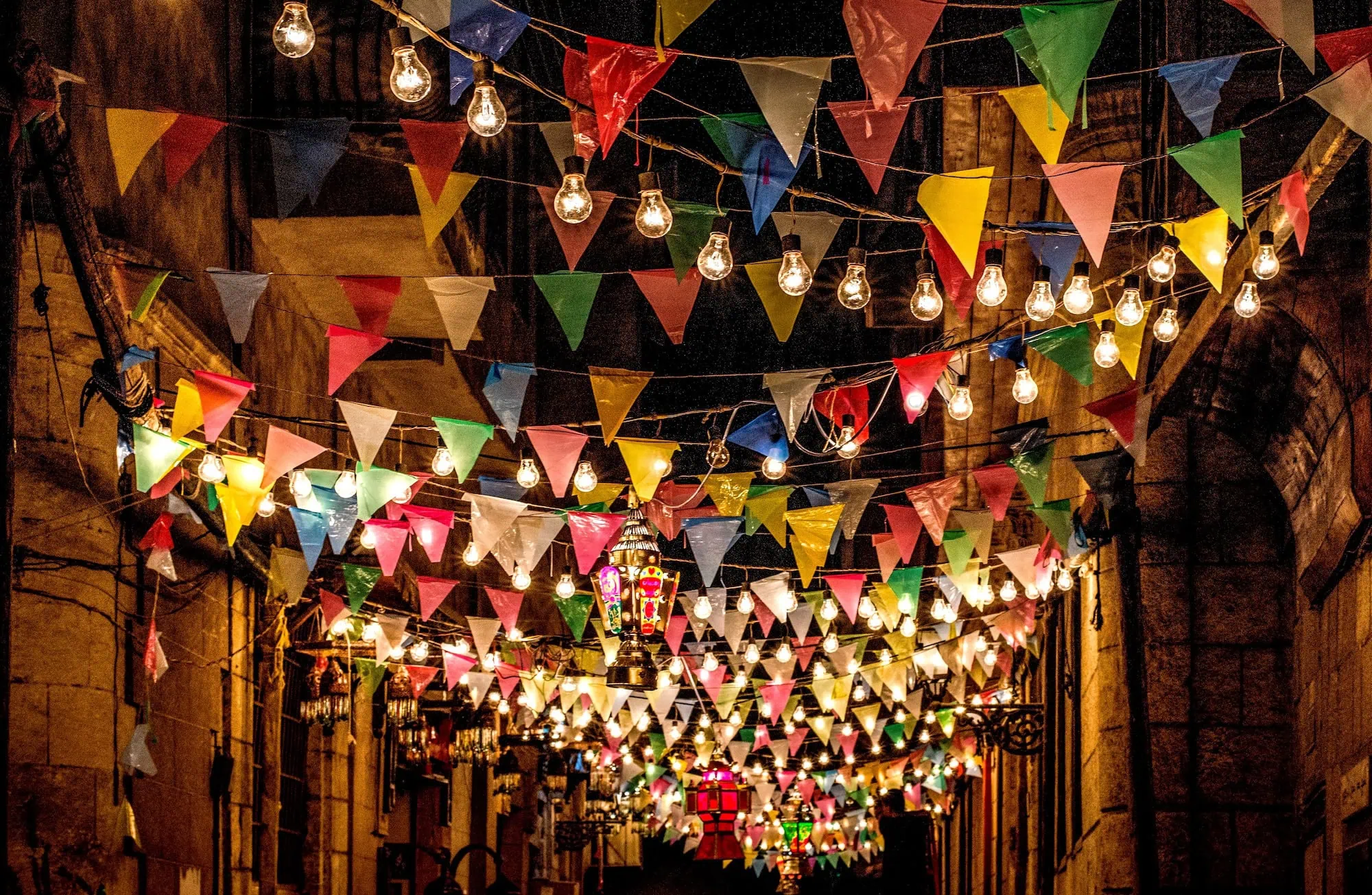
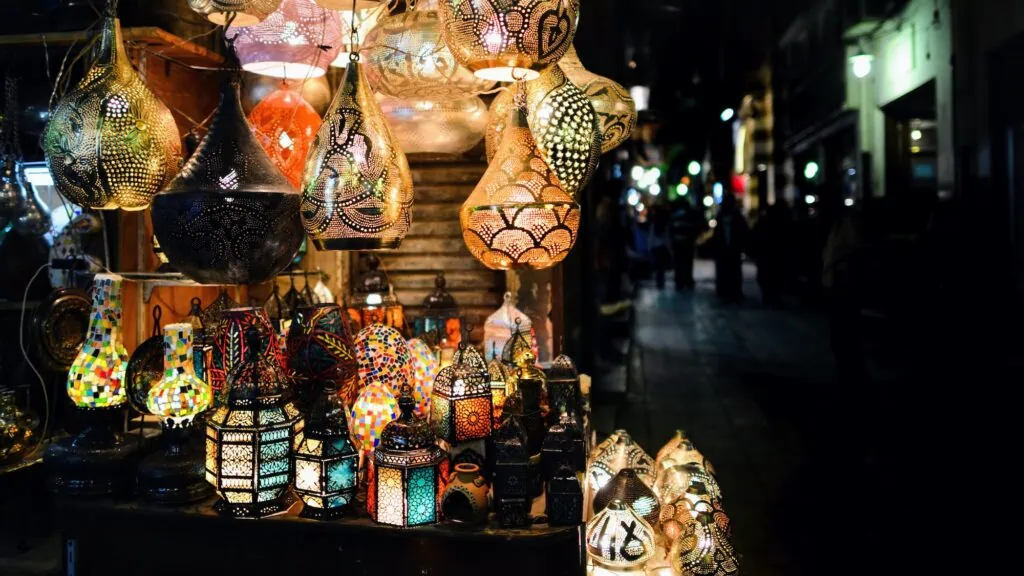
Ramadan decorations transform Cairo’s streets into magical displays. Colorful lanterns called fanous hang from buildings, creating photo opportunities throughout Islamic Cairo. The spiritual atmosphere during evening prayers in historic mosques like Sultan Hassan or Ibn Tulun offers profound cultural insights.
Suhoor, the pre-dawn meal before fasting begins, brings neighborhoods alive around 3:00 am (03:00). Street vendors appear selling traditional foods, creating late-night cultural experiences for curious travelers.
Evening Entertainment and Atmosphere
Television programming during Ramadan features special series and religious content. Hotel lounges often screen these programs, providing cultural immersion opportunities. Traditional coffee houses extend hours after iftar, welcoming tourists to experience local social customs.
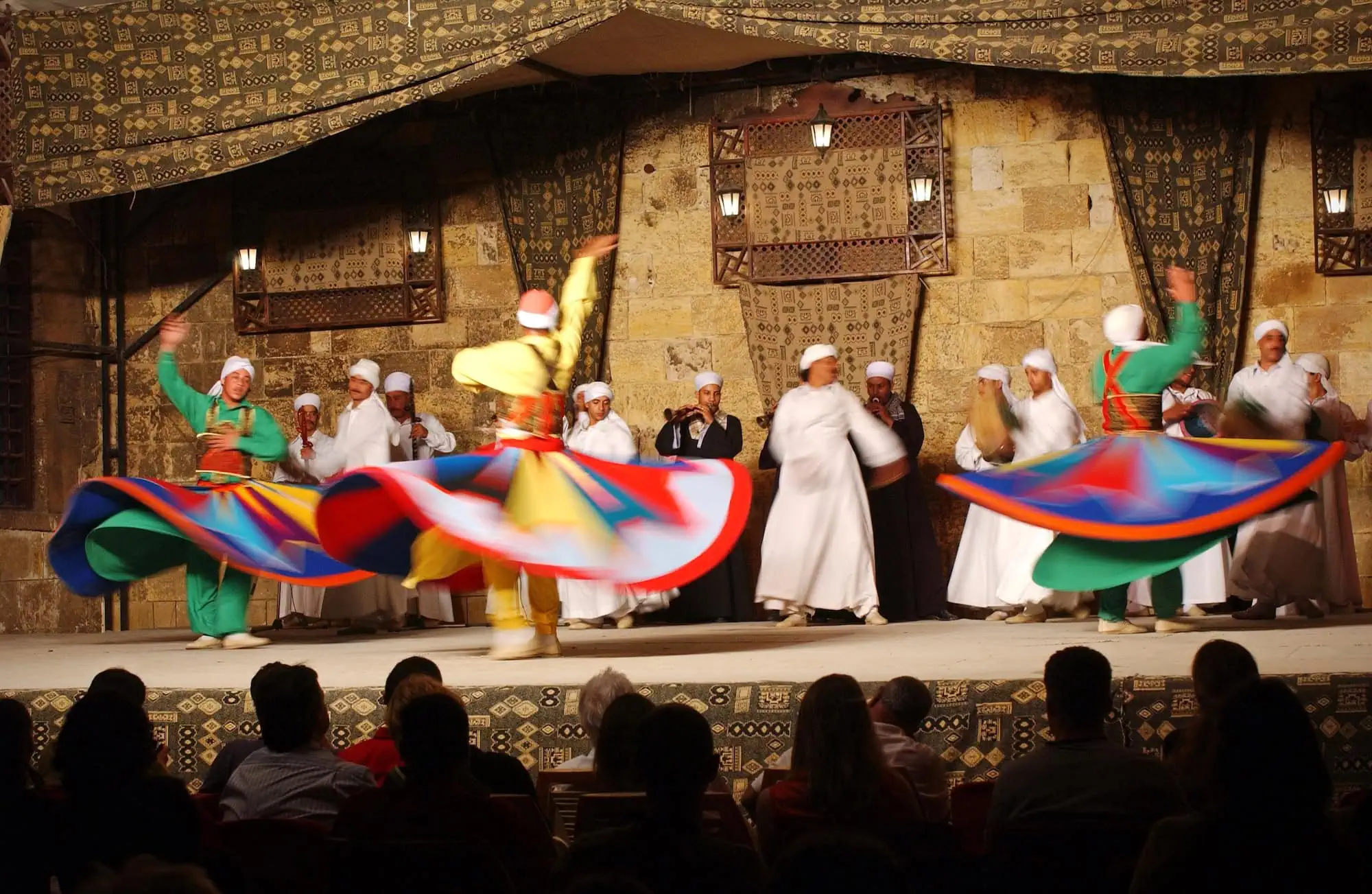
Street performances and traditional music increase after sunset. Sufi performances in Islamic Cairo become more frequent, offering spiritual entertainment that respects the holy month’s significance.
Practical Planning Tips
Book accommodations early, as hotel availability decreases during Ramadan. Many hotels offer special packages that include iftar meals and cultural programs. We recommend properties in Zamalek, Garden City, or luxury resorts in Sharm El Sheikh for optimal service continuity.
Pack extra snacks and water for day trips. While hotels provide meals, having backup supplies prevents hunger during extended sightseeing. Pharmacies stock dates, nuts, and other traditional breaking-fast foods.
Schedule intensive activities for morning hours. Desert safaris, pyramid climbs, and archaeological site visits work best between 8:00 am (08:00) and 1:00 pm (13:00) before afternoon heat peaks.
Health and Comfort Considerations
Hydration becomes crucial when many local establishments close during daylight. Carry water bottles during all outdoor activities. Heat exhaustion affects tourists more when food and drink options become limited.
Medical services continue normally during Ramadan. Hospitals and clinics maintain standard hours, though some private practices might adjust schedules. Tourist areas always have accessible medical care.
Frequently Asked Questions
No, restaurants do not close completely during Ramadan, although many local establishments reduce daytime operations until iftar, the meal that breaks the fast at sunset. Hotel restaurants, international chains, and businesses in major tourist areas such as Cairo, Luxor, and Sharm El Sheikh typically continue serving visitors throughout the day. Menus may be smaller during fasting hours, but food remains readily available. If you need lunch during sightseeing, plan around hotel dining or tourist-focused venues.
Yes, non-Muslim tourists can generally purchase and consume alcohol during Ramadan in licensed hotels, resorts, and tourist establishments. However, alcohol availability may be more limited outside tourist zones, and public consumption is discouraged out of respect for local customs. Most international hotels continue normal service for guests throughout the holy month. Consuming alcohol discreetly within licensed venues helps avoid misunderstandings and shows cultural awareness.
Major tourist attractions generally maintain their regular operating schedules during Ramadan. Sites such as the Pyramids of Giza, the Egyptian Museum, Karnak Temple, and the Valley of the Kings continue welcoming visitors throughout the holy month. Occasionally, minor adjustments may occur at smaller museums or government-operated facilities, but most sightseeing plans remain unaffected. Early morning visits are still the best strategy for cooler temperatures and smaller crowds.
Yes, Egypt remains safe for tourism during Ramadan, and the country’s main tourist destinations continue operating normally. Security measures at airports, archaeological sites, hotels, and transportation hubs remain in place throughout the month. Many travelers consider Ramadan an especially rewarding time to visit because of the festive evening atmosphere and cultural traditions visible across Egyptian cities. Following local customs respectfully can further enhance the travel experience.
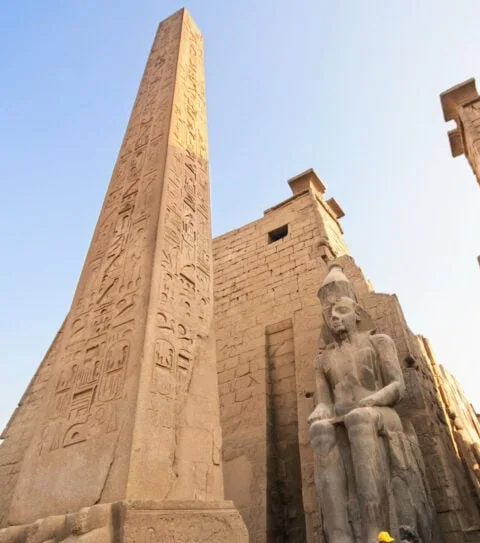
Yes, licensed tour guides continue working throughout Ramadan and regularly lead tours at Egypt’s major attractions. Guides may make minor schedule adjustments around prayer times or fasting needs, but professional tourism services remain fully operational. Visitors touring sites such as Abu Simbel, Luxor Temple, or the Pyramids of Giza generally notice little difference in service quality. Confirming daily schedules in advance helps ensure smooth logistics during the holy month.
Eating in public during daylight hours is generally discouraged during Ramadan because many Egyptians are fasting from dawn until sunset. Tourists are not expected to fast, but consuming food and drinks inside hotels, restaurants, vehicles, or private spaces is considered more respectful. In tourist destinations, staff are accustomed to international visitors and can provide suitable dining options. A little cultural sensitivity goes a long way toward positive interactions.
Daily prayer times have only a limited impact on most tourist activities in Egypt. Major attractions, tour operations, transportation services, and hotels continue functioning throughout the day. Areas near prominent mosques may become busier during prayer periods, especially around sunset and evening prayers during Ramadan. Visitors interested in local culture often find these moments particularly memorable. Allow extra time when traveling through busy city centers during iftar hours.
Yes, shops and markets remain open during Ramadan, but operating hours often shift later into the day. Many businesses reduce activity during the afternoon and then stay open well into the evening after iftar. Popular markets such as Cairo’s Khan el-Khalili frequently become livelier after sunset than during daylight hours. Evening shopping during Ramadan offers a unique cultural experience, with festive decorations, family gatherings, and bustling street life.
Yes, Nile cruises continue operating normally throughout Ramadan, with standard itineraries between Luxor and Aswan. Guided excursions to sites such as Edfu Temple, Kom Ombo, Karnak, and the Valley of the Kings typically proceed without significant changes. Cruise ships continue serving meals, entertainment, and onboard services for international guests. Many travelers enjoy experiencing Ramadan traditions while still benefiting from the comfort and convenience of a cruise itinerary.
Modest clothing is especially appreciated during Ramadan and helps visitors blend comfortably into local cultural norms. Clothing that covers the shoulders, upper arms, chest, and knees is recommended for both men and women in public areas. This guidance is particularly relevant when visiting mosques, traditional neighborhoods, and local markets. Lightweight, breathable fabrics work well because daytime temperatures can still exceed 25°C (77°F) in many parts of Egypt.
Yes, Ramadan offers visitors unique cultural experiences that are unavailable during the rest of the year. Many hotels host traditional iftar and suhoor meals, while cities are decorated with colorful Ramadan lanterns known as fanoos. Evening streets become lively after sunset as families gather to celebrate and dine together. Travelers interested in local culture often find Ramadan one of the most authentic times to experience Egyptian hospitality and community traditions.
ATMs generally operate normally throughout Ramadan, allowing travelers to withdraw Egyptian pounds at any time of day. Banks usually remain open but often work shortened hours, commonly closing earlier than usual in the afternoon. Currency exchange services at airports, major hotels, and tourist districts continue serving visitors throughout the month. To avoid inconvenience, withdraw cash and complete banking transactions earlier in the day whenever possible.
Explore our most popular guides and expert tips to make your trip safe, smooth, and unforgettable.
Plan Your Egypt Adventure with Confidence
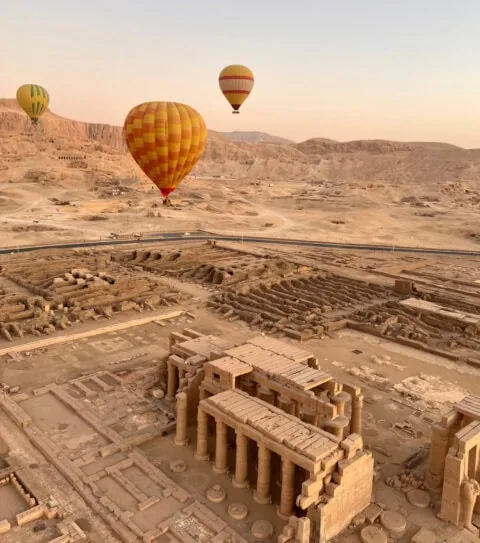
How to Plan a Trip Egypt
Step-by-step guide to help you plan the perfect Egypt trip — from routes and budget to booking.
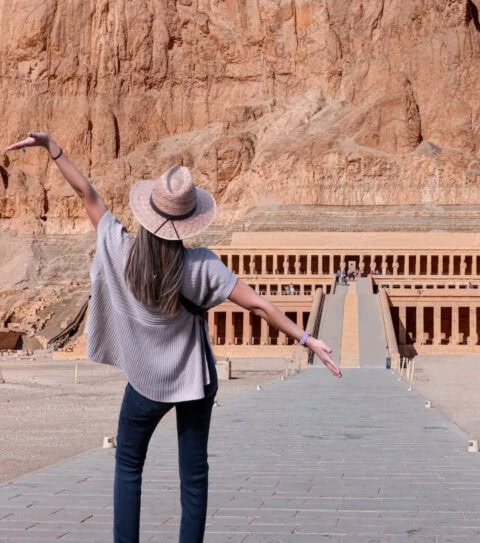
Best Time to Visit Egypt
Learn the best months to visit Egypt based on weather, crowds, and local travel experiences.
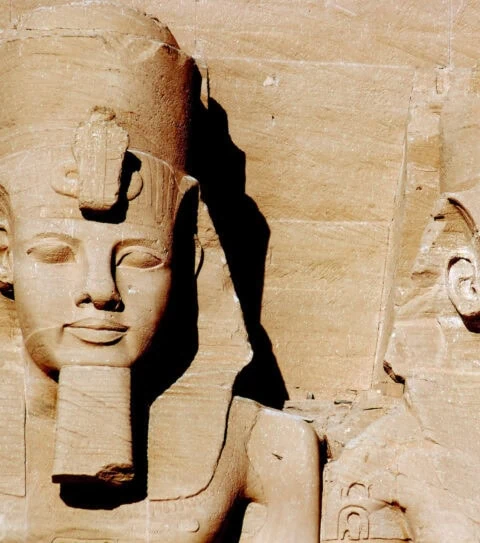
Must Visit Places in Egypt
Explore Egypt’s top sights — from pyramids to temples — and hidden gems worth seeing.
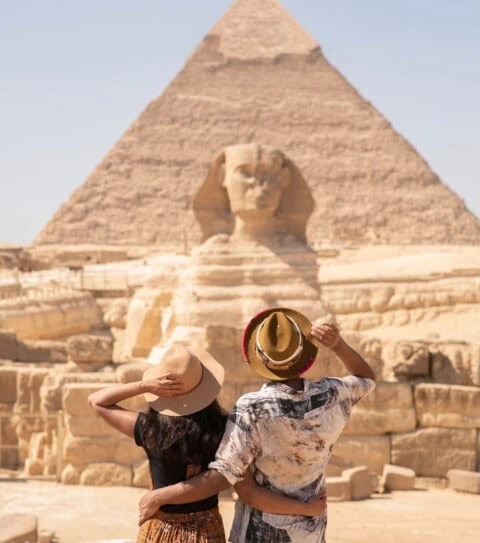
Top-Rated Egypt Tours
Handpicked private tours with local guides — our most loved and best-reviewed experiences.
How Many Days to Visit Egypt?
Find out how many days you need in Egypt — from quick trips to full itineraries.
Egypt Visa Requirements
Check if you need a visa and get simple, up-to-date entry info based on your nationality.
Is it Safe to Travel to Egypt?
Is Egypt safe? Get honest safety tips, area advice, and what to know before you travel.
What to Pack for Egypt
A quick packing guide with essentials, cultural tips, and clothing advice for your Egypt trip.
Design Your Custom Tour
Explore Egypt your way by selecting only the attractions you want to visit