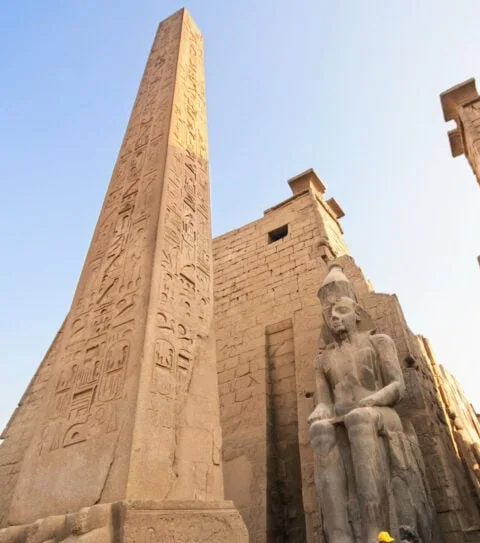
What to Eat in Egypt – An Epic Culinary Journey
Egyptian cuisine represents thousands of years of culinary evolution in the heart of Africa and the Middle East.
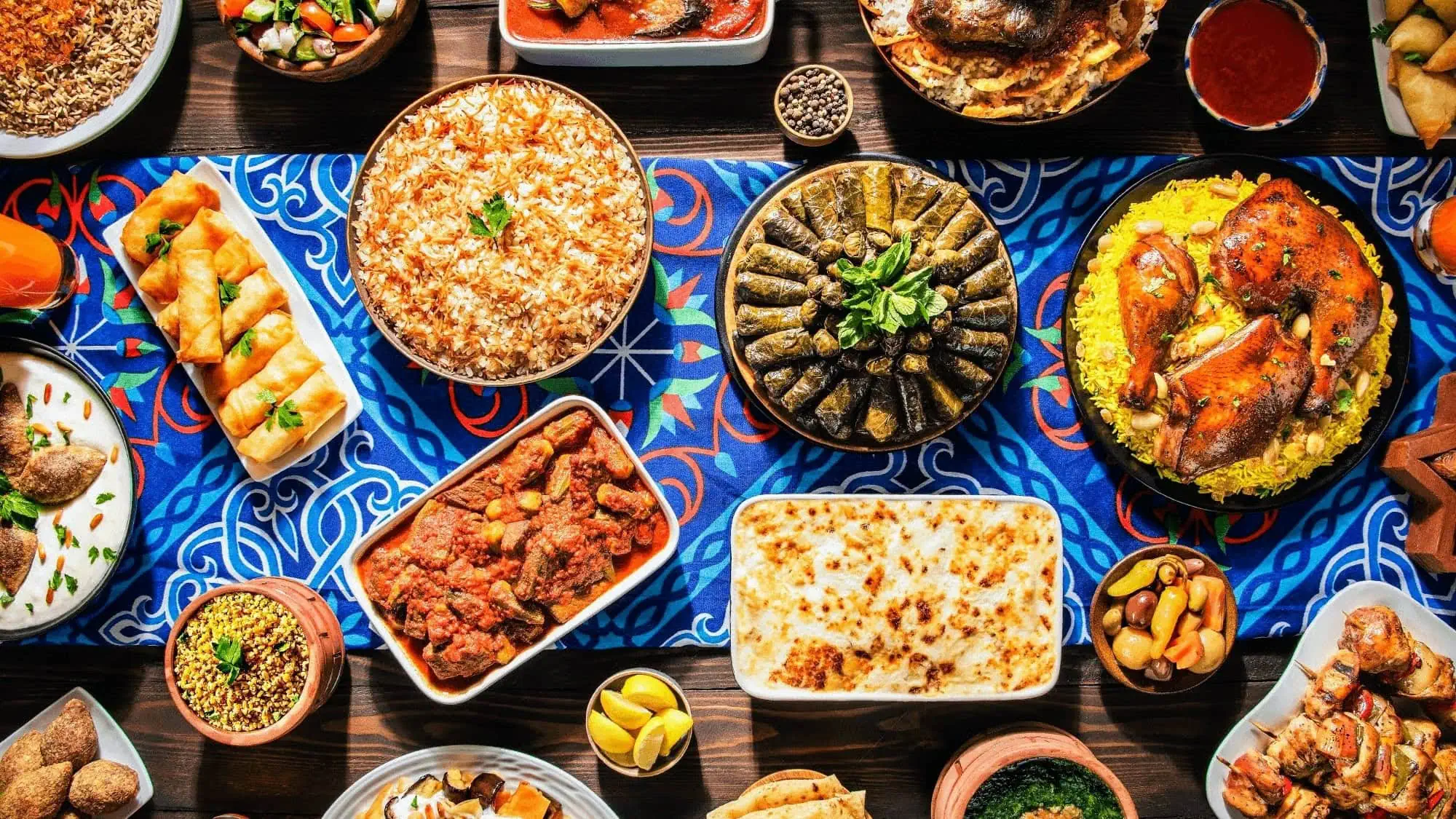
Food forms the soul of Egyptian culture, connecting modern travelers to ancient traditions that have sustained generations along the Nile River. From bustling Cairo street vendors to family-run restaurants in Luxor, the country’s diverse culinary landscape offers flavors that surprise even seasoned food enthusiasts. Whether you’re planning your first visit or returning for another adventure, understanding Egyptian food culture transforms any trip from simple sightseeing into authentic cultural immersion.
We’ve spent decades guiding travelers through Egypt’s rich culinary traditions, helping visitors discover the stories behind each dish and the best places to experience them. This guide reveals the essential foods that define Egyptian cuisine, from beloved street snacks to elaborate family meals.
Table of Contents
The Heart of Egyptian Dining: Essential Staples
Egyptian meals center around several fundamental ingredients that appear in countless variations across the country. These staples form the backbone of local cuisine and provide the foundation for understanding more complex dishes.
Aish Baladi: More Than Just Bread
Baladi bread serves as Egypt’s most important food staple, appearing at virtually every meal throughout the day. This round, pocket-style flatbread differs significantly from standard pita, featuring a coarser texture and deeper flavor from whole wheat flour. The government subsidizes bread production, making it accessible to all economic levels and highlighting its cultural significance.
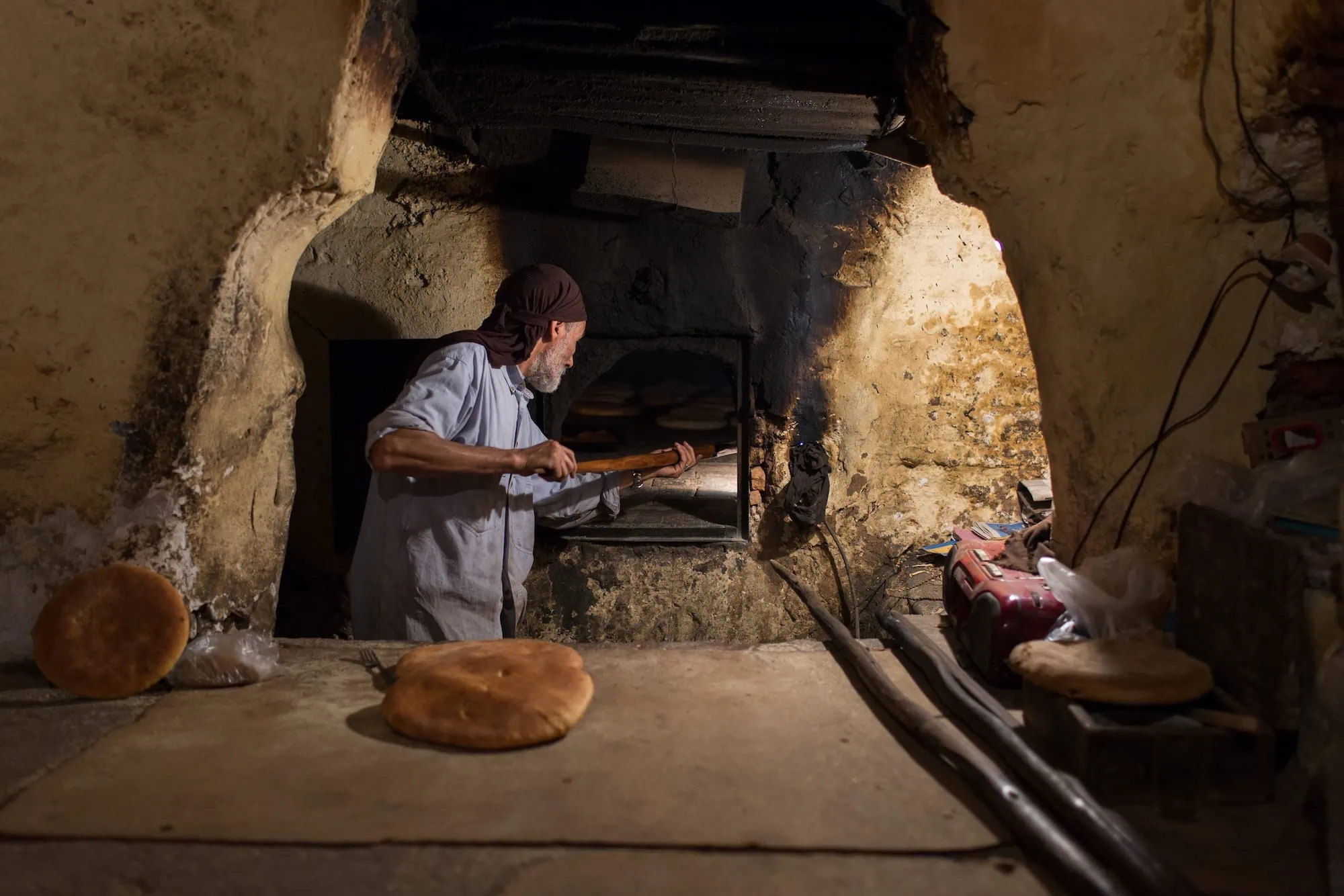
Street vendors sell fresh aish baladi throughout Egyptian cities, with the best loaves emerging from neighborhood bakeries early each morning. We recommend trying bread fresh from traditional ovens, where bakers use time-honored techniques passed down through generations.
Fava Beans: The Foundation of Egyptian Comfort Food
Fava beans, known locally as ful, represent perhaps the most versatile ingredient in Egyptian cooking. These protein-rich legumes appear in multiple forms, from whole cooked beans to ground preparations used in various dishes. Ancient Egyptians cultivated fava beans thousands of years ago, making them one of the country’s oldest continuous food traditions.
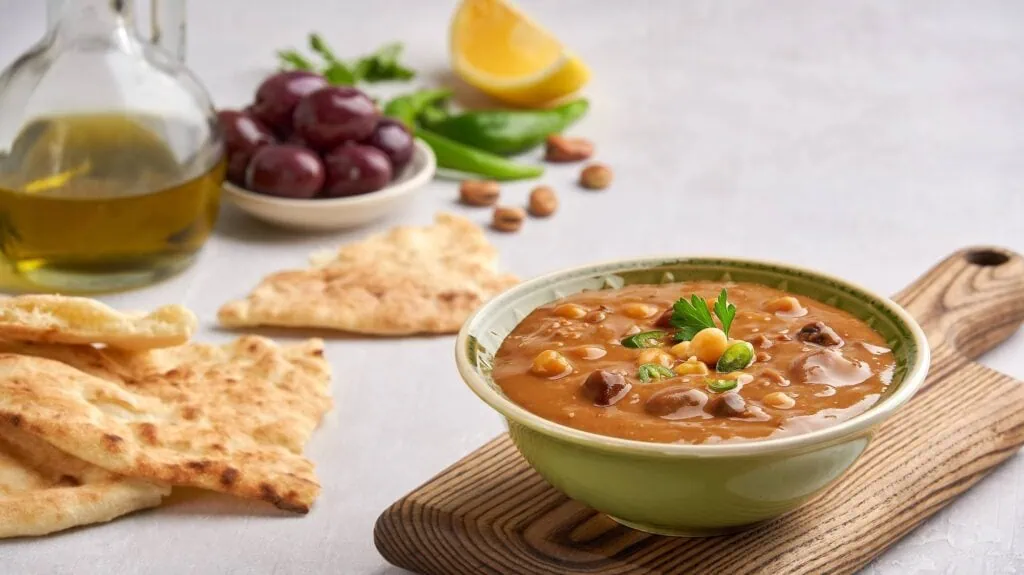
The quality of fava beans varies significantly between regions, with Upper Egypt producing some of the most flavorful varieties. Preparation methods range from simple boiling with basic seasonings to complex recipes incorporating multiple spices and cooking techniques.
National Dishes That Define Egyptian Cuisine
Koshari: Egypt’s Beloved National Treasure
Koshari stands as Egypt’s undisputed national dish, combining rice, lentils, macaroni, and chickpeas under a rich tomato sauce. This carbohydrate-heavy meal provides filling, affordable nutrition for millions of Egyptians daily. The dish might seem unusual to international visitors, but its popularity spans all social classes and regions throughout the country.
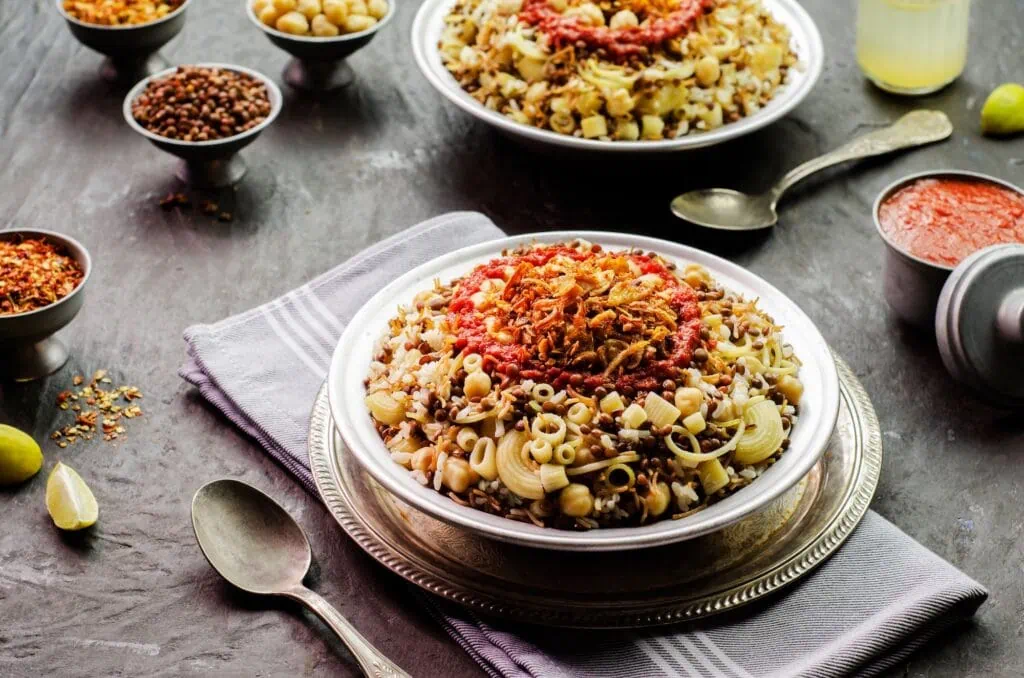
Dedicated koshari restaurants operate in every Egyptian city, with some establishments serving nothing else for decades. The preparation requires careful timing to achieve proper textures for each component, while the signature tomato sauce often includes secret family recipes passed between generations.
Quality varies dramatically between establishments, with the best koshari featuring perfectly cooked grains, flavorful sauce, and generous portions. Look for restaurants with high turnover rates, ensuring fresh ingredients and proper preparation methods.
Ful Medames: The Morning Ritual
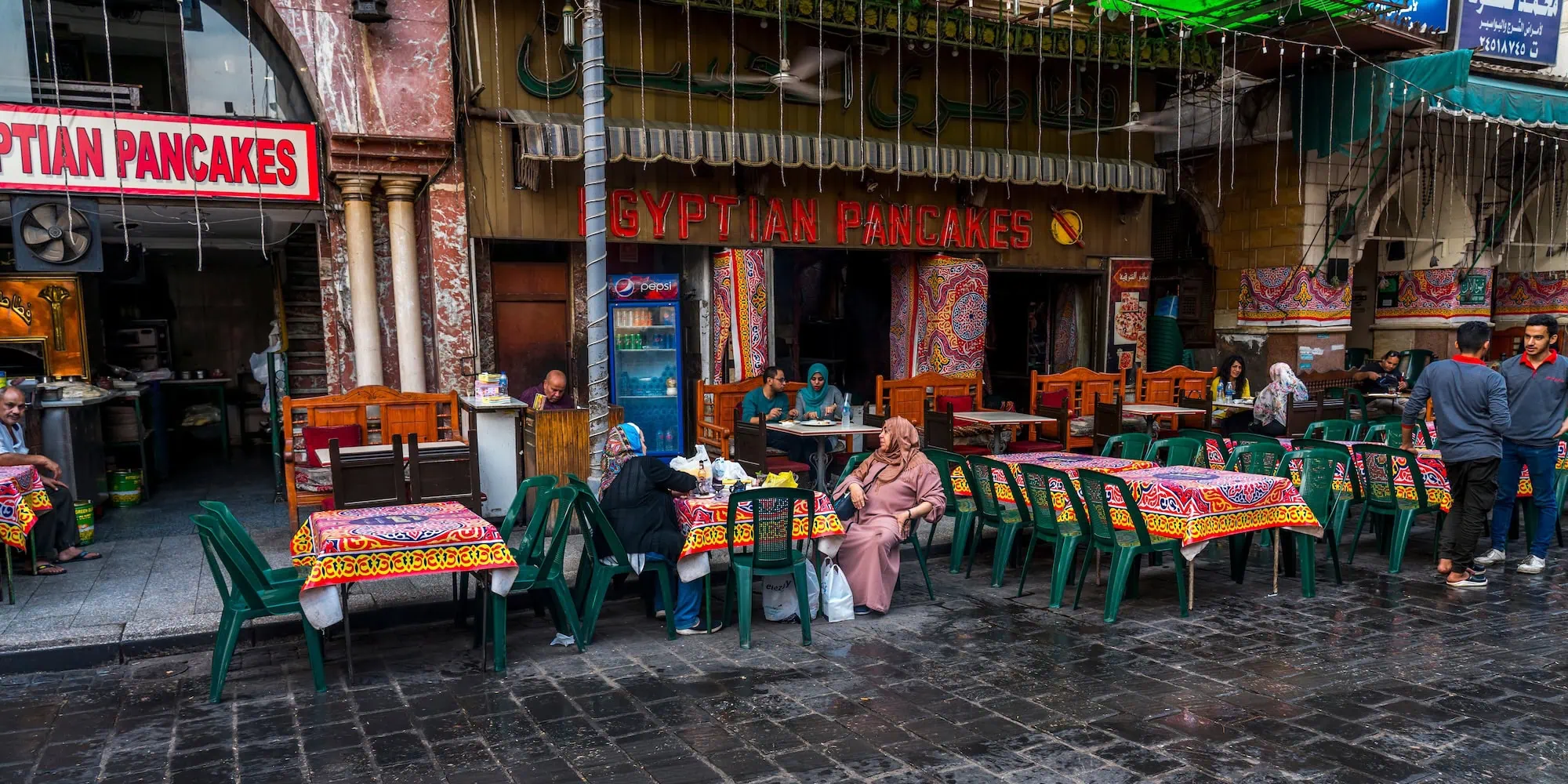
This traditional breakfast dish transforms simple fava beans into Egypt’s most popular morning meal. Slow-cooked overnight in large copper pots, the beans develop a creamy texture while maintaining their shape. Traditional preparation includes garlic, olive oil, and cumin, though regional variations add different vegetables or spices.
Street vendors begin serving ful medames before dawn, catering to workers starting early shifts. The dish pairs perfectly with fresh aish baladi, creating a complete protein source that sustains energy throughout morning activities.
Street Food Adventures: Authentic Flavors on Every Corner
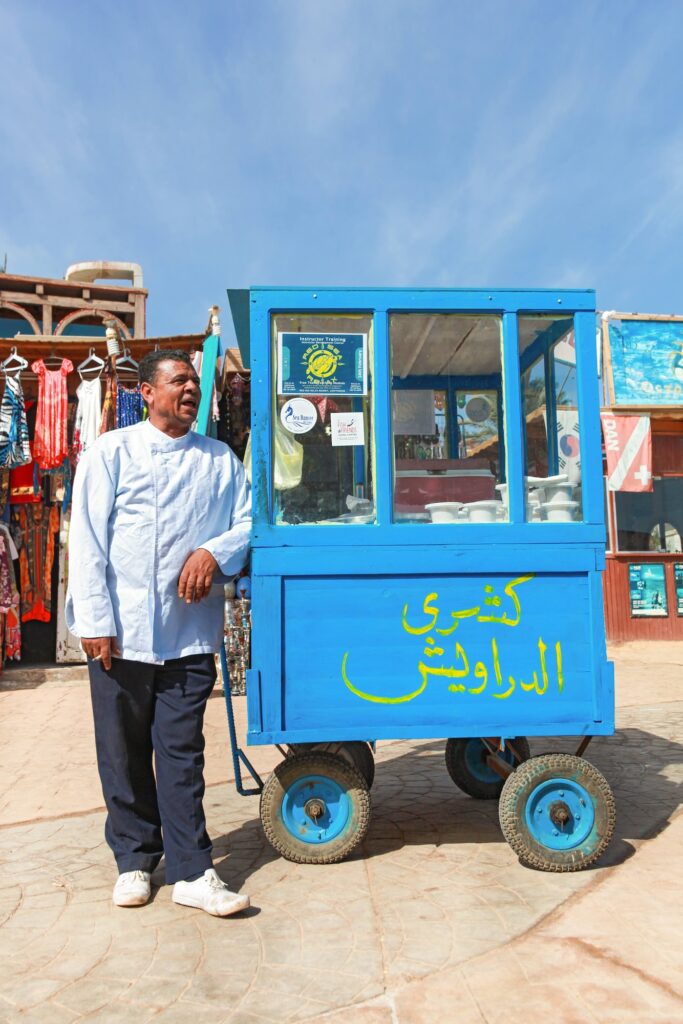
Walking through Egyptian streets reveals an incredible variety of affordable, delicious food options available from sunrise to late evening. Street food culture thrives in Egypt, offering travelers authentic flavors at fraction of restaurant prices.
Ta’amiyya: Egypt’s Ancient Falafel
Egyptian ta’amiyya predates Middle Eastern falafel by thousands of years, using fava beans instead of chickpeas for a distinctly different flavor profile. Fresh herbs like parsley and cilantro provide bright green color, while traditional spices create complex taste layers. Ancient Egyptian hieroglyphics actually depict falafel-making processes, demonstrating the dish’s incredible historical continuity.
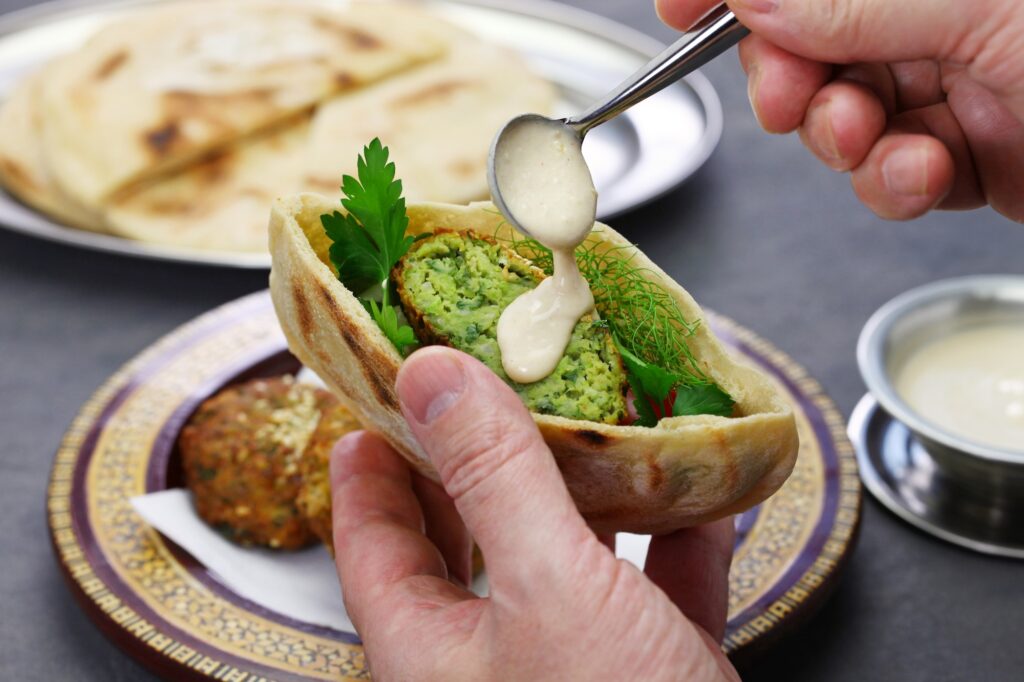
The best ta’amiyya vendors grind their fava beans fresh daily and fry portions to order, ensuring optimal texture and temperature. Served in aish baladi with tahini sauce and fresh vegetables, this combination creates a satisfying meal available throughout Egyptian cities.
Liver and Street Meat Specialties
Kebda, or Egyptian-style liver, represents one of the country’s most popular street foods, particularly in Alexandria where French bread influences create unique sandwich preparations. Skilled vendors slice liver thin, cooking it quickly with onions, garlic, and hot peppers for a spicy, flavorful result.
Various grilled meat options, collectively called mashwiyat, include kofta, kebabs, and shawarma prepared over charcoal fires. These protein-rich options provide hearty alternatives to vegetable-based dishes, showcasing Egypt’s diverse culinary traditions.
Traditional Soups and Stews
Molokhiyya: The Controversial Green Soup
This bright green soup made from jute mallow leaves creates one of Egyptian cuisine’s most divisive dishes. The leaves produce a distinctly glutinous, somewhat slimy texture that either delights or repels first-time tasters. Historical accounts suggest Hyksos rulers once banned molokhiyya consumption, believing it provided excessive strength to Egyptian workers.
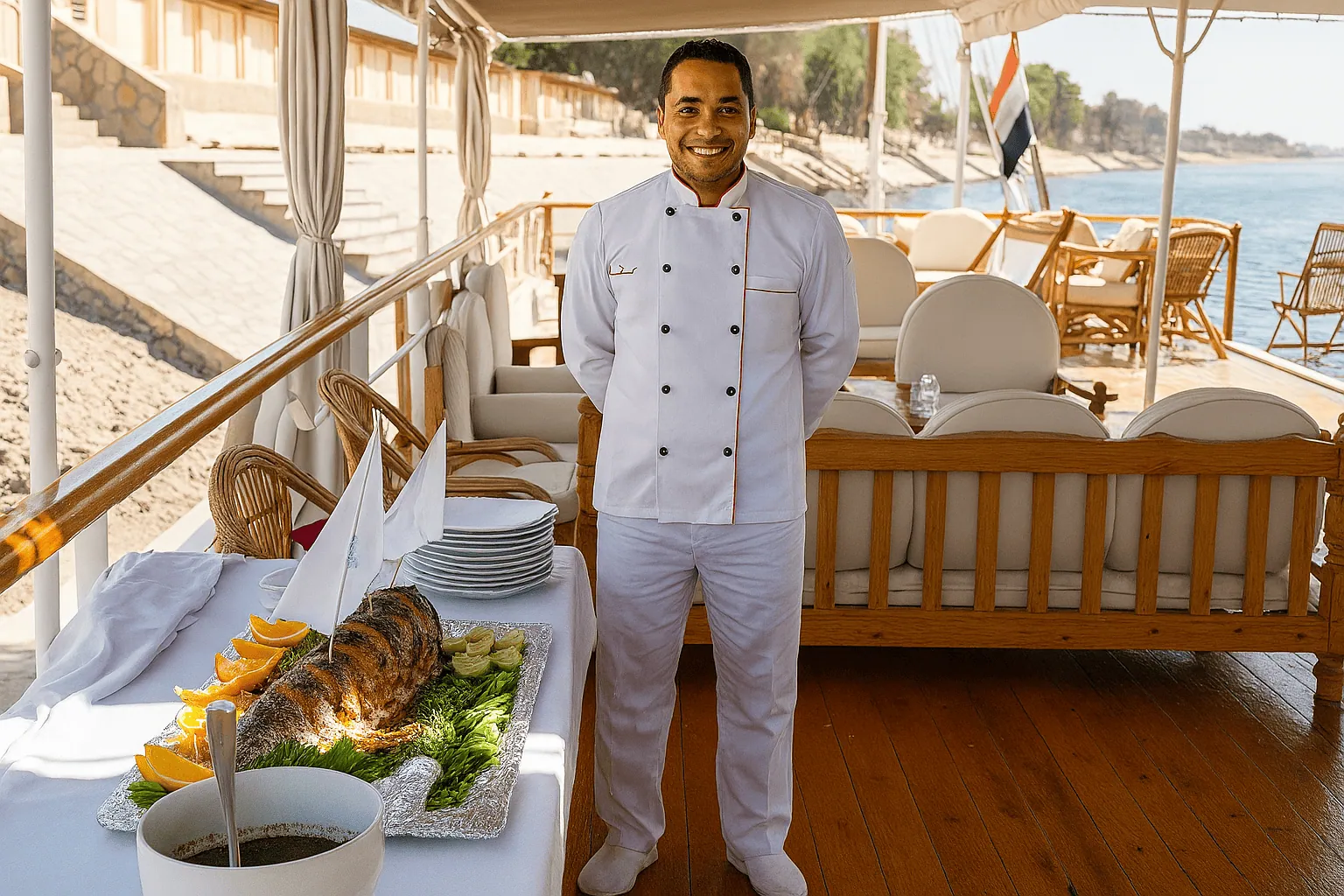
Proper molokhiyya preparation requires specific techniques for cleaning leaves and achieving optimal consistency. The soup typically includes chicken or lamb broth, with ta’sha (a garlic and coriander mixture) added for finishing flavors. Regional variations exist throughout Egypt, with some areas preferring thicker consistency while others favor lighter preparations.
Traditional family recipes often guard specific molokhiyya techniques as closely held secrets. We’ve encountered families who claim their particular preparation methods date back several centuries, though verifying such claims proves difficult.
Bamiya: Comfort Food with Familiar Flavors
Bamiya, featuring okra in rich tomato sauce, provides comfort food flavors reminiscent of Southern American cooking. This similarity isn’t coincidental, as both cuisines share African influences through different historical pathways. The dish combines okra with beef or lamb, creating hearty stew perfect for sharing among family or friends.
High-quality bamiya requires careful okra selection and proper cooking techniques to avoid excessive sliminess that can overwhelm delicate flavors. Restaurant versions often disappoint compared to home-cooked preparations, making this dish particularly special when experienced in family settings.
Unexpected Delicacies and Unique Proteins
Egyptian cuisine includes several protein sources that surprise international visitors while representing normal dietary components for local populations.
Hammam: Grilled Pigeon as Fine Dining
Grilled pigeon, or hammam, represents one of Egypt’s most sophisticated traditional dishes, often served stuffed with seasoned rice or freekeh. The preparation requires considerable skill, as pigeon meat can become tough if overcooked. Specialized restaurants like Farahat in Cairo have built reputations specifically around their pigeon preparations.
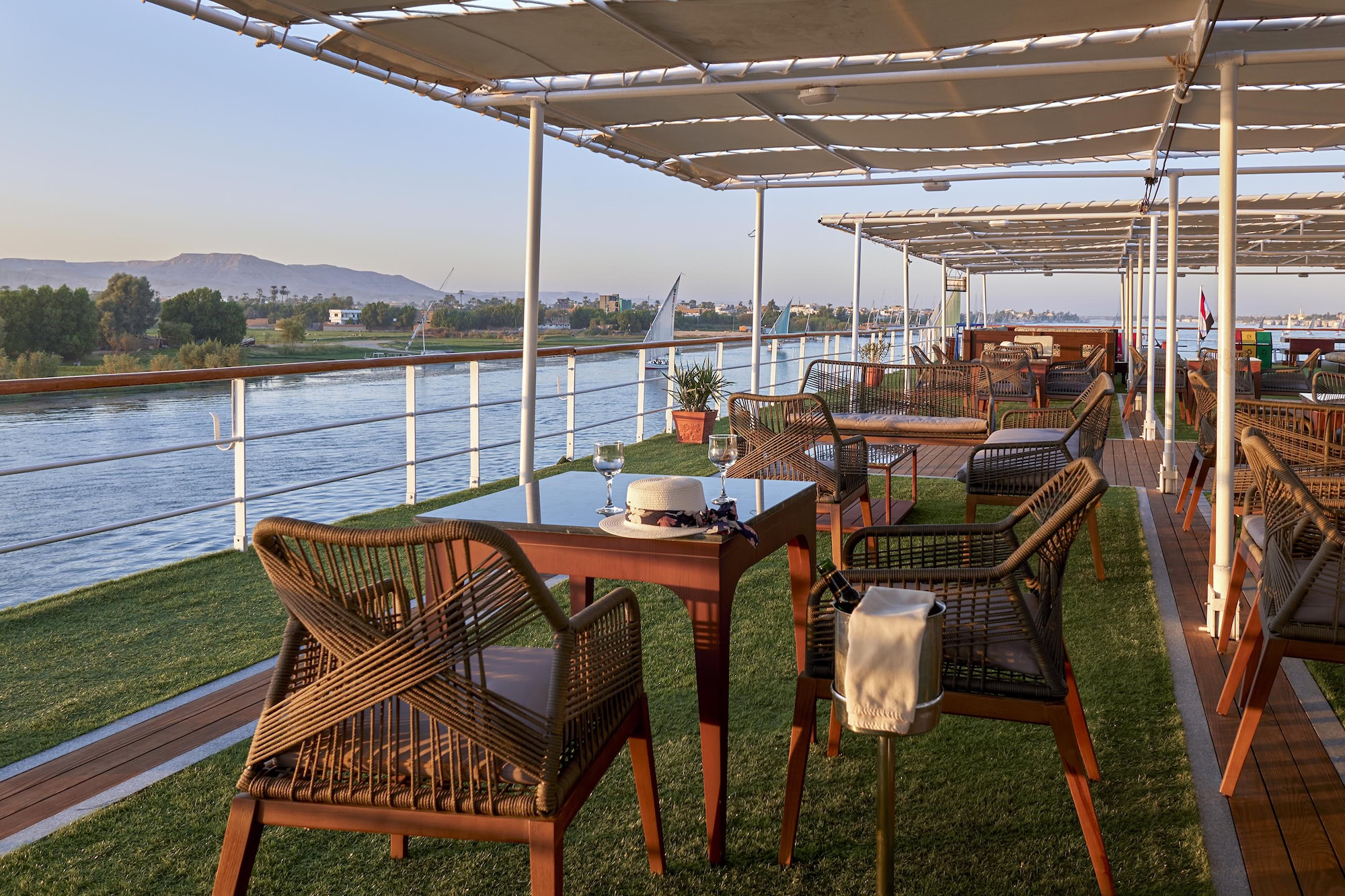
The birds used for hammam are typically farm-raised specifically for consumption, not wild pigeons from urban areas. This distinction ensures food safety while maintaining traditional flavors that have pleased Egyptian palates for generations.
Many international visitors initially hesitate to try pigeon but find the meat surprisingly mild and flavorful when properly prepared. The experience provides insight into Egyptian protein traditions that extend far beyond typical chicken and beef options.
Sweet Traditions and Desert Culture
Egyptian Desserts: Unexpected Excellence
Egyptian dessert traditions produce some of the Middle East’s finest sweet treats, though many travelers remain unaware of this culinary strength. Kunafa, featuring shredded phyllo dough with cheese or nuts, achieves perfect balance between crispy exterior and creamy interior. Basbousa, a semolina cake soaked in syrup, provides dense sweetness that pairs beautifully with strong Egyptian tea.
These desserts require considerable skill to prepare correctly, with sugar syrup concentration and timing playing critical roles in final results. The best examples come from specialized sweet shops rather than general restaurants, though quality varies significantly between establishments.
Tea Culture and Social Beverages
Egyptian social life revolves around tea service, with thousands of traditional coffeehouses (ahwas) serving as community gathering places. Tea arrives in small glass cups with generous sugar portions, creating the sweet, strong beverage Egyptians prefer throughout the day.
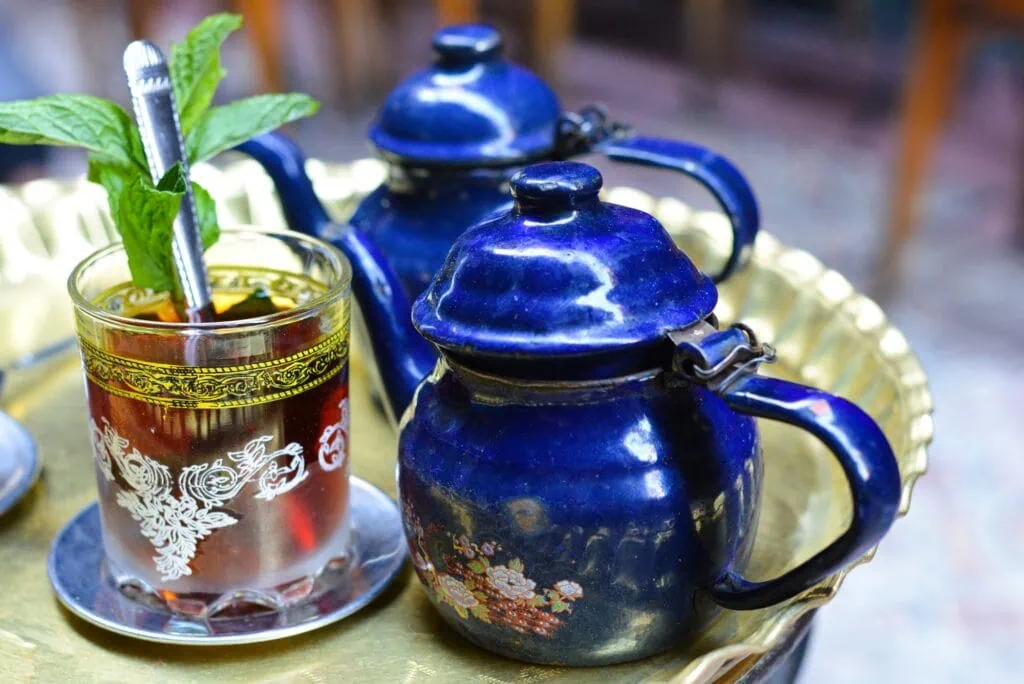
Alternative beverages include sahlab, a warm winter drink made from orchid root powder, and karkadeh, a refreshing hibiscus tea served cold during hot weather. These plant-based beverages provide variety while maintaining cultural authenticity that connects visitors to local traditions.
Regional Variations and Cooking Styles
Egyptian cuisine varies considerably between different regions, with Upper Egypt, the Delta, and coastal areas each contributing distinct flavors and preparation methods. Alexandria shows clear Mediterranean influences through ingredients and cooking techniques, while Aswan incorporates more Nubian elements into traditional dishes.
Coastal regions emphasize fresh seafood preparations not found inland, creating entirely different menu options for travelers exploring different areas. Desert communities have developed preservation techniques that create unique flavors unavailable in major cities.
Understanding these regional differences enhances any Egyptian culinary journey, as travelers can experience how geography and culture interact to create local food traditions. We often recommend spending time in multiple regions to fully appreciate Egypt’s culinary diversity.
Where and How to Experience Egyptian Food
The best Egyptian food experiences often occur in unexpected places rather than obvious tourist restaurants. Neighborhood establishments serving local families typically provide more authentic flavors at better prices than establishments targeting international visitors.
Street food vendors operating during morning and evening hours offer the freshest preparations, as high turnover ensures ingredients don’t sit for extended periods. However, selecting clean, busy vendors helps minimize health risks while maximizing flavor experiences.
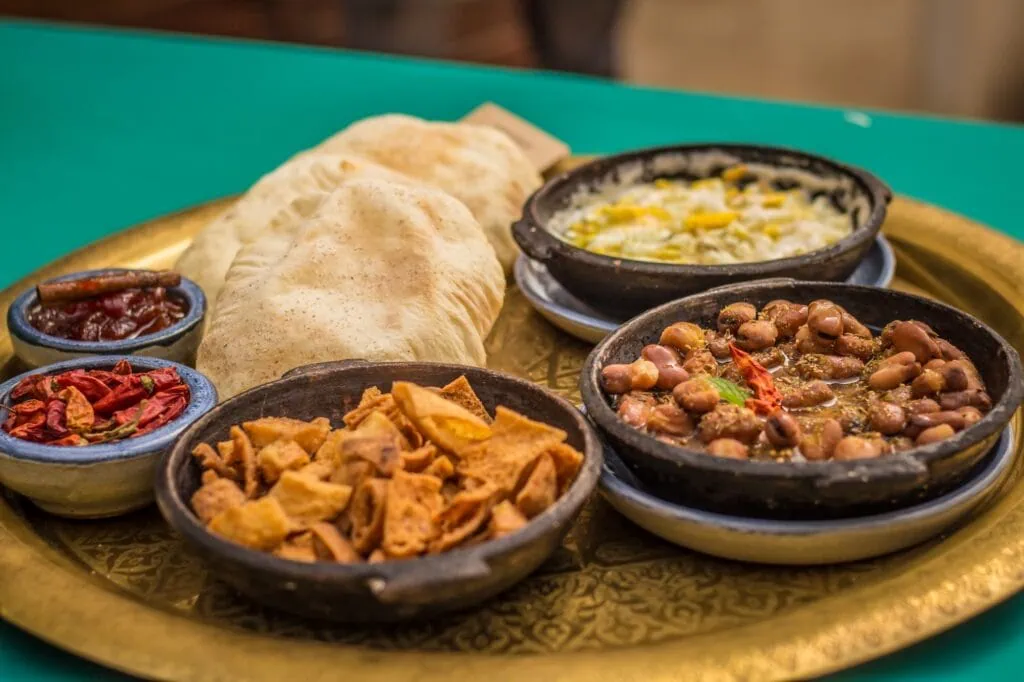
Many traditional dishes require advance ordering or appear only on specific days of the week, particularly in family-run restaurants. Building relationships with restaurant owners or hotel staff can provide access to special preparations not available to casual diners.
Practical Dining Tips for Travelers
Egyptian meal timing differs significantly from Western schedules, with lunch often occurring between 2:00 pm (14:00) and 4:00 pm (16:00), while dinner may not begin until 8:00 pm (20:00) or later. Adjusting to these schedules provides access to fresher food and more authentic experiences.
Sharing dishes represents normal Egyptian dining etiquette, with multiple items ordered for table service rather than individual selections. This approach allows travelers to sample more varieties while participating in traditional social dining customs.
Religious considerations affect food availability during Ramadan, when many establishments alter their operating hours or close entirely during daylight fasting periods. Planning around these religious observances ensures access to desired dining experiences.
We recommend travelers maintain open minds regarding unfamiliar textures and flavor combinations, as many Egyptian dishes require multiple tastings to fully appreciate their complexity. Initial reactions don’t always predict long-term preferences, particularly with dishes like molokhiyya or traditional organ meat preparations.
For travelers with dietary restrictions, Egyptian cuisine offers numerous vegetarian options through fava bean dishes, vegetable preparations, and grain-based meals. However, communicating specific allergies or restrictions requires careful attention to language barriers and cooking methods.
How We Help You Experience Authentic Egyptian Cuisine
Our decades of experience guiding travelers through Egypt includes connecting visitors with the country’s finest culinary traditions. We maintain relationships with family-run restaurants, traditional cooking schools, and local food experts who provide insights impossible to discover independently.
Our private guides understand regional food specialties and can arrange authentic dining experiences that match your interests and dietary requirements. Whether you prefer street food adventures or refined restaurant dining, we customize culinary explorations to create memorable experiences that extend far beyond typical tourist meals.
With our local expertise, you’ll discover hidden gems where families have perfected traditional recipes for generations, taste seasonal specialties available only during specific times of year, and understand the cultural stories behind Egypt’s most beloved dishes.
Frequently Asked Questions
Koshari is widely regarded as Egypt’s national dish, combining rice, lentils, macaroni, chickpeas, spicy tomato sauce, garlic vinegar, and crispy fried onions in a single bowl. The dish emerged in Cairo during the 19th century and became popular because it is filling, affordable, and entirely plant-based. Today, koshari restaurants can be found throughout Egypt, from Alexandria to Aswan. For many visitors, it is the fastest introduction to everyday Egyptian food culture.
Yes, Egyptian falafel, known locally as ta’amiyya, is traditionally made from fava beans rather than chickpeas. The use of fava beans creates a lighter texture, greener interior, and more herbaceous flavor compared to Levantine-style falafel. Fresh parsley, cilantro, dill, and sesame seeds are commonly added before frying. Because Egypt has cultivated fava beans for thousands of years, ta’amiyya reflects a distinctly Egyptian culinary tradition rather than a regional variation.
Ful medames with aish baladi bread is the most authentic Egyptian breakfast and a staple eaten daily by millions of Egyptians. The dish consists of slow-cooked fava beans seasoned with olive oil, lemon juice, cumin, and sometimes chopped vegetables. It is commonly served alongside eggs, pickles, and fresh flatbread. Ful is nutritious, inexpensive, and deeply rooted in Egyptian history, with origins dating back centuries. Try it at a busy local café for the most traditional experience.
Yes, Egyptian street food can be safe for tourists when purchased from busy vendors with high customer turnover and freshly cooked products. Popular foods such as koshari, shawarma, grilled meats, and ta’amiyya are generally prepared hot and served quickly. The greatest risks come from food that sits unrefrigerated for long periods or from uncooked ingredients. Choose stalls where local families eat regularly, as popularity is often a strong indicator of freshness and quality.
Molokhiyya divides opinion because its distinctive texture is thick, silky, and sometimes described by first-time visitors as slightly slimy. The dish is made from finely chopped jute mallow leaves cooked in a garlic and coriander broth, often served with rice, chicken, or rabbit. While some travelers love its rich flavor immediately, others need several tastings to appreciate it. Its unusual texture is precisely what makes molokhiyya one of Egypt’s most memorable and discussed traditional dishes.
Egyptians traditionally eat their largest meal at lunch, usually between 2:00 pm and 4:00 pm, while dinner often begins after 8:00 pm. Daily schedules are influenced by climate, work hours, and family routines, particularly during warmer months. Restaurants in Cairo, Alexandria, and other major cities often remain busy well into the evening. Travelers accustomed to earlier dining may find that many local eateries become liveliest after sunset.
Yes, Egypt is one of the easiest destinations in the Middle East for vegetarians because many traditional dishes are naturally meat-free. Popular choices include koshari, ful medames, ta’amiyya, stuffed vegetables, lentil soup, and various bean-based dishes. These foods rely on legumes, grains, herbs, and vegetables rather than meat for flavor and nutrition. Vegetarian travelers can enjoy authentic local cuisine without feeling limited, especially in Cairo, Luxor, and Alexandria.
Aish baladi is Egypt’s everyday bread and accompanies nearly every traditional meal across the country. This round whole-wheat flatbread resembles pita but has a denser texture and stronger flavor. The word “aish” literally means “life” in Egyptian Arabic, highlighting the bread’s cultural importance. Government subsidies help keep aish baladi affordable and widely available. Visitors will encounter it at breakfast, lunch, dinner, and even alongside street food.
Traditional Egyptian cuisine is generally mild to moderately seasoned rather than intensely spicy. Most dishes rely on cumin, coriander, garlic, mint, and fresh herbs for flavor instead of heavy chili heat. Hot sauces and fresh peppers are usually offered separately, allowing diners to adjust spice levels to their preference. This makes Egyptian food approachable for most international travelers while still providing options for those who enjoy stronger heat.
The best way to experience authentic Egyptian cuisine is to eat where local families eat, especially in neighborhood restaurants away from major tourist zones. Family-run establishments in Cairo, Alexandria, Luxor, and Aswan often serve recipes passed down through generations. These restaurants typically focus on traditional dishes such as ful, koshari, grilled meats, and molokhiyya rather than international menus. Following local dining habits usually provides the most genuine flavors and cultural insight.
Yes, Egyptian cuisine varies significantly by region, reflecting local geography, trade history, and agricultural traditions. Alexandria’s food shows strong Mediterranean influences with abundant seafood, while Upper Egypt is known for heartier dishes, distinctive spices, and regional breads. Aswan incorporates Nubian culinary traditions that differ noticeably from northern Egypt. Travelers exploring multiple regions often discover that Egyptian food is far more diverse than a single national menu suggests.
Kunafa and basbousa are two of the most popular Egyptian desserts and excellent introductions to the country’s sweet traditions. Kunafa is made from shredded pastry layered with nuts, cream, or cheese and soaked in syrup, while basbousa is a moist semolina cake flavored with sugar syrup. Both are commonly served during celebrations, Ramadan, and family gatherings. Travelers with a sweet tooth should also look for om ali, Egypt’s famous baked bread pudding.
Explore our most popular guides and expert tips to make your trip safe, smooth, and unforgettable.
Plan Your Egypt Adventure with Confidence
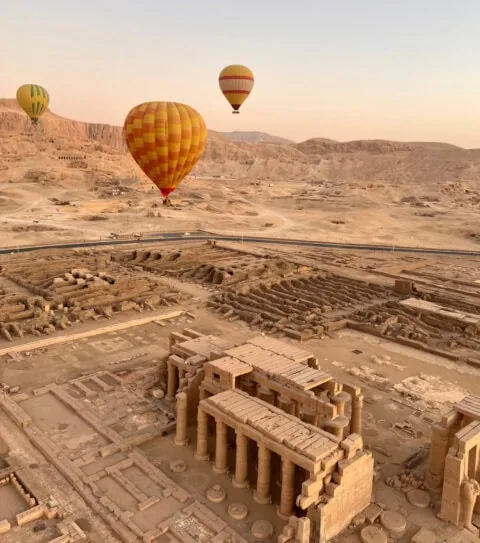
How to Plan a Trip Egypt
Step-by-step guide to help you plan the perfect Egypt trip — from routes and budget to booking.

Best Time to Visit Egypt
Learn the best months to visit Egypt based on weather, crowds, and local travel experiences.
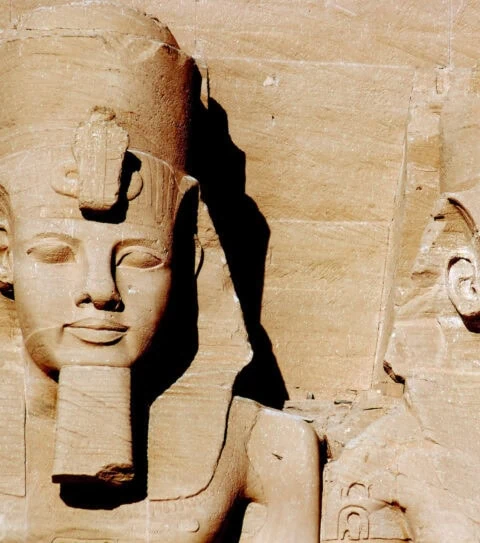
Must Visit Places in Egypt
Explore Egypt’s top sights — from pyramids to temples — and hidden gems worth seeing.
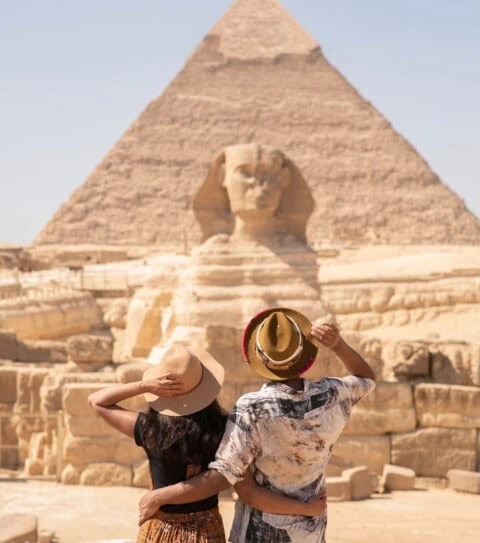
Top-Rated Egypt Tours
Handpicked private tours with local guides — our most loved and best-reviewed experiences.
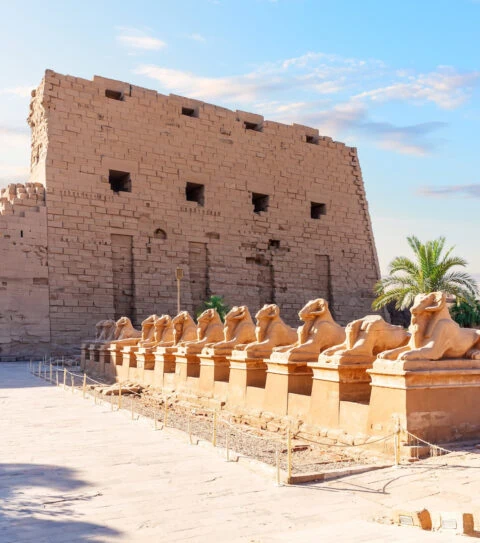
How Many Days to Visit Egypt?
Find out how many days you need in Egypt — from quick trips to full itineraries.

Egypt Visa Requirements
Check if you need a visa and get simple, up-to-date entry info based on your nationality.

Is it Safe to Travel to Egypt?
Is Egypt safe? Get honest safety tips, area advice, and what to know before you travel.

What to Pack for Egypt
A quick packing guide with essentials, cultural tips, and clothing advice for your Egypt trip.



Design Your Custom Tour
Explore Egypt your way by selecting only the attractions you want to visit