10 Days in Egypt – What to see in Egypt in 10 Days
Egypt has been calling travelers for thousands of years.
Planning a 10-day Egyptian adventure requires more than just picking famous sites from a guidebook. You need to balance the must-see ancient wonders with authentic cultural experiences, comfortable accommodations, and realistic travel times between destinations. We’ve spent decades crafting Egypt itineraries that maximize your time while ensuring you experience the country’s true magic.
From the bustling streets of Cairo to the tranquil waters of the Nile, your 10 days will unfold as a carefully orchestrated journey through one of the world’s most captivating destinations.
The key to a successful Egyptian vacation lies in understanding the rhythm of this ancient land and planning accordingly.
Essential Planning for Your Egyptian Adventure
Start your preparation at least two months before departure. Egypt requires advance planning for several important reasons: visa requirements, seasonal weather variations, and securing the best accommodations during peak periods.
Visa Requirements Made Simple
U.S. citizens need a tourist visa for Egypt, which you can obtain online through the official e-visa portal for $25 or upon arrival at Cairo International Airport for $25. The process takes 5-7 business days online, so apply well in advance. European travelers follow the same process, while Latin American visitors should check specific requirements as some countries have different agreements with Egypt.
Best Time to Visit Egypt
October through April offers the most comfortable weather, with daytime temperatures ranging from 20-25°C (68-77°F). Summer months see temperatures soar above 40°C (104°F), making outdoor exploration challenging. We recommend traveling between November and March for optimal conditions.
Currency and Budgeting
The Egyptian pound (EGP) is the local currency. Expect to spend $100-150 per day for mid-range experiences, including meals, transportation, and entrance fees. ATMs are widely available in major cities, but carry cash for smaller vendors and tip money.
Your 10-Day Egypt Itinerary: Cairo to Aswan
This carefully planned route takes you from Egypt’s bustling capital to the serene beauty of southern Egypt, covering the country’s most significant historical and cultural highlights.
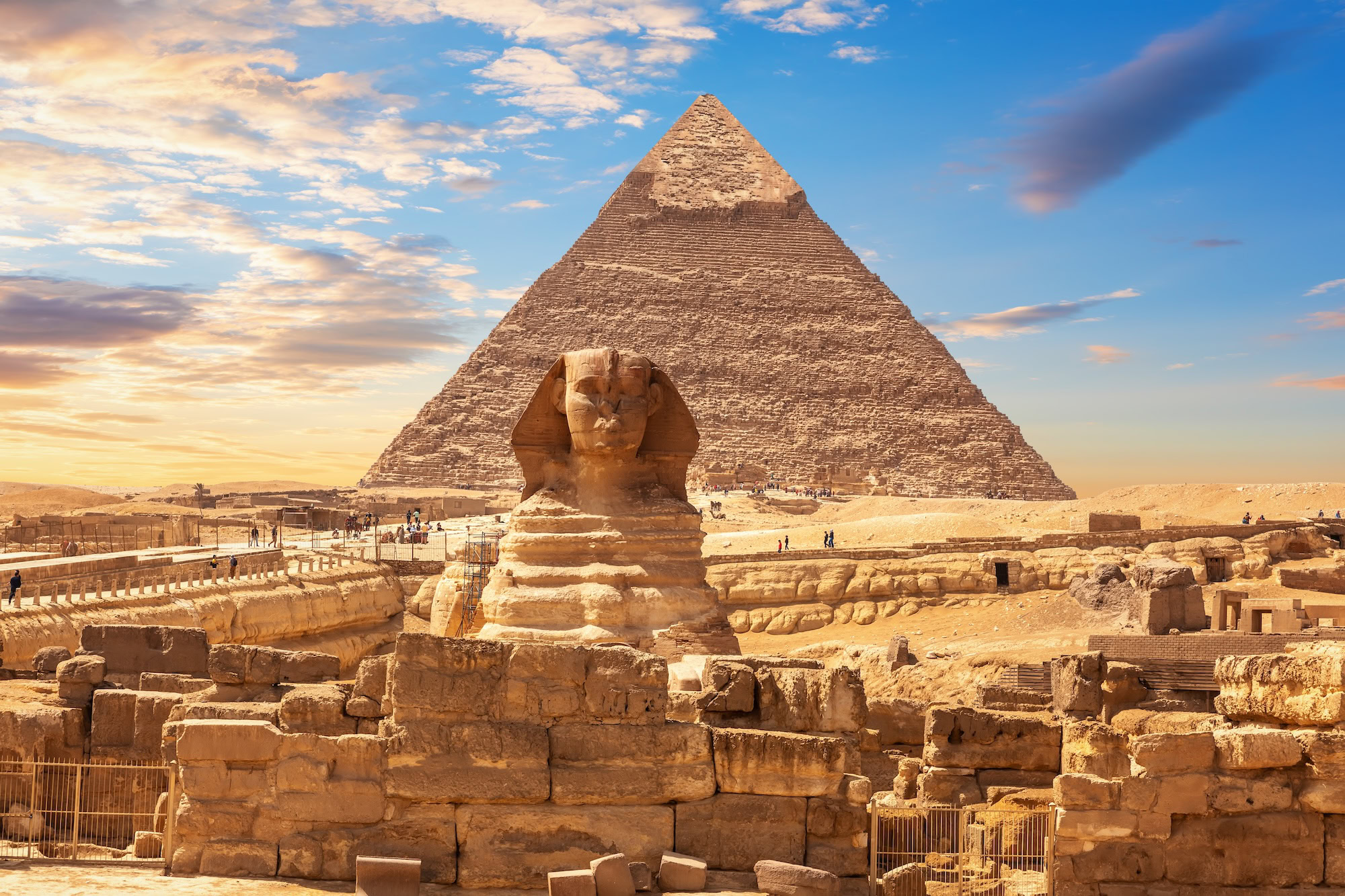
Days 1-3 form your Cairo foundation. The capital serves as your introduction to Egyptian culture, housing the world’s most extensive collection of ancient Egyptian artifacts and the last remaining Wonder of the Ancient World.

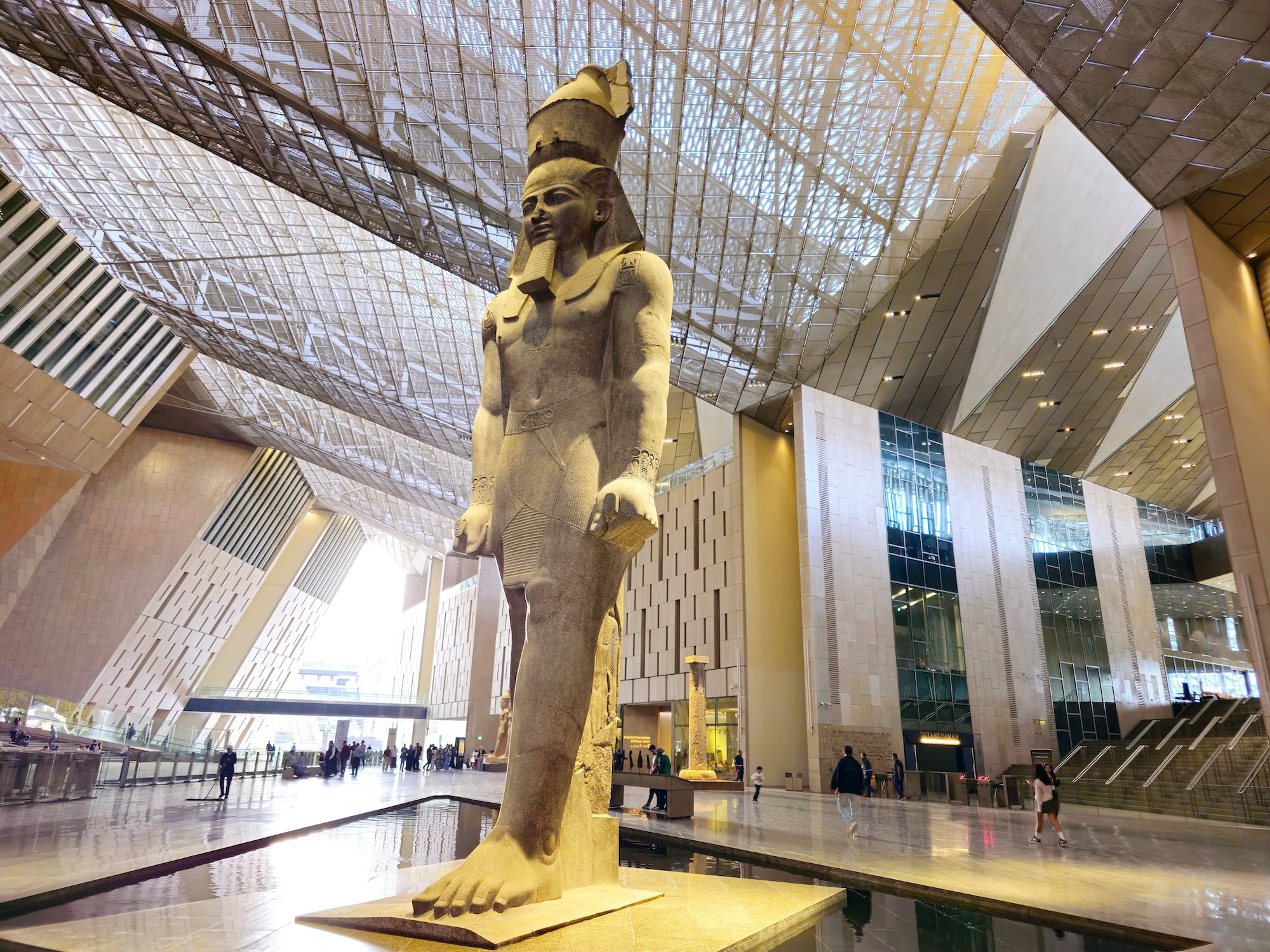
Begin day one with the Grand Egyptian Museum. This vast complex houses one of the world’s most comprehensive collections of ancient Egyptian artifacts, including monumental statues, royal mummies, and the complete Tutankhamun collection. Plan to spend 3–4 hours exploring the galleries with a qualified guide who can explain the exhibits and place them within their historical context.
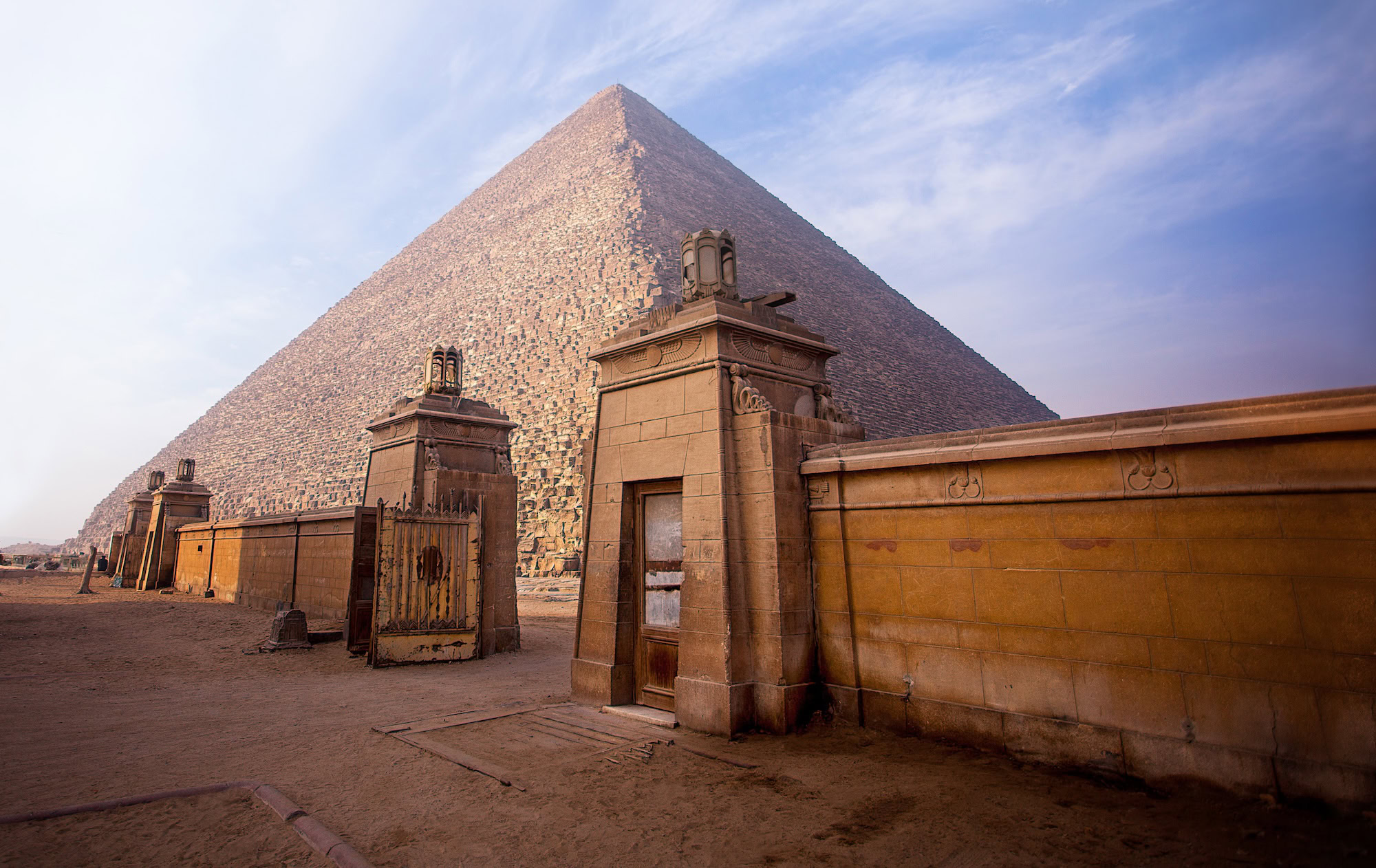
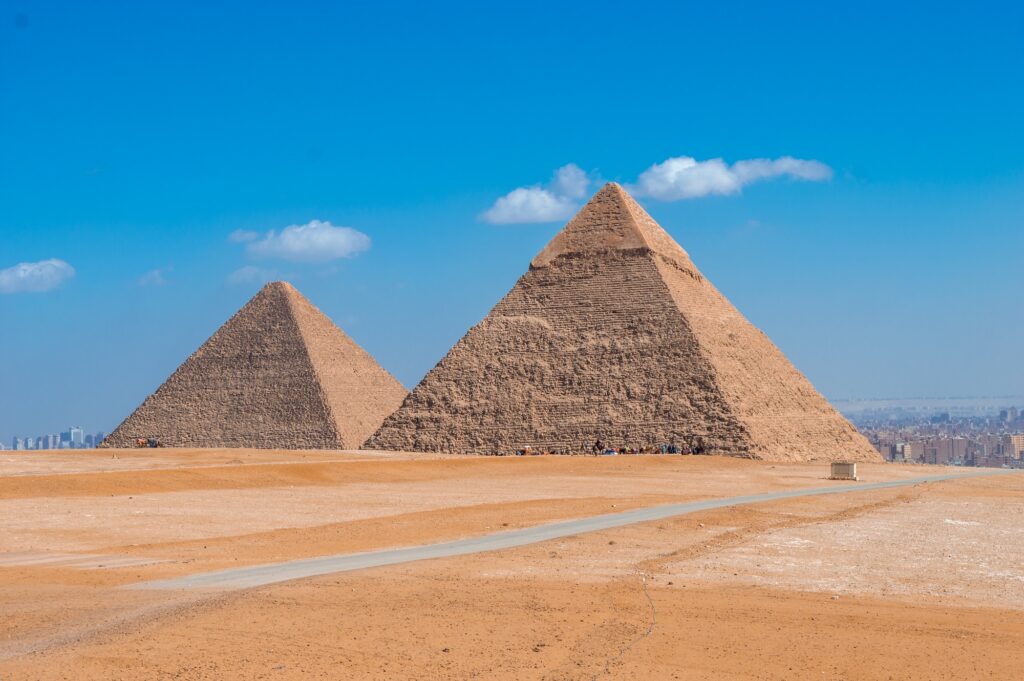
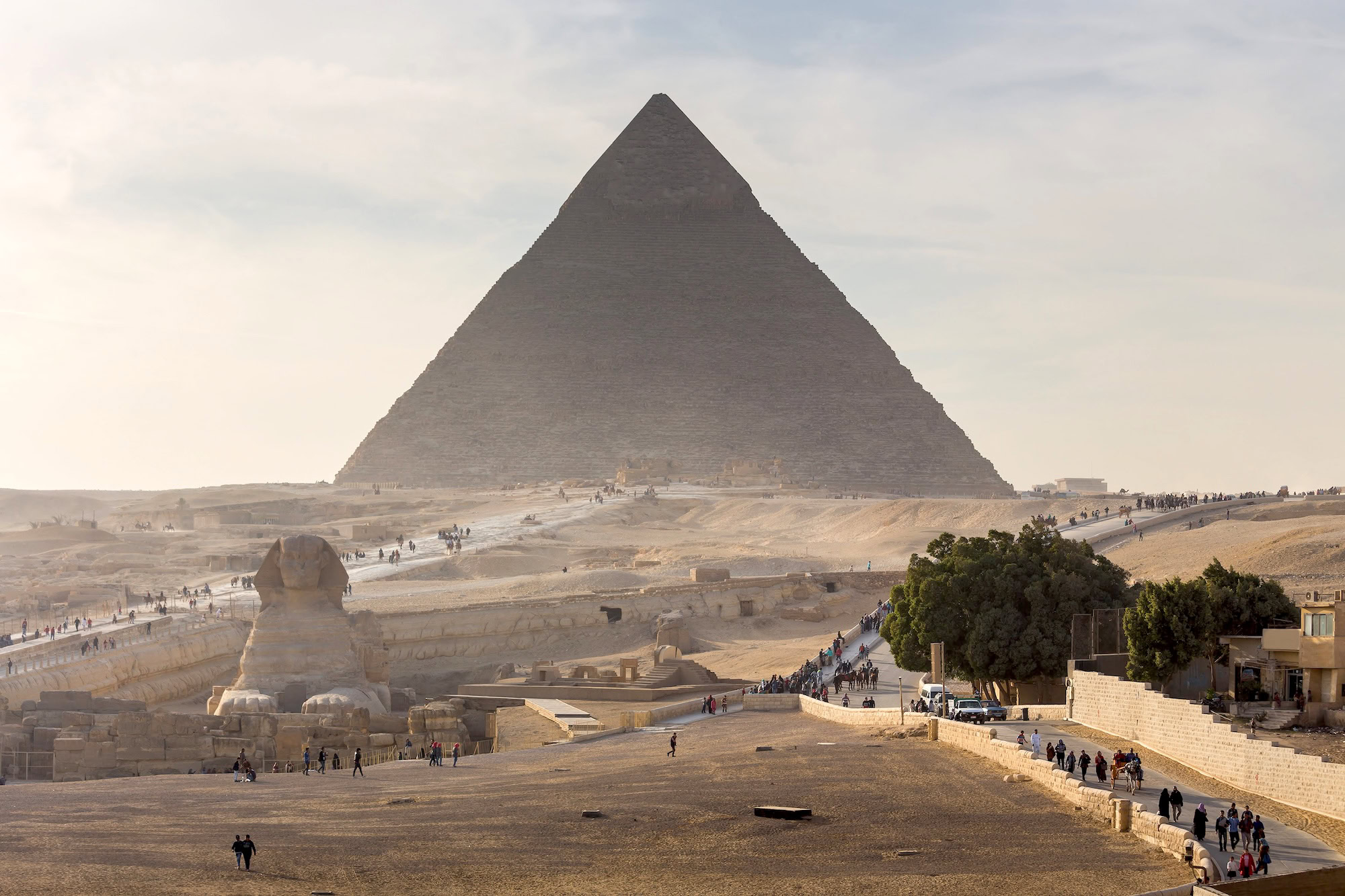
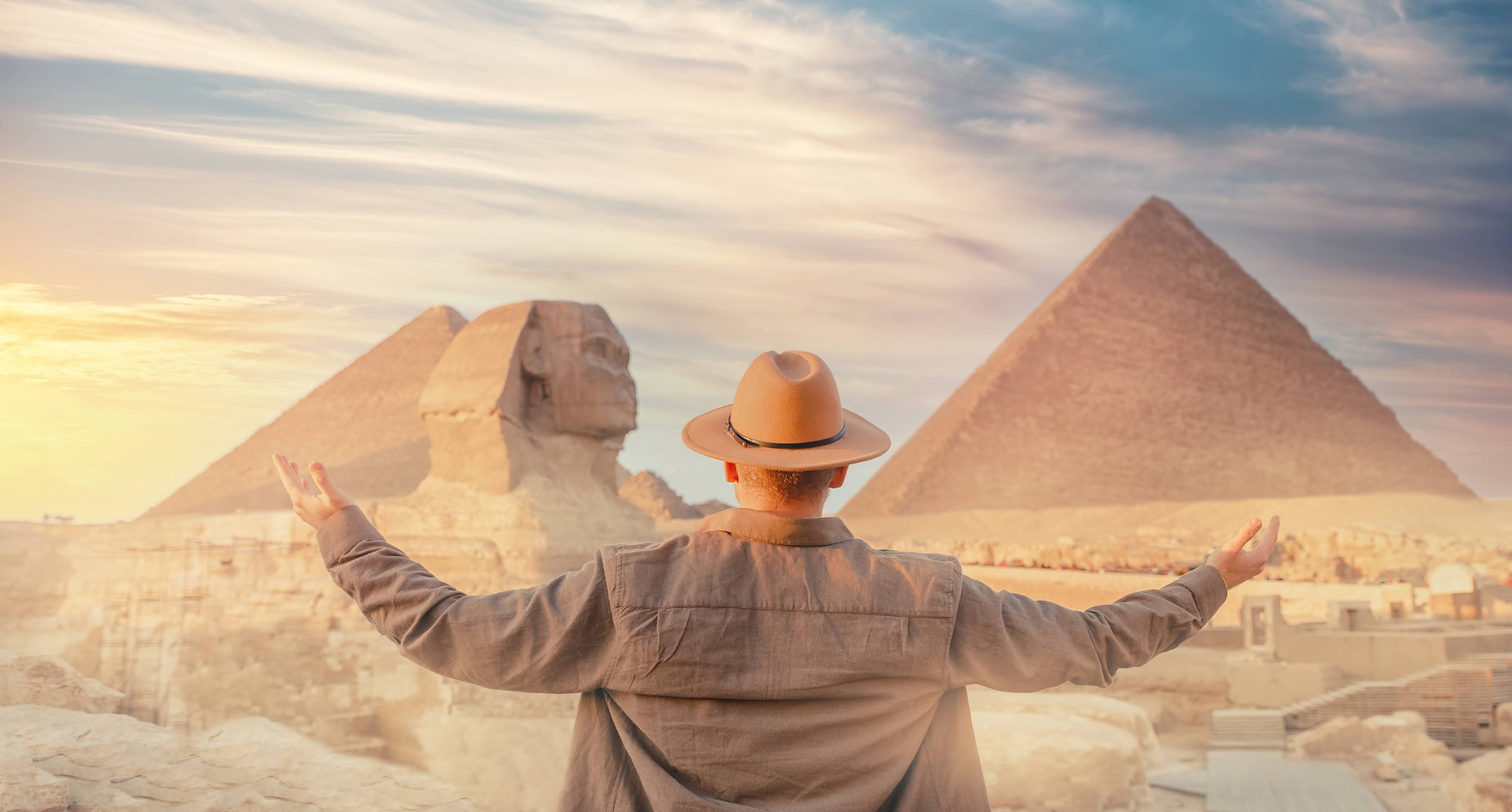
Day two takes you to the Giza Plateau. The Great Pyramid of Khufu, built around 2580 BCE, remains the most intact of the ancient wonders. The Sphinx, carved from a single piece of limestone, guards the complex with its enigmatic smile. Early morning visits at 8:00 am (08:00) avoid crowds and harsh afternoon sun.
Discovering Ancient Thebes: Luxor Experience
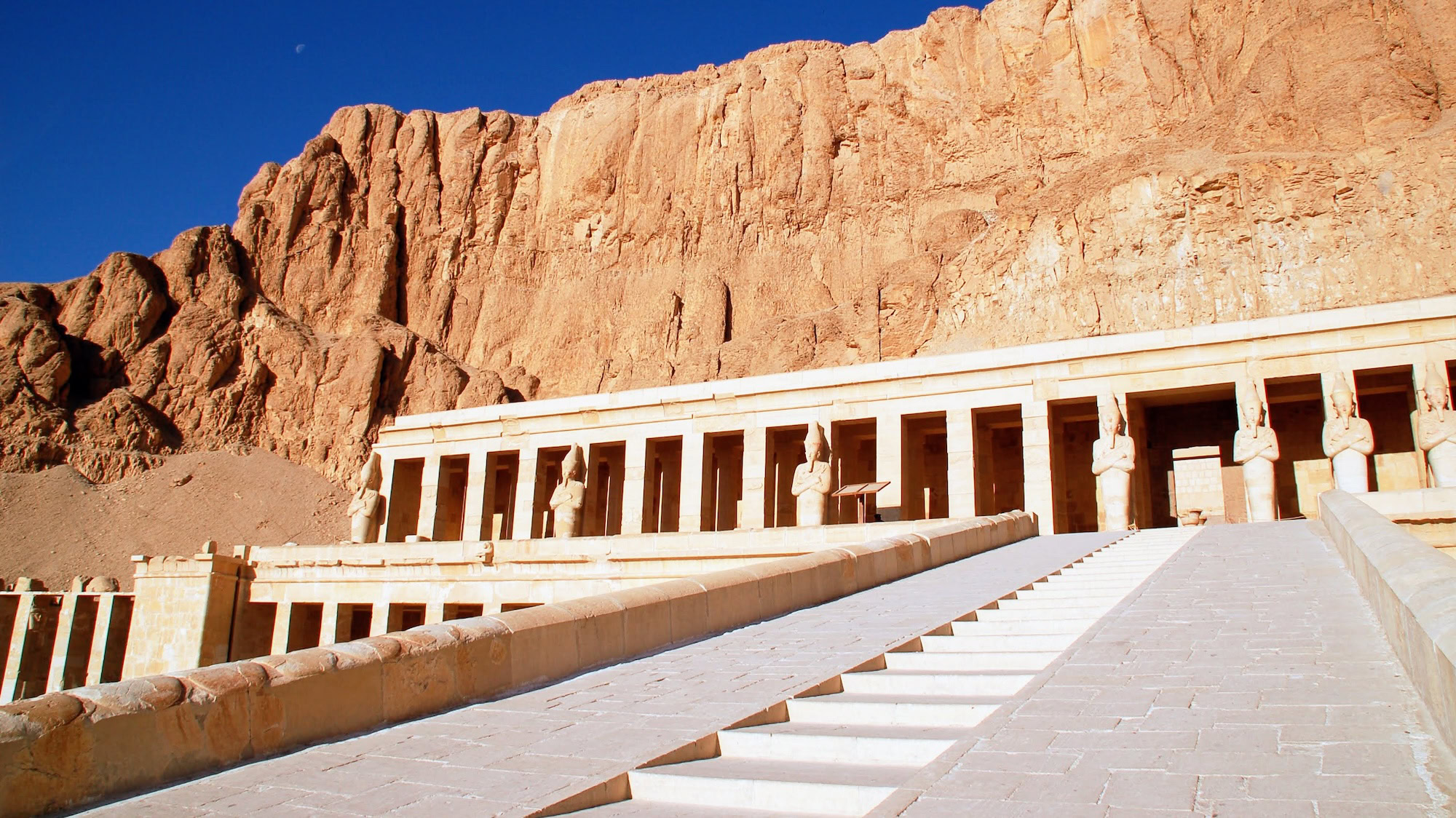
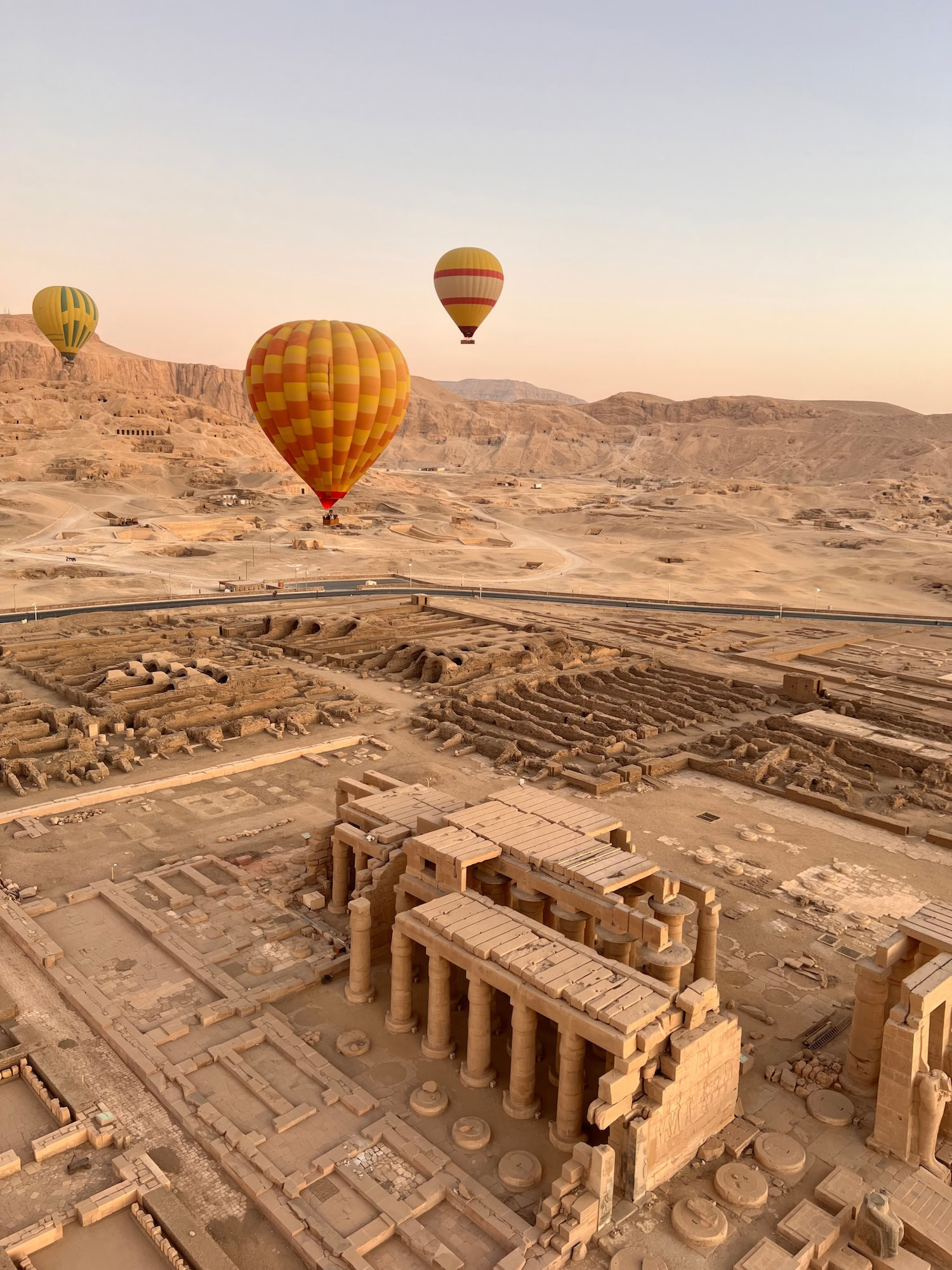
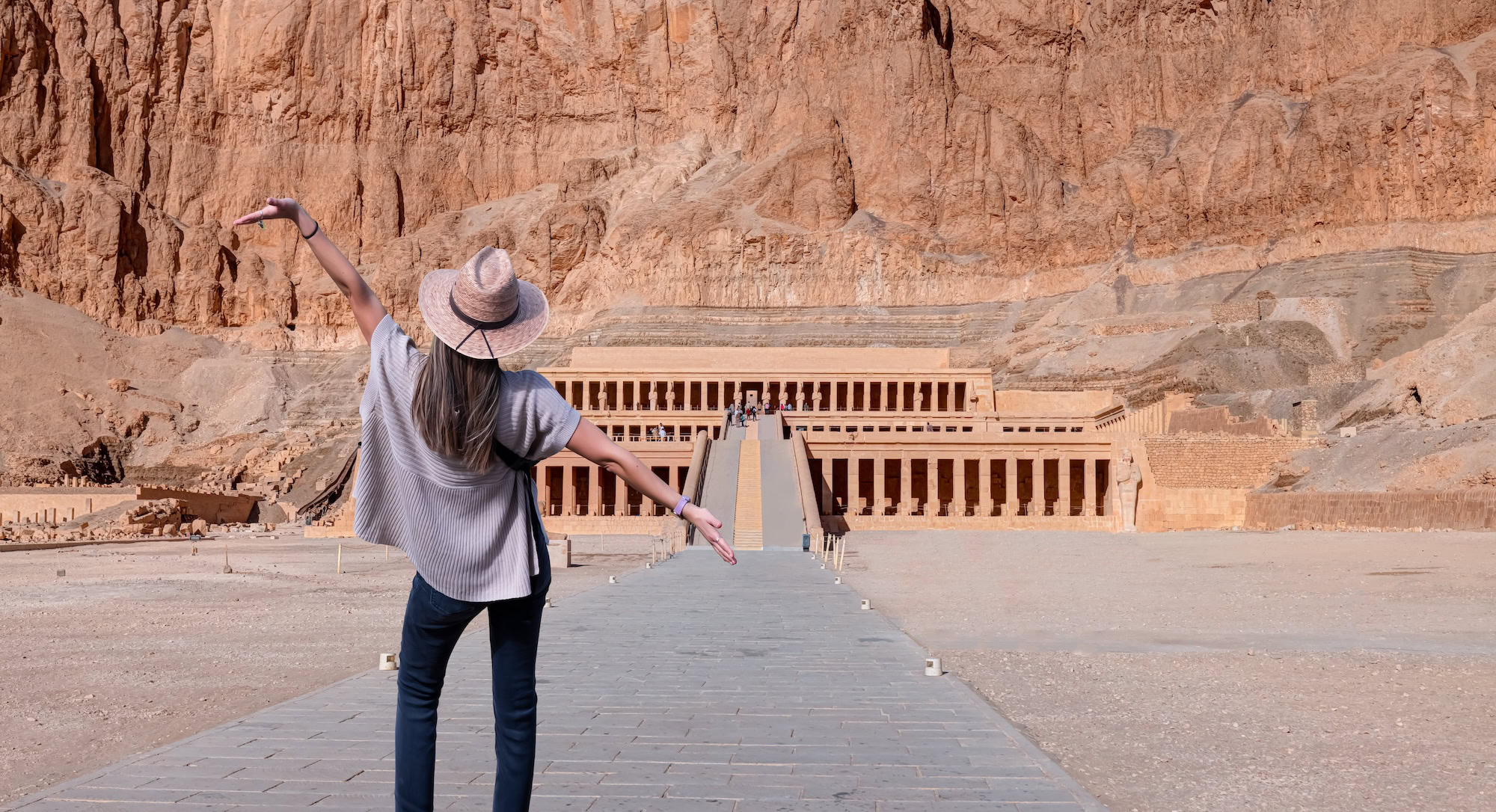
Luxor represents the pinnacle of ancient Egyptian civilization. Modern Luxor sits atop ancient Thebes, capital of the New Kingdom pharaohs.
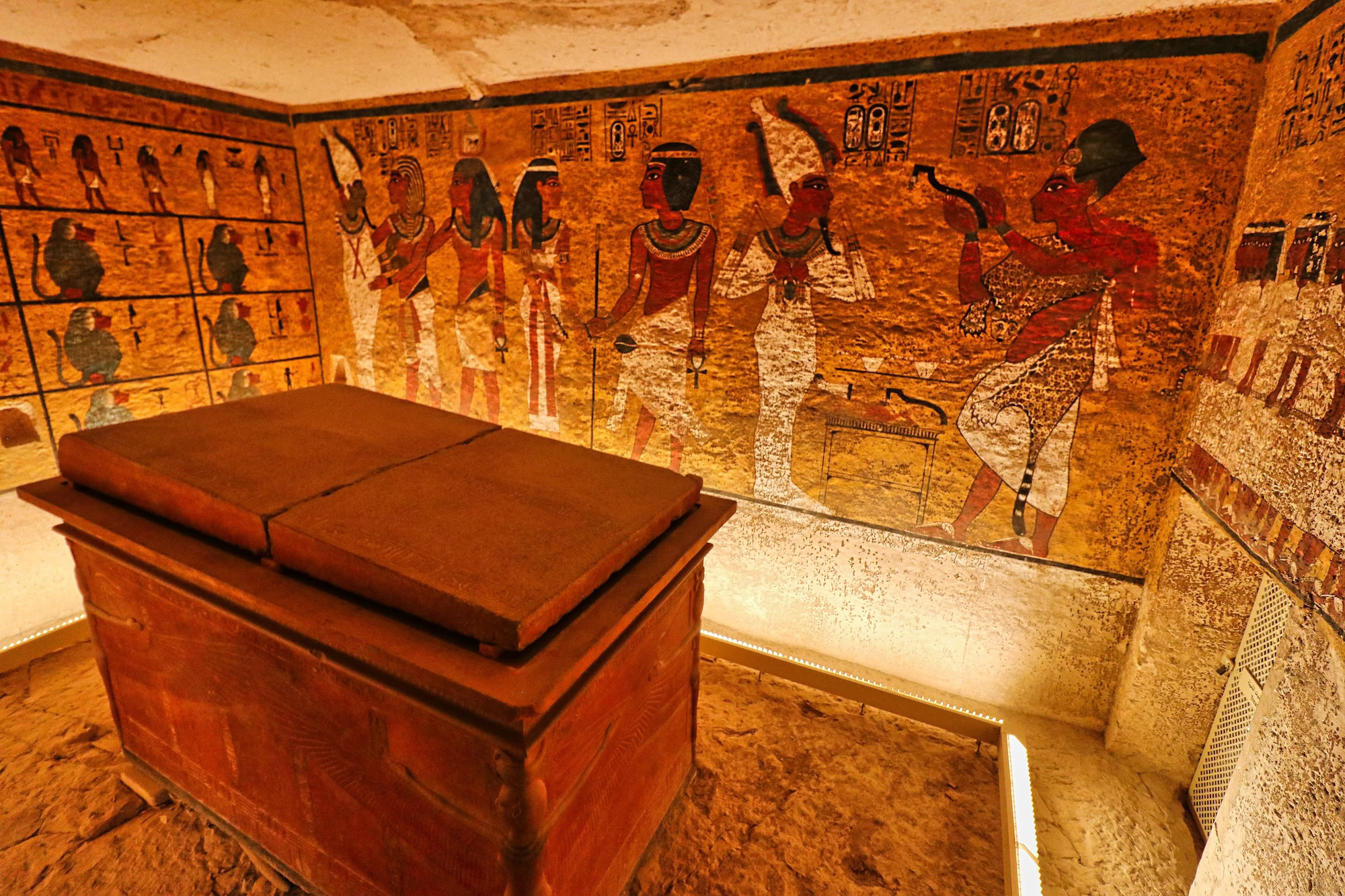
The Valley of the Kings houses 63 discovered royal tombs, including those of Tutankhamun and Ramesses II. Each tomb tells a unique story through intricate wall paintings depicting the pharaoh’s journey to the afterlife. Standard tickets include three tombs, but we recommend upgrading to visit Tutankhamun’s actual burial chamber.
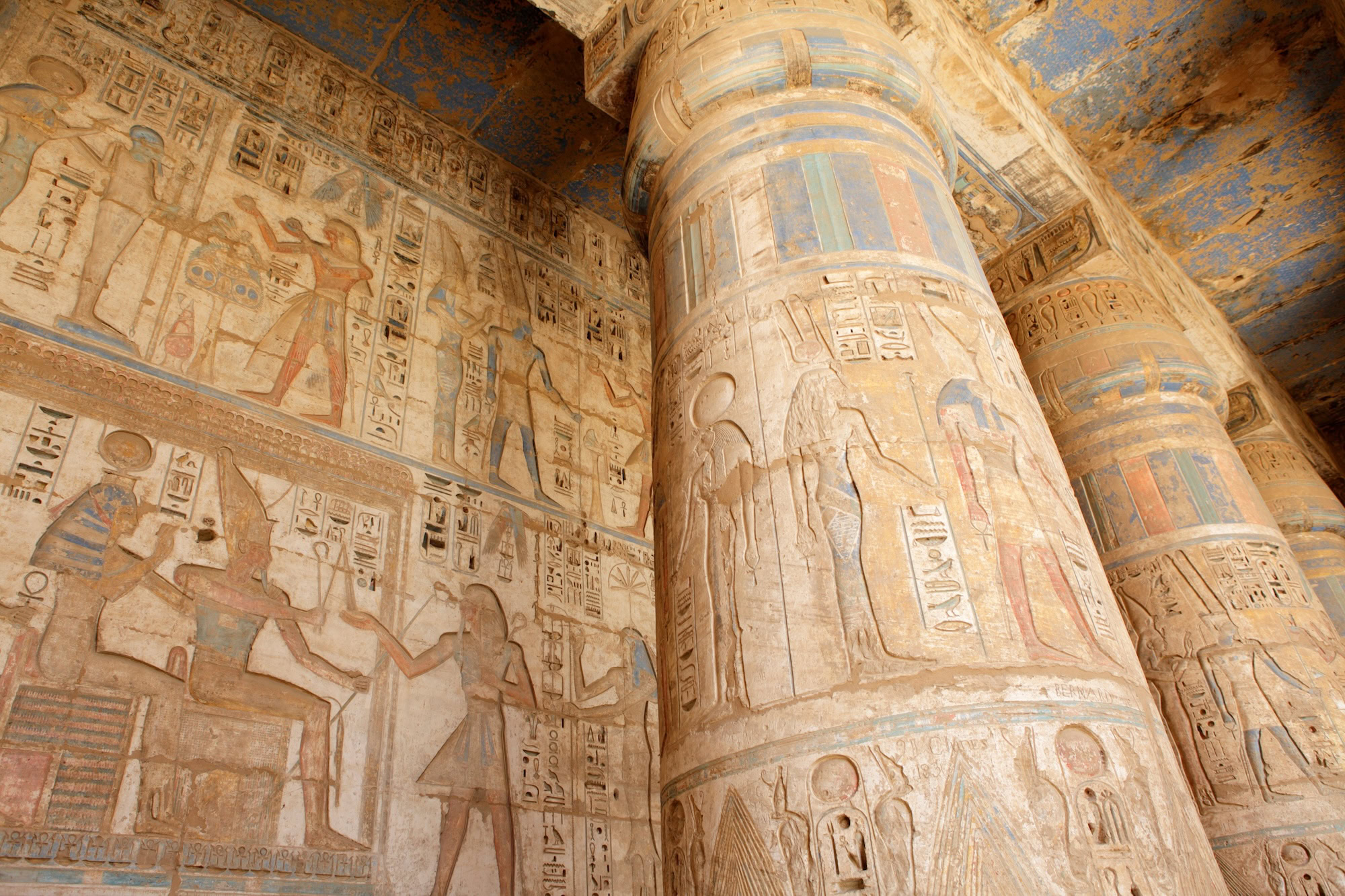
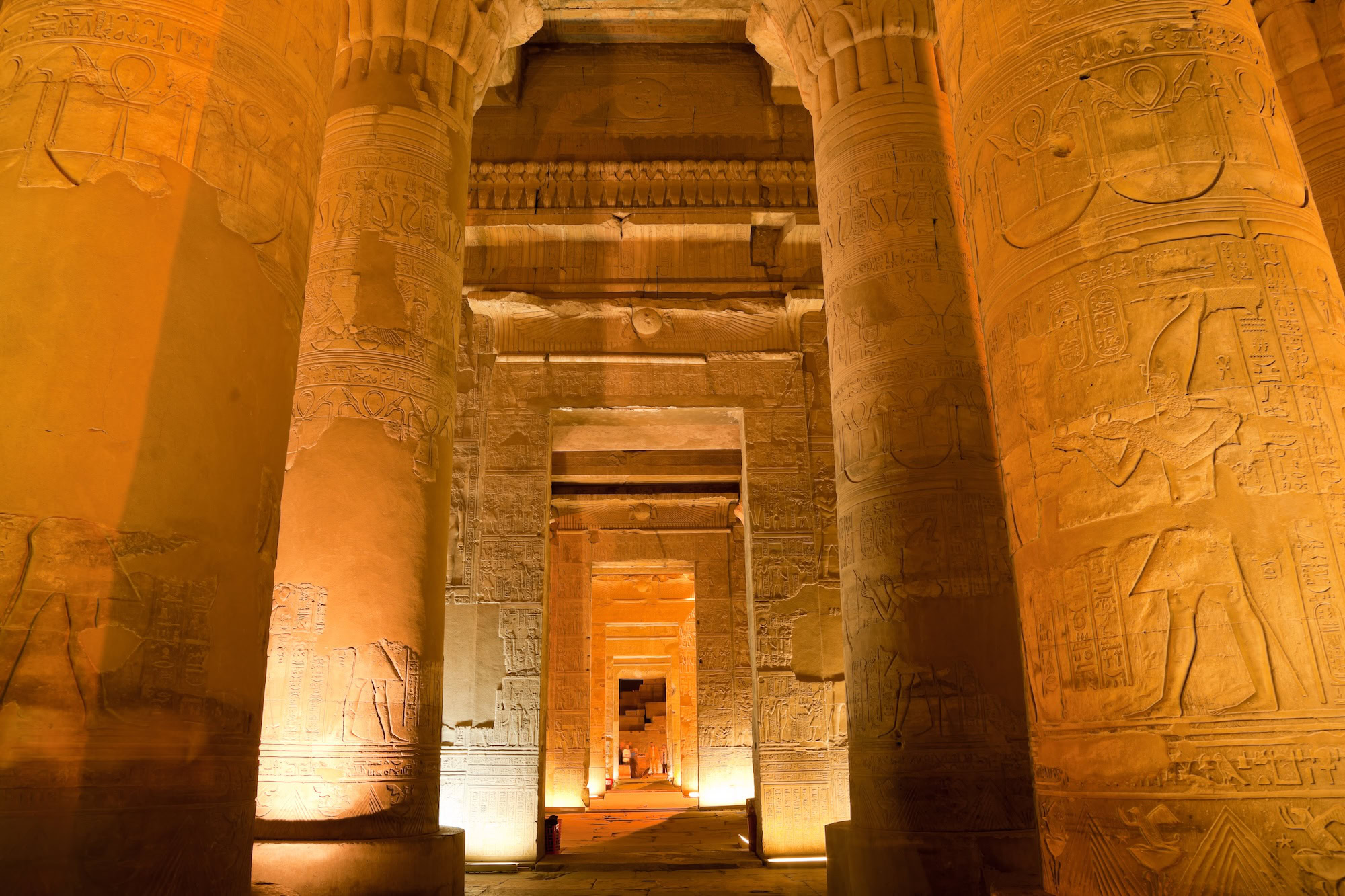
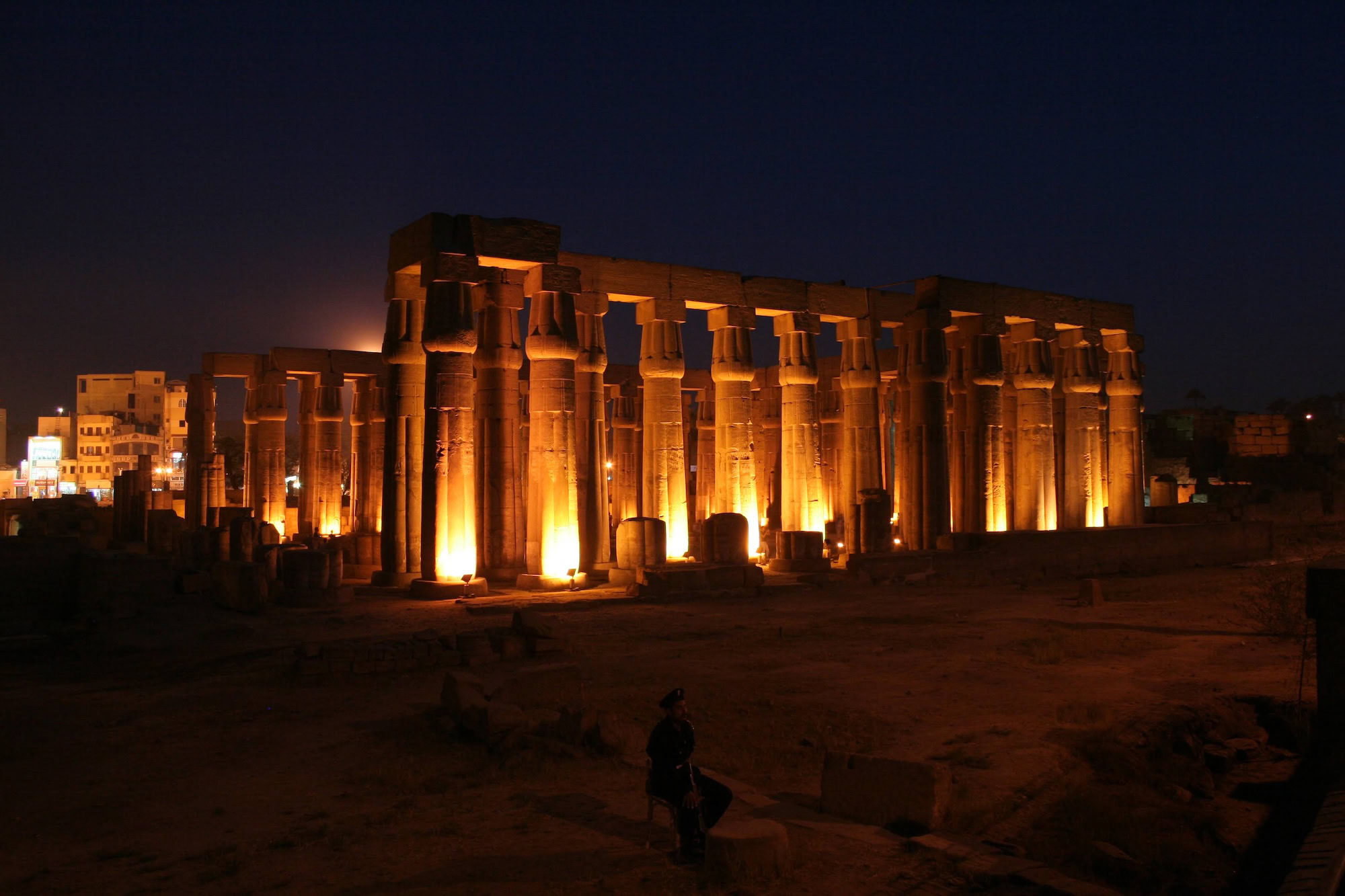
Karnak Temple Complex spans over 100 hectares, making it larger than most modern cities’ downtown areas. The Great Hypostyle Hall contains 134 massive columns, each tall enough to hold a 15-story building. Sound and light shows occur nightly at 7:00 pm (19:00) during winter months.
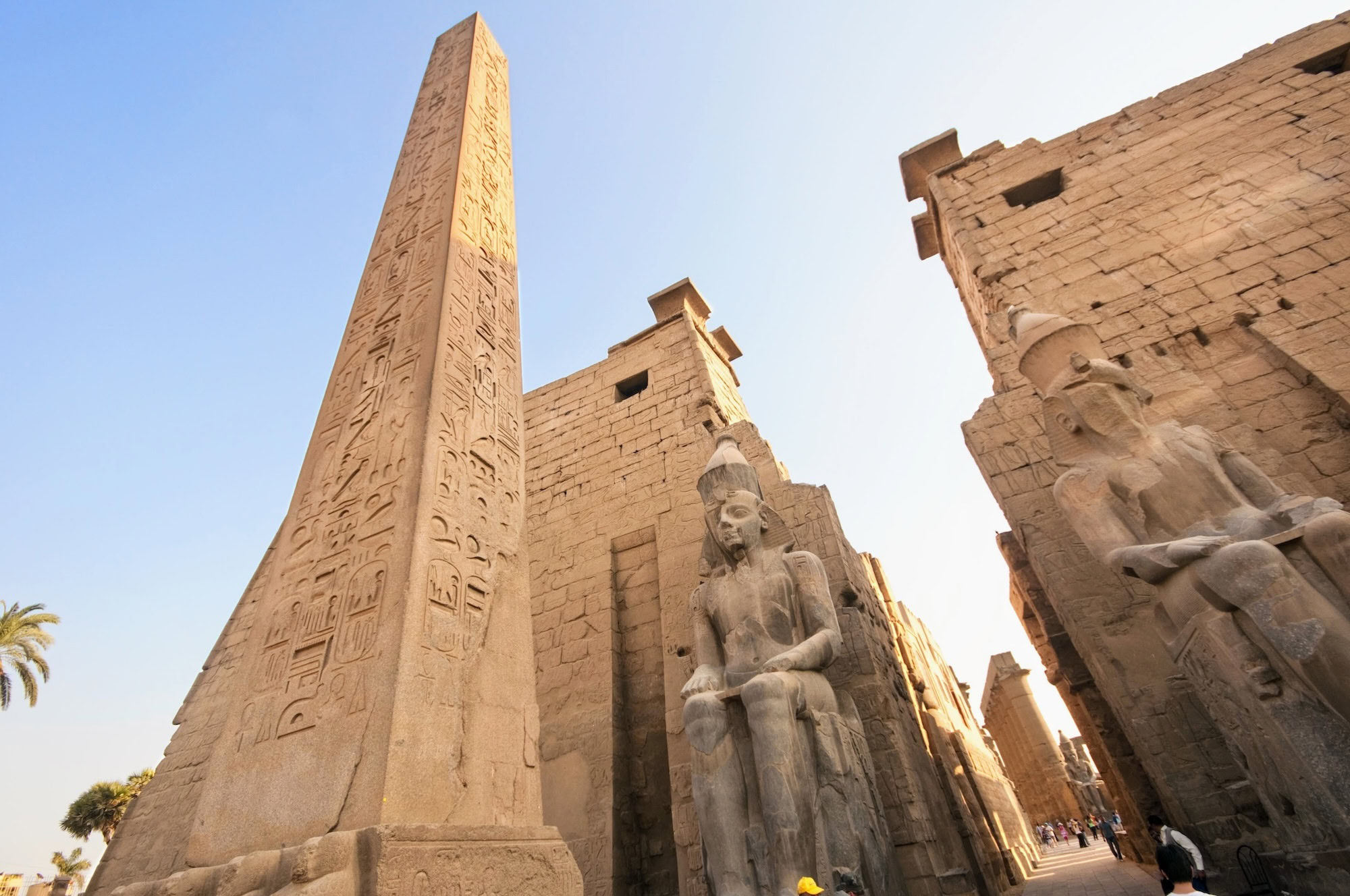
Luxor Temple connects to Karnak via the ancient Avenue of Sphinxes, recently restored and reopened to the public. Evening visits offer magical lighting that highlights the temple’s architectural details.
Cruising the Eternal Nile
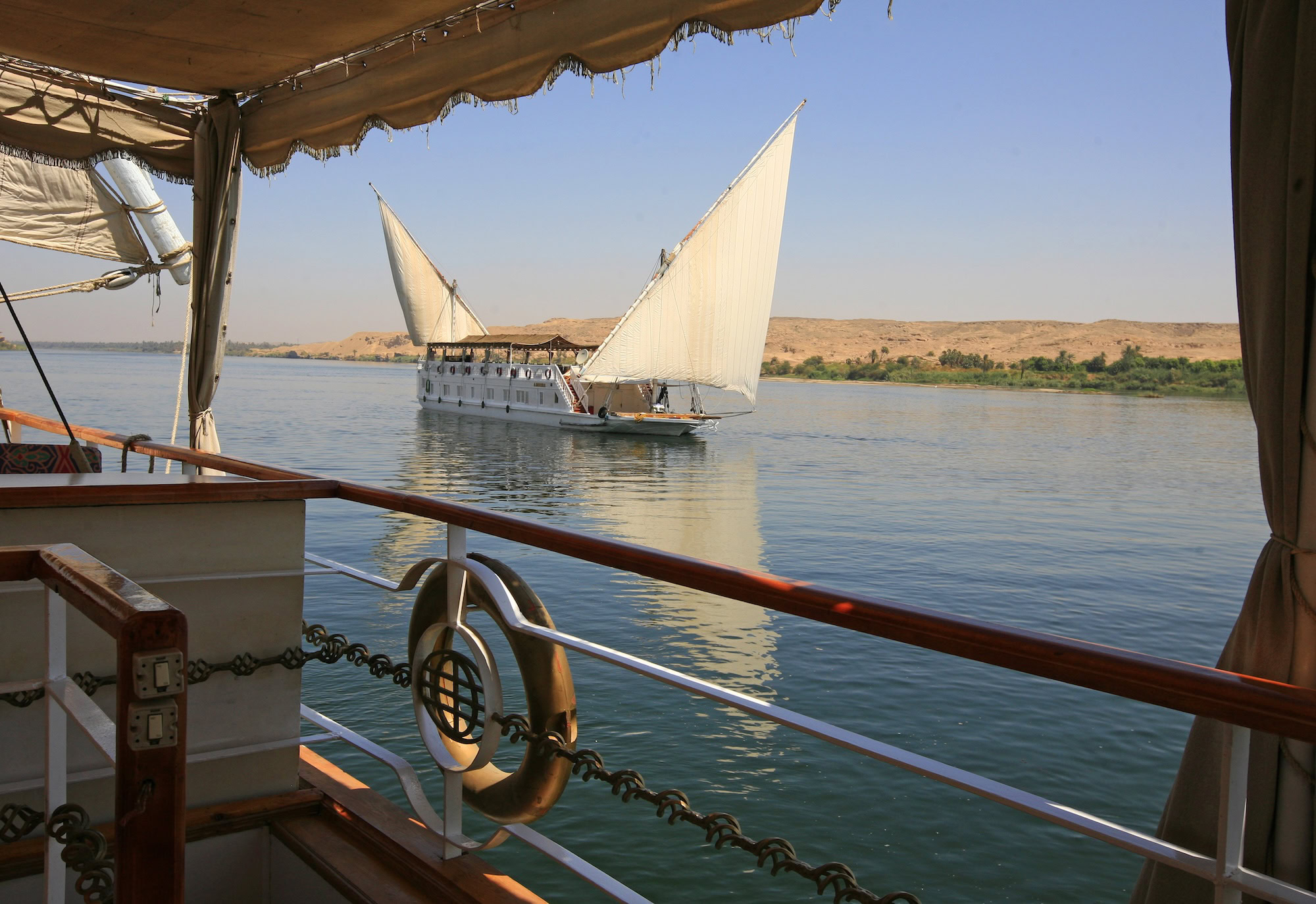
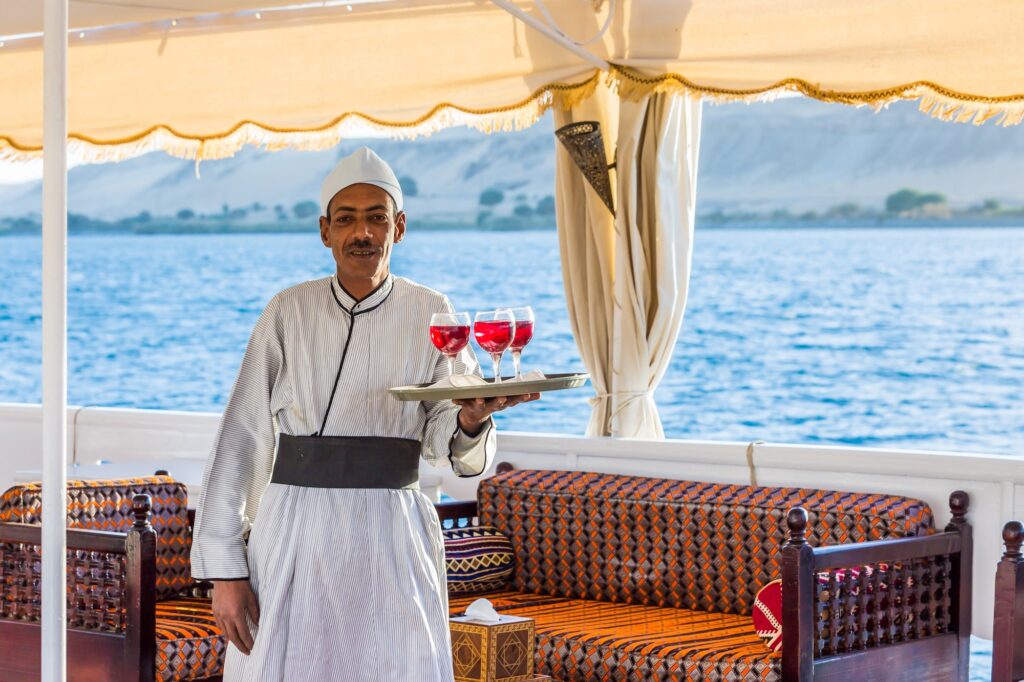
Your Nile cruise from Luxor to Aswan spans three unforgettable days. Modern cruise ships offer comfortable accommodations while you drift past timeless riverside scenes.
Edfu Temple Stop
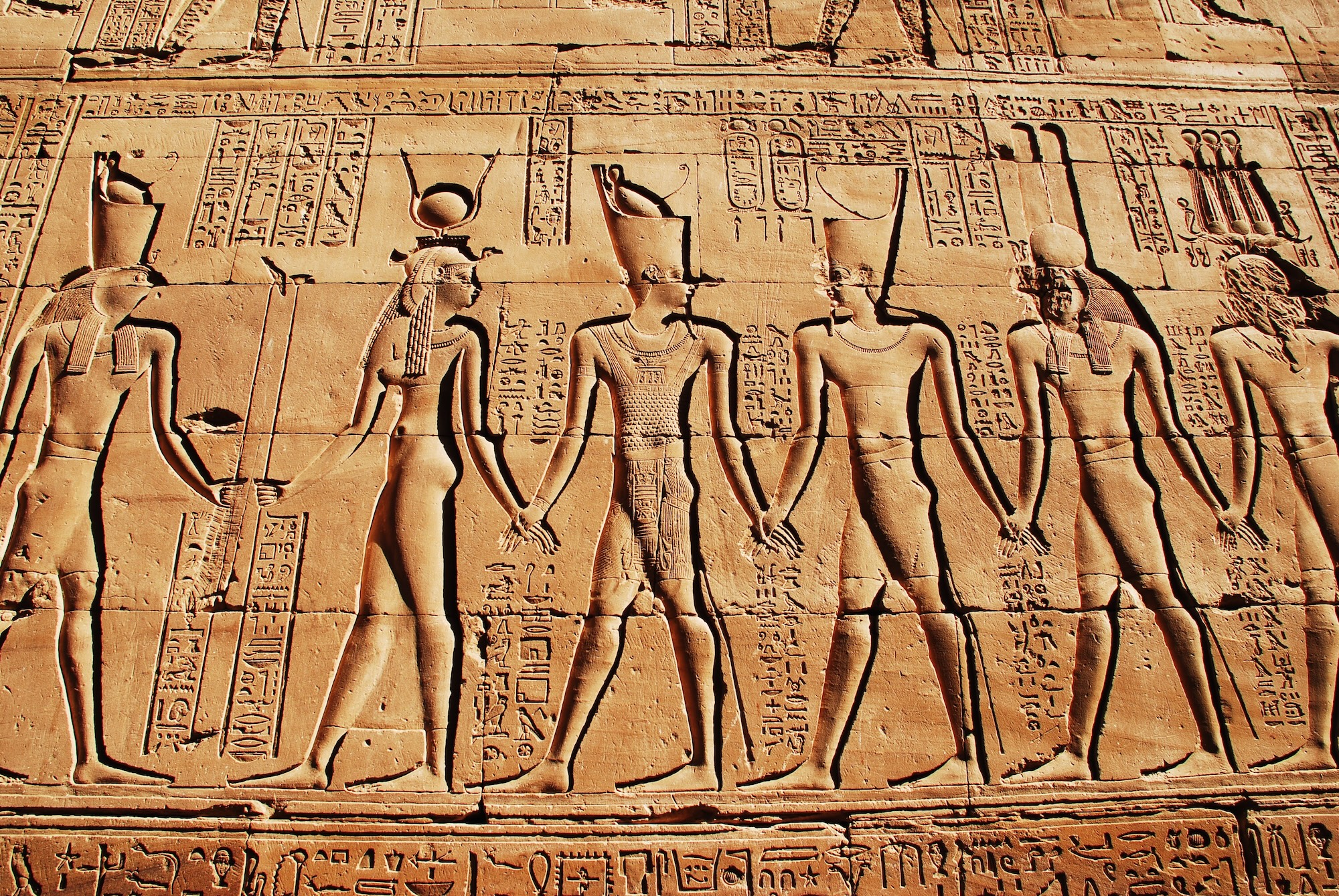
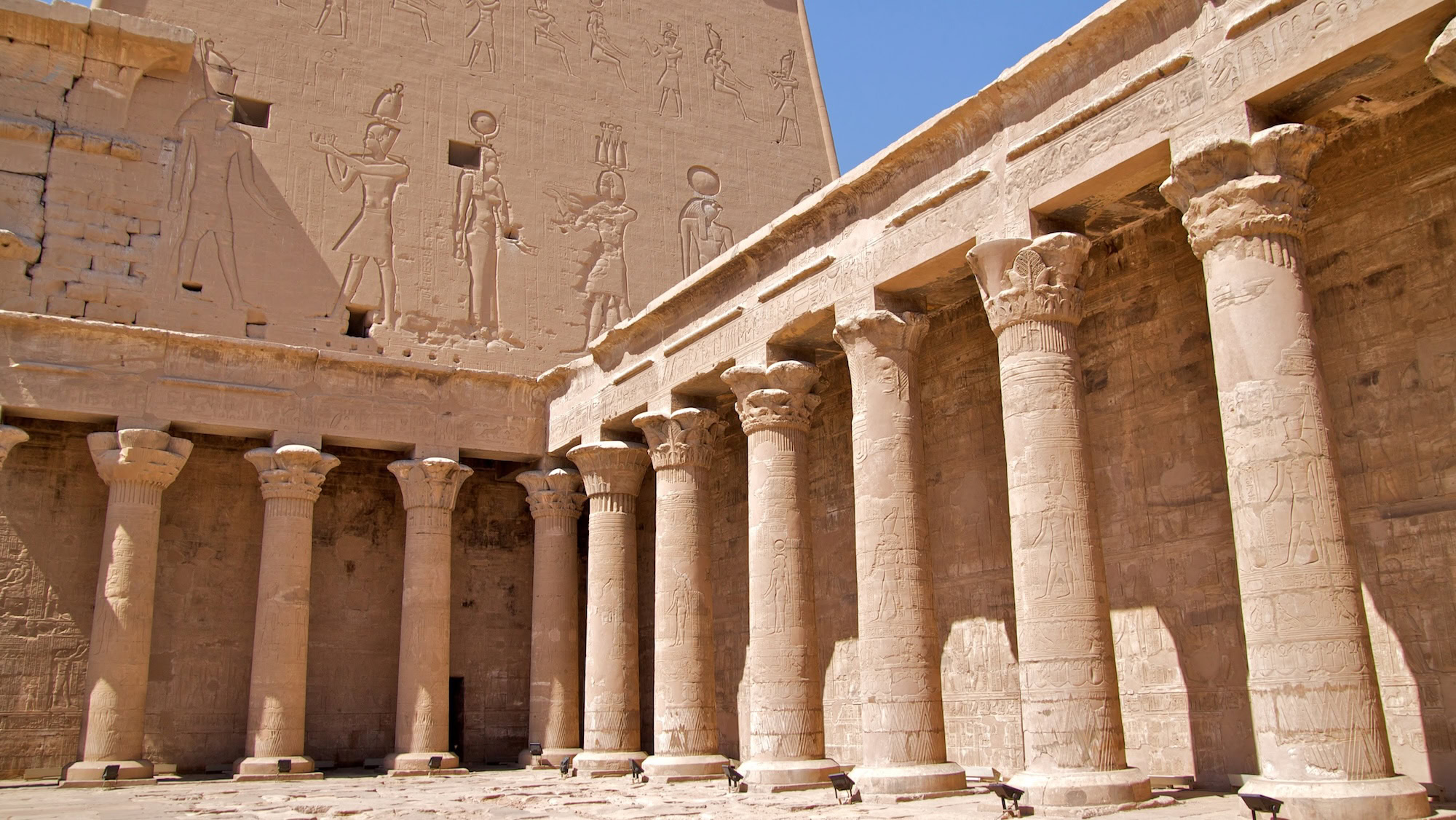
Edfu Temple, dedicated to the falcon god Horus, stands as Egypt’s best-preserved ancient temple. Built during the Ptolemaic period, its walls contain the most complete religious texts surviving from ancient Egypt. The temple’s pylon towers reach 37 meters (121 feet) high, decorated with scenes of Horus’s victory over chaos.
Kom Ombo’s Unique Design
Kom Ombo Temple uniquely honors two gods: Sobek the crocodile deity and Haroeris the falcon god. The temple’s symmetrical design creates two identical halves, each dedicated to one god. Ancient medical instruments carved into the walls demonstrate Egypt’s advanced surgical knowledge.
Arriving in Aswan
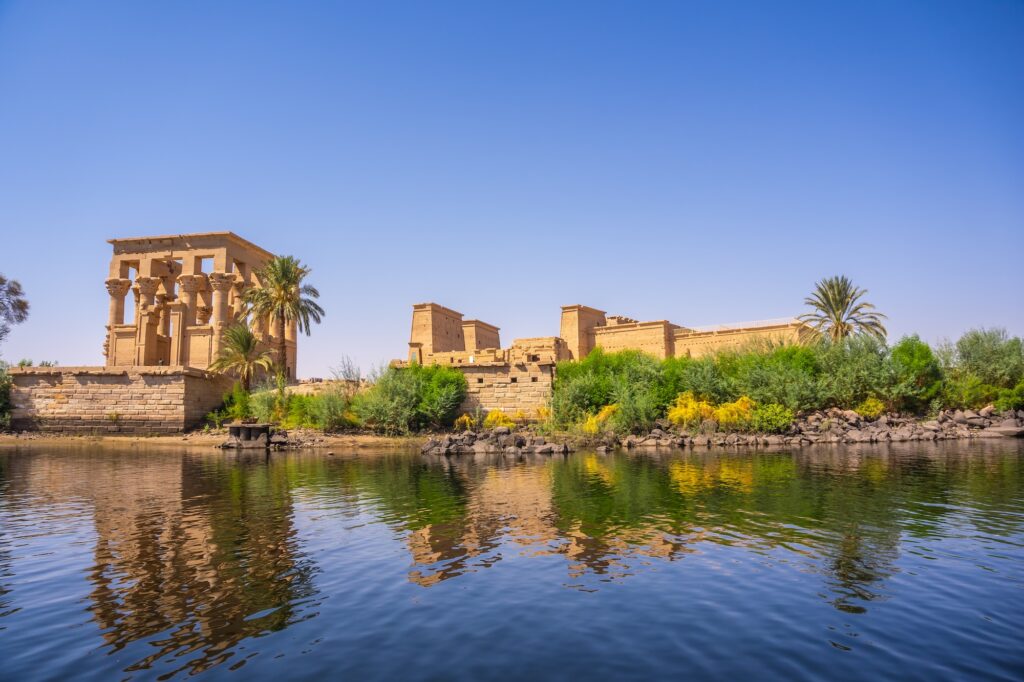
Aswan welcomes you with Nubian culture and granite quarries that supplied stone for Egypt’s greatest monuments. The Aswan High Dam, completed in 1970, created Lake Nasser and transformed southern Egypt’s agriculture. Philae Temple, relocated stone by stone to Agilkia Island, showcases the international effort to preserve Egypt’s heritage.
Abu Simbel: Ramesses II’s Masterpiece
Abu Simbel deserves a full day despite its remote location 280 km (174 miles) south of Aswan. These twin temples, carved directly into solid rock cliffs, represent ancient Egypt’s most ambitious architectural achievement.
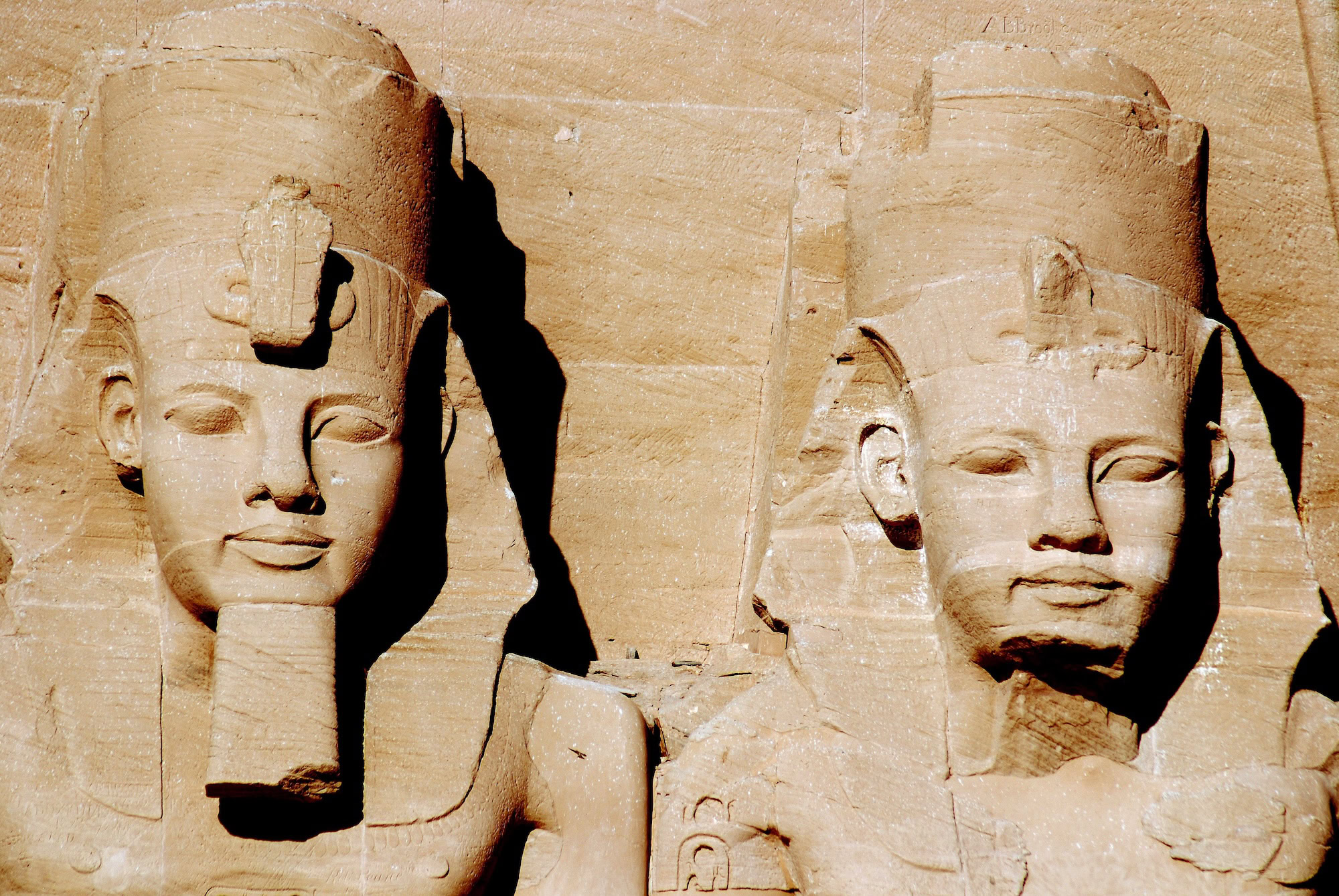
The Great Temple features four colossal statues of Ramesses II, each standing 20 meters (66 feet) tall. Twice yearly, on February 22 and October 22, sunrise illuminates the temple’s inner sanctuary—a phenomenon ancient architects planned precisely. The smaller temple honors Queen Nefertari, Ramesses II’s beloved wife, with equally stunning artwork.
UNESCO moved both temples in the 1960s to save them from flooding caused by the Aswan High Dam. This massive engineering project required cutting the temples into 1,036 blocks and reassembling them 65 meters higher and 200 meters back from their original location.
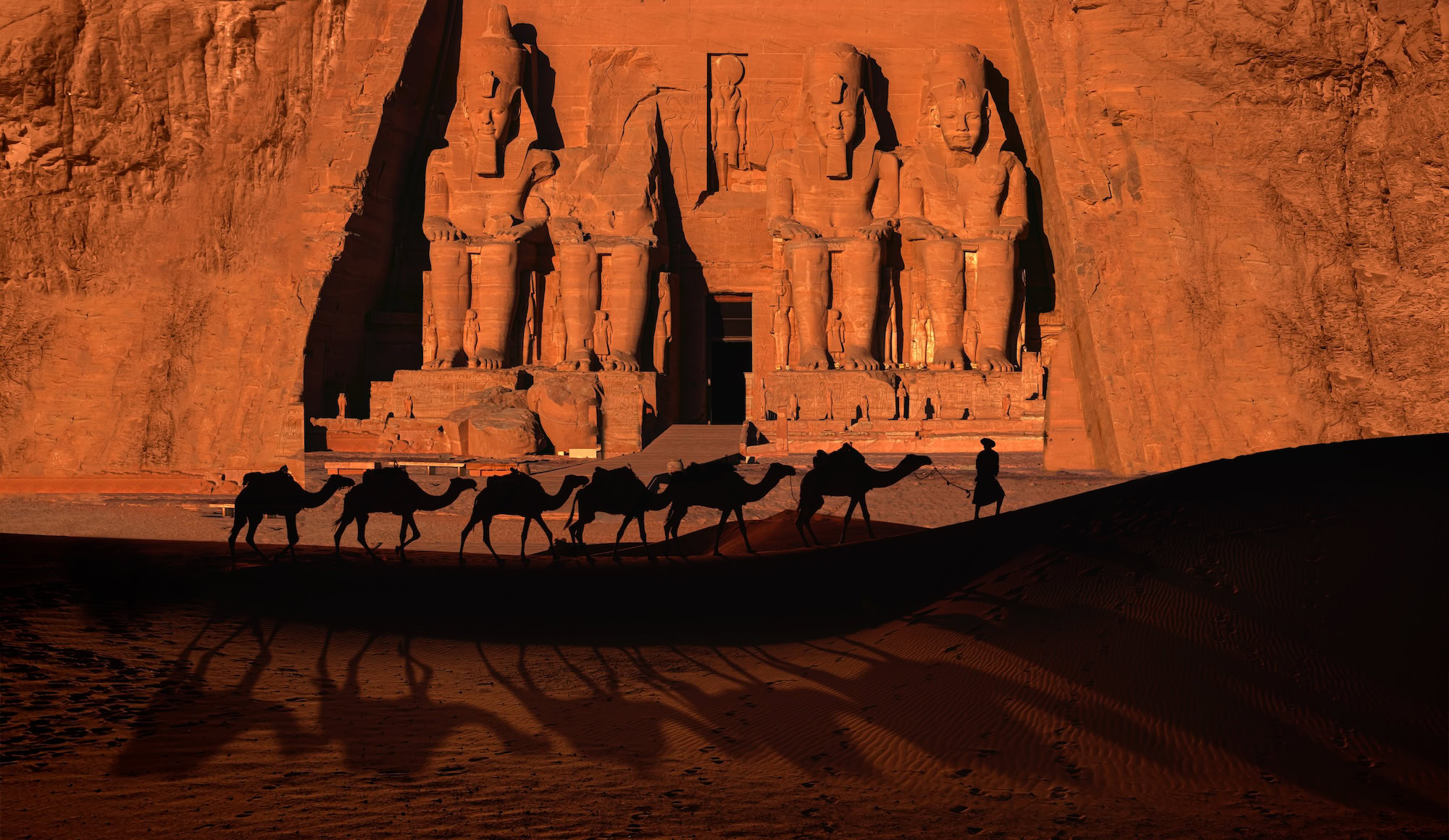
Early morning flights from Aswan reach Abu Simbel in 45 minutes, allowing full-day exploration before returning. Alternatively, drive the scenic route through Nubian villages, though this requires two days for proper exploration.
Red Sea Relaxation: Hurghada Extension
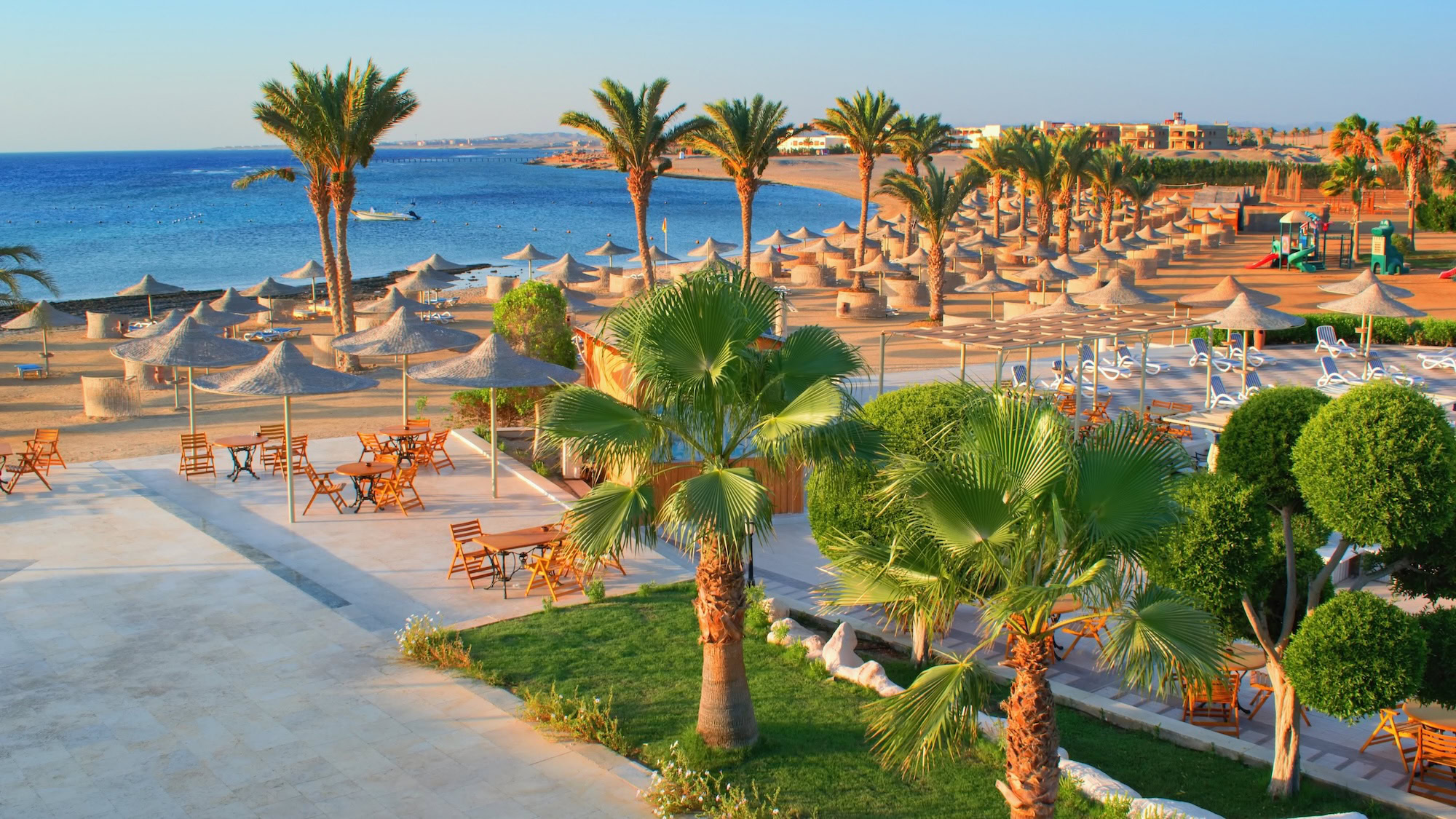
Balance your cultural immersion with Red Sea relaxation. Hurghada offers world-class diving, pristine beaches, and modern resort amenities.
The Red Sea contains over 1,200 fish species and 200 coral types. Giftun Islands, just 45 minutes by boat from Hurghada, provide exceptional snorkeling opportunities in crystal-clear waters with visibility reaching 30 meters (98 feet).
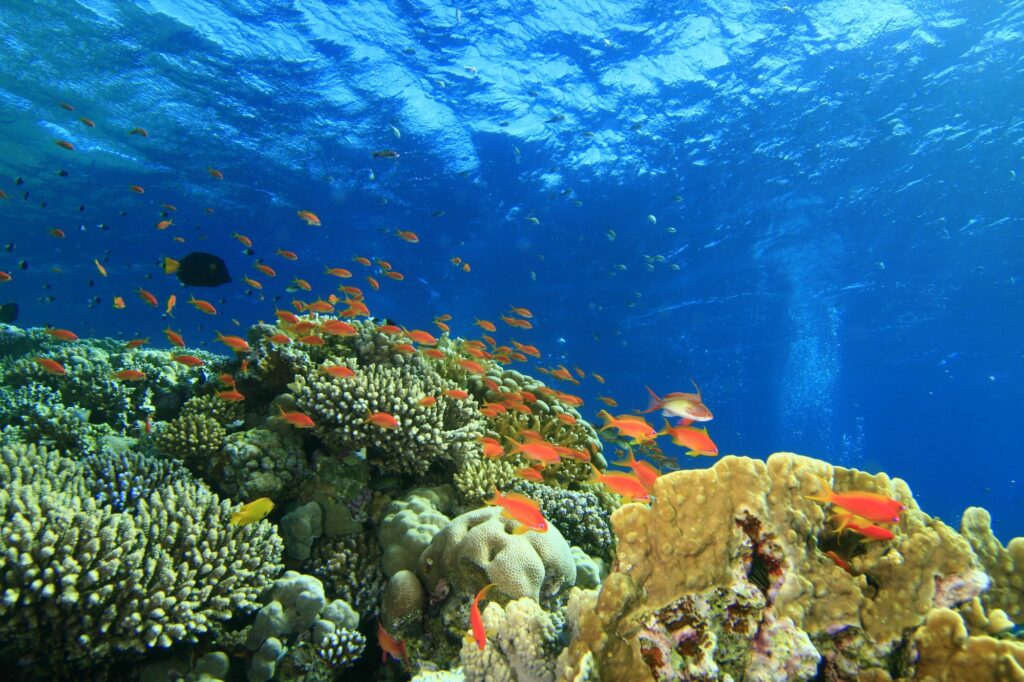
Diving enthusiasts can explore famous sites like the SS Thistlegorm wreck, a World War II cargo ship now home to diverse marine life. Local dive centers offer PADI certification courses for beginners and advanced wreck diving for experienced divers.
Resort areas provide spa treatments, golf courses, and beachfront dining. Evening temperatures remain comfortable year-round, perfect for sunset dinners overlooking the sea.
Practical Travel Tips for Egypt
Transportation between cities requires advance planning. Domestic flights connect Cairo, Luxor, and Aswan in 1-1.5 hours each. First-class train service offers comfortable overnight travel with sleeping cars and dining services.
Packing Essentials
Pack lightweight, modest clothing covering shoulders and knees for temple visits. Comfortable walking shoes with good grip handle uneven ancient stone surfaces. Sunscreen, sunglasses, and a wide-brimmed hat protect against intense desert sun.
Cultural Etiquette
Learn basic Arabic greetings like “As-salamu alaykum” (peace be upon you) and “Shukran” (thank you). Egyptians appreciate visitors who show respect for their culture and traditions.
Tipping, called “baksheesh,” is customary for services. Tip hotel staff 20-30 EGP daily, restaurant servers 10-15%, and tour guides 100-150 EGP per day.
Health and Safety
Drink only bottled water and avoid ice in drinks. Eat at reputable restaurants and avoid street food until your stomach adjusts. Travel insurance covering medical evacuation provides peace of mind in remote areas.
Making Your Egypt Dreams Reality
Egypt rewards travelers who approach it with respect, curiosity, and proper planning. Our decades of experience designing Egyptian journeys ensure you experience the country’s highlights while avoiding common pitfalls.
We provide private, qualified guides who speak fluent English and possess deep knowledge of Egyptian history and culture. Our modern, air-conditioned vehicles ensure comfortable travel between destinations, while our 24/7 customer support gives you peace of mind throughout your journey.
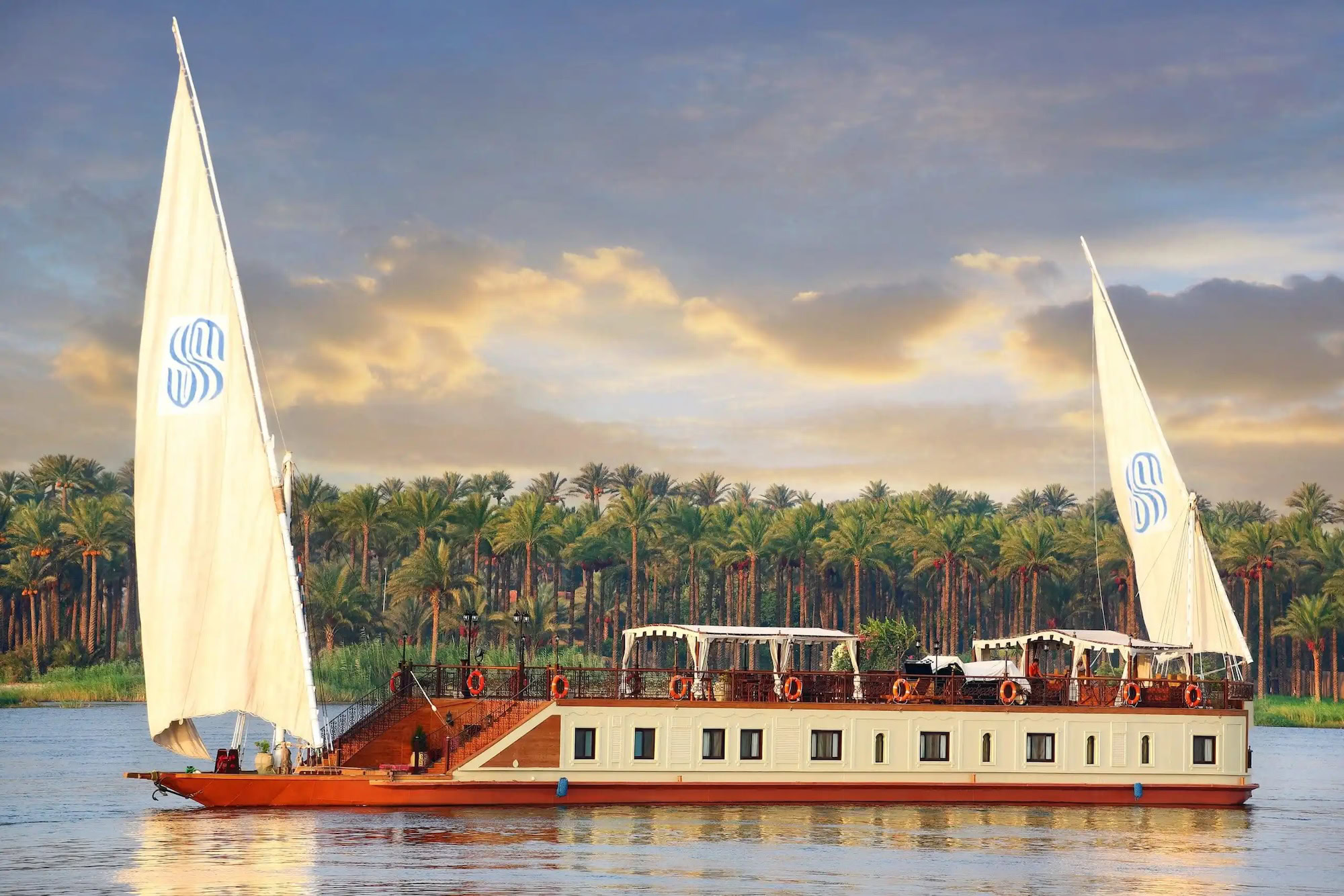
Your Egyptian adventure combines ancient wonders with modern comfort, creating memories that last a lifetime. From watching sunrise over the pyramids to floating past feluccas on the Nile, every moment becomes part of your personal Egyptian story.
Frequently Asked Questions
How much does a 10-day Egypt trip cost?
Budget travelers spend $50-70 daily, mid-range travelers $100-150 daily, and luxury travelers $300+ daily, excluding international flights.
Is Egypt safe for tourists?
Yes, Egypt maintains strong security measures at tourist sites. We recommend staying with reputable tour operators and following current travel advisories.
What’s the best way to see the pyramids?
Early morning visits at 8:00 am avoid crowds and heat. Private guides provide historical context while photography permits cost extra for interior access.
Do I need vaccinations for Egypt?
No special vaccinations are required, but hepatitis A and typhoid vaccines are recommended. Consult your doctor 4-6 weeks before travel.
Can I drink tap water in Egypt?
Stick to bottled water throughout your trip. Hotels and restaurants serve bottled water, and it’s inexpensive and widely available.
What should women wear in Egypt?
Modest clothing covering shoulders and knees shows respect for local culture. Lightweight, breathable fabrics work best in Egypt’s climate.
How do I get from Cairo to Luxor?
Domestic flights take 1.5 hours, while overnight trains offer sleeping compartments. Both options are comfortable and reliable.
Is it worth visiting Abu Simbel?
Absolutely. These magnificent temples represent ancient Egypt’s greatest architectural achievement and are easily accessible by short flight from Aswan.
What’s included in a Nile cruise?
Full board meals, accommodation, entertainment, and guided excursions to temples along the route. Small group excursions typically include up to 12 participants.
When do temples open for visits?
Most temples open at 6:00 am and close at 5:00 pm during winter, with shorter hours in summer due to heat.
How much should I tip in Egypt?
Hotel staff receive 20-30 EGP daily, restaurant servers 10-15% of the bill, and tour guides 100-150 EGP per day for excellent service.
Can I use credit cards in Egypt?
Major hotels and restaurants accept credit cards, but carry cash for smaller vendors, tips, and entrance fees at some sites.
Explore our most popular guides and expert tips to make your trip safe, smooth, and unforgettable.
Plan Your Egypt Adventure with Confidence
How to Plan a Trip Egypt
Step-by-step guide to help you plan the perfect Egypt trip — from routes and budget to booking.
Best Time to Visit Egypt
Learn the best months to visit Egypt based on weather, crowds, and local travel experiences.
Must Visit Places in Egypt
Explore Egypt’s top sights — from pyramids to temples — and hidden gems worth seeing.
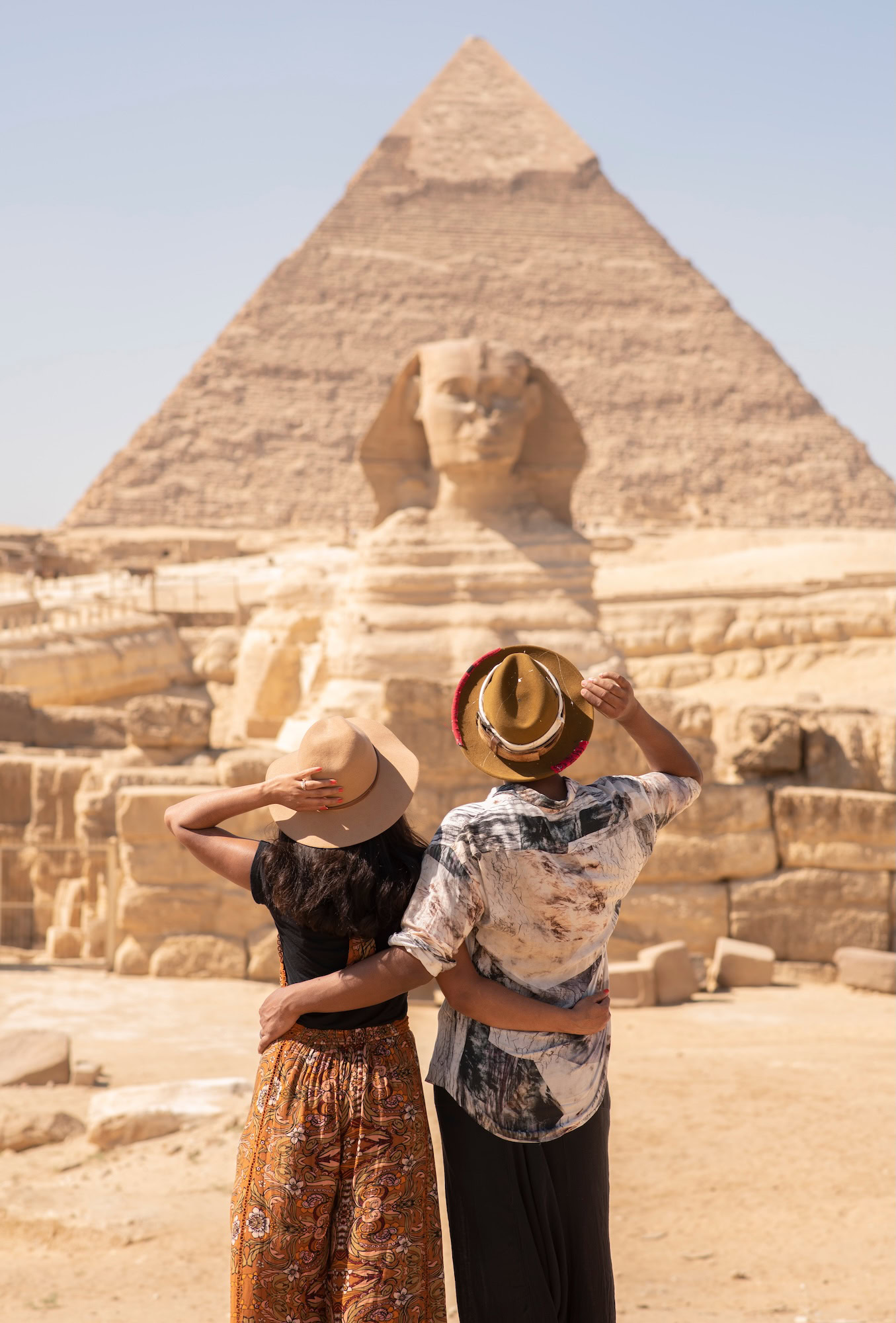
Top-Rated Egypt Tours
Handpicked private tours with local guides — our most loved and best-reviewed experiences.
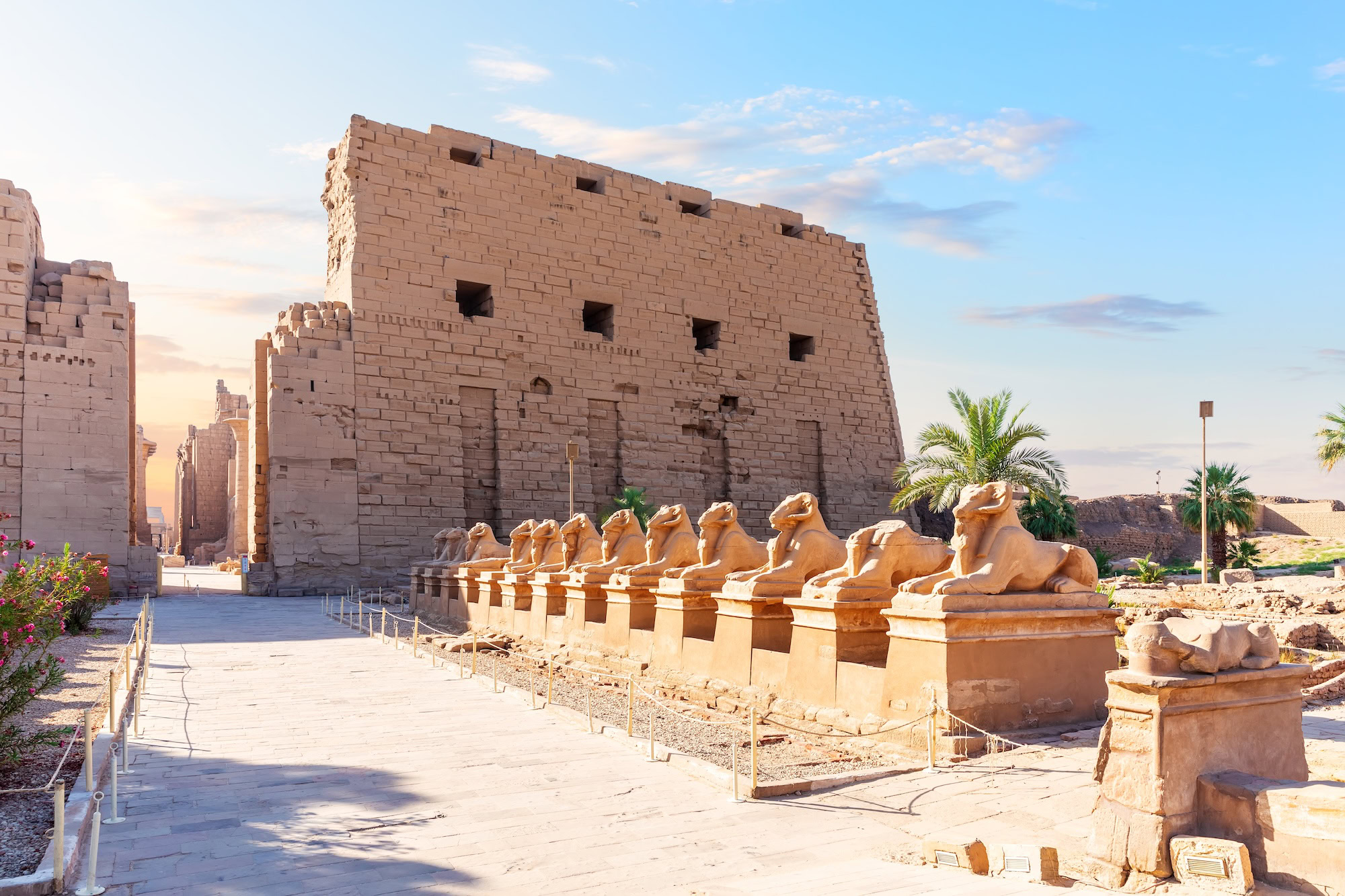
How Many Days to Visit Egypt?
Find out how many days you need in Egypt — from quick trips to full itineraries.
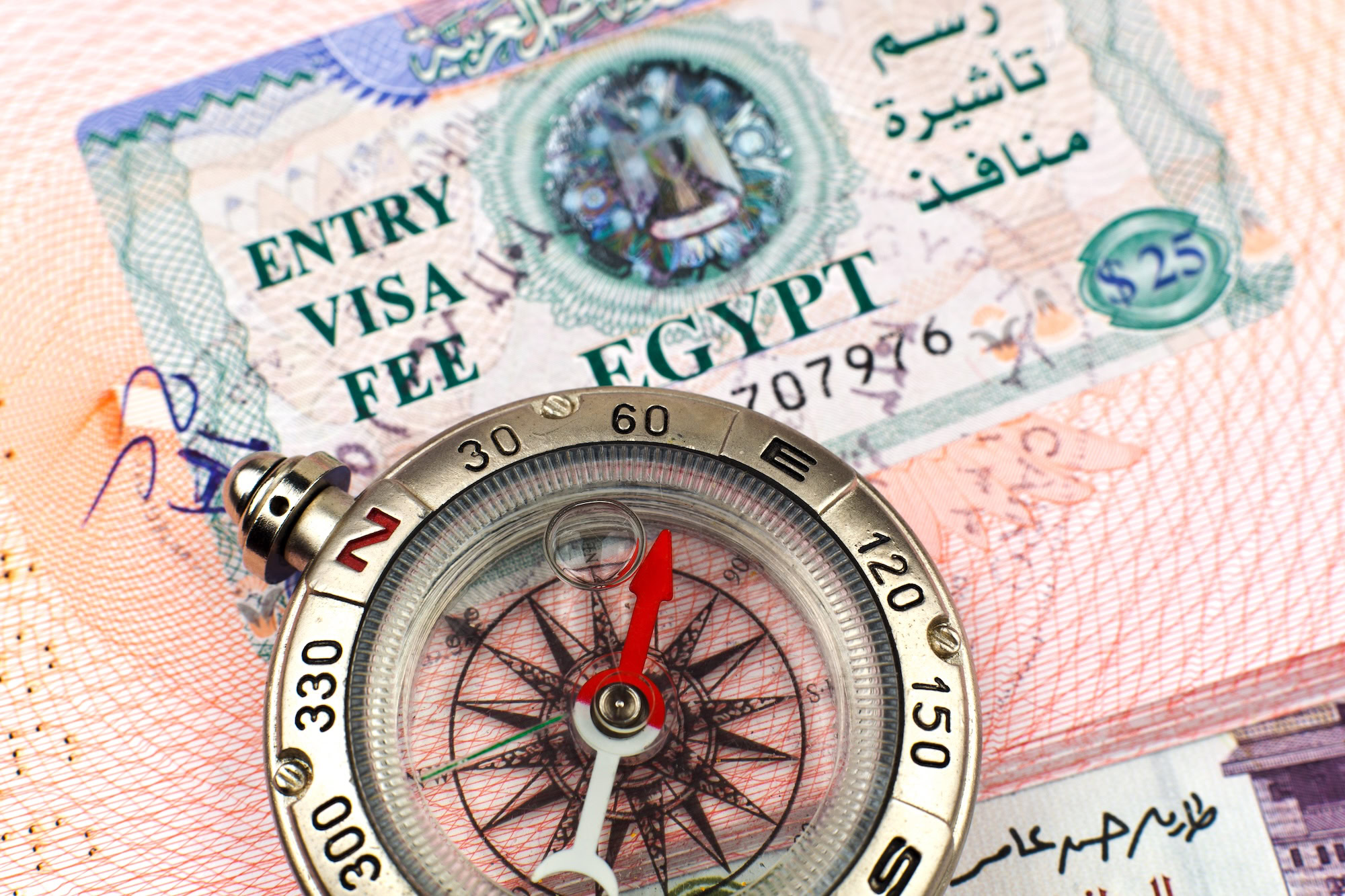
Egypt Visa Requirements
Check if you need a visa and get simple, up-to-date entry info based on your nationality.

Is it Safe to Travel to Egypt?
Is Egypt safe? Get honest safety tips, area advice, and what to know before you travel.
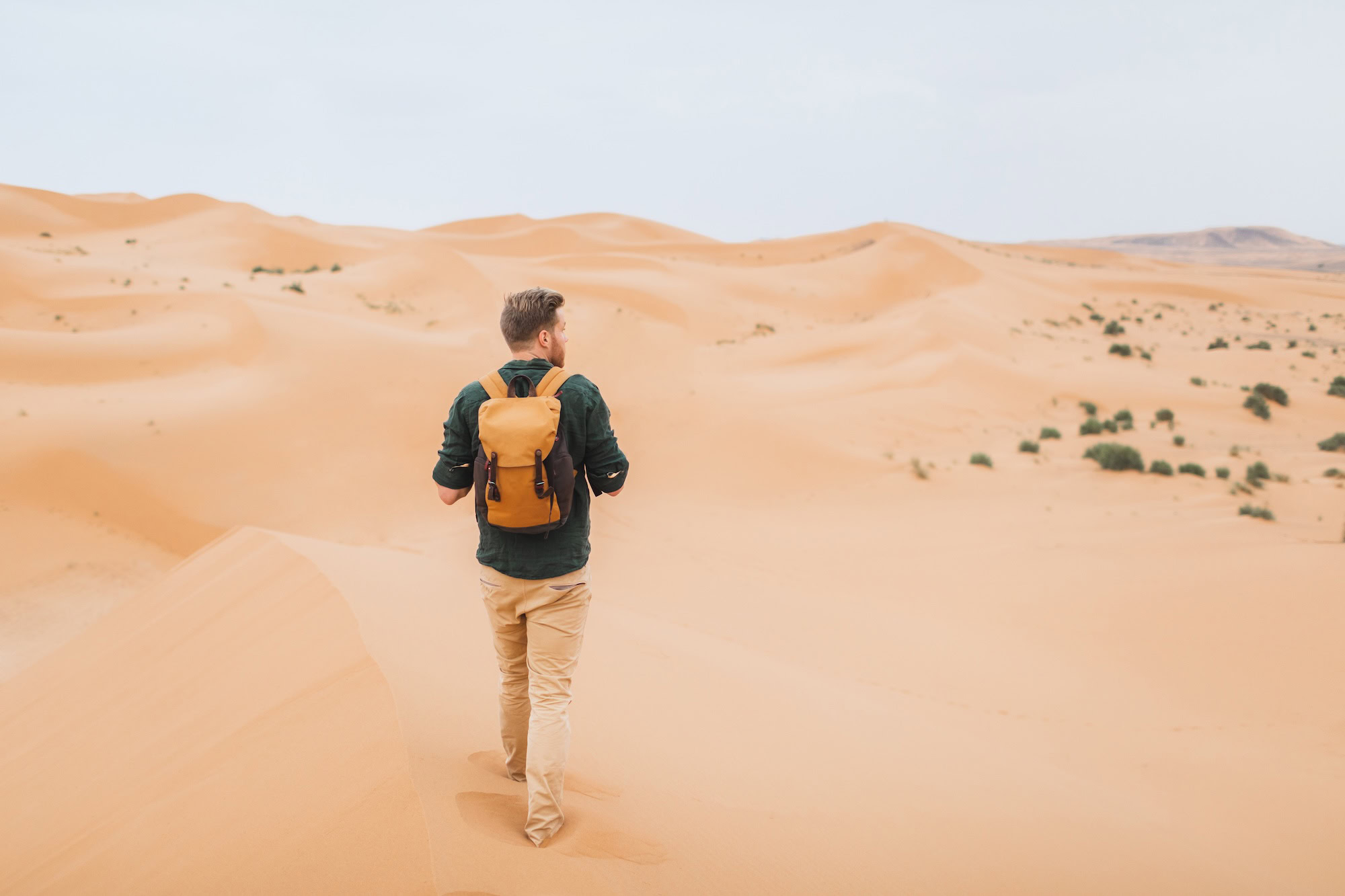
What to Pack for Egypt
A quick packing guide with essentials, cultural tips, and clothing advice for your Egypt trip.

Design Your Custom Tour
Explore Egypt your way by selecting only the attractions you want to visit