5 Days in Egypt – What to see in Egypt in 5 Days
Egypt calls to every traveler’s heart.
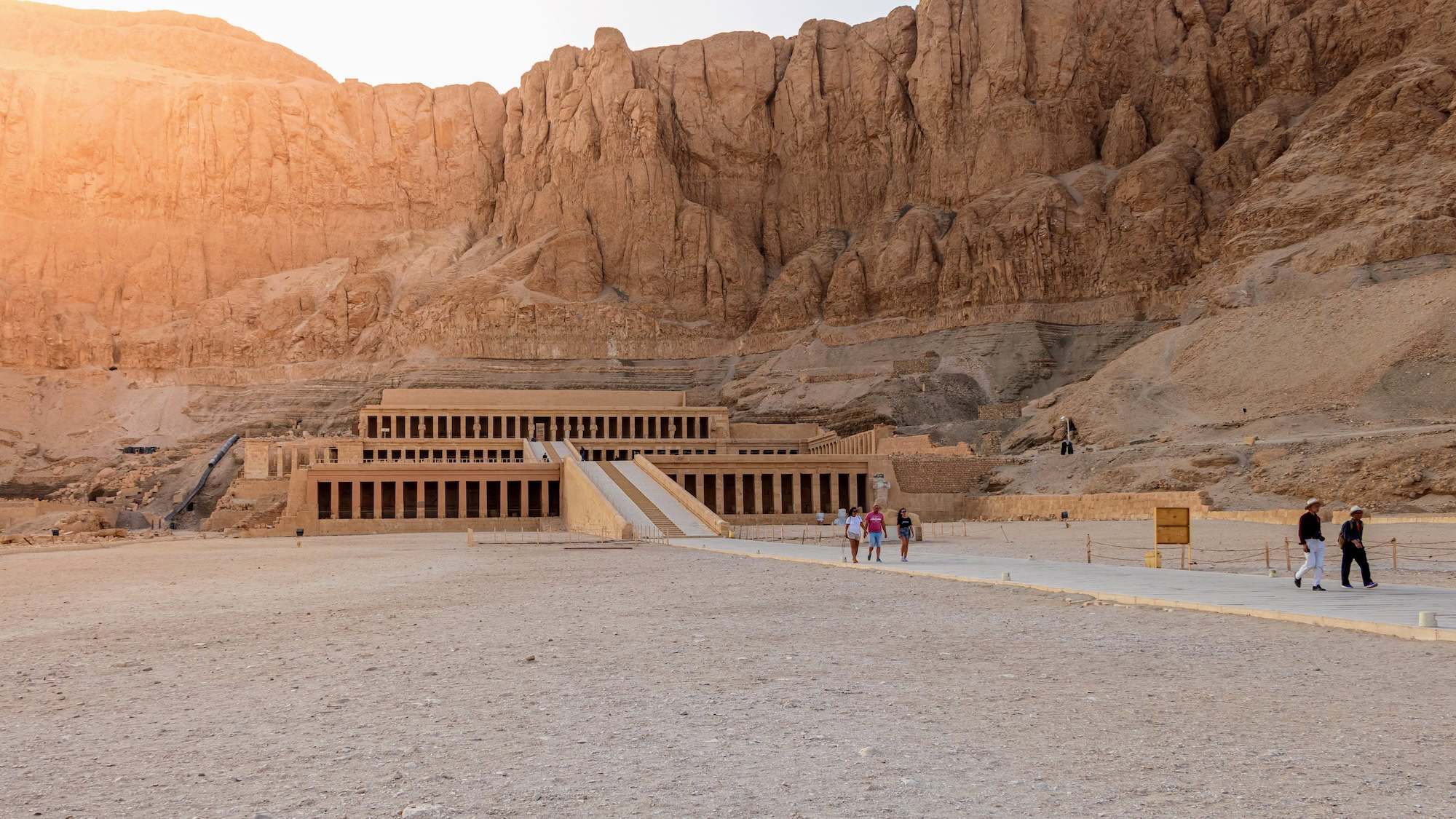
Most visitors struggle to balance their dream destinations with realistic timeframes, especially when trying to see Egypt’s greatest treasures in just five days. The good news? With strategic planning and local expertise, five days provides enough time to experience the country’s most iconic sites while avoiding the rushed feeling that ruins so many trips. We’ve guided thousands of travelers through this exact journey, and our decades of experience have taught us exactly how to maximize every moment.
The secret lies in smart geographical clustering and understanding Egypt’s rhythms, from optimal visiting hours to transportation logistics that save precious hours for exploration instead of waiting.
Table of Contents
Essential Sites and Strategic Routing
Cairo serves as your natural base camp for any five-day Egyptian adventure. The city positions you within easy reach of three UNESCO World Heritage sites and Egypt’s most celebrated museums, making it the logical starting point for first-time visitors.
The Giza Pyramid Complex
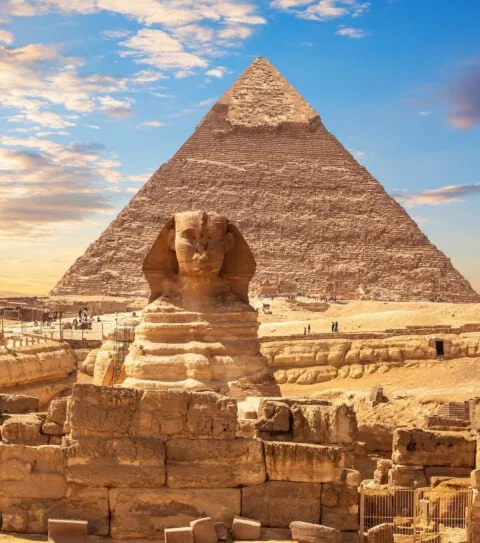
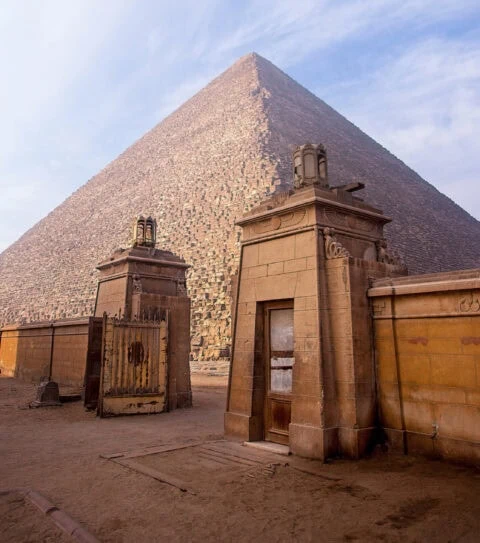
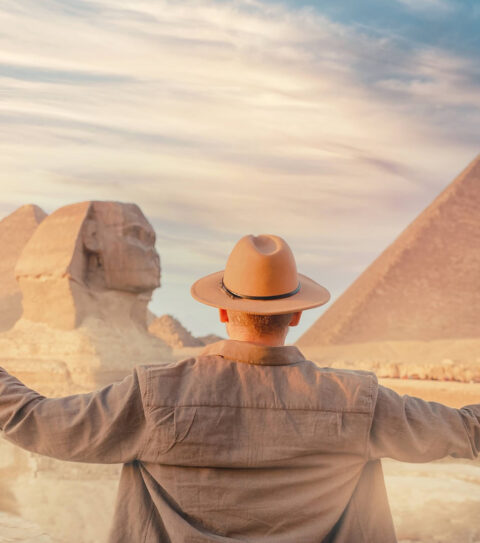
Start your journey at the Giza Plateau, home to the Great Pyramid of Cheops, the Pyramid of Khafre, the Pyramid of Menkaure, and the enigmatic Great Sphinx. Arriving at 8:00 am (08:00) gives you cooler temperatures and smaller crowds before tour groups arrive around 10:00 am (10:00).
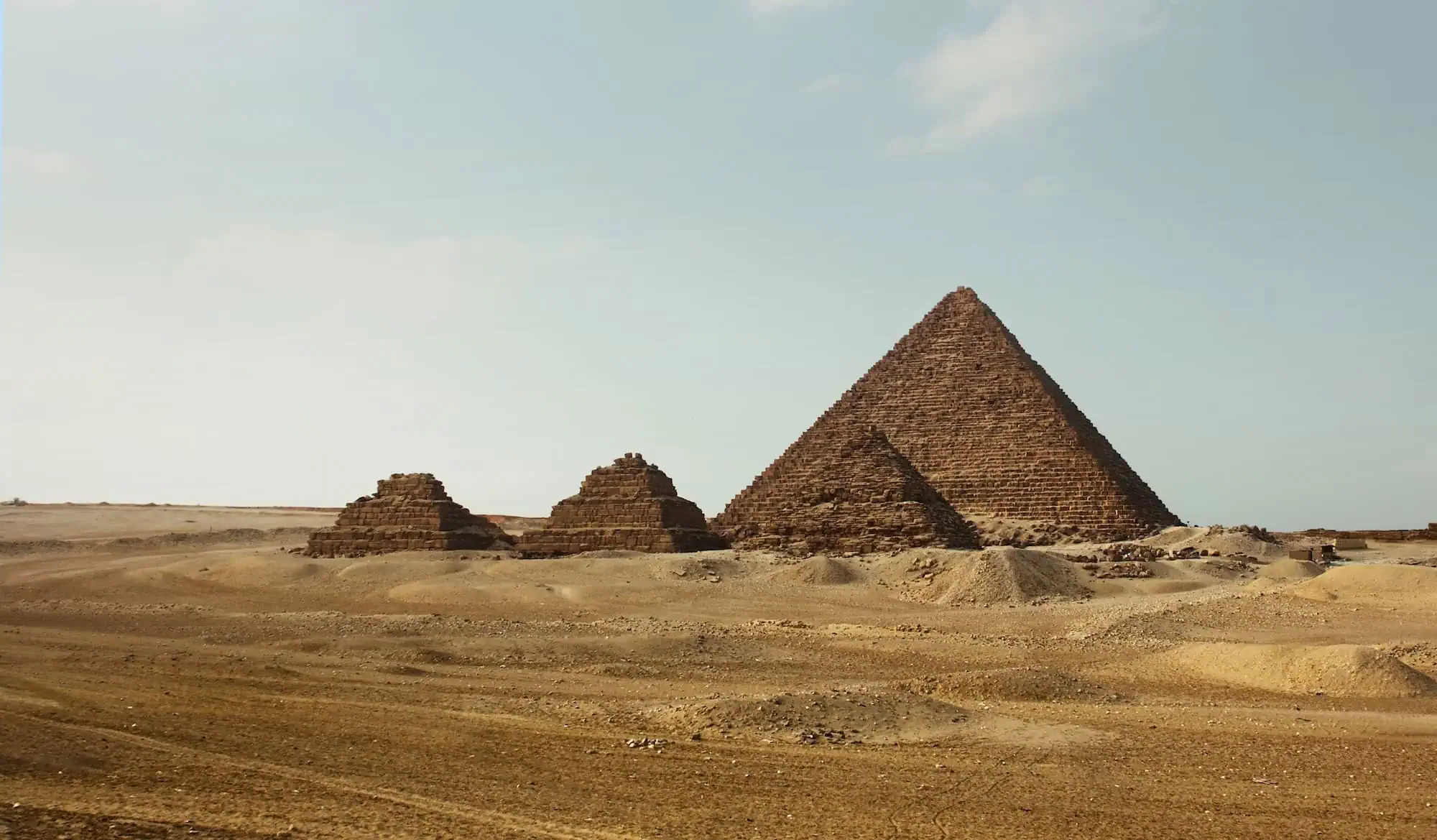
The Great Pyramid stands as the last surviving Wonder of the Ancient World, built over 4,500 years ago using an estimated 2.3 million stone blocks. Each block weighs between 2.5 and 15 tons, creating a monument that reaches 146 meters (479 feet) high. You can enter the pyramid’s interior chambers for an additional fee, though the narrow passages require moderate fitness levels.
Grand Egyptian Museum – Historical Context
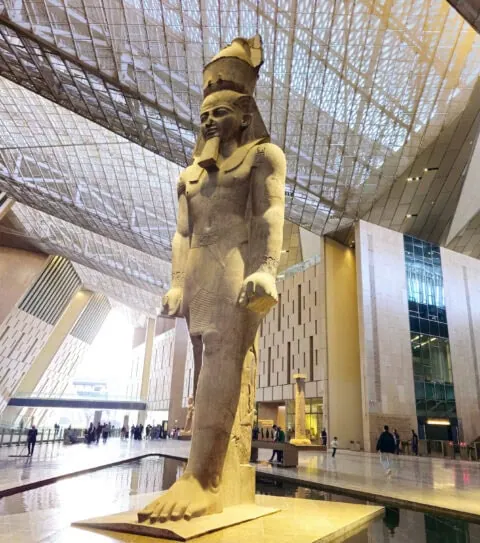
The Grand Egyptian Museum, located near the Giza Pyramids, is the world’s largest museum dedicated to a single civilization. It houses an unparalleled collection of ancient Egyptian artifacts, presented in a modern and well-structured setting designed for clarity and impact. Plan to spend at least three to four hours to fully appreciate the experience.
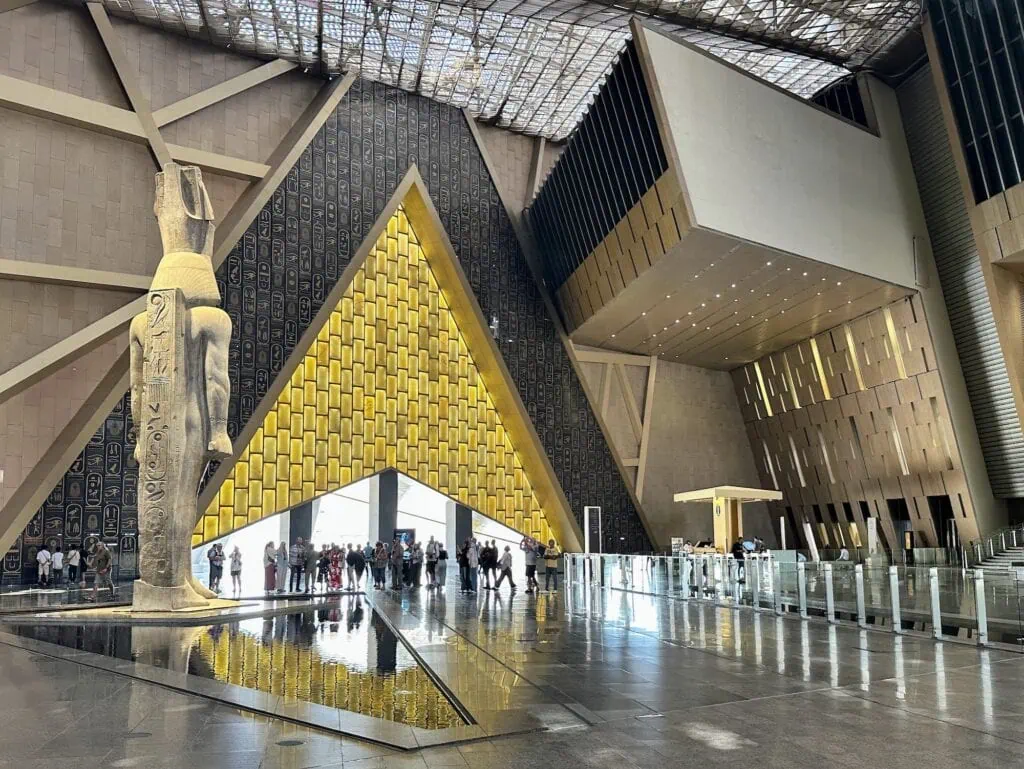
Key highlights include the complete Tutankhamun collection, monumental royal statues, and chronological galleries that guide visitors through 5,000 years of Egyptian history. Our guides recommend visiting the museum after the pyramids, as the exhibitions provide valuable historical context and deepen the understanding of what you have just seen. Due to the museum’s scale, focusing on selected highlights ensures a more rewarding visit.
Islamic Cairo Living History
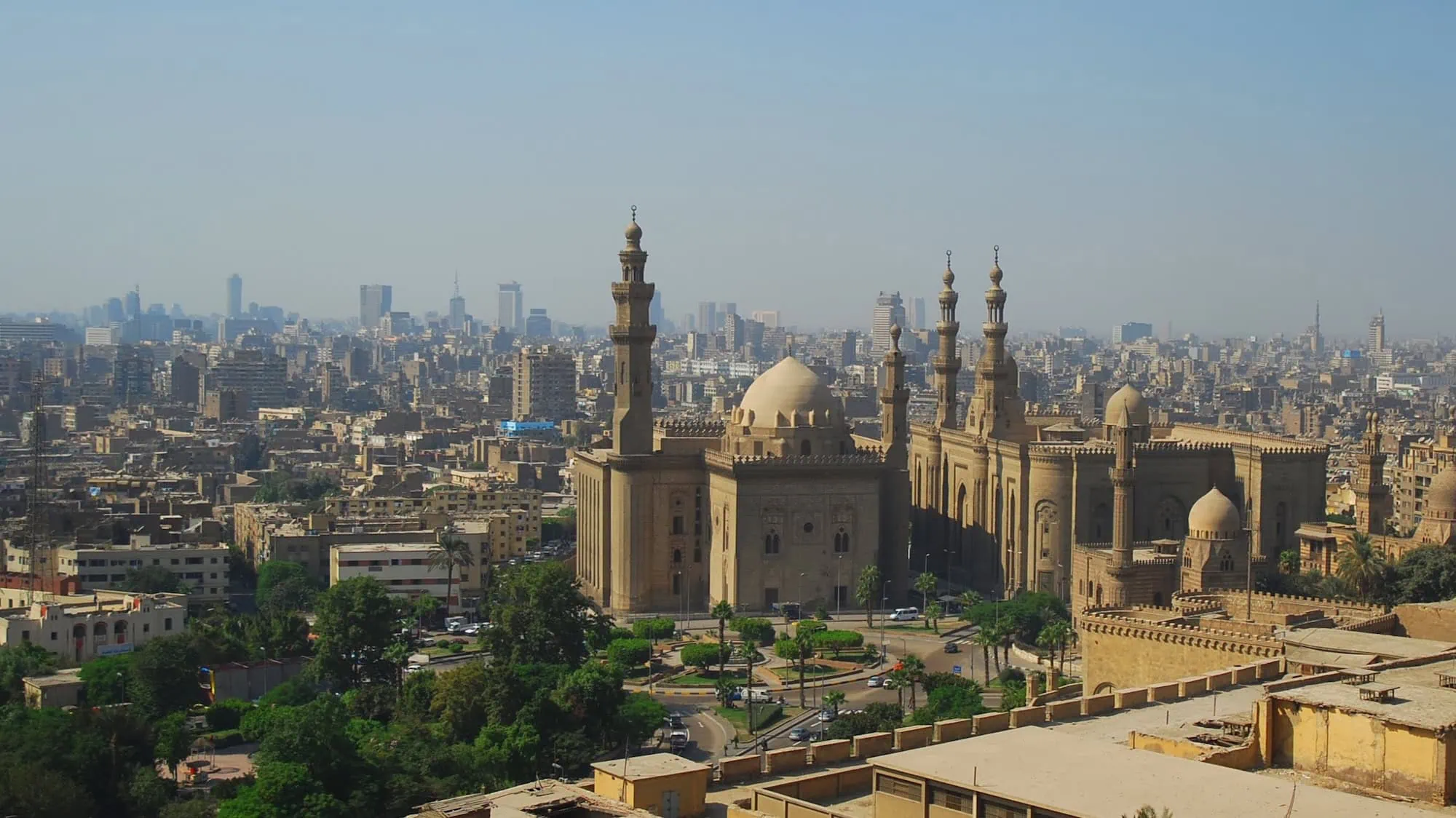
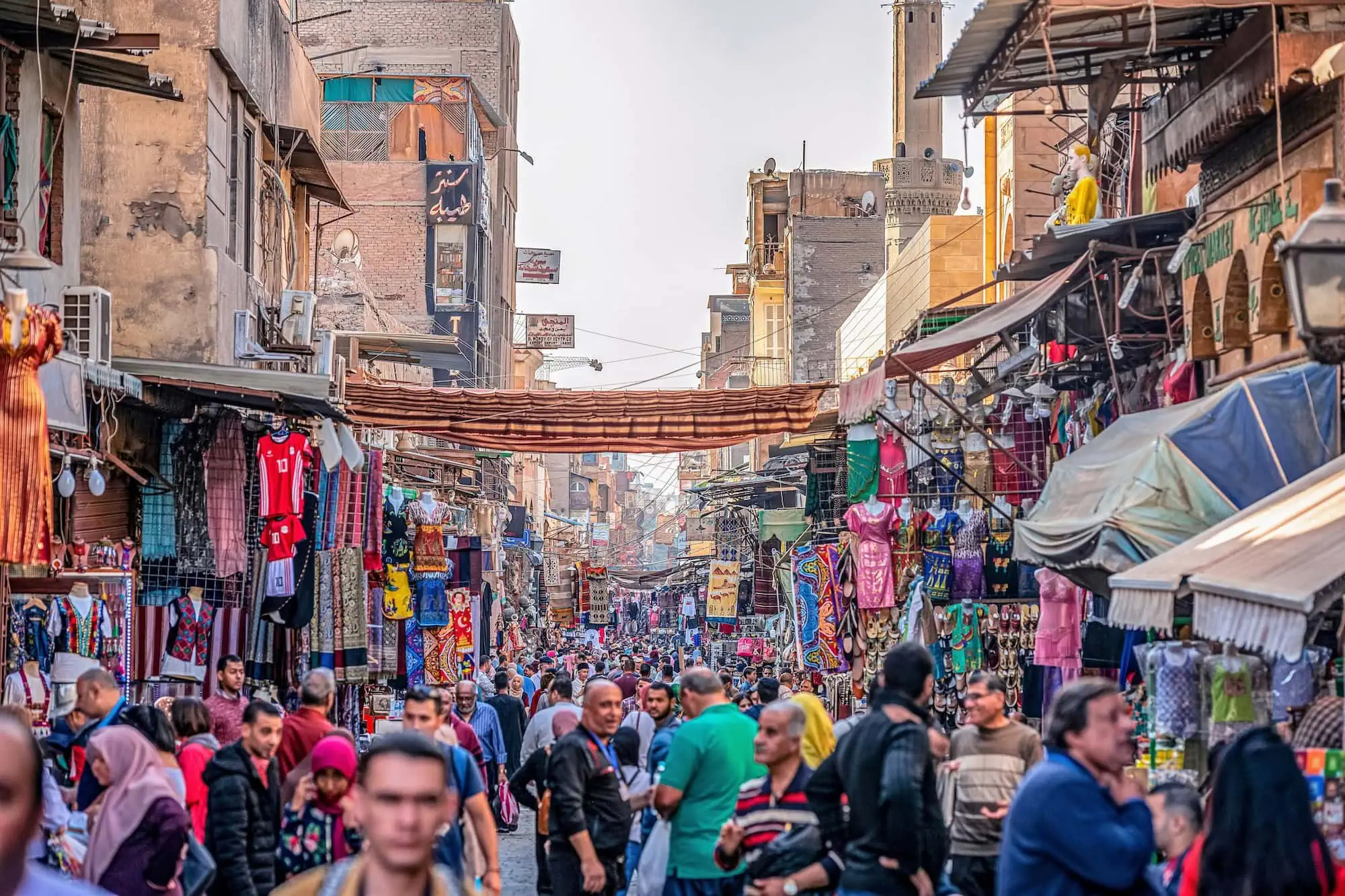
The medieval district of Islamic Cairo contains the world’s largest collection of historic Islamic architecture. Walk through Khan el-Khalili bazaar, visit the Citadel of Saladin, and explore the Sultan Hassan Mosque. This area works perfectly for late afternoon when the stone buildings provide welcome shade.
Day-by-Day Breakdown for Maximum Impact
Your five days should follow geographical logic rather than random attraction hopping. We recommend dedicating full days to specific areas instead of crisscrossing Cairo repeatedly.
Day one combines the Giza Pyramids with the nearby Saqqara necropolis, where you’ll find the Step Pyramid of Djoser – Egypt’s first pyramid and architectural prototype for all others. The 30-kilometer (18.6-mile) distance between sites takes about 45 minutes by private vehicle.
Day two focuses entirely on downtown Cairo attractions: the Egyptian Museum, Coptic Cairo’s ancient churches, and Islamic Cairo’s medieval splendor. This walking-heavy day requires comfortable shoes and frequent water breaks, especially during warmer months when temperatures can reach 35°C (95°F).
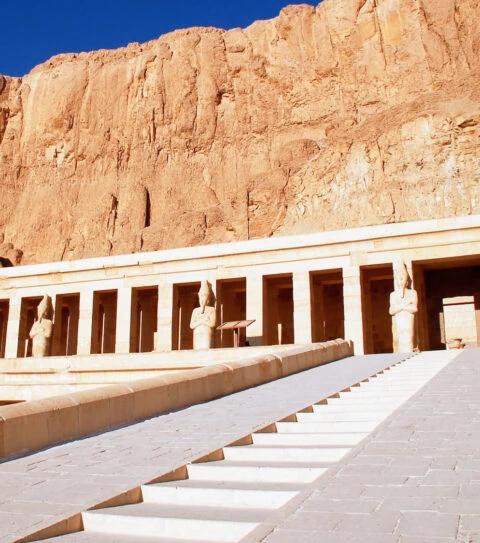
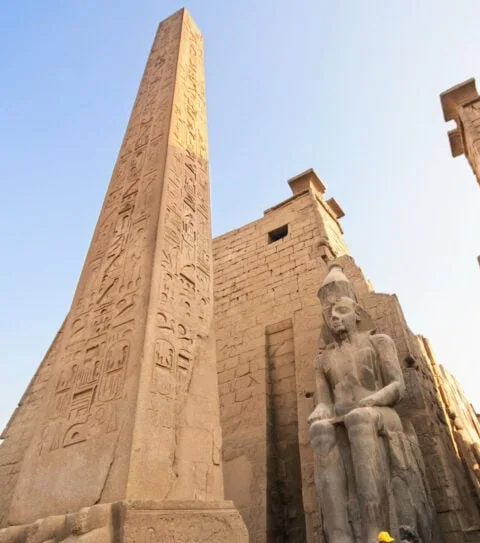
Days three and four open your options significantly. Many travelers choose a domestic flight to Luxor for concentrated Valley of the Kings exploration, visiting Karnak Temple, Luxor Temple, and several royal tombs. Alternatively, stay in Cairo for day trips to Alexandria’s Mediterranean coastline and Greco-Roman monuments.
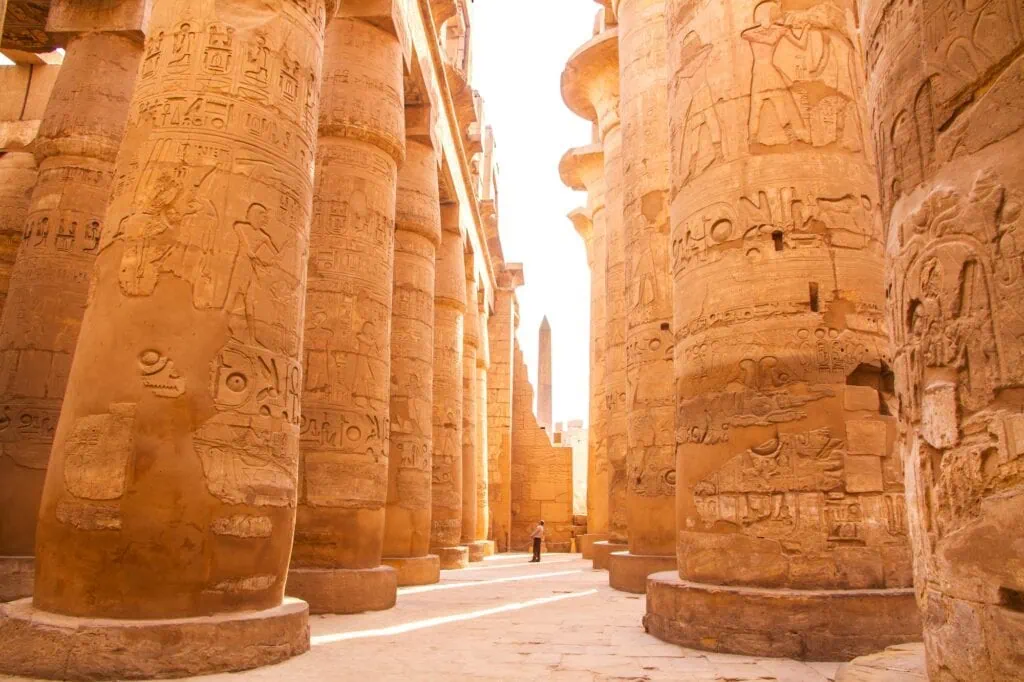
Day five serves as your buffer day for anything missed, last-minute shopping, or simply enjoying Cairo’s cafe culture before departure. This flexibility prevents the rushed feeling that destroys travel memories.
Transportation and Logistics That Work
Private transportation eliminates the biggest time-wasters in Egyptian travel. Our modern, air-conditioned vehicles with professional drivers navigate Cairo’s infamous traffic while you rest between sites. Public transportation exists but adds unnecessary complexity to an already packed itinerary.
Flight connections within Egypt are reliable and time-efficient. The 1.5-hour Cairo-to-Luxor flight costs approximately $150-200 per person but saves eight hours compared to overland travel. Book domestic flights at least two weeks ahead for better pricing and seat selection.
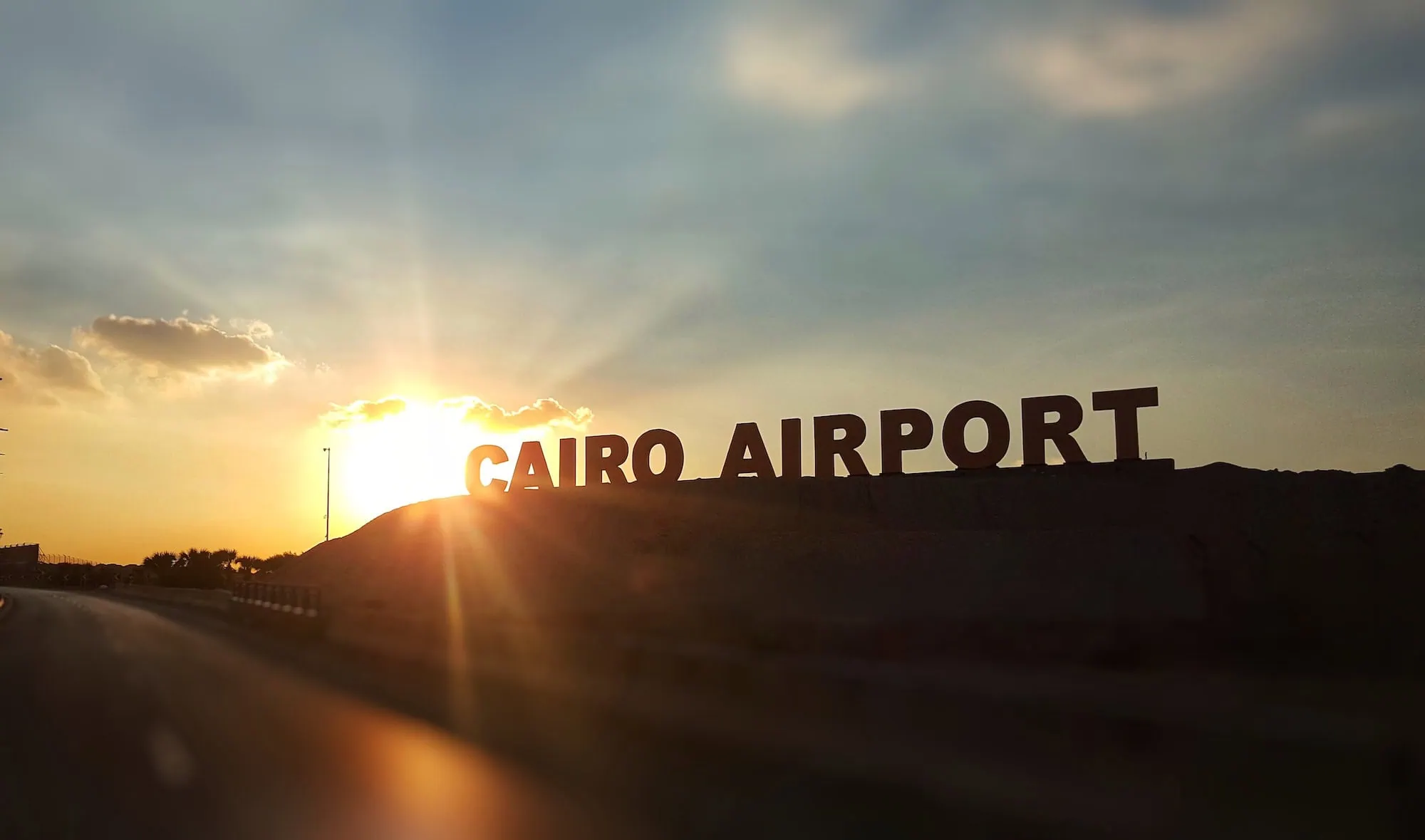
Airport transfers require advance planning. Cairo International Airport sits 20 kilometers (12.4 miles) northeast of downtown, taking 45-90 minutes depending on traffic conditions. Factor this timing into your first and last day planning.
Accommodation Strategies for Different Budgets
Location matters more than luxury levels when choosing Cairo accommodations. Downtown hotels place you walking distance from the Egyptian Museum and Islamic Cairo, while Giza-area properties offer pyramid views but require taxi rides for other attractions.
Budget travelers find excellent value in boutique hotels around Zamalek island, combining reasonable rates with central positioning. Mid-range options include international chains near Tahrir Square, providing familiar amenities with Egyptian hospitality.
Luxury seekers should consider the historic properties along the Nile Corniche. These establishments offer world-class service, rooftop restaurants with pyramid views, and concierge assistance for attraction bookings and transportation coordination.
Book accommodations with flexible cancellation policies, especially during peak season (October through April) when room availability tightens considerably.
Cultural Preparation and Practical Considerations
Egyptian customs blend ancient traditions with modern hospitality, creating unique social dynamics that enhance your experience when understood properly.
Dress Codes and Sensitivity
Conservative dress opens doors throughout Egypt. Both men and women should cover shoulders and knees when visiting mosques, Coptic churches, and traditional neighborhoods. Lightweight, long-sleeved shirts and loose pants work well in Egypt’s climate while showing appropriate respect.
Friday prayers (12:00 pm to 1:00 pm / 12:00 to 13:00) temporarily close most mosques to tourists. Plan mosque visits for mornings or late afternoons to avoid disappointment.
Tipping Culture and Customs
Tipping represents standard practice across Egyptian service industries. Restaurant servers expect 10-15% of the bill total, hotel staff appreciate 20-50 Egyptian pounds for helpful service, and attraction guides typically receive 100-200 pounds for excellent tours.
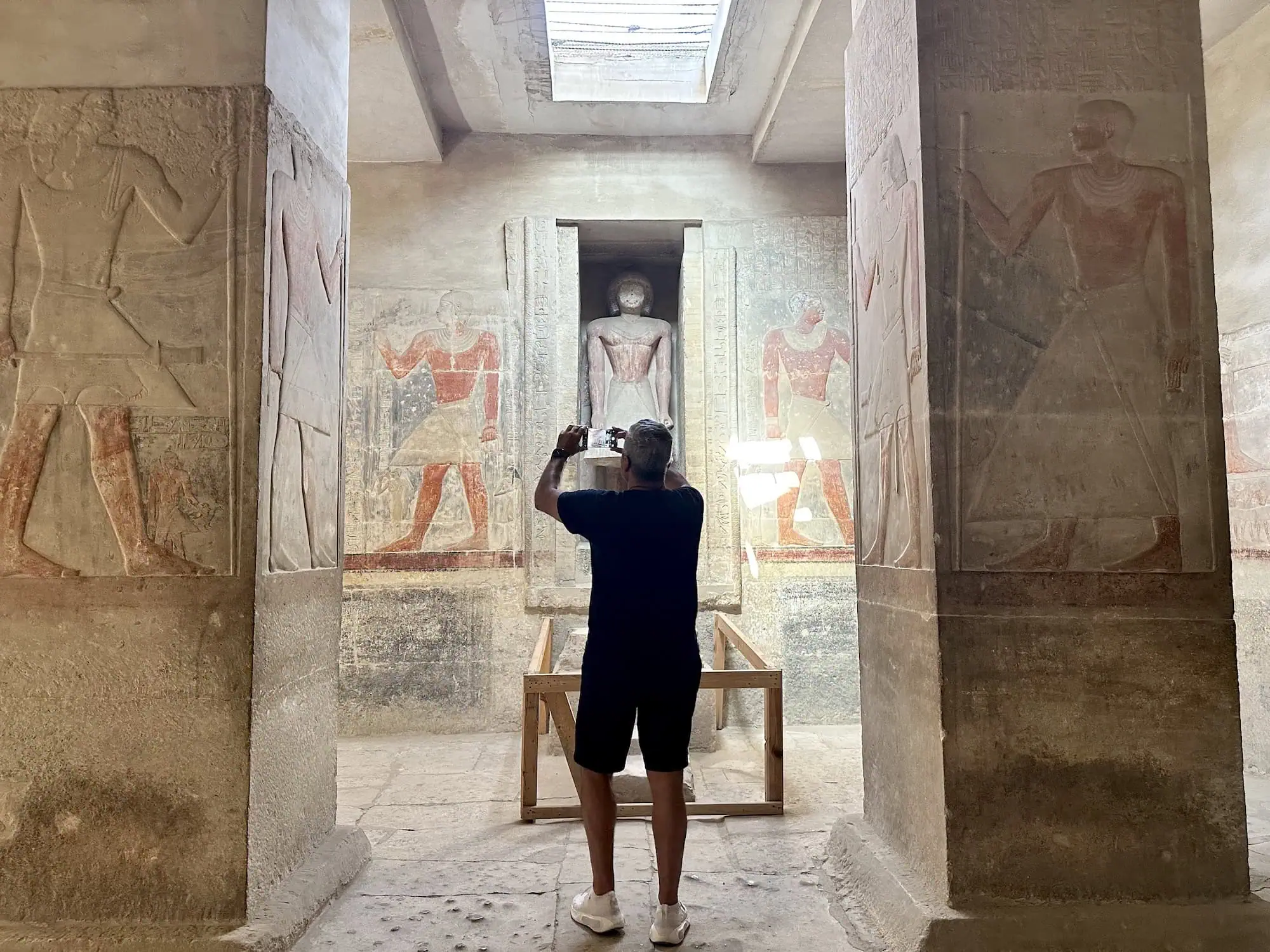
Photography permits cost extra at most archaeological sites. The general photography ticket allows regular cameras but prohibits flash usage inside tombs and museums. Professional equipment requires special permits arranged in advance.
Language and Communication
Arabic serves as Egypt’s official language, but English proficiency is widespread in tourist areas. Learning basic Arabic phrases like “shukran” (thank you) and “ahlan wa sahlan” (welcome) creates positive interactions with locals.
Most hotel staff, restaurant servers, and attraction guides speak conversational English. However, taxi drivers and market vendors may rely primarily on Arabic, making pre-arranged transportation valuable for seamless experiences.
Budget Planning and Cost Management
Five days in Egypt costs vary dramatically based on accommodation choices, dining preferences, and activity selections. Budget-conscious travelers can experience Egypt’s highlights for $75-100 per day, while luxury seekers might spend $300-500 daily.
Major expenses include accommodation ($30-200 per night), meals ($15-75 per day), attraction entrance fees ($10-25 per site), and transportation ($25-100 per day). Private guide services add $100-200 daily but significantly enhance the educational value of your visits.
Currency considerations matter in Egypt. US dollars work well for larger purchases and tips, but Egyptian pounds are necessary for smaller transactions. ATMs are widely available in Cairo, though withdrawal fees can accumulate quickly.
Credit cards are accepted at upscale hotels, restaurants, and tour operators, but cash remains king for market shopping, street food, and local transportation.
Weather Timing and Seasonal Considerations
Egypt’s desert climate creates distinct seasonal patterns that dramatically affect travel comfort and pricing. October through April offers ideal weather conditions with daytime temperatures between 20-25°C (68-77°F) and minimal rainfall.
Peak season (December through February) brings perfect weather but also maximum crowds and elevated prices. Shoulder seasons (October – November and March – April) balance comfortable conditions with better value and smaller tourist groups.
Summer months (May through September) feature intense heat reaching 40°C (104°F) but offer significantly lower accommodation rates and nearly empty tourist sites. Early morning starts become essential during summer visits.
Ramadan affects travel dynamics throughout Egypt. Many restaurants close during daylight hours, attraction hours may change, and evening festivities create unique cultural opportunities. Check Islamic calendar dates when planning your visit.
Frequently Asked Questions
The best time to visit the Pyramids of Giza is between 8:00 am and 10:00 am, when temperatures are cooler and crowds are generally smaller. Morning light also provides excellent visibility for photography and panoramic views of the Great Pyramid, the Pyramid of Khafre, and the Sphinx. Midday temperatures can rise quickly, especially from May through September. Arriving when the site opens gives you the most comfortable experience and shorter lines for interior-entry tickets.
Yes, most U.S. citizens need a tourist visa to enter Egypt, and the process is straightforward. Single-entry tourist visas are commonly available online through Egypt’s e-visa system or upon arrival at major airports for approximately $25 USD. Passports should generally be valid for at least six months beyond the date of entry. Applying before departure can reduce airport wait times and simplify arrival procedures.
Most visitors should budget between $15 and $25 per day for local dining in Cairo, while mid-range and upscale restaurants can increase daily food costs significantly. Traditional Egyptian dishes such as koshari, grilled meats, and mezze are widely available at affordable prices. Mid-range restaurants often cost $35-50 per day for two meals, while fine-dining venues overlooking the Nile can exceed $60-75 per person. Dining costs remain relatively low compared to many major international cities.
Bottled water is the safest and most commonly recommended option for tourists visiting Egypt. While municipal water is treated and used daily by local residents, travelers can sometimes experience digestive discomfort from unfamiliar mineral content and water systems. Bottled water is inexpensive, widely available, and frequently provided by hotels throughout Cairo, Luxor, and Aswan. Carrying a bottle during sightseeing is particularly important because Egypt’s dry climate can increase dehydration risk.
Visitors to Egyptian mosques should wear modest clothing that fully covers the shoulders, arms, and legs. Women are typically expected to cover their hair with a scarf, while both men and women should avoid tight or revealing clothing. Major religious sites such as the Mosque of Muhammad Ali in Cairo often provide robes or coverings for visitors who arrive without appropriate attire. Dressing respectfully helps ensure access and demonstrates cultural awareness.
Luxor is located approximately 670 kilometers (416 miles) south of Cairo and can be reached by air, rail, or road. Direct flights typically take around 1.5 hours, making them the fastest option for travelers on a 5-day itinerary. Overnight trains and road journeys generally require 8-10 hours depending on schedules and traffic conditions. Flying allows visitors to maximize sightseeing time at attractions such as Karnak Temple and the Valley of the Kings.
Yes, visitors can enter several pyramid interior chambers by purchasing separate admission tickets in addition to general site entry. Access is commonly available for the Great Pyramid of Khufu and selected smaller pyramids, though availability and pricing can change. Interior passages are steep, narrow, and physically demanding compared to the open plateau outside. Because daily visitor numbers are controlled, securing entry early in the day is often the best strategy.
Bringing a combination of U.S. dollars and Egyptian pounds (EGP) is the most practical approach for most travelers. Hotels, major tour providers, and some larger shops often accept foreign currency, but local restaurants, markets, taxis, and small vendors generally prefer Egyptian pounds. Currency exchange services are available at airports, banks, and hotels throughout the country. Keeping smaller EGP denominations on hand is especially useful for tips and incidental purchases.
Plan at least 3-4 hours for the Egyptian Museum’s major highlights, while history enthusiasts may easily spend a full day exploring the collection. The museum houses tens of thousands of artifacts, including treasures associated with Tutankhamun and important objects from multiple dynasties. Visitors interested in ancient Egyptian history often find that 6-8 hours allows a more comprehensive experience. Arriving early helps avoid larger tour groups and crowded galleries.
Private transportation with an experienced driver is often the most comfortable and efficient way for visitors to travel around Cairo. The city is home to more than 20 million people in the greater metropolitan area, and traffic congestion can significantly affect travel times. Professional drivers understand local routes, parking restrictions, and peak traffic periods better than most visitors. For sightseeing-focused itineraries, private transport reduces stress and maximizes valuable vacation time.
Explore our most popular guides and expert tips to make your trip safe, smooth, and unforgettable.
Plan Your Egypt Adventure with Confidence
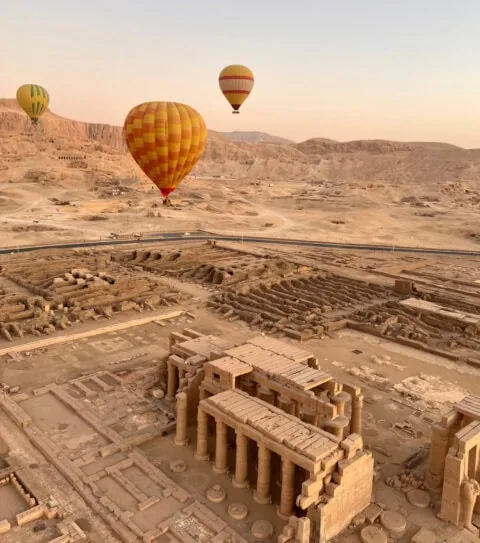
How to Plan a Trip Egypt
Step-by-step guide to help you plan the perfect Egypt trip — from routes and budget to booking.
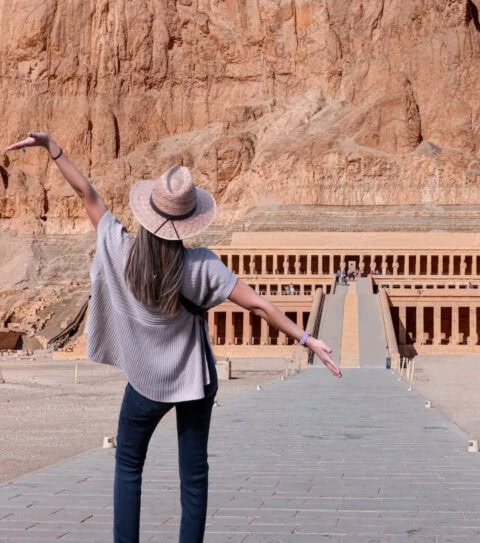
Best Time to Visit Egypt
Learn the best months to visit Egypt based on weather, crowds, and local travel experiences.
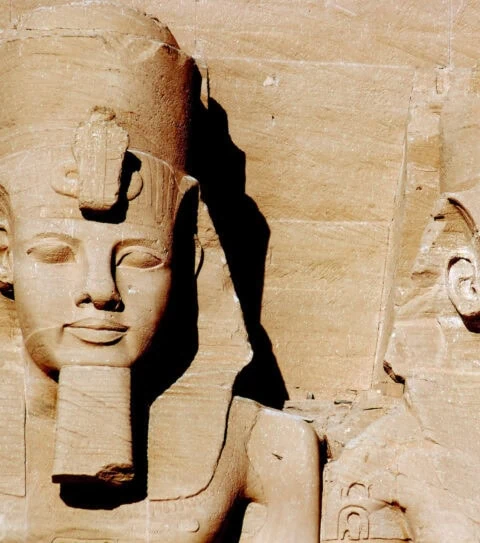
Must Visit Places in Egypt
Explore Egypt’s top sights — from pyramids to temples — and hidden gems worth seeing.
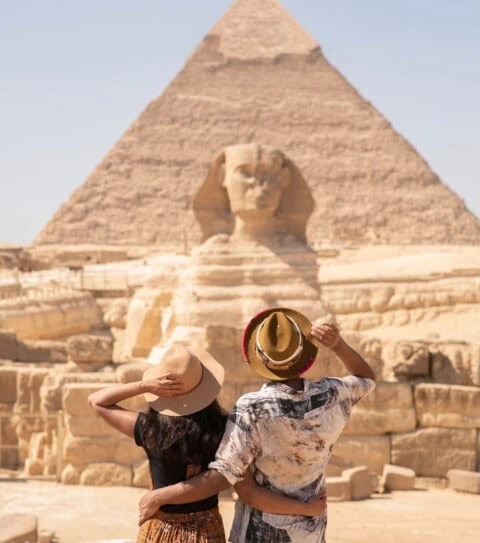
Top-Rated Egypt Tours
Handpicked private tours with local guides — our most loved and best-reviewed experiences.
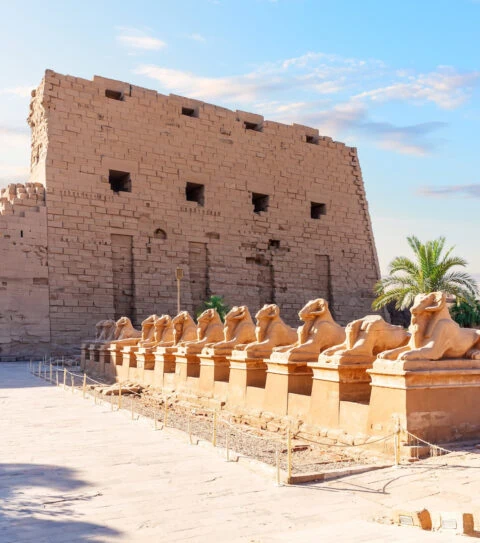
How Many Days to Visit Egypt?
Find out how many days you need in Egypt — from quick trips to full itineraries.
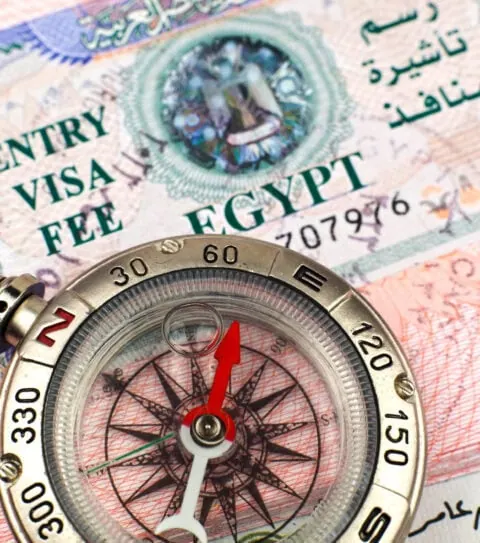
Egypt Visa Requirements
Check if you need a visa and get simple, up-to-date entry info based on your nationality.

Is it Safe to Travel to Egypt?
Is Egypt safe? Get honest safety tips, area advice, and what to know before you travel.
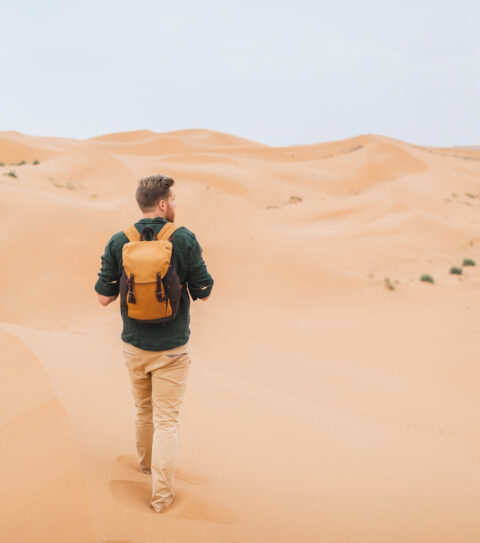
What to Pack for Egypt
A quick packing guide with essentials, cultural tips, and clothing advice for your Egypt trip.
Design Your Custom Tour
Explore Egypt your way by selecting only the attractions you want to visit