9 Days in Egypt – What to See in Egypt in 9 Days
Nine days isn’t long enough to see all of Egypt – but it’s perfect for experiencing the absolute highlights.
Egypt demands time to truly appreciate its wonders, from the Great Pyramid of Giza to the temples of Luxor and the flowing waters of the Nile River. Our carefully planned itinerary takes you through millennia of history while ensuring you experience both the iconic monuments and authentic Egyptian culture. We’ve designed this journey to maximize your time without rushing through the experiences that make Egypt unforgettable. This isn’t just another tour – it’s your gateway to one of the world’s most fascinating civilizations.
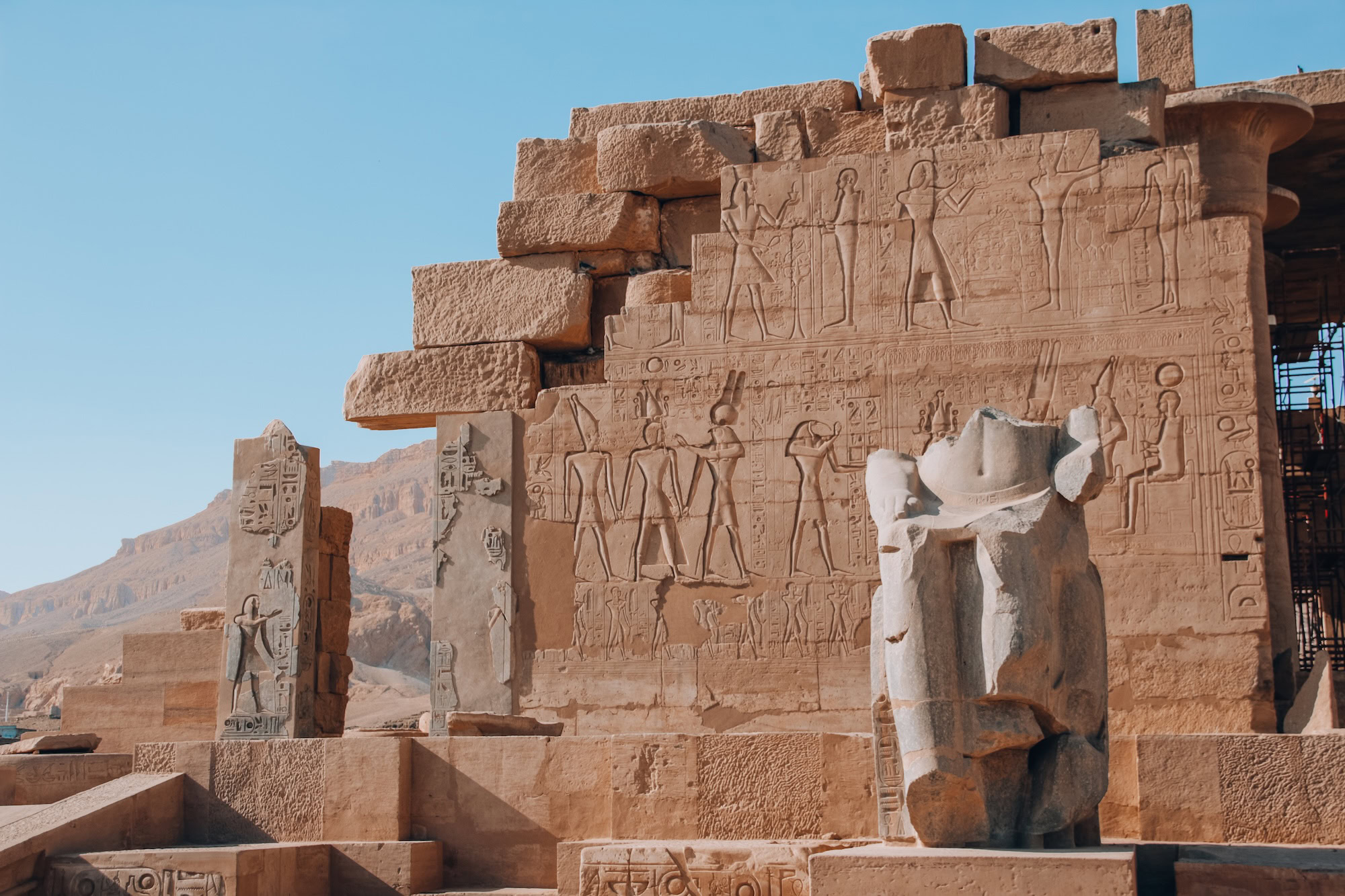
Ready to discover why Egypt captivates millions of travelers every year? Let’s explore how nine remarkable days can change your perspective on ancient history forever.
Day 1-3: Cairo’s Ancient Treasures
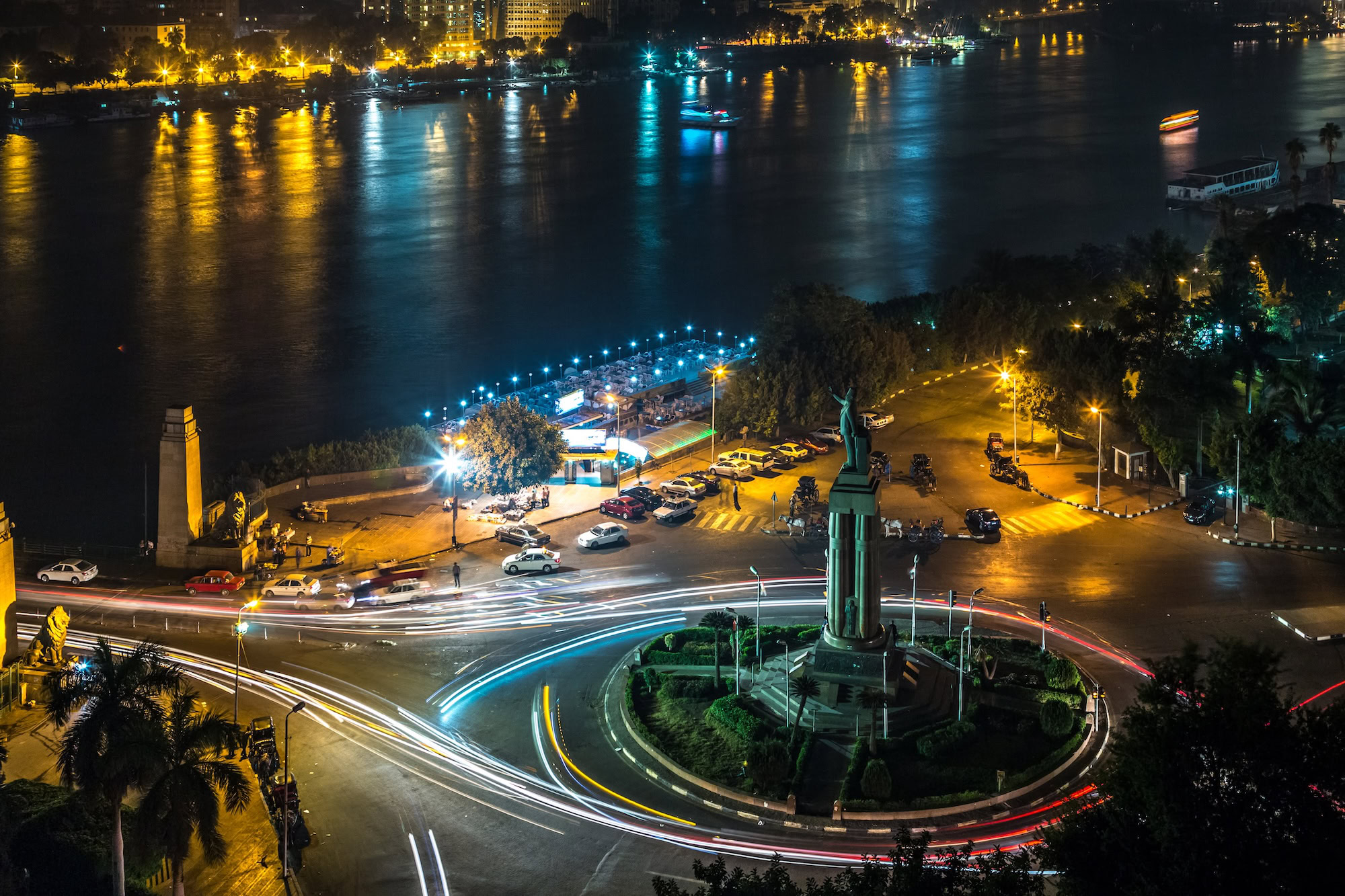
Your Egyptian adventure begins in Cairo, where modern life flows around monuments that have stood for over 4,000 years. The energy here is infectious – street vendors calling out in Arabic, the aroma of fresh bread from local bakeries, and the constant hum of a city that never truly sleeps.
The Pyramids of Giza
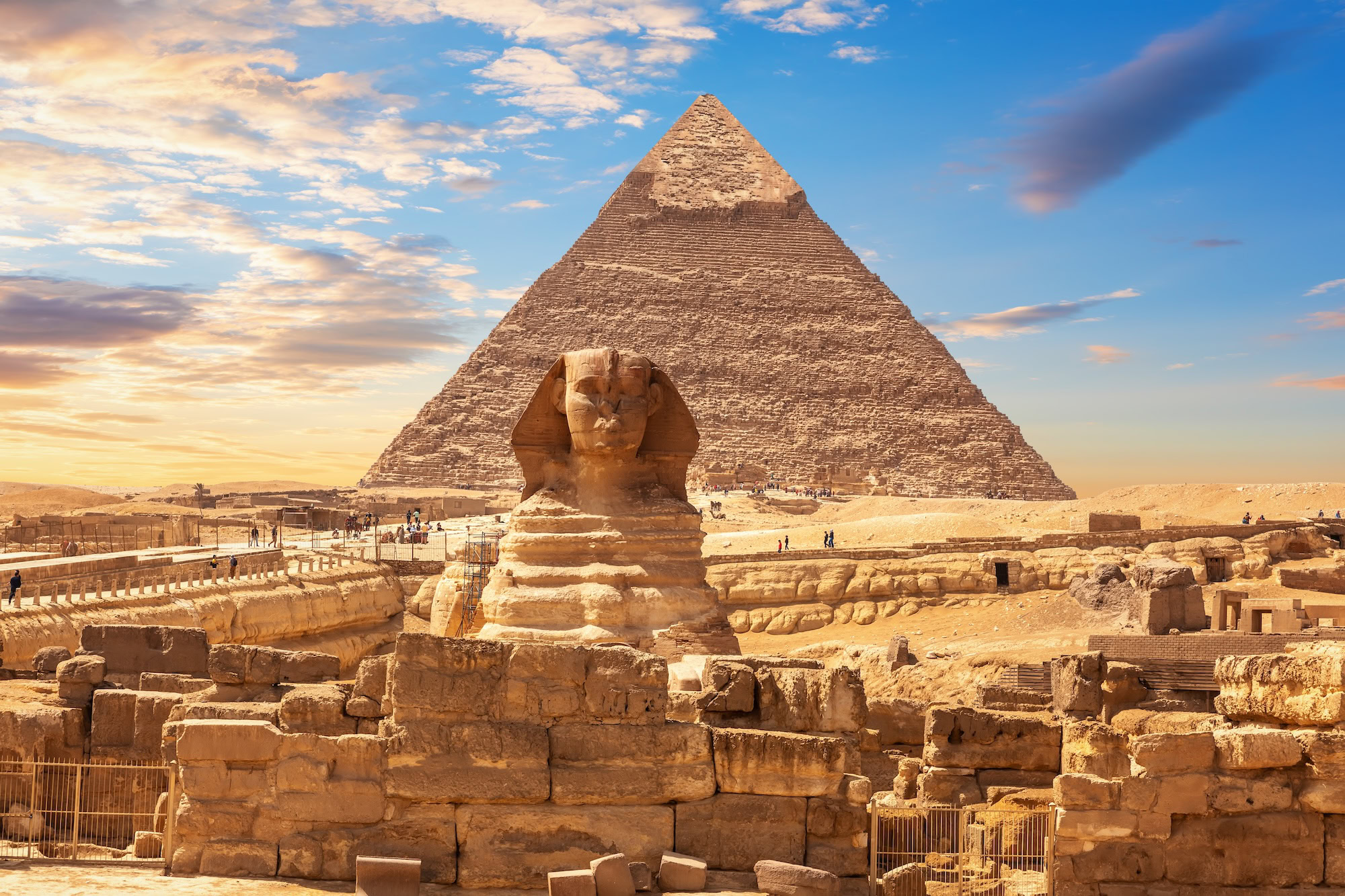
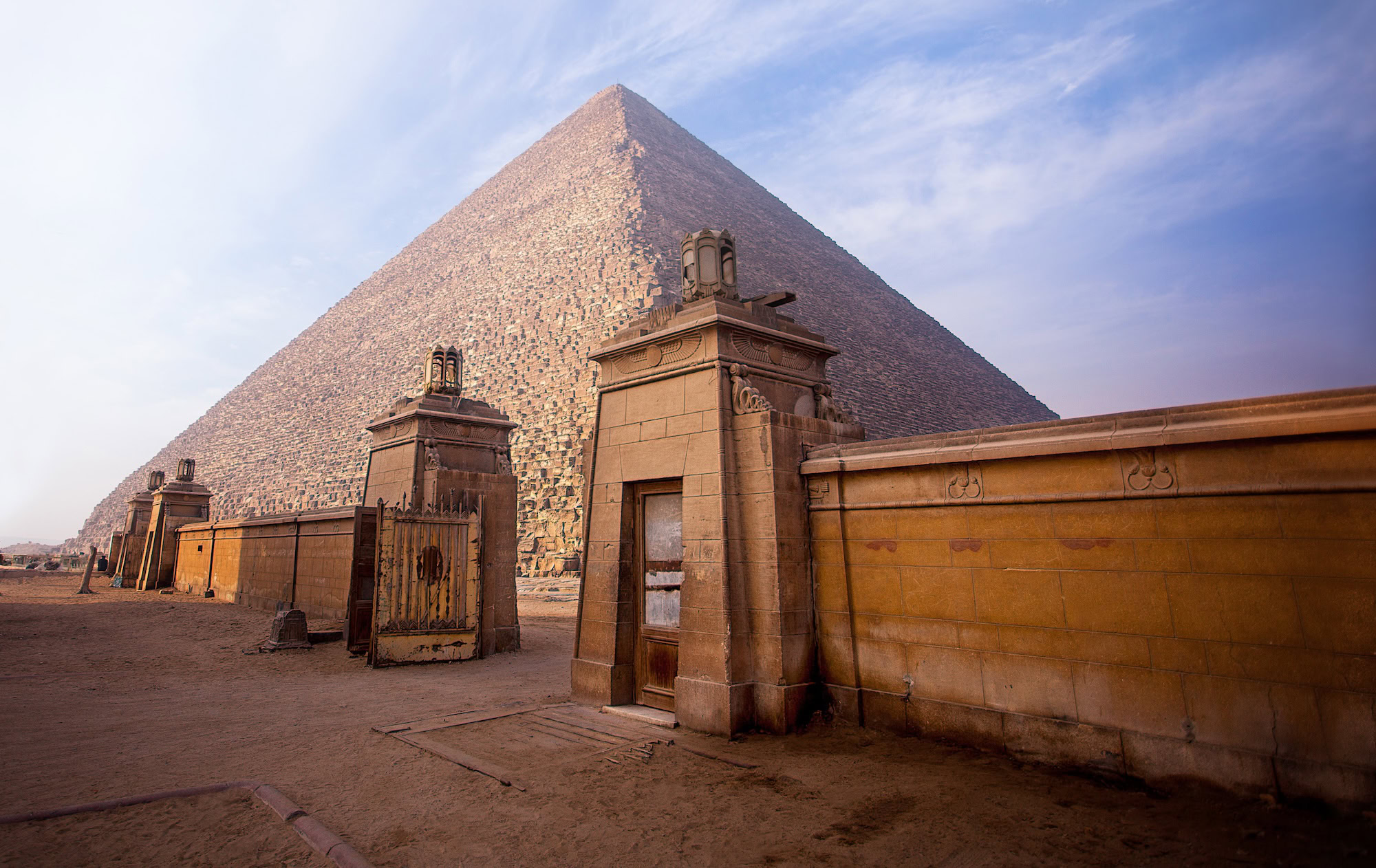
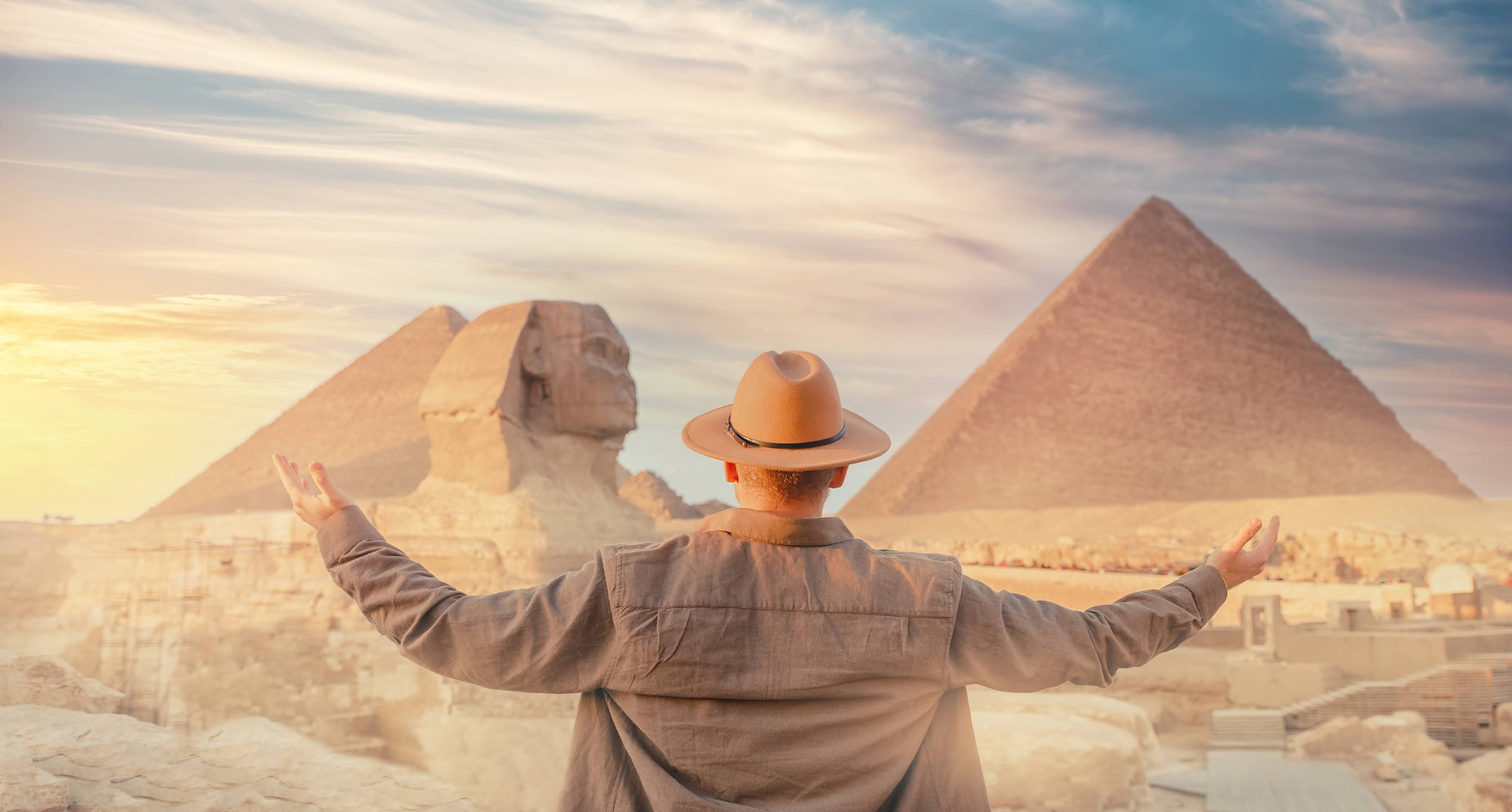
Standing before the Great Pyramid feels surreal. This ancient wonder rises 146 meters (481 feet) into the desert sky, built with over 2 million stone blocks. We recommend arriving early morning around 8:00 am (08:00) to avoid crowds and capture the golden light photographers dream about. The nearby Sphinx, with its enigmatic smile, guards secrets that have puzzled historians for centuries.
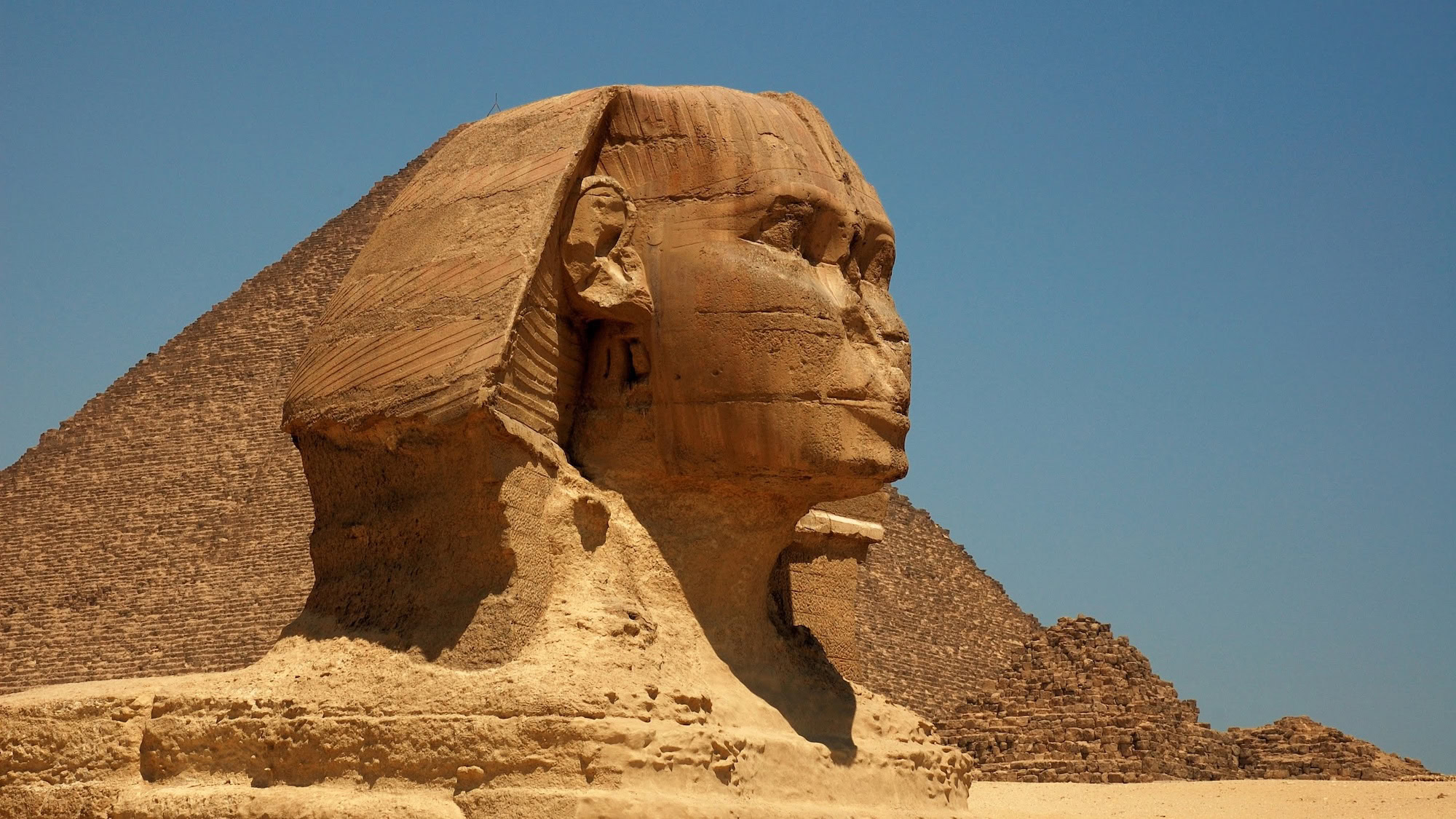
Most visitors spend 3-4 hours exploring the Giza complex. Our private guides share stories passed down through generations – tales that textbooks can’t capture. You’ll learn how ancient Egyptian workers moved massive stones without modern machinery and discover why the pyramid’s design continues to baffle engineers today.
Grand Egyptian Museum Highlights
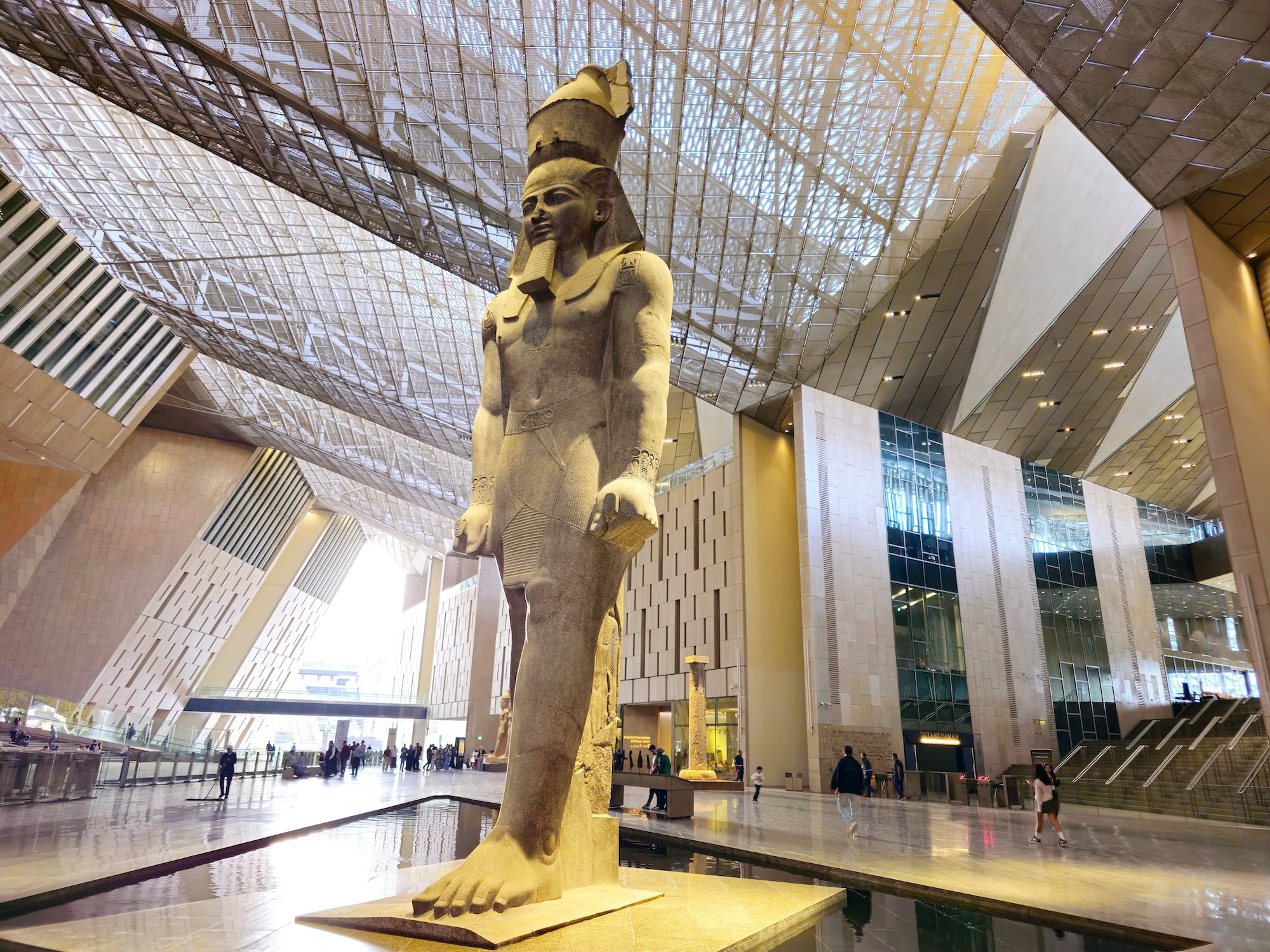
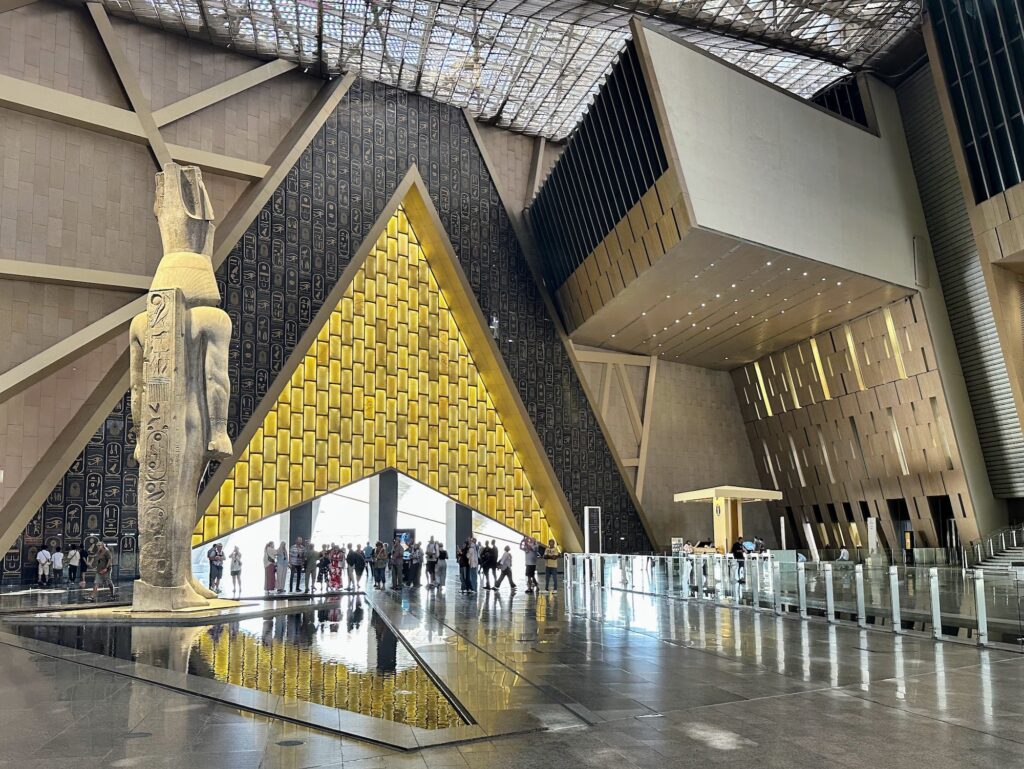
The Grand Egyptian Museum showcases one of the most extensive and modern presentations of ancient Egyptian heritage in the world. Its galleries display monumental statues, royal mummies, and the complete Tutankhamun collection, covering thousands of years of history. Moving through the spacious halls offers a clear, chronological understanding of ancient Egyptian civilization. Plan a full afternoon visit, ideally starting around 2:00 pm (14:00). The climate-controlled galleries provide comfort during Cairo’s hotter months, when temperatures can reach 35°C (95°F). Expert Egyptologists focus on key masterpieces while explaining ancient religious beliefs, royal traditions, and aspects of daily life.
Old Cairo’s Religious Heritage
Cairo isn’t just about ancient Egypt. The Coptic Quarter reveals the country’s rich Christian heritage, while Islamic Cairo showcases stunning medieval architecture. The Hanging Church dates back to the 3rd century, while the nearby Ben Ezra Synagogue tells stories of Egypt’s Jewish community.
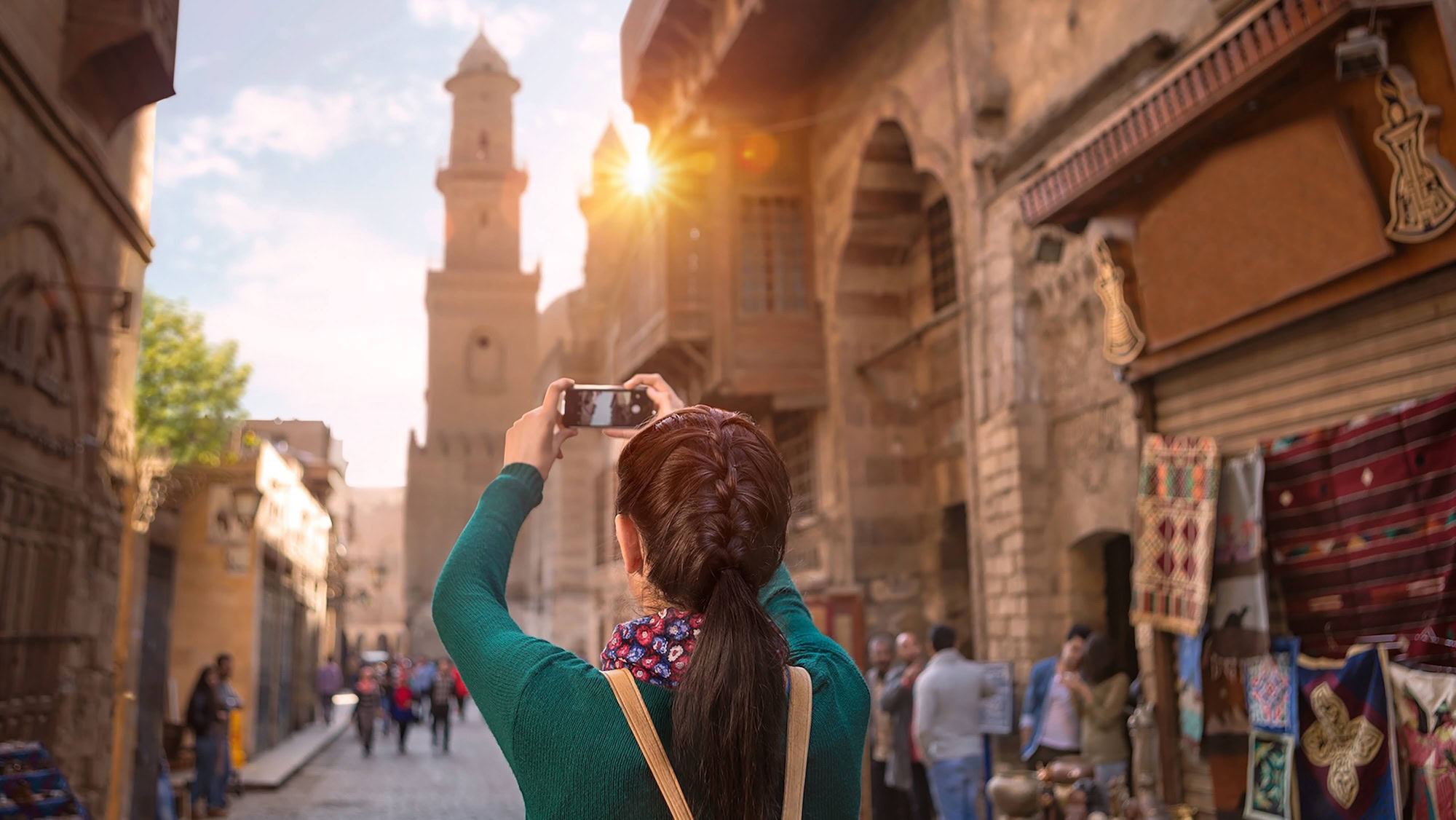
These neighborhoods offer a different pace from the tourist areas. Narrow streets wind between centuries-old buildings, local cafes serve traditional mint tea, and the call to prayer echoes across rooftops five times daily. It’s authentic Egypt at its finest.
Day 4-6: Luxor’s Temple Complex
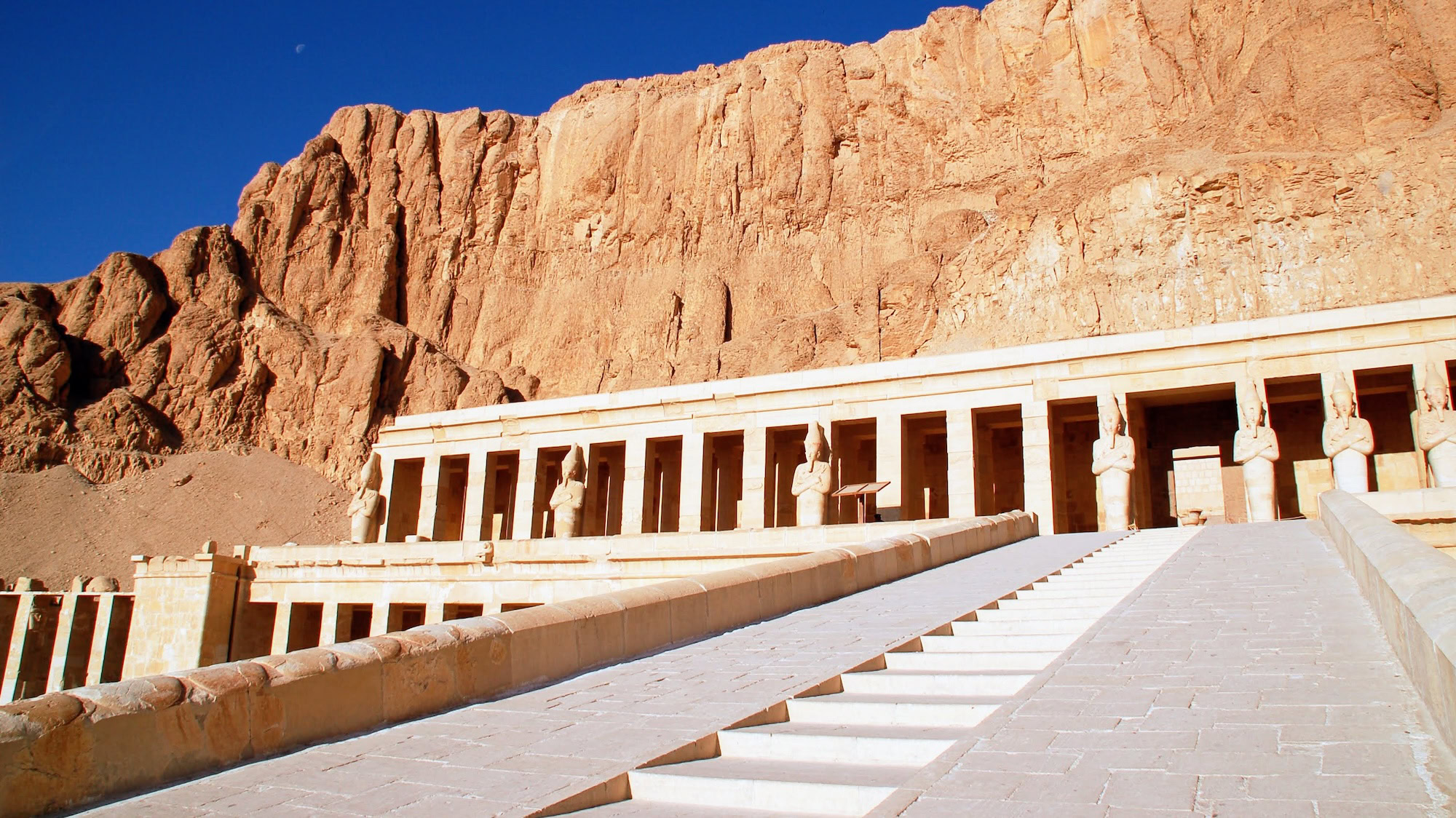
Flying from Cairo to Luxor takes just over an hour, but you’re transported to ancient Thebes, capital of the New Kingdom. Luxor sits along the Nile’s east bank, where pharaohs built their greatest temples and monuments.
The temperature here runs 3-5°C warmer than Cairo, often reaching 40°C (104°F) in summer months. Early morning excursions starting at 6:00 am (06:00) let you explore before the heat becomes overwhelming. The soft morning light also creates perfect conditions for photography.
Valley of the Kings
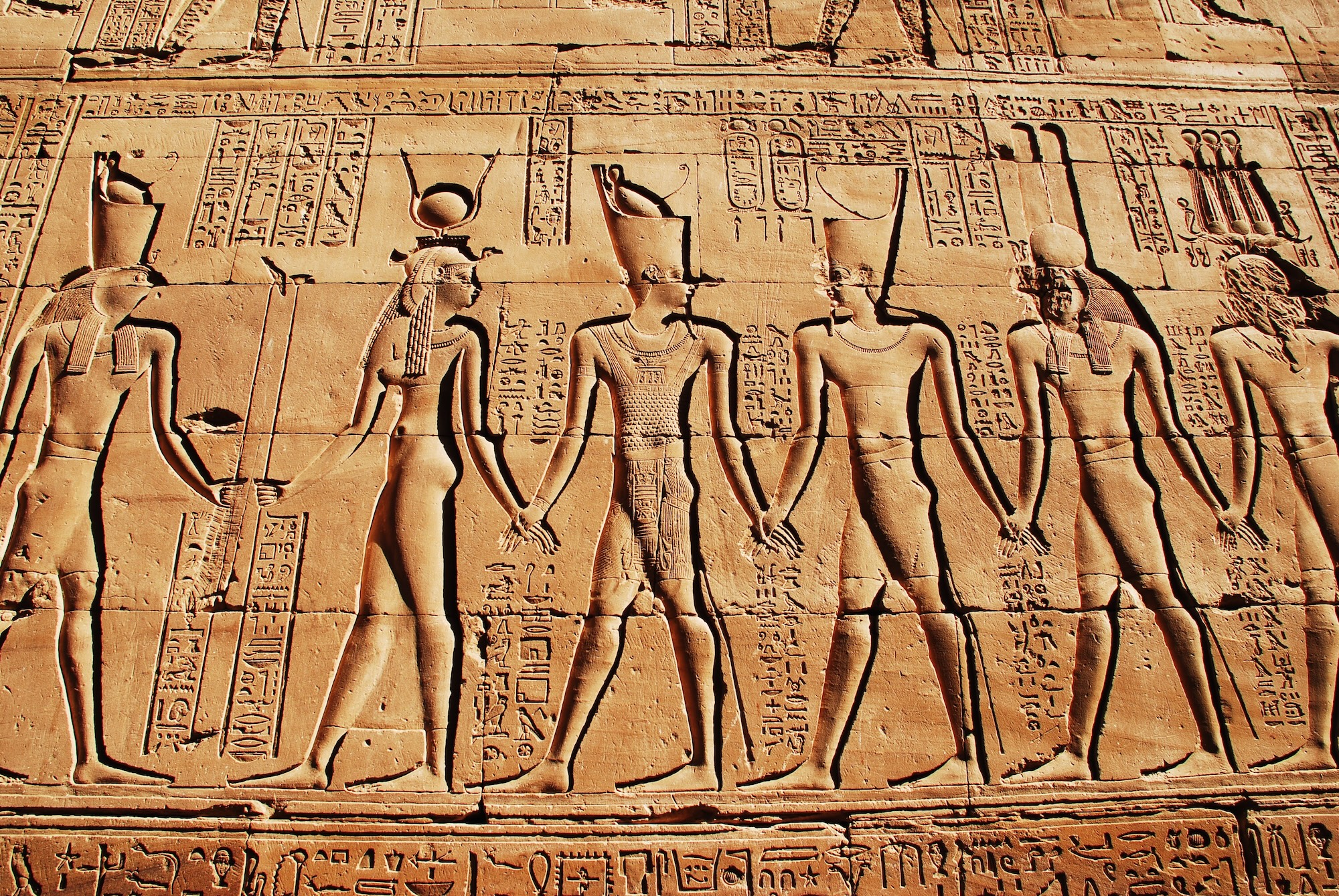
This necropolis holds the tombs of New Kingdom pharaohs, including Tutankhamun’s famous resting place. Each tomb tells a unique story through elaborate wall paintings depicting the journey to the afterlife. The artwork remains vibrant after 3,000 years, protected by the dry desert climate.
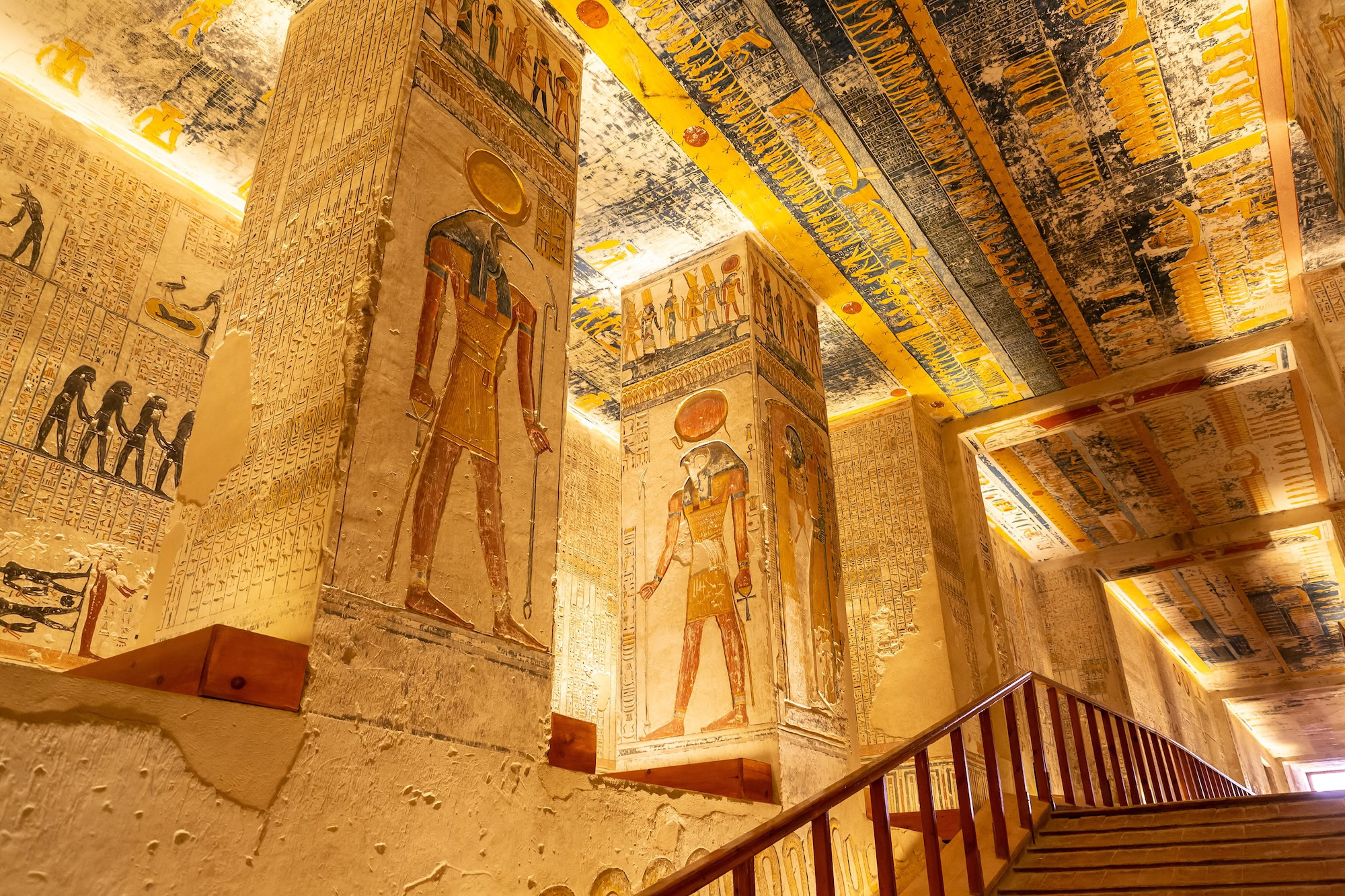
Three tomb visits are included in the standard ticket, though Tutankhamun’s tomb requires separate admission. Our guides explain the hieroglyphic symbols and religious significance behind each painted scene. Photography inside requires additional permits, but the memories need no documentation. Most visitors spend 2-3 hours exploring this sacred valley.
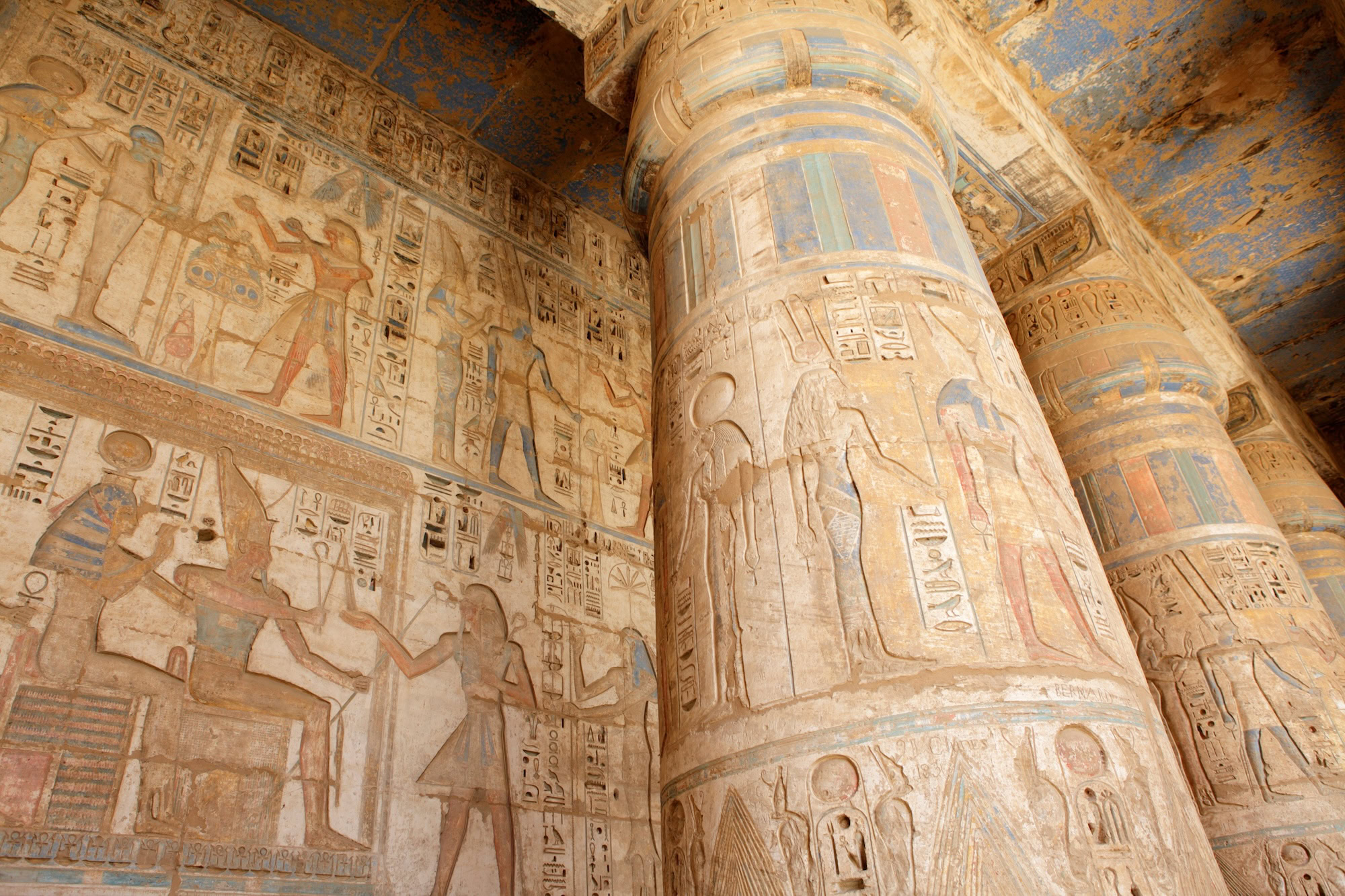
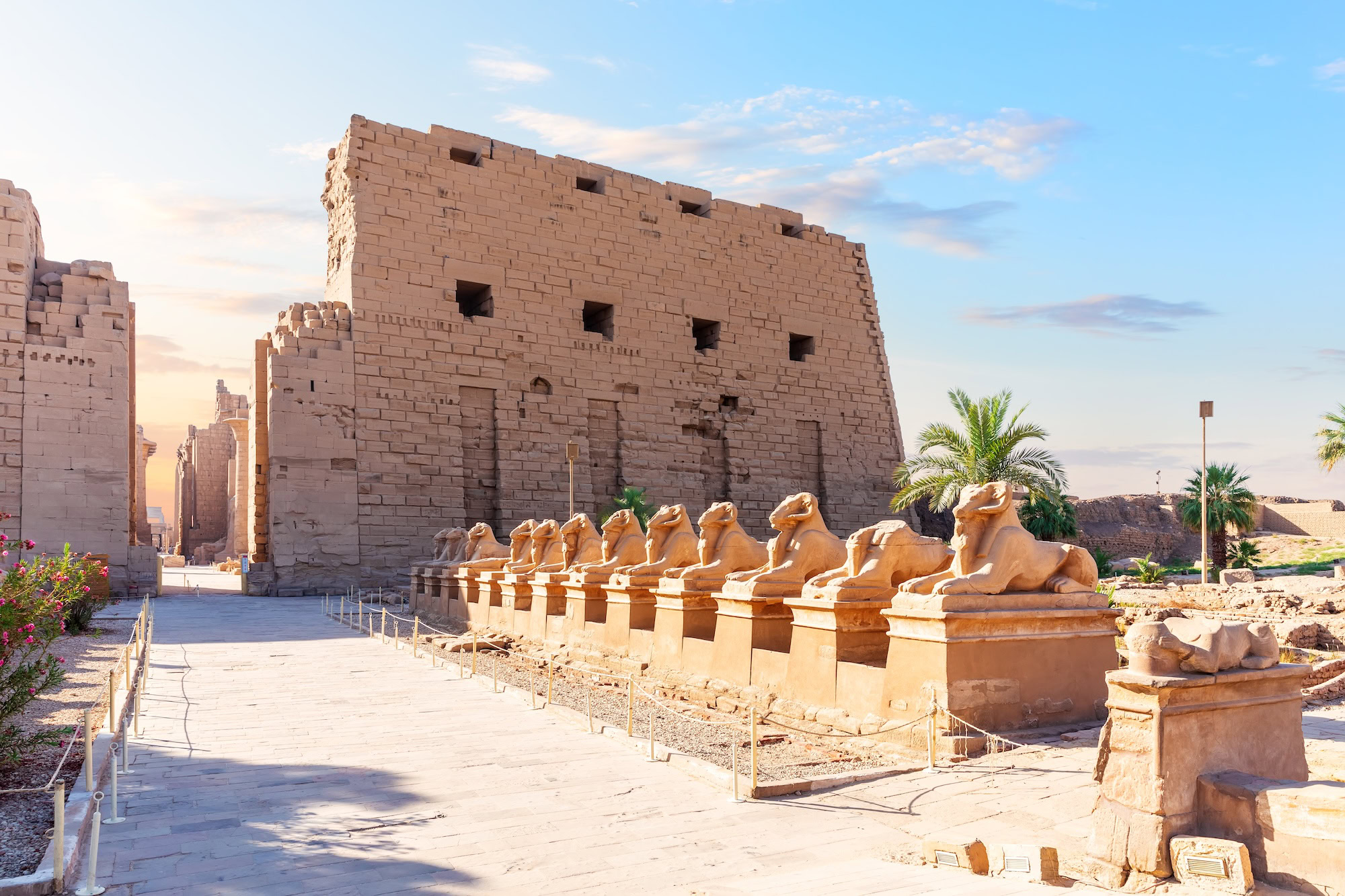
Karnak Temple showcases ancient Egyptian architecture at its most ambitious. This vast complex covers over 100 hectares and took 2,000 years to complete. The Great Hypostyle Hall contains 134 massive columns, each one intricately carved with religious scenes and hieroglyphic inscriptions.
Luxor Temple Evening Magic
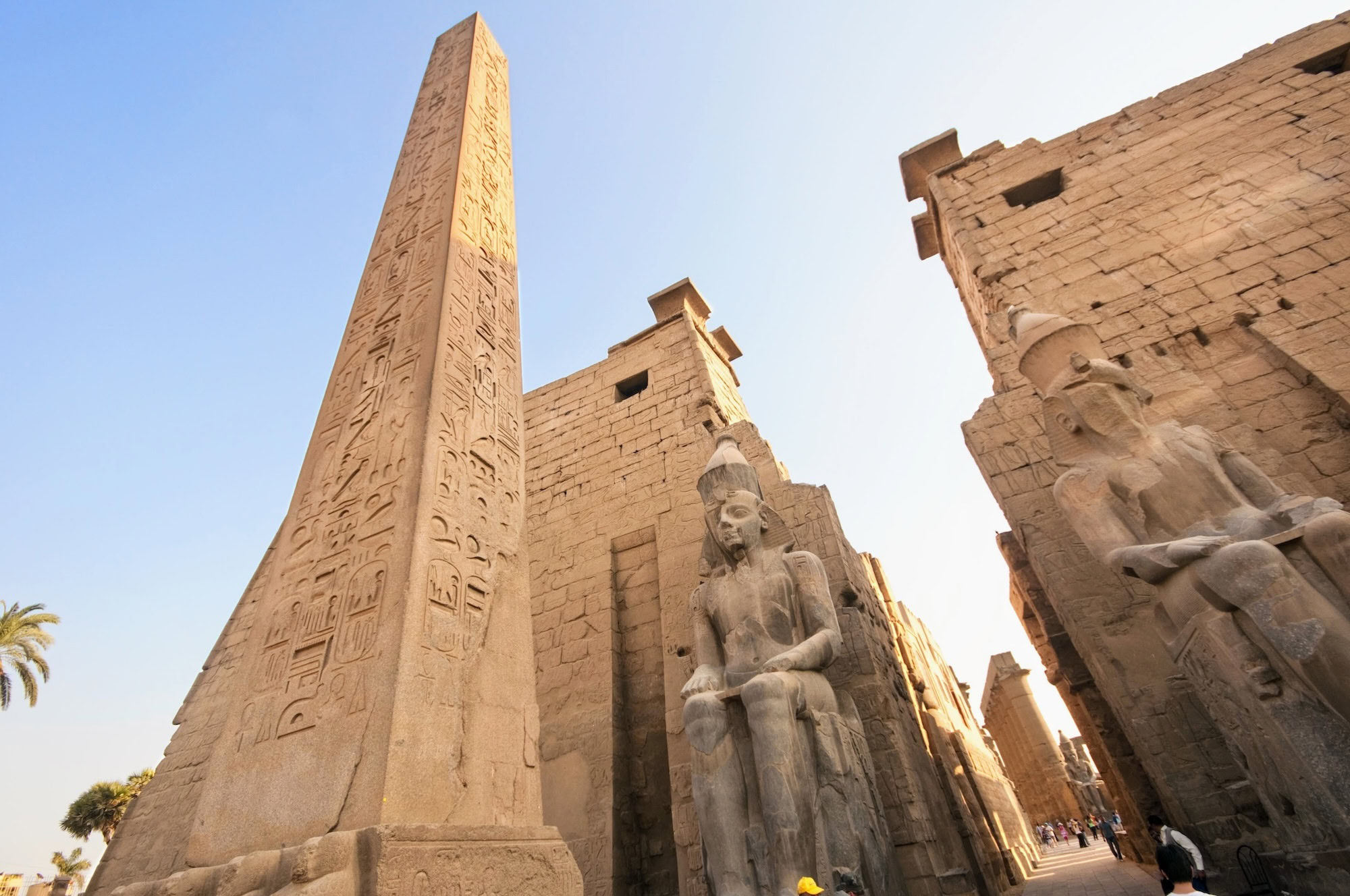
Connected to Karnak by a 3-kilometer avenue of sphinx statues, Luxor Temple becomes magical at sunset. Built primarily by Amenhotep III and Ramesses II, this temple dedicated to the rejuvenation of kingship hosts an annual Opet Festival celebration even today.
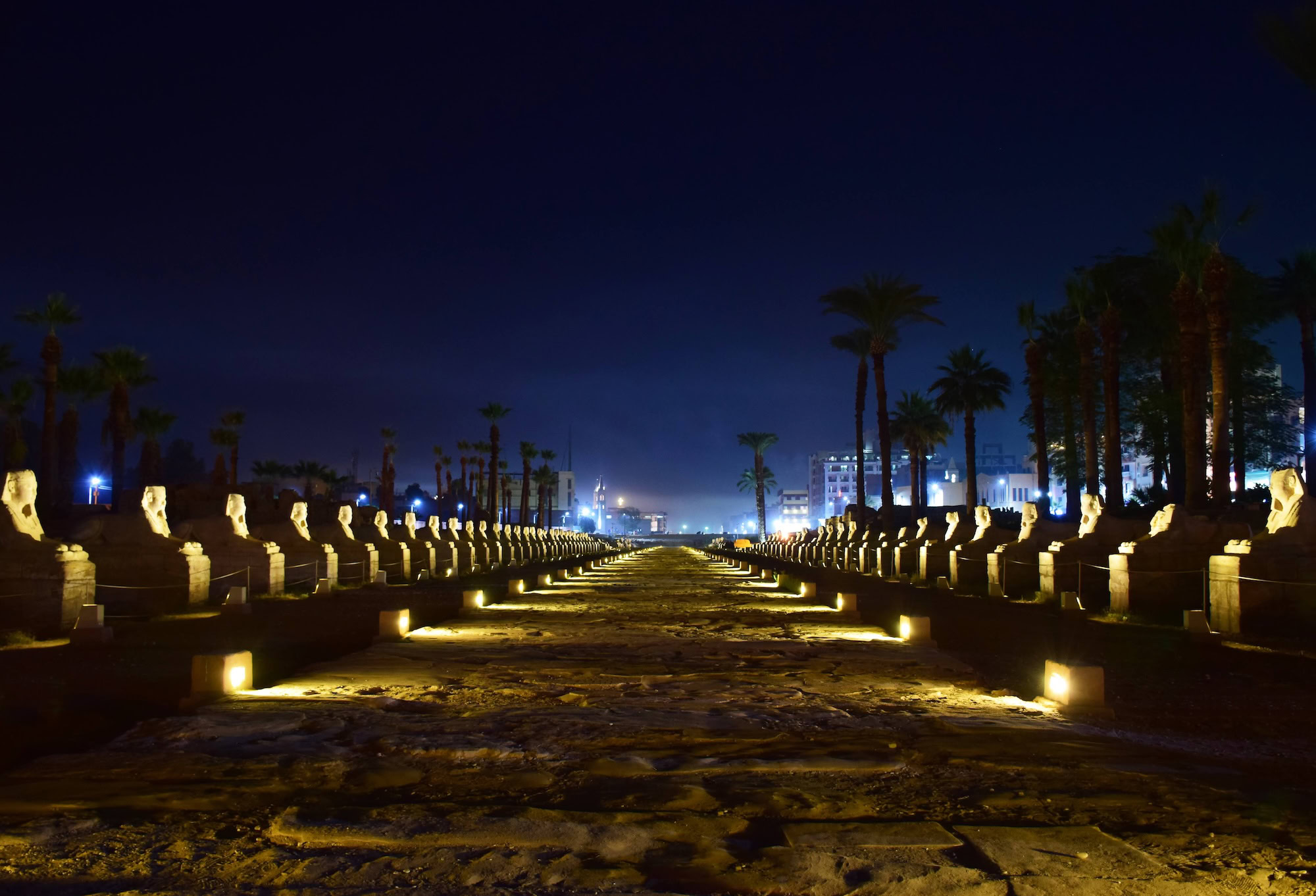
The evening lighting ceremony illuminates the temple’s sandstone walls, creating dramatic shadows between the towering columns. Sound and light shows run at 6:30 pm (18:30) during winter months, 7:30 pm (19:30) in summer. This experience transforms ancient stones into storytellers, narrating tales of pharaohs and gods.
Day 7-8: Aswan’s Natural Beauty
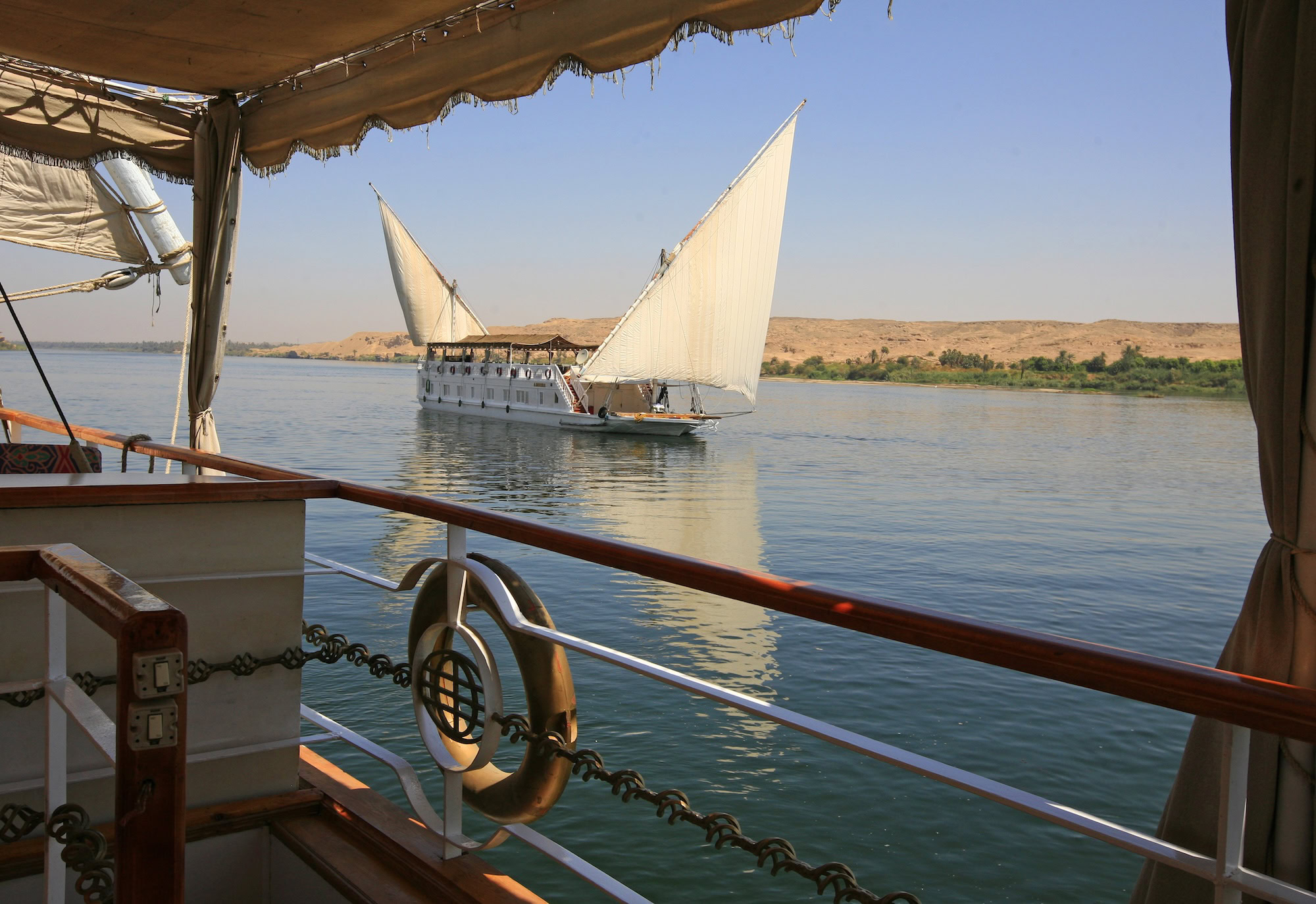
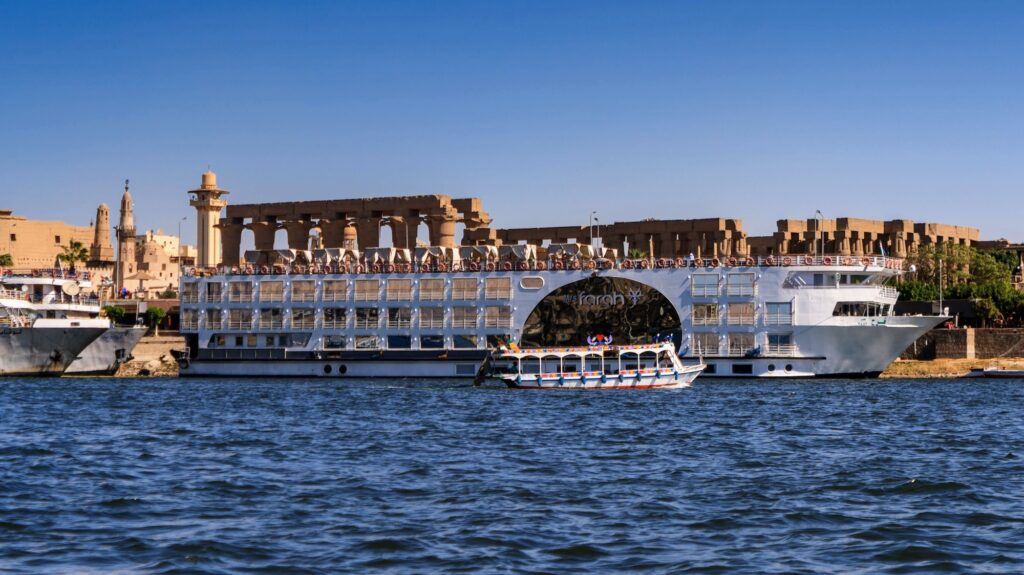
The train journey from Luxor to Aswan follows the Nile’s curves through rural Egypt. Small villages dot the landscape, farmers tend green fields fed by river irrigation, and felucca sailboats drift with ancient winds. This 3-hour journey offers glimpses of Egypt beyond the monuments.
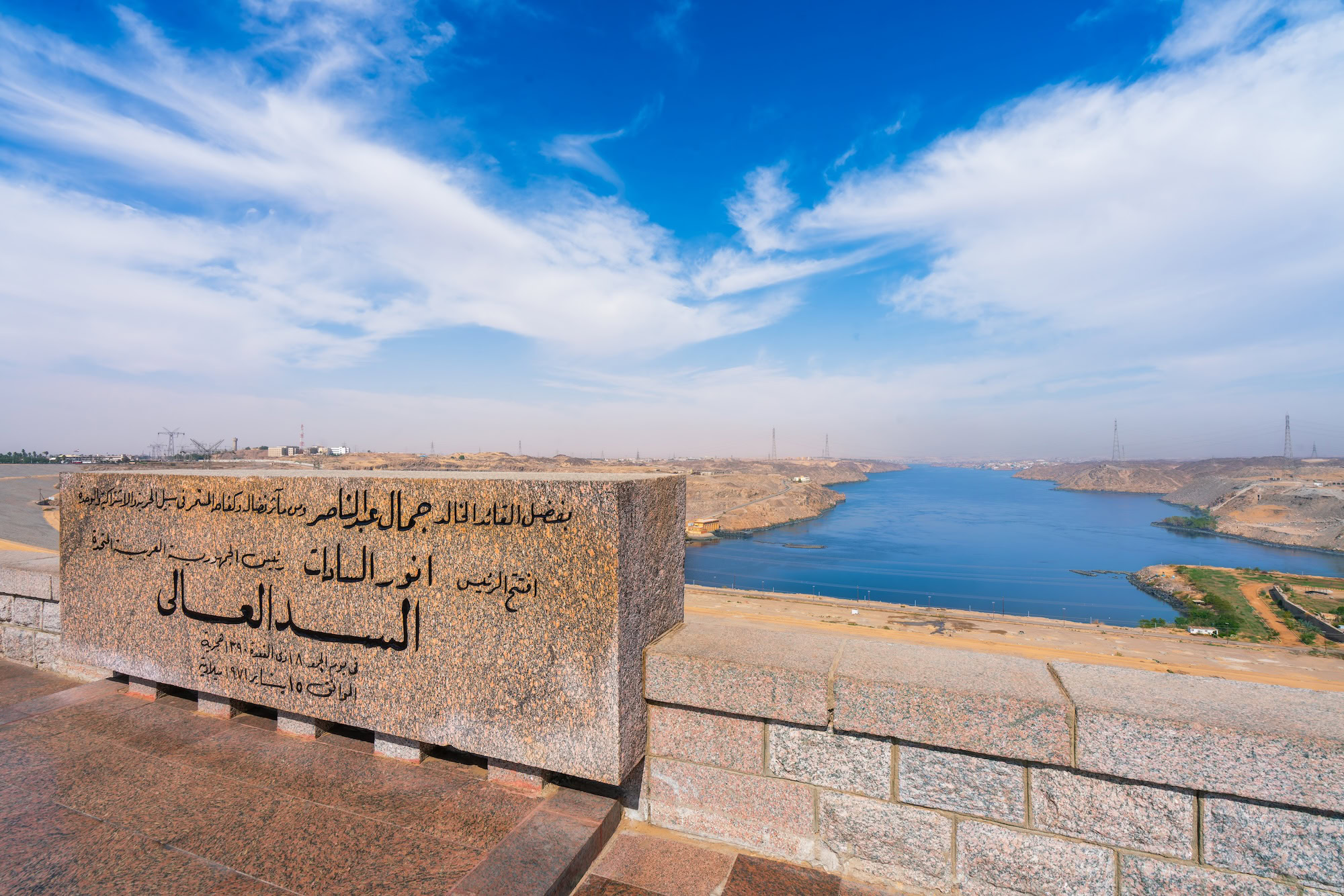
Aswan’s climate stays warmer year-round, with winter temperatures around 25°C (77°F) and summer peaks of 45°C (113°F). The city sits above the first cataract, where granite rocks create natural rapids that historically marked Egypt’s southern border. Modern Aswan serves as gateway to Nubian culture and the engineering marvel of the High Dam.
The High Dam tamed the Nile’s annual floods while creating Lake Nasser, one of the world’s largest artificial lakes. Completed in 1970, this massive project required relocating entire ancient temples, including Abu Simbel. The visitor center explains how international cooperation saved these monuments from flooding. Views from the dam’s crest stretch across the Nubian Desert toward Sudan.
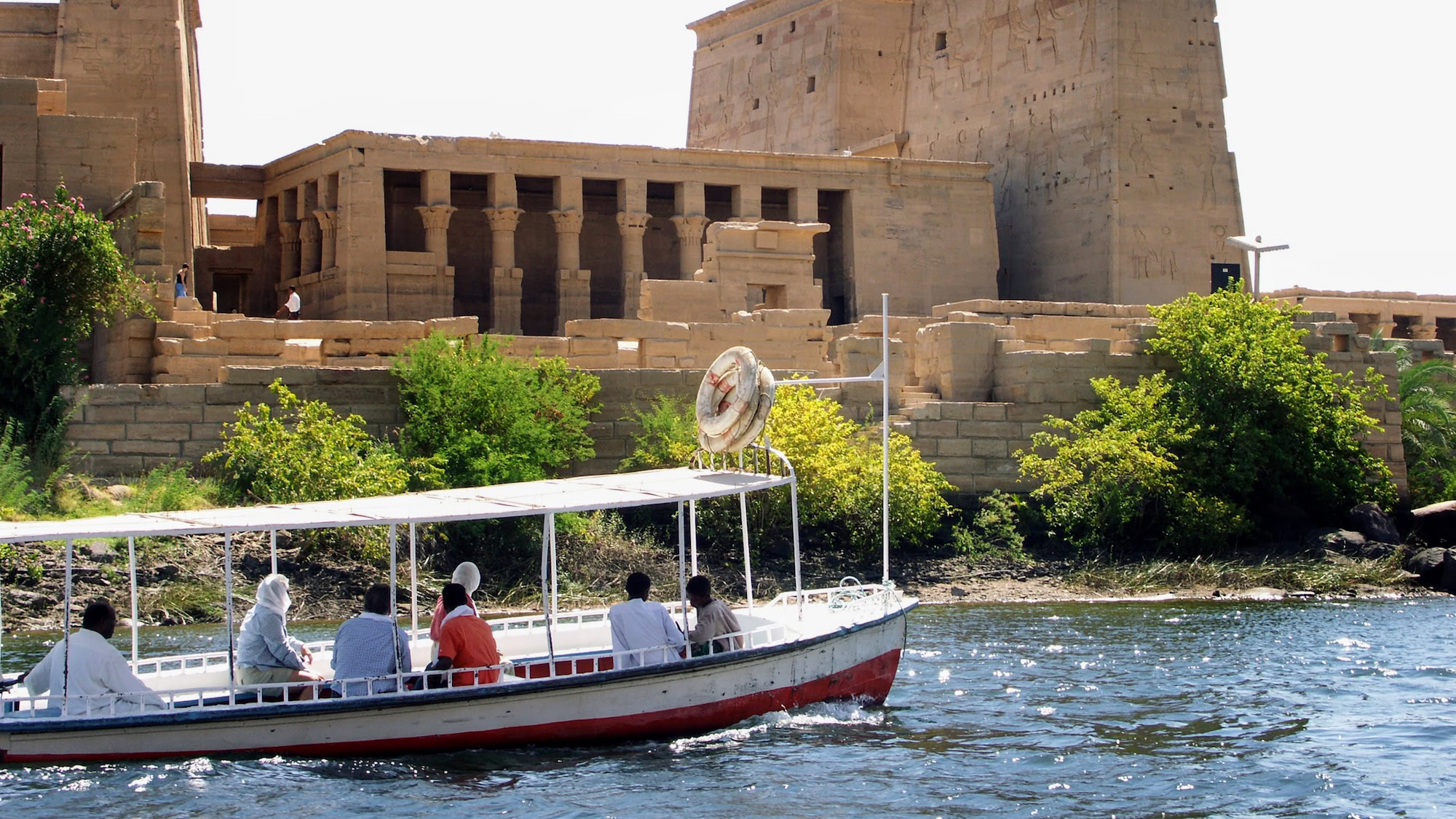
Philae Temple sits on Agilkia Island, accessible only by motorboat. This temple complex dedicated to the goddess Isis was completely relocated stone by stone when the original Philae Island was submerged. The boat ride takes 10 minutes each way, offering perspective on the temple’s island setting.
Nubian Village Experience
Traditional Nubian villages line the Nile’s banks south of Aswan. Colorful houses painted in blues, yellows, and greens reflect in the calm river water. Local families welcome visitors into their homes, sharing traditional meals and explaining customs passed down through generations.
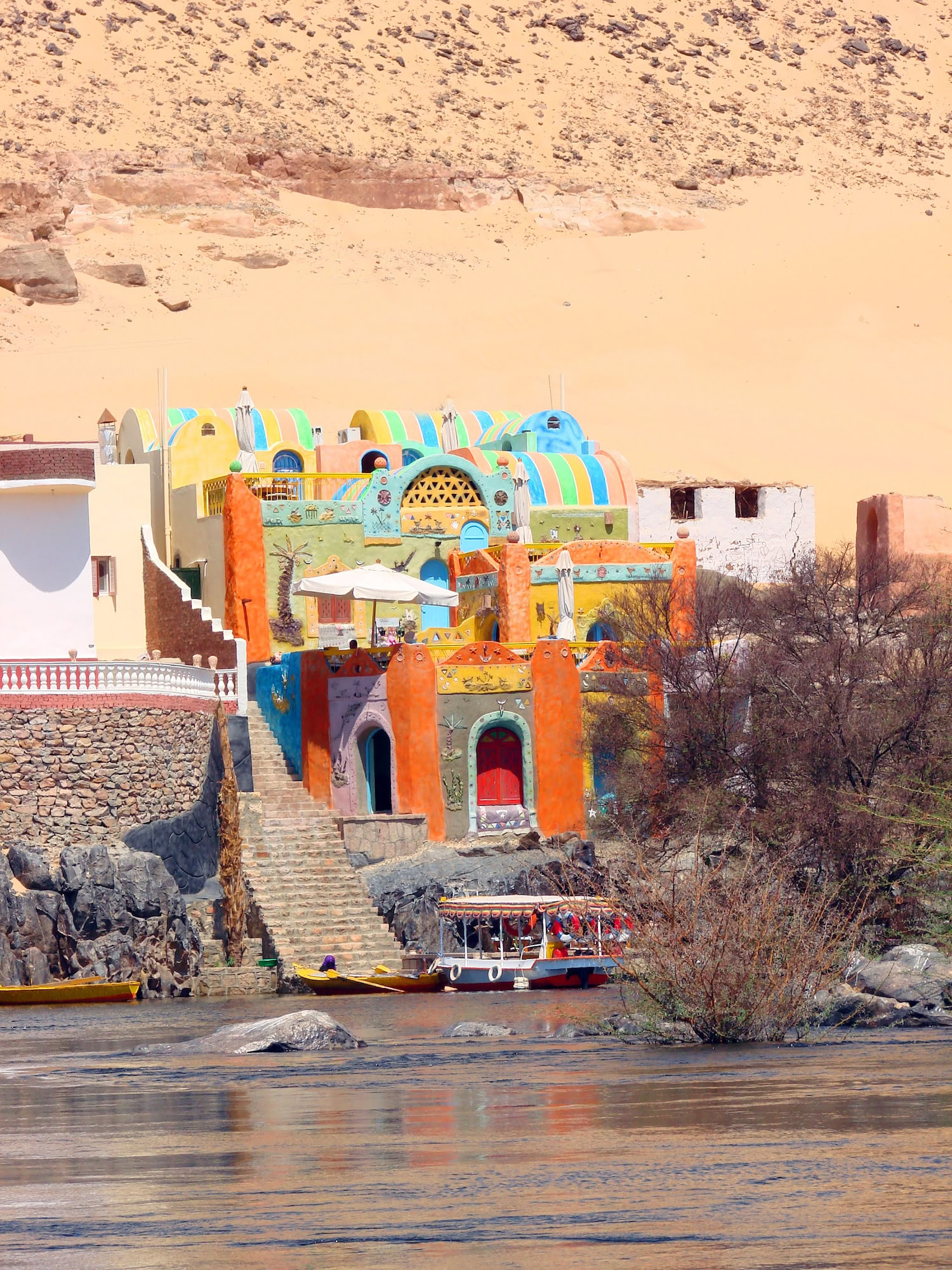
These communities maintain distinct cultural traditions despite centuries of change. Nubian languages differ from Arabic, traditional crafts continue through family workshops, and ancient hospitality customs remain strong. A typical village visit includes lunch with a local family, demonstrations of traditional crafts, and stories about life along the Nile.
The experience feels authentic because it is. These aren’t tourist performances – they’re glimpses into daily life for communities that have called this region home for thousands of years. Children play traditional games in dusty courtyards while grandparents share stories in local dialects.
Day 9: Abu Simbel’s Grand Finale
Abu Simbel requires an early morning flight from Aswan – departures typically run at 5:00 am (05:00). The 45-minute flight covers 280 kilometers (174 miles) of Nubian Desert, revealing landscapes largely unchanged since ancient times.
Ramesses II built Abu Simbel to demonstrate Egyptian power to southern neighbors. Four colossal statues of the pharaoh guard the main temple entrance, each standing 20 meters (66 feet) tall. The smaller temple honors his queen, Nefertari, in an unprecedented display of royal devotion.
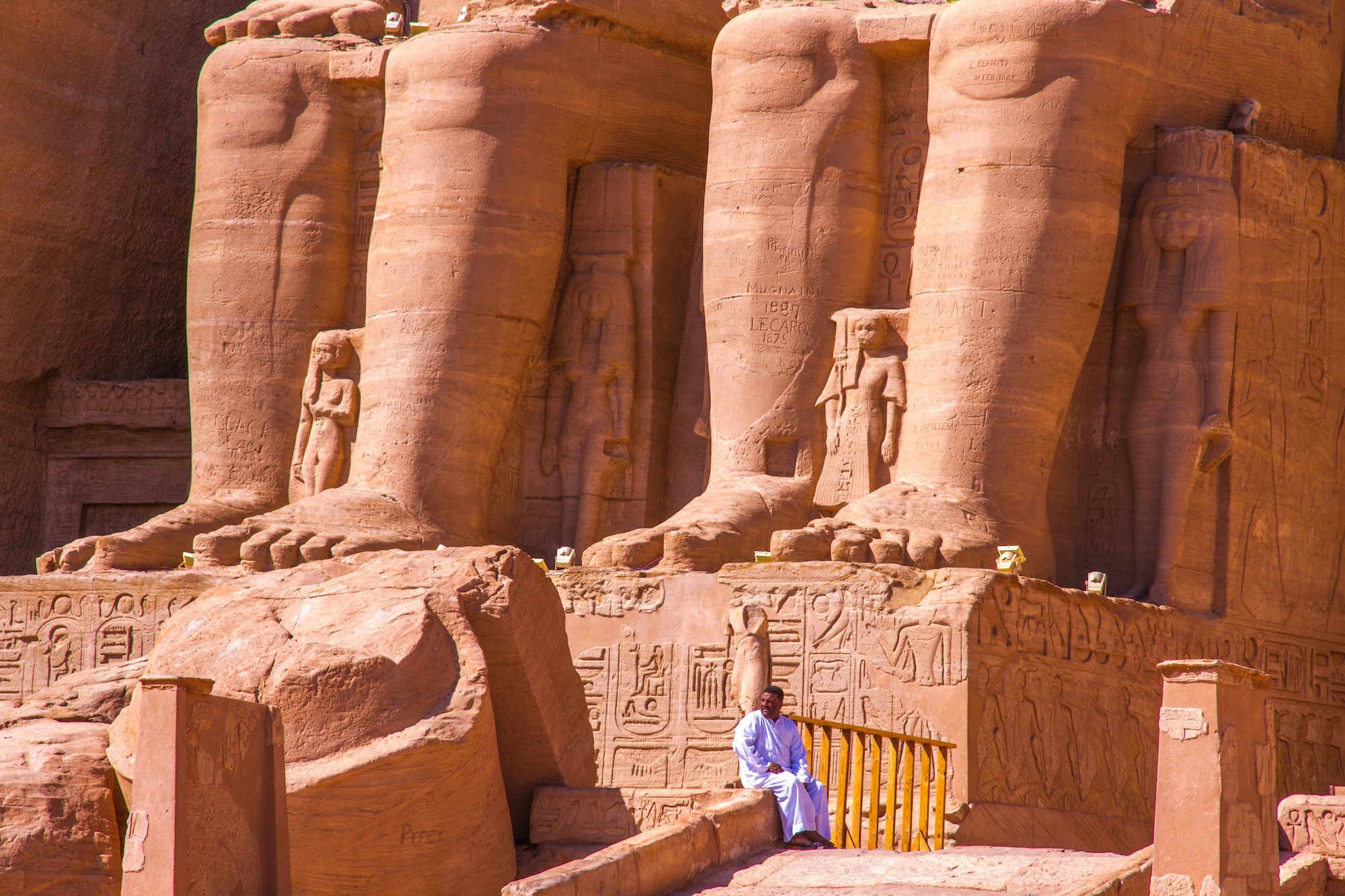
Twice yearly, on February 22 and October 22, the rising sun penetrates the temple’s inner sanctuary to illuminate statues of Ramesses II and the gods Ra and Amun. This astronomical precision demonstrates the sophisticated engineering knowledge of ancient Egyptian architects. UNESCO’s relocation project maintained this exact alignment despite moving the entire temple 65 meters higher and 200 meters inland.
The interior chambers showcase some of ancient Egypt’s finest carved reliefs. Battle scenes depict Ramesses II’s military victories, while religious ceremonies honor the gods who protected Egypt. Walking through these halls connects you directly with the pharaoh’s vision of eternal glory.
Most visitors spend 2-3 hours at Abu Simbel before returning to Aswan for evening flights to Cairo. The desert flight offers final views of the Nile’s life-giving path through otherwise barren landscapes – a perfect metaphor for Egypt’s role as an oasis of civilization in northeastern Africa.
Essential Planning Tips
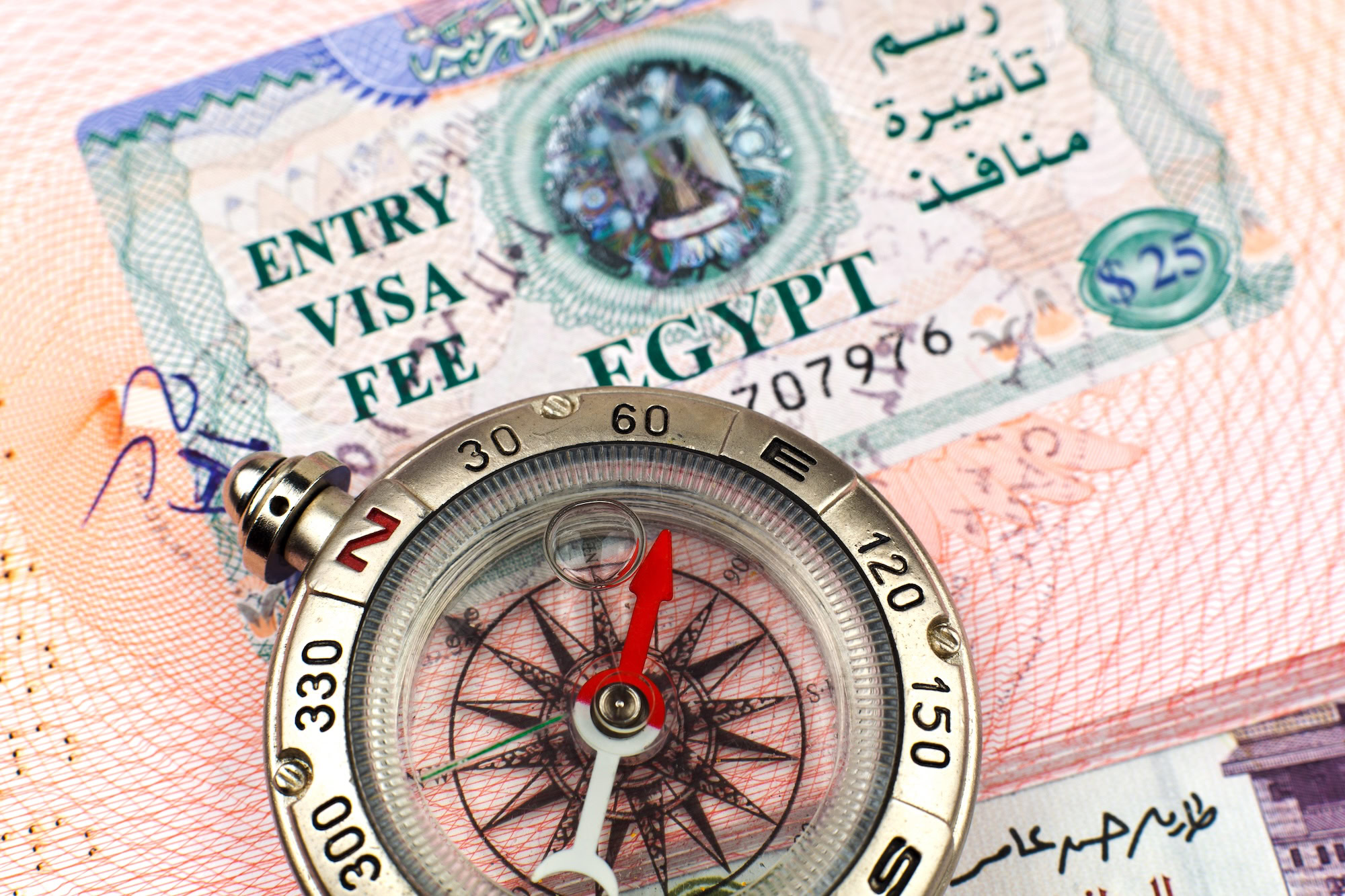
Egypt requires advance planning for visa requirements and optimal timing. U.S. visitors need a tourist visa available on arrival for $25 USD or through e-visa systems before departure. European travelers follow similar procedures, while some nationalities receive visa-free entry for limited periods.
Best Travel Seasons
October through April offers the most comfortable weather for sightseeing. Temperatures range from 20-30°C (68-86°F) during these months, with minimal rainfall throughout the country. Summer months can be challenging, with temperatures exceeding 40°C (104°F) in southern regions like Aswan and Abu Simbel.
Winter months see peak tourist season, so advance bookings become essential for hotels and guided tours. Spring and fall provide excellent weather with fewer crowds, making them ideal for photography and unhurried exploration.
Transportation Between Cities
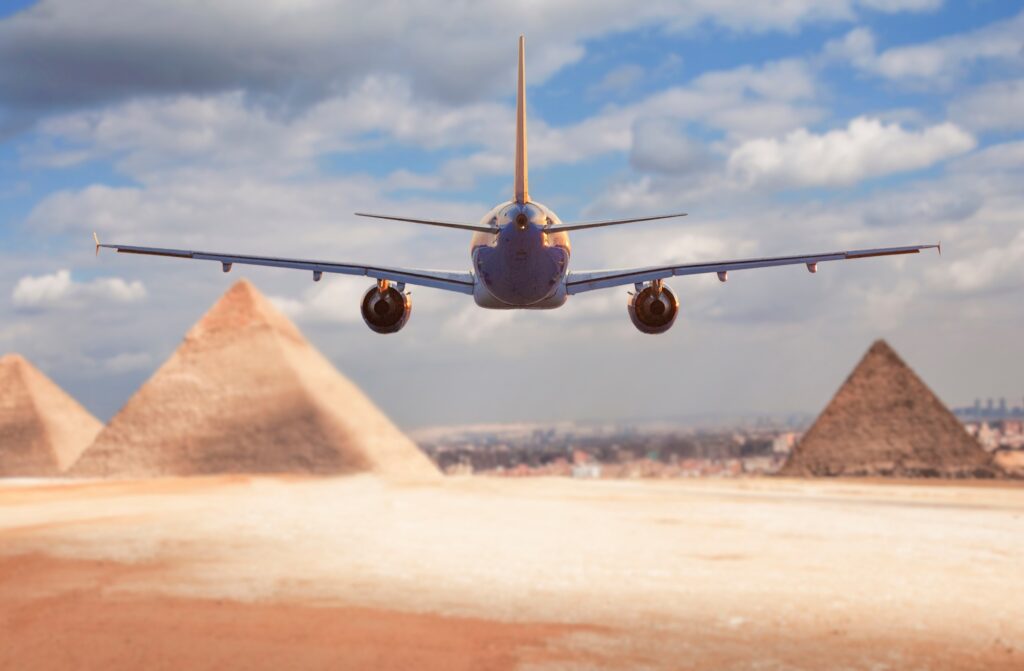
Domestic flights connect major tourist destinations efficiently. Cairo to Luxor takes 1 hour 15 minutes, while Luxor to Aswan requires 45 minutes by air. Train services offer scenic alternatives, particularly the luxury sleeper train between Cairo and Aswan.
Our modern, air-conditioned vehicles provide comfortable road transfers with professional drivers familiar with tourist routes. Private transportation allows flexible scheduling and stops at local markets or scenic viewpoints missed by large group tours.
Cultural Etiquette and Practical Advice
Egypt welcomes millions of international visitors annually, but understanding local customs enhances your experience significantly. Modest dress shows respect, particularly when visiting religious sites. Shoulders and knees should remain covered, with loose-fitting clothing providing comfort in desert climates.
Photography restrictions apply in most tombs and museums. Additional fees enable photography in certain locations, while others prohibit cameras entirely. Always ask permission before photographing local people, as cultural sensitivities vary between communities.
Tipping (baksheesh) forms part of Egyptian service culture. Small tips for tour guides, drivers, and hotel staff are customary and appreciated. Your guide will explain appropriate amounts for different services throughout your journey.
Arabic serves as the official language, though English is widely spoken in tourist areas. Learning basic Arabic greetings like “ahlan wa sahlan” (welcome) and “shukran” (thank you) creates positive interactions with local people.
Health and Safety Considerations
Tap water requires caution – bottled water stays readily available throughout tourist areas. Most hotels and restaurants maintain high hygiene standards, but street food requires careful selection. Sun protection becomes essential given Egypt’s intense UV exposure, particularly during desert excursions.
We provide 24/7 customer support throughout your journey, ensuring assistance remains available for any concerns. Our experienced team has handled every situation imaginable, from medical emergencies to travel disruptions, with professional efficiency.
Travel insurance covering medical evacuation is strongly recommended for all international visitors. Private medical facilities in Cairo and major tourist cities meet international standards, while remote areas have limited healthcare access.
Making Your Egypt Dreams Reality
Nine days provides an excellent introduction to Egypt’s highlights while leaving you eager to return for deeper exploration. This itinerary balances must-see monuments with authentic cultural experiences, creating memories that last far beyond your departure flight.
We’ve spent decades perfecting these routes, learning which guides bring history to life and which local experiences offer genuine insights into modern Egyptian culture. Our award-winning service ensures every detail receives attention, from airport transfers to restaurant recommendations.
Your Egyptian adventure awaits – and we’re here to make it extraordinary. With our tailored itineraries, expert guides, and comprehensive support, your nine days will exceed every expectation while inspiring future returns to this timeless land.
Frequently Asked Questions
What’s the best time of year to visit Egypt?
October through April offers ideal weather with temperatures from 20-30°C and minimal rainfall.
Do I need a visa to visit Egypt?
U.S. visitors need tourist visa for $25 USD on arrival or online e-visa.
How much should I budget for 9 days in Egypt?
Budget ranges from $1,200-$4,000 per person depending on accommodation and tour choices.
Is Egypt safe for tourists?
Egypt maintains strong security in tourist areas with millions visiting safely each year.
What should I wear when visiting temples and mosques?
Modest clothing covering shoulders and knees shows respect while providing desert comfort.
Can I take photos inside tombs and temples?
Photography restrictions vary – many sites allow photos for additional fees.
What currency should I bring to Egypt?
Egyptian pounds are local currency though USD and EUR widely accepted.
How long are flights between Egyptian cities?
Cairo to Luxor takes 1 hour 15 minutes, Luxor to Aswan just 45 minutes.
Do I need special vaccinations for Egypt?
No special vaccinations required – consult healthcare provider about routine immunizations.
What’s included in typical Egypt tour packages?
Packages include accommodation, flights, guides, entrance fees, and professional ground transportation.
How physically demanding is sightseeing in Egypt?
Most sites involve moderate walking with stairs at Valley of Kings.
What’s the tipping etiquette in Egypt?
Small tips for guides, drivers, and service staff are customary and appreciated.
Explore our most popular guides and expert tips to make your trip safe, smooth, and unforgettable.
Plan Your Egypt Adventure with Confidence
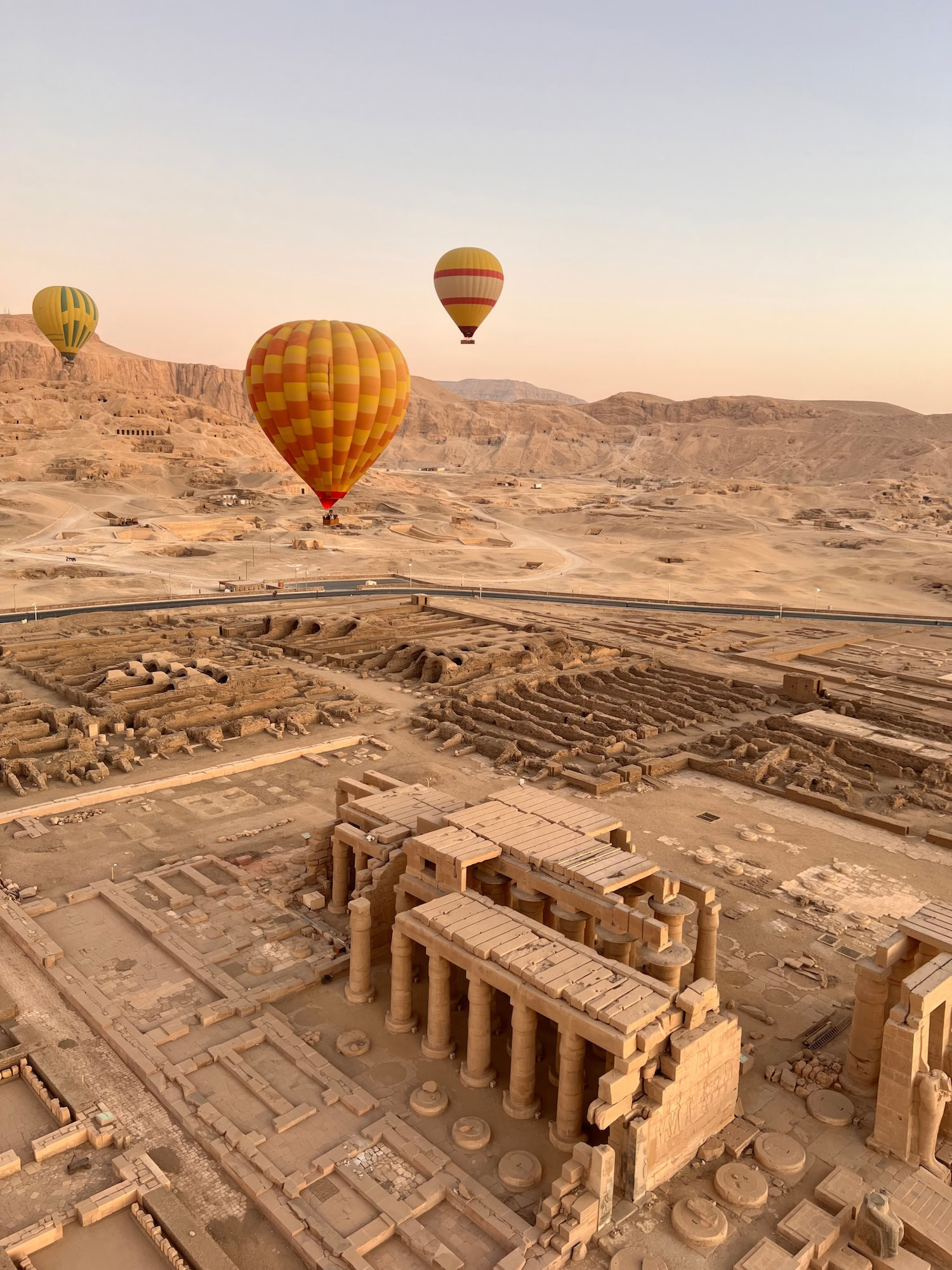
How to Plan a Trip Egypt
Step-by-step guide to help you plan the perfect Egypt trip — from routes and budget to booking.
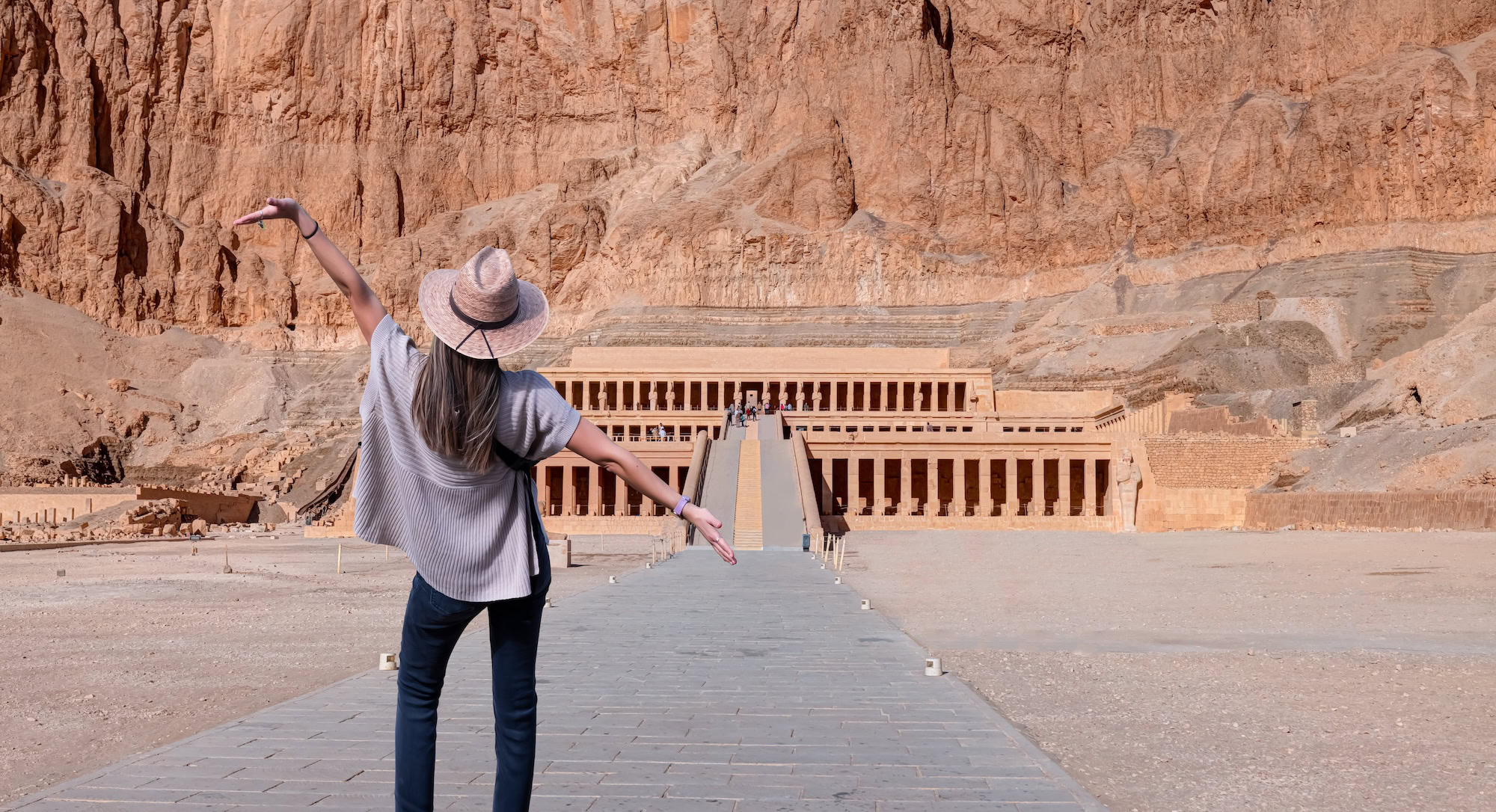
Best Time to Visit Egypt
Learn the best months to visit Egypt based on weather, crowds, and local travel experiences.
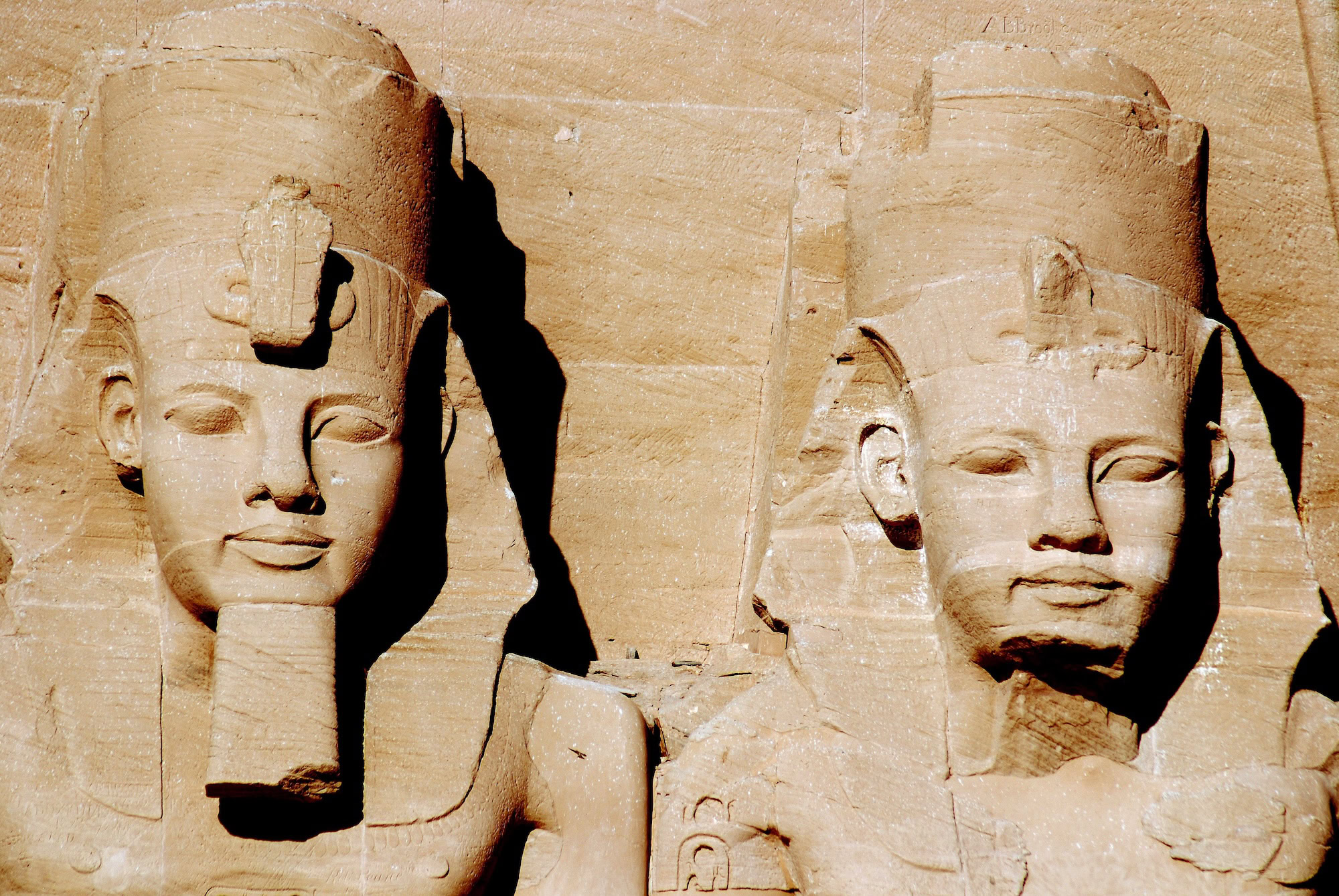
Must Visit Places in Egypt
Explore Egypt’s top sights — from pyramids to temples — and hidden gems worth seeing.
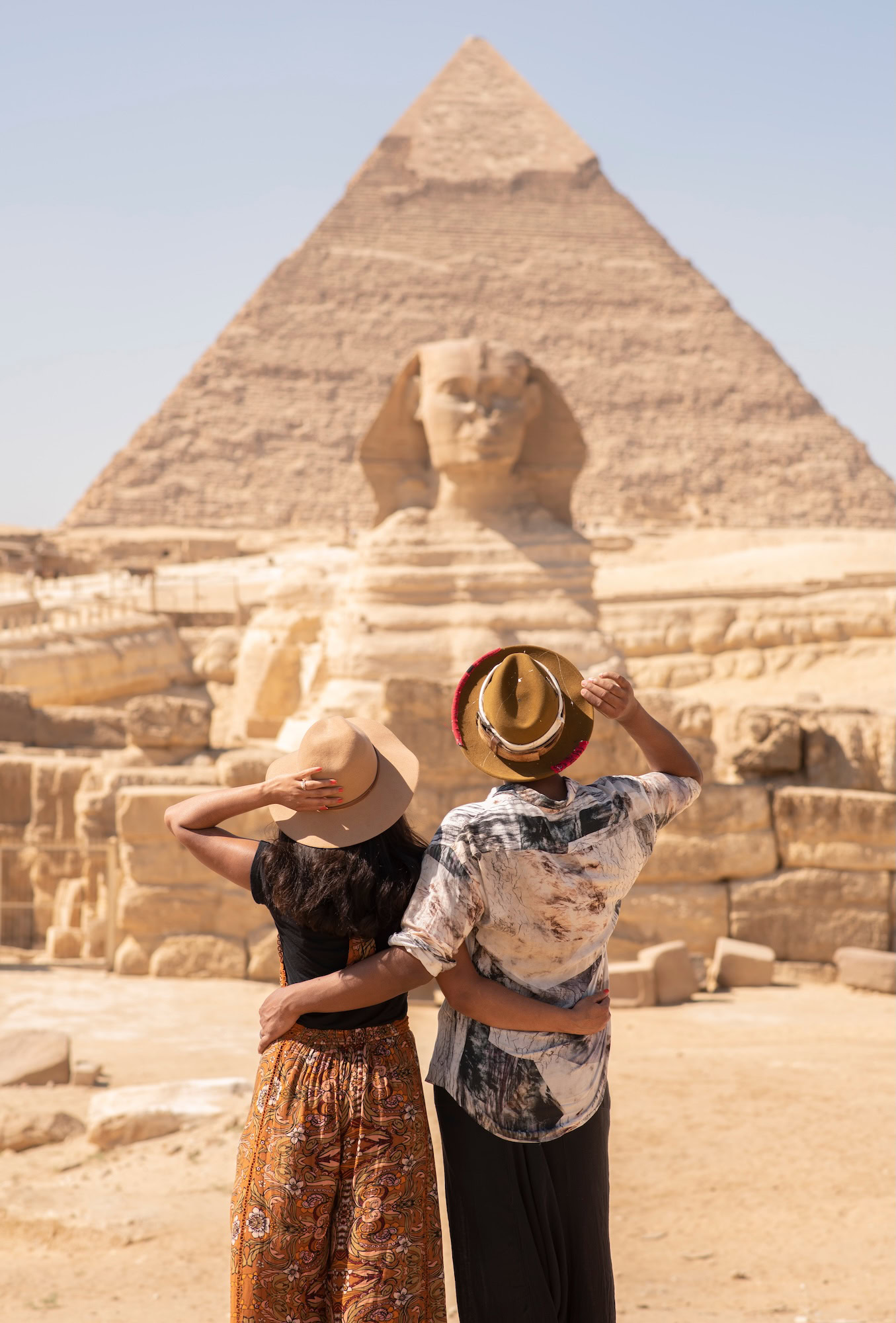
Top-Rated Egypt Tours
Handpicked private tours with local guides — our most loved and best-reviewed experiences.
How Many Days to Visit Egypt?
Find out how many days you need in Egypt — from quick trips to full itineraries.
Egypt Visa Requirements
Check if you need a visa and get simple, up-to-date entry info based on your nationality.
Is it Safe to Travel to Egypt?
Is Egypt safe? Get honest safety tips, area advice, and what to know before you travel.
What to Pack for Egypt
A quick packing guide with essentials, cultural tips, and clothing advice for your Egypt trip.

Design Your Custom Tour
Explore Egypt your way by selecting only the attractions you want to visit