Egypt Off the Beaten Path: Hidden Places Most Travelers Never See
Most travelers stick to Cairo’s pyramids and Luxor’s Valley of the Kings. That’s exactly why you should venture beyond.
Egypt’s true magic happens in places where tour buses can’t reach and selfie sticks stay in bags. We’re talking about Nubian villages where children wave from colorful doorways, ancient temples that echo with only your footsteps, and markets where bartering feels like an art form rather than a tourist trap. After seven decades of guiding travelers through Egypt’s most extraordinary corners, we’ve discovered that the country’s most memorable experiences often happen in the spaces between famous monuments.
The secret isn’t just knowing where to go. It’s knowing when to arrive, how to connect with locals authentically, and which hidden paths lead to the most spectacular discoveries.

Remote Temples Worth the Extra Journey
Dendara Temple complex sits 60 kilometers north of Luxor, yet most visitors never make the trip. Their loss becomes your gain when you’re practically alone with some of Egypt’s best-preserved ceiling paintings.
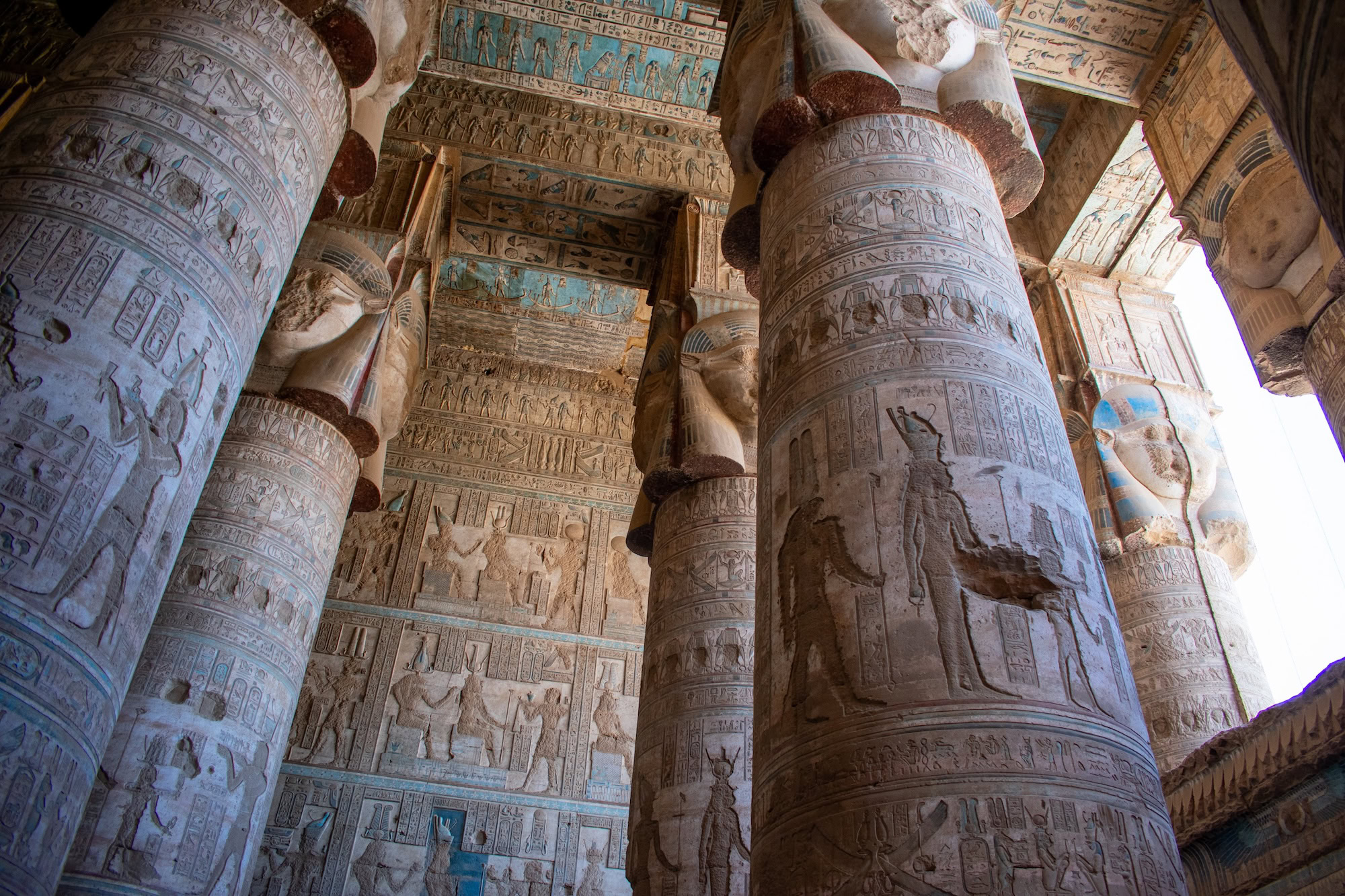
Temple of Hathor at Dendara
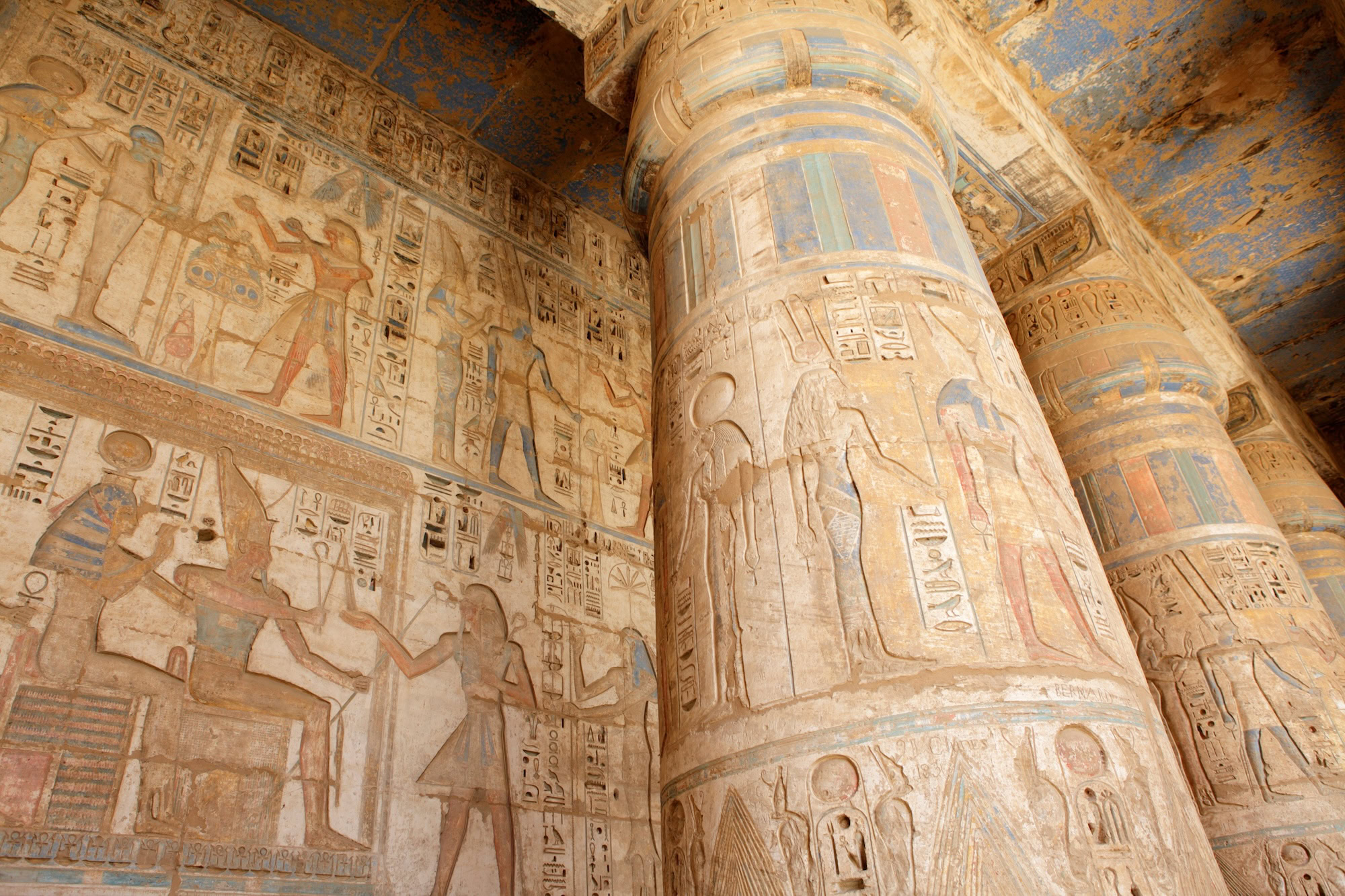
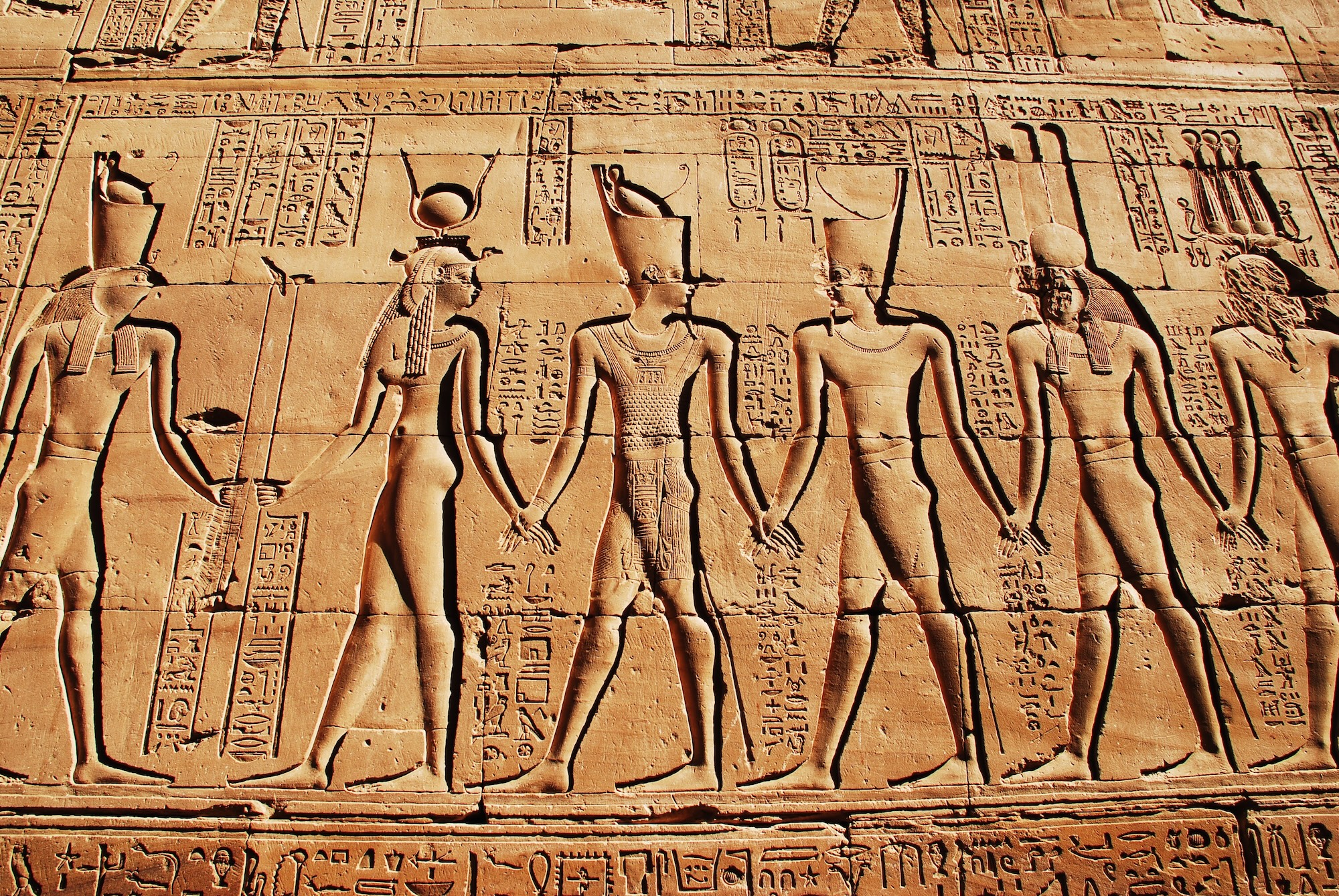
Morning light streams through ancient columns at 8:00 am (08:00), illuminating zodiac carvings that predate European astronomy by centuries. The temple’s underground crypts remain cool even in summer heat, offering relief while you examine hieroglyphs that archaeologists are still deciphering. Unlike Karnak or Luxor Temple, you can actually touch these walls and feel the craftsmanship up close.
Photography here requires patience rather than crowds navigation. The famous Dendara zodiac ceiling photograph becomes possible when you’re not fighting for angles with dozens of other cameras.
Kalabsha Temple’s Island Setting
Relocated stone by stone when Lake Nasser filled, Kalabsha Temple now occupies its own island near Abu Simbel. The short boat ride across the lake adds adventure to your temple exploration, and the surrounding water creates stunning reflection shots during golden hour.
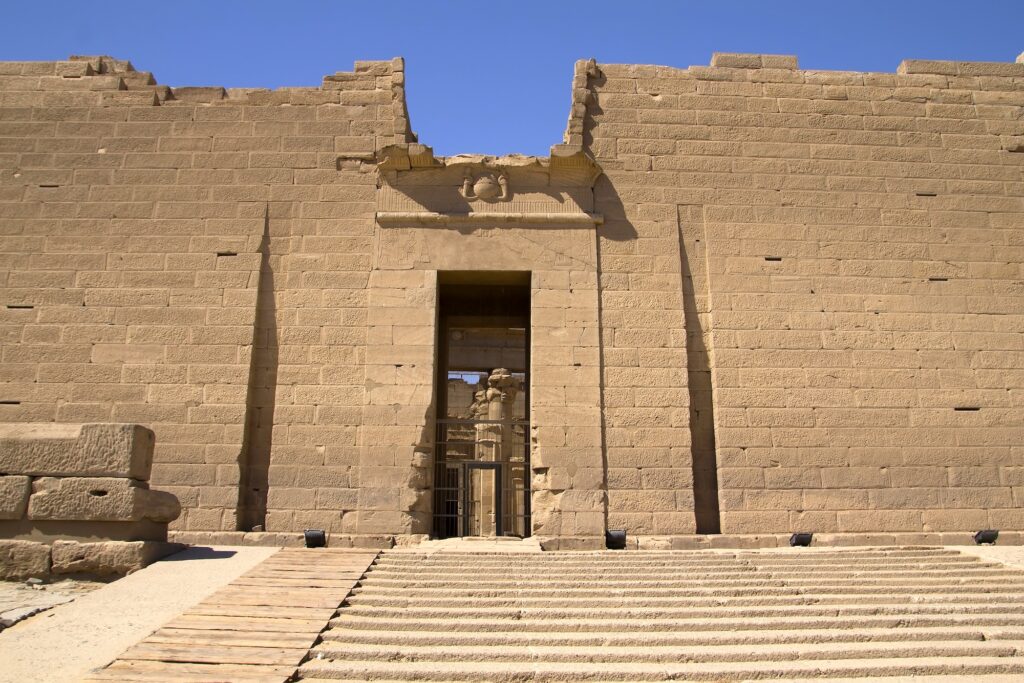
Most Abu Simbel day-trippers skip Kalabsha entirely, making this UNESCO site surprisingly intimate. Roman-era additions blend with Ptolemaic architecture, creating a unique historical layering you won’t find at more famous sites.
Authentic Nubian Culture Experiences
Tourist villages perform “traditional” dances for busloads of visitors. Real Nubian culture happens in places like Gharb Soheil Island and the villages around Kom Ombo.
Seheil Island families have maintained their traditional lifestyle for generations. Women still practice ancient pottery techniques, and men build boats using methods passed down through their grandfathers. Children switch effortlessly between Arabic and Nubian languages, offering glimpses into a bilingual culture that predates modern Egypt.
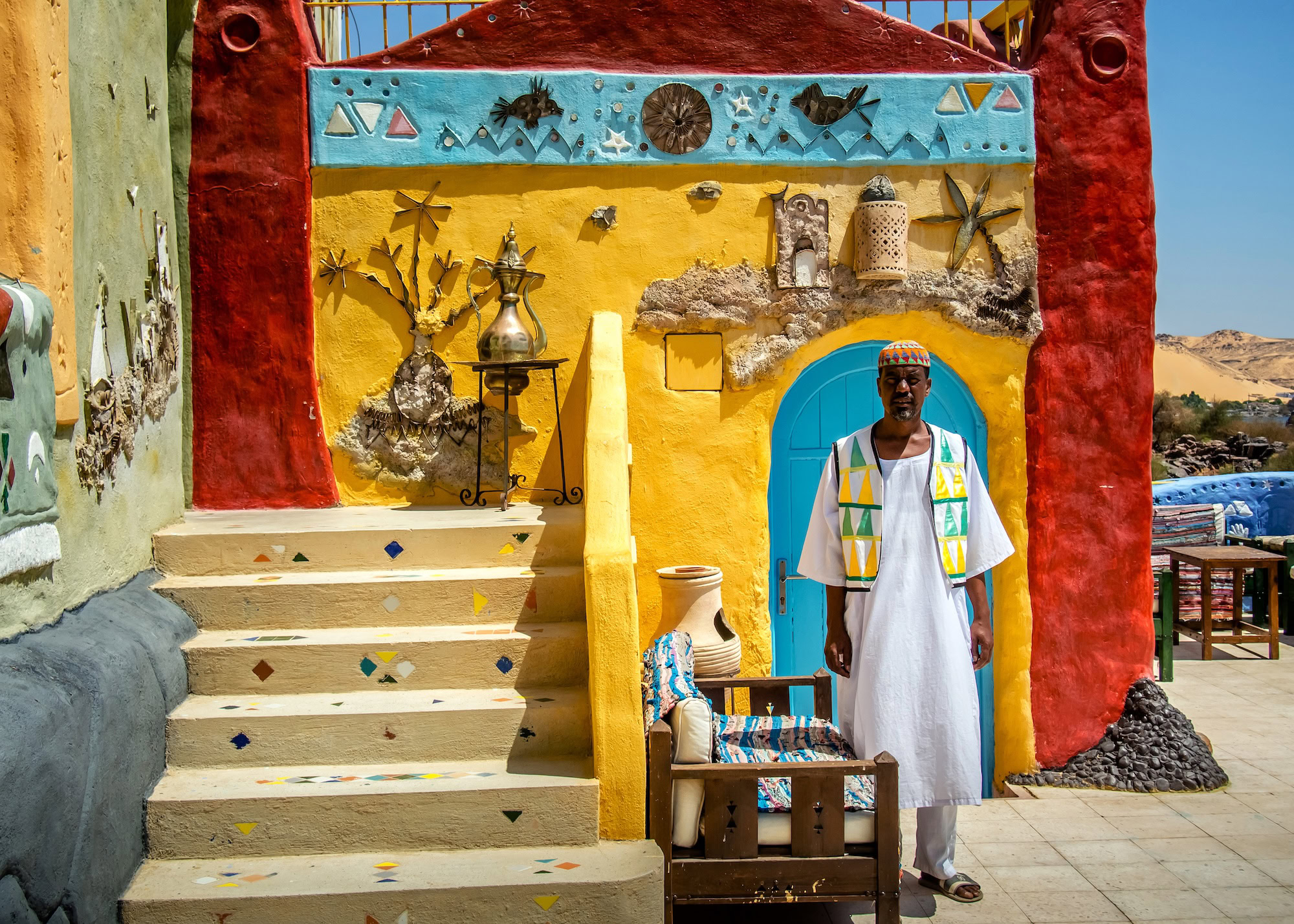
Village Life in Nag el-Balida
Twenty minutes by felucca from Aswan’s corniche, this Nubian village operates on island time. Morning coffee preparation becomes a social event where neighbors discuss everything from Nile water levels to Cairo politics. Houses painted in traditional blues and yellows create Instagram-worthy scenes, but the real attraction is joining families for actual meals rather than tourist performances.
Cooking classes here aren’t scripted experiences. You’ll learn to prepare traditional dishes using ingredients grown in village gardens, while stories about Nubian migration and cultural preservation unfold naturally through conversation.
Hidden Cairo Gems Beyond Tourist Zones
The Cave Church in Garbage City represents Cairo’s most unlikely success story. Built into Mokattam Hills by the Coptic community, this underground cathedral seats 20,000 people in hand-carved chambers.
St. Simon the Tanner Monastery
St. Simon the Tanner Monastery is reached by navigating through Manshiyat Naser, where families have collected and recycled Cairo’s garbage for generations. The contrast is striking: from narrow alleys lined with sorted recyclables, stone steps lead upward into vast cave chambers adorned with biblical scenes carved into the rock.
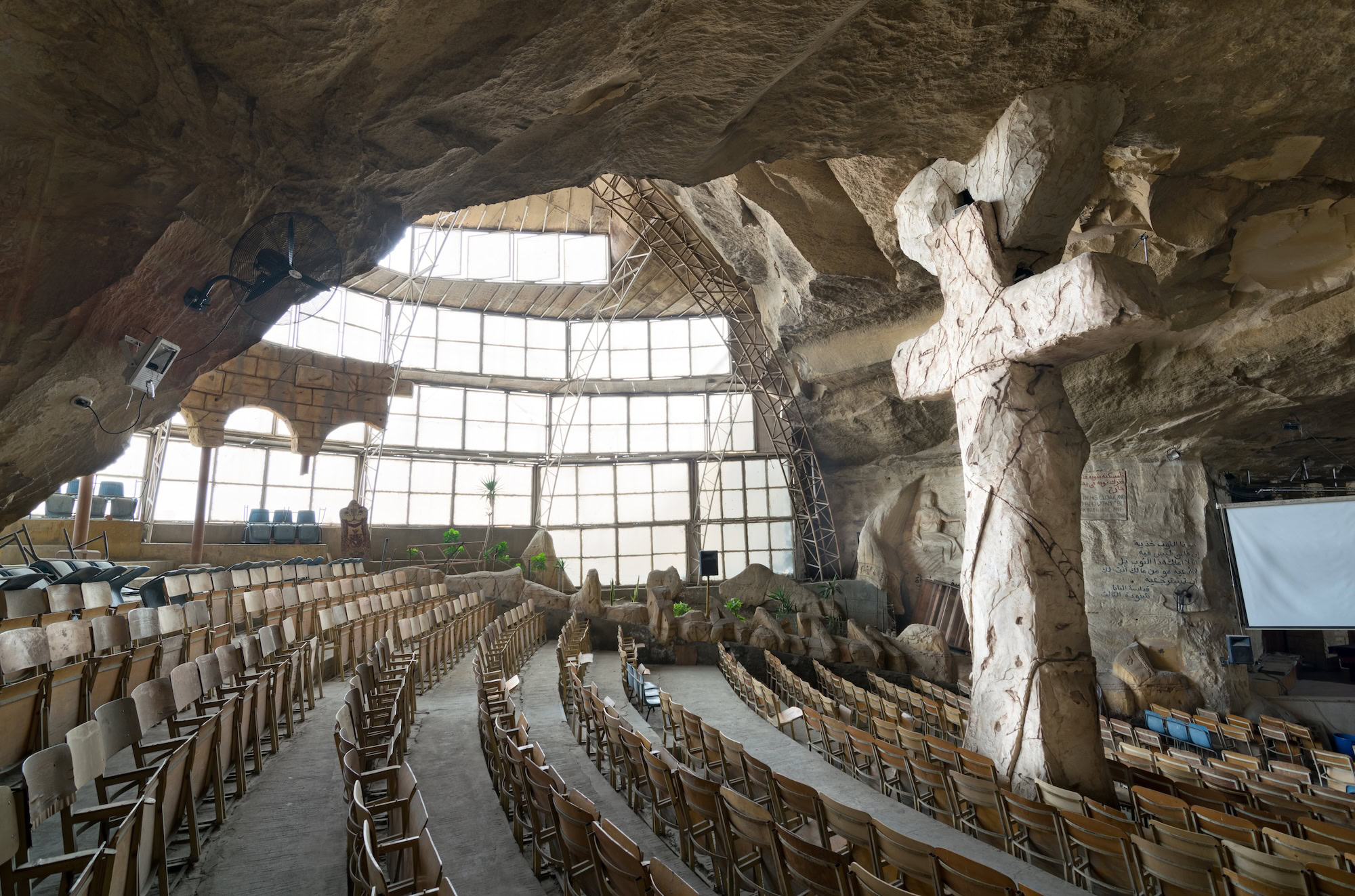
Inside the Cave Church of Saint Simon the Tanner, Thursday evening services fill the space with hundreds of voices, their hymns echoing through the natural limestone acoustics. The experience challenges every assumption about where you’ll find Cairo’s most moving spiritual moments.
Coptic Cairo’s Forgotten Corners
While tour groups crowd the Hanging Church, slip through side passages to discover smaller churches where daily worship continues largely unobserved. The Church of St. George maintains a peaceful courtyard where locals light candles and share quiet prayers.
Ben Ezra Synagogue‘s restoration preserved details that speak to Egypt’s once-thriving Jewish community. The synagogue’s medieval documents, discovered in its geniza, helped scholars reconstruct centuries of Mediterranean Jewish history.
Markets and Local Life
Daraw Camel Market operates by its own schedule, roughly 40 kilometers south of Aswan. Tuesdays witness the biggest trading activity, when Bedouin herders arrive before dawn with camels destined for Egypt’s cities.
This isn’t a tourist attraction that happens to involve camels. It’s a working market where serious business happens in rapid Arabic negotiations, punctuated by traditional coffee breaks. Watching experienced traders evaluate animals teaches you about desert survival skills, animal husbandry, and economic networks stretching from Sudan to Cairo.
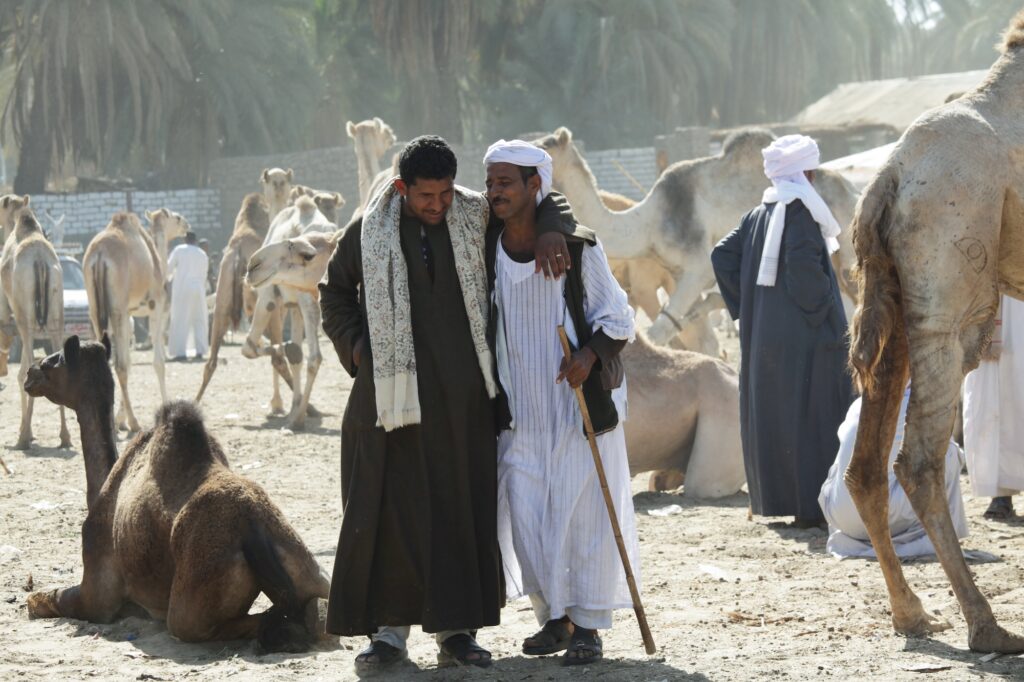
Vendors focus on sales rather than photography, though respectful picture-taking is generally welcomed. Arrive early, around 6:00 am (06:00), when activity peaks and lighting creates dramatic shadows across the desert setting.
Traditional Craftsmanship in Upper Egypt
Between Luxor and Aswan, small villages specialize in crafts that tourists rarely discover. Pottery workshops in villages near Kom Ombo still fire pieces using traditional kilns. Master potters demonstrate techniques unchanged for centuries, creating both functional pieces and artistic works.
These aren’t tourist demonstrations. They’re working studios where families create pottery for local use and regional sales. Purchasing directly from artisans supports traditional skills while adding authentic Egyptian craftsmanship to your collection.
Sinai Peninsula Bedouin Culture
Ras Abu Galum protects one of Sinai’s last undeveloped coastlines, accessible only by camel or hiking. The journey itself filters out casual visitors, leaving pristine coral reefs and traditional Bedouin camps for those willing to make the effort.
Blue Hole diving sites in Dahab attract serious divers, but the surrounding Bedouin camps offer equally compelling cultural immersion.
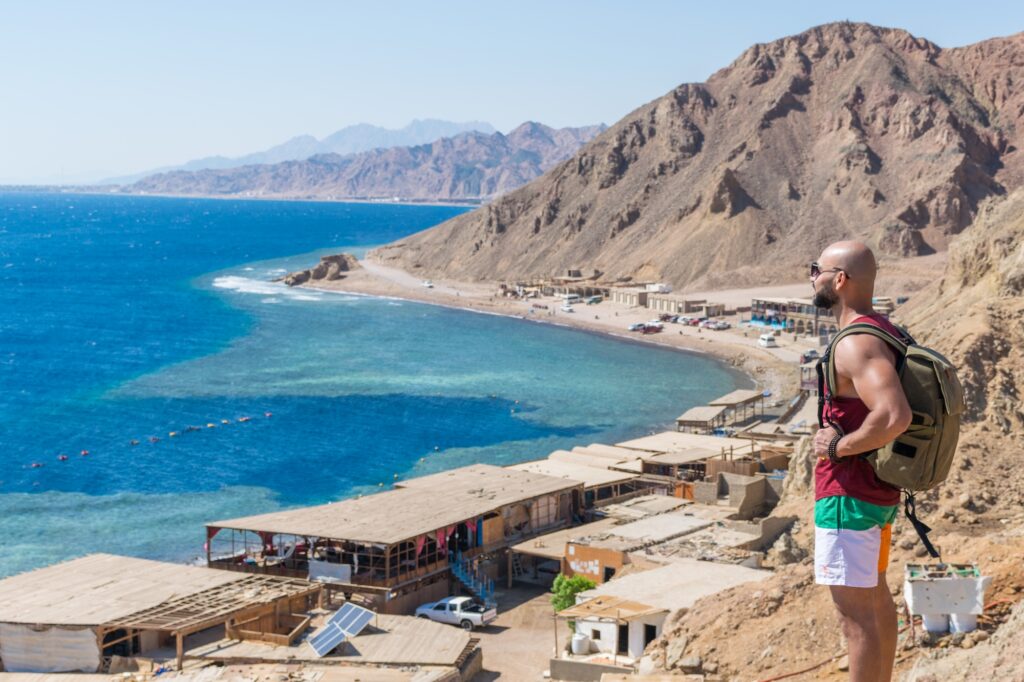
Evening storytelling sessions around traditional fires reveal oral histories spanning generations of desert navigation and Red Sea diving.
Desert Camping with Bedouin Families
Spending nights in traditional Bedouin camps means sleeping under stars visible only in areas without electric lighting. Morning coffee preparation follows rituals perfecting flavor through careful bean selection and precise timing.
Bedouin guides share navigation techniques using star patterns and subtle landscape markers that GPS devices miss entirely. These skills represent thousands of years of accumulated desert wisdom, passed through families rather than written in books.
Camel trekking here focuses on transportation and tradition rather than tourist entertainment. You’ll learn to read animal behavior, understand desert water sources, and appreciate how Bedouin culture adapted perfectly to one of Earth’s harshest environments.
Timing Your Off-the-Beaten-Path Adventures
Most hidden locations become accessible only with proper timing and local knowledge. Dendara Temple opens at 6:00 am (06:00) during summer months, allowing comfortable exploration before heat becomes overwhelming. Nubian village visits work best during morning cooking hours or late afternoon social time, when families gather outside their colorful homes.
Desert experiences require seasonal planning. Winter months from November through March offer comfortable camping temperatures, while summer heat makes desert overnight trips dangerous without proper preparation.
Our private guides know which villages welcome visitors on which days, when traditional markets operate, and how to approach cultural sites respectfully. This knowledge transforms random wandering into meaningful cultural exchange.
We’ve spent over thirty years building close relationships with Nubian families, Bedouin camps, and village artisans across Egypt. These long-standing connections are woven into our carefully designed Egypt tour packages, giving you access to authentic, off-the-beaten-path experiences that support local communities and go far beyond what standard tour operators can offer.
Frequently Asked Questions
When is the best time to visit off-the-beaten-path destinations in Egypt?
October through April offers ideal weather for remote sites, with comfortable temperatures and clear skies for photography.
How do I reach remote temples like Dendara and Kalabsha?
Dendara requires a 90-minute drive from Luxor, while Kalabsha involves flying to Abu Simbel then taking a boat transfer.
Is it safe to visit Nubian villages independently?
Villages like Seheil Island and Nag el-Balida are very safe, though hiring local guides enhances both safety and cultural understanding.
What should I bring when visiting the Cave Church in Garbage City?
Dress conservatively, bring water, and consider small donations for the community development projects operating there.
How much does it cost to attend the Daraw Camel Market?
Entry is free, though hiring a local guide costs around $20-30 and greatly improves the experience and safety.
Can I stay overnight in Bedouin camps in Sinai?
Yes, several family-operated camps offer traditional accommodation, with costs ranging from $40-80 per person including meals.
What’s the difference between tourist Nubian villages and authentic ones?
Authentic villages focus on daily life rather than performances, with families engaged in traditional activities year-round.
How far in advance should I book off-the-beaten-path experiences?
Remote locations and cultural experiences require 2-3 weeks advance planning for proper permits and local arrangements.
Do I need special permits for visiting remote archaeological sites?
Some sites like Kalabsha require permits obtained through tour operators, while others like Dendara use standard entrance tickets.
What languages are spoken in Nubian villages?
Most villagers speak Arabic and Nubian languages, with younger generations often speaking some English as well.
How physically demanding are off-the-beaten-path adventures?
Difficulty varies widely, from easy village walks to challenging desert treks requiring good fitness and preparation.
What type of photography equipment works best in remote locations?
Lightweight cameras with good low-light performance work best, as many hidden sites have limited lighting and require portable equipment.
Design Your Custom Tour
Explore Egypt your way by selecting only the attractions you want to visit