

Hanging Church Of Cairo – AKA The Coptic Church Of St. Virgin Mary
Step inside one of Christianity’s most architecturally fascinating sanctuaries.
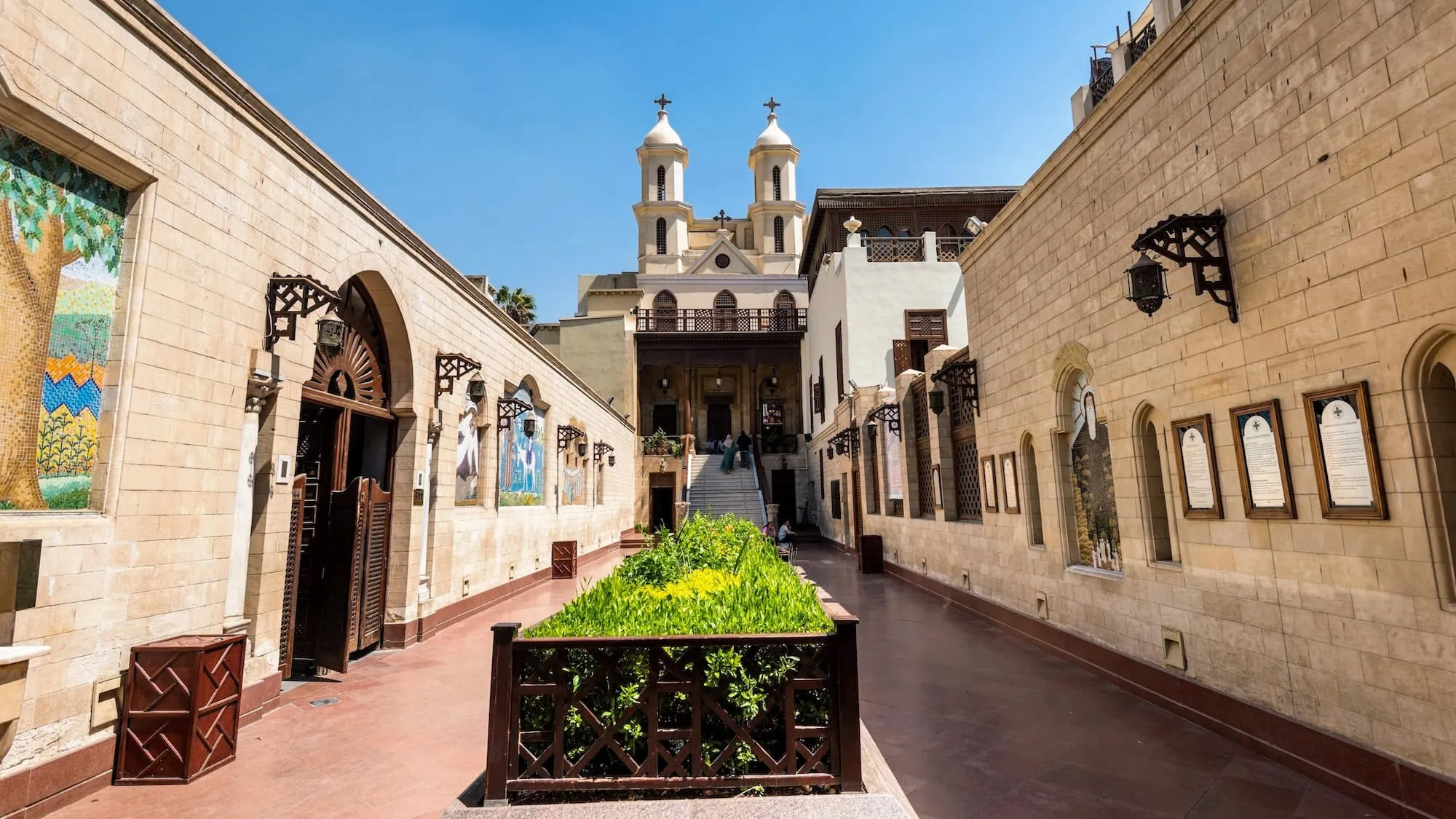
The Hanging Church of Cairo stands as Egypt’s most celebrated Coptic Orthodox monument, suspended dramatically above the ancient Roman fortress of Babylon. This architectural marvel, officially known as Saint Virgin Mary’s Coptic Orthodox Church, has served as the spiritual heart of Egypt’s Christian community for over 1,500 years. Its unique position literally hanging over two Roman gate towers creates an unforgettable silhouette against Cairo’s historic skyline.
Our decades of guiding visitors through Egypt’s sacred sites have shown us that the Hanging Church offers something truly special – a perfect blend of Roman engineering, Byzantine artistry, and Coptic devotion that continues to inspire pilgrims and travelers alike.
Table of Contents
Architectural Wonder: How Church Defied Gravity
The Hanging Church earned its famous name through an engineering feat that still amazes visitors today. Built during the 3rd and 4th centuries, the church sits suspended approximately 30 feet (9 meters) above ground level, supported by the massive walls of Babylon Fortress.
Roman Foundation Meets Christian Innovation
The original Roman fortress provided the perfect foundation for this ambitious project. Two ancient gate towers, constructed during Emperor Trajan’s reign, became the supporting pillars for what would become Egypt’s most important Coptic church. The suspended design wasn’t just architectural showmanship – it served practical purposes in a city prone to Nile flooding.
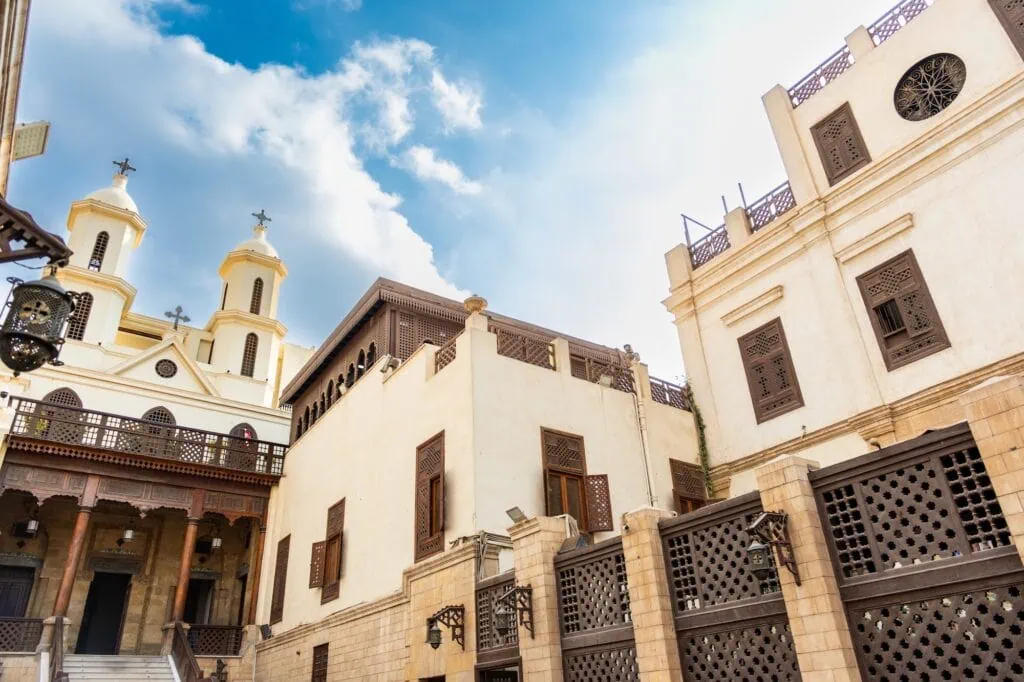
Accessing the Sacred Space
Twenty-nine stone steps lead visitors up to the church’s intricately carved wooden doors. The entrance itself tells a story, with each step representing a journey from the earthly Roman foundations below to the spiritual realm above. The original marble columns, some dating back to pre-Christian temples, were carefully integrated into the church’s structure.
Interior Marvel: Where Art Meets Devotion
Once inside, visitors discover why this church served as the seat of the Coptic Orthodox Pope for centuries.
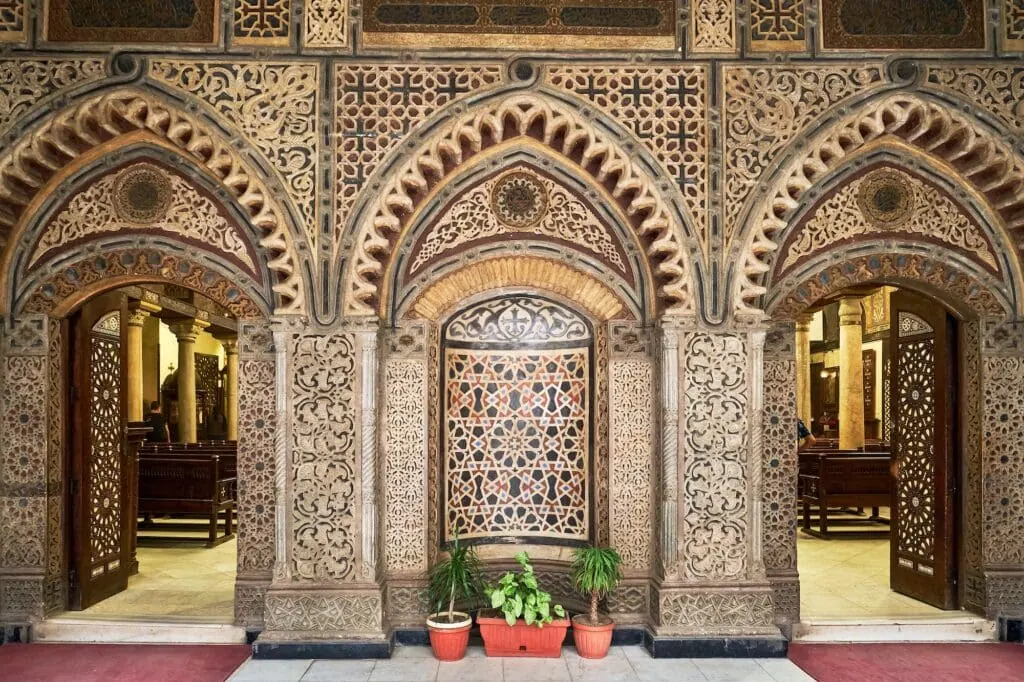
The interior showcases an extraordinary collection of 110 Coptic icons, many painted on wood and dating from the 8th to 18th centuries. These aren’t mere decorations – they represent one of the world’s finest collections of Coptic religious art. The marble pulpit, supported by 15 slender columns representing Christ and the 12 apostles, demonstrates the sophisticated craftsmanship that made this church a model for others across Egypt.
Religious Significance Through the Centuries
The Hanging Church holds profound importance in Coptic Orthodox tradition, serving as more than just a place of worship.
For over 600 years, from the 11th to the 14th centuries, this church functioned as the official residence of the Coptic Orthodox Patriarch. During this period, it became the administrative and spiritual center of Egyptian Christianity, earning the title “Mother Church” of Cairo’s Coptic community. Important religious ceremonies, including papal elections, took place within these walls.
Connection to the Holy Family
According to Coptic tradition, the Virgin Mary and the Holy Family passed through this area during their flight into Egypt. This connection adds deep spiritual significance for Christian pilgrims, making the church a key stop on Egypt’s Christian heritage trail. The church’s dedication to Saint Virgin Mary reflects this sacred association.
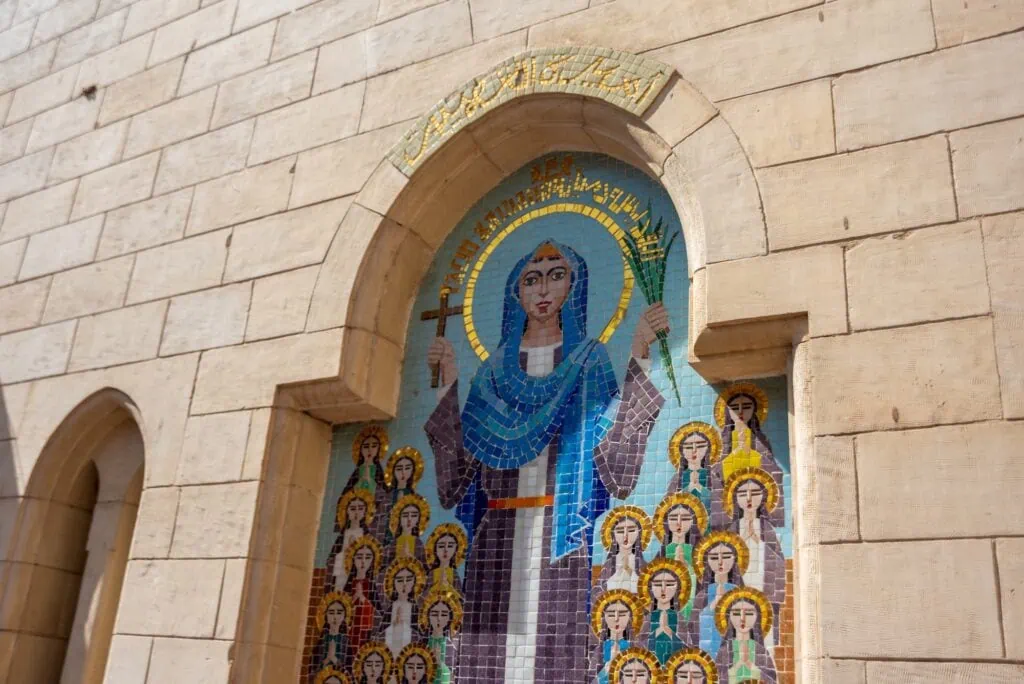
Surviving Islamic Cairo
When Cairo became predominantly Islamic, the Hanging Church maintained its role as a beacon of Christian presence in Old Cairo. The church’s elevated position became symbolic – physically and spiritually rising above the changing political landscape while preserving ancient Christian traditions.
Exploring the Church Today
Modern visitors find the Hanging Church remarkably well-preserved, thanks to careful restoration efforts throughout the 20th century.
The church operates daily from 9:00 am to 4:00 pm (09:00 to 16:00), welcoming both worshippers and cultural tourists. Photography is permitted in most areas, though flash photography near the ancient icons is discouraged to prevent damage. The entrance fee is minimal, reflecting the church’s commitment to accessibility.
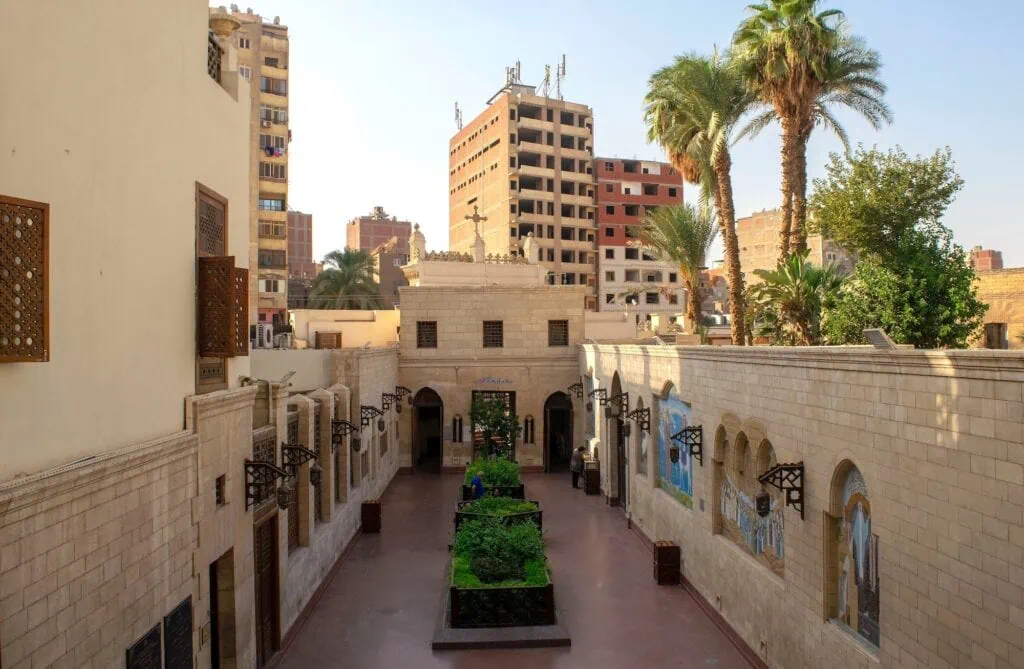
During Sunday services, visitors can experience authentic Coptic Orthodox liturgy, conducted in Arabic and Coptic. The haunting melodies and incense create an atmosphere unchanged for centuries. However, we recommend visiting on weekdays for quieter exploration and better photography opportunities.
Practical Visitor Information
The Hanging Church is located in Coptic Cairo, easily accessible via Metro Line 1 to Mar Girgis station. The station sits directly adjacent to the Babylon Fortress, making navigation straightforward. Dress modestly when visiting – long pants and covered shoulders show respect for the sacred space.
We always recommend combining your visit with other nearby historic sites. The Ben Ezra Synagogue, just a short walk away, highlights Cairo’s rich Jewish heritage. The Church of Saint Barbara offers a quieter but equally fascinating glimpse into Coptic architecture and history, while the Babylon Fortress itself provides deeper insight into the Roman foundations of the area.
Artistic Treasures and Cultural Heritage
Beyond its architectural significance, the Hanging Church houses some of Egypt’s most important Christian artifacts.
The icon collection represents various periods of Coptic art, from Byzantine-influenced early works to more recent pieces showing Islamic artistic influences. Each icon tells part of Christianity’s story in Egypt, creating a visual narrative of faith persisting through changing dynasties and rulers. The wooden iconostasis, separating the nave from the sanctuary, features intricate geometric patterns that influenced Islamic decorative arts.
Ancient manuscripts, some dating to the 12th century, are preserved within the church library. These include biblical texts in Coptic, Arabic, and Greek, demonstrating the multilingual nature of Egyptian Christianity. While not always on public display, these documents represent invaluable links to Egypt’s Christian intellectual tradition.
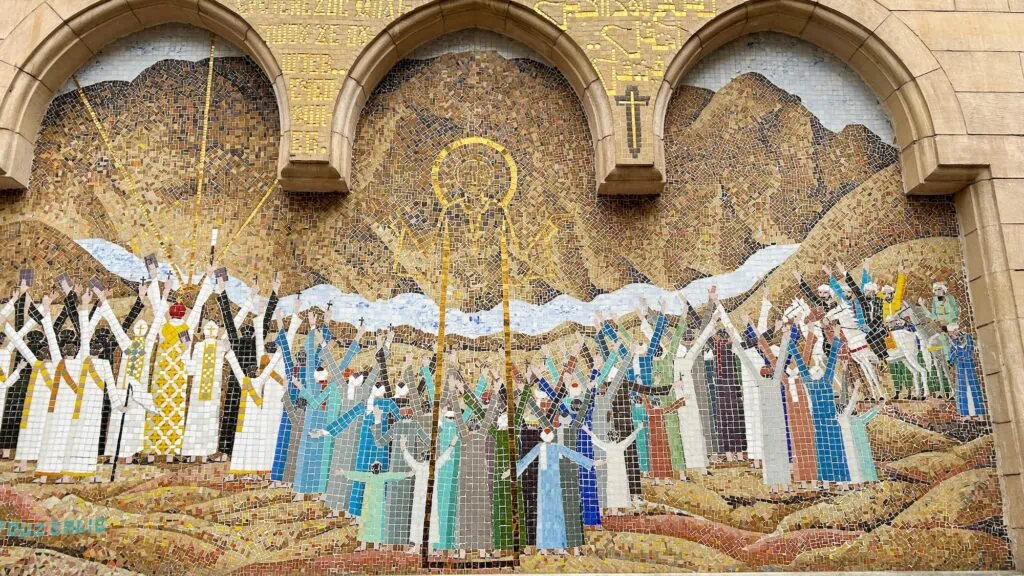
The church’s acoustics deserve special mention. The suspended design creates unique sound properties that enhance liturgical chanting. Musicians and sound engineers often study how the Roman foundations and elevated structure combine to produce exceptional resonance.
The Hanging Church in Coptic Context
Understanding the Hanging Church requires appreciating its role within the broader Coptic Cairo district.
This historic area contains Egypt’s largest collection of Christian monuments, with over 20 churches and monasteries within walking distance. The Hanging Church anchors this religious complex, serving as both geographic and spiritual center. Its elevated position provides views across the entire district, symbolizing its oversight role in the community.
The nearby Ben Ezra Synagogue adds interfaith dimension to the area, while the Babylon Fortress ruins remind visitors of the pre-Christian foundations underlying all these sacred sites. This layering of Roman, Christian, Jewish, and Islamic history creates a unique cultural landscape found nowhere else in Egypt.
Our guided tours through Coptic Cairo always begin or end at the Hanging Church, as it provides the historical framework for understanding Egypt’s Christian heritage. The church’s survival through various political changes demonstrates the resilience of Egypt’s diverse religious communities.
Planning Your Visit to the Church
International visitors typically access the Hanging Church through Cairo, Egypt’s primary entry point.
For U.S. visitors: You’ll need a tourist visa, available on arrival at Cairo Airport for $25 USD or obtained online in advance. The process is straightforward and typically takes 10-15 minutes. European, Latin American, and most other nationalities follow similar procedures, though some countries have different fees or requirements.
The church is easily reached via taxi or metro from central Cairo hotels. We recommend visiting during morning hours when natural light best illuminates the interior artwork. Temperature inside remains relatively stable year-round, though Egypt’s climate means exterior temperatures vary significantly between seasons.
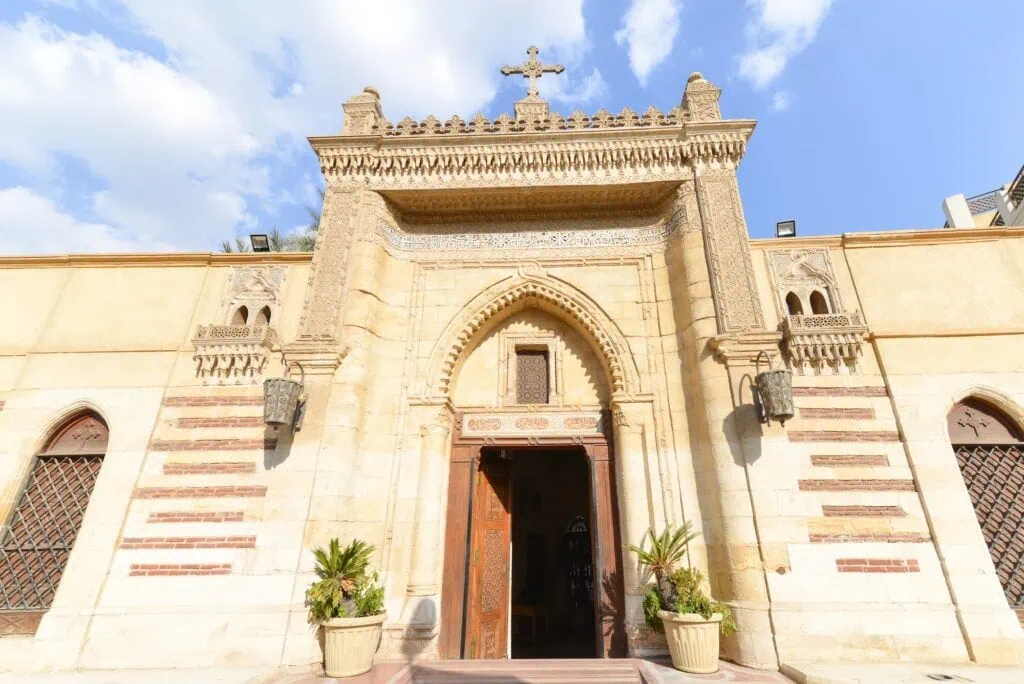
Our private guides provide detailed historical context that enhances understanding of the church’s significance. With our personalized approach, you’ll discover architectural details and religious traditions that casual visitors often miss. Our modern, air-conditioned vehicles ensure comfortable transportation to and from the site.
We typically combine the Hanging Church with other Cairo attractions in half-day or full-day itineraries. This approach maximizes your time while providing comprehensive understanding of Egypt’s Christian heritage. Our award-winning service includes entrance fees, expert commentary, and flexible scheduling to match your travel preferences.
Discover Cairo’s Spiritual Heart At The Hanging Church
The Hanging Church of Cairo offers a serene and deeply historic experience—where centuries of faith, architecture, and tradition come together in one of the city’s most iconic landmarks. With EgyptToursPlus, we seamlessly include this meaningful stop in a private journey that connects Old Cairo’s rich heritage with Egypt’s most celebrated sights.
You choose your travel dates, your pace, and the experiences that shape your route. From cultural exploration and guided visits to curated city experiences and refined comfort throughout, we tailor every detail around your preferences—ensuring a smooth, enriching, and deeply personal travel experience.
Frequently Asked Questions
Most visitors spend approximately 45 to 60 minutes exploring the Hanging Church, although history-focused travelers often stay longer when combining it with nearby Coptic Cairo attractions. Officially known as Saint Virgin Mary’s Coptic Orthodox Church, the site contains carved wooden screens, historic icons, and a suspended nave built above the ancient Roman Babylon Fortress gatehouse. Visitors interested in religious history or architecture frequently pair the church with the nearby Coptic Museum and Saints Sergius and Bacchus Church. Morning visits are typically quieter and cooler.
Photography is generally permitted inside the Hanging Church, although flash photography near icons and delicate wooden artwork is discouraged to help preserve fragile religious objects. Many icons inside the church date back several centuries and are considered important examples of Coptic Christian art in Egypt. Visitors should remain respectful during prayer times and avoid obstructing worshippers or clergy while taking photos. Natural lighting is usually best during late morning hours when sunlight filters through upper church windows.
The Hanging Church is usually open daily from approximately 9:00 am to 4:00 pm, although schedules may change during major Coptic religious observances and church ceremonies. Located in the heart of Coptic Cairo, the church receives both pilgrims and international visitors throughout the week. Sunday mornings and religious feast days can become significantly busier because of active worship services. Travelers planning combined visits with the Coptic Museum or Ben Ezra Synagogue should arrive earlier in the day for a smoother experience.
Visitors are generally welcome to attend religious services at the Hanging Church, particularly Sunday liturgies, provided they arrive respectfully and follow church customs. As one of Egypt’s most important Coptic Orthodox churches, the site remains an active place of worship rather than only a historical attraction. Services often include Coptic hymns, incense rituals, and prayers conducted in both Arabic and ancient Coptic traditions. Arriving early is recommended because seating becomes limited during major feast days and weekend services.
Accessibility at the Hanging Church is limited because the historic entrance requires climbing approximately 29 stone steps leading above the old Roman fortress structure. Originally constructed atop the Babylon Fortress gatehouse in Old Cairo, the church’s elevated design creates architectural challenges for wheelchair users and travelers with reduced mobility. Some assistance may be possible depending on visitor conditions and available staff support. Travelers with mobility concerns often benefit from visiting with companions who can help navigate the entrance and uneven historic flooring.
Visitors to the Hanging Church should wear modest clothing that covers shoulders and knees out of respect for the active religious setting and Coptic Orthodox traditions. Lightweight breathable fabrics are especially useful because Cairo temperatures can become warm for much of the year, particularly between May and September. Comfortable shoes are also recommended because Coptic Cairo involves walking across stone pathways and uneven historic surfaces. Scarves or layers may be useful for travelers planning to attend church services or religious ceremonies.
The Hanging Church and surrounding Coptic Cairo district are generally considered very safe for solo travelers, especially during normal daytime visiting hours. The area receives steady tourism traffic and maintains regular police and security presence because of its historical and religious importance within Cairo. Visitors commonly explore nearby Christian, Jewish, and Islamic heritage sites on foot within the same neighborhood. As with most large cities, travelers should still remain aware of personal belongings and use reputable transportation when arriving or departing after dark.
Small religious souvenirs, icons, crosses, and devotional items are sometimes available near the Hanging Church, while the nearby Coptic Museum area generally offers a wider selection of cultural and historical gifts. Shops in Coptic Cairo commonly sell handmade crafts, Coptic artwork, books, and traditional Christian items connected to Egypt’s ancient religious heritage. Prices are often lower than in major tourist bazaars such as Khan el-Khalili. Visitors interested in higher-quality historical reproductions usually find better selection at museum-adjacent stores.
The best time to visit the Hanging Church is between October and April, when Cairo temperatures are cooler and walking through Old Cairo is significantly more comfortable. Winter daytime temperatures typically range between 65°F and 80°F (18°C to 27°C), compared with intense summer heat that can exceed 95°F (35°C). Cooler weather also makes it easier to combine the church with nearby attractions across Coptic Cairo. Early morning visits usually provide lighter crowds and more peaceful interior conditions for photography and reflection.
The Hanging Church sits at the center of Cairo’s historic Coptic quarter and is closely connected to several major Christian heritage sites within walking distance. Visitors commonly combine it with the Coptic Museum, Saints Sergius and Bacchus Church, Saint Barbara Church, and the Ben Ezra Synagogue during a single half-day itinerary. The district preserves layers of Roman, Christian, Jewish, and Islamic history within one compact area of Old Cairo. This concentration of landmarks makes Coptic Cairo one of Egypt’s most historically diverse neighborhoods.
Independent visits to the Hanging Church are possible, but experienced guides provide valuable historical and religious context that significantly deepens the experience. Many architectural features, icons, and symbolic carvings inside the church relate to centuries of Coptic Orthodox tradition that casual visitors may otherwise overlook. Egypt Tours Plus often combines Coptic Cairo tours with Islamic Cairo and Old Cairo itineraries for broader historical continuity. Guided interpretation is especially useful because much of the church’s significance lies in its layered religious and cultural history.
Don’t miss Egypt’s greatest treasures
Highlights of Egypt


Design Your Custom Tour
Explore Egypt your way by selecting only the attractions you want to visit