Egypt Tours from Minneapolis
Planning an Egyptian adventure from Minneapolis opens the door to millennia of history, culture, and wonder.
For travelers considering Egypt Tours from Minneapolis, the journey from Minneapolis–Saint Paul International Airport to Cairo International Airport connects you seamlessly with the ancient world while maintaining modern comfort throughout the trip. Efficient connections through major European or Middle Eastern hubs make reaching Egypt surprisingly straightforward, with total travel times typically ranging from 14 to 18 hours including layovers.
Whether you’re drawn to the iconic pyramids of Giza, envisioning a luxurious Nile cruise, or seeking deep cultural immersion, our decades of experience ensure your Minneapolis departure leads to an unforgettable journey. If you’re still shaping your itinerary, you can also browse Egypt trip ideas for travelers from the USA to explore different routes, travel styles, and experiences that can be tailored to your interests.
Planning Your Egyptian Adventure from Minneapolis
Your journey begins months before departure, and proper preparation transforms good trips into extraordinary ones. We handle visa applications for U.S. citizens, which require a valid passport with at least six months remaining validity. Europeans typically receive visas on arrival, while Latin American travelers should verify requirements with Egyptian consulates in advance.
Flight Options and Routing
Minneapolis-Saint Paul International offers excellent connectivity to Egypt through major international hubs. Most travelers connect through Amsterdam, Paris, or Dubai, with KLM, Air France, and Emirates providing reliable service. Flight costs typically range from $900 to $2,200 depending on season and booking timing, with spring and fall offering optimal weather and pricing balance.
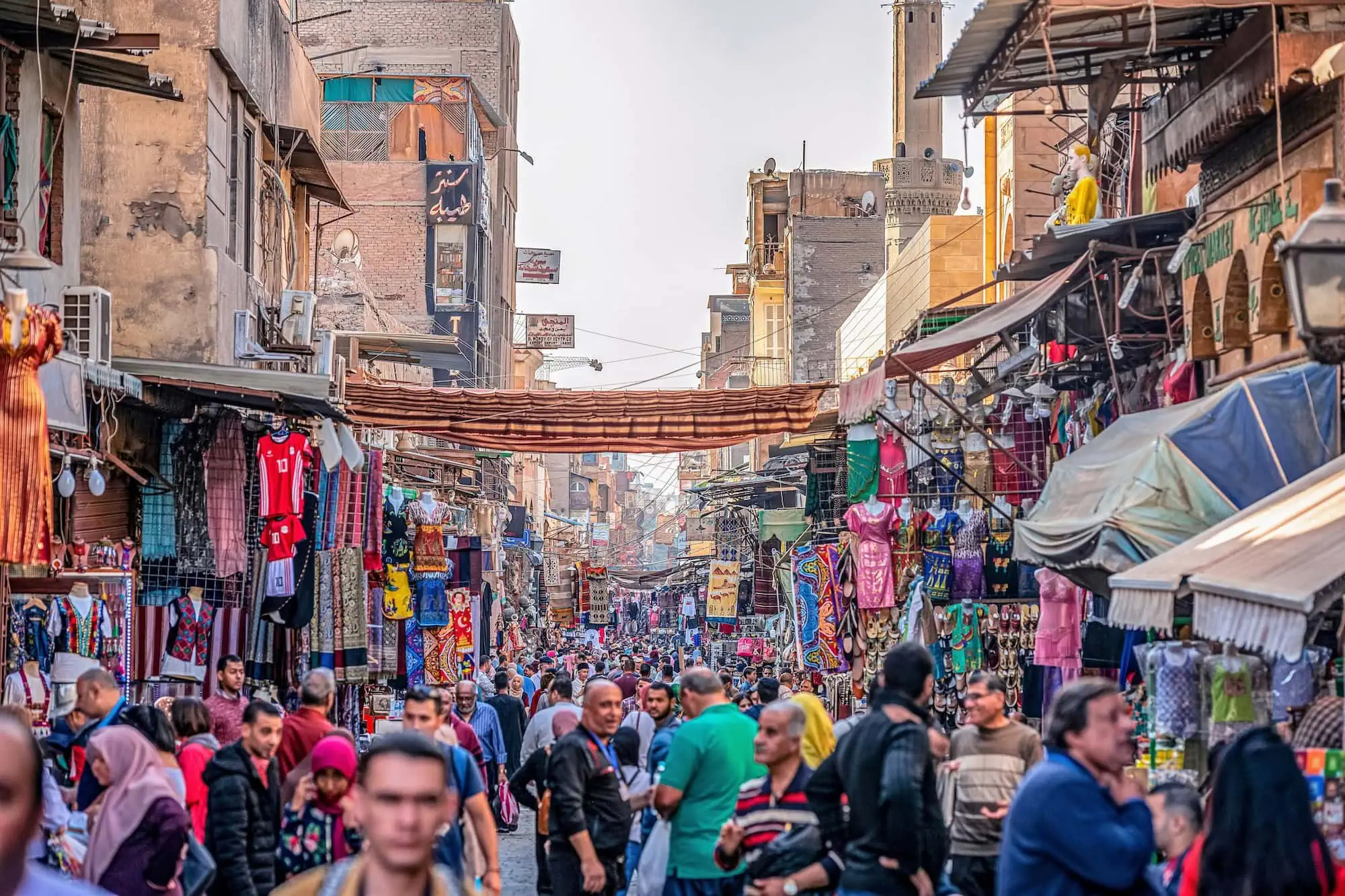
Premium economy seating proves worthwhile for the long journey, offering enhanced comfort without business class expense. We coordinate arrival timing to maximize your first day in Egypt, whether you’re heading straight to Giza or starting with Cairo’s bustling Khan el-Khalili bazaar.
Documentation and Health Requirements
Beyond standard tourist visas, we recommend updating routine vaccines and considering hepatitis A protection. Travel insurance becomes essential given the significant investment and international nature of Egyptian tourism. Our team provides comprehensive pre-travel checklists covering everything from electrical adapters to appropriate clothing for temple visits.
Seasonal Considerations from Midwest
Minnesota’s harsh winters make Egypt’s warm climate particularly appealing during December through February. However, these months represent peak season with corresponding price increases. March through May offers ideal weather conditions with comfortable temperatures averaging 25°C (77°F) and minimal precipitation.
Summer months from June through August bring intense heat exceeding 40°C (104°F) in southern regions like Luxor and Aswan, though Nile cruise air conditioning and early morning excursions make travel manageable. September through November provides excellent conditions as temperatures moderate while tourist crowds diminish.
Essential Egyptian Destinations for Minneapolis Travelers
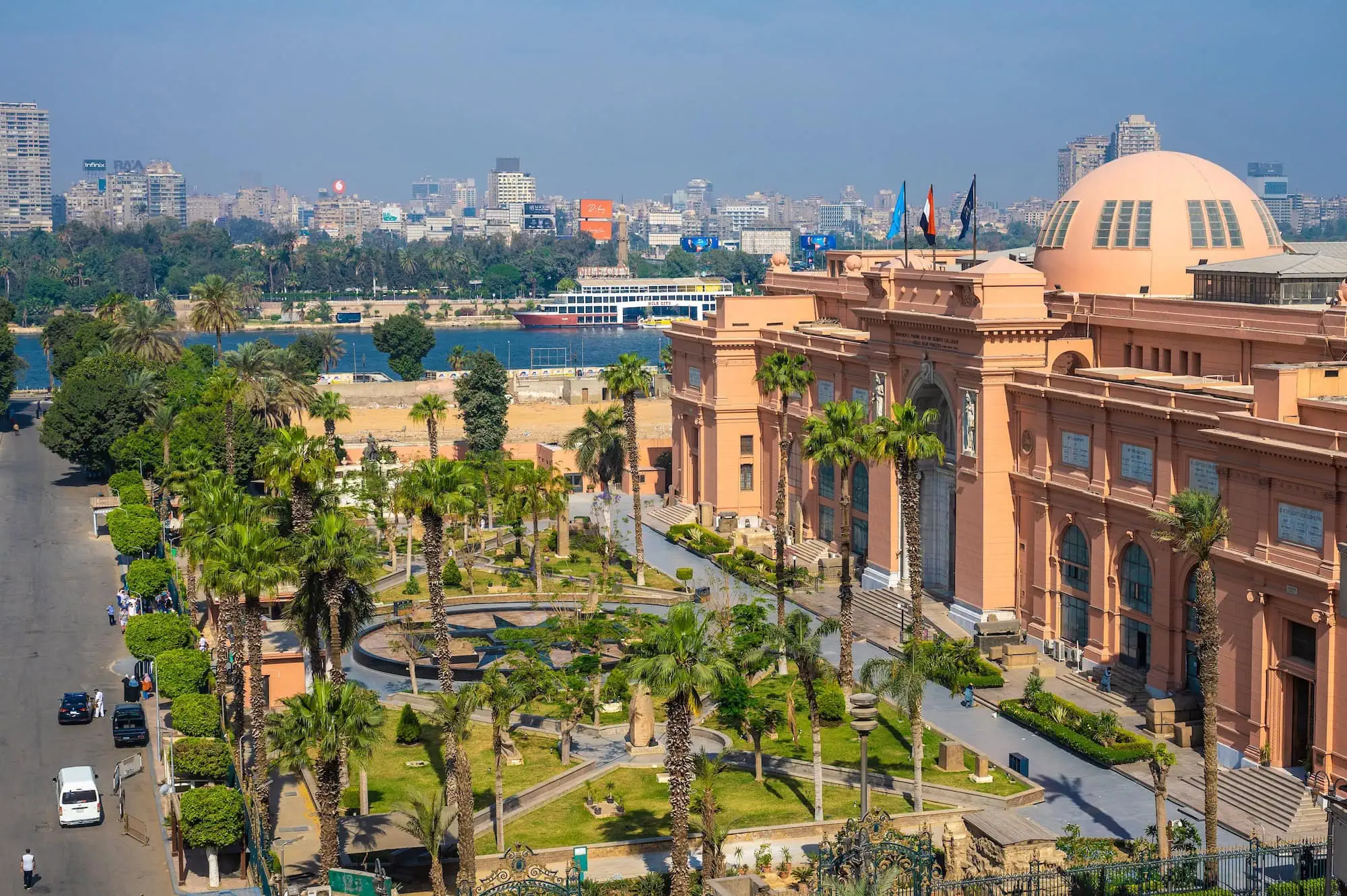
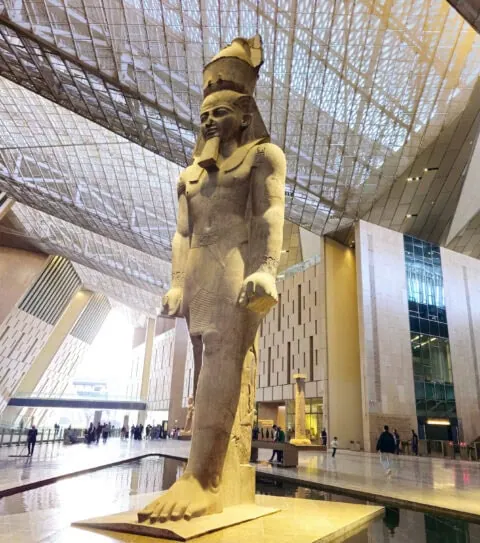
Cairo serves as your gateway city, housing nearly 20 million residents and serving as Egypt’s political, cultural, and economic center. The Grand Egyptian Museum contains the world’s most extensive collection of ancient Egyptian artifacts, including Tutankhamun’s golden treasures and royal mummies spanning 3,000 years of civilization.
The Giza Pyramid Complex
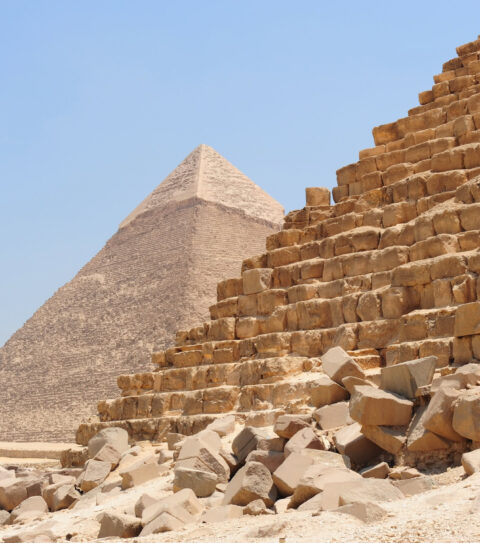
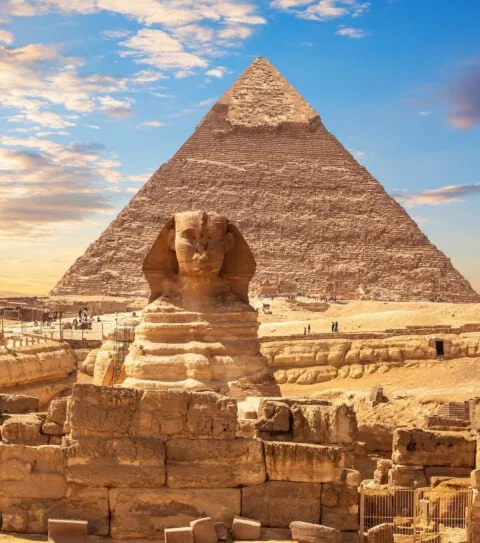
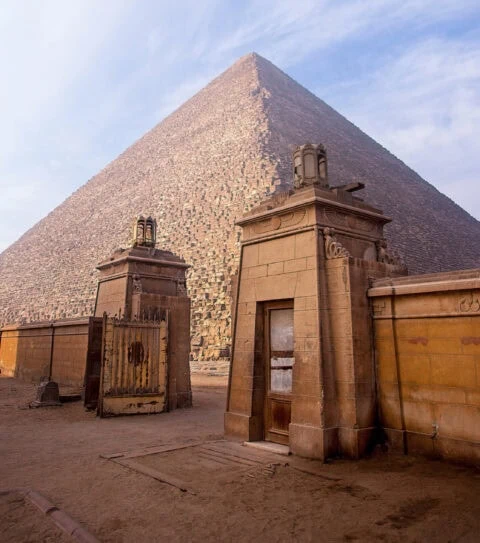
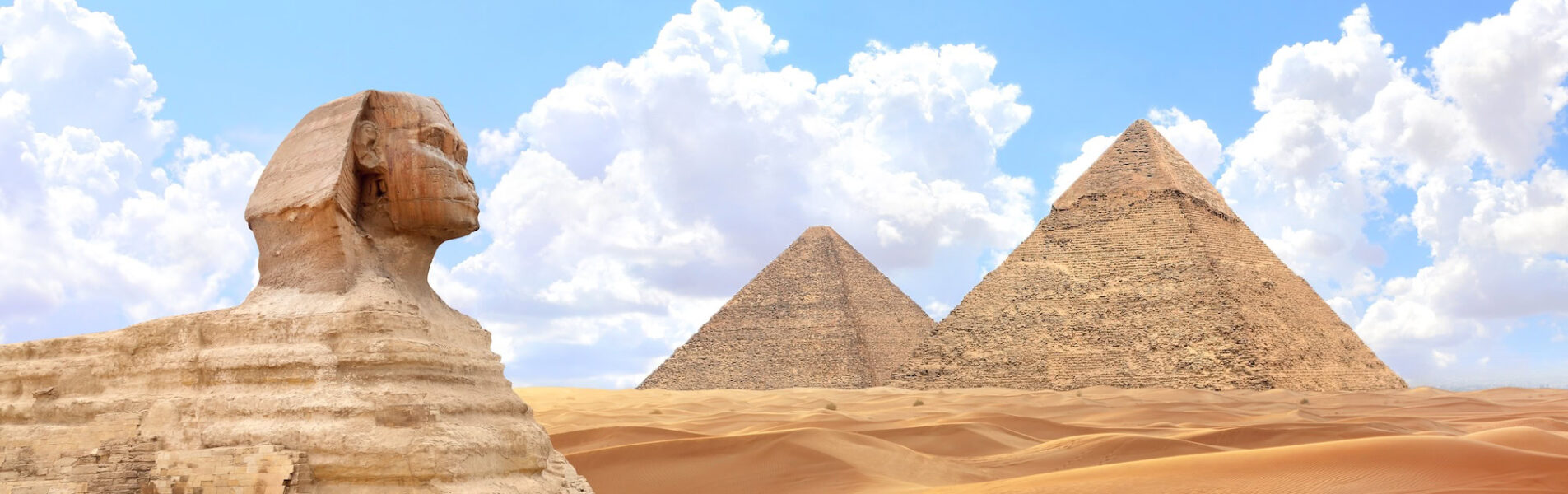
Standing 146 meters (480 feet) tall, the Great Pyramid represents humanity’s oldest Wonder of the Ancient World. Our private guides provide exclusive access to lesser-known chambers while explaining construction techniques that continue puzzling modern engineers. The nearby Sphinx, carved from a single limestone block, guards these monuments with the same enigmatic expression that captivated Napoleon’s soldiers.
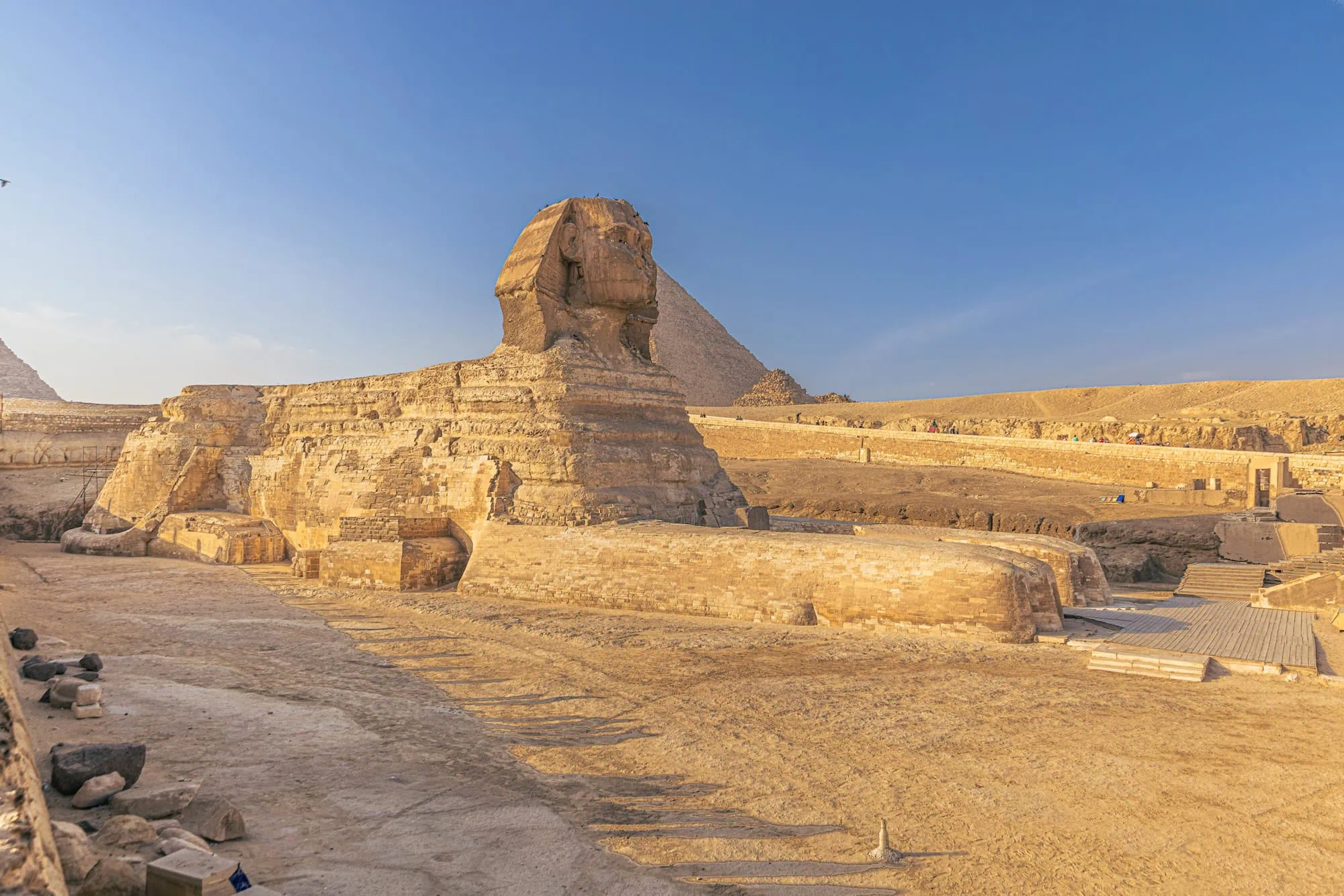
Photography opportunities abound, though sunrise and sunset timing requires coordination with opening hours running from 8:00 am (08:00) to 4:00 pm (16:00) during winter months. Special evening sound and light shows illuminate the pyramids against Cairo’s desert backdrop.
Luxor: Greatest Open-Air Museum
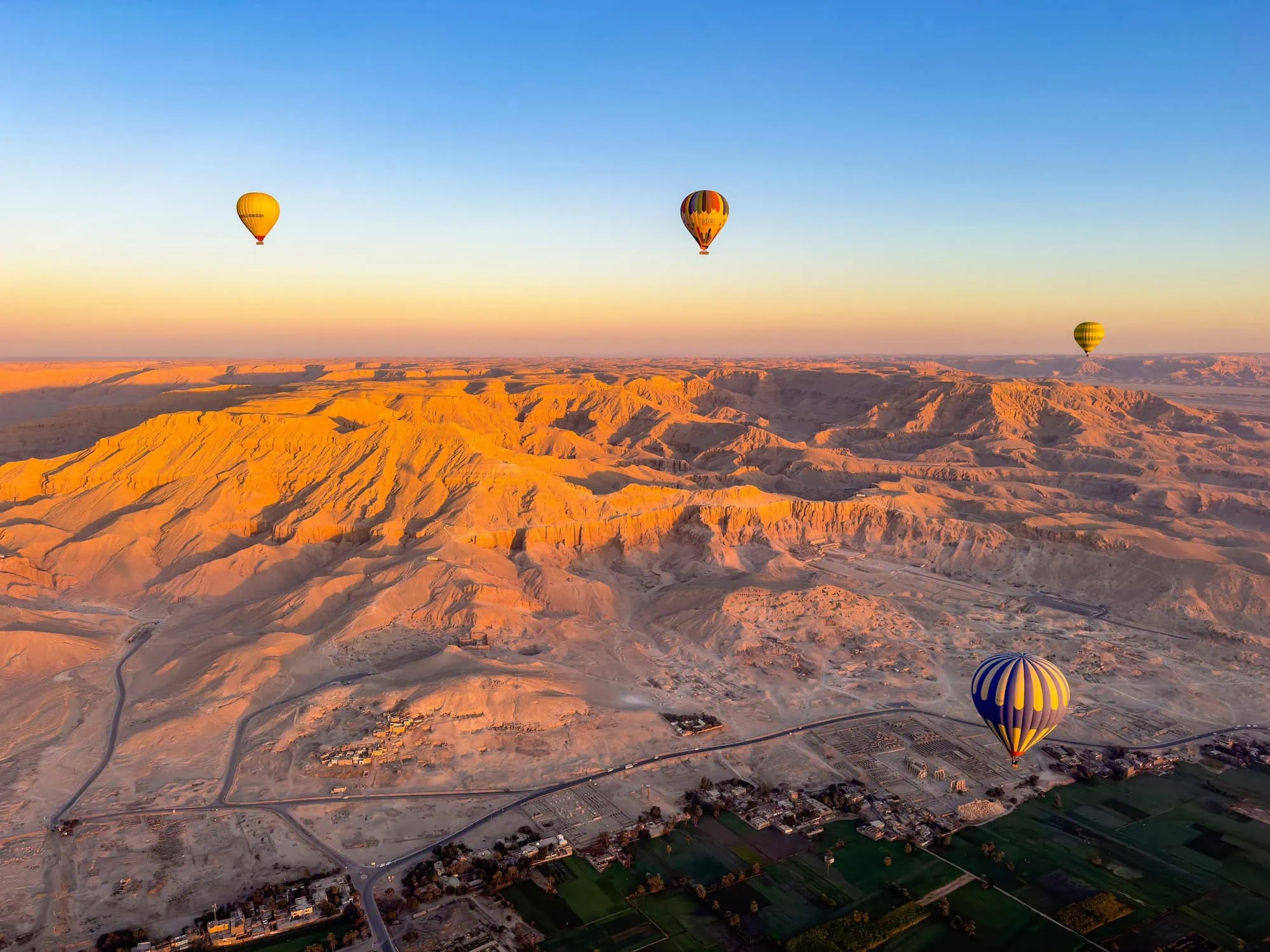
Often called “Thebes” in ancient times, Luxor contains approximately one-third of the world’s antiquities within a relatively compact area. The Valley of the Kings houses 63 discovered tombs, including Tutankhamun’s final resting place and the elaborate burial chamber of Ramesses VI.
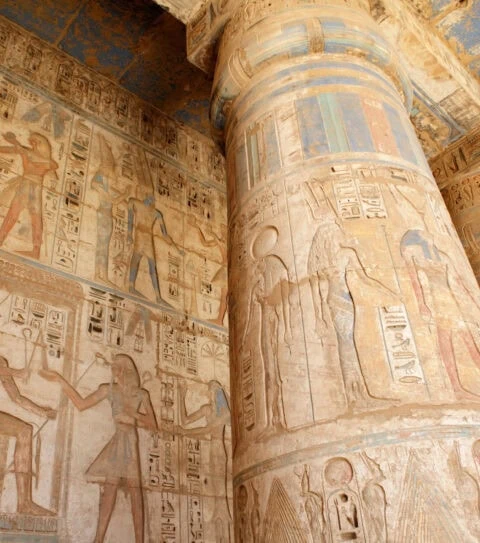
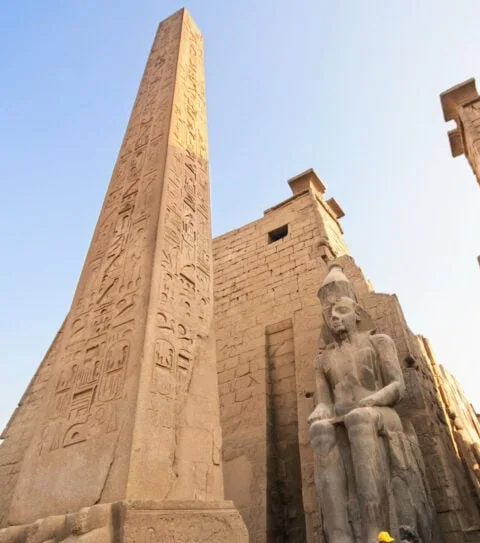
Karnak Temple complex covers 200 hectares (494 acres) and represents 2,000 years of continuous construction by successive pharaohs. The Great Hypostyle Hall contains 134 columns, each measuring 23 meters (75 feet) in height and decorated with intricate hieroglyphic inscriptions.
Temperature considerations become crucial here, as summer readings frequently exceed 45°C (113°F). Early morning starts at 6:00 am (06:00) provide comfortable exploration conditions while avoiding midday intensity.
Aswan: Gateway to Nubian Culture
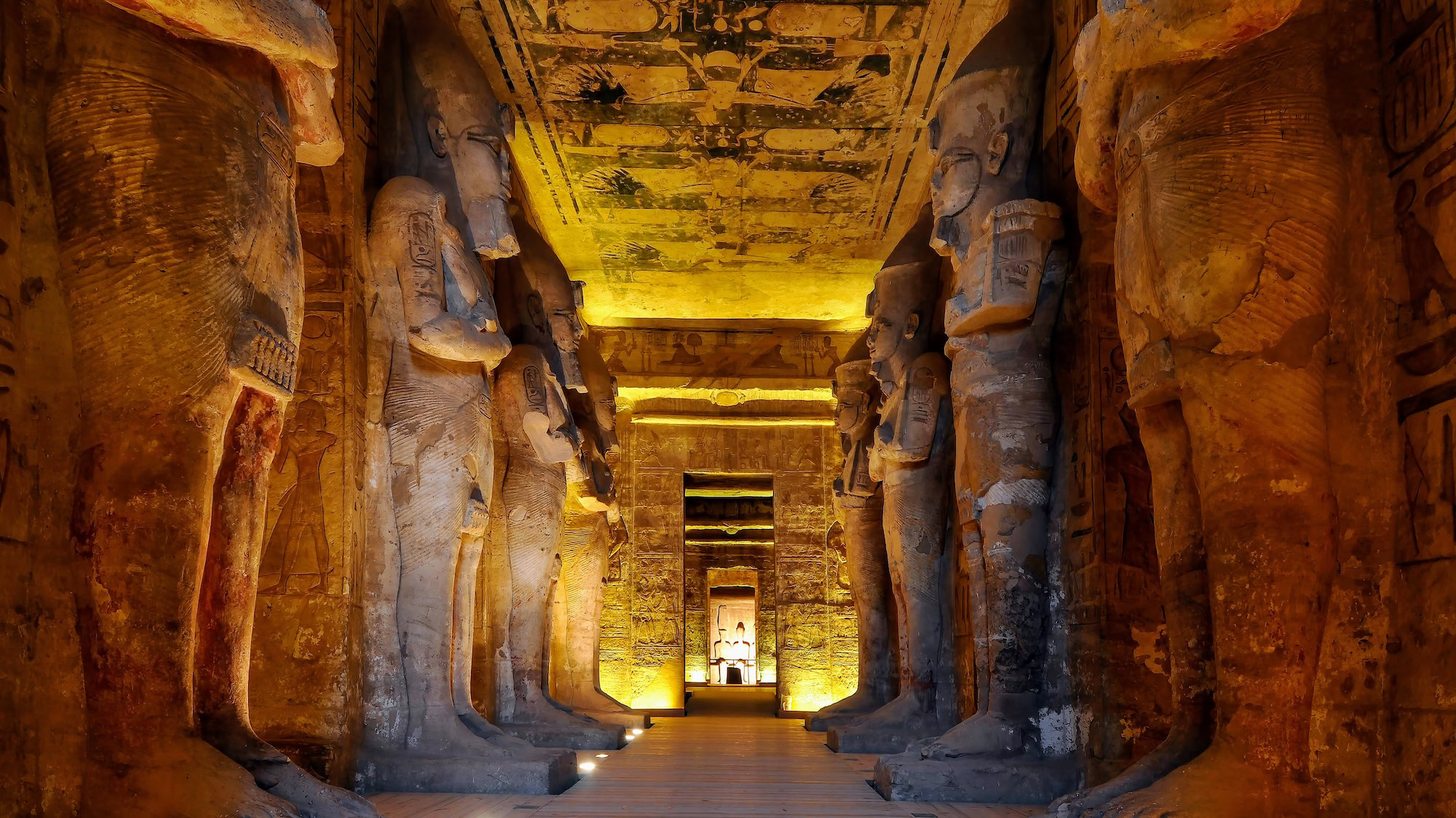
Egypt’s southernmost major city offers a more relaxed pace while maintaining significant archaeological importance. The High Dam, completed in 1970, created Lake Nasser and necessitated relocating Abu Simbel temples in one of history’s greatest preservation efforts.
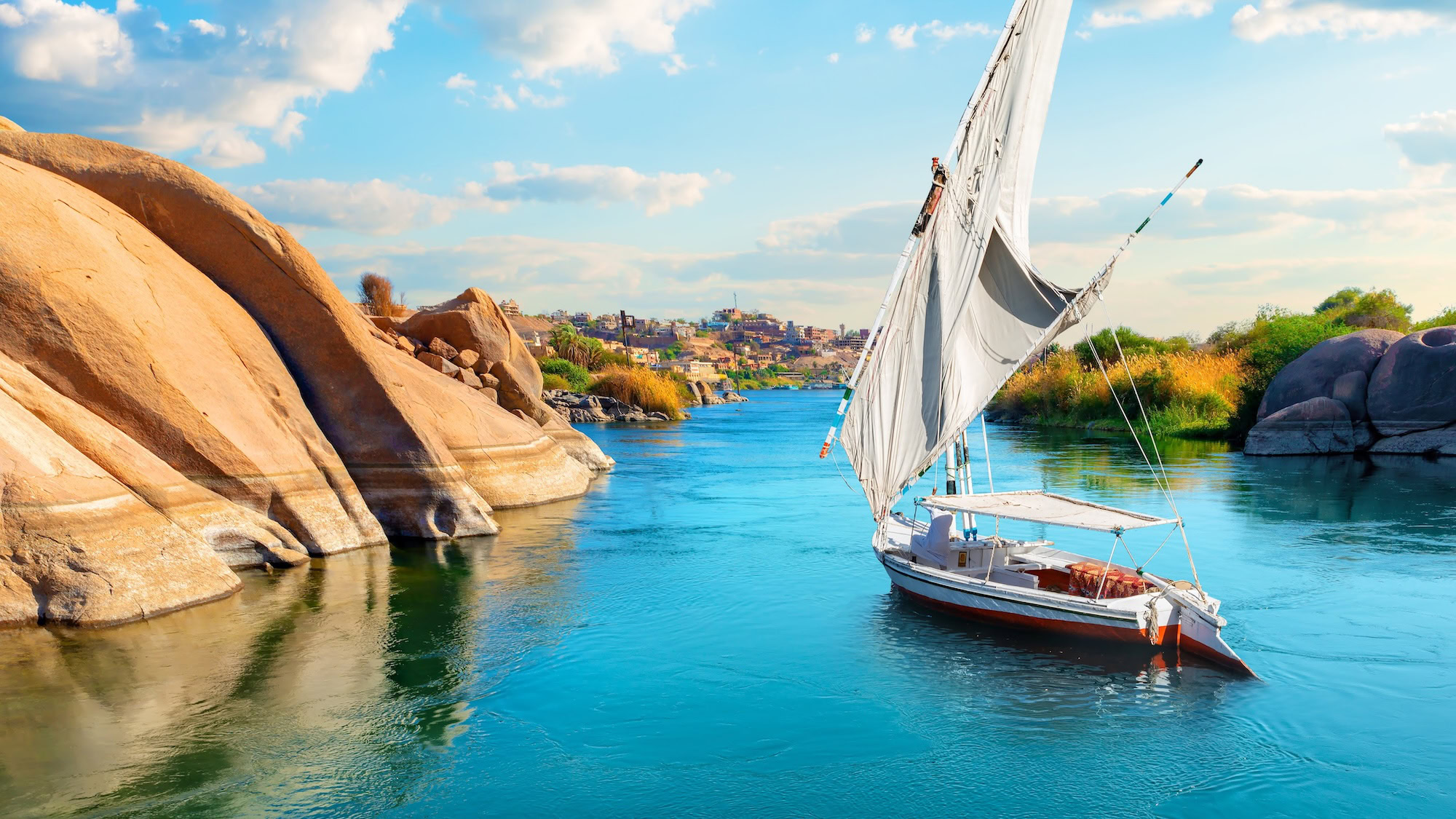
Philae Temple, dedicated to goddess Isis, sits picturesquely on Agilkia Island following its rescue from rising Nile waters. Traditional felucca sailboats provide peaceful evening cruises around granite islands dotting the Nile at this southern reaches.
Nile Cruise Experiences: Floating Through History
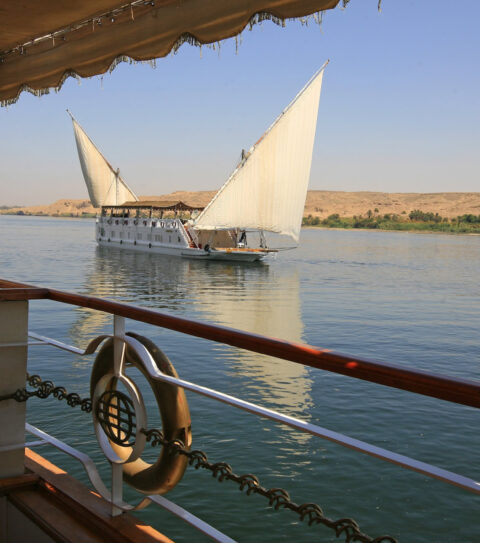
A dahabiya cruise between Luxor and Aswan offers an unhurried and deeply immersive way to explore riverside temples while preserving a refined sense of comfort. Unlike large modern vessels, dahabiyas provide an intimate onboard atmosphere with spacious cabins, open decks for quiet observation, and a relaxed sailing pace that mirrors historic Nile journeys.
Expert Egyptologists accompany each voyage, sharing insights and stories as the landscape drifts by, allowing a
Most cruises operate on 4-day/3-night or 5-day/4-night itineraries, though extended options incorporate additional destinations. Temple stops include Edfu, dedicated to falcon-headed god Horus, and Kom Ombo, uniquely honoring both crocodile god Sobek and falcon god Haroeris. Shore excursions operate as small group experiences with up to 12 participants, ensuring intimate exploration compared to larger tour operations.
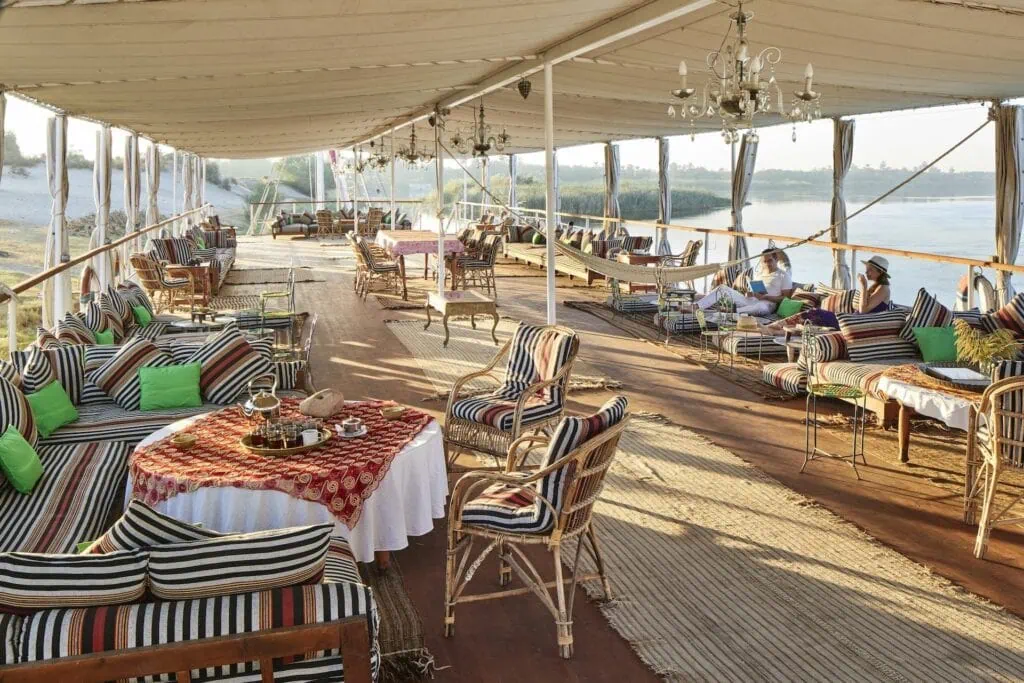
Luxury Nile river cruises offer onboard amenities comparable to the world’s finest hotels, combining elegant fine-dining restaurants, swimming pools, and evening entertainment inspired by traditional Egyptian music and dance. Accommodation options range from refined standard cabins to expansive royal suites featuring panoramic river views, marble bathrooms, and premium comfort designed for travelers seeking an elevated Nile experience.
Temple Visits and Cultural Immersion
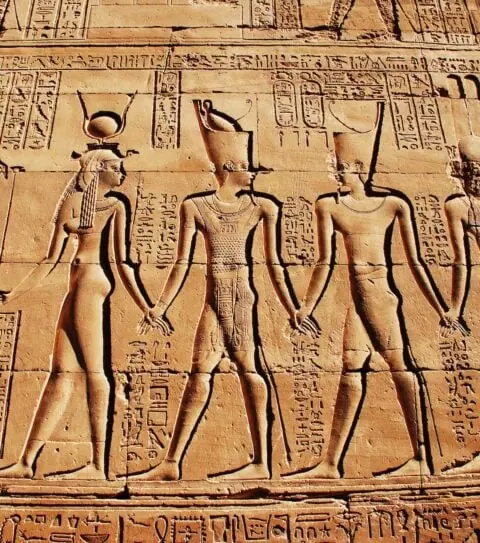
Edfu Temple stands remarkably preserved, offering complete hieroglyphic inscriptions that provide insights into ancient religious practices. Temple walls tell stories of cosmic battles between good and evil, while sacred chambers reveal mysteries of pharaonic burial rituals.
Kom Ombo’s unique dual design reflects its dedication to two competing deities, creating fascinating architectural symmetry. Ancient medical instruments carved into stone walls suggest this location served as a healing center, adding layers of historical significance beyond religious purposes.
Evening programming includes lectures about Egyptian mythology, cooking demonstrations featuring traditional recipes, and stargazing sessions taking advantage of minimal light pollution along remote Nile stretches. These experiences provide cultural context that enhances daily temple explorations.
Custom Tour Options and Specialized Experiences
Private guided tours cater to specific interests, whether focusing on archaeological discoveries, Islamic architecture, or contemporary Egyptian culture. Our expert guides hold advanced degrees in Egyptology and speak fluent English, ensuring comprehensive understanding of complex historical periods.
Family-Friendly Adventures
Children respond enthusiastically to hands-on experiences like hieroglyphic workshops and treasure hunts through temple complexes. The Grand Egyptian Museum, opening near the pyramids, incorporates interactive displays and virtual reality experiences that engage younger travelers while maintaining educational value.
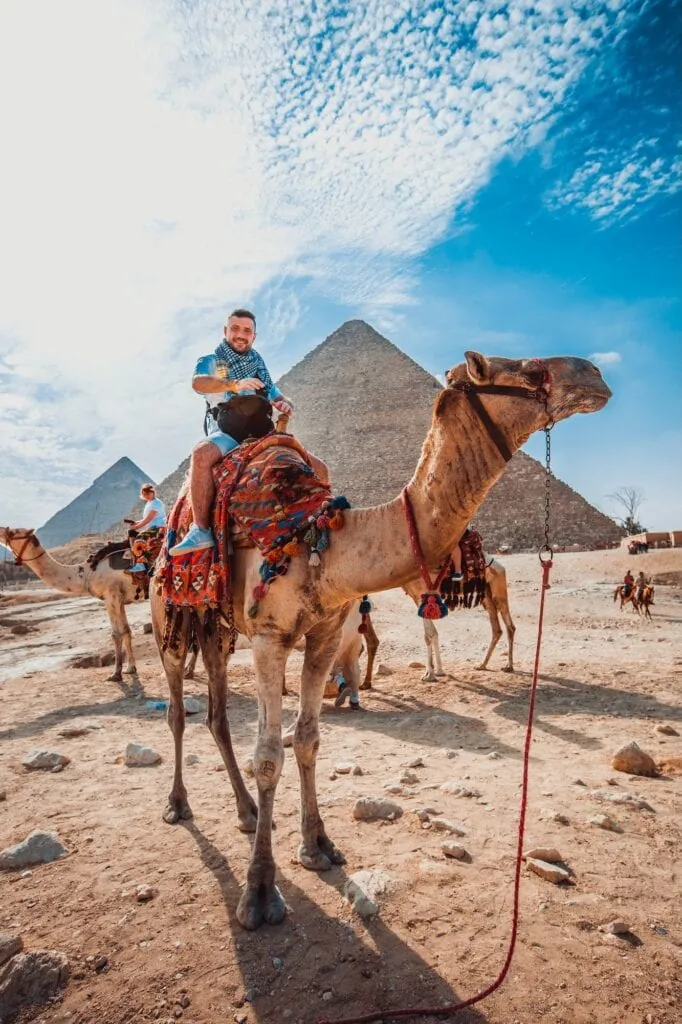
Camel rides around Giza pyramids create memorable photo opportunities, though shorter sessions suit younger children better than extended desert excursions. Swimming breaks at Red Sea resorts provide relief from intensive sightseeing while introducing families to Egypt’s marine biodiversity.
Photography and Cultural Workshops
Professional photography tours optimize lighting conditions for capturing Egypt’s iconic monuments. Specialized workshops cover techniques for photographing in desert environments, managing extreme contrast between shadowed temple interiors and bright exterior courtyards.
Cultural immersion programs include cooking classes featuring traditional Egyptian cuisine, Arabic language introductions, and meetings with local artisans practicing ancient crafts. These experiences provide deeper understanding of contemporary Egyptian society while honoring historical traditions.
Alexandria day trips showcase Greco-Roman influences through the modern Bibliotheca Alexandrina and underwater archaeological sites accessible through glass-bottom boat tours. The Mediterranean coastal city offers a different perspective on Egyptian civilization beyond pharaonic monuments.
Red Sea Resort Extensions
Combining historical exploration with beach relaxation creates well-rounded Egyptian holidays. Sharm El Sheikh and Hurghada offer world-class diving and snorkeling among vibrant coral reefs teeming with tropical fish species.
Resort accommodations range from intimate boutique properties to expansive all-inclusive complexes featuring multiple restaurants, spa facilities, and championship golf courses. Water sports include windsurfing, kiteboarding, and deep-sea fishing excursions targeting red snapper and grouper.
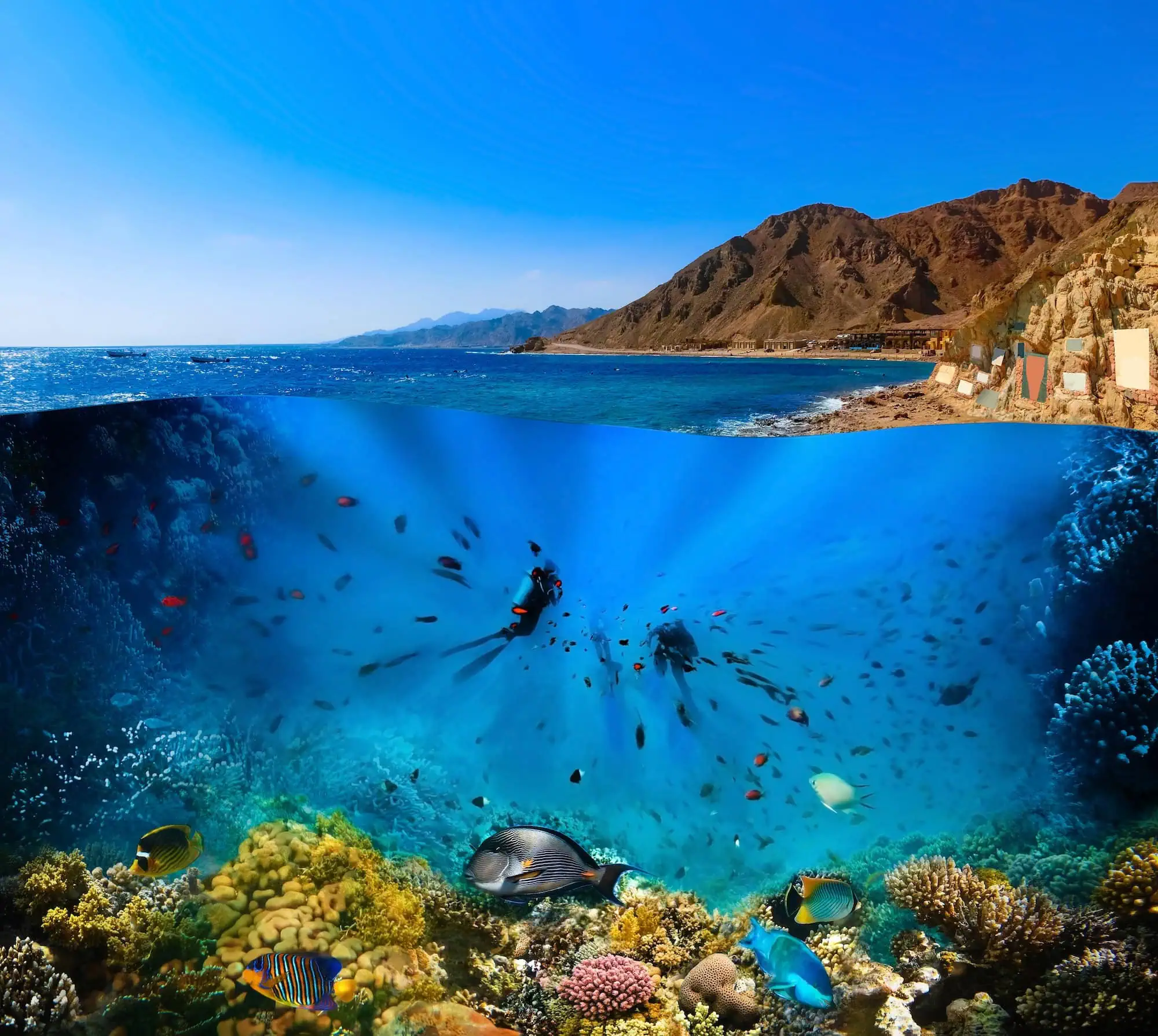
Marine national parks protect pristine coral ecosystems while providing controlled access for underwater exploration. Ras Mohammed National Park, located at the southern tip of the Sinai Peninsula, offers some of the Red Sea’s most spectacular diving sites with visibility exceeding 30 meters (98 feet).
Desert safari excursions from coastal bases explore Sinai’s rugged interior, including visits to Saint Catherine’s Monastery at the base of Mount Sinai. These mountain landscapes provide stark contrast to coastal environments while maintaining Egypt’s diverse natural beauty.
Evening entertainment combines international standards with authentic Egyptian flair, featuring belly dancing performances, traditional music concerts, and themed dining experiences. Rooftop bars offer sunset views over the Red Sea while serving both international cocktails and local specialties.
Practical Travel Information for Minnesota Residents
Currency exchange rates fluctuate, but budgeting approximately $50-100 per person daily covers meals, tips, and incidental shopping beyond pre-paid tour arrangements. ATMs accept international cards in major cities, though carrying some U.S. dollars provides backup options in remote locations.
Tipping culture differs significantly from American standards, with small amounts expected for various services. Our guides provide detailed tipping guidelines covering hotel staff, restaurant servers, and tour drivers to ensure appropriate appreciation without overspending.
Shopping opportunities range from traditional bazaars offering handcrafted souvenirs to modern malls featuring international brands. Popular purchases include papyrus artwork, silver jewelry, spices, and cotton textiles, though bargaining skills prove essential in traditional markets.
Egyptian cuisine emphasizes fresh ingredients, aromatic spices, and hearty preparations suited to the desert climate. Vegetarian options abound, featuring dishes like ful medames (fava beans), koshari (mixed rice and lentils), and fresh vegetables. Food safety follows international standards at hotels and restaurants we recommend, though bottled water remains advisable throughout your stay.

Climate preparation involves layered clothing suitable for air-conditioned interiors and desert heat, comfortable walking shoes for uneven temple surfaces, and sun protection including hats and high-SPF sunscreen. Evening temperatures can drop significantly, particularly during winter months in desert locations.
Booking Your Egyptian Journey
Our comprehensive packages eliminate logistical complications while ensuring authentic cultural experiences. Private drivers navigate Egyptian traffic patterns safely, while modern, air-conditioned vehicles provide comfortable transportation between destinations. Twenty-four-hour customer support addresses any concerns immediately, whether you’re dealing with flight changes or requesting restaurant recommendations.
Customizable itineraries accommodate specific interests and physical capabilities, ensuring every traveler enjoys optimal experiences. Multi-generational groups receive special attention, with pacing and activities adjusted for various energy levels and mobility requirements. Our award-winning service reflects decades of expertise refined through thousands of satisfied travelers.
Early booking advantages include preferred hotel selections, guaranteed availability during peak seasons, and flexible payment options spreading costs over several months. Travel insurance recommendations protect significant investments while providing peace of mind throughout your journey.
Frequently Asked Questions
Total travel time ranges from 14-18 hours including layovers, typically connecting through European or Middle Eastern hubs.
March through May and September through November offer ideal weather conditions with comfortable temperatures and minimal crowds.
Yes, U.S. citizens require tourist visas obtainable before departure or upon arrival at Egyptian airports.
Complete packages typically range from $1,500-$4,000 per person depending on duration, accommodations, and included experiences.
Egypt maintains strong tourism security measures, and millions of Americans visit safely each year following standard travel precautions.
Routine vaccinations should be current, with hepatitis A recommended for most travelers visiting Egypt.
Bottled water is recommended throughout Egypt to avoid potential stomach discomfort from unfamiliar water sources.
The Egyptian pound is local currency, though credit cards work at major hotels, restaurants, and shops.
Tipping customs vary by service, with detailed guidelines provided for hotels, restaurants, guides, and drivers.
Lightweight, modest clothing covering shoulders and knees for temple visits, plus warm layers for evening desert temperatures.
No direct flights exist, but excellent connections through Amsterdam, Paris, or Dubai provide convenient routing options.
Three to six months advance booking ensures optimal hotel selection and availability, particularly during peak winter season.
Design Your Custom Tour
Explore Egypt your way by selecting only the attractions you want to visit