How to Travel Around Egypt
Getting around Egypt opens up one of the world’s most extraordinary travel experiences.
Whether you’re planning to explore ancient temples along the Nile, discover the bustling streets of Cairo, or relax on Red Sea beaches, understanding your transportation options makes all the difference. Egypt offers everything from luxury trains to traditional feluccas, domestic flights to air-conditioned buses. We’ve spent decades helping travelers navigate this incredible country, and the right transport choice can transform your entire Egyptian adventure.
Each method of travel in Egypt offers unique advantages, costs, and experiences that suit different travel styles and budgets.

Transportation Options Across Egypt
Egypt’s transportation network connects every major destination, from Mediterranean coastal cities to southern temples near the Sudanese border.
**Domestic Flights** Flying remains the fastest way to cover Egypt’s vast distances. EgyptAir operates regular routes between Cairo, Luxor, Aswan, Hurghada, and Sharm El Sheikh. Flight times rarely exceed 90 minutes, making this ideal for travelers with limited time. Prices typically range from $80-200 USD depending on the route and season.
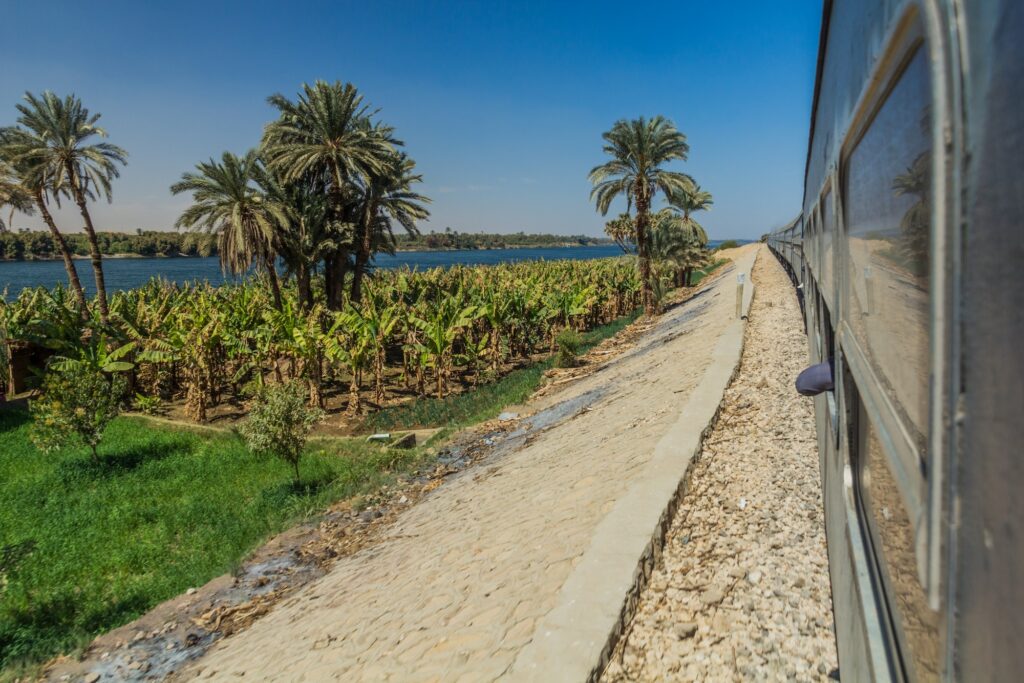
**Train Services** Egyptian National Railways connects major cities along the Nile Valley. The luxury sleeper train between Cairo and Aswan offers private cabins with meals included, taking approximately 12 hours overnight. Regular trains serve routes to Alexandria, Luxor, and other destinations, though comfort levels vary significantly.
**Bus Networks** Long-distance buses provide affordable connections throughout Egypt. Companies like Go Bus and Blue Bus operate modern, air-conditioned vehicles between major cities. The Cairo to Sharm El Sheikh route takes about 6 hours and costs around $15-25 USD. Bus stations can be chaotic, so allow extra time for departures.
**Private Transportation** Hiring a private car with driver offers maximum flexibility and comfort. We arrange modern vehicles with professional drivers who know the routes, customs, and best stops along the way. This option works particularly well for families or groups wanting to explore at their own pace.

Getting Around Cairo
Cairo’s 20 million residents create some of the world’s most intense traffic, but multiple transportation options help you navigate the capital efficiently.
The Cairo Metro operates three lines covering major attractions and neighborhoods. Line 1 connects Helwan to El Marg, passing through Tahrir Square and the Egyptian Museum area. Trains run every few minutes during peak hours, and tickets cost less than $1 USD. Women-only cars are available during busy periods.
Taxis come in several varieties throughout Cairo. Traditional black-and-white taxis negotiate fares before departure, while newer yellow taxis use meters. Uber and Careem operate extensively, offering fixed pricing and English-speaking support through their apps. Traffic means journey times can triple during rush hours from 7:00 am (07:00) to 10:00 am (10:00) and 5:00 pm (17:00) to 8:00 pm (20:00).
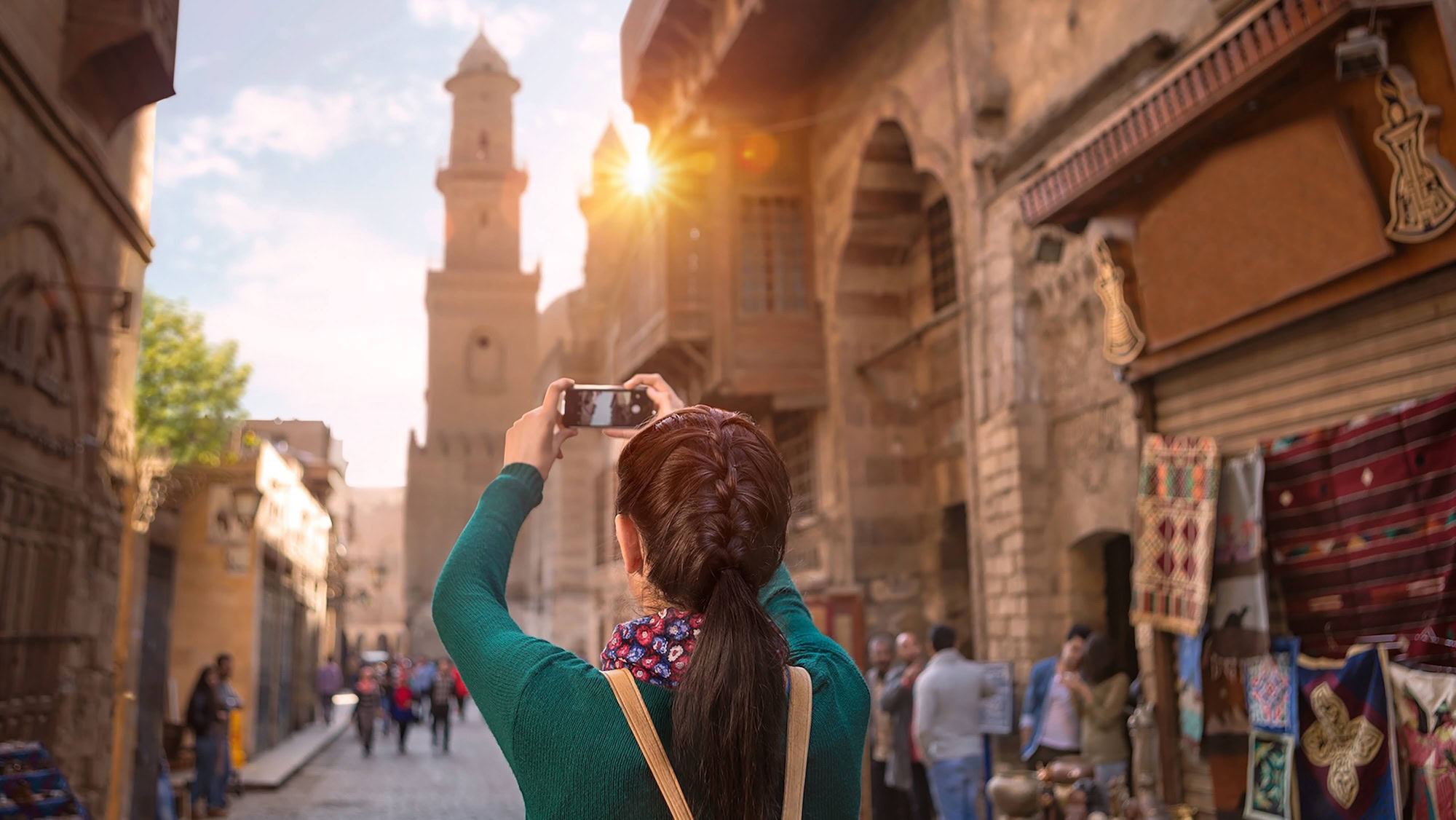
Walking works well in specific areas like Islamic Cairo or Zamalek, but requires careful attention to traffic patterns. Many streets lack proper sidewalks, and crossing major roads demands patience and timing.
Nile Valley Travel Between Cities
**Cairo to Luxor** Multiple daily flights connect these cities in 1 hour 15 minutes, while the overnight sleeper train offers a romantic 10-hour journey. Driving takes 8-10 hours depending on stops, but allows visits to Middle Egypt sites like Beni Hassan or Tuna el-Gebel.
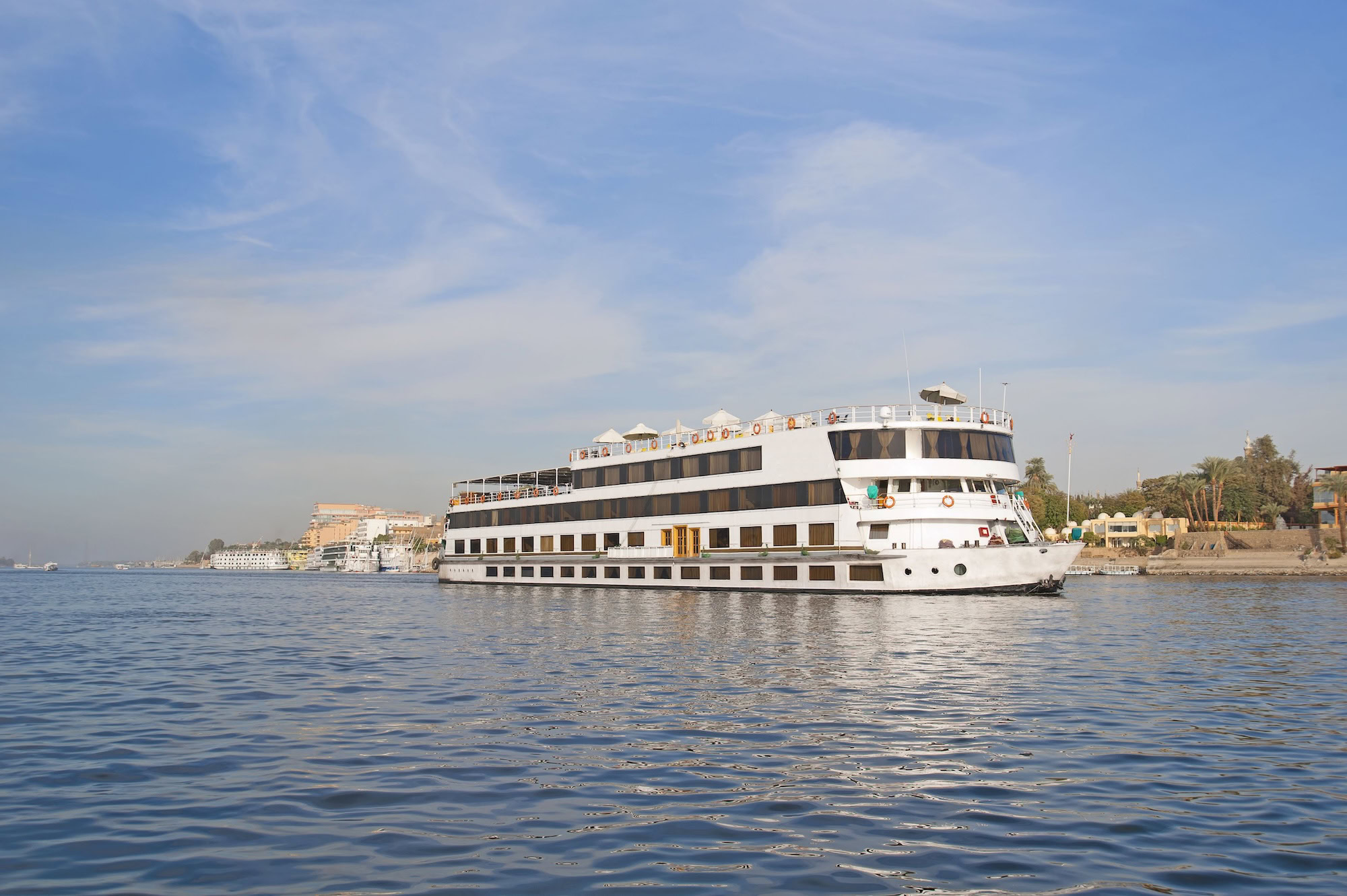
**Luxor to Aswan** The 3-hour drive south passes several temples worth exploring. Many travelers choose Nile cruises for this route, combining transportation with accommodation and meals. Our small-group shore excursions ensure intimate experiences at each temple stop.
Flight connections between Luxor and Aswan operate several times weekly, though schedules change seasonally. The train journey takes about 3 hours through desert landscapes.
Coastal Region Access
Red Sea destinations require different transportation strategies than Nile Valley cities.
Hurghada sits 4 hours by road from Luxor, making it popular for combining cultural sites with beach relaxation. Regular buses connect Hurghada with Cairo (6 hours) and other Red Sea resorts. The coastal road offers stunning desert and mountain views, particularly near the Eastern Desert mountains.
Sharm El Sheikh remains accessible primarily by air from Cairo (1 hour) or overland through the Sinai Peninsula (6 hours). The desert drive passes through Suez and along the Gulf of Suez coast. Security checkpoints may add time to road journeys in Sinai.
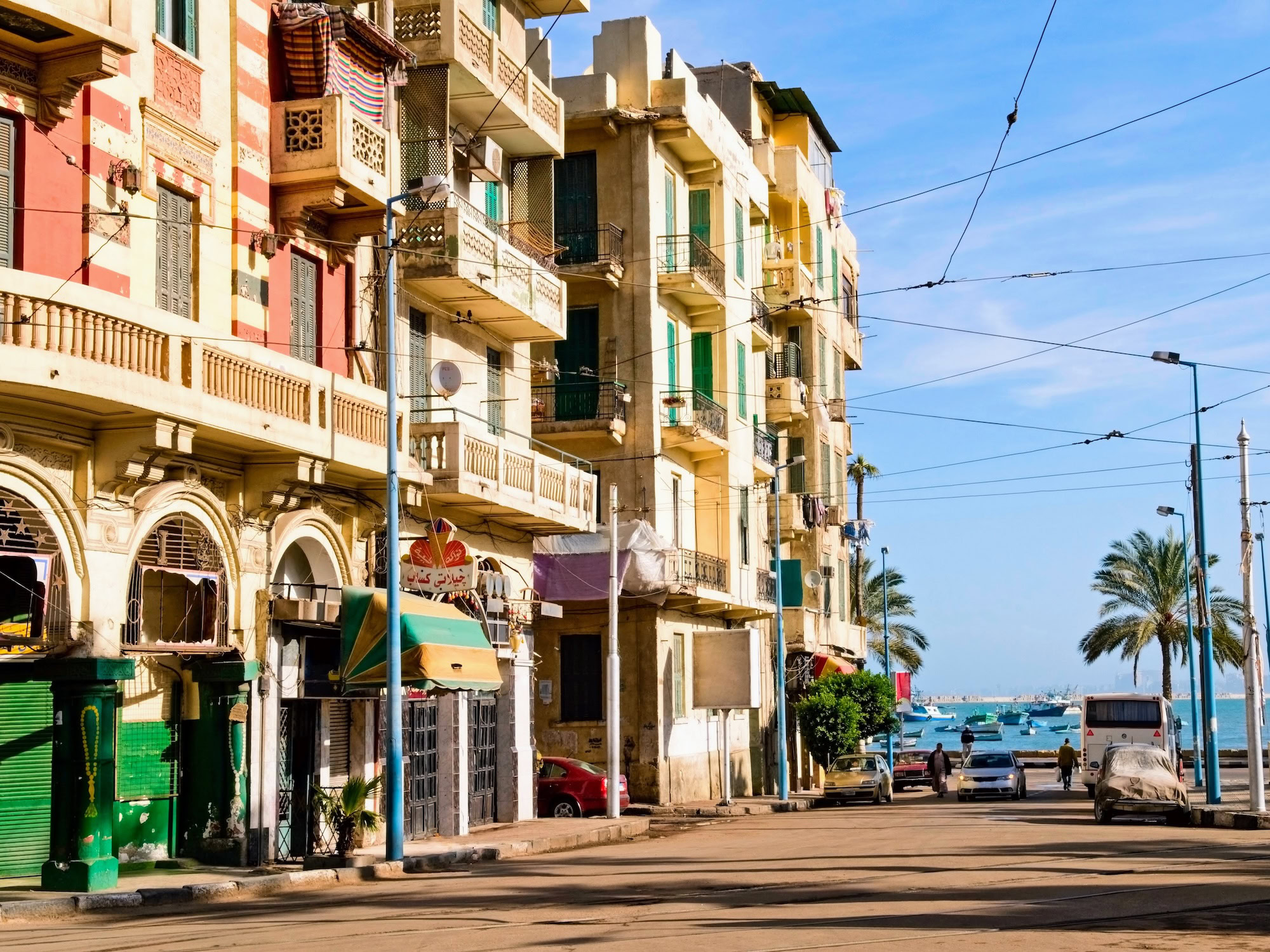
Alexandria connects to Cairo via the desert road (3 hours) or the agricultural road (4 hours). Trains run multiple times daily between the cities, taking about 2.5 hours. The coastal city serves as Egypt’s summer capital, with Mediterranean beaches and Greco-Roman historical sites.
Nile River Transportation
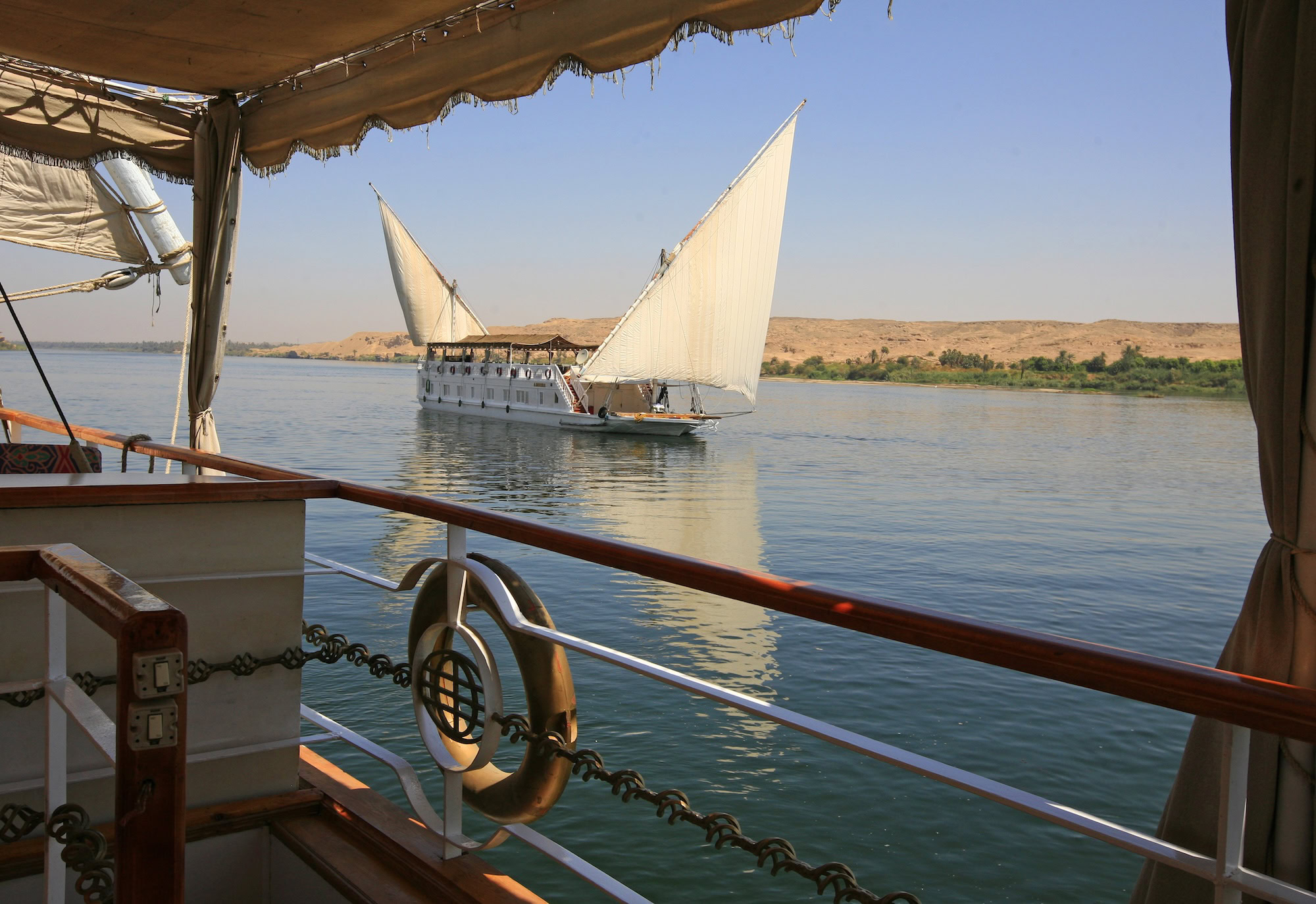
Traditional boats provide unique perspectives on Egypt’s lifeline river. Feluccas, Egypt’s iconic sailboats, offer peaceful journeys between Luxor and Aswan temples. These wind-powered vessels move slowly but provide authentic experiences watching rural life along the riverbanks.
Nile cruises range from luxury ships with pools and spas to smaller dahabiyas accommodating 12-20 guests. Standard cruises include guided temple visits, meals, and evening entertainment. Shore excursions visit Edfu, Kom Ombo, and other temples accessible only by river.
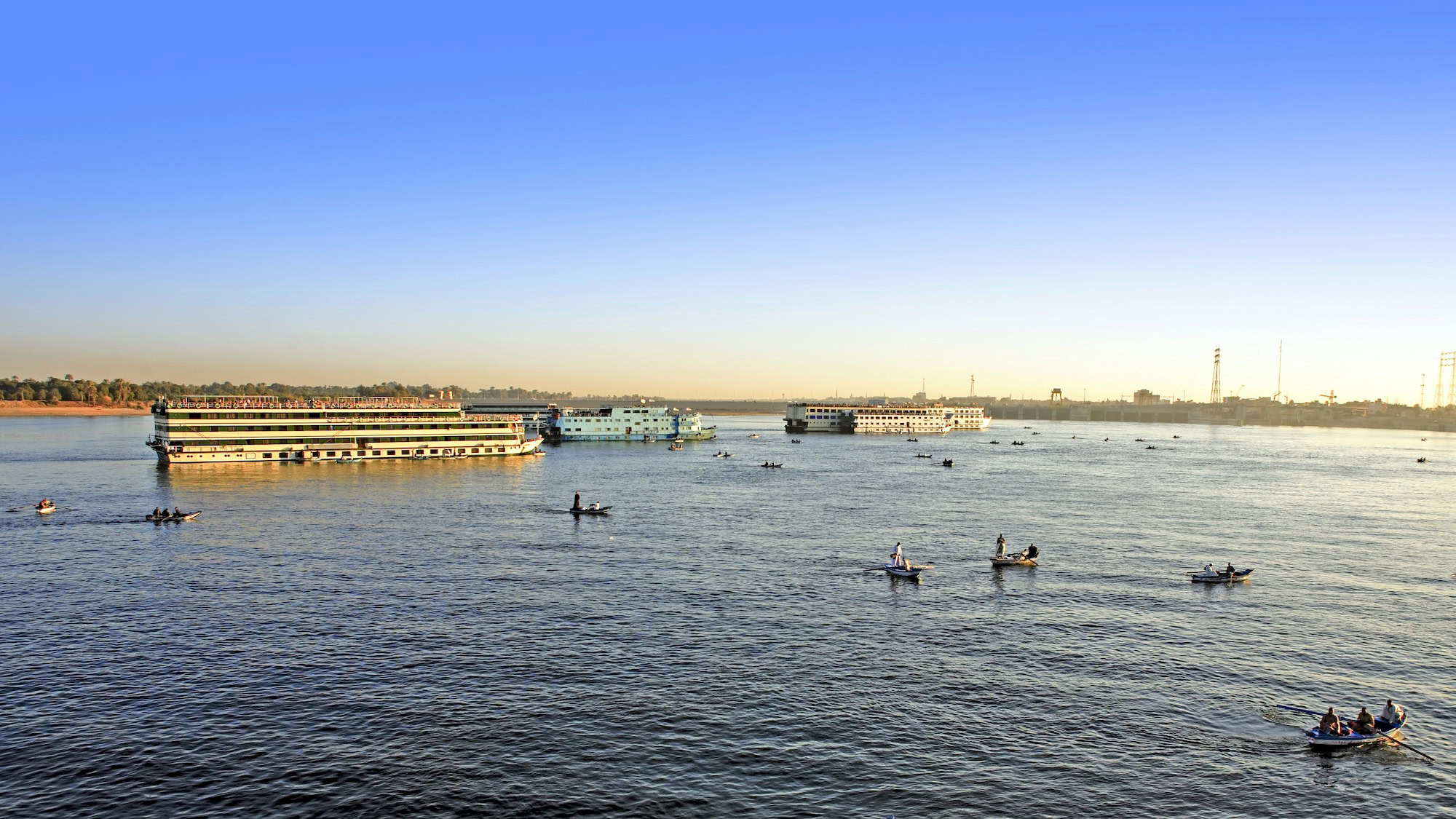
River taxis operate in Cairo and some tourist areas, though safety standards vary considerably.
Practical Transportation Tips
Visa Requirements
U.S. citizens need a tourist visa obtainable on arrival for $25 USD or online in advance. European Union citizens have similar requirements, while some nationalities qualify for visa-free entry. Always check current requirements before departure as policies change periodically.
Currency and Payment
Egyptian pounds (EGP) work for most local transportation, though many tourist services accept US dollars. Carry small bills for buses, metro tickets, and taxi rides. Credit cards work for flights and some luxury services but aren’t widely accepted for local transport.
Safety Considerations
Road conditions vary significantly outside major cities. Night driving requires extra caution due to limited street lighting and unpredictable traffic patterns. Our drivers maintain vehicles to international standards and know safe routes throughout Egypt.
Travel during Ramadan affects public transportation schedules, with reduced services during daylight fasting hours. Hotels and tourist services generally maintain normal operations.
Timing Your Journeys
Winter months (December through February) offer the most comfortable travel conditions with temperatures averaging 20°C (68°F). Summer temperatures can exceed 40°C (104°F), making early morning or evening travel preferable.
Friday prayers from 12:00 pm (12:00) to 2:00 pm (14:00) affect business operations and traffic patterns in many areas.
Planning Your Egypt Transportation
Multi-City Itineraries
Combining flights for long distances with ground transportation for shorter hops maximizes your time. Flying Cairo to Aswan, cruising north to Luxor, then driving to Red Sea resorts creates efficient routing without backtracking.
Group Travel Advantages
Private transportation becomes cost-effective for 4 or more travelers. We provide modern vehicles, professional drivers, and flexible scheduling that accommodates photography stops, restaurant breaks, and spontaneous temple visits.
Seasonal Considerations
Peak winter season (December-February) requires advance booking for popular routes and cruise cabins. Summer travel offers lower prices but demands careful planning around midday heat.

Our decades of experience help travelers choose transportation methods matching their interests, timeline, and budget. We handle logistics while you focus on experiencing Egypt’s wonders.
Frequently Asked Questions
How much does transportation cost in Egypt?
Local transport ranges from $0.30 USD for metro rides to $200 USD for domestic flights.
Is it safe to drive in Egypt as a tourist?
We recommend hiring local drivers familiar with traffic patterns, road conditions, and navigation.
What’s the best way to get from Cairo to the pyramids?
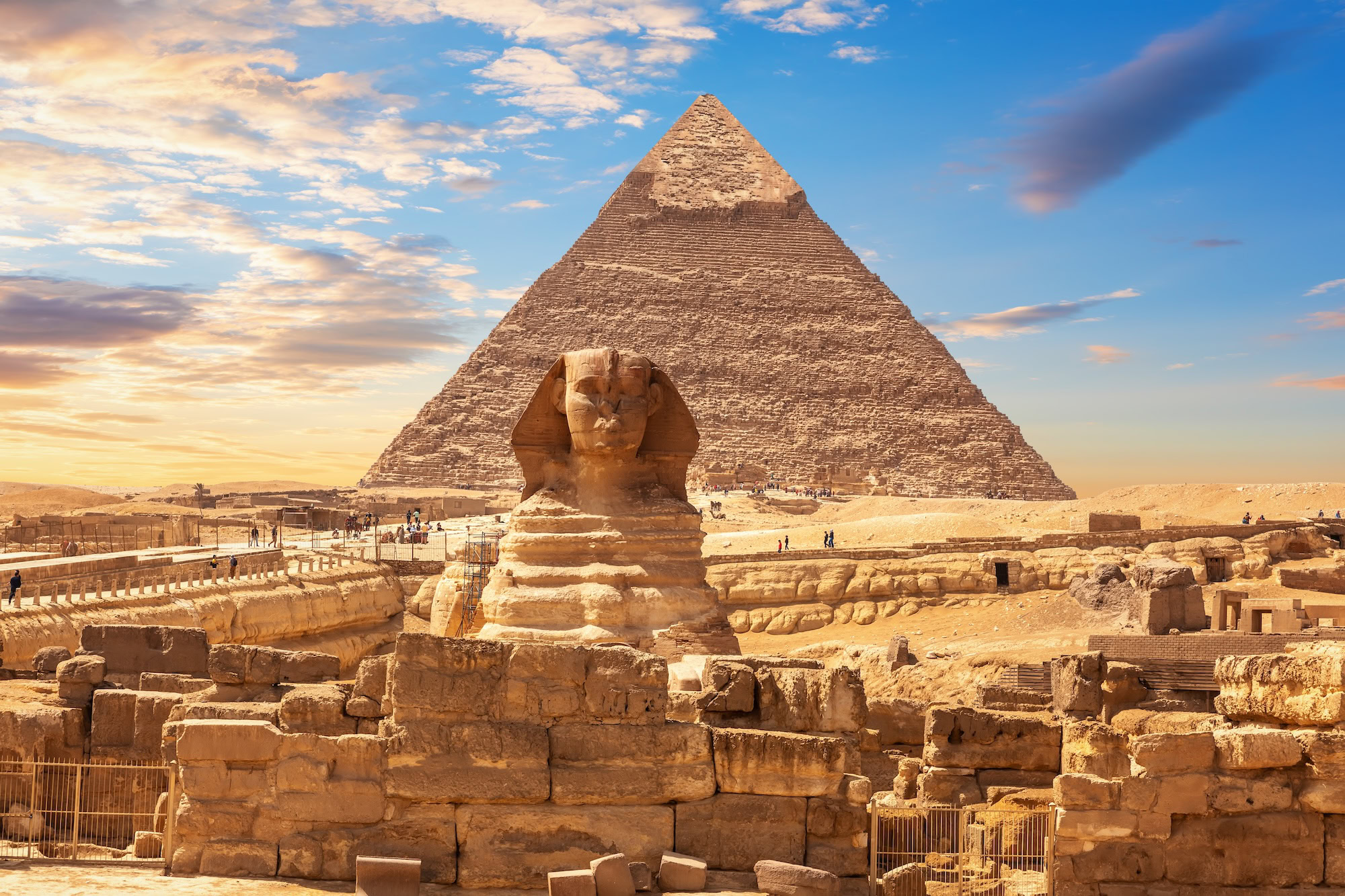
Private transportation offers the most convenience and comfort for pyramid visits.
Do trains in Egypt run on schedule?
Luxury trains maintain better punctuality than standard services.
Can you travel between cities at night in Egypt?
Night travel by bus and train operates on major routes.
How early should you book transportation in Egypt?
Domestic flights and luxury trains require 2-4 weeks advance booking during winter.
What transportation connects Red Sea to Nile Valley?
Direct bus services and private car transfers link coastal resorts with inland sites.
Are there transportation apps that work in Egypt?
Uber and Careem operate in major cities with English interfaces.
How do you get around during Egyptian holidays?
Major holidays affect public transportation schedules, private arrangements ensure reliability.
What’s the most comfortable long-distance travel option?
Domestic flights offer speed while luxury sleeper trains provide overnight comfort.
Do you need special permits for travel in Egypt?
Tourist areas require no special permits, we handle remote region documentation.
Explore our most popular guides and expert tips to make your trip safe, smooth, and unforgettable.
Plan Your Egypt Adventure with Confidence
How to Plan a Trip Egypt
Step-by-step guide to help you plan the perfect Egypt trip — from routes and budget to booking.
Best Time to Visit Egypt
Learn the best months to visit Egypt based on weather, crowds, and local travel experiences.
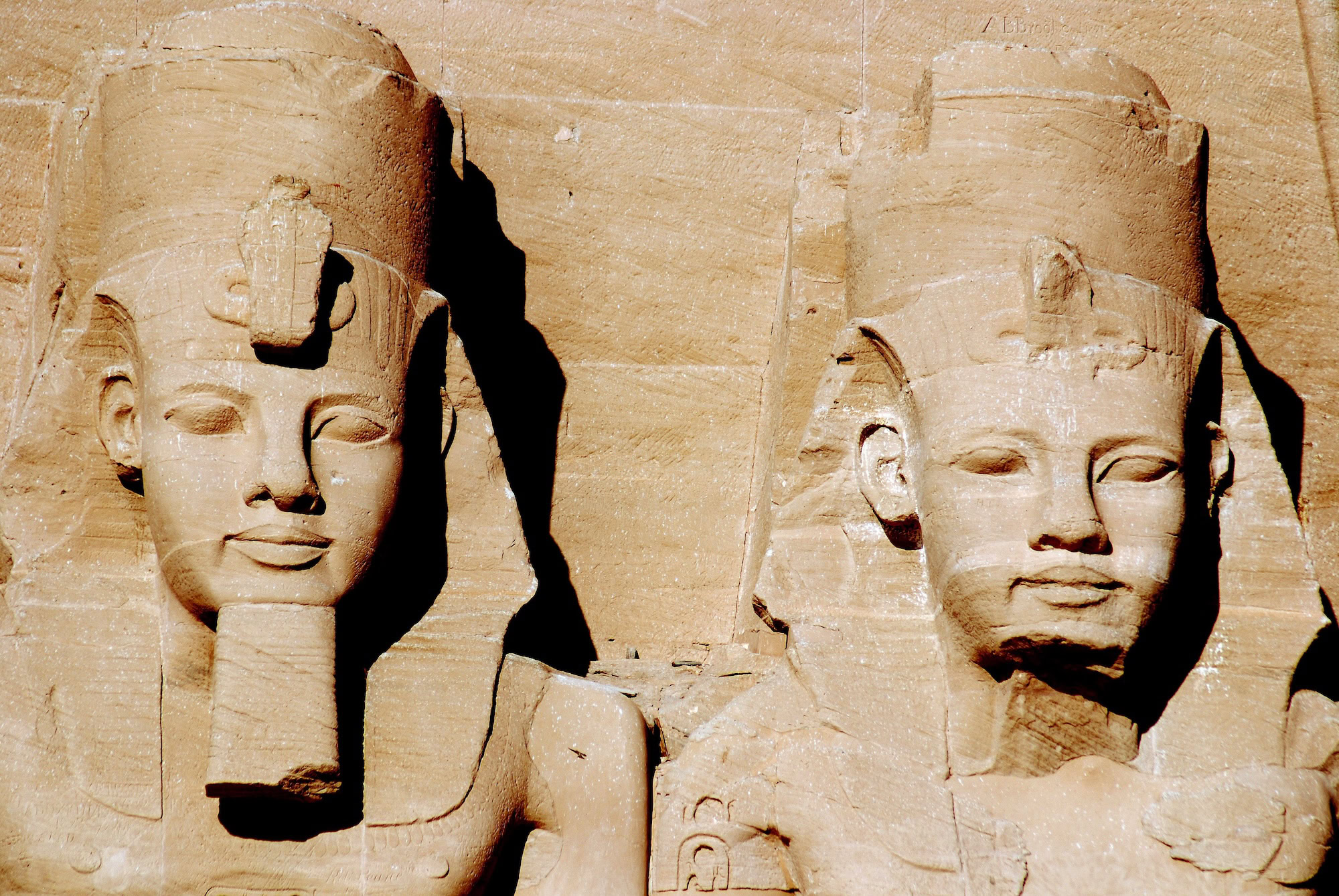
Must Visit Places in Egypt
Explore Egypt’s top sights — from pyramids to temples — and hidden gems worth seeing.
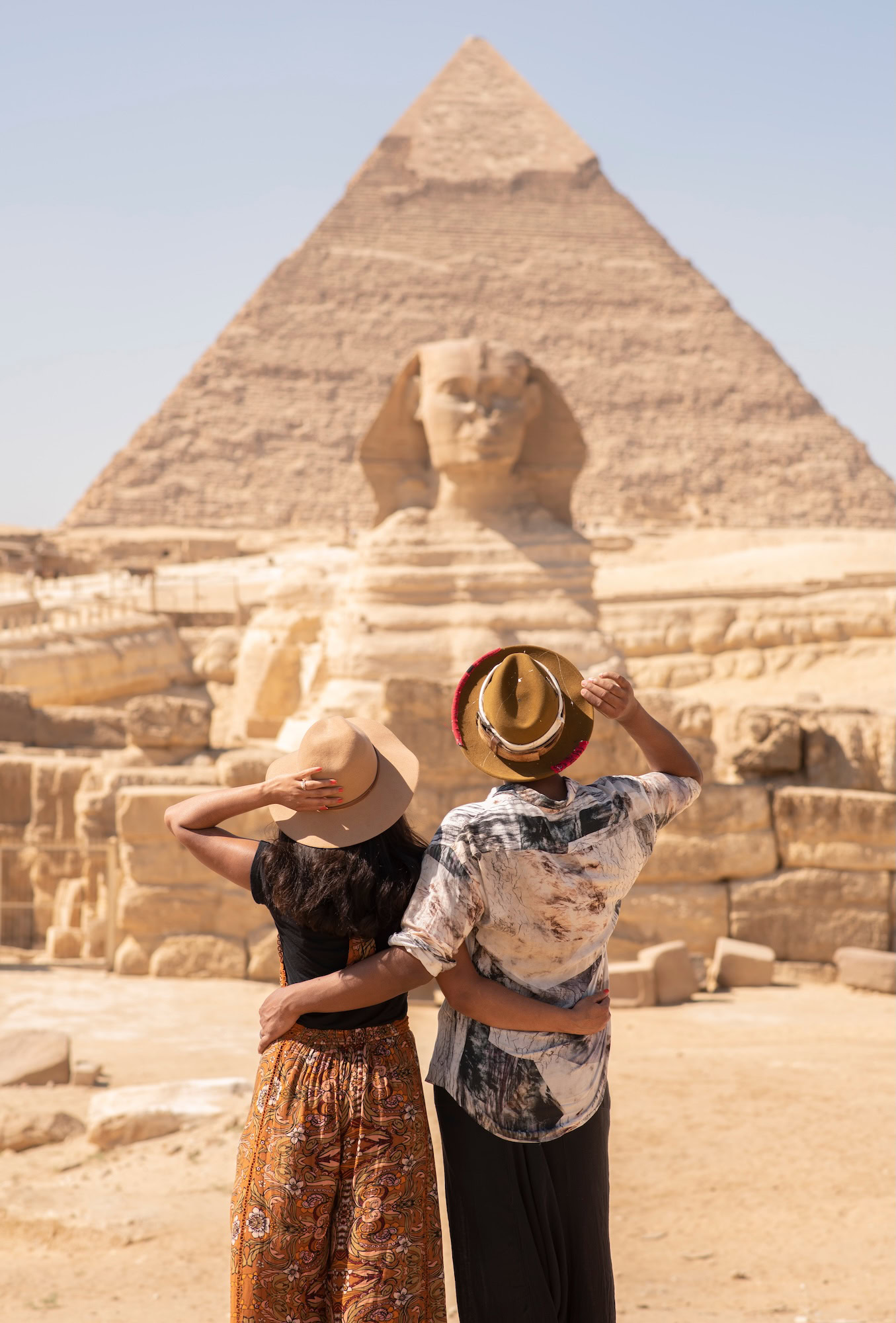
Top-Rated Egypt Tours
Handpicked private tours with local guides — our most loved and best-reviewed experiences.
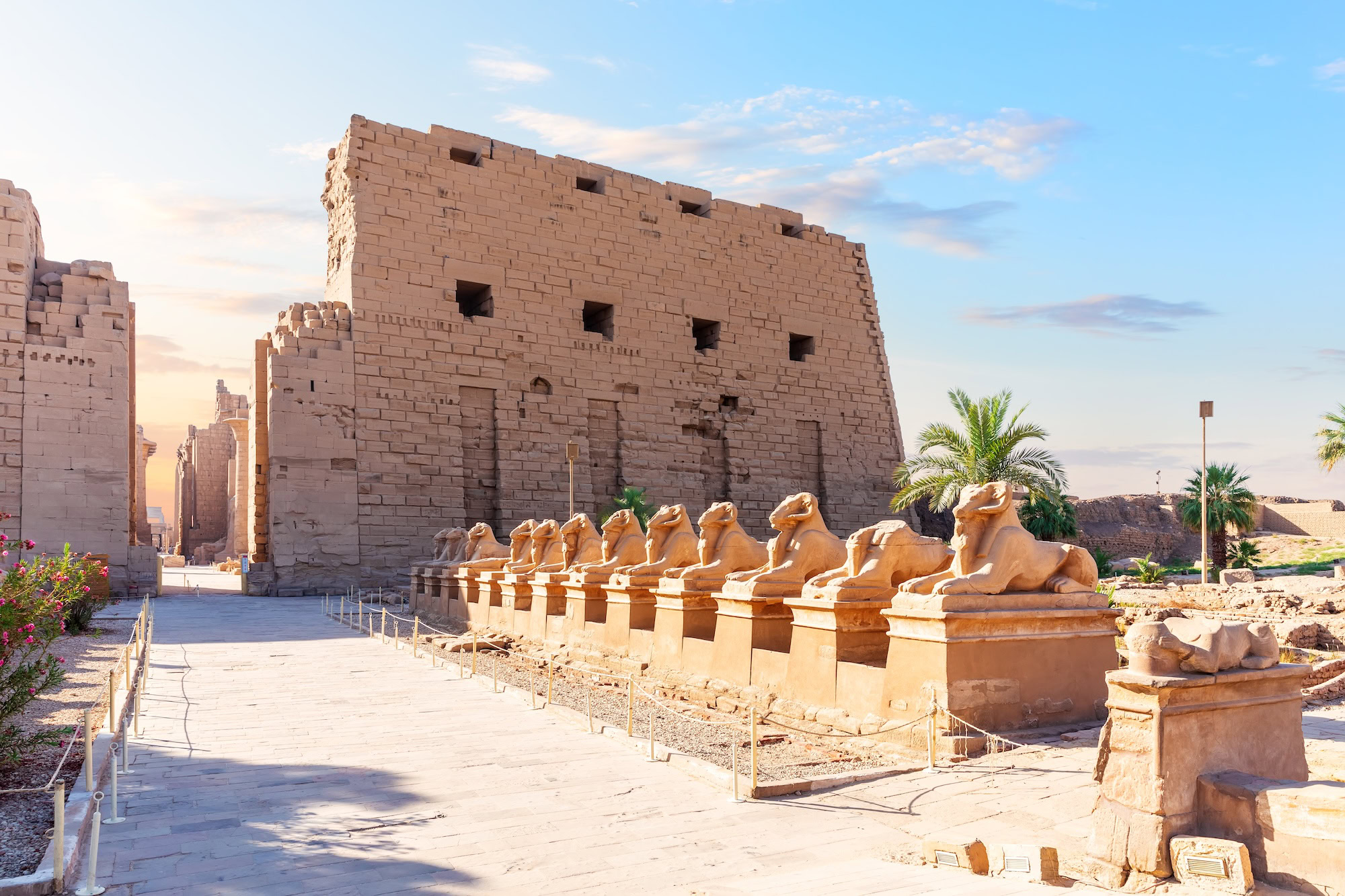
How Many Days to Visit Egypt?
Find out how many days you need in Egypt — from quick trips to full itineraries.
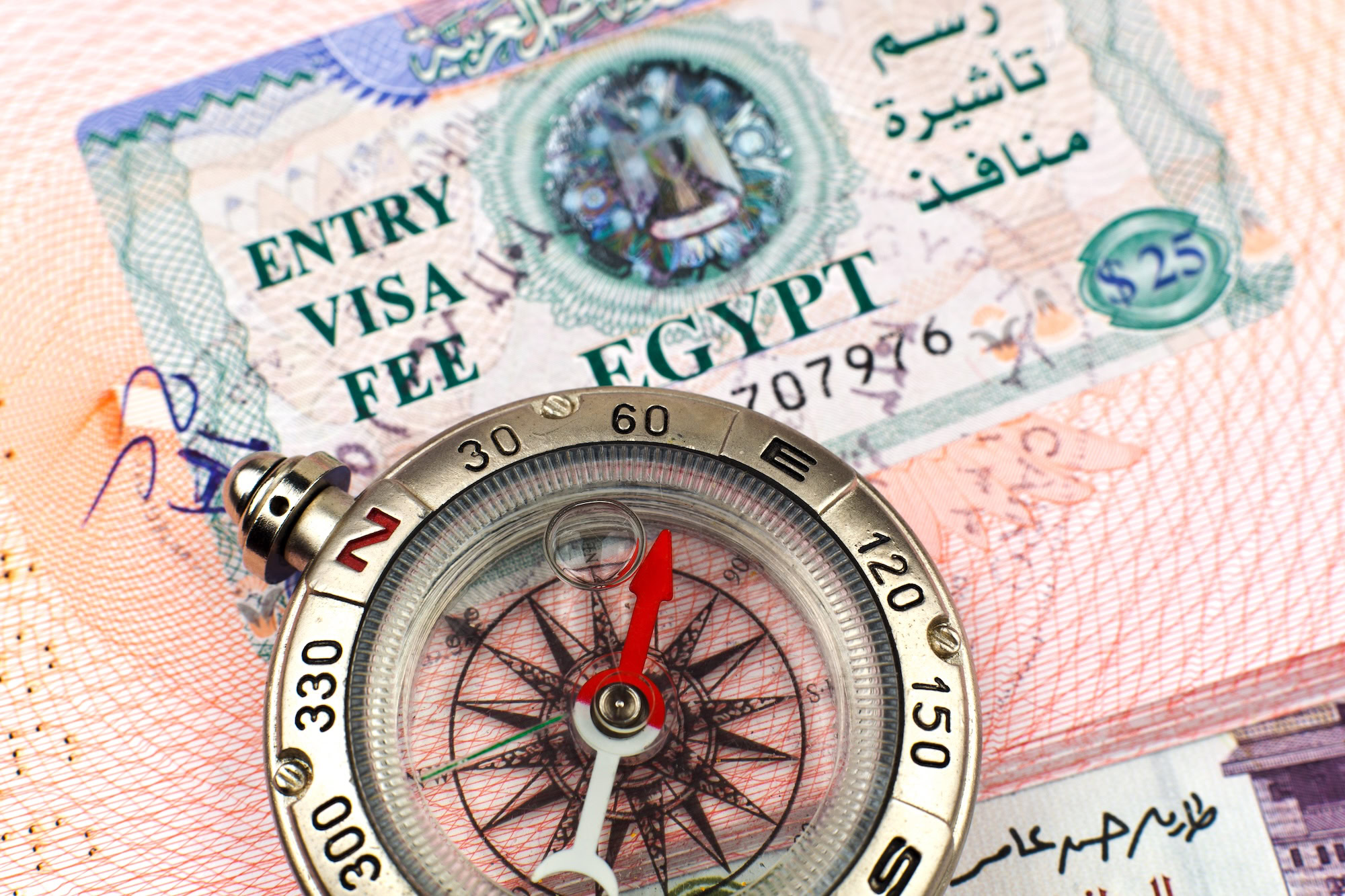
Egypt Visa Requirements
Check if you need a visa and get simple, up-to-date entry info based on your nationality.

Is it Safe to Travel to Egypt?
Is Egypt safe? Get honest safety tips, area advice, and what to know before you travel.

What to Pack for Egypt
A quick packing guide with essentials, cultural tips, and clothing advice for your Egypt trip.


Design Your Custom Tour
Explore Egypt your way by selecting only the attractions you want to visit