Is Egypt Safe to Travel Alone?
Solo travel to Egypt sparks endless debates across travel forums. Questions about safety dominate conversations, particularly for women traveling alone.
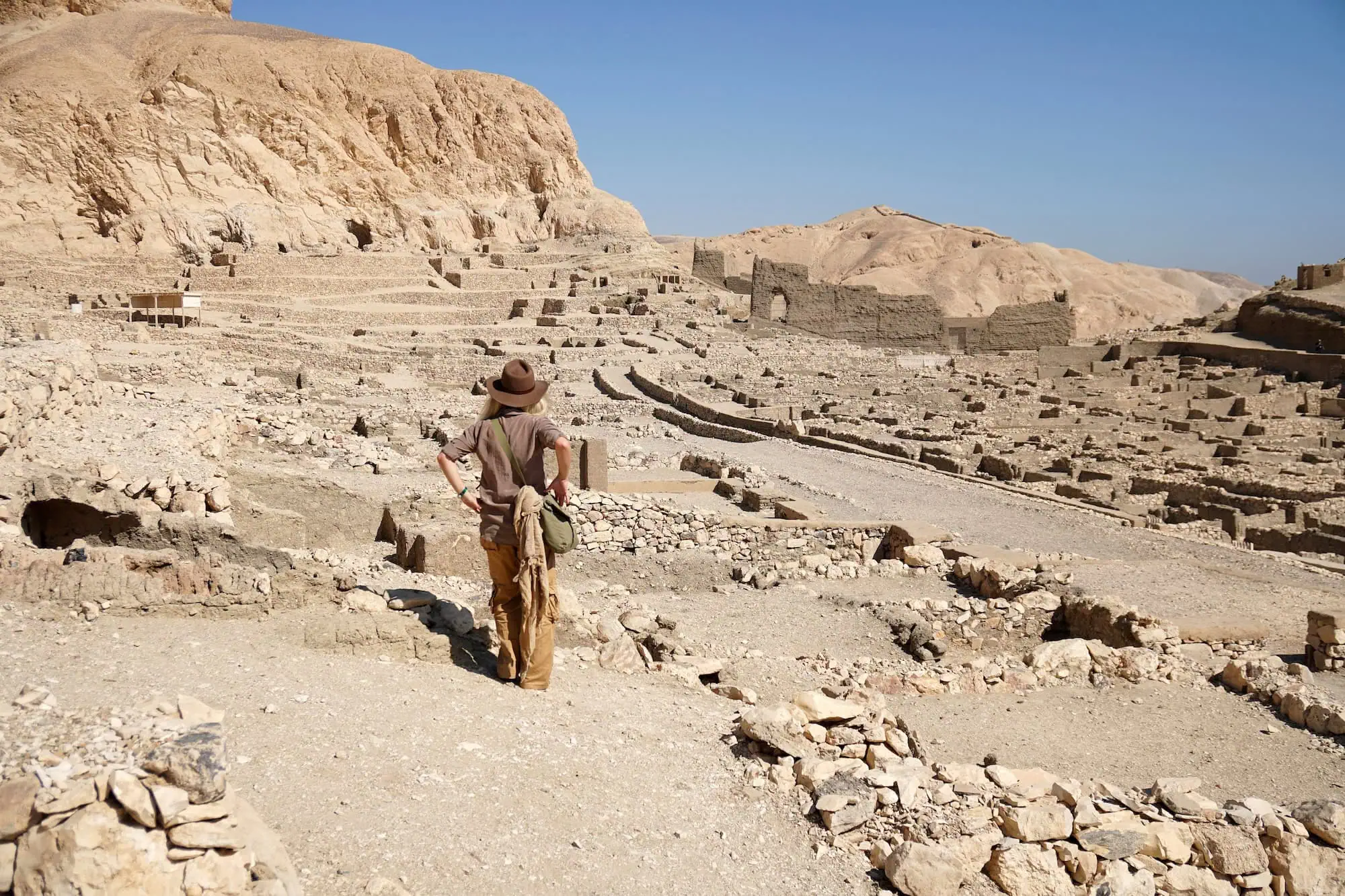
We’ve analyzed thousands of traveler experiences, government advisories, and local insights to provide you with the complete picture. Egypt offers incredible experiences for solo travelers, but success depends heavily on preparation and understanding the unique challenges you’ll face.
This guide cuts through conflicting opinions to give you practical, actionable advice for your solo Egyptian adventure.
Table of Contents
Understanding Egypt’s Current Safety Landscape
Egypt has made significant strides in tourist safety over recent years. Tourism police maintain visible presence at major attractions, and the government has invested heavily in security infrastructure. However, the reality for solo travelers, particularly women, involves navigating cultural complexities alongside standard travel precautions.
Political Stability and Tourist Areas
Tourist zones operate under enhanced security protocols. The Red Sea coastal areas including Sharm El Sheikh and Hurghada maintain high safety standards with dedicated tourist police. Cairo’s main attractions benefit from increased surveillance, while Luxor and Aswan have established clear tourist corridors.
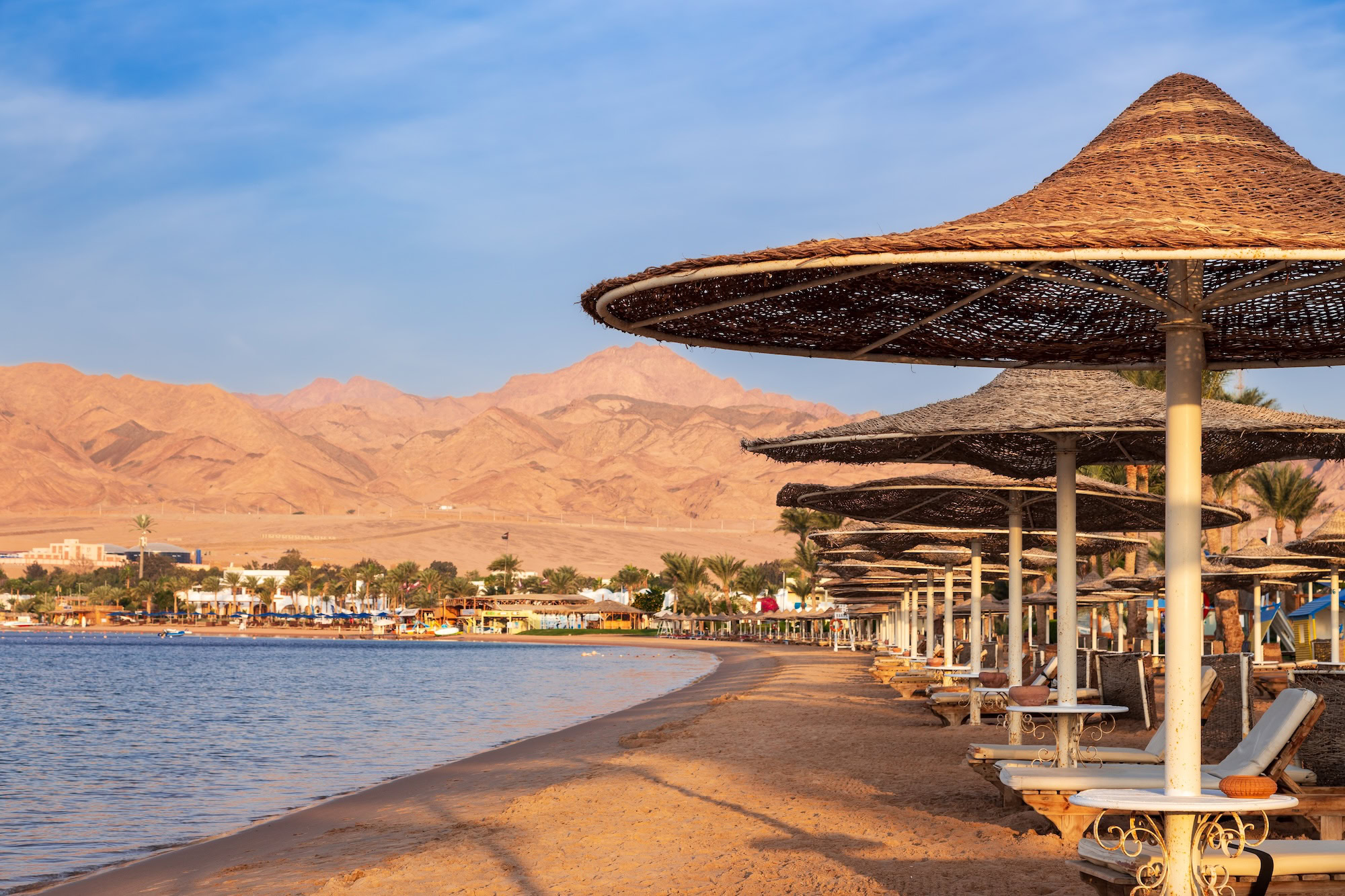
Recent political developments have actually improved conditions for visitors. Authorities recognize tourism’s economic importance and prioritize visitor safety accordingly.
Crime Statistics and Common Concerns
Violent crime against tourists remains relatively rare in Egypt. Petty theft, overcharging, and persistent vendors represent the most common issues solo travelers encounter. Sexual harassment, particularly toward women, occurs frequently enough to require specific preparation strategies.
Government statistics show tourist-related incidents have decreased by 40% since 2019. Most reported problems involve scams rather than serious safety threats.
Challenges Specific to Solo Female Travelers
Women traveling alone in Egypt face distinct challenges rooted in conservative cultural attitudes. Understanding these dynamics helps you navigate situations more effectively. Catcalling and verbal harassment occur regularly, especially in busy market areas and tourist zones.
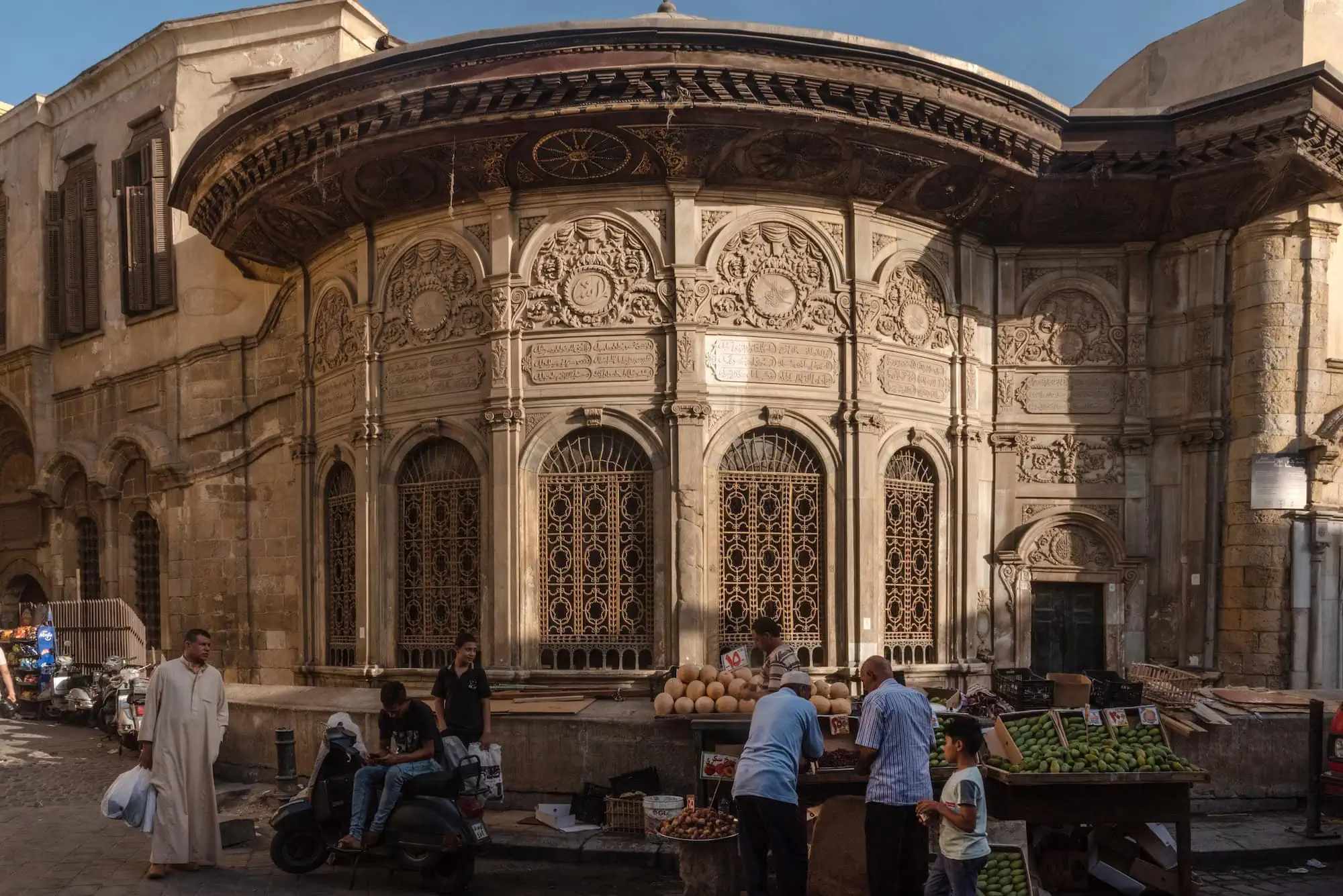
Local men may interpret solo female travel as unusual, leading to unwanted attention. Conservative dress codes become particularly important – modest clothing significantly reduces unwanted interactions. Many successful solo female travelers recommend joining small group tours for major attractions.
This approach combines the benefits of social interaction with the flexibility of independent travel. Many Egypt tour itineraries are designed to bring like-minded travelers together, making it easy to meet new people and share experiences throughout the journey.
For transportation, planning ahead is recommended. Ride-hailing services such as Uber and Careem operate in major cities and provide a convenient and reliable alternative to arranging transportation on the street.
Cultural Sensitivity Strategies
Respecting local customs goes beyond clothing choices. Learning basic Arabic greetings demonstrates cultural awareness and often improves interactions. Understanding prayer times helps you plan activities around religious observances.
Many solo female travelers find connecting with other women travelers creates support networks. Online communities like Solo Female Traveler Network provide real-time advice and meetup opportunities.
Practical Safety Strategies That Work
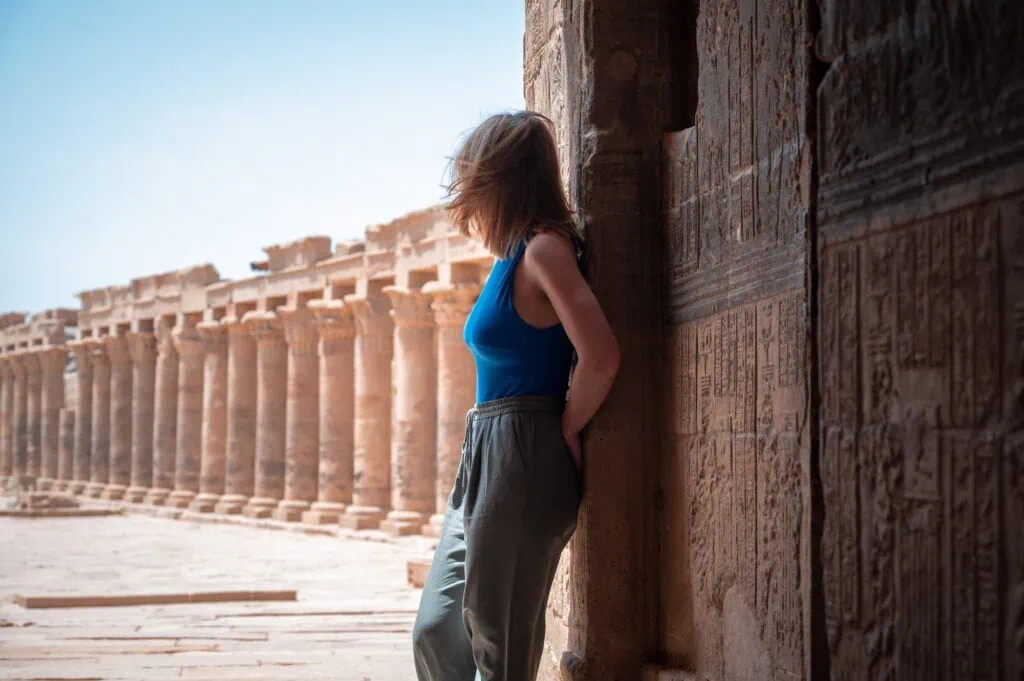
Successful solo travel in Egypt requires proactive planning rather than reactive problem-solving. These tested strategies come from experienced solo travelers who’ve navigated Egypt multiple times. Start with accommodations in tourist-oriented areas.
Downtown Cairo, Zamalek, or areas near major attractions offer better infrastructure and English-speaking support. Hostels catering to international travelers provide community connections while maintaining safety standards.
Money and Documentation Security
Carry multiple payment methods including cash, cards, and mobile payment options. Egyptian pounds work better for small vendors, while major establishments accept cards. Keep documentation copies separate from originals – hotel safes work better than carrying everything daily.
Tourist police stations exist near major attractions. Note their locations during your initial area exploration. Embassy contact information should be easily accessible on your phone.
Communication and Check-ins
Establish regular communication schedules with home contacts. WhatsApp works reliably throughout Egypt for international messaging. Local SIM cards provide backup communication options and often cost less than international roaming.
Share your daily itinerary with trusted contacts. This practice helps if you need assistance and provides peace of mind for family members.
Solo Male Travel Considerations
Male solo travelers face fewer cultural challenges but should understand local social dynamics. Egyptian hospitality can be overwhelming – endless tea invitations and extended conversations are cultural norms, not necessarily problems. Scams targeting tourists affect all travelers regardless of gender.
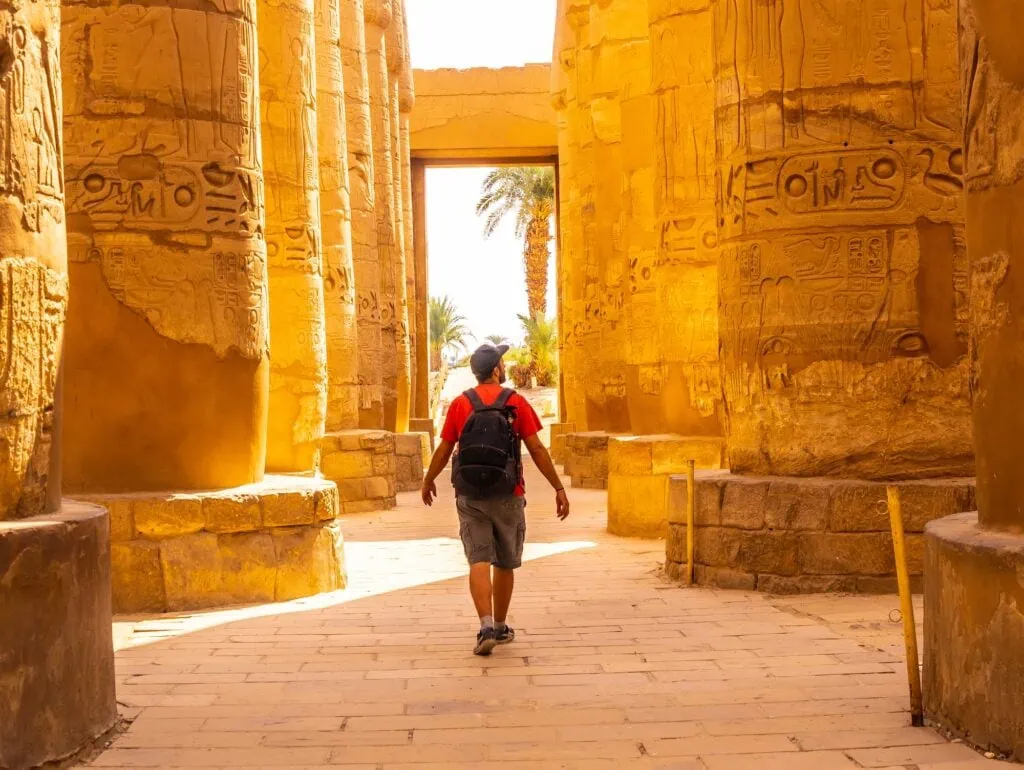
Common schemes include fake tour guides, overpriced souvenirs, and transportation scams. Researching fair prices beforehand helps you negotiate effectively.
Religious and Cultural Respect
Mosque visits require appropriate clothing and behavior understanding. Some religious sites restrict non-Muslim access during prayer times. Ramadan affects business hours and social interactions – plan accordingly if visiting during this period.
Alcohol availability varies significantly between tourist areas and local neighborhoods. Tourist hotels and restaurants serve alcohol freely, while local areas may have limited or no options.
Regional Safety Variations Across Egypt
Different Egyptian regions present varying safety profiles for solo travelers. Understanding these differences helps you plan appropriate precautions for each destination. Cairo combines urban challenges with incredible historical attractions. Traffic chaos, air pollution, and crowded conditions require adjustment time.
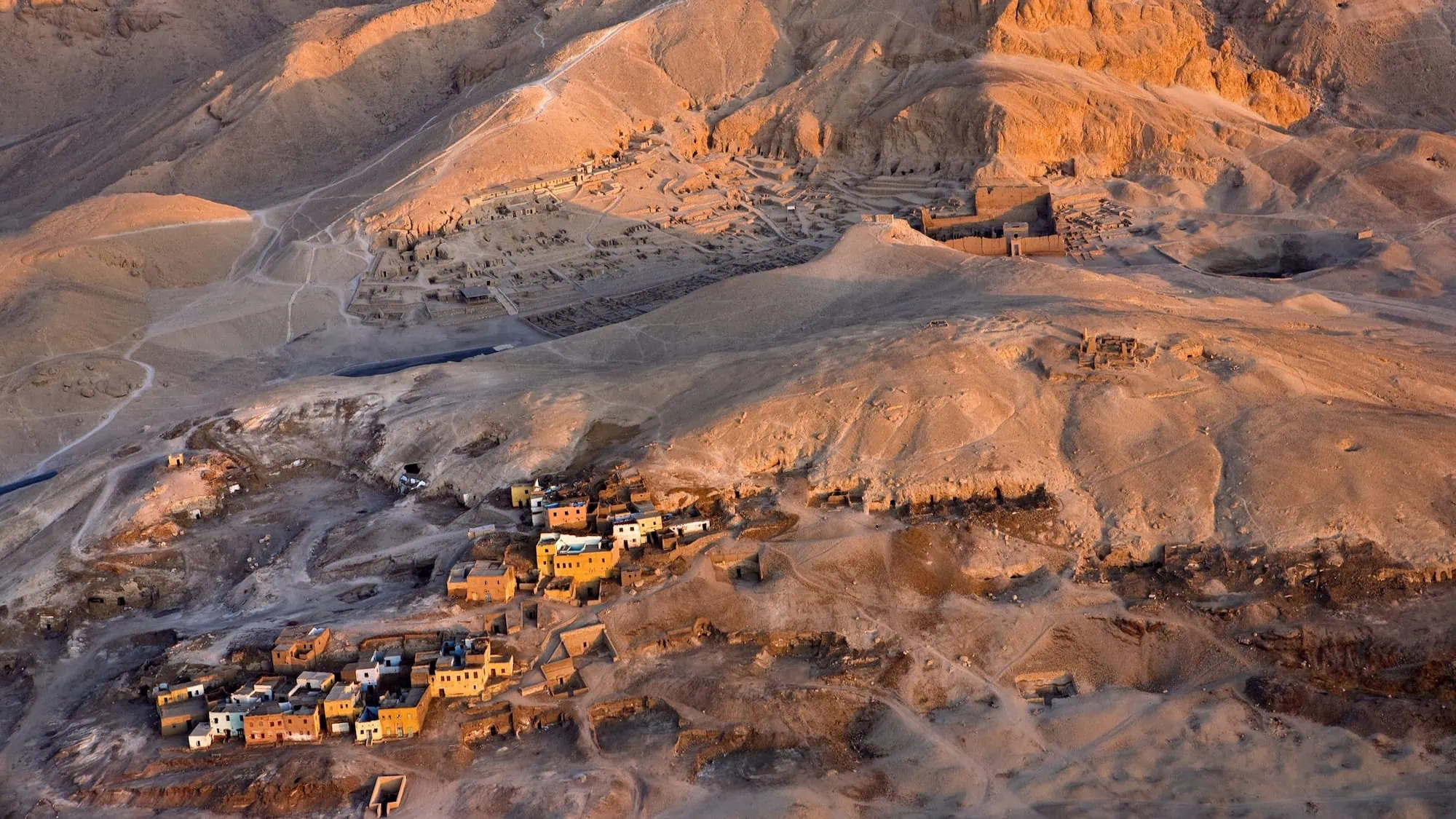
However, extensive tourist infrastructure and international presence provide support systems.
Red Sea Coastal Areas
Sharm El Sheikh and Hurghada cater specifically to international tourists. Safety standards align more closely with European resort destinations. These areas offer excellent solo travel experiences with minimal cultural adjustment required.
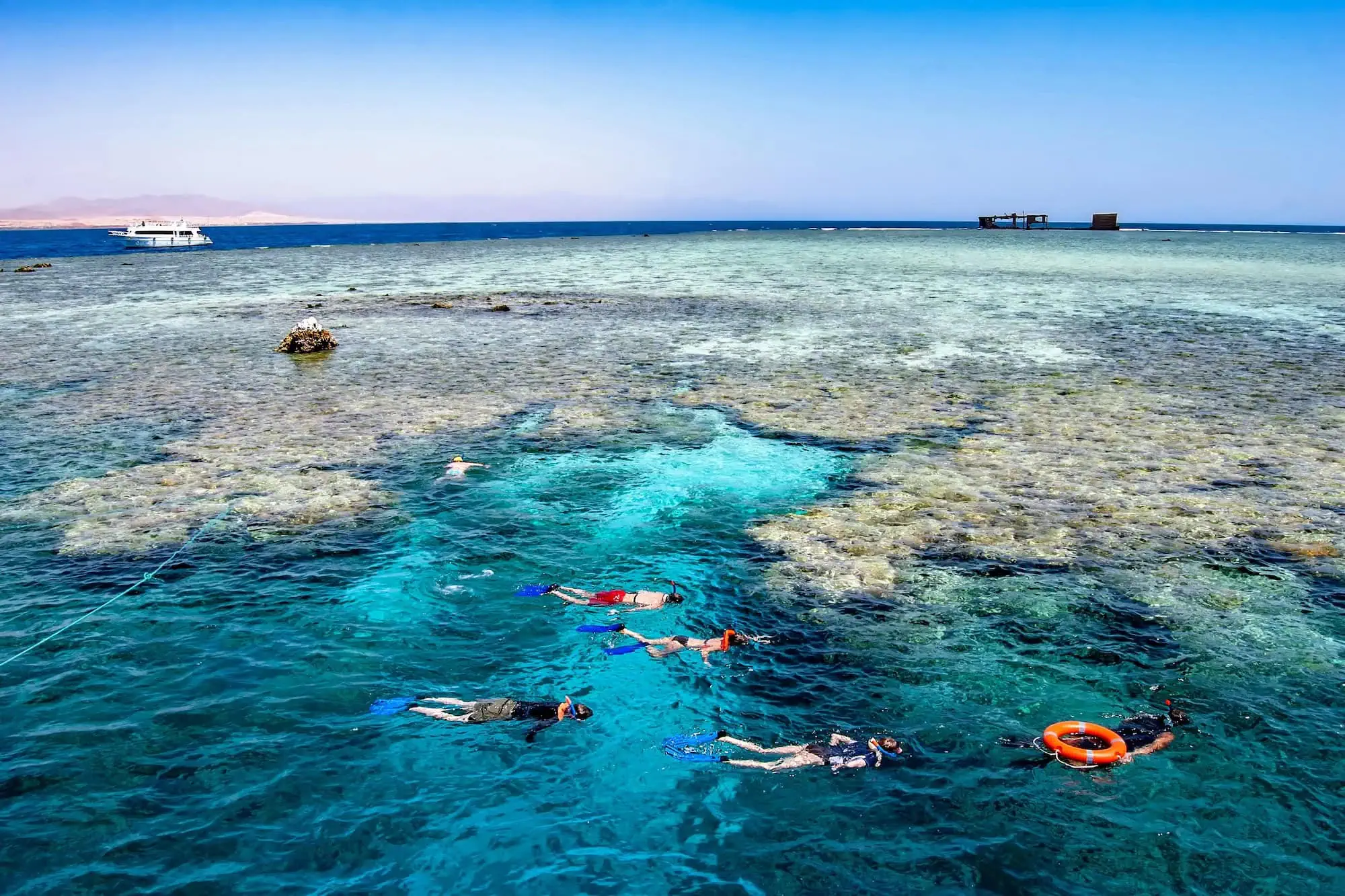
Diving and snorkeling activities maintain high safety standards with certified operators. Solo travelers easily join group excursions for Red Sea exploration.
Upper Egypt and Nile Valley
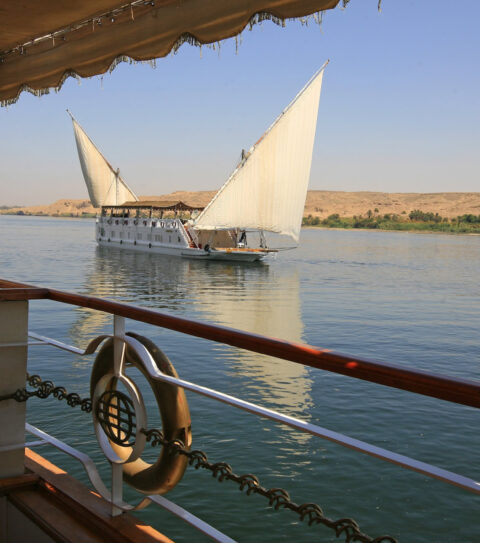
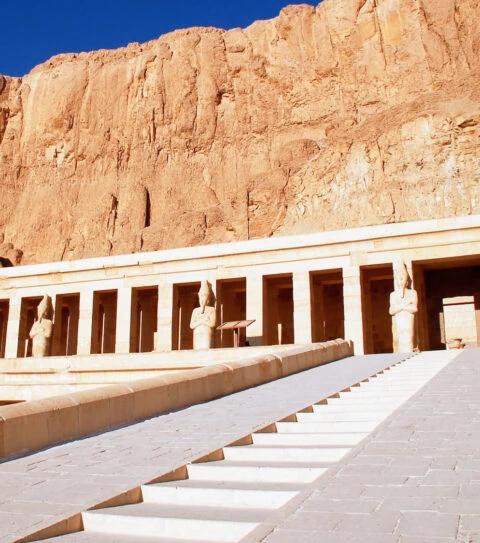
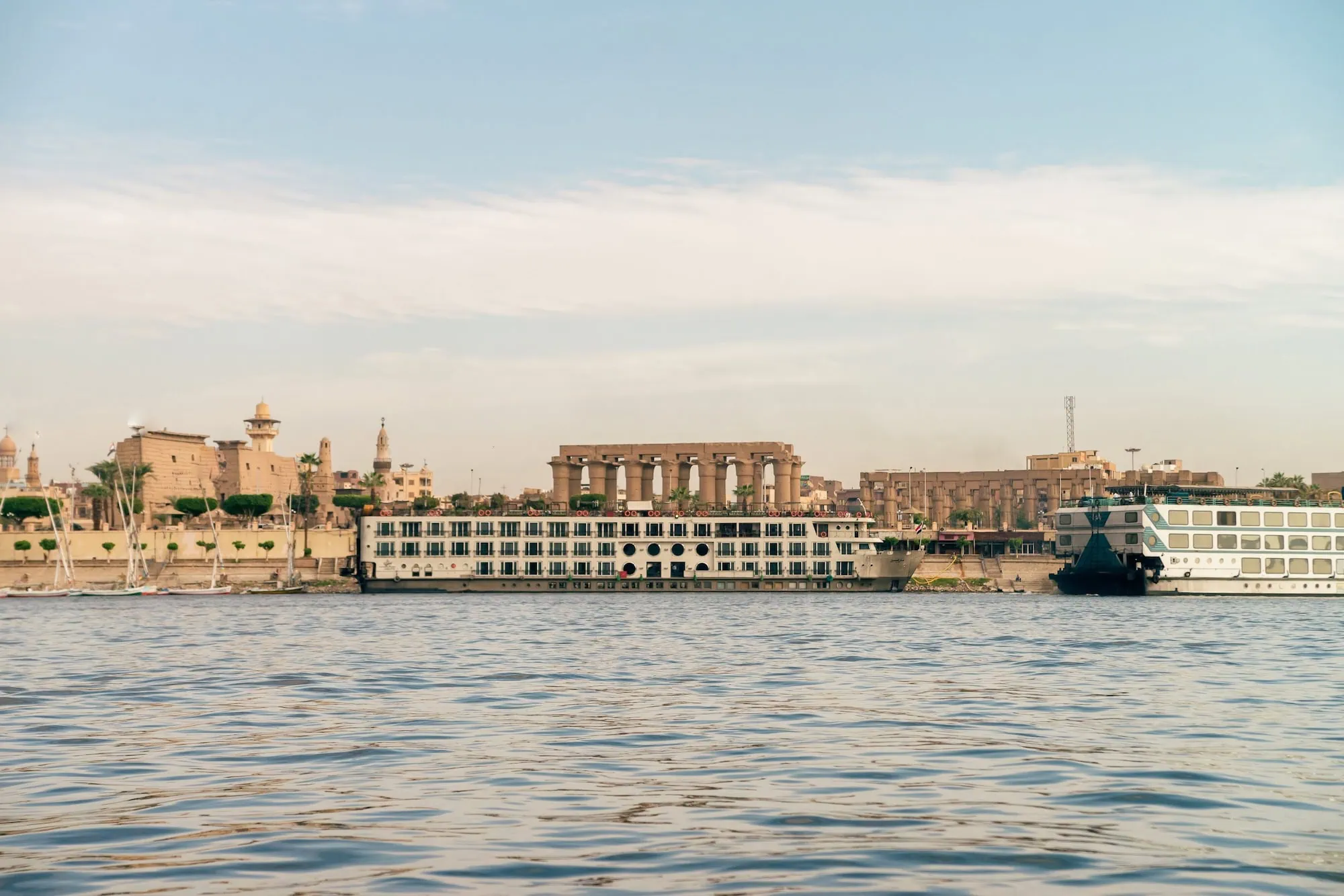
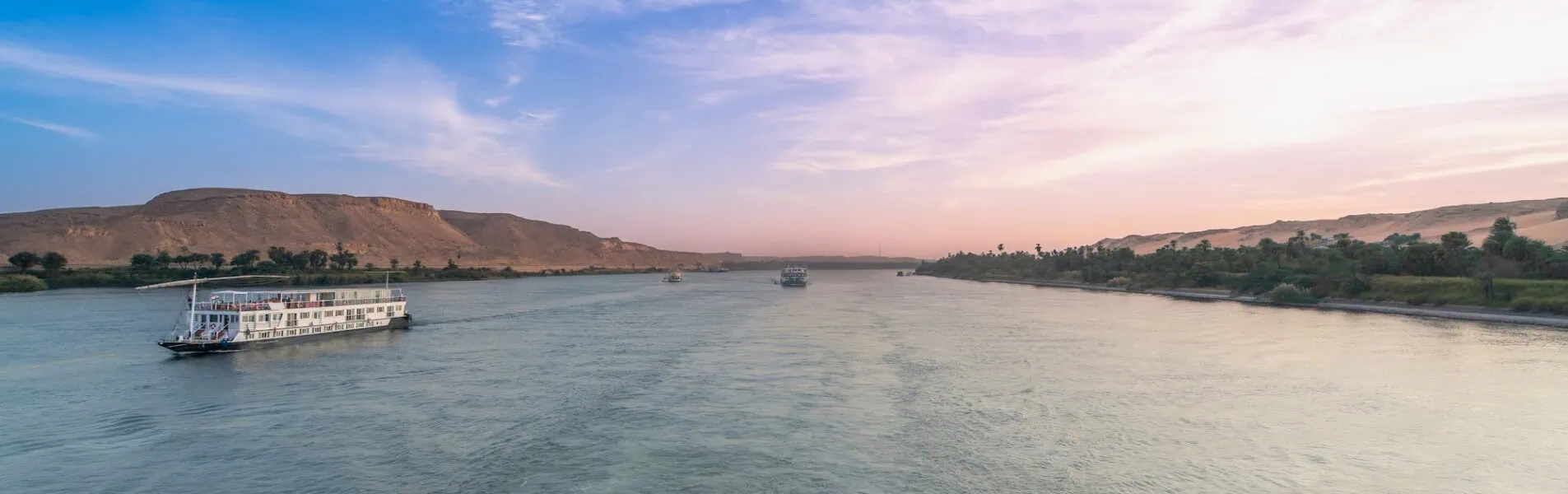
Luxor and Aswan welcome solo travelers but require more cultural sensitivity. Tourist police presence remains high around major temples and attractions. Nile cruise options provide structured experiences with built-in social opportunities.
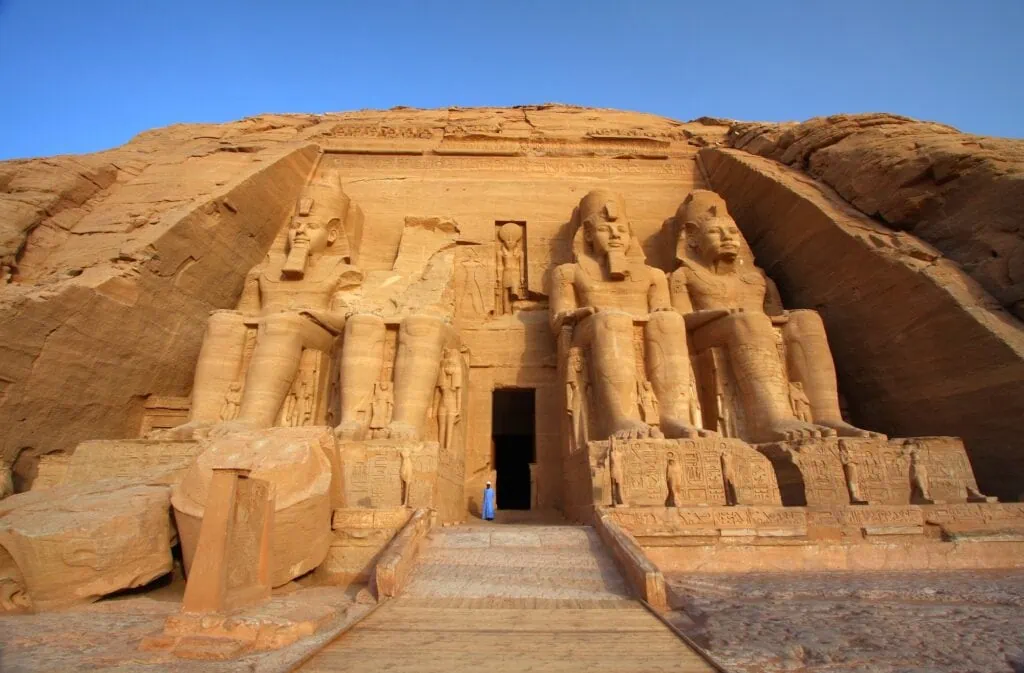
Small group excursions to Abu Simbel and other remote sites work well for solo travelers. Independent exploration becomes more challenging due to limited transportation options.
Desert and Remote Areas
Western Desert destinations like Siwa Oasis require guided tours for safety reasons. Solo independent travel isn’t recommended due to navigation challenges and limited communication infrastructure. Sinai Peninsula interior areas need security clearances and guide requirements.
Coastal Sinai remains accessible for independent travelers with proper precautions.
Transportation Safety and Options
Getting around Egypt safely requires understanding various transportation methods and their associated risks. Solo travelers benefit from planning transportation in advance rather than making spontaneous decisions.
Urban Transportation
Metro systems in Cairo provide safe, affordable transportation with designated women-only cars during rush hours. Stations near tourist areas maintain better security and cleanliness standards. Purchase tickets in advance to avoid queue complications.
Ride-sharing apps offer transparency and safety features traditional taxis lack. Both Uber and Careem operate extensively in major cities with English-language interfaces and GPS tracking.
Long-Distance Travel
First-class train services between major cities provide comfortable, safe solo travel options. Overnight trains include sleeping compartments and meal services. Book through official channels to ensure legitimate tickets and avoid scams.
Domestic flights connect major destinations quickly and safely. EgyptAir maintains good safety records for internal routes. Airport security procedures align with international standards.
Guided vs Independent Transportation
Tour companies offer private transportation with English-speaking drivers for major attractions. This option costs more but eliminates navigation stress and language barriers. Many solo travelers find the investment worthwhile for day trips to pyramids, temples, and other major sites.
Accommodation Strategies for Solo Travelers
Choosing appropriate accommodations significantly impacts your solo travel safety and enjoyment in Egypt. Different accommodation types serve different solo travel needs and comfort levels. International hotel chains maintain familiar safety standards with 24-hour reception, security measures, and English-speaking staff.
Location near tourist attractions or business districts provides additional security through foot traffic and visibility. Budget accommodations require more careful selection. Research recent reviews focusing on solo traveler experiences, particularly safety-related comments.
Neighborhood Selection
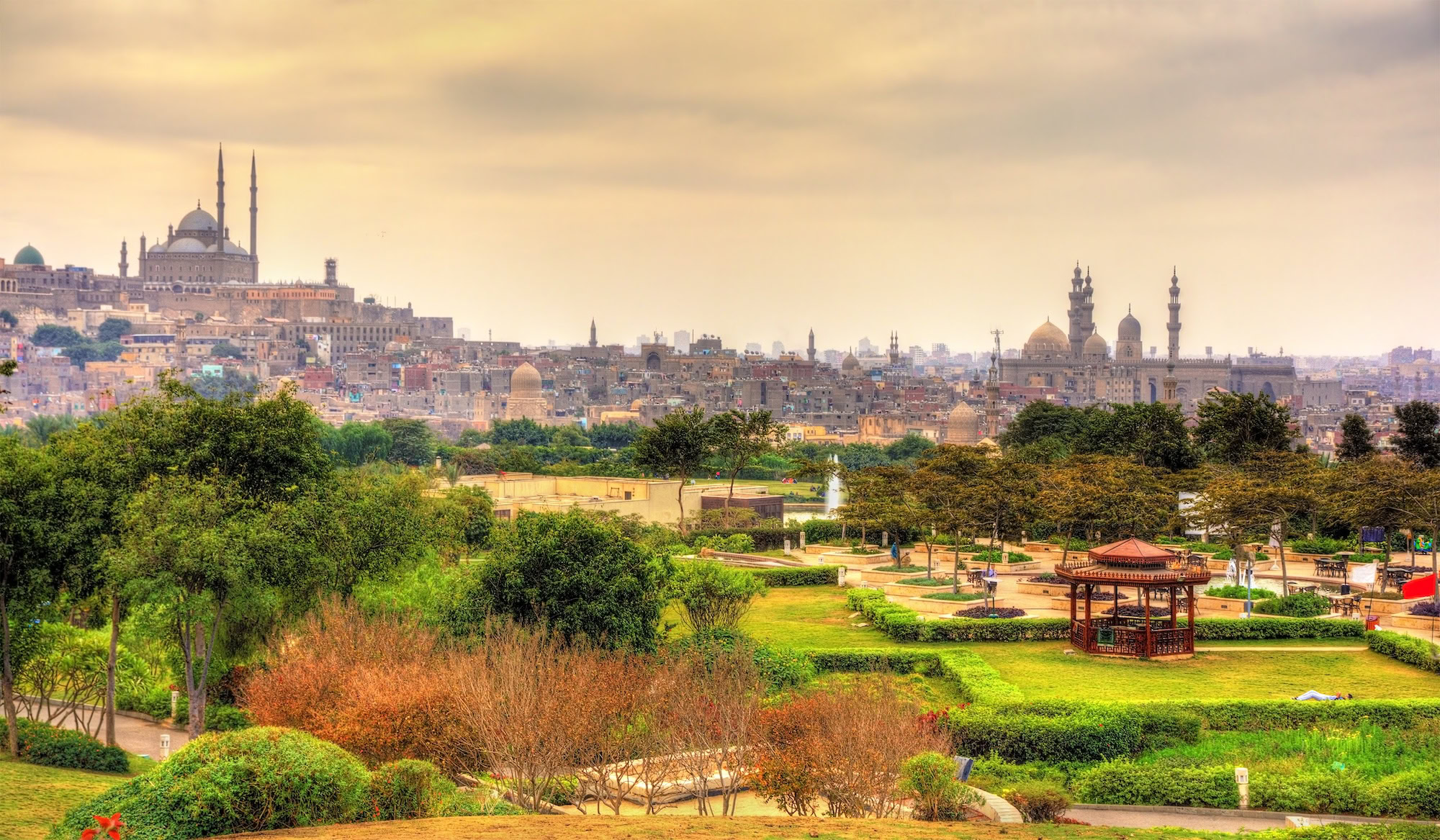
Tourist-oriented areas provide infrastructure designed for international visitors. Zamalek in Cairo offers upscale accommodation options with nearby restaurants and attractions. Garden City provides central location with government district security.
Avoid isolated locations regardless of price savings. Walking distance to major attractions, restaurants, and transportation improves both safety and convenience.
Health and Medical Considerations
Solo travel means handling health issues independently. Egypt presents specific health challenges that require advance preparation and awareness.
Water and Food Safety
Bottled water remains essential throughout your stay. Restaurants catering to tourists generally maintain higher food safety standards. Street food requires careful vendor selection – busy stalls with high turnover typically offer safer options.
Traveler’s diarrhea affects many visitors regardless of precautions. Pack appropriate medications and know locations of pharmacies near your accommodations.
Medical Facilities and Insurance
Private hospitals in major cities provide international-standard care with English-speaking doctors. Tourist areas maintain medical clinics specifically for visitor needs. Comprehensive travel insurance covering emergency evacuation becomes particularly important for solo travelers.
Keep emergency contact information readily accessible on your phone and in physical backup formats.
Frequently Asked Questions
Yes, Egypt can be a safe destination for solo female travelers who prepare appropriately and follow common-sense precautions. Many women travel independently to Cairo, Luxor, Aswan, and the Red Sea resorts each year without serious problems. Dressing modestly, using reputable transportation, and avoiding isolated areas after dark can reduce unwanted attention. Female travelers often find organized excursions and guided visits particularly helpful when exploring busy sites such as the Pyramids of Giza or Karnak Temple.
Solo travelers should avoid isolated areas after dark, unlicensed guides, and unsolicited offers from strangers promising exclusive deals or shortcuts. Most tourist-related issues in Egypt involve persistent sales tactics rather than serious crime. Sticking to well-trafficked areas, using registered transportation, and booking tours through reputable providers helps minimize problems. If a situation feels uncomfortable, leave immediately and move to a public area with other travelers or local families nearby.
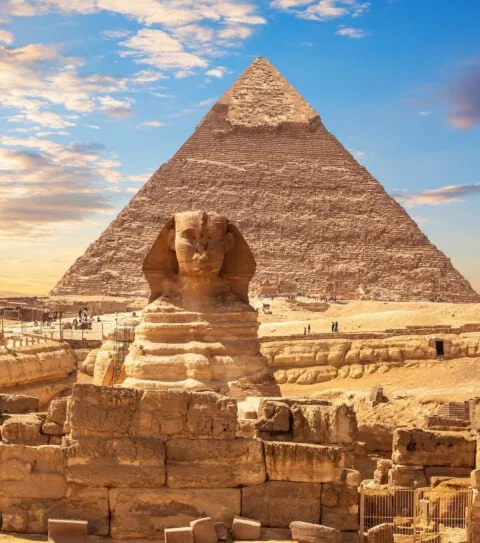
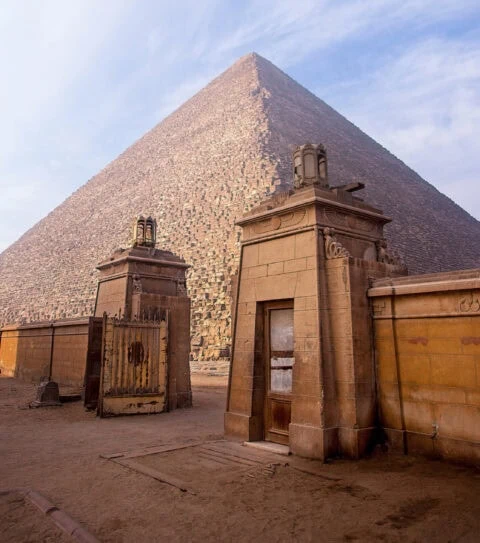
No, you do not need a guide to visit the Pyramids of Giza independently, but a professional guide can significantly improve the experience. The Giza Plateau covers roughly 13 square kilometers and includes the Great Pyramid, Khafre Pyramid, Menkaure Pyramid, the Sphinx, and several smaller monuments. Guides provide historical context, help navigate the site efficiently, and can assist in avoiding common tourist scams. Early morning visits also offer cooler temperatures and lighter crowds.
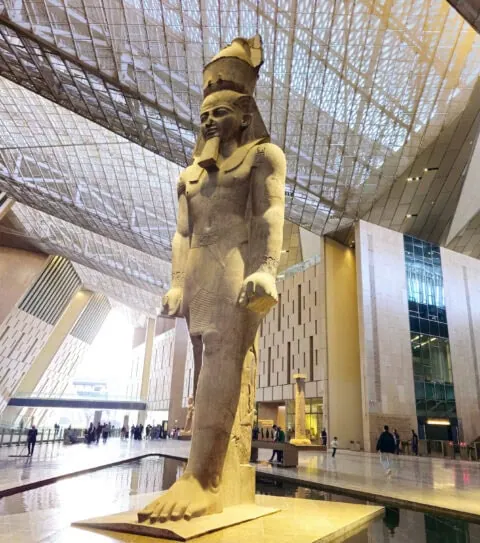
Solo travelers can expect to spend approximately $30-50 per day on a budget, $75-150 per day for comfortable travel, and considerably more for luxury experiences. Costs vary based on accommodation, transportation, domestic flights, and guided tours. Major expenses often include entrance fees to sites such as the Grand Egyptian Museum and the Valley of the Kings. Traveling outside the peak season from October through April can often provide better value.
Yes, public transportation in Egypt is generally safe for solo travelers, particularly during daylight hours and on established routes. Cairo’s Metro is widely used, affordable, and often the fastest way to navigate the city. Official buses and licensed transportation services are also common. Visitors unfamiliar with Arabic or local transit systems may prefer ride-hailing apps or private transfers for added convenience, especially when carrying luggage or traveling at night.
Solo travelers should pack lightweight, breathable clothing that covers the shoulders, chest, and knees while remaining comfortable in warm temperatures. Egypt’s climate can range from 20°C (68°F) in winter to above 40°C (104°F) in summer, making sun protection important year-round. Loose-fitting cotton or linen garments work particularly well for sightseeing. Comfortable walking shoes are essential because many archaeological sites involve uneven ground and long periods of walking.
Yes, Egypt offers many small-group tours that are well suited to solo travelers seeking companionship, convenience, and expert guidance. Group sizes often range from 8 to 16 participants, creating opportunities to meet other travelers while exploring sites such as Abu Simbel, Luxor Temple, and the Valley of the Kings. Small-group travel can also reduce logistical challenges and provide additional security. Many operators offer room-share options to help reduce costs.
The most effective approach is a polite but firm refusal followed by confidently continuing on your way. Persistent vendors are common near major attractions such as Khan el-Khalili and the Pyramids of Giza, but most are simply trying to make sales rather than cause harm. Avoid lengthy conversations if you are not interested in purchasing anything. Maintaining confidence, setting clear boundaries, and avoiding eye contact when necessary usually ends interactions quickly.
Yes, Egypt remains safe and welcoming during Ramadan, and many travelers consider it one of the most culturally rewarding times to visit. Business hours may change, and some restaurants outside tourist areas may operate reduced daytime schedules, but major attractions continue functioning normally. Evening celebrations, family gatherings, and festive decorations create a unique atmosphere throughout cities such as Cairo and Alexandria. Planning meals and transportation in advance can make travel even smoother.
Solo travelers should keep copies of their passport information, travel insurance details, accommodation contacts, embassy information, and local emergency numbers readily accessible. Egypt also maintains a dedicated tourist police presence in major visitor destinations. Saving these contacts both digitally and on paper provides additional security if a phone is lost or unavailable. Having a trusted friend or family member know your itinerary is another valuable precaution.
Yes, Nile cruises are highly popular with solo travelers because they combine structured sightseeing with built-in social opportunities. Most cruise itineraries between Luxor and Aswan last three to seven nights and include guided visits to major temples such as Edfu, Kom Ombo, and Philae. Many ships offer single cabins or single-occupancy supplements. Shared dining areas and organized excursions make it easy to meet fellow travelers while maintaining personal independence.
Staying connected in Egypt is straightforward thanks to affordable local SIM cards and widespread mobile coverage in tourist areas. Providers such as Vodafone Egypt, Orange Egypt, and Etisalat offer prepaid data packages that can be purchased at airports and city stores. Wi-Fi is available in many hotels, Nile cruise ships, cafes, and restaurants, although speeds can vary. Purchasing a local SIM upon arrival is usually the most reliable solution for navigation and communication.
Explore our most popular guides and expert tips to make your trip safe, smooth, and unforgettable.
Plan Your Egypt Adventure with Confidence
How to Plan a Trip Egypt
Step-by-step guide to help you plan the perfect Egypt trip — from routes and budget to booking.
Best Time to Visit Egypt
Learn the best months to visit Egypt based on weather, crowds, and local travel experiences.
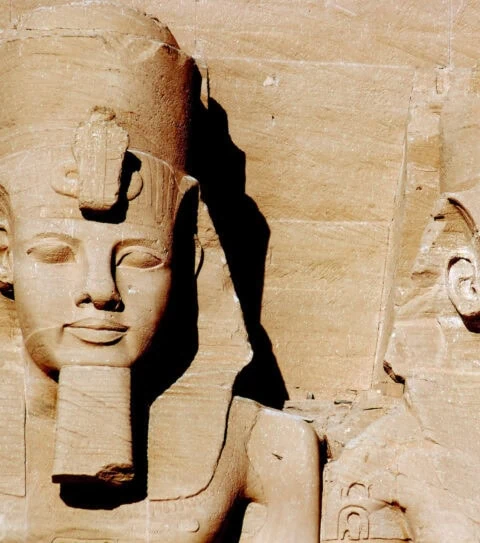
Must Visit Places in Egypt
Explore Egypt’s top sights — from pyramids to temples — and hidden gems worth seeing.
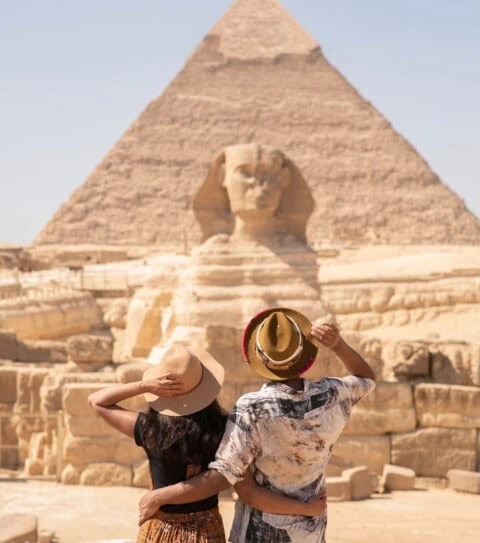
Top-Rated Egypt Tours
Handpicked private tours with local guides — our most loved and best-reviewed experiences.
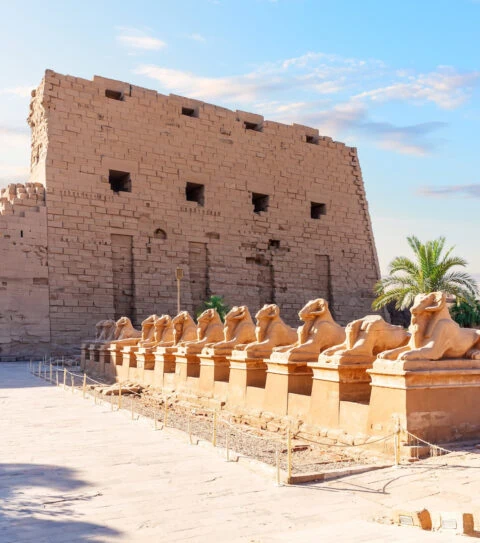
How Many Days to Visit Egypt?
Find out how many days you need in Egypt — from quick trips to full itineraries.
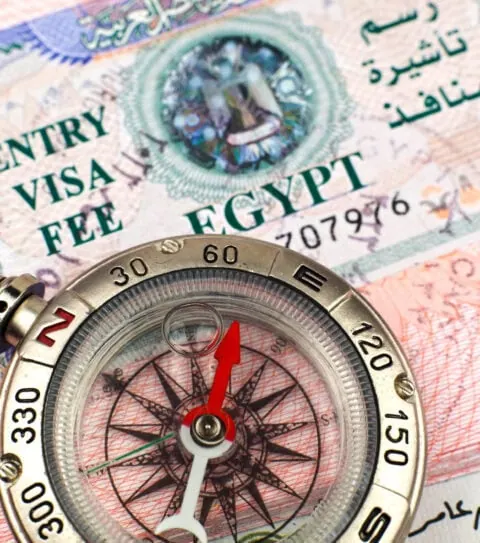
Egypt Visa Requirements
Check if you need a visa and get simple, up-to-date entry info based on your nationality.
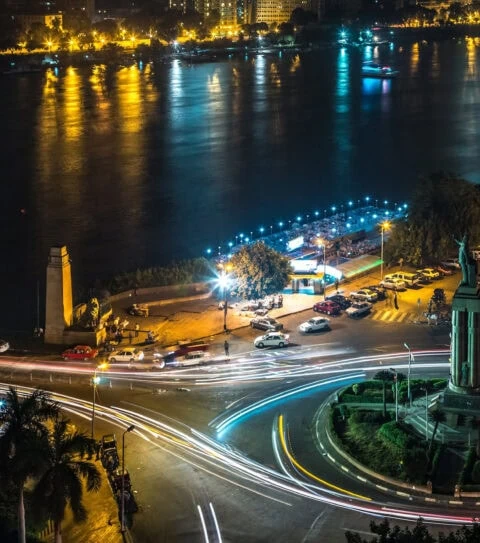
Is it Safe to Travel to Egypt?
Is Egypt safe? Get honest safety tips, area advice, and what to know before you travel.
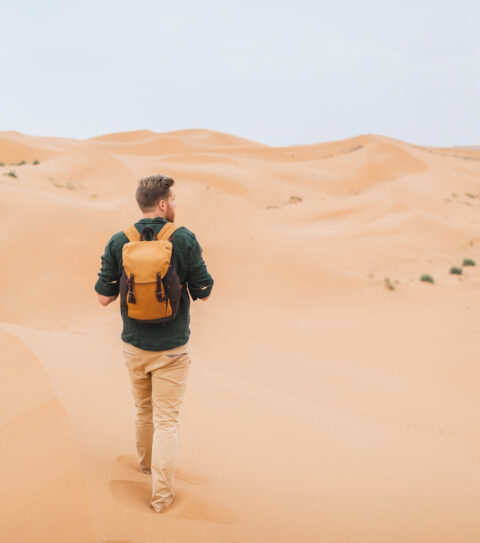
What to Pack for Egypt
A quick packing guide with essentials, cultural tips, and clothing advice for your Egypt trip.
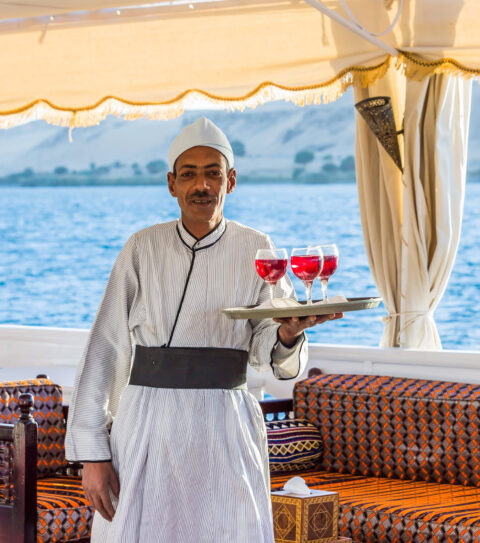
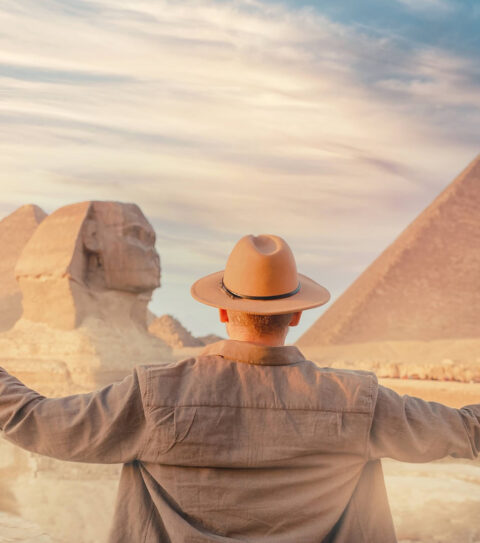
Design Your Custom Tour
Explore Egypt your way by selecting only the attractions you want to visit