Cities to Visit in Egypt: Ancient Wonders, Culture & Iconic Landmarks
Egypt calls to every traveler’s soul.
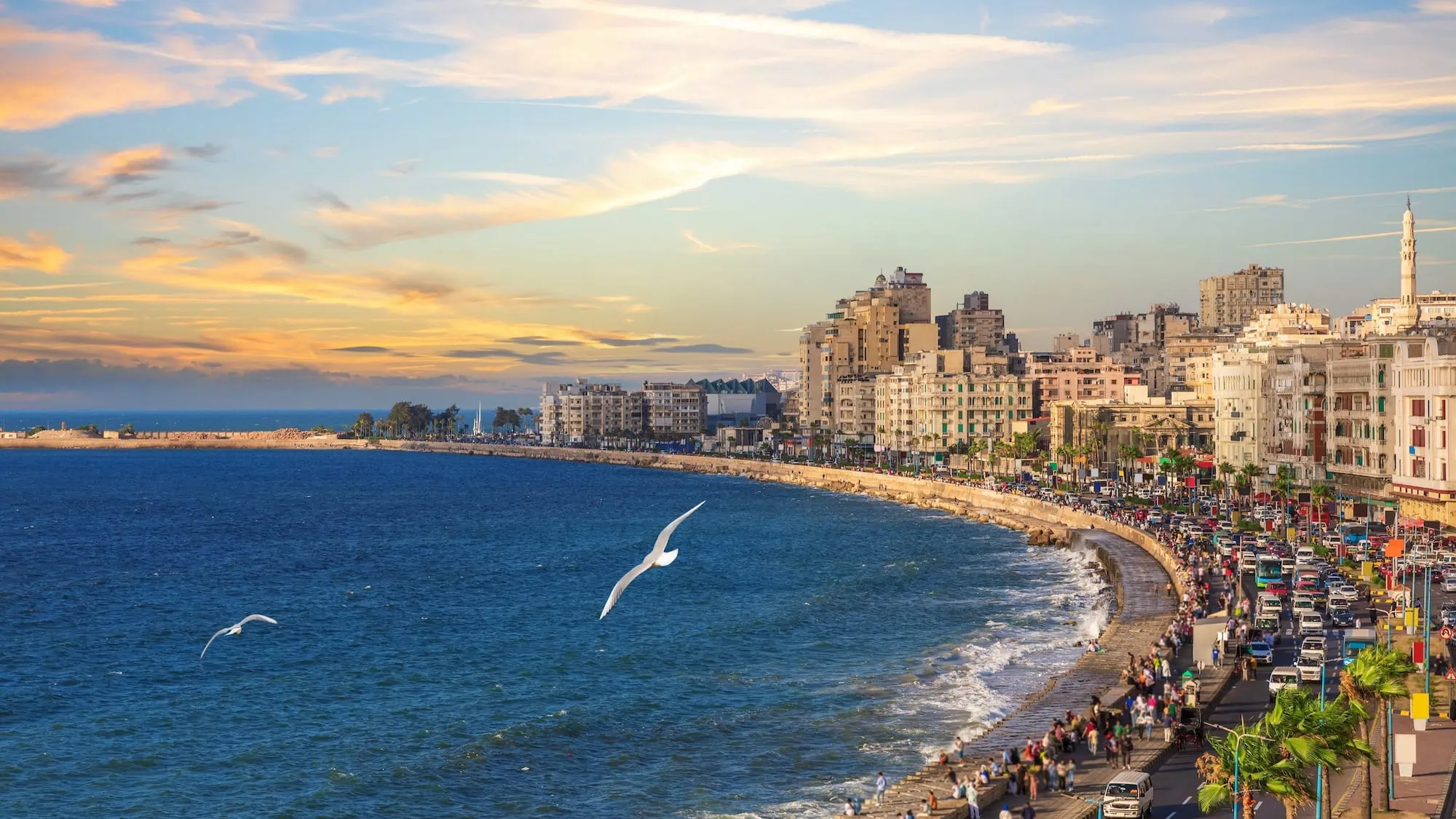
From the moment you step off the plane in Cairo, you’re surrounded by thousands of years of human civilization. The country offers an extraordinary blend of ancient monuments, bustling modern cities, and timeless Nile River landscapes.
Whether you’re drawn to the pyramids of Giza, the temples of Luxor, or the coastal charm of Alexandria, Egypt’s cities each tell their own captivating story. Planning your Egyptian adventure means choosing between destinations that have shaped world history and continue to enchant millions of visitors each year.
Table of Contents
Cairo: Gateway to Ancient Egypt
Cairo dominates Egypt’s tourism landscape for compelling reasons. Home to over 20 million people, this sprawling metropolis serves as the country’s political, cultural, and economic heart. The city seamlessly blends pharaonic monuments with Islamic architecture and modern urban life.
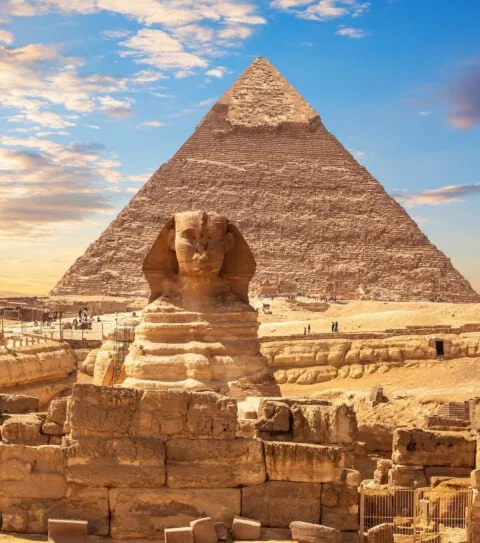
The Giza Pyramid Complex
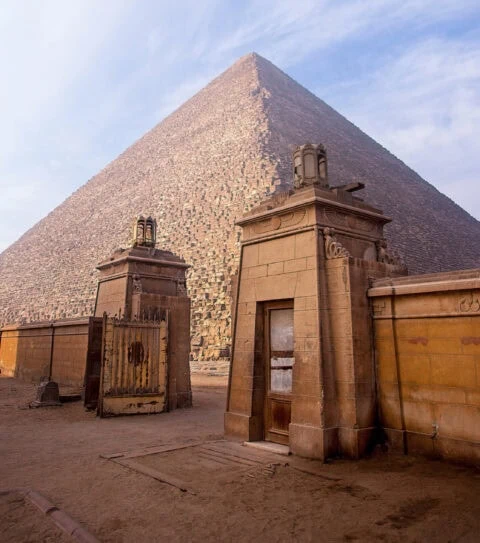
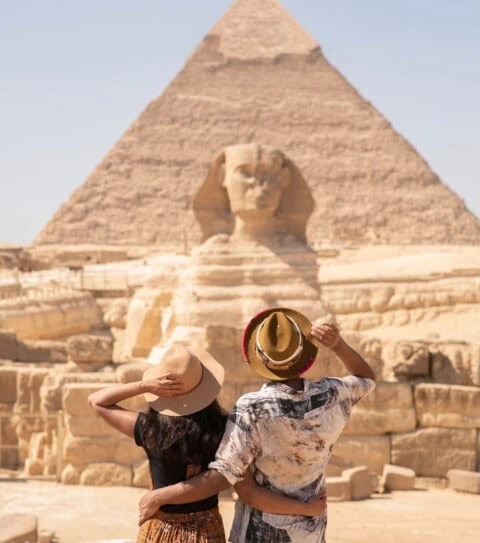
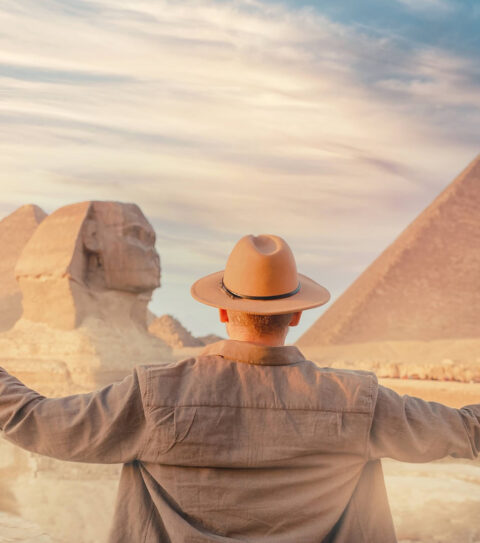
Just 13 km (8 miles) southwest of central Cairo, the Great Pyramid stands as humanity’s most enduring architectural achievement. Built over 4,500 years ago, it remained the world’s tallest structure for nearly 3,800 years. The complex includes three major pyramids, the enigmatic Sphinx, and several smaller structures that continue revealing secrets to archaeologists.
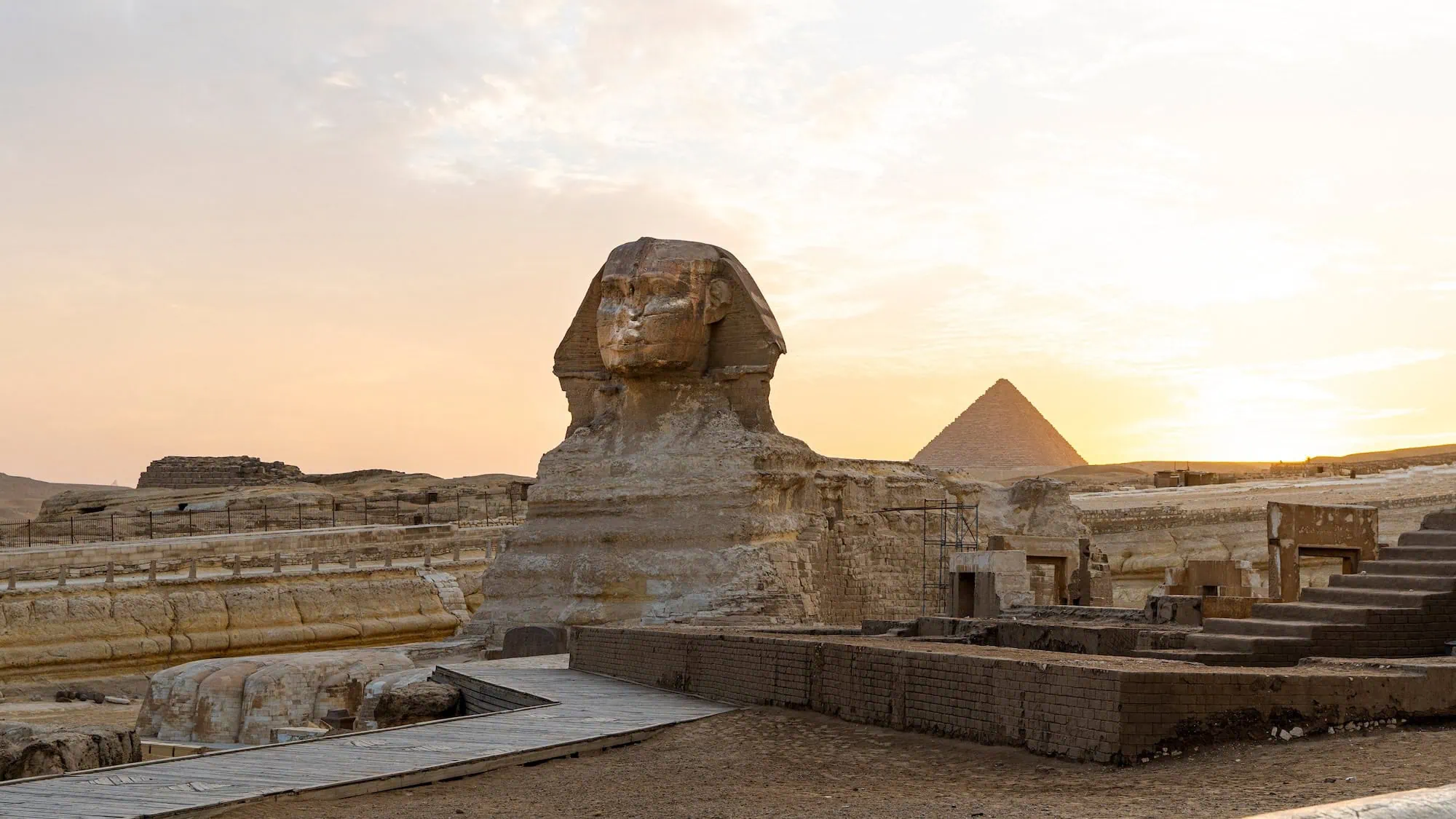
We recommend visiting early morning at 8:00 am (08:00) when temperatures are cooler and crowds smaller. The experience becomes even more magical during winter months when daytime temperatures hover around 22°C (72°F).
Islamic Cairo and Khan el-Khalili
Medieval Islamic architecture defines much of historic Cairo. The Khan el-Khalili bazaar has operated continuously since the 14th century, making it one of the world’s oldest markets. Narrow alleyways wind between shops selling everything from handwoven carpets to traditional spices.
The nearby Al-Azhar Mosque, founded in 970 AD, remains one of Islam’s most important learning centers. Its intricate geometric patterns and towering minarets showcase the sophistication of Islamic architectural design.
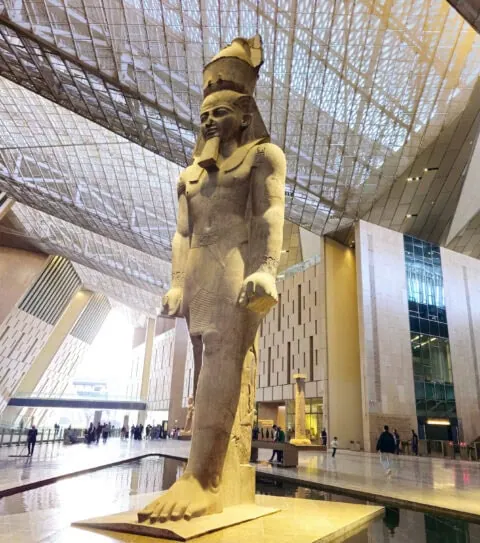
Grand Egyptian Museum
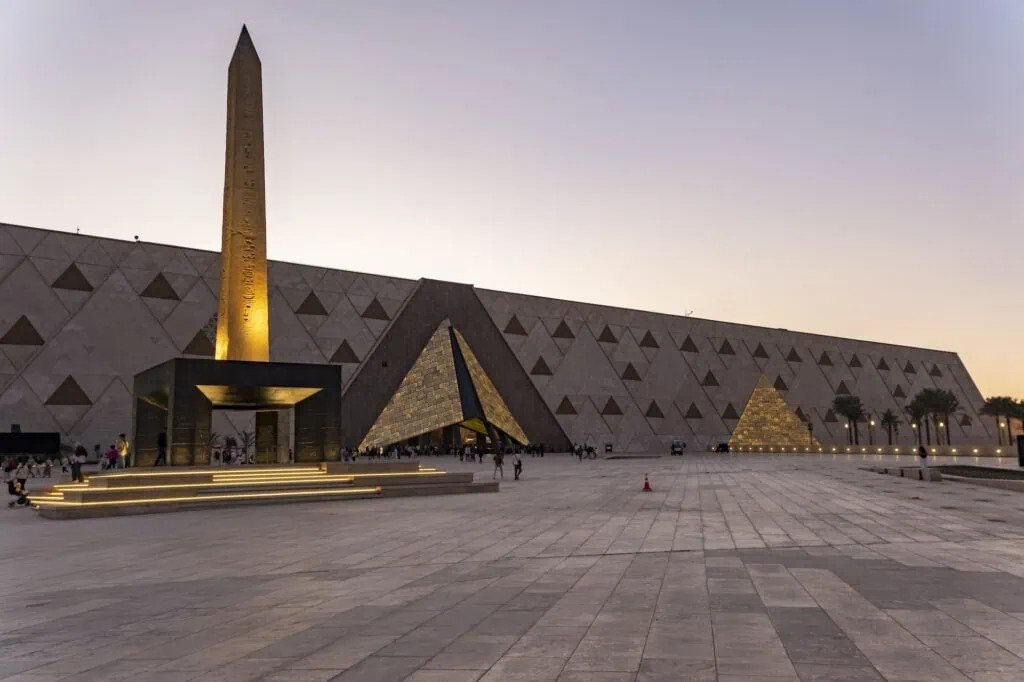
Home to the world’s most extensive collection of ancient Egyptian artifacts, the Grand Egyptian Museum showcases more than 120,000 remarkable objects. Highlights include the complete treasures of Tutankhamun, with his iconic golden burial mask as a centerpiece, while the royal mummies and funerary collections offer a compelling insight into pharaonic beliefs, rituals, and burial traditions.
Luxor: The World’s Greatest Open-Air Museum
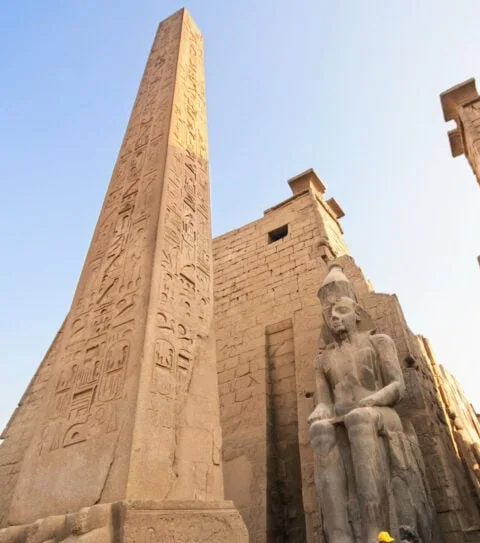
Ancient Thebes, now called Luxor, served as Egypt’s capital during the New Kingdom period from 1550 to 1077 BC. The city sits 670 km (416 miles) south of Cairo along the Nile’s eastern bank. Archaeological sites cover both sides of the river, creating what many consider the world’s most concentrated collection of ancient monuments.
The Valley of the Kings alone contains 63 discovered tombs, including the famous resting place of Tutankhamun. Howard Carter’s 1922 discovery of the boy king’s intact burial chamber remains one of archaeology’s greatest moments. Today, visitors can explore several opened tombs, each decorated with intricate hieroglyphic texts and colorful wall paintings depicting the pharaoh’s journey to the afterlife.
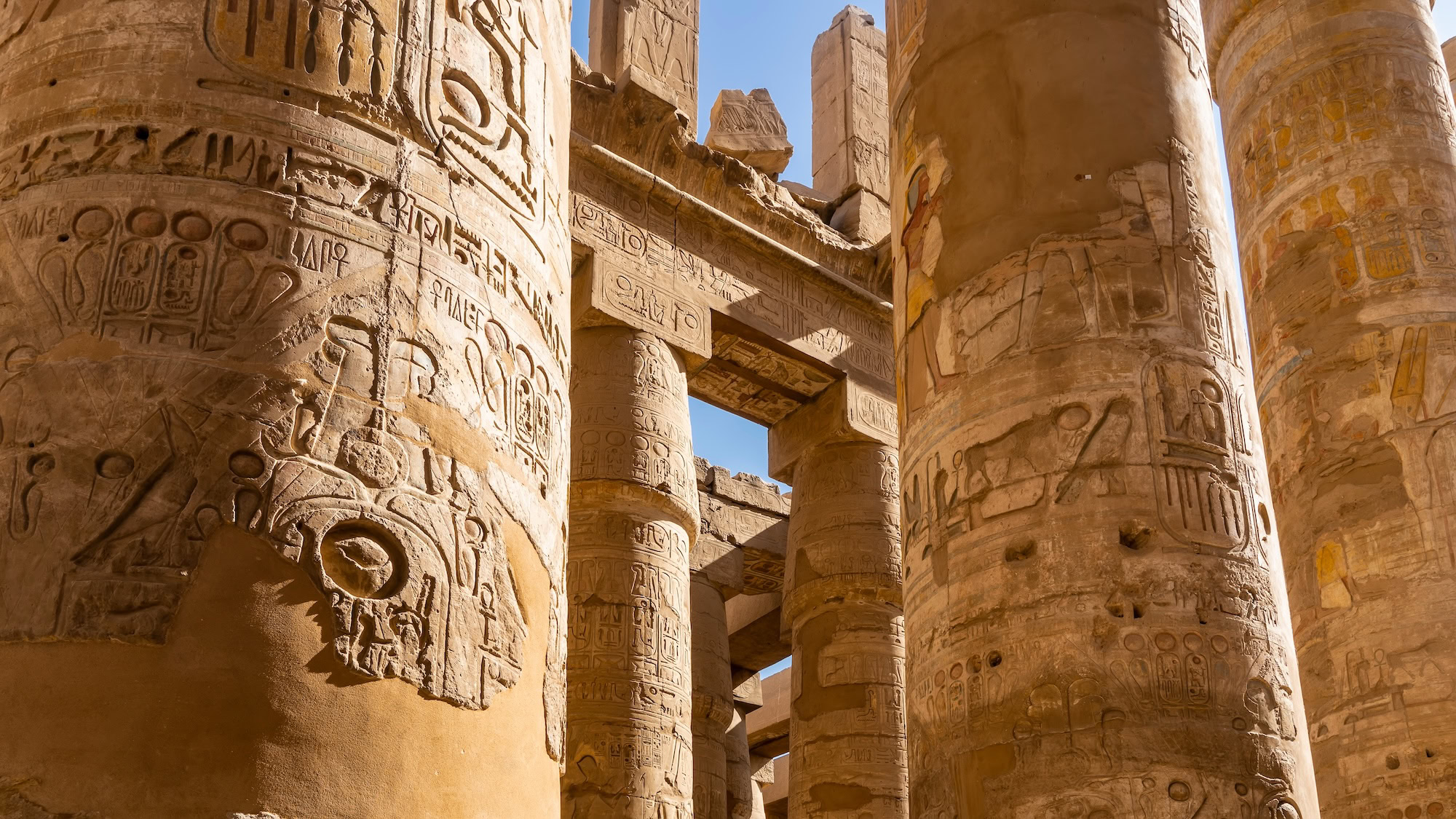
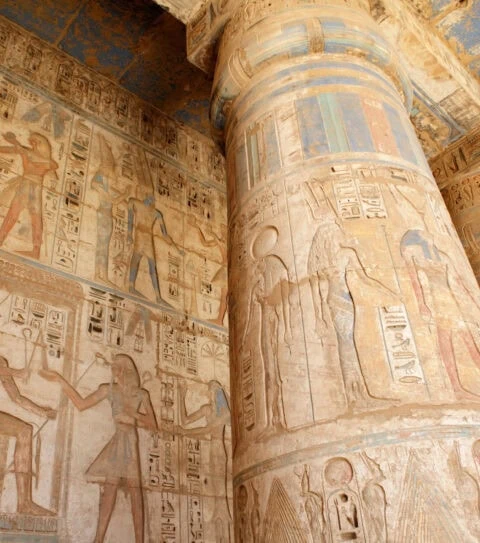
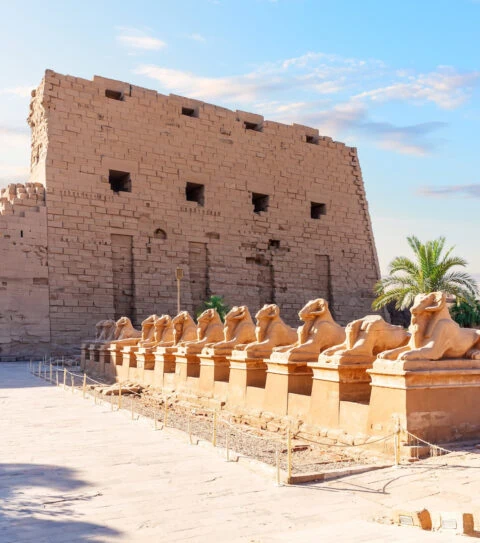
Karnak Temple Complex represents 2,000 years of continuous construction and modification by successive pharaohs. The Great Hypostyle Hall contains 134 massive sandstone columns, some reaching 23 meters (75 feet) in height. Walking through this forest of ancient pillars creates an almost otherworldly experience.
West Bank Monuments
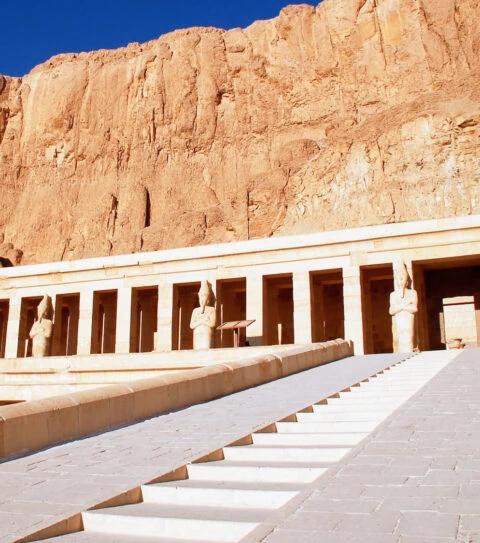
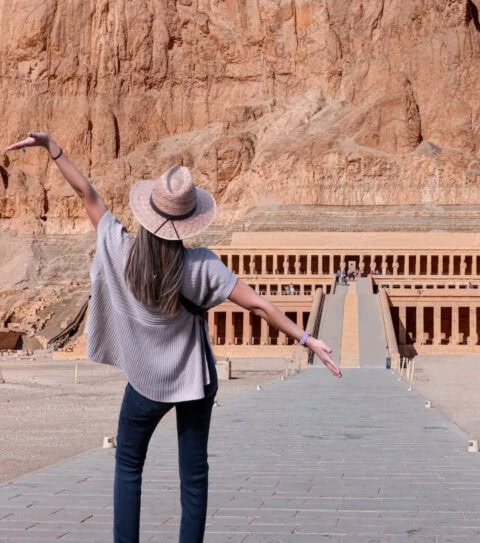
Crossing the Nile to Luxor’s west bank reveals the Valley of the Kings, Queen Hatshepsut’s mortuary temple, and the Colossi of Memnon. These 18-meter (59-foot) tall statues once guarded the entrance to Amenhotep III’s memorial temple, now reduced to ruins by earthquakes and flooding.
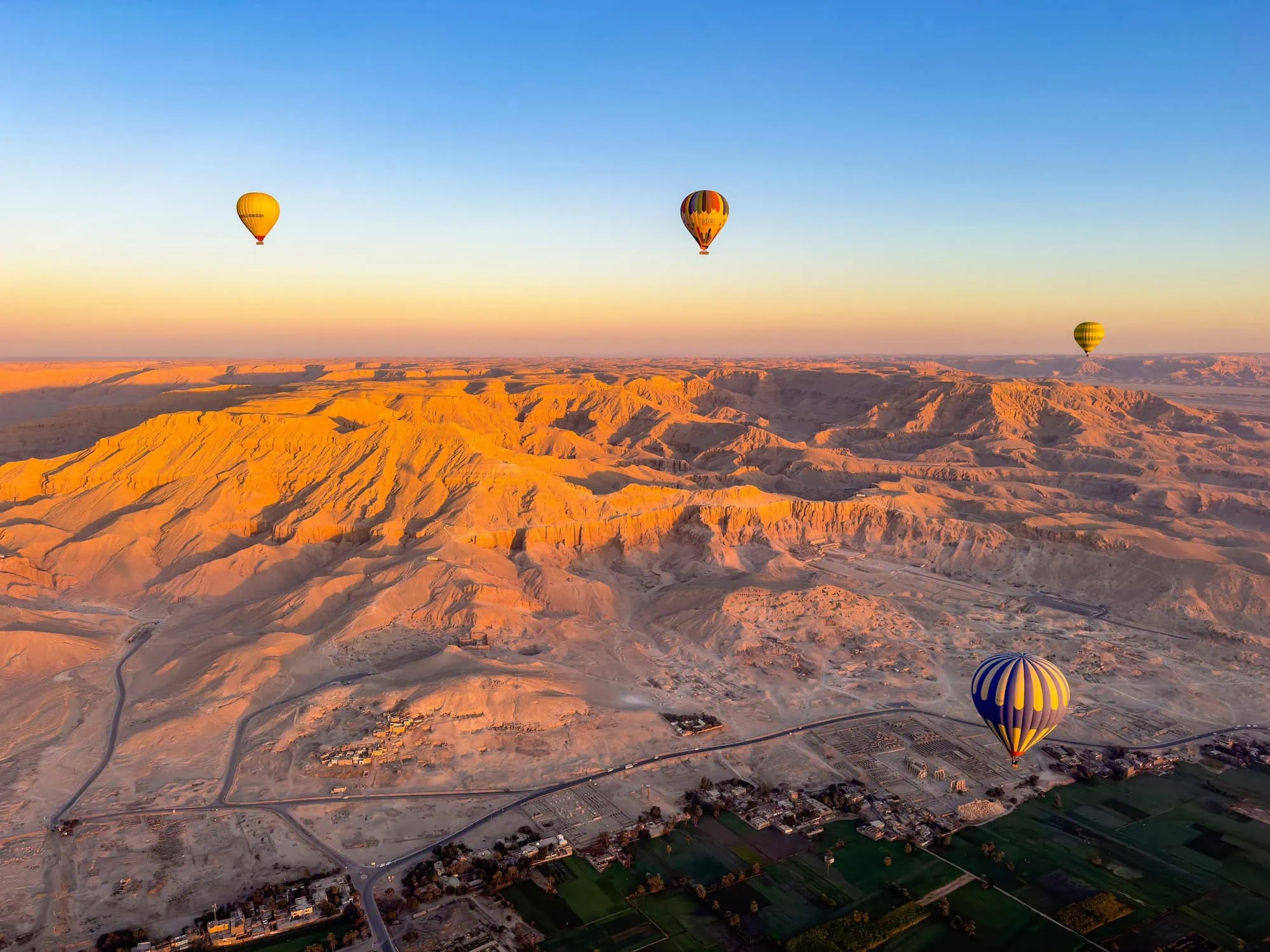
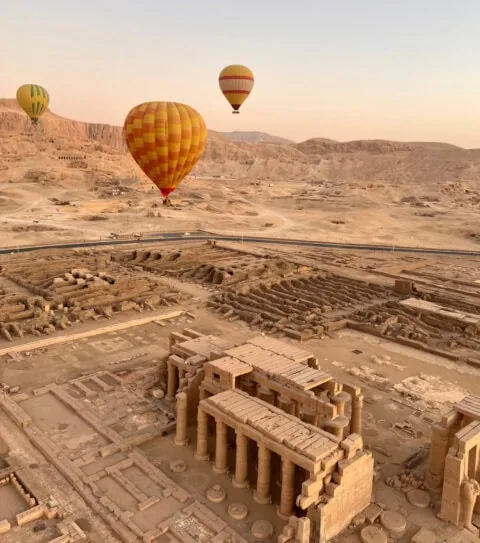
Hot air balloon rides over the west bank provide spectacular dawn views of the monuments scattered across the desert landscape. Flights typically launch at 5:30 am (05:30) and last about 45 minutes, offering photographers golden hour lighting over ancient temples and tombs.
Alexandria: Mediterranean Jewel
Alexandria’s Mediterranean location creates a completely different atmosphere from Egypt’s other major cities. Founded by Alexander the Great in 331 BC, Alexandria became the ancient world’s center of learning and culture. Though many of its original monuments have vanished, Alexandria retains a cosmopolitan character shaped by Greek, Roman, and Islamic influences.
The modern Bibliotheca Alexandrina pays homage to the ancient Library of Alexandria, once housing the world’s largest collection of knowledge. Its distinctive slanted glass and aluminum facade reflects sunlight into the Mediterranean while housing millions of books, manuscripts, and digital archives.
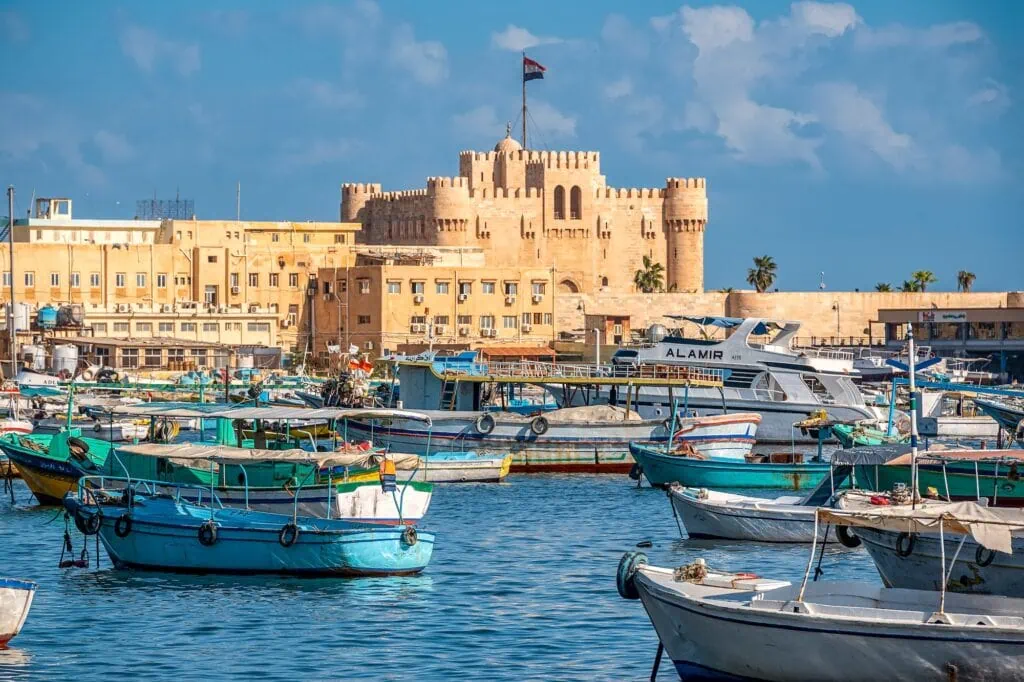
Underwater archaeological discoveries continue revealing Alexandria’s submerged royal quarters. The ancient Pharos Lighthouse, one of the Seven Wonders of the Ancient World, collapsed during medieval earthquakes, but divers regularly find carved stones and statues from the legendary structure.
Greco-Roman Heritage
Kom el-Shoqafa Catacombs demonstrate the unique blend of Egyptian, Greek, and Roman burial traditions that developed in Alexandria. These multi-level underground tombs date to the 2nd century AD and feature decorative elements from all three cultures carved into the bedrock.
The Roman Amphitheatre, discovered accidentally in 1960, represents the only known example of this architectural form in Egypt. Its semicircular marble seating arrangement could accommodate 800 spectators for theatrical performances and gladiatorial contests.
Aswan: Nubian Culture and Natural Beauty
Positioned 877 km (545 miles) south of Cairo, Aswan offers Egypt’s most relaxing pace of life. The city’s location at the first Nile cataract made it ancient Egypt’s southern frontier and gateway to Africa. Today, its granite quarries, Nubian villages, and botanical gardens create a perfect setting for unwinding after exploring Egypt’s more hectic destinations.
Philae Temple Complex
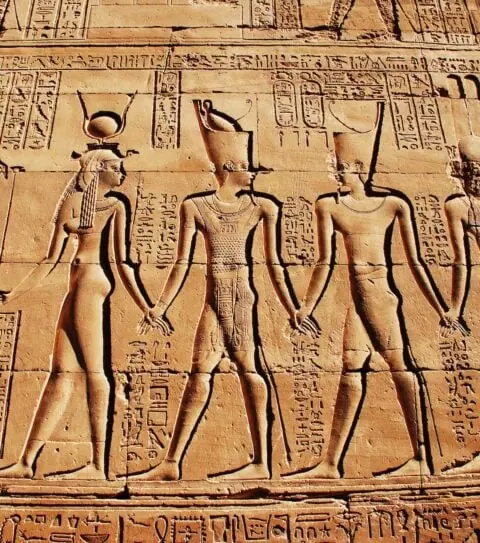
Dedicated to the goddess Isis, these remarkably preserved temples were relocated stone by stone to Agilkia Island during the 1960s to save them from flooding caused by the High Dam. The relocation project, supported by UNESCO, demonstrates modern engineering applied to ancient monument preservation.
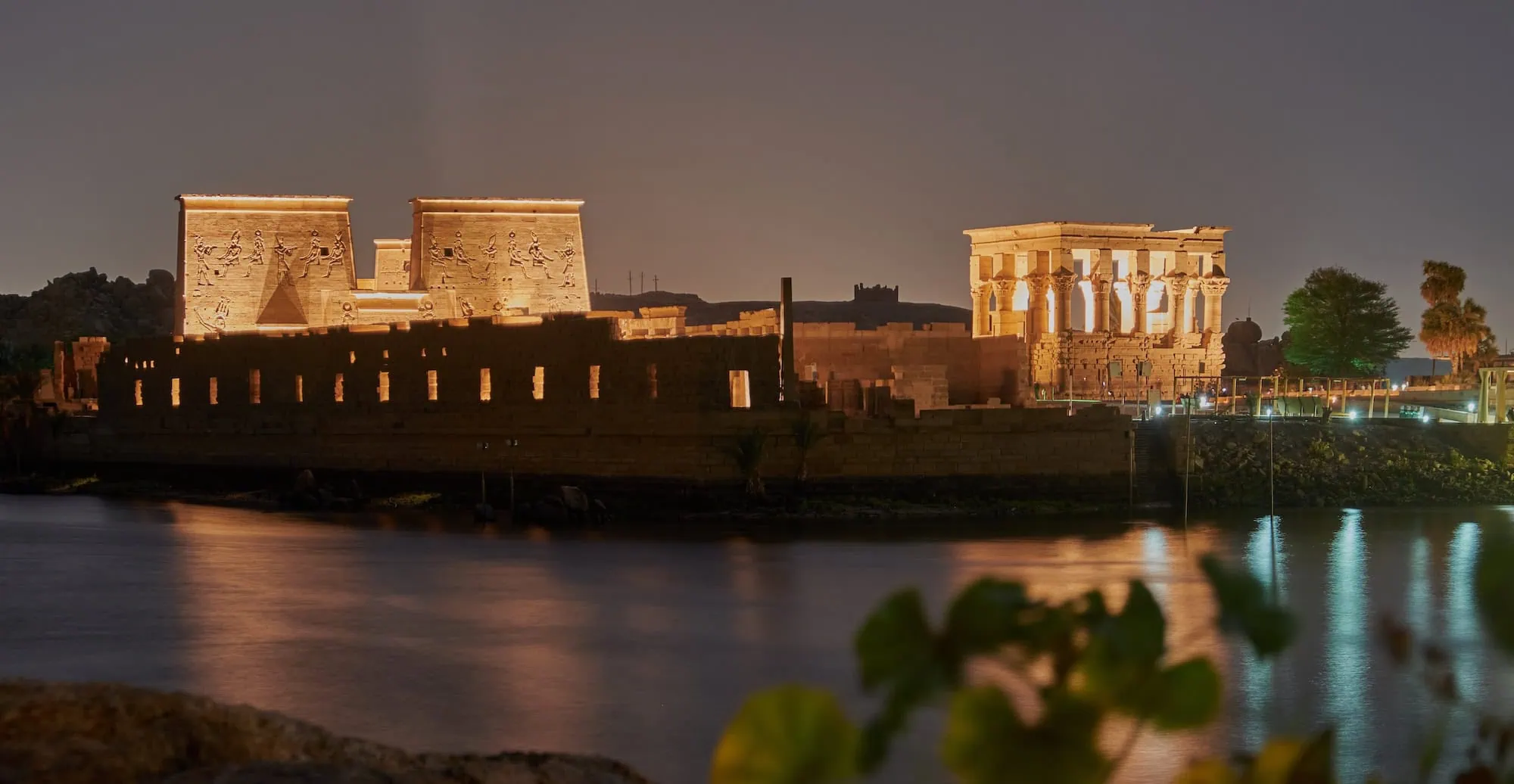
Evening sound and light shows illuminate the temple’s reliefs and hieroglyphs while narrating the Isis and Osiris myth. Shows run year-round at 6:00 pm (18:00) in winter and 8:00 pm (20:00) during summer months.
Abu Simbel Day Trip
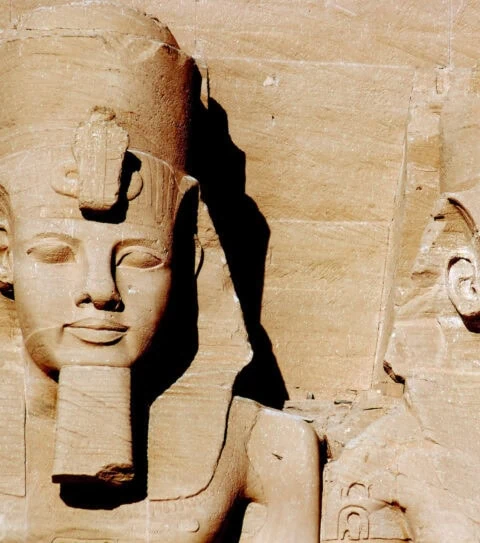
Though technically not in Aswan, most visitors use the city as their base for reaching Abu Simbel, 280 km (174 miles) to the south. Ramesses II’s colossal temples, carved directly into cliffsides, rank among Egypt’s most impressive monuments. Four seated statues of the pharaoh, each 20 meters (66 feet) tall, guard the main temple’s entrance.
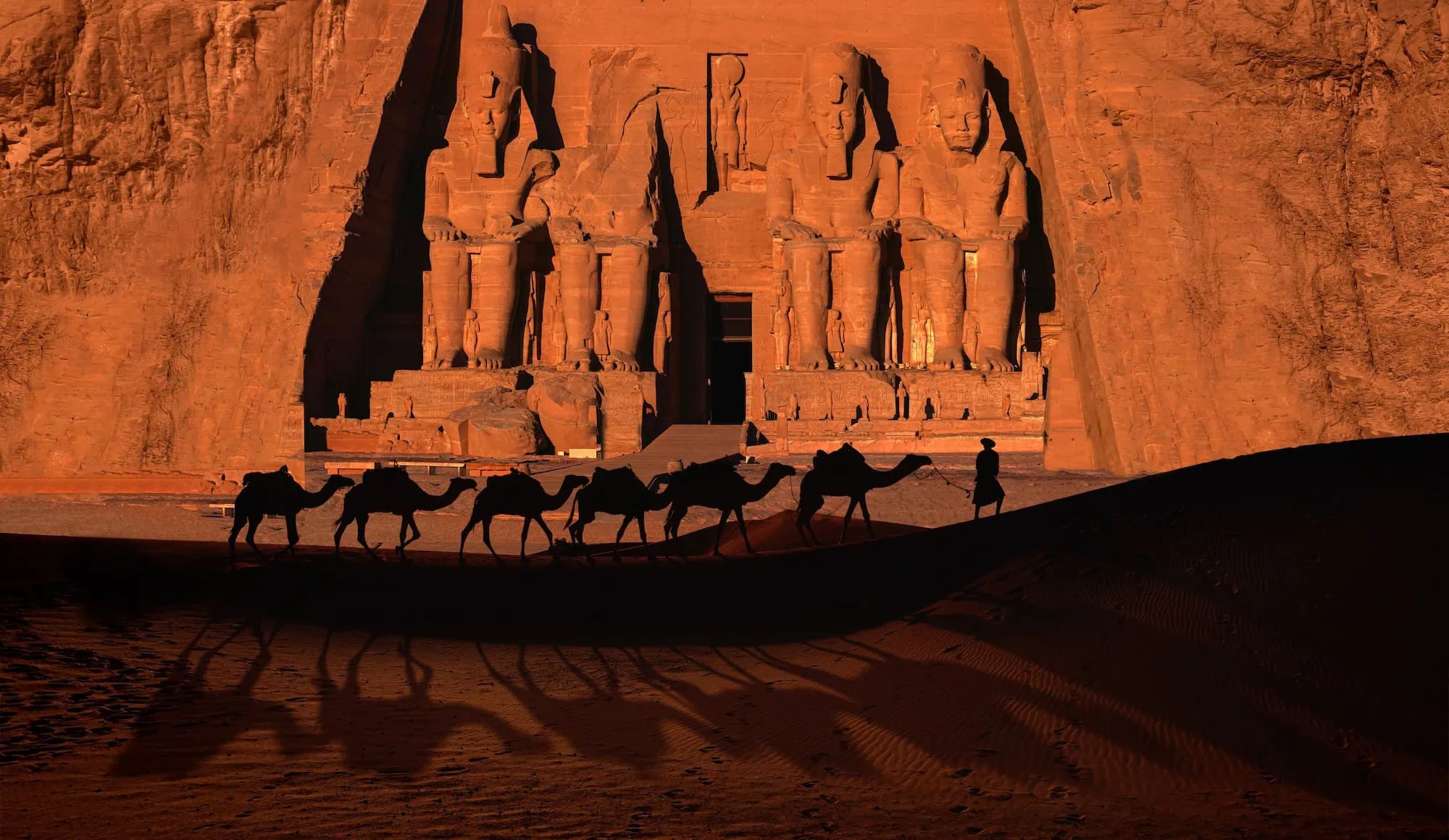
We organize private transportation for the 3.5-hour journey, allowing comfortable travel through Egypt’s southern desert landscapes. Early morning departures at 4:00 am (04:00) ensure arrival before tour groups and provide optimal lighting for photography.
Sharm El Sheikh: Red Sea Paradise
Egypt’s Red Sea coast offers world-class diving, luxury resorts, and year-round sunshine. Sharm El Sheikh, built on the southern tip of the Sinai Peninsula, has evolved from a small fishing village into an international resort destination.
The underwater ecosystem here supports over 1,000 fish species and 200 types of coral. Ras Mohammed National Park, 20 km (12 miles) south of the city, protects some of the Red Sea’s most pristine coral reefs. Advanced divers seek out the Thistlegorm wreck, a British cargo ship sunk during World War II that now serves as an artificial reef teeming with marine life.
Naama Bay concentrates most hotels, restaurants, and nightlife within walking distance of the beach. The protected bay provides calm swimming conditions while nearby reefs offer excellent snorkeling directly from shore.
Desert Adventures
Beyond the coastline, the Sinai Desert offers hiking, camel trekking, and Bedouin cultural experiences. Mount Sinai, where Moses is believed to have received the Ten Commandments, attracts pilgrims and hikers who climb the 2,285-meter (7,497-foot) peak for sunrise views over the surrounding granite mountains.
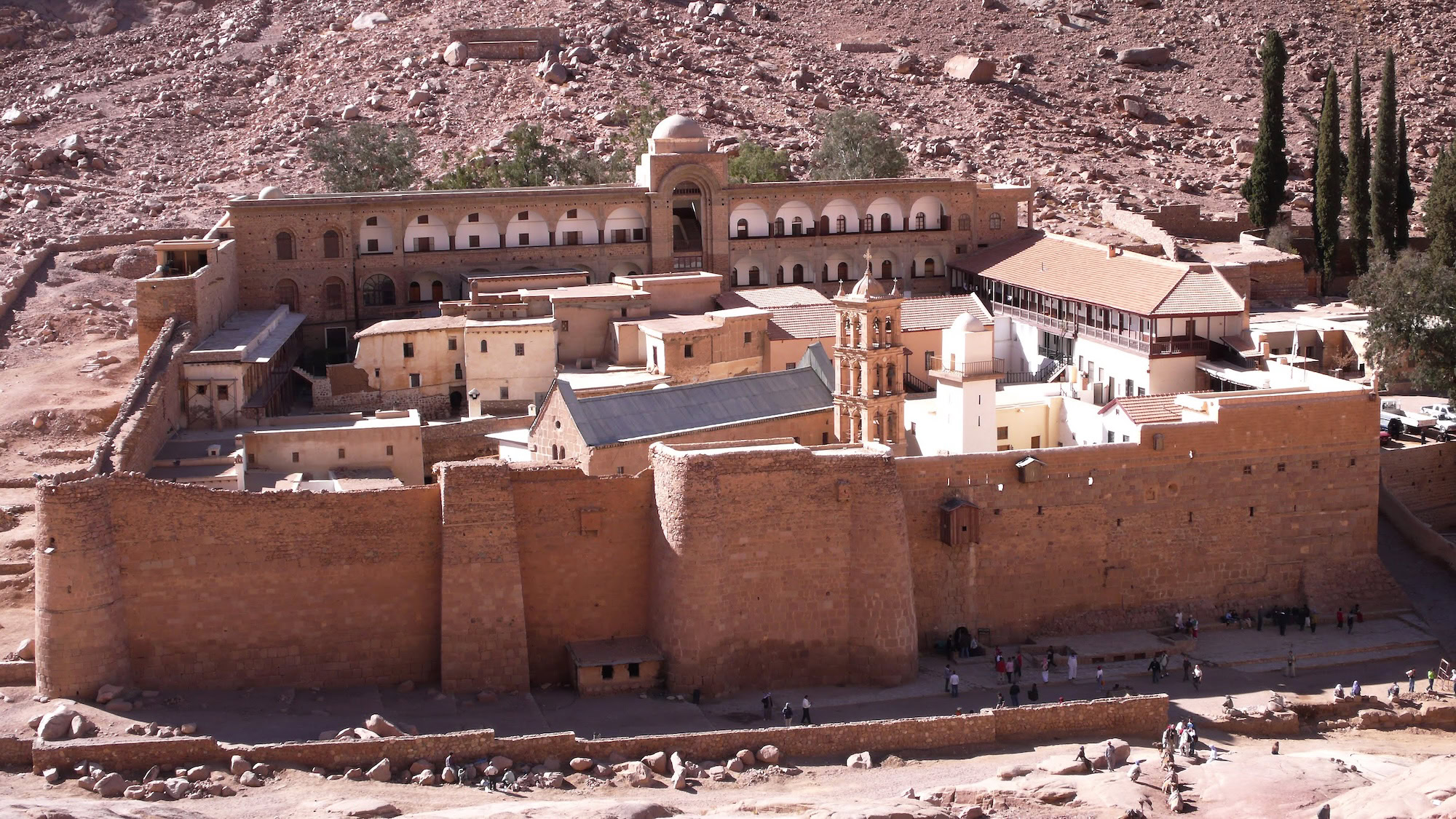
Saint Catherine’s Monastery, situated at the mountain’s base, houses one of the world’s oldest continuously operating Christian monasteries. Its library contains ancient manuscripts second in importance only to the Vatican’s collection.
Hurghada: Water Sports and Marine Life
Located 395 km (245 miles) southeast of Cairo, Hurghada serves as Egypt’s primary Red Sea resort destination for European charter flights. The city’s numerous hotels and dive centers cater to visitors seeking underwater adventures and beach relaxation.
Giftun Islands, accessible by boat excursions, feature pristine beaches and protected coral reefs. These uninhabited islands offer some of the Red Sea’s clearest waters, with visibility often exceeding 30 meters (98 feet).
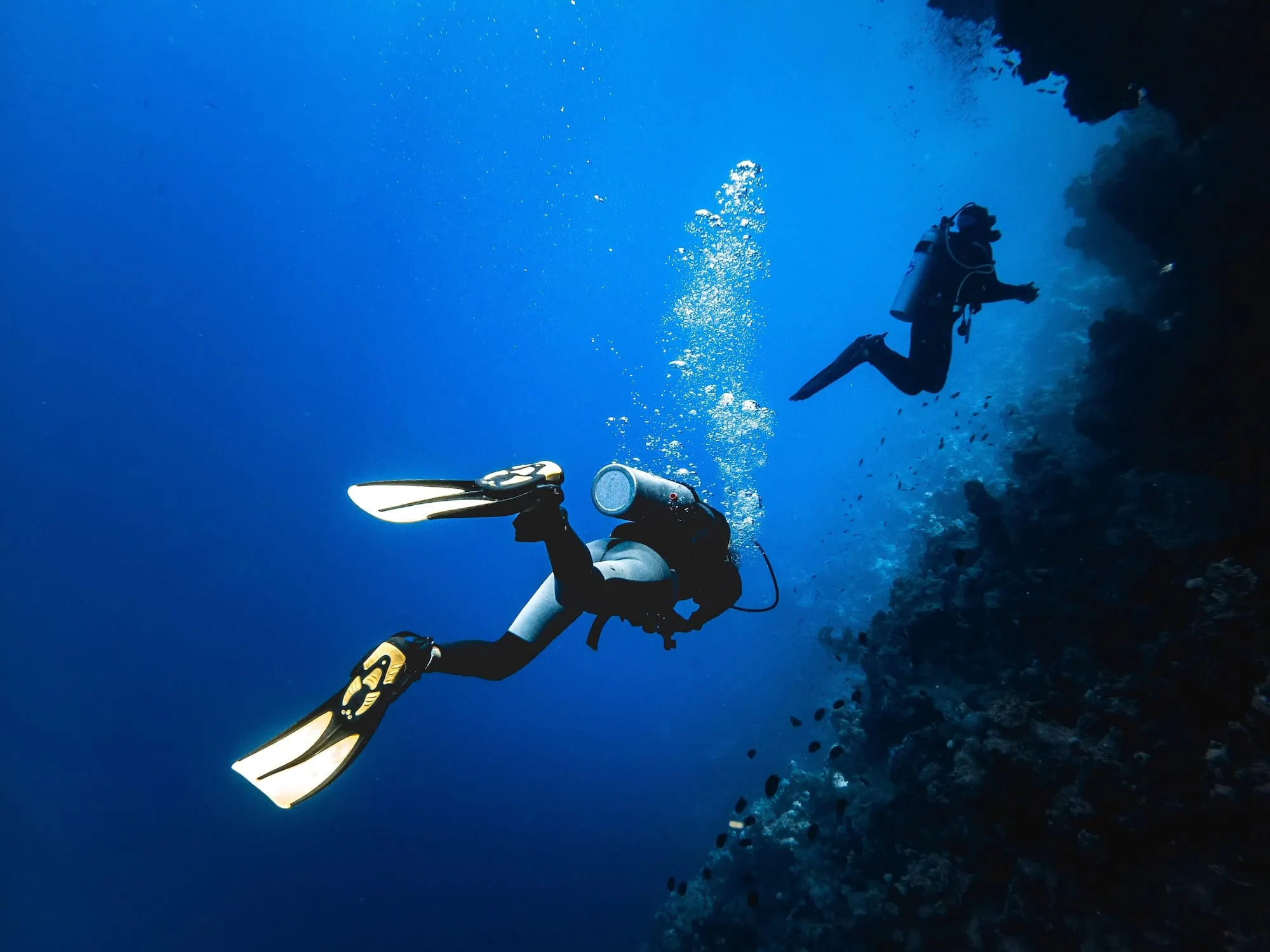
Professional dive centers provide PADI certification courses and guided trips to deeper reef sites. The Brothers Islands, 67 km (42 miles) offshore, challenge experienced divers with strong currents but reward them with encounters with hammerhead sharks, manta rays, and other pelagic species.
Planning Your Egyptian City Adventure
Egyptian tourism operates year-round, but timing affects your experience significantly. Winter months from November through March provide comfortable temperatures ranging from 15°C to 25°C (59°F to 77°F), making sightseeing more pleasant. Summer temperatures can exceed 40°C (104°F) in southern cities like Luxor and Aswan.
For U.S. visitors, Egypt requires a tourist visa obtainable upon arrival for $25 or online in advance. European Union citizens follow the same process, while some African and Middle Eastern nationals may enter visa-free for shorter stays. We recommend checking current requirements with Egyptian consulates before departure.
Internal flights connect major cities efficiently. Egypt Air and other domestic carriers offer daily services between Cairo, Luxor, Aswan, and Red Sea destinations. Flight times rarely exceed 90 minutes, making multi-city itineraries practical for week-long visits.
Our decades of experience planning Egyptian adventures ensure seamless logistics and expert local guidance. We arrange private transportation, qualified Egyptologist guides, and carefully timed itineraries that maximize your time while respecting your travel pace.
Frequently Asked Questions
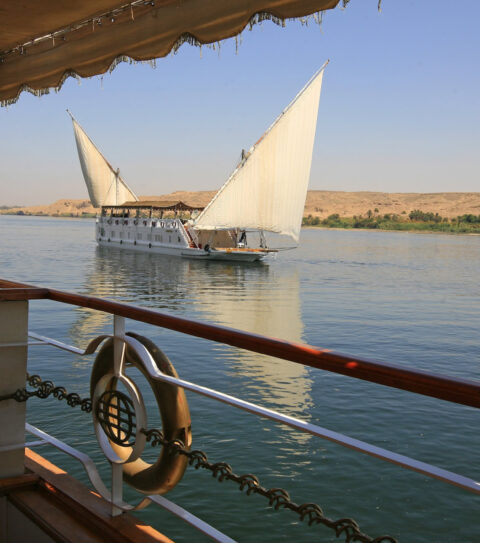
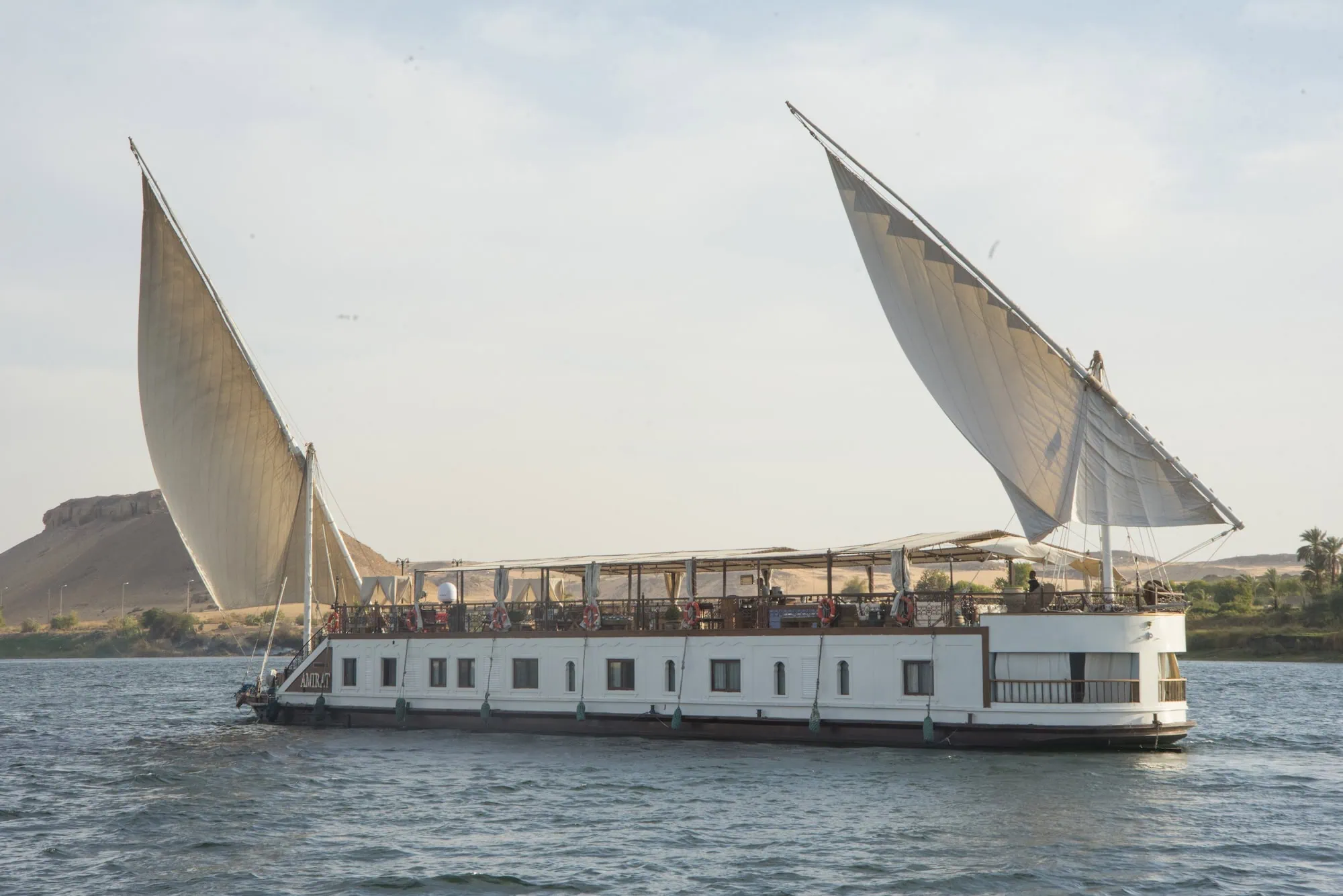
A minimum of 8-10 days is needed to experience Egypt’s major cities properly, while 12-14 days allows for a more relaxed pace and deeper exploration. A typical itinerary includes Cairo, Luxor, and Aswan, connected by domestic flights, train travel, or a Nile cruise. This timeframe covers highlights such as the Pyramids of Giza, Karnak Temple, the Valley of the Kings, and Philae Temple without spending most of the trip in transit.
November through March is generally the best time to visit Egypt’s major cities because temperatures are comfortable and rainfall is minimal. Daytime highs in Cairo, Luxor, and Aswan often range between 20-30°C (68-86°F), making outdoor sightseeing much more enjoyable than during summer. These months are ideal for exploring archaeological sites, markets, and historic districts on foot. Book accommodations early because winter is also Egypt’s busiest tourism season.
Yes, travel between Egypt’s main tourist cities is generally safe, with well-established transportation networks serving millions of visitors every year. Domestic flights connect Cairo, Luxor, Aswan, and Sharm El Sheikh efficiently, while tourist trains and Nile cruises are popular alternatives. Security measures are particularly strong around airports, major stations, and tourist sites. Travelers who use licensed transportation providers and follow standard travel precautions typically experience smooth and safe journeys.
Luxor contains the greatest concentration of ancient monuments in Egypt and is often described as the world’s largest open-air museum. The city is home to Karnak Temple, Luxor Temple, the Valley of the Kings, the Valley of the Queens, and the Temple of Hatshepsut. Many of these monuments date back more than 3,000 years. Travelers interested primarily in ancient Egyptian archaeology often spend more time in Luxor than in any other city.
Yes, visiting multiple Egyptian cities in a single trip is both practical and extremely common. Many travelers combine Cairo, Luxor, and Aswan in a 7- to 10-day itinerary, while longer trips may add Alexandria, Abu Simbel, Hurghada, or Sharm El Sheikh. Egypt’s domestic flight network and Nile cruise routes make city-to-city travel relatively straightforward. Multi-city itineraries provide a broader understanding of Egypt’s history, culture, and geography.
Comfortable walking shoes, sun protection, and lightweight clothing are essential for visiting Egyptian cities. Travelers often spend several hours each day exploring archaeological sites, museums, and historic neighborhoods, so supportive footwear is important. A hat, sunglasses, sunscreen, and a reusable water bottle help manage Egypt’s strong sun. Modest clothing is recommended for mosques and religious sites, while a light jacket can be useful for winter evenings and air-conditioned interiors.
Booking Egyptian city tours 2-3 months in advance is recommended, especially for travel between December and February. Early reservations improve access to preferred hotels, experienced guides, Nile cruise cabins, and popular excursions. During peak season, availability in destinations such as Luxor and Aswan can become limited. Travelers planning holiday-period visits around Christmas or New Year often benefit from booking even earlier to secure the best options.
No special vaccinations are required for most travelers visiting Egyptian cities, although routine immunizations should be up to date before departure. Many health authorities also recommend considering vaccines such as hepatitis A because of international travel and food exposure considerations. Medical facilities in major cities like Cairo and Alexandria are generally good by regional standards. Travelers should consult their healthcare provider several weeks before departure for personalized advice.
Private transportation with a professional driver is often the most comfortable and efficient way to explore Egyptian cities. Cairo’s traffic can be challenging for first-time visitors, while destinations such as Luxor and Aswan involve multiple sites spread across large areas. Private transport reduces logistical stress and allows greater flexibility throughout the day. Many travelers also appreciate having local insight and assistance when navigating busy urban environments.
Cairo is the best Egyptian city for most first-time visitors because it combines ancient monuments, Islamic architecture, museums, and modern urban culture in one destination. The city provides access to the Pyramids of Giza, the Great Sphinx, the Egyptian Museum, Khan el-Khalili Bazaar, and historic Islamic Cairo. With a metropolitan population exceeding 20 million people, Cairo offers an immersive introduction to both ancient and contemporary Egypt.
Credit cards are widely accepted in major Egyptian cities, particularly at hotels, upscale restaurants, shopping centers, and established tourism businesses. However, cash remains important for smaller purchases, market shopping, transportation tips, and local vendors. Egyptian pounds (EGP) are the preferred currency for everyday transactions. Most travelers find that carrying a combination of cash and internationally accepted credit cards provides the greatest flexibility throughout their trip.
Arabic is the official language spoken throughout Egypt, including Cairo, Alexandria, Luxor, and Aswan. Egyptian Arabic is the most commonly used dialect in daily life, while Modern Standard Arabic appears in official settings and media. English is widely spoken in tourist areas, hotels, museums, restaurants, and by many guides and hospitality professionals. Most international visitors can comfortably navigate major destinations using English alone.
Explore our most popular guides and expert tips to make your trip safe, smooth, and unforgettable.
Plan Your Egypt Adventure with Confidence
How to Plan a Trip Egypt
Step-by-step guide to help you plan the perfect Egypt trip — from routes and budget to booking.
Best Time to Visit Egypt
Learn the best months to visit Egypt based on weather, crowds, and local travel experiences.
Must Visit Places in Egypt
Explore Egypt’s top sights — from pyramids to temples — and hidden gems worth seeing.
Top-Rated Egypt Tours
Handpicked private tours with local guides — our most loved and best-reviewed experiences.
How Many Days to Visit Egypt?
Find out how many days you need in Egypt — from quick trips to full itineraries.
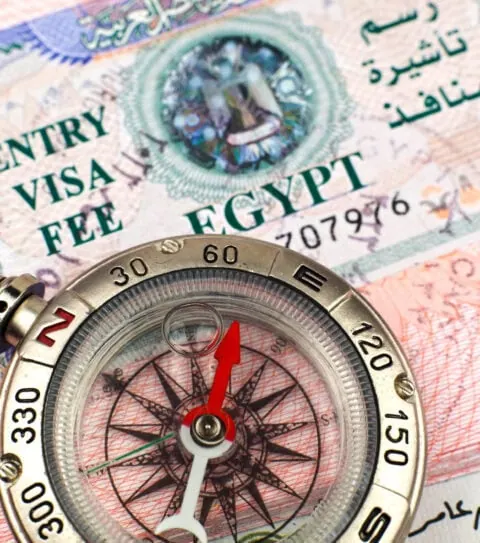
Egypt Visa Requirements
Check if you need a visa and get simple, up-to-date entry info based on your nationality.
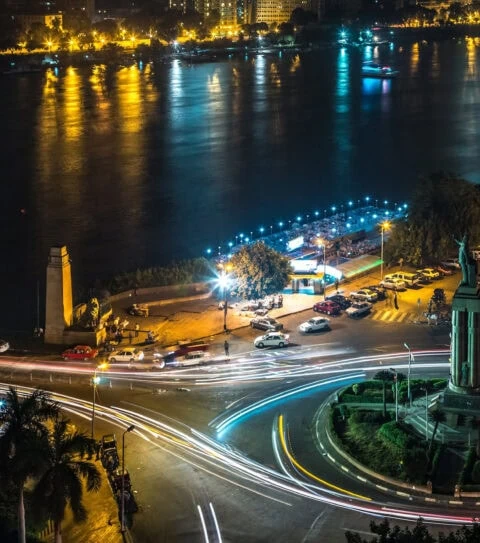
Is it Safe to Travel to Egypt?
Is Egypt safe? Get honest safety tips, area advice, and what to know before you travel.
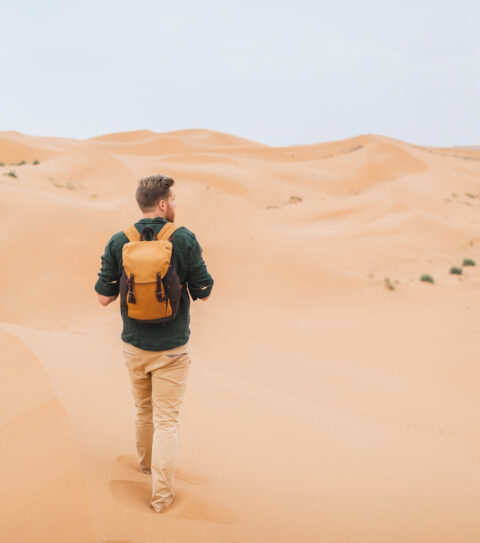
What to Pack for Egypt
A quick packing guide with essentials, cultural tips, and clothing advice for your Egypt trip.
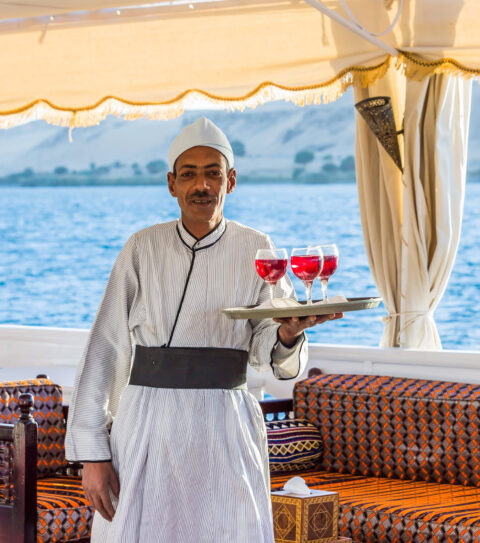
Design Your Custom Tour
Explore Egypt your way by selecting only the attractions you want to visit