Where NOT to Visit In Egypt
Egypt calls to millions, but not every corner welcomes visitors.
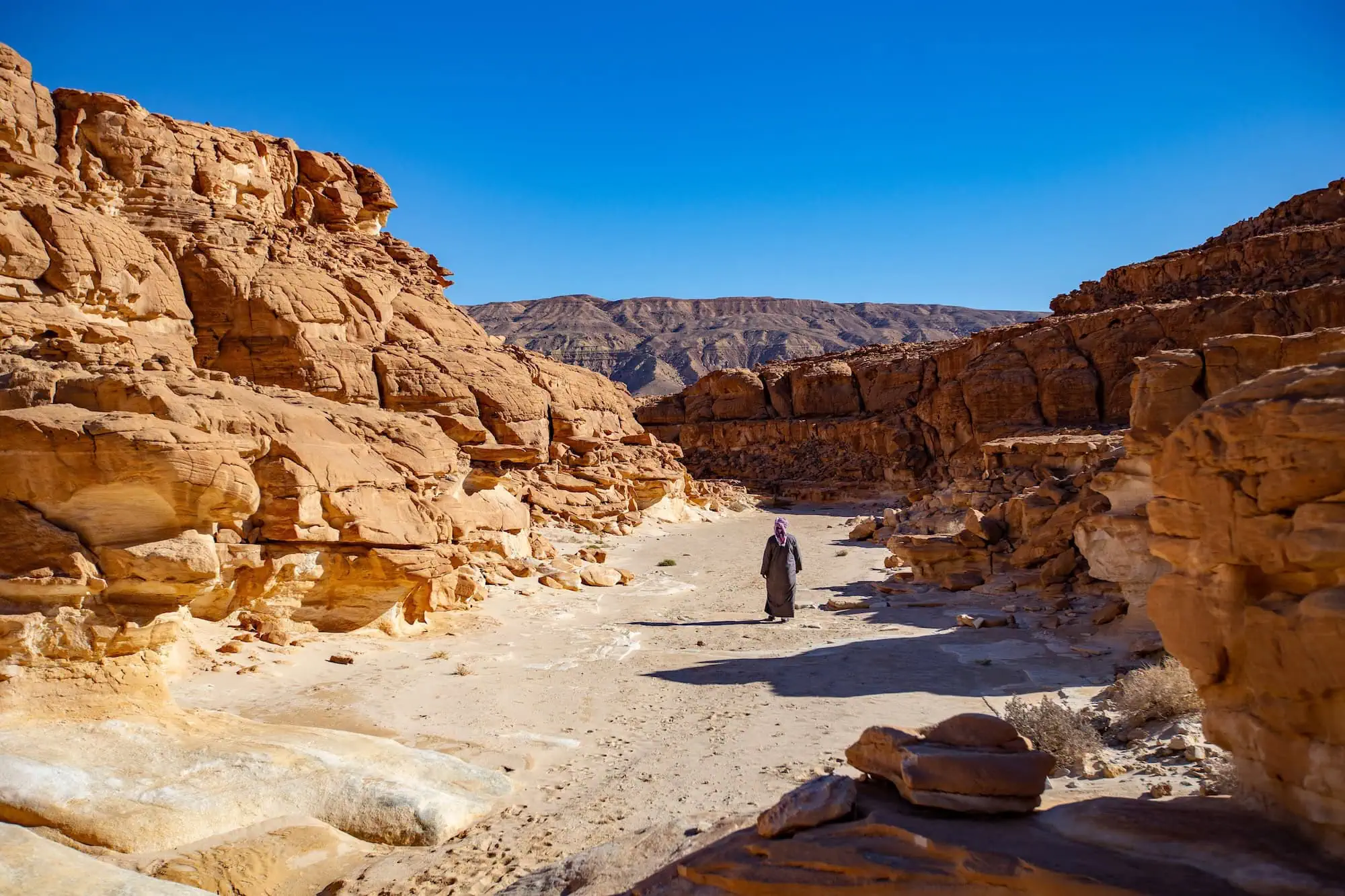
While Egypt offers incredible experiences from the pyramids to the Red Sea coast, certain regions pose serious safety risks that require careful consideration. Understanding where not to travel helps ensure your Egyptian adventure remains memorable for all the right reasons. We’ve spent decades guiding travelers through Egypt safely, and we know which areas demand respect and which should be avoided entirely.
Your safety comes first, and making informed decisions about where to visit – and where not to – protects both your wellbeing and your travel investment.
Table of Contents
High-Risk Border Regions and Military Zones
The Egyptian government maintains strict restrictions on travel to areas within 50 km (31 miles) of the borders with Libya and Sudan. These zones experience regular military operations due to armed groups that cross porous borders, creating unpredictable security situations. Foreign travelers caught in these areas face detention, deportation, or worse – exposure to active conflict zones.
Military checkpoints operate throughout these regions, and unauthorized entry can result in arrest by Egyptian security forces. The terrain itself poses additional challenges, with remote desert areas offering limited communication and emergency services.
Libya Border Area
The western border region has seen increased instability since 2011, with weapons smuggling and territorial disputes creating ongoing security concerns. Militant groups operate freely across the Libyan border, making this area particularly dangerous for civilians. Even organized tour groups cannot obtain permits for travel within the restricted zone.
Sudan Border Region
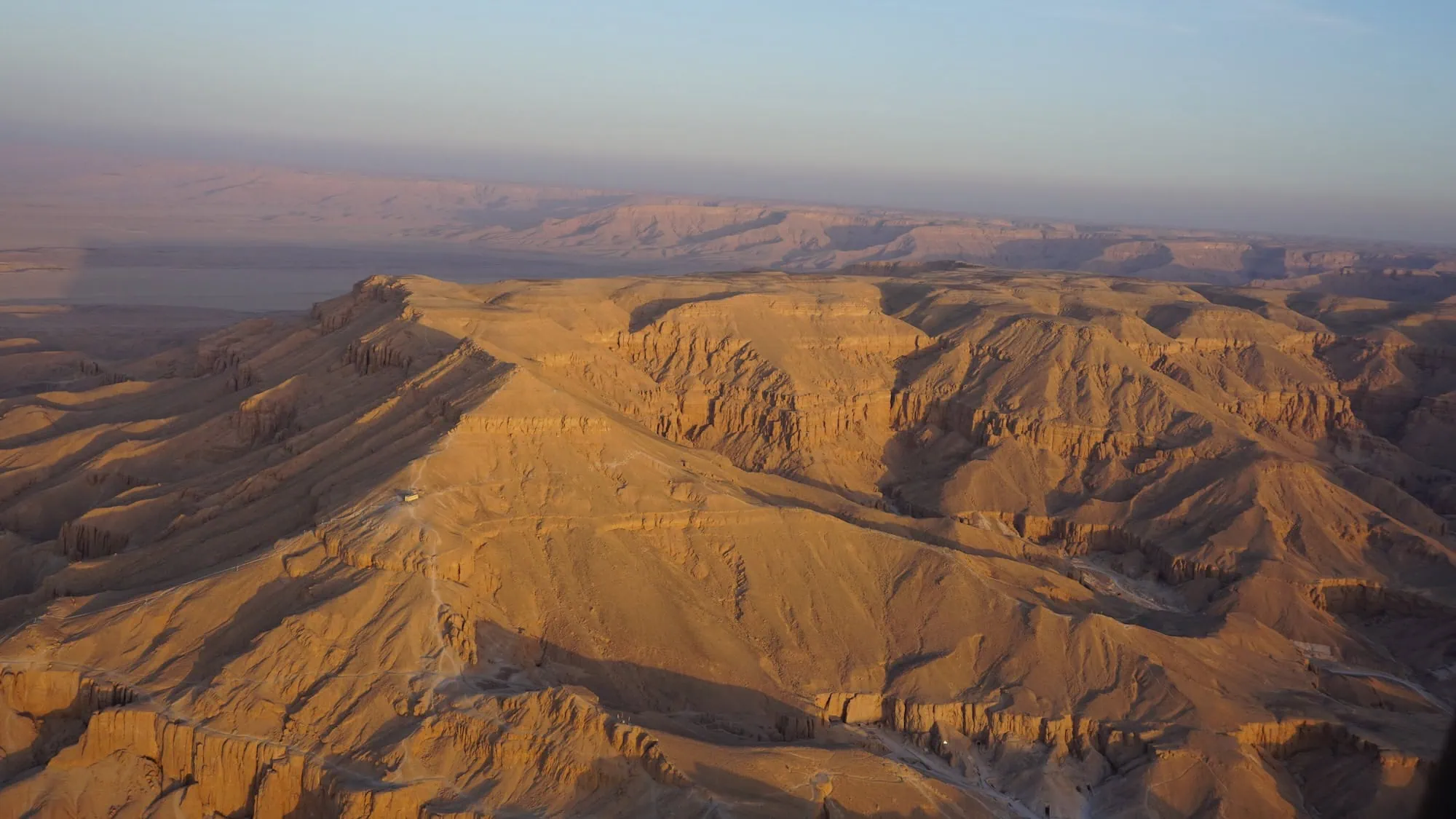
Southern border areas near Sudan face similar challenges, complicated by periodic tensions between the two countries. The Halaib Triangle remains a disputed territory where travelers risk becoming involved in territorial conflicts. Egyptian authorities maintain a heavy military presence throughout this region.
North Sinai Governorate – Absolute No-Go Zone
Most foreign governments, including the United States, Australia, and the European Union, maintain “Do Not Travel” advisories for North Sinai. This region has experienced regular terrorist attacks targeting both security forces and civilians since 2013.
The Egyptian military has declared North Sinai a closed military zone. Even Egyptian citizens require special permits to enter, and foreign nationals are strictly prohibited. ISIS-affiliated groups have claimed responsibility for numerous attacks in this area, including bombing of vehicles, assassination of local officials, and attacks on checkpoints.
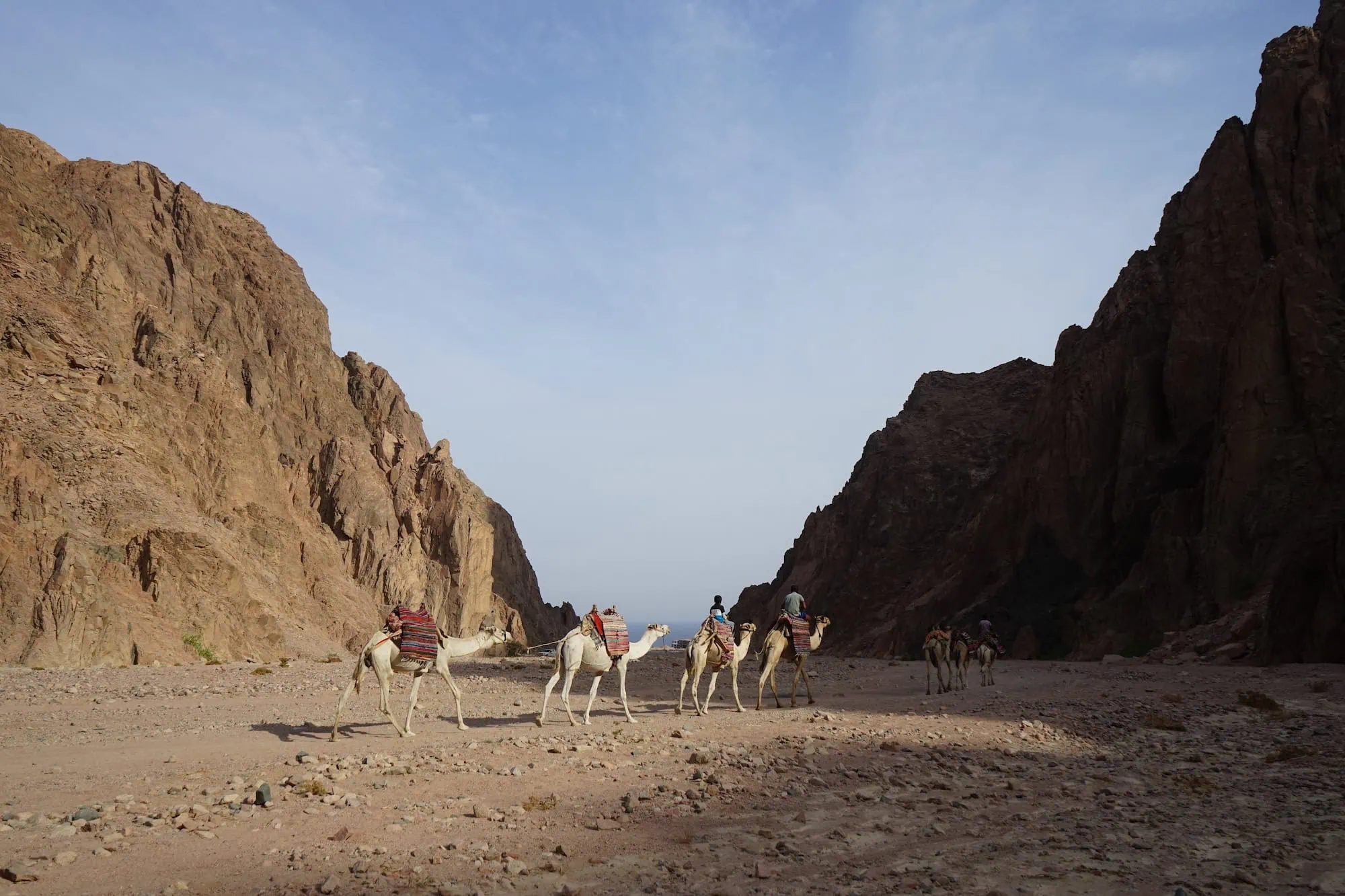
Emergency medical facilities remain extremely limited throughout North Sinai, meaning any incident could prove fatal due to delayed medical response. The Egyptian government cannot guarantee the safety of foreign visitors in this region under any circumstances.
South Sinai Considerations
While South Sinai generally remains safer, areas close to the North Sinai border should be avoided. The security situation can change rapidly, and military operations sometimes extend beyond official boundaries. Popular destinations like Sharm El Sheikh and Dahab maintain higher security, but travelers should remain vigilant and follow local guidance.
Western Desert Restricted Areas and Military Installations
Egypt’s Western Desert contains numerous military installations and restricted zones that require special permits from the Ministry of Interior Affairs. Many areas remain off-limits to foreign travelers due to ongoing military exercises and sensitive security installations.
The White Desert, while popular with tour operators, requires careful navigation of security protocols. Independent travel to remote desert areas without proper permits and guides creates serious safety risks including becoming lost in trackless terrain with extreme temperature variations. Daytime temperatures can exceed 40°C (104°F) while nighttime temperatures drop below freezing during winter months.
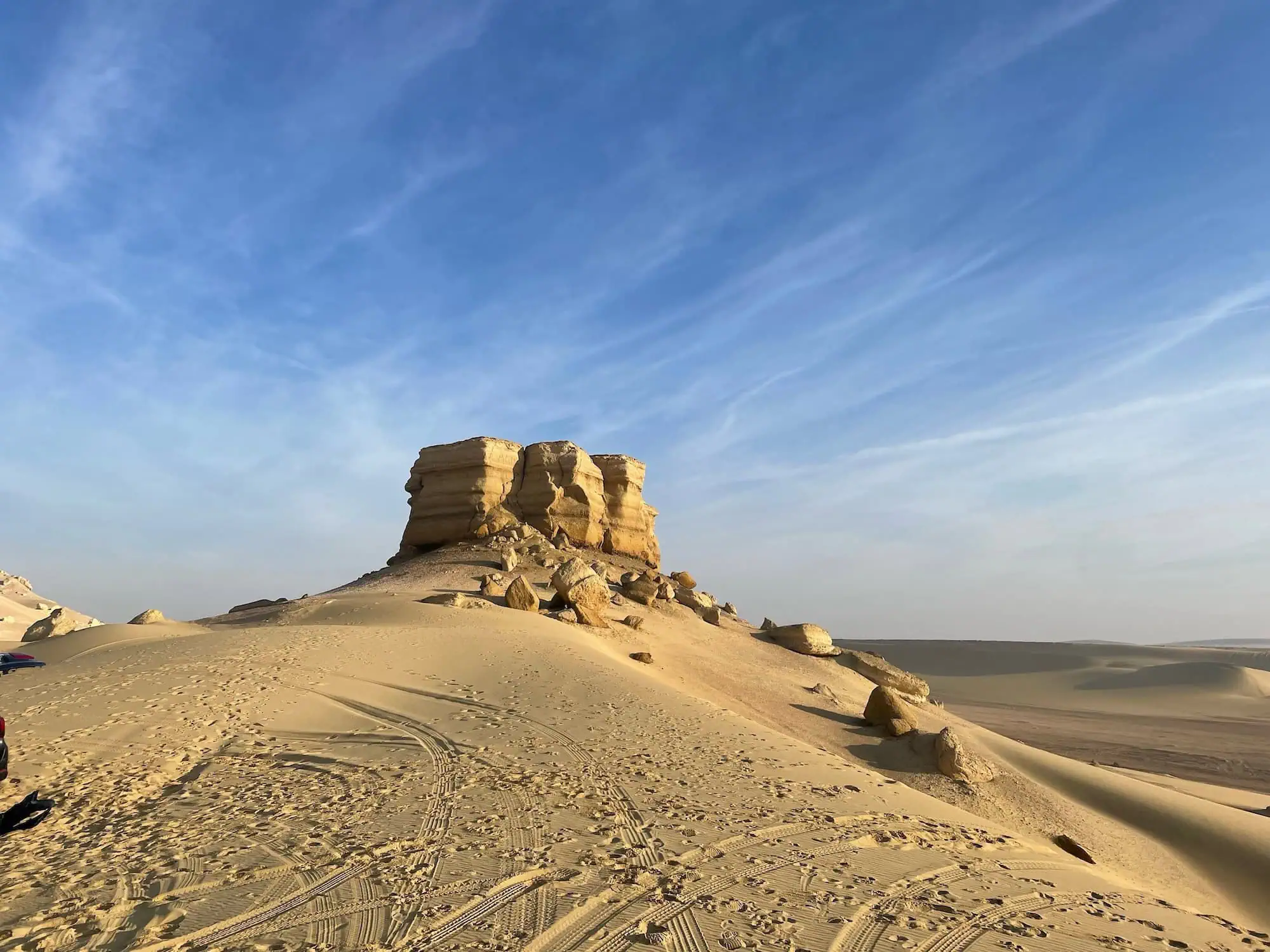
Military zones throughout the Western Desert are not always clearly marked, and accidental entry can result in detention and questioning by security forces. GPS coordinates become unreliable in many areas, and cellular coverage disappears completely in vast stretches of desert.
Communication equipment failure in these remote areas can prove life-threatening. Search and rescue operations face significant challenges due to the enormous distances and harsh terrain involved.
Areas Affected by Civil Unrest and Demonstrations
Political demonstrations and civil unrest can emerge quickly throughout Egypt, particularly in major cities like Cairo and Alexandria. While most protests remain peaceful, some have escalated into violence involving clashes between protesters and security forces.
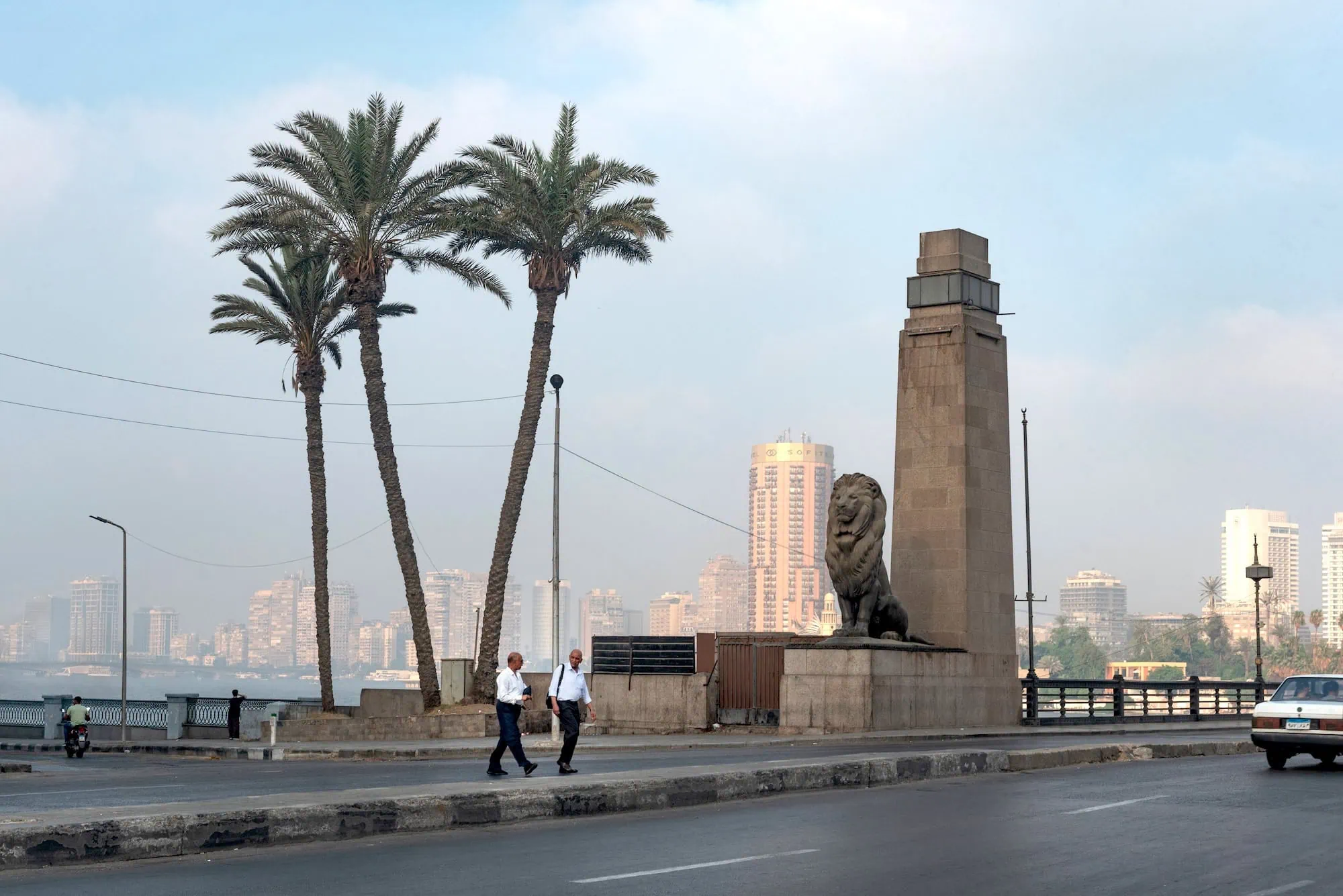
Avoid all demonstrations and large gatherings regardless of their apparent peaceful nature. Egyptian security forces use water cannons, tear gas, and sometimes live ammunition to disperse crowds. Foreign nationals caught in these situations risk injury, arrest, or deportation.
Tahrir Square in Cairo has been a focal point for political demonstrations since 2011. While generally safe during normal times, the situation can change rapidly when political tensions rise. Monitor local news and government advisories for current conditions.
Religious Site Security Concerns
Terrorist groups have specifically targeted religious sites, including Coptic churches and Islamic monuments popular with tourists. Enhanced security measures at major religious attractions include metal detectors and security screenings, but risks remain elevated at smaller, less protected sites.
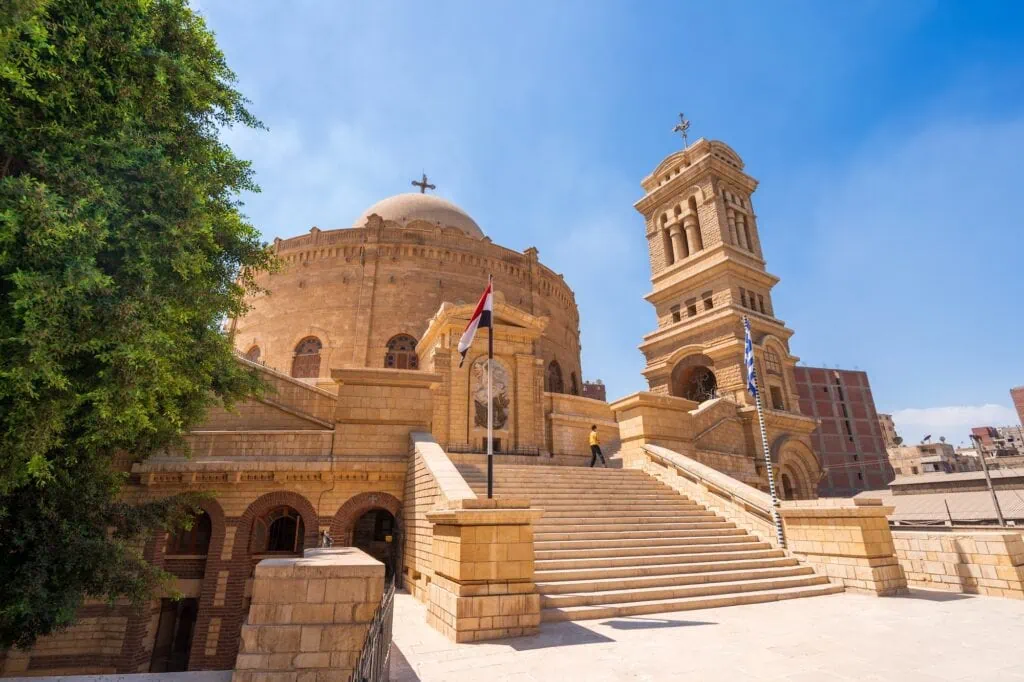
Christmas and Easter celebrations at Coptic churches have experienced attacks in recent years, making these periods particularly sensitive for travel planning. Islamic holy days and religious festivals also see increased security measures and potential targets.
Remote Archaeological Sites and Unguarded Monuments
Many of Egypt’s archaeological treasures lie in remote areas with limited security presence. While sites like the Valley of the Kings maintain strong security, smaller monuments and ruins often lack adequate protection for visitors.
Bandits and opportunistic criminals target isolated archaeological sites where tourists might carry valuable cameras, jewelry, or large amounts of cash. These remote locations offer criminals easy escape routes and limited law enforcement response times.
Desert Monument Risks
Sites like the Red Monastery near Sohag or remote temples in the Fayoum Oasis require careful planning and security arrangements. Traveling to these locations independently increases risks significantly compared to organized tours with professional guides and security coordination.
Local knowledge becomes crucial for navigating safely to remote archaeological sites. Our guides maintain current information about security conditions and can adjust itineraries based on real-time assessments.
Weather conditions can change rapidly in desert areas surrounding remote monuments. Flash floods, sandstorms, and extreme temperatures create additional hazards for unprepared visitors.
Tourist Areas with Elevated Crime Risks
Even within generally safe tourist areas, certain neighborhoods and situations present higher risks for foreign visitors. Petty crime, including pickpocketing, purse snatching, and tourist-targeted scams, occurs most frequently in crowded markets and transportation hubs.
Women travelers face particular challenges with harassment and unwanted attention, especially when traveling alone or in small groups. Conservative dress and behavior help reduce unwanted attention, but cannot eliminate all risks.
Old Cairo and Islamic Cairo
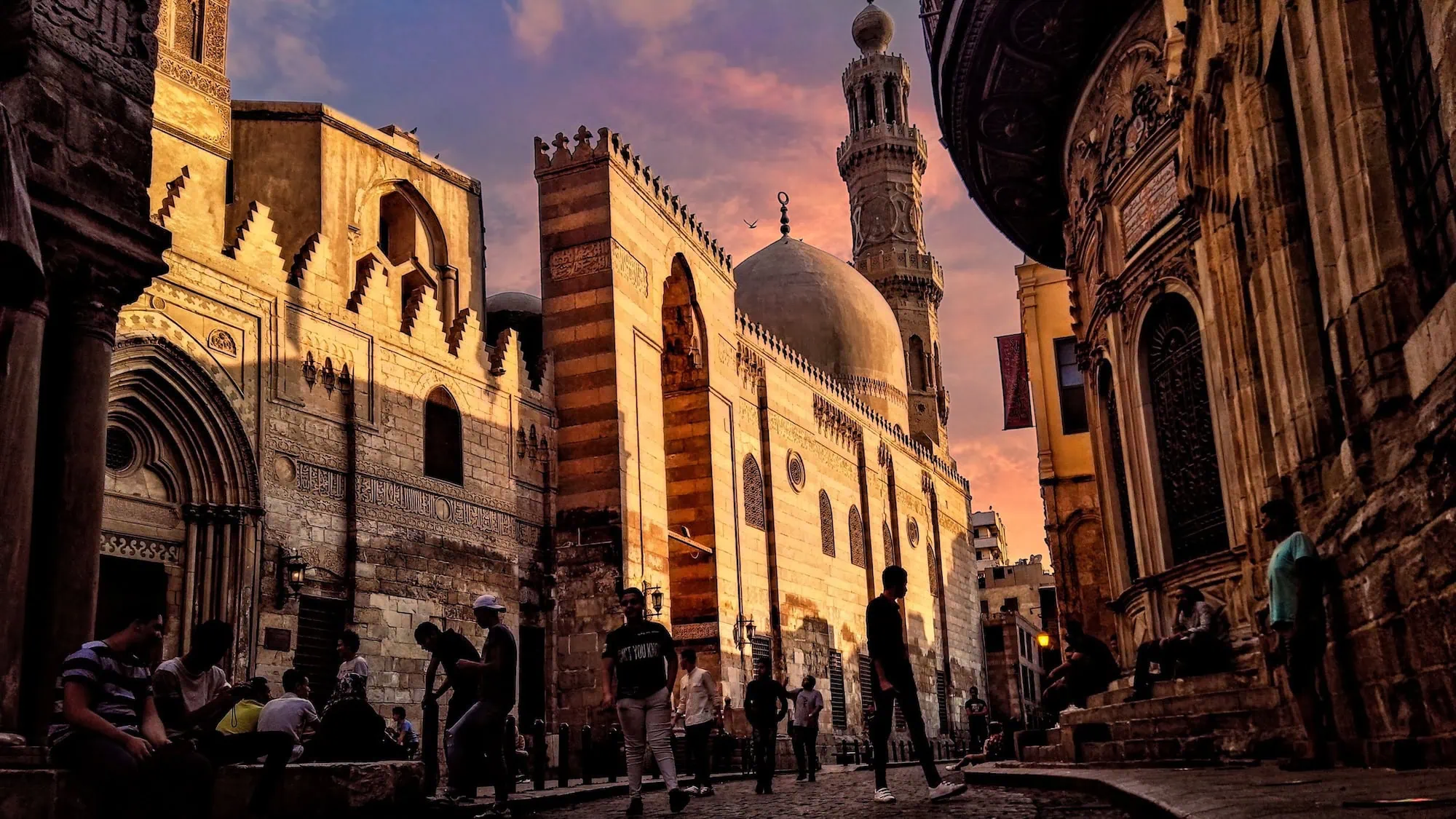
While these historic areas contain incredible attractions, narrow alleyways and crowded bazaars create opportunities for pickpockets and aggressive vendors. Tourists carrying visible cameras, jewelry, or electronics become obvious targets for thieves.
Getting lost in the maze-like streets of Old Cairo can put visitors in unsafe areas after dark. Local guides provide not only historical context but also navigation skills and security awareness that independent travelers often lack.
Transportation Hub Risks
Cairo International Airport, major train stations, and bus terminals attract criminals who target tired, confused, or distracted travelers. Taxi scams, overcharging, and theft of luggage occur regularly in these high-traffic areas.
Pre-arranged transportation through reputable operators eliminates many risks associated with soliciting rides from unknown drivers or navigating public transportation with heavy luggage.
Medical and Infrastructure Considerations
Remote areas throughout Egypt lack adequate medical facilities for serious emergencies. Desert regions, small oases, and border areas often have no hospitals or clinics capable of handling trauma cases or complex medical conditions.
Medical evacuation from remote areas can take hours or days, depending on weather conditions and accessibility. Travel insurance with medical evacuation coverage becomes essential for visitors planning to explore Egypt beyond major tourist destinations.
Desert Health Risks
Dehydration, heat stroke, and exposure represent serious threats in desert environments. Even experienced travelers underestimate the speed with which desert conditions can become life-threatening. Temperature extremes, limited water sources, and isolation compound medical emergencies.
Venomous snakes and scorpions inhabit desert areas throughout Egypt. While encounters remain rare, bites and stings can prove fatal without immediate medical attention that may not be available in remote locations.
Communication blackouts in desert areas prevent calling for help during medical emergencies. Satellite phones and emergency beacons provide backup communication options for serious desert travelers.
Seasonal and Temporary Risk Factors
Security conditions change throughout the year based on political events, religious holidays, and seasonal factors. Ramadan can bring changes in operating hours, crowd patterns, and local sensitivities that affect travel safety.
Holiday periods often see increased domestic travel that overwhelms transportation systems and accommodation facilities. Egyptian national holidays can create unexpected closures and schedule changes that disrupt travel plans.
Weather-Related Restrictions
Summer temperatures in southern Egypt and desert areas can exceed 45°C (113°F), creating dangerous conditions for outdoor activities. Many archaeological sites close during peak heat hours from 11:00 am (11:00) to 3:00 pm (15:00).
Khamsin sandstorms between March and May can ground flights, close roads, and reduce visibility to near zero. These weather events can last several days and make travel impossible in affected areas.
Flooding, while rare, can occur in desert areas during winter storms, washing out roads and isolating remote communities for days or weeks.
Safe Alternative Destinations
Egypt offers numerous incredible destinations that provide amazing experiences while maintaining reasonable safety standards. The Red Sea coast, including Hurghada and Sharm El Sheikh, combines beautiful beaches with strong security presence and modern infrastructure.
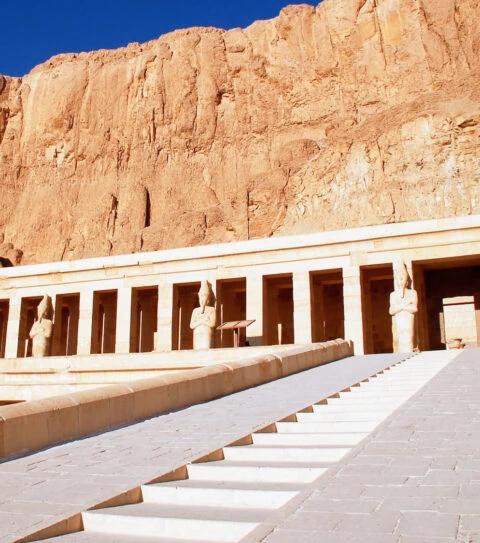
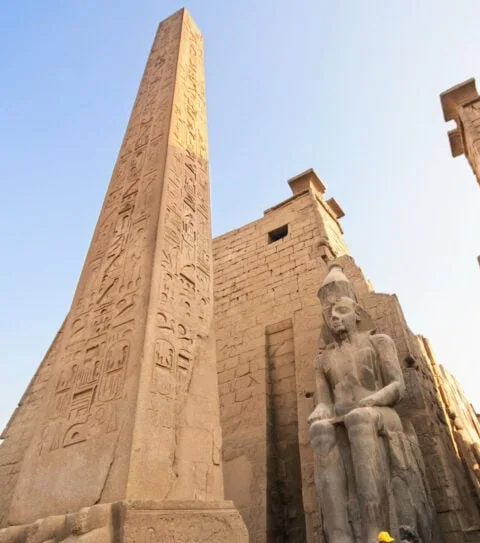
Luxor remains one of the world’s greatest archaeological destinations with excellent security arrangements and comprehensive tourist facilities. The Valley of the Kings, Karnak Temple, and Luxor Temple offer unparalleled historical experiences with professional guide services and security coordination.
Nile River Cruises
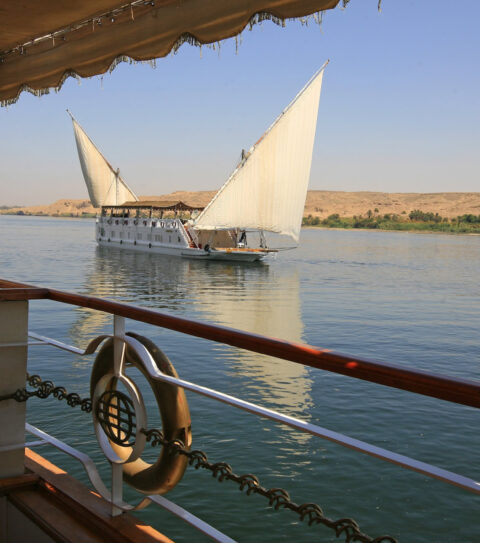
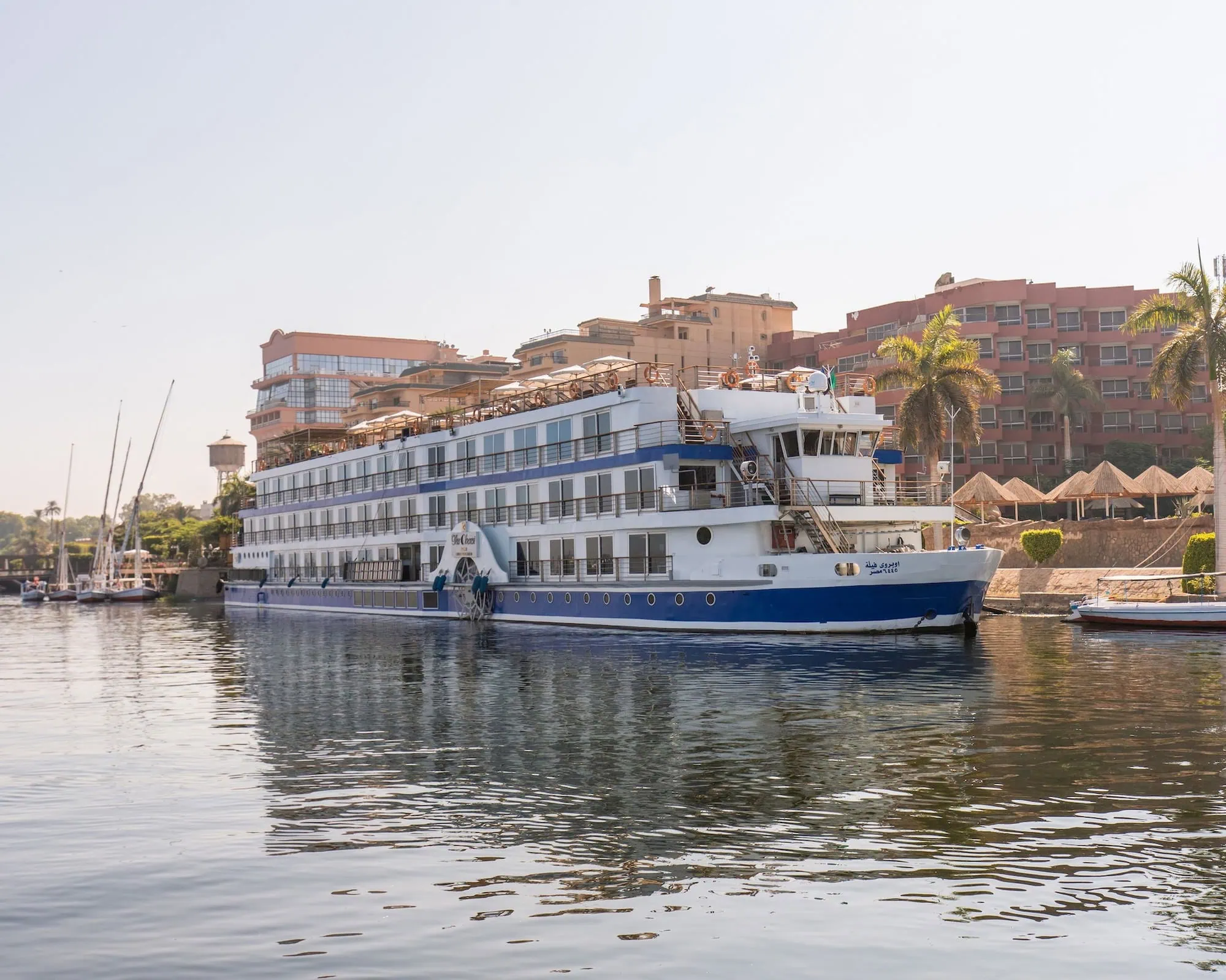
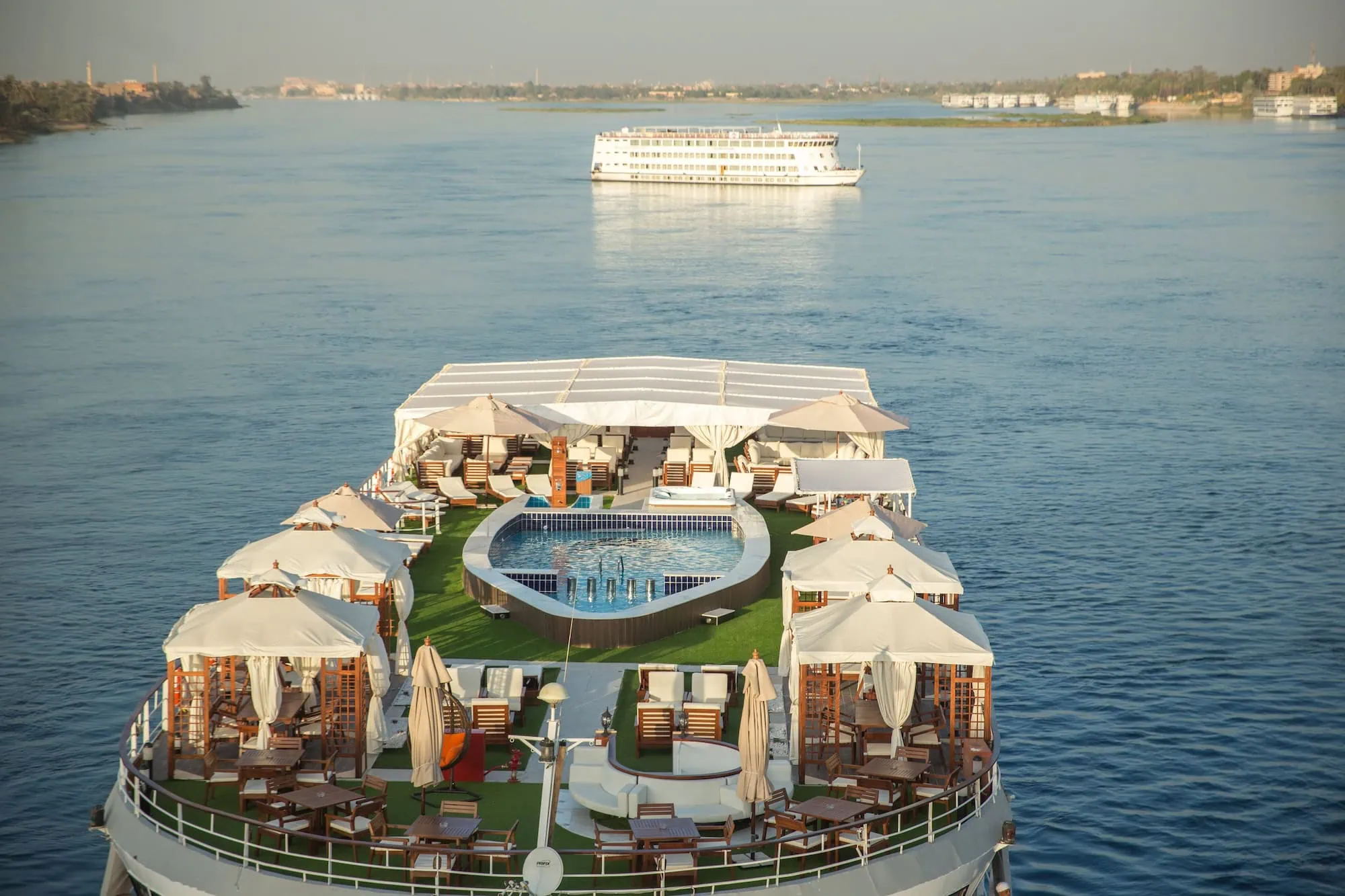
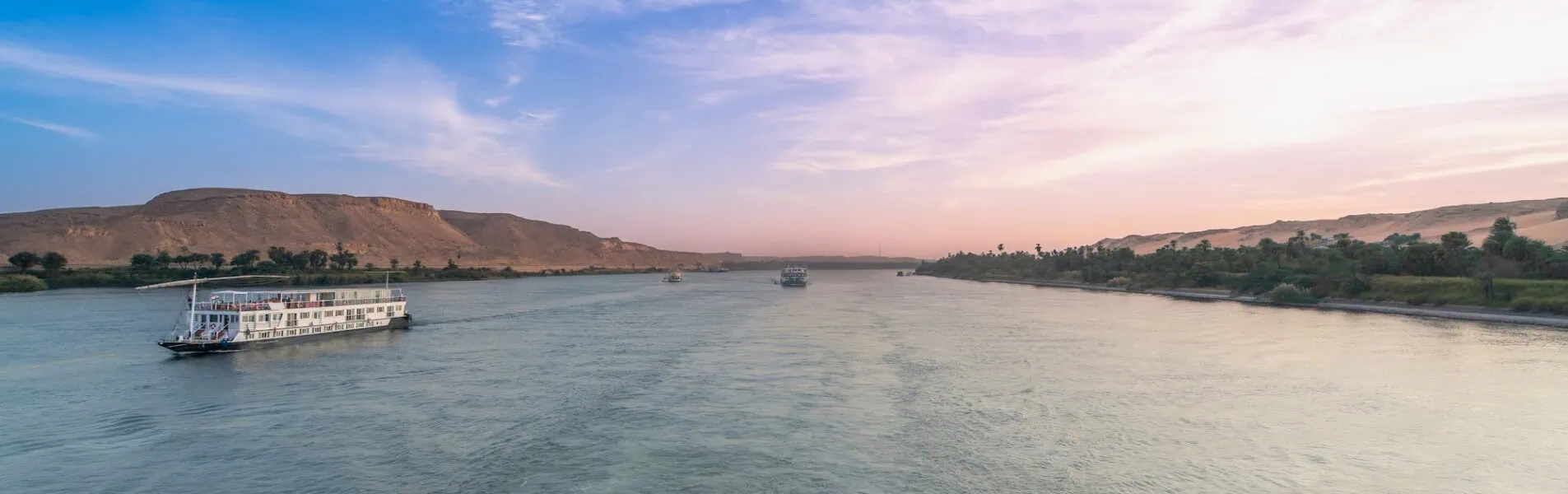
Nile cruises between Luxor and Aswan provide a secure way to experience multiple archaeological sites while maintaining hotel-quality accommodations and professional service. These cruises include guided excursions to major temples and monuments with security arrangements handled by experienced operators.
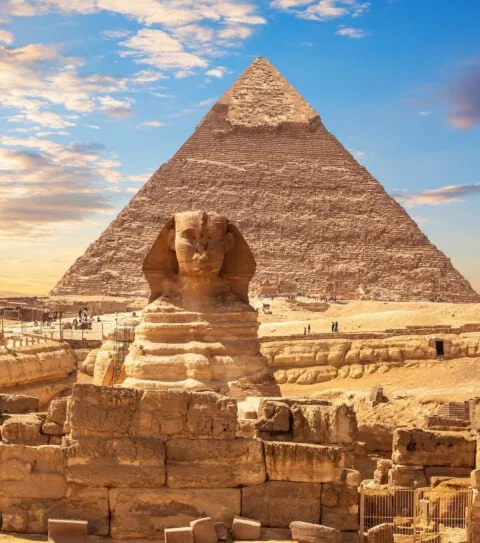
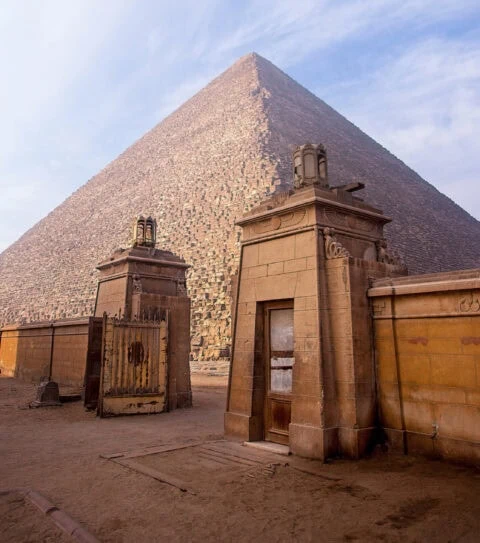
Cairo’s major attractions, including the Pyramids of Giza, the Egyptian Museum, and the Citadel, maintain strong security presence and offer world-class historical experiences. Professional guides provide both educational value and security awareness for navigating these popular destinations safely.
Our private tours ensure personalized attention from qualified guides who understand current security conditions and can adapt itineraries based on real-time assessments of safety conditions throughout Egypt.
Frequently Asked Questions
Border regions near Libya, Sudan, and parts of the Gaza frontier should be avoided because they are subject to military restrictions, security operations, and changing access rules. Some areas within roughly 50 km of international borders may require special authorization or be entirely off-limits to foreign visitors. These zones are far from Egypt’s main tourism circuit, including Cairo, Luxor, Aswan, and the Red Sea resorts. Follow current government travel advisories and never enter restricted border areas independently.
No, North Sinai is generally considered off-limits for foreign tourism due to long-standing security concerns and military operations. Government travel advisories from countries including the United States and United Kingdom consistently warn against travel to the region. This restriction does not apply to South Sinai resort destinations such as Sharm El Sheikh and Dahab, which operate separately from North Sinai. Travelers should verify regional distinctions before planning Sinai travel.
Yes, certain remote desert regions require permits and advance coordination with Egyptian authorities before visitors can enter legally. Areas in the Western Desert, border regions, and some protected zones may require authorization from security agencies or local authorities. Permit requirements exist because of the remoteness of these locations and the need for visitor tracking. Organized tours typically handle these procedures on behalf of travelers.
Religious sites can face elevated security concerns because extremist groups have occasionally targeted places of worship and religious gatherings. Egyptian authorities maintain visible security measures at major churches, mosques, and pilgrimage sites, especially during holidays such as Coptic Christmas and Easter. Most visits occur without incident, but increased crowds can create additional security challenges. Follow local instructions and allow extra time for security screening during major religious events.
No, restricted areas remain restricted regardless of season because access limitations are based on security conditions rather than weather or tourism demand. Regions such as North Sinai and sensitive border zones may remain closed year-round and can be subject to sudden policy changes. Travelers should not assume that visiting during a quieter season makes these locations accessible. Always rely on official guidance rather than seasonal travel patterns.
The best way to monitor security conditions in Egypt is through official government travel advisories, embassy updates, and reputable tour operators with local expertise. Agencies such as the U.S. Department of State and the UK Foreign, Commonwealth & Development Office regularly update destination-specific guidance. Security situations can change faster than printed guidebooks can be updated. Check advisory websites before departure and periodically during longer trips.
If you unintentionally enter a restricted area, stop traveling further and contact local authorities as soon as possible. Egyptian security personnel may conduct identification checks and request documentation explaining your travel plans. Cooperation, clear communication, and compliance with instructions are essential. Foreign travelers should also contact their embassy or consulate if significant issues arise. Carrying passport copies and itinerary details can help resolve misunderstandings more quickly.
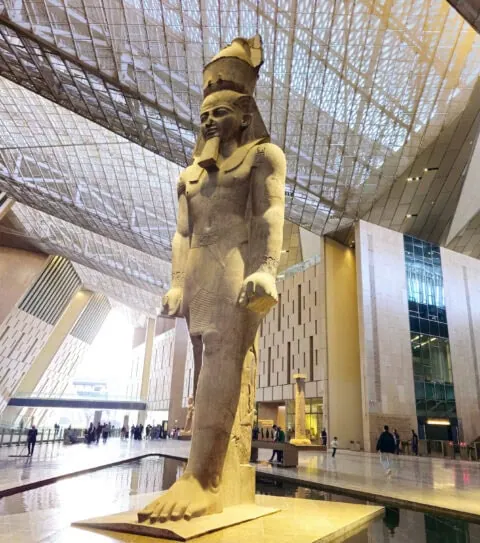
Yes, major attractions in Cairo, Luxor, Aswan, and along the Nile are generally considered safe and receive substantial security oversight. Sites such as the Pyramids of Giza, Karnak Temple, the Valley of the Kings, and the Egyptian Museum welcome millions of visitors annually. Security screenings, tourist police presence, and controlled access points are standard at many attractions. Most travelers experience these destinations without serious safety concerns.
Desert travelers should carry ample water, sun protection, emergency communication equipment, and a detailed travel plan shared with others. Temperatures in Egypt’s deserts can exceed 40°C (104°F) during warmer months, while remote locations may be hours from medical assistance. Satellite communication devices are often recommended for expeditions beyond standard tourist routes. Traveling with experienced guides significantly improves safety in isolated desert environments.
Tourists should avoid all political demonstrations because gatherings can change rapidly and lead to transportation disruptions, security responses, or accidental involvement. Even peaceful events can become unpredictable without warning. Foreign nationals have occasionally been detained when present near unauthorized demonstrations. If you encounter a protest, leave the area promptly and follow local authority instructions. Choosing alternate routes is usually the safest option.
Standard travel insurance may not fully cover incidents that occur in restricted or officially advised-against destinations. Many policies exclude claims arising from travel to areas under government warnings, including medical evacuation and trip interruption benefits. Travelers planning activities near remote or sensitive regions should carefully review policy exclusions before departure. Specialized coverage may be necessary for higher-risk travel, but avoiding restricted zones remains the safest approach.
Explore our most popular guides and expert tips to make your trip safe, smooth, and unforgettable.
Plan Your Egypt Adventure with Confidence
How to Plan a Trip Egypt
Step-by-step guide to help you plan the perfect Egypt trip — from routes and budget to booking.
Best Time to Visit Egypt
Learn the best months to visit Egypt based on weather, crowds, and local travel experiences.
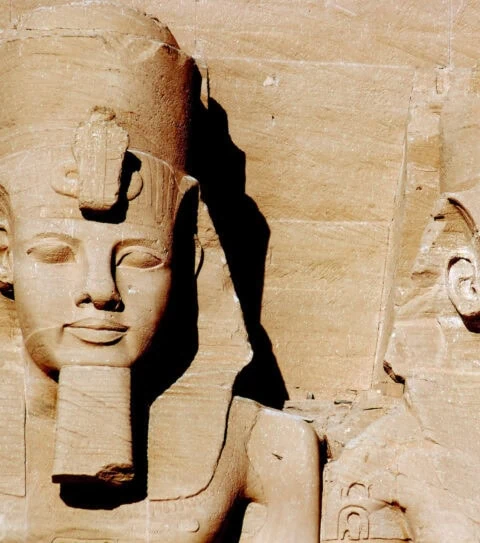
Must Visit Places in Egypt
Explore Egypt’s top sights — from pyramids to temples — and hidden gems worth seeing.
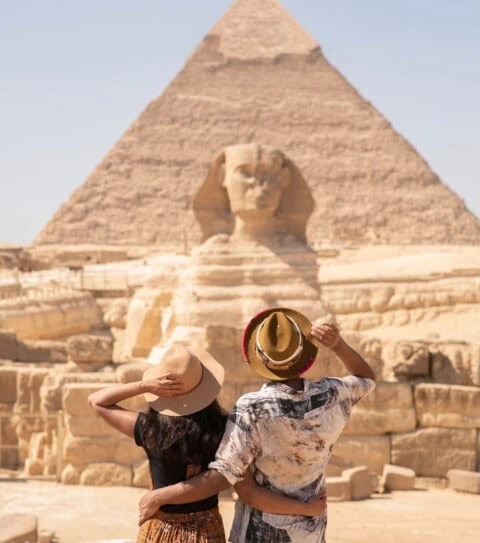
Top-Rated Egypt Tours
Handpicked private tours with local guides — our most loved and best-reviewed experiences.
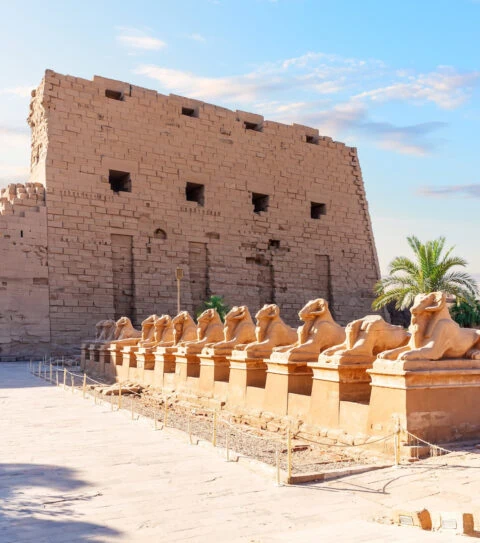
How Many Days to Visit Egypt?
Find out how many days you need in Egypt — from quick trips to full itineraries.
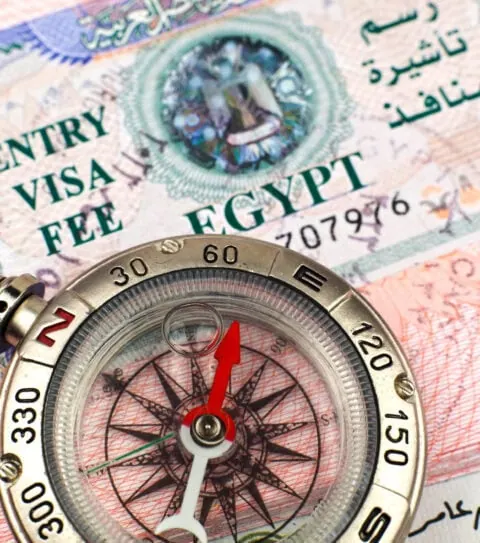
Egypt Visa Requirements
Check if you need a visa and get simple, up-to-date entry info based on your nationality.
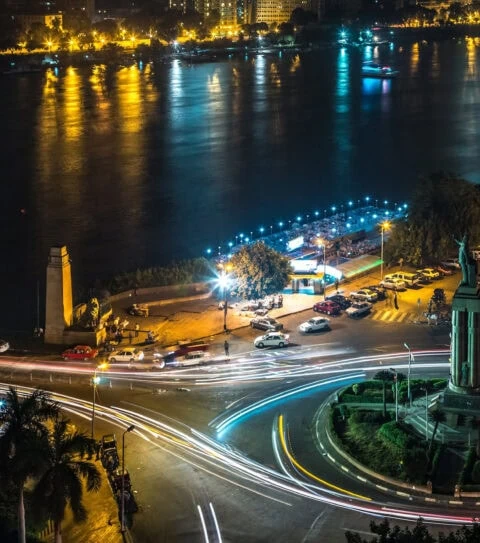
Is it Safe to Travel to Egypt?
Is Egypt safe? Get honest safety tips, area advice, and what to know before you travel.
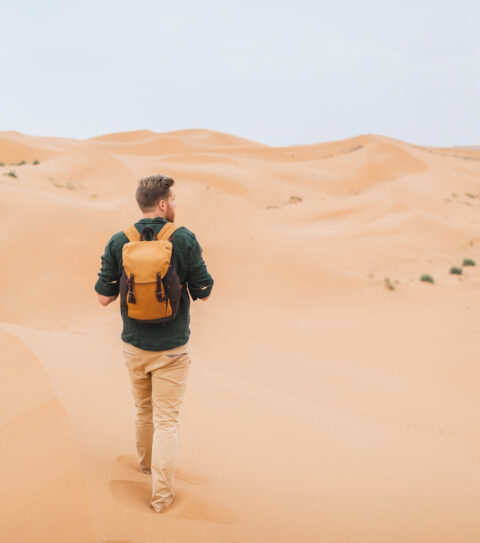
What to Pack for Egypt
A quick packing guide with essentials, cultural tips, and clothing advice for your Egypt trip.
Design Your Custom Tour
Explore Egypt your way by selecting only the attractions you want to visit