Where to Go in Egypt
Egypt calls to travelers worldwide with its ancient mysteries and modern wonders.
From the iconic pyramids rising from desert sands to vibrant coral reefs beneath Red Sea waters, Egypt offers experiences that span millennia. Whether you’re drawn to archaeological treasures, bustling bazaars, or peaceful Nile cruises, this North African gem delivers adventures tailored to every traveler’s dreams. The challenge isn’t finding something amazing to do – it’s choosing from the incredible variety of destinations across this historically rich nation.
We’ve crafted this comprehensive guide to help you navigate Egypt’s must-visit locations, practical travel tips, and hidden gems that most tourists miss.

Egypt’s Top Destinations: Ancient Wonders
Cairo stands as Egypt’s beating heart, where ancient history meets modern Middle Eastern culture.
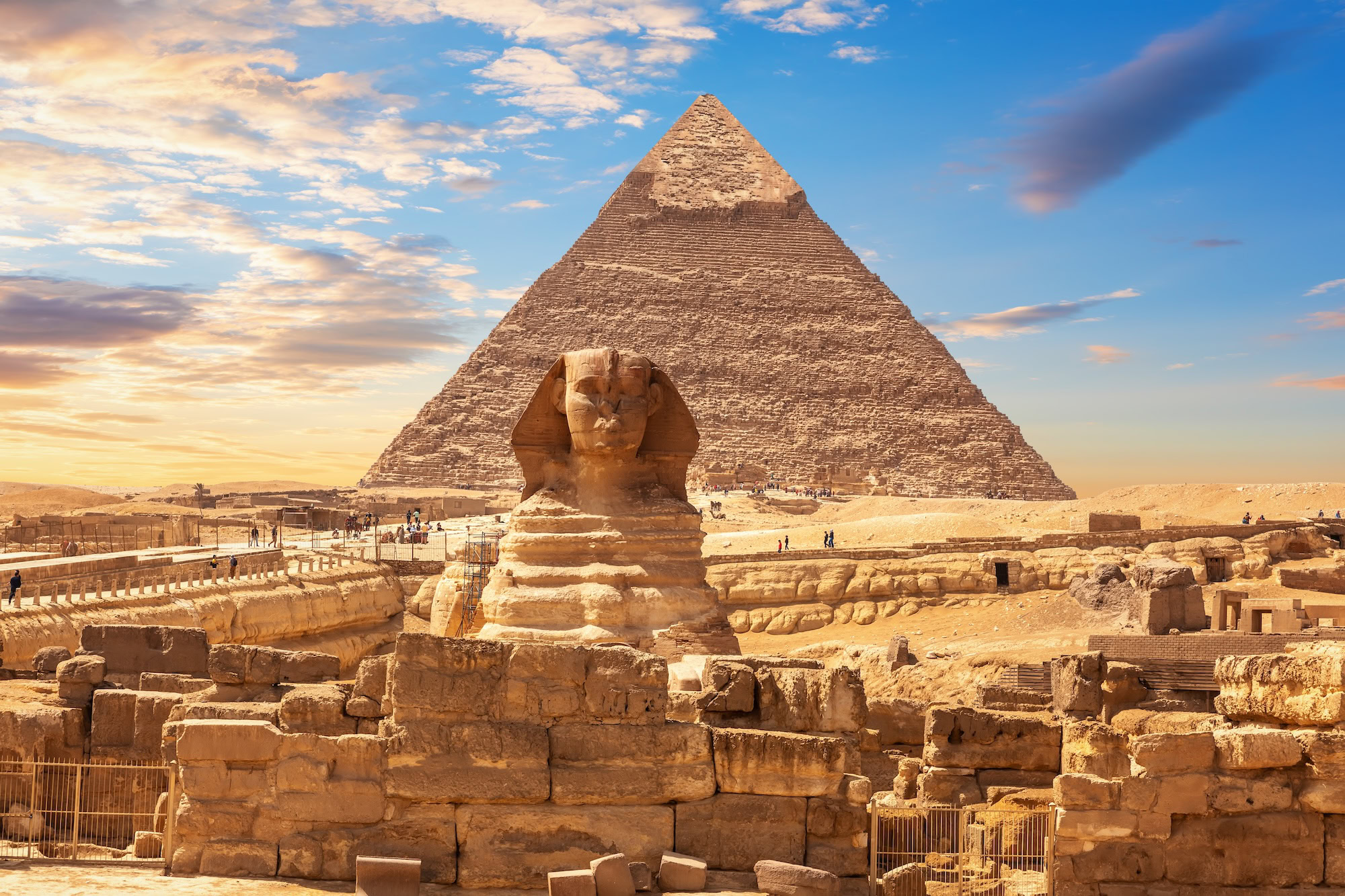
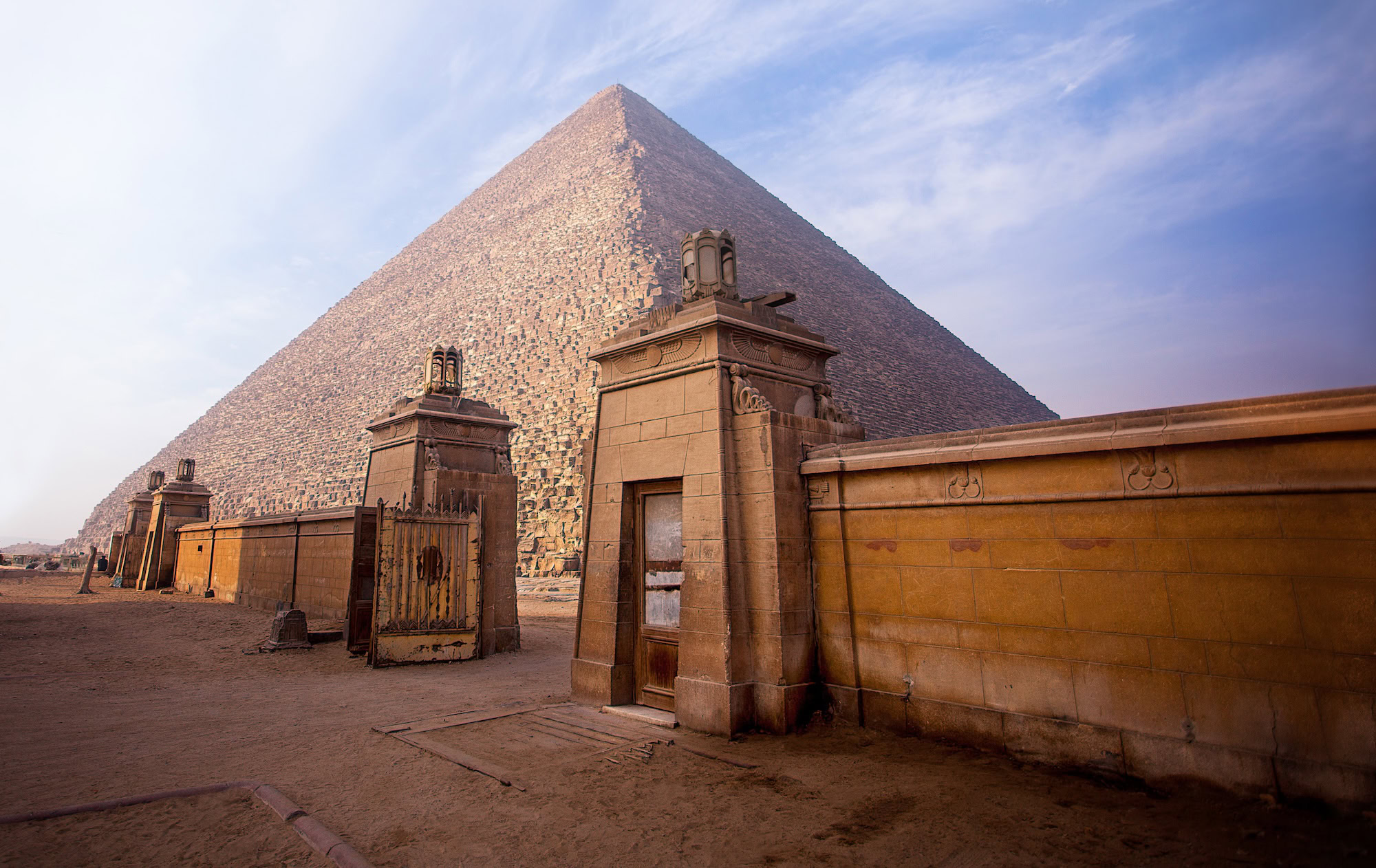
The Pyramids of Giza Complex
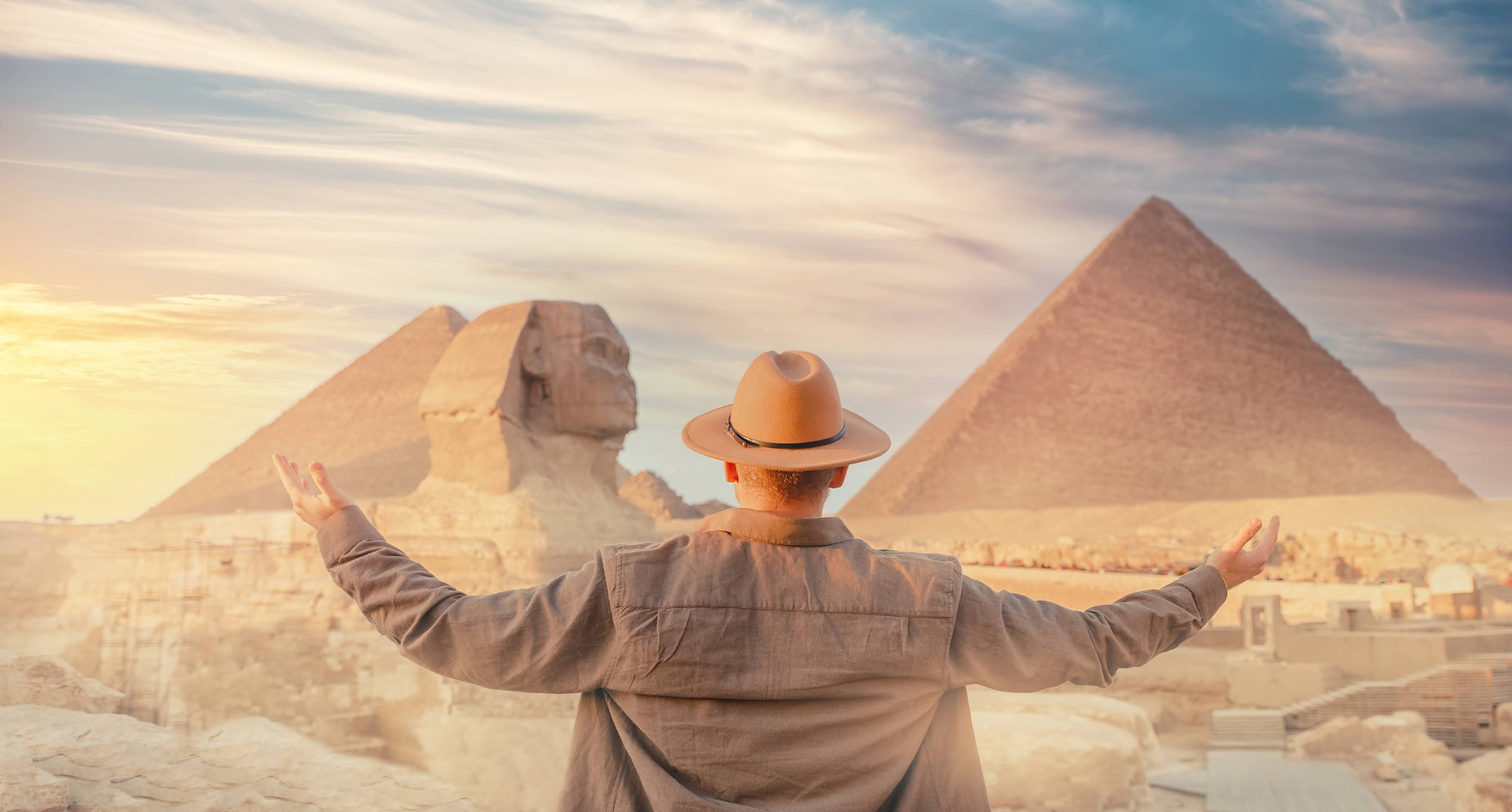
The Great Pyramid remains the last surviving Wonder of the Ancient World, drawing millions annually to witness its architectural mastery. Standing 146 meters (479 feet) tall, this monument to Pharaoh Khufu has captivated visitors for over 4,500 years. The adjacent Sphinx, carved from limestone, guards the complex with its enigmatic smile.
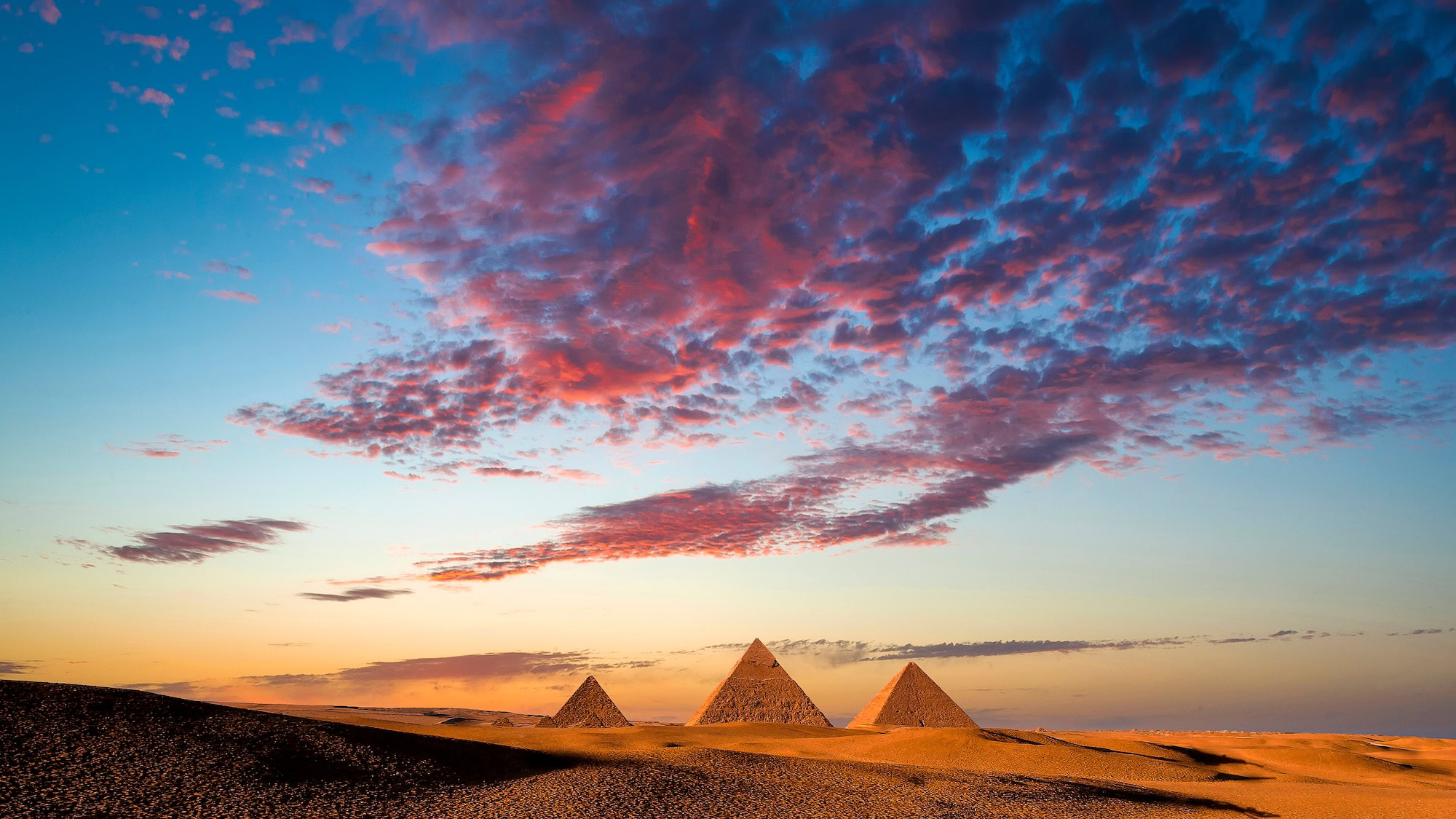
We recommend visiting early morning around 8:00 am (08:00) or late afternoon after 4:00 pm (16:00) to avoid peak crowds and harsh midday sun. Temperature can reach 35°C (95°F) during summer months.
The Grand Egyptian Museum
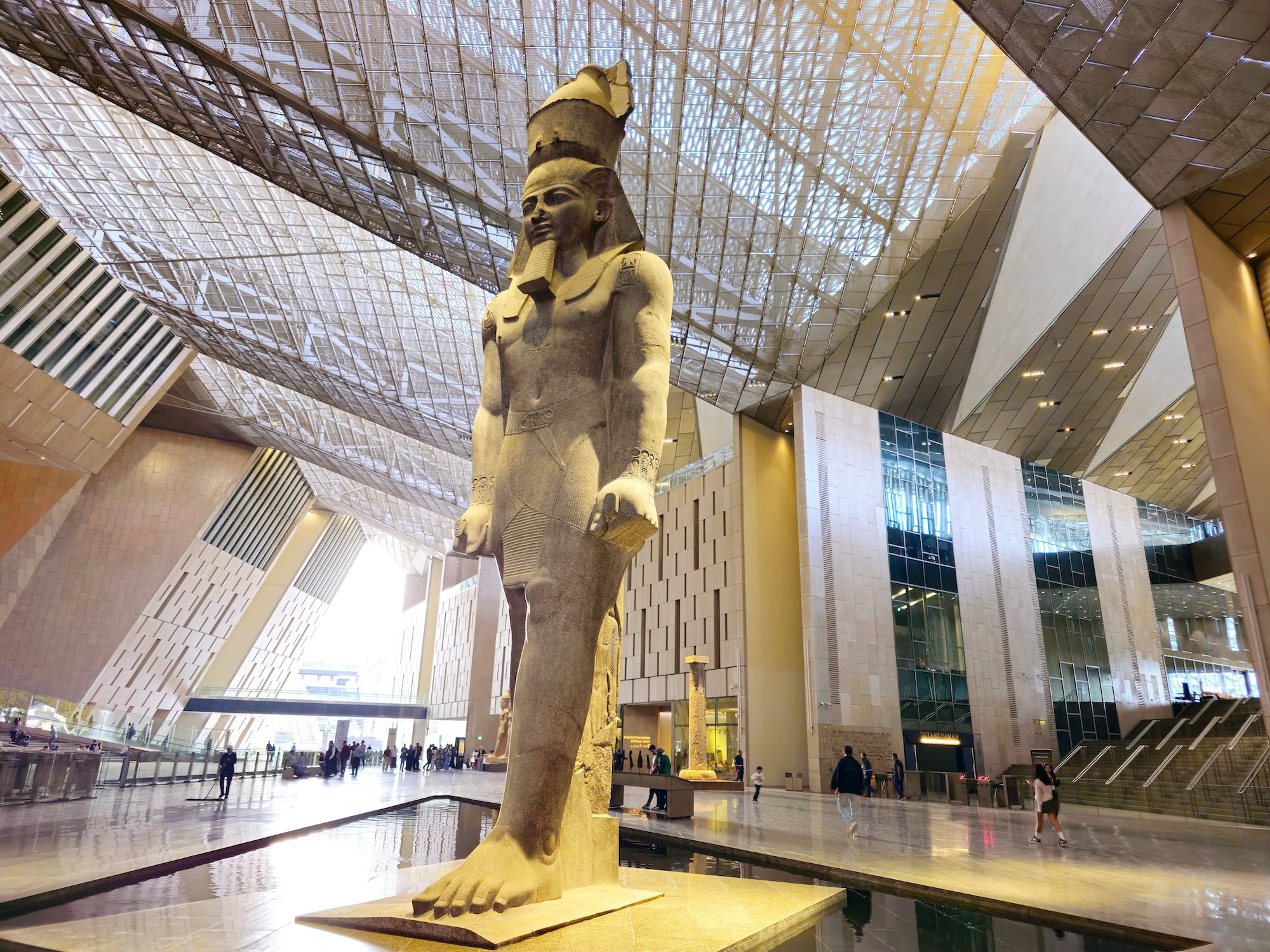
The Grand Egyptian Museum, located near the Giza Pyramids, is the world’s largest museum dedicated to a single civilization. It showcases over 100,000 artifacts, including the complete Tutankhamun collection displayed together for the first time.
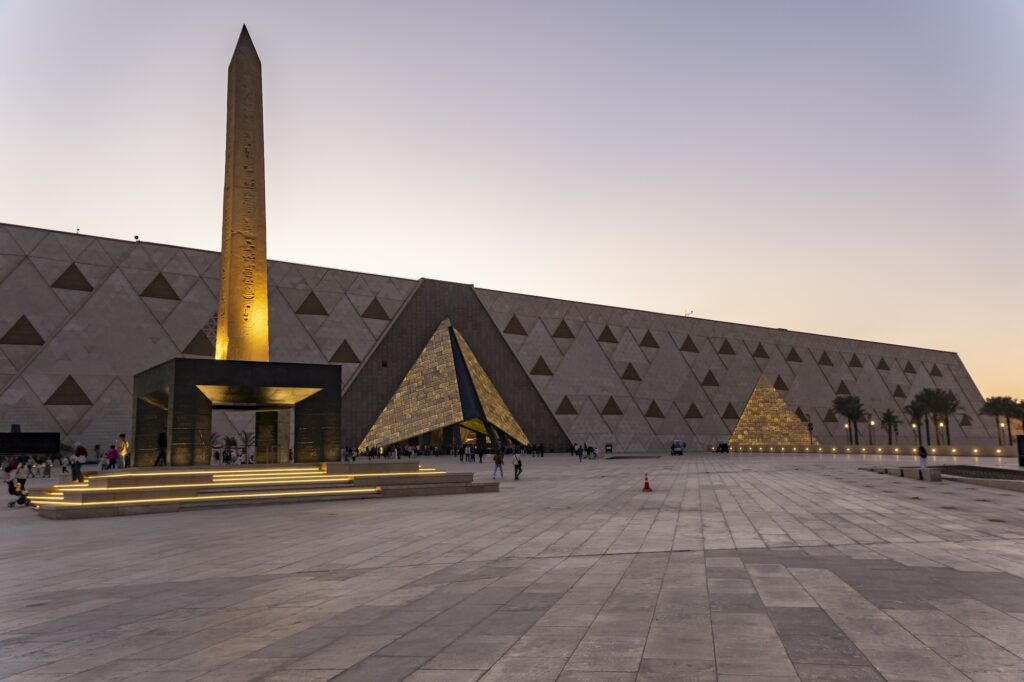
With its striking modern architecture, immersive exhibitions, and panoramic views of the pyramids, the museum offers a comprehensive and contemporary introduction to ancient Egyptian history.
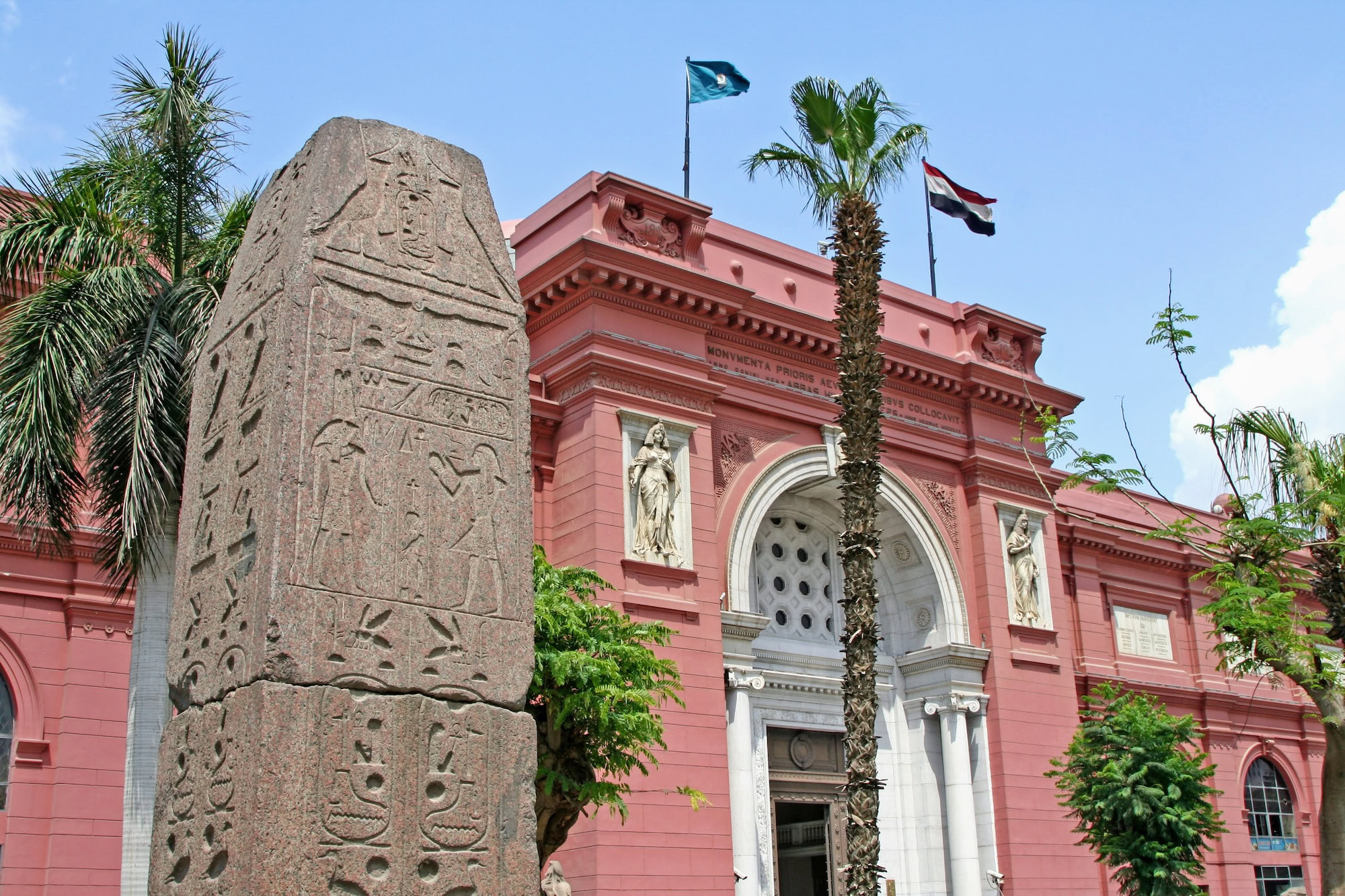
Egyptian Museum and Islamic Cairo
The Egyptian Museum houses the world’s most extensive collection of ancient Egyptian artifacts, including treasures from Tutankhamun’s tomb. Adjacent Islamic Cairo offers winding streets filled with medieval mosques, traditional crafts, and authentic local cuisine. The Khan el-Khalili bazaar provides perfect opportunities for souvenir shopping and cultural immersion.
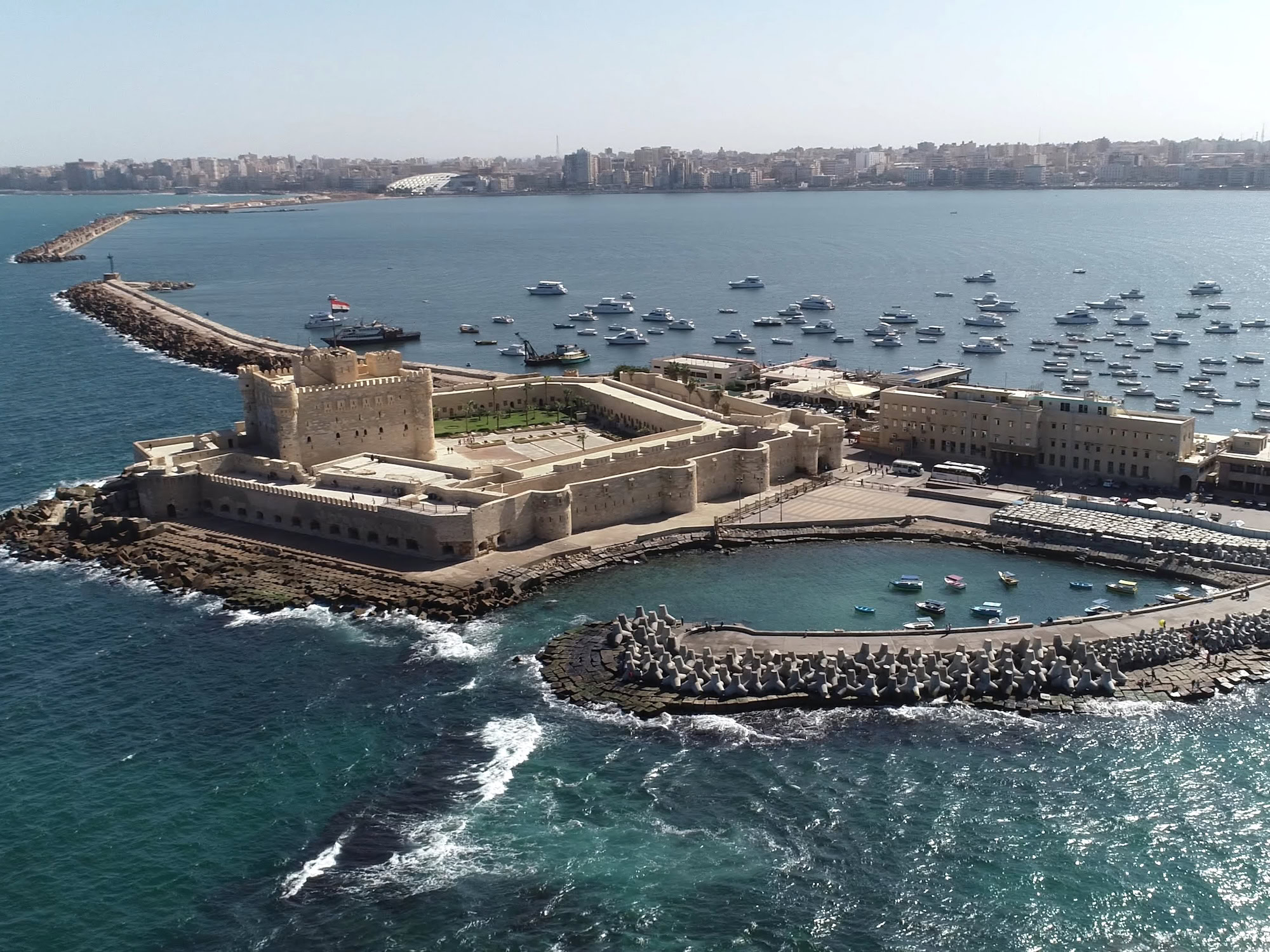
Alexandria: Mediterranean Coastal Charm
This coastal city blends Greco-Roman heritage with modern Egyptian life. The rebuilt Library of Alexandria serves as a symbol of knowledge and learning. Underwater archaeological sites near the harbor reveal submerged ancient palaces and temples, offering unique diving experiences for certified divers.
Luxor and Valley of Kings
Ancient Thebes reveals Egypt’s golden age through remarkably preserved temples and royal tombs.
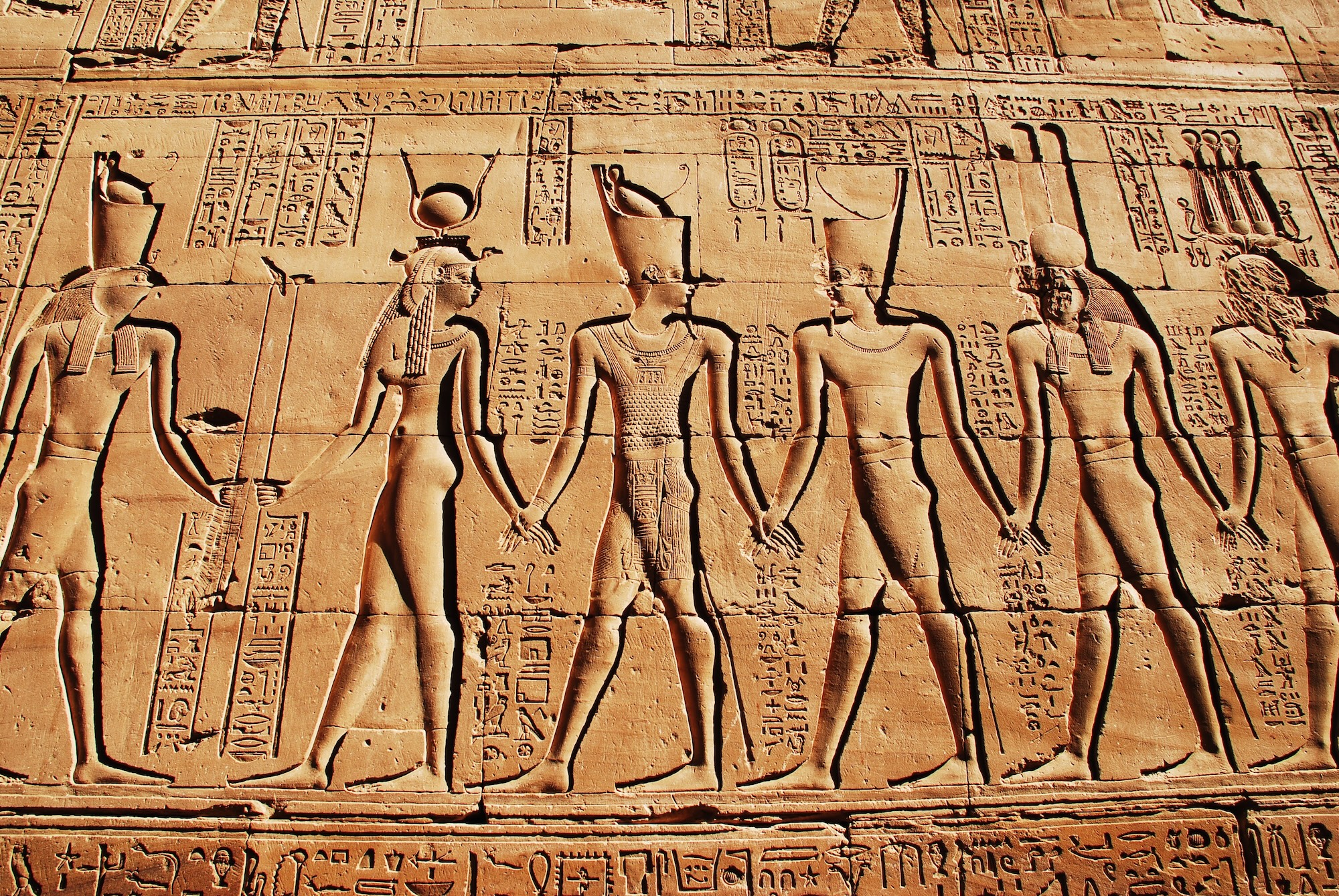
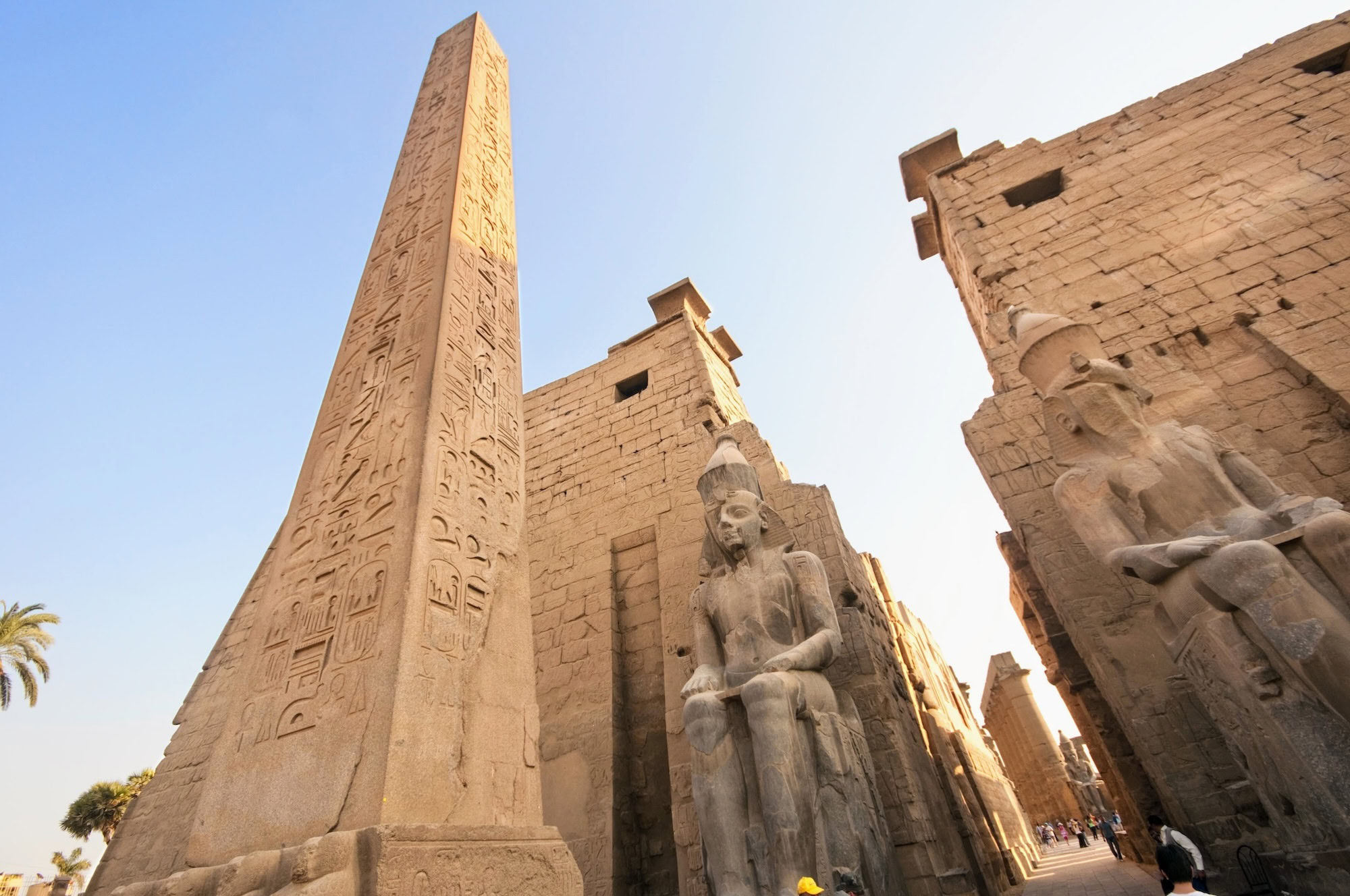
Luxor Temple and Karnak Temple Complex showcase massive stone columns, intricate hieroglyphics, and religious artwork spanning multiple dynasties. The Valley of the Kings contains over 60 royal burial chambers, including the famous tomb of Tutankhamun discovered by Howard Carter in 1922. Valley of the Queens houses the beautifully decorated tomb of Queen Nefertari, considered among Egypt’s finest ancient art.
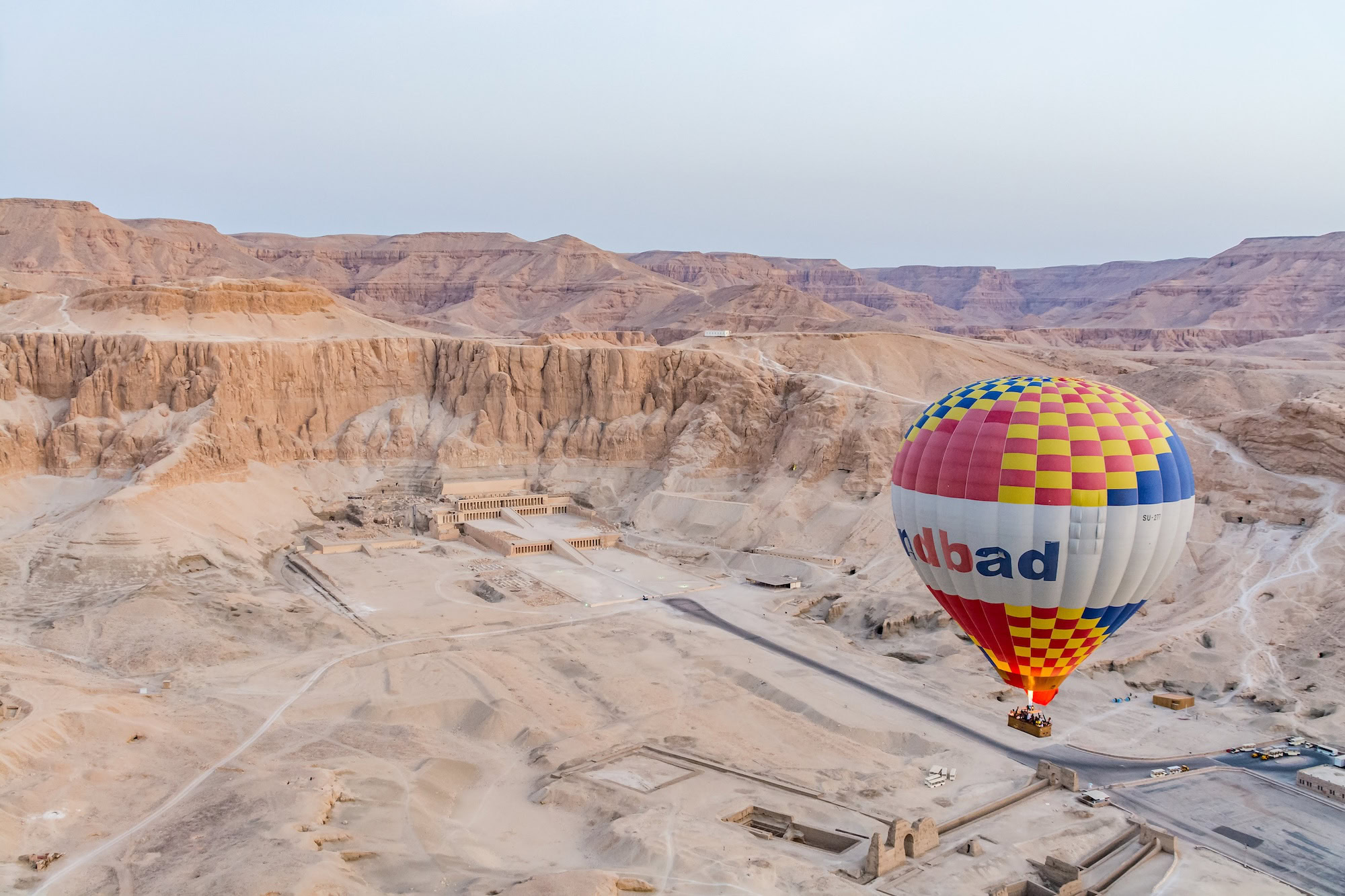
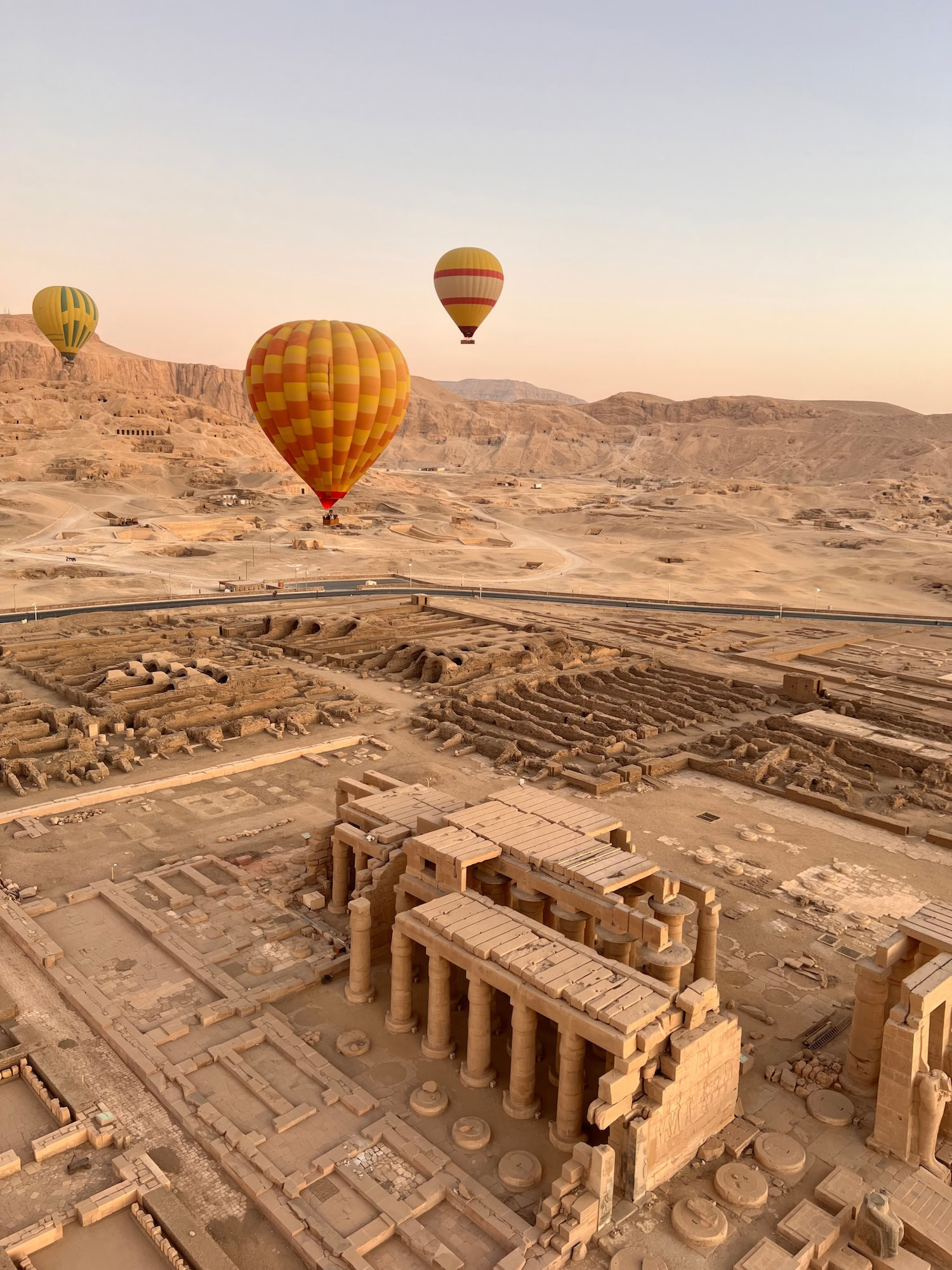
Hot air balloon rides at sunrise offer breathtaking aerial views of the archaeological sites. These flights typically launch around 6:00 am (06:00) when winds remain calm and temperatures stay comfortable.
West Bank Archaeological Sites
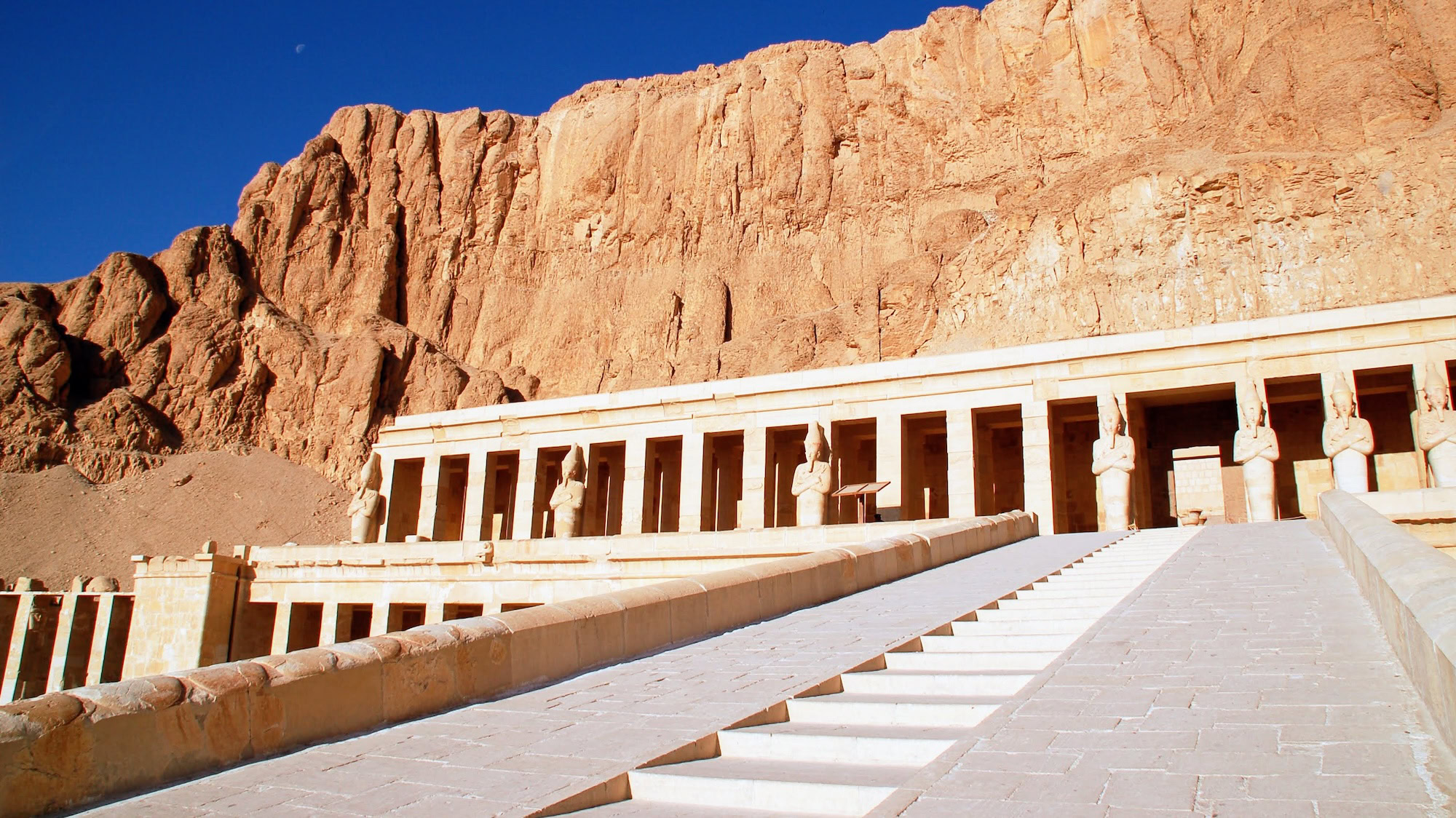
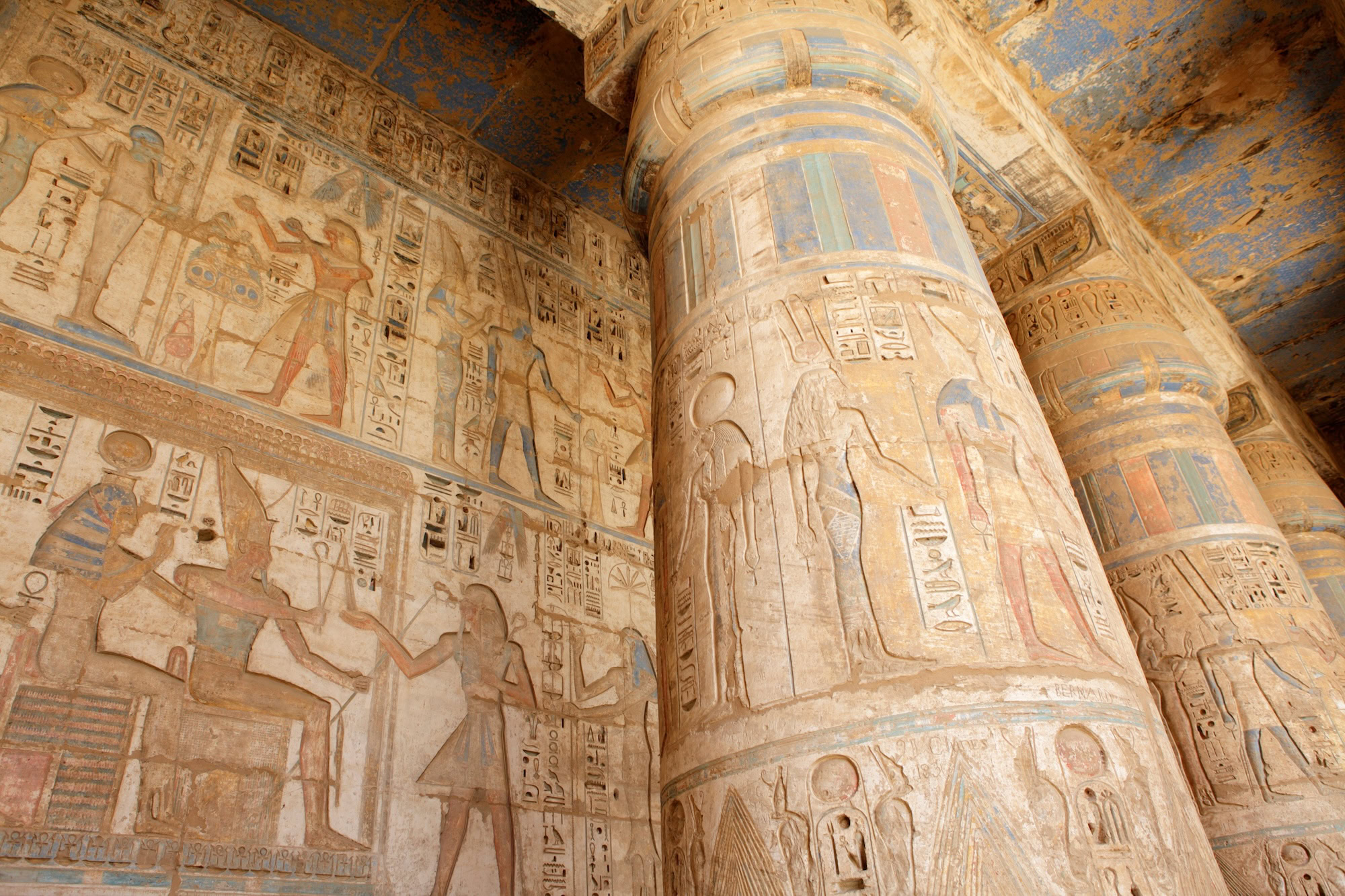
Hatshepsut Temple rises dramatically from desert cliffs, honoring Egypt’s most successful female pharaoh. Medinet Habu Temple features vivid battle scenes and religious ceremonies carved into stone walls. The Colossi of Memnon – two massive seated statues – mark the entrance to what was once the largest temple complex in ancient Egypt.
Professional Egyptologists guide visitors through these sites, explaining historical context and architectural significance that brings ancient stories to life.
Aswan: Nubian Culture Gateway
Southern Egypt’s jewel offers a more relaxed pace while showcasing unique cultural experiences. The High Dam creates Lake Nasser, one of the world’s largest artificial lakes, providing hydroelectric power and flood control for modern Egypt. Philae Temple, relocated to Agilkia Island, honors the goddess Isis through stunning Ptolemaic architecture.
Nubian villages across the Nile showcase colorful houses, traditional crafts, and warm hospitality. Local families often invite visitors for authentic meals featuring regional specialties. The Unfinished Obelisk remains in its original quarry, demonstrating ancient stone-cutting techniques used throughout Egypt’s monumental construction projects.
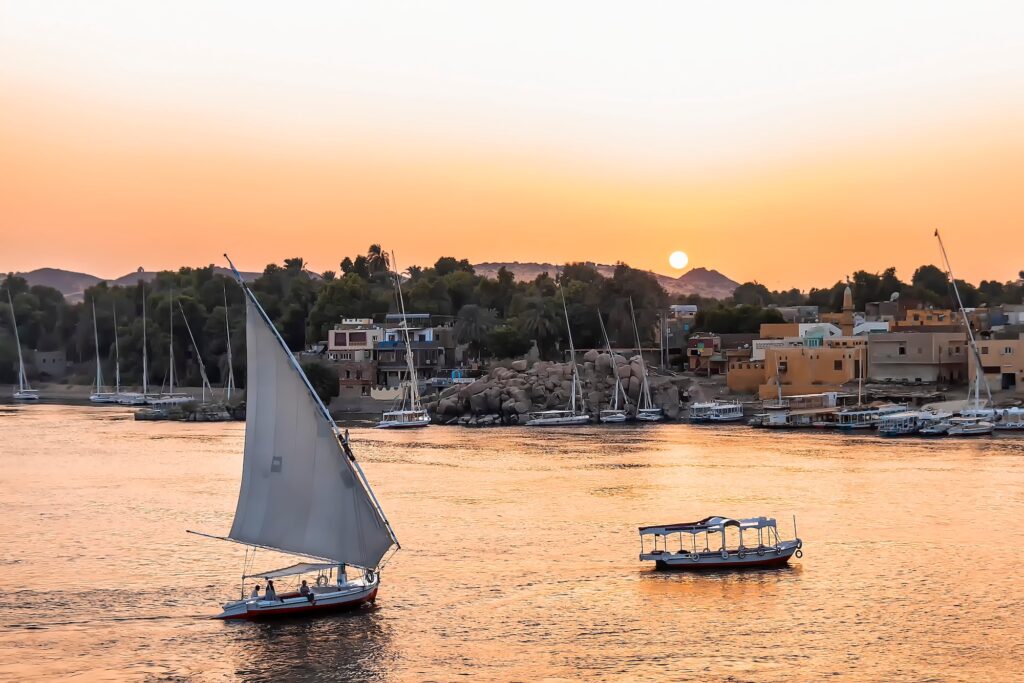
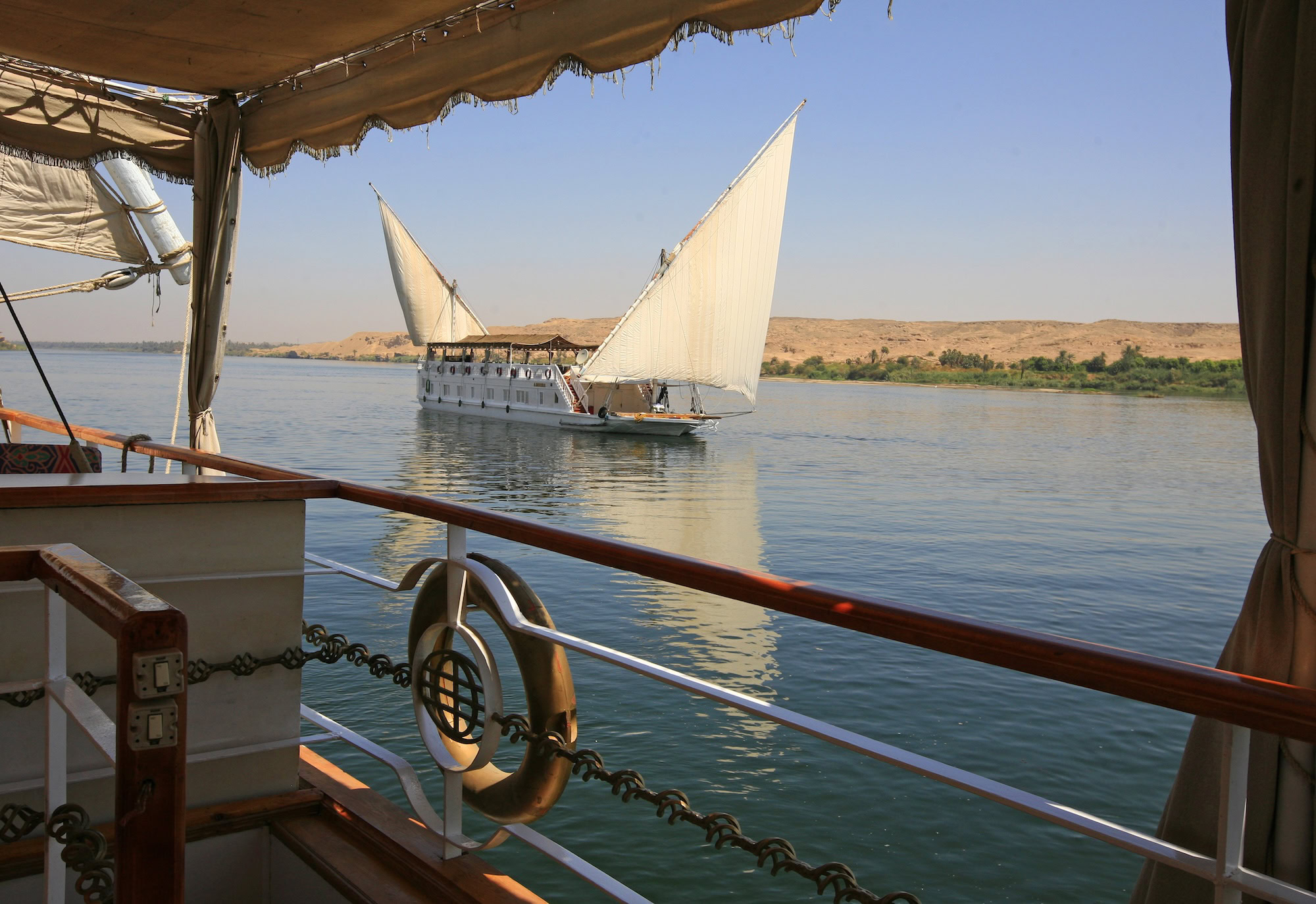
Felucca sailing offers peaceful Nile journeys powered only by wind and current. These traditional boats provide intimate perspectives of riverside landscapes, especially beautiful during golden hour before sunset. Abu Simbel temples, located 280 kilometers (174 miles) south of Aswan, feature colossal statues of Ramesses II carved directly into cliff faces.
Red Sea Coastal Paradise
Egypt’s Red Sea coastline stretches over 1,000 kilometers (621 miles) of pristine coral reefs and crystal-clear waters.
Hurghada: Resort Town Excellence
Modern hotels, international restaurants, and world-class dive centers make Hurghada Egypt’s premier beach destination. Giftun Island day trips offer snorkeling among colorful fish species and untouched coral formations. Desert safari excursions include camel riding, Bedouin cultural experiences, and stargazing in one of the world’s clearest night skies.
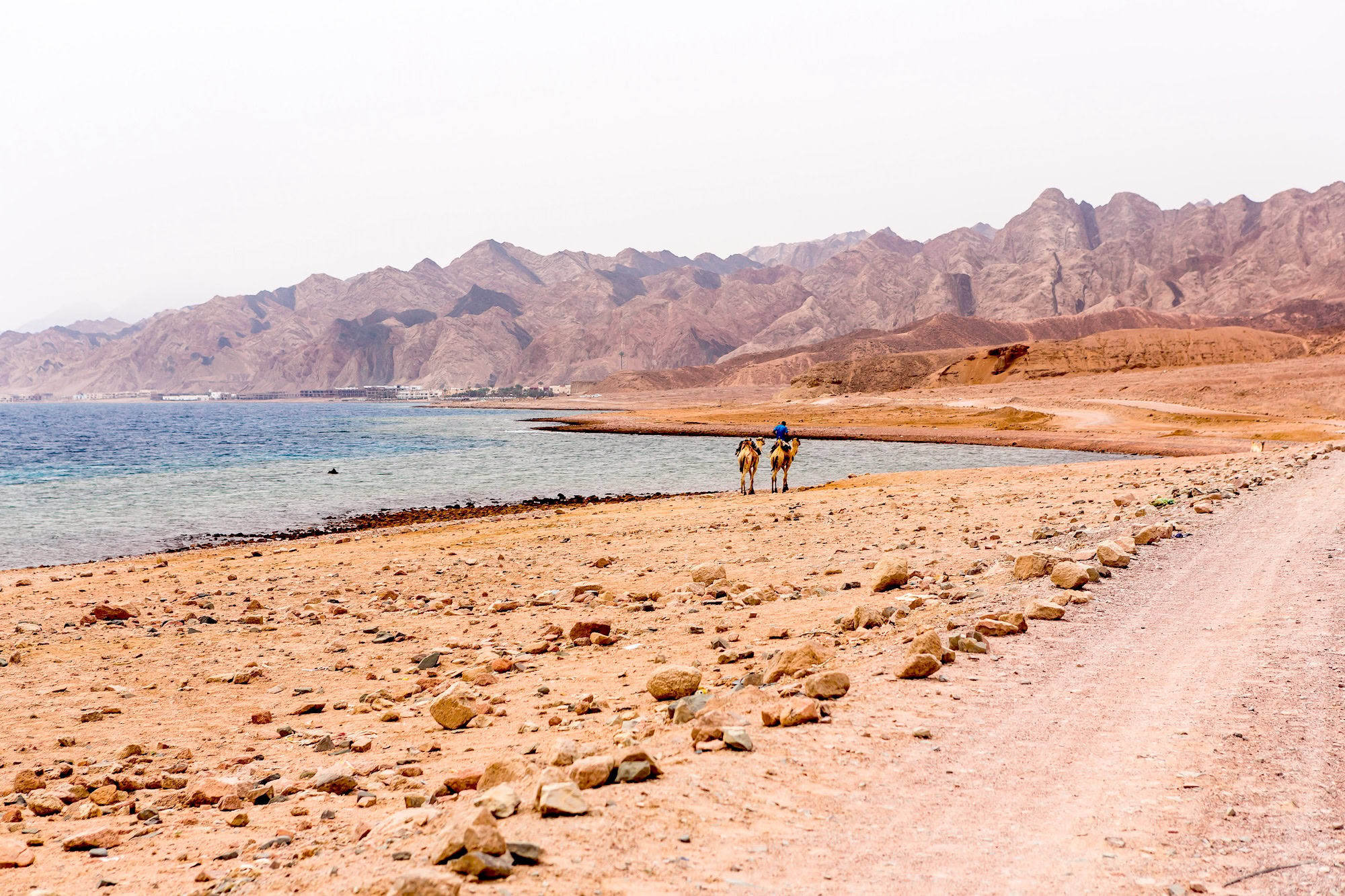
Water temperatures remain comfortable year-round, ranging from 22°C (72°F) in winter to 28°C (82°F) in summer.
Sharm El Sheikh: Diving Capital
The Ras Mohammed National Park protects some of the Red Sea’s most biodiverse marine ecosystems. Advanced divers explore the famous Blue Hole and Thistlegorm wreck, while beginners enjoy shallow reef diving near Na’ama Bay. The Sinai Peninsula backdrop creates dramatic desert-meets-sea scenery.
Marsa Alam: Unspoiled Natural Beauty
This emerging destination offers uncrowded beaches and pristine diving conditions. Dugong sightings occur regularly in seagrass beds near Abu Dabbab Bay. Wadi El Gemal National Park combines coastal protection with desert conservation, supporting unique wildlife populations.
Nile River Cruising Experience
Multi-day Nile cruises between Luxor and Aswan provide comfortable transportation while visiting multiple archaeological sites. Modern cruise ships feature air-conditioned cabins, onboard dining, and sun decks for relaxation between excursions. Small group tours at each stop, typically with 12 participants maximum, ensure more intimate experiences than large bus tours.
Traditional felucca cruises offer authentic sailing experiences without modern amenities. These wooden boats rely entirely on wind power and provide closer connections to local river life. Sunset sailing creates magical moments as golden light reflects off ancient temple walls along the riverbanks.
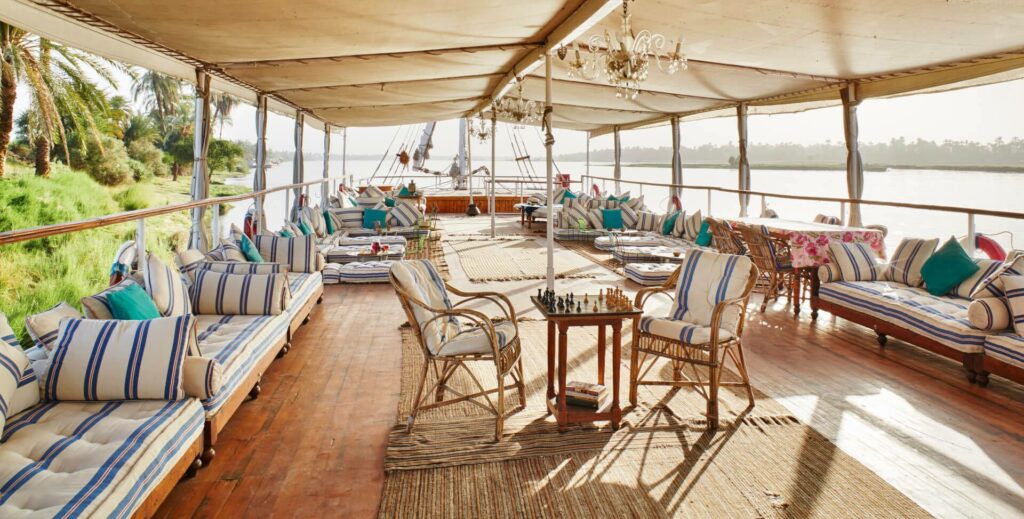
Dahabiya Nile Cruises combine traditional boat designs with modern comfort, accommodating smaller groups for personalized service. These boutique vessels often dock at smaller villages unavailable to larger ships.
Planning Your Egyptian Adventure
Visa Requirements and Entry
U.S. visitors need a tourist visa obtainable upon arrival at Cairo International Airport for $25 USD, or through e-visa applications before departure. European Union citizens follow identical visa requirements, while Canadian and Australian travelers use the same process. Latin American visitors should verify specific requirements with Egyptian consulates, as some nationalities require advance visa applications.
Valid passports must have at least six months remaining validity and two blank pages for entry stamps.
Best Time to Visit
October through April offers ideal weather conditions across most of Egypt, with daytime temperatures between 20-25°C (68-77°F). Summer months (May-September) bring intense heat to inland areas but remain comfortable along coastal regions. Red Sea destinations maintain pleasant conditions year-round due to sea breezes and moderate humidity.
Ramadan timing affects restaurant hours and cultural site accessibility, requiring advance planning for meal times and attraction visits.
Transportation Between Destinations
Domestic flights connect major cities efficiently, with Egypt Air and other carriers offering regular service between Cairo, Luxor, Aswan, and coastal airports. Train service between Cairo and Luxor/Aswan provides comfortable overnight options with sleeping cars and dining services.
Private transfers ensure flexible scheduling and direct routes between destinations. Our modern vehicles feature air conditioning, Wi-Fi, and professional drivers familiar with optimal routes and timing for attraction visits.
Currency and Payment Methods
Egyptian pounds (EGP) serve as the local currency, though U.S. dollars remain widely accepted at tourist sites and hotels. ATMs operate reliably in major cities, while smaller villages may require cash transactions. Credit cards work at upscale establishments, but carrying cash ensures payment flexibility across all venues.
Tipping (baksheesh) forms an important part of Egyptian service culture, with small amounts expected for guides, drivers, and service staff.
Cultural Experiences Beyond Tourist Trail
Traditional Markets and Cuisine
Authentic souks in smaller cities offer genuine cultural interactions away from tourist-focused bazaars. Local coffee houses serve traditional ahwa (Turkish coffee) alongside backgammon games and neighborhood conversations. Regional specialties vary significantly – coastal areas feature fresh seafood, while Upper Egypt focuses on hearty stews and grilled meats.
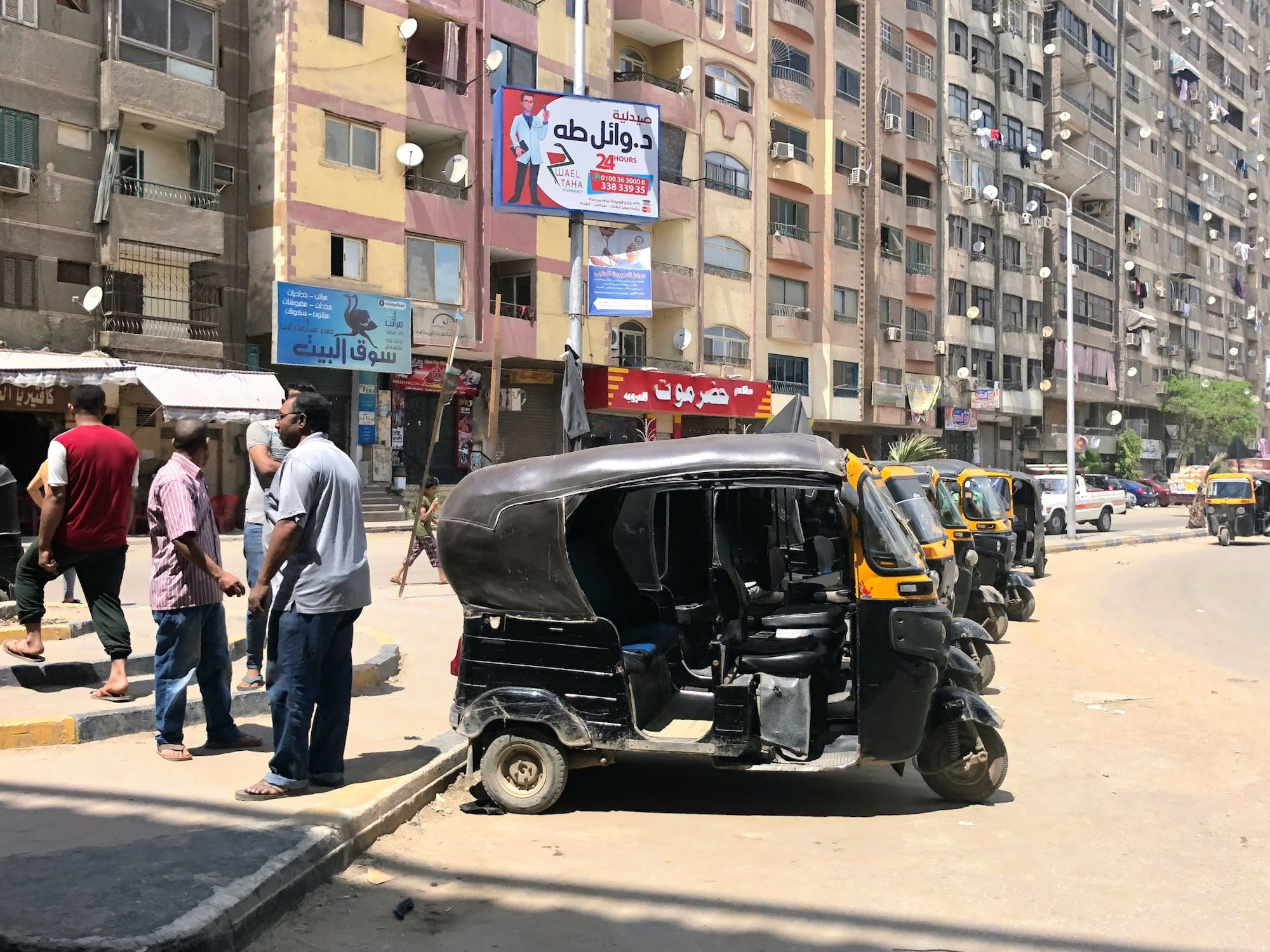
Cooking classes with local families provide hands-on experience preparing traditional dishes like koshari, molokhia, and various mezze selections.
Religious and Cultural Sites
Coptic Cairo preserves Egypt’s Christian heritage through ancient churches and monasteries. The Hanging Church dates to the 3rd century, while nearby Coptic Museum displays religious artifacts spanning centuries. Islamic architecture throughout Egypt showcases different dynastic periods through mosque design and decorative elements.
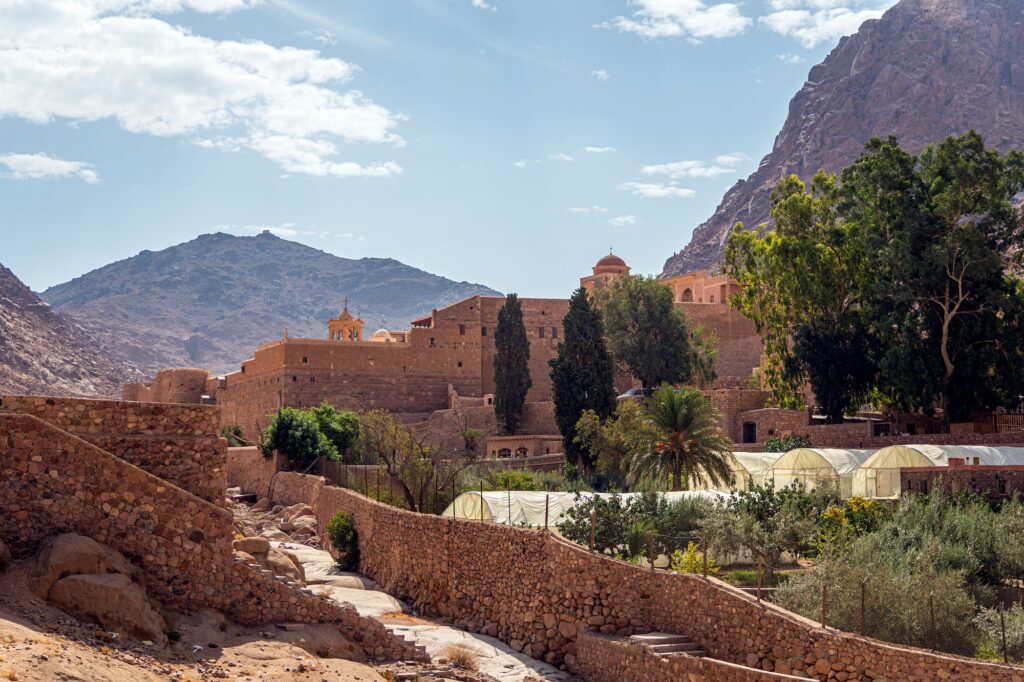
St. Catherine’s Monastery in Sinai, one of Christianity’s oldest continuously operating monasteries, houses remarkable manuscript collections and religious art.
Desert Adventures and Wonders
The White Desert’s chalky formations create otherworldly landscapes perfect for camping and photography. Black Desert volcanic rocks contrast dramatically with surrounding golden sands. Siwa Oasis offers palm groves, natural hot springs, and traditional Berber culture largely unchanged for generations.
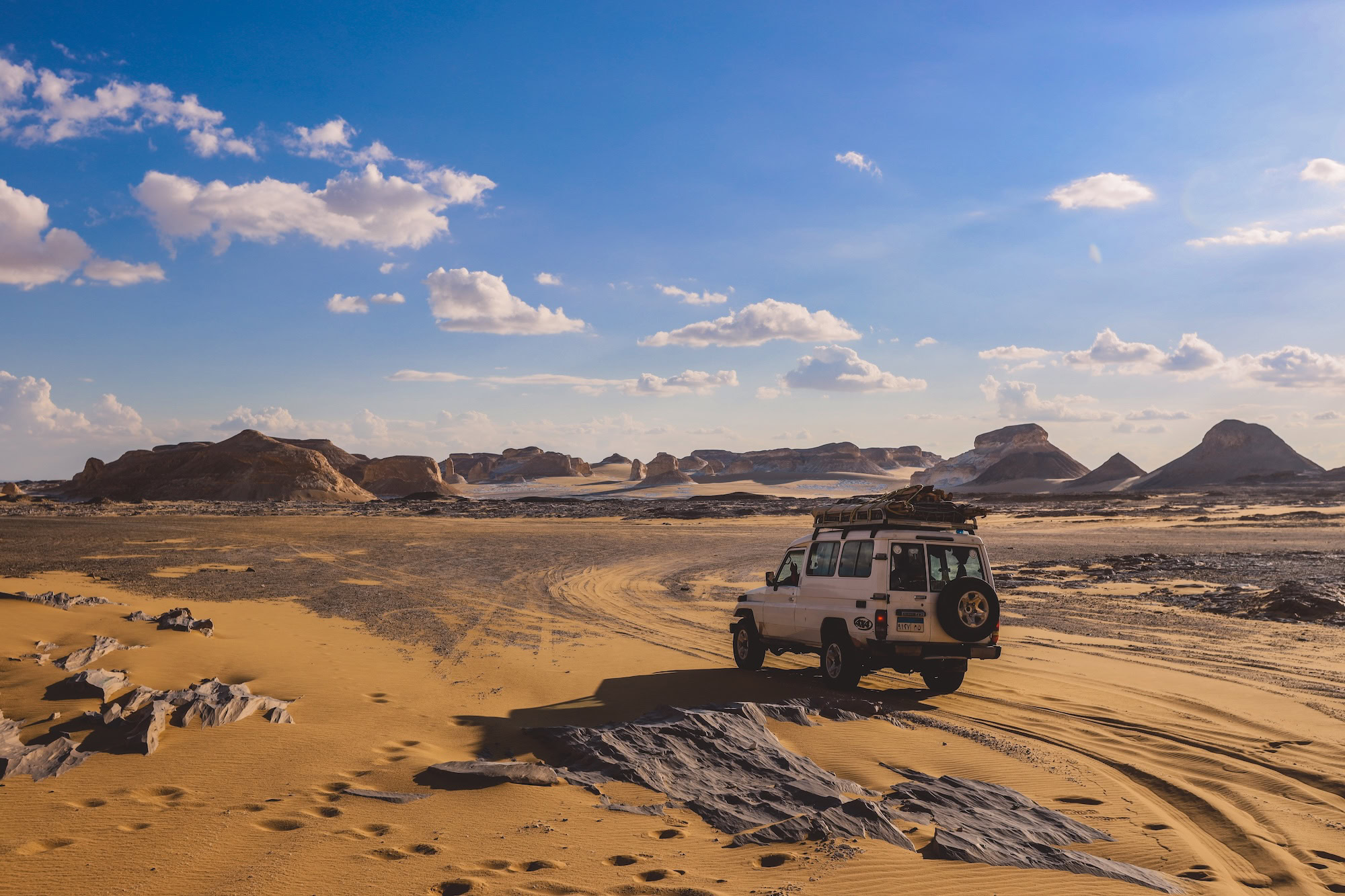
Bahariya Oasis contains unique geological formations and the Valley of the Golden Mummies archaeological site.
Maximizing Your Egyptian Journey
Our decades of expertise in Egyptian tourism enable personalized itinerary planning that matches your interests, budget, and travel style. Whether you prefer archaeological focus, cultural immersion, or relaxing resort experiences, we design tours that capture Egypt’s essence while ensuring comfort and safety.
Private qualified Egyptologist guides provide in-depth historical context unavailable through generic group tours. These experts adapt explanations to your knowledge level and interests, creating educational experiences that enhance appreciation for Egypt’s remarkable heritage.
24/7 customer support ensures assistance whenever needed during your journey. From restaurant recommendations to medical emergencies, our local team provides immediate help in English and Arabic.
Modern transportation with professional drivers eliminates navigation stress and ensures efficient travel between destinations. Our vehicles undergo regular maintenance and safety inspections while providing comfortable interiors for long-distance journeys.
Frequently Asked Questions
What is the best time of year to visit Egypt?
October through April offers ideal weather with temperatures between 20-25°C (68-77°F) and minimal rainfall.
How many days do you need to see Egypt properly?
A minimum of 8-10 days allows visits to Cairo, Luxor, Aswan, and one coastal destination.
Is Egypt safe for tourists?
Egypt maintains strong tourism security measures, and millions of visitors travel safely each year with proper planning.
What should you wear when visiting religious sites?
Conservative clothing covering shoulders and knees is required, with headscarves recommended for women in mosques.
Can you drink tap water in Egypt?
Bottled water is recommended for all tourists to avoid potential stomach issues from unfamiliar mineral content.
How much does a typical Egypt vacation cost?
Budget varies widely from $50-300+ per day depending on accommodation level, tour inclusions, and personal preferences.
Do you need vaccinations to visit Egypt?
No special vaccinations are required for most travelers, though hepatitis A and typhoid are sometimes recommended.
What currency is used in Egypt?
Egyptian pounds (EGP) are the local currency, though U.S. dollars are widely accepted at tourist establishments.
Can you take photos inside the pyramids?
Photography inside pyramid chambers requires special tickets available at additional cost beyond general admission.
What languages are spoken in Egypt?
Arabic is the official language, while English is widely spoken in tourist areas and by hospitality staff.
How far in advance should you book Egypt tours?
2-3 months advance booking ensures better availability and pricing, especially during peak winter season.
Are there dress codes for visiting archaeological sites?
Modest clothing is recommended for respect and sun protection, with comfortable walking shoes essential for uneven surfaces.
Explore our most popular guides and expert tips to make your trip safe, smooth, and unforgettable.
Plan Your Egypt Adventure with Confidence
How to Plan a Trip Egypt
Step-by-step guide to help you plan the perfect Egypt trip — from routes and budget to booking.
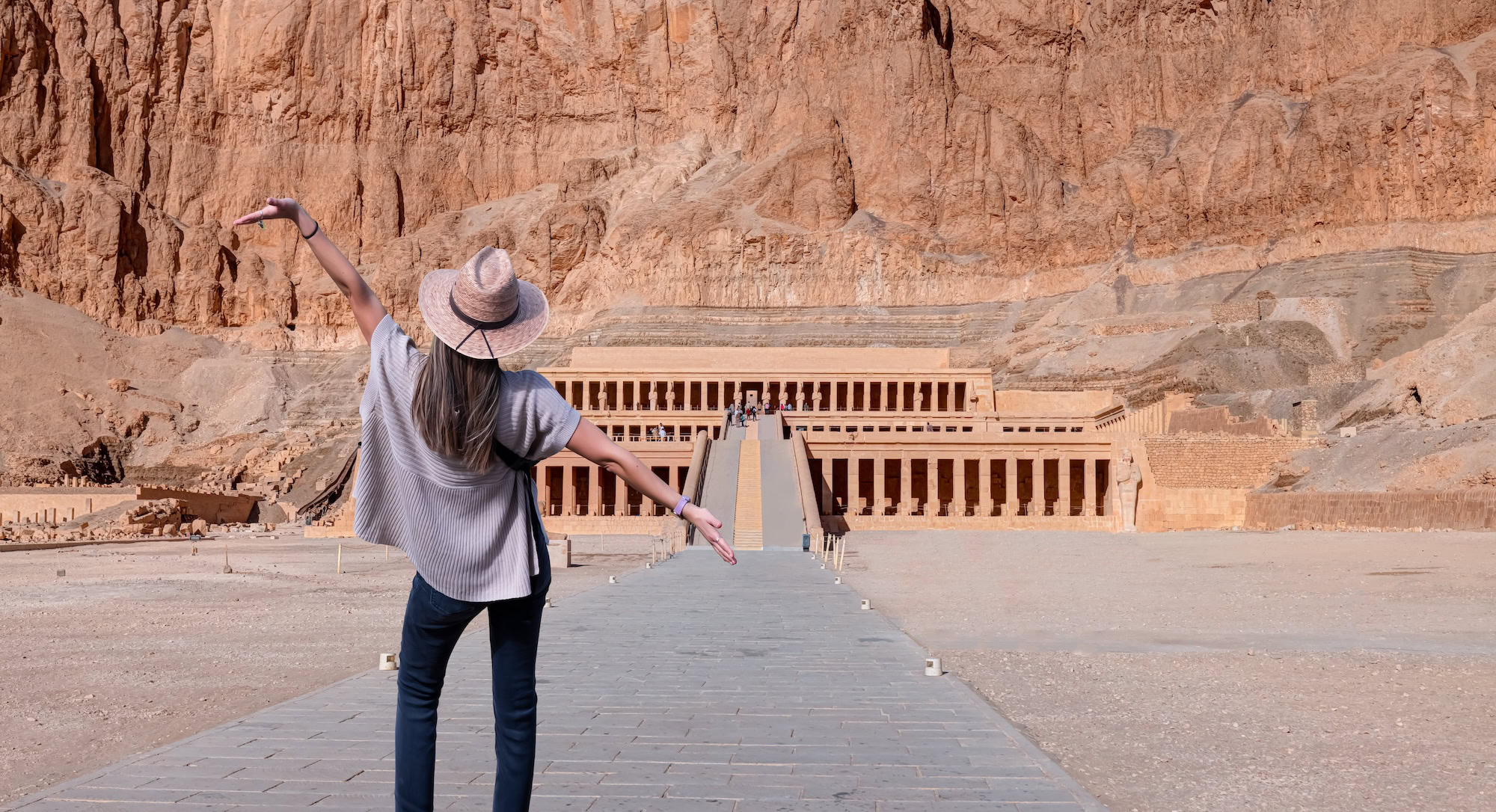
Best Time to Visit Egypt
Learn the best months to visit Egypt based on weather, crowds, and local travel experiences.
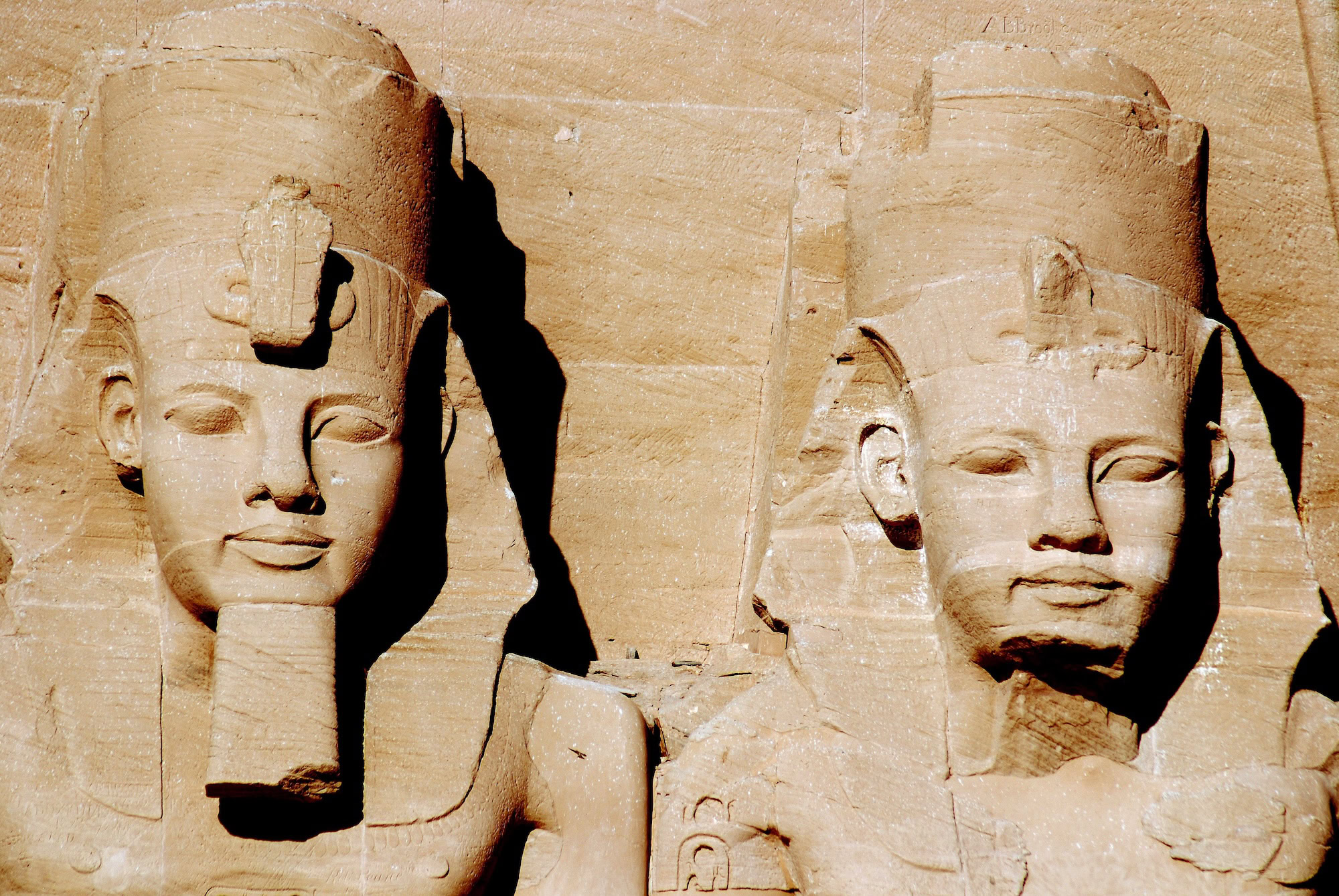
Must Visit Places in Egypt
Explore Egypt’s top sights — from pyramids to temples — and hidden gems worth seeing.
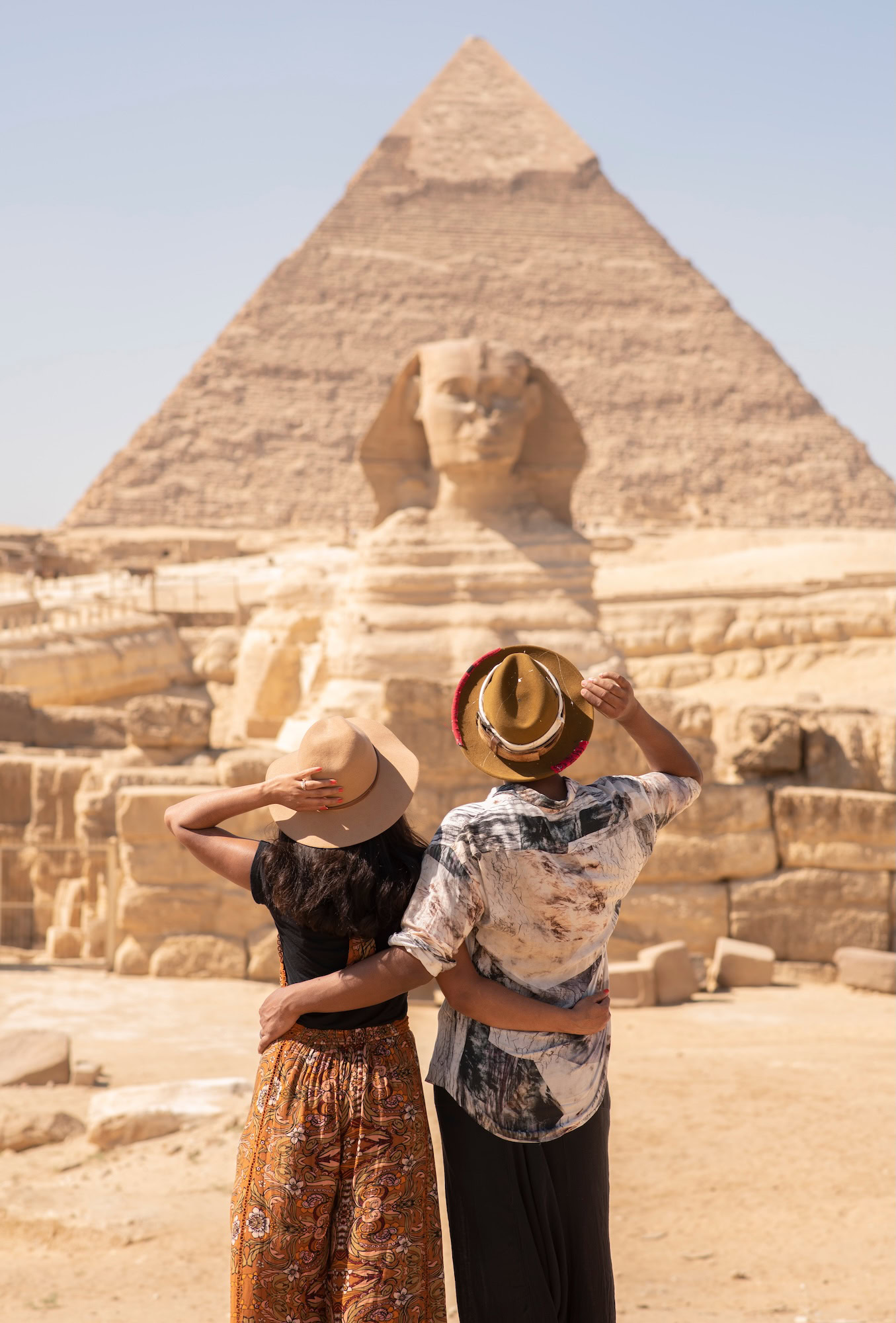
Top-Rated Egypt Tours
Handpicked private tours with local guides — our most loved and best-reviewed experiences.
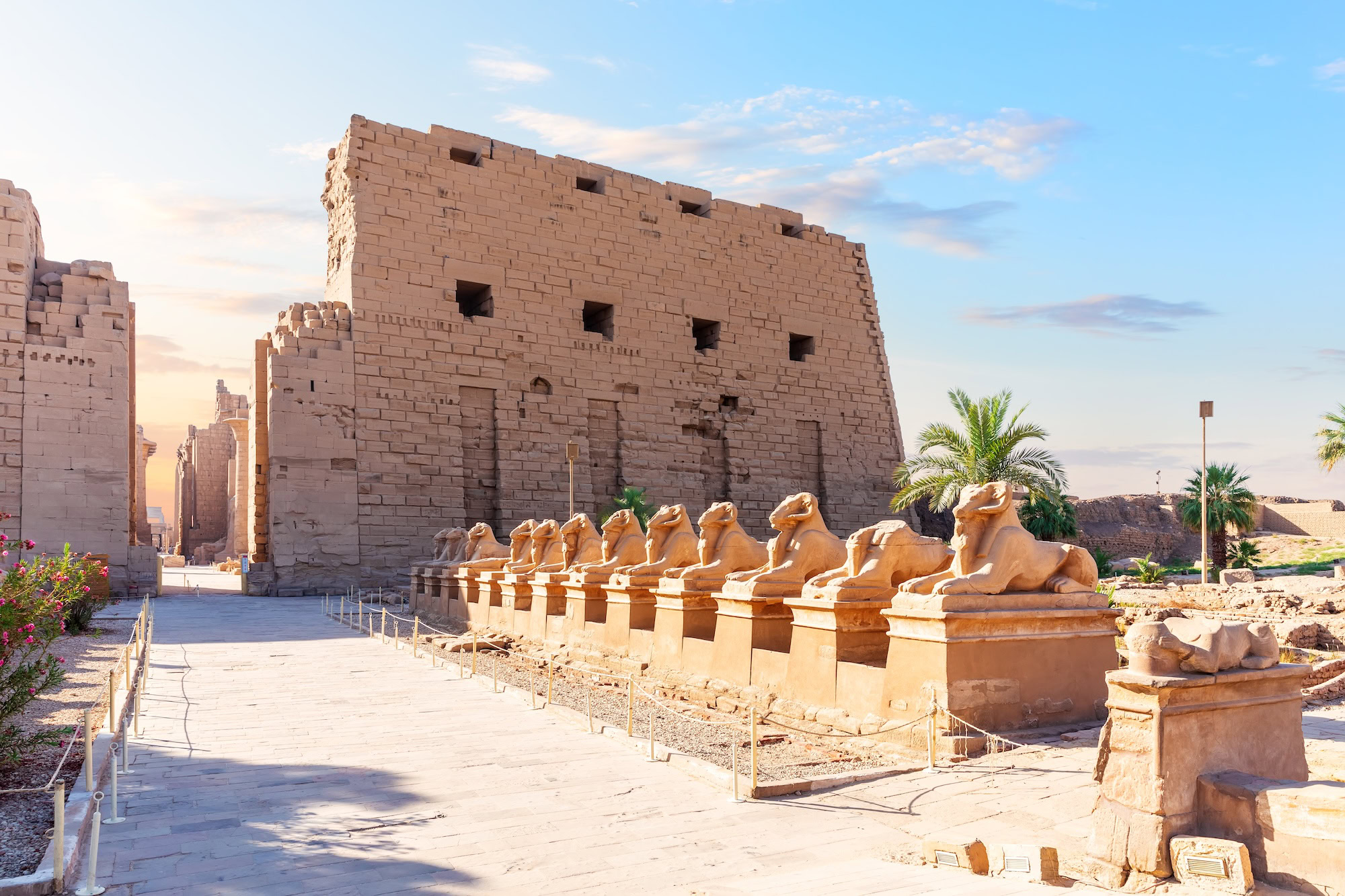
How Many Days to Visit Egypt?
Find out how many days you need in Egypt — from quick trips to full itineraries.
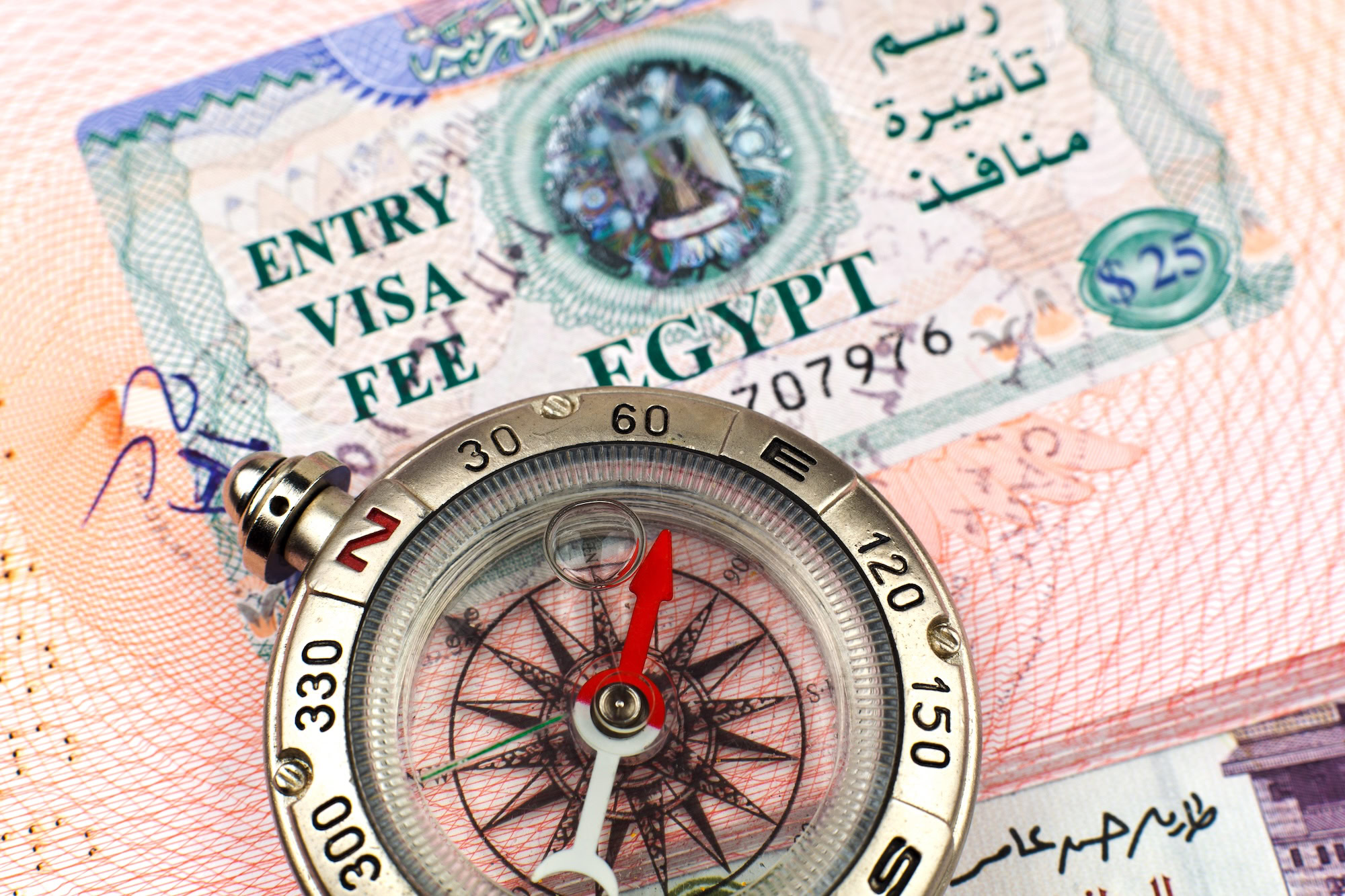
Egypt Visa Requirements
Check if you need a visa and get simple, up-to-date entry info based on your nationality.
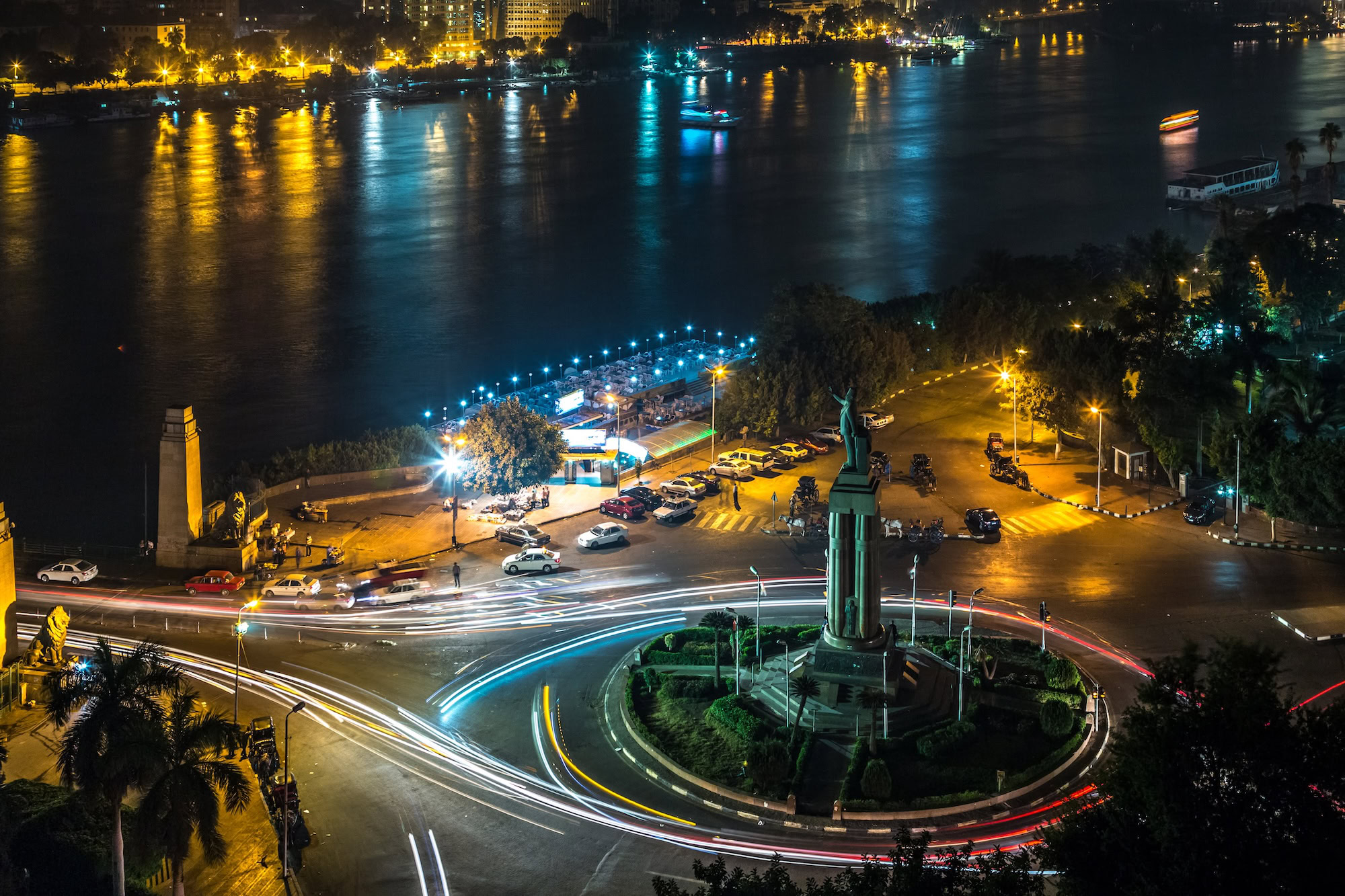
Is it Safe to Travel to Egypt?
Is Egypt safe? Get honest safety tips, area advice, and what to know before you travel.
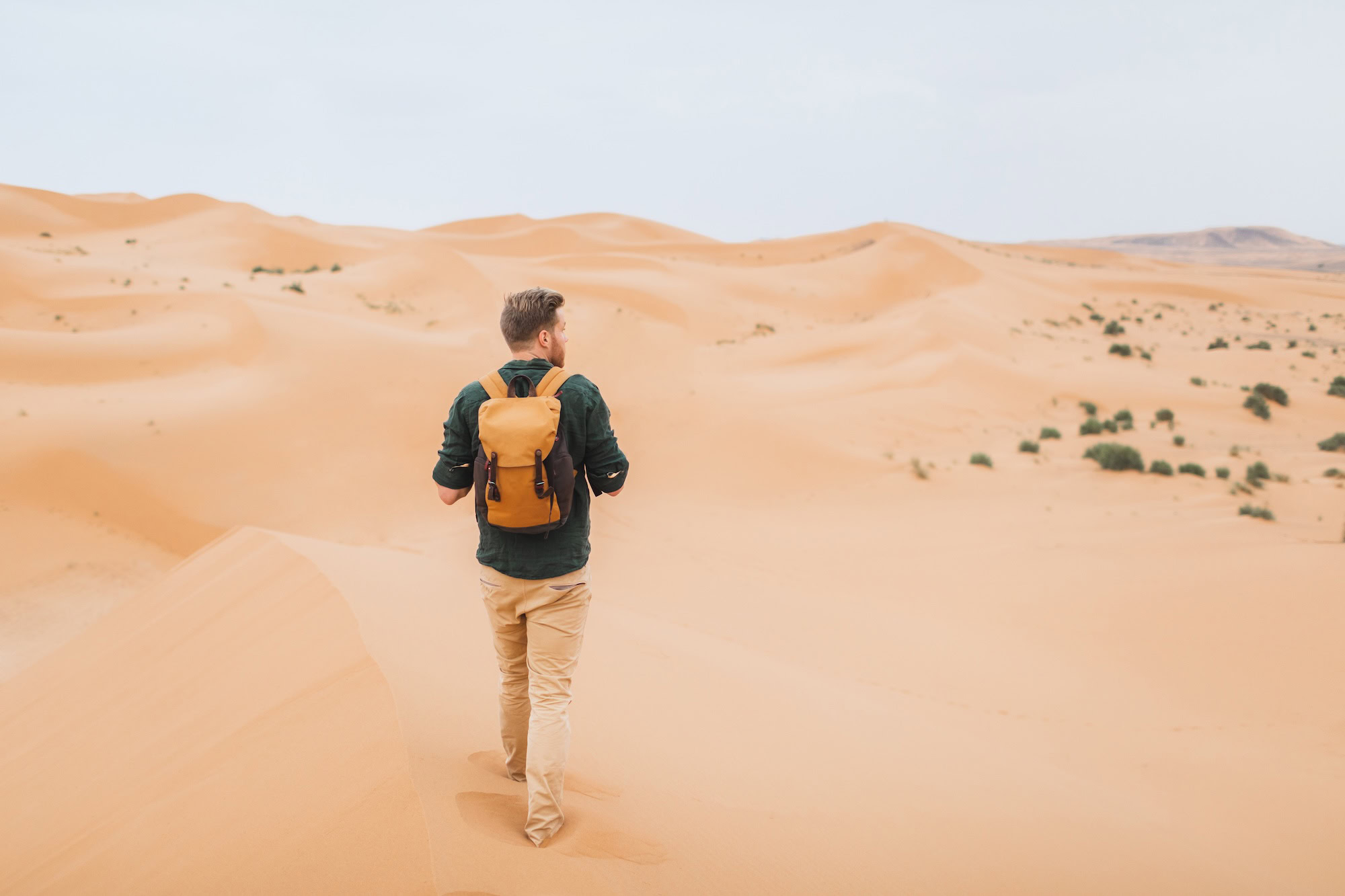
What to Pack for Egypt
A quick packing guide with essentials, cultural tips, and clothing advice for your Egypt trip.
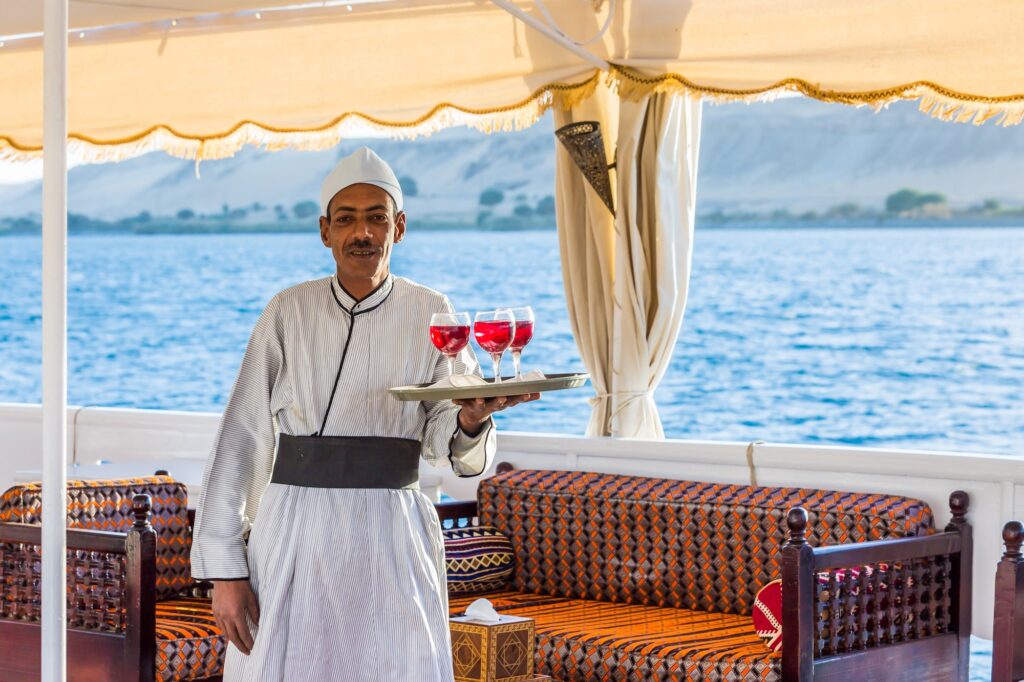

Design Your Custom Tour
Explore Egypt your way by selecting only the attractions you want to visit