How Far is Egypt from Israel?
Planning a trip between these two historic nations? We’ll break down the exact distances and travel options.
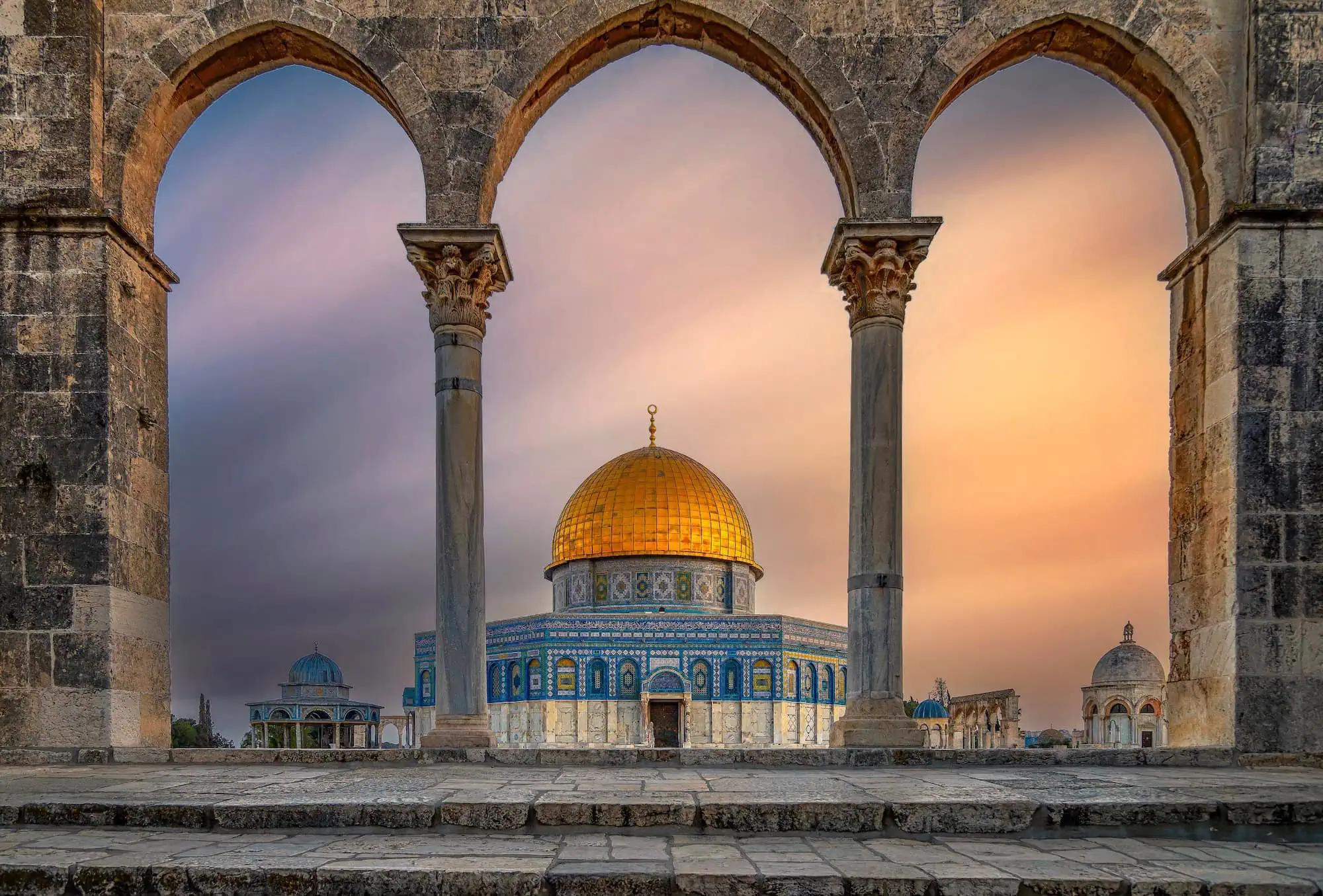
Egypt and Israel share one of the Middle East’s most significant borders, stretching approximately 266 kilometers (165 miles) from the Mediterranean Sea in the north to the Red Sea resort town of Taba in the south. The shortest distance between the two countries is just 11 kilometers (6.8 miles) at the Gaza Strip, while major cities like Cairo and Jerusalem sit roughly 424 kilometers (263 miles) apart.
Understanding these distances helps travelers plan efficient routes whether exploring ancient pyramids, biblical sites, or modern Mediterranean coastlines. Most visitors find the journey surprisingly manageable, with multiple transportation options connecting key destinations across both nations.
Table of Contents
Egypt-Israel Border Distance Overview
The Sinai Peninsula creates Egypt’s closest proximity to Israel, with the border running through diverse landscapes from coastal plains to desert regions. At the narrowest point near Gaza, only 11 kilometers (6.8 miles) separate Egyptian territory from Israeli land. This northern section follows the historic route connecting Africa to Asia, where ancient traders and modern travelers have crossed for millennia.
The border gradually extends southward through increasingly arid terrain. Moving south, the distance widens considerably. Near the center of the border around Karm Abu Salem, approximately 45 kilometers (28 miles) separate Egyptian settlements from Israeli communities. The landscape here transforms into classic Middle Eastern desert, with scattered oases and Bedouin settlements on both sides.
Northern Border Crossing Points
The Rafah crossing represents the primary civilian gateway between Egypt and Gaza, though access remains restricted and requires special permits for most travelers. Located at the Mediterranean coastal area, Rafah serves mainly Palestinian and Egyptian citizens with limited tourist access. Most international visitors cannot use this crossing for general tourism purposes.
Southern Border Access
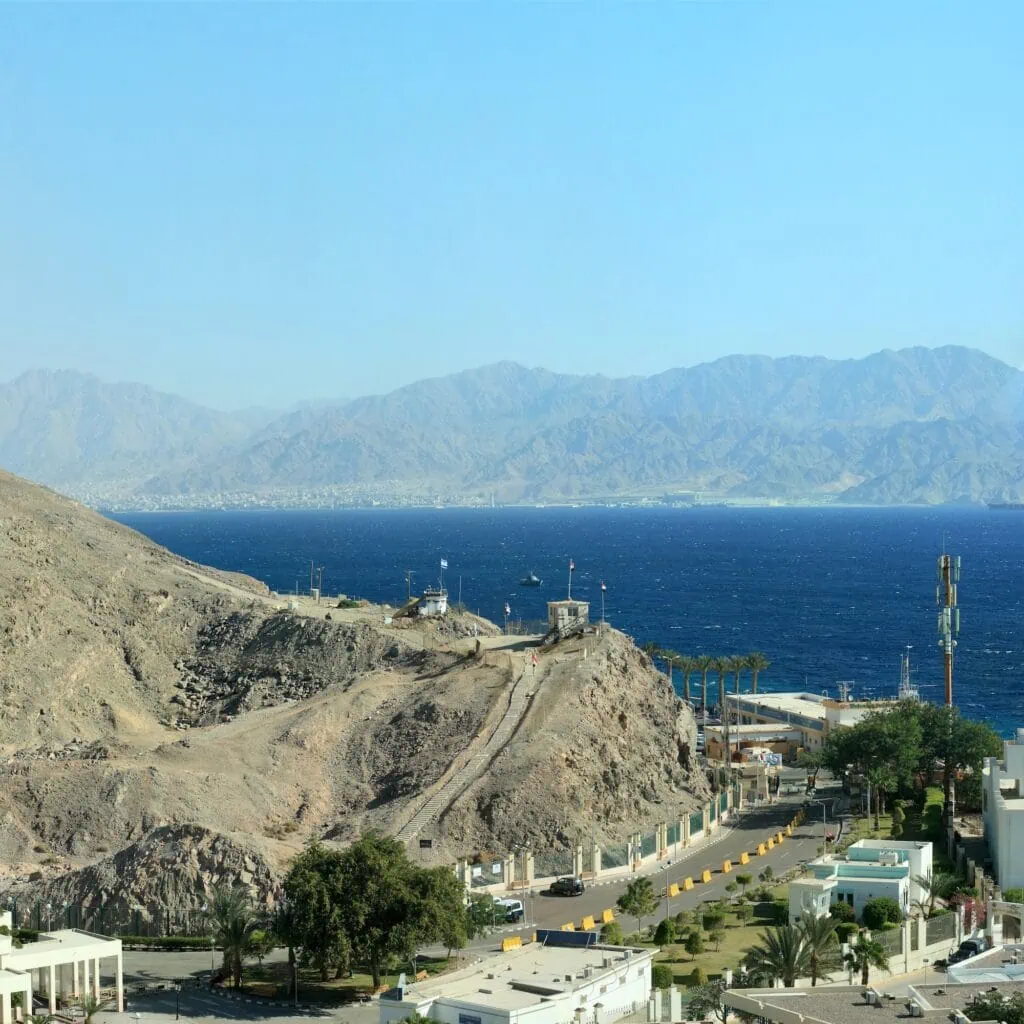
Taba offers the main tourist crossing point between the two countries. This Red Sea resort town sits directly adjacent to Eilat, Israel’s southernmost city. The Taba border crossing operates daily and welcomes international tourists with proper documentation. Here, the countries are separated by less than 1 kilometer (0.6 miles), making it the most convenient crossing for travelers exploring both nations.
Major City Distances
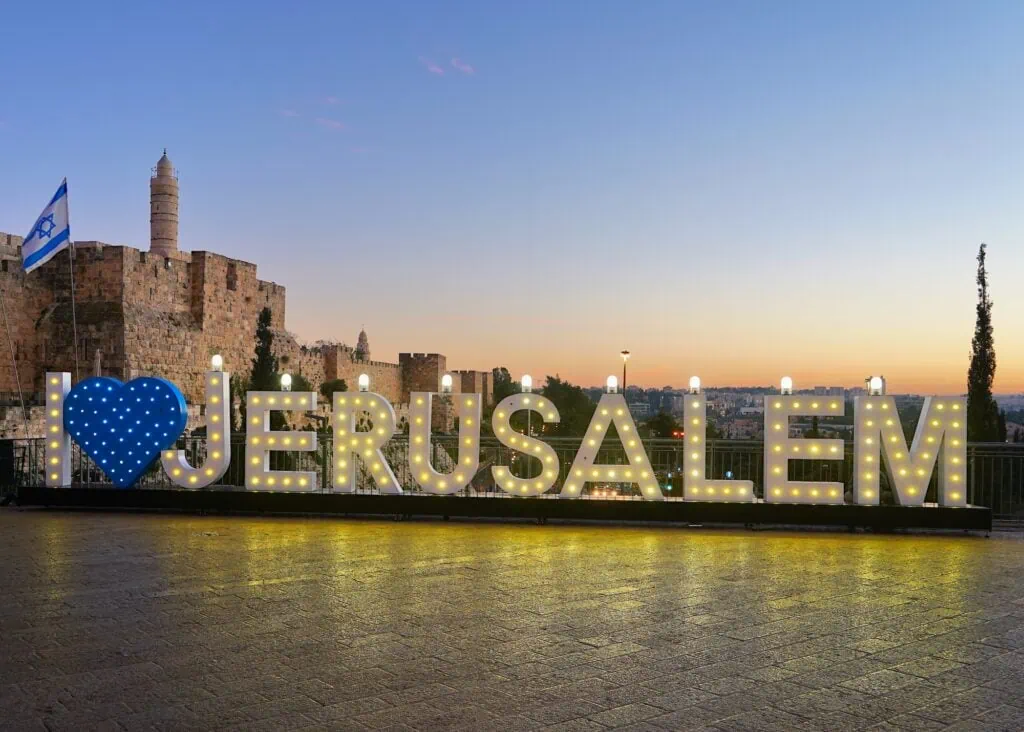
Cairo to Jerusalem spans 424 kilometers (263 miles) following the most direct overland route. This journey crosses the entire Sinai Peninsula, offering glimpses of desert landscapes and historic sites along ancient trade routes.
Capital to Capital Journey
The route from Cairo to Jerusalem typically requires crossing at Taba-Eilat, then continuing north through Israel’s Negev Desert. Total driving time ranges from 6-8 hours depending on border crossing procedures and stops along the way. Many travelers break this journey into two days, spending time in Sinai’s coastal resorts or desert monasteries.
Cairo to Tel Aviv measures slightly longer at 467 kilometers (290 miles). This route offers coastal access and connects Egypt’s largest city with Israel’s economic hub. The Mediterranean coastal route through northern Sinai provides scenic alternatives, though security considerations may affect accessibility.
Red Sea Connections
Sharm El Sheikh to Eilat represents one of the shortest international routes, covering just 238 kilometers (148 miles). This Red Sea connection links two premier diving destinations, making it popular among underwater enthusiasts exploring coral reefs on both sides of the Gulf of Aqaba.
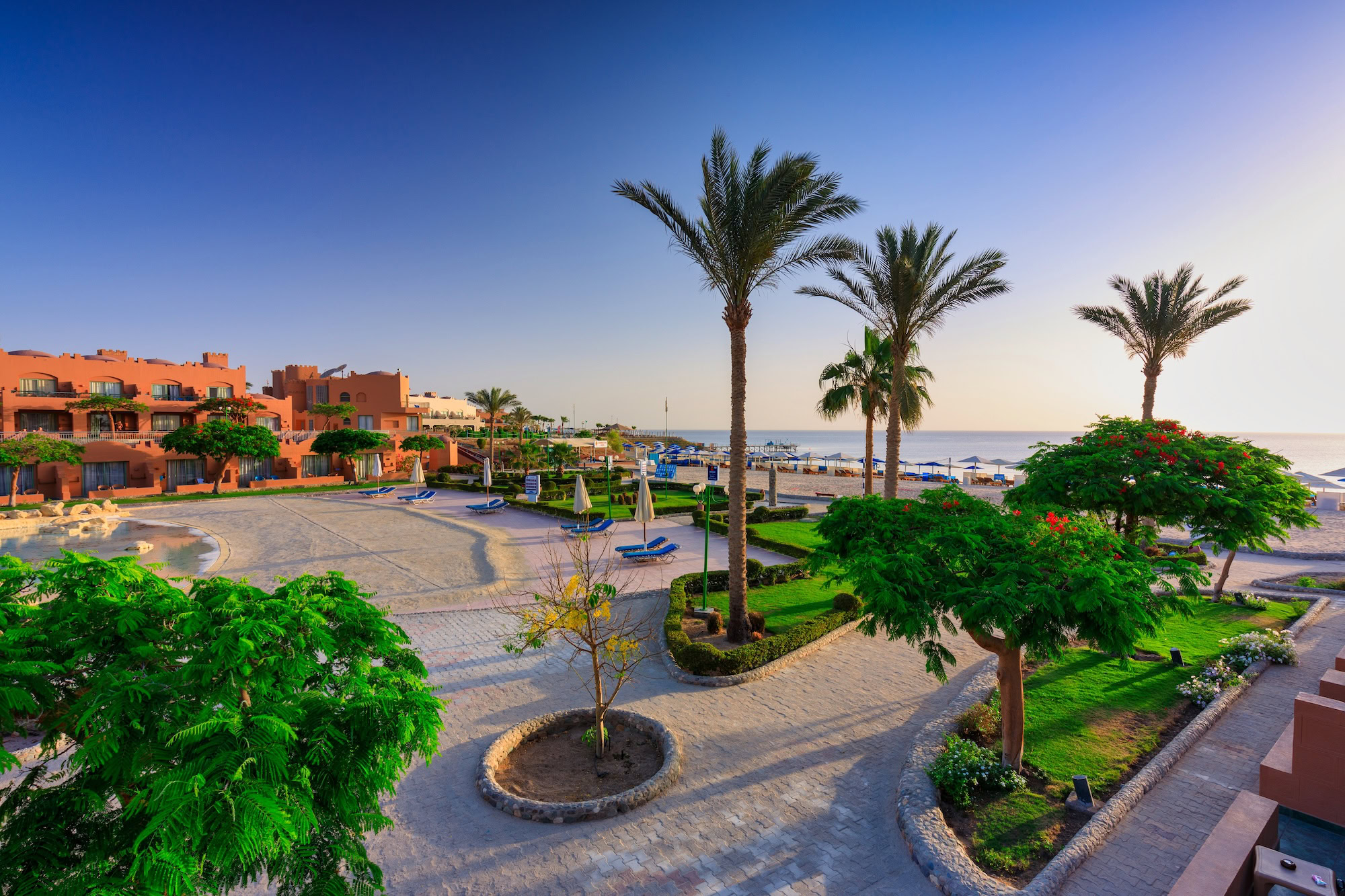
The journey between these resort towns takes approximately 3-4 hours by road, including border formalities. Both cities offer similar attractions – world-class diving, desert excursions, and luxury accommodations – creating seamless vacation experiences.
Hurghada to Eilat extends further at 478 kilometers (297 miles), connecting Egypt’s Red Sea Riviera with Israel’s southern resort. This route crosses central Sinai’s mountainous terrain, passing near Saint Catherine’s Monastery and Mount Sinai itself.
Historical Context and Biblical Distances
The journey between Egypt and the Promised Land holds profound significance in biblical narratives, particularly the Exodus story. Modern distances help us understand these ancient migrations. Moses and the Israelites’ wilderness wandering covered various routes through Sinai’s desert landscape. Traditional interpretations suggest the journey from Egypt’s eastern delta to Israel’s borders could span 400-500 kilometers (248-311 miles) depending on the specific route taken.
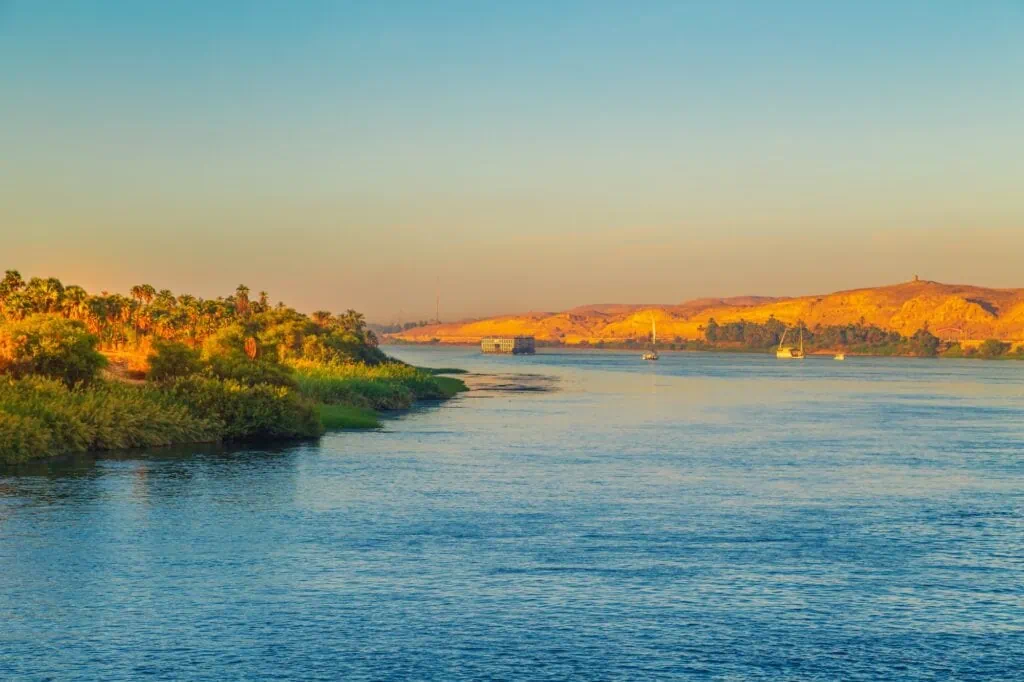
Archaeological evidence points to multiple possible paths, each presenting different challenges and distances. The “way of the Philistines” represented the shortest coastal route, approximately 320 kilometers (199 miles) from the Nile Delta to Gaza. However, biblical accounts indicate the Israelites avoided this direct path due to potential military conflicts with Philistine settlements.
Alternative inland routes through central Sinai could extend the journey to 600 kilometers (373 miles) or more. These paths avoided coastal populations but presented harsh desert conditions and limited water sources. The 40-year wandering period mentioned in biblical texts reflects spiritual rather than geographical distance, as the actual terrain could be crossed much more quickly.
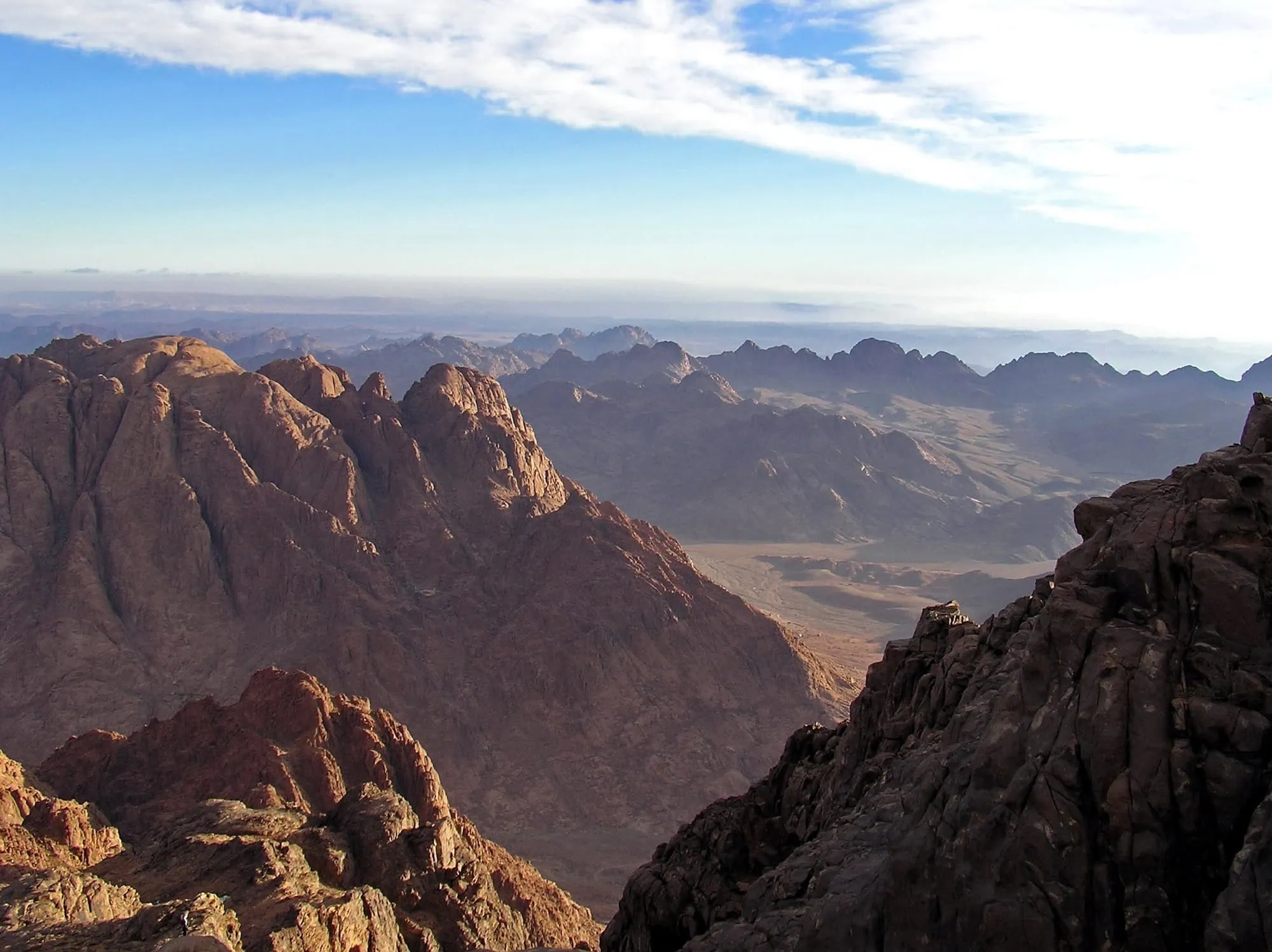
Saint Catherine’s Monastery, located in southern Sinai near the traditional site of Mount Sinai, sits 385 kilometers (239 miles) from Cairo and 290 kilometers (180 miles) from Jerusalem. This location has attracted pilgrims for over 1,500 years, representing the spiritual heart of the Sinai Peninsula. Ancient trade routes connected Egyptian cities with Levantine markets, following paths still used by modern highways.
Travel Time and Transportation Options
Multiple transportation methods connect Egypt and Israel, each offering different experiences and timeframes.
Overland Travel
Driving between major cities requires 6-12 hours depending on destinations and border procedures. Private vehicles must carry proper documentation, including international driving permits and comprehensive insurance coverage. Border crossings can add 1-3 hours to journey times, particularly during peak travel seasons.
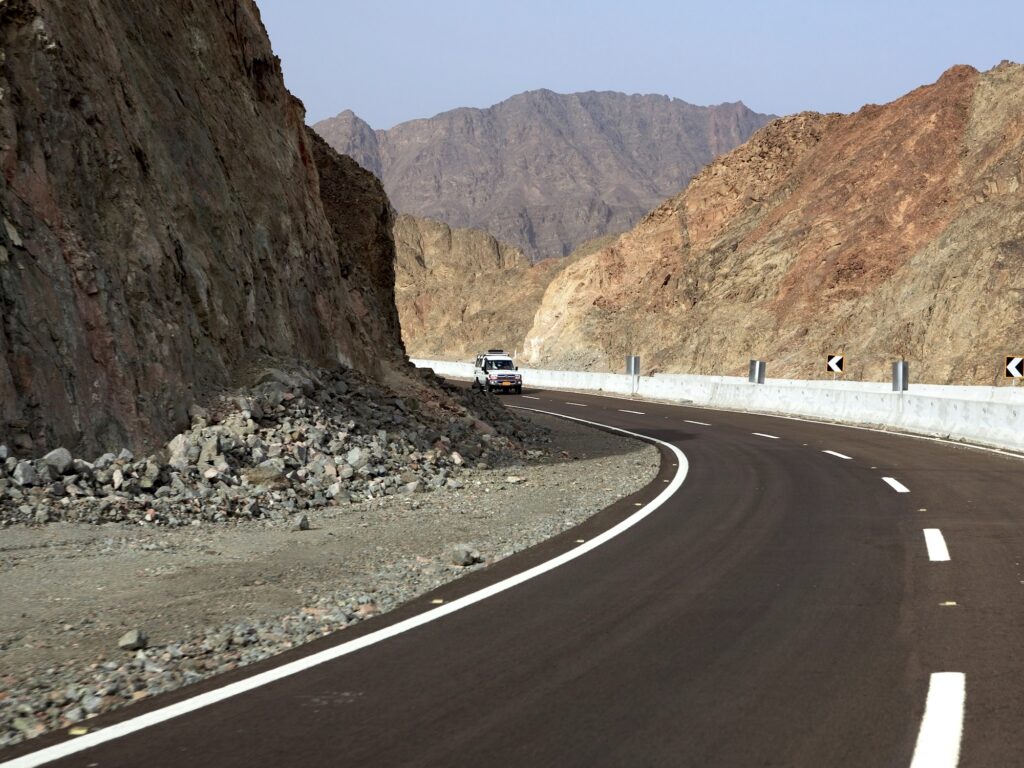
Bus services operate between major destinations, though routes often require transfers at border crossings. Cairo to Jerusalem typically involves changing buses at the Taba crossing, with total journey times reaching 8-10 hours. Budget-conscious travelers often choose this option despite longer travel times.
Air Connections
Direct flights between Cairo and Tel Aviv take approximately 1 hour and 20 minutes, covering the 467-kilometer (290-mile) distance efficiently. EgyptAir and El Al offer regular services, with flight times varying slightly based on routing and weather conditions. Charter flights and connecting flights through European hubs provide additional options, though these typically require longer total travel times.
Sea Route Options
Ferry services once connected Egyptian and Israeli Red Sea ports, though operations remain limited due to political considerations. Private yacht charters still navigate between resort destinations, offering unique perspectives on both coastlines. Red Sea cruises occasionally include stops in both countries, allowing travelers to experience dual destinations without separate transportation arrangements.
Border Crossing Requirements
International visitors need valid passports and appropriate visas for both countries. Egyptian tourist visas are available on arrival for most nationalities, costing $25 USD for single entry. The visa allows 30-day stays and can be extended through Egyptian immigration offices.
Israeli entry requirements vary by nationality. U.S. citizens can enter visa-free for tourism purposes up to 90 days, while European Union citizens enjoy similar privileges. Other nationalities should verify specific requirements before travel, as policies change periodically.
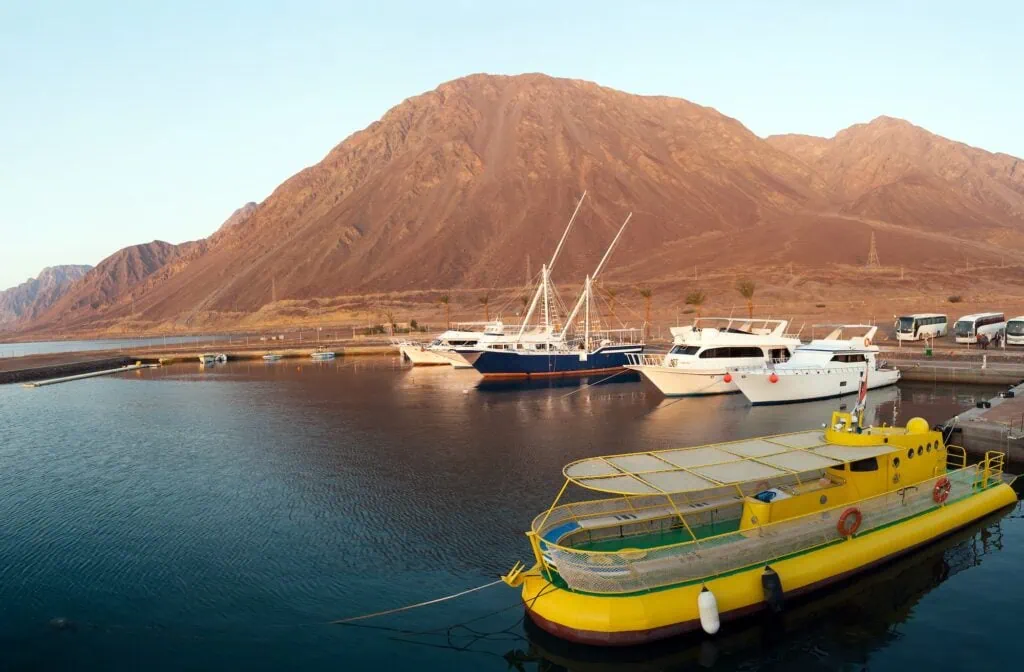
Border crossing procedures typically require 30-90 minutes at Taba, depending on queue lengths and documentation review. Officials may ask about travel purposes, accommodation plans, and departure arrangements. Having hotel confirmations and return tickets expedites the process. Currency exchange facilities operate at major crossings, though rates may be less favorable than banks or exchange offices in cities.
Practical Considerations for Multi-Country Travel
Planning trips across both nations requires attention to cultural differences, currency variations, and communication needs. Egypt uses the Egyptian pound (EGP), while Israel operates with the Israeli new shekel (ILS). Both countries widely accept U.S. dollars, though local currencies typically offer better exchange rates for purchases.
Arabic serves as Egypt’s primary language, with English commonly spoken in tourist areas. Hebrew and Arabic are Israel’s official languages, with English widely understood in business and tourism sectors. Basic Arabic phrases prove helpful in both countries, particularly outside major tourist zones.
Cultural and Religious Sensitivity
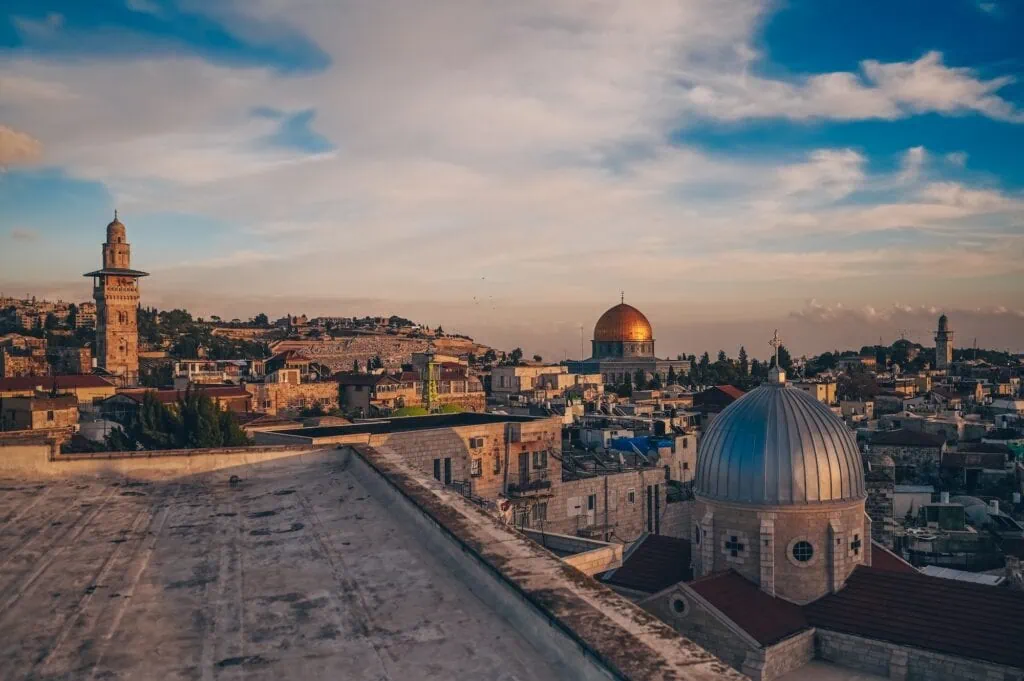
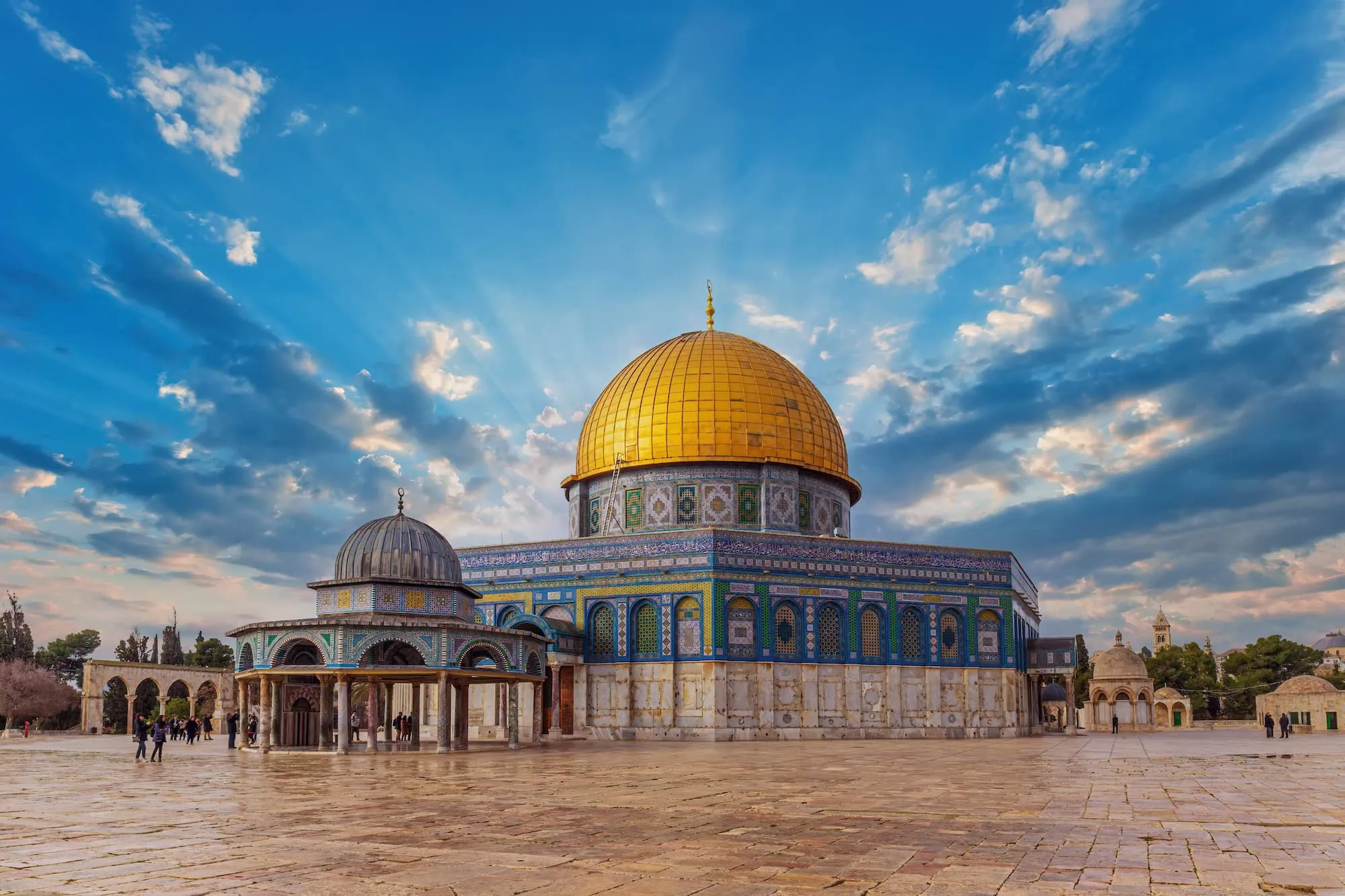
Both nations host significant religious sites requiring appropriate dress codes and behavior. Egyptian mosques and Israeli religious sites maintain modest dress requirements, typically covering shoulders and legs. Women may need headscarves for certain Islamic sites, while men require head coverings at Jewish holy places.
Friday prayers in Egypt and Saturday observances in Israel can affect business hours and transportation schedules. Planning around religious calendars ensures access to desired attractions and services.
Safety and Security Updates
Regional security situations can impact border crossing availability and travel routes. Checking current conditions through embassy websites or tour operators provides essential updates before departure. Travel insurance covering both countries is strongly recommended, particularly for medical emergencies and trip interruption scenarios.
Egypt Tours Plus: Your Expert Guide
With our decades of expertise in Middle Eastern travel, we understand the complexities of multi-country itineraries. Our award-winning service includes experienced guides who navigate border procedures smoothly while sharing deep knowledge of both Egyptian and regional history.
Our private drivers use modern, air-conditioned vehicles equipped for long-distance desert travel. We handle visa assistance, border documentation, and coordinate with Israeli partners to ensure seamless transitions. Our 24/7 customer support provides peace of mind throughout your cross-border journey.
Many of our tailored itineraries combine Egyptian classics like the pyramids and Nile cruises with Israeli highlights such as Jerusalem’s Old City and Masada fortress. This regional approach maximizes your Middle Eastern experience while minimizing logistical challenges.
Frequently Asked Questions
Driving from Cairo to Jerusalem typically takes 6 to 8 hours, including border-crossing procedures, security checks, and normal traffic conditions. The route covers roughly 424 km (263 miles) through Egypt’s Sinai Peninsula before entering Israel via the Taba-Eilat crossing. Actual travel time can vary significantly during holidays, weekends, or periods of increased border traffic. Travelers planning a same-day journey should allow extra time for immigration processing and transportation connections.
The closest point between Egypt and Israel is approximately 11 km (7 miles) near the Rafah area along the Gaza border. While this represents the shortest geographic distance between the two countries, it is not a tourist crossing point. Most international travelers use the Taba-Eilat border crossing on the Red Sea, which is specifically equipped for tourism and international transit between Egypt and Israel.
Yes, international tourists can cross the Egypt-Israel border at the Taba-Eilat crossing if they carry valid passports and meet the entry requirements of both countries. Located at the northern tip of the Gulf of Aqaba, this crossing is the most popular land route for travelers moving between Sinai and southern Israel. Border procedures typically include passport control, customs screening, and visa verification where required.
Sharm El Sheikh and Eilat are approximately 238 km (148 miles) apart by road, with travel times generally ranging from 3 to 4 hours depending on traffic and border procedures. Both destinations sit on the Red Sea and are popular for diving, snorkeling, and beach holidays. Many travelers combine them in a single itinerary because the Taba-Eilat border crossing provides a relatively straightforward connection between the two resort regions.
Yes, Egypt and Israel maintain separate immigration systems, so travelers must satisfy the entry requirements of each country independently. A visa or travel authorization valid for one country does not grant entry to the other. Requirements vary by nationality, length of stay, and purpose of travel. Before departure, verify current visa rules with official government sources to avoid delays at airports or land border crossings.
Direct flights from Cairo to Tel Aviv typically take around 1 hour and 20 minutes and cover a distance of approximately 467 km (290 miles). Flying is often the fastest option for travelers moving between the two capitals, especially compared with overland routes that involve border formalities. Total travel time should also include airport check-in, security screening, baggage collection, and transportation to and from the airports.
Yes, travel between Egypt and Israel is generally safe for tourists using official border crossings, scheduled flights, and established travel routes. Both countries have well-developed tourism sectors and maintain security measures at airports, border terminals, and major attractions. As with any international trip, travelers should monitor official travel advisories, carry proper documentation, and remain informed about local regulations before crossing the border.
The Taba-Eilat border crossing is widely regarded as the best option for tourists traveling between Egypt and Israel. Located on the Red Sea coast, it offers convenient access to destinations such as Sharm El Sheikh, Eilat, Petra, and the Negev Desert. The crossing is designed to accommodate international visitors and typically provides better tourism infrastructure than other border routes. Arriving early in the day often results in faster processing times.
Crossing the Egypt-Israel border may involve departure taxes, terminal fees, or administrative charges, depending on the direction of travel and current regulations. While many travelers focus on visa costs, additional processing fees can apply at land crossings. Because fees occasionally change, travelers should confirm current amounts before departure and carry a combination of cash and payment cards to avoid complications during border processing.
Yes, day trips are possible between nearby destinations such as Taba in Egypt and Eilat in Israel, particularly for travelers staying near the border. However, longer journeys involving Jerusalem, Tel Aviv, or Petra typically require an overnight stay because of travel distances and border procedures. When planning a day trip, factor in crossing times that can range from 30 minutes to 2 hours depending on season and passenger volume.
U.S. dollars are widely recognized and easily exchanged in both Egypt and Israel, making them a practical backup currency for international travelers. However, using local currencies, Egyptian pounds (EGP) in Egypt and Israeli shekels (ILS) in Israel, often provides better value for everyday purchases. ATMs are readily available in major cities, airports, and tourist destinations, allowing visitors to withdraw local currency as needed.
Yes, many travel companies offer multi-country itineraries that combine Egypt and Israel in a single trip, often including destinations such as Cairo, the Pyramids of Giza, Jerusalem, Bethlehem, and the Dead Sea. These tours typically handle transportation, border logistics, accommodations, and guiding services, which simplifies planning. Combining both countries allows travelers to experience some of the Middle East’s most important historical, religious, and cultural landmarks in one journey.
Explore our most popular guides and expert tips to make your trip safe, smooth, and unforgettable.
Plan Your Egypt Adventure with Confidence
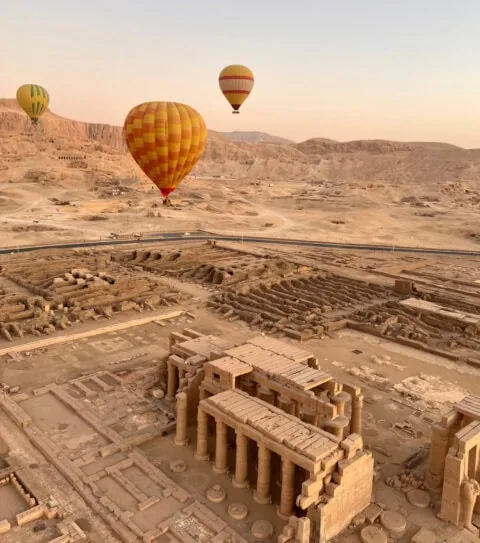
How to Plan a Trip Egypt
Step-by-step guide to help you plan the perfect Egypt trip — from routes and budget to booking.
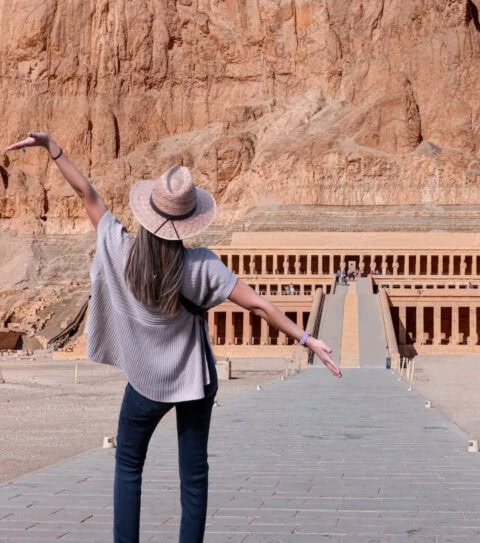
Best Time to Visit Egypt
Learn the best months to visit Egypt based on weather, crowds, and local travel experiences.
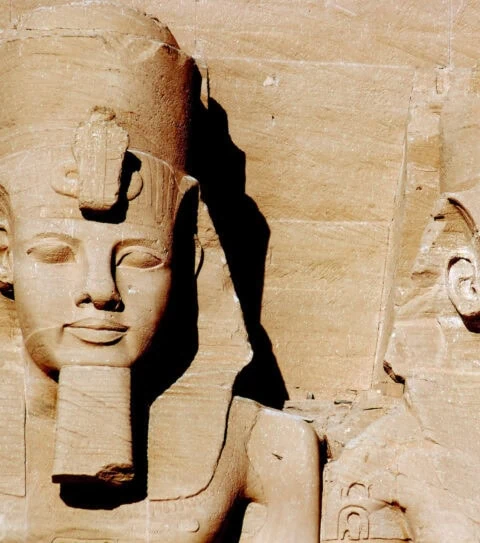
Must Visit Places in Egypt
Explore Egypt’s top sights — from pyramids to temples — and hidden gems worth seeing.

Top-Rated Egypt Tours
Handpicked private tours with local guides — our most loved and best-reviewed experiences.
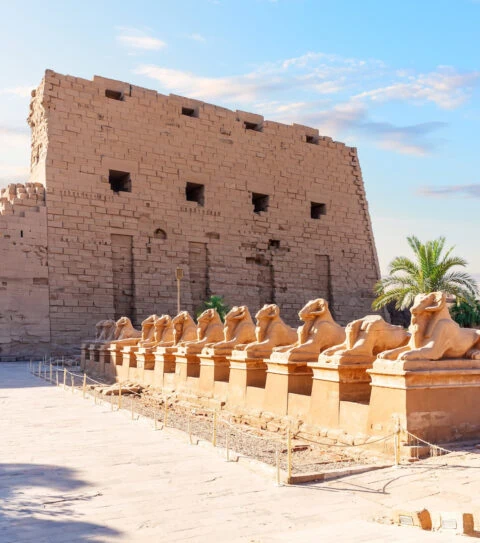
How Many Days to Visit Egypt?
Find out how many days you need in Egypt — from quick trips to full itineraries.
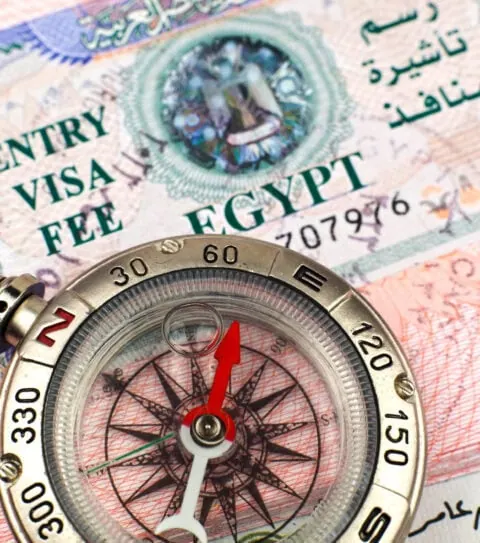
Egypt Visa Requirements
Check if you need a visa and get simple, up-to-date entry info based on your nationality.

Is it Safe to Travel to Egypt?
Is Egypt safe? Get honest safety tips, area advice, and what to know before you travel.

What to Pack for Egypt
A quick packing guide with essentials, cultural tips, and clothing advice for your Egypt trip.

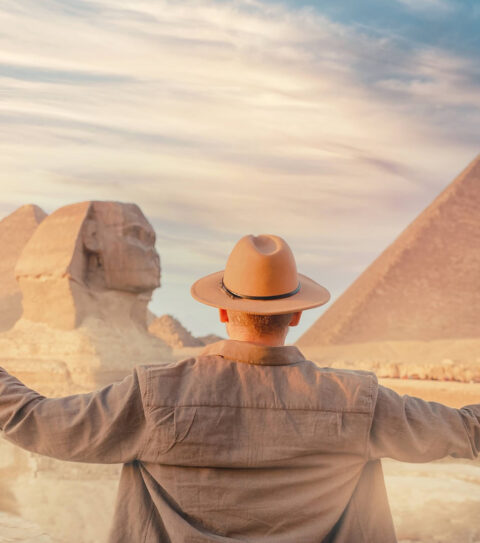
Design Your Custom Tour
Explore Egypt your way by selecting only the attractions you want to visit