Can You Visit Egypt After Israel? Complete Travel Guide
Yes, Egypt welcomes visitors who have previously traveled to Israel.
The relationship between Egypt and Israel has evolved significantly since their peace treaty in 1979, fundamentally changing travel policies between these Middle Eastern neighbors. Today, millions of tourists cross between these countries annually without encountering the historical restrictions that once made such journeys complicated. We understand the importance of accurate travel information, which is why we’ve compiled this comprehensive guide based on current diplomatic relations and entry requirements.
Understanding these travel policies becomes especially important when planning multi-country itineraries in the Middle East. Whether you’re exploring ancient civilizations, religious sites, or modern cultural attractions, crossing between Egypt and Israel is now a standard part of many travelers’ experiences.
Table of Contents
Current Egypt Entry Policy After Israel
Egypt maintains an open-door policy for tourists arriving from Israel or those with Israeli stamps in their passports.
No Visa Restrictions Based on Israel Travel
American citizens can obtain Egyptian tourist visas regardless of their travel history to Israel. The Egyptian government removed all travel restrictions related to Israel visits decades ago, recognizing the importance of tourism revenue and regional cooperation. European visitors enjoy the same unrestricted access, with most EU citizens eligible for visa-on-arrival services at Cairo International Airport and other entry points.

Latin American travelers face no additional scrutiny when applying for Egyptian visas after visiting Israel. The visa application process remains identical whether you’re arriving directly from your home country or continuing your Middle Eastern journey from Israeli territory.
Border Crossing Procedures
The Taba-Eilat border crossing operates daily from 6:30 am (06:30) to 8:00 pm (20:00) for tourists traveling between Egypt and Israel. This crossing point handles thousands of visitors monthly, with streamlined procedures designed to accommodate international travelers. Processing times typically range from 30 minutes to 2 hours during peak seasons, depending on crowd levels and documentation completeness.

Alternative entry points include flying directly into Cairo or Alexandria if you prefer avoiding land borders entirely. Many travelers choose this option when continuing their journey from Tel Aviv’s Ben Gurion Airport to Egyptian destinations.
US Citizens: Documentation Requirements
American passport holders need specific documentation when entering Egypt from Israel or after visiting Israel.
Tourist visas cost $25 USD for single-entry permits valid for 30 days. US citizens can obtain these visas at Egyptian consulates before travel, through online e-visa systems, or upon arrival at major airports including Cairo, Luxor, and Hurghada. The application process requires a passport valid for at least 6 months beyond your intended departure date.
Processing Timeline and Fees
E-visa applications typically process within 7 business days during regular periods, though we recommend applying at least 2 weeks before travel during peak tourist seasons from December through March. Visa-on-arrival services operate 24/7 at Cairo International Airport, making this option convenient for travelers with flexible itineraries.

Airport visa counters accept both cash and credit cards, though having exact change in US dollars expedites the process. Keep your passport and visa documentation easily accessible, as Egyptian immigration officials may request additional verification during busy periods.
Multi-Country Middle East Itineraries
Combining Egypt and Israel creates extraordinary travel experiences spanning thousands of years of human history.
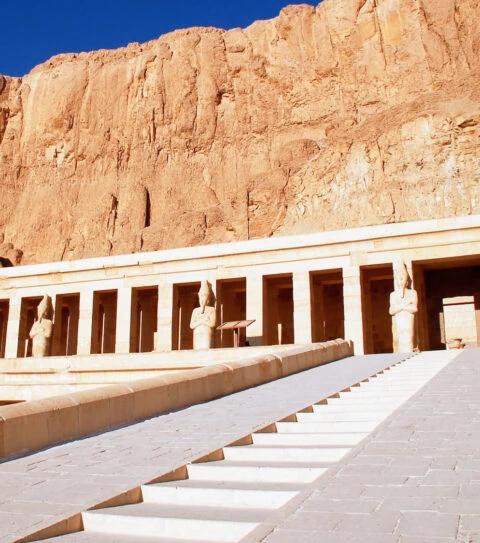
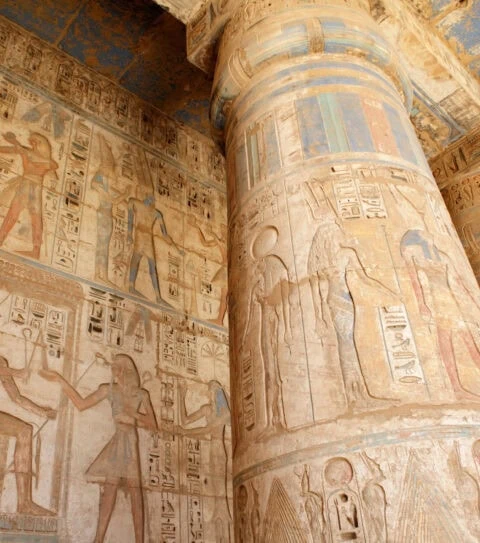
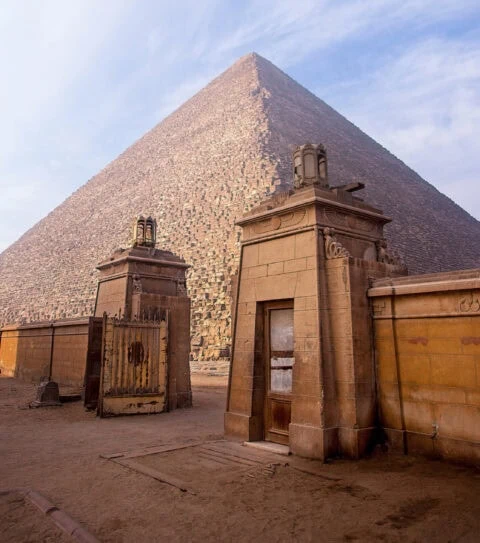
Most travelers spend 7-10 days in Egypt visiting the Pyramids of Giza, exploring Luxor’s ancient temples, and enjoying Nile River cruises between major archaeological sites. Adding Israel to your itinerary allows visits to Jerusalem’s religious sites, Tel Aviv’s modern attractions, and the unique landscapes of the Dead Sea region. This combination provides incredible diversity within relatively short travel distances.

Transportation between countries offers multiple options depending on your budget and time constraints. Budget-conscious travelers often use the Taba-Eilat border crossing, while those prioritizing convenience may prefer flying between Cairo and Tel Aviv. We’ve arranged countless multi-country itineraries for clients seeking comprehensive Middle Eastern experiences.
Recommended Itinerary Structures
10-Day Egypt-Israel Journey
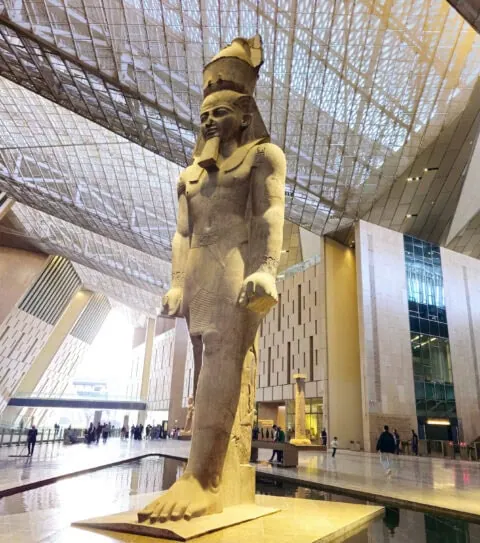
Start with 6 days exploring Egypt’s highlights including the Pyramids, Grand Egyptian Museum, and a short Nile cruise from Aswan to Luxor. Cross into Israel for 4 days covering Jerusalem’s Old City, Bethlehem, and Tel Aviv’s coastal attractions. This structure allows adequate time for major sites without feeling rushed.
14-Day Extended Experience
Dedicate 8 days to Egypt with additional time for Red Sea diving in Hurghada or cultural experiences in Alexandria. Spend 6 days in Israel exploring beyond the main tourist circuit, including northern regions like Galilee or southern desert areas near Eilat.
Entry Requirements for International Visitors
Egyptian visa policies accommodate travelers from most countries regardless of their Israel travel history.
European Union Citizens
EU passport holders can obtain visas on arrival for €27 or apply for e-visas through Egypt’s official portal. Schengen area residents enjoy streamlined processing at Egyptian borders, with most applications approved within 15 minutes at major airports. German, French, Italian, and Spanish citizens represent the largest European visitor groups, all following identical visa procedures.
British citizens follow post-Brexit visa requirements similar to other non-EU travelers, with visa-on-arrival available at £25. Processing remains efficient despite changed political relationships.
Latin American Requirements
Mexican citizens need tourist visas obtained through Egyptian consulates or e-visa systems before travel, as Mexico doesn’t qualify for visa-on-arrival services. Brazilian and Argentine passport holders can obtain visas upon arrival at Egyptian airports for $25 USD, making travel planning more flexible.
Colombian and Chilean citizens should apply for visas in advance through their nearest Egyptian diplomatic missions, typically requiring 5-7 business days for processing.
Asian and Other Nationalities
Japanese and South Korean citizens enjoy visa-on-arrival privileges, reflecting strong diplomatic relationships and high tourist volumes. Chinese citizens must obtain visas through Egyptian consulates before travel, with group tours often receiving expedited processing.
Australian and Canadian passport holders can use visa-on-arrival services at all major Egyptian entry points, paying standard tourist visa fees in US dollars.
Religious and Cultural Considerations
Egypt’s diverse religious landscape welcomes visitors of all faiths, including those traveling from Israel.
Interfaith Tourism
Christian pilgrims often combine visits to biblical sites in both countries, creating meaningful spiritual journeys spanning Old Testament locations in Egypt and New Testament sites throughout Israel and Palestine. The Sinai Peninsula offers particular significance for those following Moses’ journey, while Alexandria provides early Christian historical context.
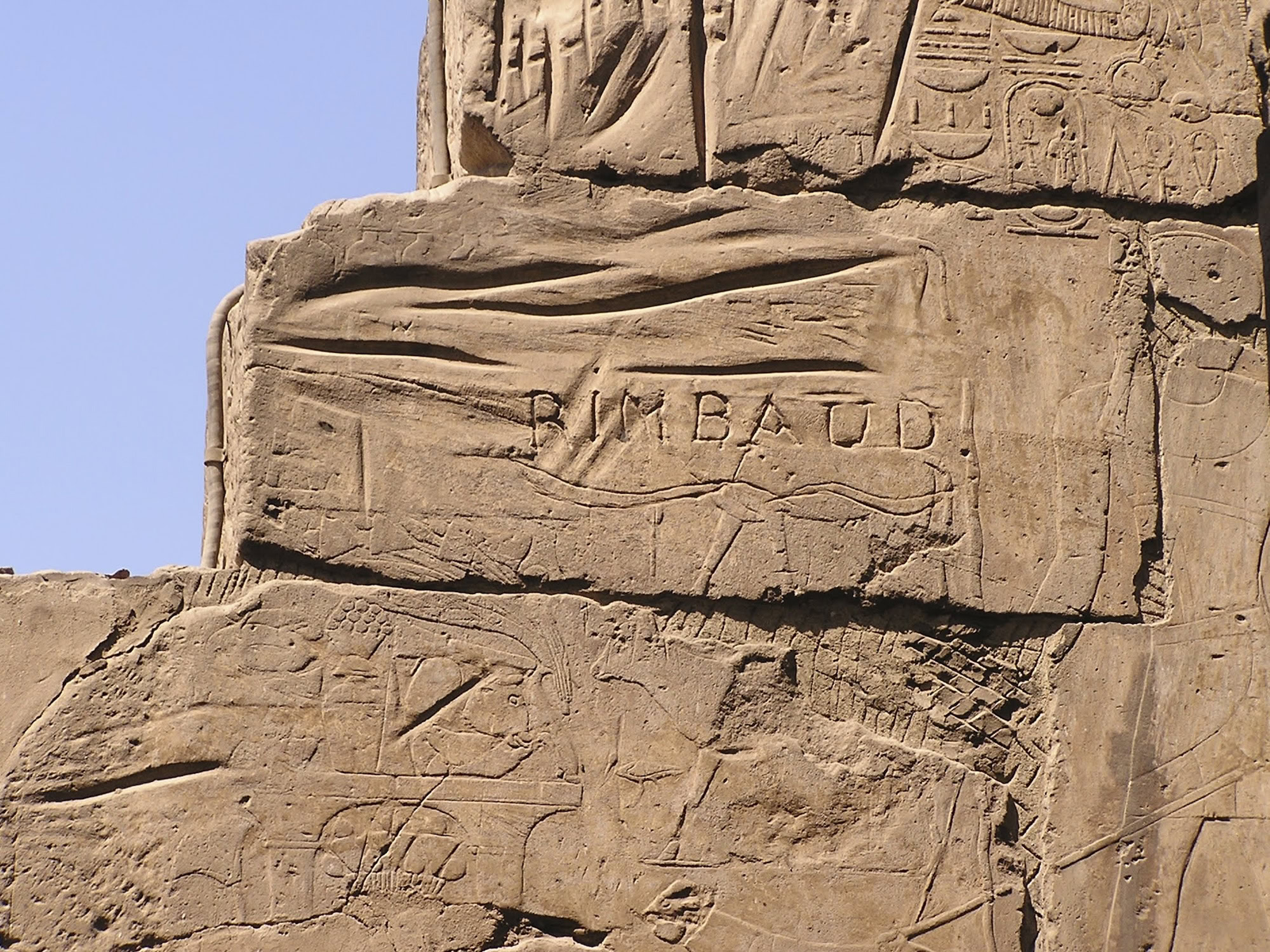
Jewish travelers find rich historical connections in both countries, from ancient Jewish communities in Cairo and Alexandria to modern archaeological discoveries revealing centuries of Jewish life along the Nile River.
Cultural Sensitivity Guidelines
Dress modestly when visiting religious sites in both countries. Women should carry headscarves for mosque visits in Egypt, while men should wear long pants and shirts covering shoulders. These guidelines apply regardless of your religious background.
Photography restrictions exist at certain sensitive locations. Military installations and some government buildings prohibit cameras, while most tourist attractions welcome photography with proper permits when required.
Safety and Travel Insurance
Both Egypt and Israel maintain robust security measures protecting international tourists.
Tourist police forces operate throughout Egypt’s major destinations, providing assistance in multiple languages including English, German, French, and Spanish. Emergency contact numbers remain consistent nationwide: 122 for police, 123 for ambulances, and 180 for tourist police specifically trained to assist international visitors.
Recommended Insurance Coverage
Comprehensive travel insurance should cover medical emergencies, trip cancellations, and evacuation services for both countries. Policies should include coverage for pre-existing medical conditions if applicable, adventure activities like diving in the Red Sea, and trip interruption due to political situations.

Medical facilities in major Egyptian cities meet international standards, with private hospitals in Cairo and resort areas providing excellent care. Keep insurance documentation easily accessible, as some facilities require coverage verification before treatment.
Transportation Between Countries
Multiple transportation options connect Egypt and Israel efficiently and safely.
Air Travel Options
Flying between Cairo and Tel Aviv takes approximately 1 hour and 15 minutes, with multiple daily flights operated by EgyptAir and Israeli carriers. Prices typically range from $150-400 USD depending on booking timing and season. Peak periods during Christmas, Easter, and Jewish holidays see higher demand and prices.
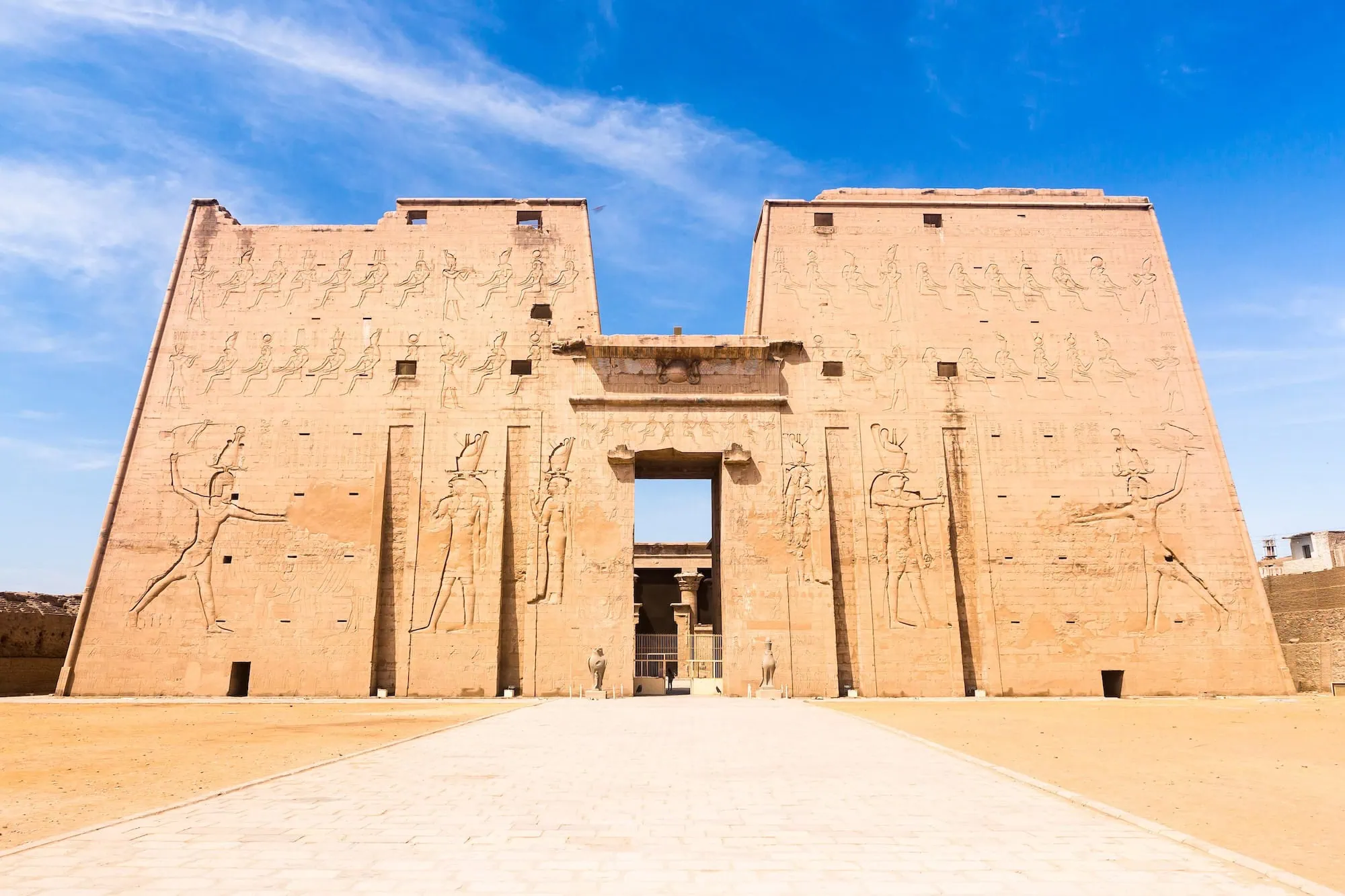
Alternative air routes include flying from Egyptian Red Sea destinations like Sharm El Sheikh or Hurghada to Eilat, though these routes operate less frequently and may require connections.
Land Border Crossings
The Taba-Eilat crossing processes most overland travelers, operating efficiently despite security procedures required by both countries. Expect border processing times of 45 minutes to 2 hours during busy periods. Both Egyptian and Israeli officials conduct separate entry/exit procedures, requiring patience during peak travel times.

Bus services connect major cities across the border, though most travelers prefer private transportation or organized tours for greater convenience and flexibility.
Planning Your Egypt Adventure
Egypt offers incredible diversity from ancient monuments to modern resort experiences along pristine coastlines.
Our decades of expertise helping travelers discover Egypt’s wonders means we understand exactly what makes visits memorable and meaningful. Every itinerary we design considers your specific interests, travel style, and time constraints to create personalized experiences that exceed expectations.
Private Guided Experiences
Professional Egyptologists accompany our private tours, sharing insights unavailable in guidebooks while ensuring you experience each site’s historical significance fully. Private transportation in modern, air-conditioned vehicles provides comfort between destinations, while our 24/7 customer support ensures peace of mind throughout your journey.
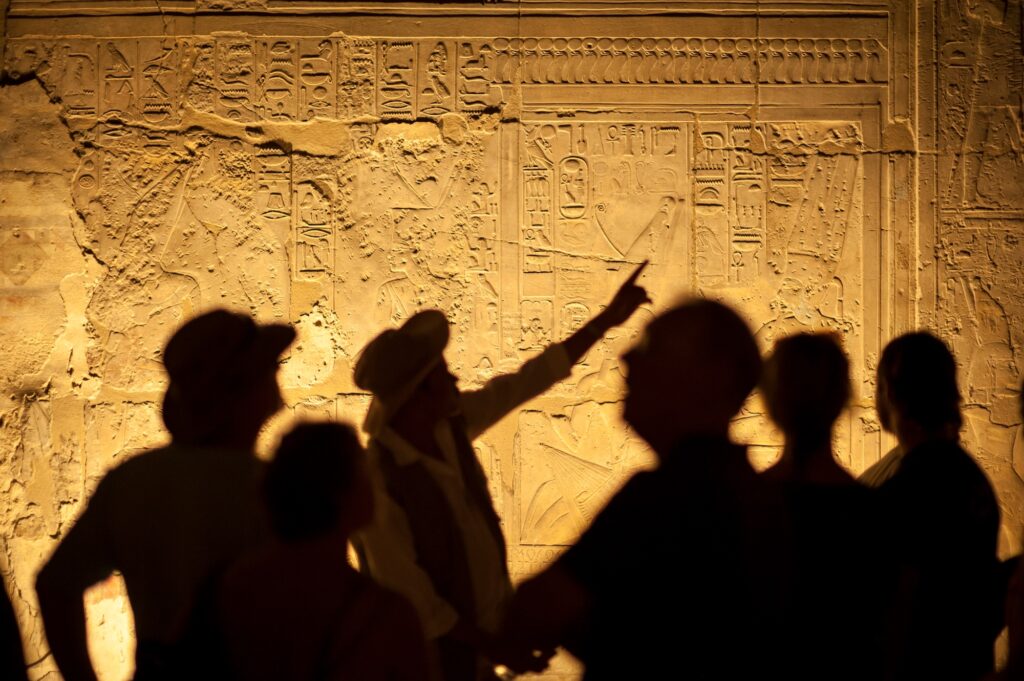
Award-winning service distinguishes our approach from standard group tours. Whether you’re exploring the Valley of the Kings, sailing the Nile aboard a luxury cruise, or diving in the Red Sea’s crystal-clear waters, our tailored itineraries reflect your unique travel dreams.
Frequently Asked Questions
Yes, tourists can visit Egypt after traveling to Israel, and previous visits to Israel do not normally affect Egyptian tourist visa eligibility. Travelers who qualify for an Egyptian e-visa or visa on arrival can apply through the standard process regardless of their Israel travel history. Egypt and Israel maintain established tourism and transportation links, including border crossings and direct flights. Visitors should ensure their passport is valid for at least six months beyond their planned date of entry into Egypt.
No, Israeli passport stamps generally do not affect entry into Egypt or eligibility for an Egyptian tourist visa. Immigration authorities process applications based on nationality, passport validity, and compliance with entry requirements rather than previous tourism travel history. Travelers from the United States, Europe, Canada, and many other countries routinely visit Egypt after visiting Israel. Carrying a valid passport and meeting visa requirements remains far more important than prior destination stamps.
A standard Egyptian single-entry tourist visa typically allows visitors to remain in Egypt for up to 30 days from the date of entry. Travelers wishing to stay longer may be able to apply for an extension through Egyptian immigration authorities before the visa expires. The 30-day period provides sufficient time to visit major destinations such as Cairo, Luxor, Aswan, Abu Simbel, and the Red Sea. Always verify the latest visa conditions before departure.
An Egyptian tourist visa typically costs $25 USD for a single-entry visa for many nationalities. Travelers can often obtain the visa through Egypt’s e-visa platform, at eligible airports on arrival, or through Egyptian diplomatic missions abroad. Multiple-entry visas generally cost more than single-entry permits. Carrying payment in U.S. dollars is often the most convenient option. Verify current fees before travel because visa costs and payment methods can occasionally change.
Yes, travel between Egypt and Israel is generally safe and well established, with thousands of tourists crossing each year through land borders and direct flights. The Taba-Eilat crossing is the most commonly used land route, while flights connect Cairo and Tel Aviv regularly. Security procedures on both sides of the border are thorough and highly structured. Travelers should allow extra time for screening and carry all required travel documents in easily accessible locations.
Yes, direct flights operate between Egypt and Israel, with Cairo and Tel Aviv serving as the primary air connection. Flight times are typically around 1 to 1.5 hours, making air travel the fastest option between the two countries. Seasonal and charter services may also connect Red Sea destinations depending on demand and airline schedules. Flying is particularly convenient for travelers with limited time who want to avoid lengthy overland journeys.
No special border permits are required for most tourists crossing between Egypt and Israel. Travelers generally need a valid passport, any required visas or travel authorizations, and documentation that satisfies immigration requirements for both countries. Border officials may also request proof of accommodation or onward travel plans. Having printed copies of reservations and travel confirmations can help speed up processing. Check current regulations before departure because requirements can change.
Applying for an Egyptian visa at least two weeks before travel is a practical and low-risk approach. While Egyptian e-visas are often processed within approximately seven business days, processing times can vary during busy travel periods, holidays, or periods of increased application volume. Early application provides a buffer in case additional information is requested. Travelers visiting during peak season between October and April should avoid leaving visa arrangements until the last minute.
Yes, many European citizens can obtain Egyptian visas on arrival even if they have previously visited Israel. Prior travel to Israel does not generally affect visa eligibility for EU passport holders entering Egypt for tourism purposes. Eligible travelers can often obtain a tourist visa at major Egyptian airports, including Cairo International Airport. Requirements vary by nationality, so travelers should confirm current entry rules with official Egyptian immigration sources before departure.
U.S. dollars are the preferred currency for paying visa fees at many Egyptian entry points and immigration counters. Some locations may also accept euros, bank cards, or local currency, but availability varies by airport and border crossing. Carrying exact or near-exact denominations can make the process quicker and more convenient. Even if electronic payment is available, having cash in U.S. dollars provides a reliable backup option.
Personal religious items such as prayer books, jewelry, religious clothing, and small devotional objects are generally permitted when crossing between Egypt and Israel. Customs officials may conduct additional inspections if quantities appear commercial or if items fall under restricted import categories. Travelers carrying large numbers of religious materials for distribution should review customs regulations in advance. Keeping personal items clearly separated from commercial goods can help avoid unnecessary delays.
Arriving at least two hours before the border crossing closes is strongly recommended, particularly at busy crossings such as Taba-Eilat. Processing times can range from 45 minutes to more than two hours depending on season, security procedures, and traveler volume. Late arrivals risk missing entry processing if queues are long or additional inspections are required. Morning crossings are often faster and less crowded than late-afternoon arrivals.
Explore our most popular guides and expert tips to make your trip safe, smooth, and unforgettable.
Plan Your Egypt Adventure with Confidence
How to Plan a Trip Egypt
Step-by-step guide to help you plan the perfect Egypt trip — from routes and budget to booking.

Best Time to Visit Egypt
Learn the best months to visit Egypt based on weather, crowds, and local travel experiences.
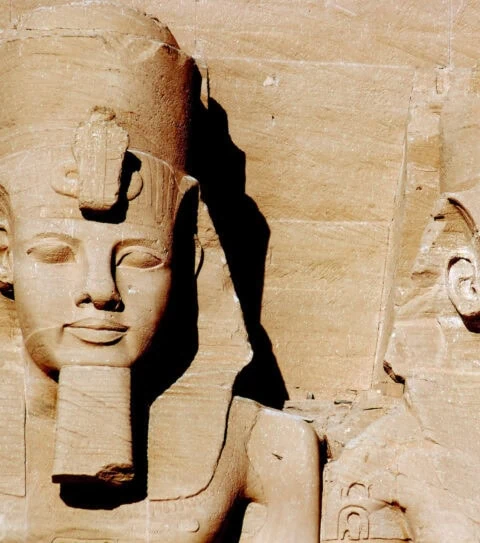
Must Visit Places in Egypt
Explore Egypt’s top sights — from pyramids to temples — and hidden gems worth seeing.

Top-Rated Egypt Tours
Handpicked private tours with local guides — our most loved and best-reviewed experiences.
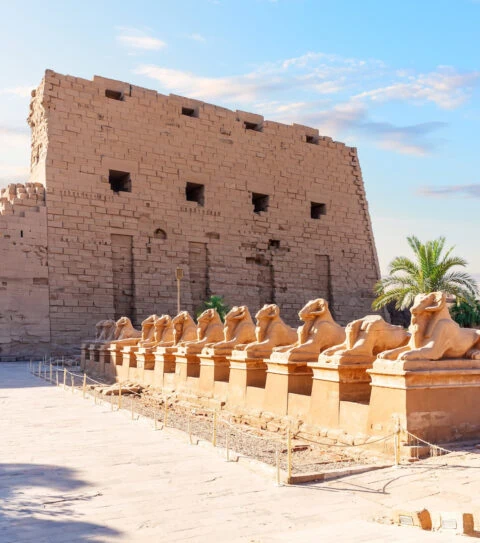
How Many Days to Visit Egypt?
Find out how many days you need in Egypt — from quick trips to full itineraries.
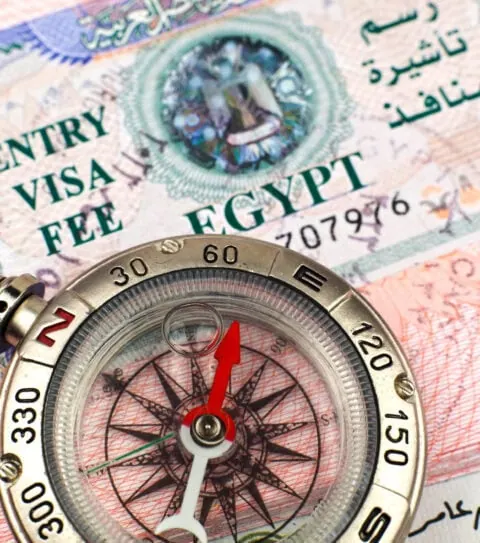
Egypt Visa Requirements
Check if you need a visa and get simple, up-to-date entry info based on your nationality.

Is it Safe to Travel to Egypt?
Is Egypt safe? Get honest safety tips, area advice, and what to know before you travel.

What to Pack for Egypt
A quick packing guide with essentials, cultural tips, and clothing advice for your Egypt trip.


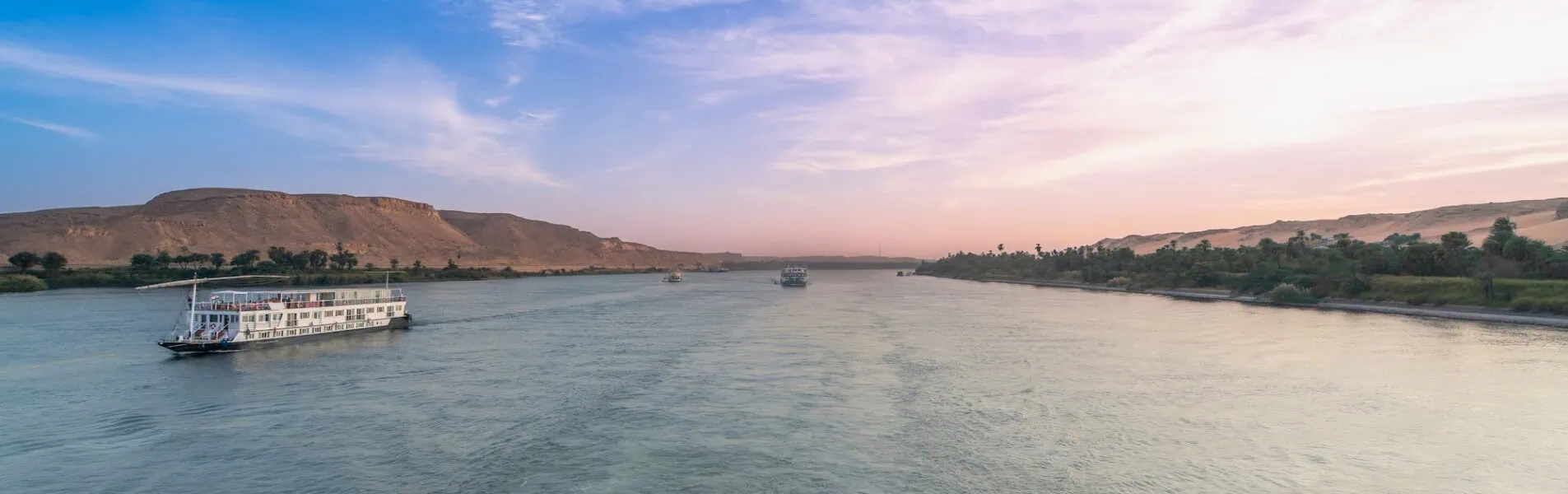
Design Your Custom Tour
Explore Egypt your way by selecting only the attractions you want to visit