4 Days in Egypt – What to see in Egypt in 4 Days
Egypt changes people. You’ll step off the plane wondering if four days is enough, and by departure, you’ll realize it’s just the beginning of a lifelong fascination.
We’ve perfected the art of maximizing short trips to Egypt, ensuring every moment counts. Whether you’re drawn by ancient mysteries, cultural immersion, or pure adventure, this carefully crafted itinerary transforms a brief visit into an unforgettable journey. The key lies in smart planning and local expertise.
Table of Contents
Cairo: The Perfect Starting Point
Most international flights land in Cairo, making it your natural gateway. The capital bursts with 5,000 years of history compressed into a vibrant modern metropolis. Smart travelers use Cairo as their home base, exploring nearby treasures while soaking up urban Egyptian culture.
Day 1: Pyramid Complex
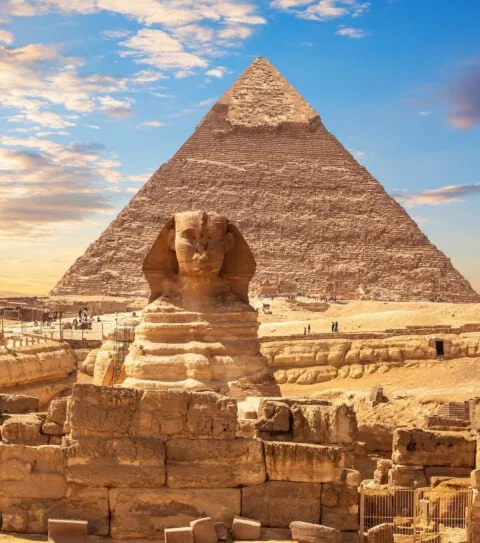
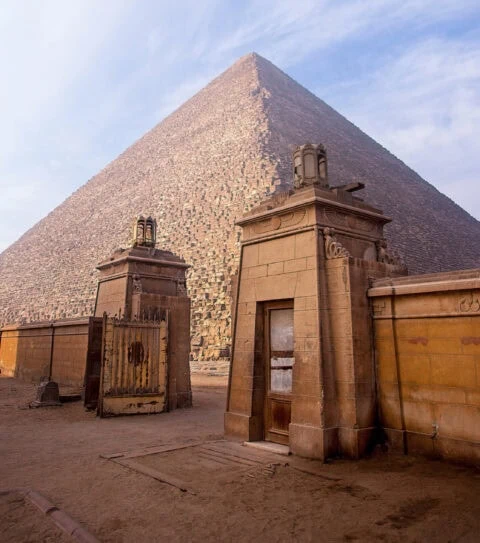
Start early—7:00 am (07:00) departure beats the crowds and heat. The Giza Pyramid Complex sits 20 km (12 miles) southwest of central Cairo, roughly a 45-minute drive depending on traffic. Nothing prepares you for that first glimpse of the Great Pyramid.
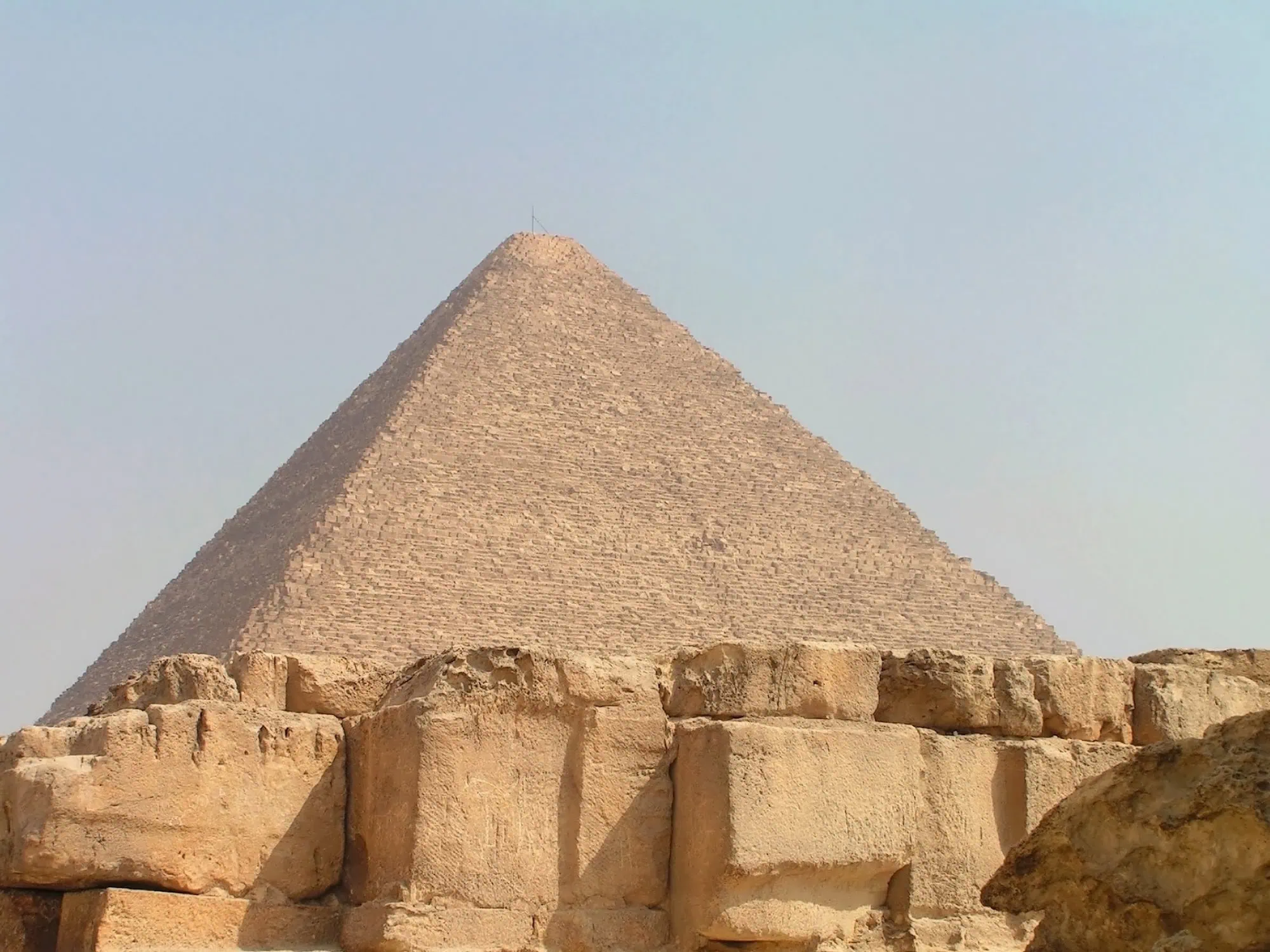
Standing 146 meters (480 feet) tall, it dominated the skyline for over 3,800 years as the world’s tallest man-made structure. Walk around the pyramid’s base to grasp its massive scale. Entry tickets cost approximately 200 Egyptian pounds (about $6 USD) for the Great Pyramid’s interior.
The narrow passage inside leads to the King’s Chamber—a profound experience that connects you directly with ancient engineering genius. The Sphinx guards the complex from its position 73 meters (240 feet) long and 20 meters (66 feet) high.
Grand Egyptian Museum – Afternoon Visit
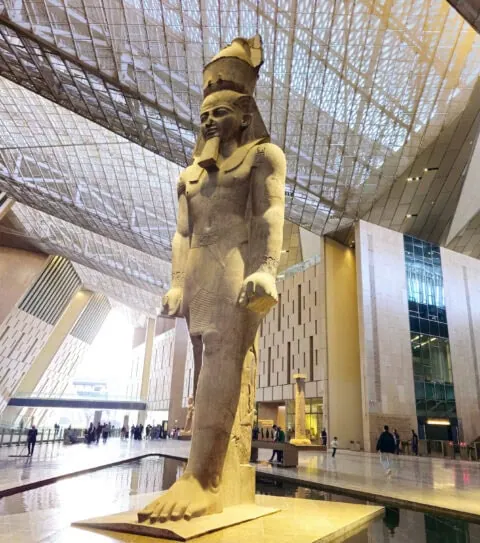
Located near the Giza Plateau, the Grand Egyptian Museum presents the most comprehensive collection of ancient Egyptian antiquities ever assembled. With tens of thousands of artifacts displayed in state-of-the-art galleries, the museum offers a clear, immersive journey through more than 5,000 years of history.
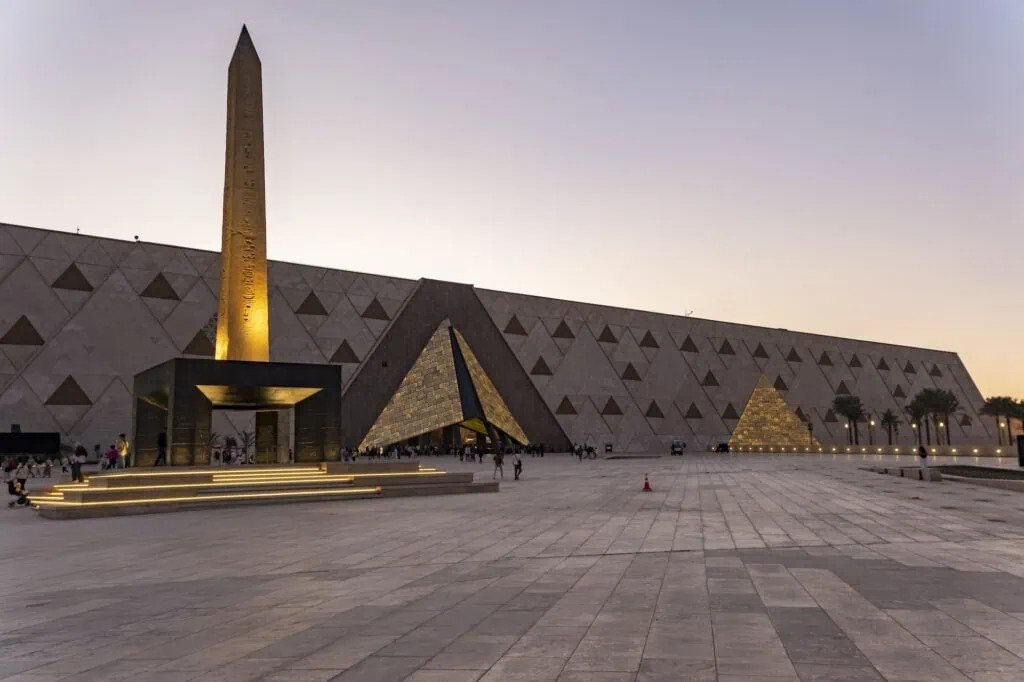
Highlights include monumental statues of the great pharaohs, royal treasures, and carefully curated thematic galleries that place objects in their historical and cultural context. The modern layout, natural lighting, and spacious design make the visit both engaging and comfortable.
Plan to spend at least three hours exploring the main galleries. Our expert guides provide sharp, story-driven explanations that connect iconic masterpieces with the people, power, and beliefs behind them—turning an afternoon visit into a deeper understanding of ancient Egypt.
Luxor: Valley of the Kings Adventure
Day 2: Early Flight to Upper Egypt
Catch the 6:00 am (06:00) flight from Cairo to Luxor—just 90 minutes in the air. Luxor serves as an open-air museum where every corner reveals archaeological wonders. The modern city sits atop ancient Thebes, capital of pharaonic Egypt during its golden age.
Temperature differences matter. While Cairo might reach 25°C (77°F), Luxor often climbs to 35°C (95°F). Pack accordingly and bring sun protection.
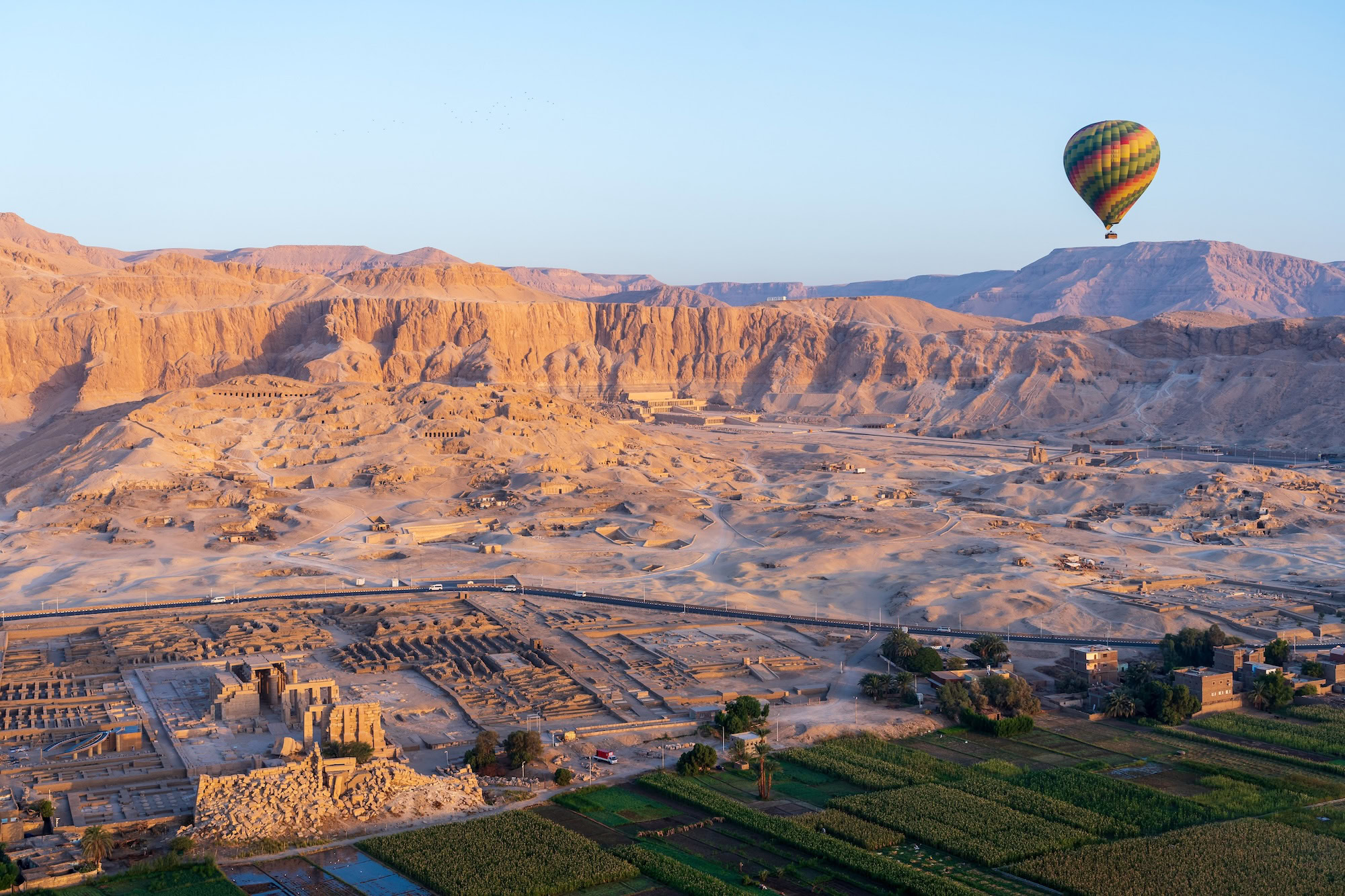
The Valley of the Kings houses 63 discovered royal tombs carved deep into limestone cliffs. King Tutankhamun’s tomb remains the most famous, though Howard Carter’s 1922 discovery was just the beginning. Recent scans suggest hidden chambers still await discovery.
Tomb KV62 (Tutankhamun) requires special tickets costing 300 Egyptian pounds (about $10 USD). The tomb’s four small chambers contain original wall paintings depicting the pharaoh’s journey to the afterlife. Photography inside costs an additional 300 pounds but captures memories of intricate hieroglyphic art.
Karnak Temple Complex Exploration
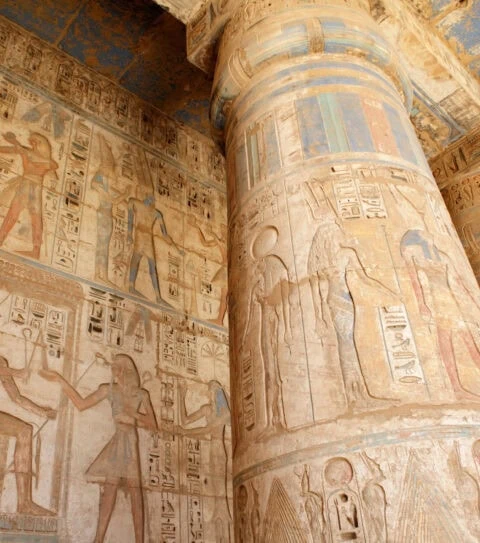
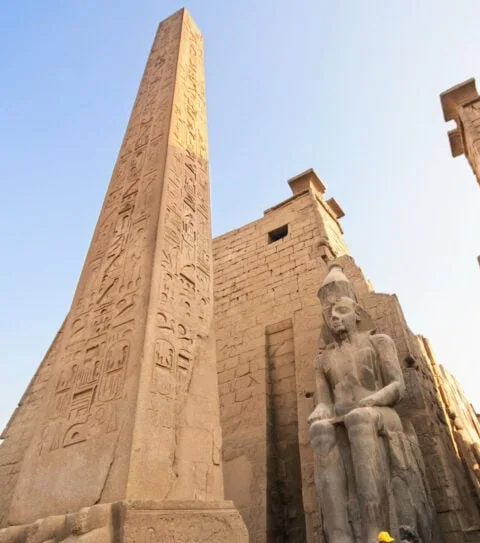
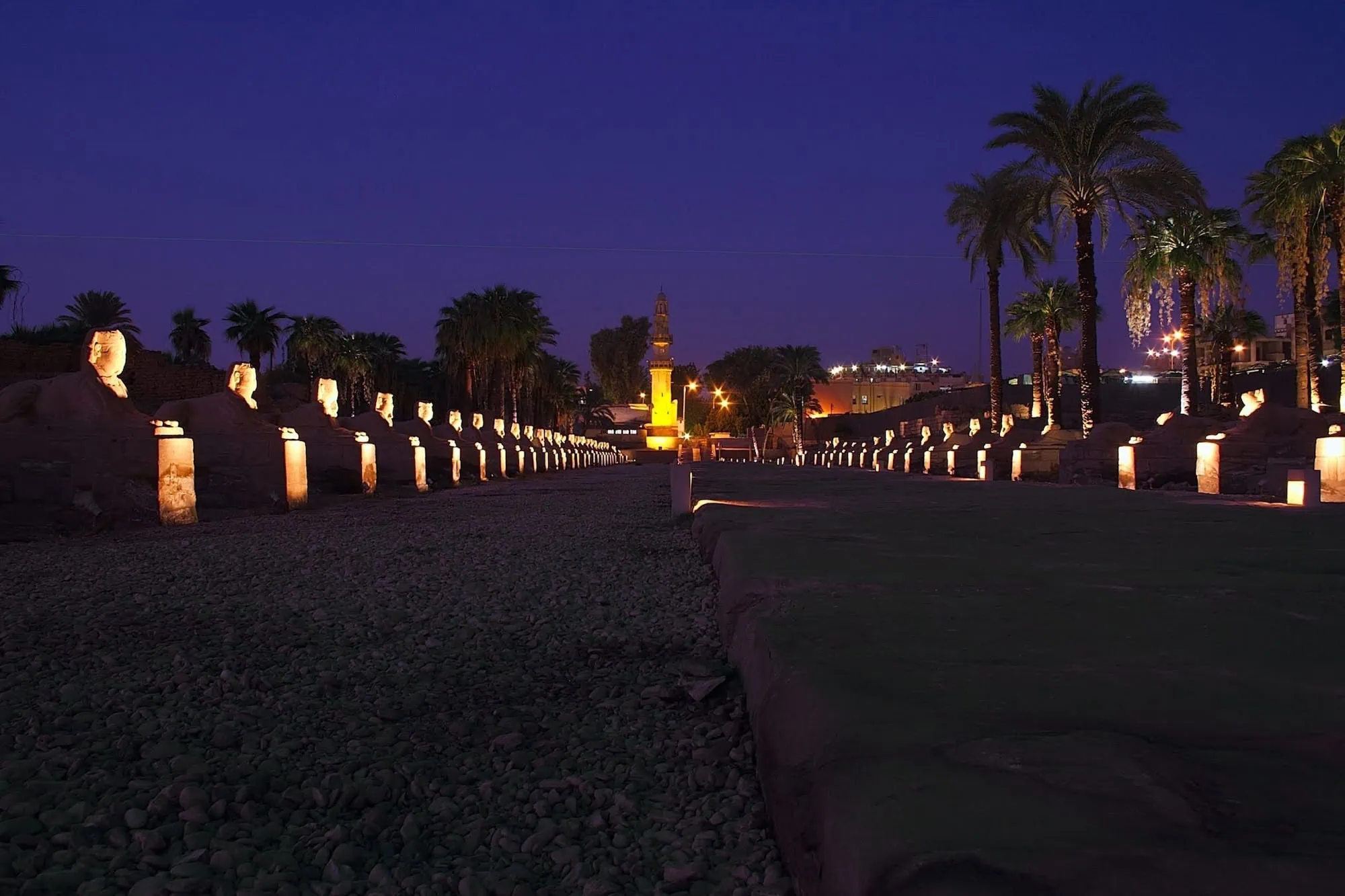
Spanning 2.5 km² (1 square mile), Karnak represents the world’s largest religious building ever constructed. Over 30 pharaohs contributed to its expansion across 2,000 years. The Hypostyle Hall contains 134 massive columns, each 23 meters (75 feet) tall and wide enough for 50 people to stand on top.
Sound and light shows occur nightly at 7:00 pm (19:00) in winter, 8:00 pm (20:00) in summer. The spectacle illuminates temple walls while narrating ancient Egyptian history. We recommend attending—it provides magical context to daytime visits.
Aswan: Nubian Culture and River Life
Day 3: Scenic Transfer to Aswan
The road between Luxor and Aswan stretches 215 km (134 miles) through stunning Nile Valley landscapes. Private vehicle transfers take approximately three hours with comfort stops. Alternatively, train journeys offer relaxed travel while watching river life unfold.
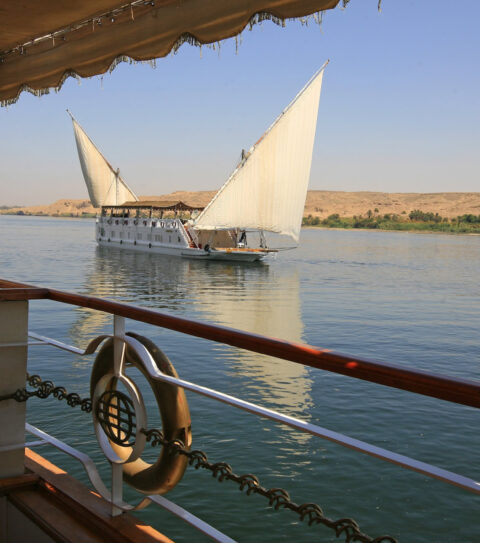
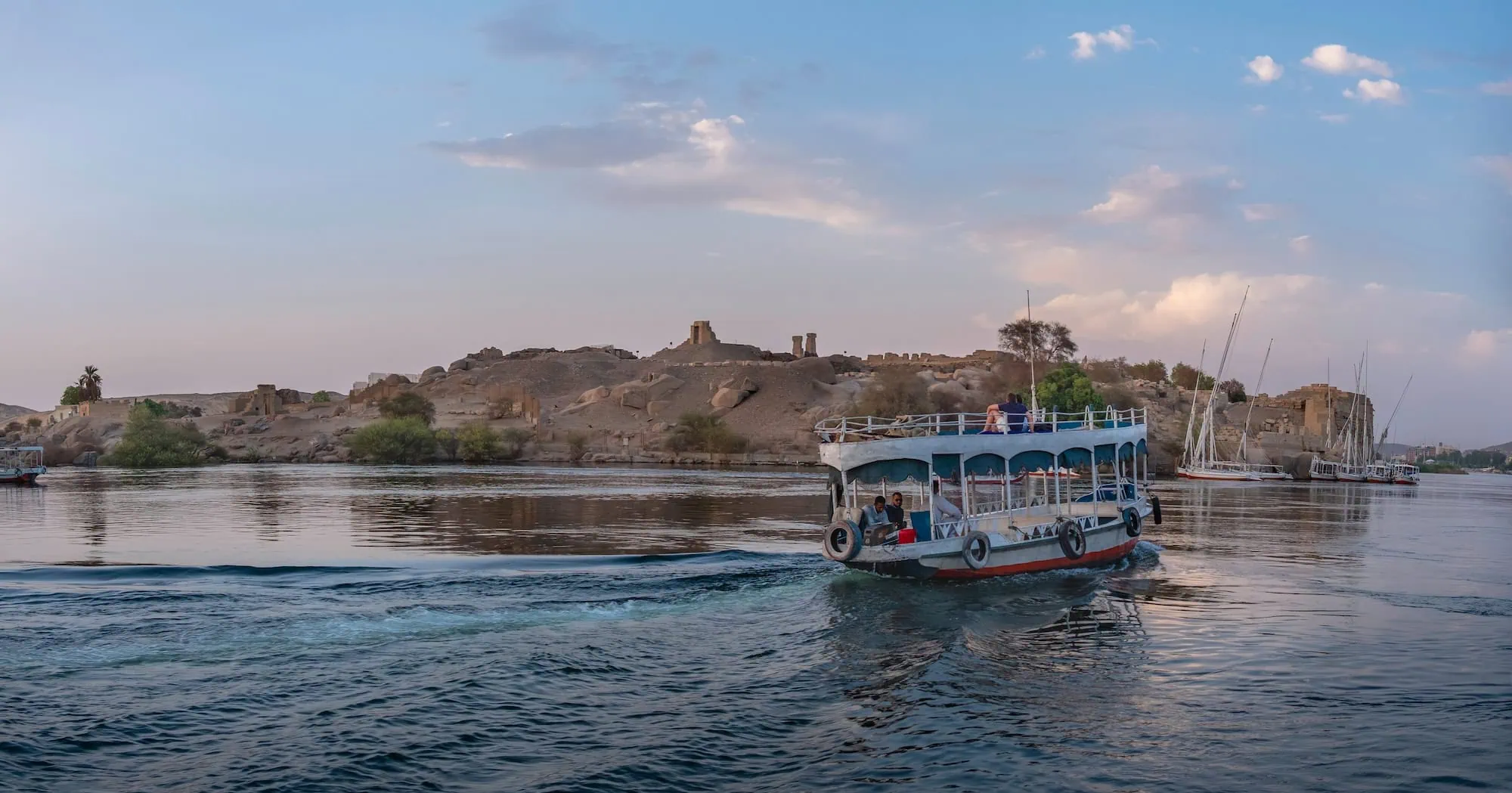
Aswan’s atmosphere differs dramatically from northern Egypt. Nubian influence creates colorful architecture, spiced cuisine, and melodic language variations. The Nile flows wider here, dotted with granite islands and traditional feluccas.
High Dam and Philae Temple
Built between 1960-1970, the Aswan High Dam stands 111 meters (364 feet) tall and stretches 3.8 km (2.4 miles) across. It created Lake Nasser, one of the world’s largest artificial lakes. The engineering achievement provides 10 billion kilowatts of electricity annually while controlling Nile flooding.
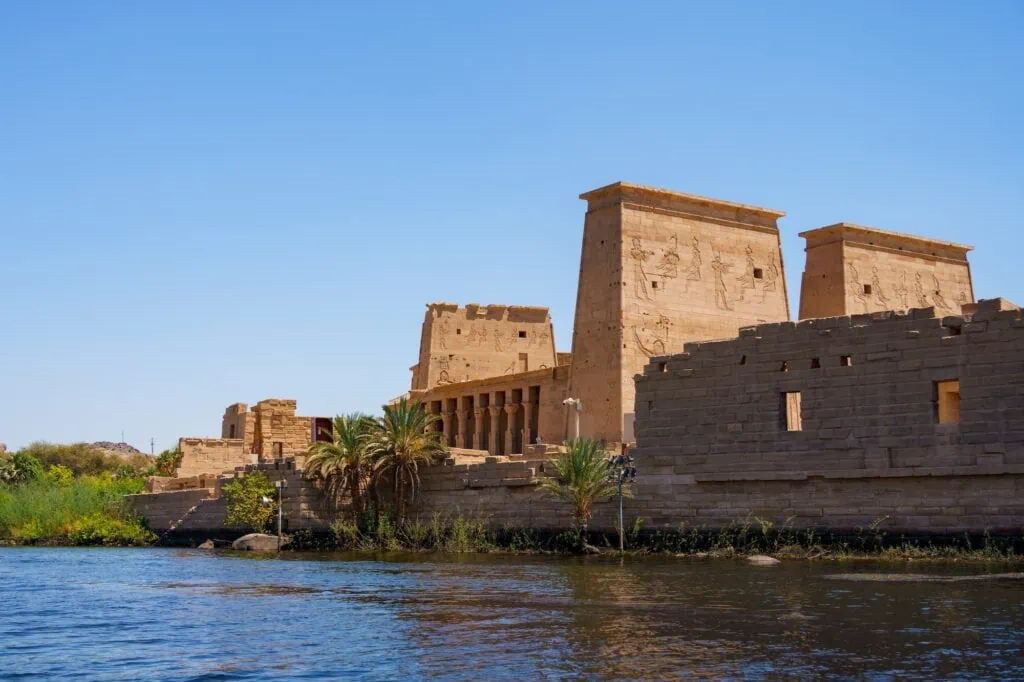
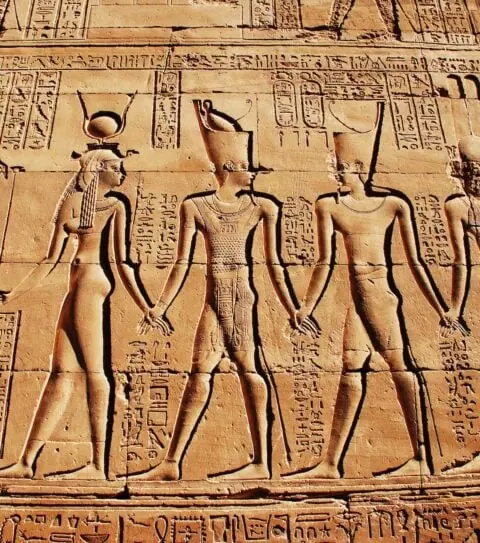
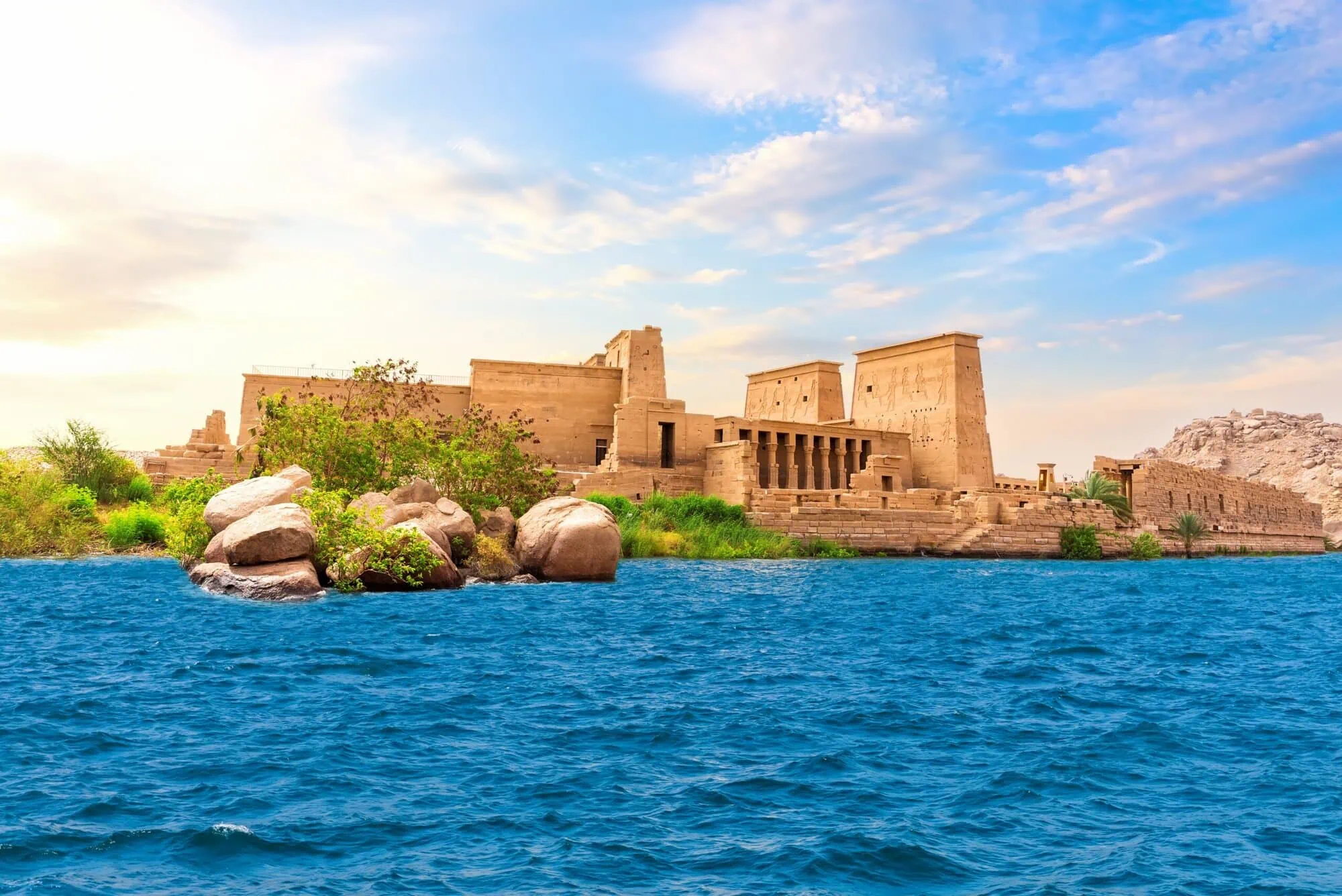
Philae Temple sits on Agilkia Island, accessible only by boat. UNESCO relocated the entire temple complex stone by stone when the High Dam threatened to submerge it permanently. Dedicated to goddess Isis, the temple represents the last functioning ancient Egyptian religious site.
The boat ride takes 10 minutes each way. Temple visits require 2-3 hours for proper appreciation. Evening sound and light shows transform the island into an otherworldly experience.
Nubian Village Experience
Traditional Nubian villages line the Nile’s west bank near Aswan. Bright blue, yellow, and orange houses reflect in the water while residents maintain customs dating back millennia. Village visits include traditional lunch, henna painting demonstrations, and encounters with domesticated crocodiles.
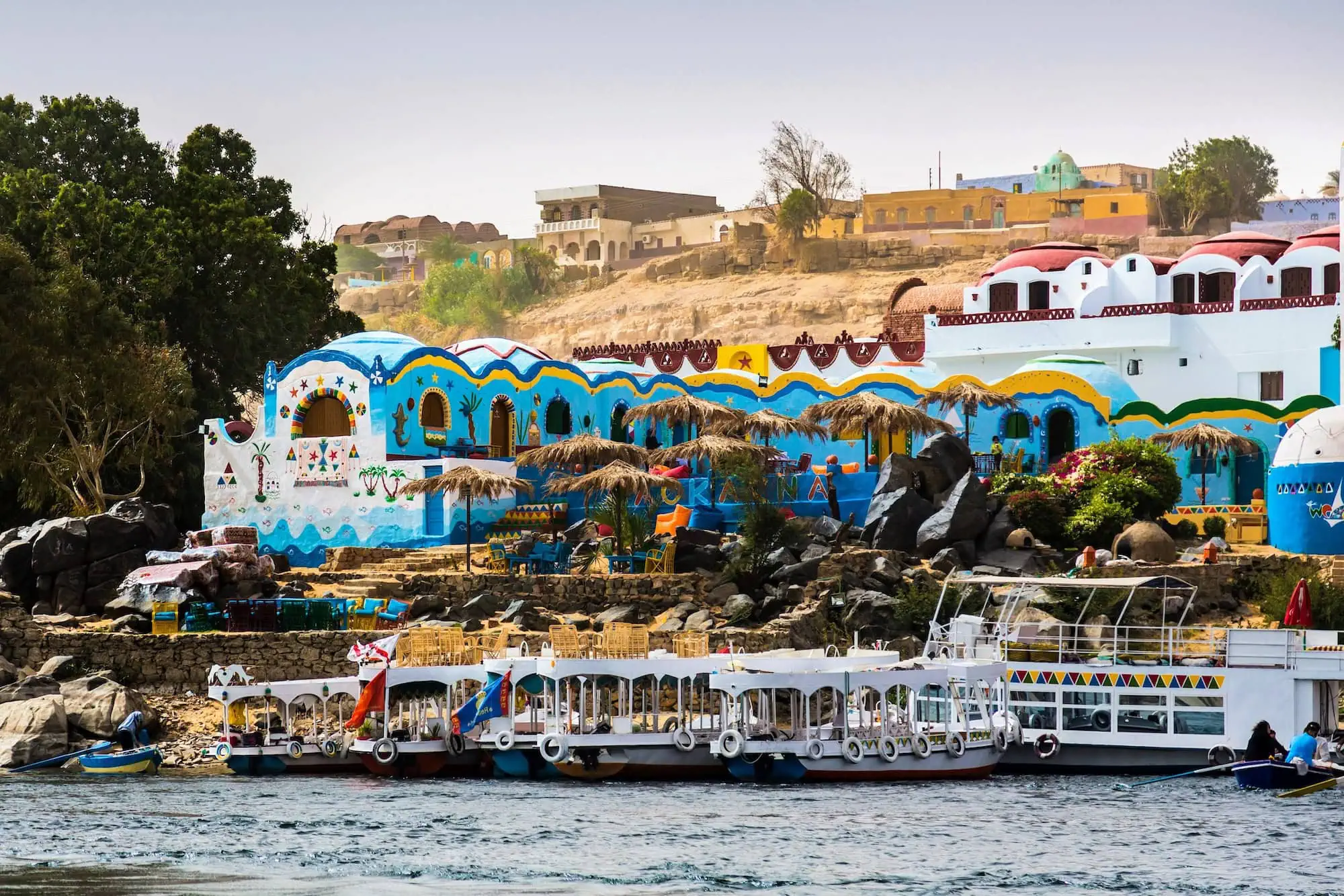
Nubian hospitality is legendary. Families welcome visitors with hibiscus tea and stories passed down through generations. Many speak three languages: Arabic, Nubian, and English. The experience provides authentic cultural immersion away from tourist crowds.
Red Sea Relaxation Option
Day 4: Choose Your Adventure
Two excellent options complete your Egyptian journey. Beach lovers should head to Hurghada on the Red Sea coast, just 280 km (174 miles) east of Luxor. The drive takes four hours through Eastern Desert landscapes dotted with Bedouin settlements.
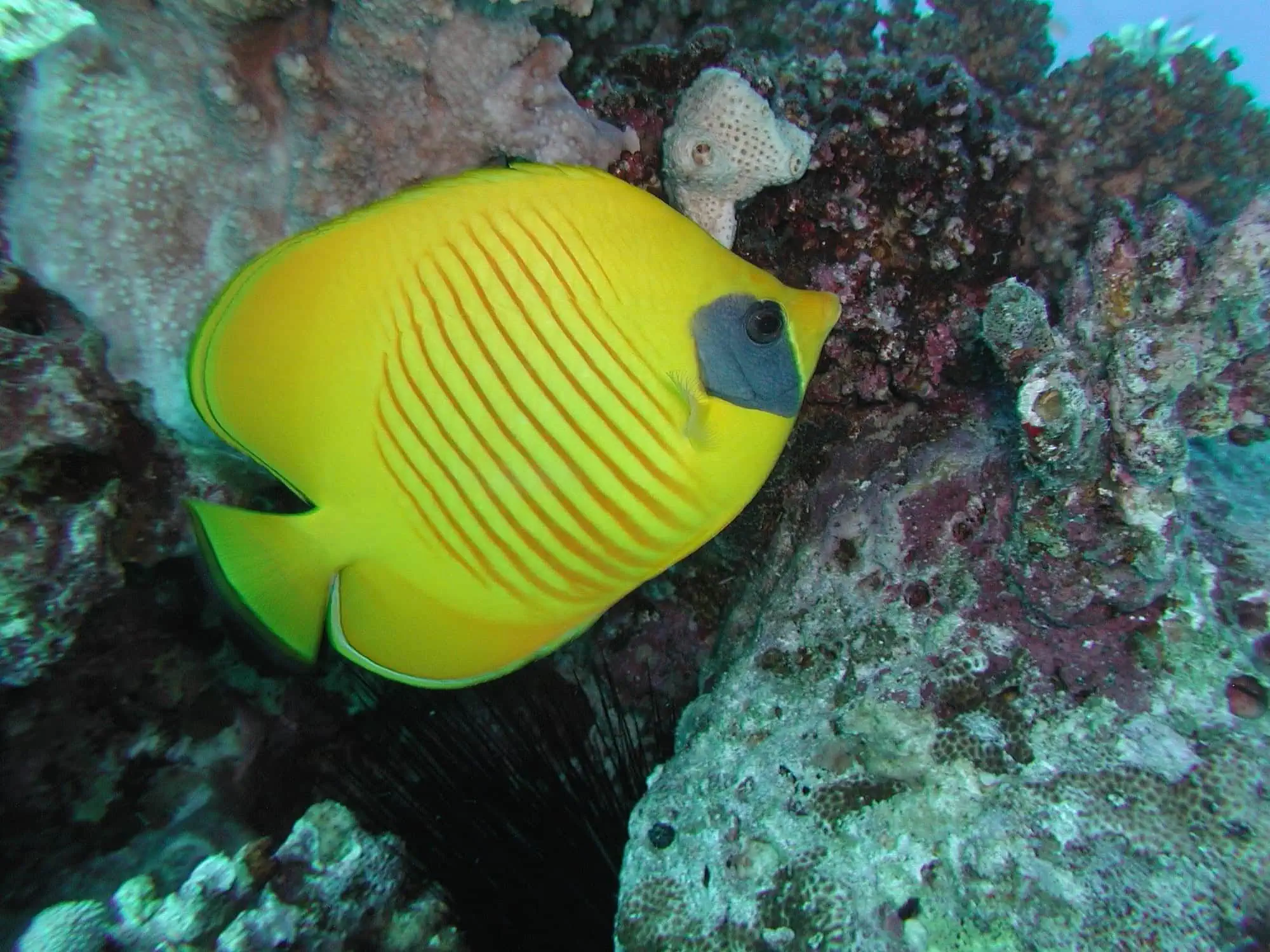
Hurghada offers world-class diving and snorkeling. The Red Sea contains over 1,000 fish species and 200 coral types. Water temperatures remain comfortable year-round, ranging from 20°C (68°F) in winter to 28°C (82°F) in summer. Visibility often exceeds 30 meters (100 feet).
Popular dive sites include Giftun Island, Dolphin House, and the SS Thistlegorm wreck. This World War II cargo ship lies 30 meters (98 feet) underwater, perfectly preserved and accessible to intermediate divers.
Alternatively, spend your final day exploring more of Aswan. Take a sunset felucca ride around Elephantine Island, visit the colorful Aswan Bazaar, or explore the Unfinished Obelisk. This massive granite monument, abandoned due to cracks, would have stood 42 meters (138 feet) tall—the largest ever attempted.
Essential Travel Logistics
Visa Requirements
U.S. citizens need a tourist visa available on arrival for $25 USD or online in advance. Europeans, Canadians, and Australians follow similar procedures. Latin American visitors should check specific requirements as some countries need advance applications.
Internal Transportation
Domestic flights between Cairo and Luxor cost $80-120 USD and save valuable time. Our private vehicles provide comfortable ground transportation with experienced drivers familiar with archaeological sites and local customs.
Best Travel Season
October through April offers ideal weather with temperatures ranging 20-25°C (68-77°F). Summer months (May – September) bring extreme heat exceeding 40°C (104°F), though Red Sea destinations remain comfortable with sea breezes.
Currency and Costs
The Egyptian pound fluctuates around 30-32 EGP per USD. Credit cards work in hotels and major restaurants, but carry cash for local purchases, tips, and entrance fees.
Our 24/7 customer support ensures smooth travel experiences. We’ve perfected four-day itineraries through decades of expertise, handling logistics while you focus on wonder and discovery. Modern air-conditioned vehicles, qualified guides, and carefully selected accommodations remove stress from your journey.
Packing Essentials
Comfortable walking shoes, sunscreen, hat, light layers for varying temperatures, and modest clothing for religious sites. Women should pack scarves for mosque visits, though many tourist sites provide appropriate coverings.
Frequently Asked Questions
Four days is enough to experience Egypt’s most famous highlights, but it is not enough to see the entire country in depth. A well-planned 4-day itinerary can include the Pyramids of Giza, the Egyptian Museum or Grand Egyptian Museum, and key sites in Luxor such as Karnak Temple and the Valley of the Kings. Egypt spans more than 1 million square kilometers, so longer trips allow deeper exploration. Four days works best as an introduction that inspires a return visit.
Domestic flights are the most efficient way to travel between Egypt’s major cities when time is limited. Flights between Cairo and Luxor or Aswan typically take 60-90 minutes, compared to 10-14 hours by train. Private vehicles offer flexibility for shorter routes and allow stops at attractions along the way. Travelers on a 4-day itinerary usually benefit most from flying to maximize sightseeing time and reduce long transit hours.
The Pyramids of Giza are absolutely worth visiting, even during busy periods. As the last surviving wonder of the ancient world, the Great Pyramid of Khufu has stood for more than 4,500 years and remains one of humanity’s greatest engineering achievements. Crowds tend to be lighter before 9:00 am and later in the afternoon. Visiting during these quieter periods provides a more enjoyable experience while still allowing ample time to explore the site.
Most travelers should budget approximately $50-80 USD per person for entrance fees to Egypt’s major attractions over four days. Costs vary depending on whether you visit premium sites such as pyramid interiors, special tombs in the Valley of the Kings, or major museums. Students often receive discounted admission with valid identification. Reviewing ticket prices in advance helps avoid surprises and allows you to prioritize the attractions that interest you most.
Egypt is generally considered safe for tourists, particularly in established destinations such as Cairo, Giza, Luxor, Aswan, and Red Sea resorts. Security is highly visible at airports, museums, hotels, and major archaeological sites, with dedicated tourist police operating throughout key visitor areas. Millions of international travelers visit Egypt each year without incident. As with any destination, remain aware of your surroundings, protect valuables, and follow local guidance during your trip.
October through April is widely considered the best time to visit Egypt because daytime temperatures are more comfortable for sightseeing. Winter temperatures in Cairo, Luxor, and Aswan often range from about 20-25°C (68-77°F), making long outdoor visits more enjoyable. Summer offers lower prices and fewer tourists, but temperatures in Upper Egypt can exceed 40°C (104°F). For a short 4-day trip focused on sightseeing, cooler months provide the best overall experience.
A professional guide is not required, but it can dramatically improve your understanding of Egypt’s ancient monuments. Sites such as Karnak Temple, the Great Pyramid, and the Valley of the Kings contain thousands of years of history that are difficult to fully appreciate without expert interpretation. Licensed Egyptologists explain hieroglyphs, religious beliefs, royal dynasties, and archaeological discoveries. For travelers with limited time, a guide helps maximize both efficiency and insight.
Booking accommodations at least two weeks in advance is recommended, especially during the peak travel season from December through February. Popular hotels in Cairo, Luxor, and Aswan can fill quickly during Christmas, New Year, and winter holidays. Travelers visiting during shoulder seasons often find greater flexibility and more competitive rates. Reserving early also provides a wider choice of locations, room categories, and Nile-view properties.
No special vaccinations are required for most travelers entering Egypt directly from North America, Europe, or Australia. Many healthcare providers recommend routine travel vaccinations such as hepatitis A and typhoid because these illnesses can be associated with food or water exposure. Travelers should consult their physician or travel clinic several weeks before departure. Keeping routine immunizations current is generally considered the most important health preparation for visiting Egypt.
Bottled water is the recommended choice for tourists throughout Egypt. Although local residents commonly use municipal water, visitors may be more sensitive to unfamiliar minerals and microorganisms, which can cause digestive discomfort. Bottled water is inexpensive and available in hotels, restaurants, airports, and convenience stores nationwide. Carrying water during sightseeing is especially important because Egypt’s dry climate and extensive walking can increase the risk of dehydration.
Comfortable, modest clothing is the best choice when visiting Egypt’s temples and archaeological sites. Ancient Egyptian temples such as Karnak and Philae do not typically require strict dress codes, but clothing that covers shoulders and knees provides better sun protection and demonstrates cultural respect. Comfortable walking shoes are essential because many sites feature uneven stone surfaces and extensive walking routes. Lightweight fabrics such as cotton and linen work particularly well.
Professional private guides in Egypt typically charge between $40 and $80 USD per day, depending on qualifications, language skills, experience, and itinerary complexity. Licensed Egyptologists and multilingual guides generally command higher rates because of their specialized expertise. A private guide can accompany visitors at sites such as Giza, Saqqara, Luxor, and Aswan, providing personalized attention and detailed historical interpretation. For many travelers, the added context justifies the additional cost.
Explore our most popular guides and expert tips to make your trip safe, smooth, and unforgettable.
Plan Your Egypt Adventure with Confidence
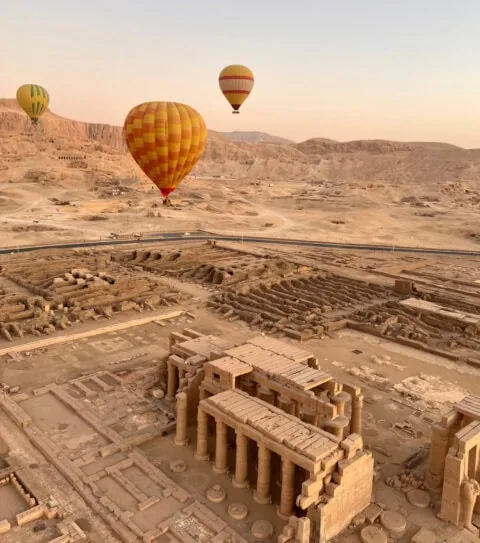
How to Plan a Trip Egypt
Step-by-step guide to help you plan the perfect Egypt trip — from routes and budget to booking.
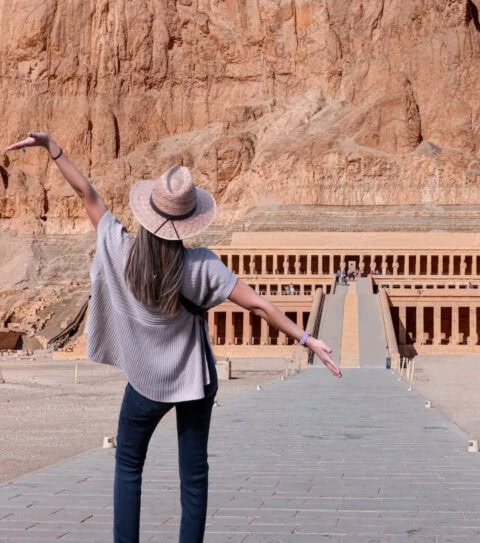
Best Time to Visit Egypt
Learn the best months to visit Egypt based on weather, crowds, and local travel experiences.
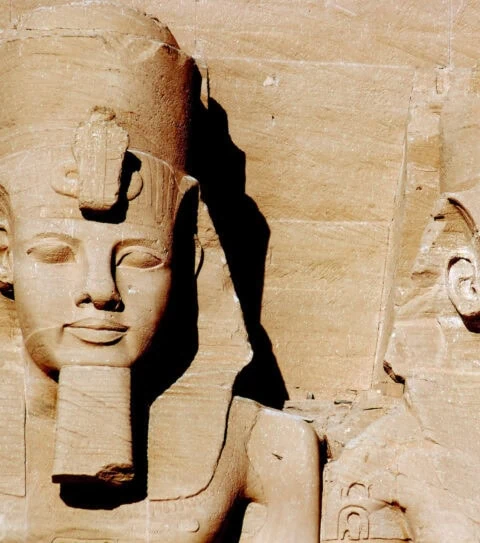
Must Visit Places in Egypt
Explore Egypt’s top sights — from pyramids to temples — and hidden gems worth seeing.
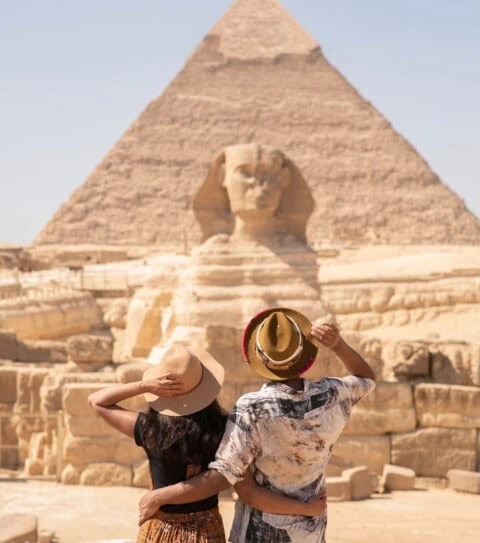
Top-Rated Egypt Tours
Handpicked private tours with local guides — our most loved and best-reviewed experiences.
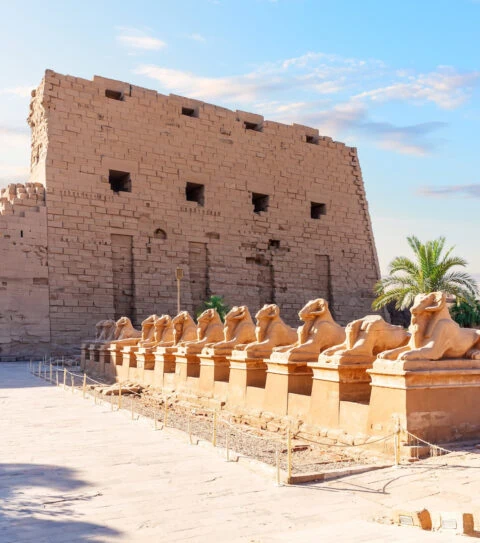
How Many Days to Visit Egypt?
Find out how many days you need in Egypt — from quick trips to full itineraries.
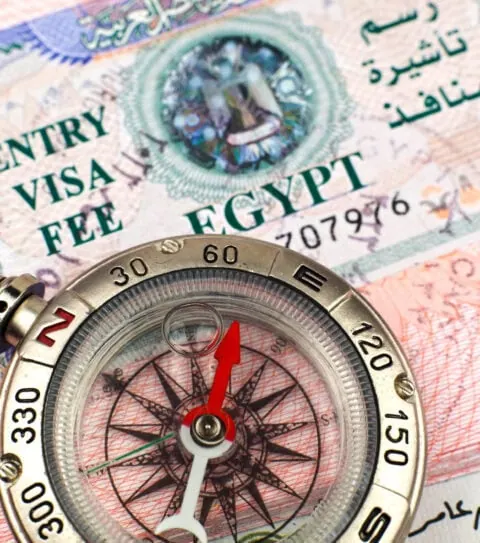
Egypt Visa Requirements
Check if you need a visa and get simple, up-to-date entry info based on your nationality.
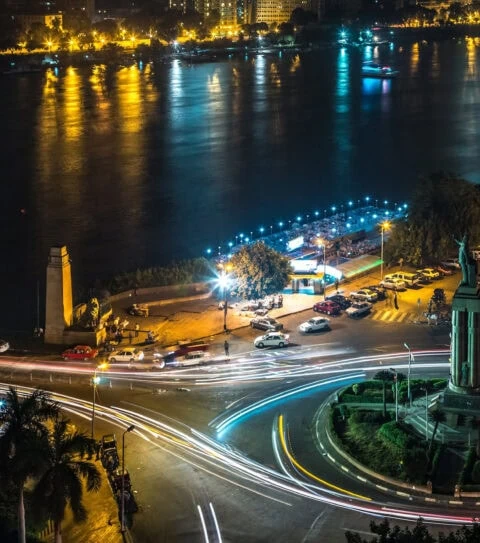
Is it Safe to Travel to Egypt?
Is Egypt safe? Get honest safety tips, area advice, and what to know before you travel.
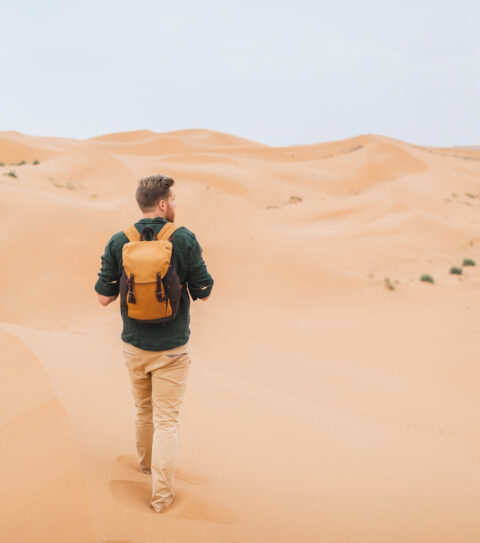
What to Pack for Egypt
A quick packing guide with essentials, cultural tips, and clothing advice for your Egypt trip.
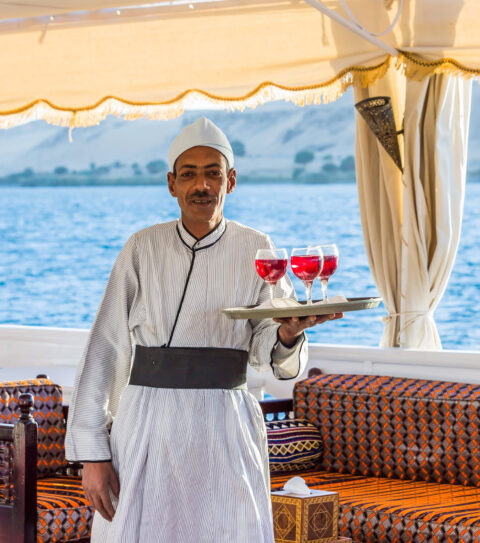
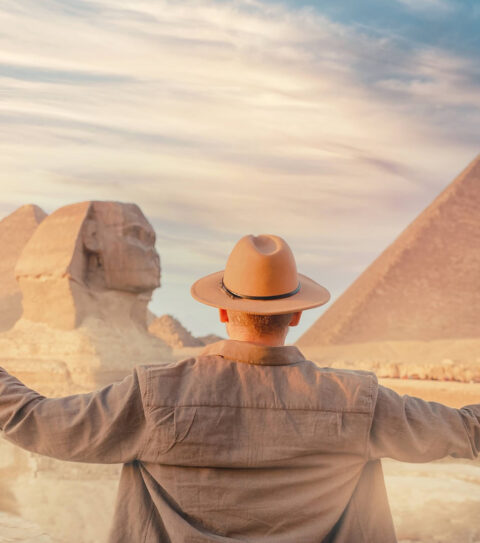
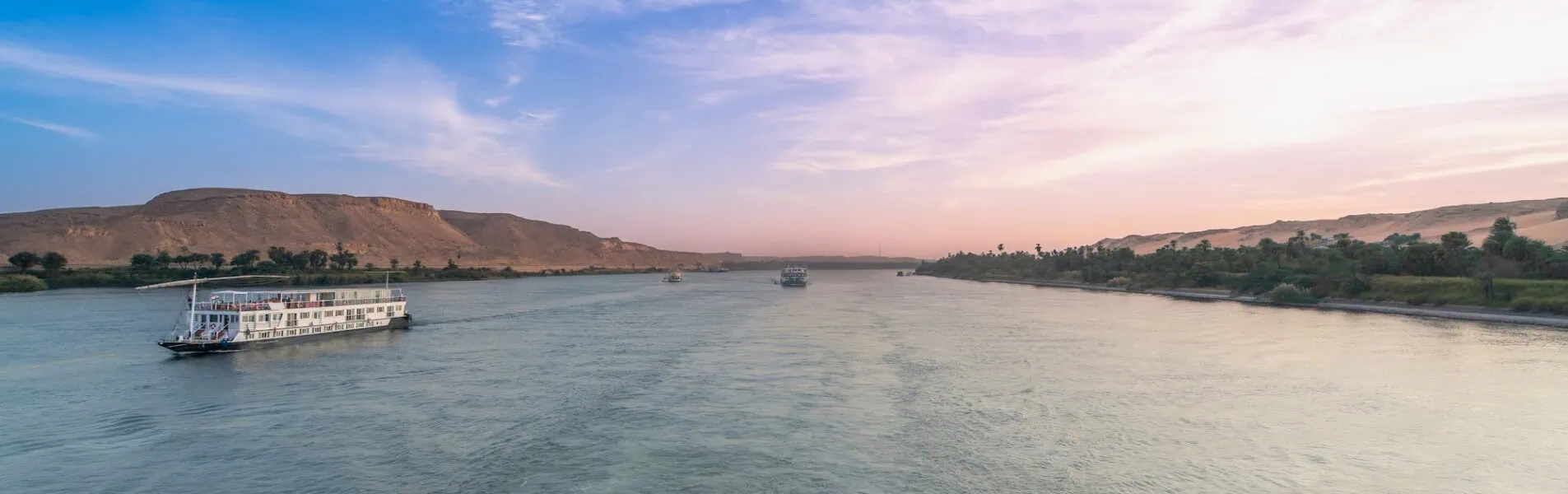
Design Your Custom Tour
Explore Egypt your way by selecting only the attractions you want to visit