

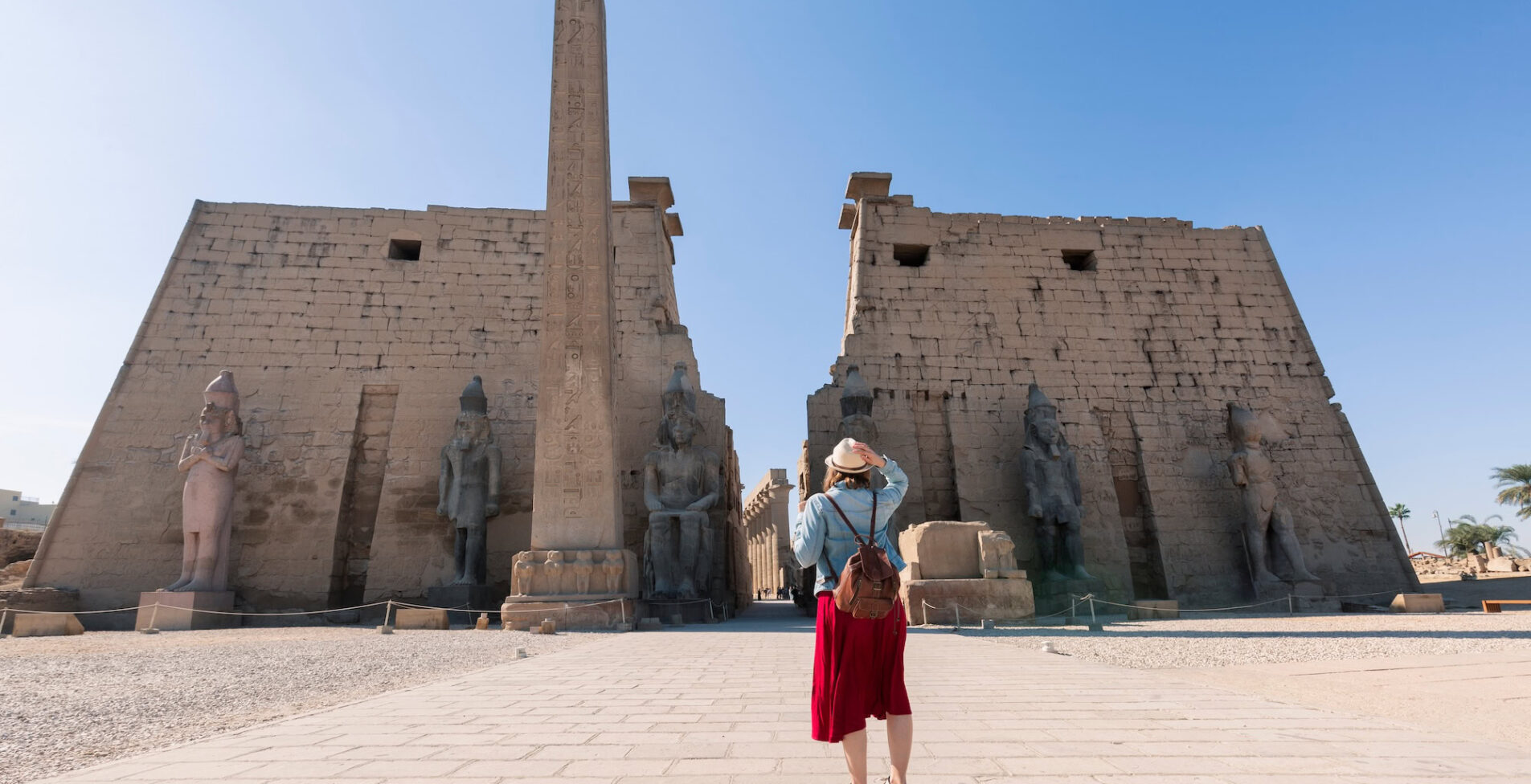
Everything you need to know about visiting Luxor
Luxor Travel Guide
Our complete Luxor Travel Guide — built by specialists who’ve been guiding travelers through ancient Thebes since 1955 — brings together our top Luxor trips, an in-depth guide to the city’s temples and tombs, handpicked excursions, and answers to the questions every first-time visitor asks.
Luxor Travel Guide
Luxor isn’t just a destination—it’s a journey through 4,000 years of human history.
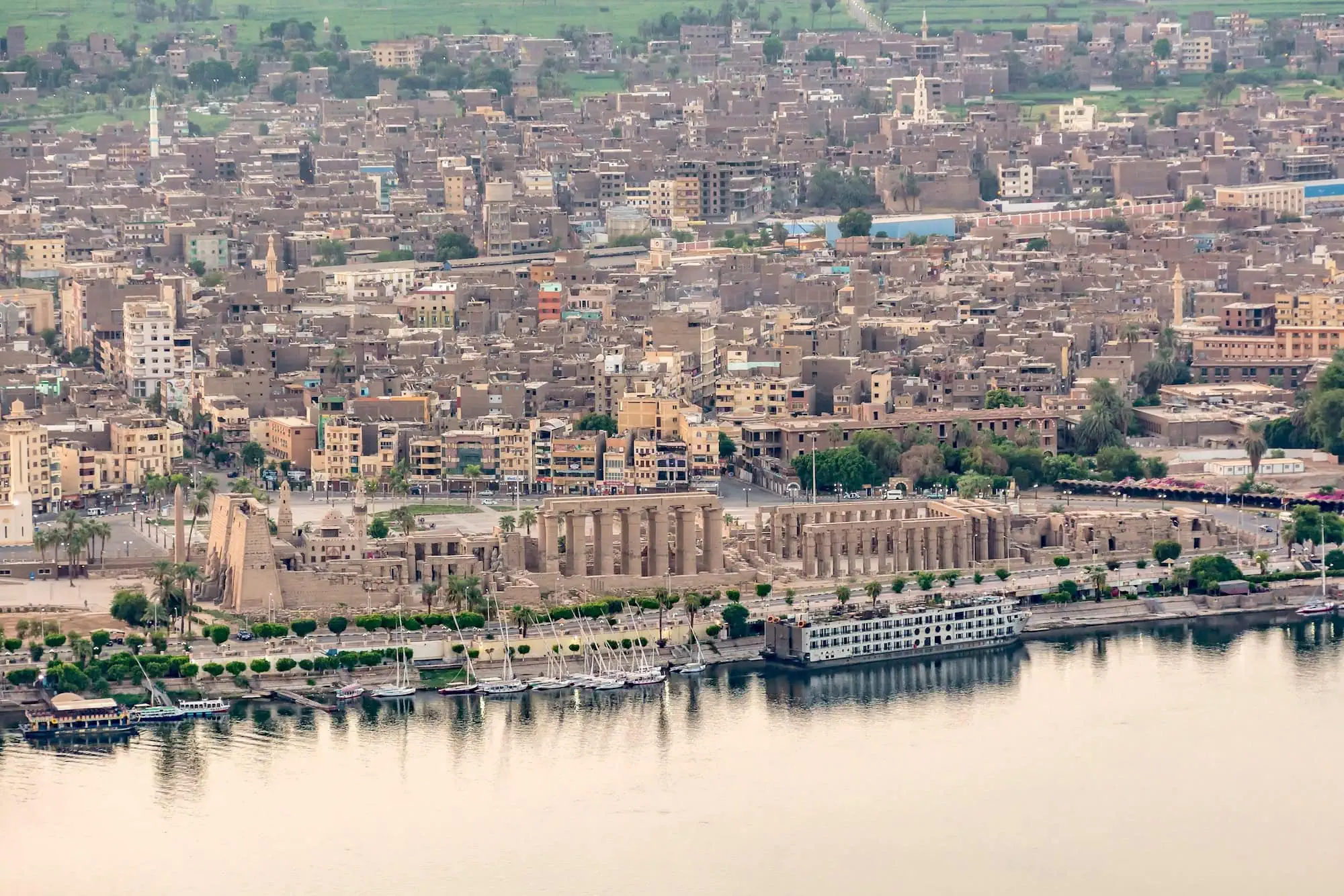
This ancient city, built on the site of Thebes, serves as Egypt’s most concentrated archaeological wonder. Every street corner reveals temples, tombs, and monuments that once housed pharaohs and gods. The Nile River divides Luxor into two distinct experiences: the East Bank with its living city and grand temples, and the West Bank where ancient royalty found their eternal rest. We’ve spent decades guiding travelers through these sacred grounds — and most of our Egypt travel packages spend two to three days right here, because Luxor truly deserves that kind of time.
Whether you’re planning three days or a full week, understanding Luxor’s rhythm will transform your Egyptian adventure from tourist checklist to profound cultural immersion.
Table of Contents
Understanding Luxor’s Two Worlds: East Bank vs West Bank
Luxor’s geography tells the story of ancient Egyptian beliefs about life and death.
The Living East Bank: Modern City Meets Ancient Glory
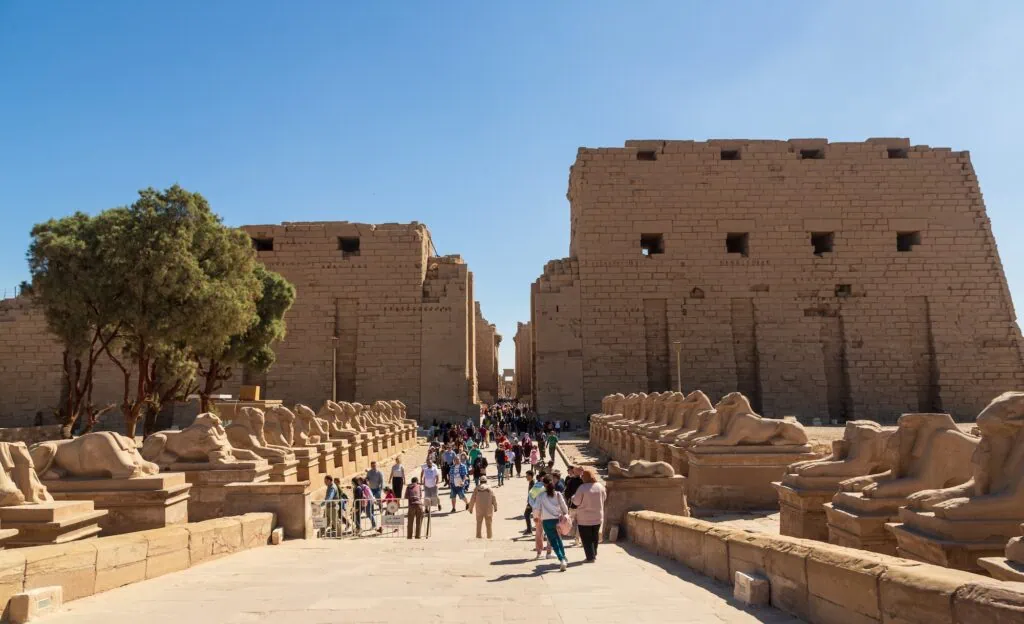
The Luxor East Bank pulses with contemporary Egyptian life while housing some of history’s most magnificent temples. Here, locals navigate daily routines around monuments that have stood for millennia. The Temple of Luxor sits in the heart of the modern city, its towering columns illuminated against the evening sky as families stroll the corniche. Just north, the Karnak Temple Complex sprawls across 200 acres, containing dozens of temples, chapels, and sacred lakes built over 1,300 years.
Beyond these two giants, the East Bank rewards travelers with several other essential stops:
- Avenue of Sphinxes — the recently restored 2.7-kilometre processional walkway lined with hundreds of ram- and human-headed sphinxes, connecting Luxor Temple to Karnak just as it did 3,400 years ago
- Luxor Museum — a beautifully curated collection of statues, royal mummies, and artifacts pulled directly from Luxor’s temples and tombs, including masterpieces from the reign of Amenhotep III and Tutankhamun
- Mummification Museum — a small but fascinating museum dedicated to the ancient Egyptian art of preserving the dead, with original tools, mummies of both humans and sacred animals, and step-by-step exhibits
Morning hours between 6:00 am (06:00) and 9:00 am (09:00) offer the most comfortable temple exploration, with golden light and fewer crowds. The sound and light shows at both temples provide evening entertainment, though Karnak’s version offers superior historical narration.
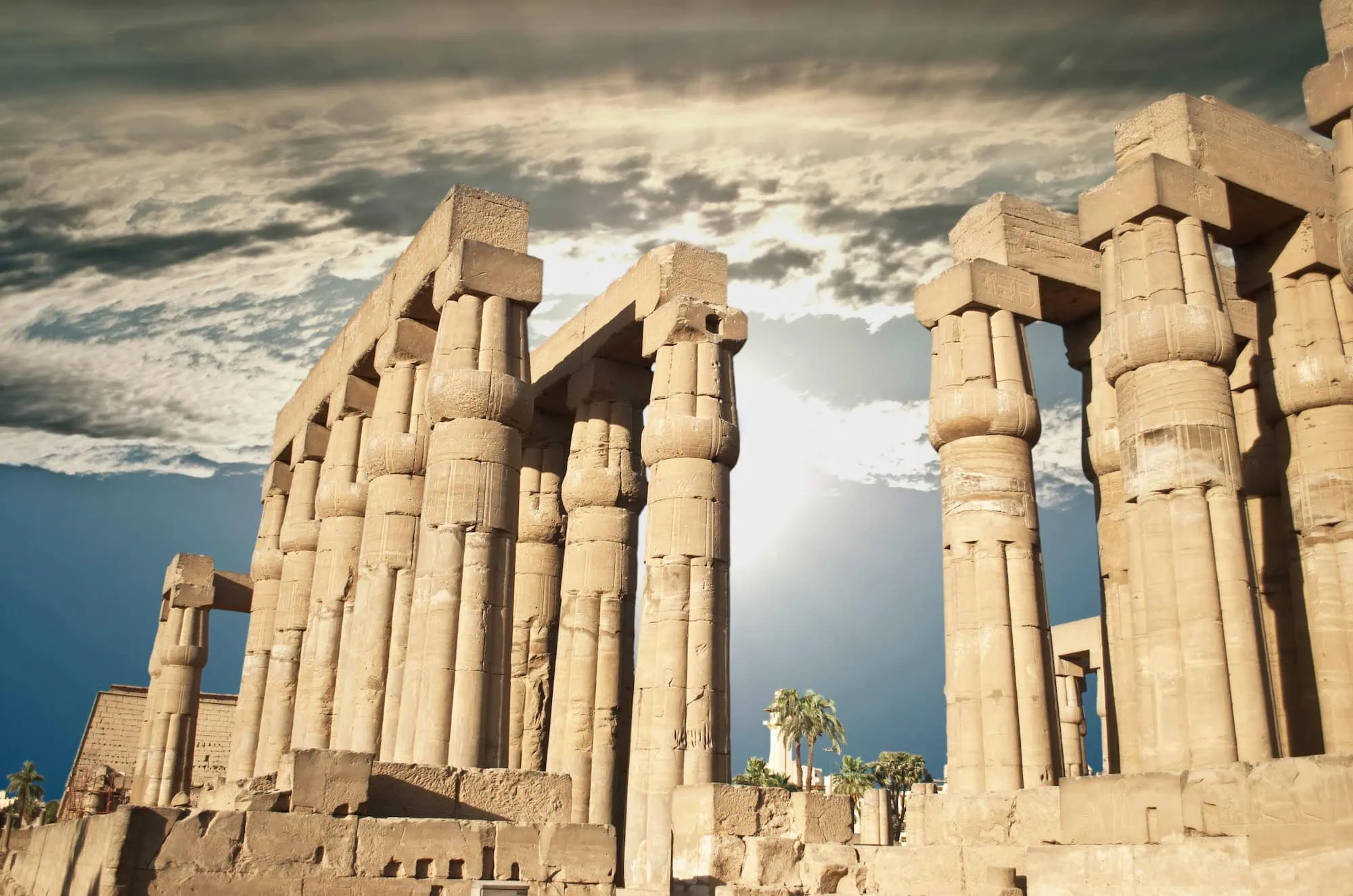
The Sacred West Bank: Valley of Eternal Rest
Ancient Egyptians chose the Luxor West Bank as their necropolis because the sun “died” there each evening before being reborn at dawn. This vast archaeological zone contains the Valley of the Kings, Valley of the Queens, and numerous mortuary temples carved into limestone cliffs.
The Valley of the Kings houses 63 discovered tombs, including Tutankhamun’s famous burial site. Most visitors purchase the standard ticket covering three tombs, but we recommend adding the separate Tutankhamun ticket for its unique preservation and historical significance. The tomb of Ramesses VI offers spectacular ceiling paintings depicting the pharaoh’s journey through the afterlife.
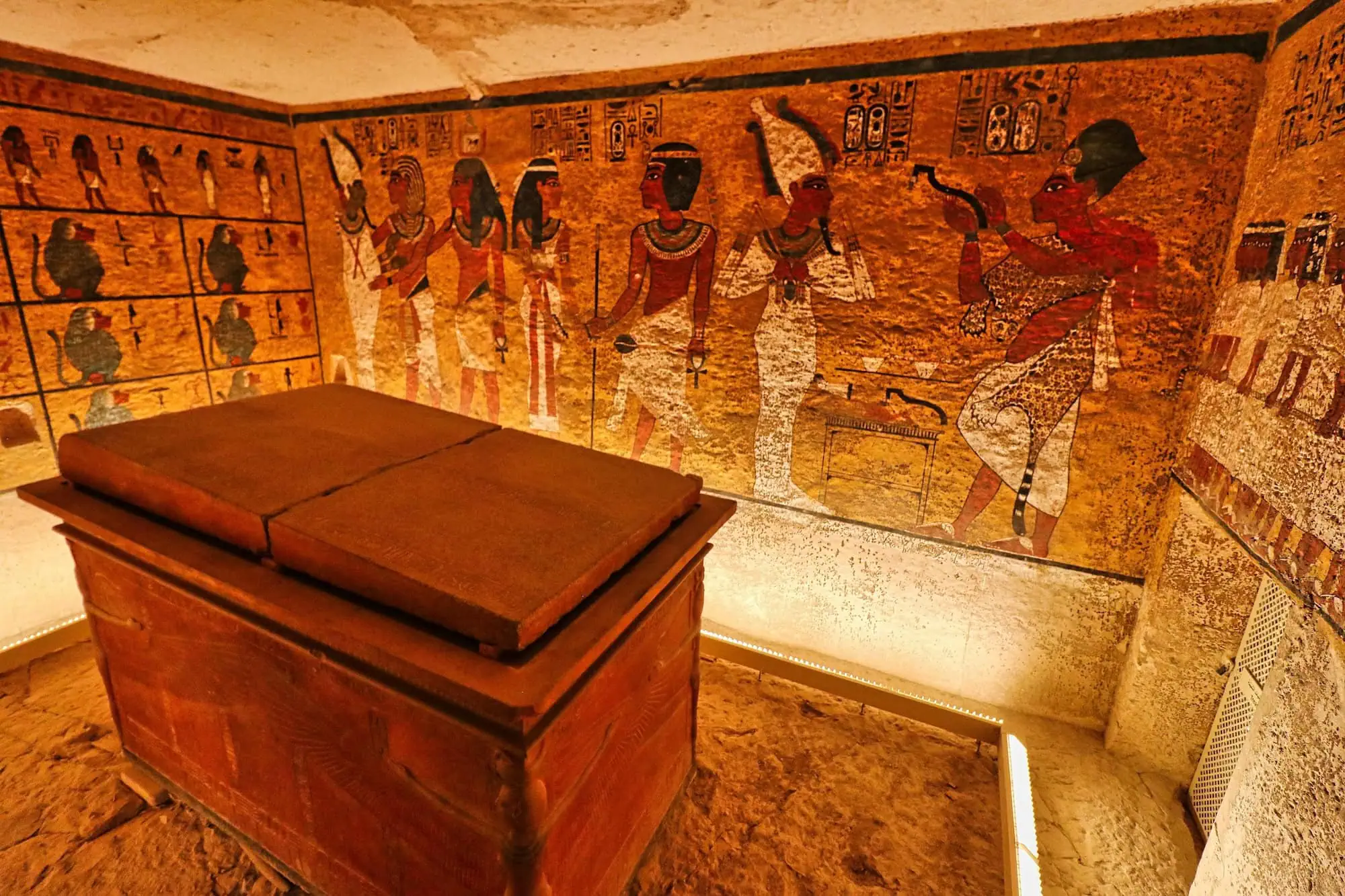
Deir el-Medina, the workers’ village, provides intimate glimpses into daily life of the craftsmen who created these royal tombs. Their own burial sites feature vibrant paintings rivaling those of the pharaohs they served.
Beyond the Valley of the Kings and Deir el-Medina, the West Bank holds several other essential sites:
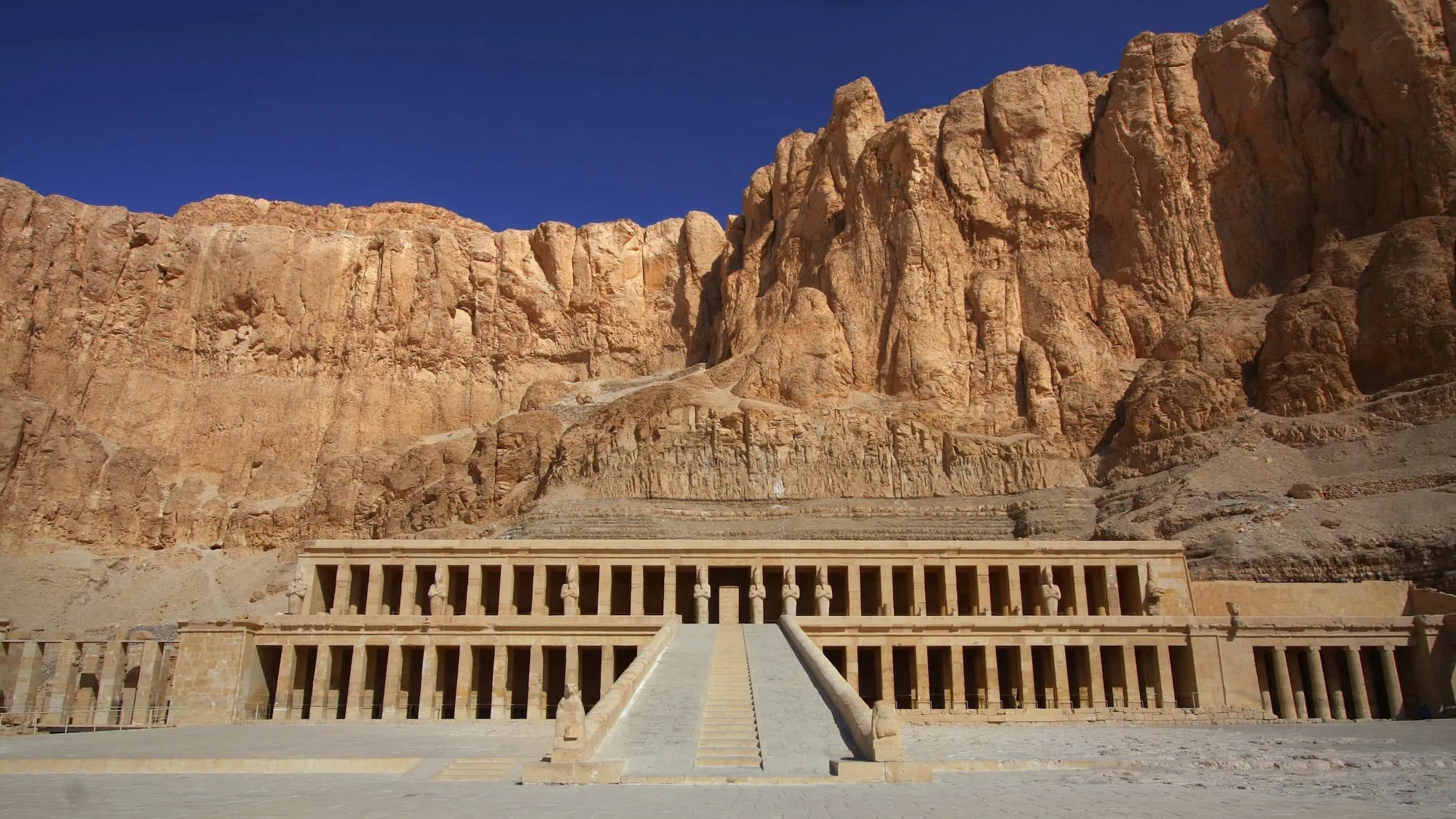
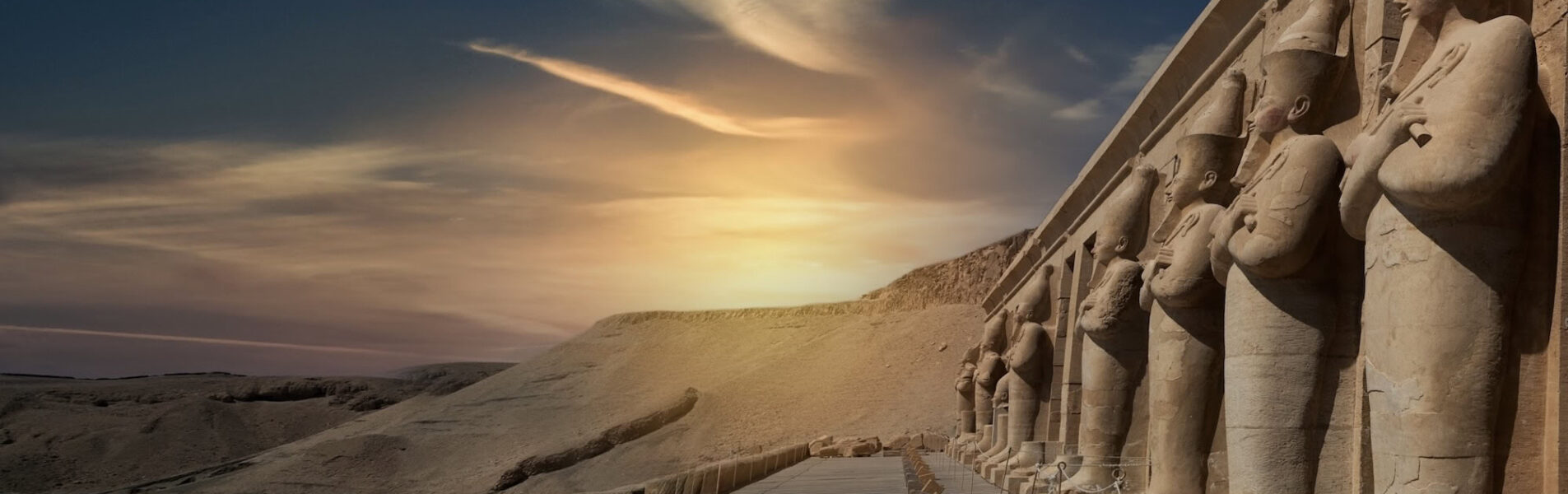
- Hatshepsut Temple (Deir el-Bahari) — the dramatic terraced mortuary temple of Egypt’s most famous female pharaoh, carved directly into the limestone cliffs and considered one of the architectural masterpieces of the ancient world
- Valley of the Queens — the burial ground of royal wives and children, home to the breathtaking tomb of Queen Nefertari, often described as the most beautifully decorated tomb ever discovered in Egypt
- Colossi of Memnon — two massive 18-metre statues of Pharaoh Amenhotep III that once guarded his now-vanished mortuary temple, famously known to ancient Greek and Roman travelers for the mysterious “singing” sounds they emitted at dawn
- Medinet Habu — the colossal mortuary temple of Ramses III, remarkably well-preserved and covered in detailed reliefs depicting his military victories, often considered Karnak’s quieter and more intact rival
- Tombs of the Nobles — a less-visited cluster of beautifully painted tombs belonging to high-ranking officials, offering richly coloured scenes of daily life in ancient Thebes that few travelers ever get to see
Touring the West Bank is best done in the early morning, when temperatures are bearable and the cliffs glow gold in the first light.
Transportation Between the Banks
The traditional public ferry costs 5 Egyptian pounds and runs every 30 minutes from 6:00 am (06:00) to sunset. Tourist ferries charge 25-50 pounds but offer more comfortable seating and shorter wait times. Many hotels arrange private boat transfers for guests staying multiple days.
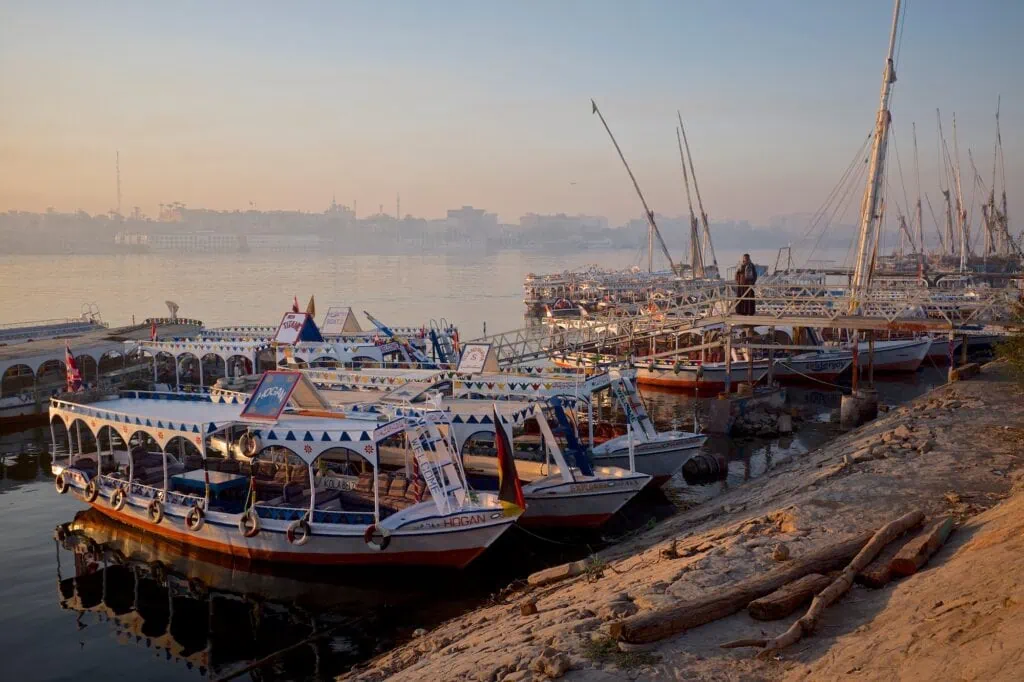
Cycling remains popular on the West Bank, with rental shops near the ferry landing offering bikes for 50-100 pounds daily. The flat terrain and network of agricultural roads make cycling pleasant, especially during cooler months.
Planning Your Luxor Itinerary: Time and Priorities
Three days allows thorough exploration of major sites without rushing. Five days permits deeper archaeological discovery and cultural experiences.
Your first day should focus on the East Bank temples. Start at Karnak Temple at opening time—7:00 am (07:00) in summer, 8:00 am (08:00) in winter. The complex requires 3-4 hours for comprehensive exploration. The Hypostyle Hall alone contains 134 massive columns, each capable of holding 50 people on its capital. After lunch, visit the Temple of Luxor for its different architectural style and historical layers spanning pharaonic, Roman, and Islamic periods.
Day two belongs to the West Bank’s royal tombs. Enter the Valley of the Kings early to beat afternoon heat and crowds. The valley’s temperature can exceed 40°C (104°F) by midday, making morning visits essential for comfort.
Combine tomb visits with the Temple of Hatshepsut, Egypt’s most successful female pharaoh, whose mortuary temple rises in elegant terraces against dramatic cliffs.
Extended Stay Activities
Longer visits unlock Luxor’s lesser-known treasures. The Luxor Museum houses exceptional artifacts in climate-controlled galleries, including mummies of Ramesses I and Ahmose I displayed with cutting-edge preservation technology. The Mummification Museum explains ancient Egyptian embalming techniques through actual tools and preserved remains.
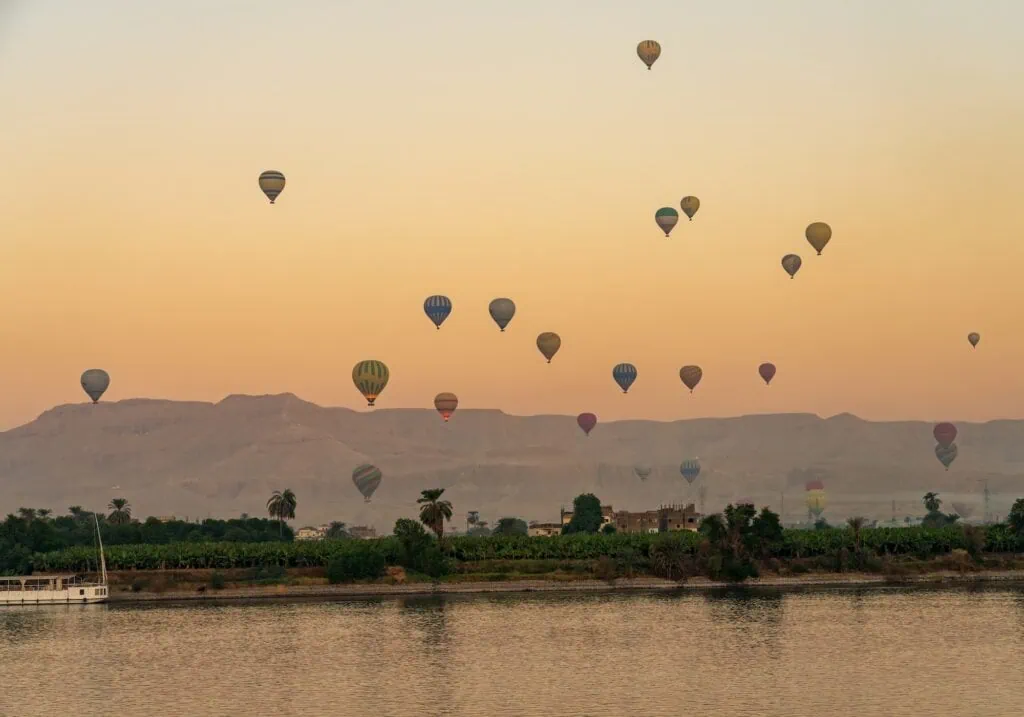
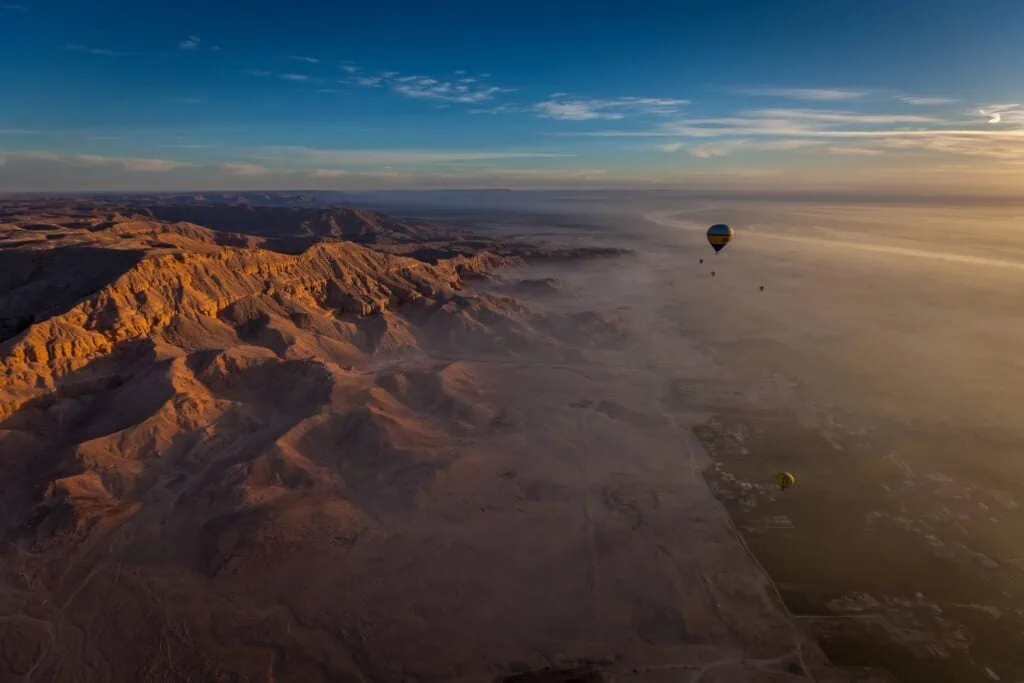
Hot air balloon rides launch before dawn, typically departing between 4:30 am (04:30) and 5:30 am (05:30) depending on season. These flights provide unparalleled aerial perspectives of the archaeological sites and Nile Valley agriculture. Balloon companies maintain strict safety protocols, with experienced pilots holding international certifications.
Essential Practical Information for First-Time Visitors
Most international travelers arrive at Cairo International Airport and obtain their visa on arrival there for $30, valid for 30 days. Visas are also available at Luxor Airport for those flying in directly. Europeans face similar requirements, as do most Latin American visitors — including travelers from Argentina, Brazil, Chile, Mexico, Colombia, Peru, and Uruguay. Most African and some Asian nationalities may need advance visa applications. Always verify current requirements before departure, as policies occasionally change.
Travelers preferring to arrange paperwork in advance can also apply online for an Egypt eVisa via the official government portal.
Climate and Seasonal Considerations
Luxor experiences extreme temperature variations between seasons. Winter months (December through February) offer ideal conditions with daytime temperatures around 23°C (73°F) and cool evenings dropping to 8°C (46°F). Summer temperatures regularly exceed 40°C (104°F), making outdoor sightseeing challenging between 10:00 am (10:00) and 4:00 pm (16:00).
Pack lightweight, long-sleeved clothing for temple visits—both for sun protection and respect for sacred sites. Comfortable walking shoes with closed toes protect feet from hot sand and rocky surfaces. Sunscreen, wide-brimmed hats, and refillable water bottles prove essential year-round.
Suggested Reading: What to Pack for Egypt
Money and Budgeting
Egyptian pounds remain the preferred currency, though many tourist services accept U.S. dollars and euros. ATMs throughout Luxor dispense local currency, typically offering better exchange rates than hotel services. Budget 200-300 Egyptian pounds daily for entrance fees, basic meals, and local transportation. Photography tickets for tombs cost additional 100-300 pounds depending on the site.
Tipping constitutes standard practice across Egypt. Restaurant servers expect 10-12% gratuities, hotel staff appreciate 20-50 pounds for good service, and tour guides typically receive 100-200 pounds per day from satisfied clients.
Recommended Reading: Cash Requirements for Egypt
Cultural Immersion Beyond the Ancient Sites
Luxor’s living culture offers experiences as memorable as its archaeological wonders.
The Luxor Souk stretches along several streets near the Temple of Luxor, selling everything from spices and textiles to handcrafted alabaster. Local artisans still practice techniques passed down through generations, creating intricate woodwork, copper items, and traditional jewelry. Bargaining remains expected and enjoyable—start at roughly one-third the initial asking price.
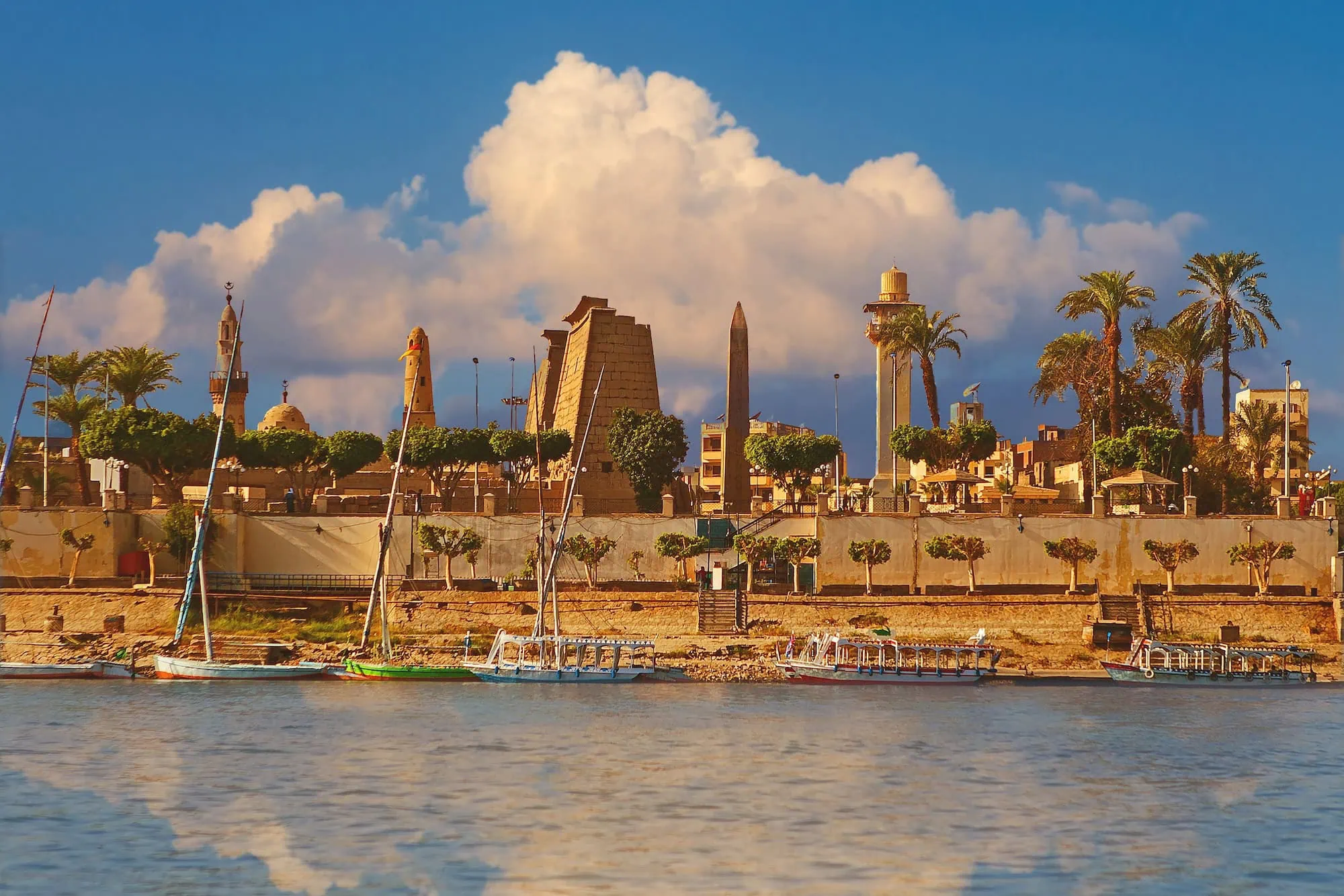
Felucca sailing provides peaceful Nile experiences different from motorized boat tours. These traditional wooden sailboats glide silently between palm-lined banks, offering glimpses of rural Egyptian life unchanged for centuries. Sunset felucca trips typically last 1-2 hours and cost 200-400 pounds depending on group size and season.
Local Cuisine and Dining Experiences
Traditional restaurants serve authentic Egyptian dishes often missing from hotel menus. Koshari, Egypt’s national dish combining rice, lentils, pasta, and spiced tomato sauce, provides filling meals for budget-conscious travelers. Ful medames (fava bean stew) appears at breakfast tables throughout the country, usually accompanied by fresh bread and vegetables.
Street food vendors near tourist sites offer quick, affordable options, though travelers with sensitive stomachs should choose carefully. Grilled meat skewers, fresh fruit juices, and traditional sweets provide safe, delicious alternatives to sit-down restaurants.
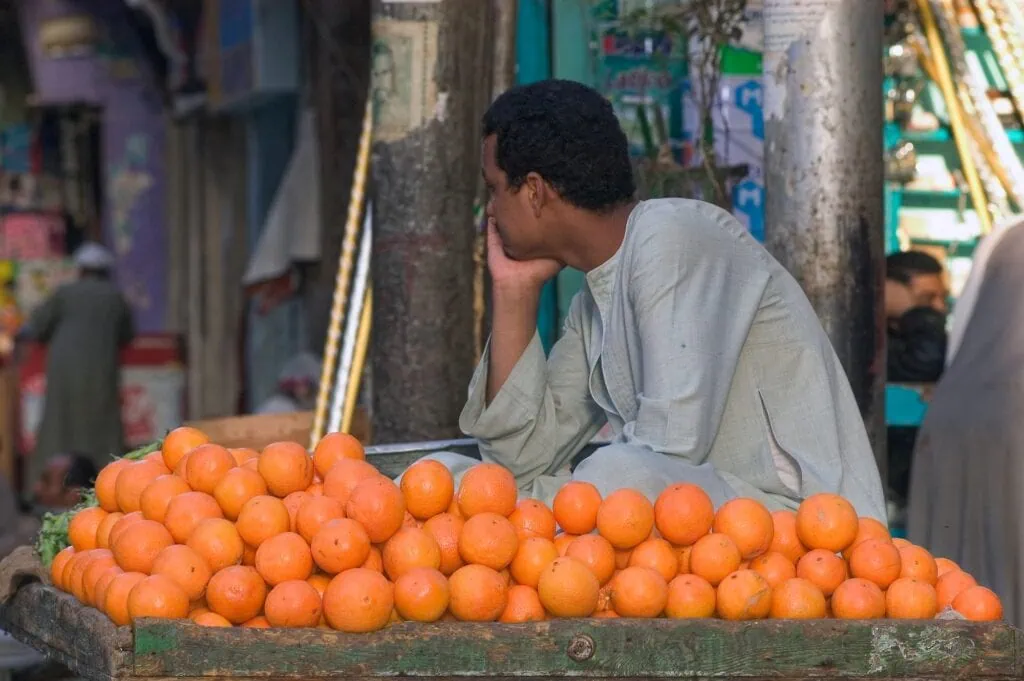
The local specialty, Luxor’s famous sugarcane juice, flows fresh from roadside presses throughout the city. This natural sweetness provides energy for long sightseeing days while supporting local vendors.
Suggested Reading: Traditional Egyptian Foods
Maximizing Your Archaeological Experience
Understanding ancient Egyptian symbolism enhances every temple and tomb visit significantly.
Reading the Stories in Stone
Hieroglyphic inscriptions cover nearly every surface in Luxor’s monuments, telling stories of divine rituals, royal achievements, and religious beliefs. The cartouches (oval-shaped symbols) contain royal names, allowing visitors to identify different pharaohs throughout the sites. Ankh symbols represent life, while the eye of Horus provides protection—understanding these basics transforms carved walls from decoration into narrative.
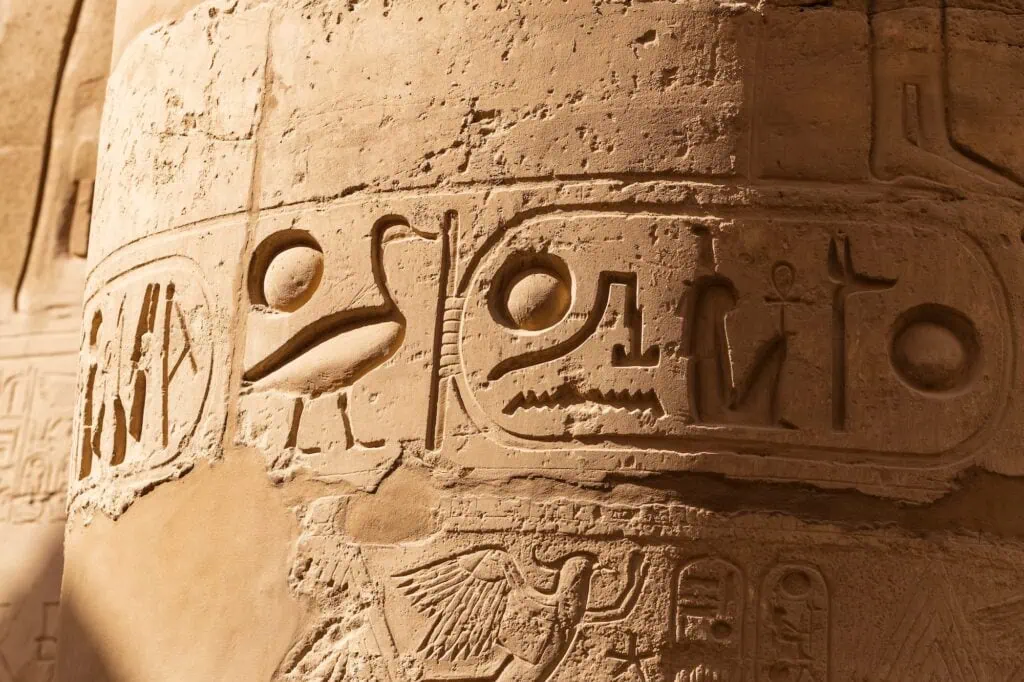
Religious scenes follow specific patterns: gods typically appear larger than humans, pharaohs stand equal height with deities (showing divine status), and common people appear smallest. The preservation quality varies dramatically between sites, with some tombs maintaining original paint colors after 3,000 years while others show weathering from centuries of exposure.
Photography and Documentation
Most sites allow photography with purchased tickets, but flash photography damages ancient pigments and remains prohibited. The additional photography fees support conservation efforts, making these purchases worthwhile investments in site preservation. Professional-quality images require patience and natural lighting—early morning and late afternoon provide the best illumination angles.
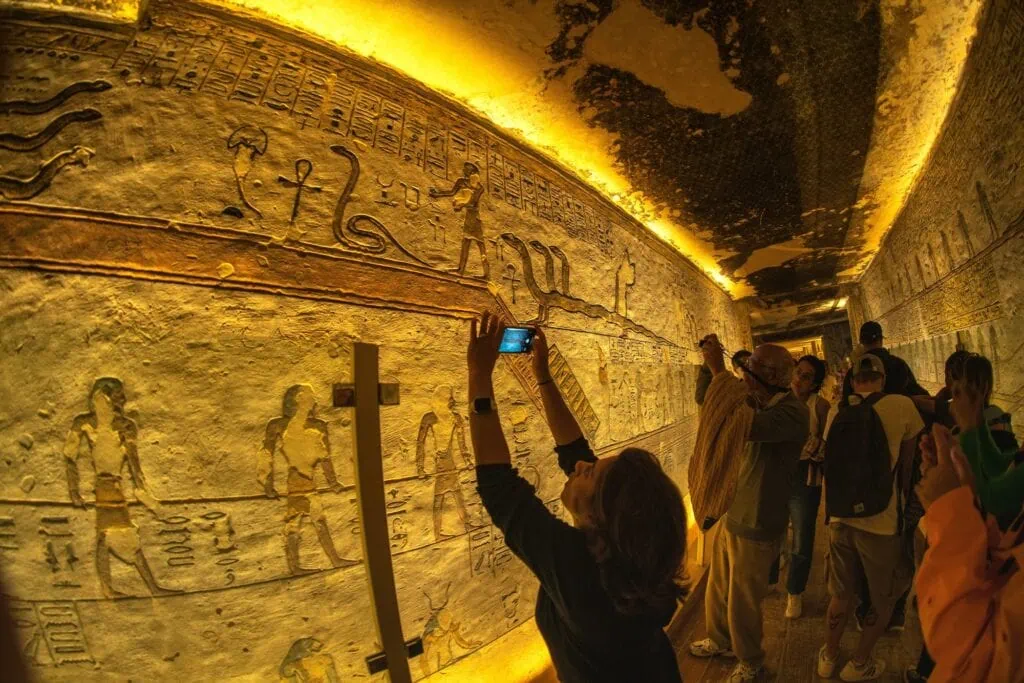
Tomb interiors often feature narrow corridors and small chambers, making wide-angle lenses essential for capturing architectural scope. The Valley of the Kings restricts photography in certain tombs regardless of ticket purchases, particularly in recently opened or exceptionally fragile sites.
Transportation and Getting Around Luxor
Local transportation options accommodate every budget and comfort preference.
Taxis provide convenient city transportation, though agreeing on prices before departure prevents misunderstandings. Short rides within the East Bank typically cost 30-50 pounds, while full-day arrangements for West Bank exploration run 400-600 pounds including waiting time at sites. Hotel concierges can arrange reliable drivers with good English skills for longer excursions.
Horse-drawn carriages (caleches) offer romantic but slow transportation suitable for short distances or leisurely evening rides along the corniche. These traditional vehicles charge similar rates to taxis but provide unique photographic opportunities and local atmosphere.
Modern Transportation Solutions
Ride-sharing applications operate in Luxor with varying reliability depending on location and time of day. Uber and local equivalents provide fare transparency and eliminate bargaining, though availability decreases in outlying areas and during peak tourist seasons.
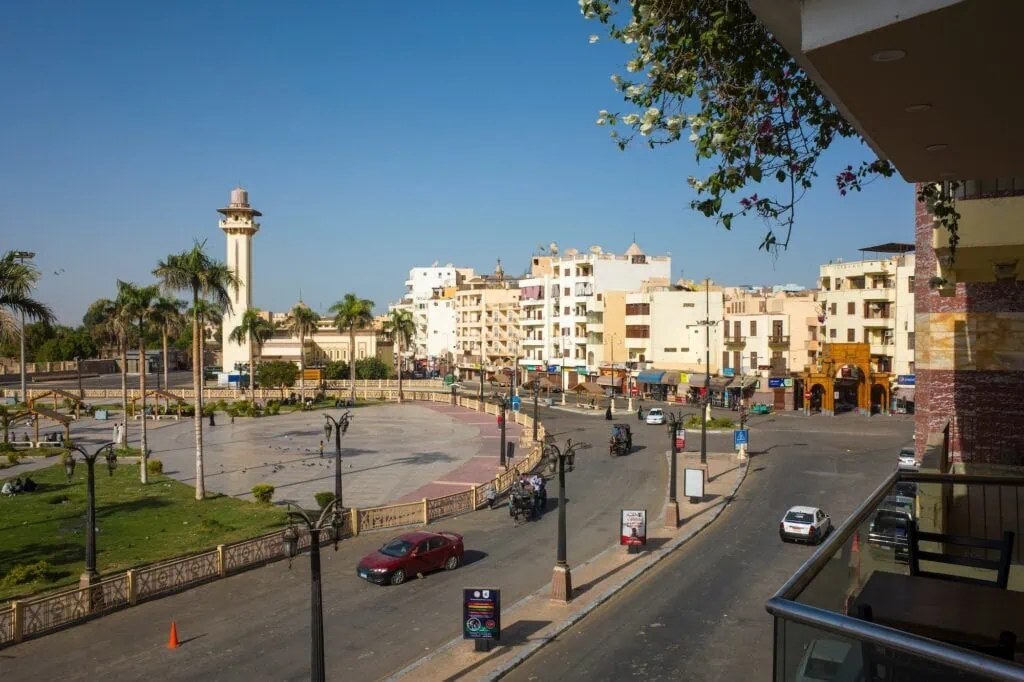
Our private transportation services ensure reliable, comfortable access to all major sites with knowledgeable drivers who understand optimal timing for different attractions. Modern, air-conditioned vehicles prove essential during summer months when outdoor temperatures make walking between sites uncomfortable.
Accommodation Options and Location Strategy
Luxor’s accommodation ranges from budget hostels to luxury resorts, each offering different advantages for archaeological exploration.
East Bank hotels provide easy access to restaurants, shopping, and evening entertainment, plus convenient ferry connections to West Bank sites. The corniche area offers Nile views and pedestrian access to the Temple of Luxor, though traffic noise can disturb light sleepers. Quieter neighborhoods further from the river provide better rest while maintaining reasonable distances to major attractions.
West Bank accommodation immerses guests in rural Egyptian atmosphere with sunrise views over the Valley of the Kings. These properties typically offer fewer amenities but compensate with authentic local experiences and immediate access to major tomb sites. Agricultural surroundings provide peaceful evenings under star-filled skies rarely visible in urban areas.
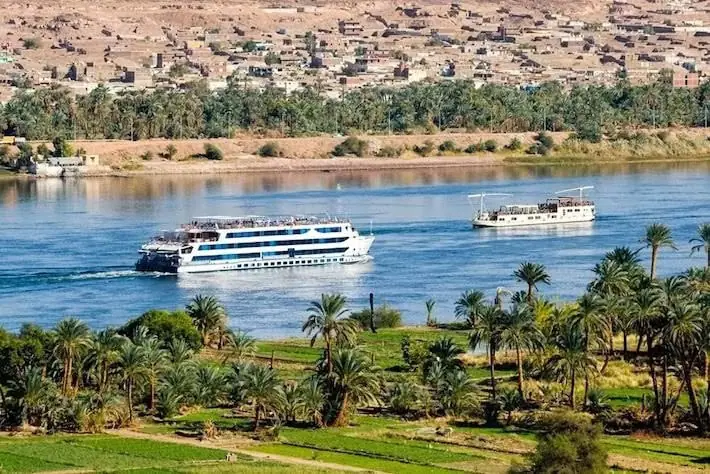
Luxury Nile cruise boats dock at East Bank terminals, offering floating hotels with scheduled excursions to major sites. These vessels provide comprehensive meal service and guided tours but limit flexibility for independent exploration or extended time at preferred locations. Traditional Dahabiya sailboats, by contrast, dock at smaller, quieter mooring points along the Nile — including spots near Esna and the islands south of Luxor — offering a slower, more intimate alternative to the larger cruise ships.
Special Experiences and Unique Opportunities
Certain Luxor experiences transcend typical sightseeing and create lasting memories.
Sunrise Hot Air Balloon Adventures
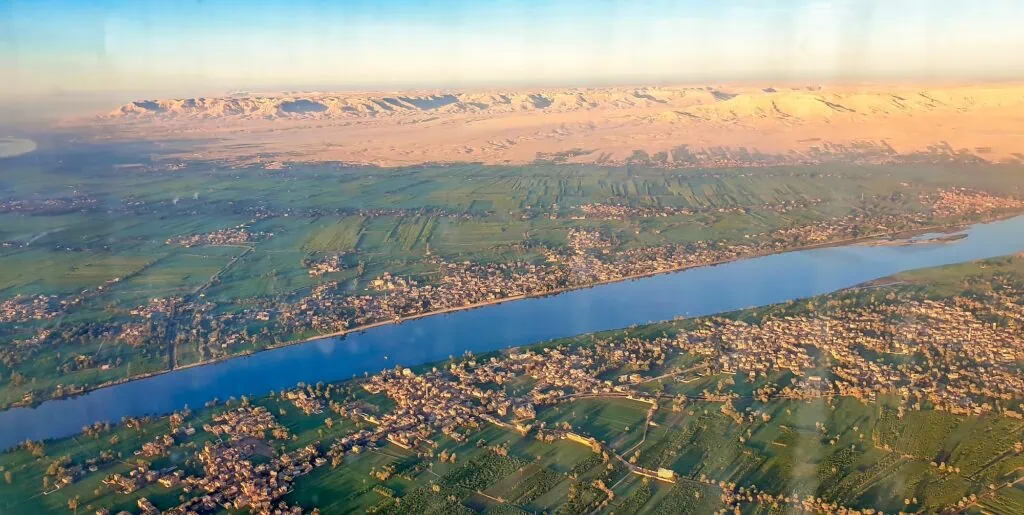
Luxor hot air balloon rides launch before dawn to reveal the city’s archaeological landscape from perspectives impossible at ground level. The flight patterns typically cover both banks of the Nile, providing aerial views of temple complexes, agricultural patterns, and desert-mountain interfaces that define the region’s geography. Certified pilots maintain detailed knowledge of wind patterns and safety protocols while sharing historical insights about sites visible below.
The entire experience lasts approximately 3-4 hours including hotel pickup, inflation demonstration, 45-60 minute flight, and celebratory breakfast upon landing. Weather conditions occasionally force cancellations, particularly during winter months when morning fog or strong winds pose safety risks.
Behind-the-Scenes Archaeological Access
Special permission visits to restricted tombs and restoration projects offer insights unavailable through standard tourist routes. The tomb of Seti I, considered the finest in the Valley of the Kings, requires advance reservations and higher entrance fees but rewards visitors with spectacular preservation and artistic excellence. Only 250 visitors enter daily, maintaining optimal conservation conditions.
Current restoration projects sometimes allow supervised access to normally closed areas. The Theban Mapping Project continues documenting and preserving tombs throughout the West Bank, occasionally offering educational tours led by working archaeologists.
Our established relationships with local authorities and conservation organizations provide opportunities for these exclusive experiences, subject to project schedules and regulatory approval.
Experience Luxor the Way It Was Meant to Be Seen
Few cities reward unhurried travel like Luxor — and few experiences match arriving at its temples by river, with a private guide, a quiet cabin, and the next chapter of ancient Egypt waiting just downstream. Explore our Egypt and Nile cruise tours to see how we combine the very best of Luxor with Cairo’s pyramids, Aswan’s tranquil temples, and the slow magic of the Nile in between, on an itinerary built entirely around your pace and interests.
Frequently Asked Questions
October through April offers comfortable temperatures between 20-30°C (68-86°F), while summer months exceed 40°C (104°F) making outdoor activities challenging.
Three days covers major East and West Bank sites comfortably, while five to seven days allows deeper archaeological exploration and cultural experiences.
While not required, qualified guides provide historical context and symbolic interpretation that dramatically enhances understanding of ancient Egyptian culture and religion.
Lightweight, long-sleeved clothing protects from sun and shows respect for sacred sites, while comfortable closed-toe shoes prevent injuries on uneven surfaces.
Yes, photography fees support conservation efforts and allow documentation of your experience, though flash photography remains prohibited to protect ancient pigments.
Public ferries cost 5 Egyptian pounds and run every 30 minutes, while private boats and hotel transfers offer more comfort for 25-50 pounds.
Choose vendors with high turnover and visible food preparation, avoid raw vegetables and unpeeled fruits, and drink only bottled or filtered water.
Egyptian pounds are preferred, though U.S. dollars and euros are widely accepted; ATMs throughout the city offer convenient currency exchange.
Yes, standard tickets include three tomb entries, though hiring a guide enhances understanding of historical significance and artistic details.
Licensed operators maintain international safety standards with certified pilots and regular equipment inspections, though weather conditions occasionally force cancellations.
Most sites open at 6:00 am (06:00) in summer and 7:00 am (07:00) in winter, with last entries typically two hours before sunset.
Budget 200-300 Egyptian pounds daily for entrance fees, meals, and local transportation, plus accommodation costs ranging from budget hostels to luxury resorts.
Design Your Custom Tour
Explore Egypt your way by selecting only the attractions you want to visit