The Ultimate Guide to UNESCO World Heritage Sites in Egypt
Ancient wonders await where history speaks loudest.
Egypt joined the UNESCO World Heritage Convention on February 7, 1974, cementing its role as guardian of humanity’s most precious cultural treasures. With seven officially inscribed World Heritage Sites spanning over 4,000 years of civilization, Egypt offers visitors an unparalleled journey through time. From the iconic Giza Pyramids Complex to the relocated temples of Abu Simbel, each site represents not just Egyptian achievement but global heritage that transcends borders and generations.
These remarkable locations showcase Egypt’s dedication to preservation through international cooperation. Our expert guides help travelers understand both the historical significance and ongoing conservation efforts that keep these treasures accessible for future generations.
Table of Contents
The Seven World Heritage Sites That Define Ancient Egypt
Egypt’s World Heritage portfolio represents thousands of years of human achievement across multiple dynasties and civilizations. Each site earned its designation through rigorous evaluation by the World Heritage Committee, which assessed both cultural significance and preservation integrity.
Ancient Memphis and its Necropolis
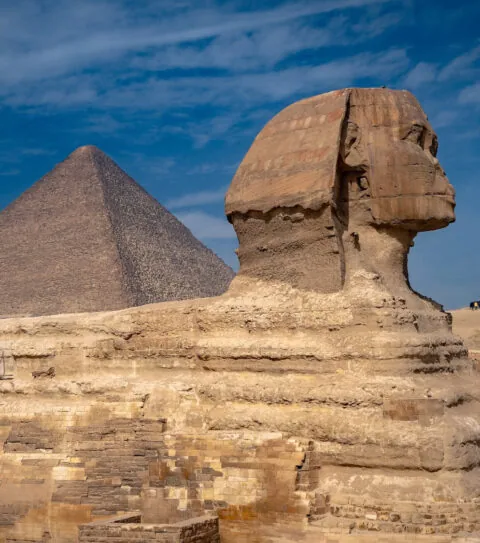
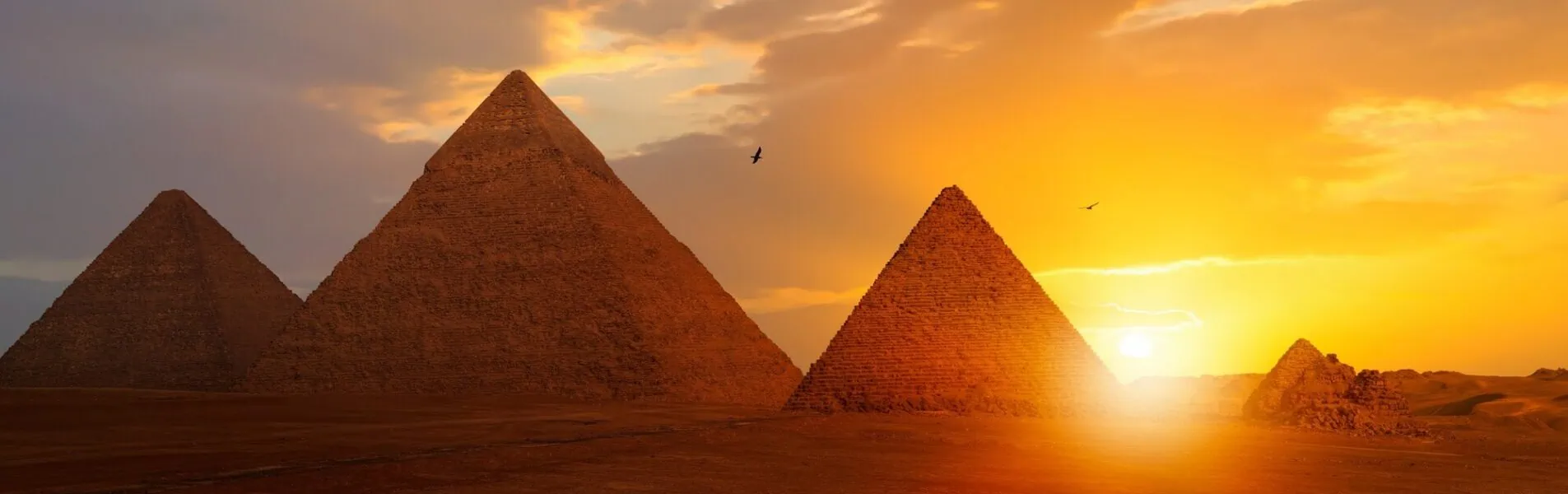
The Giza Pyramids Complex stands as humanity’s most recognizable archaeological achievement. Built during the Old Kingdom period around 2580-2510 BCE, these monuments include the Great Pyramid of Khufu, the Pyramid of Khafre, the Pyramid of Menkaure, and the enigmatic Great Sphinx.
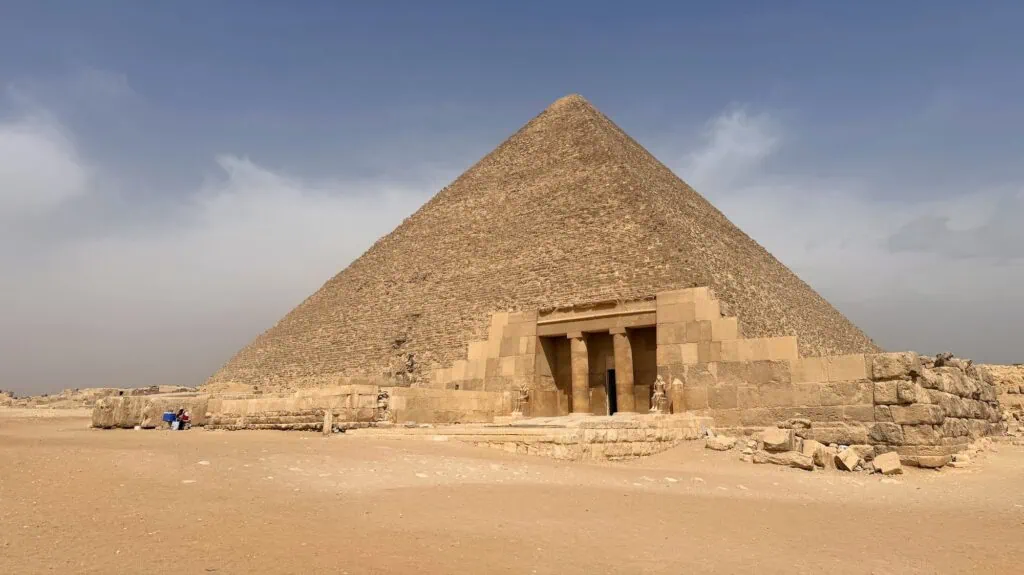
Located just 25 km (15.5 miles) southwest of Cairo, this site attracts over 14 million visitors annually. The Great Pyramid remained the world’s tallest man-made structure for nearly 3,800 years, reaching an original height of 146.5 meters (481 feet).
Historic Cairo – Living Heritage
Historic Cairo encompasses over 600 registered monuments spanning Islamic, Coptic, and Jewish heritage within just 6.5 square kilometers (2.5 square miles). This UNESCO designation includes the Citadel of Saladin, numerous mosques, madrasas, hammams, and fountains dating from the Islamic era.
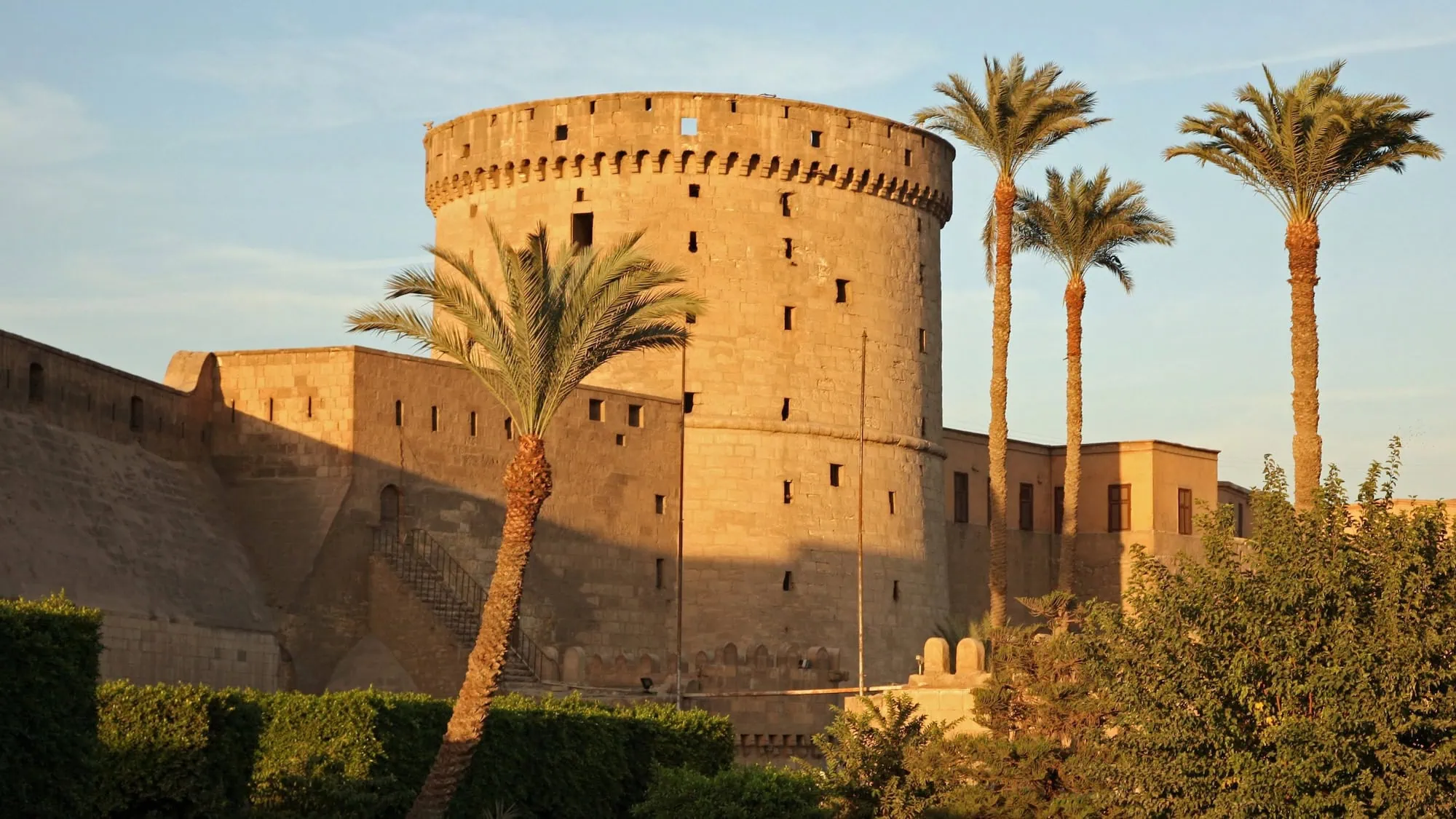
Unlike static archaeological sites, Historic Cairo remains a vibrant neighborhood where over 500,000 residents live among medieval architecture. The area showcases continuous urban evolution from the 10th century through Ottoman rule.
Ancient Thebes with its Necropolis
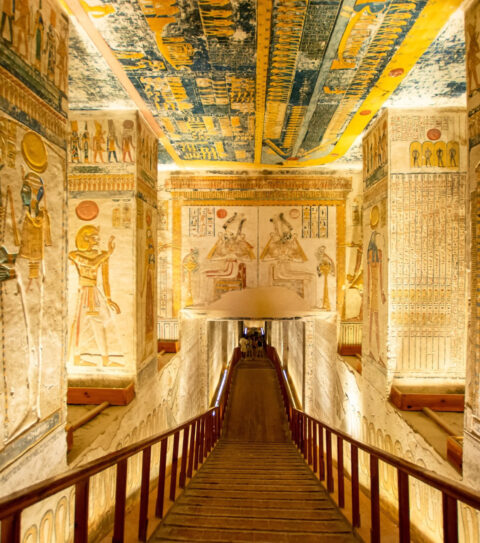
Modern-day Luxor preserves the ancient capital of the New Kingdom, featuring the Valley of the Kings, Valley of the Queens, Karnak Temple Complex, and Luxor Temple. This site encompasses both sides of the Nile River, covering approximately 36 square kilometers (14 square miles) of archaeological treasures.
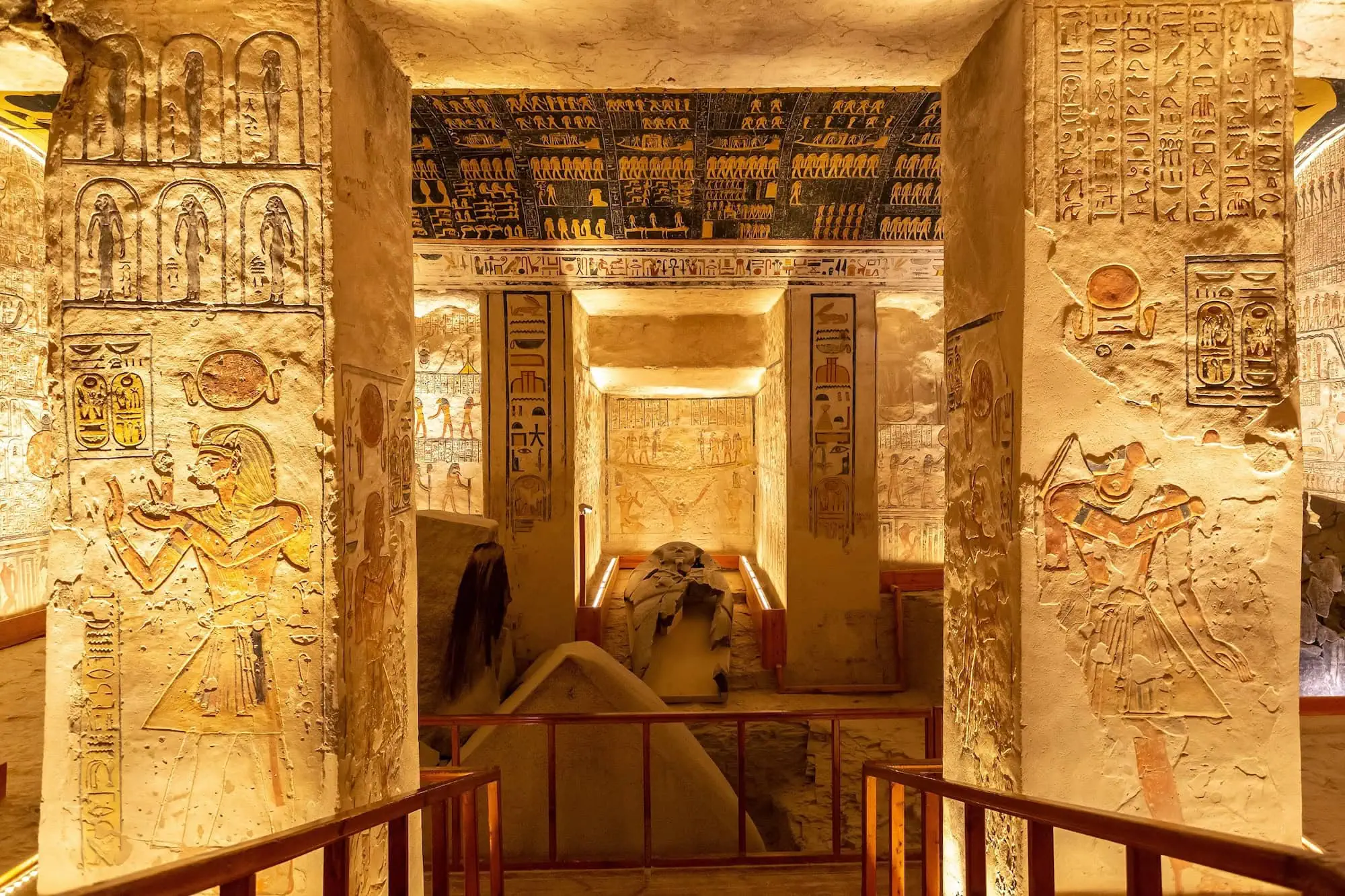
The Valley of the Kings alone contains 63 discovered tombs, including the famous burial site of Tutankhamun. Archaeological work continues revealing new chambers and artifacts that reshape our understanding of ancient Egyptian burial practices.
Nubian Monuments: International Cooperation at Its Finest
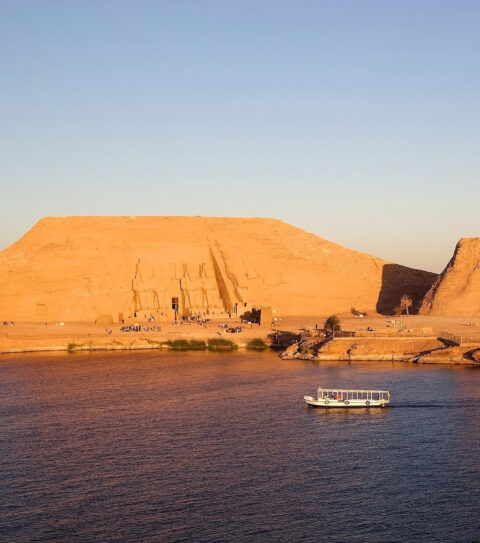
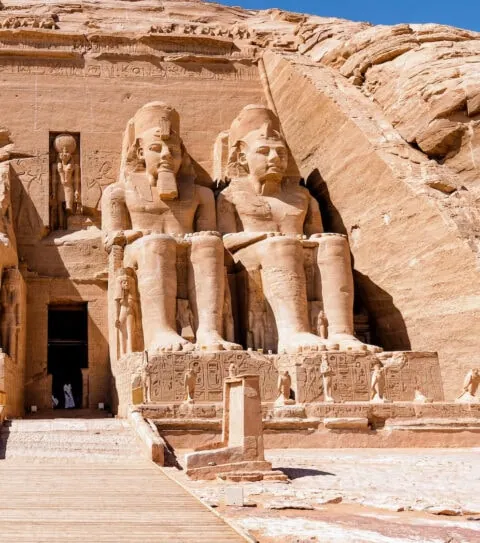
The Abu Simbel temples represent one of UNESCO’s greatest conservation successes. When the Aswan High Dam threatened these monuments in the 1960s, an unprecedented international campaign relocated entire temple complexes stone by stone.
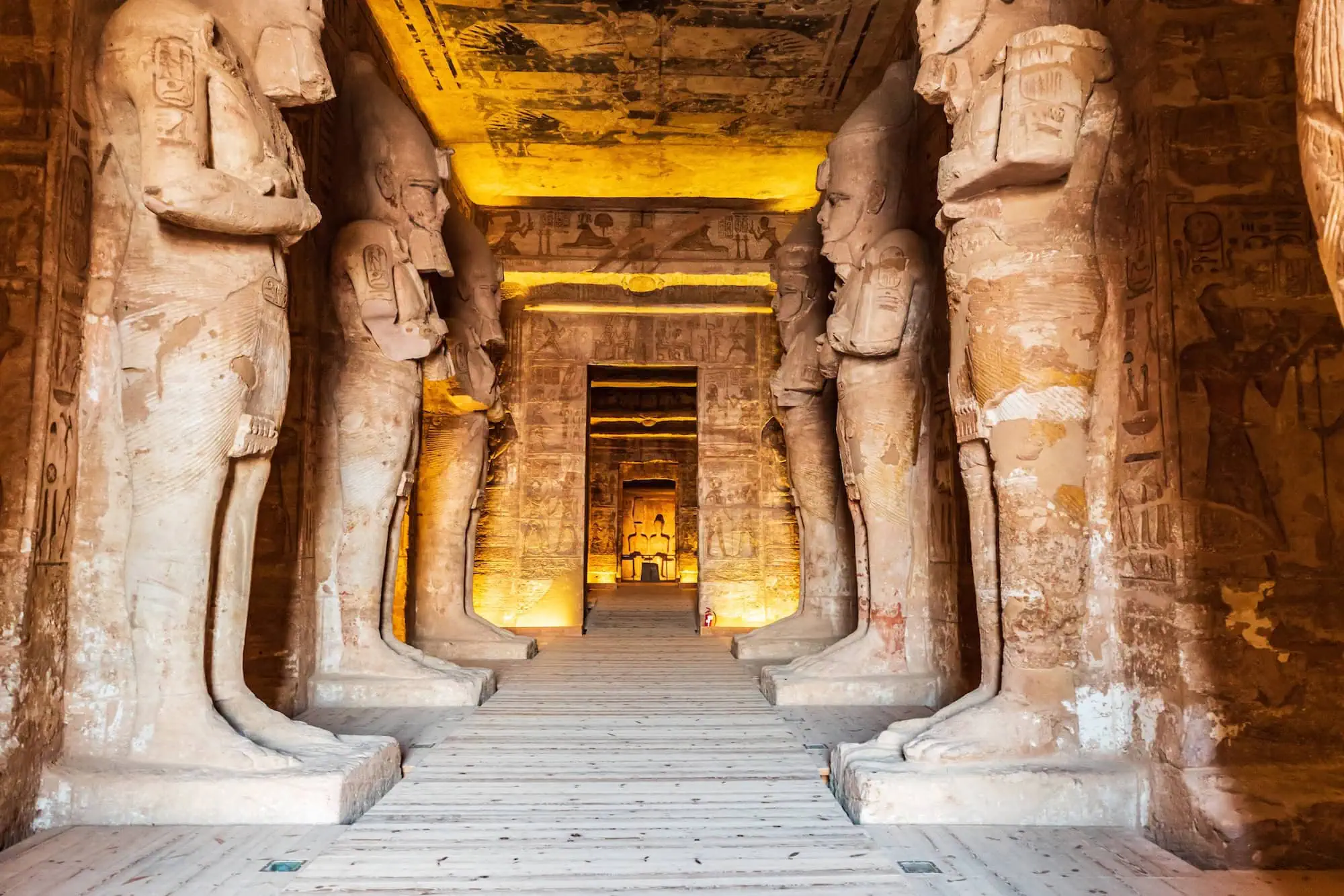
Abu Simbel’s two temples, carved directly into rock faces by Pharaoh Ramesses II around 1264 BCE, were cut into precisely numbered blocks and reconstructed 65 meters (213 feet) higher and 200 meters (656 feet) further from the Nile. This massive undertaking involved 51 countries contributing both expertise and funding.
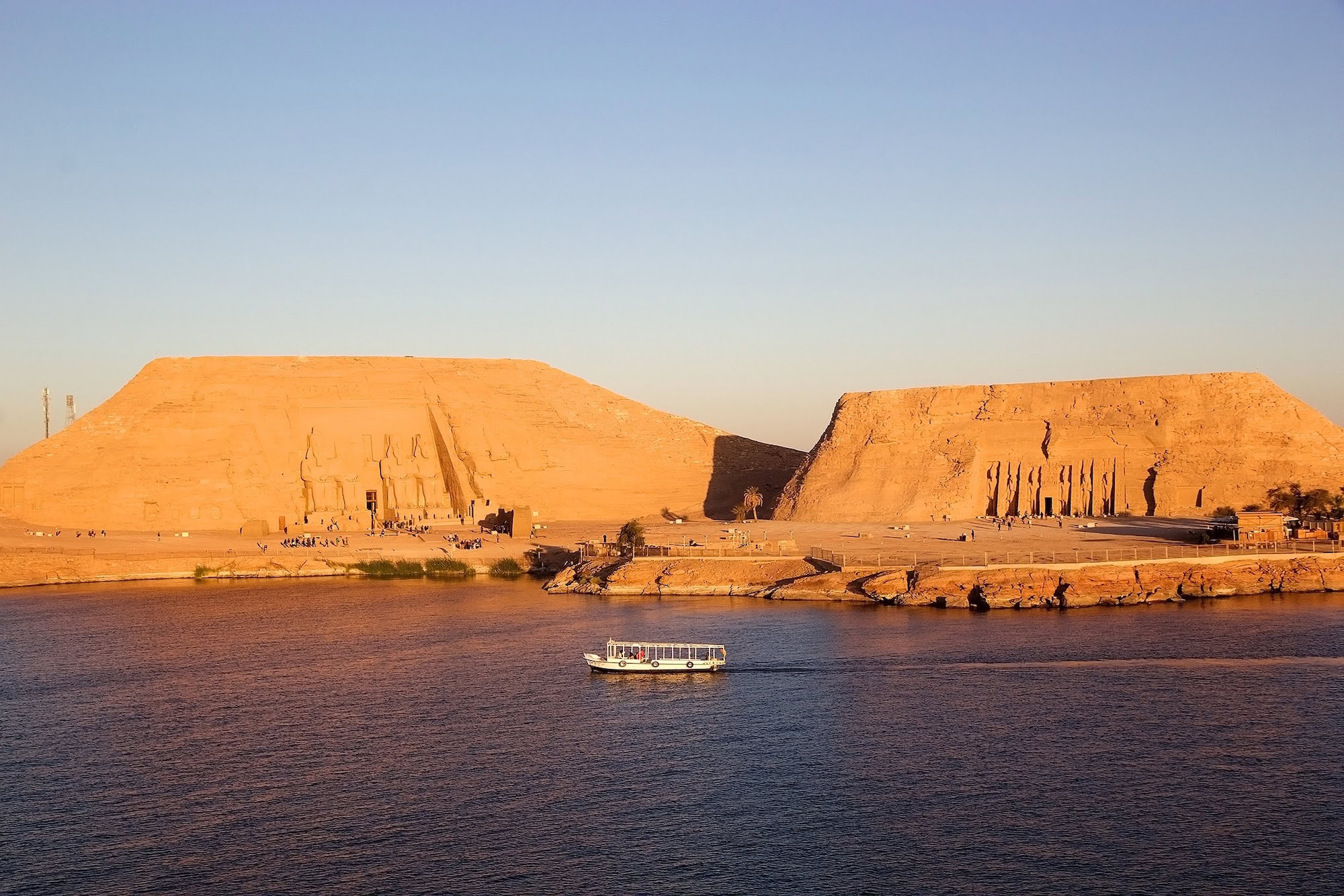
The relocation preserved not just the structures but also their astronomical alignments. Twice yearly, sunlight still penetrates the inner sanctuary of the Great Temple, illuminating statues of Ramesses II, Ra-Harakhty, and Amun-Ra while leaving Ptah, god of darkness, in shadow. This phenomenon occurs on February 22nd and October 22nd, dates believed to correspond with the pharaoh’s birthday and coronation.
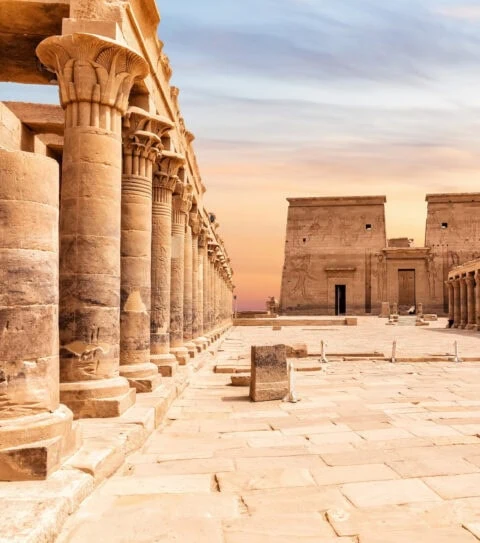
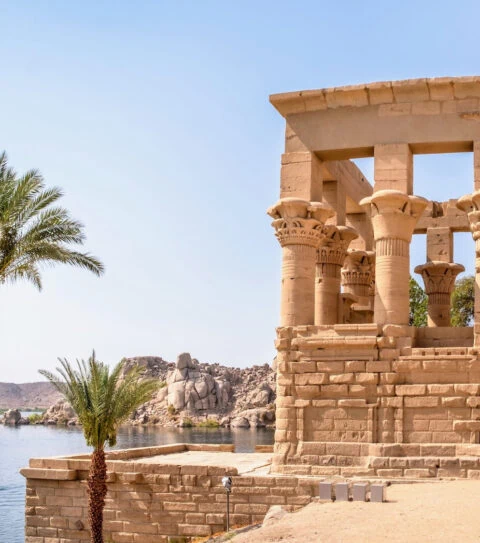
The Philae Temple Complex underwent similar rescue operations, relocated from Philae Island to nearby Agilkia Island. These temples, dedicated to the goddess Isis, represent the last active ancient Egyptian religious site, functioning until 550 CE.
Saint Catherine Area: Natural Beauty Meets Heritage
Egypt’s only natural World Heritage Site combines stunning mountainous landscapes with profound religious significance. Located in the Sinai Peninsula, Saint Catherine protects 640 square kilometers (247 square miles) of granite and volcanic rock formations alongside one of Christianity’s oldest monasteries.
Mount Sinai, believed by many to be the biblical Mount Horeb where Moses received the Ten Commandments, rises 2,285 meters (7,497 feet) above sea level. The challenging trek to its summit takes 2-3 hours, with many visitors timing their ascent to witness sunrise over the surrounding peaks.
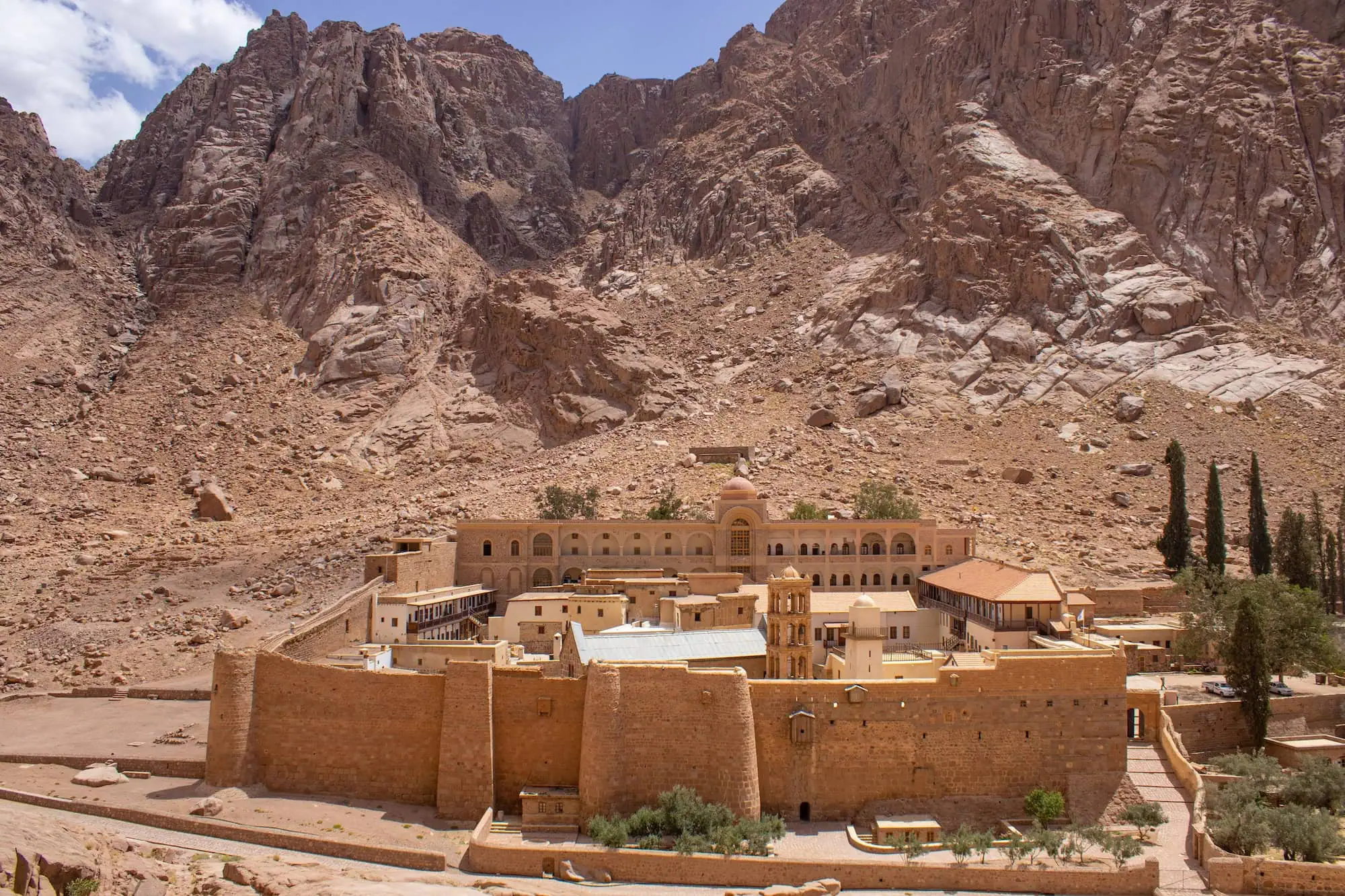
Saint Catherine’s Monastery, constructed in the 6th century CE, houses an irreplaceable collection of early Christian manuscripts, icons, and religious artifacts. The monastery’s library contains the second-largest collection of early codices and manuscripts in the world, surpassed only by the Vatican Library.
This unique site demonstrates how natural landscape and human spirituality intertwine. The monastery operates under the protection of both UNESCO designation and Egyptian law, maintaining its role as an active religious community while welcoming respectful visitors.
Wadi Al-Hitan: Egypt’s Whale Valley
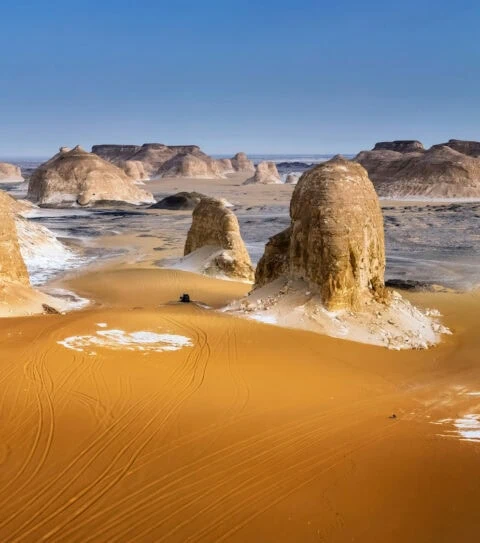
Wadi Al-Hitan revolutionizes our understanding of whale evolution through perfectly preserved fossils dating back 40 million years. Located 150 km (93 miles) southwest of Cairo in the Western Desert, this site contains hundreds of whale fossils, including complete skeletons showing the evolutionary transition from land mammals to marine creatures.
These archaeological whale remains include species like Basilosaurus isis and Dorudon atrox, which retained small hind limbs despite their aquatic lifestyle. The quality of preservation allows scientists to study soft tissue impressions, stomach contents, and even evidence of ancient shark attacks.
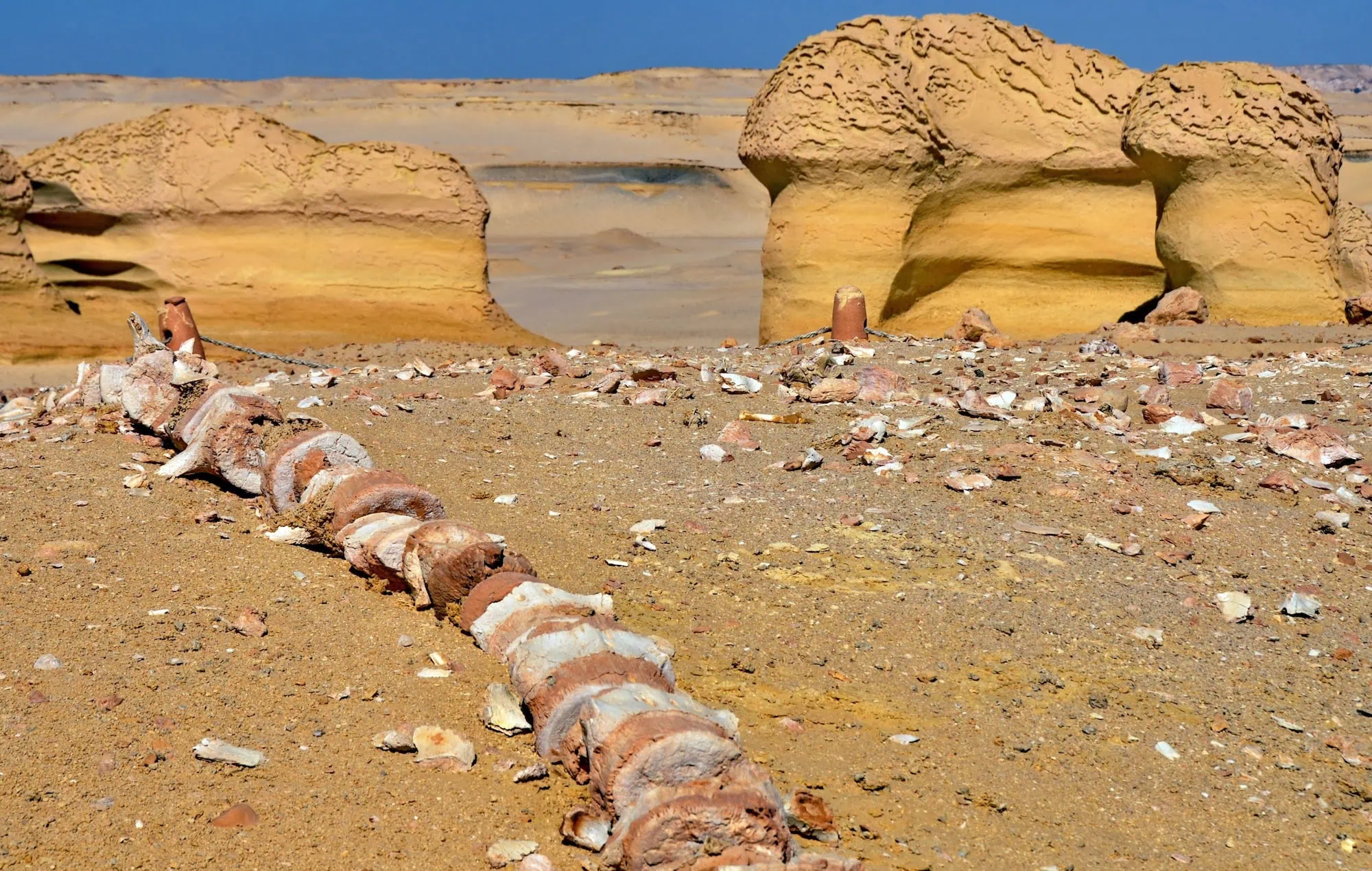
The site spans 200 square kilometers (77 square miles) of desert landscape, where fossil discoveries continue reshaping paleontological understanding. Advanced preservation techniques protect exposed fossils from desert weathering while making them accessible for scientific study and visitor education.
Ongoing Conservation Efforts
Modern conservation at Wadi Al-Hitan involves climate-controlled field laboratories and specialized extraction techniques. International research teams collaborate with Egyptian scientists, ensuring both preservation and continued discovery.
Planning Your Heritage Journey Through Egypt
Understanding Egypt’s World Heritage Sites enhances any visit to this remarkable country. Our decades of expertise guiding travelers through these locations provides insights beyond standard tourist experiences.
Most visitors combine multiple sites during extended stays. Cairo serves as the natural starting point, offering easy access to both the Giza Pyramids Complex and Historic Cairo. From there, domestic flights connect efficiently to Luxor for exploring Ancient Thebes, while Aswan provides access to the Nubian Monuments.
Saint Catherine requires separate planning due to its remote Sinai location. Many travelers combine this visit with Red Sea coastal destinations. Wadi Al-Hitan works well as a desert excursion from Cairo, often paired with other Western Desert attractions.
Transportation Between Sites
Distances between heritage sites vary significantly. Cairo to Luxor spans 635 km (395 miles), manageable by comfortable overnight train, domestic flight, or private vehicle with driver. Abu Simbel sits 280 km (174 miles) south of Aswan, typically reached by morning flights or guided road trips.
Our private transportation options include modern, air-conditioned vehicles with experienced drivers familiar with heritage site access roads. This flexibility allows optimal timing for photography, crowd avoidance, and extended exploration.
We coordinate closely with site authorities to ensure smooth entry processes and optimal visiting conditions. Many locations offer early morning or late afternoon access that provides better lighting and fewer crowds.
Understanding Egypt’s Heritage Protection Efforts
Egypt maintains extensive conservation programs across all World Heritage Sites through partnerships with international organizations. The Ministry of Tourism and Antiquities oversees daily operations while collaborating with UNESCO monitoring missions.
Recent conservation initiatives include laser cleaning technologies at the Giza Pyramids Complex, structural reinforcement projects in Historic Cairo, and climate monitoring systems throughout the Valley of the Kings. These efforts ensure authentic experiences for current visitors while preserving sites for future generations.
Egyptian authorities regularly submit State of Conservation Reports documenting preservation progress, visitor impact assessments, and planned improvements. These reports inform UNESCO’s ongoing evaluation of each site’s protection status.
The country also maintains an extensive Tentative List with 34 additional properties awaiting potential World Heritage designation. This demonstrates Egypt’s continued commitment to heritage protection beyond currently inscribed sites.
Frequently Asked Questions
Egypt has seven UNESCO World Heritage Sites, with six cultural sites and one natural site spread across the country.
The Giza Pyramids Complex receives over 14 million annual visitors, making it Egypt’s most visited heritage destination.
Yes, though it requires 10-14 days minimum to properly explore all seven sites with adequate time at each location.
October through April offers ideal weather conditions, with temperatures ranging from 20-25°C (68-77°F) during the day.
We provide qualified private guides at all major sites, offering detailed historical context and personalized explanations beyond standard group tours.
Most sites involve considerable walking on uneven surfaces, with some requiring climbing stairs or steep paths, particularly at Abu Simbel and Saint Catherine.
While not always required, advance booking ensures entry during peak seasons and allows access to special areas like the Great Pyramid’s interior chambers.
Most outdoor areas permit photography, though interior tomb photography often requires special permits and additional fees ranging from $10-50.
Plan 4-6 hours for major sites like Giza or Luxor’s temples, while Abu Simbel and Saint Catherine can be explored in 2-3 hours each.
Luxury hotels and traditional guesthouses operate near all major sites, with options ranging from historic properties to modern international chains.
Our relationships with site authorities enable early morning access, expert guide services, and coordination with less crowded visiting times for enhanced experiences.
All World Heritage Sites maintain strong security measures and are considered safe for international visitors with proper planning and local guidance.
Don’t miss Egypt’s greatest treasures
Highlights of Egypt


Design Your Custom Tour
Explore Egypt your way by selecting only the attractions you want to visit
Explore must-see sights across Sinai, the Sahara, along the Nile, and around Lake Nasser — complete regional guides.
Attractions Along Egypt’s Iconic Routes & Regions
Nile Valley Attractions
Explore key sites along the Nile — from Cairo and Luxor to Aswan’s temples and timeless river life.

Sinai Attractions
From Red Sea beaches to sacred peaks, discover Sinai’s full range of natural, cultural, and historic sights.