Best Trips to Egypt – Explore Egypt’s Rich History
Egypt draws millions of visitors yearly for good reason.
This ancient land offers something extraordinary – a perfect fusion of timeless history and modern luxury that creates memories lasting decades. From walking through 4,500-year-old pyramids to sailing the legendary Nile River on elegant cruise ships, Egypt presents experiences that simply don’t exist anywhere else on Earth.
Our decades of expertise guiding travelers through Egypt have shown us what truly makes a trip unforgettable. The key lies in understanding how to balance must-see monuments with authentic cultural encounters, comfortable accommodations with adventurous exploration.
Ultimate Travel Destination
The numbers tell an incredible story. Egypt houses over 100 pyramids, countless temples spanning millennia, and archaeological treasures that continue reshaping our understanding of human civilization. But statistics only scratch the surface of what makes trips to Egypt so compelling.
Ancient Wonders
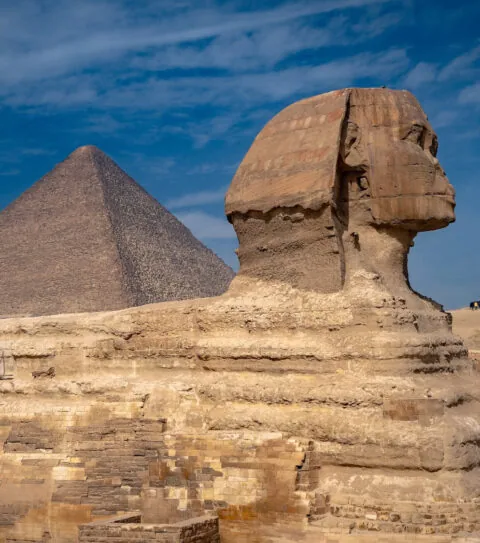
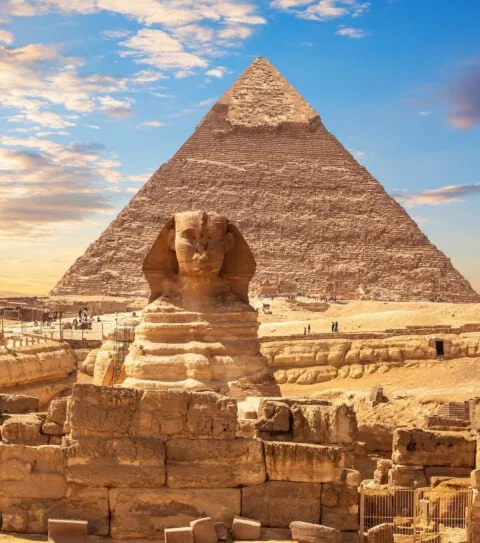
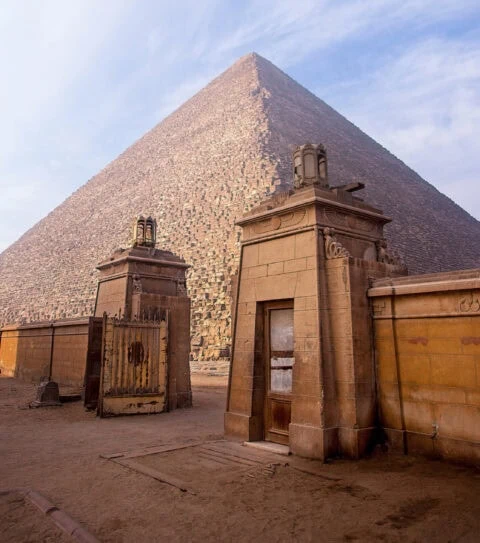
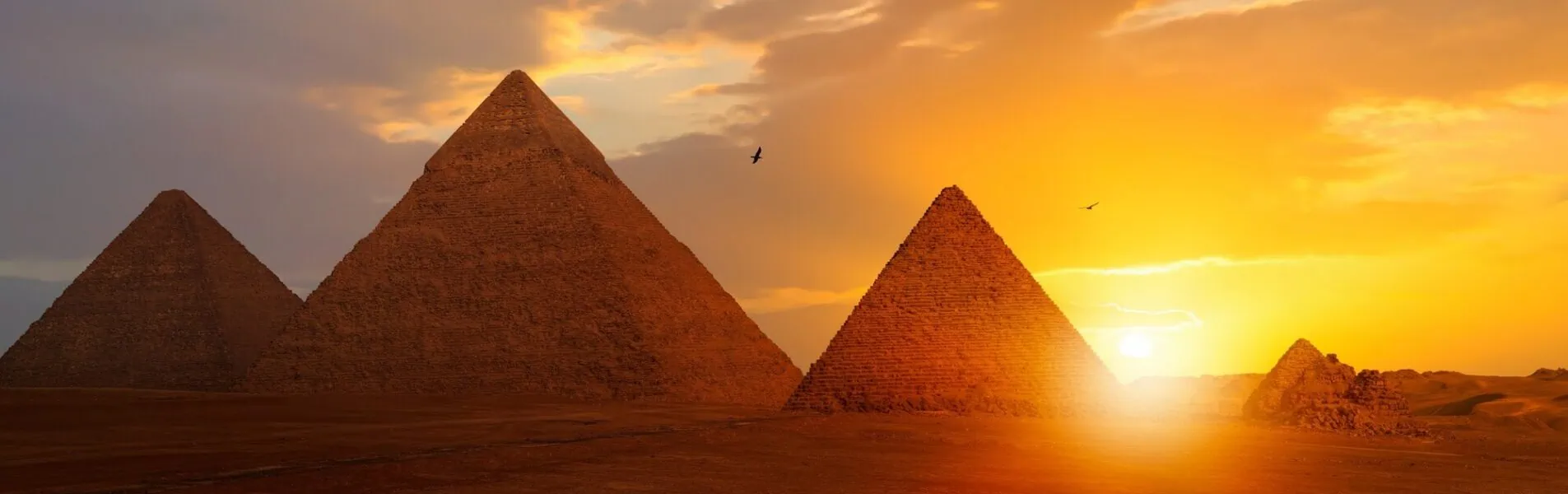
Standing before the Great Pyramid of Giza creates a profound moment of perspective. This monument, built around 2580 BC, was the world’s tallest man-made structure for nearly 4,000 years.
The precision of its construction – with limestone blocks weighing up to 15 tons each – challenges even modern engineering capabilities.
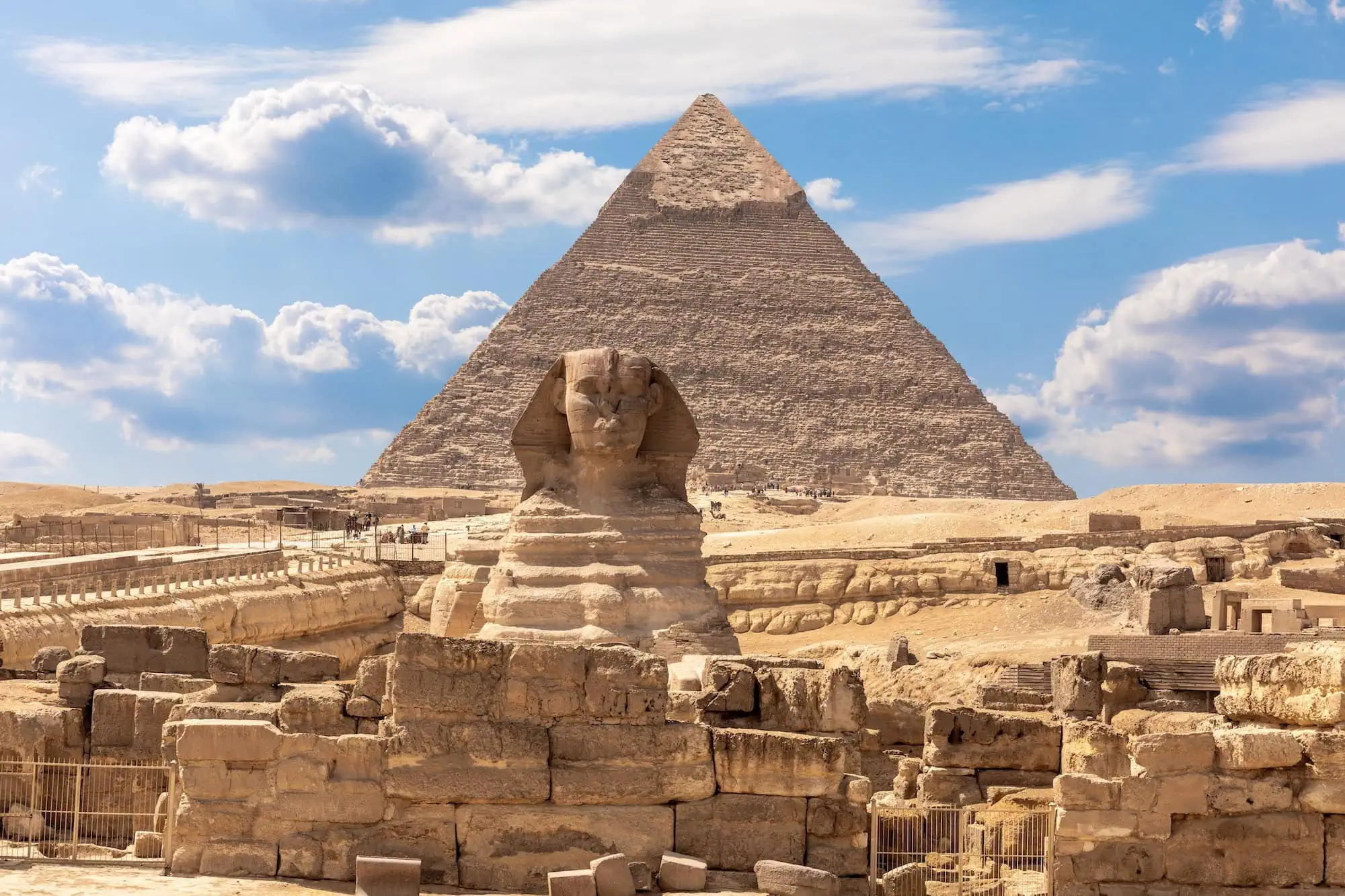
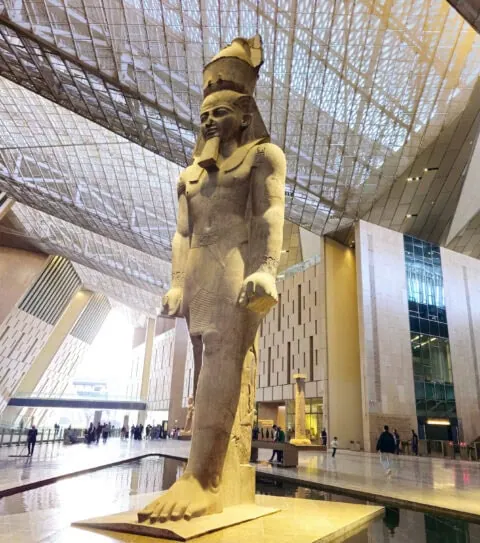
The Sphinx guards these ancient secrets with its enigmatic smile, while nearby, the Grand Egyptian Museum showcases Tutankhamun’s golden treasures in climate-controlled galleries. Each artifact tells stories of pharaohs who ruled when London was still marshland.
Nile River Cruising
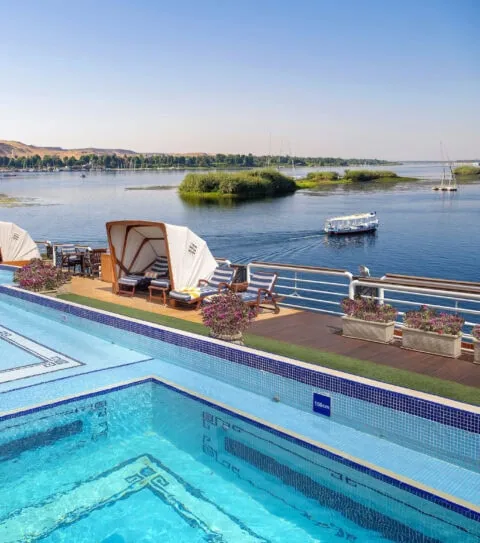
A Nile cruise transforms travel from mere sightseeing into a journey through living history. Between Luxor and Aswan, temple complexes emerge from the riverbank like scenes from adventure films.
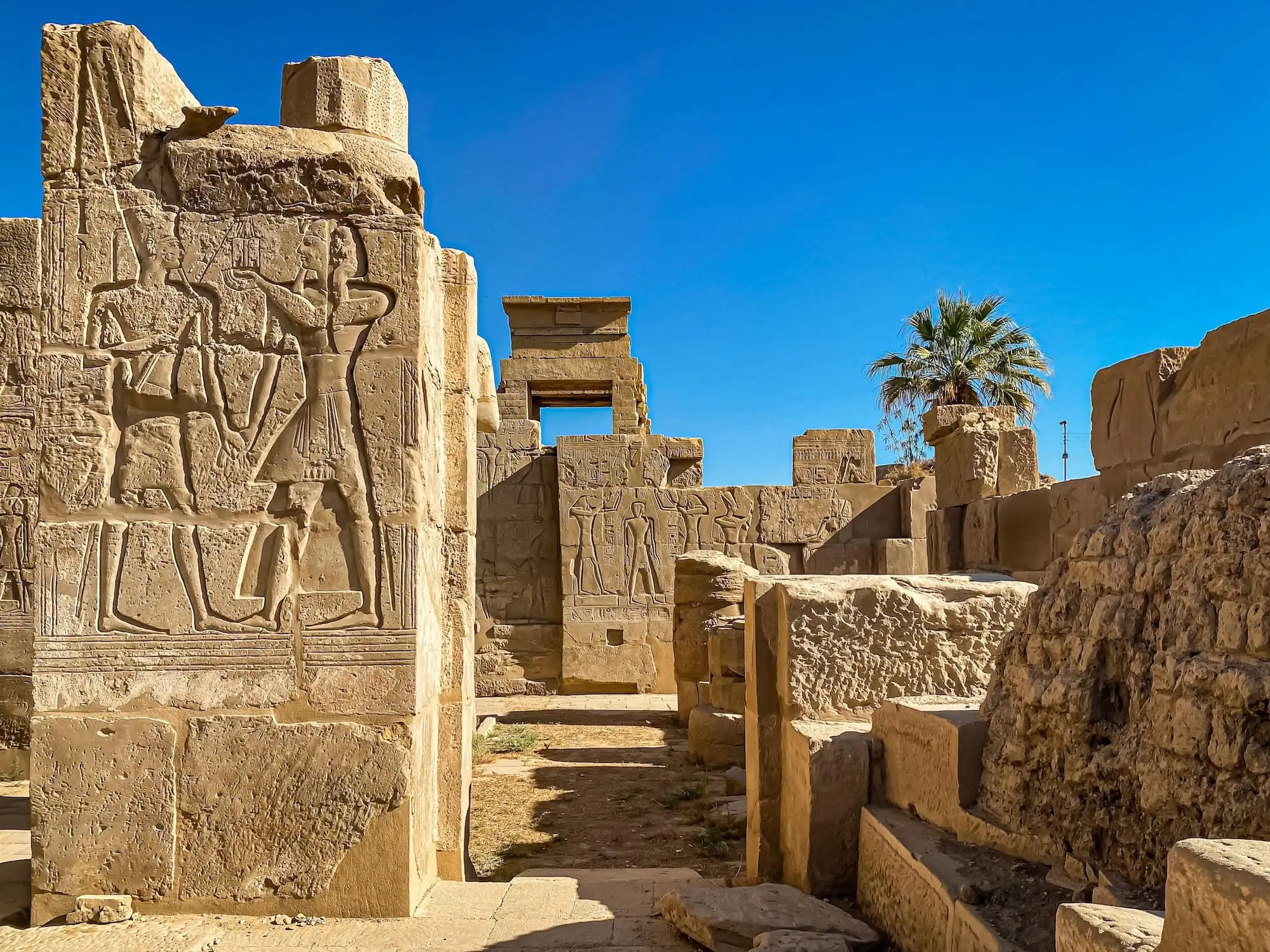
Karnak Temple’s forest of columns creates shadows that have remained unchanged for 3,000 years.
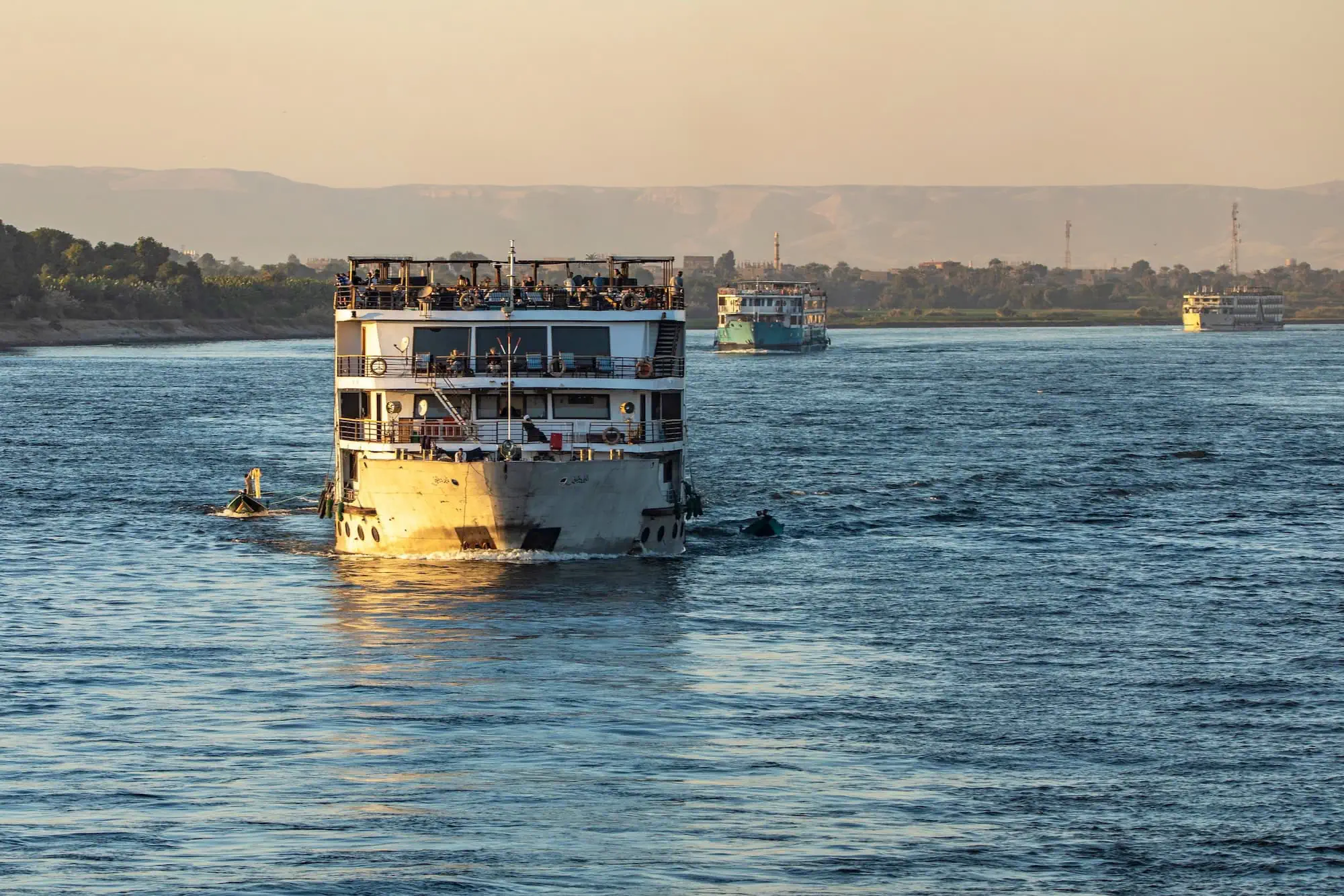
Modern cruise ships blend luxury with tradition perfectly. Days begin with guided temple explorations, continue with scenic river sailing, and conclude with elegant dining under star-filled desert skies.
Cultural Immersion
Real Egyptian experiences happen in bustling souks where merchants have traded for generations. Khan el-Khalili bazaar in Cairo pulses with energy – leather craftsmen, spice vendors, and jewelry makers practice skills passed down through families.
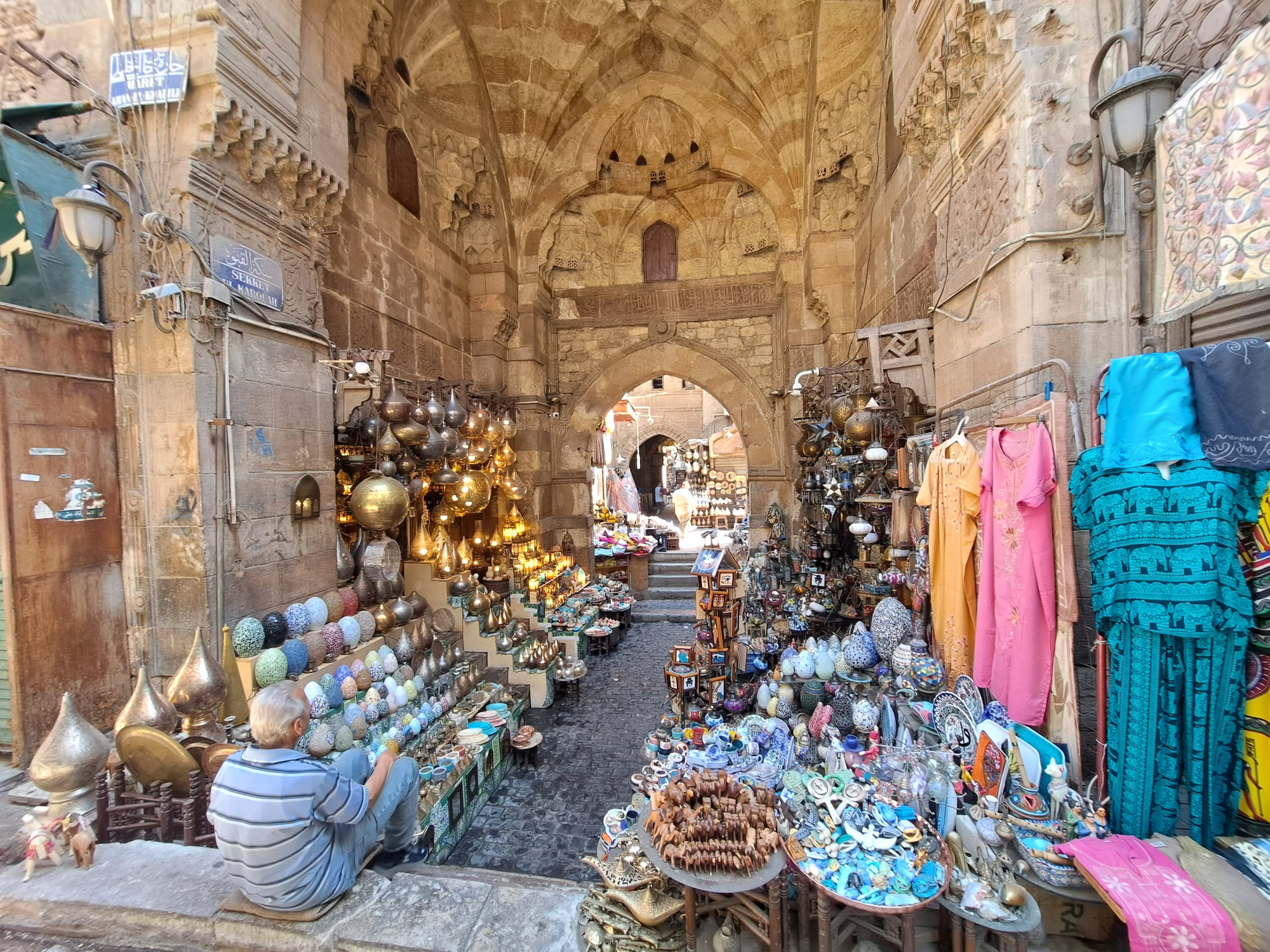
Local interactions add genuine depth to any Egypt journey. Sharing tea with Nubian villagers near Aswan or watching traditional bread-making in rural communities creates connections that photographs cannot capture.
Planning Your Perfect Adventure
Egypt vacation packages range from budget-friendly week-long tours to luxurious month-long expeditions. Understanding your preferences helps create the ideal itinerary.
Most travelers choose 8-15 day trips combining Cairo’s iconic pyramids with a Nile cruise experience. This duration allows proper exploration without feeling rushed. Shorter 5-7 day visits focus primarily on Cairo and Giza, while longer adventures can include Red Sea coastal resorts, Alexandria’s Mediterranean charm, or the remote temples of Abu Simbel.
Budget considerations vary significantly. Basic group tours start around $800-1,200 per person for a week, while private luxury experiences can reach $5,000-8,000. The investment often proves worthwhile – Egypt’s treasures deserve quality guides and comfortable accommodations.
Climate and Timing
Egypt’s desert climate creates distinct travel seasons. October through April offers ideal conditions with daytime temperatures around 22-28°C (72-82°F) and cool evenings perfect for temple visits and outdoor dining.
Summer months (May-September) bring intense heat, with temperatures often exceeding 40°C (104°F). However, this period offers advantages: fewer crowds, lower prices, and air-conditioned cruise ships and hotels provide comfortable refuges.
Winter brings perfect weather but also peak prices and largest crowds. Spring and autumn create excellent compromises – pleasant temperatures with moderate tourist numbers.
Entry Requirements
U.S. citizens need a valid passport and tourist visa for Egypt entry. The visa costs $25 USD and can be obtained online before travel or upon arrival at major airports. Processing typically takes 5-10 minutes at immigration counters.
European Union passport holders follow similar procedures, while some nationalities receive visa-free entry for short stays. Latin American visitors generally need advance visa applications through Egyptian consulates. We recommend checking current requirements 6-8 weeks before departure, as policies occasionally change.
Travel insurance proves valuable for international trips. Medical facilities in tourist areas meet high standards, but coverage provides peace of mind for unexpected situations.
Exploring Egypt’s Legendary Destinations
Cairo: Ancient Meets Modern
Egypt’s capital blends 5,000 years of history with contemporary urban energy. The Giza pyramid complex sits just 30 minutes from downtown Cairo’s bustling streets, creating surreal contrasts that define this remarkable city.
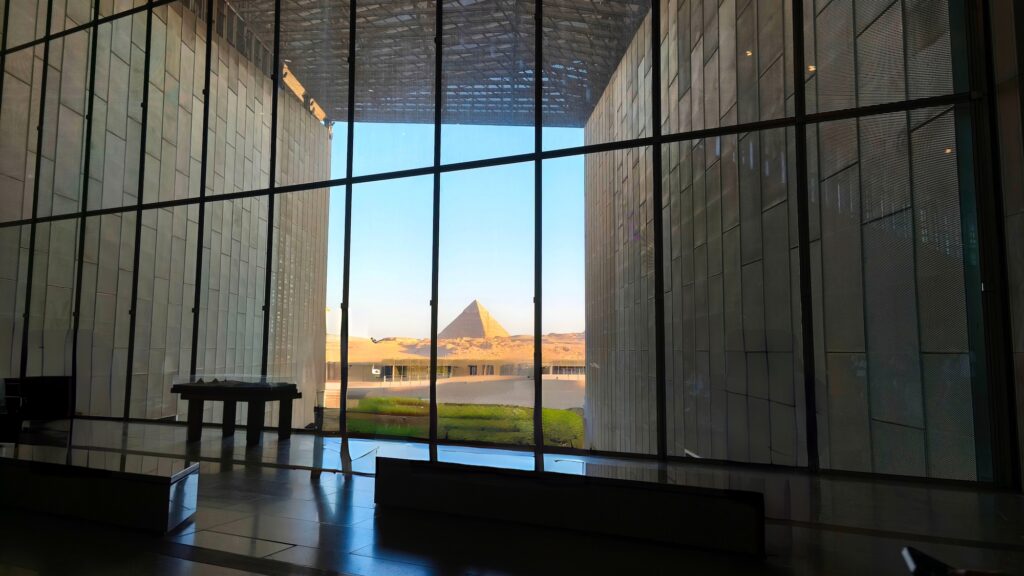
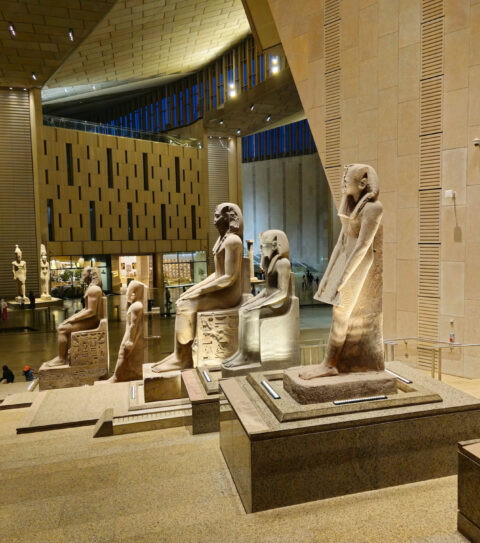
The Grand Egyptian Museum (GEM) is set to become the world’s largest museum dedicated to ancient Egyptian civilization. Located near the Giza Pyramids, it houses an extraordinary collection of antiquities, including the complete treasures of Tutankhamun displayed together for the first time. With state-of-the-art exhibition spaces, immersive displays, and modern conservation facilities, the museum offers a new and comprehensive way to experience Egypt’s heritage and many of its most iconic artifacts.
Islamic Cairo’s medieval architecture creates a UNESCO World Heritage landscape of mosques, madrasas, and markets. The Citadel of Saladin offers panoramic city views stretching to the pyramids on clear days.
Luxor: Open-Air Museum
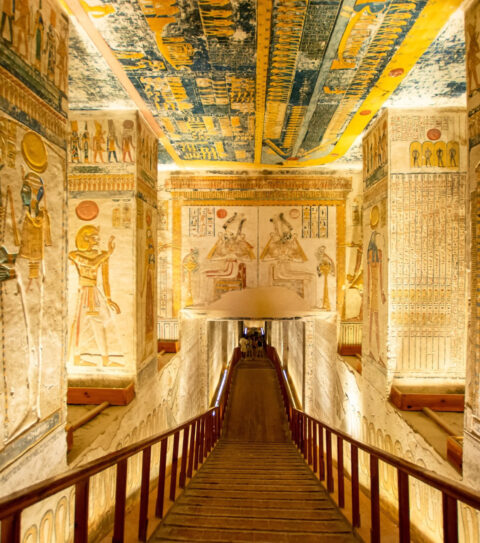
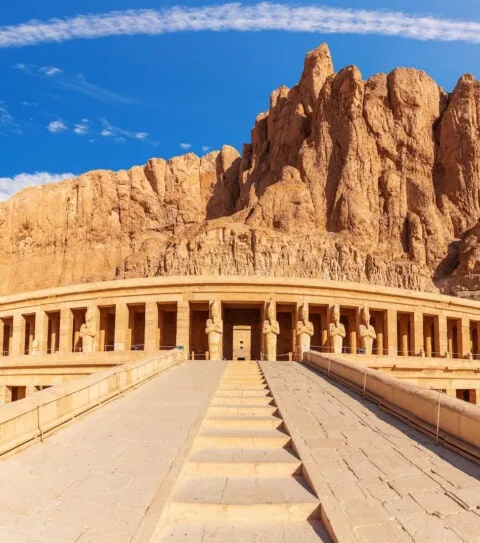
Luxor concentrates more ancient monuments per square kilometer than anywhere else on Earth. The Valley of the Kings contains over 60 royal tombs, including Tutankhamun’s famous burial chamber discovered by Howard Carter in 1922.
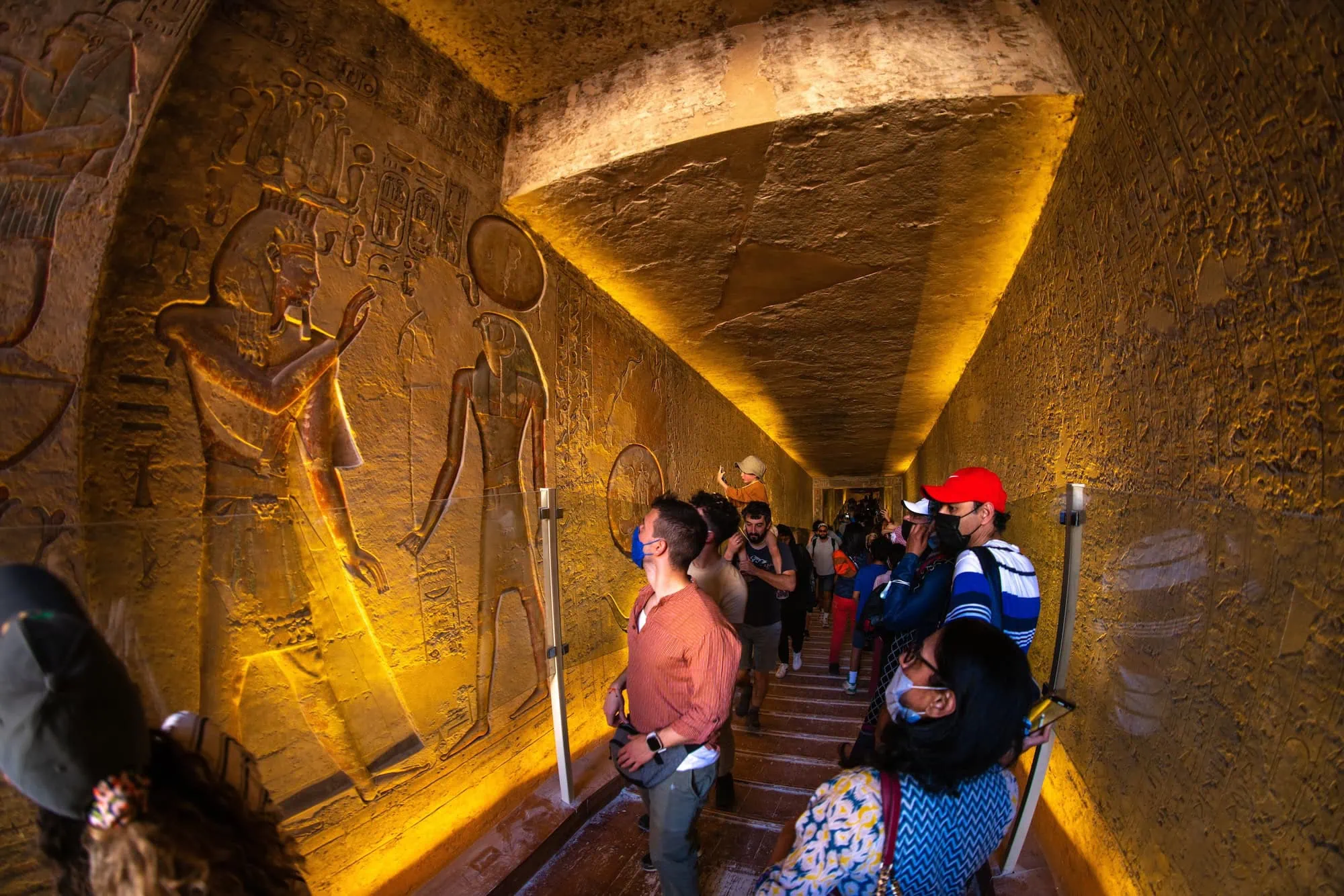
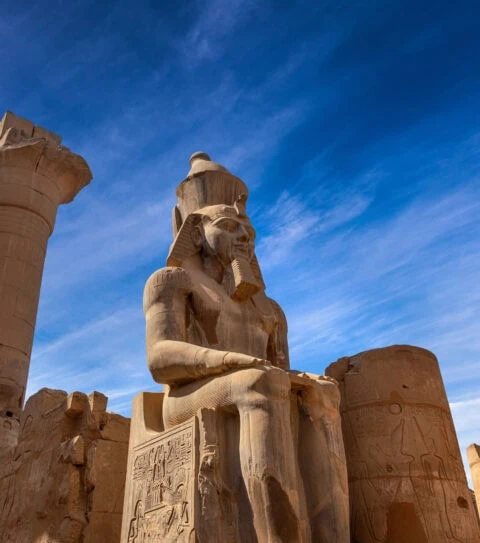
Karnak Temple complex covers 100 hectares (247 acres) and represents 2,000 years of continuous construction by successive pharaohs. The Great Hypostyle Hall’s 134 massive columns create an architectural forest that inspired countless temple designs throughout history.
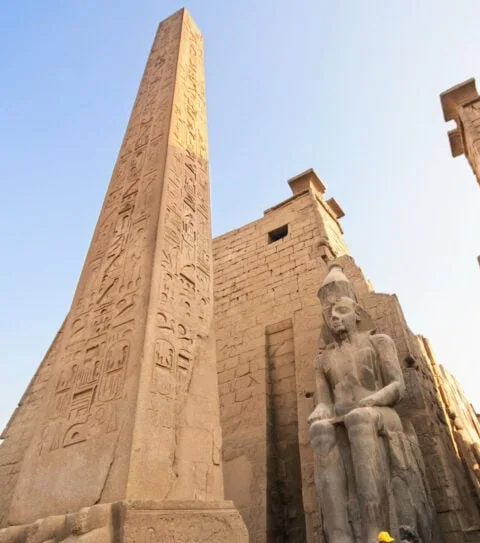
Luxor Temple, connected to Karnak by an ancient processional avenue lined with sphinx statues, showcases perfect preservation of pharaonic architecture and decoration.
Aswan: Nubian Culture Gateway
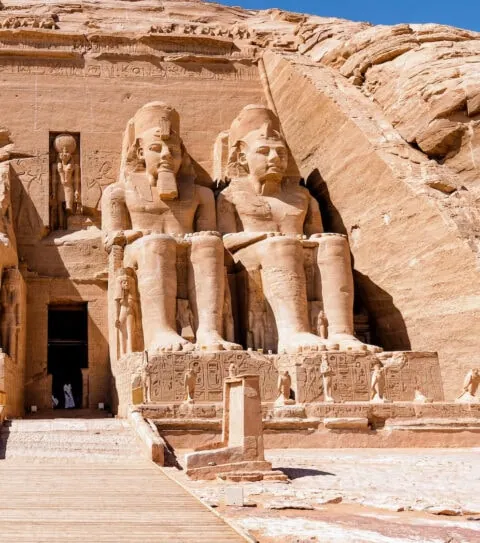
Aswan’s position at Egypt’s southern frontier has made it a cultural crossroads for millennia. The High Dam, completed in 1970, created Lake Nasser while preserving Abu Simbel temples through an incredible UNESCO relocation project.
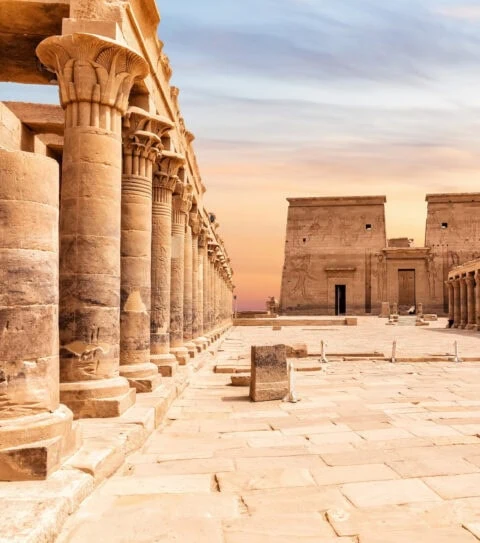
Philae Temple, dedicated to the goddess Isis, occupies a romantic island setting accessible only by boat. Evening sound and light shows illuminate the temple’s reliefs while dramatic music echoes across the Nile.
Nubian villages near Aswan offer authentic cultural experiences. Traditional round houses painted in bright colors, crocodile sanctuaries, and handicraft workshops provide insights into cultures that predate ancient Egypt.
Nile River Cruising Art
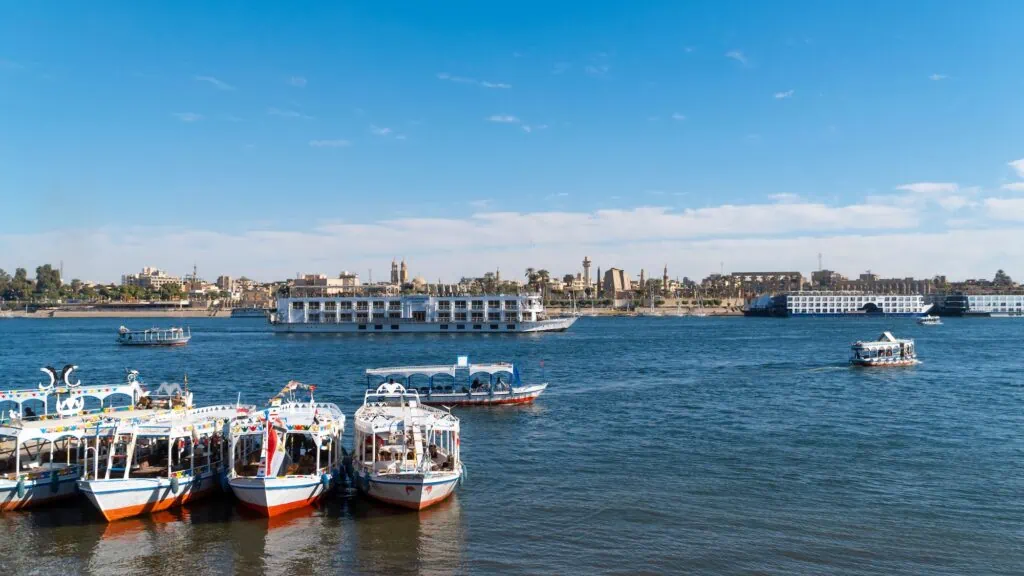
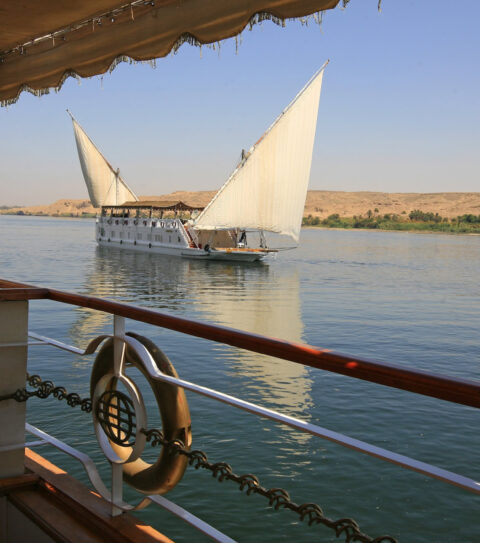
Sailing between Luxor and Aswan recreates journeys taken by pharaohs, traders, and adventurers throughout history. Modern cruise ships transform this ancient route into luxurious experiences combining comfort with exploration.
What Makes Cruises Special
The Nile’s gentle current and consistently favorable winds have supported river travel for over 5,000 years. Traditional feluccas with triangular sails still navigate these waters alongside modern cruise vessels, creating timeless scenes that inspired countless artists and writers.
Cruise itineraries typically include Edfu Temple, dedicated to the falcon god Horus, and Kom Ombo’s unique double temple honoring both Sobek (crocodile god) and Haroeris (falcon god). These stops break up sailing days with fascinating historical exploration.
Onboard amenities vary by vessel category. Luxury ships feature swimming pools, spa services, fitness centers, and gourmet restaurants. Standard cruises offer comfortable accommodations, traditional Egyptian cuisine, and panoramic deck areas perfect for watching rural life along the riverbanks.
Small Group Experiences
Temple visits during Nile cruises operate as small group experiences with up to 12 participants, creating intimate settings that large tour groups cannot match. Expert guides provide detailed explanations while maintaining personal attention impossible with massive tour groups.
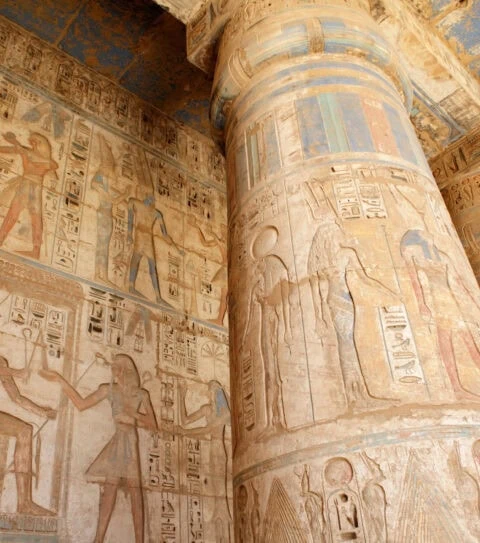
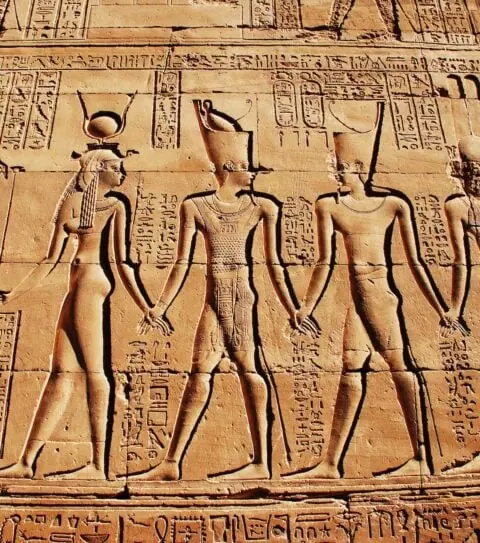
This approach allows proper appreciation of intricate hieroglyphic carvings, architectural details, and historical contexts that rushed visits often miss. Photography opportunities improve dramatically with smaller groups and experienced guides who know optimal timing and positioning.
Hidden Egypt Gems
Alexandria’s Mediterranean Charm
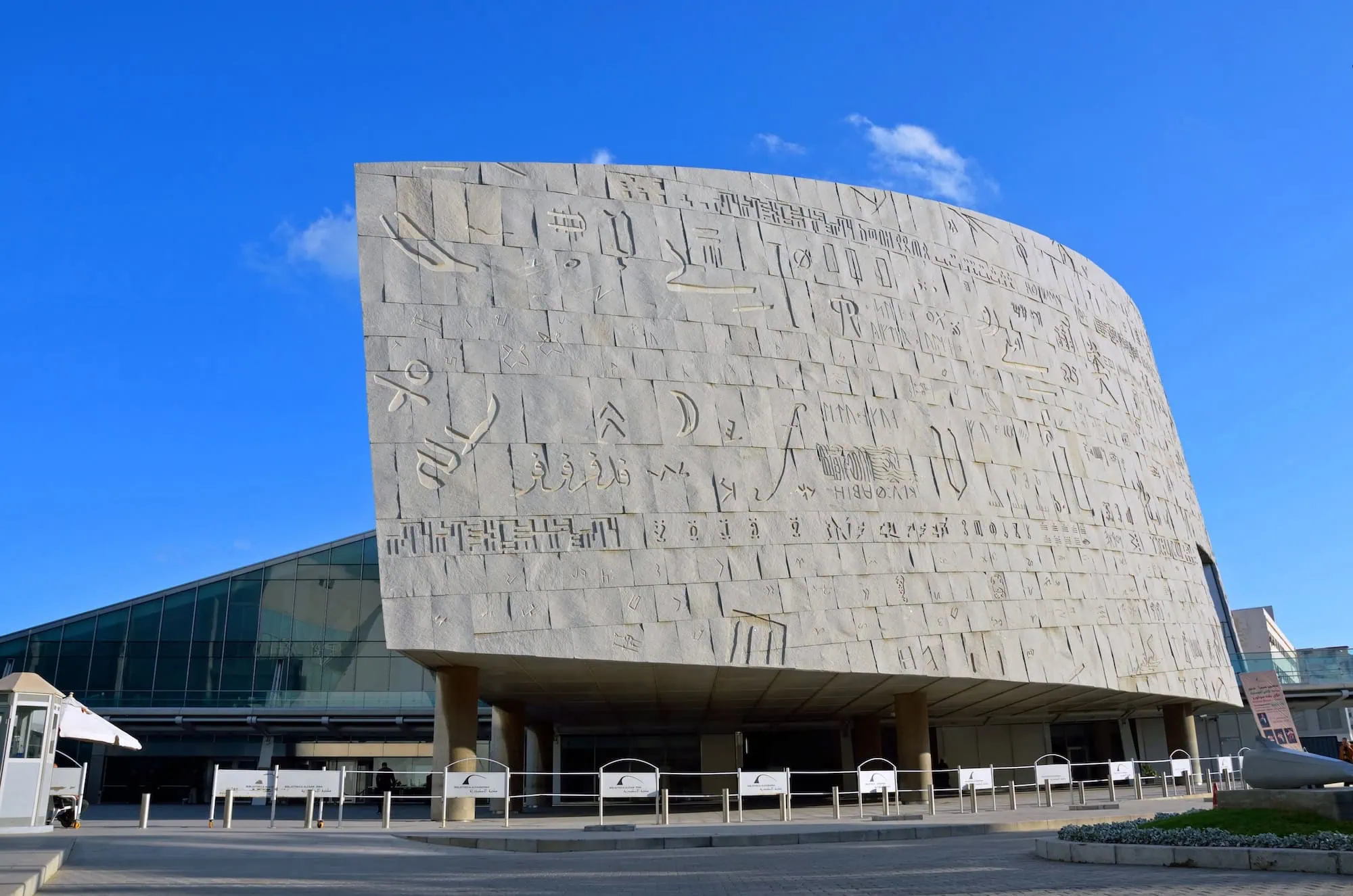
Egypt’s second-largest city combines pharaonic history with Greek, Roman, and Islamic influences. The legendary Library of Alexandria has been reborn as the stunning Bibliotheca Alexandrina, while underwater archaeological sites reveal Cleopatra’s lost palace beneath the harbor.
Catacombs of Kom el Shoqafa blend Egyptian, Greek, and Roman burial traditions in unique underground chambers. Pompey’s Pillar and the Roman amphitheater showcase Alexandria’s classical heritage.
Fresh seafood restaurants along the Corniche waterfront serve Mediterranean specialties with Nile Delta ingredients. The city’s relaxed pace provides welcome contrast to Cairo’s intensity.
Red Sea Adventures
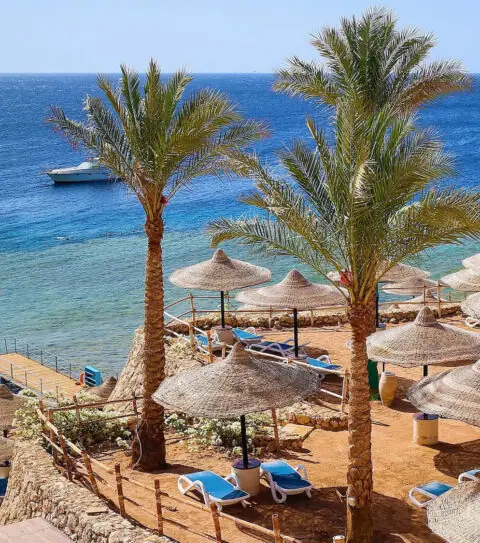
Hurghada and Sharm El Sheikh offer world-class diving and snorkeling opportunities. The Red Sea’s coral reefs teem with tropical fish, while water temperatures remain comfortable year-round at 22-28°C (72-82°F).
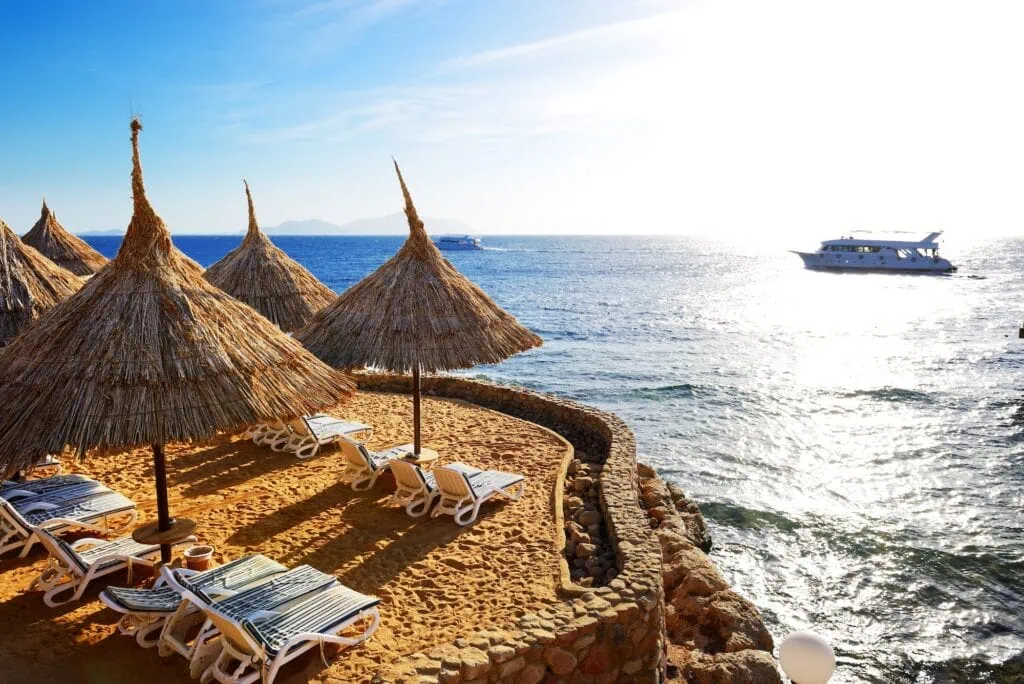
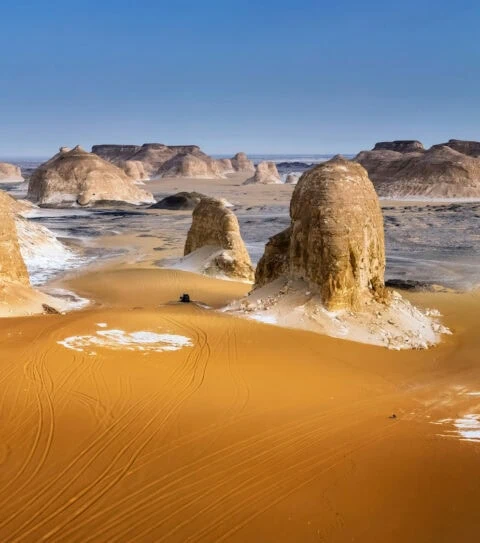
Desert safaris from coastal bases visit Bedouin communities, where traditional hospitality includes camel rides, authentic meals, and star-gazing experiences. These adventures complement beach relaxation with cultural immersion.
Practical Travel Tips
Transportation within Egypt offers multiple options suited to different comfort levels and budgets. Private air-conditioned vehicles with professional drivers provide maximum flexibility and comfort, especially valuable during hot weather. Train services between major cities offer scenic routes, while domestic flights save time for longer distances.
Dining and Culinary
Egyptian cuisine blends Middle Eastern, Mediterranean, and African influences into distinctive flavors. Ful medames (fava bean stew) provides hearty breakfast fuel, while koshari (rice, lentils, and pasta with spicy tomato sauce) creates Egypt’s beloved comfort food.
Restaurants in tourist areas maintain international hygiene standards and offer familiar options alongside local specialties. Street food adventures can be rewarding but require some caution – stick to busy vendors with high turnover for freshest options.
Shopping and Souvenirs
Egyptian craftsmanship produces beautiful handmade goods. Papyrus paintings, silver jewelry, leather goods, and spices make excellent souvenirs. Khan el-Khalili bazaar in Cairo and similar markets in other cities offer authentic shopping experiences where bargaining remains expected and enjoyable.
Quality varies significantly, so compare prices and craftsmanship at multiple vendors. Our guides can recommend reputable shops with fair pricing and genuine products, avoiding common tourist traps.
Frequently Asked Questions
October through April offers ideal weather with daytime temperatures of 22-28°C (72-82°F).
Most travelers choose 8-12 days to see major highlights including Cairo, pyramids, and Nile cruise.
Tourist areas maintain strong security with dedicated police forces. Millions visit annually without incident.
No required vaccinations exist for most travelers. Consult your doctor about hepatitis A recommendations.
Lightweight, breathable clothing in light colors, sun protection, and comfortable walking shoes work best.
Bottled water is recommended for drinking. Most hotels provide complimentary bottles daily.
Costs range from $1,000-1,500 for budget tours to $4,000-8,000 for luxury private experiences.
Most packages include accommodation, guided tours, some meals, transportation, and entrance fees to monuments.
Tipping (baksheesh) is customary for guides, drivers, and hotel staff. Small amounts are appreciated.
Egyptian cuisine includes many vegetarian options. Hotels accommodate special dietary needs with advance notice.
Group tours cost less but follow fixed schedules. Private tours offer complete flexibility and personalized attention.
We recommend booking 6-12 weeks ahead for best availability and pricing, especially during peak season.
Design Your Custom Tour
Explore Egypt your way by selecting only the attractions you want to visit
Don’t miss Egypt’s greatest treasures