Best Souvenirs from Egypt: Authentic Treasures Worth Taking Home
Shopping for authentic mementos in the land of pharaohs can transform your journey into something truly meaningful.
Egypt offers an incredible array of handcrafted treasures that tell stories spanning thousands of years. From papyrus scrolls painted with ancient hieroglyphs to intricately carved alabaster figurines, each authentic piece connects you to a civilization that continues to fascinate the world. The key lies in knowing where to look, what to avoid, and how to distinguish genuine craftsmanship from mass-produced imitations flooding tourist markets.
We’ve spent decades exploring Egypt’s artisan workshops, traditional bazaars, and hidden corners where master craftsmen still practice techniques passed down through generations. Our expertise helps you find souvenirs that represent Egypt’s true cultural heritage.
Table of Contents
Traditional Egyptian Crafts: Timeless Art Forms
Egyptian artisans have perfected their techniques over millennia. Their work reflects deep cultural traditions that survived dynasties, conquests, and changing times.
Authentic Papyrus: Ancient Writing Material
Real papyrus feels different from paper – it has texture and weight. Authentic pieces are made from papyrus reeds grown along the Nile, processed using methods similar to those used in ancient times. The surface shows natural fiber patterns and slight irregularities that machine-made imitations cannot replicate.
Quality papyrus artwork features hand-painted scenes from tomb walls, depicting gods like Anubis or pharaohs like Tutankhamun. Genuine pieces often include cartouches with hieroglyphic names or scenes from the Book of the Dead. Prices for authentic papyrus paintings range from $15-50, depending on size and complexity.
Hand-Carved Alabaster Sculptures
Egyptian alabaster is translucent white stone quarried near Luxor. Skilled artisans carve it into canopic jars, miniature pyramids, and figurines of Egyptian gods. Quality pieces show smooth surfaces, intricate details, and natural stone patterns.
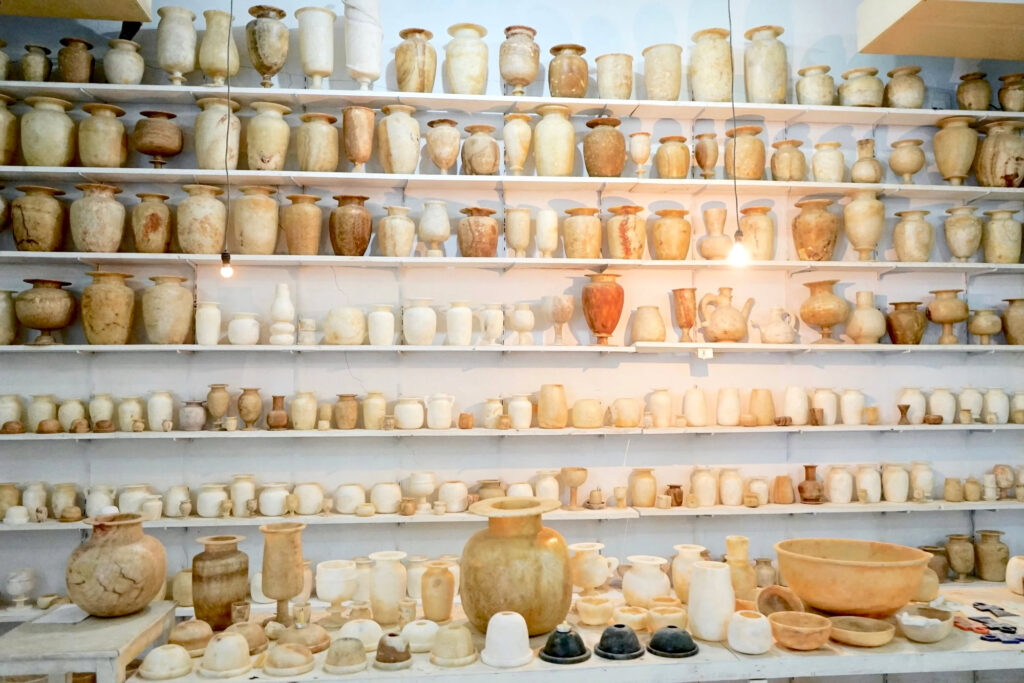
Machine-carved pieces lack the subtle imperfections and fine details of handmade work. Authentic alabaster feels cool to touch and shows natural veining patterns. Nefertiti busts and Bastet cat statues are popular choices, priced between $20-80 for quality pieces.
Traditional Metalwork and Jewelry
Egyptian metalworkers create stunning pieces using silver, brass, and copper. Cartouche pendants featuring hieroglyphic names make personal souvenirs. Traditional designs include ankh symbols, scarab beetles, and eye of Horus motifs.
Silver cartouches cost $25-60, depending on size and detail. Brass plates with Arabic calligraphy or pharaonic scenes showcase metalworking skills passed down through generations.
Khan El Khalili: Cairo’s Historic Bazaar
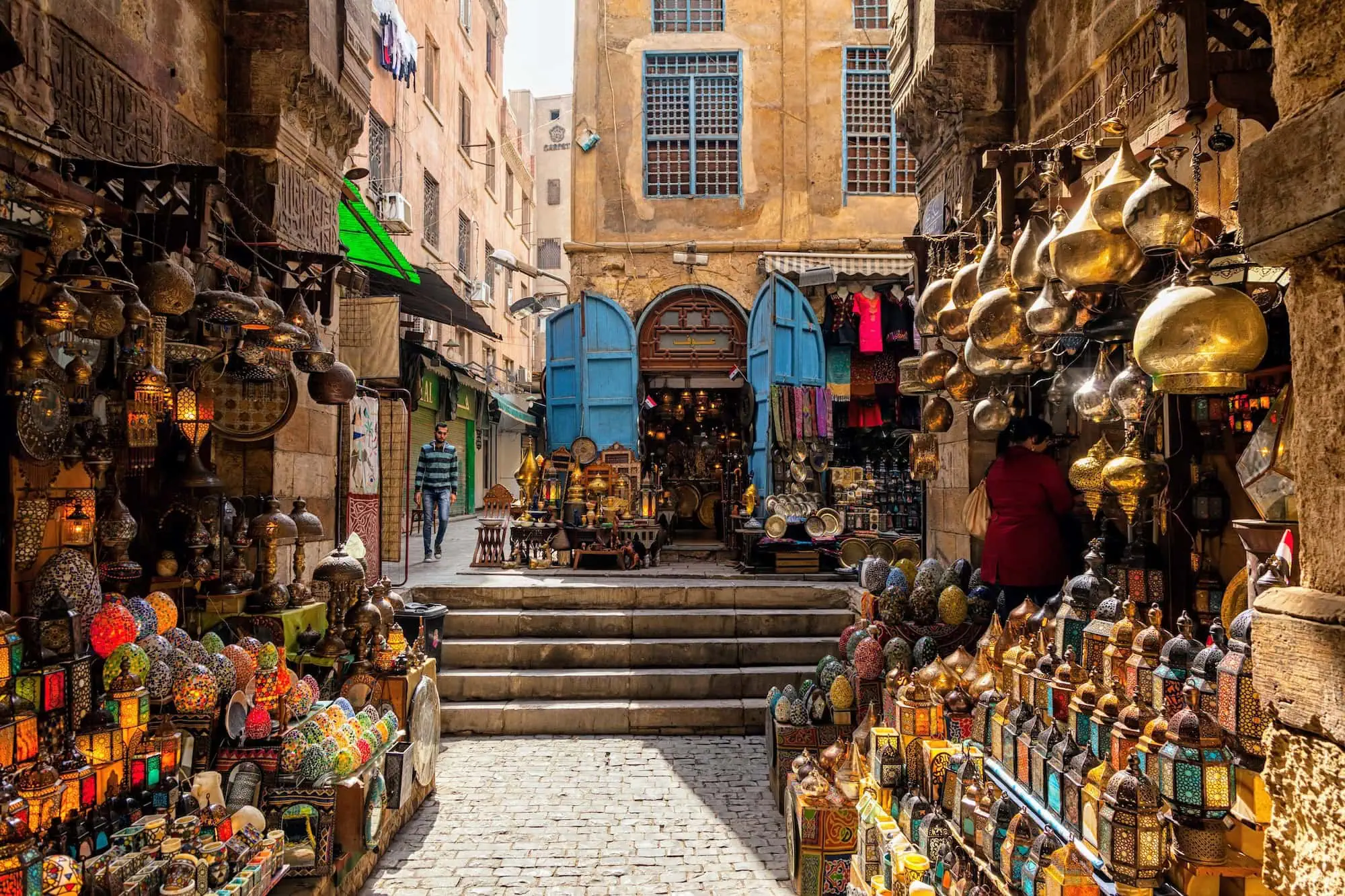
This medieval marketplace has operated continuously for over 600 years. Walking through its narrow alleys feels like stepping back in time, with merchants selling everything from spices to handcrafted treasures.
Khan El Khalili divides into sections specializing in different crafts. The jewelry quarter features silver workshops where artisans hammer cartouches while you wait. Textile merchants display colorful fabrics, embroidered galabias, and traditional scarves. Spice vendors offer frankincense, myrrh, and aromatic blends used in Egyptian cooking.
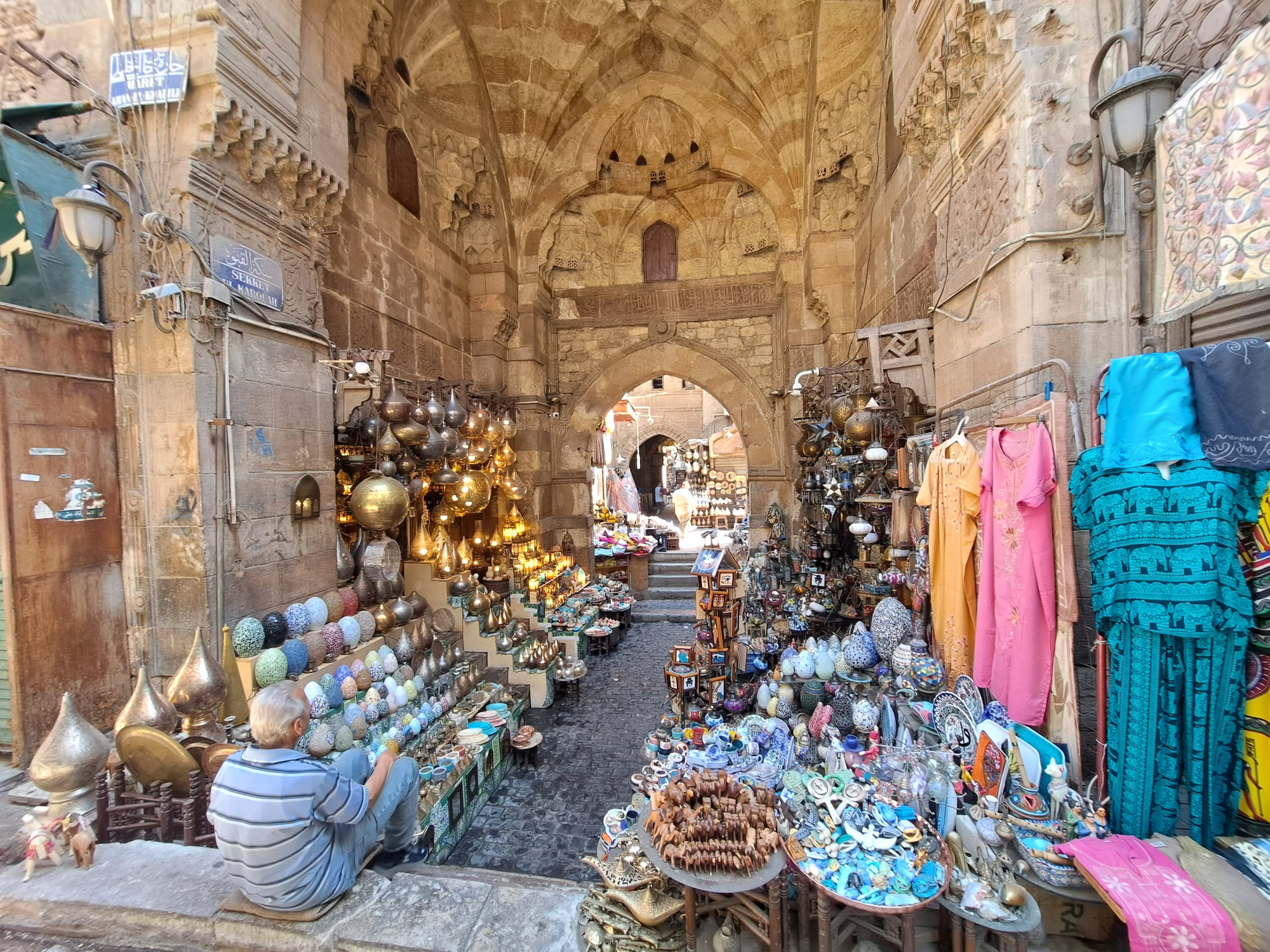
Bargaining is expected and part of the cultural experience. Start at one-third of the asking price. Quality indicators include craftsmanship details, material weight, and seller knowledge about their products. Shops displaying “Fair Trade Egypt” certificates support local artisan communities with ethical practices.
The best time to visit is early morning or late afternoon when crowds are smaller. Avoid Friday mornings during prayer times. Many shop owners speak multiple languages and enjoy sharing stories about their crafts.
Regional Specialties from Across Egypt
Different regions produce unique souvenirs reflecting local traditions and available materials.
Aswan’s Nubian Heritage
Aswan markets feature colorful Nubian crafts distinct from mainstream Egyptian styles. Traditional Nubian hats with bright geometric patterns make eye-catching souvenirs. Handwoven baskets using palm fronds showcase local weaving techniques.
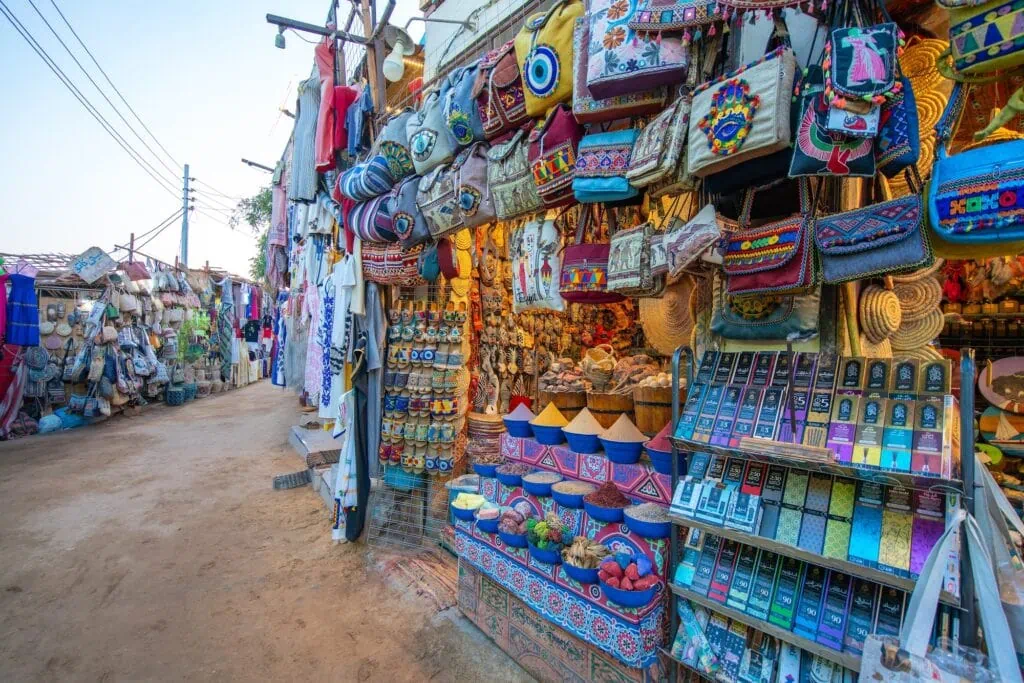
Spice blends from Aswan include hibiscus (karkadeh), which Egyptians drink hot or cold. Local dates are exceptionally sweet and make excellent gifts. Prices are generally lower than Cairo, and vendors are often more relaxed about bargaining.
Luxor’s Archaeological Inspired Art
Luxor’s proximity to Valley of the Kings influences local crafts. Replica artifacts inspired by tomb discoveries include miniature sarcophagi, mummy cases, and pharaonic jewelry. Quality reproductions are clearly marked as replicas to distinguish them from antiquities.
Local artists create paintings depicting tomb wall scenes from nearby archaeological sites. These works require special skills to reproduce hieroglyphic texts accurately. Workshops near Luxor temples often employ guides who became artists, bringing deep knowledge of Egyptian history to their work.
Alexandria’s Mediterranean Influences
Alexandria’s coastal location created unique cultural blends. Local artisans produce items reflecting Greek, Roman, and Islamic influences alongside pharaonic traditions. Amber jewelry, often featuring small insects, comes from Mediterranean sources.
Traditional fishing boat models represent Alexandria’s maritime heritage. Handwoven textiles show patterns influenced by Mediterranean cultures while maintaining Egyptian techniques.
Practical Shopping Guidelines
Smart shopping requires preparation and awareness of common tourist traps.
Quality authentic souvenirs share certain characteristics regardless of type. Handmade items show slight irregularities that add character rather than detract from beauty. Materials feel substantial – real silver has weight, genuine cotton has texture, authentic wood shows natural grain patterns.
Avoid shops that won’t let you examine items closely or refuse to discuss their origins. Legitimate sellers take pride in explaining their craft processes and materials. Workshop visits often reveal the difference between genuine handwork and mass production.
Certificate of authenticity matters for expensive items. Reputable dealers provide documentation, especially for silver jewelry or significant art pieces. Keep receipts for customs purposes – some items may require documentation when leaving Egypt.
Shipping larger items home often costs more than carrying them personally. Airlines allow reasonable amounts of souvenirs in checked luggage. Fragile items need proper packaging – many shops provide this service for small fees.
Budget-Friendly Authentic Options
Meaningful souvenirs don’t require large budgets. Small items often carry as much cultural significance as expensive pieces.
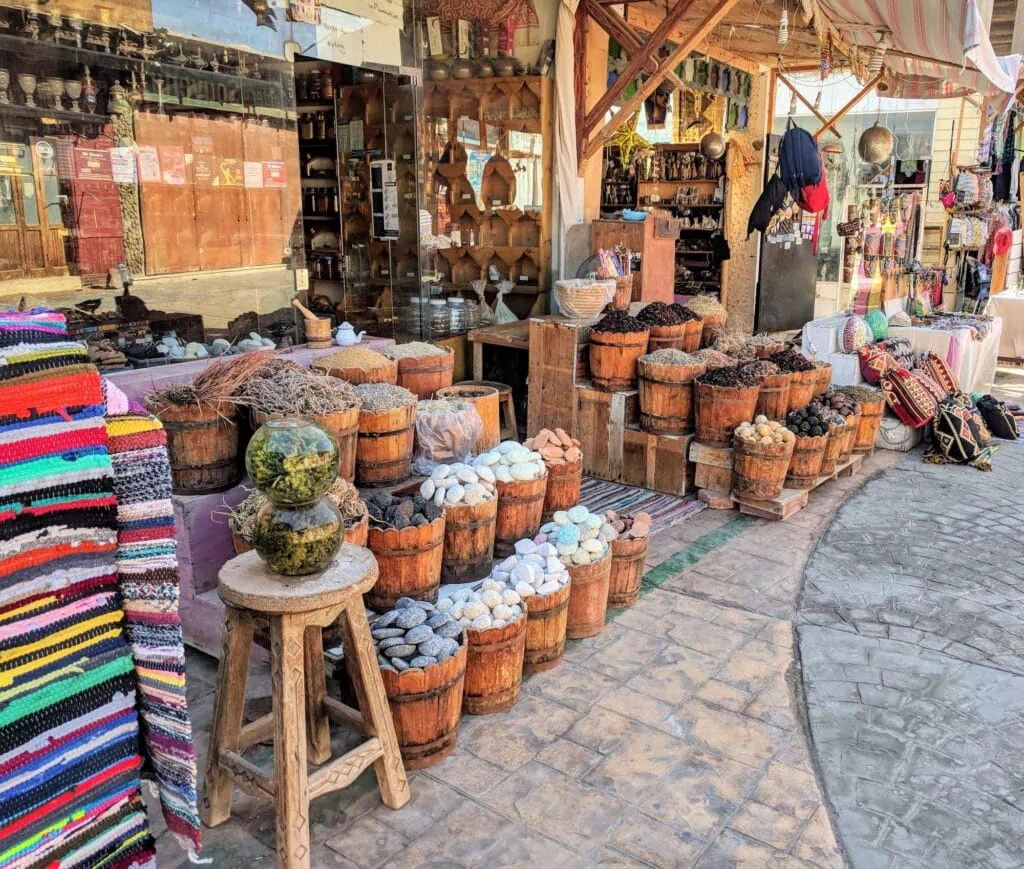
Egyptian cotton scarves cost $5-15 and showcase the country’s famous textile quality. Miniature perfume bottles filled with traditional scents like jasmine or lotus make affordable gifts. Small brass items like bookmarks or letter openers feature Egyptian motifs at reasonable prices.
Spices and tea blends provide authentic tastes of Egypt at low costs. Hibiscus flowers, black tea with mint, and spice blends for Egyptian cooking cost under $10 total. These items travel well and create lasting memories through familiar flavors.
Postcards featuring museum artifacts or archaeological sites cost pennies but provide beautiful images of Egyptian art. Combined with authentic stamps, they become meaningful souvenirs documenting your journey.
Modern Interpretations of Ancient Designs
Contemporary Egyptian artists blend traditional motifs with modern techniques, creating souvenirs that bridge ancient and contemporary worlds.
Modern papyrus artists experiment with contemporary themes while maintaining traditional techniques. Abstract interpretations of pharaonic art appeal to modern tastes while respecting cultural heritage. These pieces often cost more than traditional designs but offer unique perspectives on Egyptian culture.
Fashion designers incorporate ancient Egyptian symbols into modern jewelry and clothing. Subtle hieroglyphic patterns on scarves or ankh symbols in contemporary settings appeal to travelers seeking sophisticated souvenirs.
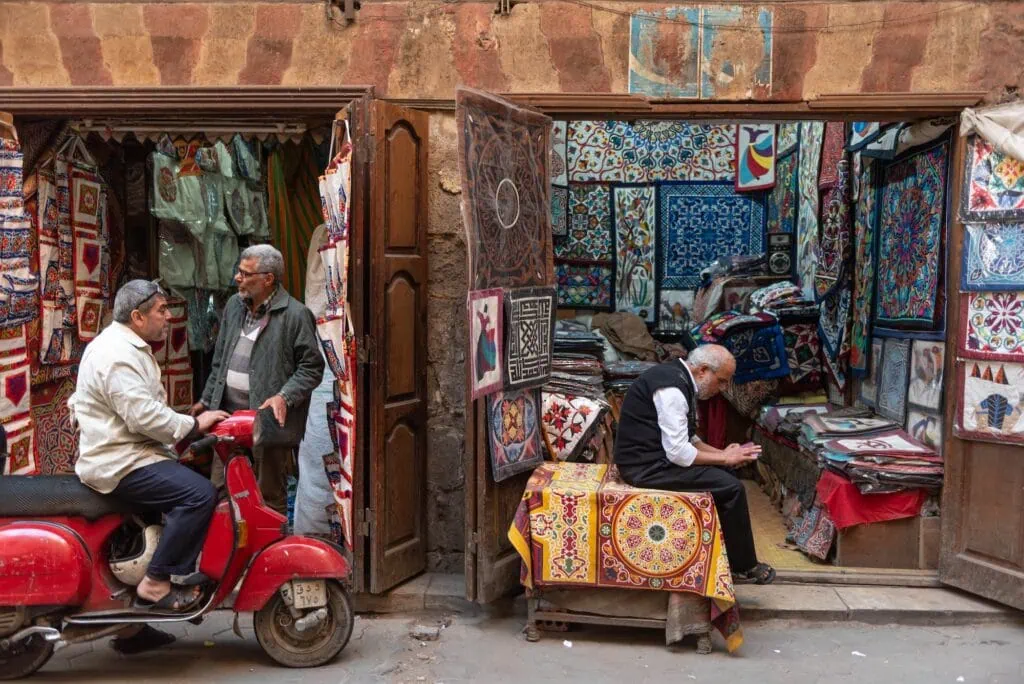
Local designers create home decor items inspired by Egyptian architecture and art. Lamp shades with pharaonic motifs, pillows featuring ancient patterns, and wall hangings with hieroglyphic designs bring Egyptian aesthetics to modern homes.
Ethical Considerations and Fair Trade
Supporting local artisans ensures your souvenir purchases benefit Egyptian communities while preserving traditional crafts.
Supporting Local Communities
Fair trade initiatives in Egypt help artisan families maintain traditional skills while earning sustainable incomes. These programs often work directly with rural workshops, eliminating middlemen who traditionally captured most profits.
Organizations like Fair Trade Egypt certify shops and workshops meeting ethical standards. These include fair wages, safe working conditions, and environmental responsibility. Products from certified sources may cost slightly more but directly support craftsmen and their families.
Workshop visits provide opportunities to meet artisans personally and understand their craft processes. Many welcome visitors and explain techniques while working. This personal connection adds meaning to souvenirs while supporting local economies.
Avoiding Problematic Purchases
Never buy items claiming to be ancient artifacts – Egyptian law strictly prohibits their export and international laws restrict their import. Legitimate antiquities belong in museums where everyone can appreciate them.
Mass-produced items made outside Egypt but sold in tourist areas provide no benefit to local artisans. These cheap imitations often use synthetic materials and exploit labor elsewhere while deceiving tourists about their origins.
Child labor unfortunately exists in some craft industries. Reputable dealers are transparent about their supply chains and worker conditions. When in doubt, ask questions about production methods and worker ages.
Storing and Caring for Souvenirs
Proper care preserves your Egyptian treasures for years to come.
Papyrus is surprisingly durable but needs protection from moisture and direct sunlight. Frame quality pieces behind glass to prevent handling damage. Store rolled papyrus in tubes if not displaying immediately.
Alabaster requires gentle cleaning with soft cloths. Avoid chemicals or excessive water, which can damage the stone’s surface. Display pieces away from high-traffic areas where they might be knocked over.
Silver jewelry needs regular cleaning to prevent tarnishing in humid climates. Store pieces separately to prevent scratching. Cartouches can be worn regularly – the oils from skin actually help preserve silver’s luster.
Textiles benefit from proper storage in breathable materials. Cedar blocks help prevent insect damage. Occasional airing prevents mustiness, especially in humid climates.
Frequently Asked Questions
Real papyrus has natural fiber texture, irregular thickness, and feels substantial. Fake versions use banana leaves or paper.
Start at one-third of the initial asking price. Final prices typically settle around 50-60% of opening offer.
Yes, cartouches are traditional Egyptian royal name plates. Modern versions with tourist names follow hieroglyphic principles.
Anything claiming to be an actual antiquity is illegal. Modern replicas and crafts are perfectly legal.
Khan El Khalili has many options, also check dedicated textile shops in Heliopolis and Zamalek areas.
Quality silver feels heavy and may show slight tarnishing. Look for hallmarks indicating silver content and certificates.
Hibiscus (karkadeh), dukkah spice blend, and traditional tea mixtures are uniquely Egyptian and travel well.
Absolutely. Meeting artisans adds personal meaning to purchases while ensuring you support local craftspeople directly.
Budget $100-200 for a good selection of authentic items including papyrus, alabaster pieces, spices, and jewelry.
Early morning (8-10 am) or late afternoon (4-6 pm) avoid peak heat and crowds.
Yes, but shipping often costs more than the items themselves. Verify insurance coverage for valuable pieces.
Egyptian cotton has longer fibers creating softer, more durable fabric. Feel for substantial weight and smooth texture.
Design Your Custom Tour
Explore Egypt your way by selecting only the attractions you want to visit
Don’t miss Egypt’s greatest treasures