Colossi Of Memnon – The Guardians of an Ancient Mortuary Temple
Standing guard for over 3,400 years, these towering sentinels hold secrets that still echo today.
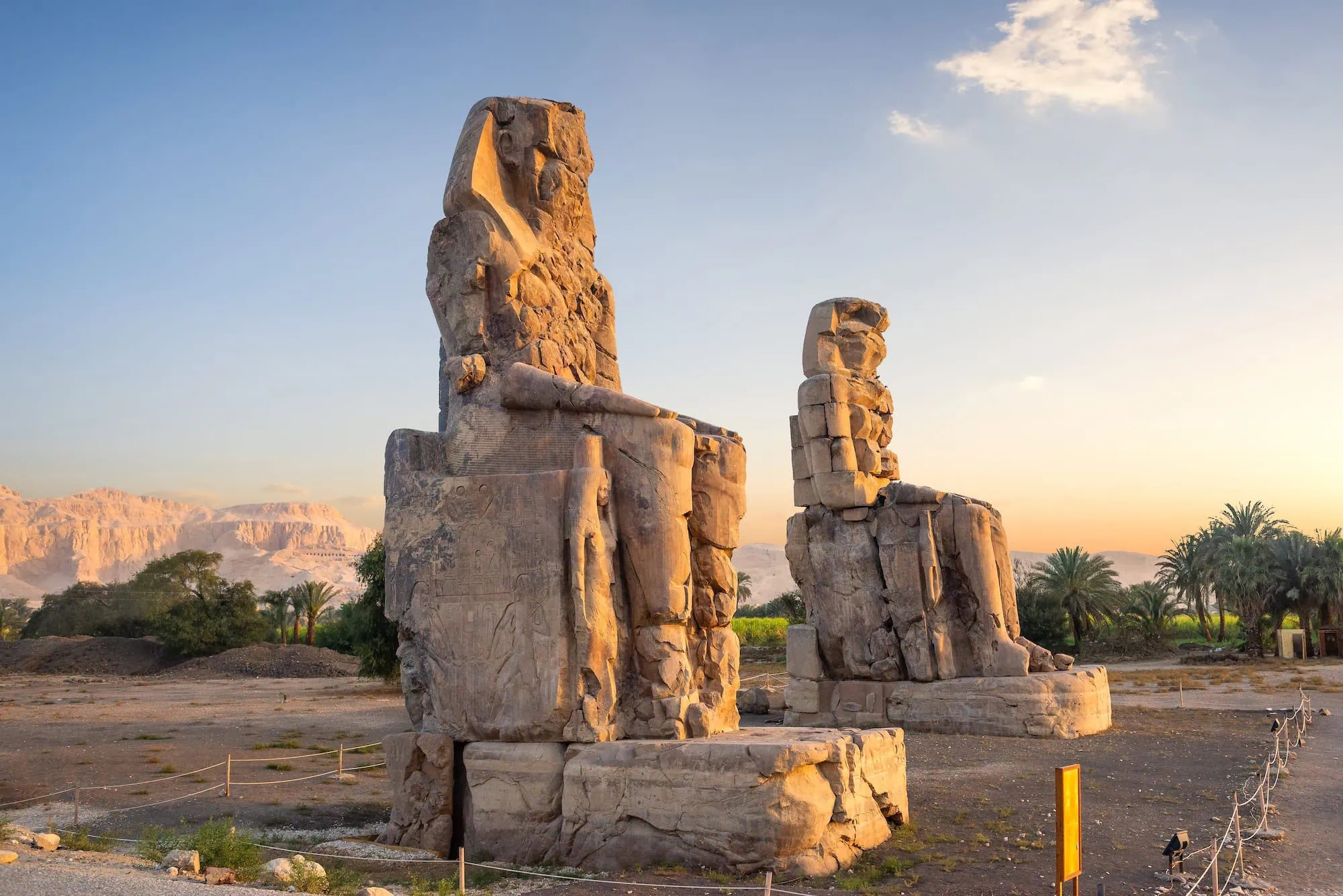
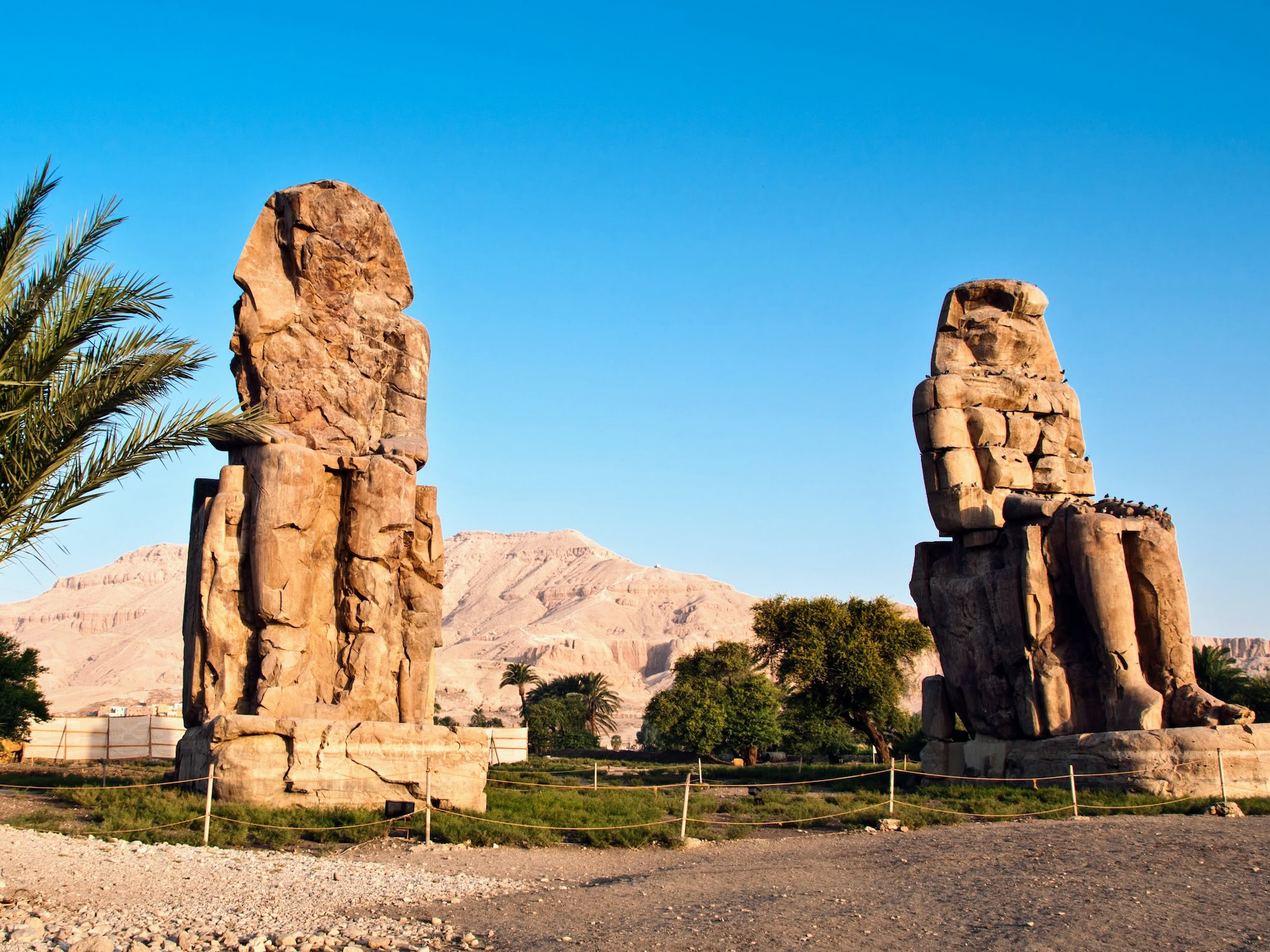
The Colossi of Memnon represent one of ancient Egypt’s most enigmatic monuments, rising 18 meters (59 feet) above the Theban landscape near Luxor. These massive quartzite sandstone statues of Amenhotep III have captivated visitors since antiquity, from Roman emperors to modern travelers seeking to understand their mysterious acoustic phenomena. Each weighing approximately 720 tons, they once flanked the entrance to what was likely the largest mortuary temple complex ever built in Egypt.
Our decades of expertise guiding travelers through Egypt’s wonders have taught us that few monuments combine archaeological significance with enduring mystery quite like these colossal guardians of the Valley of the Kings.
Table of Contents
The Acoustic Mystery That Made History
The northern colossus produced haunting sounds at dawn for centuries after a devastating earthquake in 27 BCE. Ancient Greek and Roman visitors traveled thousands of miles specifically to witness this phenomenon, believing the statue sang in greeting to Eos, the Greek goddess of dawn.
The Science Behind the Ancient Wonder
Temperature changes at sunrise caused trapped moisture within the porous quartzite to expand and escape through microscopic cracks, creating musical tones. The earthquake had fractured the stone’s internal structure, creating chambers that amplified these natural acoustic effects. Modern geological analysis confirms that air currents interacting with the damaged surface produced sounds ranging from whispered notes to bell-like chimes.
Famous Witnesses Through Time
Roman historian Strabo documented hearing the phenomenon during his visit around 20 BCE. Emperor Hadrian waited three days at the site in 130 CE before finally hearing the mysterious sounds, which his court poet immortalized in verse. Dozens of ancient inscriptions carved into the statue’s base record similar experiences from Roman nobles and Greek philosophers.
The Silence That Followed
Emperor Septimius Severus commissioned extensive repairs around 199 CE, inadvertently ending the acoustic phenomenon forever. The restoration work, intended to preserve the monument, actually sealed the very cracks that had produced the legendary sounds for nearly three centuries.
Engineering Marvel of the New Kingdom
These monuments showcase the peak of ancient Egyptian architectural achievement during Amenhotep III’s prosperous 38-year reign from 1390 to 1352 BCE. The king’s mortuary temple complex originally covered 35 hectares (86 acres), rivaling Karnak Temple in scale and surpassing it in certain architectural innovations.
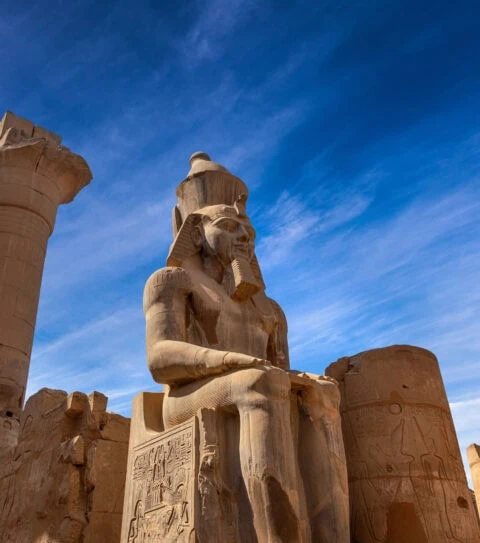
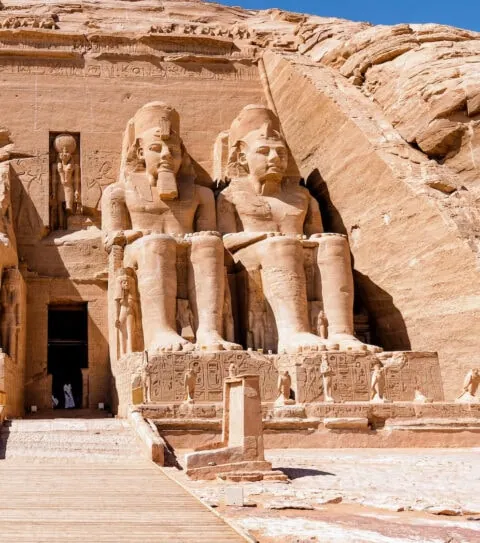
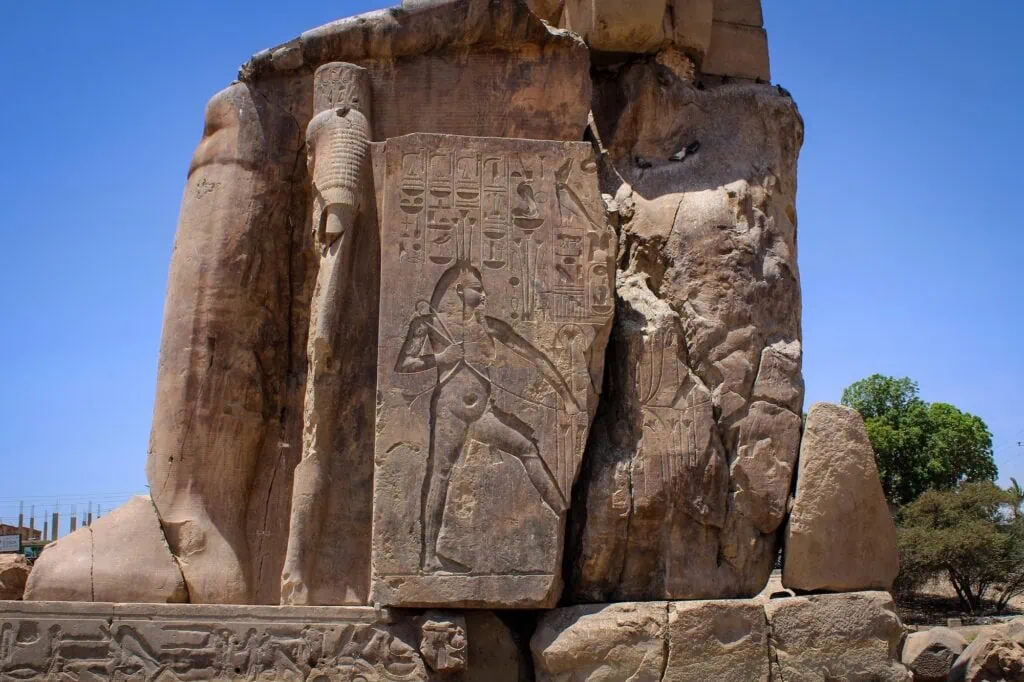
Massive granite blocks were quarried near Aswan, approximately 200 kilometers (124 miles) south of Thebes, then transported via the Nile during high flood seasons. Master craftsmen carved intricate hieroglyphic inscriptions and royal cartouches before positioning each colossus on four-meter (13-foot) pedestals. The statues depict Amenhotep III seated on his throne, with smaller figures of his mother Mutemwiya and wife Queen Tiy carved beside his legs.
Archaeological evidence suggests the temple complex employed hundreds of workers and priests, making it one of the largest religious institutions in ancient Egypt. The entire project likely required decades to complete, representing a massive investment in both resources and skilled labor during the height of Egypt’s imperial power.
Modern Restoration and Rediscovery
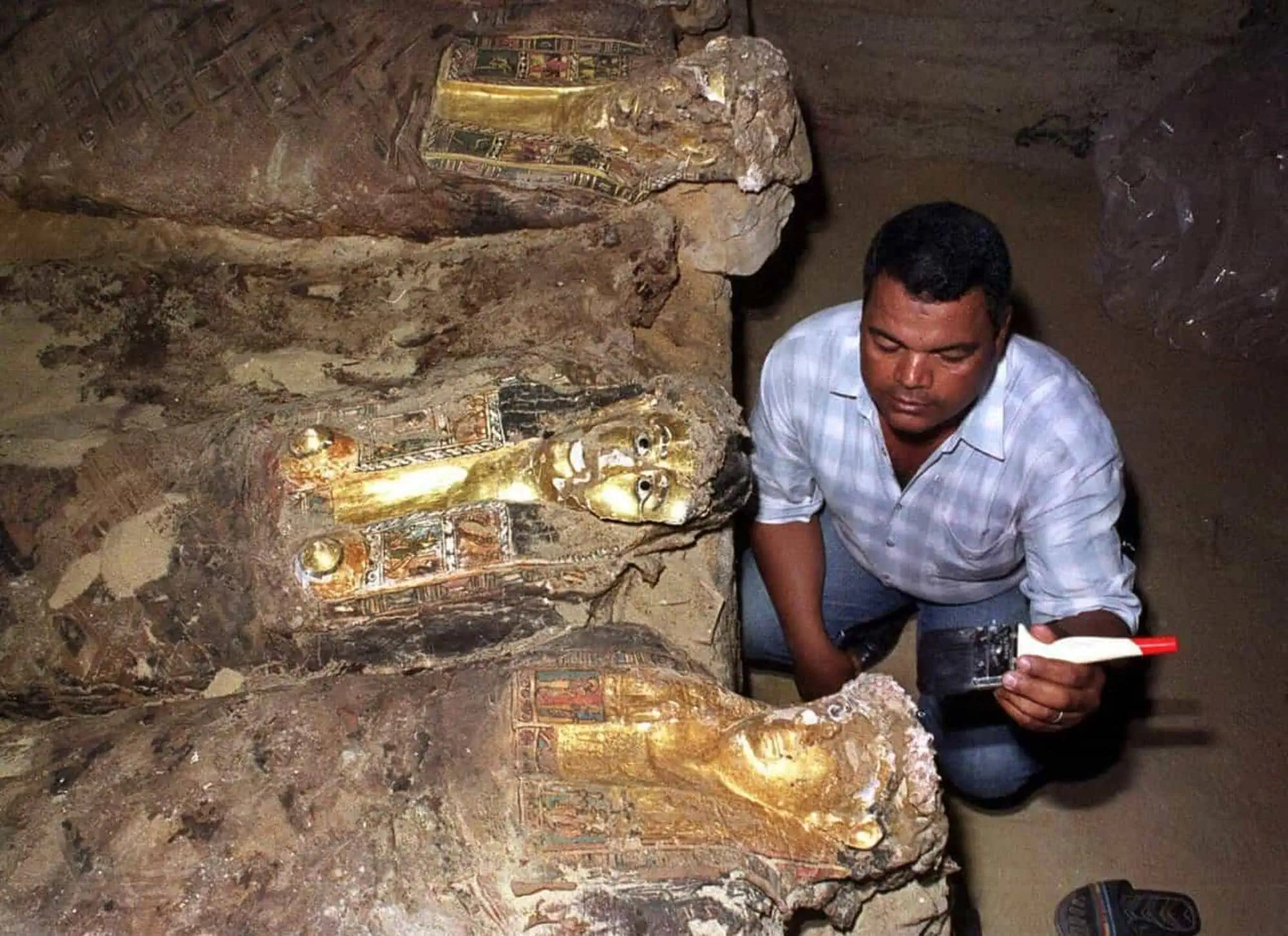
Dr. Hourig Sourouzian has led international restoration efforts since 1998, working to stabilize and preserve these ancient monuments for future generations. Her team discovered additional statue fragments buried beneath centuries of Nile silt, including pieces that have been painstakingly reattached using modern conservation techniques.
Technological Innovations in Conservation
Ground-penetrating radar revealed the temple’s original foundation layout, helping archaeologists understand the colossi’s original context within the larger complex. Laser scanning technology created precise digital models, allowing conservators to identify structural weaknesses and plan targeted reinforcement strategies.
Chemical analysis of the quartzite revealed environmental damage patterns, guiding the development of protective treatments against further erosion. Climate monitoring stations now track temperature, humidity, and wind patterns to optimize long-term preservation efforts.
International Collaboration
The restoration project involves experts from Germany, France, Armenia, and Egypt, representing one of the largest international archaeological collaborations in the region. Funding comes from multiple sources, including UNESCO, European Union cultural programs, and private foundations dedicated to preserving world heritage sites.
Planning Your Visit to the Colossi
We recommend visiting during early morning hours between 6:00 am (06:00) and 8:00 am (08:00) when lighting conditions create dramatic shadows and temperatures remain comfortable. The site remains open until 5:00 pm (17:00), but midday heat can reach 40°C (104°F) during summer months.
What to Expect at the Site
The monument area includes both colossi, information panels explaining their history, and recently excavated statue fragments displayed in protective shelters. A brief visit takes 30-45 minutes, though photography enthusiasts often spend longer capturing different angles and lighting conditions. Modern pathways ensure accessibility for visitors with mobility limitations.
Combining with Nearby Attractions
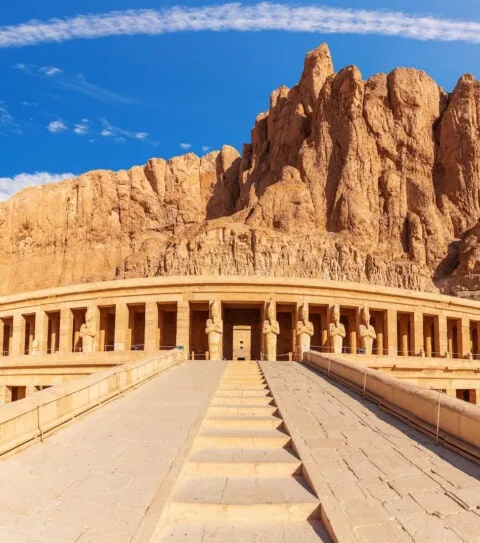
Most travelers include the Colossi of Memnon as part of Luxor’s West Bank itinerary, alongside the Valley of the Kings, Hatshepsut Temple, and Valley of the Queens.
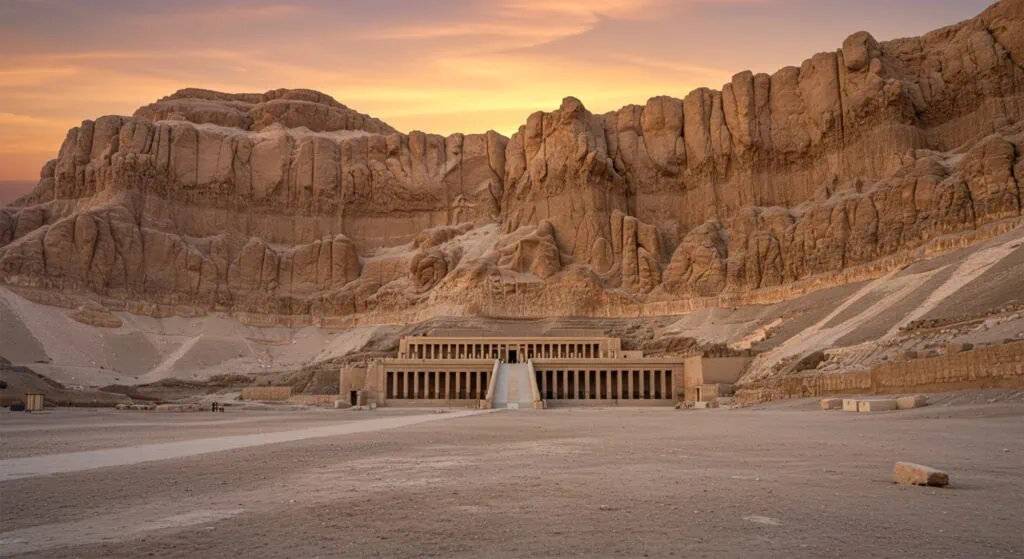
Our private guides coordinate timing to avoid crowds while maximizing photographic opportunities at each location. The short distance between attractions makes a comprehensive day tour practical and rewarding.
Photography and Documentation Tips
Professional photographers achieve best results during golden hour lighting, approximately one hour after sunrise and before sunset. The statues’ faces catch early morning light beautifully, while late afternoon creates striking silhouettes against desert backdrops. Tripods are permitted, and drone photography requires advance permission from Egyptian antiquities authorities.
Historical Context and Archaeological Significance
Amenhotep III’s reign marked the peak of Egypt’s New Kingdom prosperity, with tribute flowing from Nubia, the Levant, and Mediterranean regions. His mortuary temple complex served not only as a burial preparation site but as a functioning religious center where priests performed daily rituals honoring the deceased pharaoh’s divine spirit.
The temple’s destruction came gradually through multiple earthquakes, Nile flooding, and systematic stone removal for other construction projects. Medieval accounts describe local residents quarrying dressed stone blocks for mosque and house construction throughout the Islamic period. By Napoleon’s expedition in 1798, only the two colossi remained visible above accumulated silt deposits.
Recent excavations revealed the temple’s sophisticated drainage system, designed to manage seasonal flooding while protecting sacred spaces and valuable offerings. Architectural fragments show evidence of painted decoration, suggesting the complex once blazed with colors that have since faded beyond recognition.
The Broader Theban Landscape
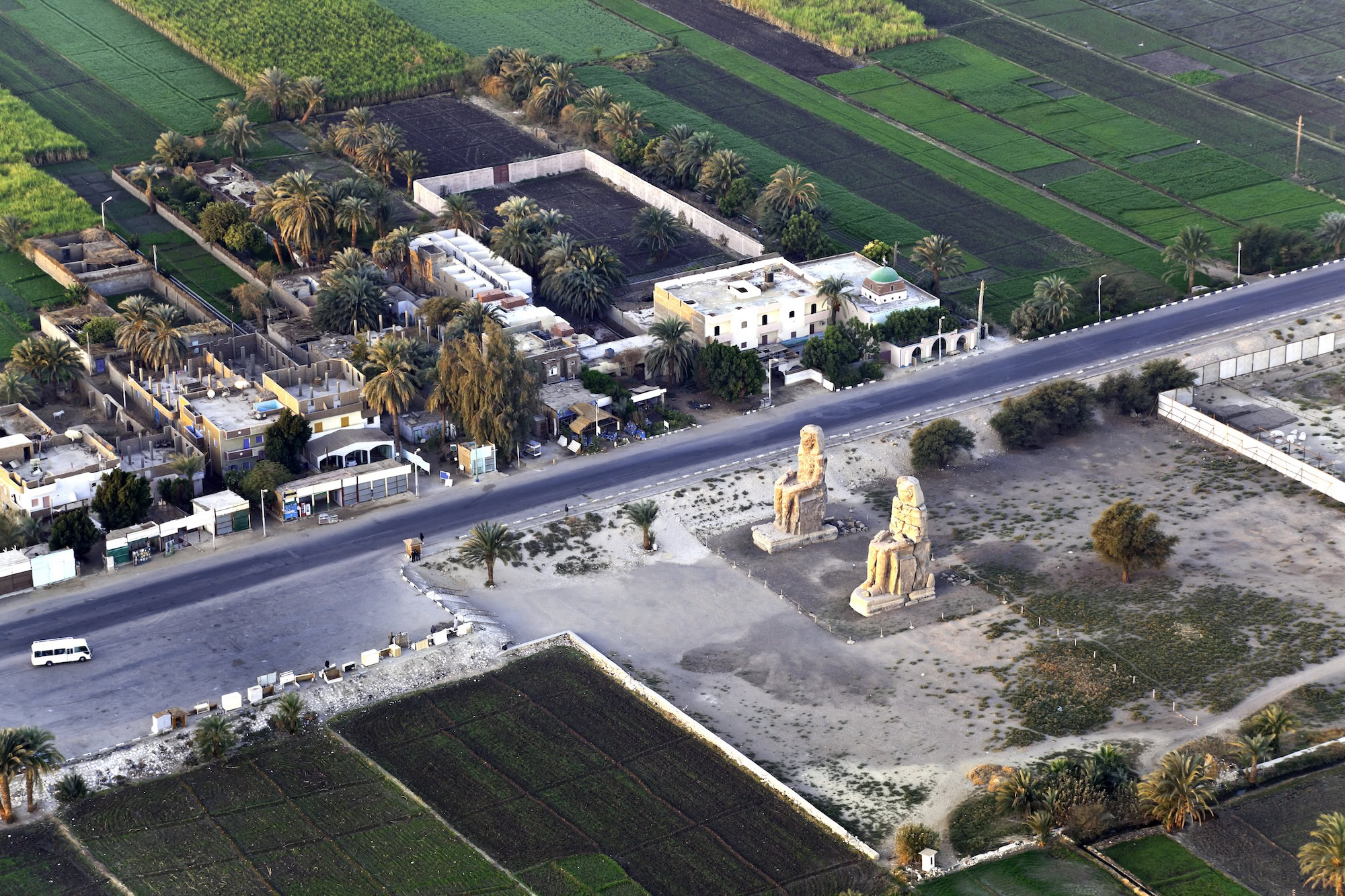
Six major pharaonic monuments originally stood in this area, creating an impressive ceremonial approach to the Theban Necropolis. The Colossi of Memnon formed the easternmost gateway, welcoming funeral processions and religious festivals crossing from the Nile’s east bank. Modern visitors can still trace ancient pathways connecting these sites across the desert landscape.
Satellite imagery reveals previously unknown structure foundations extending several kilometers inland from the river, suggesting the ceremonial complex was even larger than previously imagined. These discoveries continue reshaping our understanding of New Kingdom religious architecture and urban planning in ancient Thebes.
Stand Before The Guardians Of Ancient Thebes
The Colossi of Memnon have watched over the West Bank of Luxor for thousands of years—silent, powerful, and deeply symbolic of Egypt’s enduring legacy. With EgyptToursPlus, we seamlessly include these iconic statues in a private journey that connects Luxor’s legendary landmarks with a richer, more complete exploration of ancient Thebes.
You choose your travel dates, your pace, and the experiences that shape your route. From sunrise visits and guided insights to Nile cruises and refined comfort throughout, we tailor every detail around your preferences—ensuring a smooth, immersive, and deeply personal travel experience.
Frequently Asked Questions
Each Colossus of Memnon stands approximately 18 meters (59 feet) tall, including the 4-meter (13-foot) stone pedestal beneath the seated figures. Carved from single blocks of quartzite sandstone transported from quarries near modern Cairo, the statues originally flanked the entrance to Pharaoh Amenhotep III’s mortuary temple around 1350 BCE. Despite earthquakes and erosion over more than 3,000 years, the towering monuments remain among Luxor’s most recognizable landmarks. Morning light provides the clearest sense of their massive scale and carved detail.
The statues became known as the Colossi of Memnon because ancient Greek and Roman travelers associated mysterious dawn sounds from one statue with Memnon, the legendary Ethiopian king from Homeric mythology. After an earthquake in 27 BCE cracked the northern colossus, temperature changes at sunrise reportedly caused whistling or singing noises from the stone. Roman visitors believed the sound represented Memnon greeting his mother Eos, goddess of dawn. The phenomenon attracted emperors, poets, and travelers from across the Roman Empire.
No, visitors are strictly prohibited from climbing the Colossi of Memnon because physical contact damages the ancient stone surfaces and creates serious safety risks. The statues are more than 3,400 years old and have already endured earthquakes, flooding, and centuries of erosion on Luxor’s West Bank. Egyptian antiquities authorities maintain barriers and monitored pathways to preserve the monuments for future generations. Visitors can still photograph the colossi from multiple ground-level viewpoints without restriction during normal visiting hours.
The best time to visit the Colossi of Memnon is between October and March, when daytime temperatures in Luxor generally range from 20°C to 30°C (68°F to 86°F). Summer months from June through August regularly exceed 40°C (104°F), especially after midday, making outdoor exploration far less comfortable. Early morning visits provide cooler conditions, softer lighting, and fewer crowds from large tour groups arriving later in the day. Sunrise photography is particularly popular because the eastern light illuminates the statues directly.
Most travelers spend 30 to 45 minutes visiting the Colossi of Memnon, although photographers and history enthusiasts often stay longer to explore surrounding excavation areas and capture changing light conditions. The site itself is relatively compact compared to larger Luxor attractions such as Karnak or the Valley of the Kings, so it is commonly included as a short stop during broader West Bank tours. Morning visits tend to feel more relaxed before buses and larger groups arrive from Nile cruise itineraries.
The Colossi of Memnon are among the more accessible archaeological sites in Luxor because paved pathways allow relatively easy viewing near the statues themselves. Visitors using wheelchairs or mobility aids can approach the monuments without navigating steep stairs or underground chambers like those found in nearby tomb complexes. Some surrounding desert surfaces and uneven gravel areas may still require assistance, particularly after rain or heavy foot traffic. Early morning visits also reduce heat exposure and make movement more comfortable overall.
The famous “singing” of the northern Colossus of Memnon stopped after Roman restoration work around 199 CE repaired the earthquake damage believed to have created the sound. Cracks inside the quartzite stone likely produced vibrations or whistles when morning temperature changes caused moisture evaporation and air movement through the fractured surface. Roman Emperor Septimius Severus ordered restoration efforts that sealed many of those openings permanently. Ancient writers including Strabo and Pausanias documented the phenomenon before it disappeared completely.
Visitors can explore the Colossi of Memnon independently, but professional guides add valuable context about Amenhotep III, ancient funerary temples, Roman legends, and the statues’ engineering history. Without explanation, many travelers see only two large statues beside the road and miss their connection to one of ancient Egypt’s largest mortuary temple complexes. Guides also help visitors understand the “singing statue” phenomenon and nearby excavation areas uncovered by modern archaeologists. Combining the site with a guided West Bank itinerary creates a much richer experience.
The Colossi of Memnon sit on Luxor’s West Bank near several of Egypt’s most important archaeological attractions, including the Valley of the Kings, Hatshepsut Temple, Medinet Habu, and the Valley of the Queens. Most are reachable within 10 to 20 minutes by vehicle, making the colossi a convenient first stop on full-day West Bank itineraries. The statues historically marked the entrance to Amenhotep III’s enormous mortuary temple, much of which remains under active excavation by international archaeological teams today.
Photography at the Colossi of Memnon is generally permitted without additional fees for personal use, making the site one of Luxor’s easiest monuments for casual photography. Visitors regularly capture wide-angle sunrise shots, close-up stone details, and panoramic views of the surrounding West Bank landscape. Commercial filming, drones, or professional production equipment may require permits from Egyptian authorities before arrival. Morning and late afternoon provide the best lighting because midday sun can flatten surface textures and increase glare on the sandstone.
Most visitors reach the Colossi of Memnon from Luxor hotels by crossing the Nile from the East Bank via bridge, private vehicle, organized tour, or public ferry followed by taxi transport. The drive from central Luxor typically takes 20 to 30 minutes depending on traffic and ferry wait times. Because the statues stand directly beside the main West Bank road, they are commonly visited alongside nearby tombs and temples in the same excursion. Private guides simplify transportation logistics across multiple archaeological sites.
Visitors to the Colossi of Memnon should bring comfortable walking shoes, bottled water, sunglasses, sunscreen, and a camera because the site offers little natural shade during most of the day. Luxor’s desert climate can become intensely hot even during spring and fall, with temperatures often climbing above 35°C (95°F) by afternoon. Lightweight clothing and a hat improve comfort while exploring nearby West Bank attractions as well. Early morning visits reduce heat exposure and create significantly better conditions for photography.
Design Your Custom Tour
Explore Egypt your way by selecting only the attractions you want to visit
Don’t miss Egypt’s greatest treasures