Lake Nasser Attractions
Lake Nasser represents one of Egypt’s most remarkable archaeological and natural destinations, stretching behind the Aswan High Dam into the heart of ancient Nubia. This massive reservoir, named after former President Gamal Abdel Nasser, contains some of the world’s most significant relocated monuments and temples, rescued from rising waters during one of history’s greatest conservation efforts.
Beyond the famous sites, the lake offers pristine fishing grounds, rare wildlife viewing, and authentic cultural encounters with Nubian communities. We’ve spent decades guiding visitors through this extraordinary region, witnessing firsthand how Lake Nasser captivates travelers seeking Egypt’s less crowded treasures.
The Magnificent Relocated Temples of Lake Nasser
The construction of the Aswan High Dam in the 1960s created an urgent need to relocate numerous ancient monuments before they disappeared beneath the rising waters. This monumental UNESCO-led effort saved some of Egypt’s most precious pharaonic heritage.
Abu Simbel: The Crown Jewel
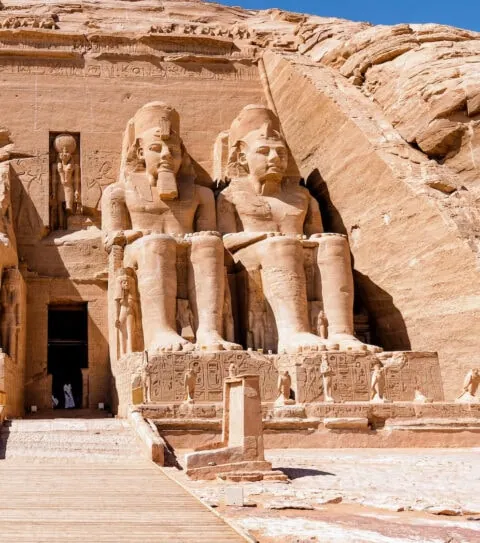
Abu Simbel stands as the most spectacular example of ancient Egyptian engineering and modern conservation working together. The twin temples, carved directly into solid rock by Ramesses II around 1264 BCE, were meticulously cut into blocks and rebuilt 65 meters higher and 200 meters inland from their original location.
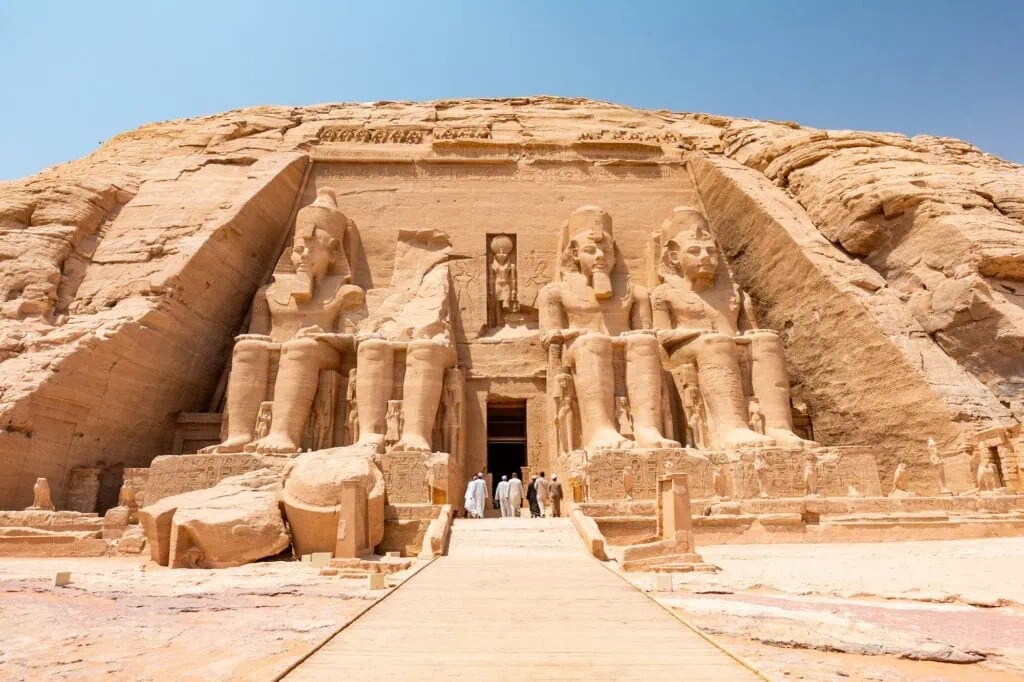
The Great Temple’s four colossal statues of Ramesses II, each standing 20 meters (66 feet) tall, guard the entrance to chambers decorated with vivid hieroglyphs and battle scenes. The smaller temple, dedicated to Queen Nefertari and the goddess Hathor, showcases equally impressive artistry with its facade featuring six standing figures.
What makes Abu Simbel truly extraordinary is the solar alignment phenomenon. Twice yearly, on February 22nd and October 22nd, the rising sun penetrates the temple’s inner sanctuary, illuminating the statues of Ramesses II, Ra-Horakhty, and Amun-Ra while leaving Ptah, god of darkness, in shadow.
Tomb of Pennut: A Glimpse into Nubian Administration
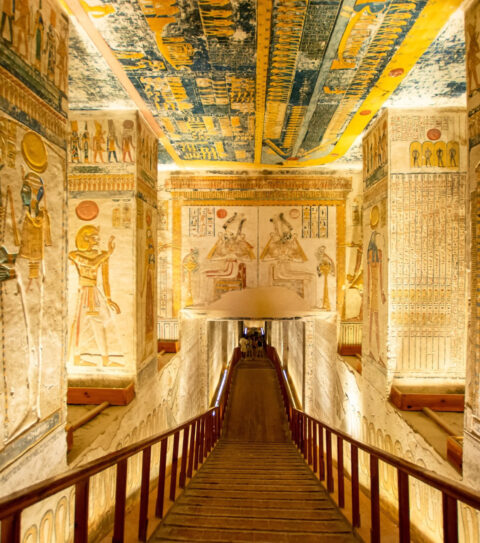
Less monumental but historically significant, the Tomb of Pennut provides rare insight into Egypt’s administrative control over ancient Nubia during the Ramesside period. Pennut served as “Deputy of Wawat” under Ramesses VI (20th Dynasty), overseeing taxation and royal authority in Lower Nubia.
Originally located at Aniba, the tomb was dismantled and relocated near the New Kalabsha site before the region was flooded by Lake Nasser. Unlike the grand temples, this rock-cut tomb offers a more intimate experience, with reliefs depicting Pennut before various deities as well as scenes reflecting his official duties.
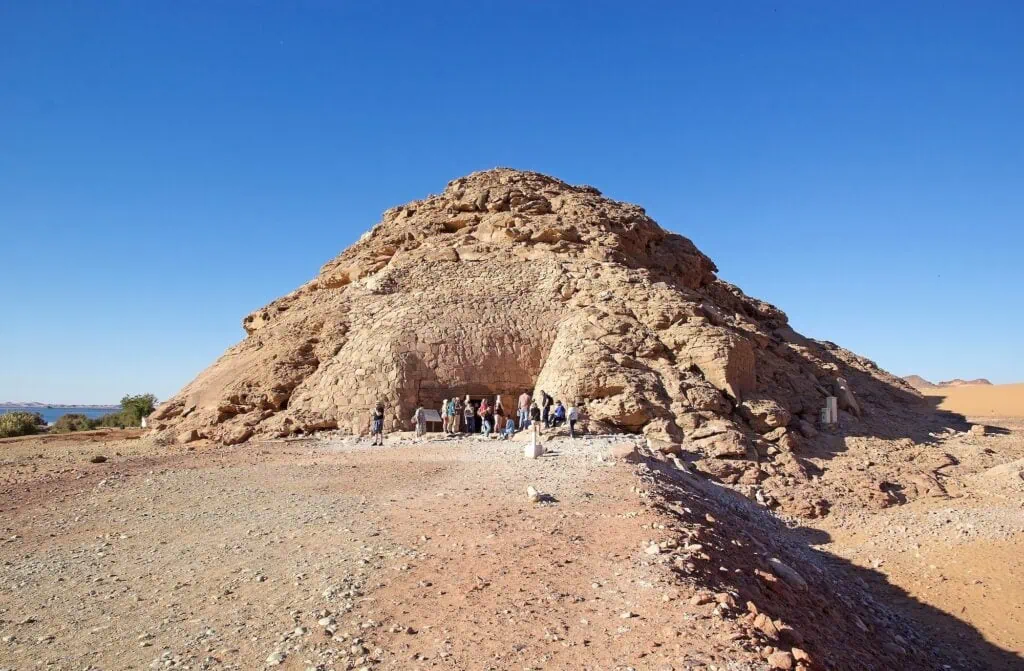
The tomb’s inscriptions reinforce the political and economic importance of Nubia to the Egyptian state, making it a compelling stop for travelers interested in governance, provincial administration, and the lived realities behind Egypt’s imperial expansion.
While it does not rival Abu Simbel in scale, the Tomb of Pennut enriches any Lake Nasser itinerary by adding human dimension and historical depth to the monumental landscape.
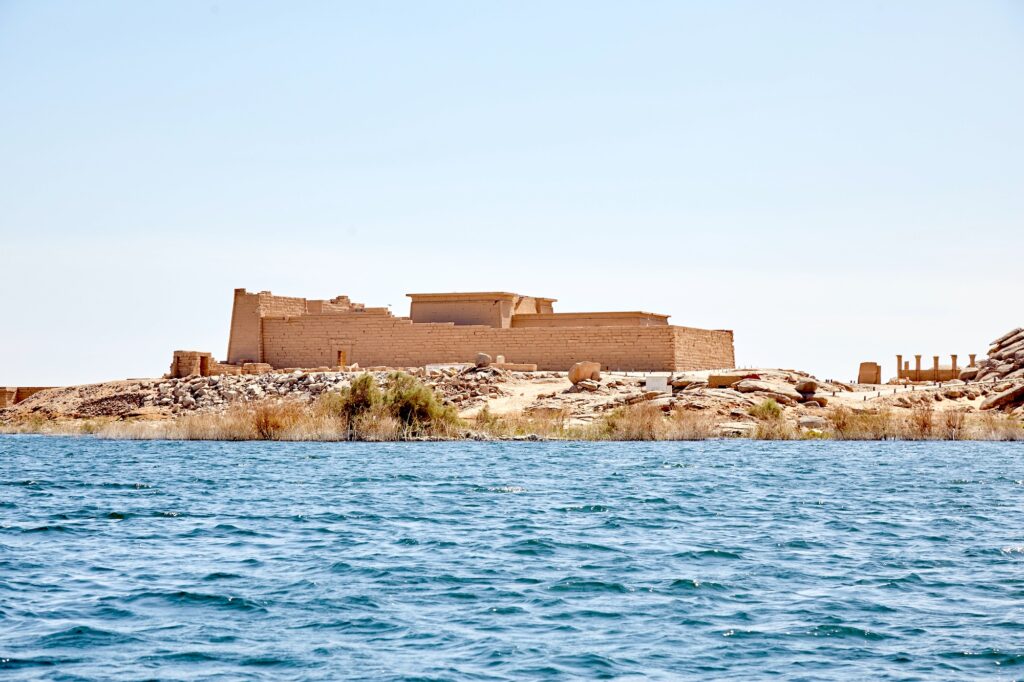
Kalabsha Temple
The largest free-standing temple in Lower Nubia, Kalabsha Temple was dedicated to the Nubian god Mandulis. Built during the Roman period around 30 BCE, the temple showcases a fascinating blend of Egyptian and Roman architectural elements.
Lake Nasser Cruise Experiences
Cruising Lake Nasser offers an entirely different perspective from traditional Nile cruises between Luxor and Aswan. The lake’s remote location means fewer crowds and more intimate encounters with ancient sites.
Our recommended vessels, including the luxurious Prince Abbas and Kasr Ibrim, provide comfortable accommodations for multi-day journeys. These purpose-built ships navigate the lake’s calm waters, offering panoramic views of the desert landscape and approaching temples from the water – exactly as ancient visitors would have experienced them.
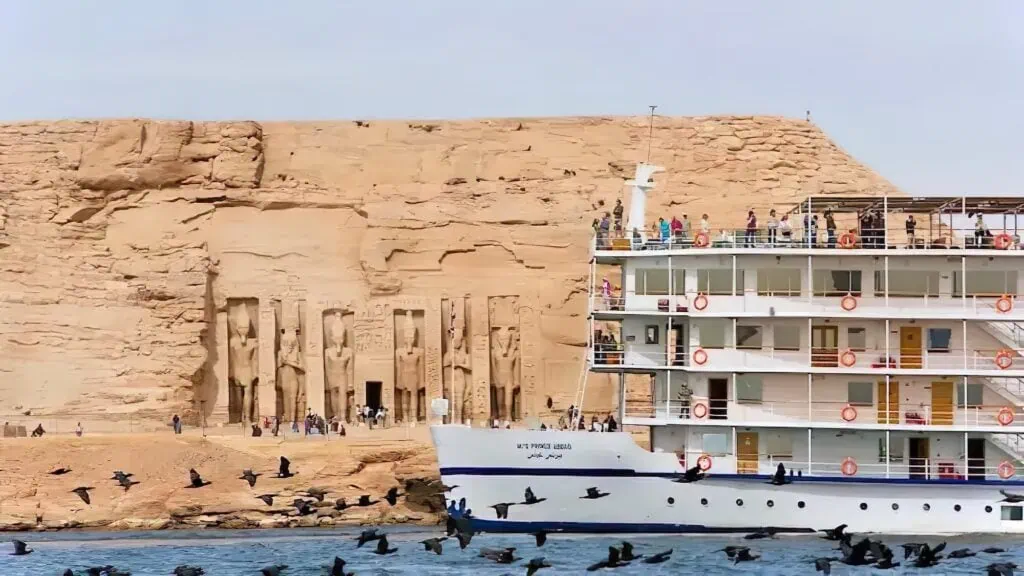
Most Lake Nasser cruises operate between February and October, avoiding the winter months when water levels can be unpredictable. The typical 4-day, 3-night itinerary includes Abu Simbel, Kalabsha, Wadi El-Seboua, and other relocated temples, with guided excursions conducted in small groups of up to 12 participants.
Wadi El-Seboua: Valley of Lions
This site contains two temples relocated from different locations along the original Nile course. The Temple of Dakka, dedicated to Thoth, and the Temple of Maharraqa showcase Ptolemaic and Roman-period architecture. The name “Valley of Lions” comes from the avenue of sphinx statues that once lined the approach to one of the temples.
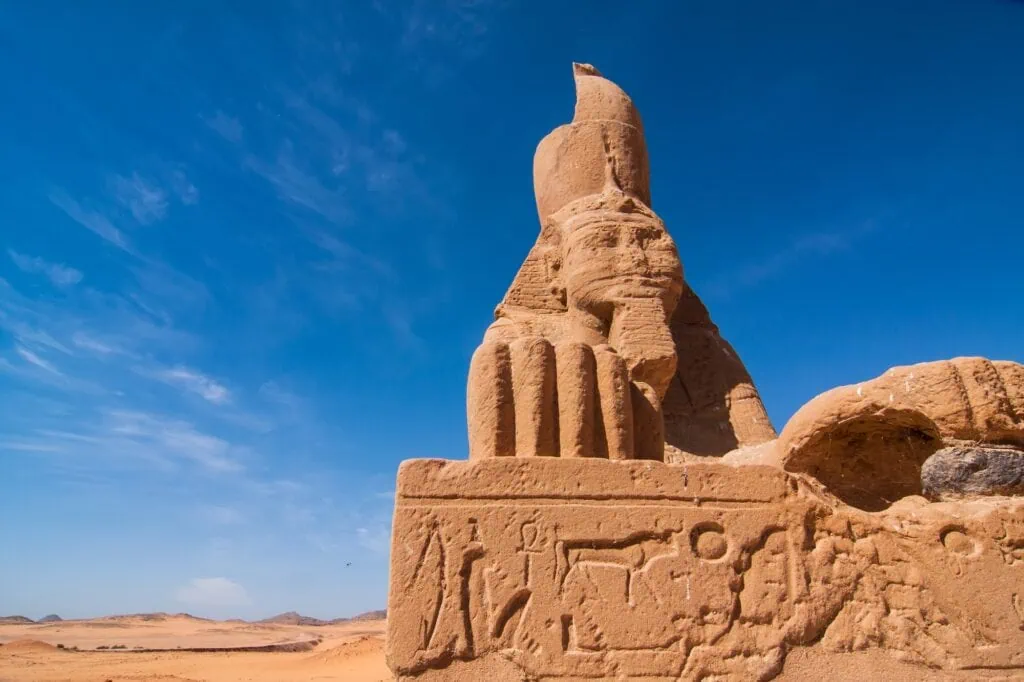
Unlike the more famous sites, Wadi El-Seboua offers a quieter, more contemplative experience. The temples sit in a natural wadi surrounded by golden sand dunes, creating dramatic photographic opportunities, especially during sunrise and sunset.
Fishing and Wildlife Adventures
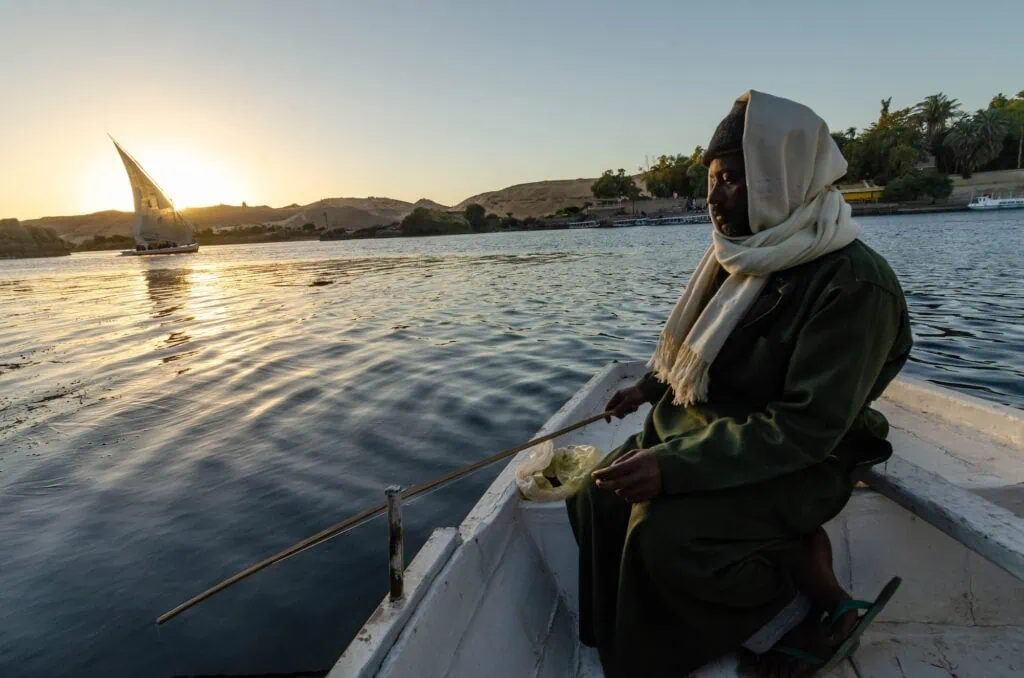
Lake Nasser has earned international recognition as one of the world’s premier fishing destinations. The massive reservoir supports thriving populations of Nile perch, some reaching record-breaking sizes of over 100 kilograms (220 pounds).
Professional fishing charters operate from Aswan, offering both day trips and multi-day expeditions. Peak fishing seasons run from October through April when water temperatures are optimal. Tiger fish, catfish, and various cichlid species also inhabit these waters.
Beyond fishing, Lake Nasser provides critical habitat for Egypt’s last remaining population of Nile crocodiles. These ancient predators, once common throughout the Nile system, now survive only in the lake’s remote southern reaches. Crocodile sightings require patience and local expertise, but successful encounters create unforgettable memories.
The lake serves as an important wintering area for migrating birds traveling along the Nile flyway. Species including the rare African skimmer, various herons, ibises, and waterfowl gather in significant numbers between November and March. Early morning and evening boat excursions offer the best wildlife viewing opportunities.
Nubian Culture and Desert Excursions
Traditional Nubian Villages
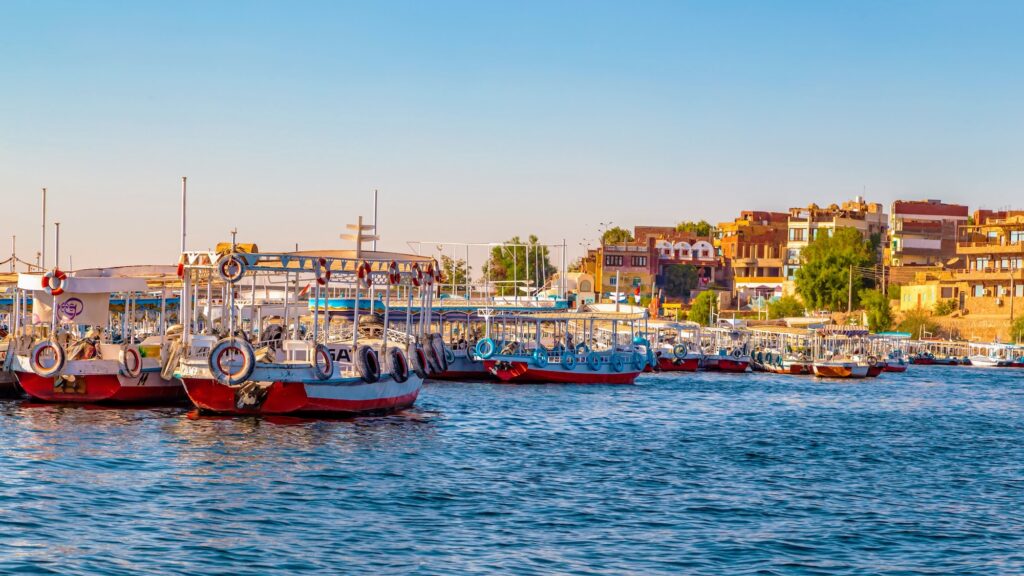
Several Nubian communities relocated from their ancestral lands now call the Lake Nasser shores home. These villages maintain traditional architecture, crafts, and customs that date back millennia.
Village visits provide insights into Nubian daily life, traditional music, and distinctive artistic traditions. Many families welcome visitors into their colorfully painted homes, sharing stories of their heritage and the challenges of relocation following the dam’s construction.
Desert Adventures Beyond the Water
The surrounding Eastern Sahara offers excellent hiking and camel trekking opportunities. Guided excursions explore ancient caravan routes, prehistoric rock art sites, and natural springs hidden among granite outcrops and sand dunes.
Camel rides at sunset create magical experiences as the desert transforms from blazing heat to cool evening temperatures. The clear, unpolluted skies above Lake Nasser provide exceptional stargazing conditions, with the Milky Way visible to the naked eye on moonless nights.
Local Bedouin guides share knowledge of desert survival techniques, medicinal plants, and traditional navigation methods still used by nomadic tribes.
Practical Planning for Lake Nasser
Best Times to Visit
October through April offers the most comfortable weather conditions, with daytime temperatures ranging from 25-30°C (77-86°F). December through February provides the coolest conditions but may have stronger winds affecting boat operations.
Summer months (May through September) bring extreme heat exceeding 40°C (104°F), making outdoor activities challenging during midday hours.
Transportation Options
Most visitors reach Lake Nasser through Aswan, either by flying into Aswan Airport or taking the overnight sleeper train from Cairo. Private air-conditioned vehicles transport guests to Abu Simbel (280 kilometers/174 miles south of Aswan) or cruise embarkation points.
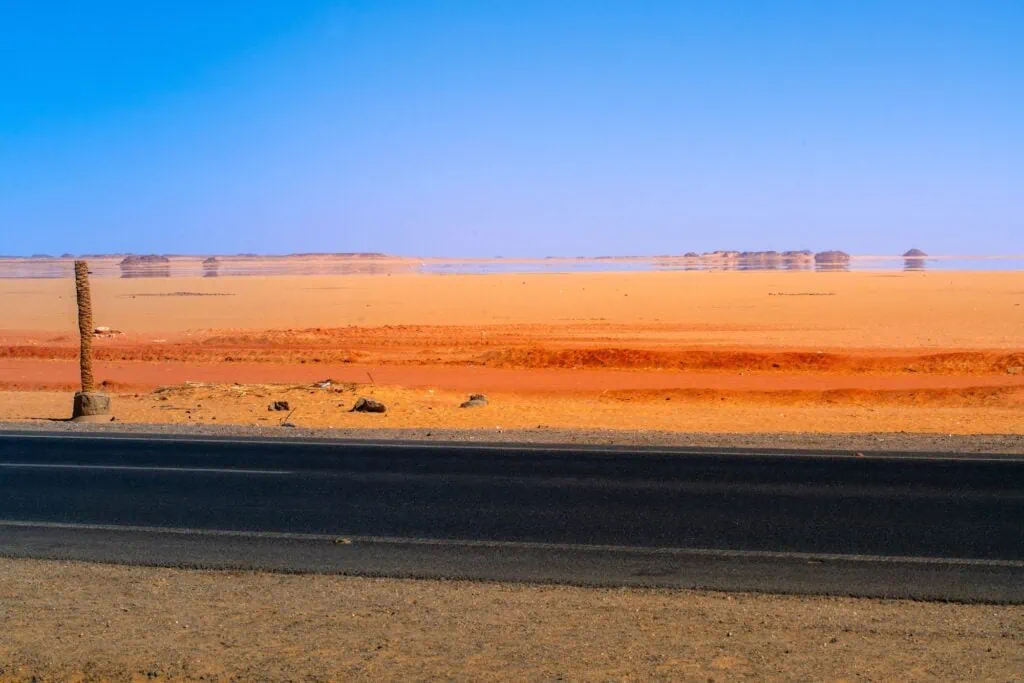
For independent travelers, daily flights connect Aswan and Abu Simbel, though advance booking is essential during peak season. Road travel requires early morning departures to avoid midday heat.
What to Bring
Desert conditions demand specific preparations. High-SPF sunscreen, wide-brimmed hats, and UV-protective clothing are essential. Comfortable walking shoes with good grip help navigate temple courtyards and boat decks.
Bring extra memory cards for cameras – the photographic opportunities at Lake Nasser exceed most visitors’ expectations. Binoculars enhance wildlife viewing and allow detailed examination of temple reliefs from the water.
Frequently Asked Questions
Most visitors choose 3-4 day cruise itineraries that cover the major temples, though day trips to Abu Simbel from Aswan are also popular.
Swimming is possible in designated areas, though most visitors prefer the pools aboard cruise vessels due to the presence of crocodiles in remote sections.
Lake Nasser cruises focus on relocated temples and natural experiences, while traditional Nile cruises between Luxor and Aswan emphasize pharaonic sites in their original locations.
The finest accommodations are aboard purpose-built cruise vessels, as land-based luxury hotels are limited in this remote region.
Yes, the area is considered very safe for tourists, with experienced local guides and well-established tourism infrastructure.
Nile crocodiles are most active during early morning and late afternoon hours, particularly in the southern sections of the lake away from boat traffic.
Significantly less crowded than Valley of the Kings or Karnak Temple, offering more peaceful exploration experiences.
Fishing permits are arranged by charter operators and are typically included in organized fishing expeditions.
The scale of the statues, the precision of the relocation project, and the solar alignment phenomenon make Abu Simbel unique among ancient Egyptian monuments.
Yes, though the remote location and boat-based transportation require consideration for families with very young children.
Standard photography is permitted in most areas, though flash photography and tripods may be restricted inside certain chambers.
Lake Nasser focuses on freshwater fishing and wildlife viewing, while the Red Sea offers coral reefs and marine life diving experiences.
Don’t miss Egypt’s greatest treasures
Highlights of Egypt
Design Your Custom Tour
Explore Egypt your way by selecting only the attractions you want to visit
Explore must-see sights across Sinai, the Sahara, along the Nile, and around Lake Nasser — complete regional guides.