

Wadi El Rayan – A Beautiful Oasis Complete with Lakes and Waterfalls
Few destinations combine natural wonder with surreal beauty like Wadi El Rayan.
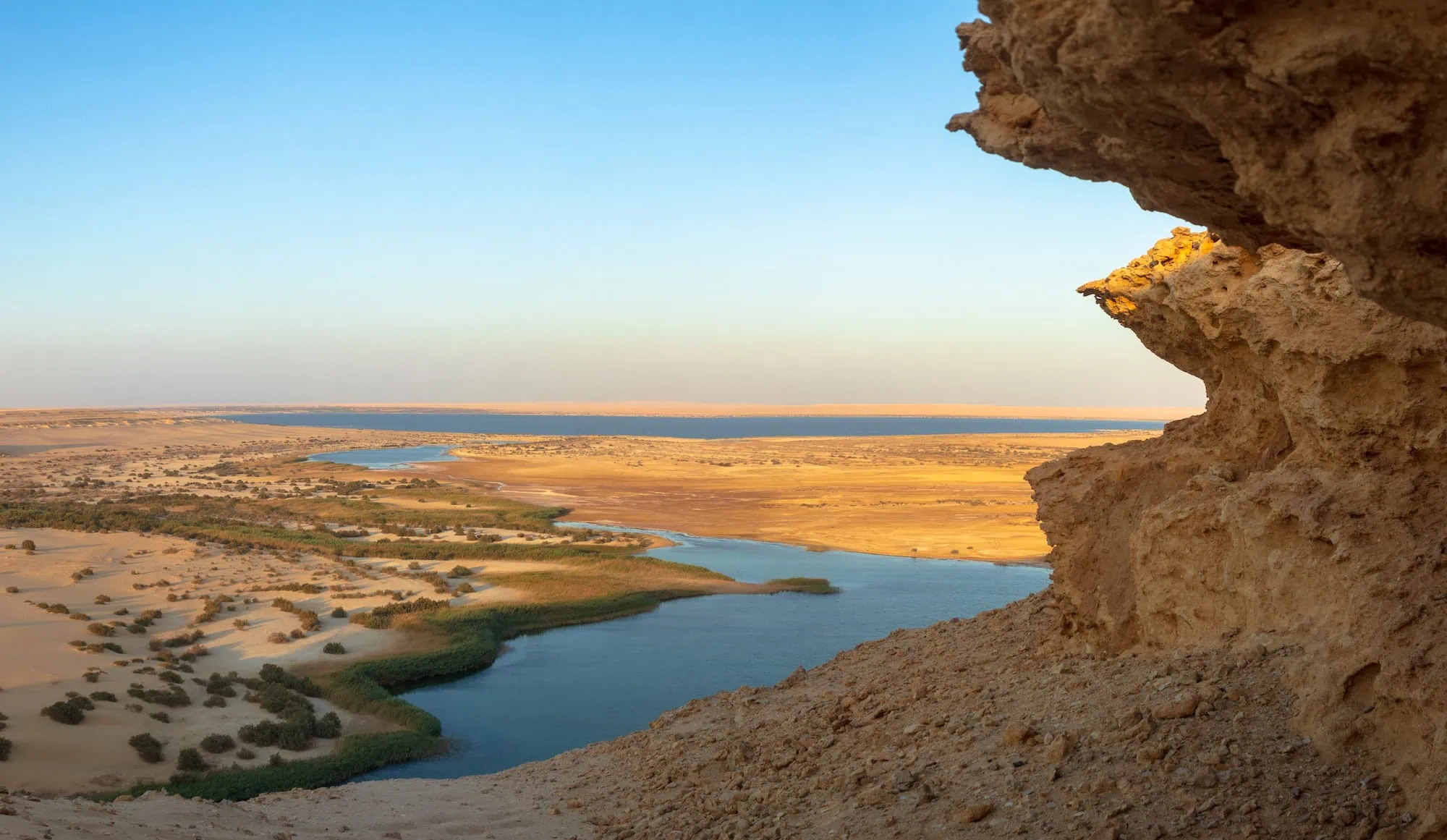
Picture two shimmering lakes connected by Egypt’s only natural waterfall, surrounded by rolling desert dunes and pristine wilderness. Located in the Fayoum Oasis, this protected nature reserve offers an escape from civilization just two hours southwest of Cairo. We’ve explored every corner of this remarkable landscape, from the Magic Lake’s color-changing waters to the fossil-rich valleys where ancient whales once roamed. The experience feels almost otherworldly – a place where desert meets water in ways that challenge everything you thought you knew about Egyptian landscapes.
Whether you’re seeking adventure through sandboarding and desert safaris or simply want to witness one of nature’s most unusual creations, Wadi El Rayan delivers experiences that linger long after you return home.
Table of Contents
The Natural Wonder That Defies the Desert
Spanning 1,759 square kilometers of Fayoum’s western desert, Wadi El Rayan represents one of Egypt’s most extraordinary natural phenomena. The reserve sits 42 meters below sea level, creating a unique depression where two artificial lakes have transformed barren desert into a thriving ecosystem. What makes this place truly special isn’t just its size or location – it’s the way water and sand have learned to coexist in perfect harmony.
Egypt’s Only Natural Waterfall
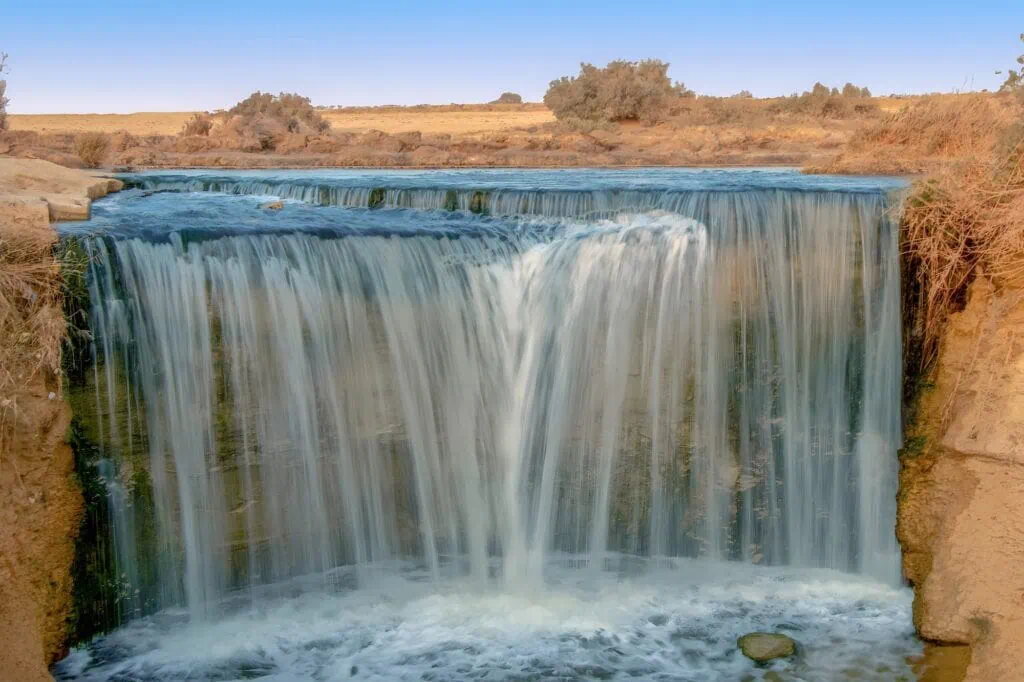
The waterfall connecting the upper and lower lakes stands as Egypt’s singular natural cascade. Water tumbles approximately 10 meters (33 feet) from the upper lake to the lower, creating a constant symphony that echoes across the surrounding dunes. During peak flow periods, the sound can be heard from over a kilometer away. This isn’t just a trickle – we’re talking about substantial water movement that has carved intricate patterns into the desert floor over decades.
The Two-Lake System
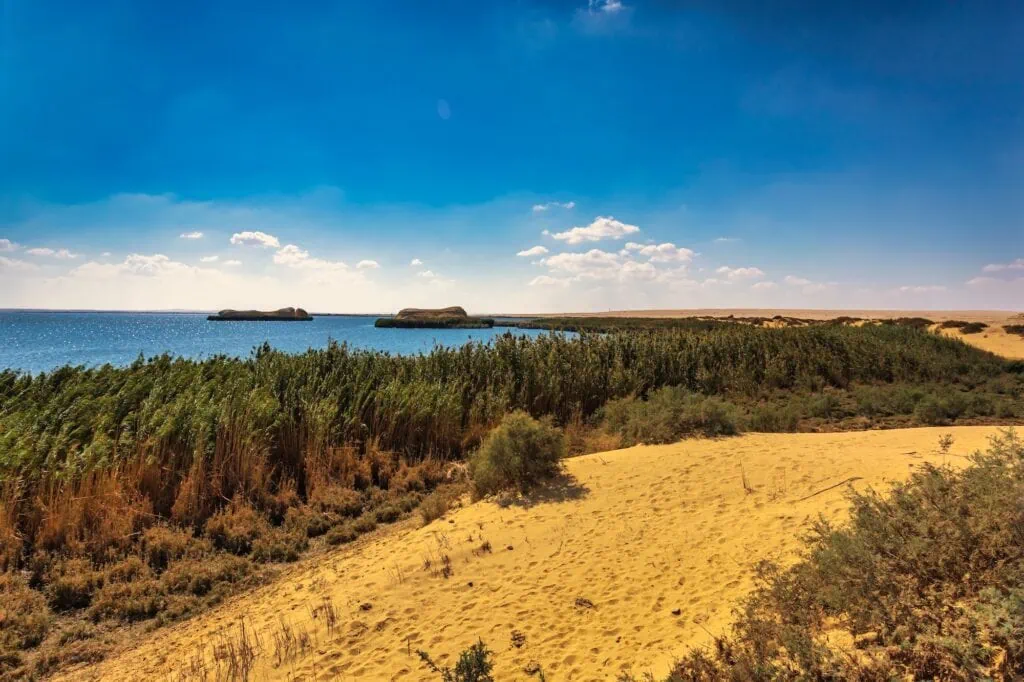
The upper lake covers roughly 50 square kilometers, while the lower lake spans about 62 square kilometers. These bodies of water weren’t always here – they formed in the 1970s when agricultural drainage water from Fayoum was diverted into this natural depression. What started as a practical solution for excess irrigation water evolved into something far more remarkable. Fish populations flourished, birds discovered new migration routes, and the entire ecosystem began supporting life forms that had never existed in this part of the desert.
Desert Meets Oasis
Sand dunes rise directly from the water’s edge in many areas, creating landscapes that photographers dream about. The contrast feels almost impossible – one moment you’re watching fish jump in clear blue water, the next you’re climbing golden sand hills that shift with every wind. This unique geography makes Wadi El Rayan unlike any other protected area in Egypt.
Wildlife and Ecosystem Wonders
Nature has embraced Wadi El Rayan with remarkable enthusiasm. The protected status, established in 1989, has allowed diverse species to flourish in ways that surprise even experienced naturalists.
Bird life here defies typical desert expectations. Over 169 species have been recorded, including flamingos that arrive during winter months, turning sections of the lakes pink with their presence. Herons, egrets, and various waterfowl have established permanent colonies along the shorelines. During spring and autumn migrations, the lakes serve as crucial stopping points for birds traveling between Europe and Africa. We’ve watched massive flocks of white storks spiral upward on thermals rising from the warm water before continuing their ancient journeys.
The mammal population includes Dorcas gazelles, which were reintroduced after local extinctions. These graceful antelopes have adapted perfectly to the mixed terrain, moving easily between desert areas and lakeside feeding grounds. Desert foxes patrol the dunes at night, while various bat species roost in the rocky outcrops that dot the landscape. Sand cats, though rarely seen, leave their distinctive paw prints in the fine sand near water sources.
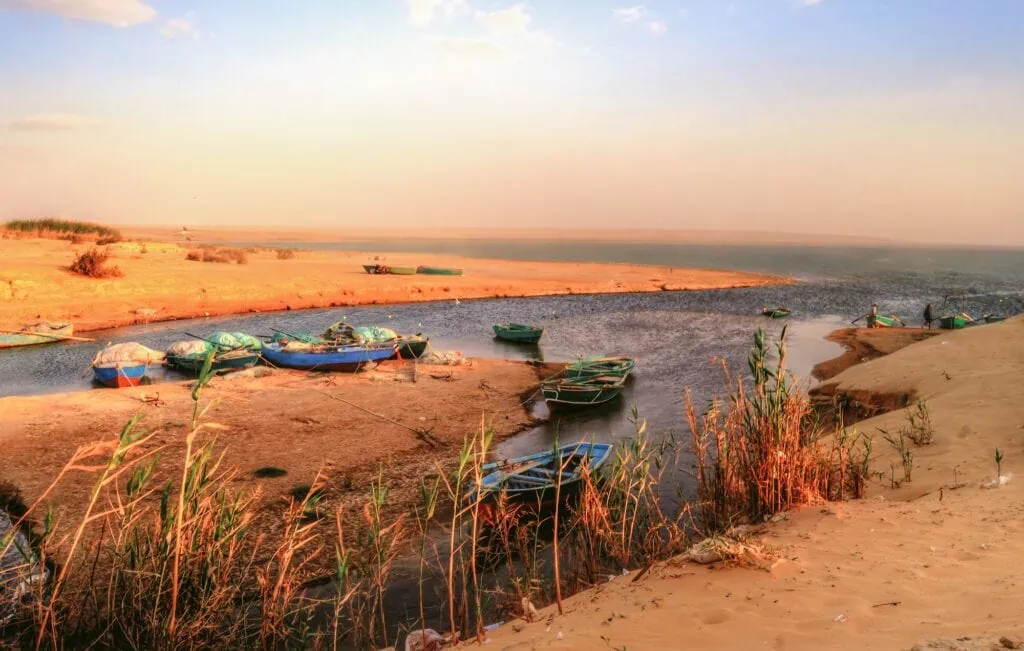
Fish populations have established themselves so successfully that local fishing has become sustainable within the reserve’s management guidelines. Several species thrive in the mineral-rich waters, supporting both wildlife and limited human activity. The lakes maintain surprisingly good water quality despite their artificial origins, partly due to the constant flow system that prevents stagnation.
Reptile and insect life adds another layer to this complex ecosystem. Desert monitor lizards bask on rocks near the waterfall, while various snake species find shelter in the transitional zones between water and sand. The invertebrate population supports the entire food chain, from the tiny organisms that fish depend on to the beetles and spiders that sustain the bird populations.
Adventure Activities in the Desert Paradise
Sandboarding the Golden Dunes
The dunes surrounding Wadi El Rayan offer some of Egypt’s finest sandboarding terrain. Unlike many desert locations where sand can be too loose or too compacted, these slopes provide the perfect consistency for both beginners and experienced riders. The highest dunes reach approximately 100 meters (328 feet), offering thrilling descents with stunning lake views as your backdrop.

We recommend starting on the smaller slopes near the lower lake before progressing to the major dune systems. The sand here maintains ideal conditions most of the year, though early morning and late afternoon provide the best temperatures for extended sessions. Local guides can provide boards and safety equipment, plus they know which slopes offer the smoothest rides on any given day.
4×4 Desert Safari Adventures
Four-wheel drive exploration opens up areas of Wadi El Rayan that remain completely inaccessible by regular vehicles. Professional safari guides navigate routes through unmarked terrain, following GPS coordinates to reach viewpoints that showcase the reserve’s full scale and beauty. These expeditions often combine visits to both lakes, the waterfall, and the mysterious Magic Lake in single day trips.
The Famous Magic Lake Experience
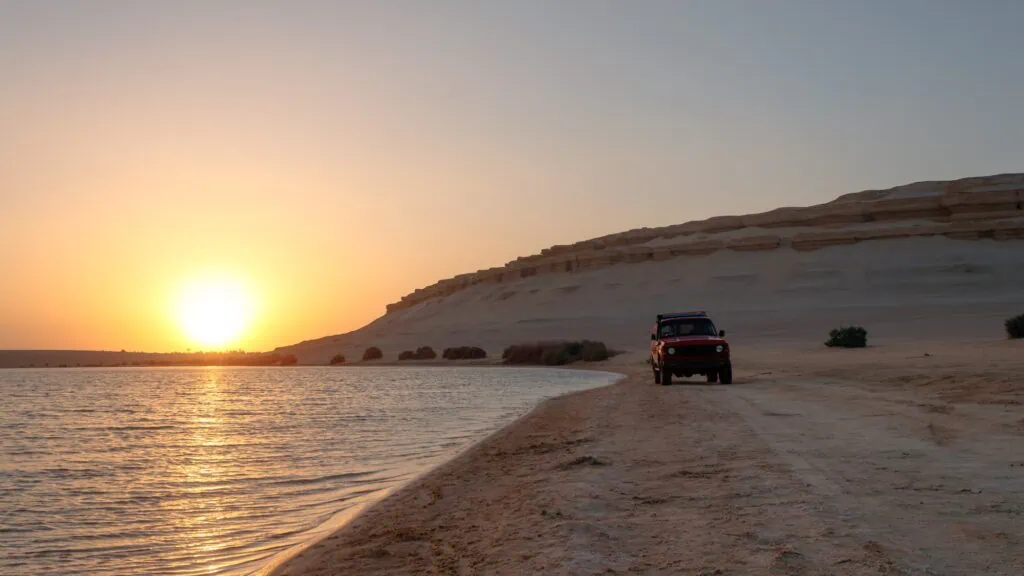
Magic Lake sits several kilometers from the main lake system, requiring off-road vehicles to reach. This smaller body of water earned its mystical name from the way its colors shift throughout the day – appearing deep blue in morning light, turquoise at midday, and sometimes taking on purple or green hues as the sun sets. The phenomenon results from the lake’s unusual mineral content and depth variations, but understanding the science doesn’t diminish the magic of witnessing these transformations firsthand.
Camel Trekking Across Ancient Landscapes
Camel expeditions offer a completely different perspective on Wadi El Rayan’s vastness. These traditional desert journeys move at a pace that allows for wildlife observation and photography impossible during faster vehicle tours. Multi-hour treks can include sunrise or sunset positioning for optimal lighting conditions, while overnight expeditions combine camel travel with desert camping experiences.
Professional camel handlers ensure safety while sharing knowledge about desert navigation techniques that have remained unchanged for centuries. The rhythmic gait of these adapted animals and the silence of desert travel create meditative experiences that contrast beautifully with more adrenaline-focused activities.
Planning Your Wadi El Rayan Adventure
Transportation requires careful consideration since public transport doesn’t reach the reserve directly. Most visitors arrange private vehicles in Cairo or join organized tours that include transportation, meals, and guide services. The journey from central Cairo typically takes 2.5 to 3 hours, depending on traffic and exact departure points.
Entry fees for Wadi El Rayan remain modest – currently 20 Egyptian pounds for international visitors and 5 pounds for Egyptian nationals. These fees support conservation efforts and facility maintenance throughout the reserve. Photography permits cost an additional 50 pounds for professional equipment, though personal cameras and phones don’t require special permits.
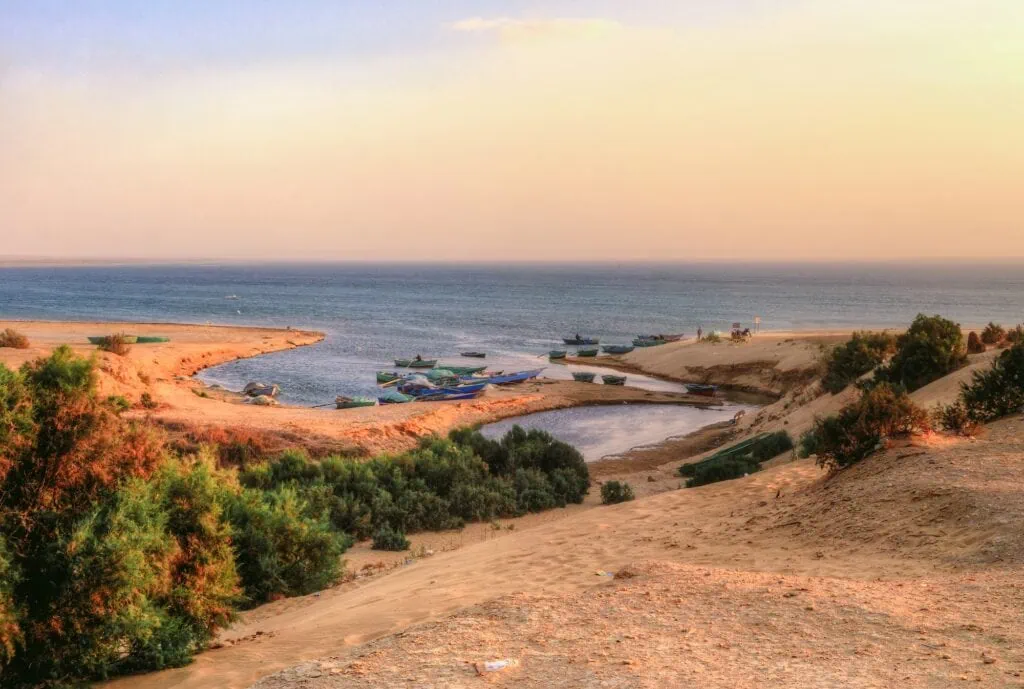
Accommodation options within the reserve are limited to designated camping areas with basic facilities. Many visitors prefer staying in nearby Fayoum city, which offers hotels ranging from budget guesthouses to mid-range properties. The 45-minute drive from Fayoum to Wadi El Rayan allows for comfortable base camps while maintaining easy access to the reserve.
Weather patterns strongly influence the ideal visiting seasons. Winter months from December through February provide the most comfortable temperatures for all-day exploration, with daytime highs around 20-25°C (68-77°F) and cool evenings perfect for stargazing. Spring and autumn offer good conditions with slightly warmer days but still manageable heat levels. Summer visits require early morning starts and late afternoon returns to avoid the intense midday sun that can reach 40°C (104°F) or higher.
Water and sun protection become non-negotiable requirements regardless of season. The desert environment and reflective lake surfaces create intense conditions that can surprise visitors accustomed to more forgiving climates. We always recommend bringing more water than seems necessary – desert air dehydrates travelers faster than most expect.
Connecting with Wadi El Hitan Valley of the Whales
The proximity to Wadi El Hitan adds significant value to Wadi El Rayan visits. This UNESCO World Heritage site lies approximately 40 kilometers (25 miles) northeast of the lakes, making combined tours both practical and rewarding. Wadi El Hitan contains some of the world’s most important whale fossils, preserving evidence of when this entire region lay beneath ancient seas 40 million years ago.
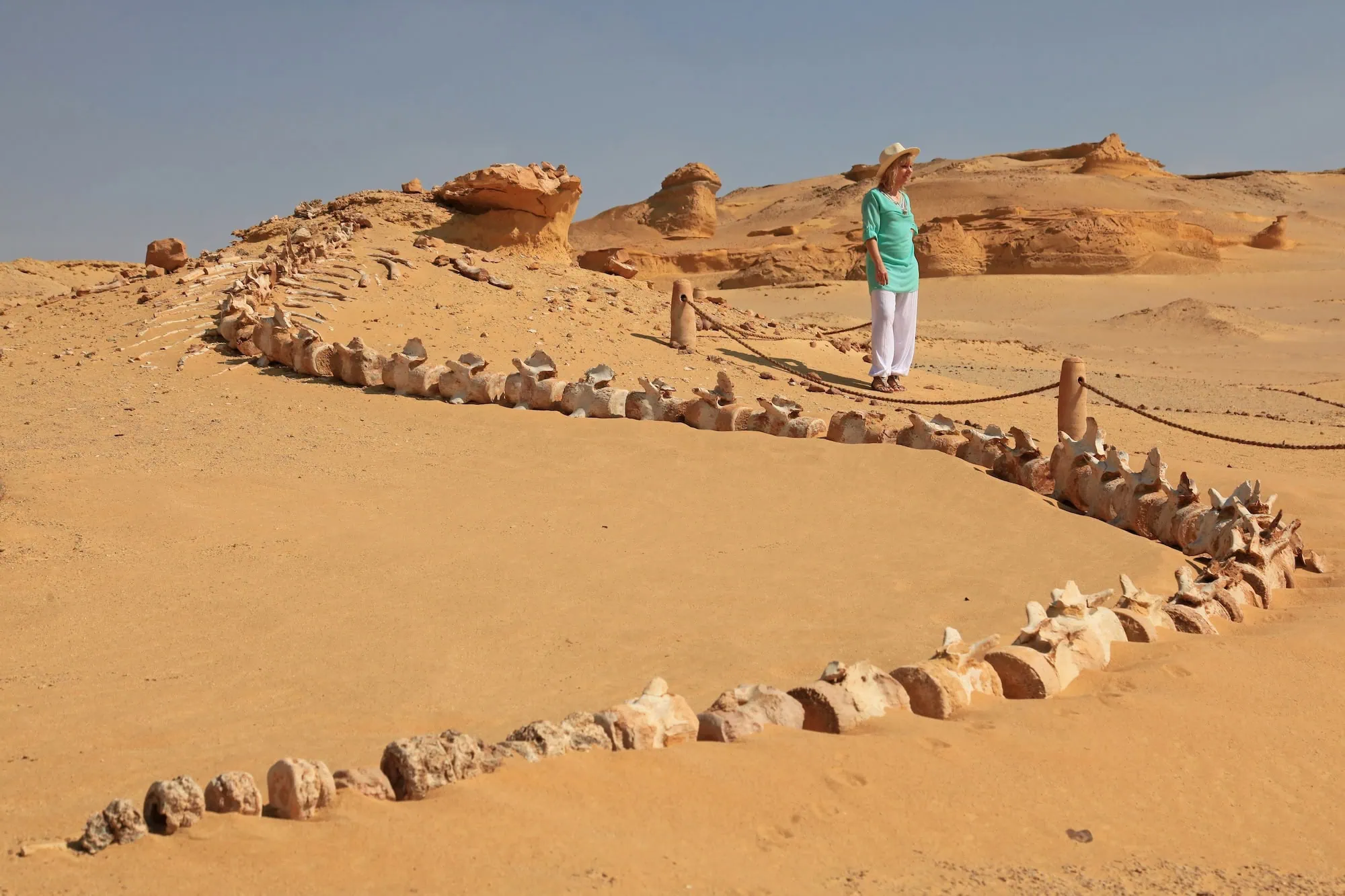
The paleontological significance creates fascinating context for understanding how dramatically landscapes can change over geological time. Where massive whales once swam, visitors now explore desert valleys and man-made lakes that support entirely different forms of life. Professional guides familiar with both sites can weave these connections into comprehensive educational experiences.
Combined tours typically require full days but offer unparalleled insights into both natural history and contemporary conservation efforts. The contrast between Wadi El Rayan’s thriving ecosystem and Wadi El Hitan’s preserved fossils illustrates the incredible diversity of Egypt’s natural heritage beyond the famous pyramids and temples.
Transportation logistics become more complex when visiting both locations, making guided tours or experienced private drivers particularly valuable. Road conditions vary between the two sites, with some routes requiring high-clearance vehicles during certain seasons.
Photography and Best Viewing Times
Golden Hour Magic
Sunrise and sunset transform Wadi El Rayan into a photographer’s paradise. The low-angle light creates dramatic contrasts between the water surfaces and surrounding sand dunes, while the changing colors provide opportunities for spectacular landscape photography. The waterfall area offers particularly striking compositions during these golden hours when the spray catches and reflects the warm light.
Seasonal Variations
Each season brings distinct photographic opportunities. Winter months feature the largest bird populations, including the flamingo flocks that create living pink carpets across portions of the lakes. Spring wildflowers add unexpected color bursts to the typically monochrome desert palette. Summer’s intense heat creates fascinating heat shimmer effects, while autumn’s clear skies provide optimal conditions for wide landscape shots.
Wildlife Photography Considerations
The diverse wildlife requires different approaches and equipment. Bird photography benefits from telephoto lenses and early morning positioning when many species are most active. Mammal photography often requires patience and knowledge of feeding and watering patterns. Desert foxes emerge primarily during twilight hours, making low-light photography skills essential for capturing these elusive creatures.
Professional wildlife photographers often spend multiple days in the reserve to maximize their chances with different species and lighting conditions. The combination of terrestrial and aquatic environments means equipment needs range from macro lenses for insects and small reptiles to wide-angle lenses for landscape contexts.
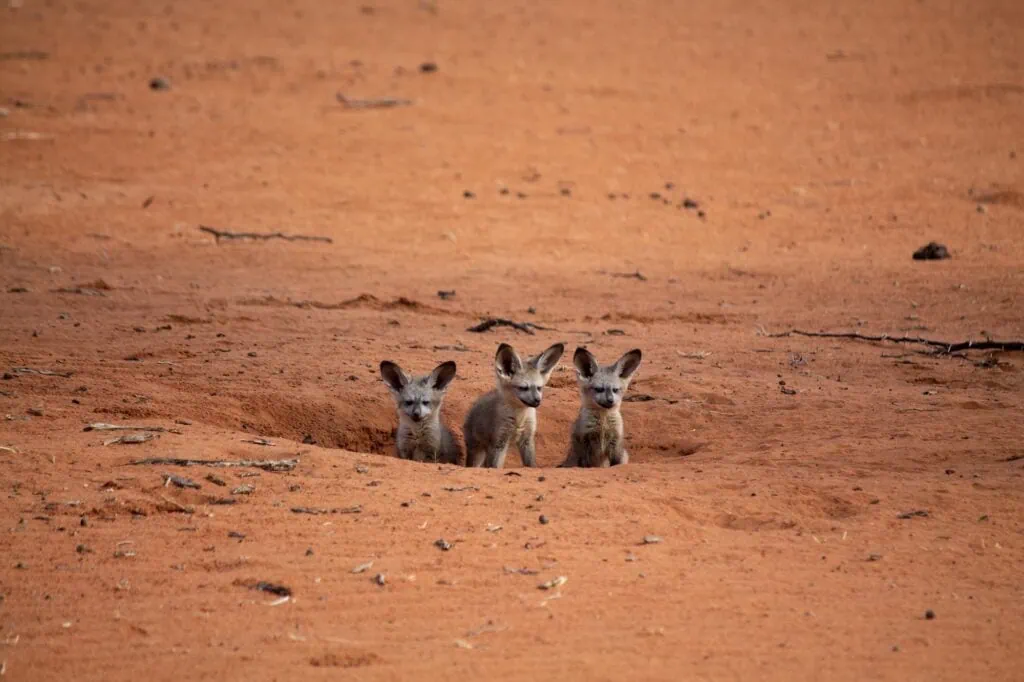
We’ve found that local guides with natural history knowledge dramatically improve photography success rates. They understand animal behavior patterns, know optimal positioning for various shots, and can predict wildlife activity based on weather and seasonal factors that might not be obvious to visiting photographers.
Escape To Nature At Wadi El Rayan
Wadi El Rayan offers a refreshing contrast to Egypt’s ancient monuments—where waterfalls, desert landscapes, and peaceful lakes create a unique natural escape. With EgyptToursPlus, we seamlessly include this hidden gem in a private journey that blends Egypt’s iconic history with unforgettable off-the-beaten-path experiences.
You choose your travel dates, your pace, and the experiences that shape your route. From desert exploration and scenic moments to curated excursions and refined comfort throughout, we tailor every detail around your preferences—ensuring a smooth, balanced, and deeply personal travel experience.
Frequently Asked Questions
Wadi El Rayan lies approximately 150 km southwest of Cairo, with driving times typically ranging from 2.5 to 3 hours depending on traffic and departure point. The protected reserve sits within Egypt’s Fayoum Governorate and is commonly visited as a day trip from Cairo or Giza. Most routes travel through Fayoum Oasis before reaching the lakes and waterfalls area. Early departures around 6:00-7:00 am help avoid Cairo congestion and allow cooler conditions for desert exploration.
The best time to visit Wadi El Rayan is between December and March, when daytime temperatures usually range from 68°F to 82°F (20°C to 28°C). Winter conditions make hiking, wildlife viewing, camping, and photography far more comfortable than during Egypt’s extreme summer heat, which can exceed 104°F (40°C). Birdwatchers also prefer winter because migratory species, including flamingos, arrive in larger numbers. Sunrise and late afternoon visits provide the most dramatic desert lighting and cooler conditions.
Yes, swimming is permitted in designated sections of Wadi El Rayan’s lakes, although water temperatures can feel surprisingly cool because of the lakes’ depth and mineral-rich composition. The reserve contains Egypt’s only natural waterfalls connecting the Upper and Lower Lakes, making it a popular stop for local visitors during warmer months. Strong currents and undeveloped shorelines mean visitors should avoid isolated swimming areas without guidance. Bringing water shoes is helpful because some lakeside sections contain rocky or uneven terrain.
Basic camping facilities exist inside the Wadi El Rayan protected area, although services remain minimal compared to established desert camps or hotels in nearby Fayoum City. Most camping areas provide open desert space rather than permanent infrastructure, so travelers should bring supplies including water, flashlights, and warm clothing for winter nights. Temperatures after sunset can drop sharply between December and February. Many visitors combine overnight camping with stargazing because the reserve has relatively low light pollution compared to Cairo.
Entry to Wadi El Rayan has traditionally cost around 20 Egyptian pounds for international visitors and approximately 5 pounds for Egyptian nationals, although rates can change without notice. Additional charges may apply for private vehicles, camping access, or specialized desert activities inside protected zones. The reserve is managed by Egypt’s environmental authorities as part of the Fayoum Protected Areas network. Carrying small cash denominations is useful because card payment facilities may not always be available near the entrance checkpoints.
Wadi El Rayan supports diverse desert wildlife, including more than 160 recorded bird species alongside Dorcas gazelles, desert foxes, reptiles, and migratory flamingos during winter months. The reserve’s lakes create an unusual wetland ecosystem within Egypt’s Western Desert, attracting species rarely seen elsewhere in the region. Birdwatchers often visit between December and February when migration activity peaks across the Fayoum Oasis. Early morning drives generally offer the best wildlife visibility because desert animals avoid midday heat.
Yes, Wadi El Rayan can be an excellent destination for families and children, especially those interested in nature, desert landscapes, and wildlife observation. The waterfalls, lakes, sand dunes, and open desert spaces create a different experience from Egypt’s archaeological sites. Parents should prepare carefully because temperatures, sun exposure, and limited shade can become challenging, particularly between May and September. Bringing extra water, sunscreen, hats, and snacks is essential for comfortable family visits in the Fayoum desert environment.
Yes, many travelers combine Wadi El Rayan with nearby Wadi Al-Hitan (Valley of the Whales) in a single full-day excursion from Cairo or Fayoum. The two UNESCO-recognized desert attractions sit within the broader Fayoum protected region, but reaching both comfortably requires reliable transportation and an early departure. Wadi Al-Hitan contains fossilized whale skeletons dating back roughly 40 million years, while Wadi El Rayan offers lakes, waterfalls, and birdlife. A 4×4 vehicle is often recommended for smoother desert travel between sites.
Visitors to Wadi El Rayan should bring plenty of drinking water, sunscreen, sunglasses, comfortable walking shoes, and a hat because shade and facilities remain limited across much of the reserve. Camera equipment is highly recommended since the area combines desert dunes, lakes, waterfalls, and wildlife within one landscape. Winter evenings can become unexpectedly cold, so light jackets are useful between December and February. Travelers exploring deeper desert sections or Magic Lake should also carry power banks and basic emergency supplies.
Yes, guided tours are highly recommended for Wadi El Rayan because experienced local guides improve navigation, wildlife spotting, and desert safety across the Fayoum protected area. Professional guides also help visitors combine nearby attractions such as Magic Lake, Valley of the Whales, and Tunis Village efficiently within one itinerary. Desert routes can be confusing for first-time visitors, especially away from the main waterfall road. Egypt Tours Plus often recommends guided 4×4 excursions for travelers planning deeper exploration beyond the main lakes.
Flamingos are most commonly seen at Wadi El Rayan during winter migration season, with the largest populations typically appearing between December and February. The reserve’s lakes provide feeding and resting grounds for migratory birds traveling across North Africa and the Mediterranean flyways. Birdwatchers usually have the best success during early morning hours when wind conditions are calmer and wildlife activity increases. Numbers vary annually depending on rainfall patterns, lake conditions, and broader regional migration cycles.
Standard passenger vehicles can comfortably reach Wadi El Rayan’s main lakes, waterfalls, and paved visitor areas, but 4×4 vehicles are strongly recommended for deeper desert routes and access to Magic Lake. Soft sand, uneven tracks, and remote terrain make off-road driving difficult for ordinary sedans, especially after windy conditions reshape desert paths. Many organized tours use four-wheel-drive vehicles equipped for desert travel and emergency communication. Travelers planning independent exploration should avoid remote dune areas without experienced drivers or proper equipment.
Don’t miss Egypt’s greatest treasures
Highlights of Egypt

Design Your Custom Tour
Explore Egypt your way by selecting only the attractions you want to visit